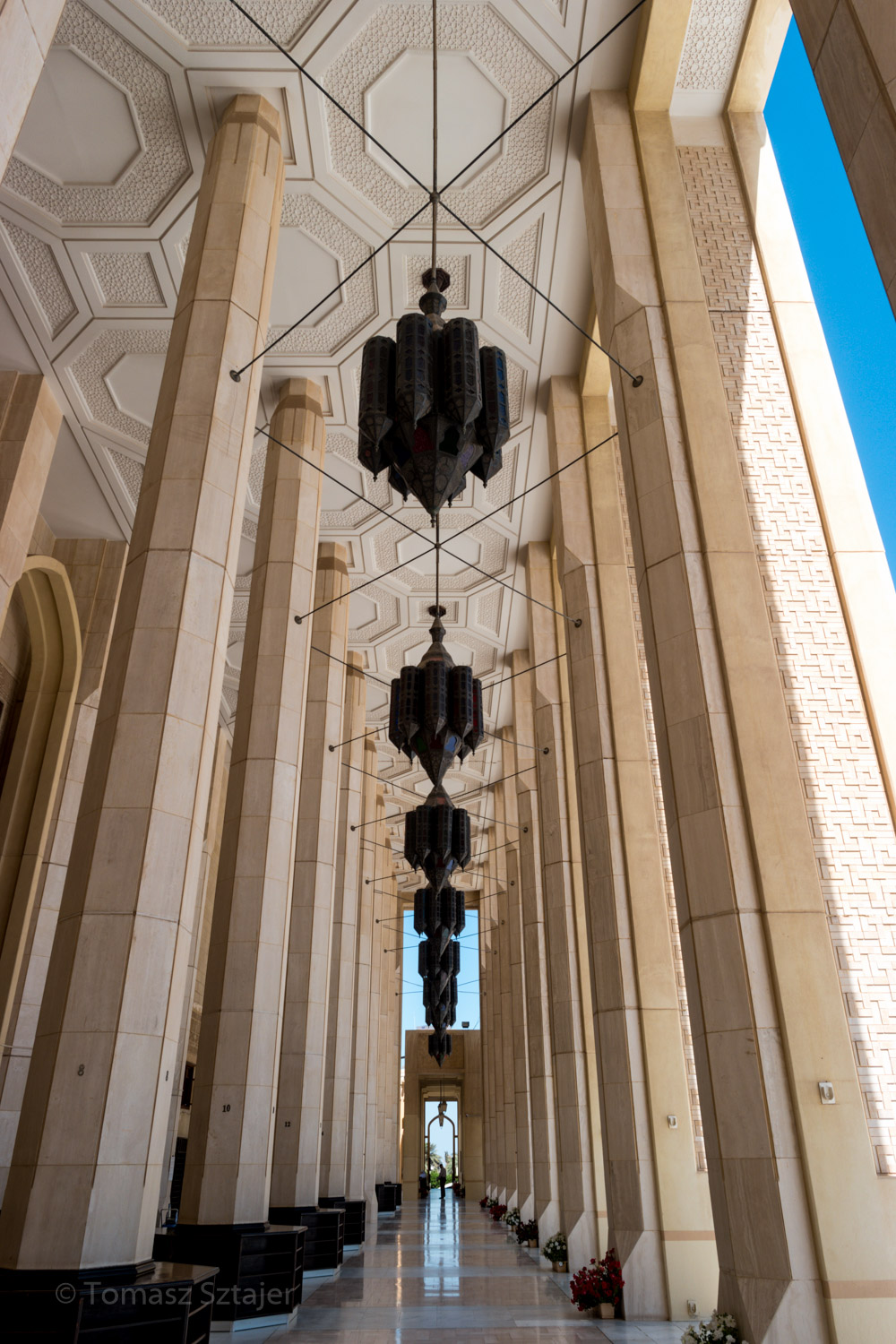
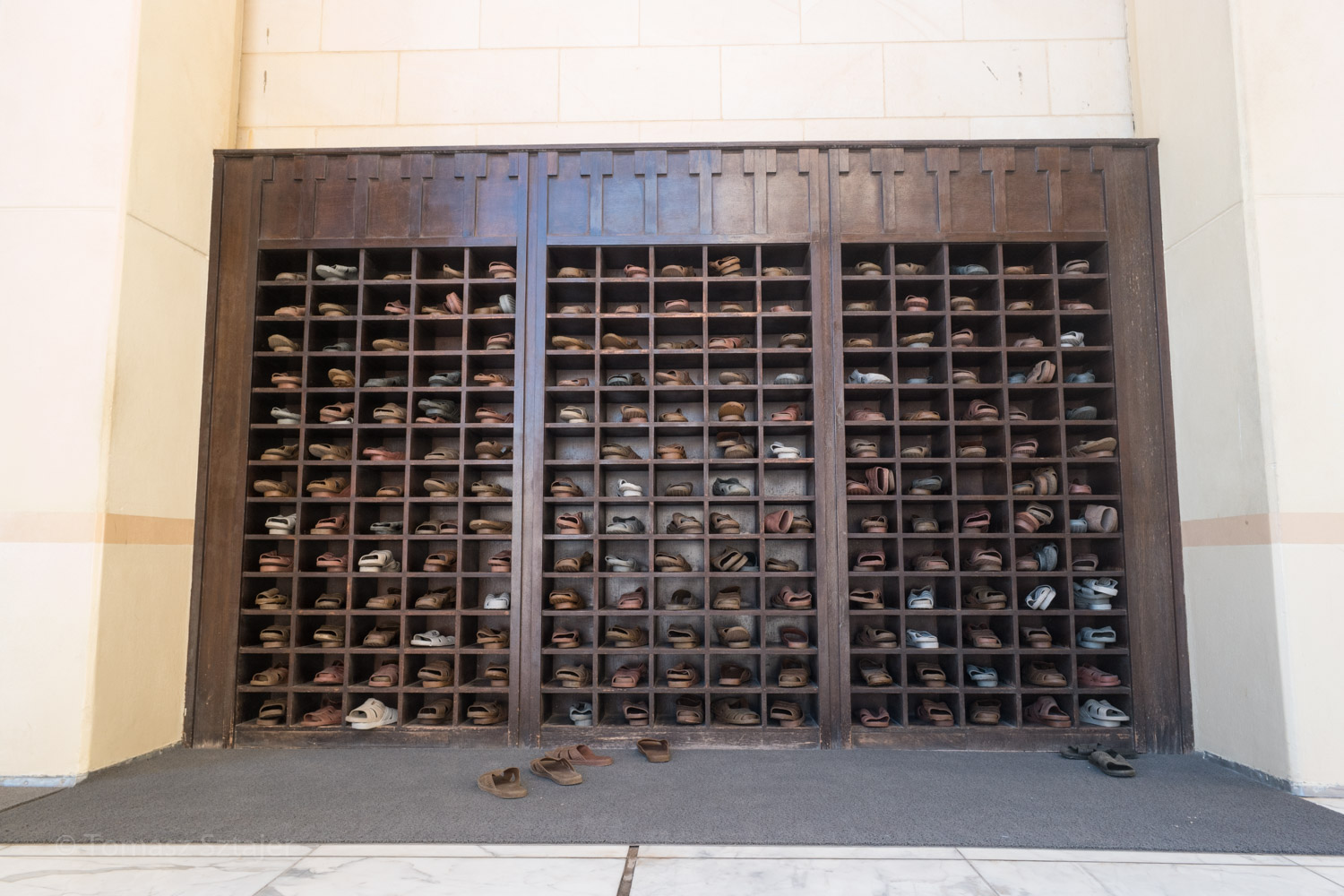
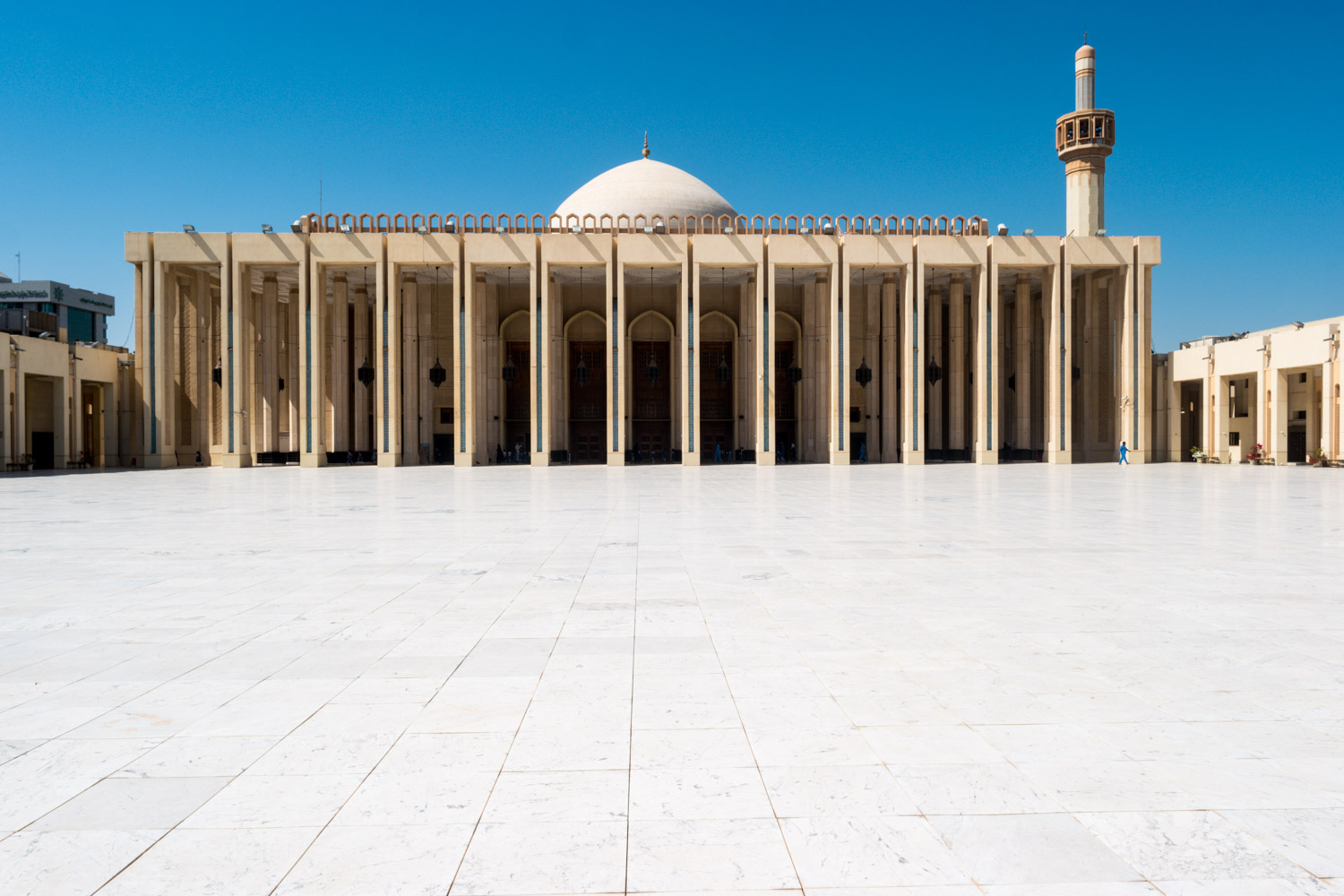
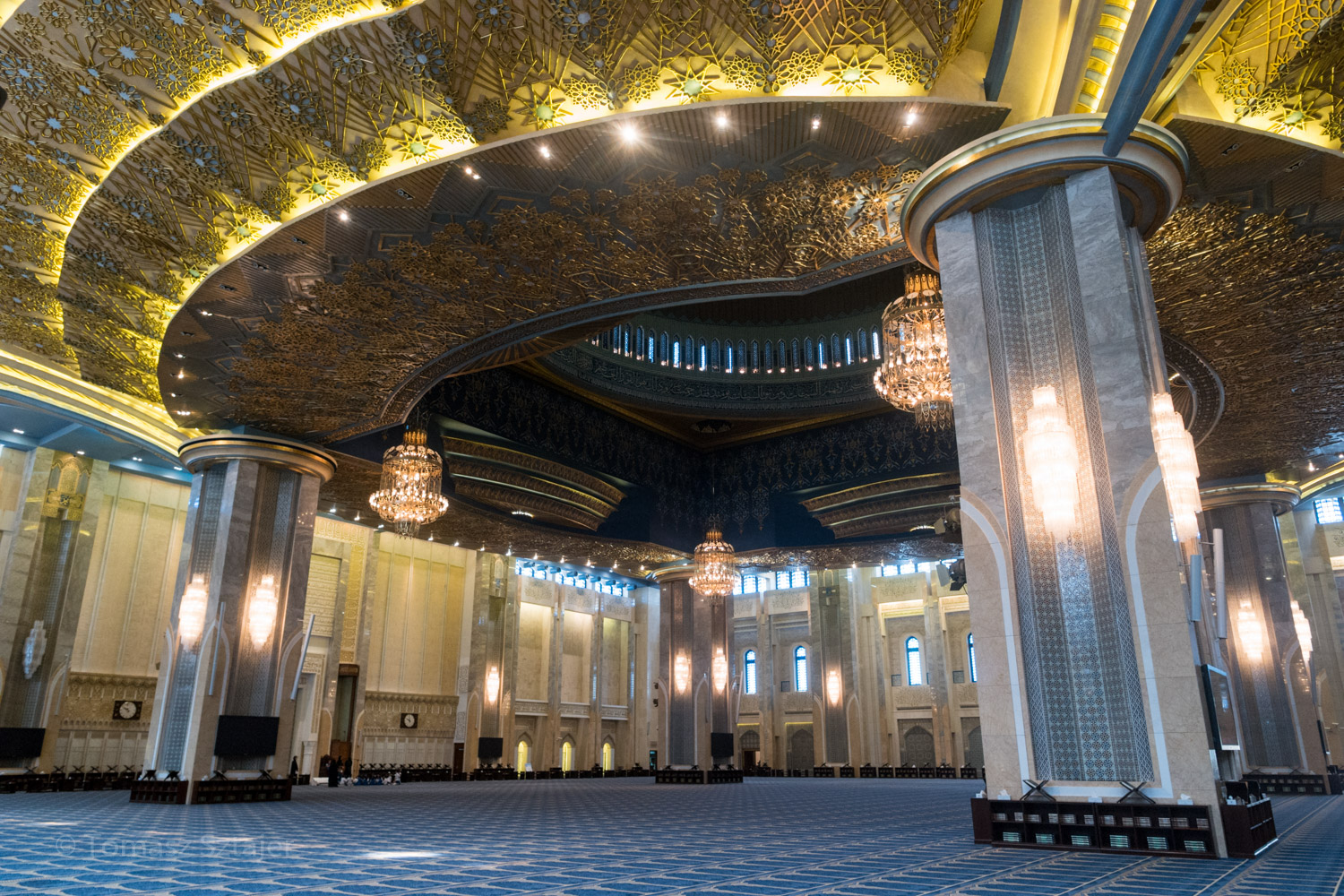
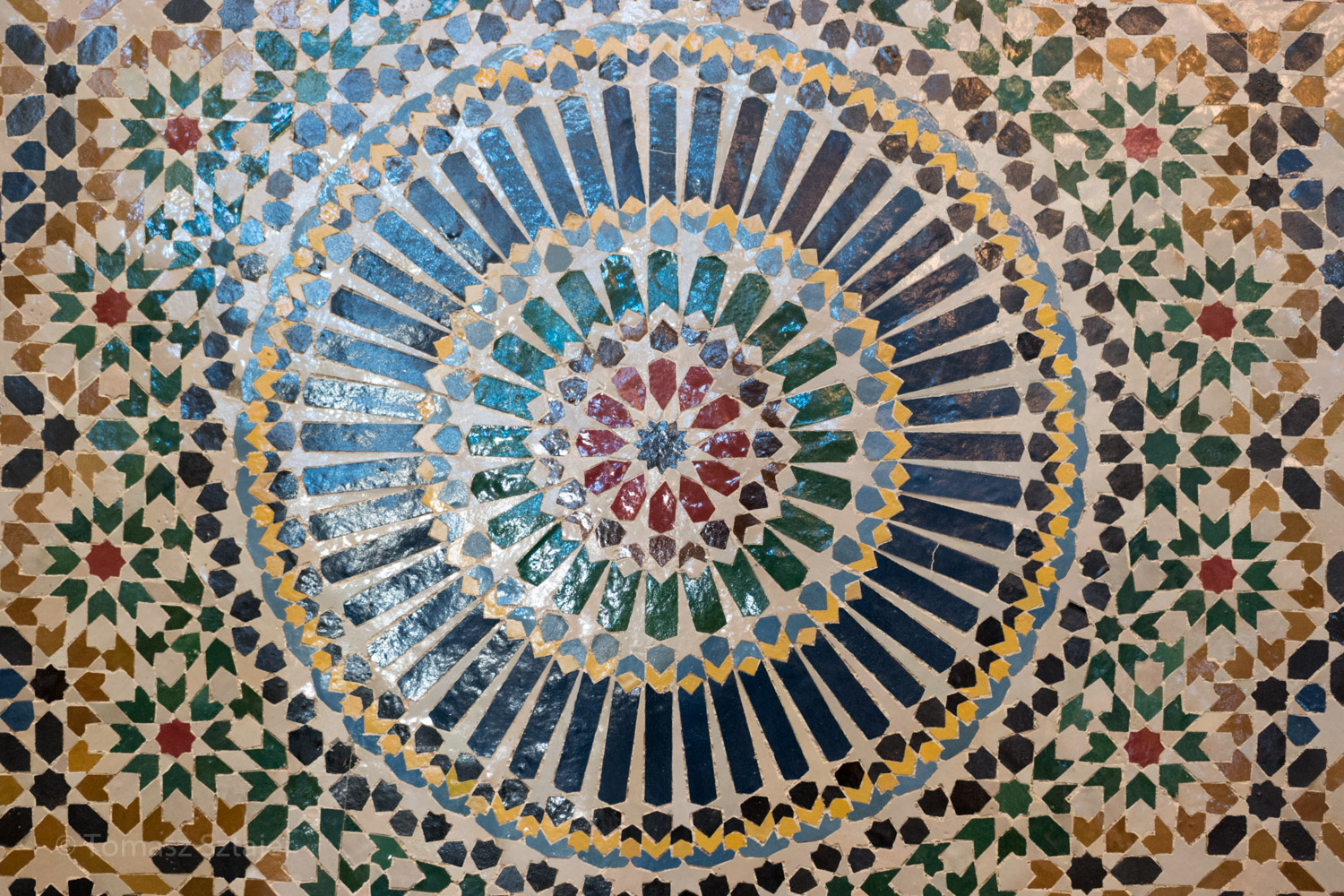
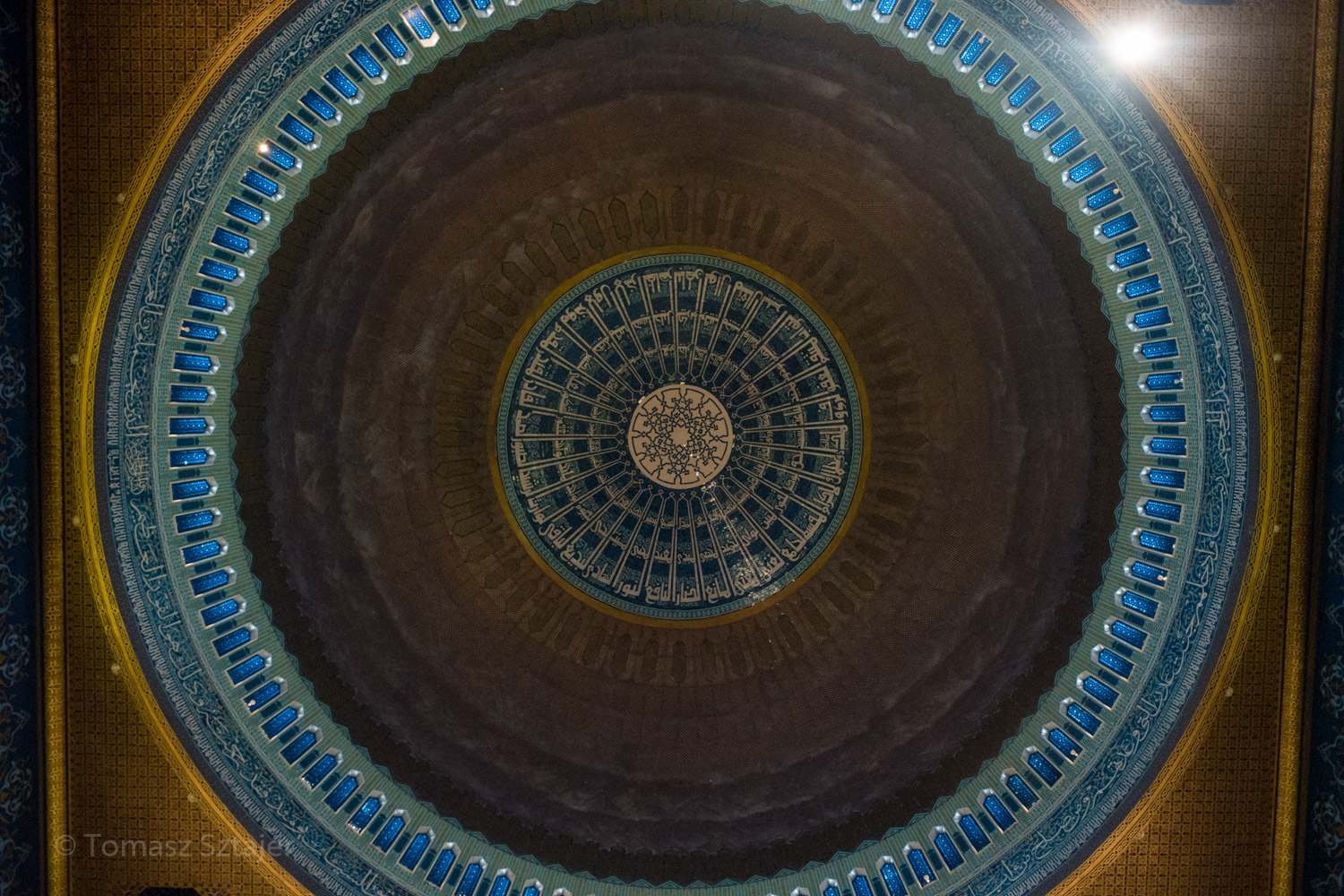
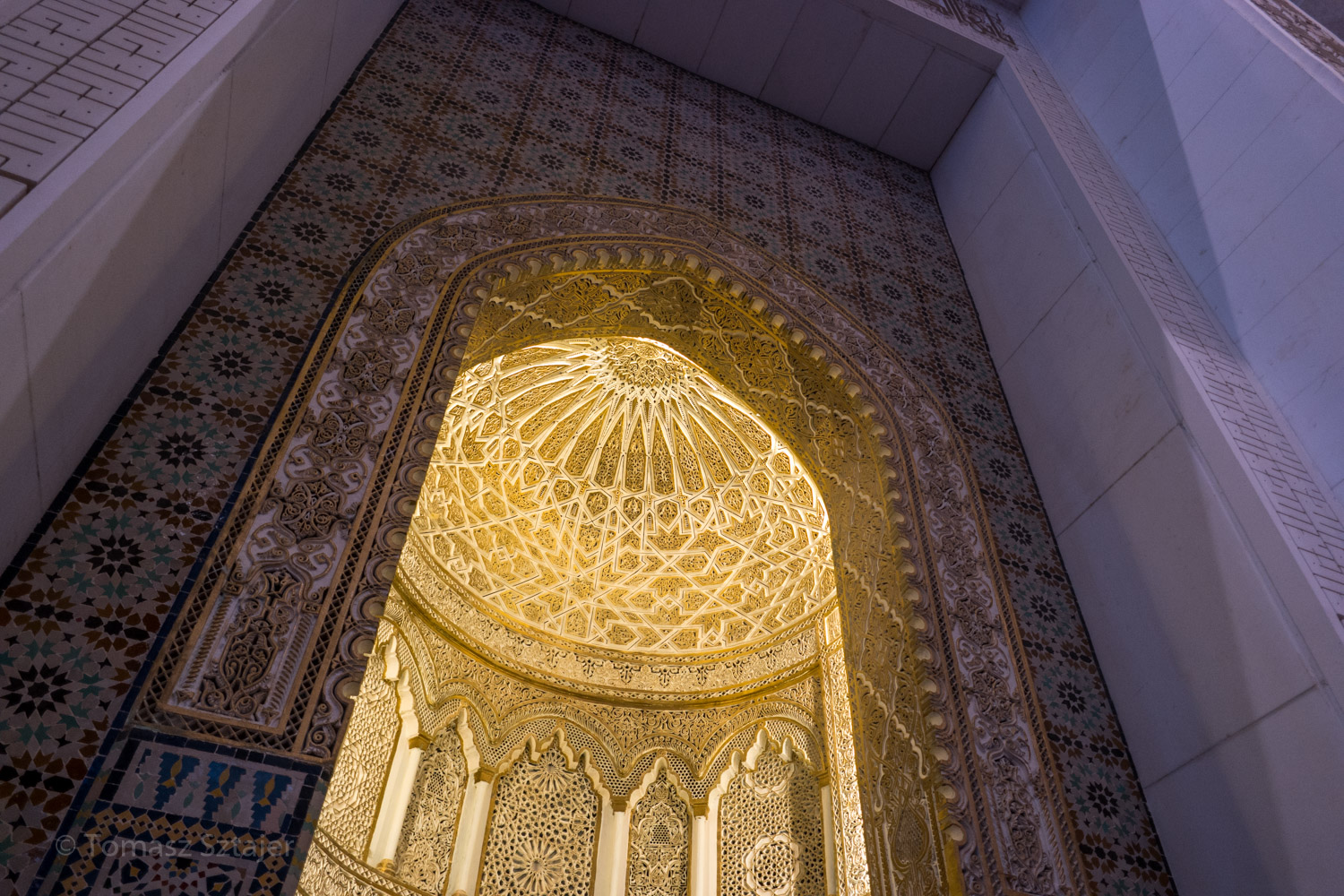
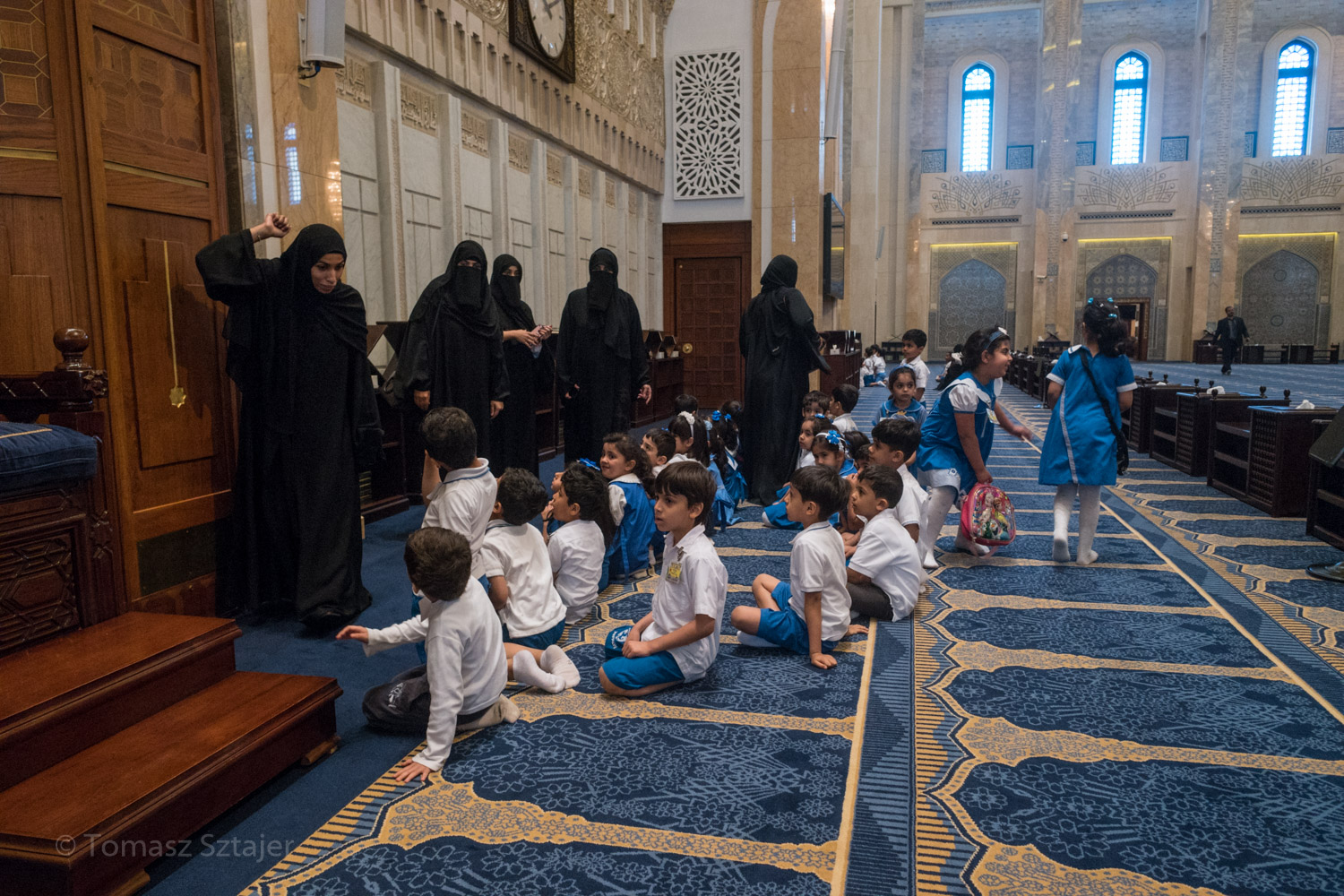
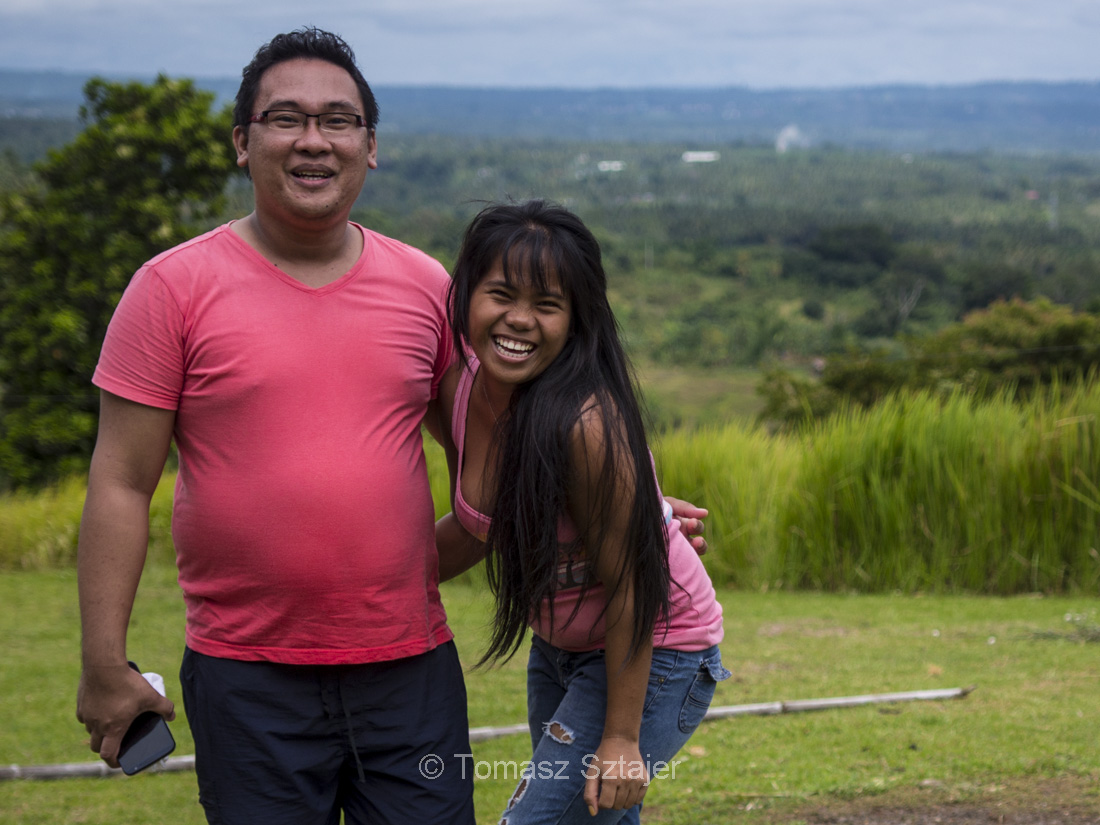
On my way back home from the Philippines I had a somewhat long stopover in Kuwait. After a bit of visa-issuing chaos I walked out of the airport and did some sightseeing…
***
W drodze powrotnej z Filipin zaliczyłem przydługą przesiadkę w Kuwejcie. Po chaotycznej walce o wizę (potrzebnej na jeden jedyny dzień pobytu:) wydostałem się z lotniska i pokręciłem się po okolicy…
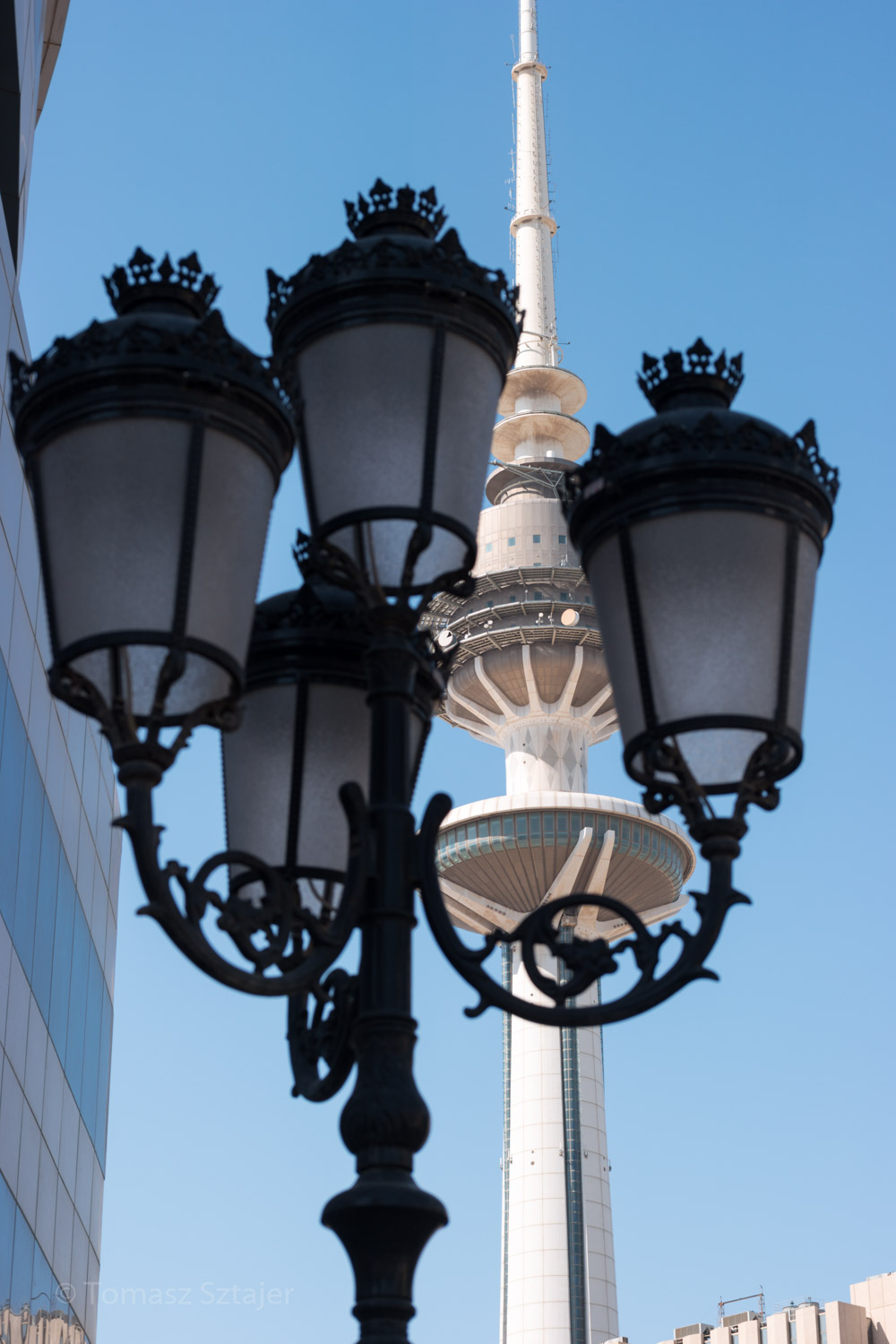
TV tower
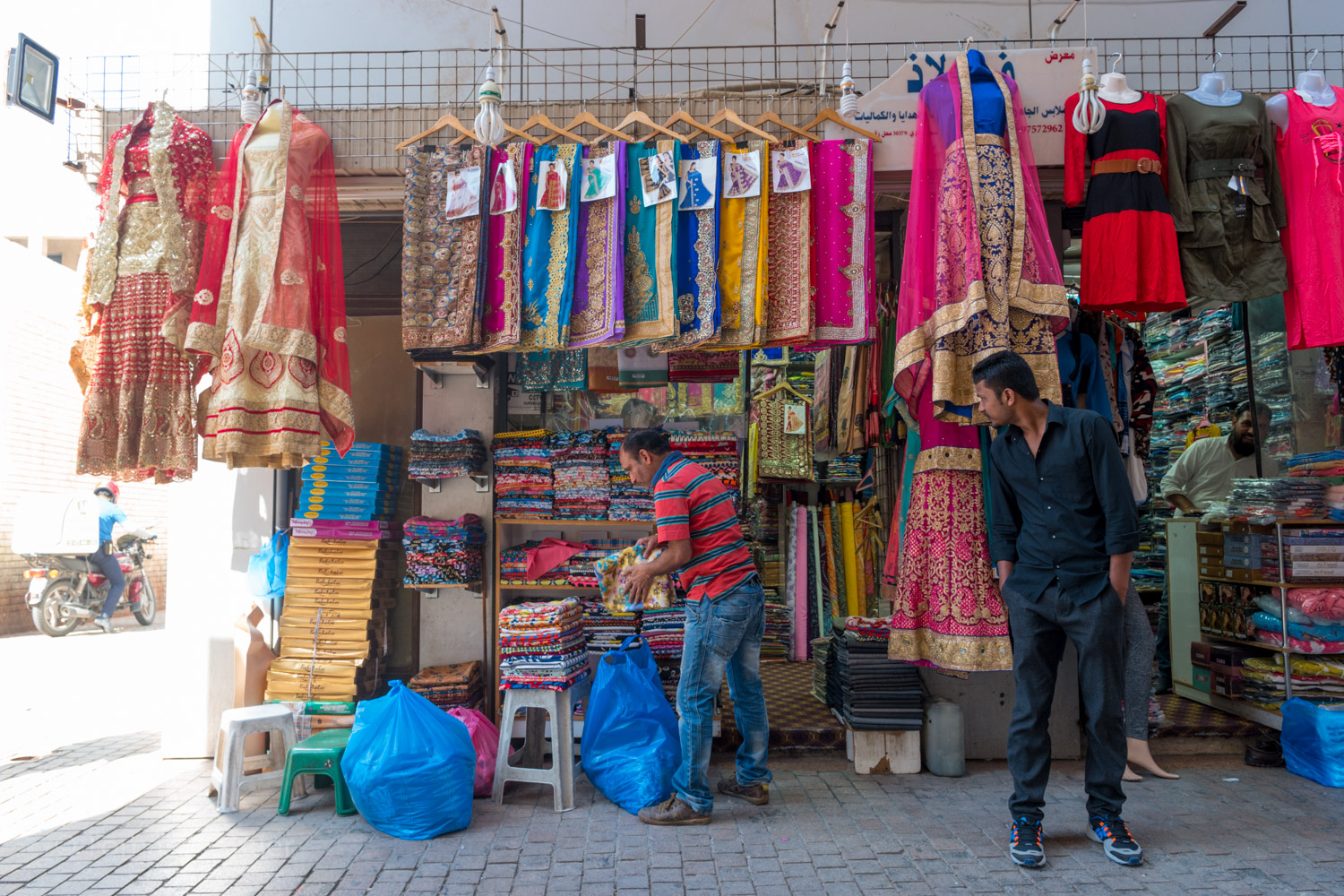
Shopping anyone?
Shopping anyone?
Walking around…
The Grand Mosque
The Grand Mosque
The Grand Mosque
The Grand Mosque
The Grand Mosque
The Grand Mosque
The Grand Mosque
The Grand Mosque
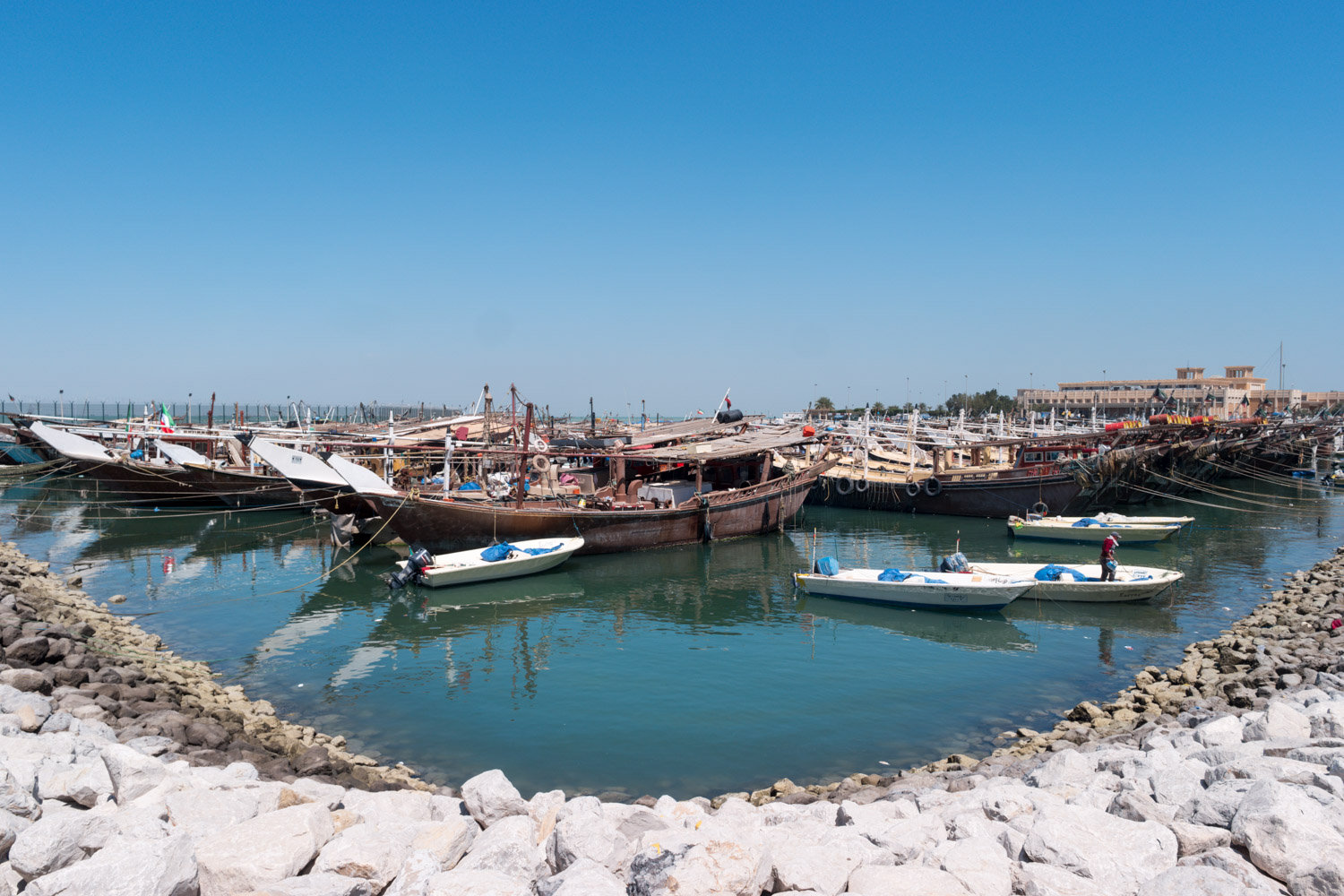
Old Port
Old Port
Old Port
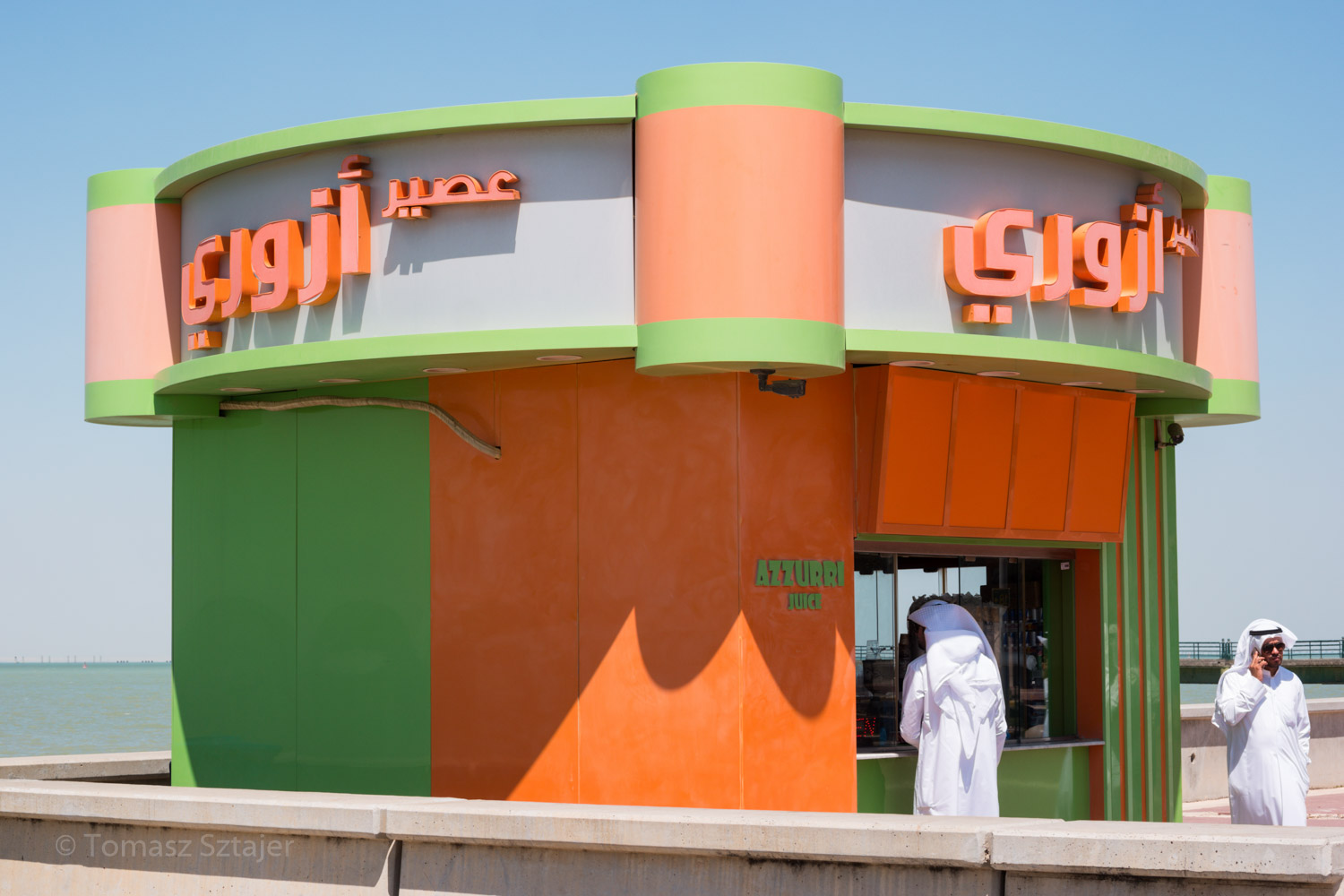
Refreshing…
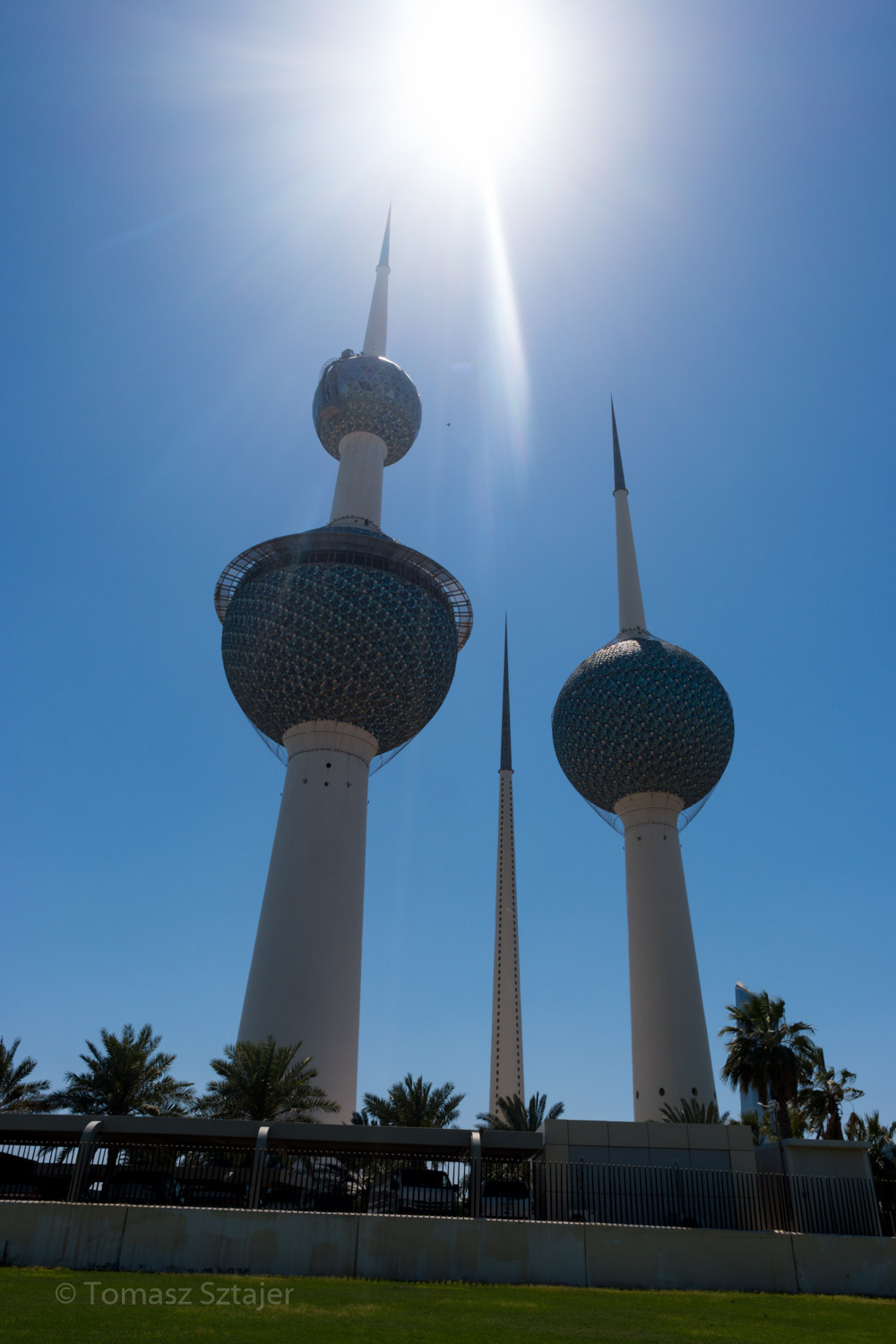
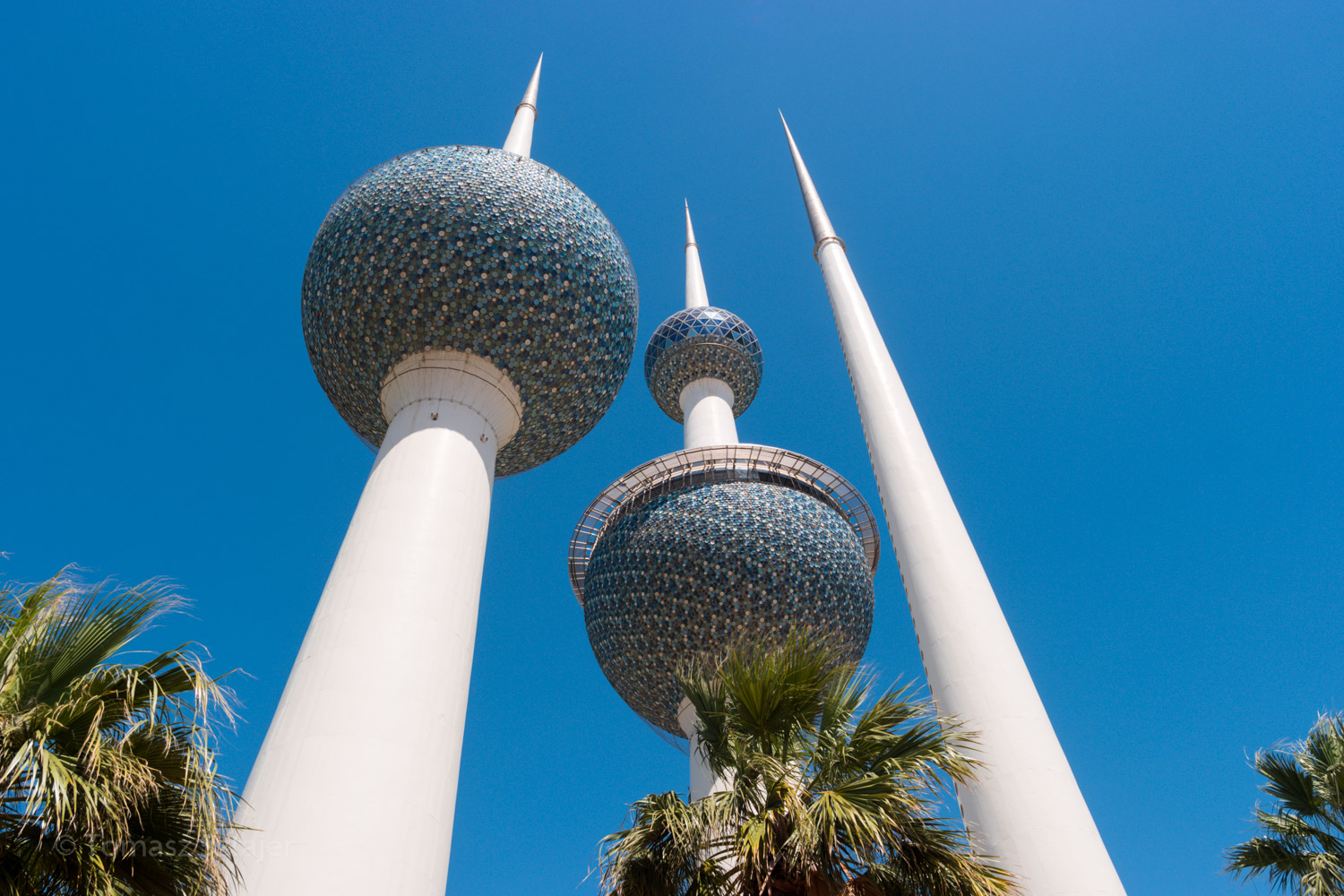
Kuwait Towers
Kuwait Towers
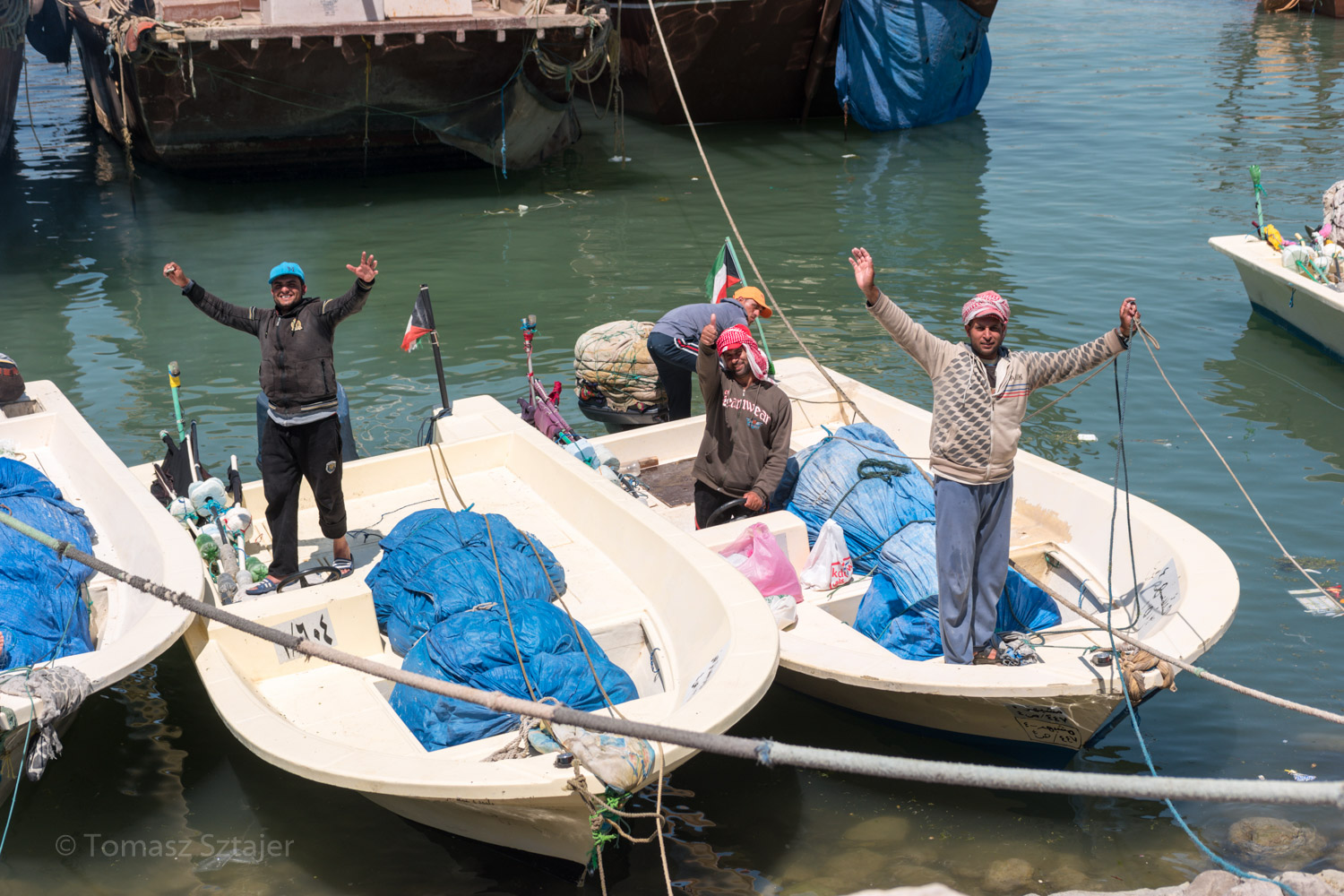
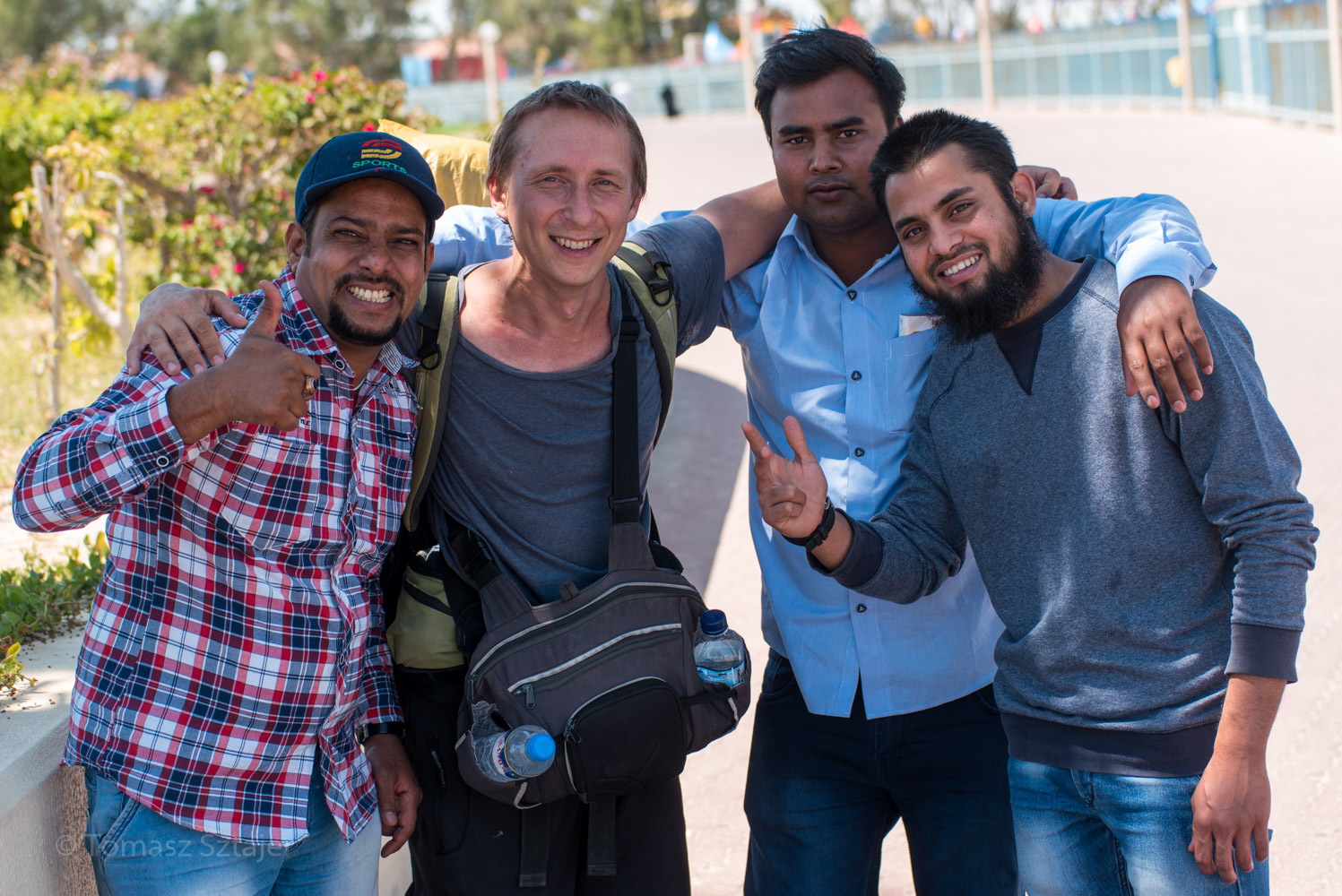
Random Afghani workers on during their day off
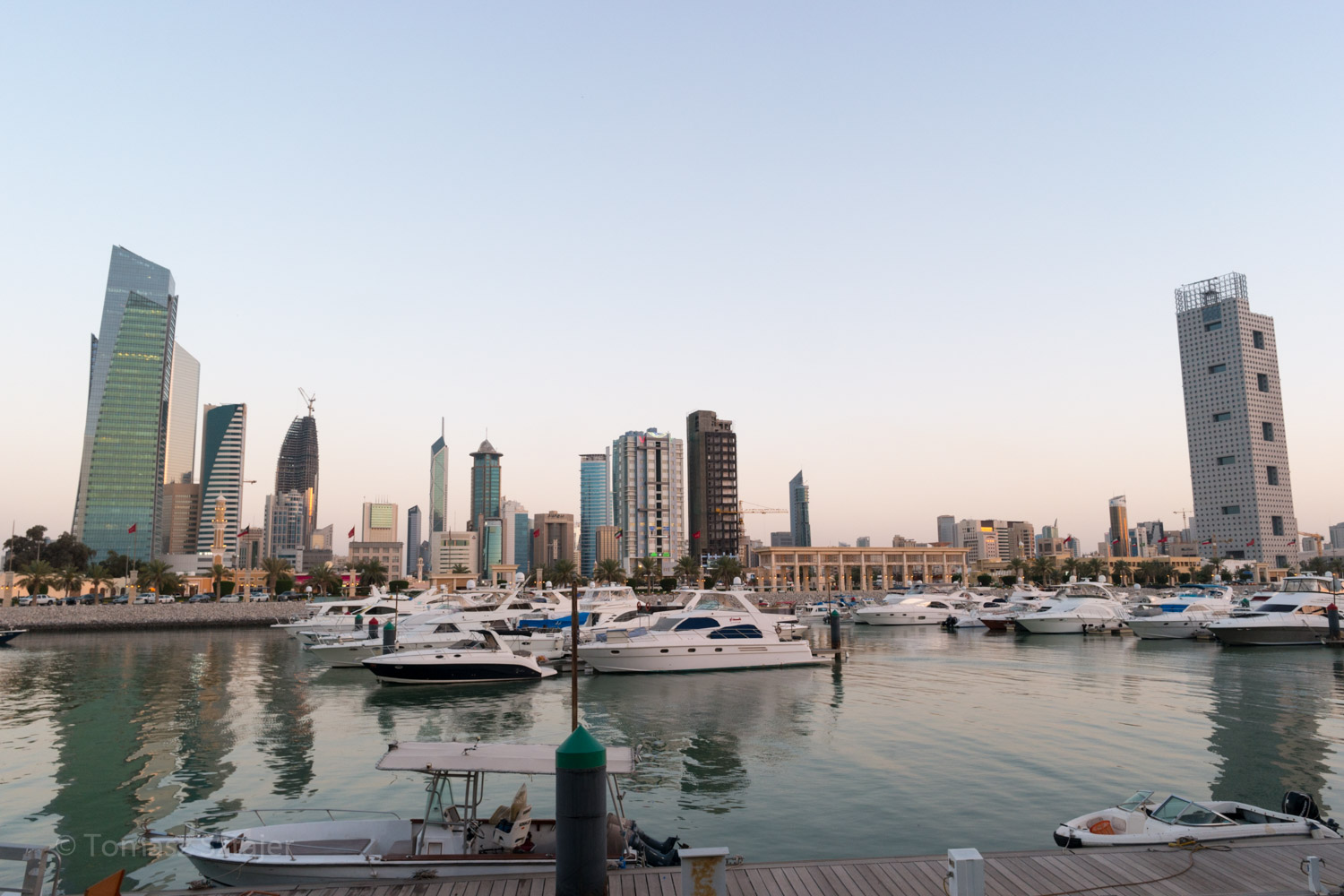
City landscapes…
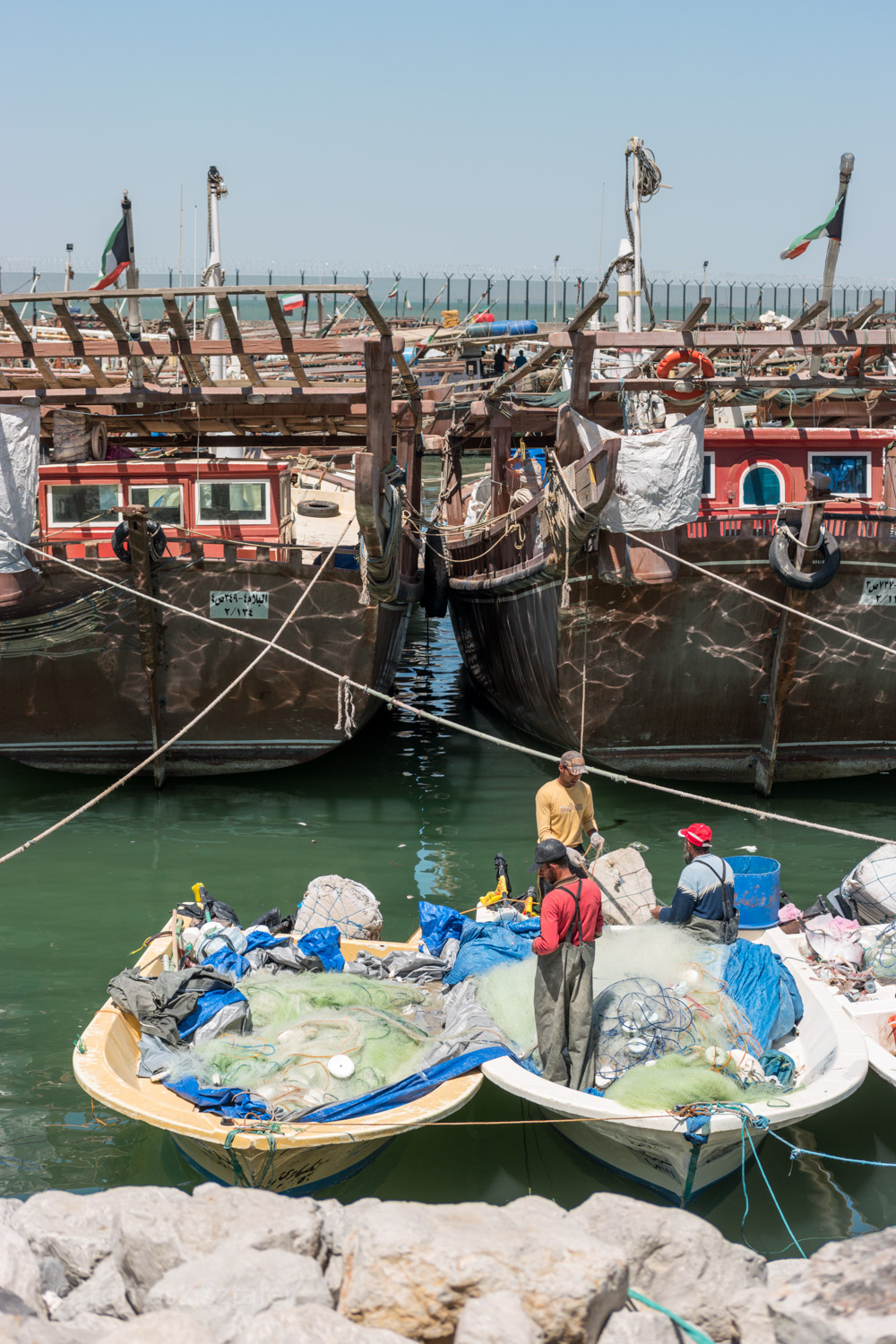
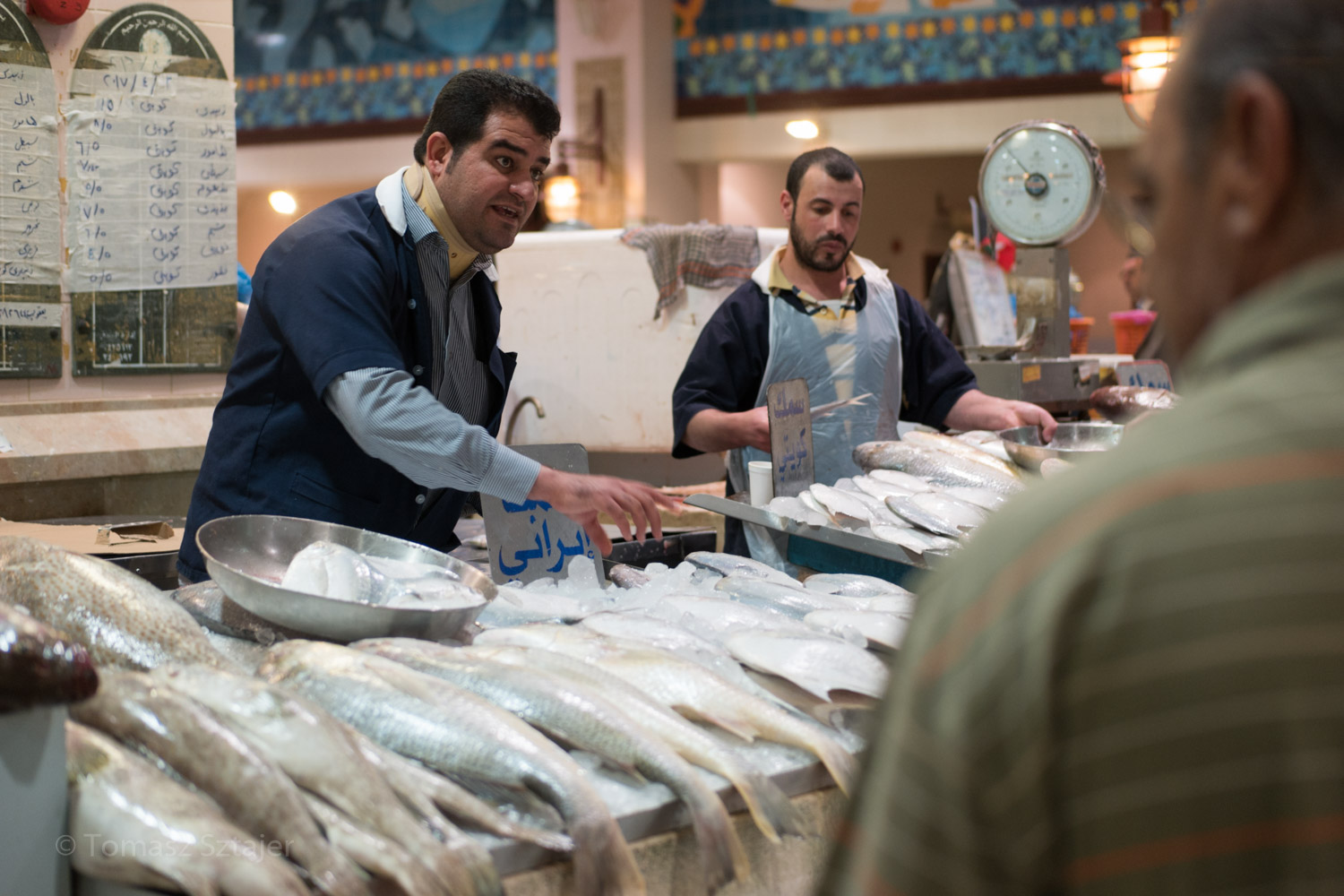
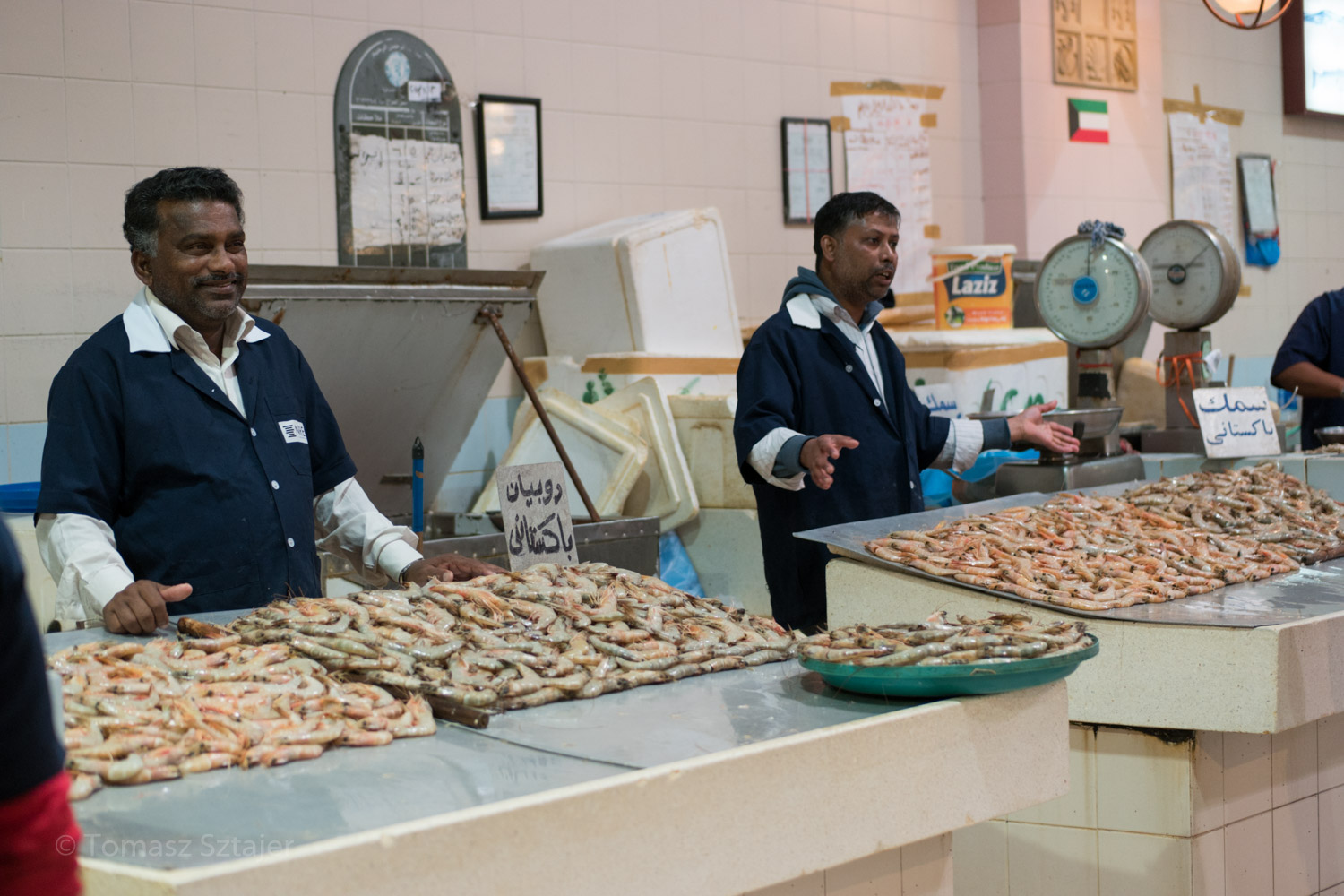
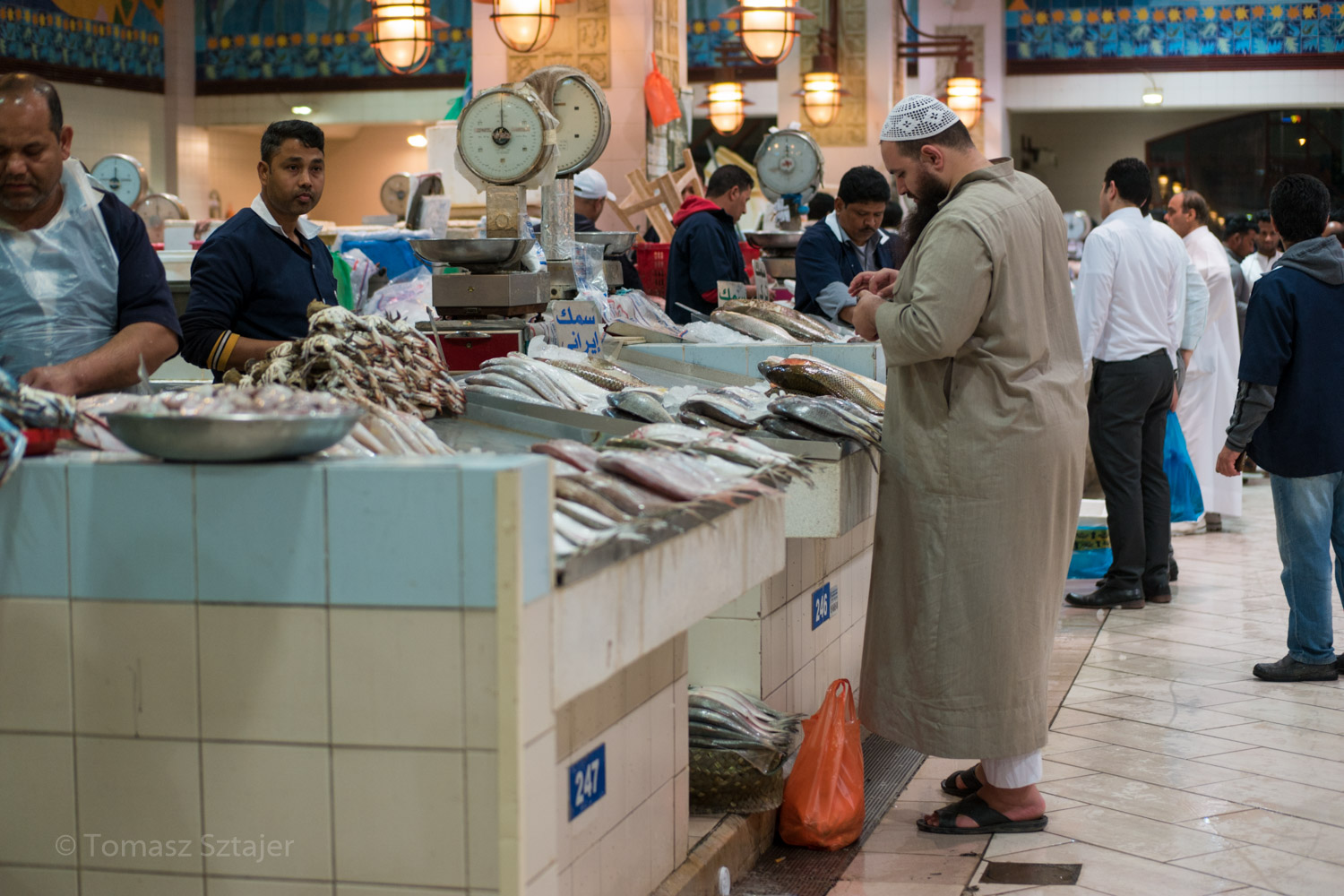
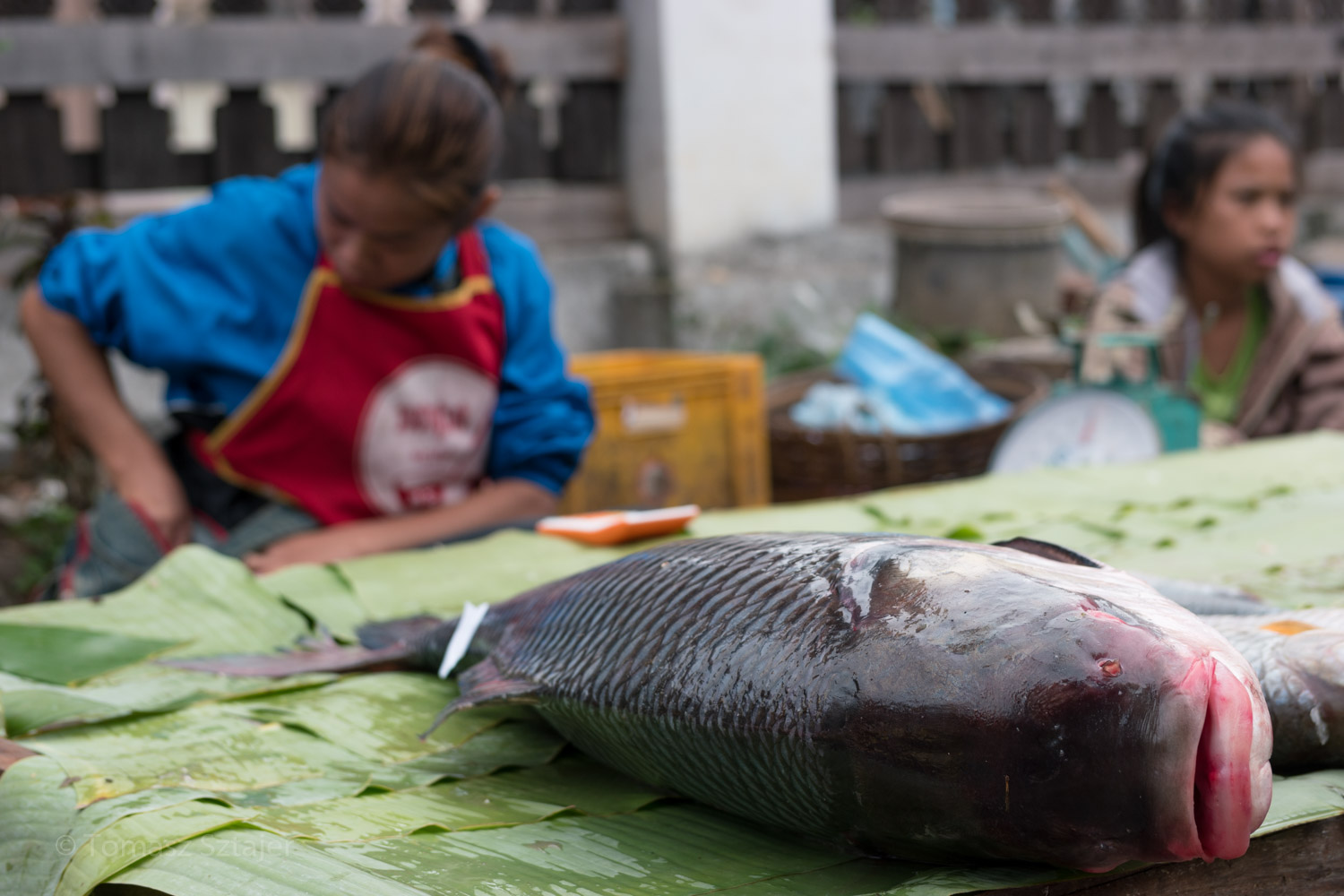
Fish Market
Fish Market
Fish Market
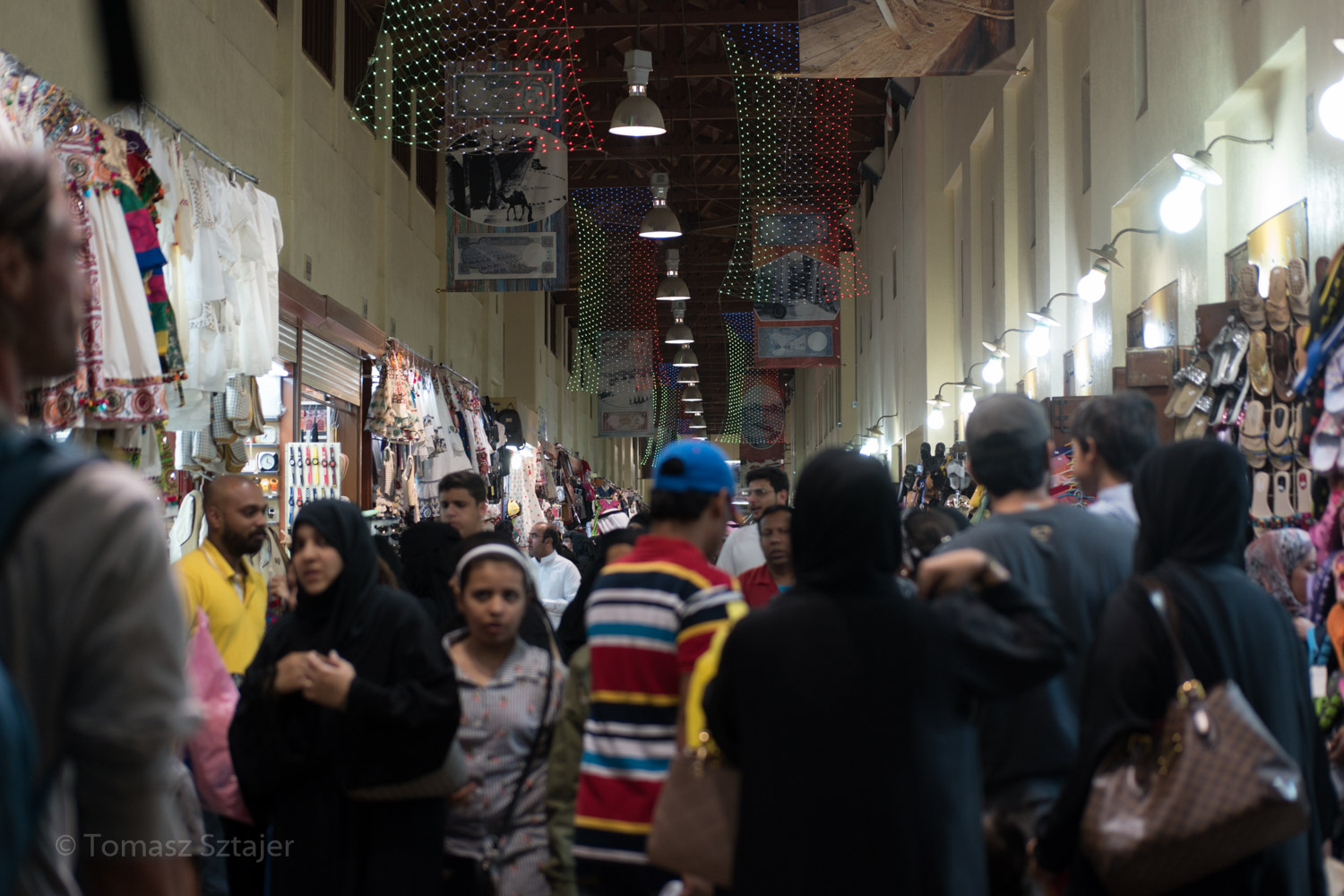
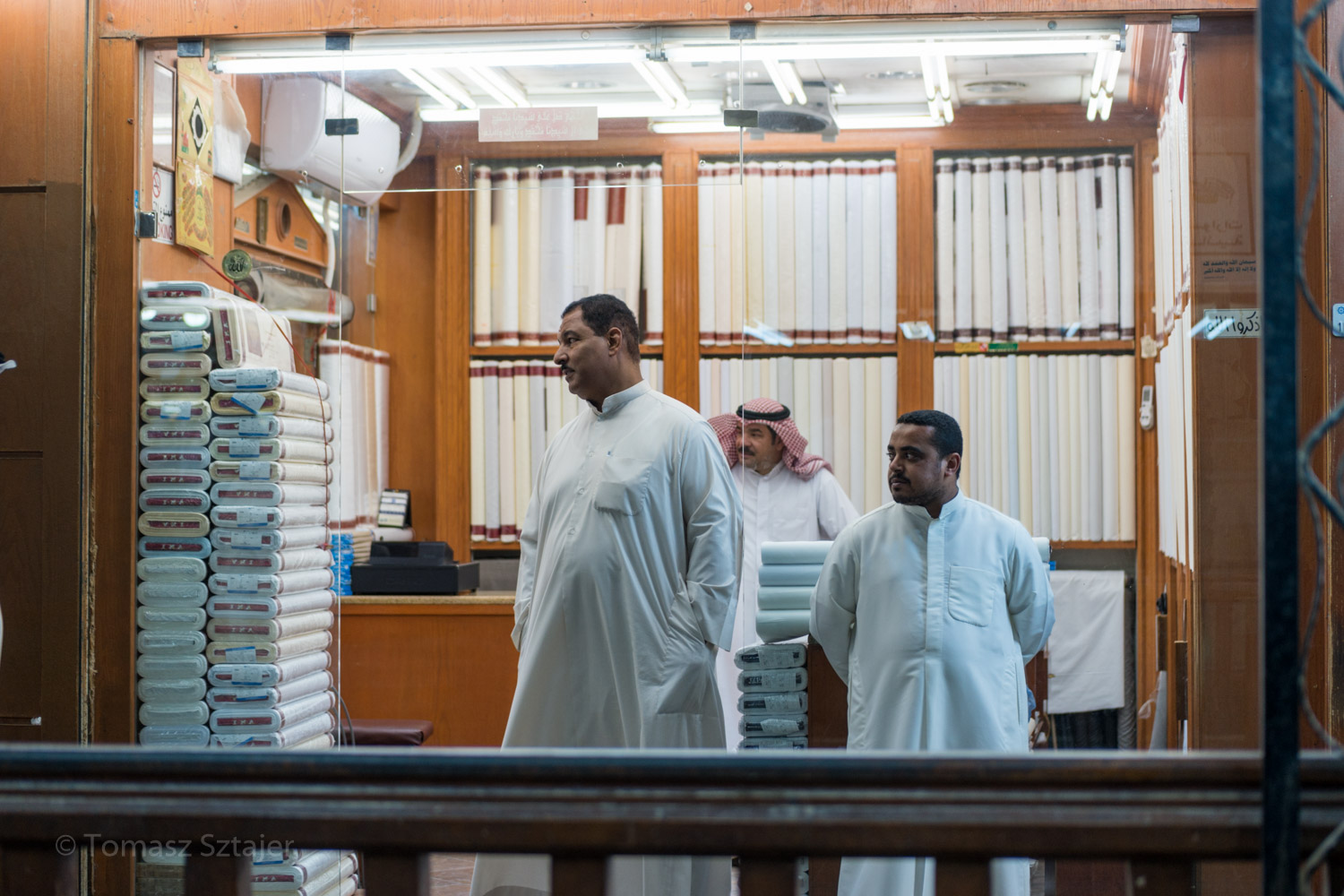
The Bazaar life
The Bazaar life
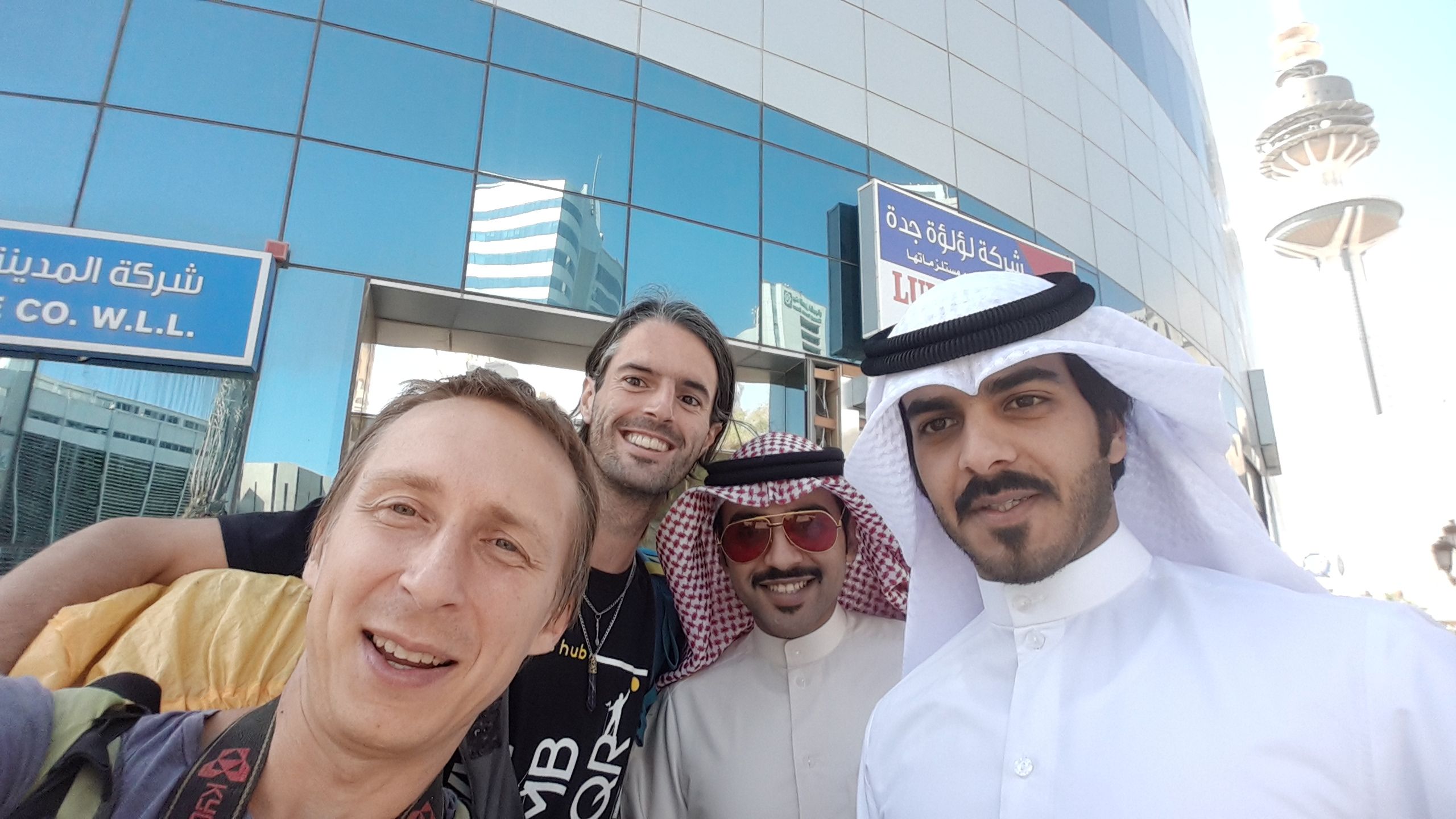
A selfie with two locals and Völgo Fôlak, a Spanish traveler
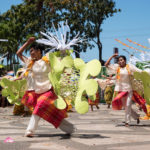
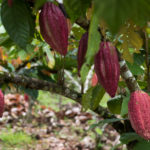
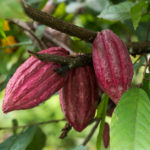
This time my visit to the Philippines had a purpose or even two: making a chocolate video (big thanks to Mr. Grover Rosit and his family) and meeting a Filipino shaman/wonderhealer/dr quackquack (and that was made possible with a little help from Grochu – https://breakdacycle.com)… And in between I experienced the fiesta during Kadalag-An festival in Victorias City, I tried to approach Mount Kanlaon in Negros island (nope, it was a little too active recently and it was forbidden to get close but I spent some nice time in the nearby village), I visited the shaman-saturated island of Siquijor… And I have some photos and videos to prove it:)
***
Tym razem wycieczka na Filipiny miała dwa główne cele: zrobienie materiału video o filipińskiej czekoladzie (podziękowanie dla Pana Grovera Rosita i jego rodziny!) i spotkanie filipińskiego szamana (co udało się na bardzo polskiej wyspie Bantayan, głównie dzięki Grochowi, znanemu z https://breakdacycle.com)… A po drodze udało się jeszcze zobaczyć to i owo – np. tańce i swawole podczas święta miasta Victorias (festiwal znany pod nazwą Kadalag-an Festival), pomrukujący wulkan Kanlaon na wyspie Negros (zbyt groźnie pomrukiwał i obowiązywał zakaz zbliżania się do krateru, ale i tak mile spędziłem czas w pobliskiej wiosce), piękną i szamańską wyspę Siquijor… Materiały wizualne z podróży – poniżej:)
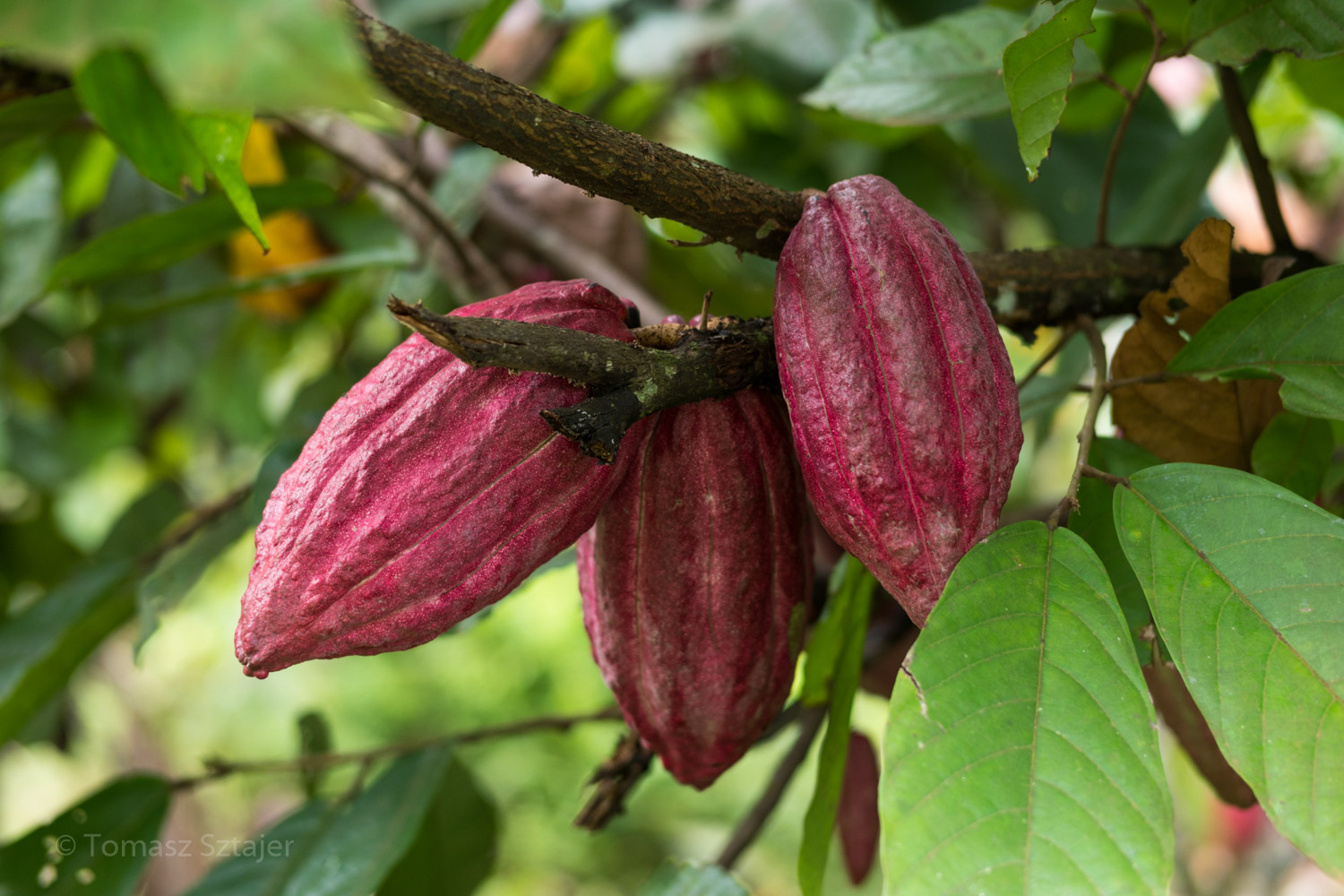
Chocolate:
Interview with a shaman:
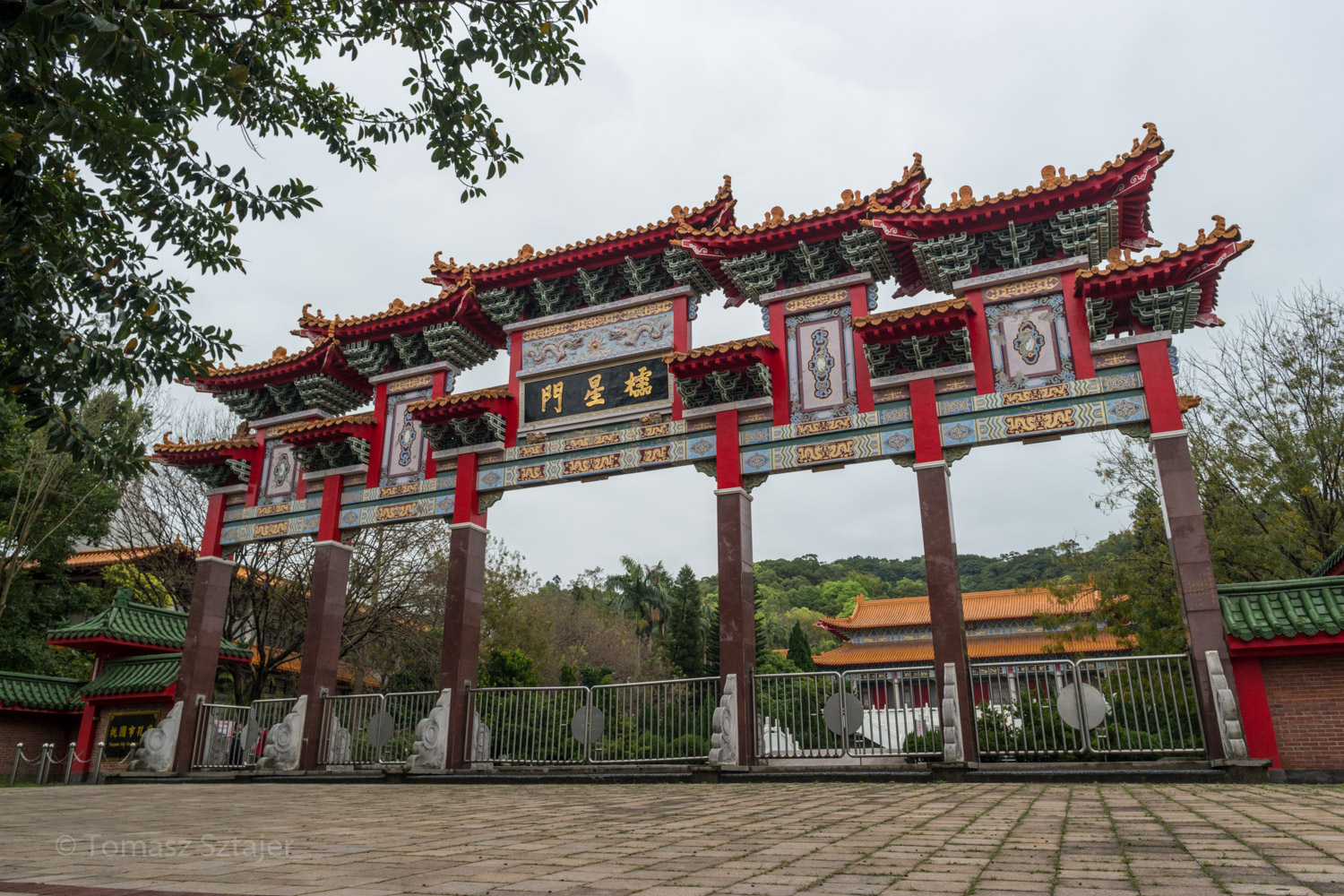
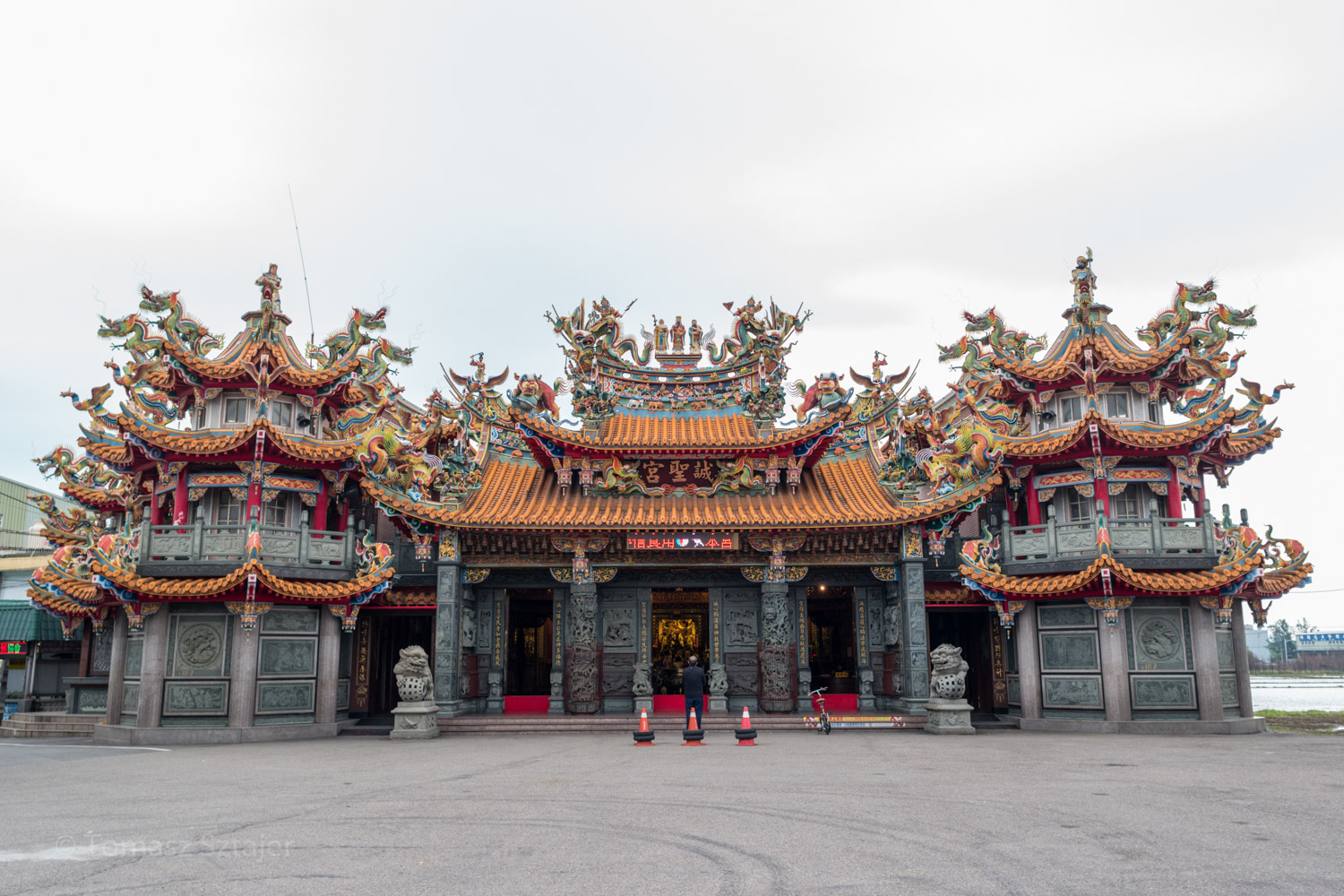
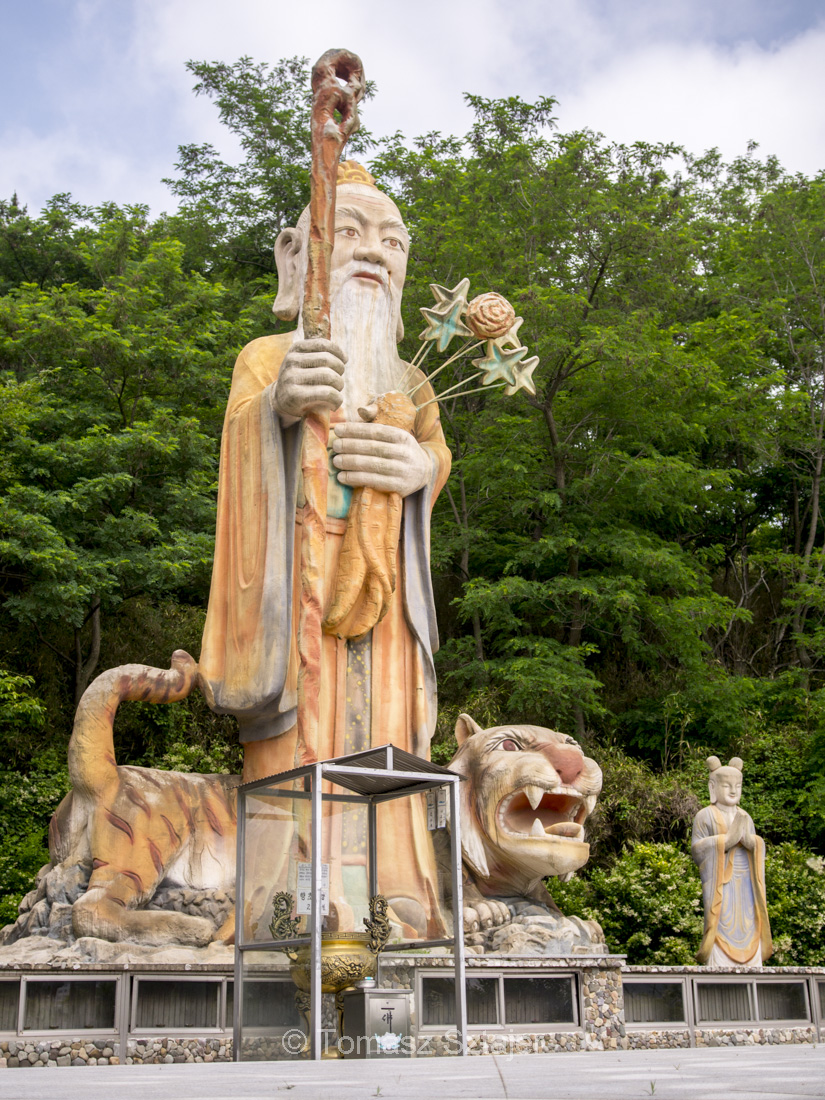
Taoist Temple in Cebu
Taoist Temple in Cebu
In Cebu
Lunch break on the way to the pier
Waiting for the ferry
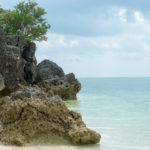
Bantayan beaches…
Bantayan beaches…
Bantayan beaches…
Bantayan beaches…
Bantayan beaches…
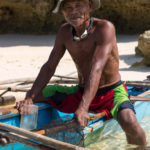
Local fisherman
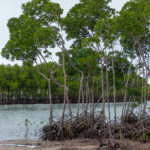
Mangroves
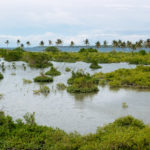
…and other wonders of nature in Bantayan Island
A local store
Somewhere in Bantayan
This is how you get around the island
St Peter and Paul church in Bantayan city
St Peter and Paul church in Bantayan city
Cemeteries
Cemeteries
Grouchu’s place in Madridejos
…and some of his neighbours
…and some of his neighbours
One of the many stray dogs
House of Hubert, local artist in Madridejos
House of Hubert, local artist in Madridejos
House of Hubert, local artist in Madridejos
Hubert
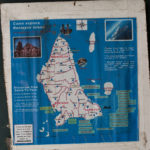
Bantayan map
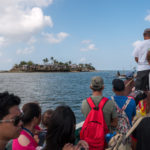
Leaving Bantayan
Leaving Bantayan
Leaving Bantayan
In Port Danao
In Port Danao
In Port Danao
In Port Danao
In Port Danao
Victorias, getting ready for the festival
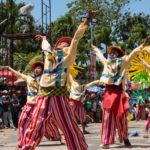
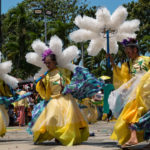
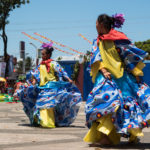
Kadalag-An Festival in Victorias City
Kadalag-An Festival in Victorias City
Kadalag-An Festival in Victorias City
Kadalag-An Festival in Victorias City
Kadalag-An Festival in Victorias City
Kadalag-An Festival in Victorias City
My hosts’ house in Victorias
My hosts’ house in Victorias
My hosts
Nico, who told me about Victorias, and his family around him
Nico’s place
The neighbourhood
Roaming around with Nico
Roaming around with Nico
Roaming around with Nico
…and meeting some smiling people
…and meeting some smiling people
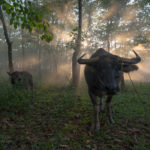
… and seeing some epic cows.
End of the day
Victorias
In Bacolod
In Bacolod
In Bacolod
In Bacolod
Big banners announcing the ASEAN summit
Big banners announcing the ASEAN summit
…that hide what the delegates aren’t supposed to see
…that hide what the delegates aren’t supposed to see
Karaoke bar behind the banners
In Kanlaon village
In Kanlaon village
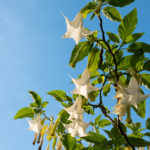
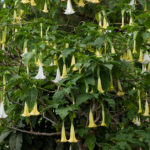
Angel trumpets
Angel trumpets
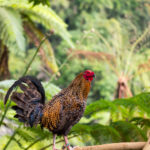
Fighter rooster farms… The reason why you never get a good sleep in Kanlaon
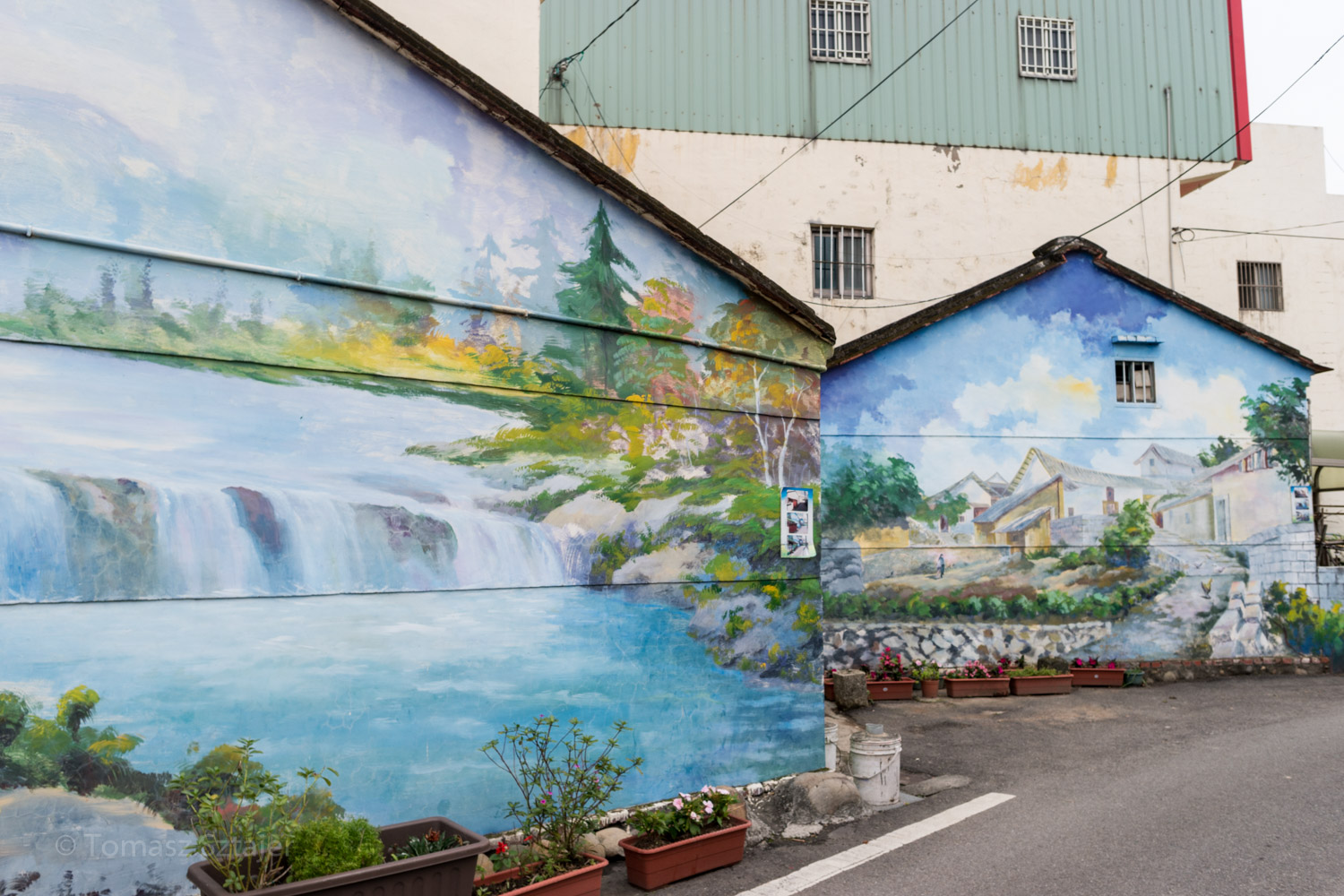
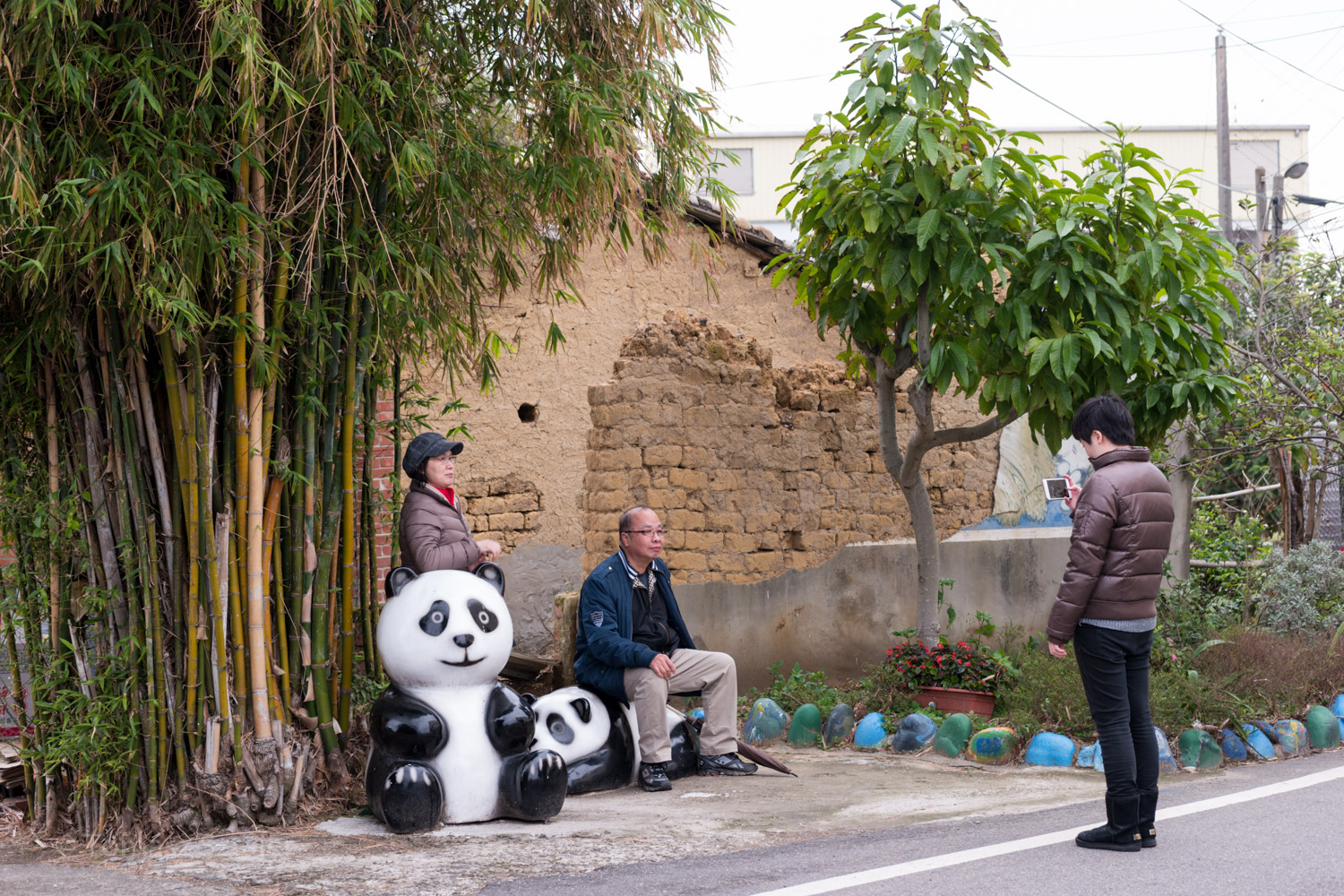
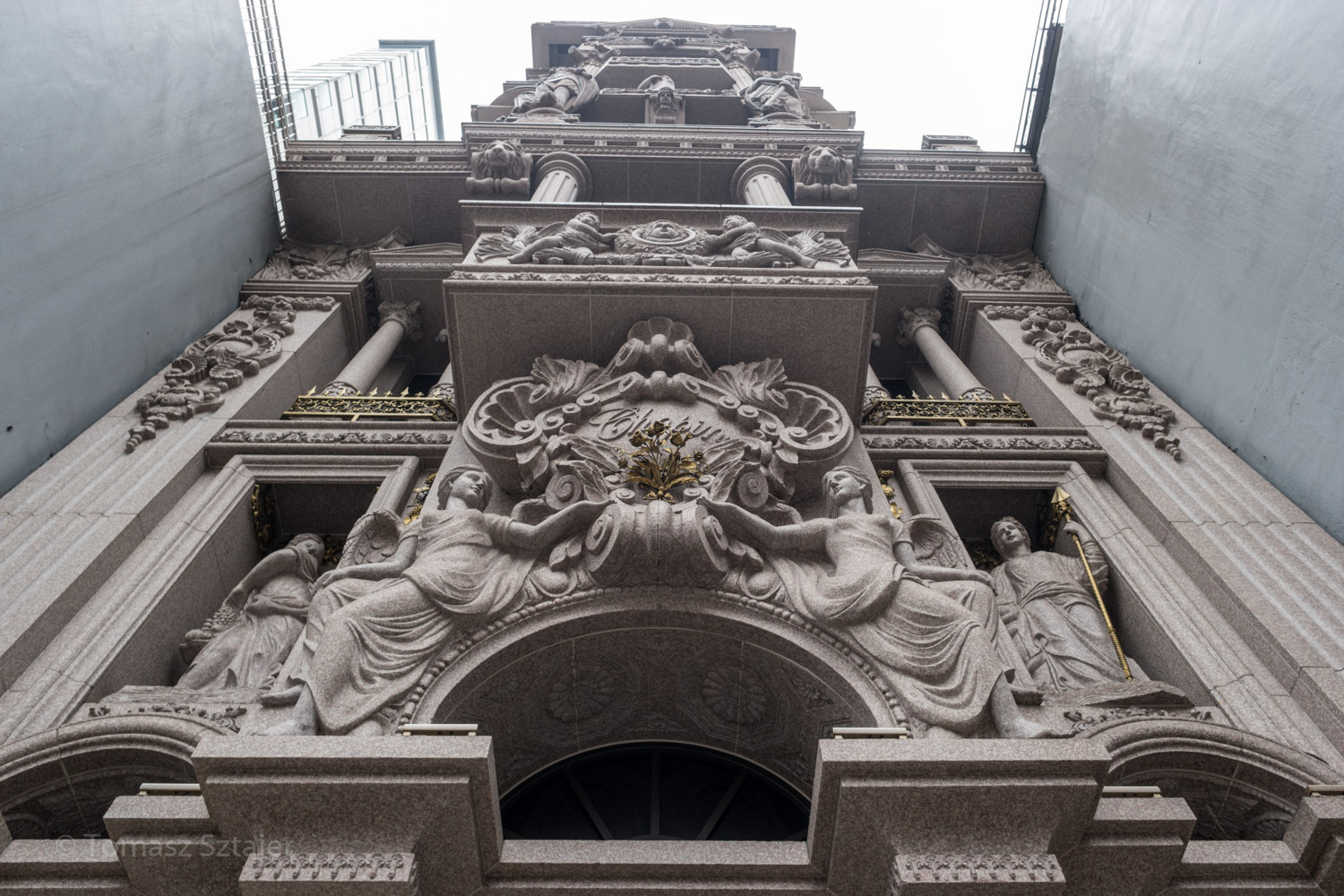
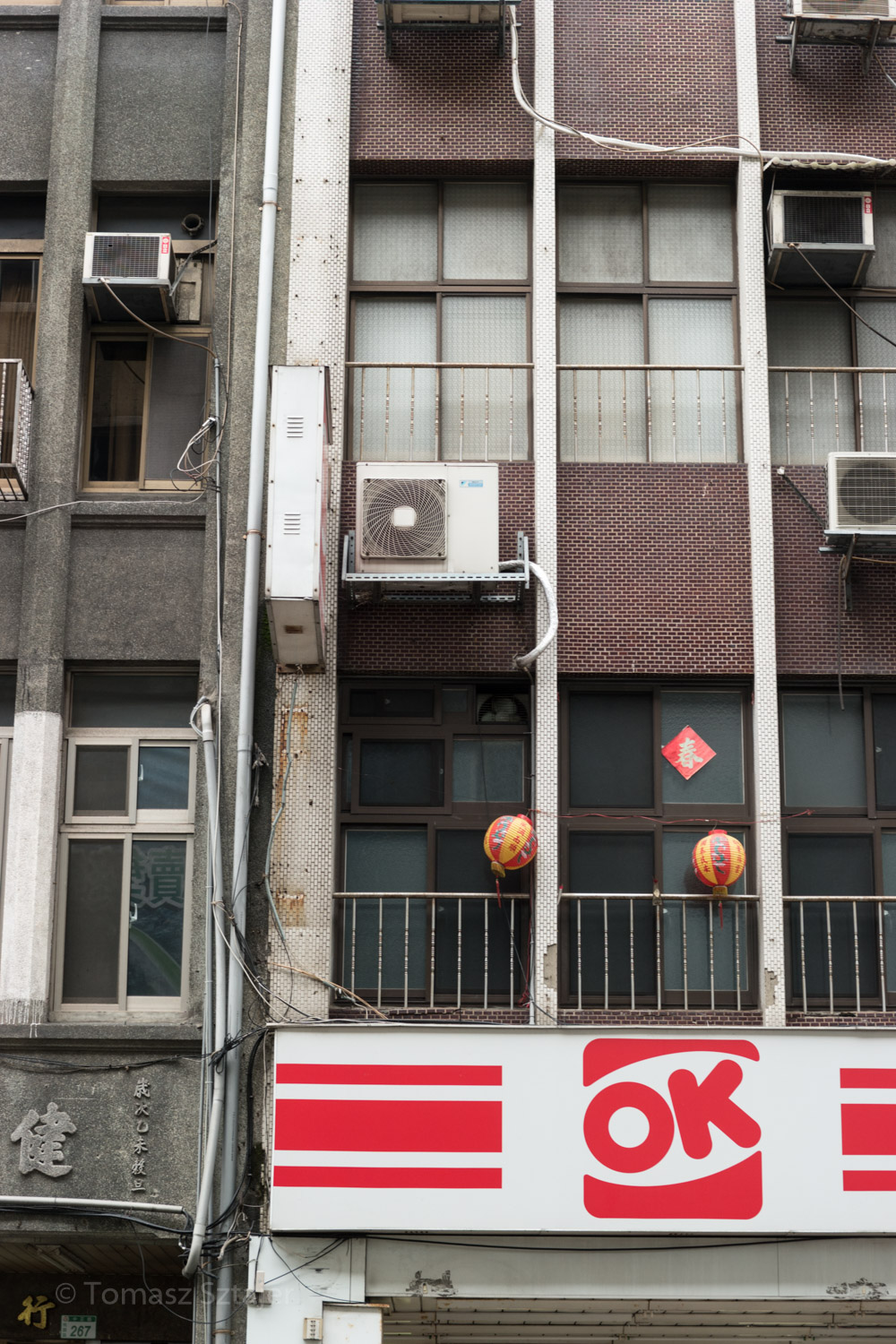
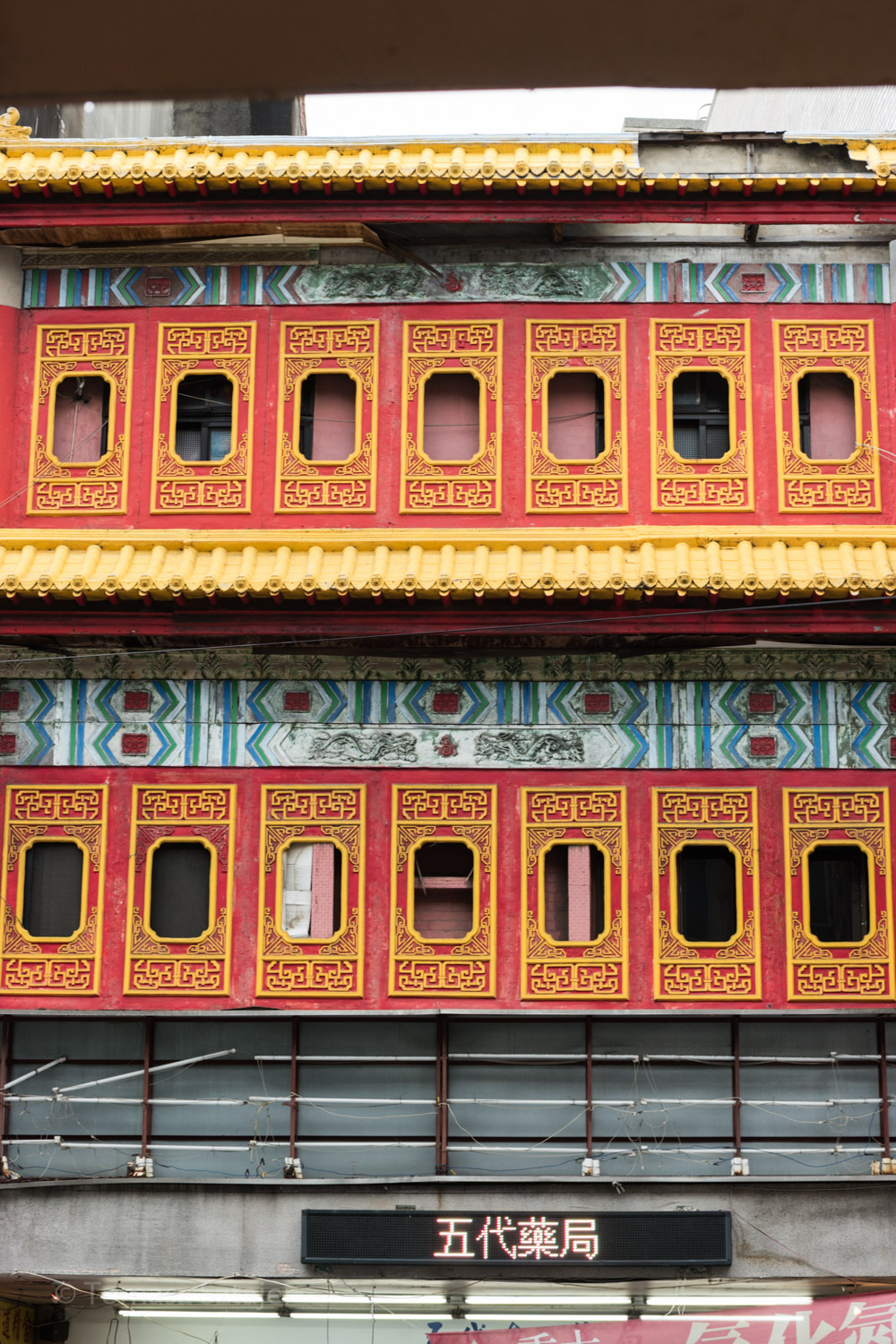
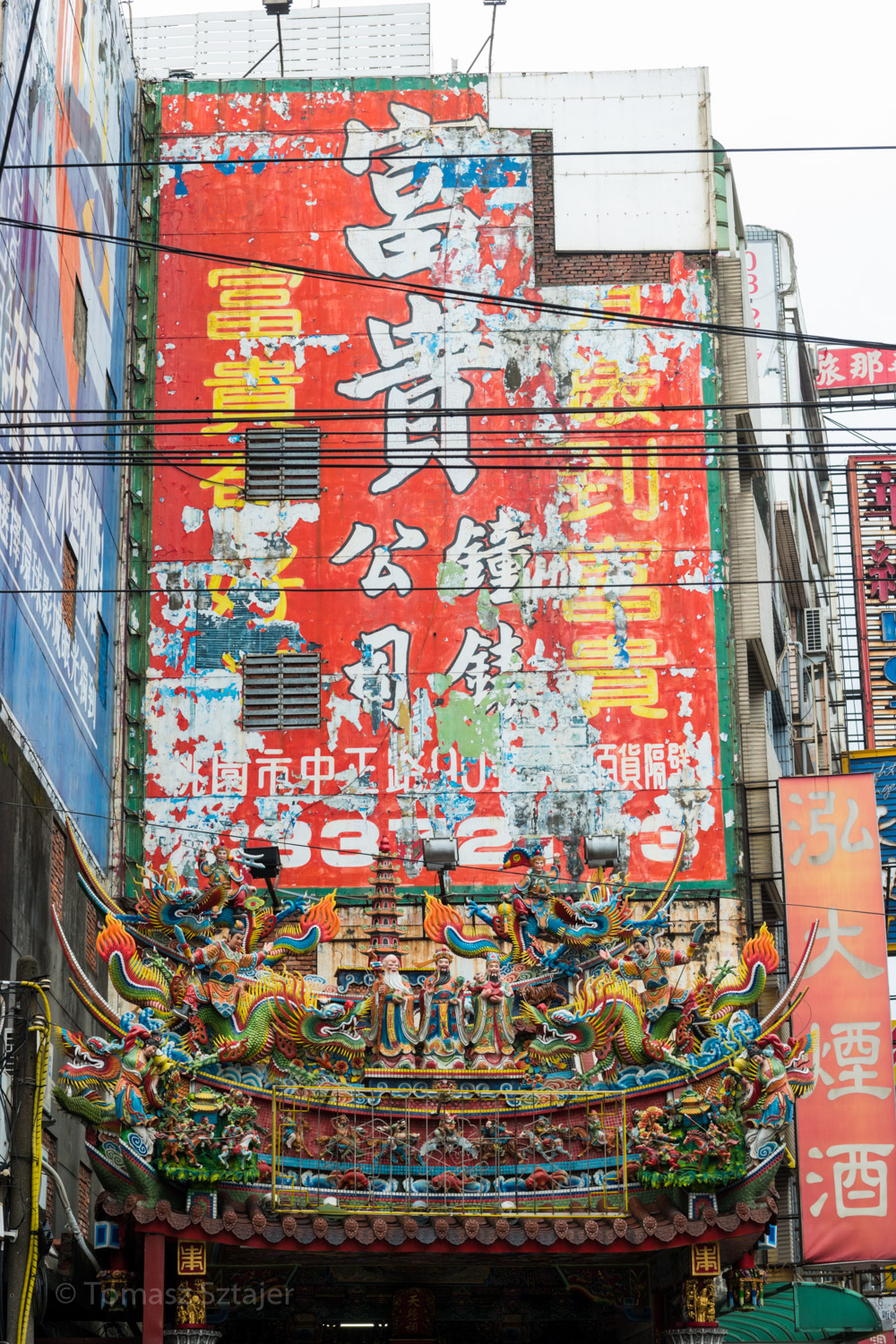
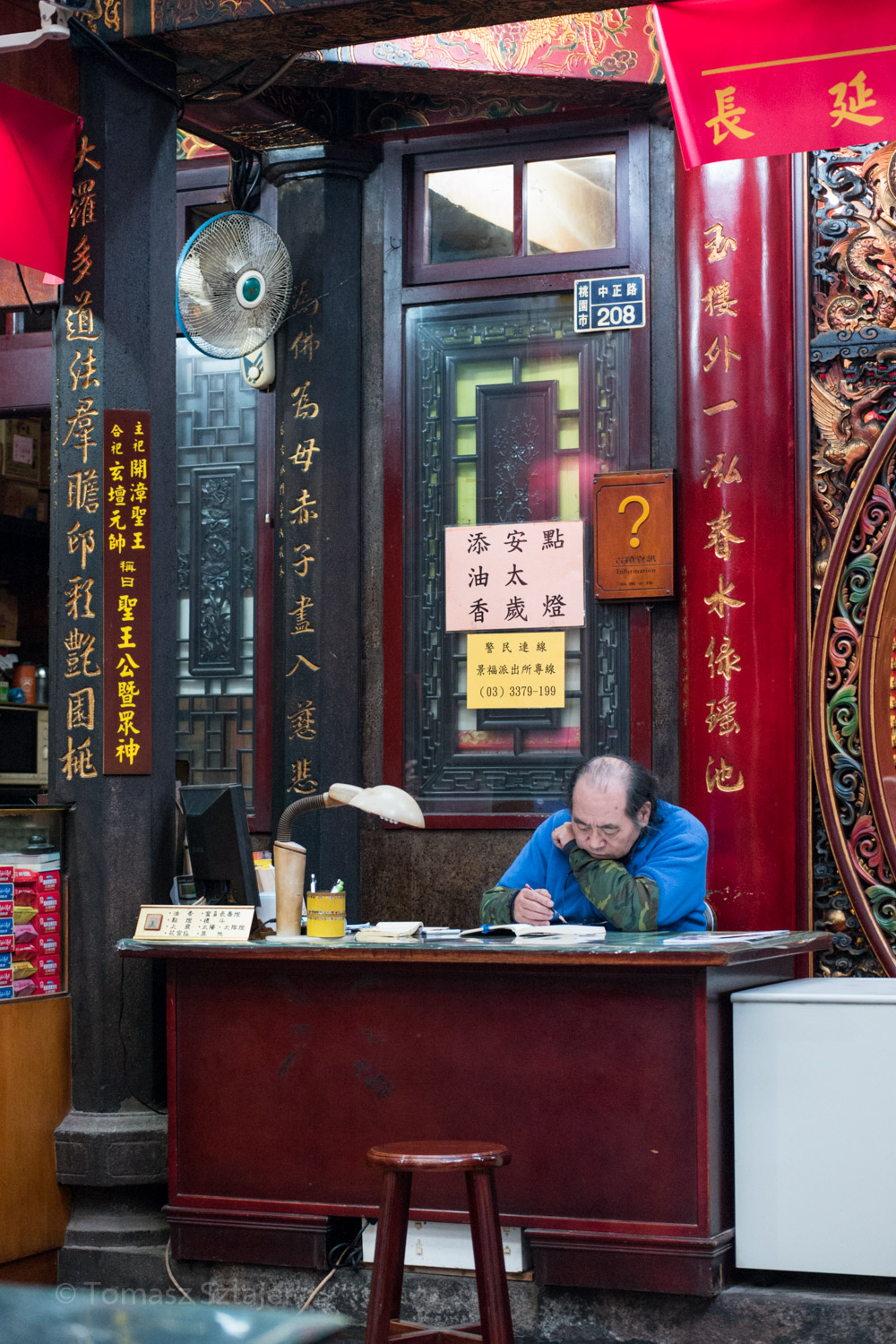
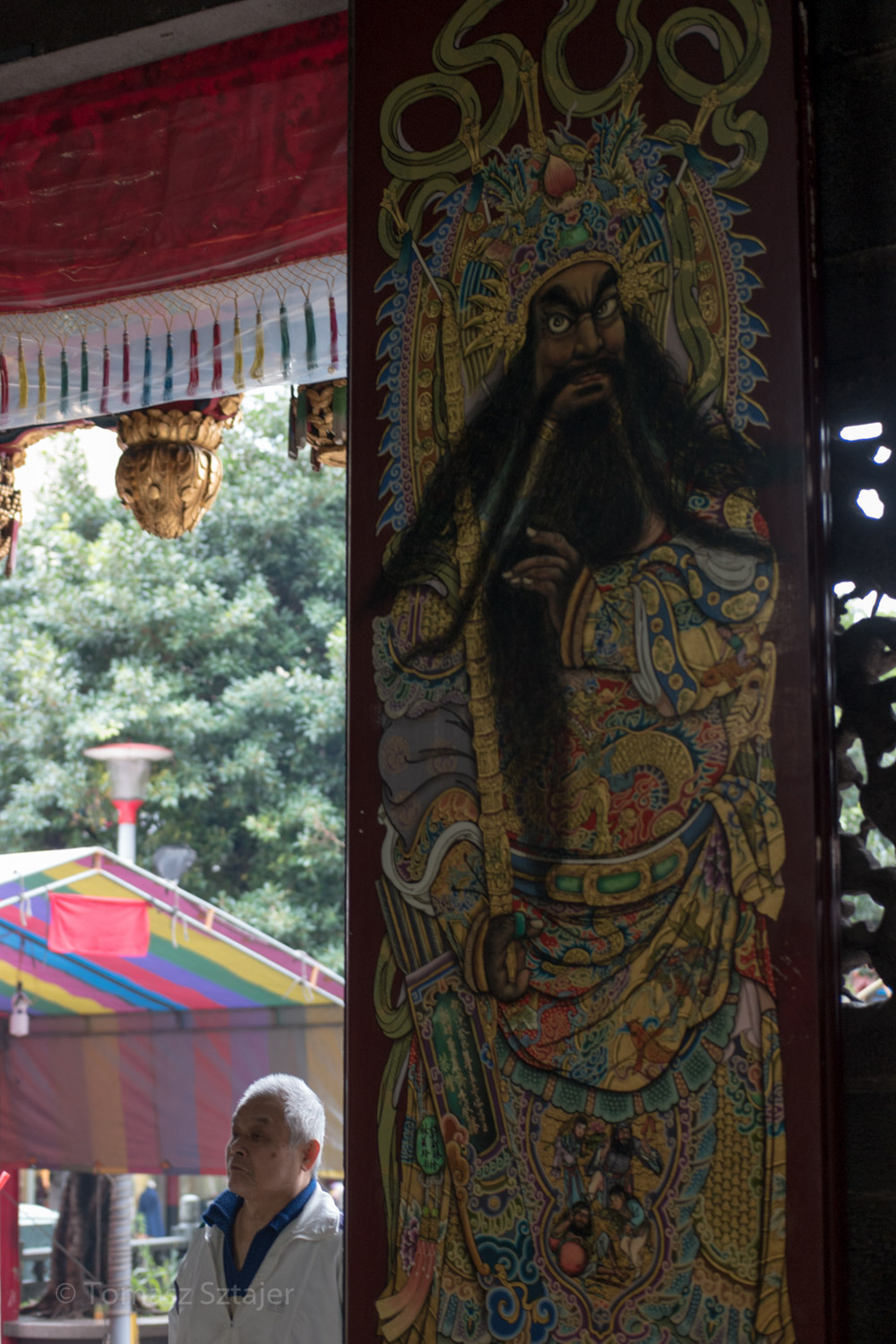
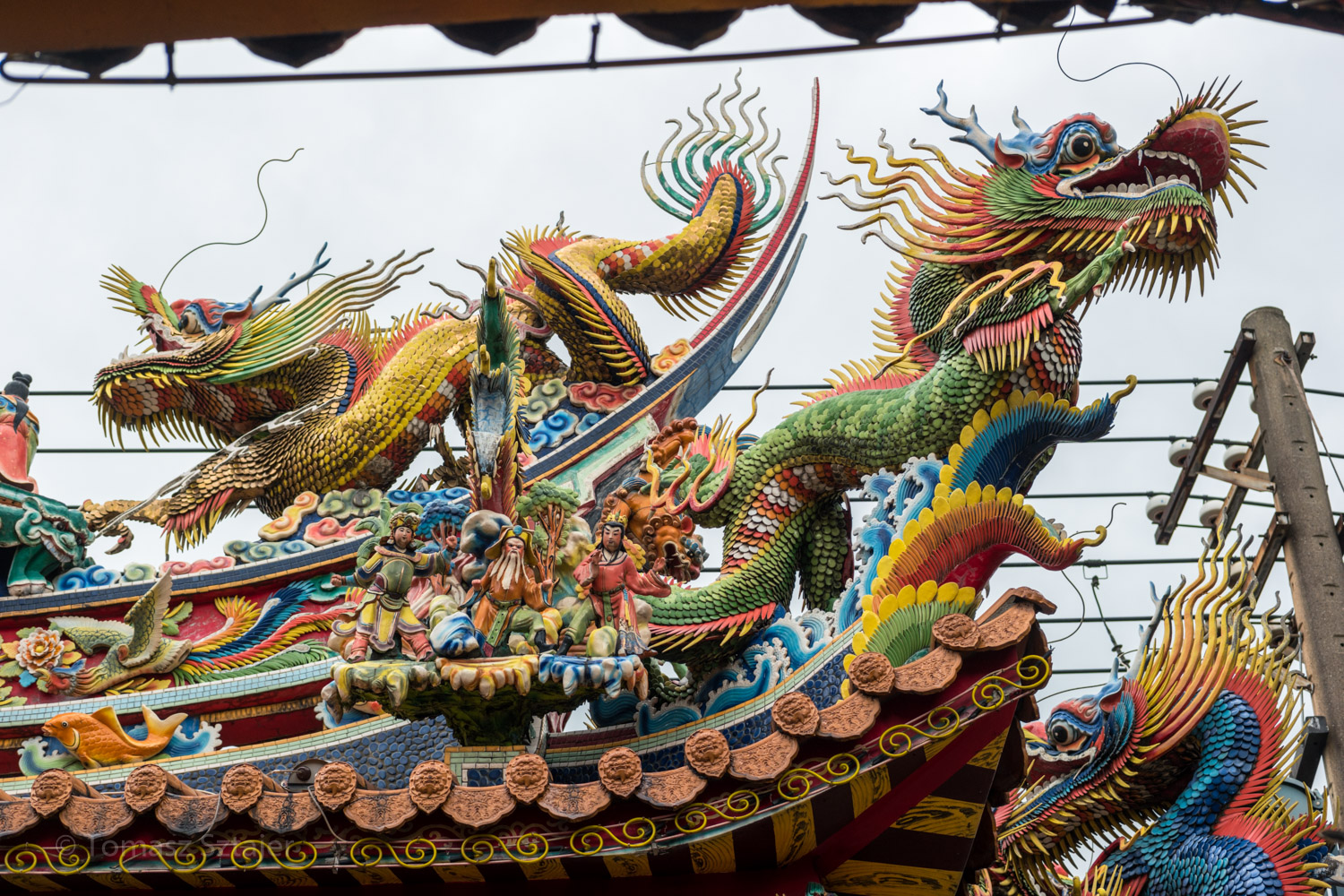
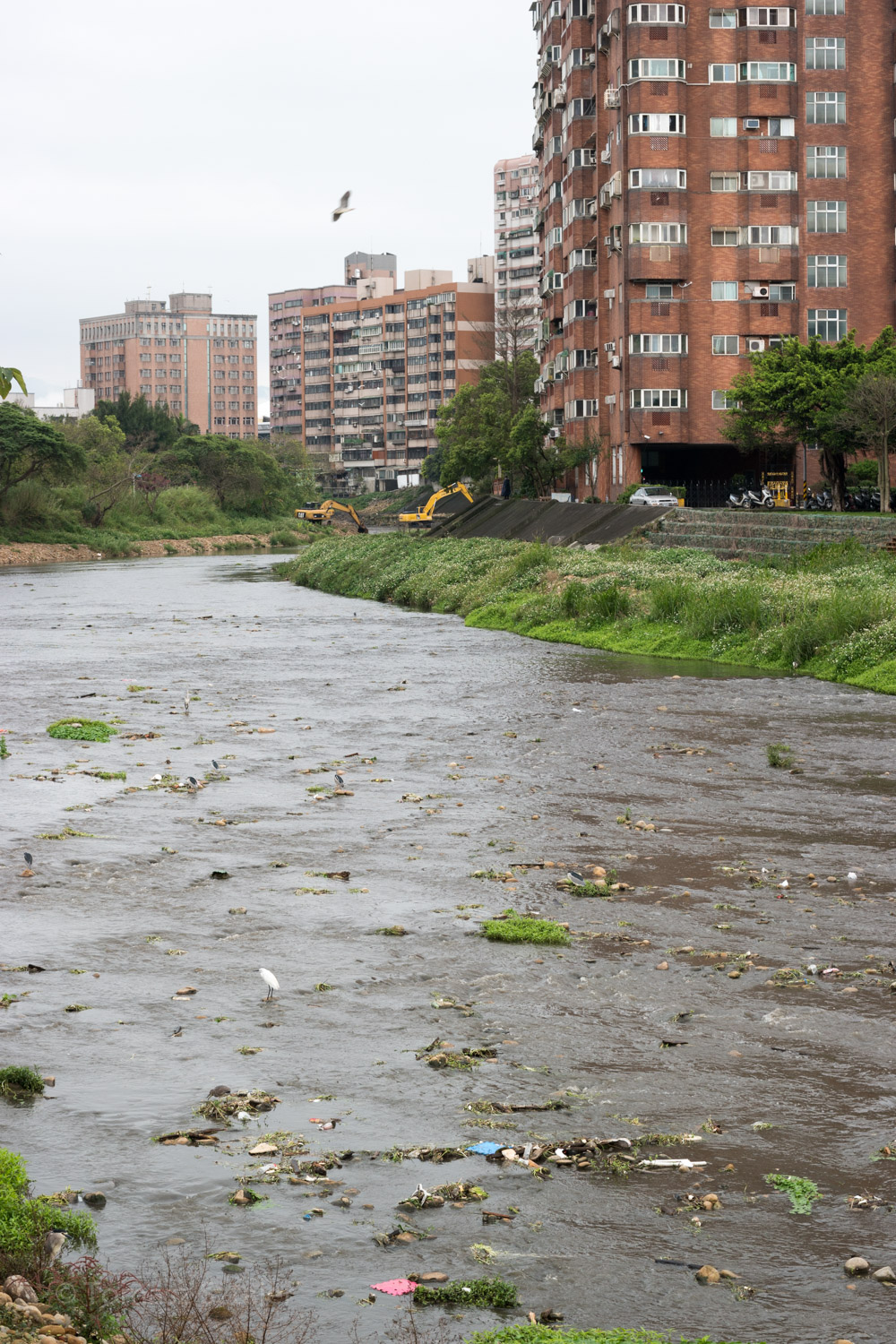
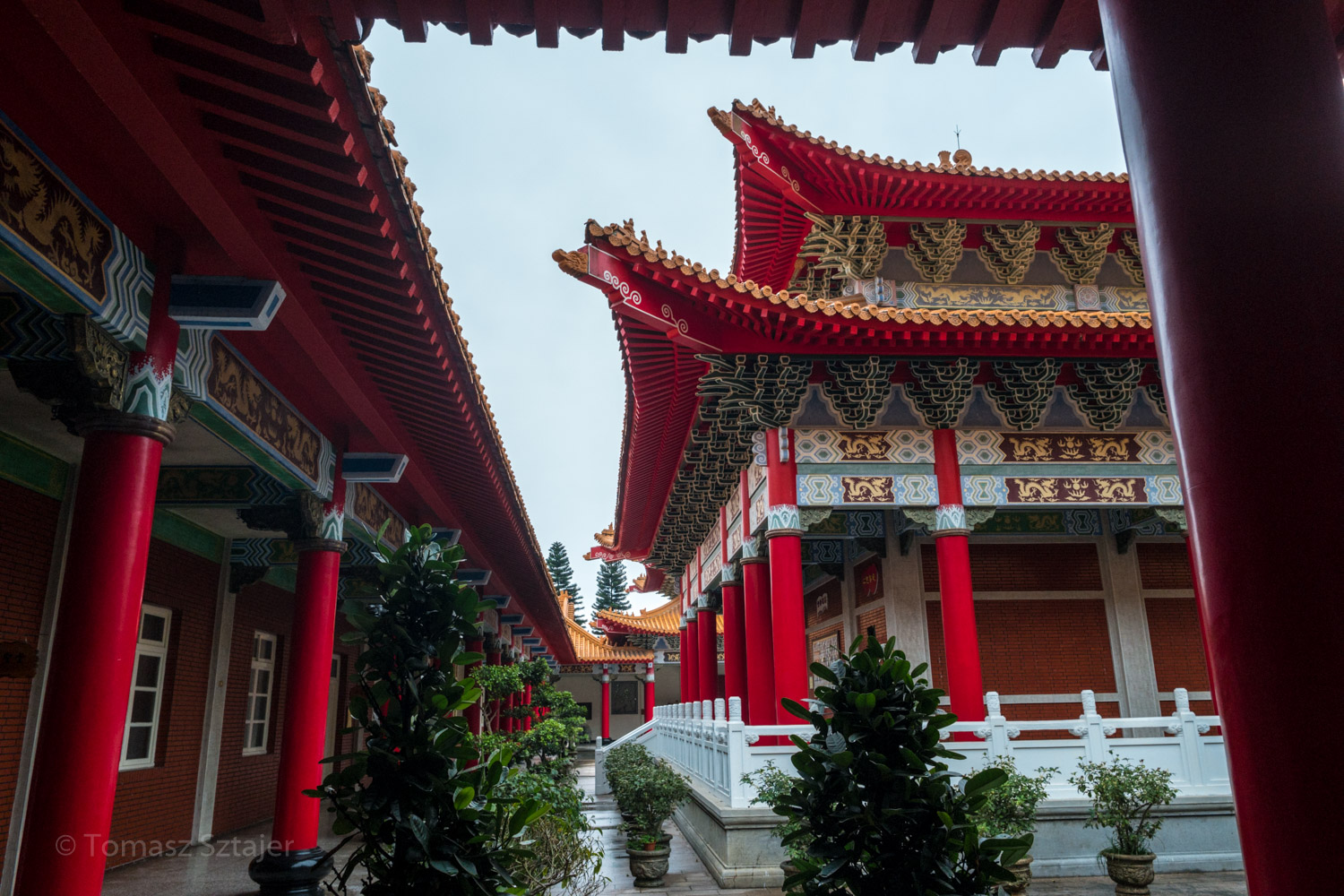
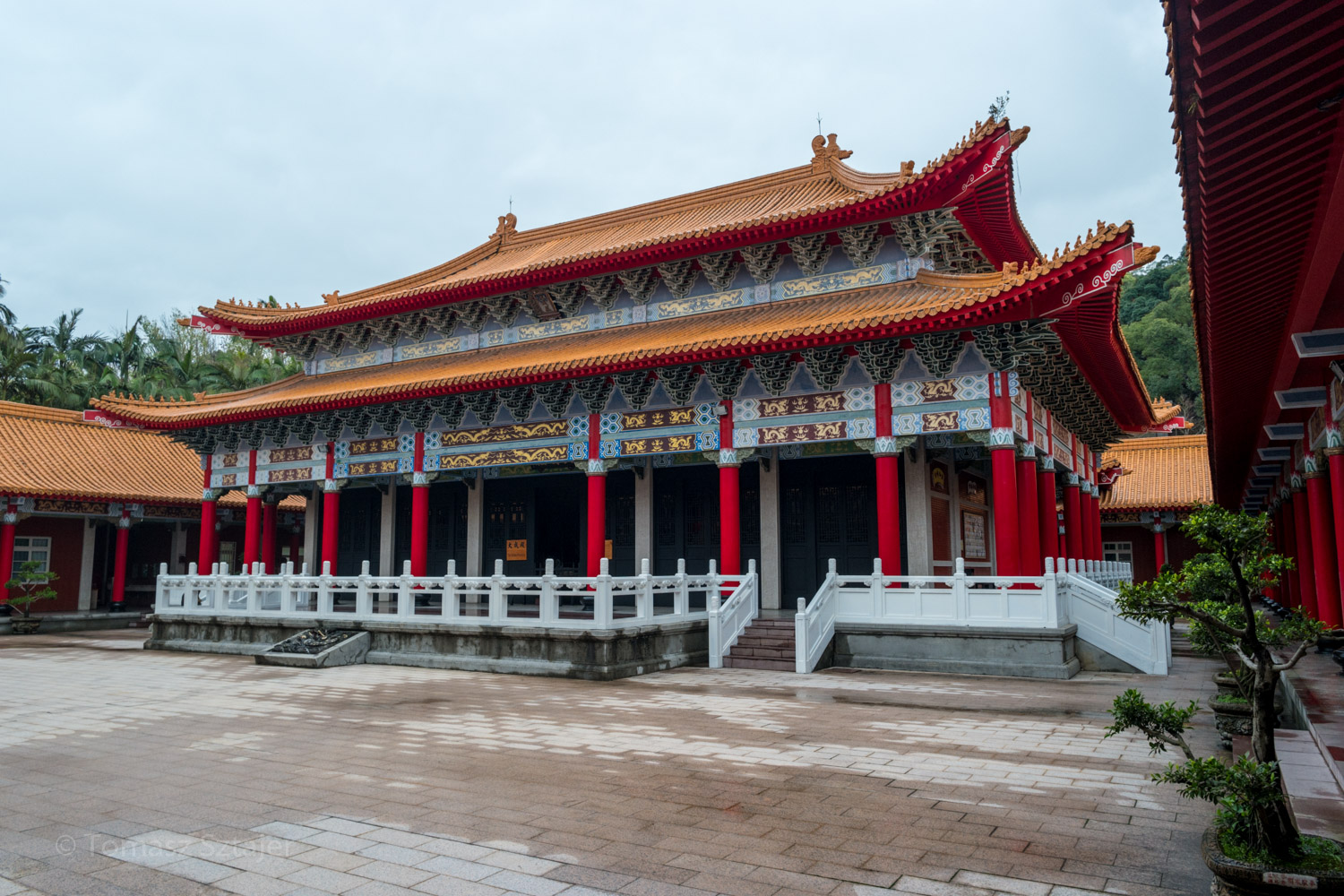
My stay in Taiwan only lasted a few days and was limited to Taoyuan and its surroundings so I will skip the writing part. However, you should know that the locals are very kind and helpful and hard drives are pretty cheap. Oh, and the cheapest stay is in the brothel street (and the cheapest ever, um, room is a sort of a closet under the stairs).
***
Mój pobyt na Tajwanie ograniczony był czasowo do ledwie paru dni i geograficznie do Taoyuan i okolic, nie będę się tu zatem wymądrzał i rozpisywał, ograniczę się tylko do stwierdzenia, że lokalsi są bardzo mili i uczynni, a twarde dyski sprzedają tu w dobrej cenie. Acha, i najtańsze noclegi są przy ulicy z burdelami (a najtańszy z najtańszych, hm, pokoi mieści się… we wnęce pod schodami).
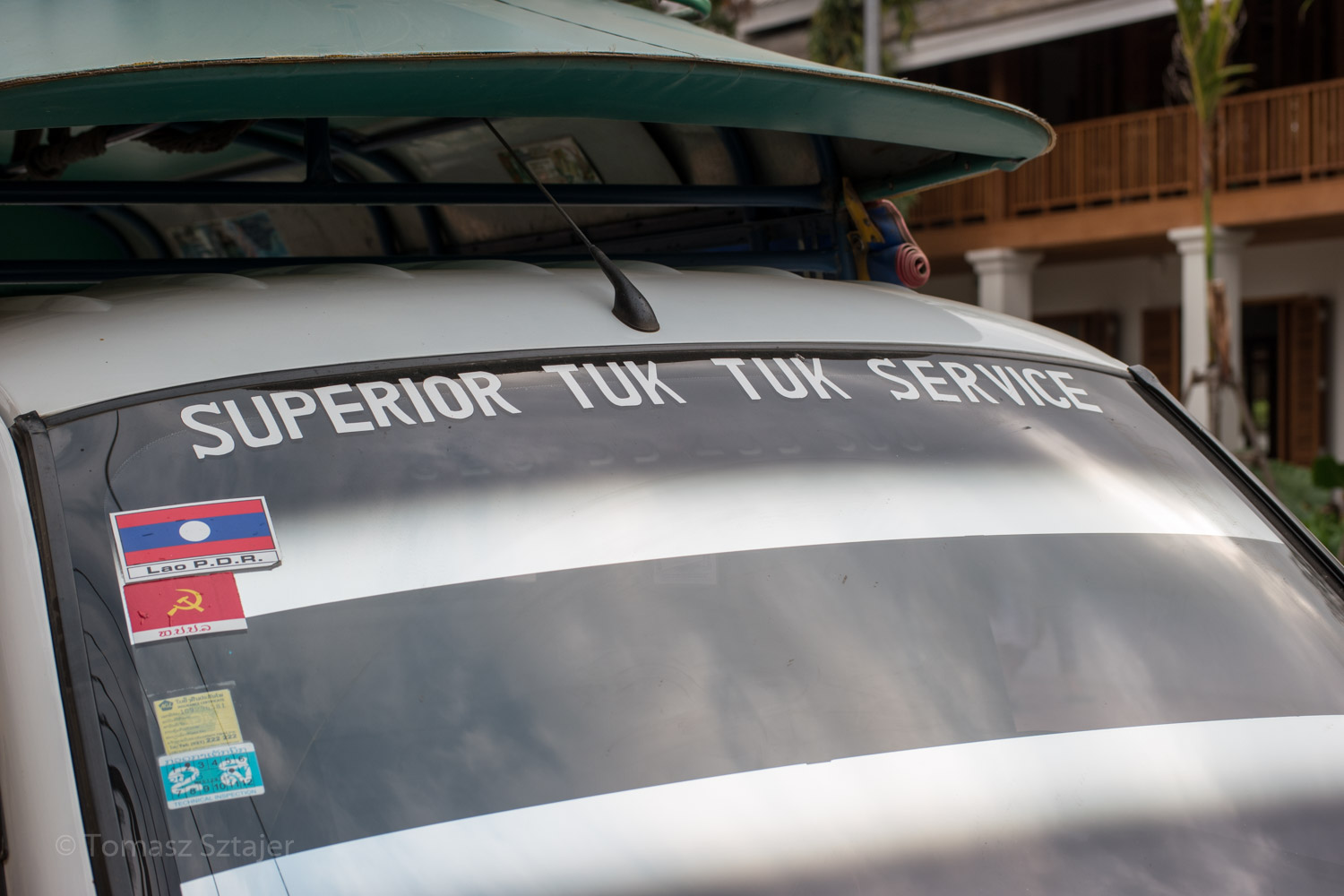
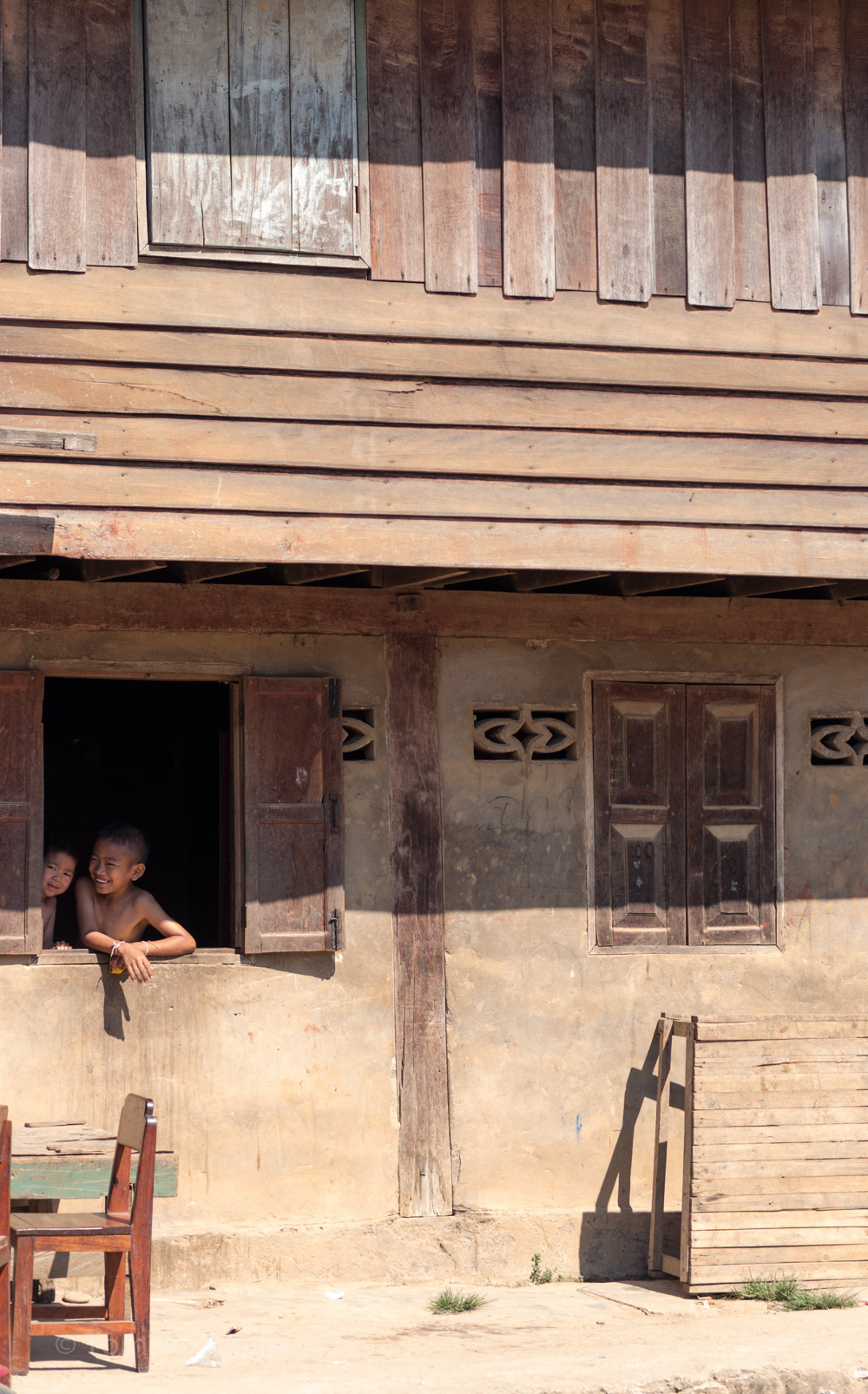
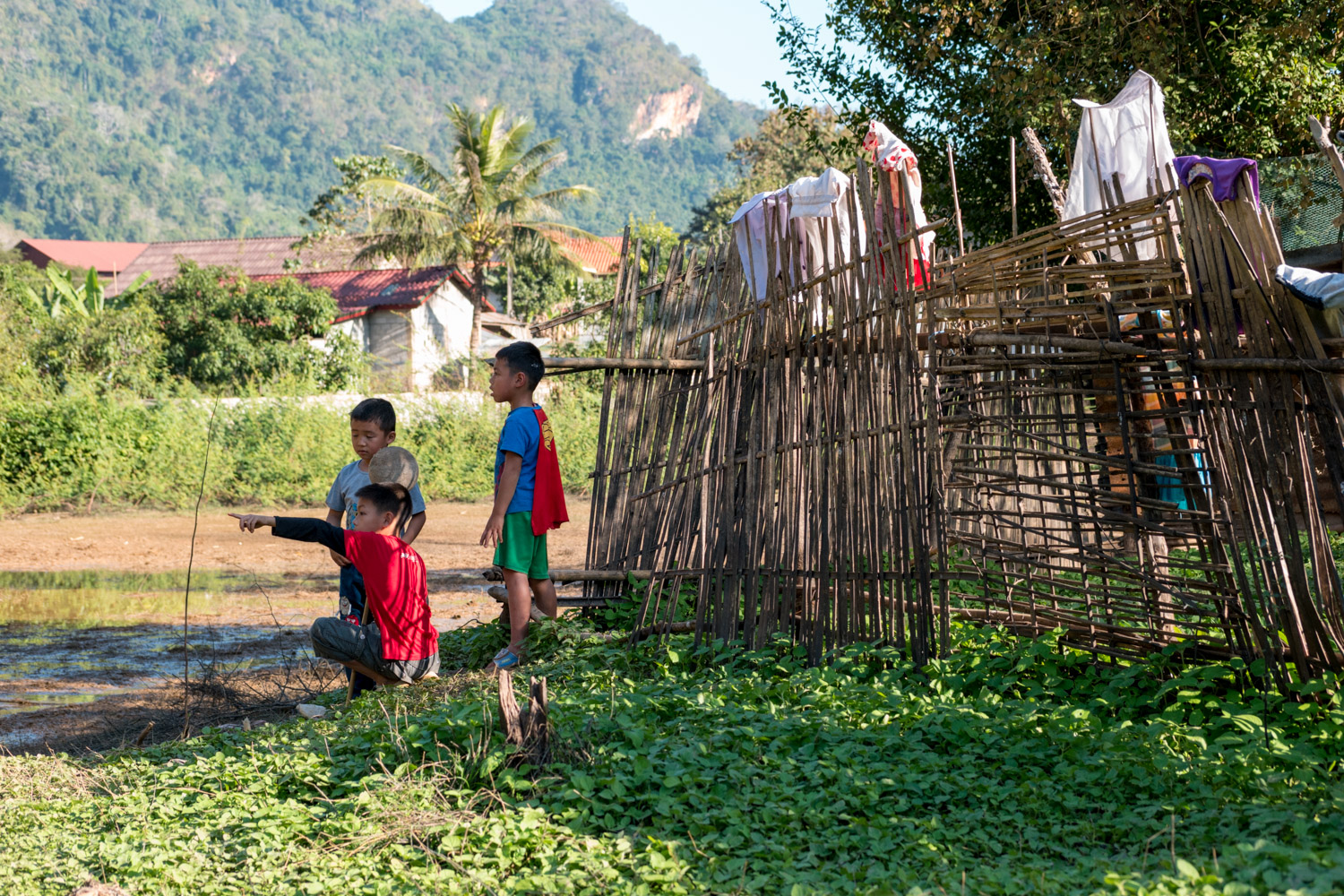
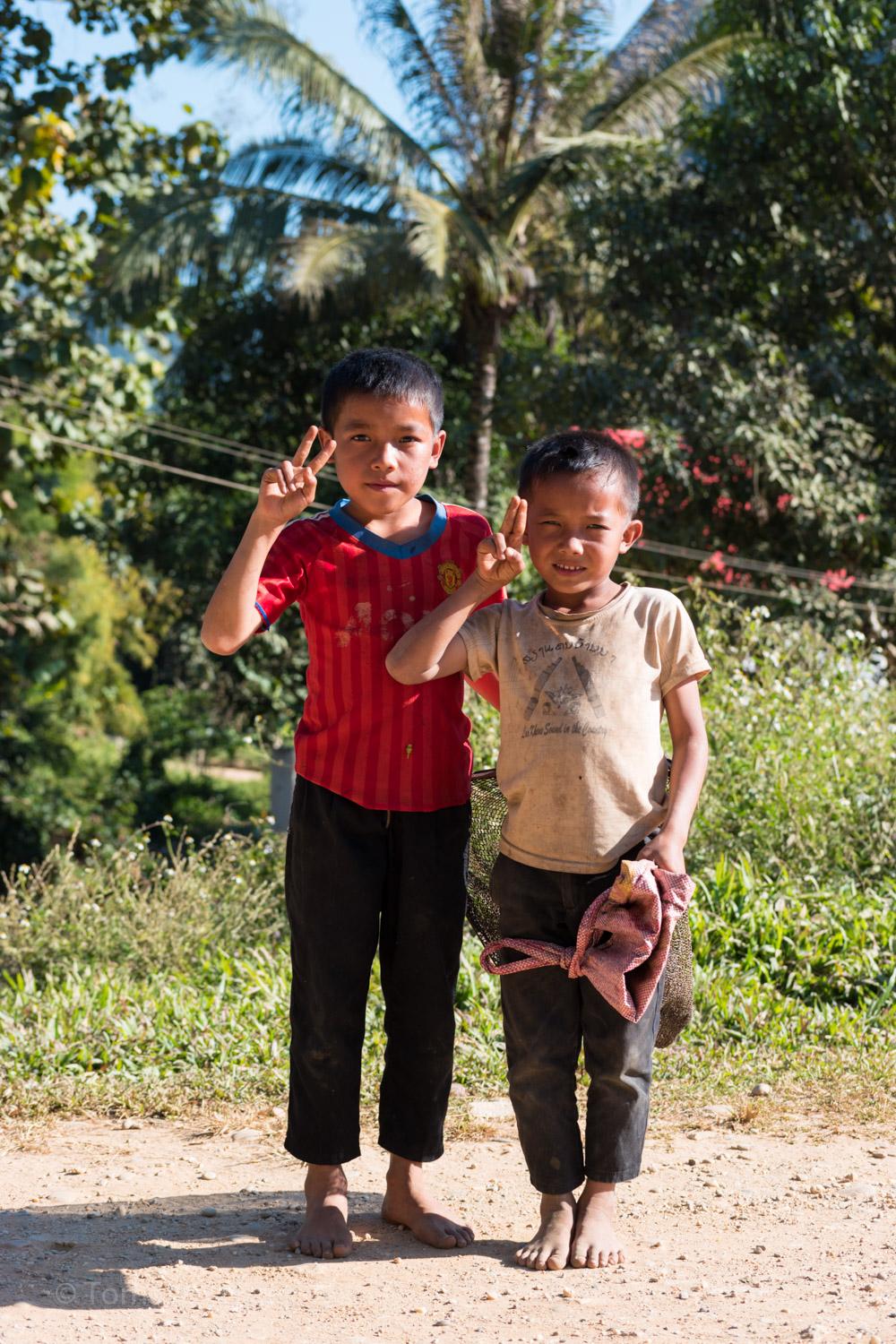
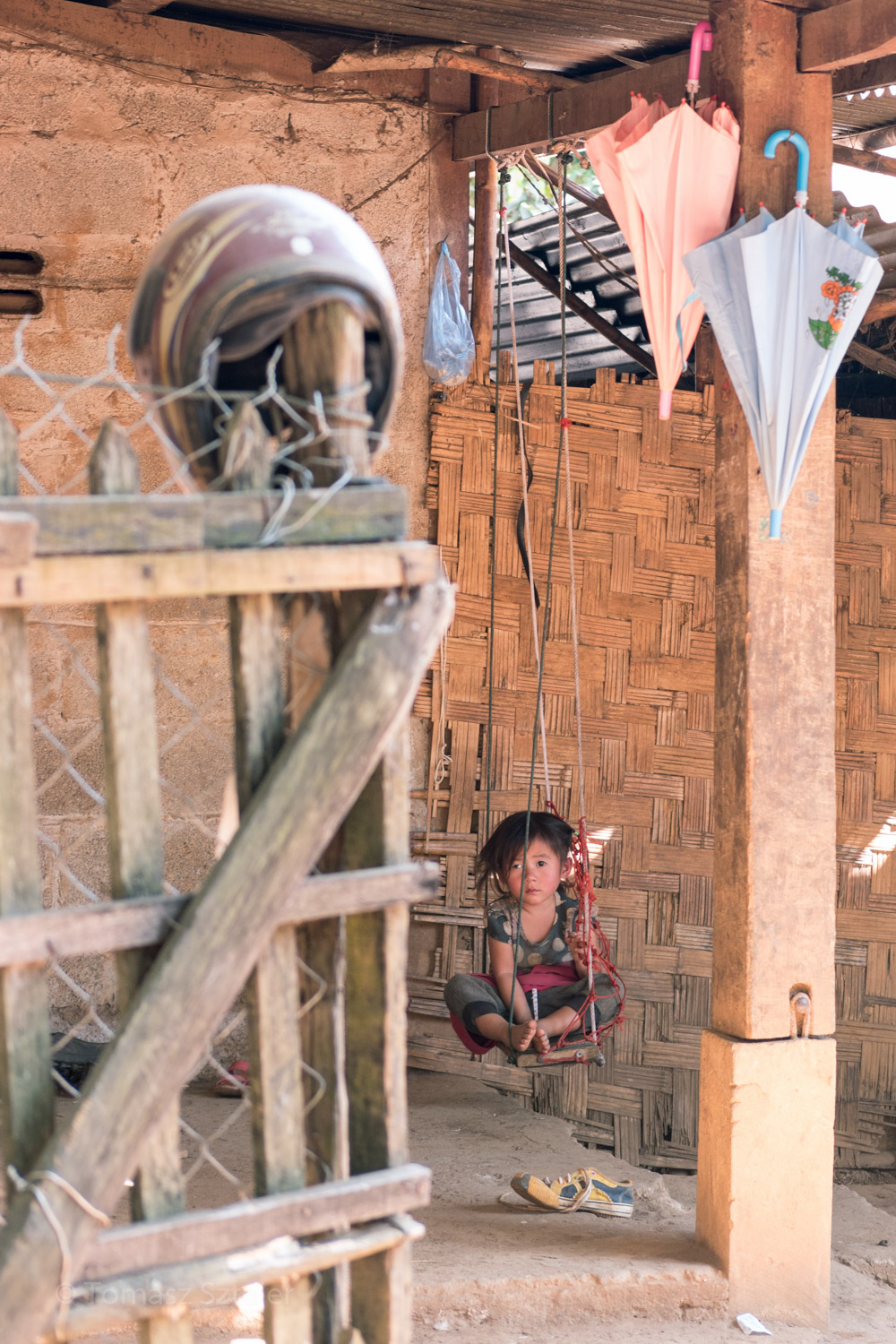
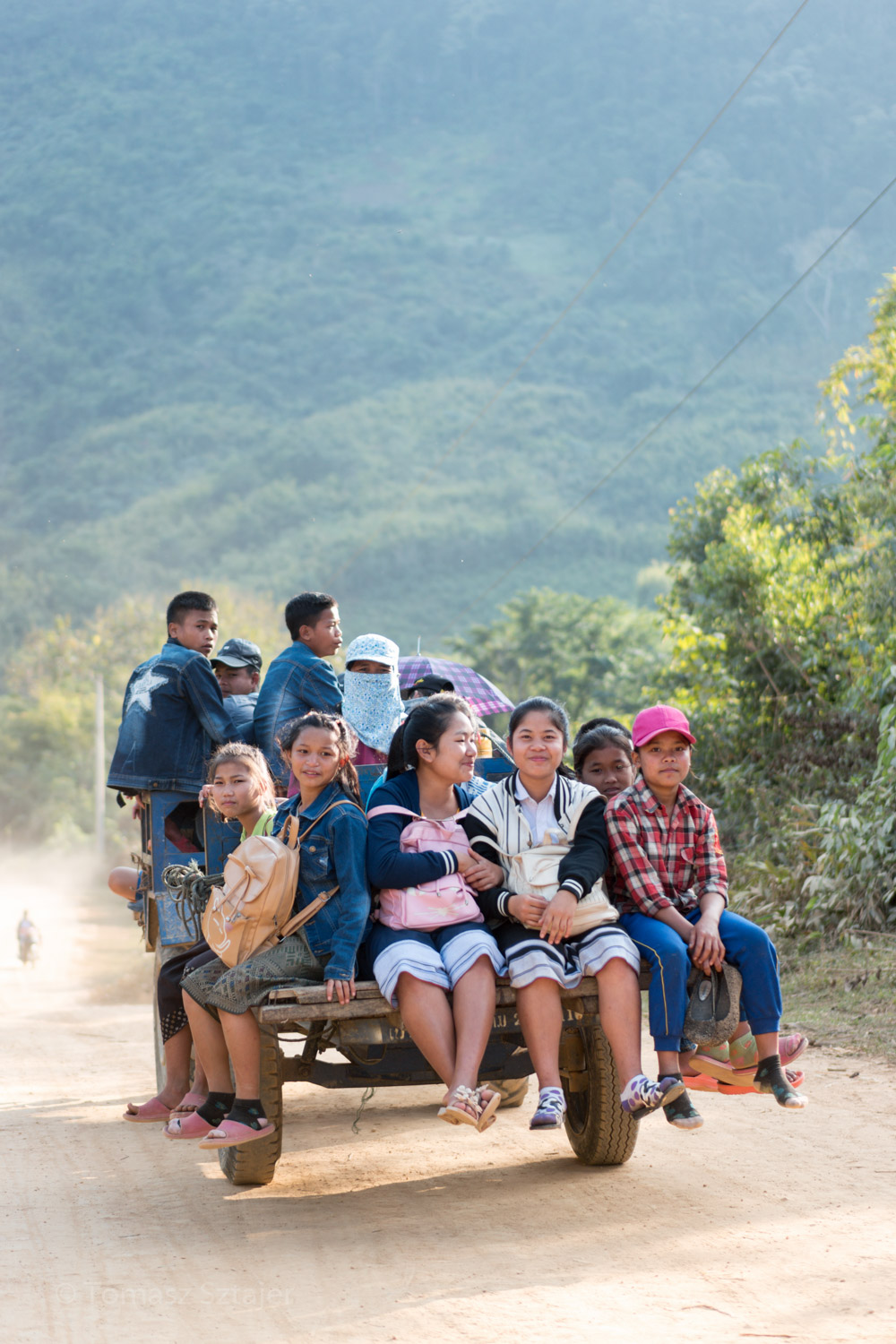
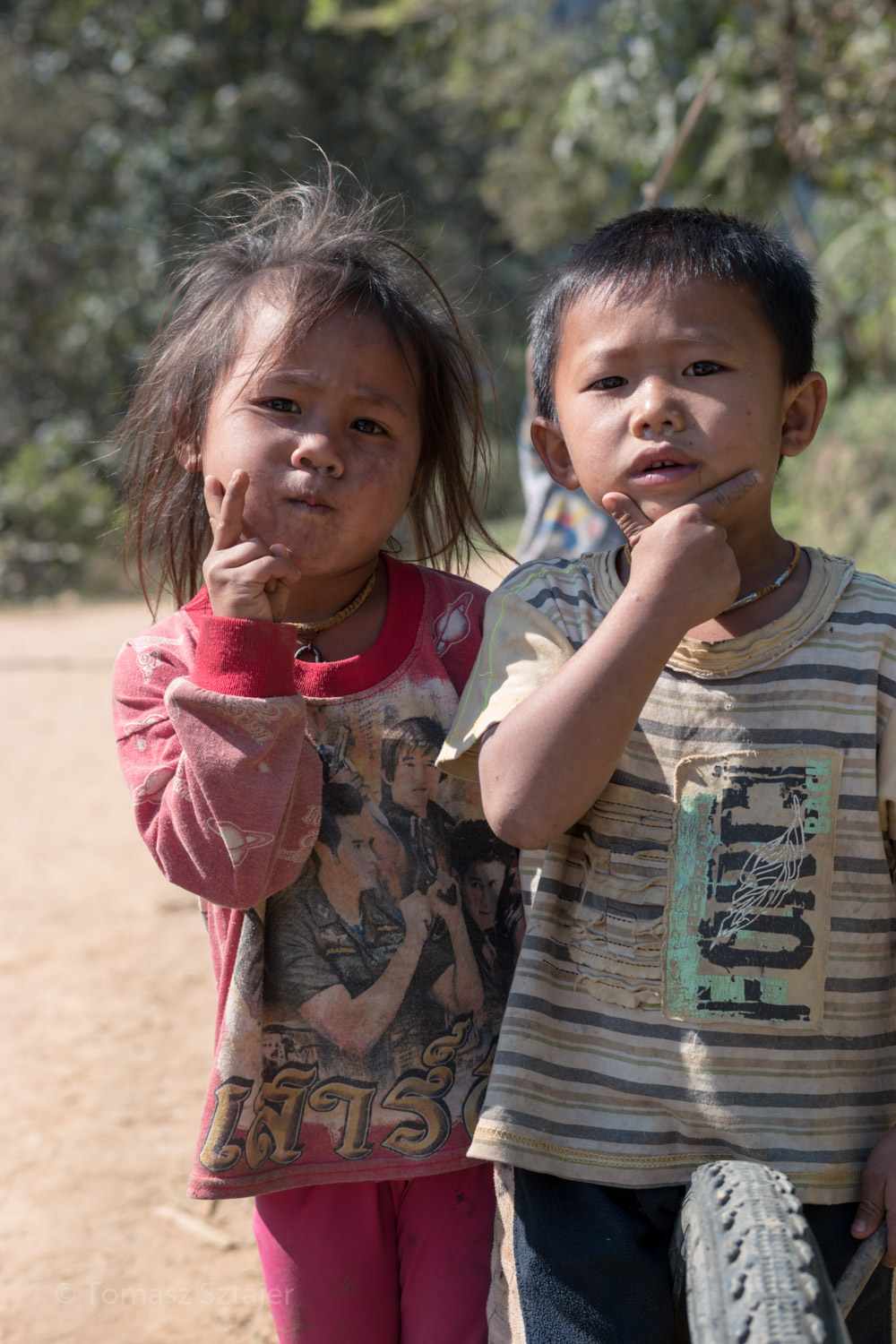
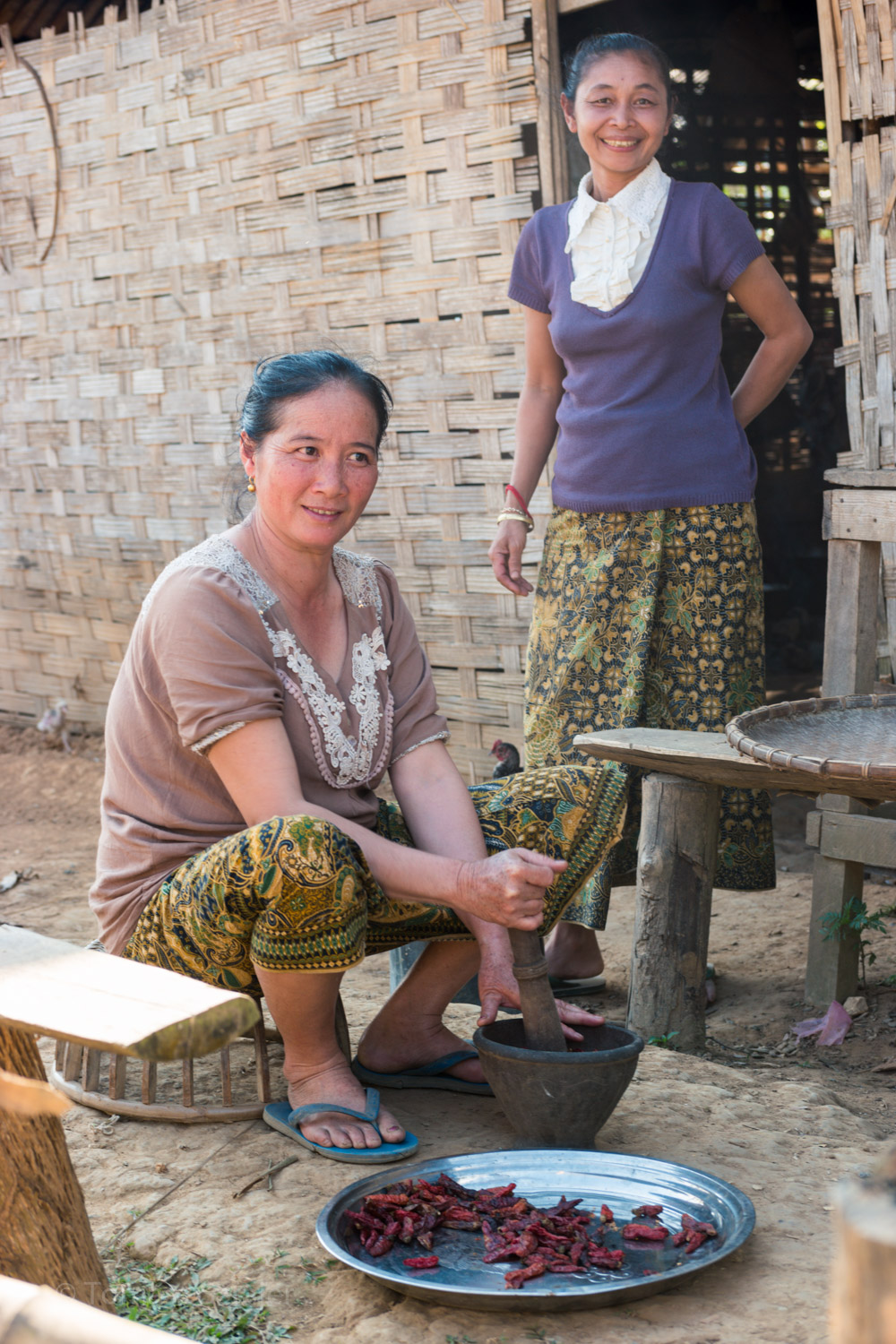
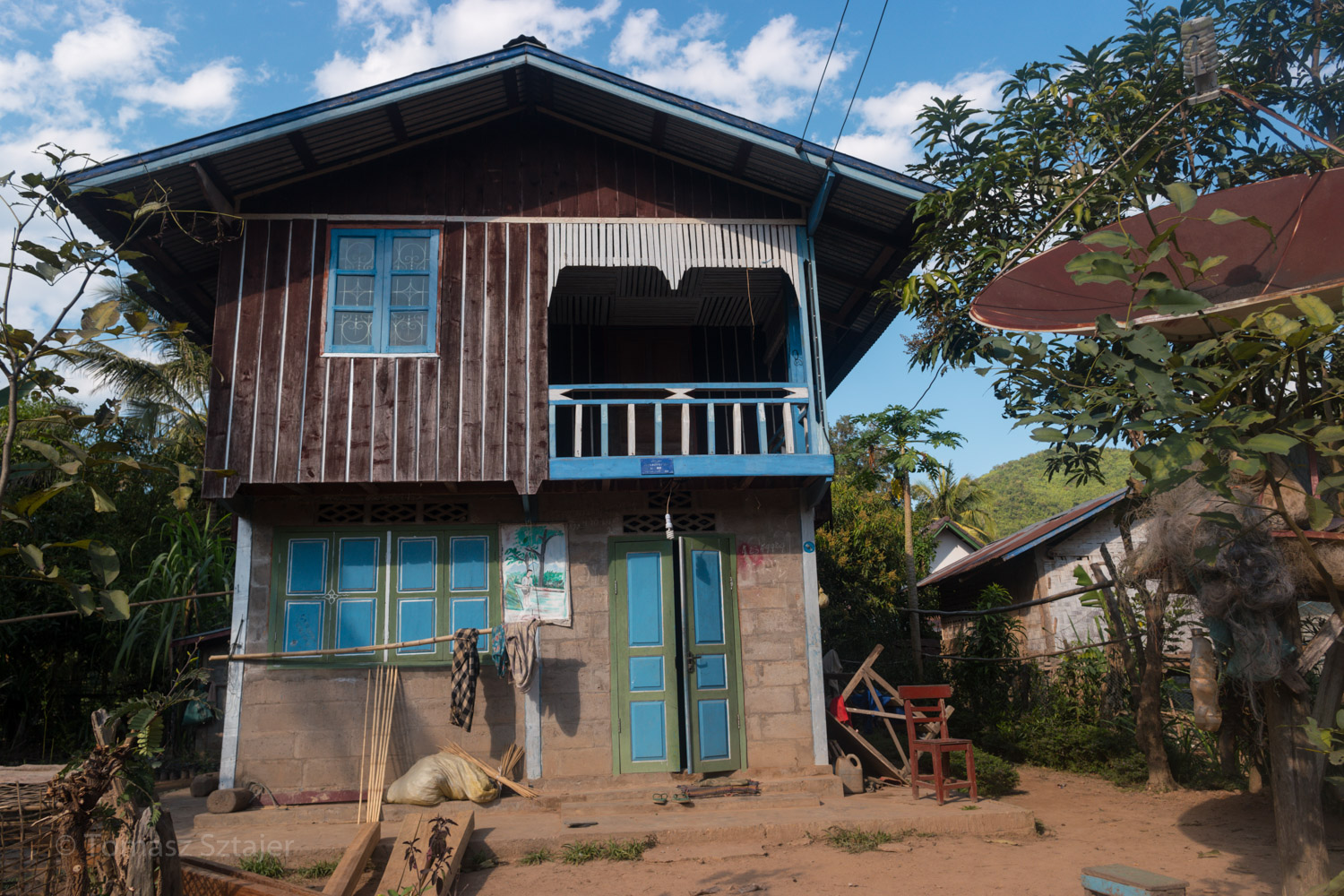
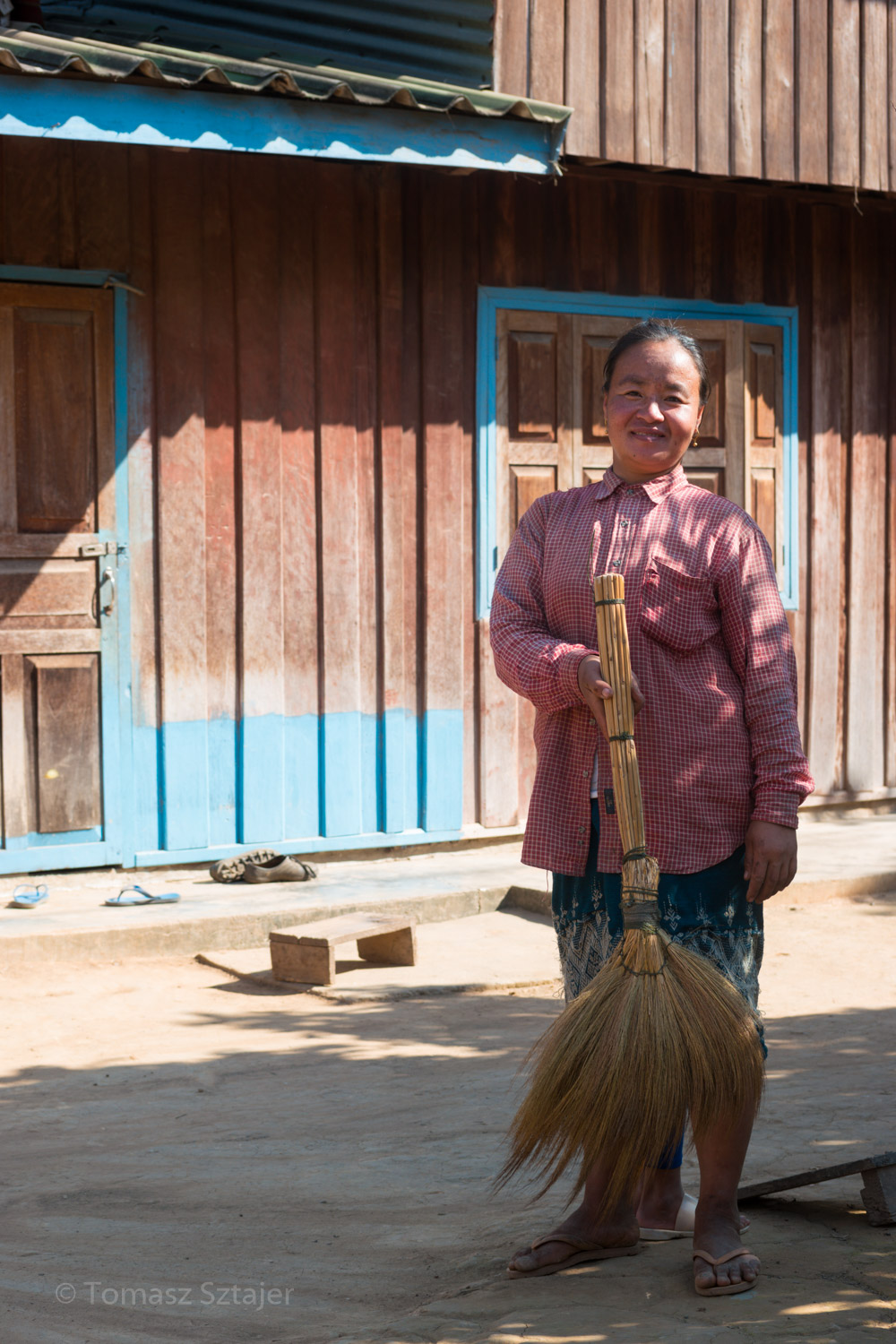
My stay in Laos triggered a reflexion on directions and boundaries of tourism industry development, the development that caters for more and more spleen-ed and lazy tourists (did I just say tourists? My bad – I mean, travelers… None of the thousands or millions of youngsters scaling the very same banana pancake trail would ever want to be called a tourist) and brings them the most amazing and authentic experience. Laos is a great place to ponder on it as – compared with neighbouring countries – their tourism awesomeness level is very moderate, nevertheless, the Laotians keep trying to somehow sell their resources to the visitors. And how, you might ask? They wrap the same old product, pimping it with the “adventure” and “authenticity”. I put those terms in inverted commas because oftentimes that “adventure” boils down to just laying back and letting the guide (of varying degree of competence) do the job and bring the customer to places that he himself could easily reach if he only made a small effort (instead of walking to a nearby village or waterfall just asking the locals about the way many people would hire a guide, who in turn hires a boat that you don’t need and organizes food that you can easily buy yourself). As for the “authenticity” bases on the homestay system: the tourist takes the best spot in the house while the hosts hide in the corners and both parties live next to each other, one being a very profitable piece of furniture/animal and the other – a monkey to take photos of. You can go very “authentic” with all the daytrips available from your local tour operator – you can see the real dwellers of villages, doing their traditional stuff using their traditional ways… That is, until the tourist’s visit is over – then they pack all the traditional stuff up and get back to real life. Some might say – so what, as long as they are earning money that lifts them from poverty… And it is true, to some extent. It’s just that the way that the money goes from the tour operator to the hands of local villagers is not always a very straight one. Oh, and most of tourism-related businesses are foreigner-owned (an interesting thing: you can see a switch in the ownership from Western hands to Chinese hands; either way, it seems that Laotians don’t have the skills, and – more importantly – the capital to own anything in their country).
And one more thing money-wise: it seems that the locals are pretty good at turning the Westerner’s guilt (that applies to the Americans in particular as their bombs punctured the country so badly that the forest fauna has not yet recovered to this day) into money – they charge you everywhere and for everything. Although the whole region is perceived as cheap, Laos, when compared with the neighbours, seems a little expensive, especially given the comparatively modest quantity and quality of tourist attractions.
And I don’t want to discourage you from visiting Laos – not at all! You just need to realize that with those numbers of people visiting the country – and this number is constantly growing as more and more people decide to have a “gap year” and find the true self somewhere on the way (plus hordes of Chinese tourists with their own travel culture; avoid traveling anywhere in Asia the months of January/February, April and early October as these are the times where they all flock to spend their holidays abroad) – this kind of tourism market deformation cannot be avoided. The more you want the authentic experience, the more authentic-ish product you get… And if you want a deeper level of authenticity and uniqueness – the industry will find a way to cater for your needs.
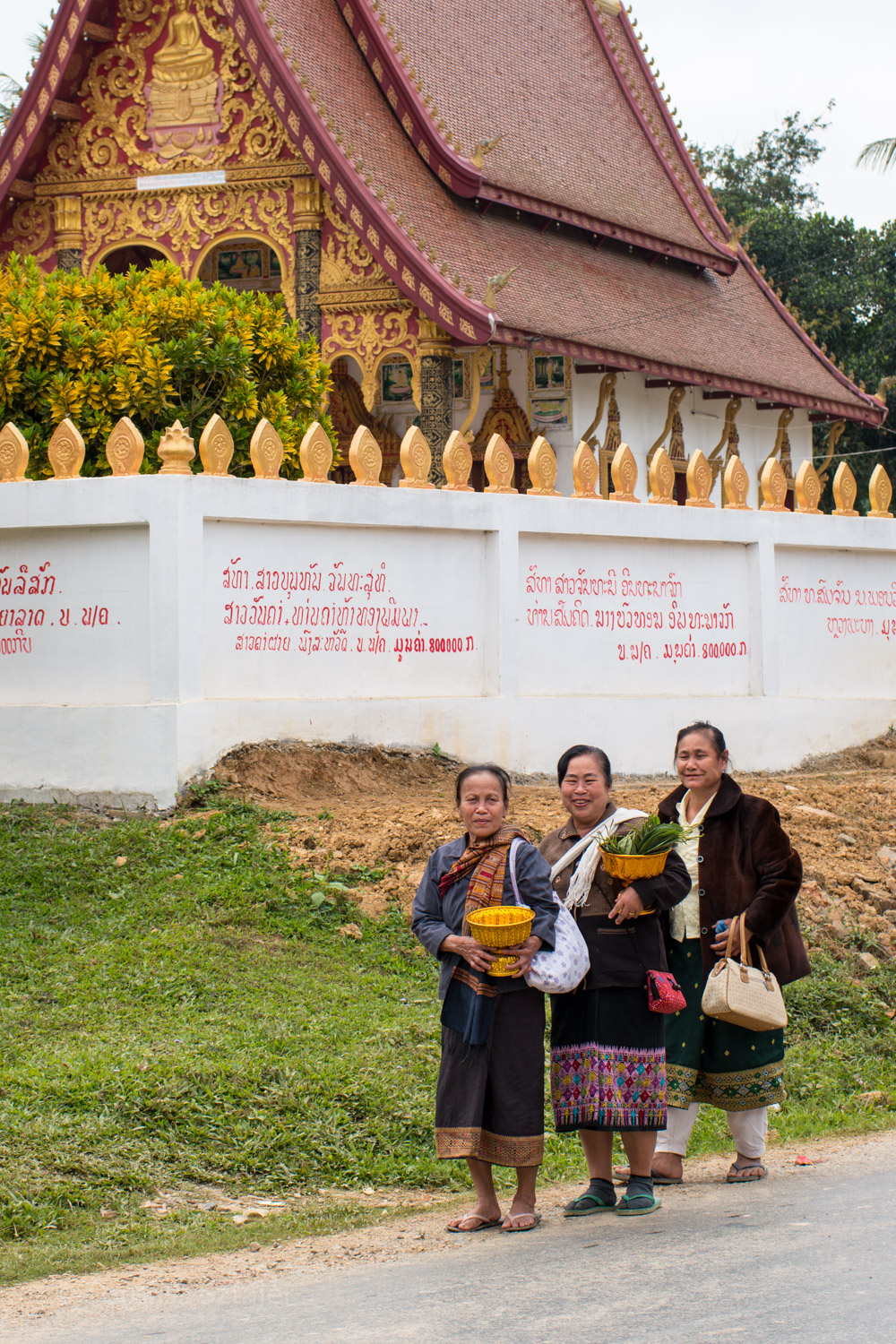
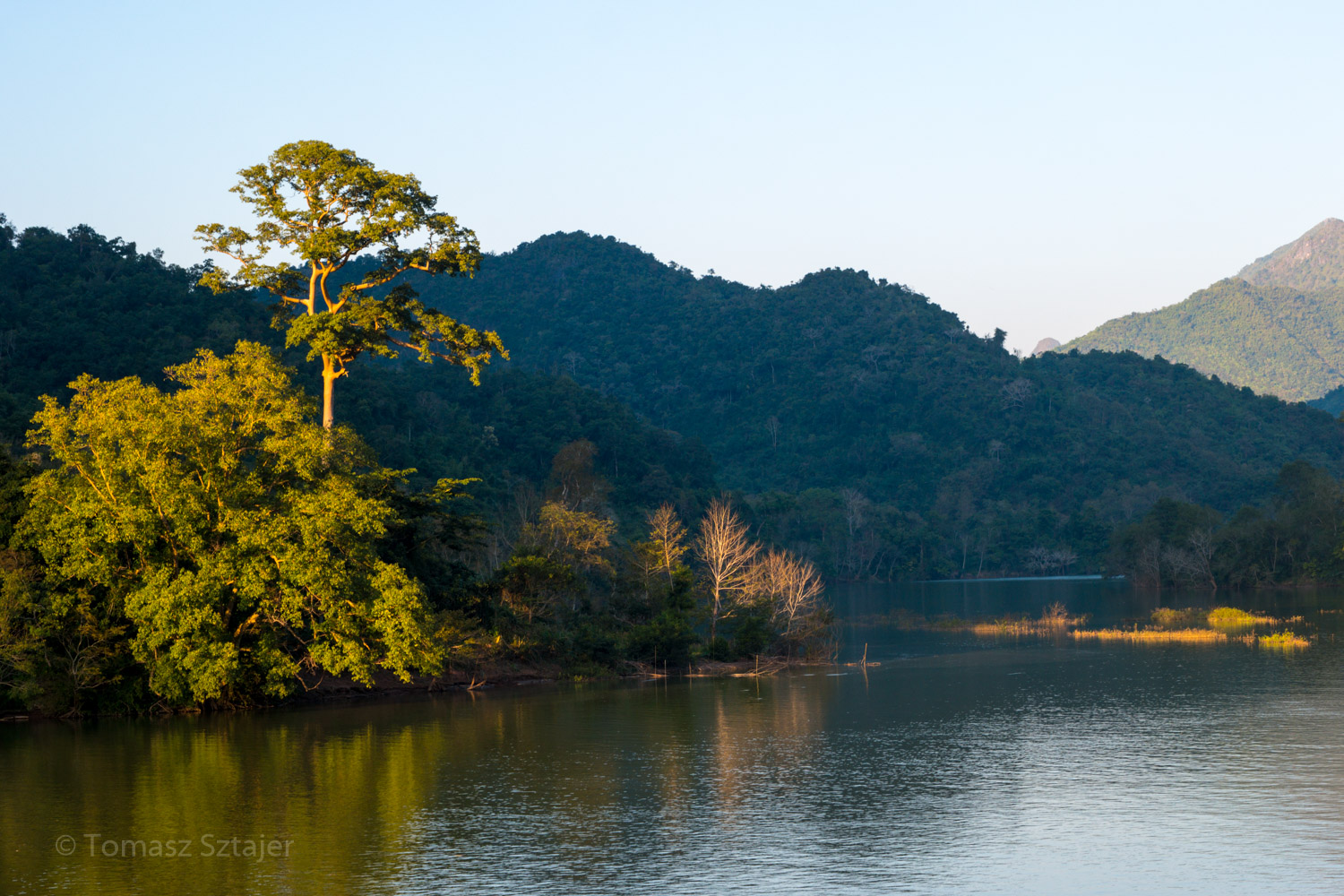
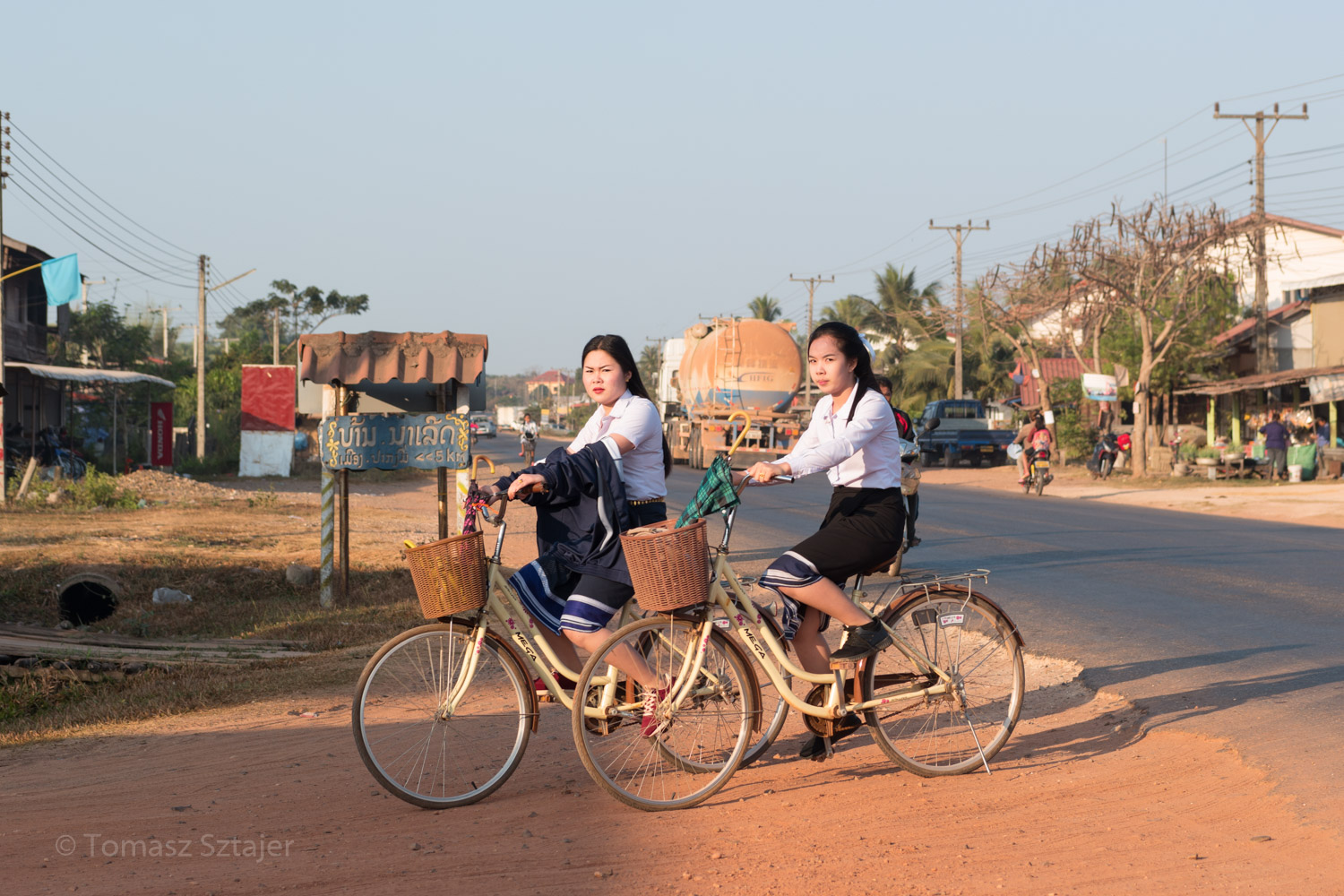
But enough complaining now… Let’s begin the tour. Laos is actually a nice place to visit – beautiful landscapes, numerous temples, picturesque villages, warm and helpful people. And try hitch-hiking there – they don’t even understand the concept but hey are very willing to help you out, including hosting you for the night when you get stuck on the way.
Just ignore the tourist folklore, all the hawkers and children trying to get money from you (whoever taught them that should be severly punished) and find your own way of exploring the beauty of the country.
***
Pobyt w Laosie zachęcił mnie do refleksji nad kierunkami i granicami rozwoju przemysłu turystycznego, celem zapewnienia coraz bardziej znudzonym i rozleniwionym turystom (przepraszam, podróżnikom, żaden z tysięcy a nawet milionów młodych ludzi, przemierzających dokładnie ten sam szlak po Azji Środkowo-Wschodniej, nie życzyłby sobie, żeby go nazwać turystą) jak nawspanialszych i jak najbardziej autentycznych doznań. Laos jest idealnym miejscem do takich rozważań, bo – porównując go z sąsiednimi krajami – nie dysponuje nadmiarem charakterystycznych atrakcji, a mimo to, swoje skromne zasoby próbuje jakoś sprzedać. A jak? Otóż opakowując na nowo to, co wszyscy znamy, umiejętnie operując czynnikiem “przygodowości” i “autentyczności”. Opatrzyłem te pojęcia cudzysłowem, bo w wielu przypadkach ta “przygodowość” oznacza kompletne lenistwo oraz brak samodzielności turysty, zagospodarowane przejęciem danego osobnika/grupy pod opiekę lokalnego – mniej lub bardziej kompetentnego – przewodnika i prowadzenie go do miejsc, do których sam by dotarł przy odrobinie wysiłku (zamiast przejść się do pobliskiej wioski czy wodospadu, pytając o drogę, wiele osób zatrudnia przewodnika, który z kolei wynajmuje łódkę i przygotowuje po drodze posiłek). Z kolei “autentyczność” opiera się np. na homestayach, tworzących już dość solidną gałąź biznesu, polegających na tym, że turyście przydziela się najwygodniejsze miejsce w chacie, podczas gdy rodzina mości się po kątach i przez parę dni jedni żyją obok drugich, traktując się z jednej strony jak dziwnego (i dochodowego) egzotycznego zwierza i z drugiej strony jak małpy do ofotografowania (tym bardziej atrakcyjne, im bardziej tradycyjnie wyglądające i tradycyjnie wykonujące tradycyjne czynności). Wiele “autentycznych” wrażeń dostarczają też rozmaite daytripy, podczas których odwiedza się prawdziwych mieszkańców wiosek, wykonujących rozmaite tradycyjne rękodzieła, tradycyjnie przyrządzających tradycyjne potrawy itp. Natychmiast po zakończeniu wizyty, mieszkańcy rzucają całą tą tradycję w kąt i wracają do normalnych zajęć. Ktoś powie- i cóż z tego, przynajmniej pieniądze z tego przedstawienia trafiają do lokalnych społeczności… I jest w tym sporo prawdy, choć droga, którą gotówka przebywa od organizatora do szeregowego wieśniaka, bywa dość kręta… Swoją drogą, organizator ten często jest obcokrajowcem (przy tej okazji krótka dygresja: o ile do niedawna wszelkie biznesy turystyczne tworzyli biali ludzie z Zachodu, to obecnie nie da się nie zauważyć, że coraz większej ilości miejsc – na razie przede wszystkim hoteli i hosteli – szefują Chińczycy; Laotańczycy najwyraźniej nie mają zmysłu organizacyjnego, a przede wszystkim kapitału)…
I jeszcze parę słów w sprawie pieniędzy – Laotańczycy zmyślnie wykorzystują poczucie winy Zachodu (zwłaszcza Amerykanów, którzy tak im podziurawili kraj bombami, że do tej pory nie odrodziła się fauna leśna) i kasują wszędzie i za wszystko. I za dużo… Choć według standardów europejskich cały region jest tani, to na tle krajów ościennych, Laos wypada dość drogo, zwłaszcza zważywszy na brak spektakularnych atrakcji turystycznych.
Nie chcę bynajmniej zniechęcać do zwiedzania Laosu, wręcz przeciwnie… Po prostu przy takiej liczbie odwiedzających – a liczba ta będzie wzrastać, bo co roku miliony ludzi robią sobie “gap year” i ruszają w drogę celem odnalezenia siebie w pięknych okolicznościach przyrody (do tego dochodzą chmary chińskich turystów, którzy – oprócz tego, że zawsze zjawiają się w dużych ilościach – reprezentują dość specyficzną, hm, kulturę podróżowania; terminy, w których należy spodziewać się chińskiej inwazji w całej Azji to styczeń/luty, początek października, okolice kwietnia) – taka deformacja rynku turystycznego jest nie do uniknięcia… Miliony ludzi pojawiają się, oczekując/żądając autentycznych i niepowtarzalnych doświadczeń, zatem rynek odpowiada na te potrzeby oferując namiastkę tej autentyczności (bo przy takich liczbach odwiedzin na autentyczną autentyczność nie ma szans)… A skoro ta namiastka nam nie wystarcza, skoro potrzebujemy pogłębionej “autentyczności” i wyjątkowości, rynek kombinuje i wykonuje wygibasy, żeby tylko nam zaoferować produkt, jak najbardziej zbliżony do naszych oczekiwań…
Dość narzekań, czas zabrać się za zwiedzanie:) Bo w Laosie wcale nie jest źle – ładne pejzaże, rozliczne świątynie i świątynki, malownicze wioski, sympatyczni i uczynni ludzie. Acha, i spróbujcie autostopu – choć większość Laotańczyków nie rozumie tej idei, to zrobi wszystko, żeby Wam pomóc, łącznie z ugoszczeniem na noc… Wystarczy tylko przymknąć oko na cepeliowość, opędzić się od wszelkiej maści naganiaczy, pogonić dzieciaki z wyrobionym automatyzmem proszenia białego o pieniądze i znaleźć swój sposób na zachwycenie się miejscem, które odwiedzamy.
Poniżej znajdziecie parę filmików i garść zdjęć z mojej wycieczki.
Free the Bears Laos:
Healer’s Visit:
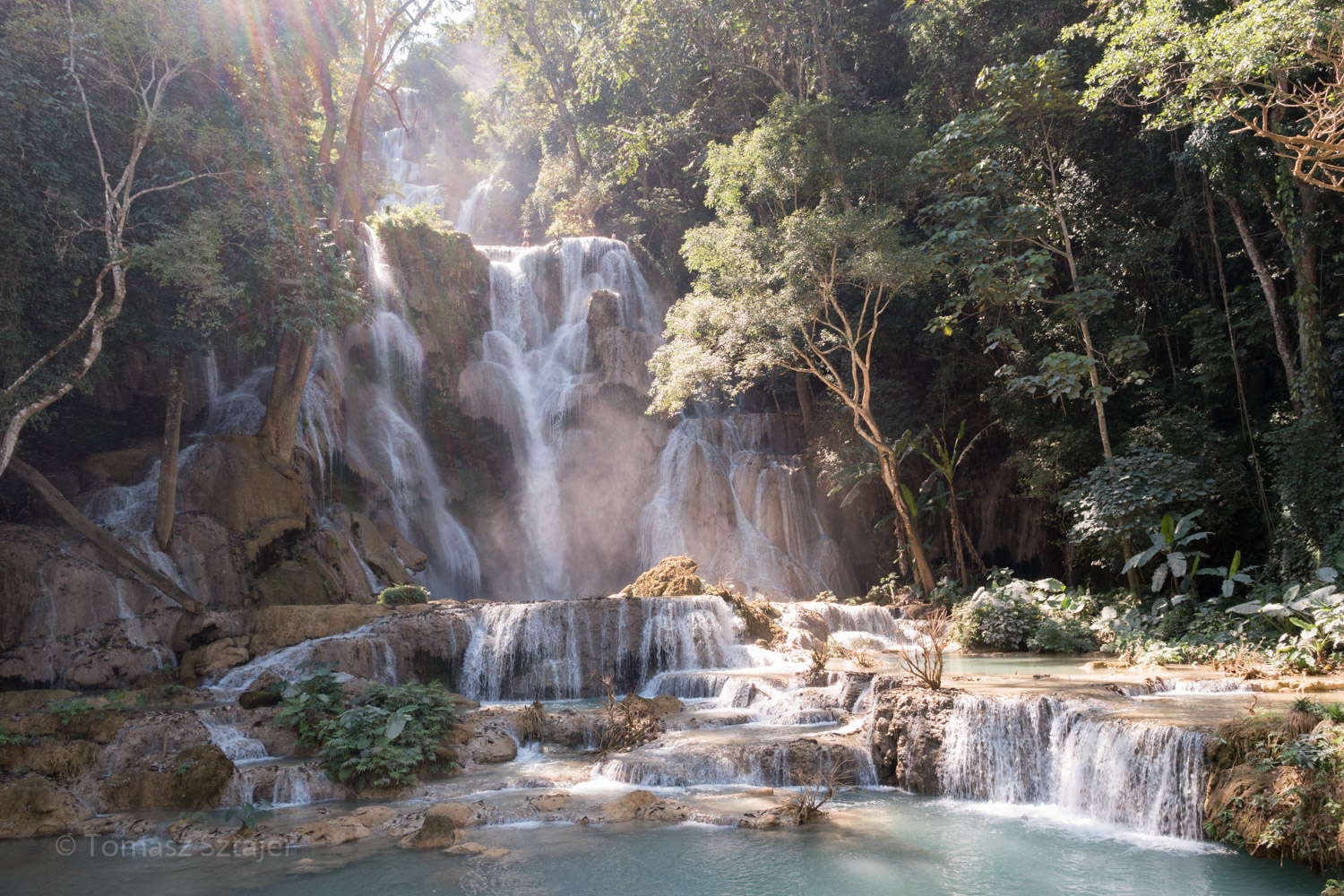
Tat Kuangsi Park
Tat Kuangsi Park
Tat Kuangsi Park
On the way to Tat Kuangsi
On the way to Tat Kuangsi
On the way to Tat Kuangsi
On the way to Tat Kuangsi
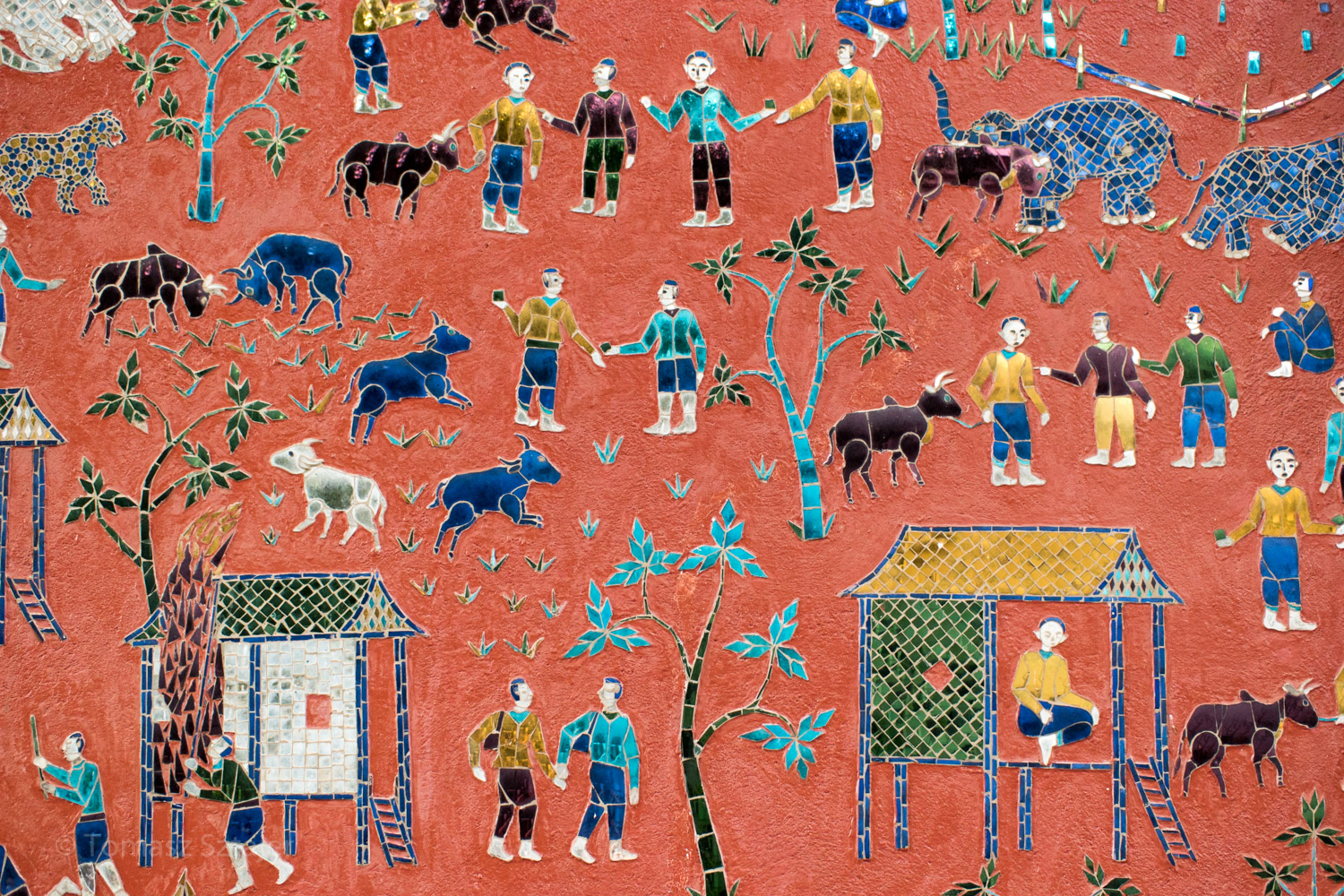
Wat Xieng Thong, Luang Prabang
Wat Xieng Thong, Luang Prabang
Wat Xieng Thong, Luang Prabang
Wat Xieng Thong, Luang Prabang
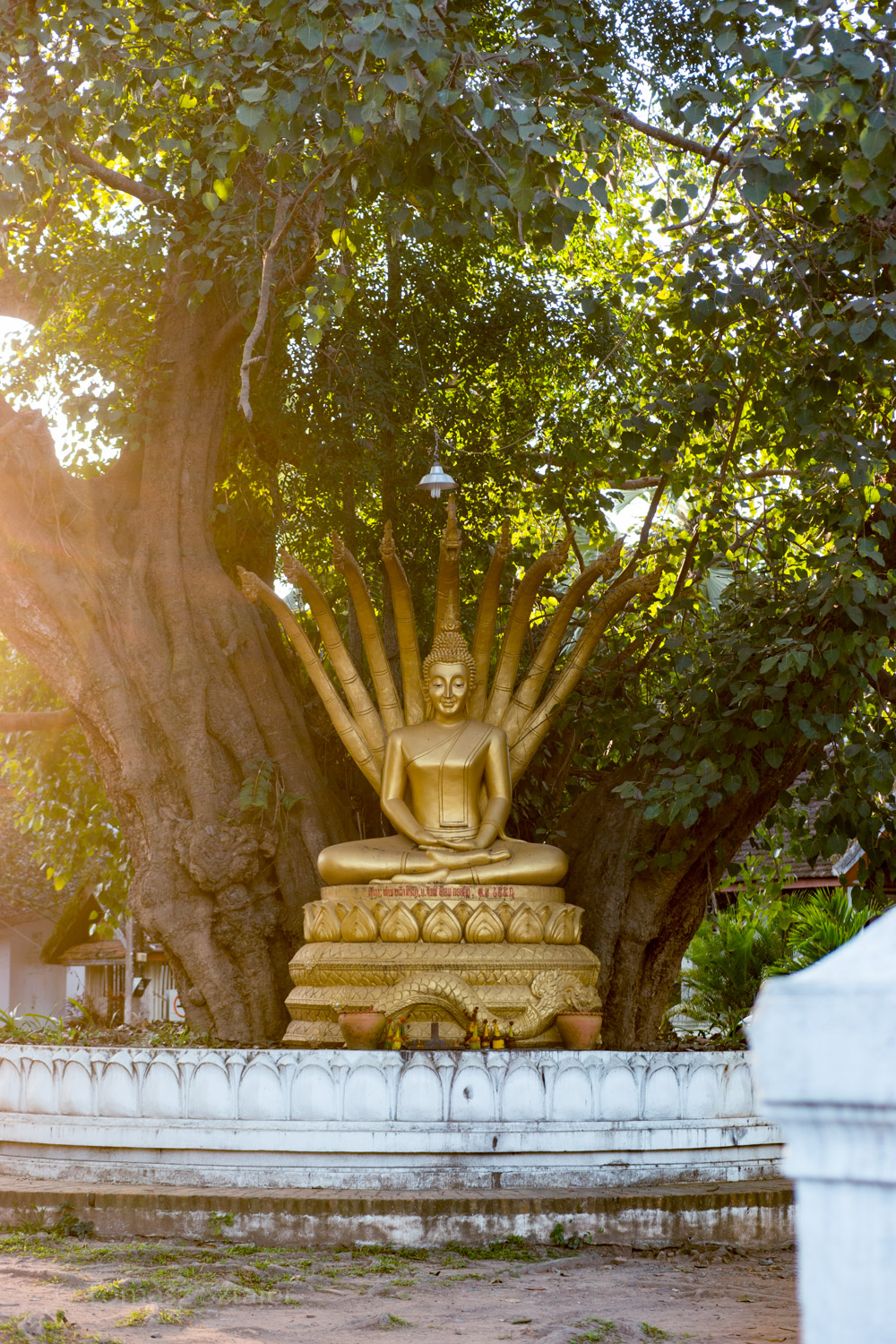
Wat Visoun, Luang Prabang
Wat Visoun, Luang Prabang
Wat Visoun, Luang Prabang
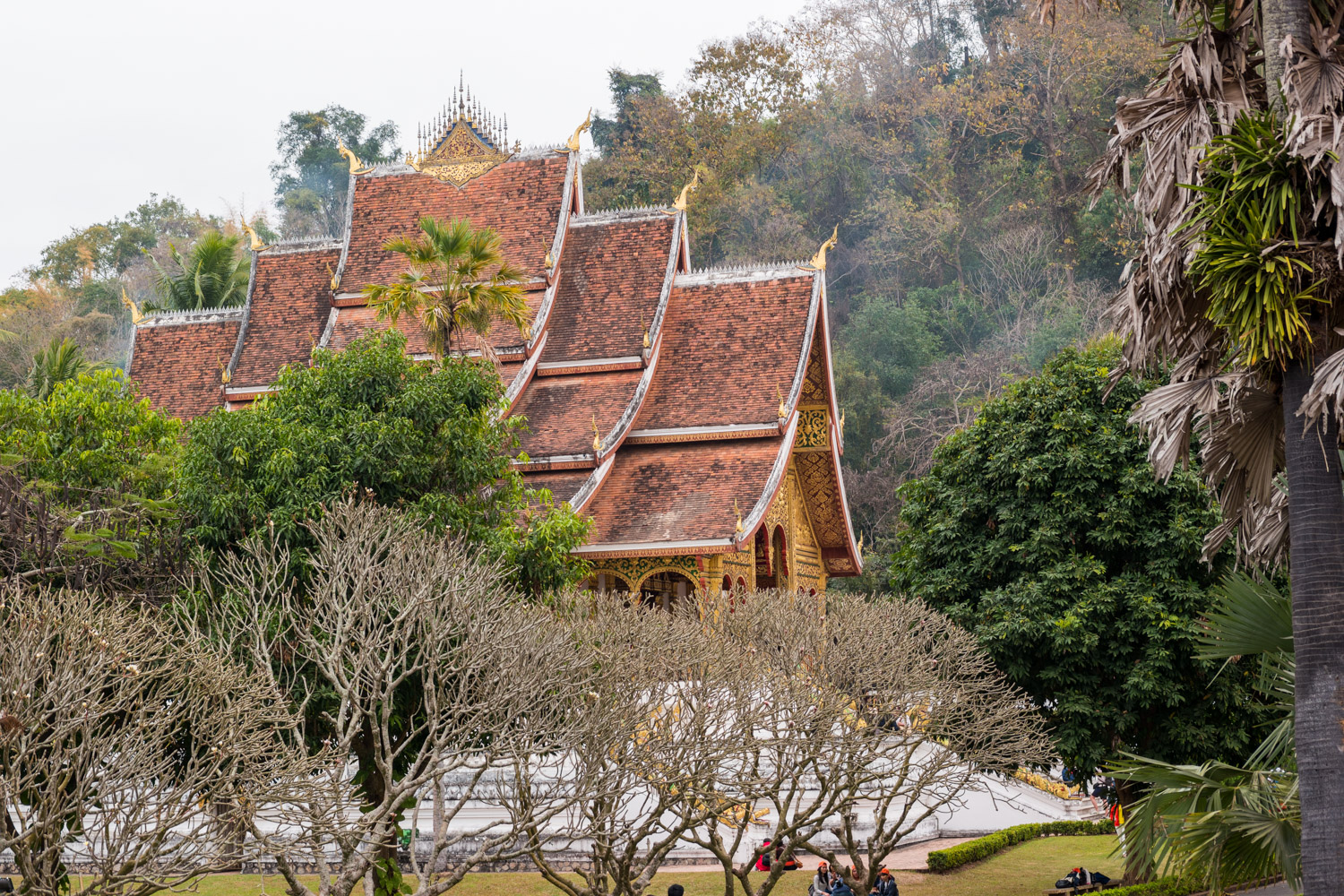
Haw Pha Bang, Luang Prabang
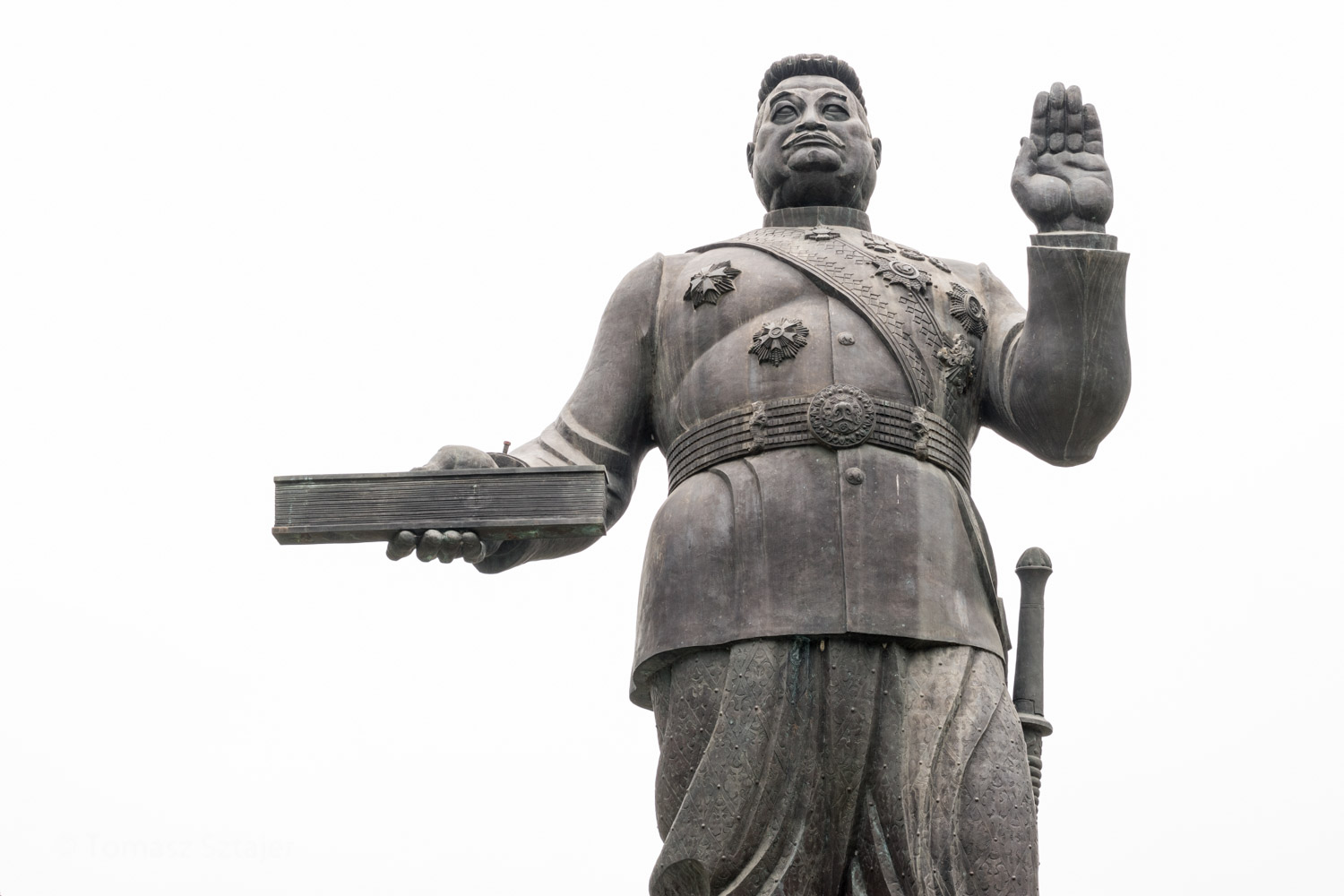
Statue of Sisavang Vong on the palace grounds, Luang Prabang
Royal Palace, Luang Prabang
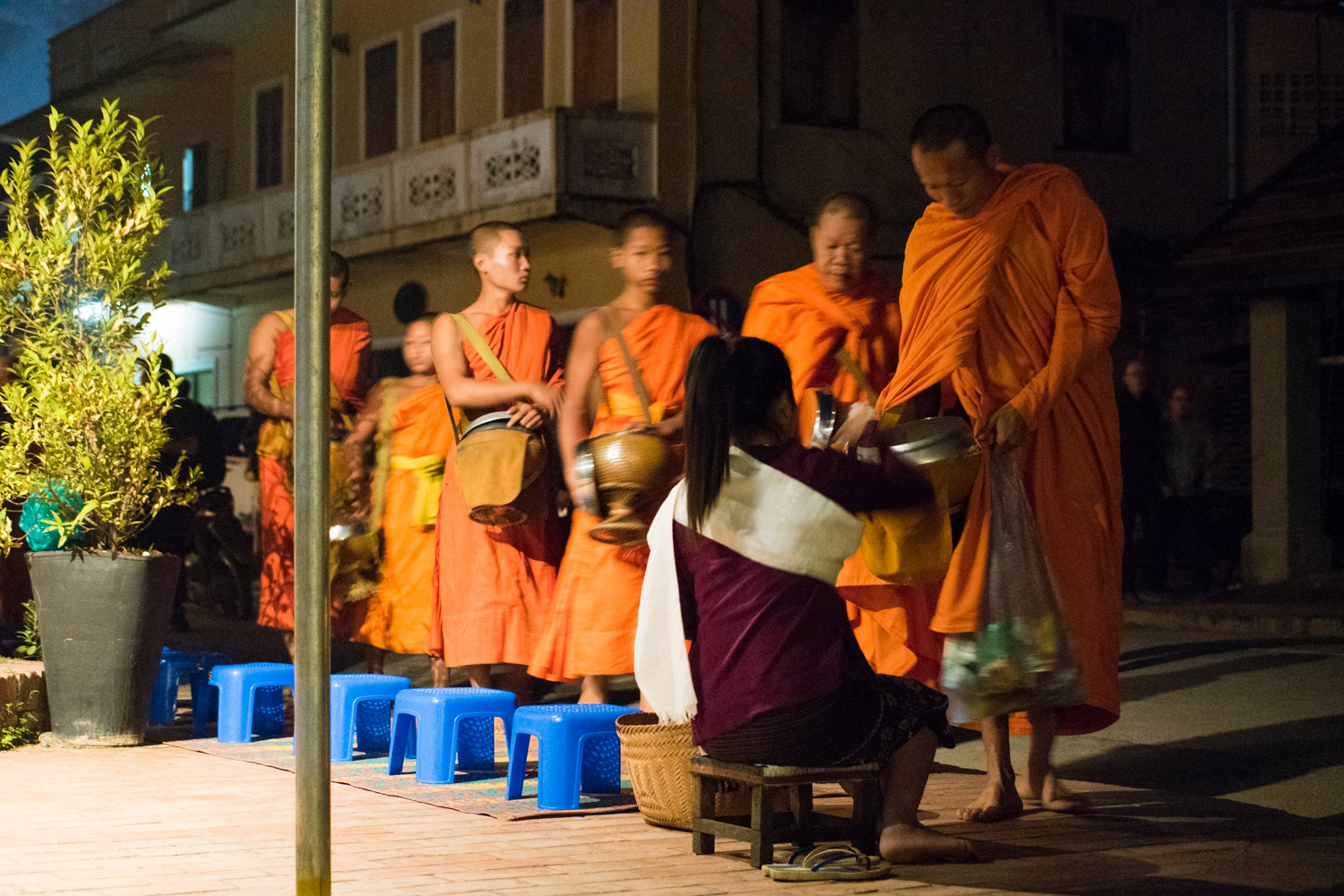
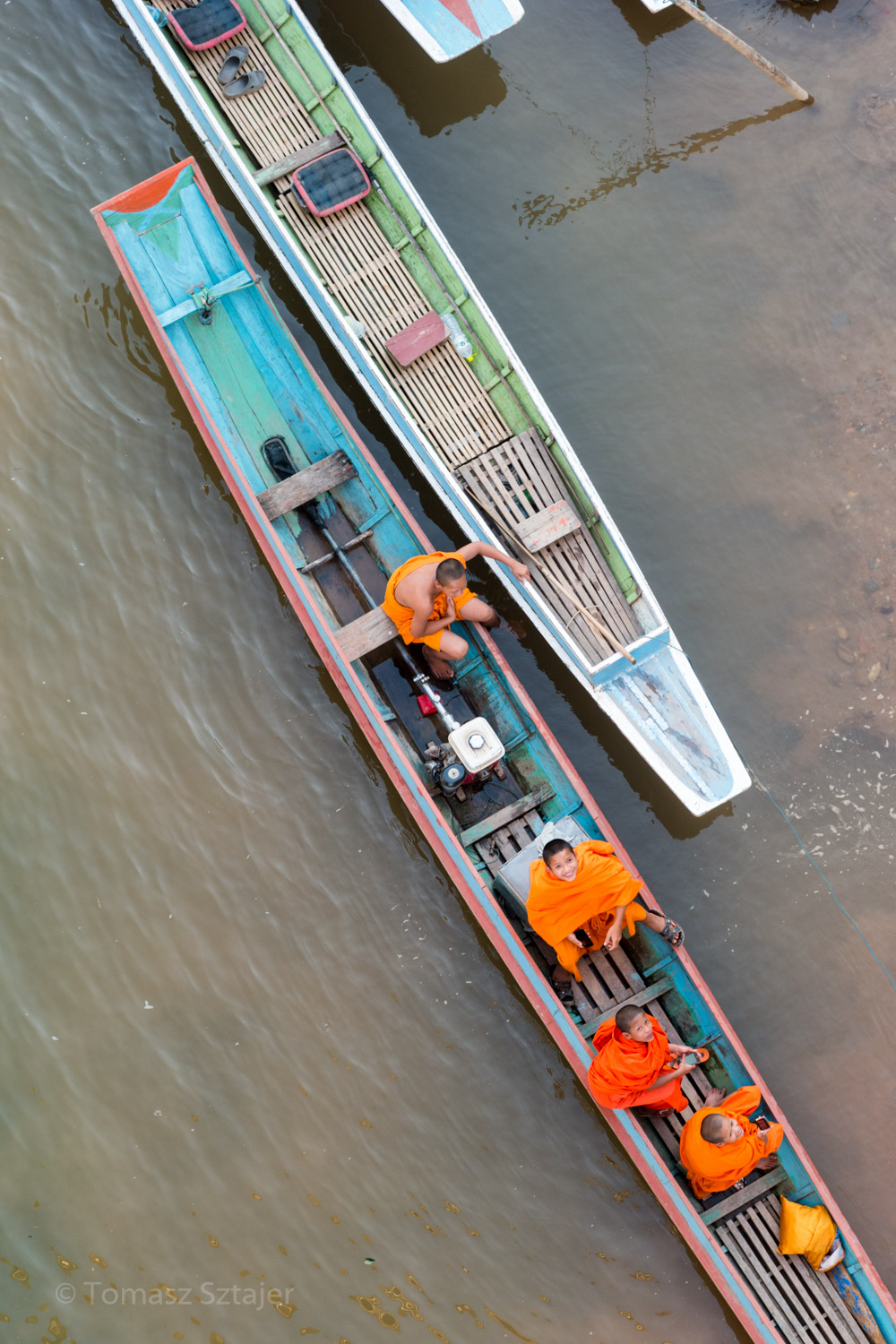
Alms ceremony, Luang Prabang
Luang Prabang
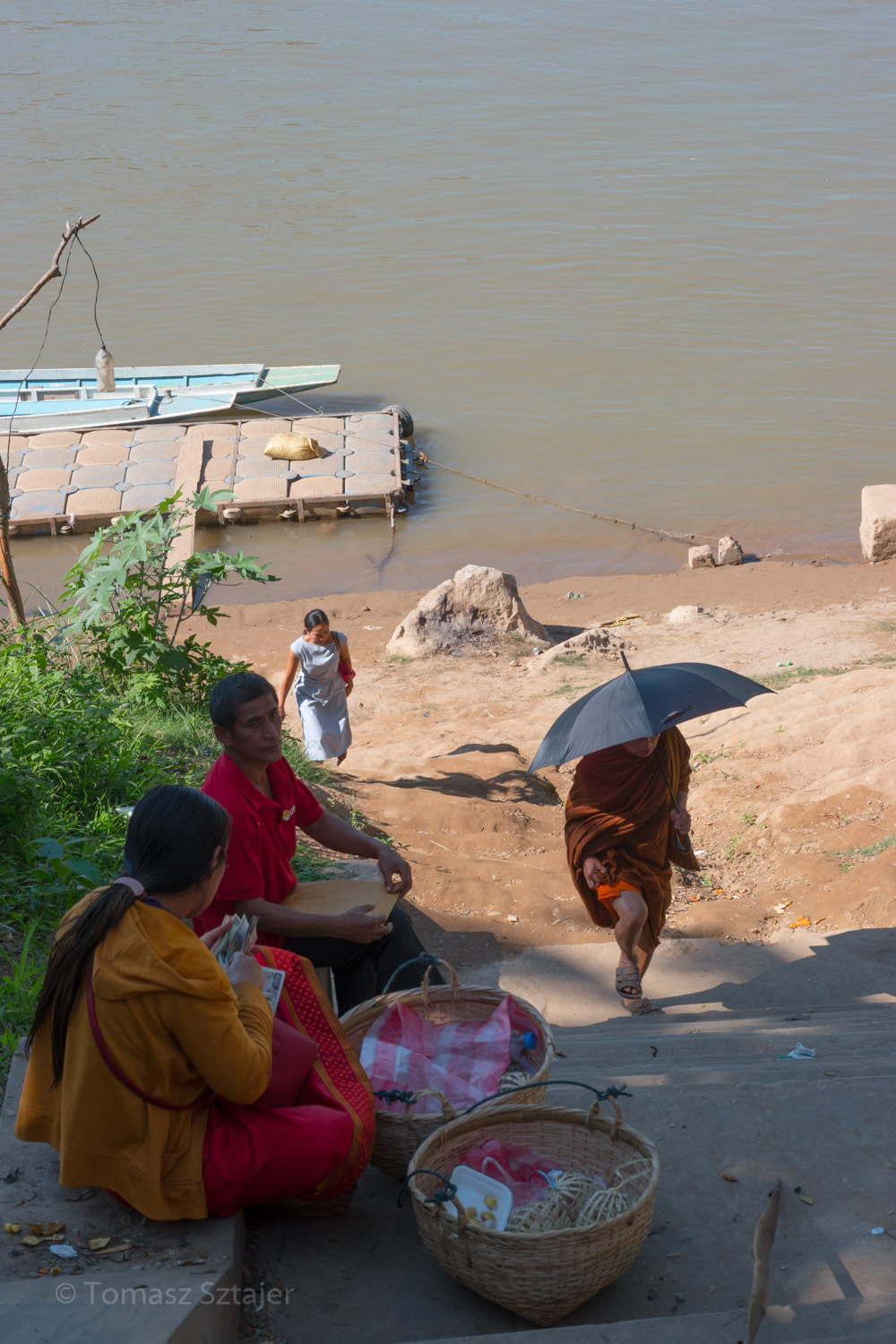
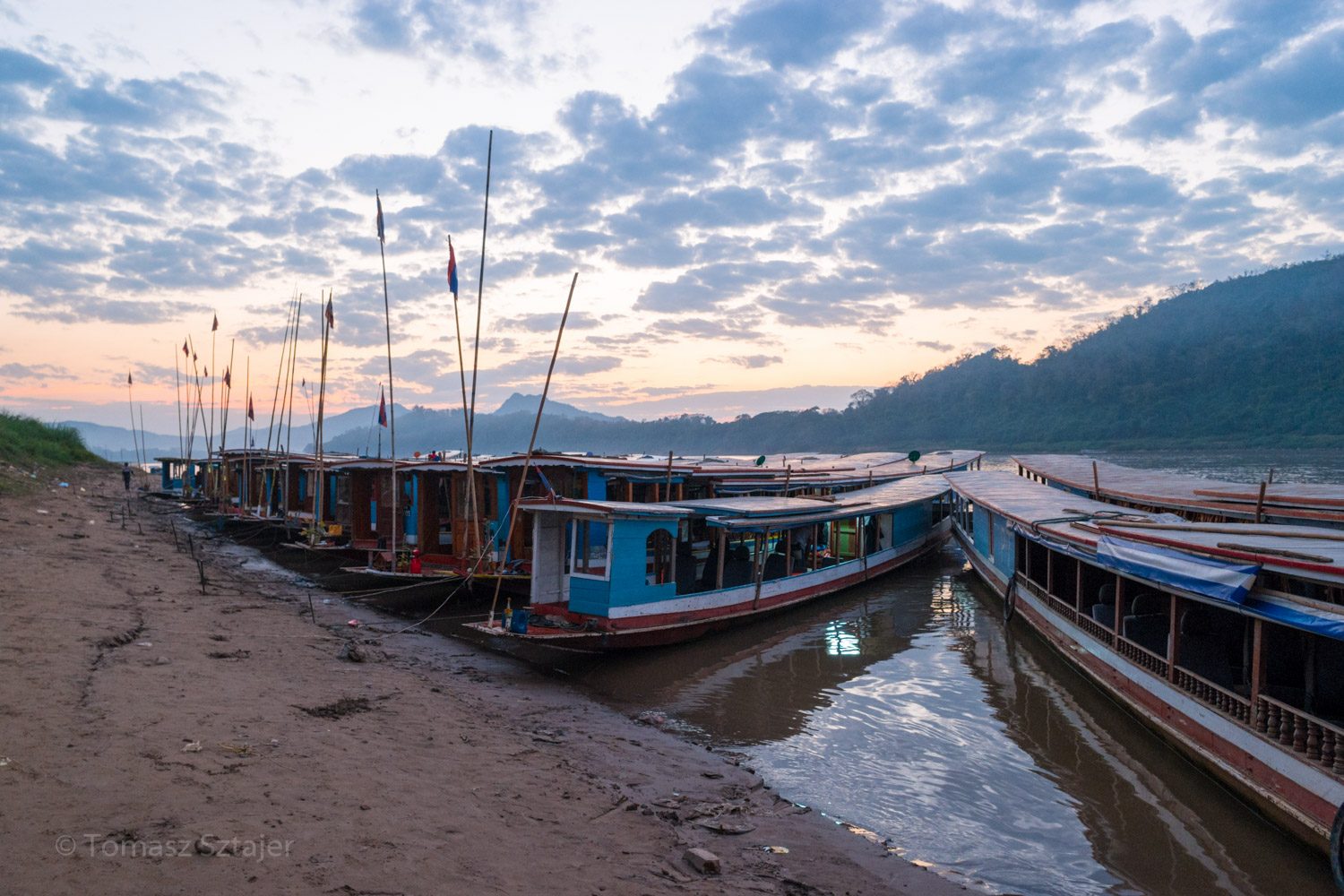
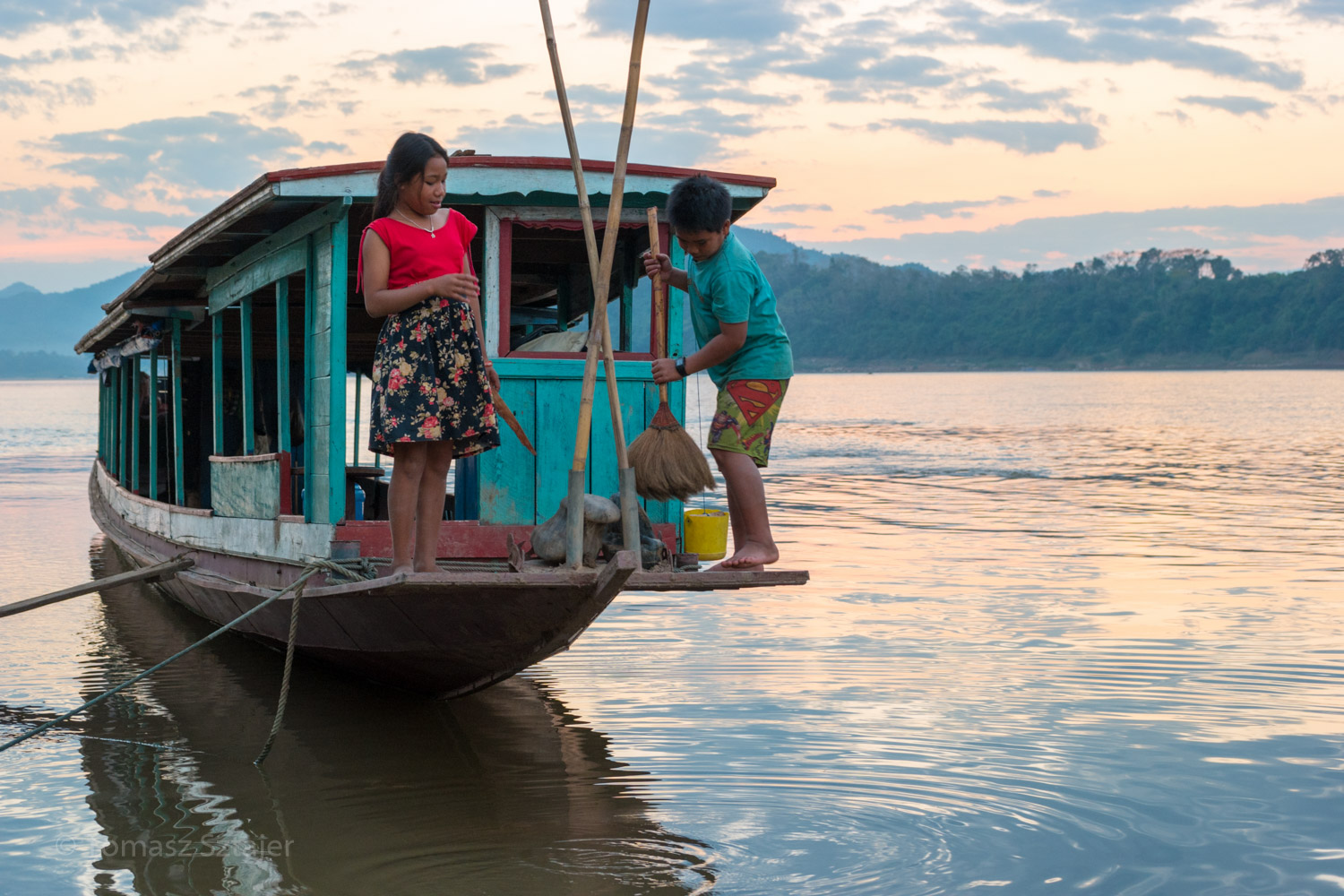
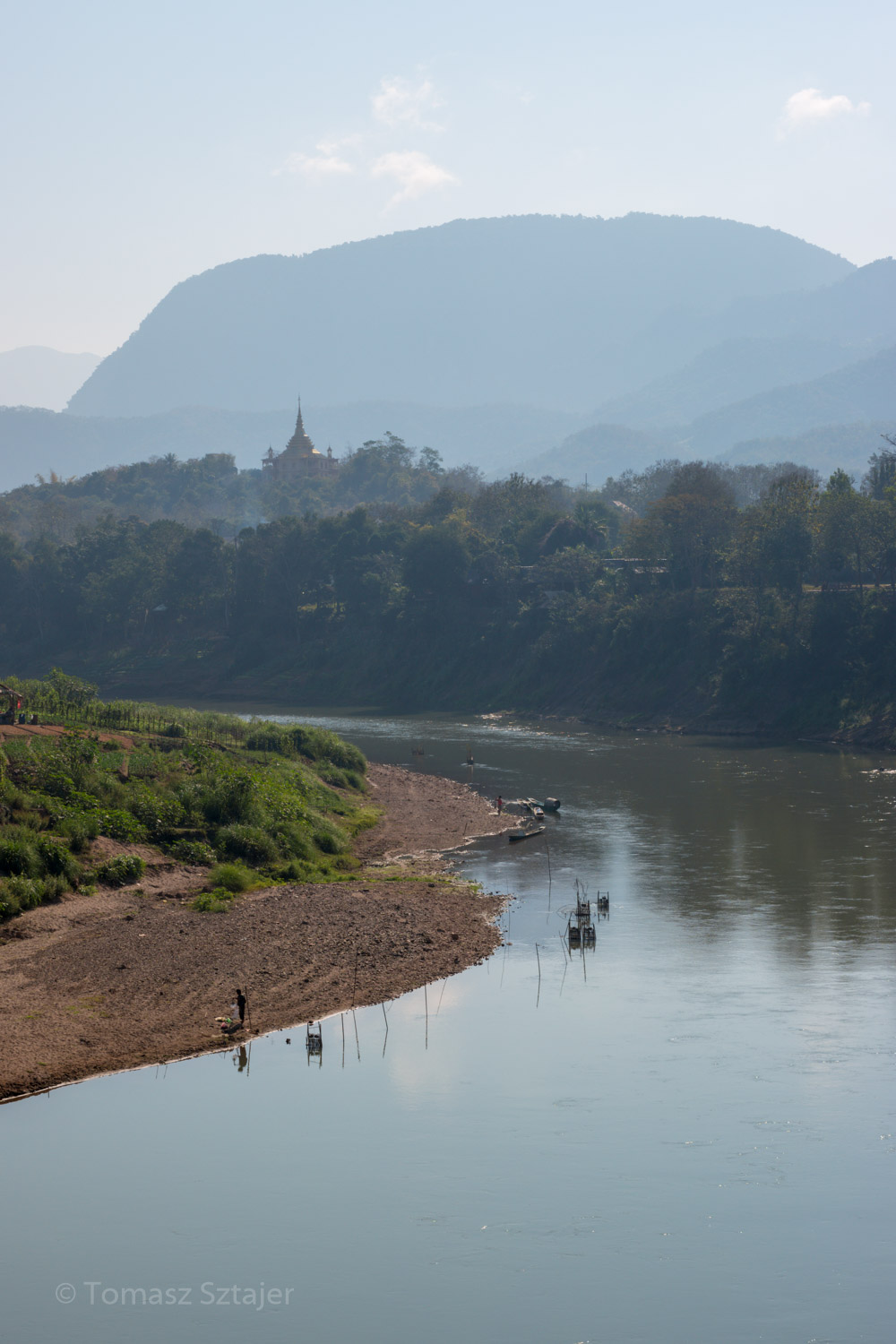
Mekong river, Luang Prabang
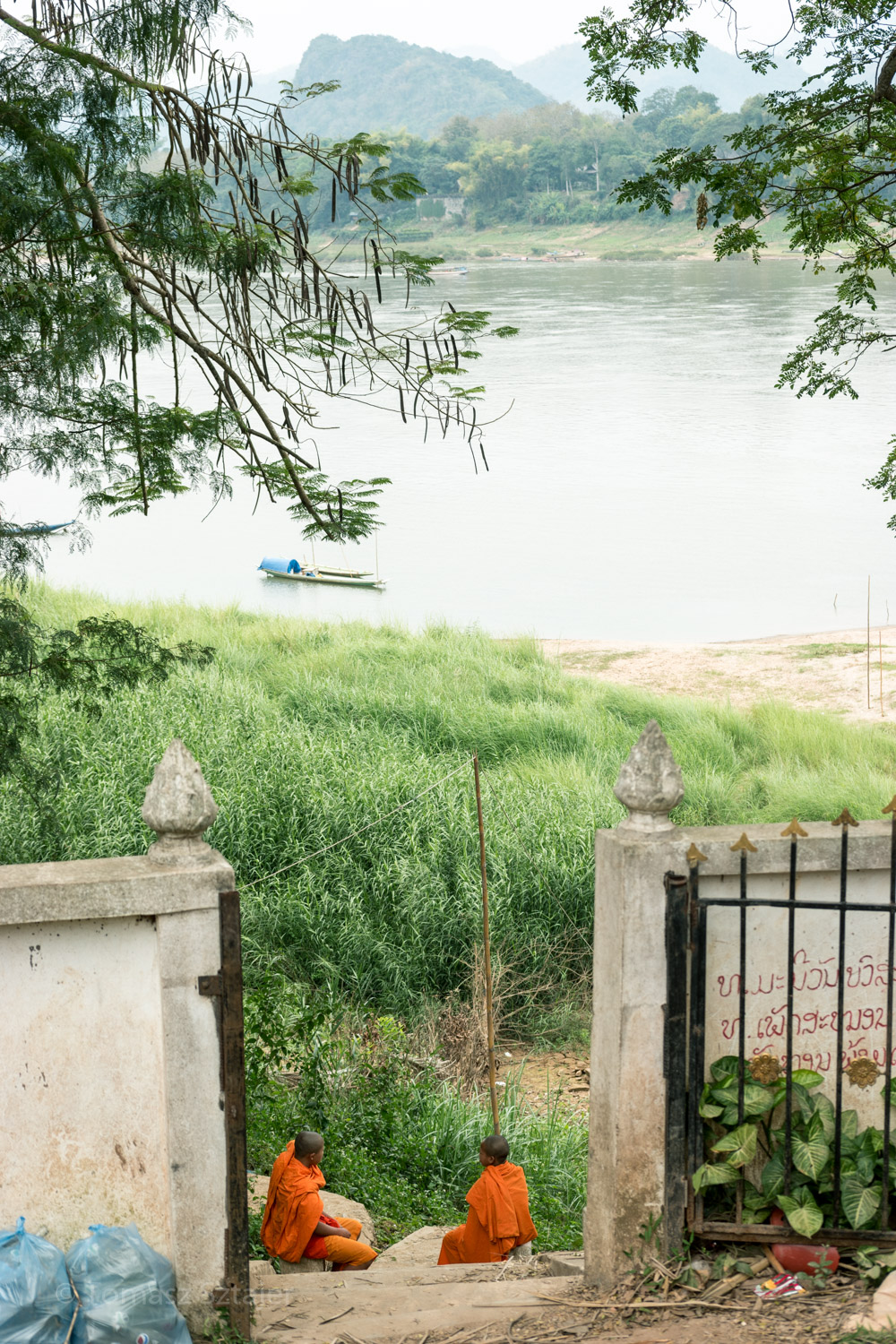
Mekong River, Luang Prabang
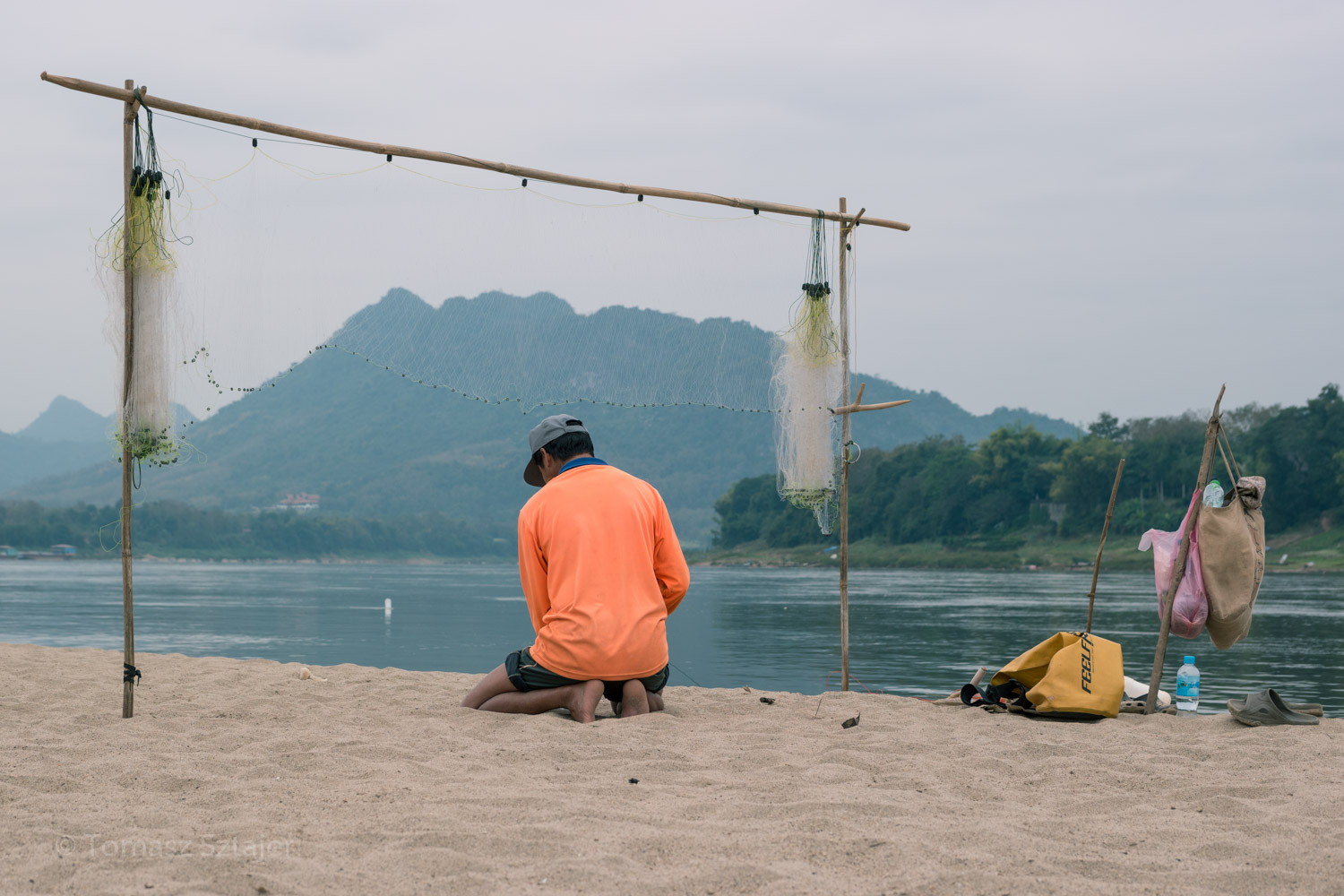
Mekong River, Luang Prabang
Mekong river, Luang Prabang
Mekong river, Luang Prabang
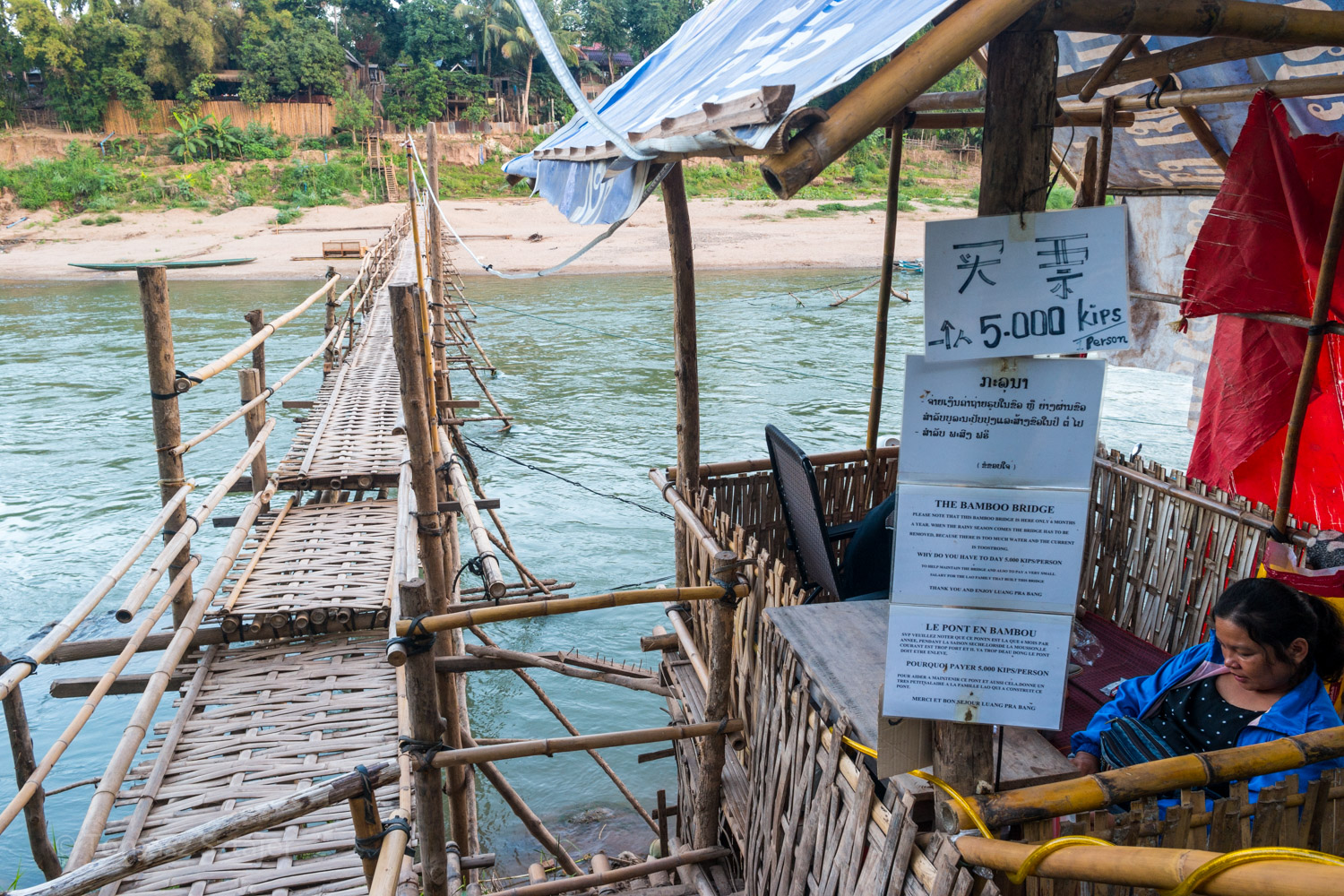
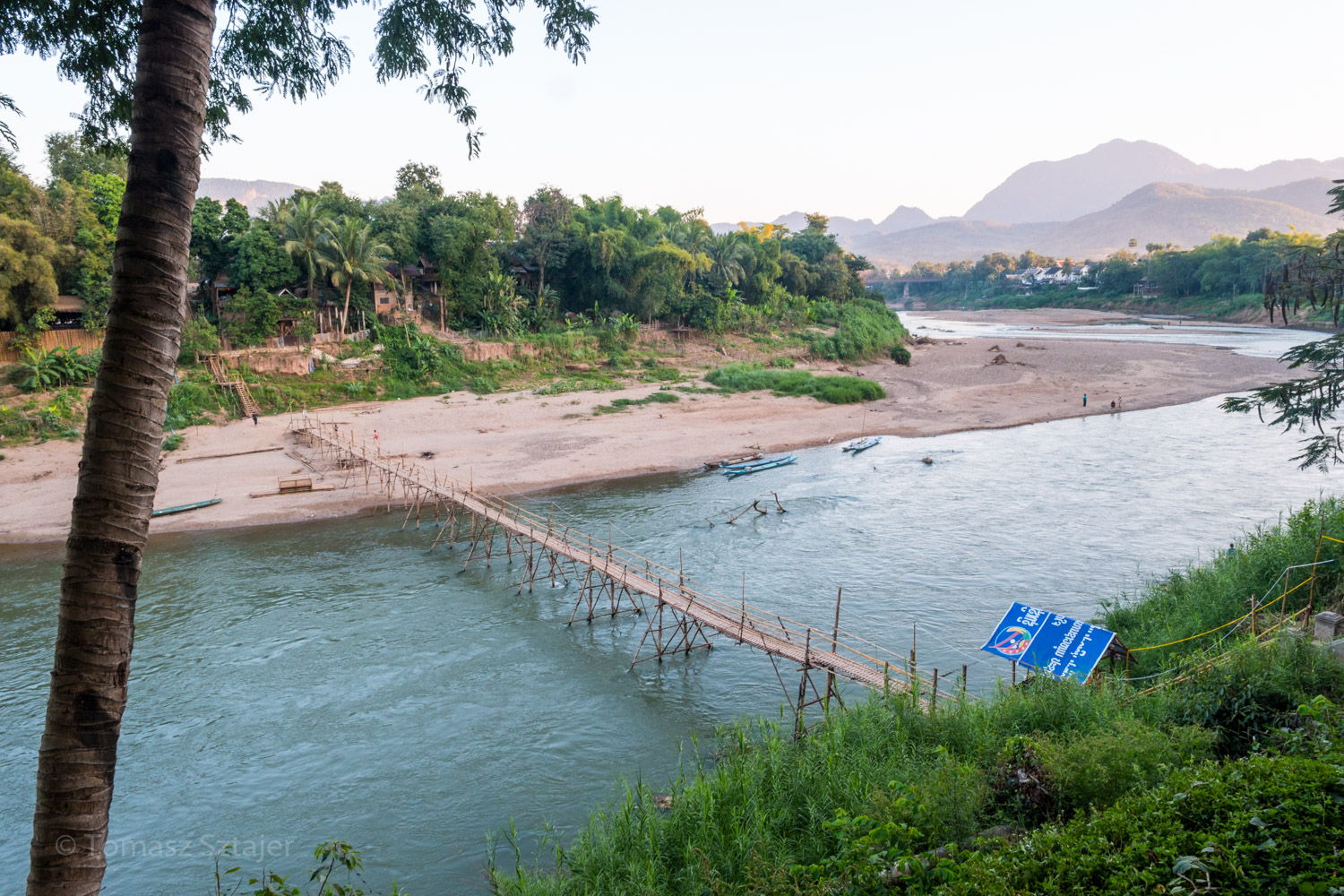
Laotian small business, Khan river, Luang Prabang
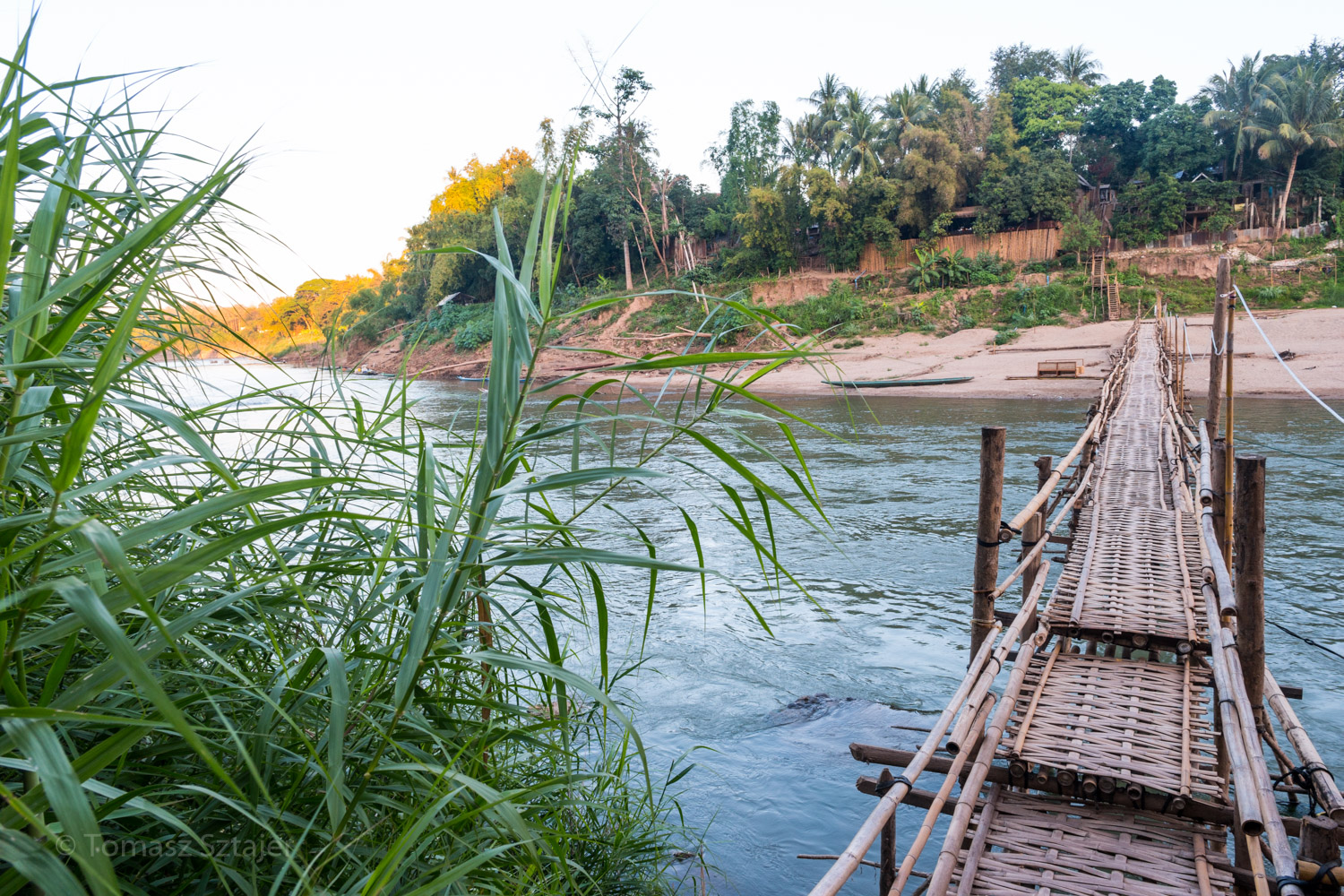
Same bridge, looking nicer, Luang Prabang
Looking nice from a distance, Khan river, Luang Prabang
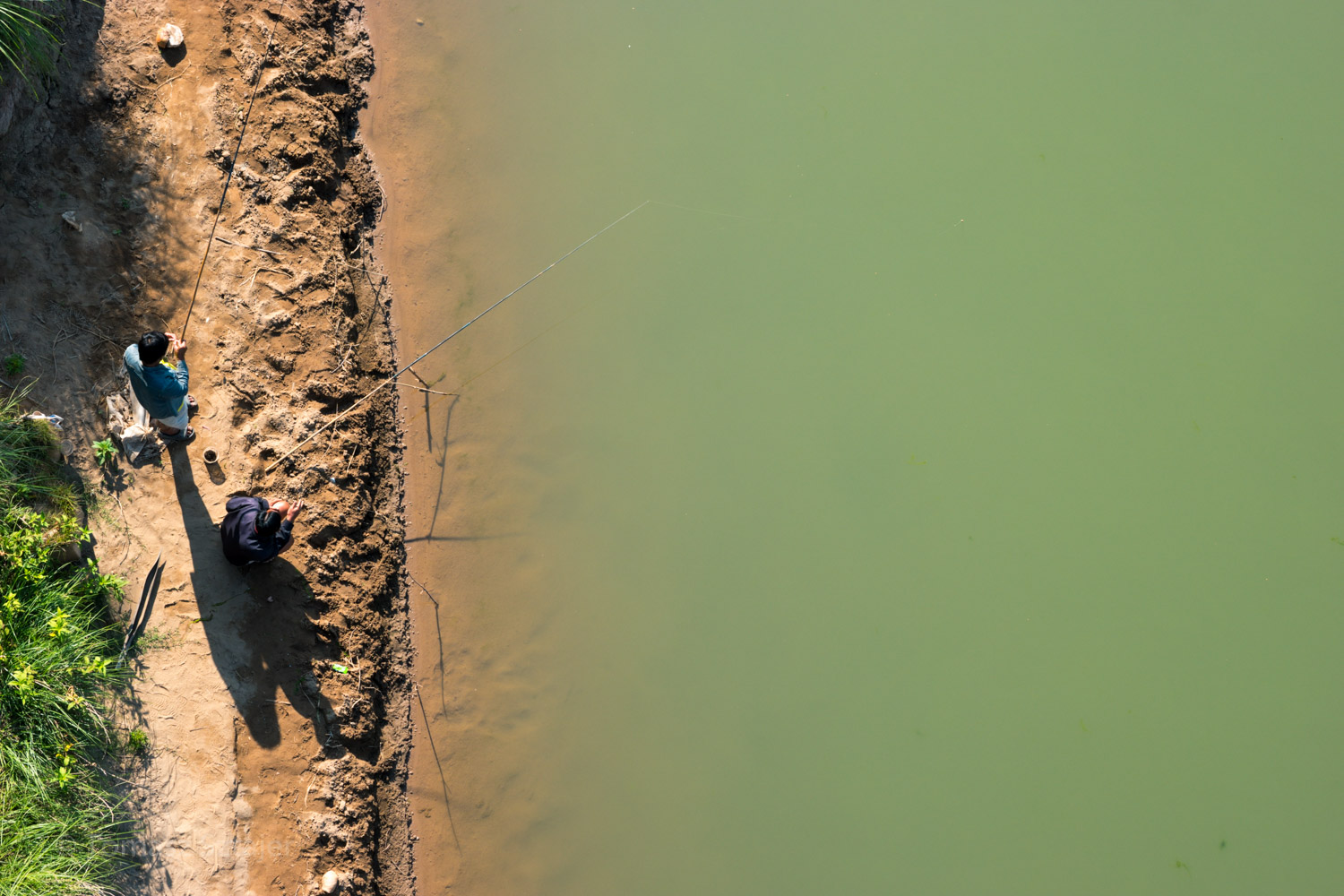
Khan river, Luang Prabang
Khan river, Luang Prabang
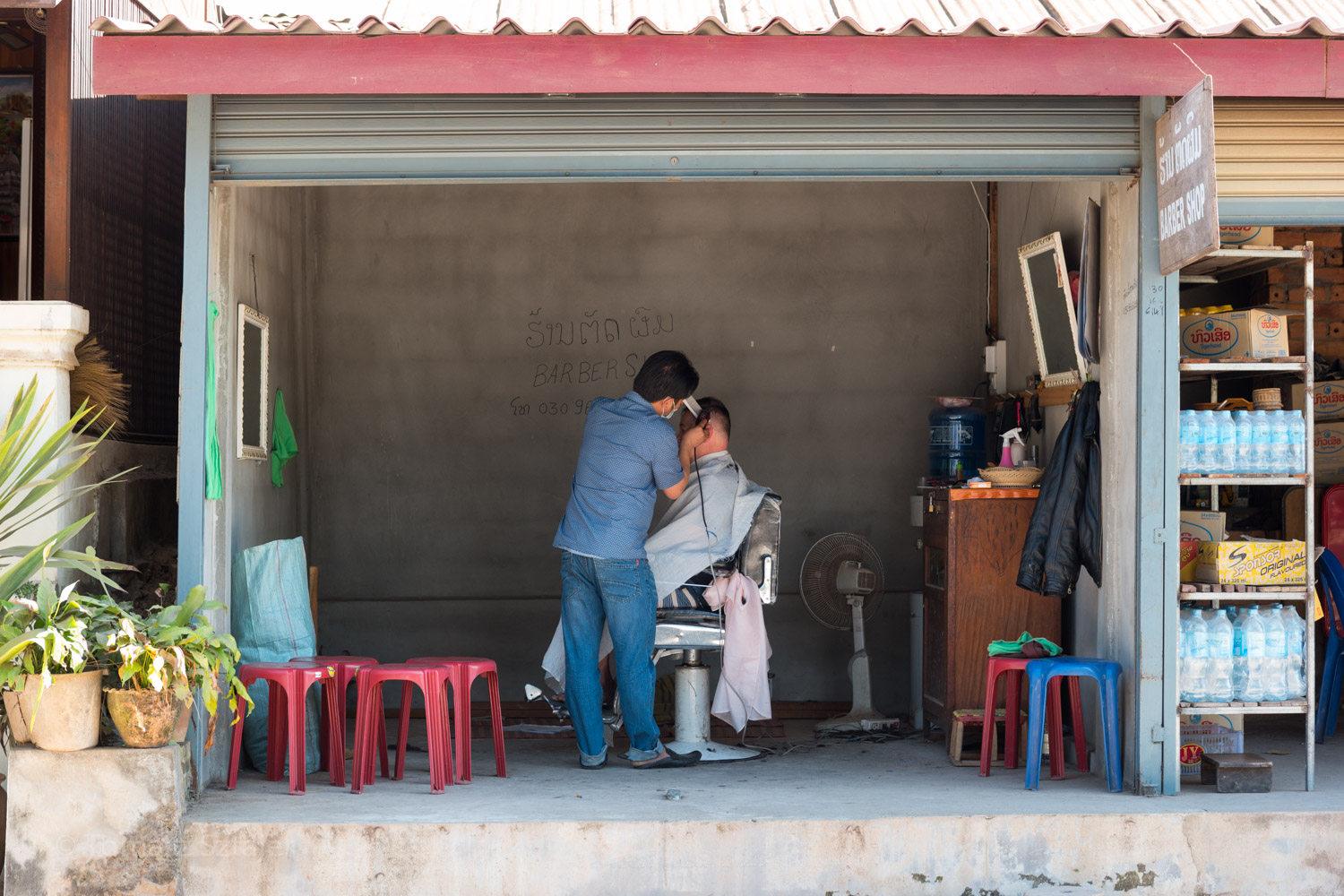
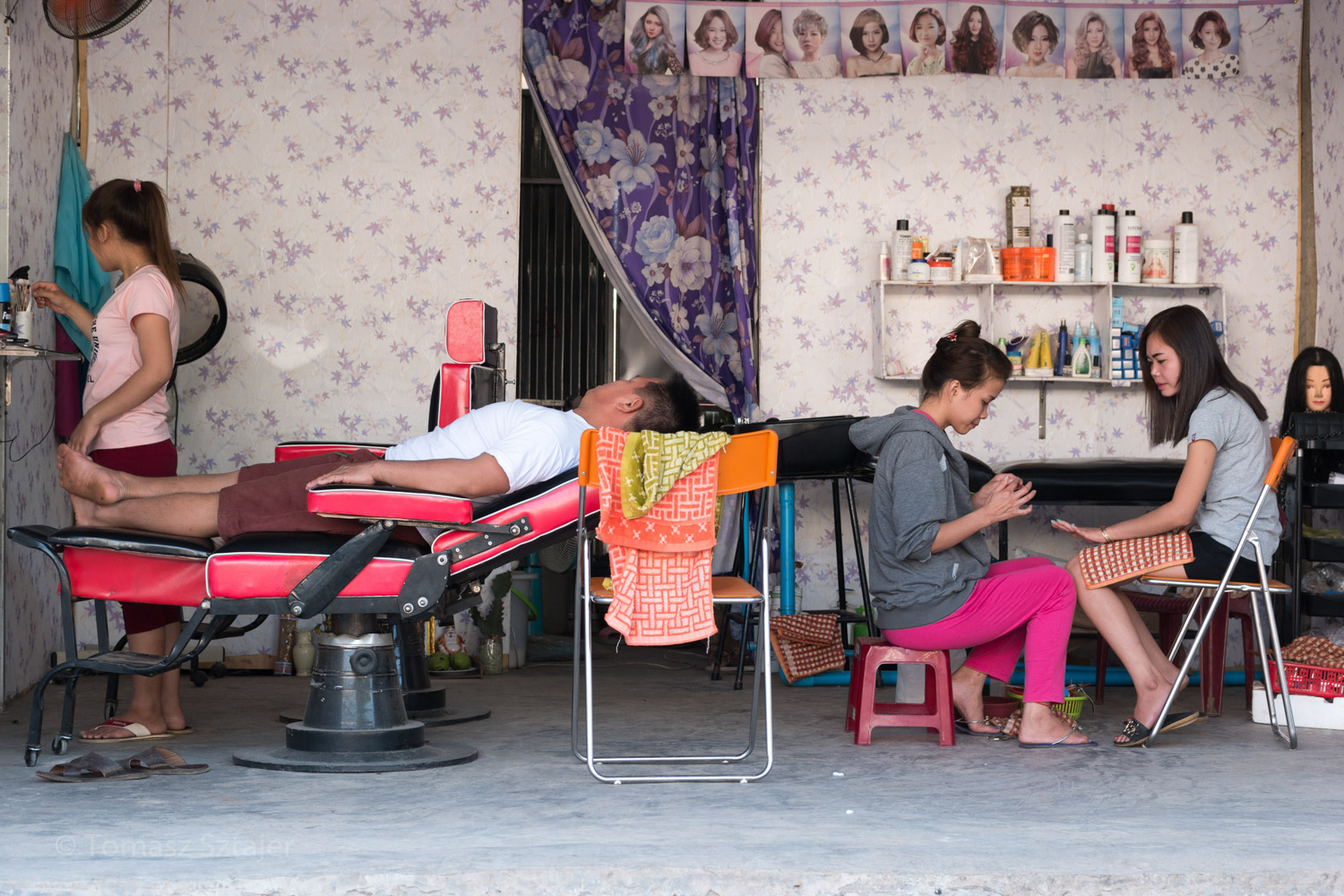
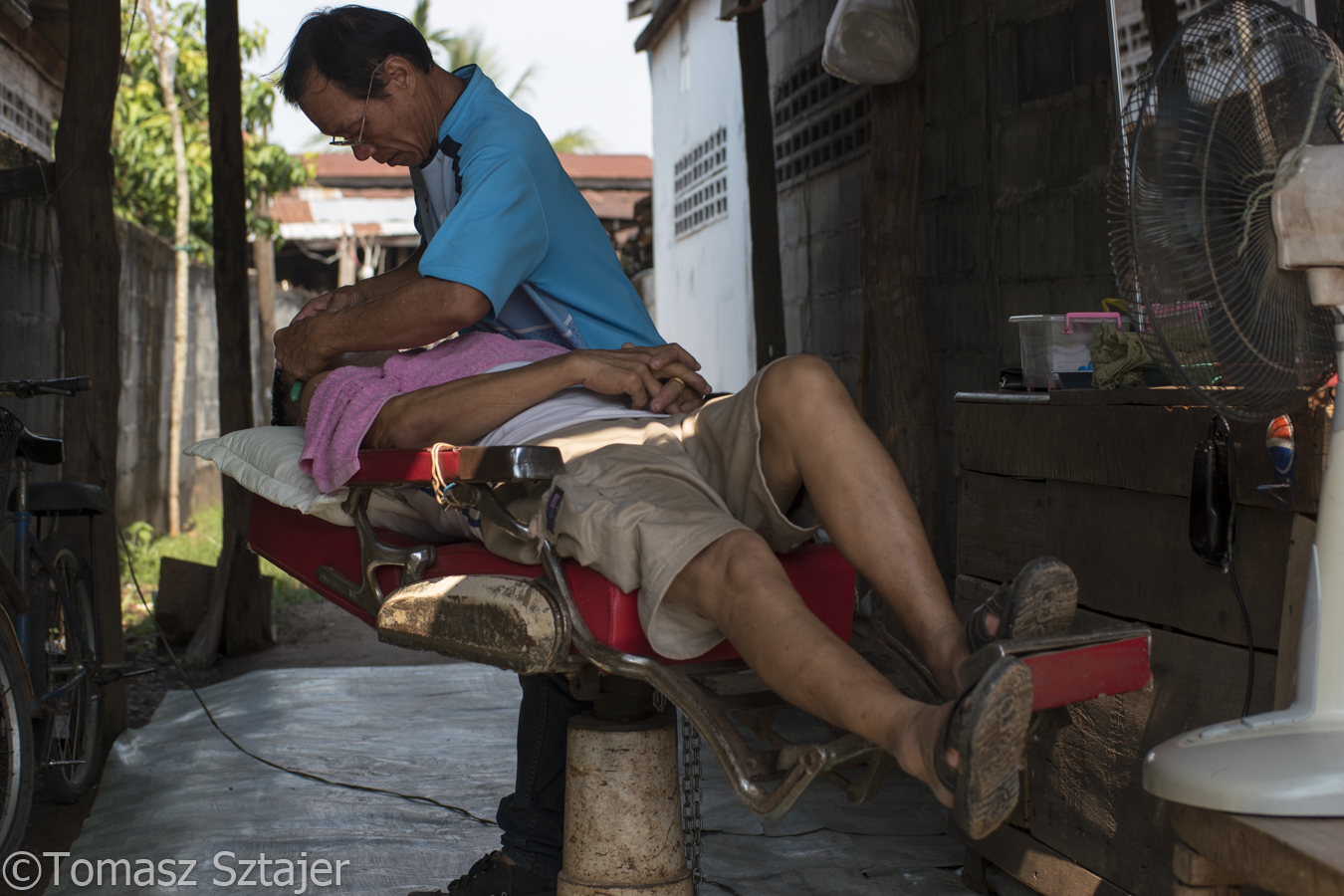
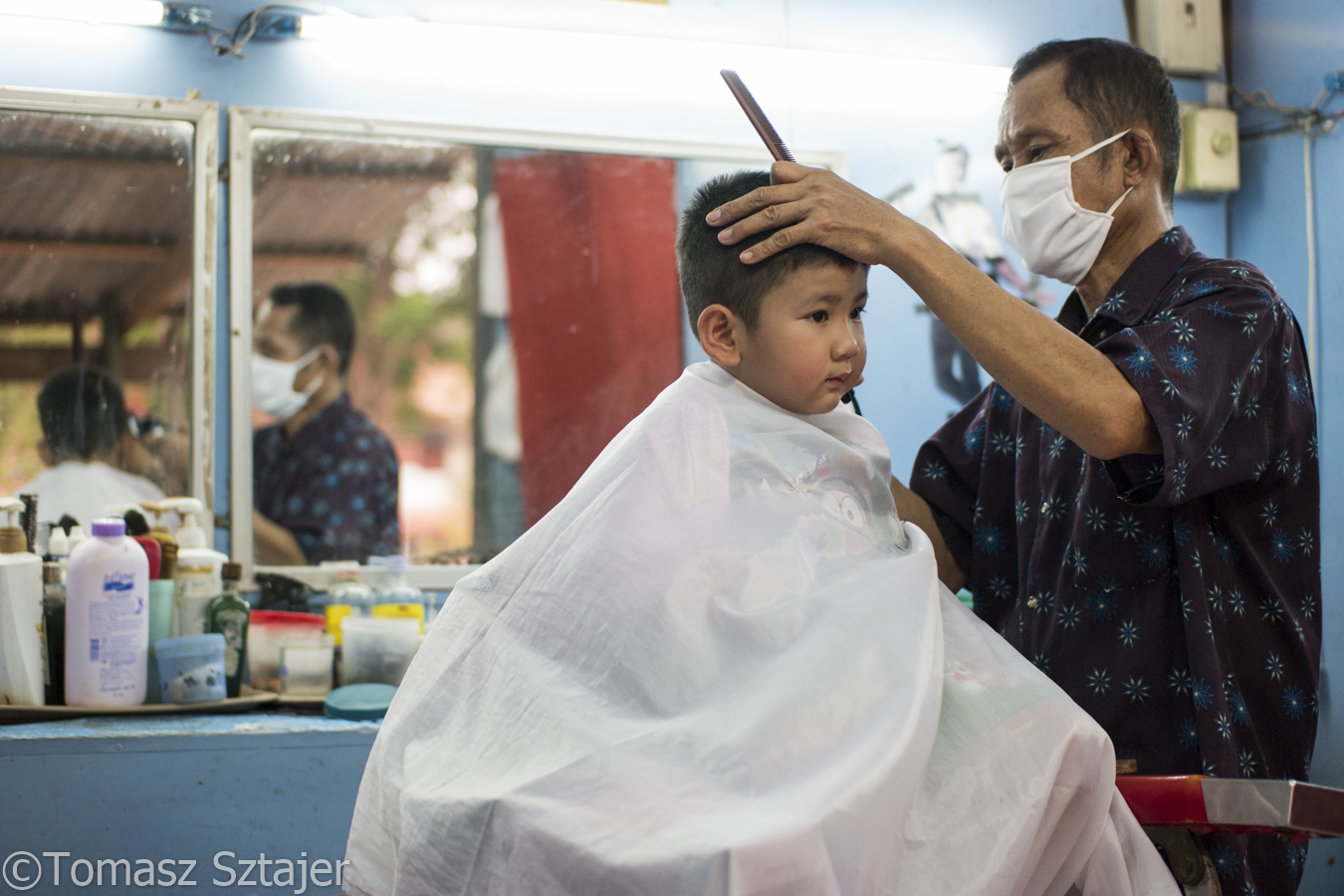
Barber shop, Luang Prabang
Luang Prabang
Luang Prabang
Luang Prabang
Luang Prabang
Luang Prabang
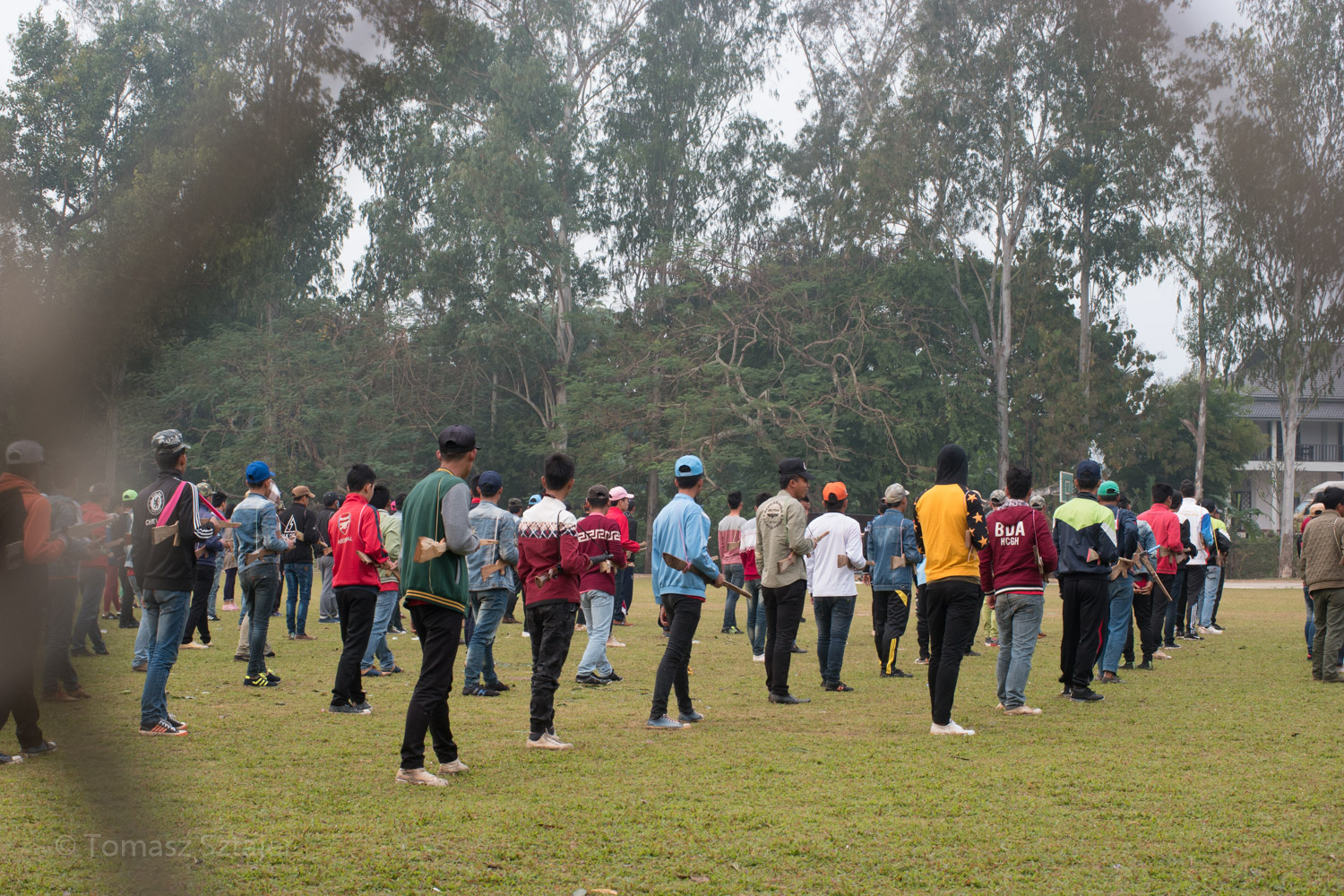
Military drill in high school, Luang Prabang
Luang Prabang
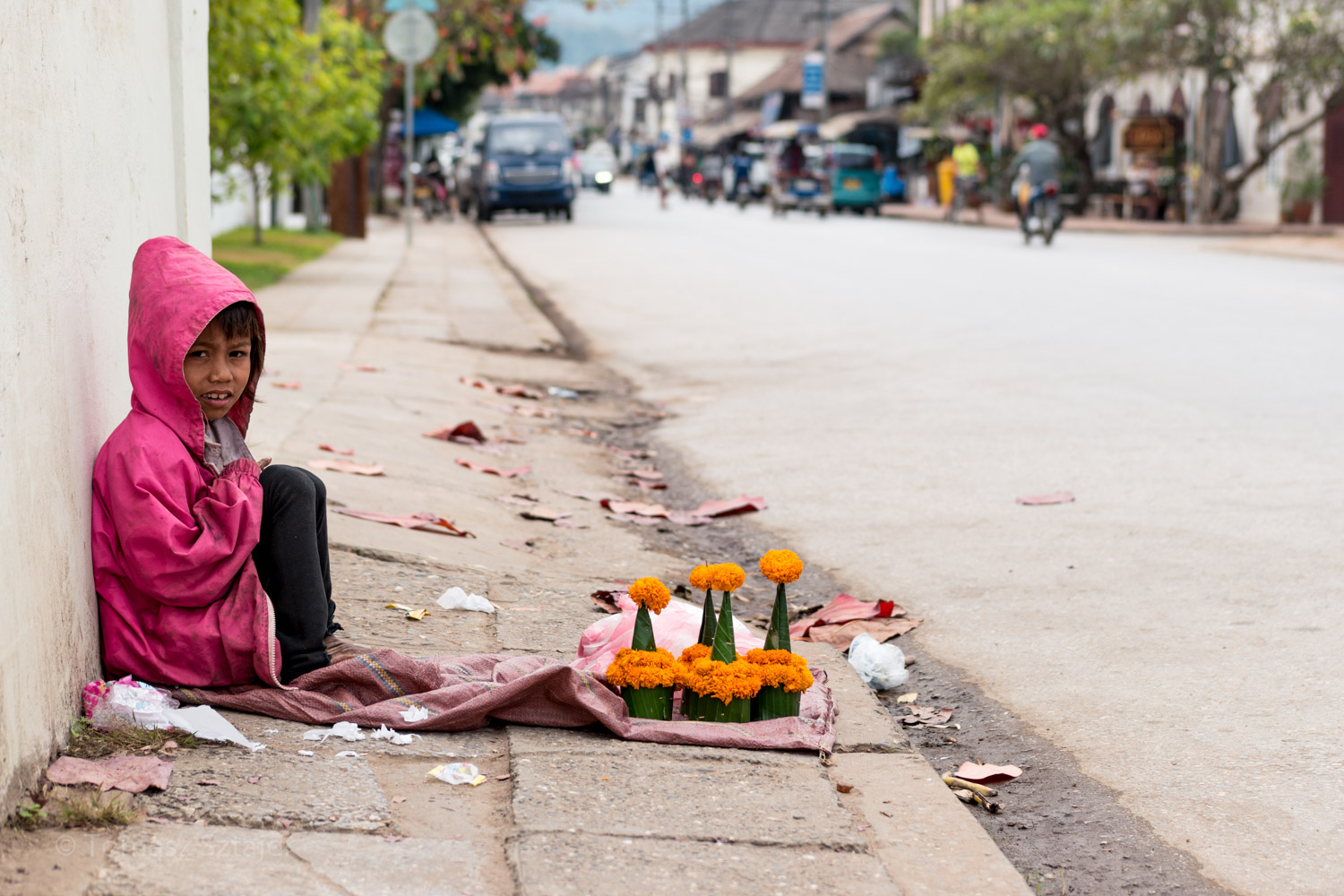
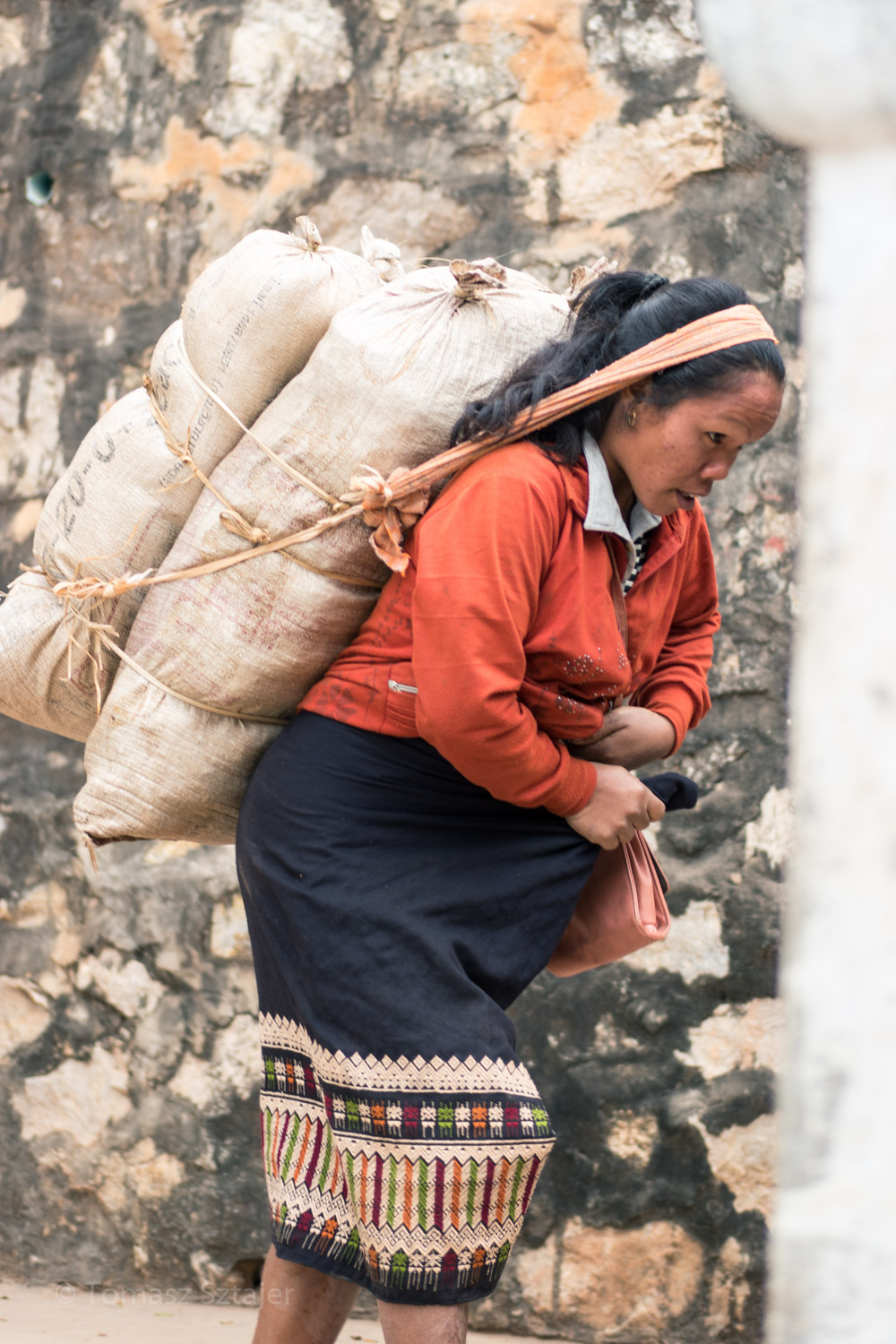
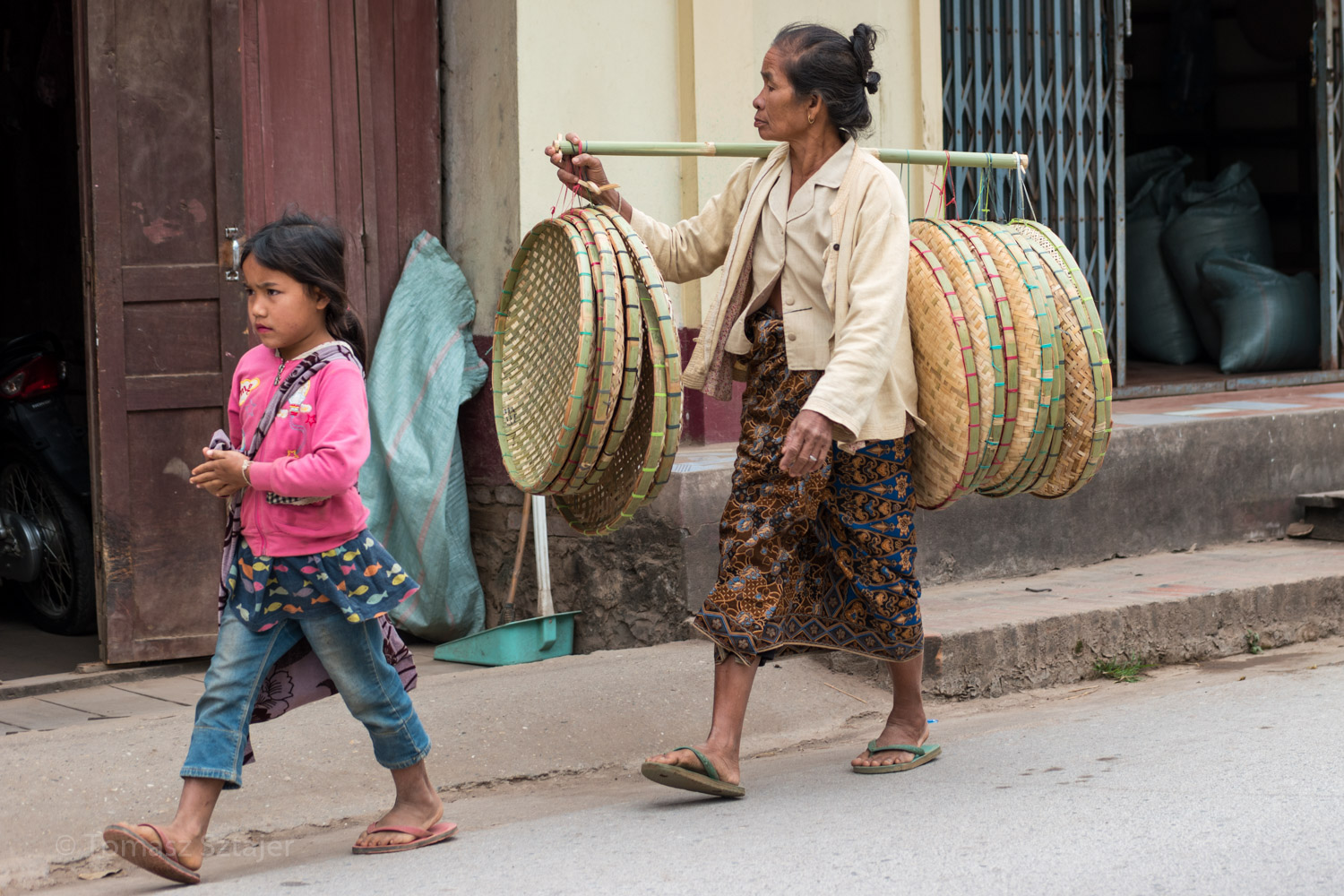
Village life
Somewhere on the way
View from the Nong Khiaw bridge
Nong Khiaw (Nong Khiao)
Nong Khiaw (Nong Khiao)
People of Nong Khiaw
People of Nong Khiaw
People of Nong Khiaw
People of Nong Khiaw
People of Nong Khiaw
People of Nong Khiaw
A very small shop in Nong Khiaw
People of Nong Khiaw
Nong Khiaw
People of Nong Khiaw
People of Nong Khiaw
People of Nong Khiaw
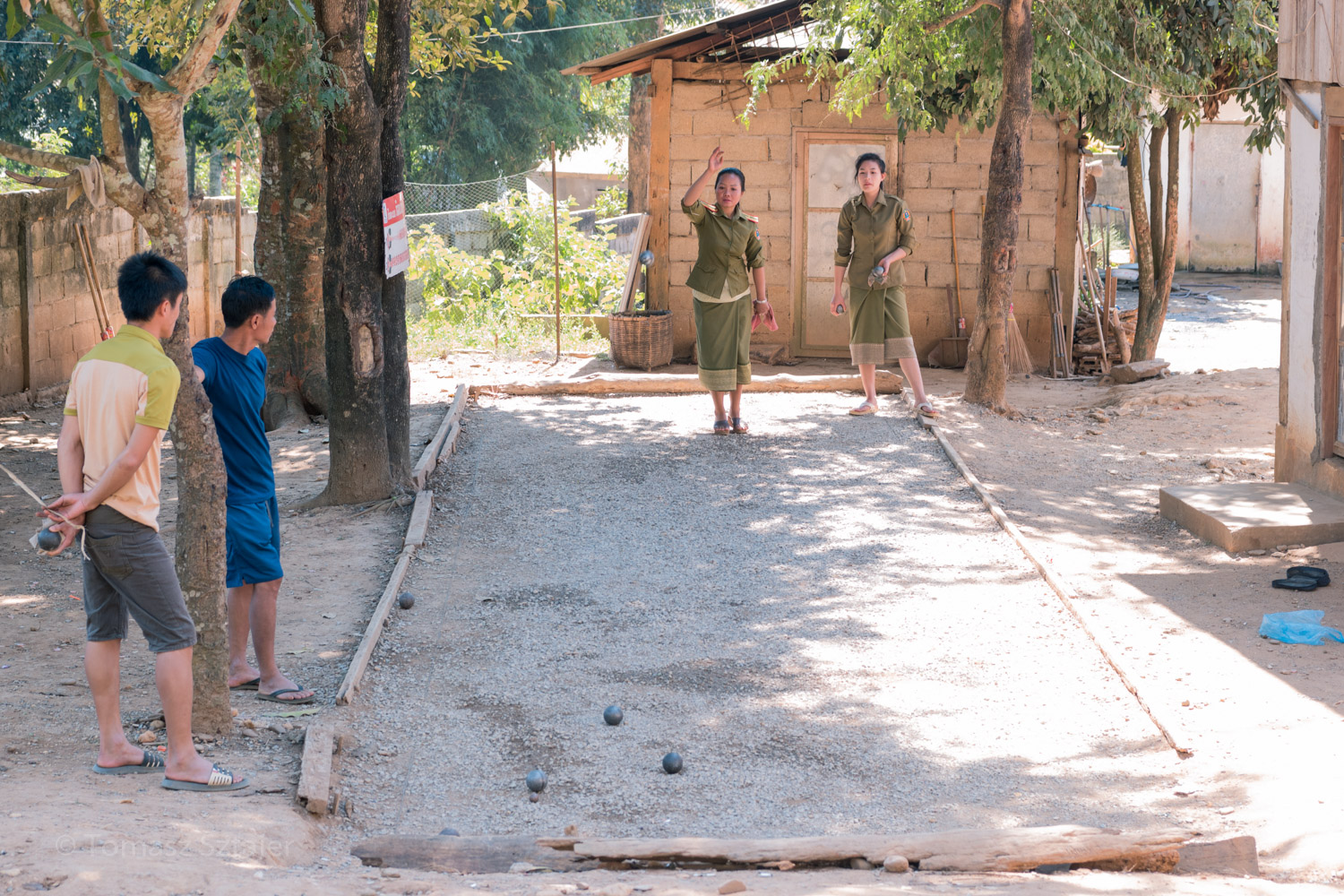
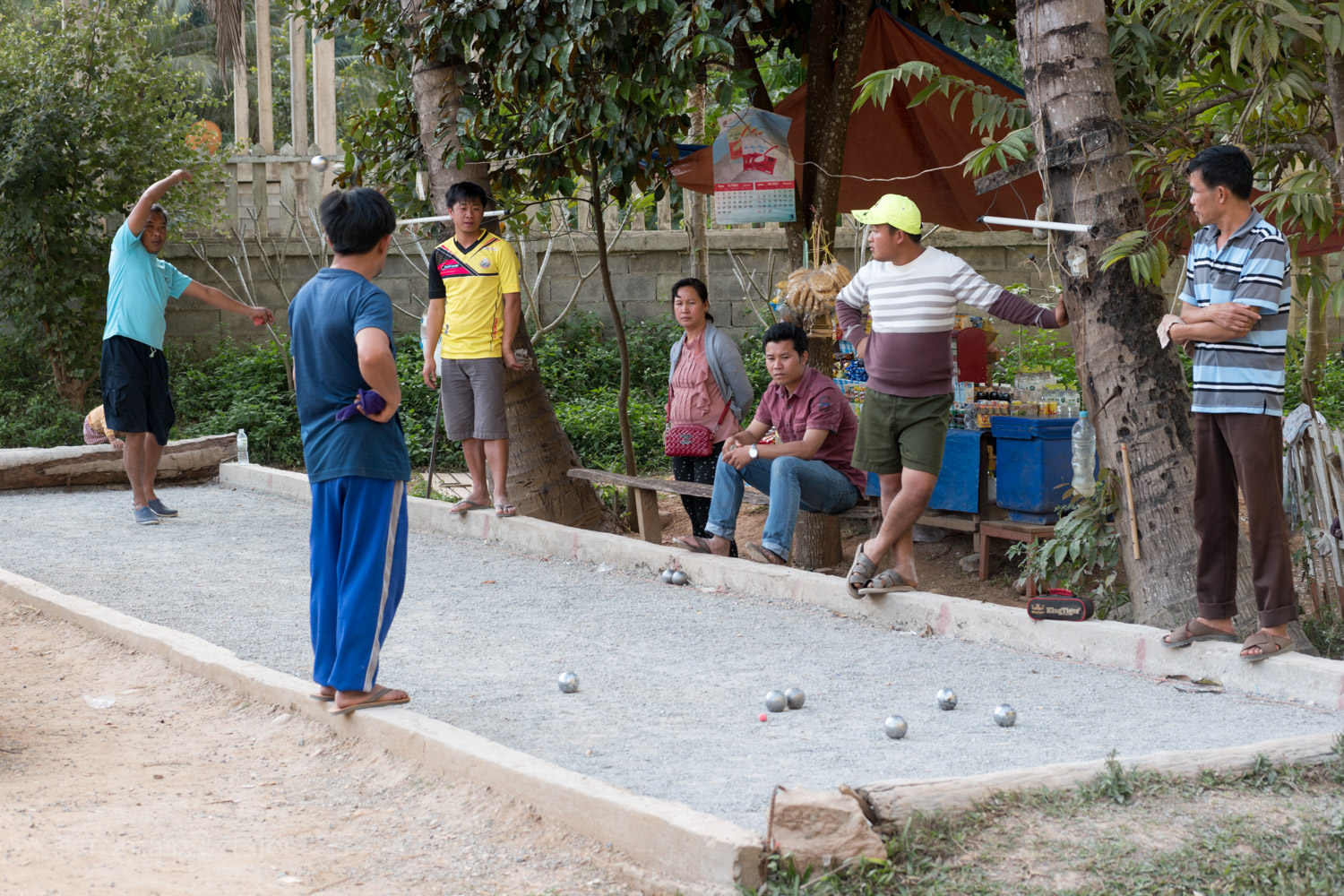
A game of petanque, Nong Khiaw
A game of petanque, Nong Khiaw
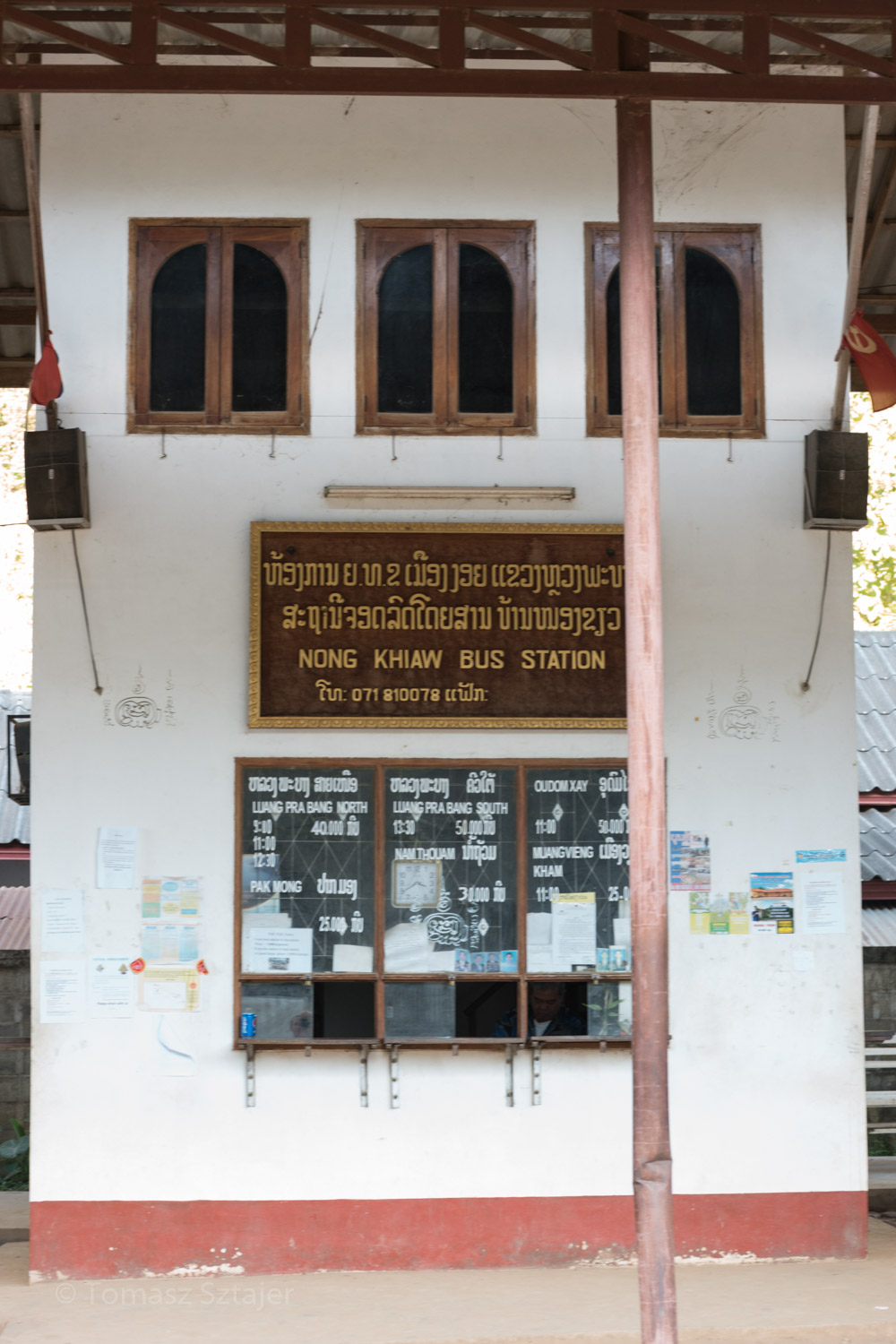
Nong Khiaw Bus station
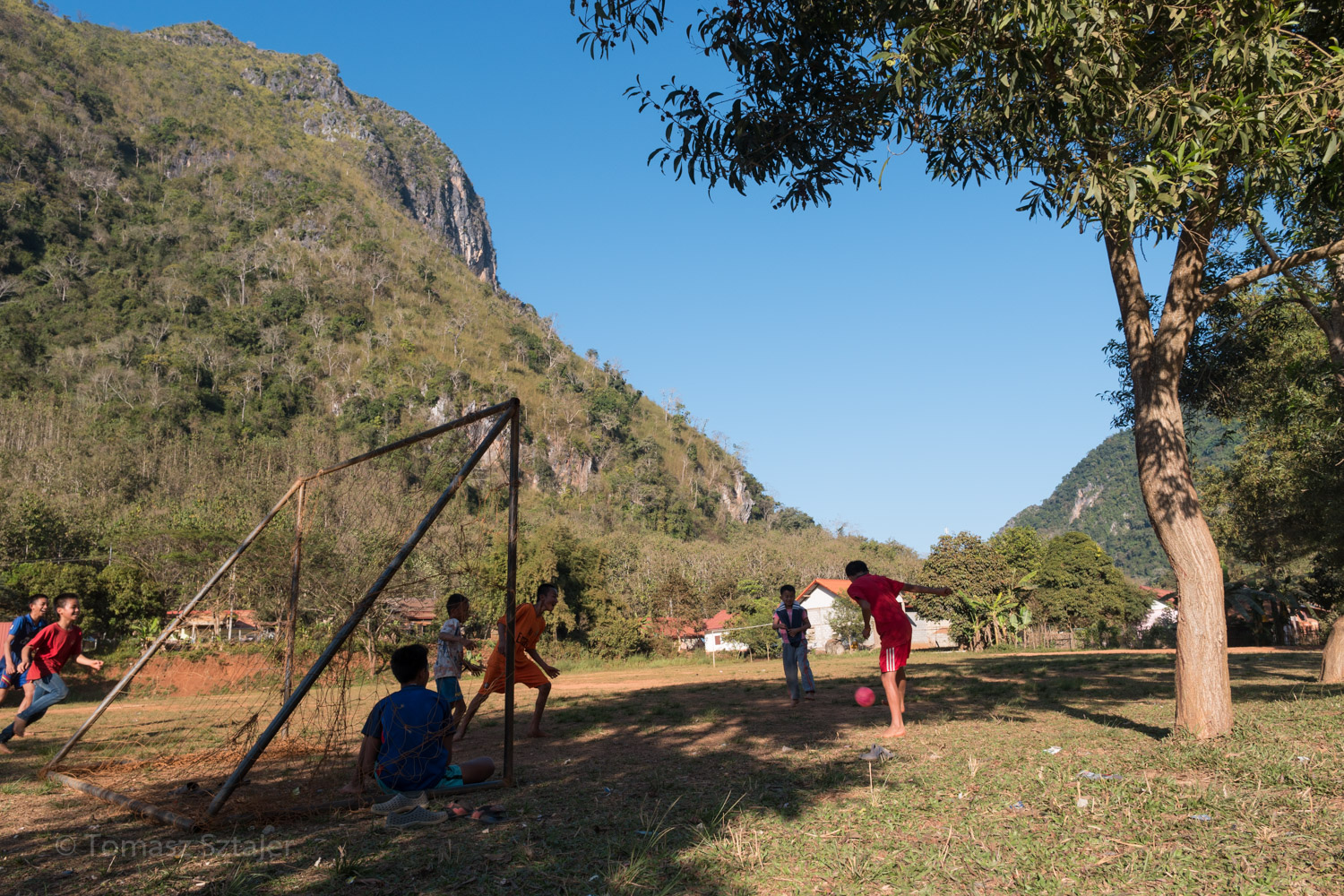
Football in Nong Khiaw
Nong Khiaw (Nong Khiao)
Nong Khiaw (Nong Khiao)
Sunset over Nong Khiaw
Sunset over Nong Khiaw
Back from school, near Nong Khiaw
Villages near Nong Khiaw
Villages near Nong Khiaw
Villages near Nong Khiaw
Caught in crossfire – different photographers, same traditional activity to perform
Villages near Nong Khiaw
Villages near Nong Khiaw
Displaying a local product
Walking along River Ou
Somewhere on the way
Walking around Nong Khiaw
Walking along River Ou
Walking along River Ou
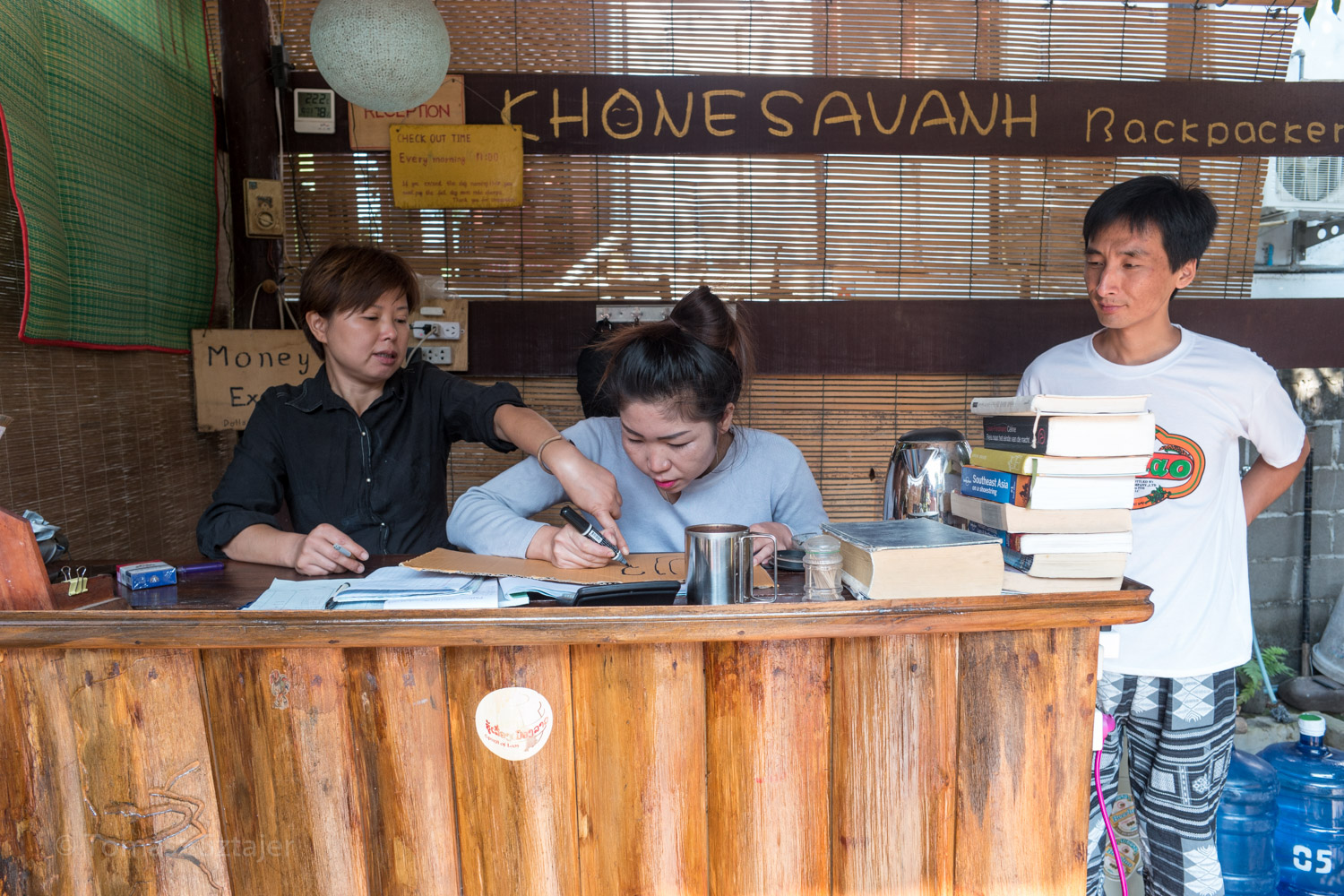
Helping me out with HH sign, Khonesavang GH, Luang Prabang
My best ride
Somewhere on the way
Vientiane
Vientiane
Thakhek
Thakhek
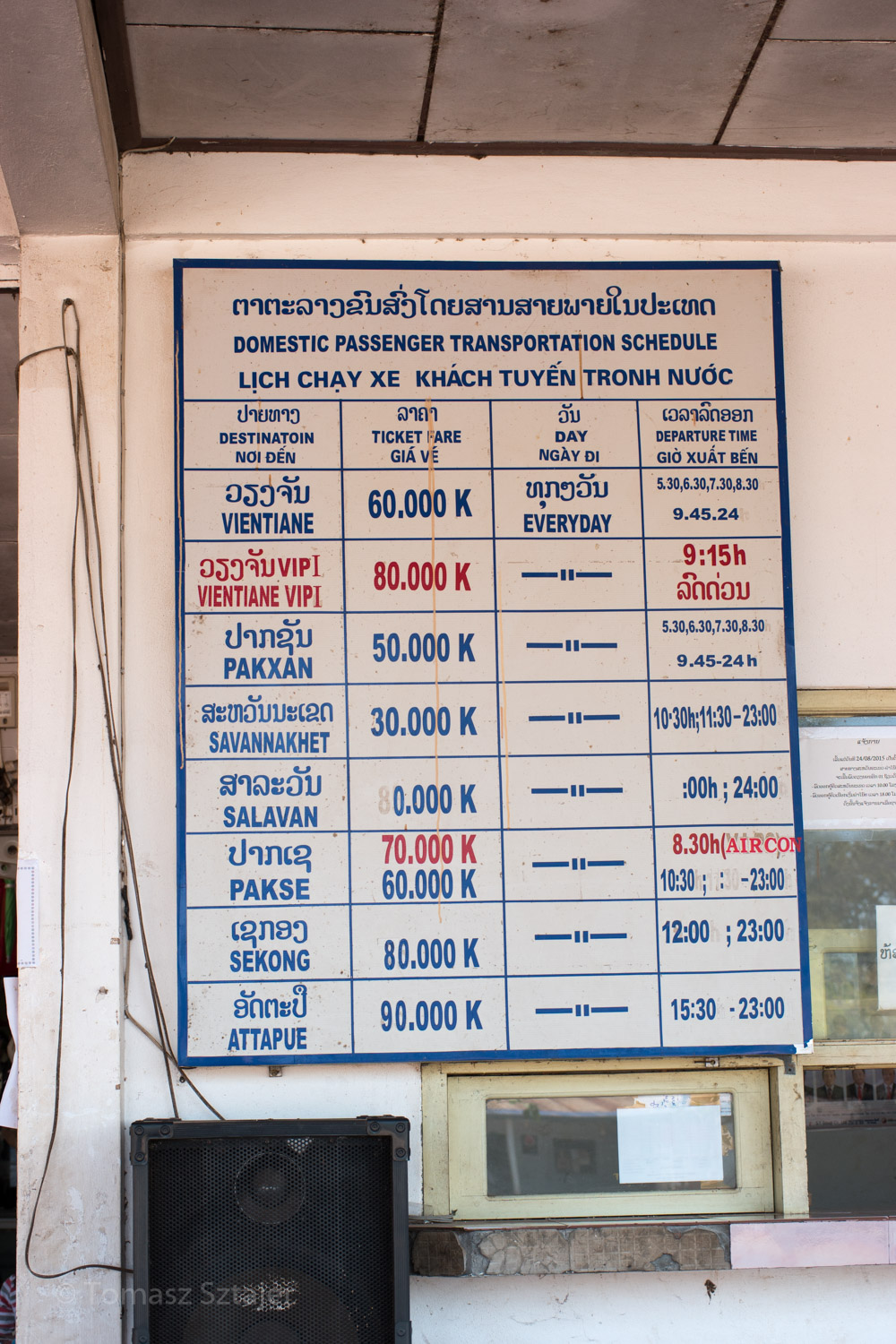
Thakhek bus station
A souvenir from the most run down guesthouse in Thakhek
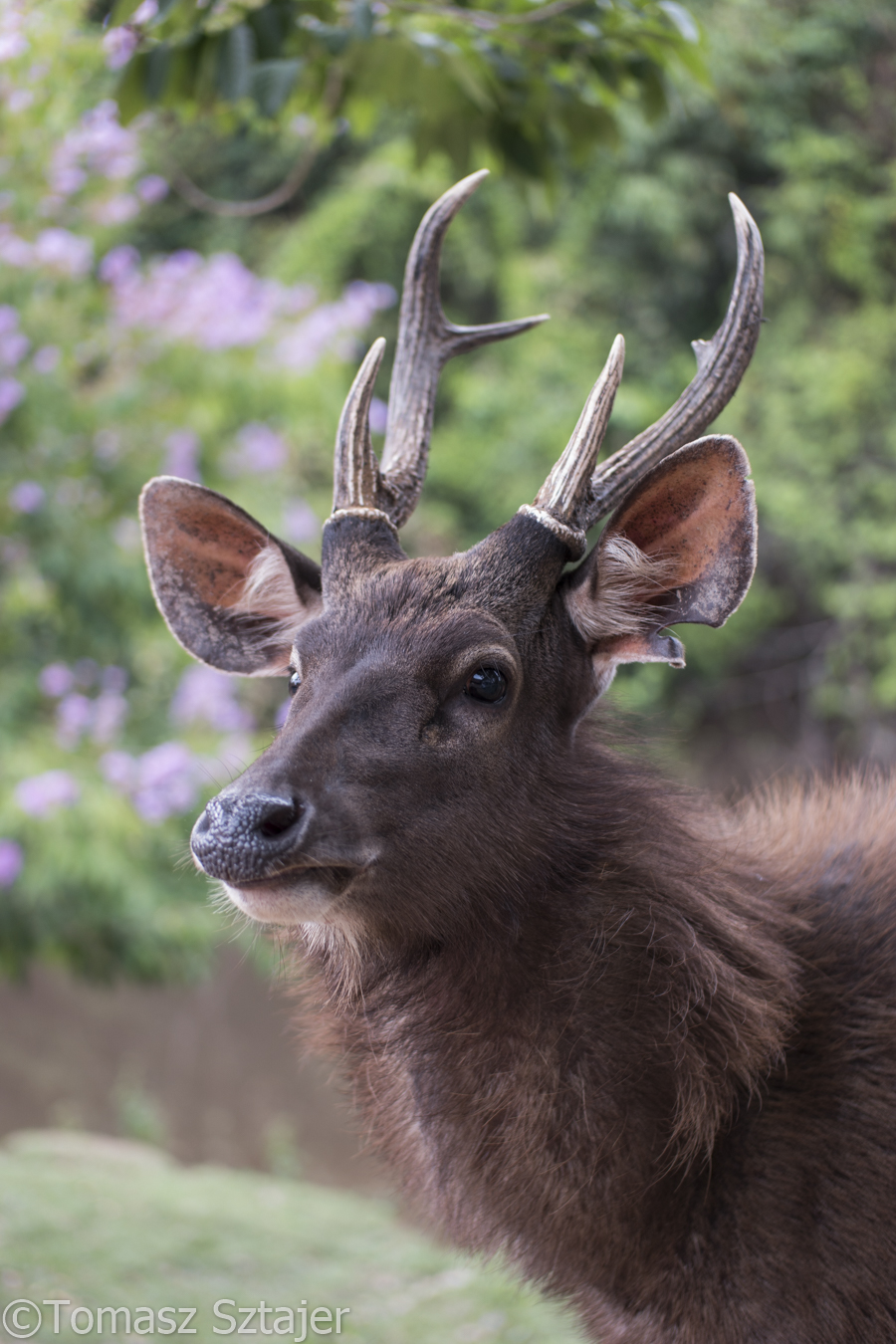
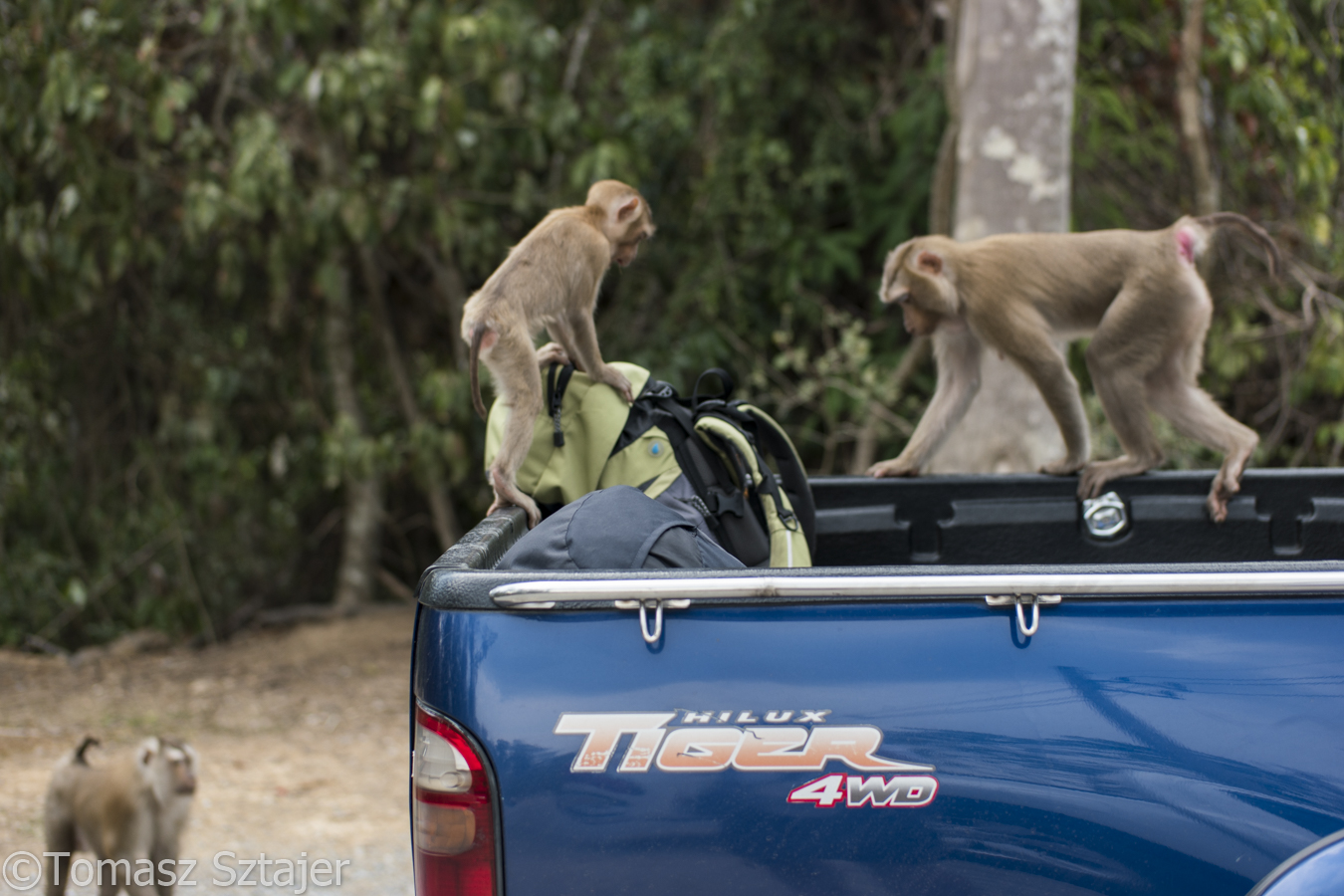
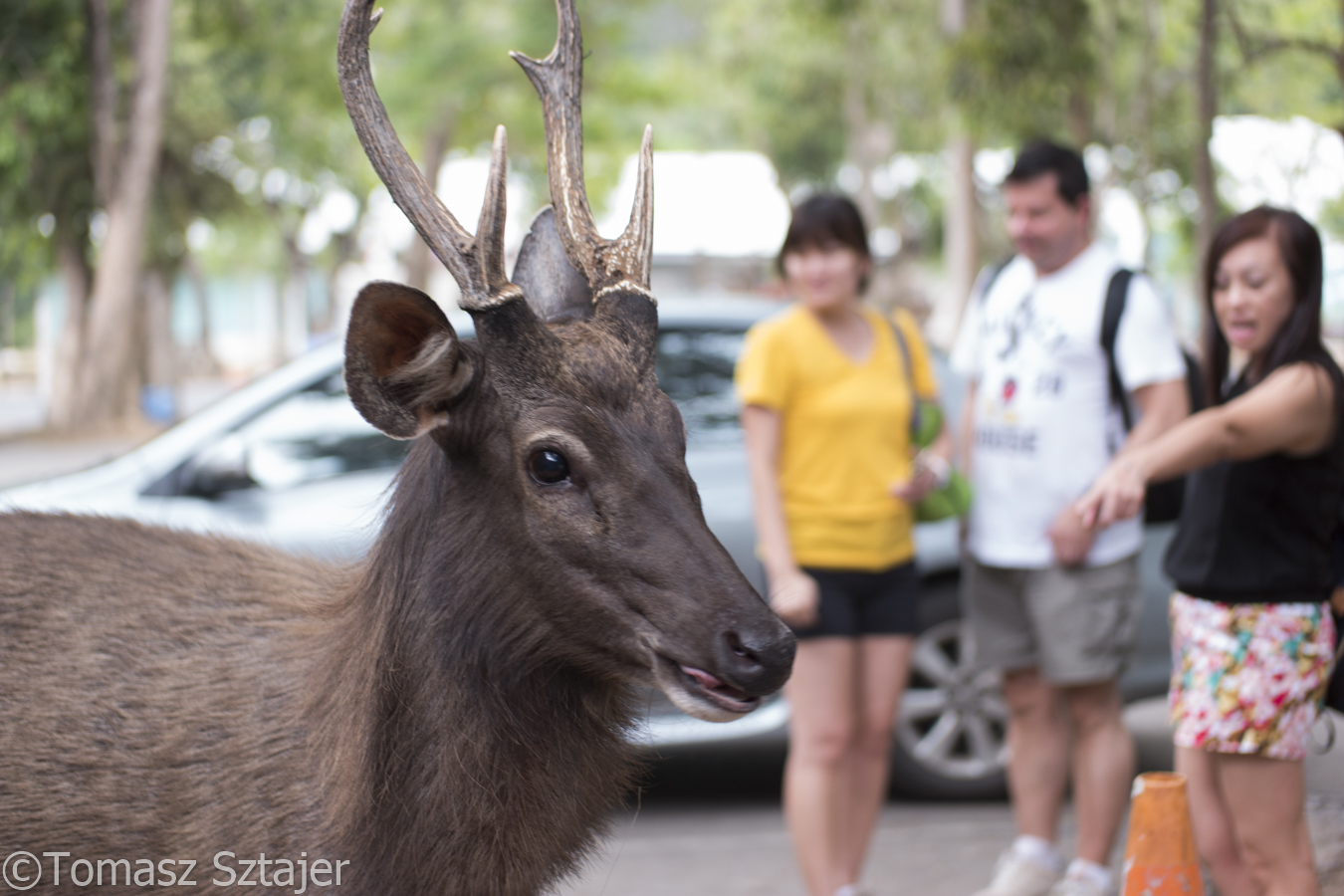
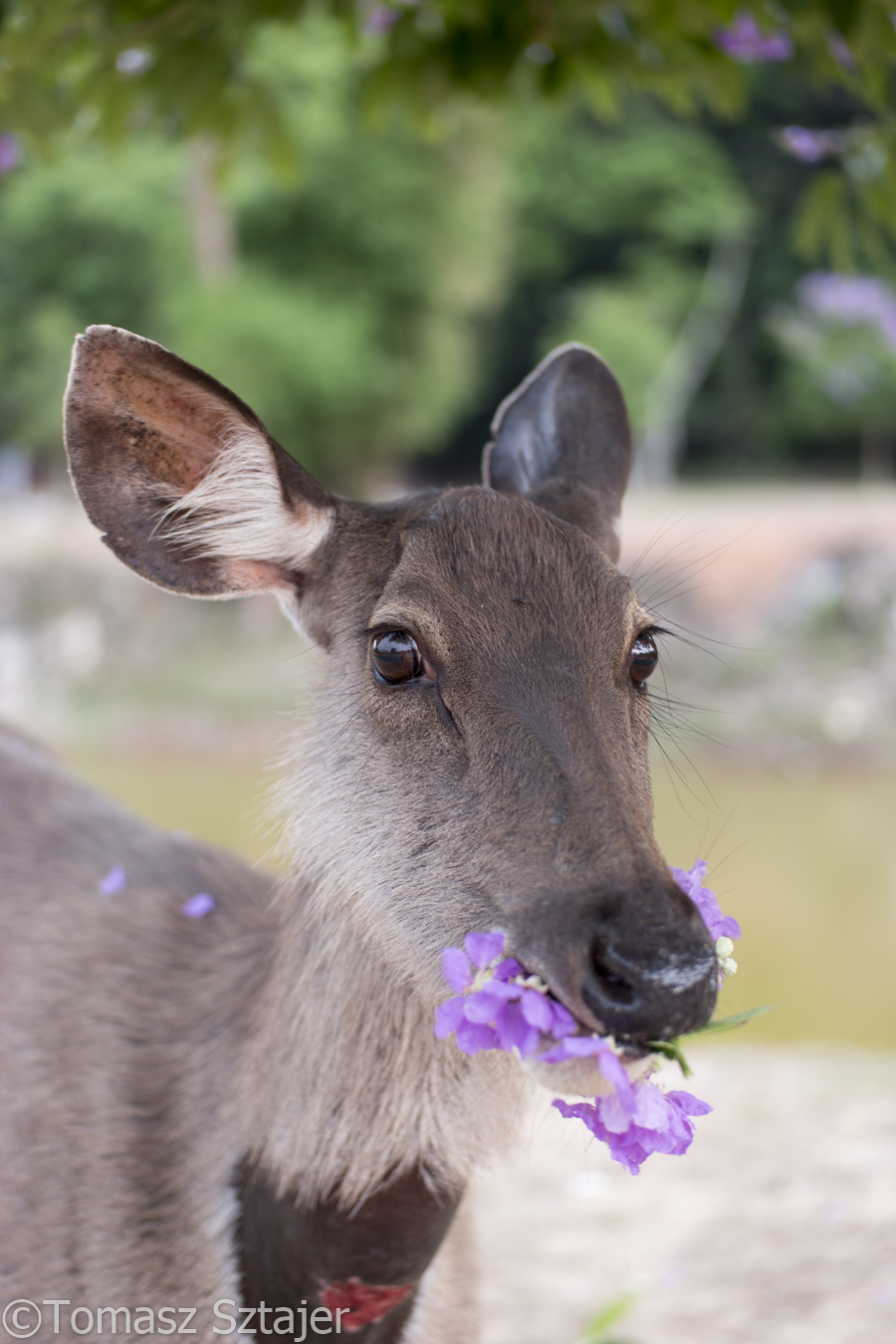
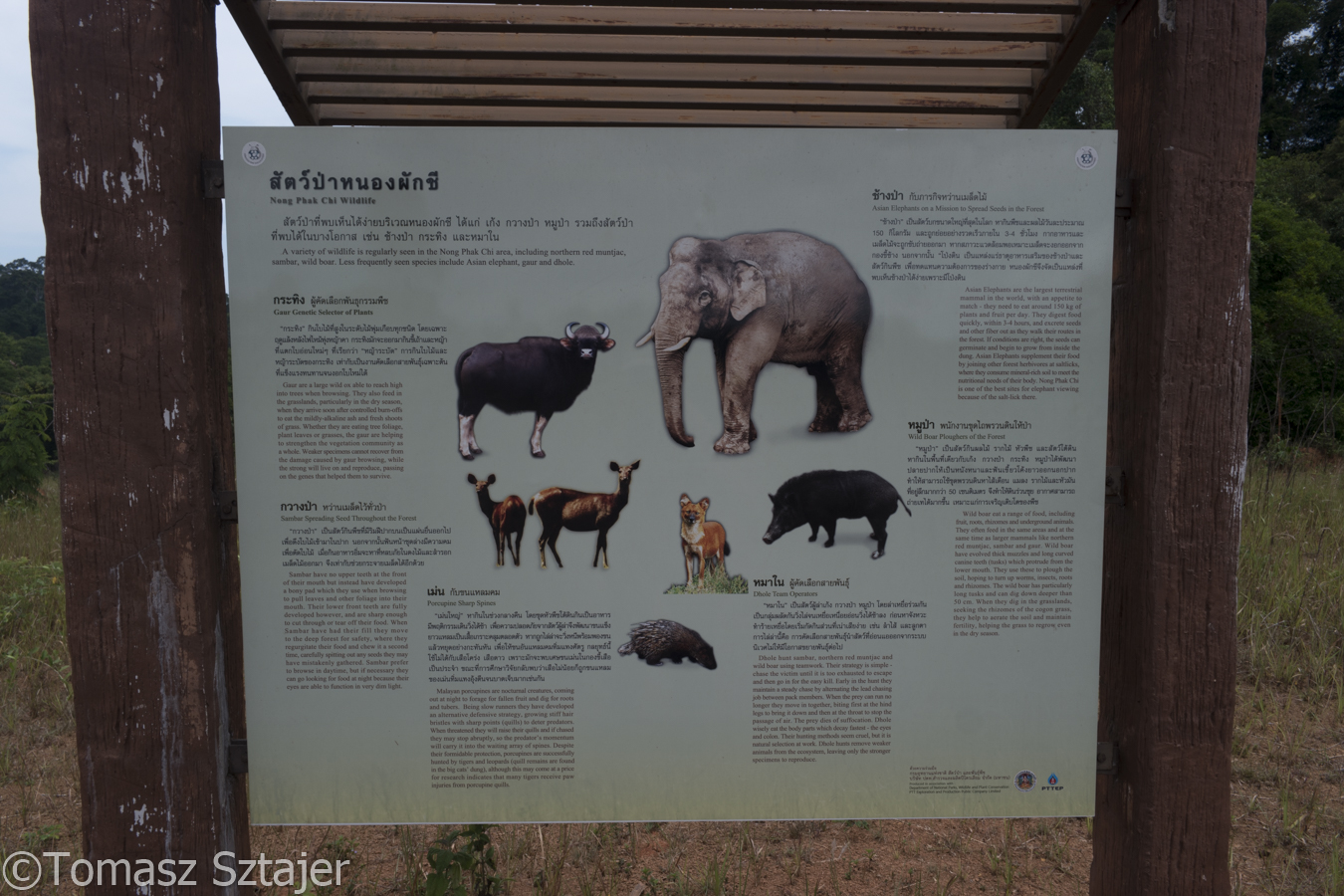
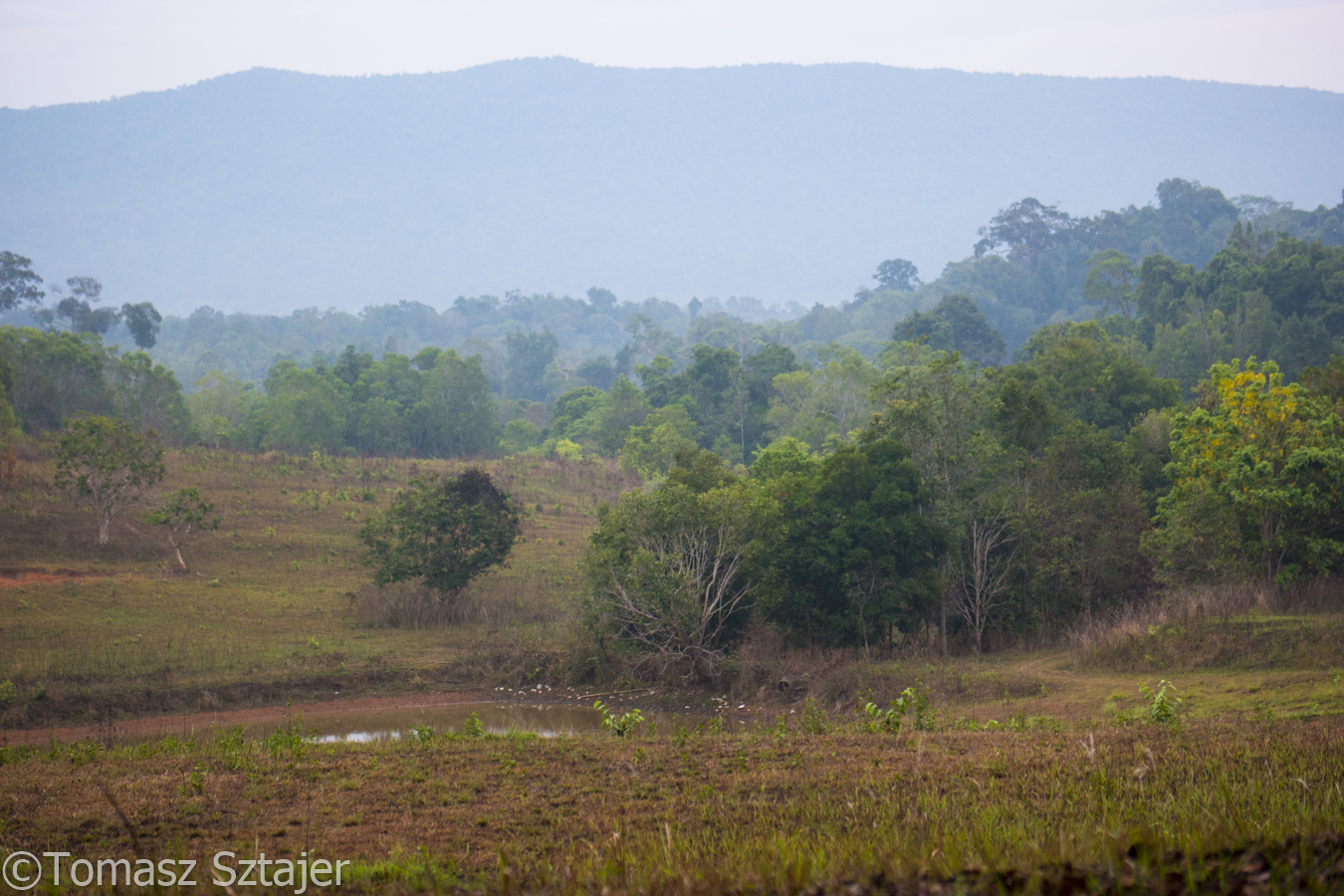
Just a few snaps from the Khao Yai National Park (totally worth it! Especially when camping surrounded by Sambar deers with occasional small Indian Civet and porcupine running around; plus lots more if you venture deeper into the forest, preferably with a guide) + few other spots that I visited and re-visited in Thailand.
***
Parę fotek z Parku Narodowego Khao Yai (polecam! Niezapomniane wrażenia z noclegu pod namiotem w otoczeniu jeleni oraz przebiegających tu i ówdzie wiwer malajskich i jeżozwierzy; a oprócz tego, całe mnóstwo zwierzaków ukrytych w lesie, po którym chętnie oprowadzą Was przewodnicy) a także z paru innych miejscówek, które odwiedziłem podczas kolejnej wycieczki po Tajlandii.
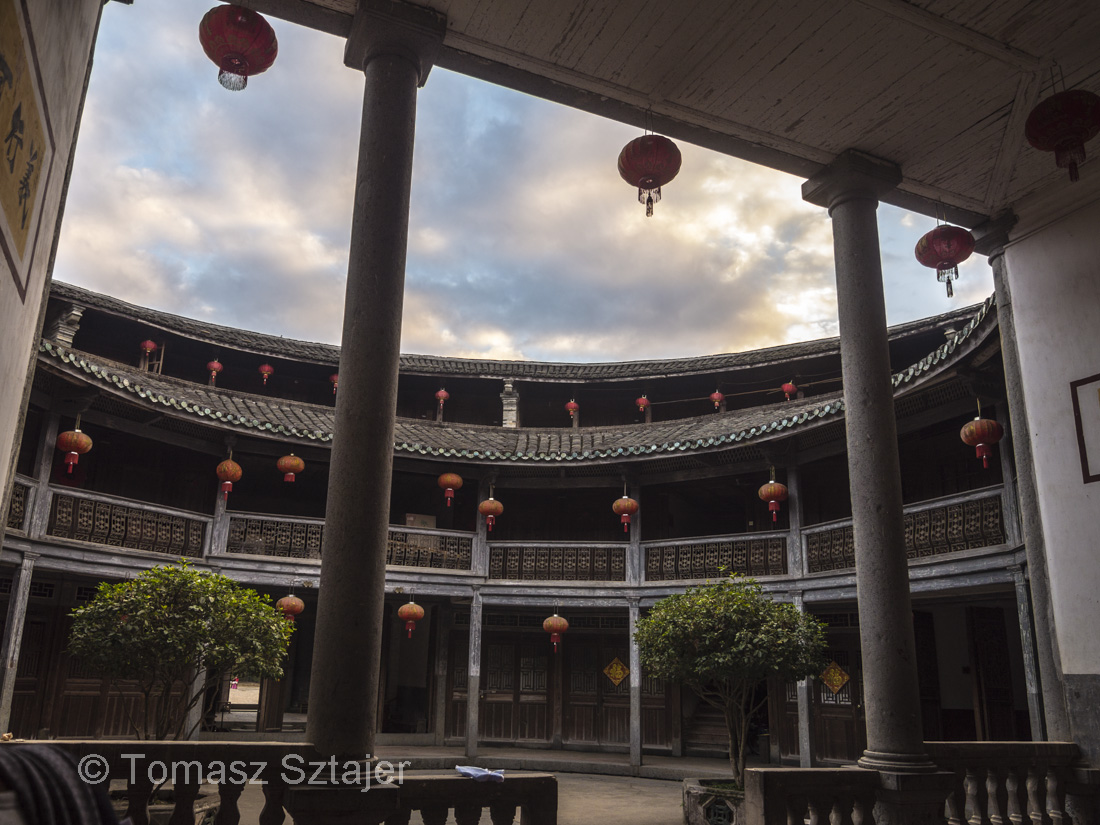
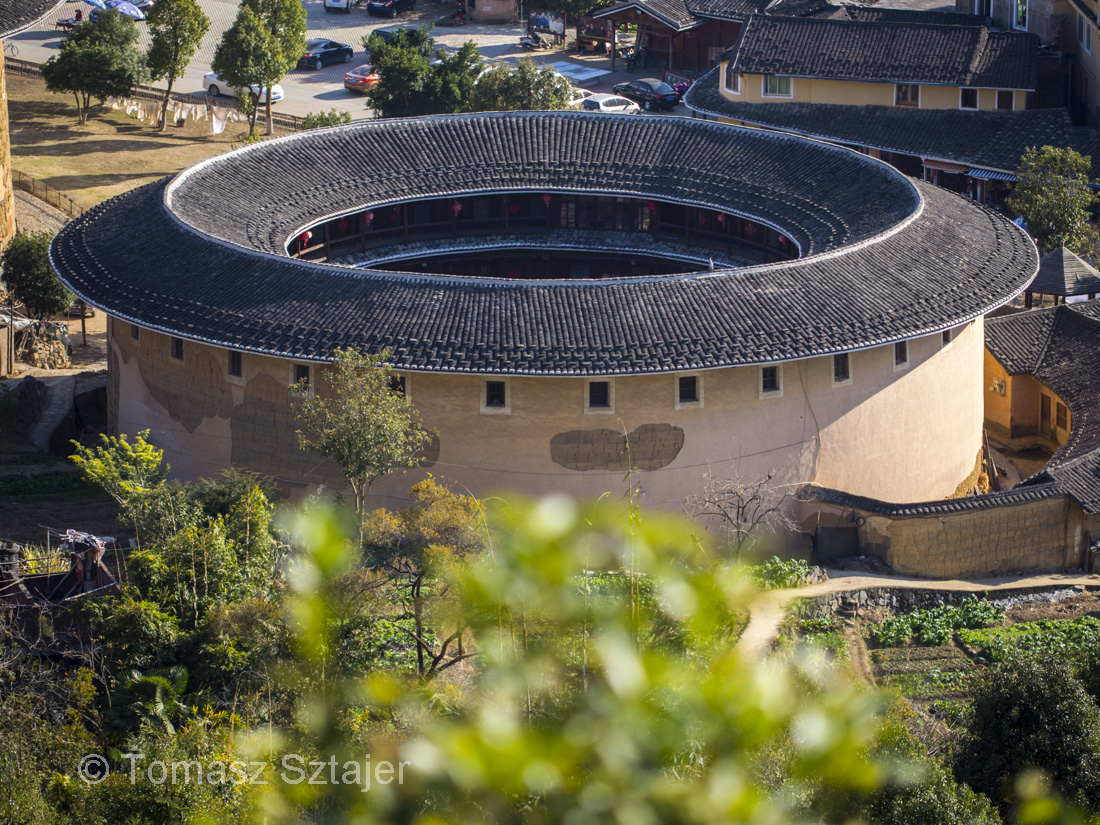
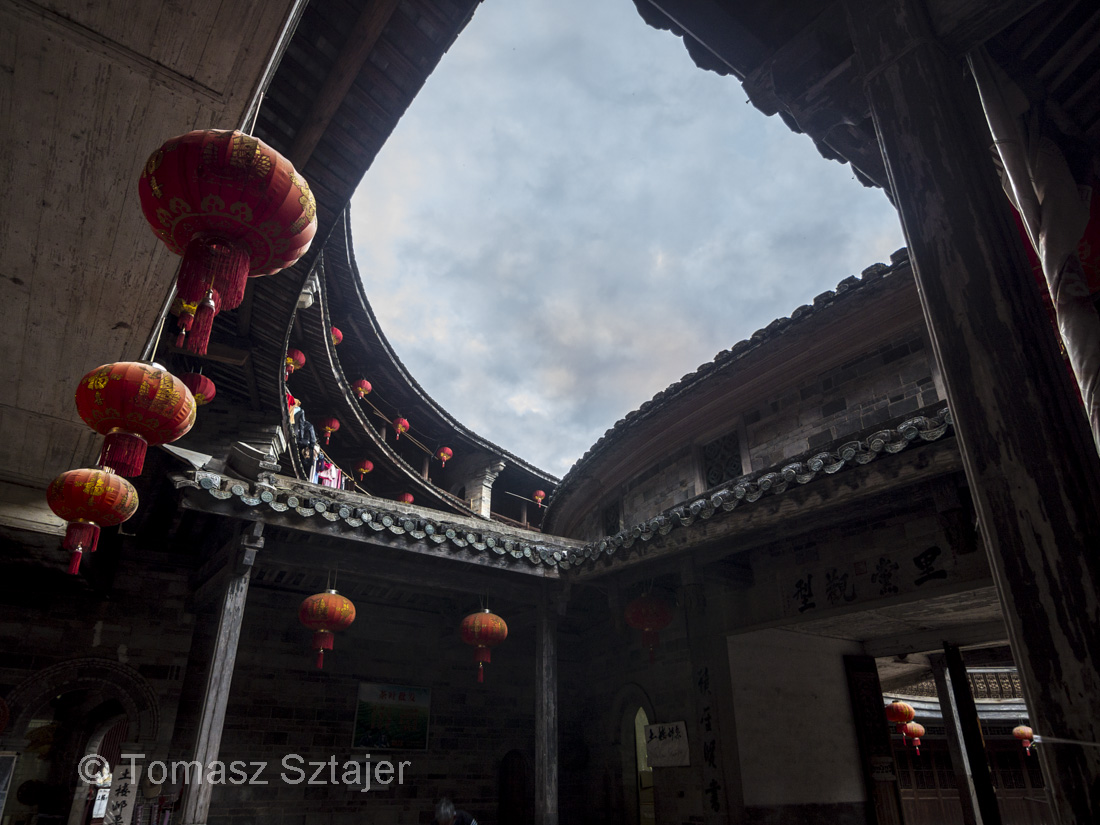
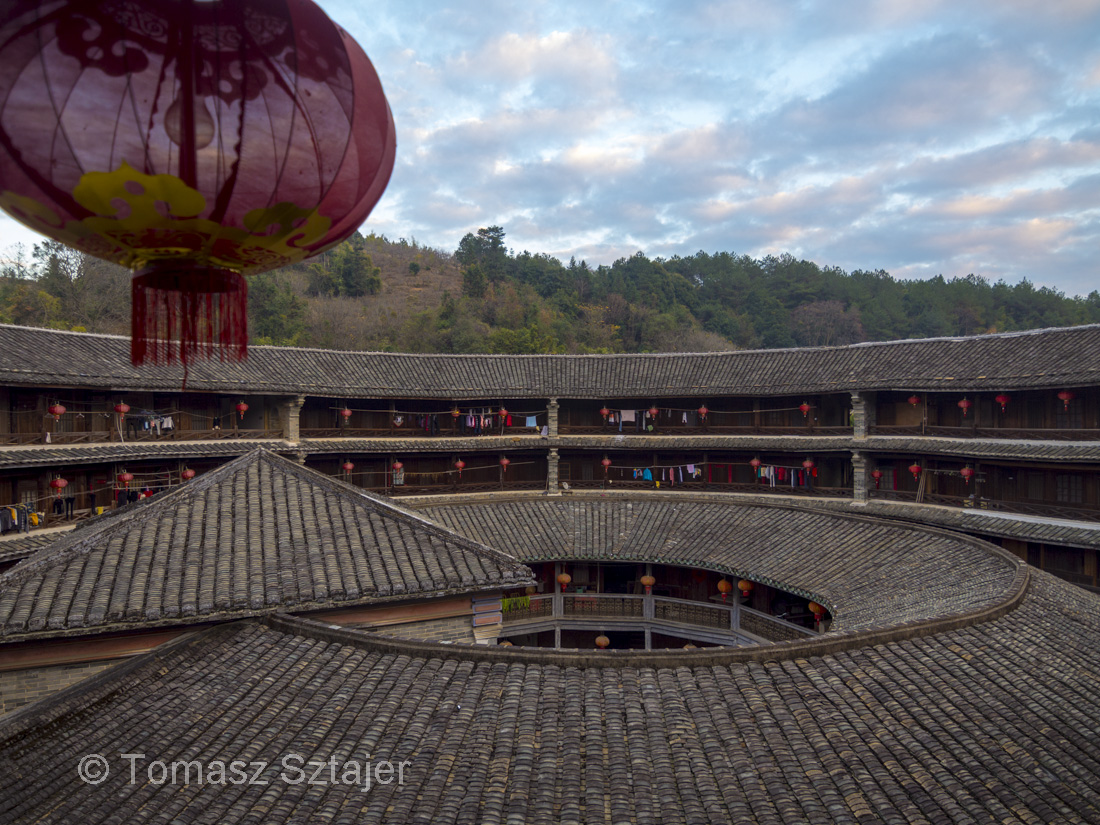
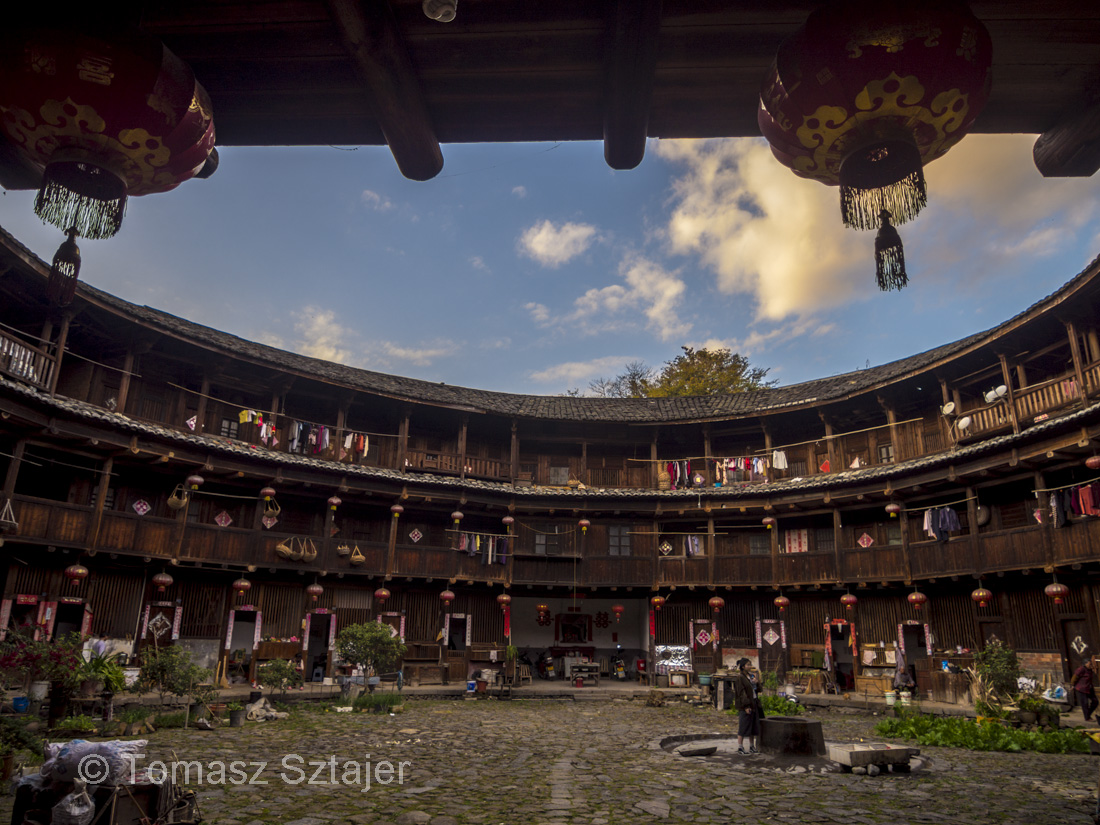
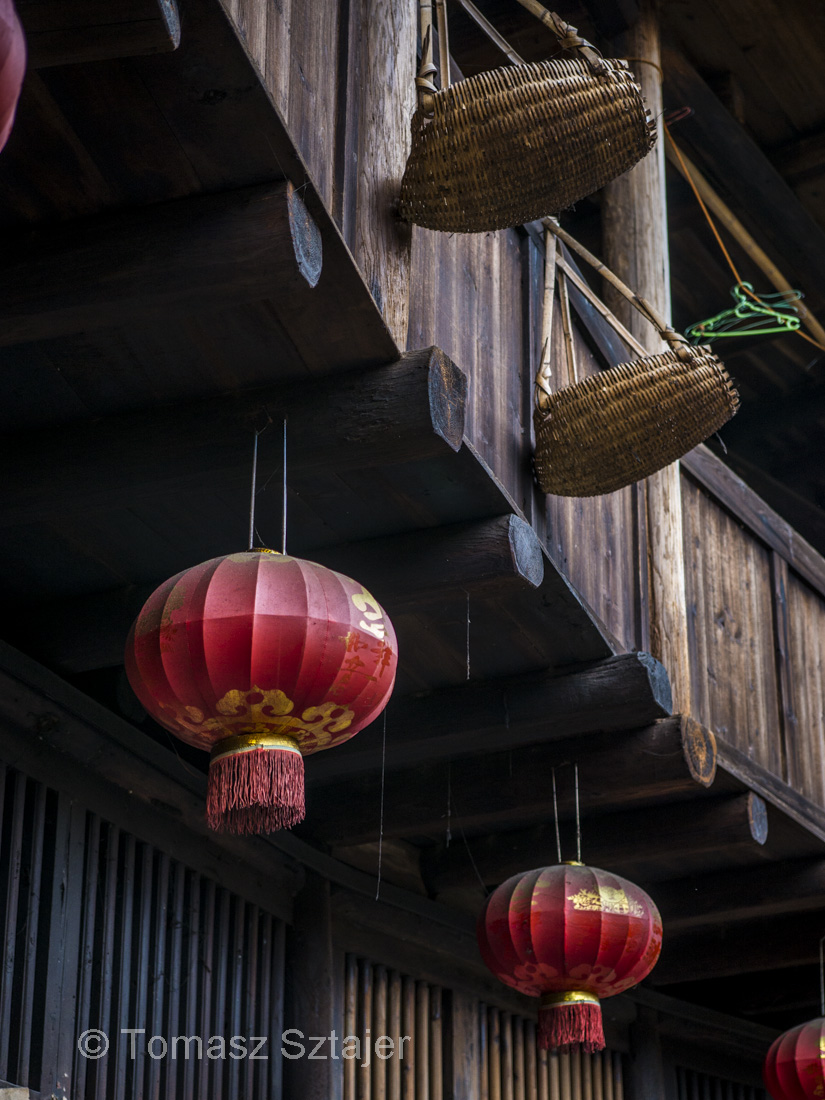
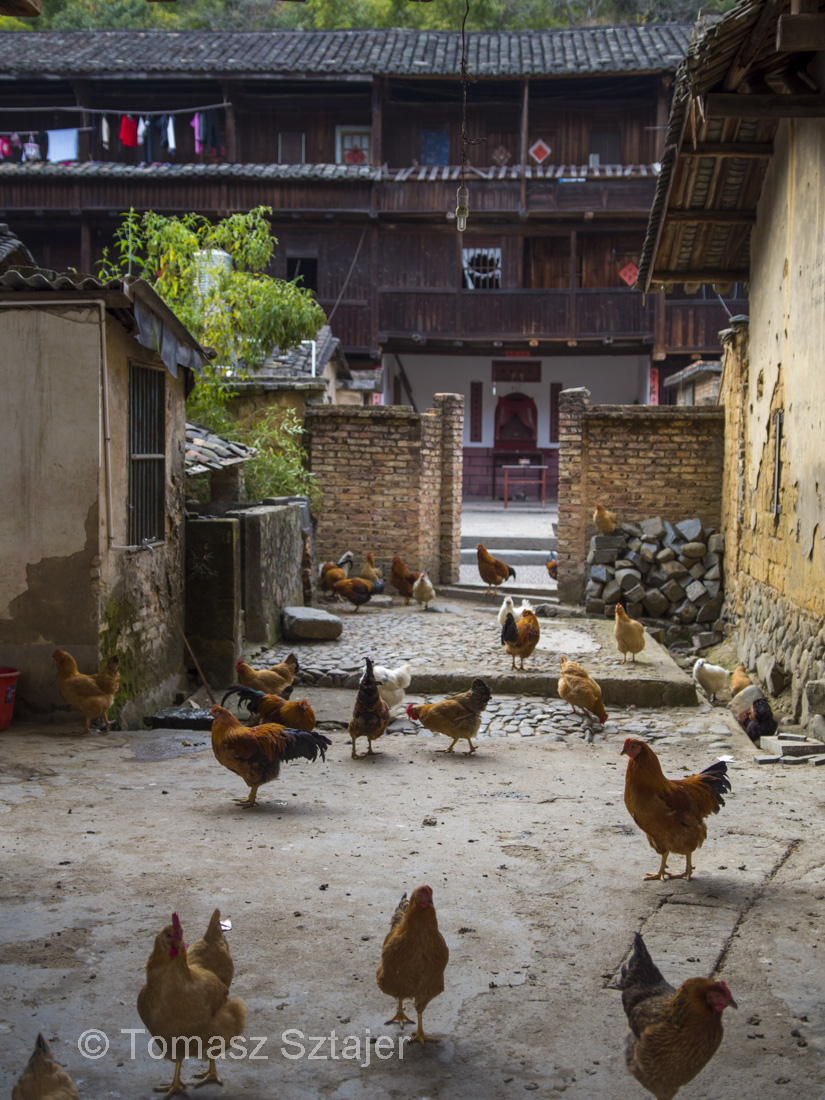
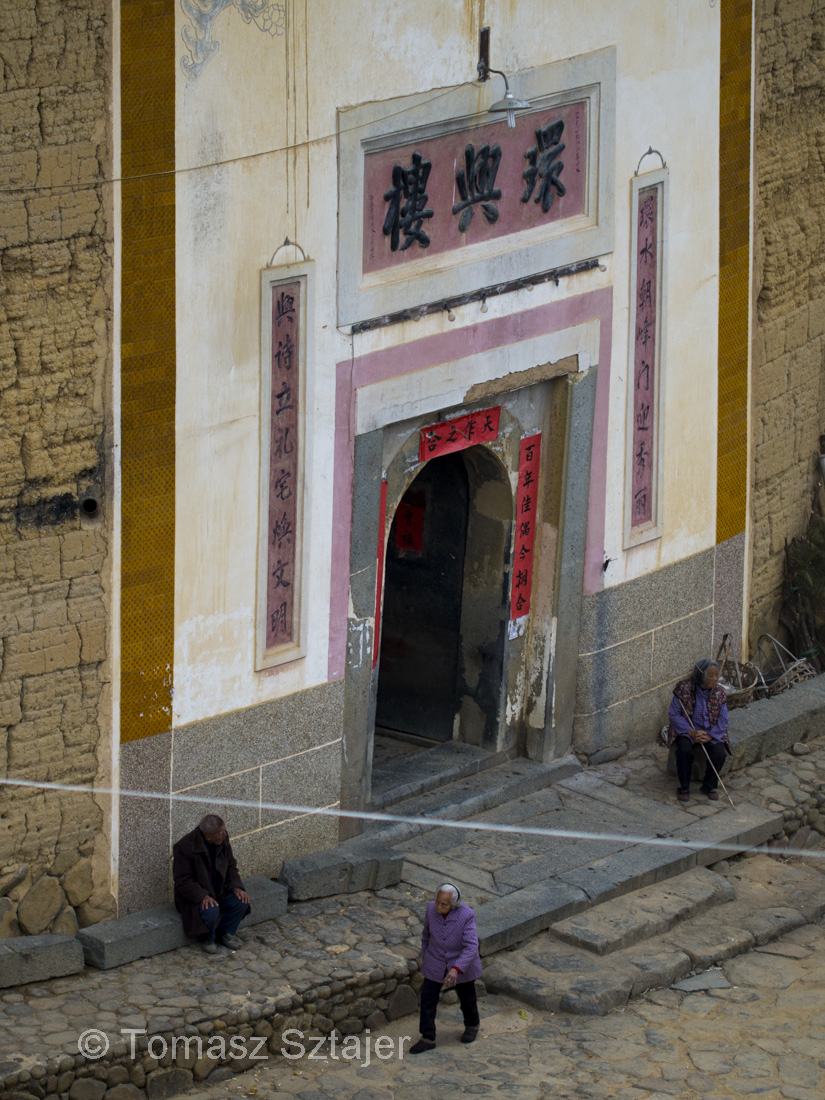
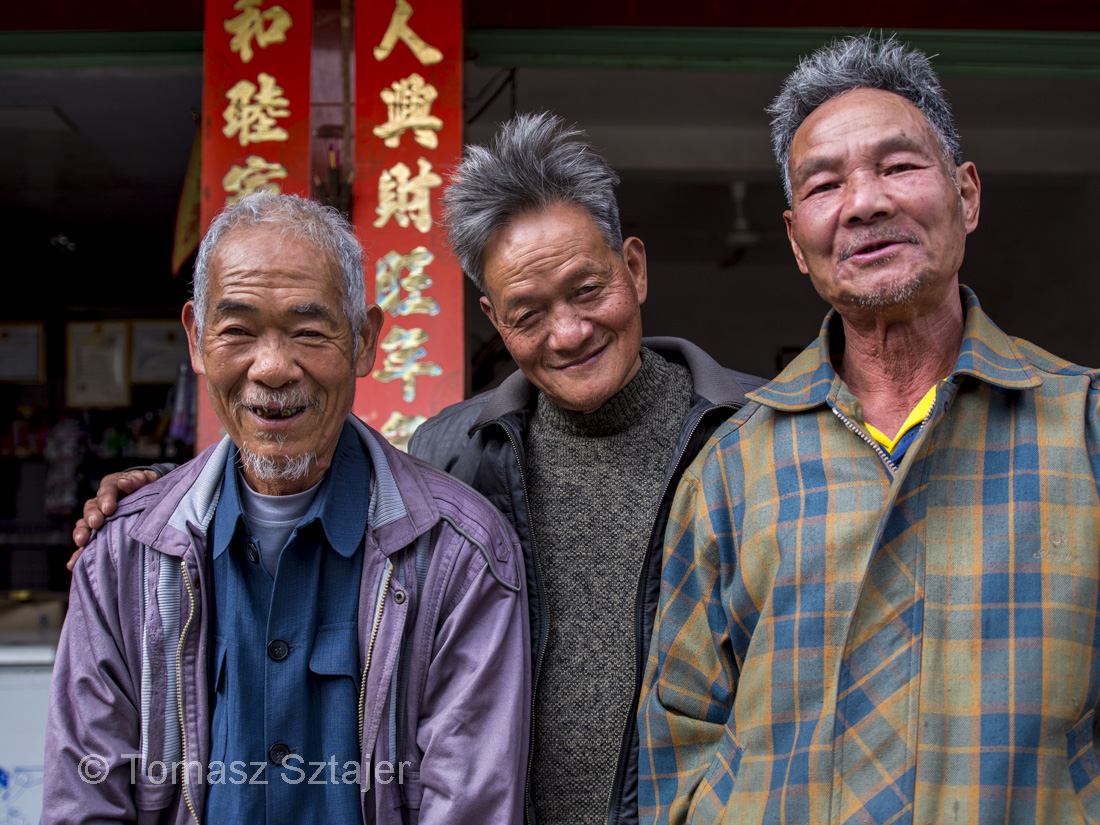
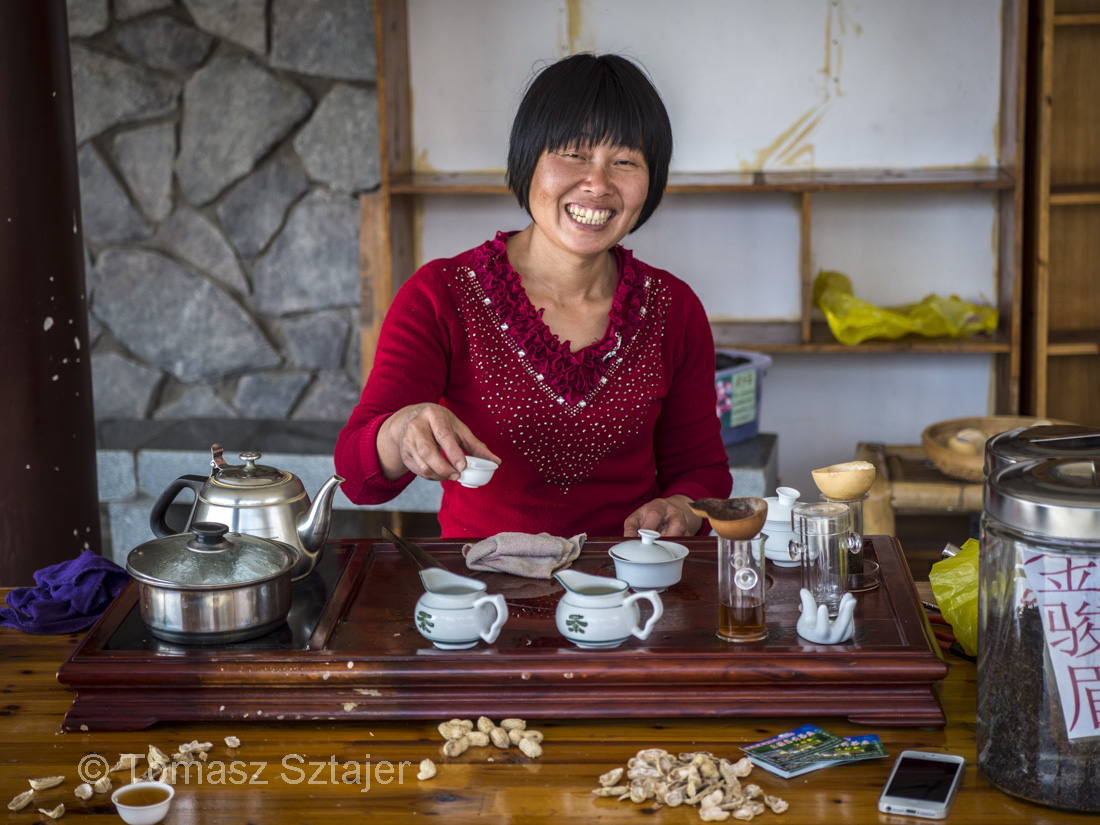
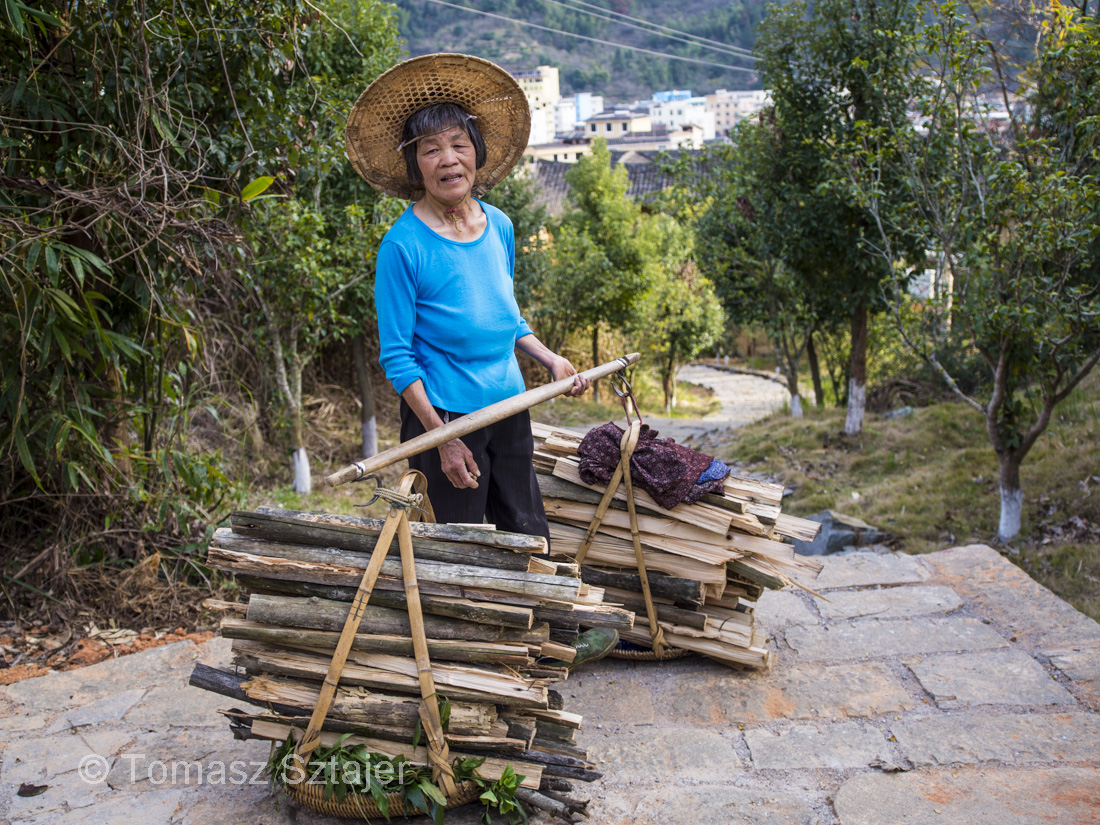
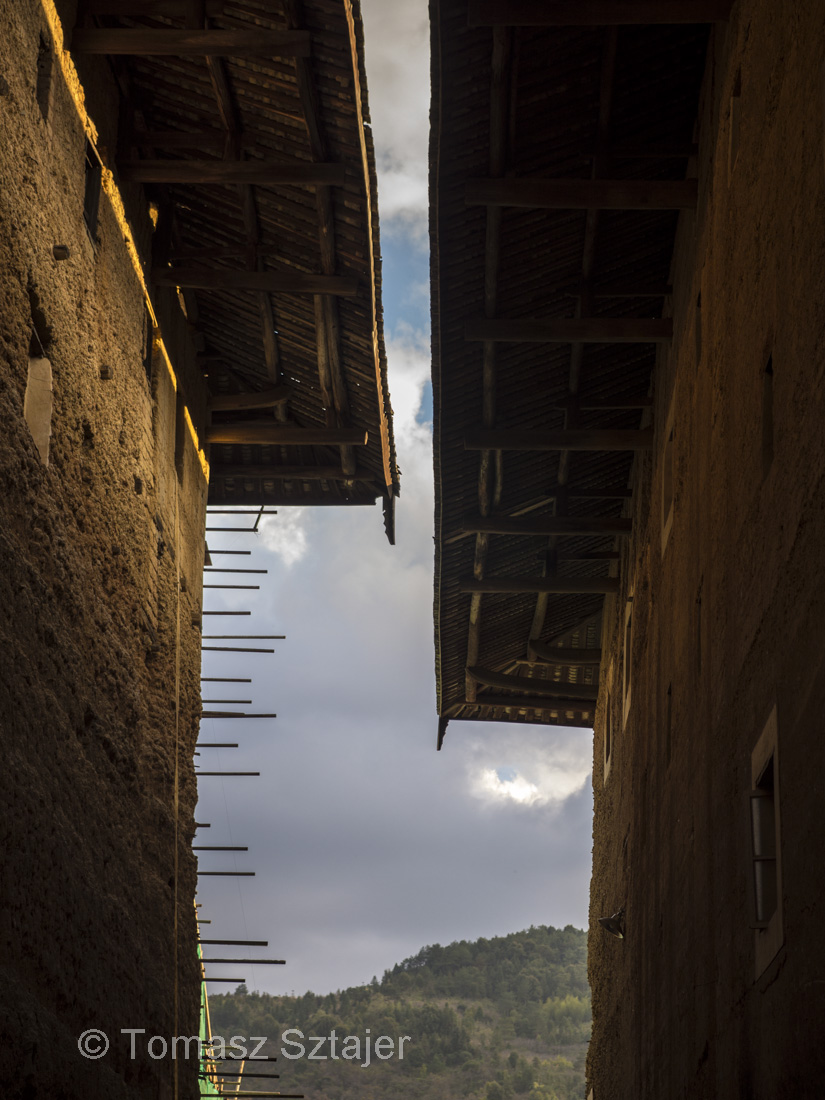
One of Fujian’s highlights are the tulous – the impressive earth and wood clan buildings dating centuries ago. Here are some photos of that wonder… And right after that – a video bringing you the very unknown art of cork painting/carving practised in the capital city of Fujian – Fuzhou.
***
Jedną z większych atrakcji prowincji Fujian stanowią tulou – ogromne budynki o konstrukcji ziemno-drewnianej, pobudowane przed stuleciami. Poniżej zamieszczam zdjęcia tych cudów architektury… A zaraz potem – filmik o niezbyt znanej sztuce rzeźbienia w korku, praktykowanej w stolicy prowincji – Fuzhou.
A handful of remarks about cycling Korea: First of all: Do it. The East cost in particular is a good place to do it – 90% of the route is flat, the cycling track (called Romantic Road of Korea) runs from the very North to the very South (except for the spots where it disappears – from the way it looks on roadside maps it will probably be made soon). There is plenty of expected and unexpected attractions on the way, you should plan many stops. Second (and this applies to traveling in South Korea in general, not just by bike): Koreans are supernice and uberhelpful. They might sometimes seem a little lost and unable to act without using their smartphone but they will never ever leave you with your problem unsolved. If they don’t know the answer to your question, they will ask their smartphone. Or a friend. Or they will call their mom. And if the mom doesn;t know, she will call her friend. And then call back. I didn’t make that one up – Koreans really do everything they can to help you out, even if your trouble is not even a real trouble. I was guided around the city in the middle of the night just to find an ATM that would accept my card (note: you will not always be successful with ATMs in South Korea… Just be patient, keep trying; if the first machine doesn’t work, the second one will… And if it doesn’t, then the fifth one, or maybe the tenth one will. The 15th ATM will almost definitely do the job), when I arrived in an unknown town some random people helped me to find a place to stay; though I often had to use body language to communicate (English is not very very widely spoken, especially in small places) I would always get the information I needed. The Korean striving to achieve the goal, the efficiency and willing to help the other got me really amazed. Third: Jinjilbang. Remember that word well if you are traveling on a tight budget accomodation-wise (tight like 5k-10k won). It stands for a public bath, open 24/7, with a relax space that you can use for sleeping after you enjoyed your bath, sauna and jacuzzi. Another accomodation option that I tried were the famous Love Motels – it is actually the best deal when you’re traveling in a team of two, especially if you have some romantic plans. For a single traveler it comes out a little more pricey, but you can always negotiate the price, sometimes even by 50% (but not in the high season). Fourth: Even if it so happened that you got teleported to Korea without any preparation at all – no worries. Everything in Korea, especially those more touristy places are neatly organized and roadside maps will show you pictures of what you might want to see. Fifth: When visiting tourist attractions – ask about the free guide at the gate. They can sometimes be really competent people! Sixth (last): June is a good time for such trip – not too hot, not too cold; and the beaches are not crowded (the water is terribly cold, though).
Anyway, here comes a highly subjective selection of things to see (presented to you in North to South order).
***
Garść uwag odnośnie podróżowania rowerem po Korei: Po pierwsze: Warto. Zwłaszcza wschodnie wybrzeże się do tego świetnie nadaje – przez 90% trasy jest płasko, trasa rowerowa (nazwana zresztą Romantic Road of Korea) jest wyznaczona od samej północy aż po samo południe (poza fragmentami, gdzie nagle znika – w tych miejscach prawdopodobnie niedługo powstanie, sądząc po wyglądzie rozmieszczonych po drodze map). Atrakcji – spodziewanych i niespodziewanych – na trasie jest sporo, liczcie się z częstymi przystankami. Po drugie (i dotyczy to podróżowania po Korei Południowej w ogóle, nie tylko rowerem): Koreańczycy są przemili i arcypomocni. Czasami sprawiają może wrażenie nieco pogubionych i niezdolnych do działania bez smartfona, ale nigdy, przenigdy nie pozostawią Was z nierozwiązanym problemem. Jeśli sami nie znają odpowiedzi na Wasze pytanie, to zapytają wspomnianego smartfona. Albo kolegi obok. Albo zadzwonią do mamy. A jeśli mama nie wie, to zadzwoni do koleżanki. Po czym oddzwoni do Waszego bezpośredniego rozmówcy. Niczego nie zmyślam – Koreańczycy zrobią wszystko, co w ich mocy, żeby wydostać Was z opresji – nawet jeśli opresja ta jest ledwie opresyjką, albo najzwyklejszym przejawem ciekawości. Chodzono ze mną w nocy przez pół miasta, byle pomóc mi znaleźć bankomat obsługujący moją kartę (tu ważna uwaga: nie zawsze się Wam uda i nieraz bankomat odmówi współpracy z zagranicznym plastikiem – nie załamujcie się, próbujcie dalej; jeśli pierwsza machina nie zadziała, to zadziała druga… A jak nie druga, to piąta, a prawie na pewno dziesiąta; piętnasta na prawie 100%), gdy wylądowałem wieczorem w nieznanym mi mieście – grupa przypadkowo spotkanych osób wspólnymi siłami znalazła mi tani hotel; choć często musiałem porozumiewać się na migi (z angielskim, zwłaszcza na prowincji, bywa słabo), to zawsze uzyskałem potrzebną mi informację. Koreańskie dążenie do osiągnięcia celu, skuteczność i pomocność naprawdę mi zaimponowały. Po trzecie: Dzindzilbang. To słowo należy zapamiętać, jeśli zależy Wam na tanim (5.000 – 10.000 wonów) noclegu. Oznacza publiczną łaźnię, otwartą 24h na dobę, z przestrzenią do odpoczynku po kąpieli, w której, po wykąpaniu się, wysaunieniu i wyjacuzzieniu można wylegiwać się i spać do oporu. Inną opcją noclegową, którą wypróbowałem, są tzw. Love Motels, najbardziej opłacają się, gdy podróżuje się we dwójkę, zwłaszcza jeśli dwójka ta nosi się z zamiarami romantycznymi. W pojedynkę wychodzi trochę drożej, ale warto się potargować, cena może zostać obniżona nawet o połowę (choć raczej nie w sezonie). Po czwarte: nawet gdybyście zostali teleportowani bez żadnego przygotowania merytorycznego, wszystko w Korei, zwłaszcza w miejscach turystycznych, jest ładnie oznakowane, na przydrożnych mapkach możecie sobie pooglądać obrazki, które dadzą Wam pojęcie, co warto w okolicy zwiedzić. Po piąte: Odwiedzając rozmaite atrakcje turystyczne – pytajcie na wejściu o darmowego przewodnika w j. angielskim. Bardzo często to bardzo kompetentne osoby. Po szóste, i ostatnie: czerwiec to dobra pora na wycieczkę – nie za gorąco, nie za zimno, nie za tłoczno na plażach (za to woda lodowata).
Zapraszam zatem do subiektywnego przeglądu atrakcji (podanych w kolejności północ-południe).
DMZ (Demilitarized Zone / Strefa Zdemilitaryzowana)
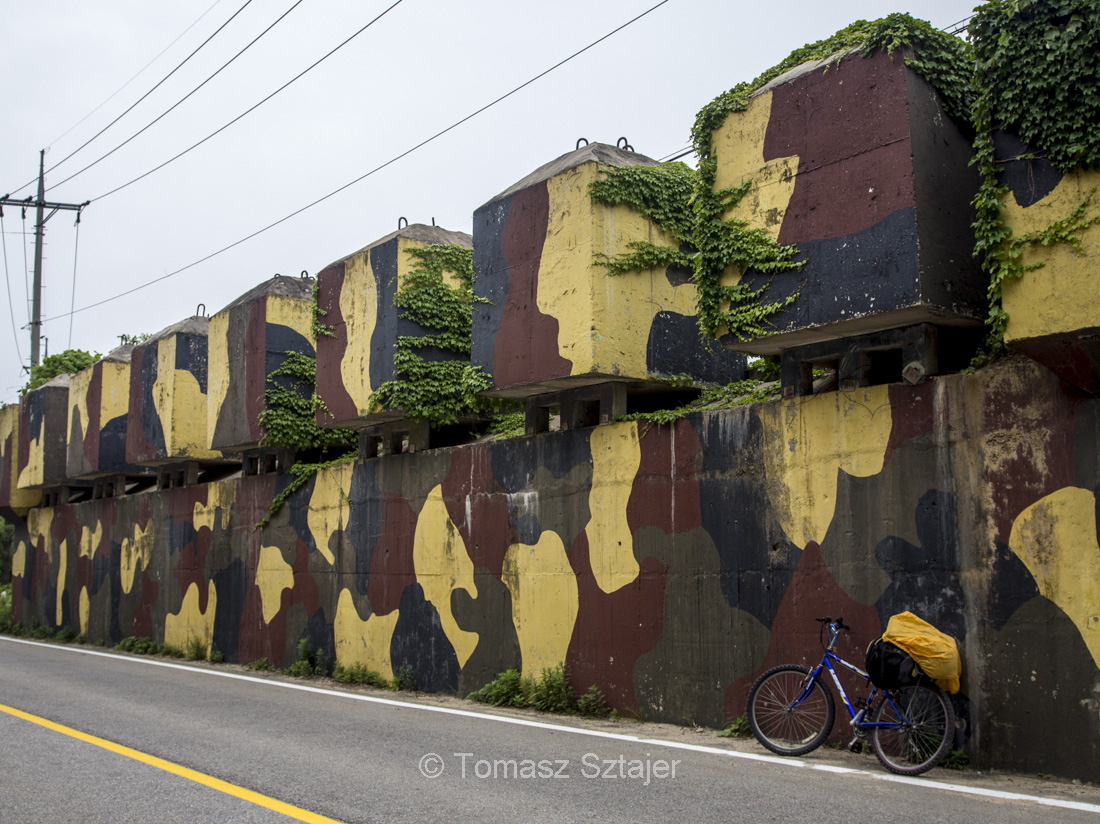
Near DMZ
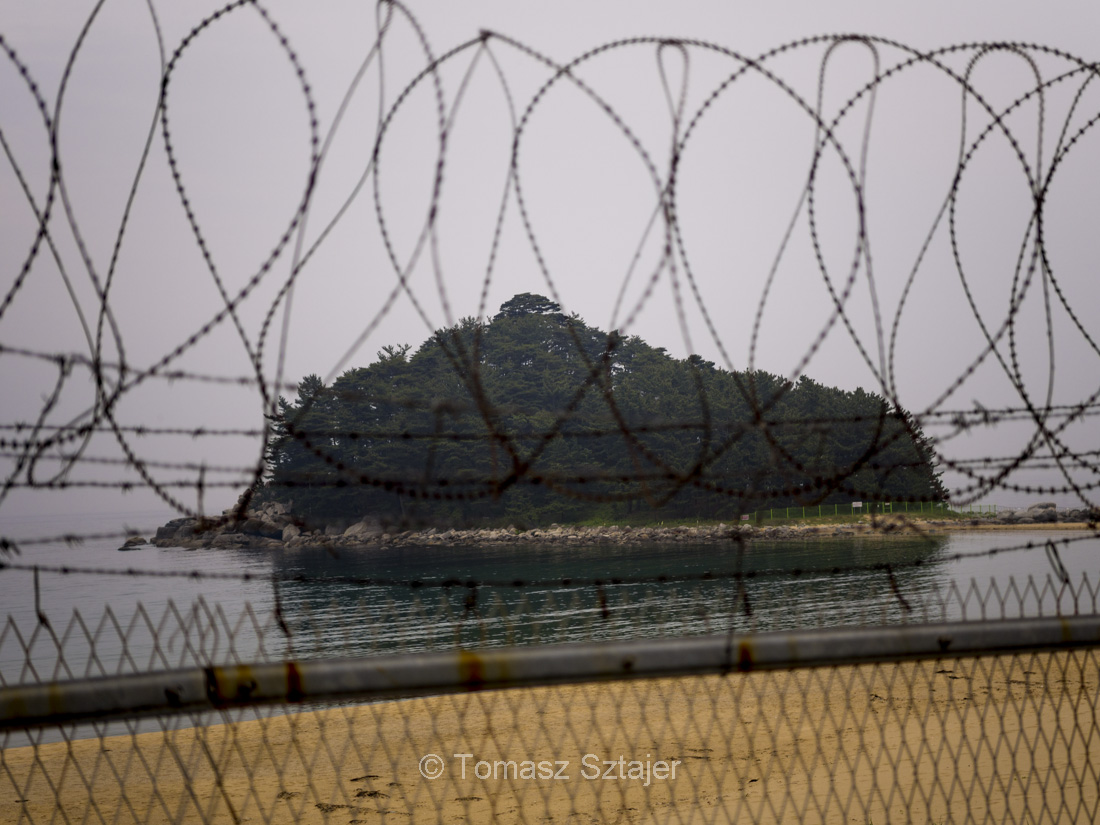
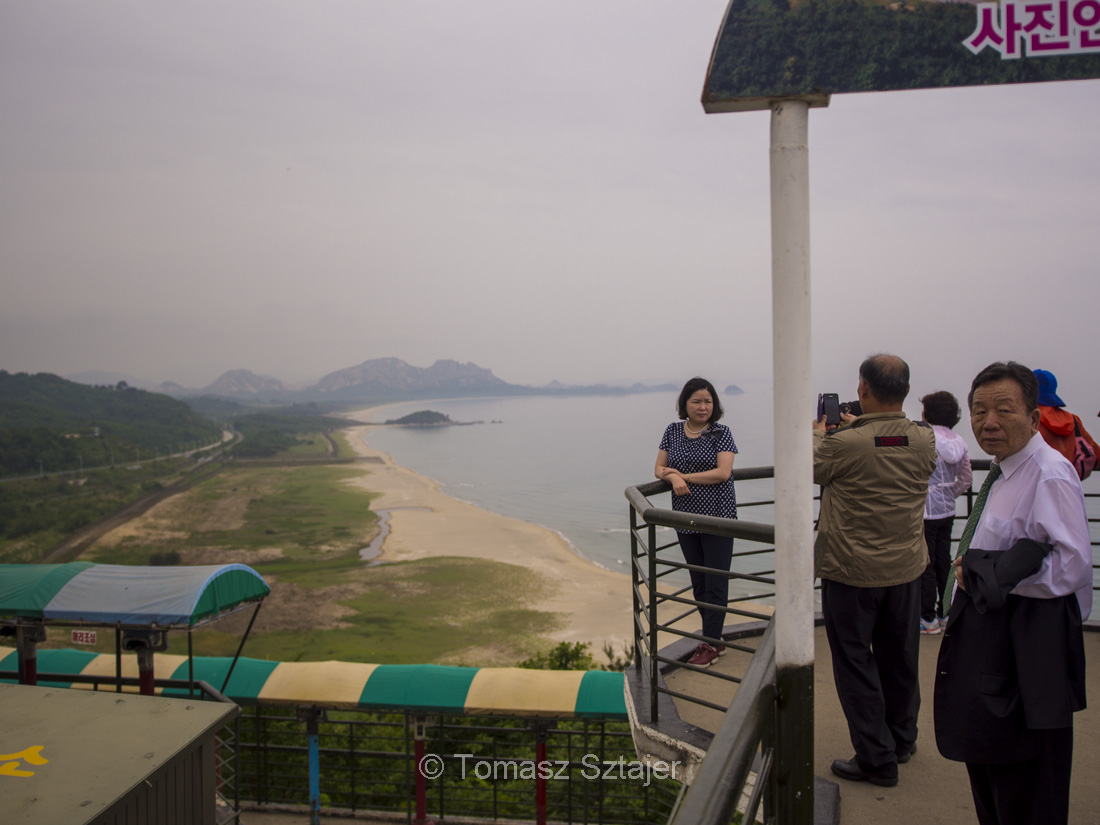
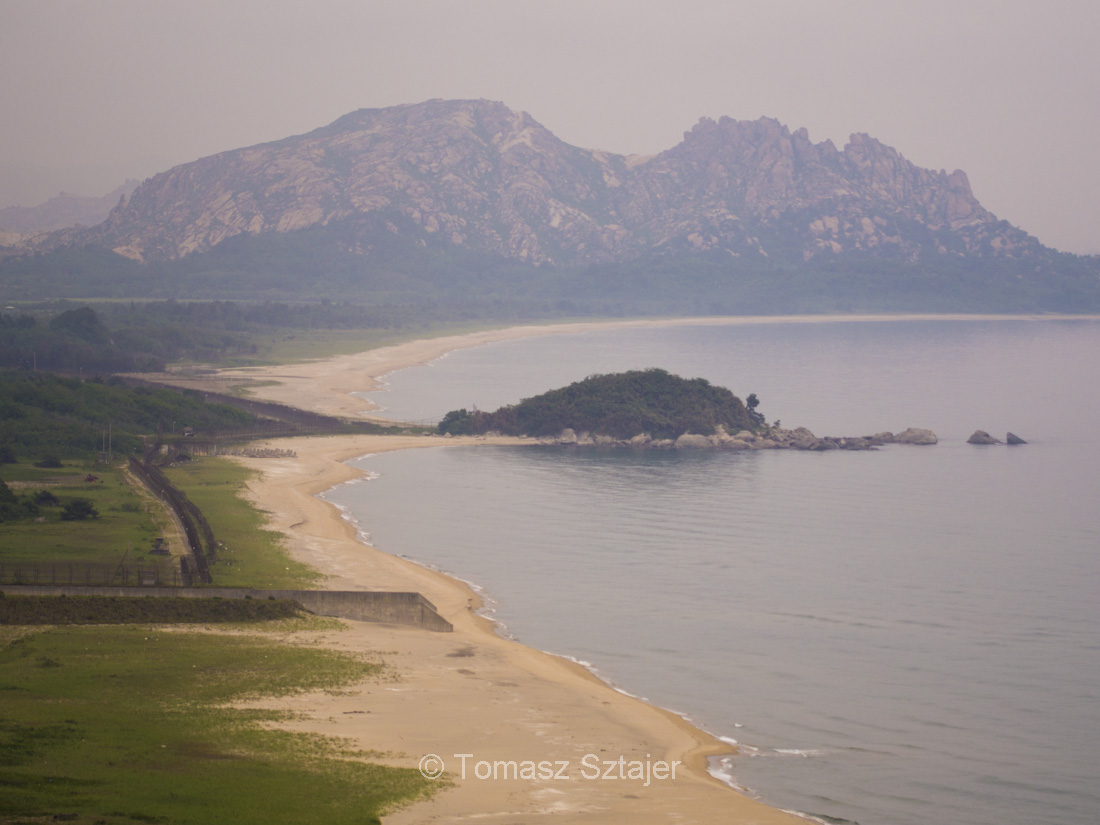
Demiliarized Zone – a look at North Korea
Demiliarized Zone – a look at North Korea
DMZ
DMZ
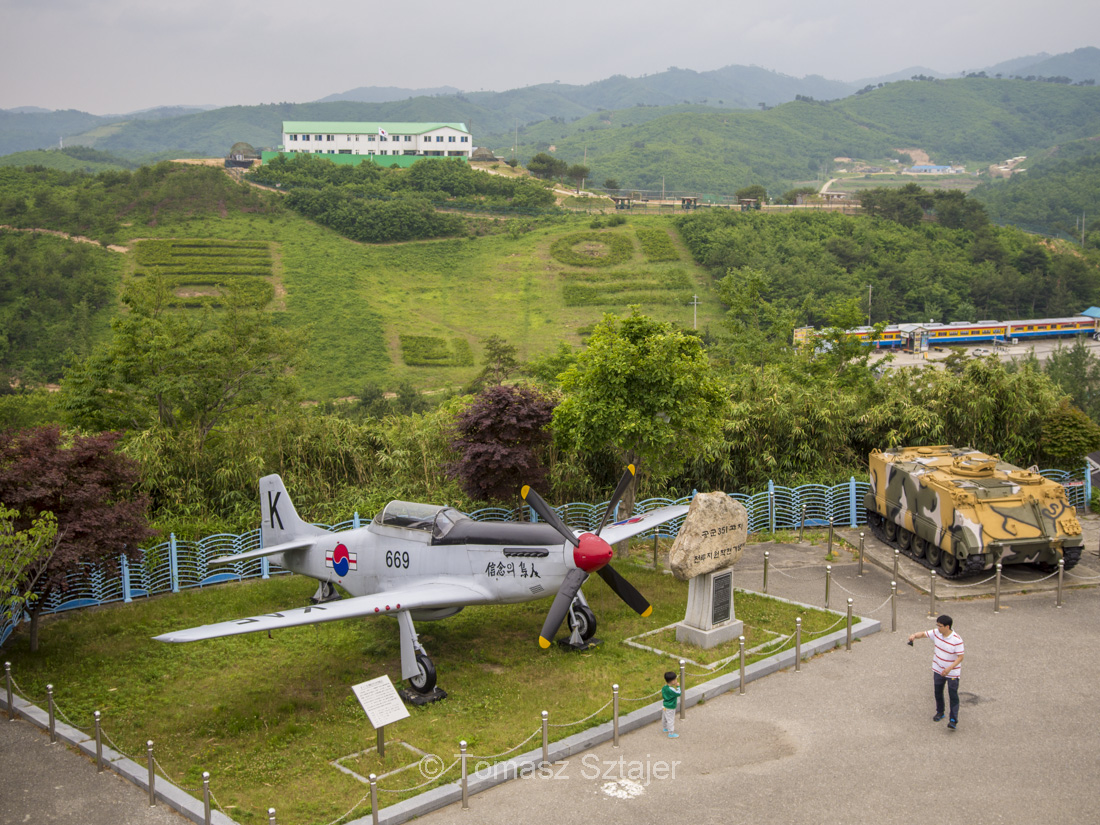
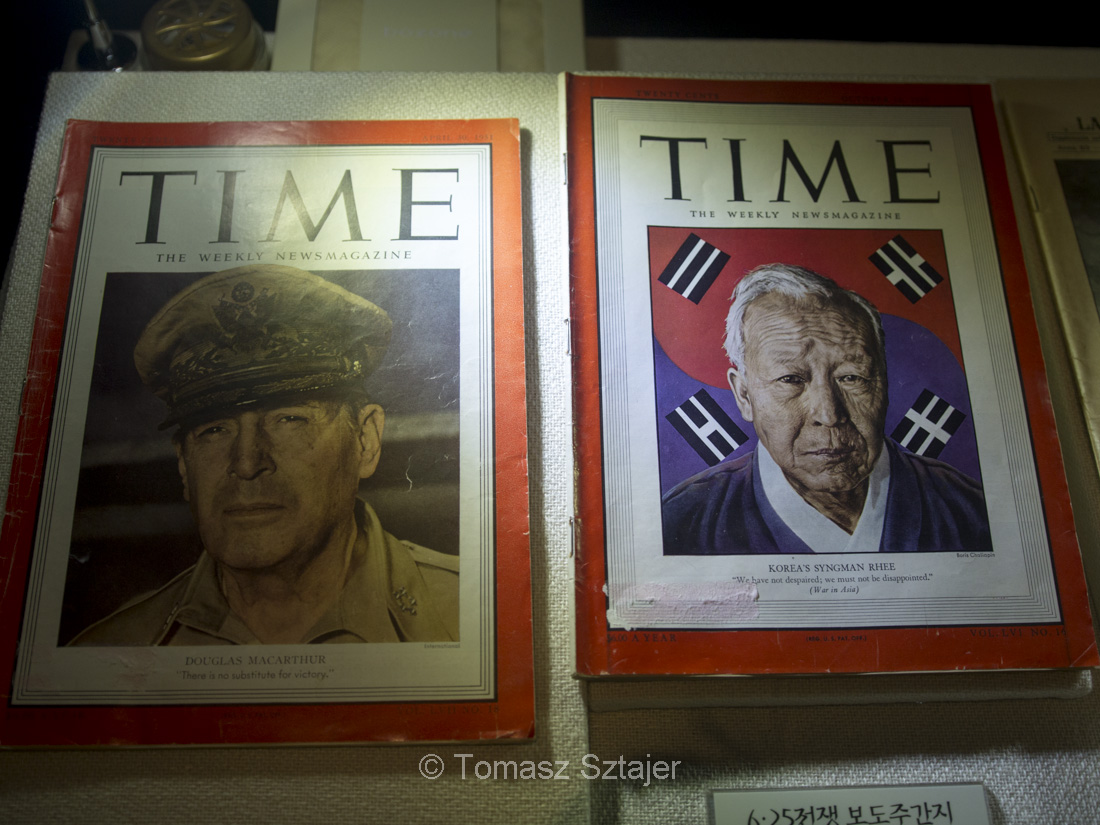
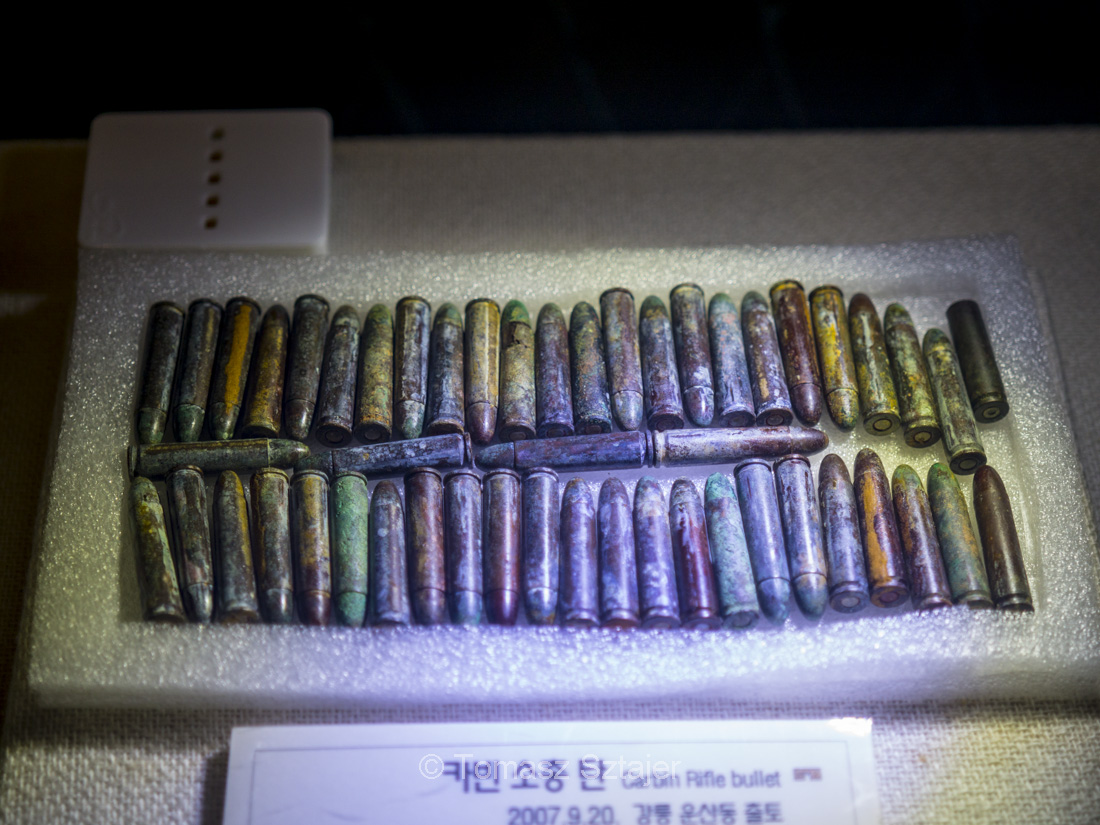
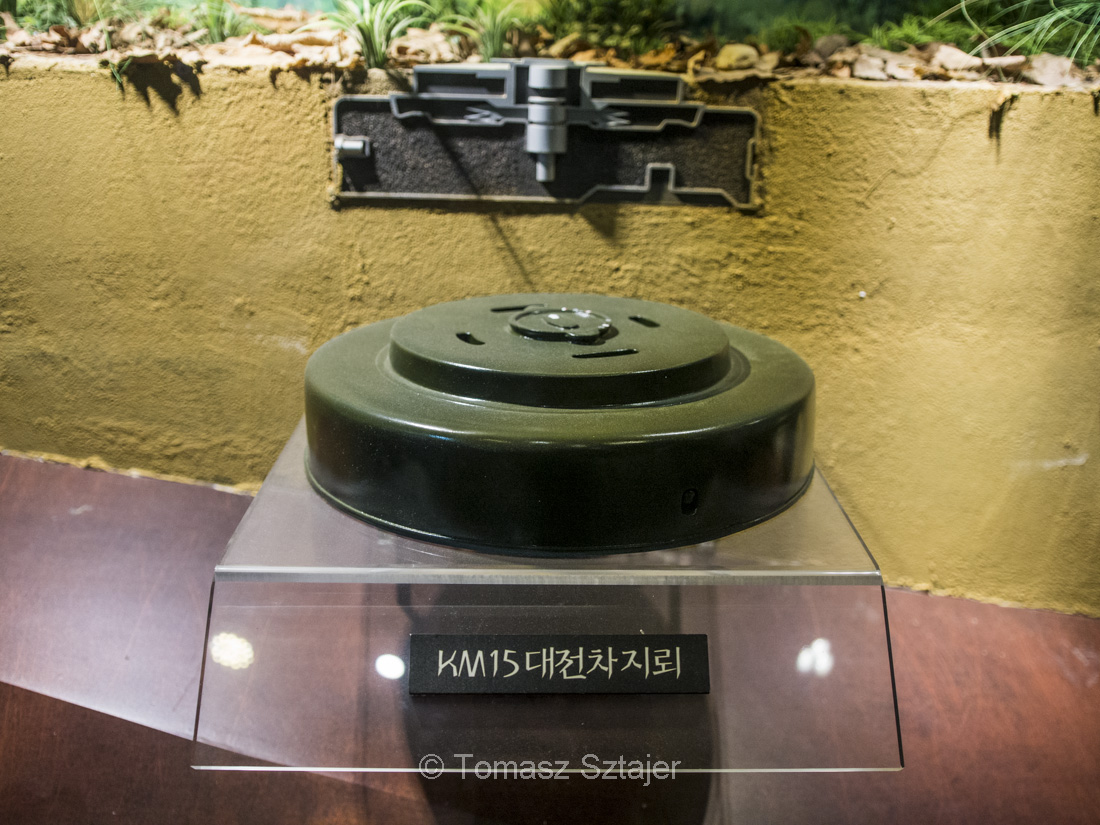
DMZ Museum
DMZ Museum
DMZ Museum
DMZ Museum
DMZ Museum
A sort of practical advice: in order to get into DMZ you need a special permit, which can be obtained in the centre 10 km away from the entrance to the zone. However, to get the permit, you need to have a car. Which means that – in theory – there is no way a tourist like myself could get one. Luckily, the soldiers guarding the DMZ entrance are humans, too, and helped me hitch-hike a car, whose driver had the necessary permit. Mr Kim was a bit suprised at first, but immediately he and his family sitting in the back becam every friendly with the new passenger, somewhat sweaty and un-fresh from long-time cycling uphill.
Once you get in the DMZ, you can look as much as you want at “the other side” but, frankly speaking, there is not that much to see. A couple of mountains and hills. No sign of Northern Koreans hiding out in the bushes.
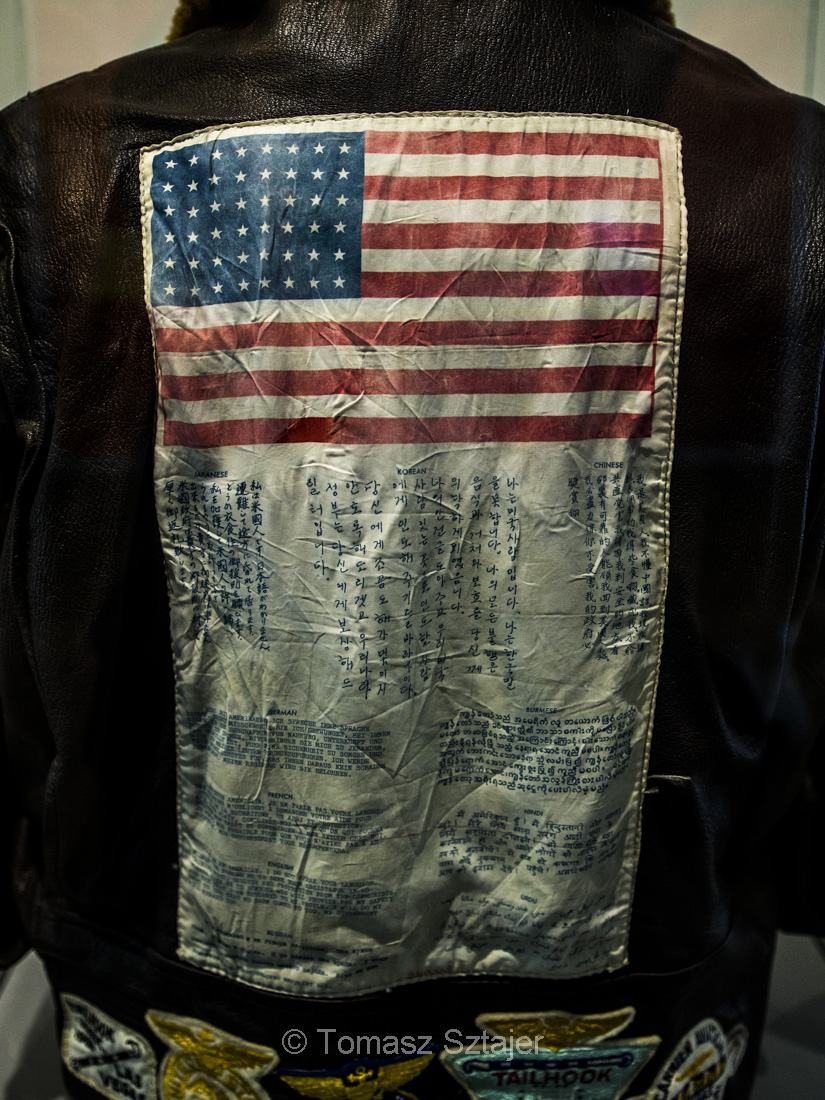
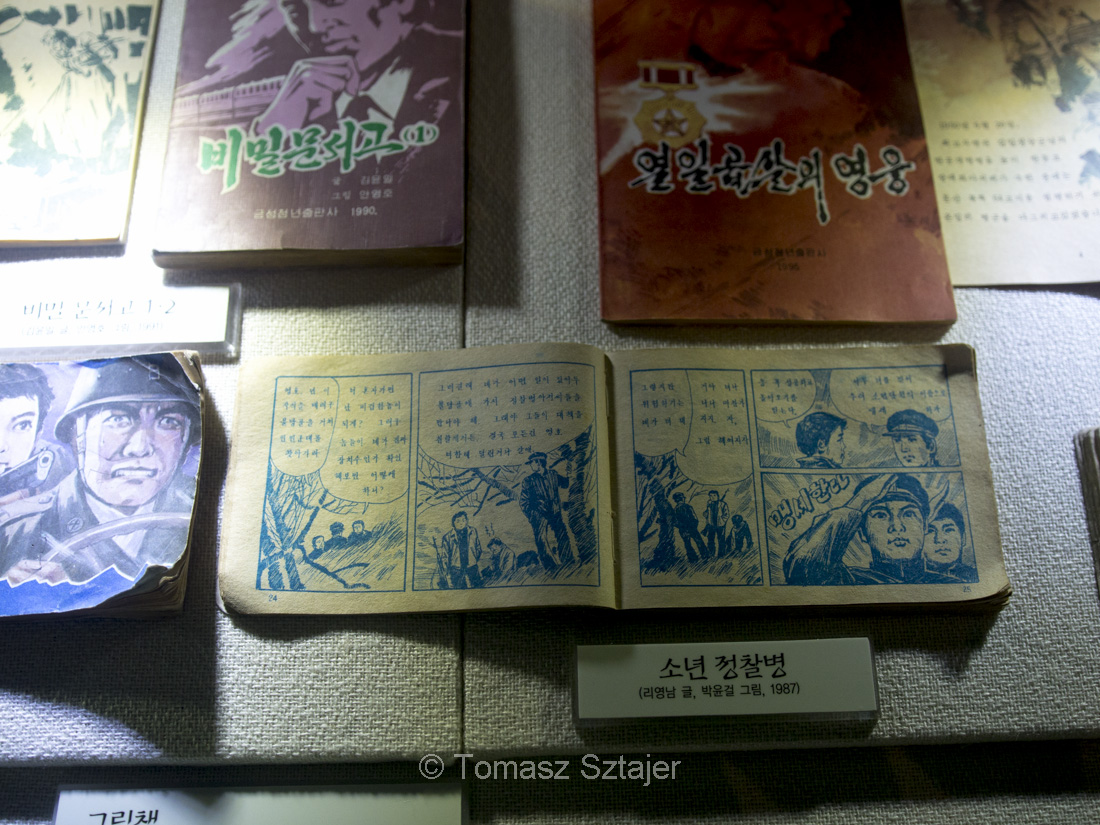
We spend more time in the museum, where we find lots of 100% biased pro-South point of view on the history of North-South Korean conflict. The strangest are the pompous words about the greatness of the achievement which was the establishment of the Demilitarized Zone. But still, there is a whole lot of documents and object from the conflict to be seen in the museum.
***
Parapraktyczna rada: żeby dostać się do DMZ trzeba uzyskać zezwolenie w centrali zlokalizowanej jakieś 10 km od wjazdu na teren zamknięty. Aby uzyskać zezwolenie, należy posiadać samochód. Tym sposobem, przynajmniej teoretycznie, możliwości wstępu dla turysty takiego jak ja nie ma. Całe szczęście koreańscy żołnierze strzegący dostępu do DMZ to też ludzie i pomogli mi złapać na stopa samochód, którego kierowca dysponował już pozwoleniem. Pan Kim był z początku nieco zaskoczony, ale zarówno on jak i cała jego rodzina, ulokowana na tylnym siedzeniu, bardzo życzliwie podeszła do nowego pasażera – spoconego i nieco nieświeżego po pół dnia pedałowania pod górę.
A w DMZ można sobie popatrzeć na “drugą stronę”, choć nie ma za wiele do oglądania. Ot, trochę gór i pagórków. Próżno wypatrywać Koreańczyka z Północy ukrywająego się w krzakach.
Więcej czasu spędzamy w muzeum, które prezentuje nie silący się na obiektywizm, skrajnie pro-południowy punkt widzenia na historię konfliktu na Półwyspie Koreańskim. Najdziwniej jednak brzmią pompatyczne zdania o wspaniałości osiągnięcia, jakim było ustanowienie Strefy Zdemilitaryzowanej. Bez brnięcia w złośliwości, należy docenić wielość dokumentów i obiektów związanych z konfliktem, zgromadzonych w muzeum.
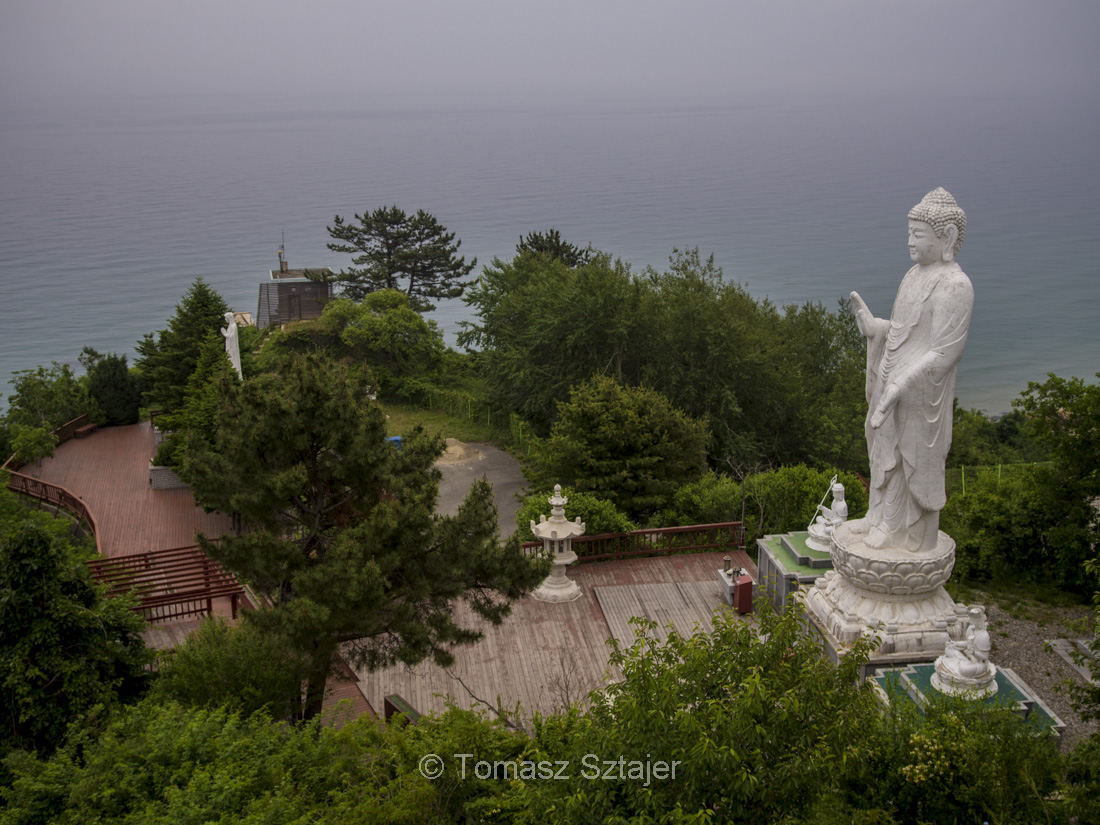
Hwajinpo
Kim Il Sung’s villa
Kim Il Sung’s villa
View from the terrace of Kim Il Sung’s villa
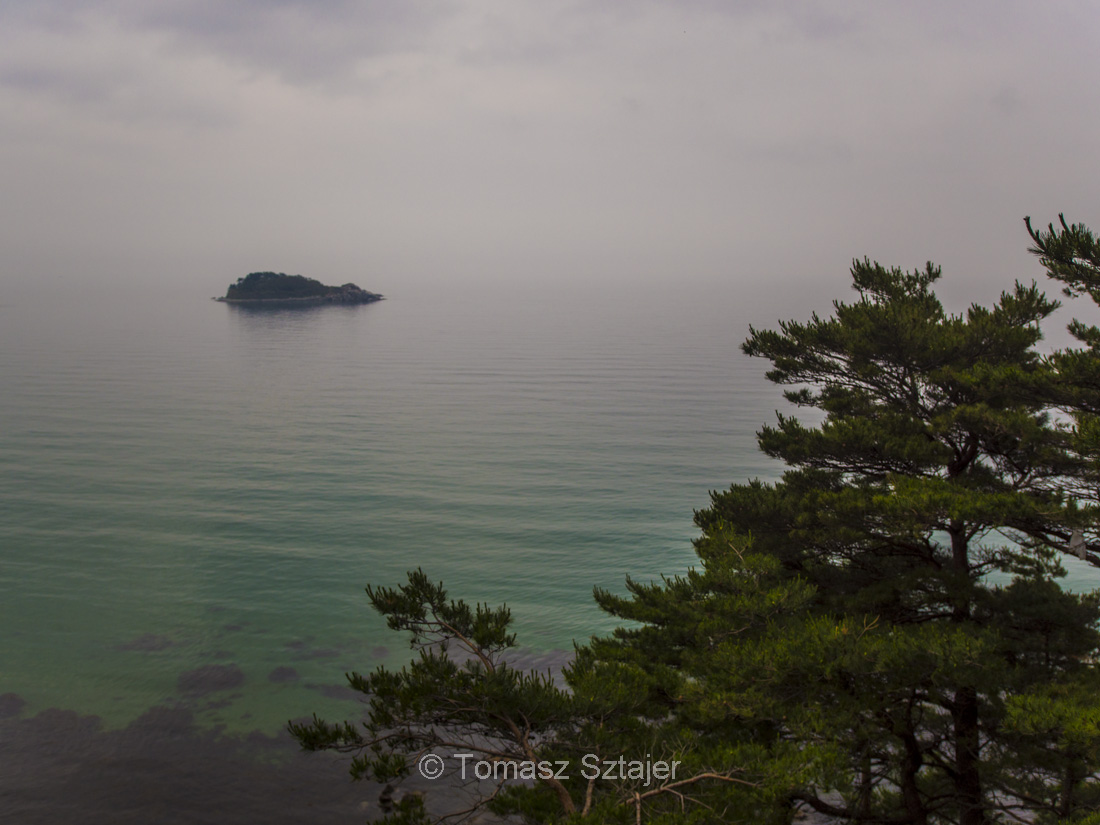
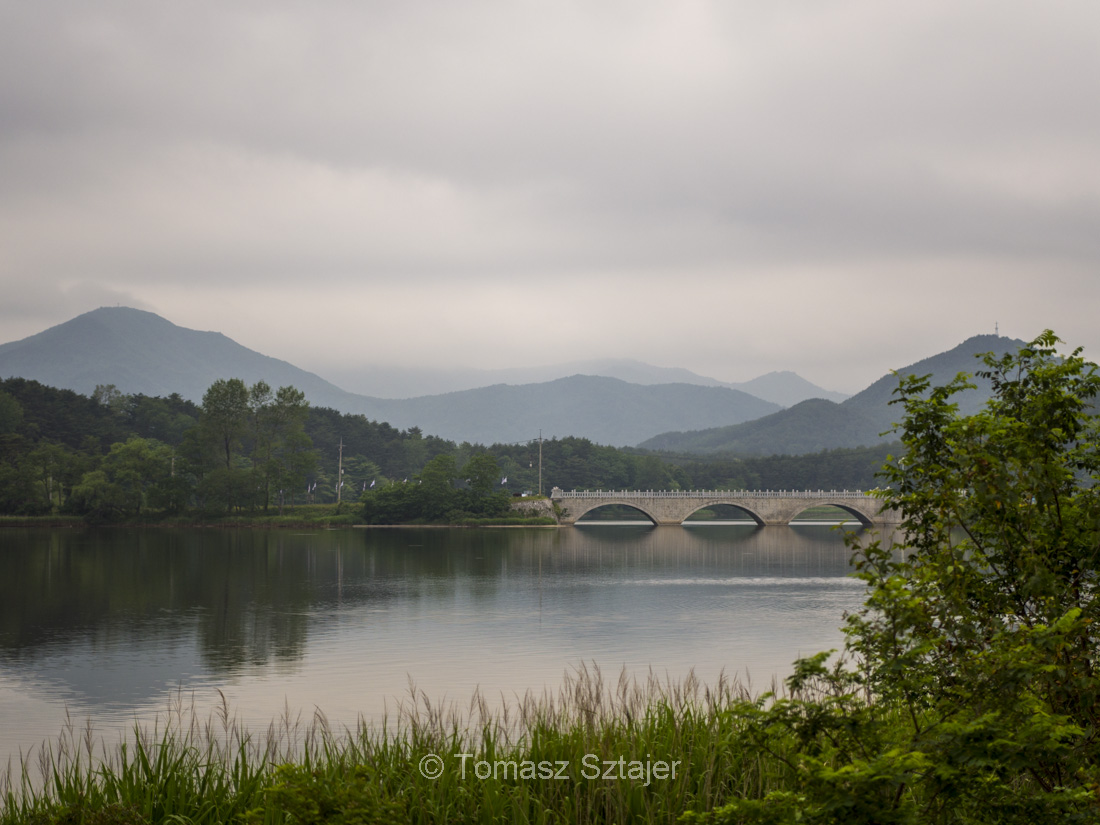
Hwajinpo Lake
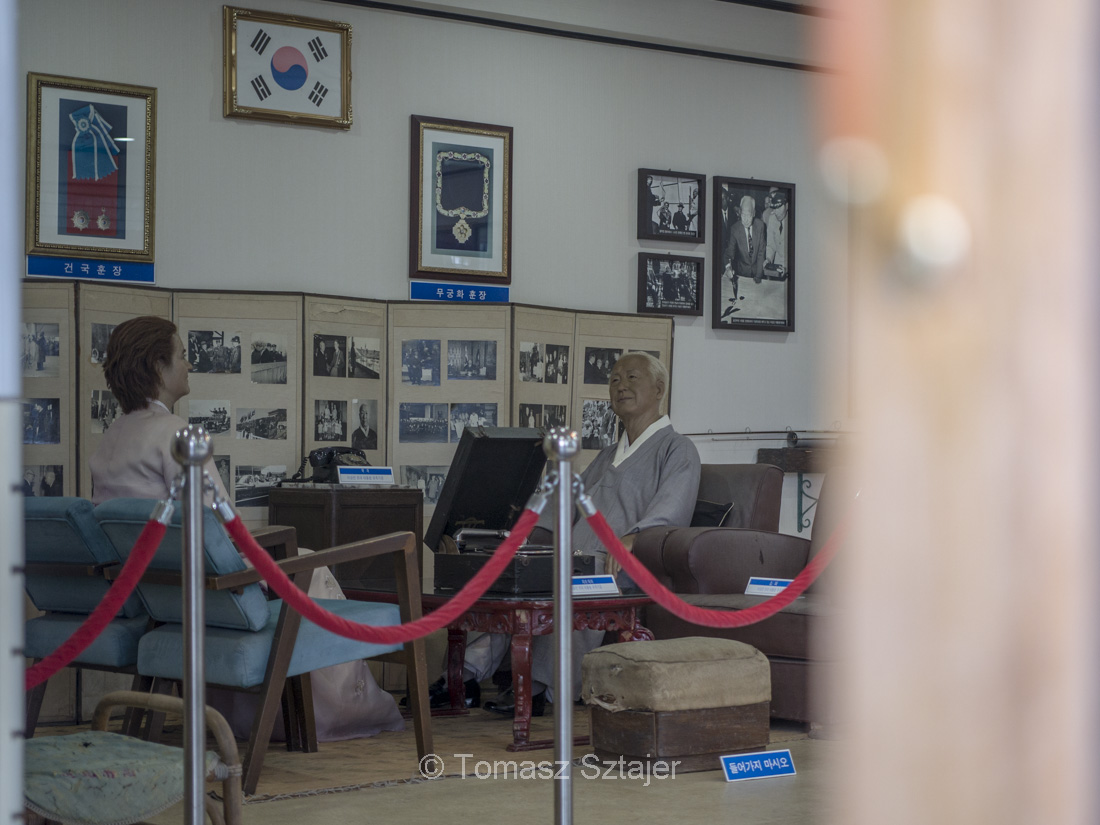
Sygman Rhee’s villa
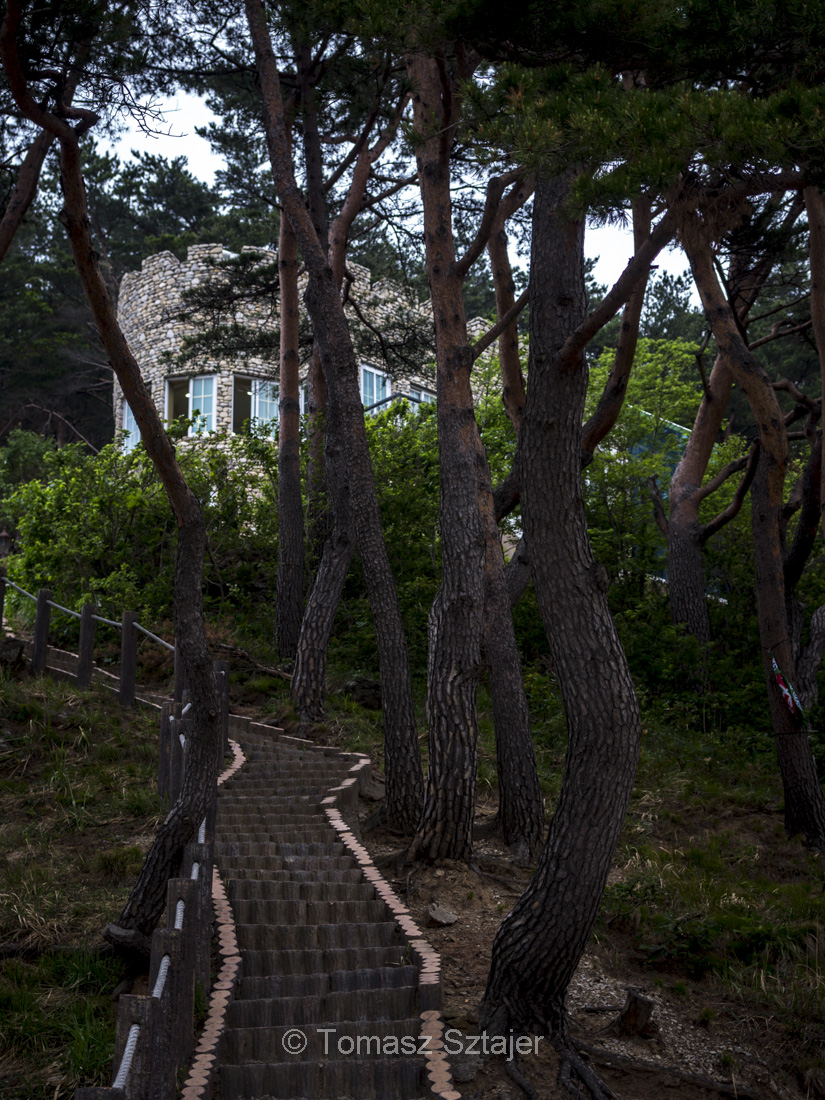
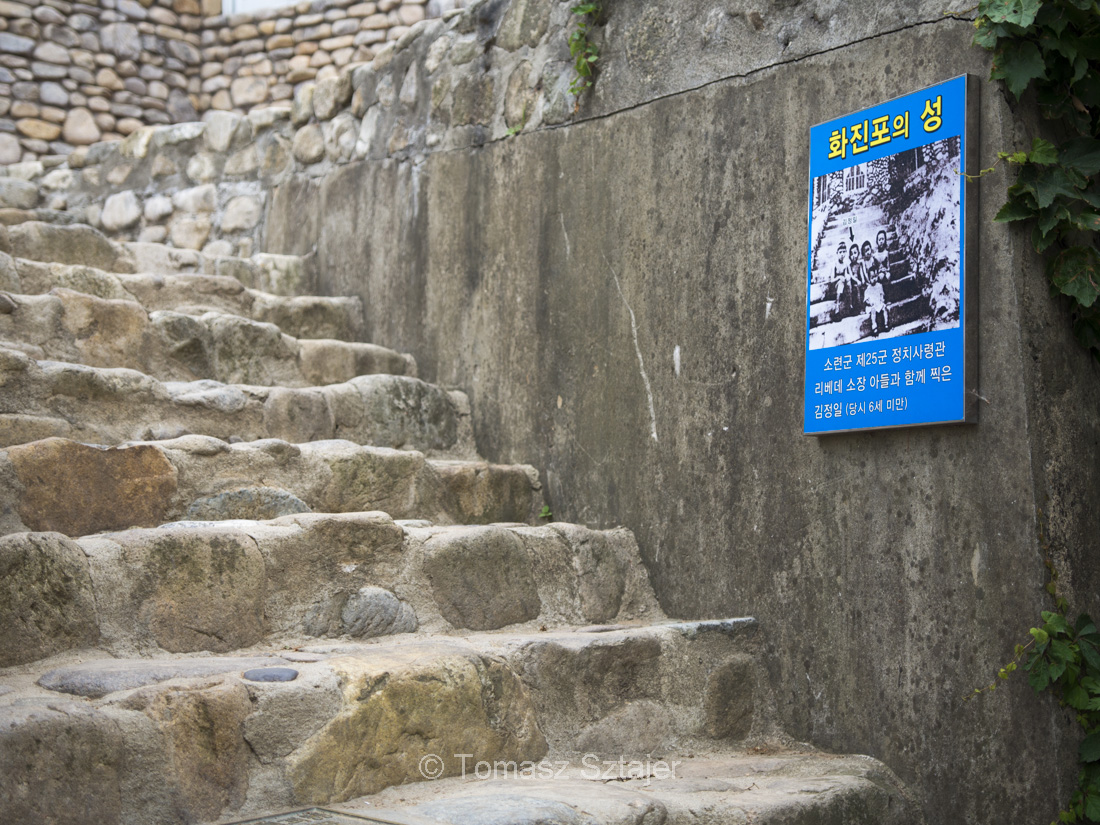
Stop by the picturesque lake and visit the summer residence/castle of Kim Il Sung as well as – much more modest – Syngman Rhee villa.
***
Warto się zatrzymać nad malowniczym jeziorem i zwiedzić letnią rezydencję/zamek Kim Ir Sena, a także sporo skromniejszą “daczę” Syngmana Rhee.
Sokcho
In a jinjilbang
Sokcho, a monument in the park
I only dropped by for a short while (to sleep there basically) so I can’t say too much about the place, except that it has an awesome jinjilbang (located far from the centre, though). And a nice park full of interesting sculptures.
***
Wpadłem tu tylko na chwilę, głównie w celach noclegowych. Polecam zatem tutejszy jinjilbang (zlokalizowany kawał drogi od centrum, ale bardzo przyjemny). I park, w którym sporo ciekawych rzeźb.
Gangneung
You can read about Gangneung festival HERE.
This is the place where my bicycle trip started (I cycled up North and then back South). And it started with the purchase of a second-hand bike in a shop near the bus terminal (the price to pay for a decend bike is 40.000 – 50.000 won; it makes no sense to invest in rental if you are planning to cycle more than a couple of days). By the way – big respect for the guy from the Tourist Information Centre near the terminal. First, he tried to help me find the second-hand bike shop by marking the location on the map (not so precisely). When, after an hour or so of fruitless search, I came back to him, he instantly locked his booth, got on his motorbike and gave me the ride to the exact location! Awesome!
***
O festiwalu w Gangneung możecie poczytać (i pooglądać) TUTAJ.
Tutaj zaczęła się moja wycieczka rowerowa (jechałem stąd najpierw na północ a potem z powrotem na południe). A zaczęła się od zakupu używanego roweru w sklepie niedaleko dworca autobusowego (koszt całkiem sensownego wehikułu to 40.000 – 50.000 wonów, nie opłaca się wynajmować, jeśli będziecie jeździć dłużej niż parę dni). Przy okazji – szacunek dla kolegi z przydworcowego Punktu Informacji Turystycznej. Najpierw próbował mi pomóc w znalezieniu rzeczonego sklepu rowerowego dość nieprecyzyjnie umieszczając go na mapie. Gdy, po godzinnych poszukiwaniach, wróciłem “z reklamacją”, facet … zamknął swoją budkę informacyjną, odpalił motocykl i podwiózł mnie na miejsce. Porządna obsługa.
Samcheok
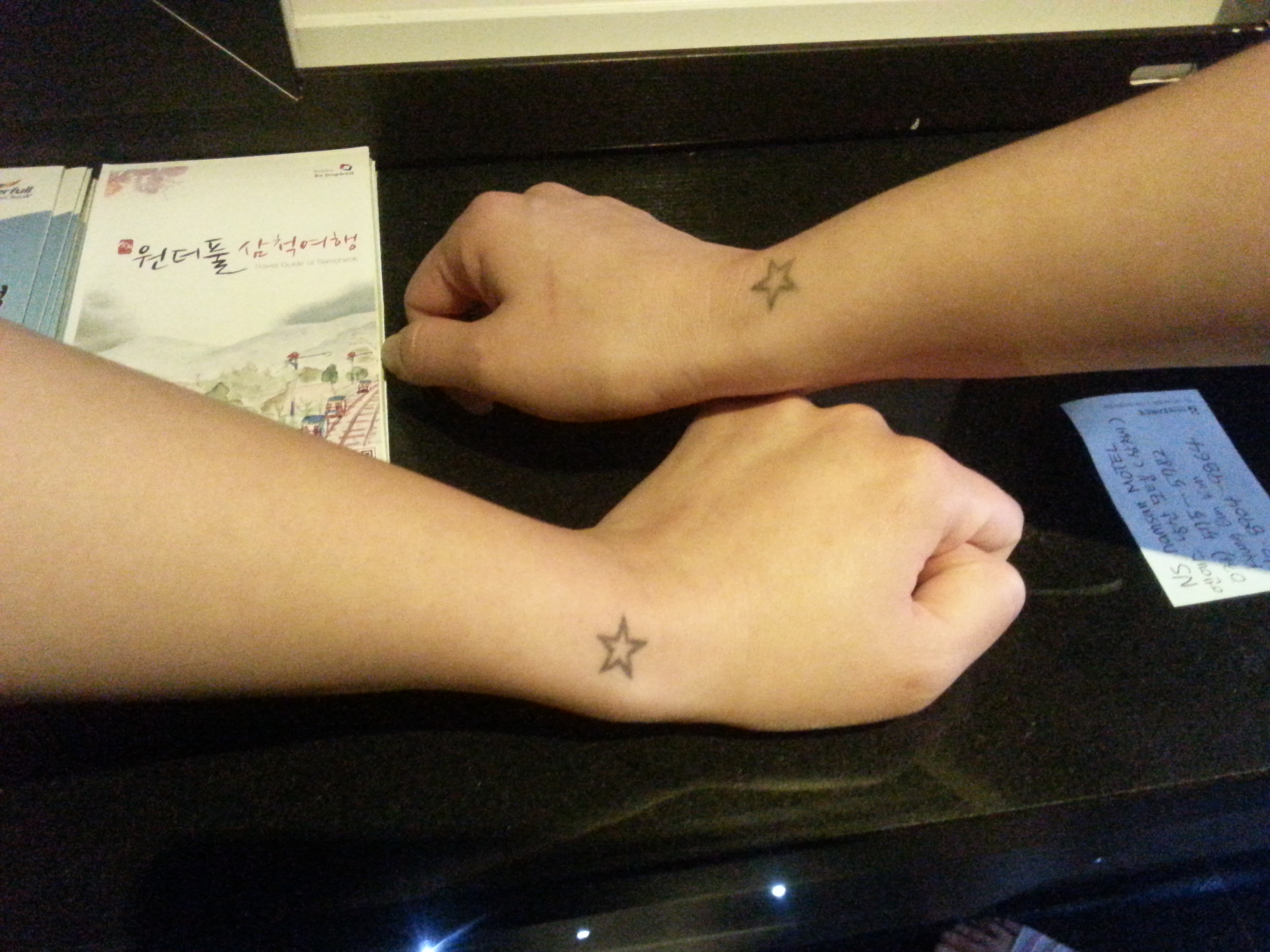
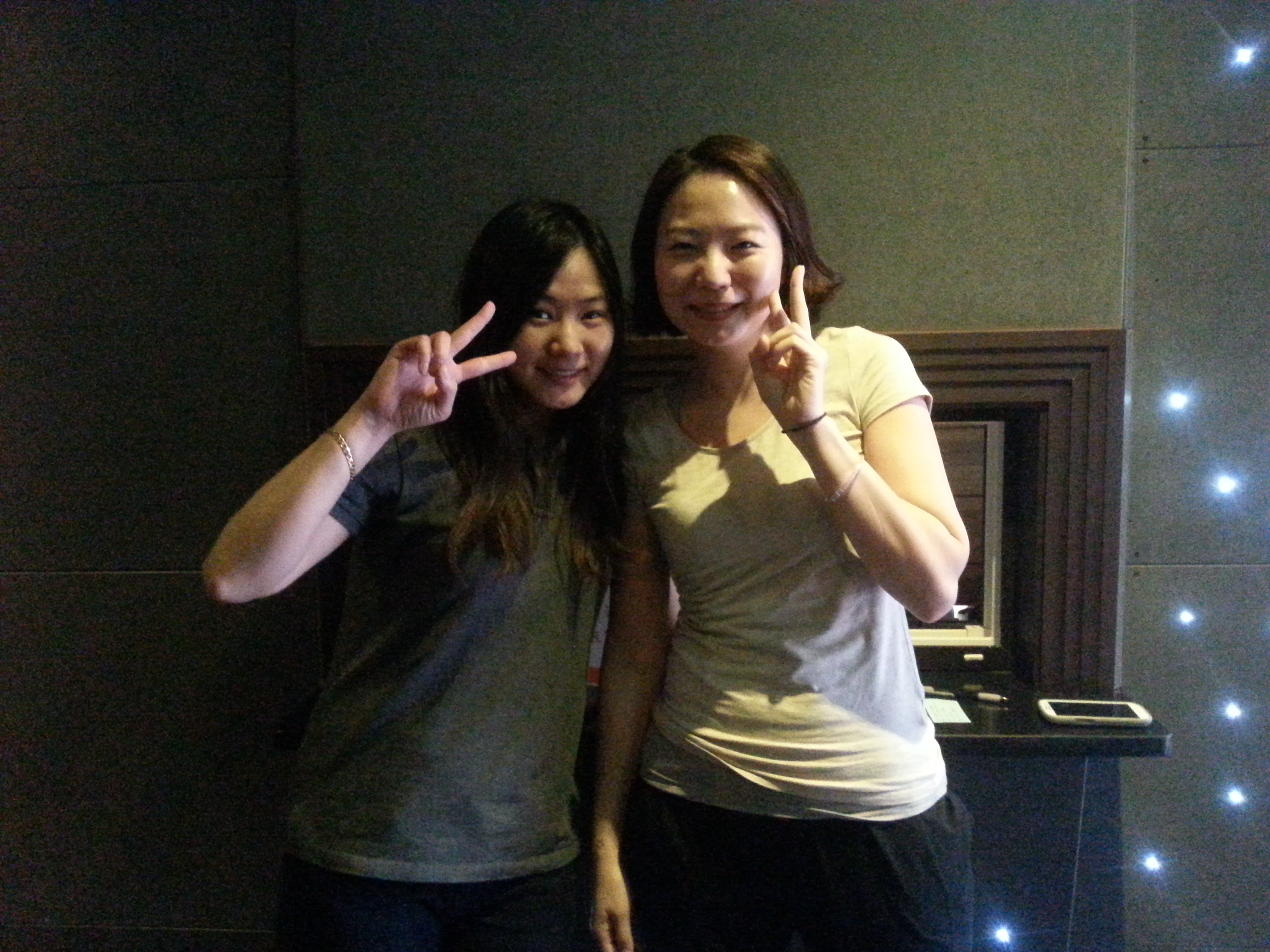
Two sisters from NS Motel in Samcheok
Two sisters from NS Motel in Samcheok
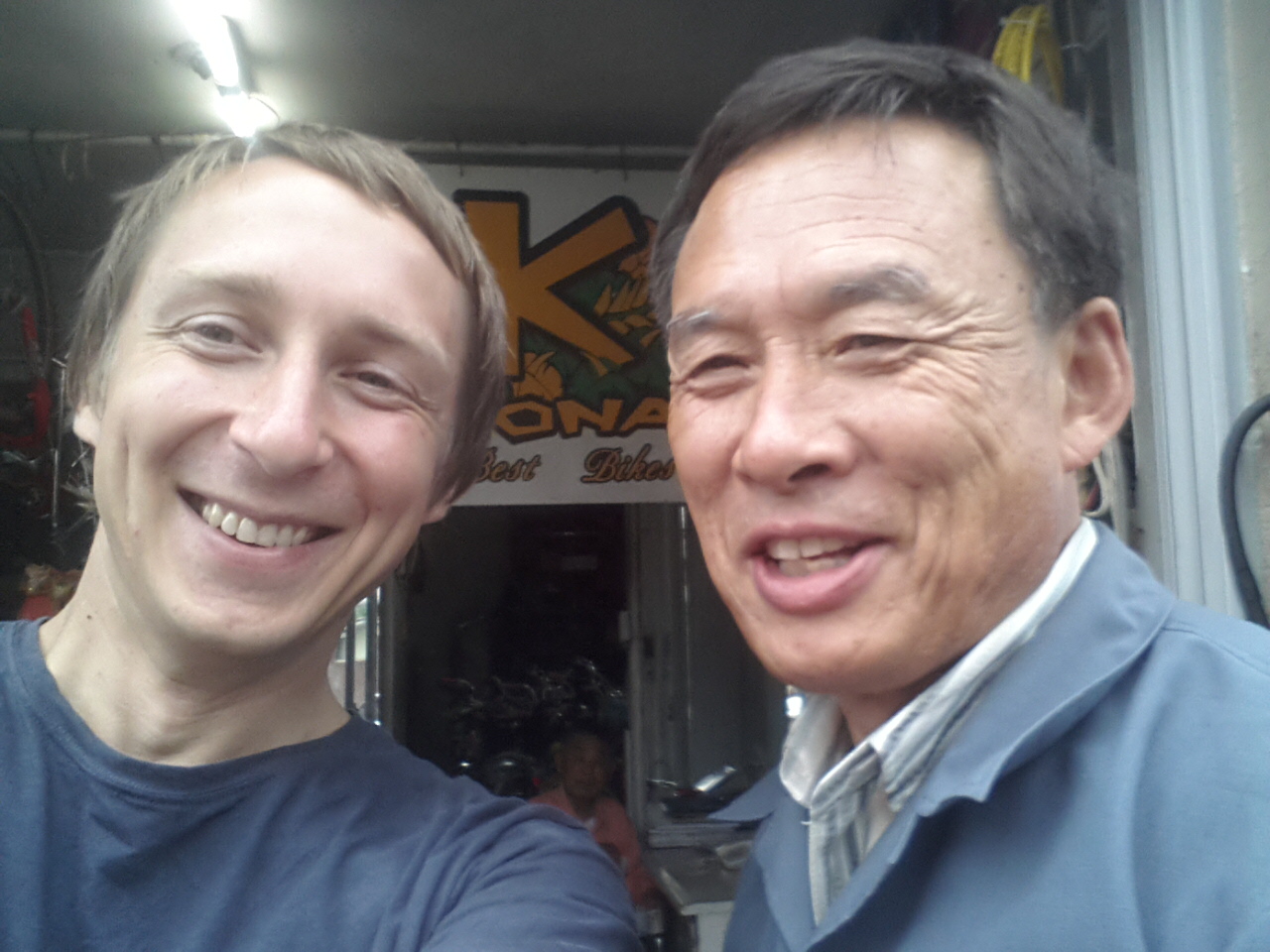
Bicycle repairman, how will I ever repay you?
Plenty of spectacular caves here but I have visited none as I only popped in for a night. And made friends with two charming sisters working in NS Motel. And a bicycle repairman (first flat tyre!).
***
Wszędzie dookoła pełno efektownych jaskiń, ja jednak nie zwiedziłem żadnej, bo wpadłem tu tylko na nocleg. Przy okazji poznałem dwie urocze siostry, pracujące w NS Motelu. I speca od napraw rowerów (pierwszy “kapeć”!).
Haesindang Park
Haesindang Park
Haesindang Park
Haesindang Park
Haesindang Park – Museum
Haesindang Park
Haesindang Park
Haesindang Park
Haesindang Park
Haesindang Park
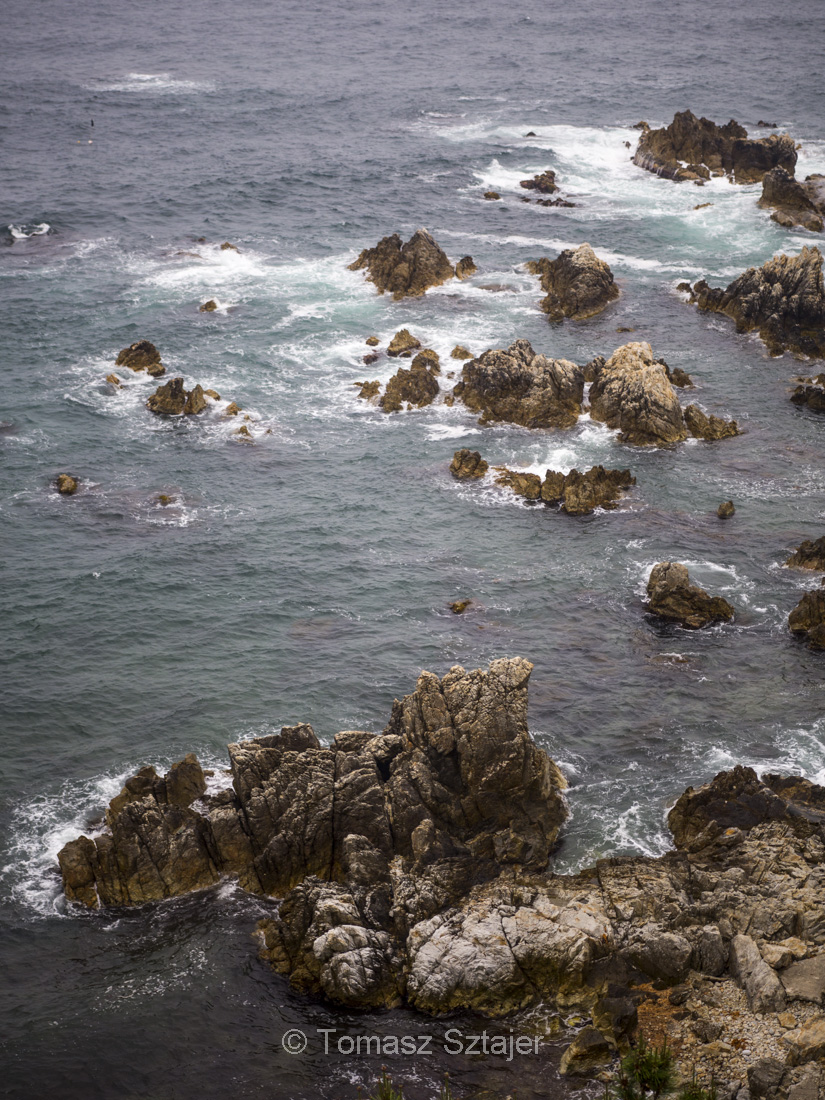
View from Haesindang Park
Haesindang Park – Museum
Haesindang Park – Museum
Haesindang Park – Museum
Haesindang Park – Museum
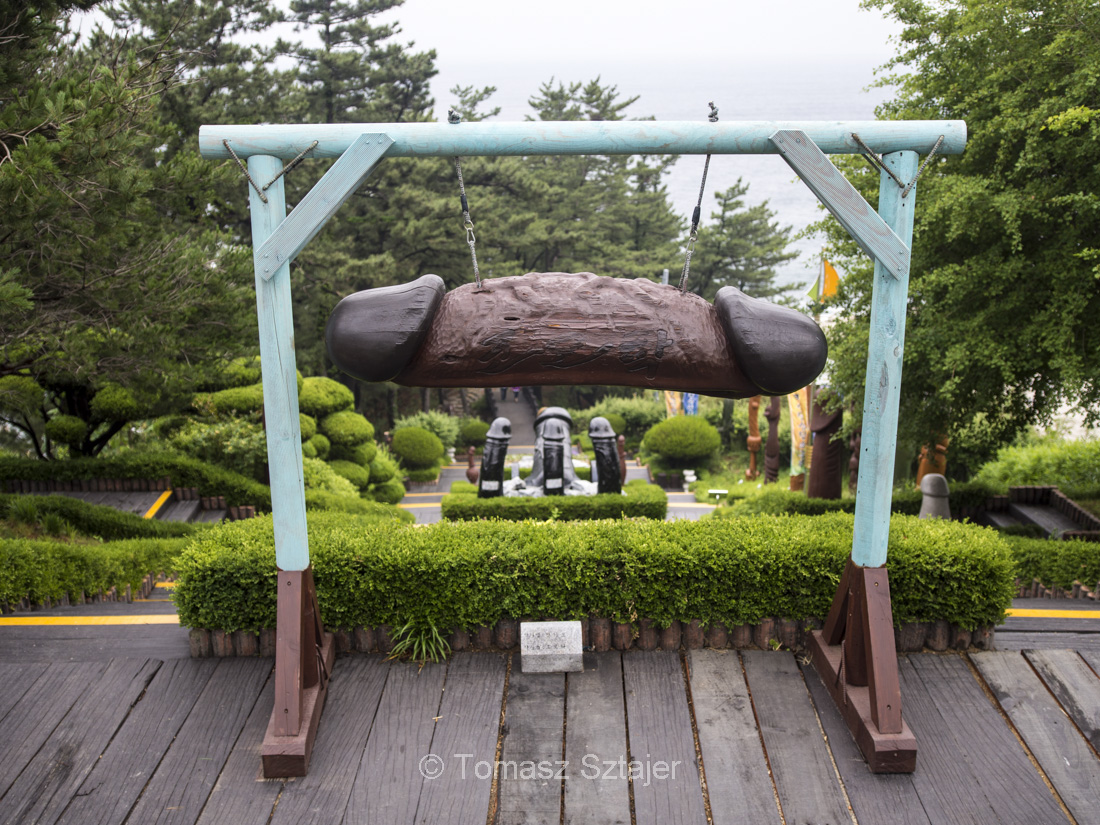
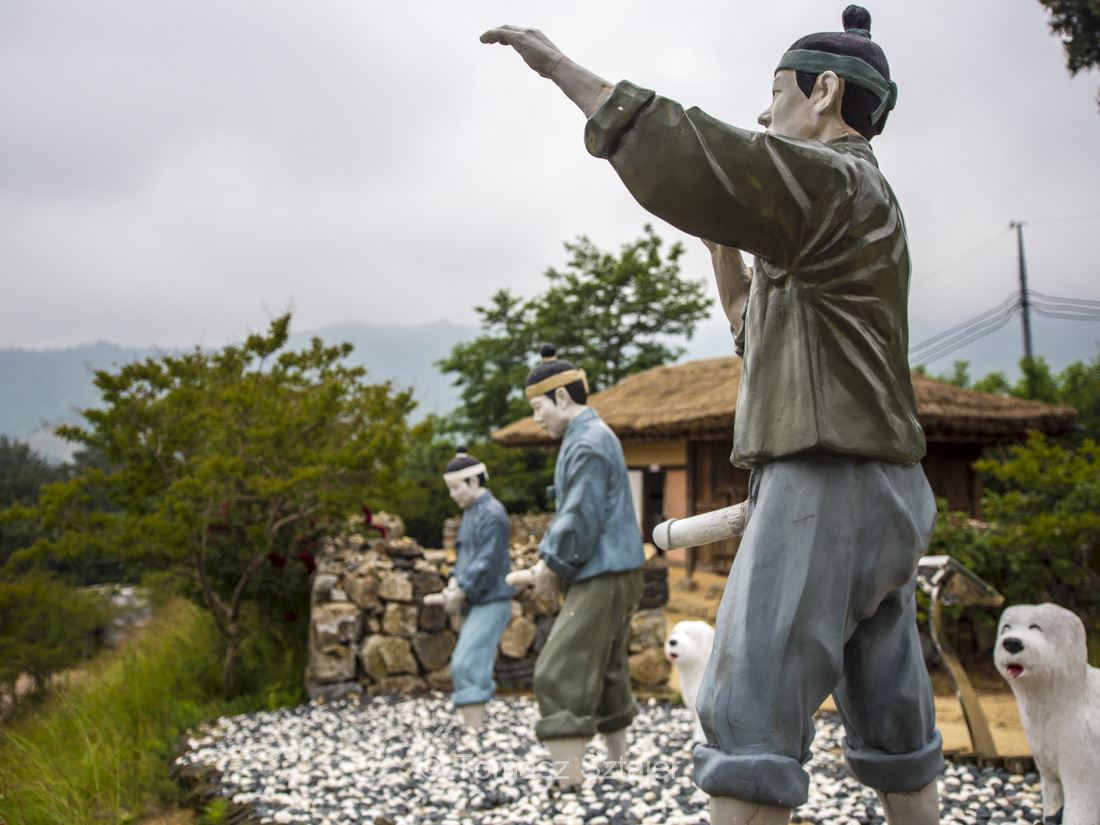
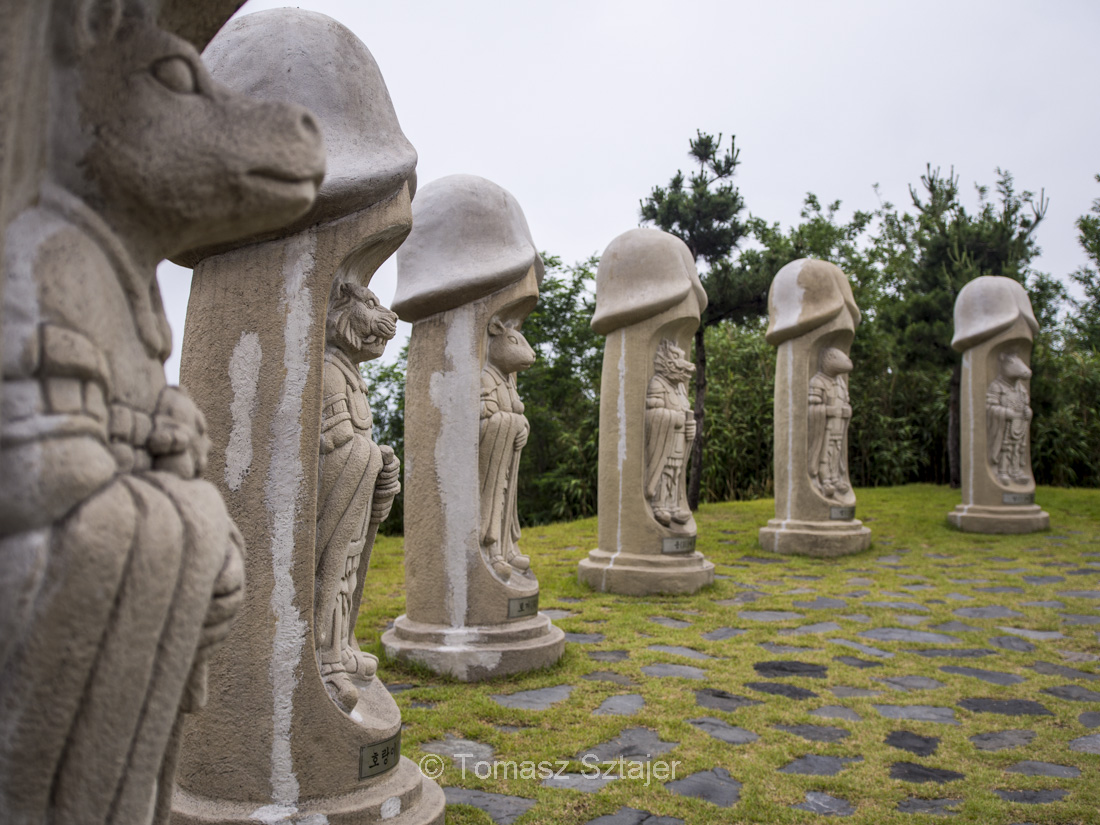
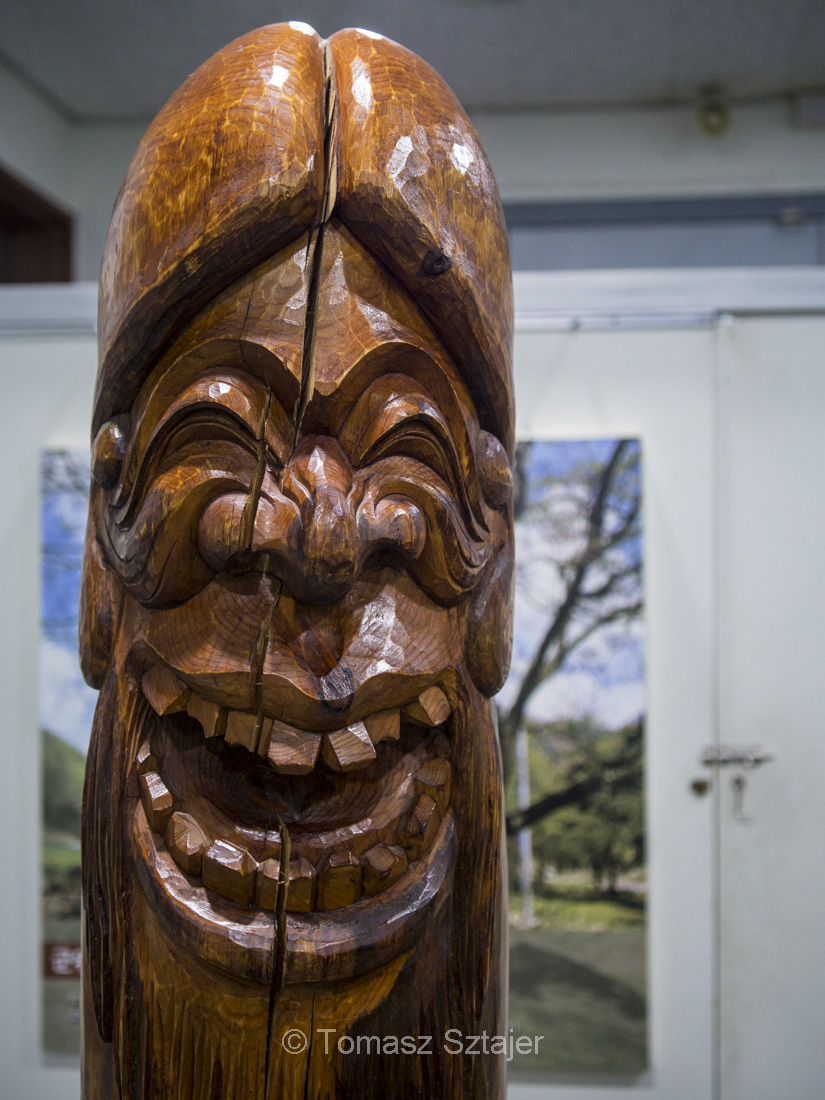
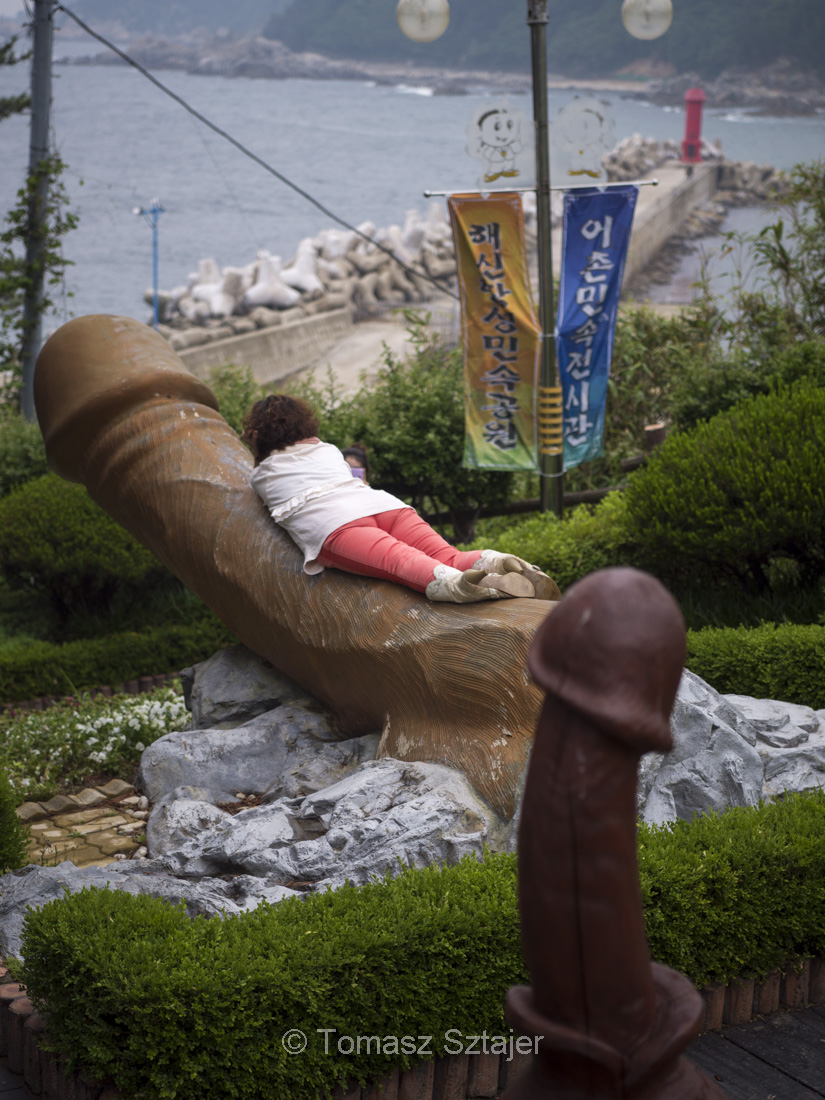
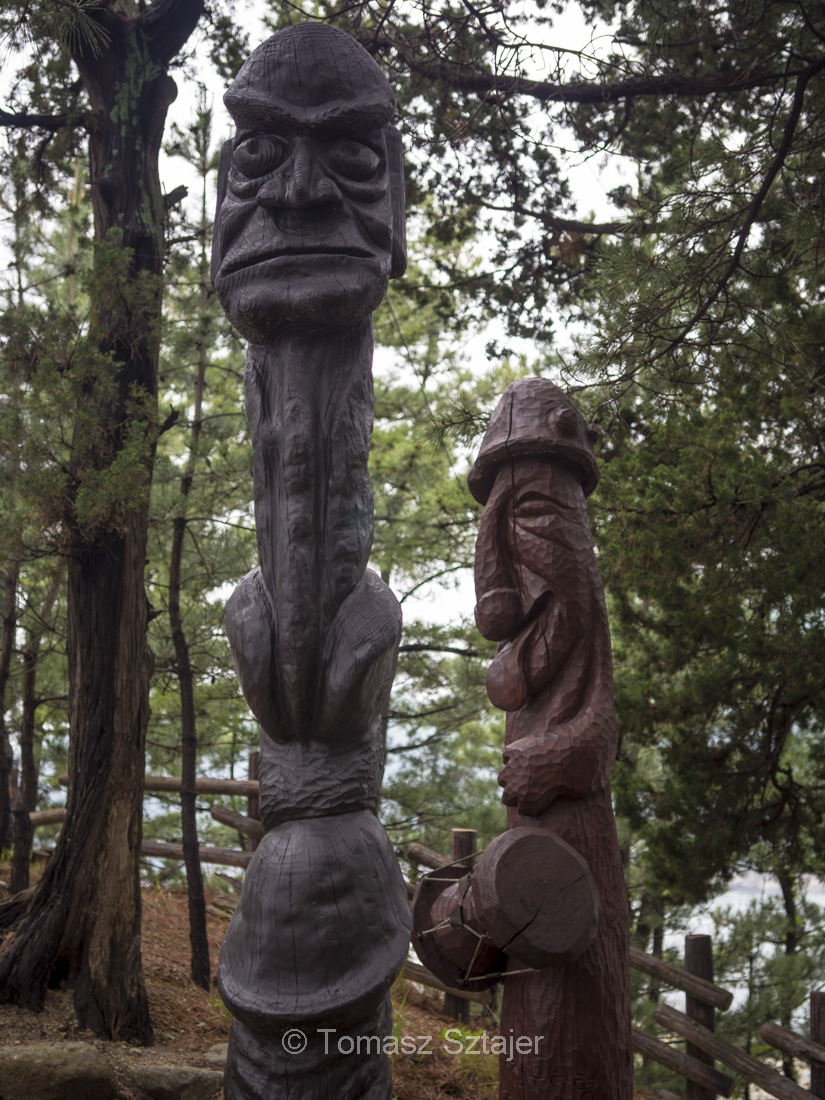
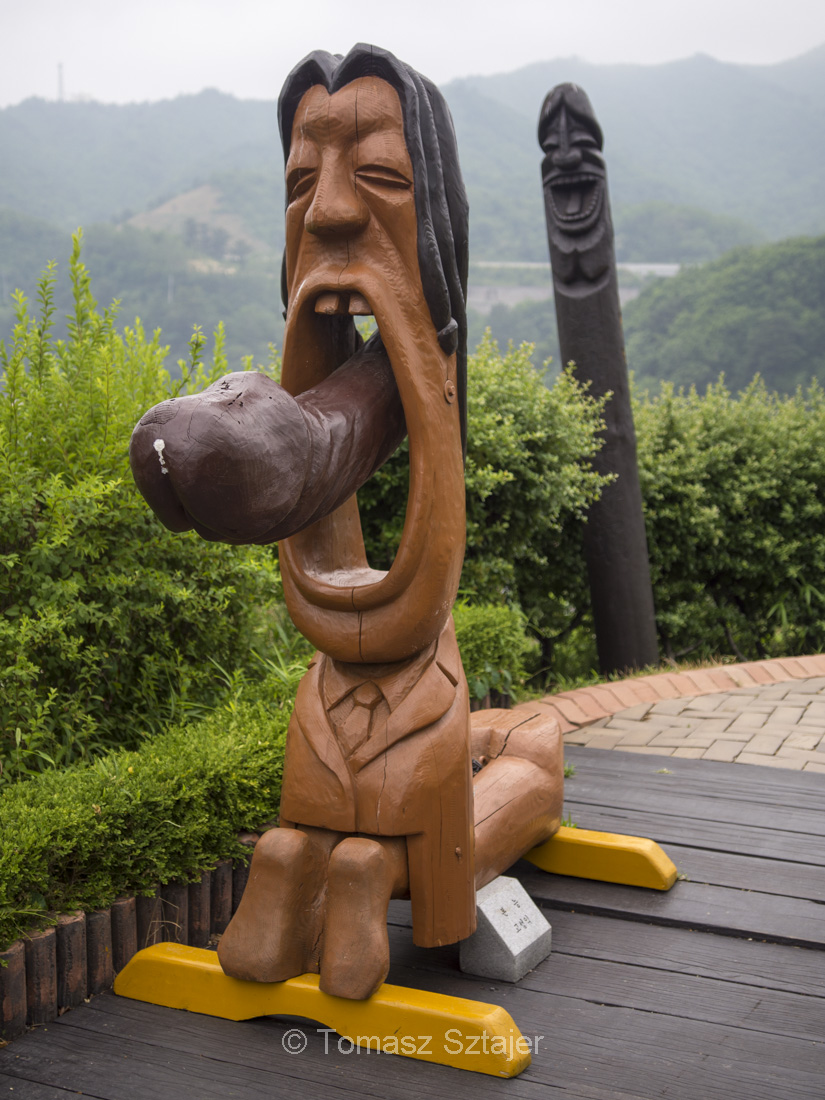
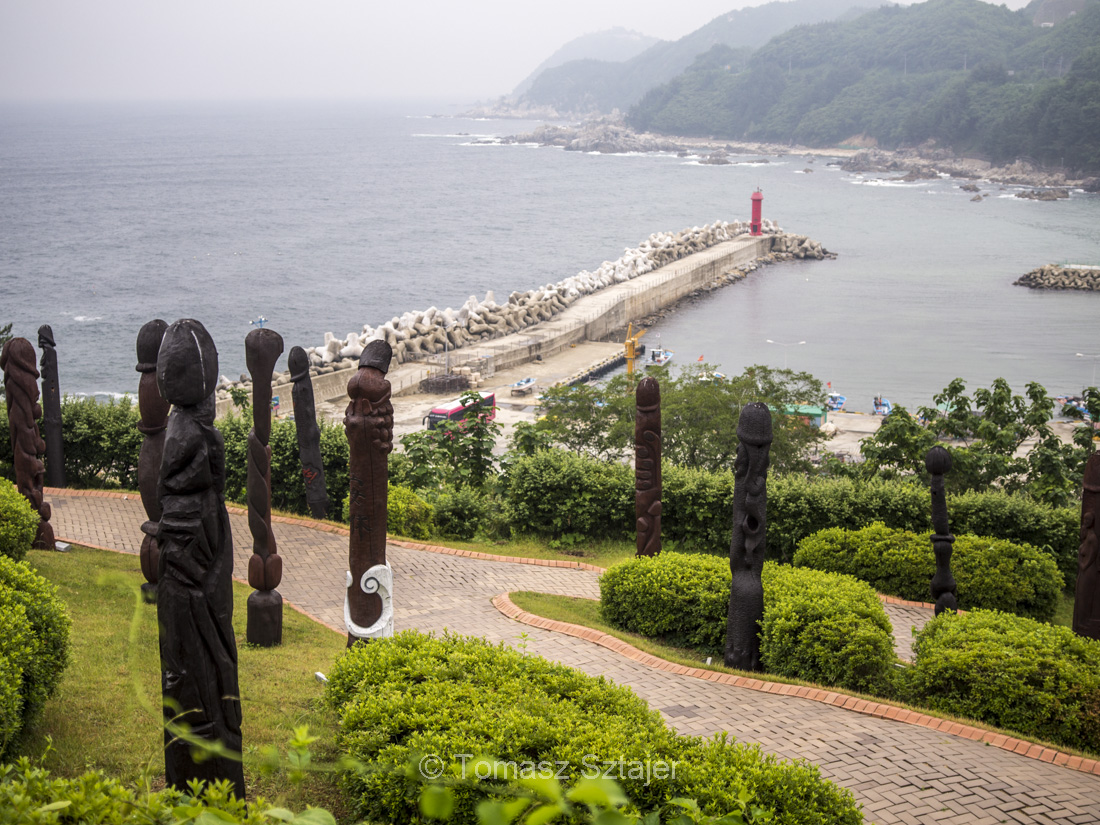
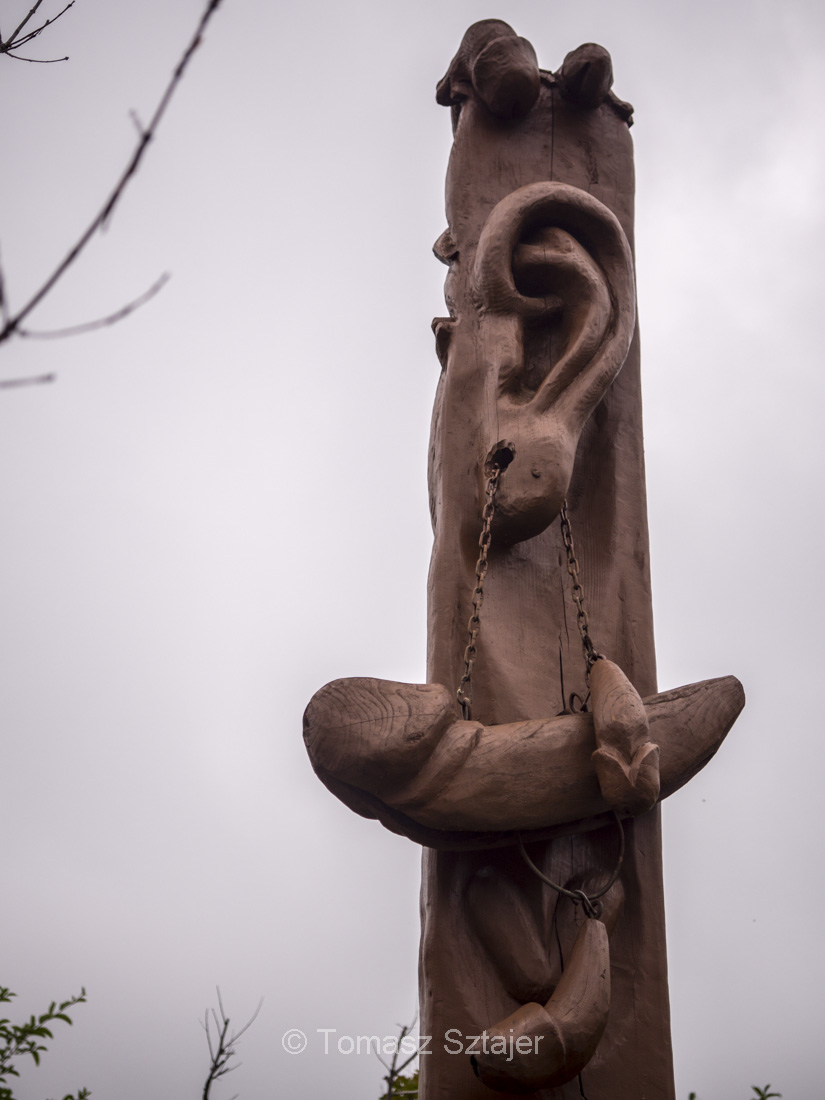
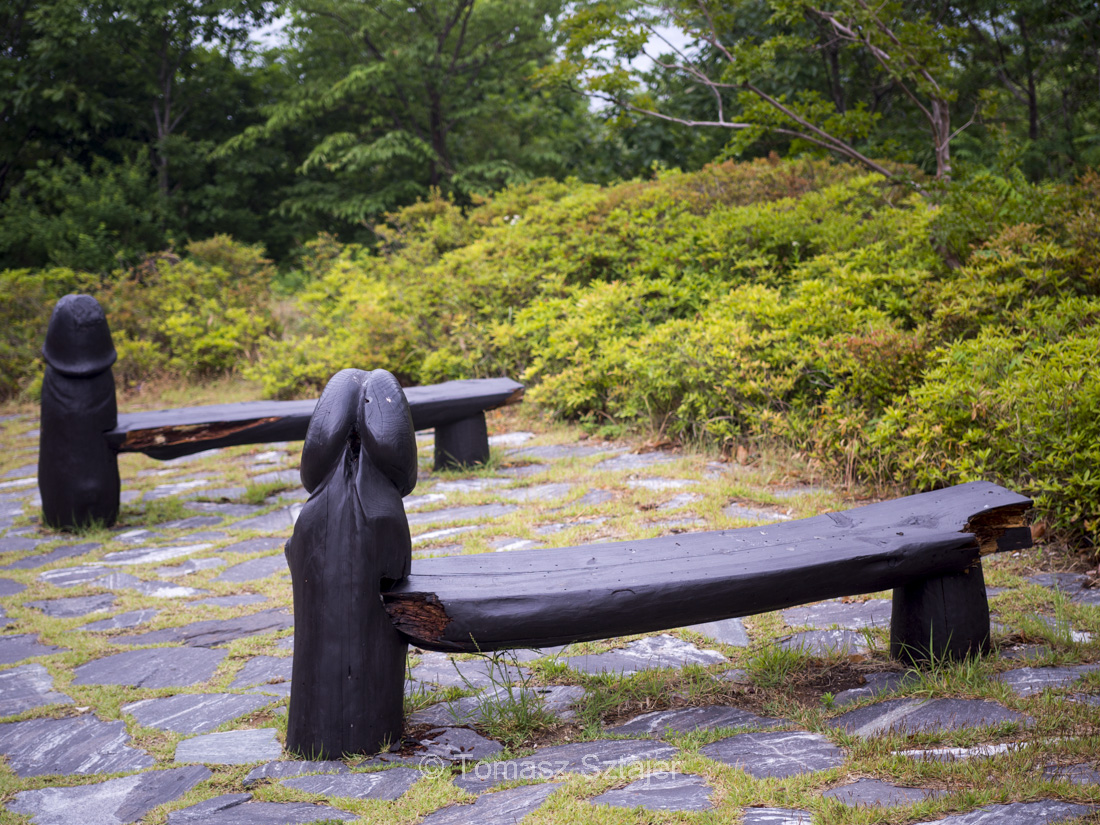
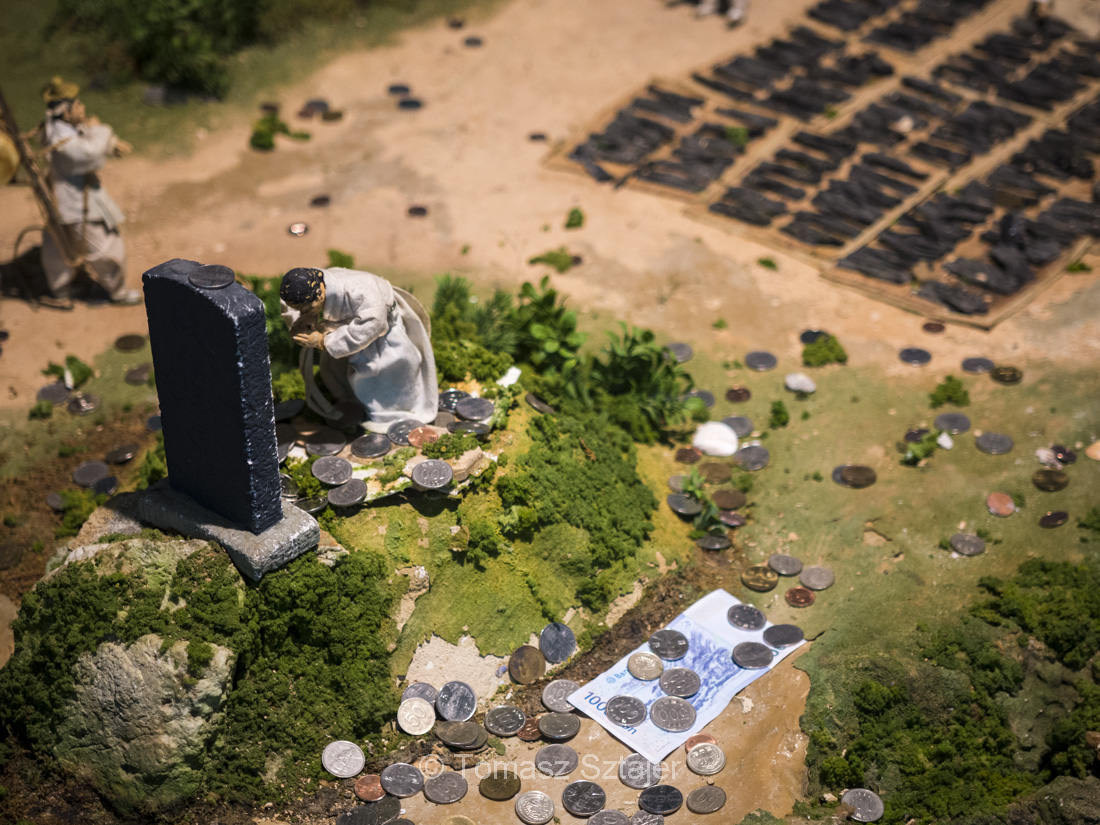
Also called “Penis park”. Full of sculptures representing just what you are expecting them to be representing. This strange sculptural obsession of Sinnam villagers originates from long, long time ago as this is precisely when one virgin drowned in the sea. When next morning the fishermen set of catching fish and found their nets empty, they made this odd logical link: virgin in the sea = sea not fertile = empty nets. The solution they came up with was even more odd: they decided to take the matter in their own hands (literally!) and, um, impregnate the sea. It is said to have been successful and the tradition of “impregnation” is said to be still practiced…
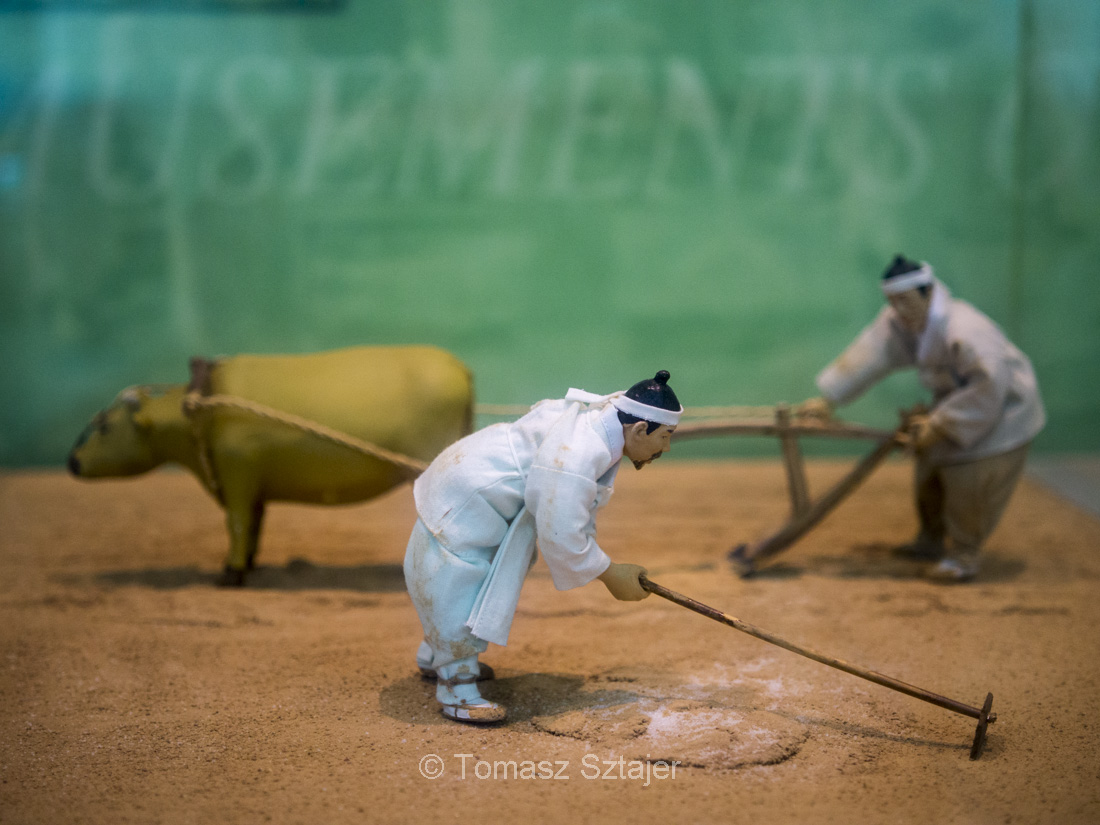
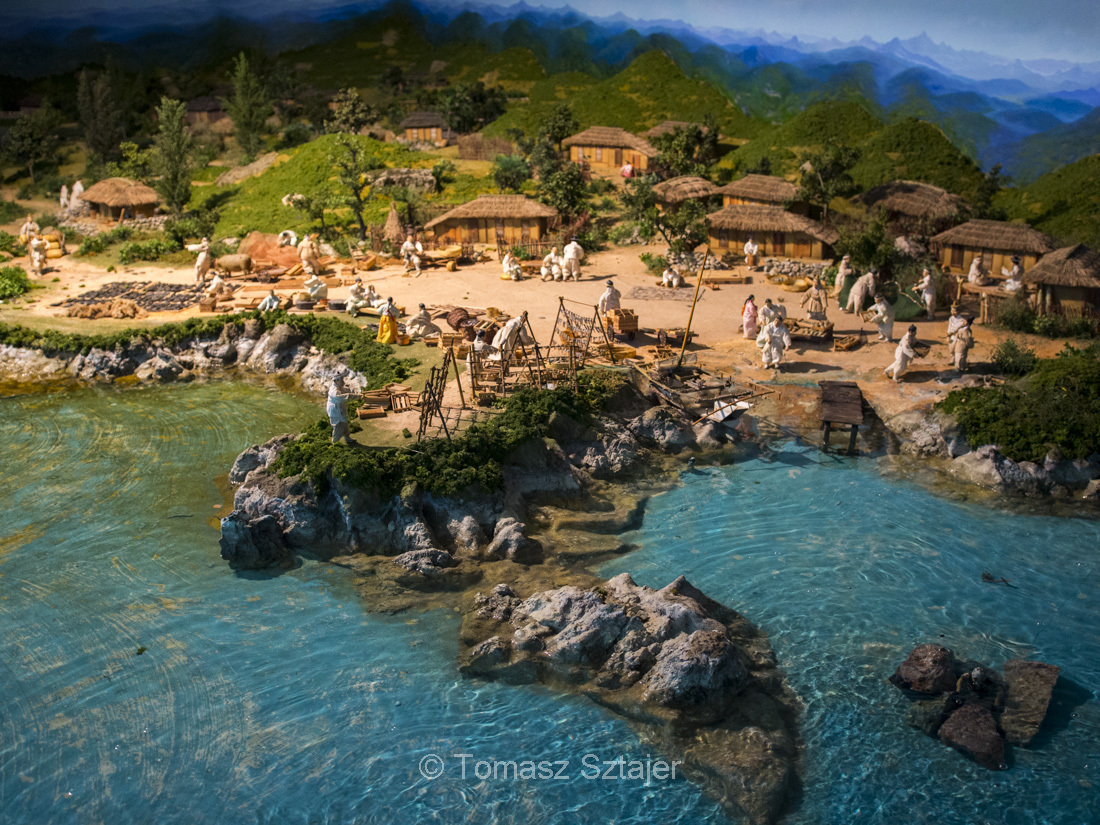
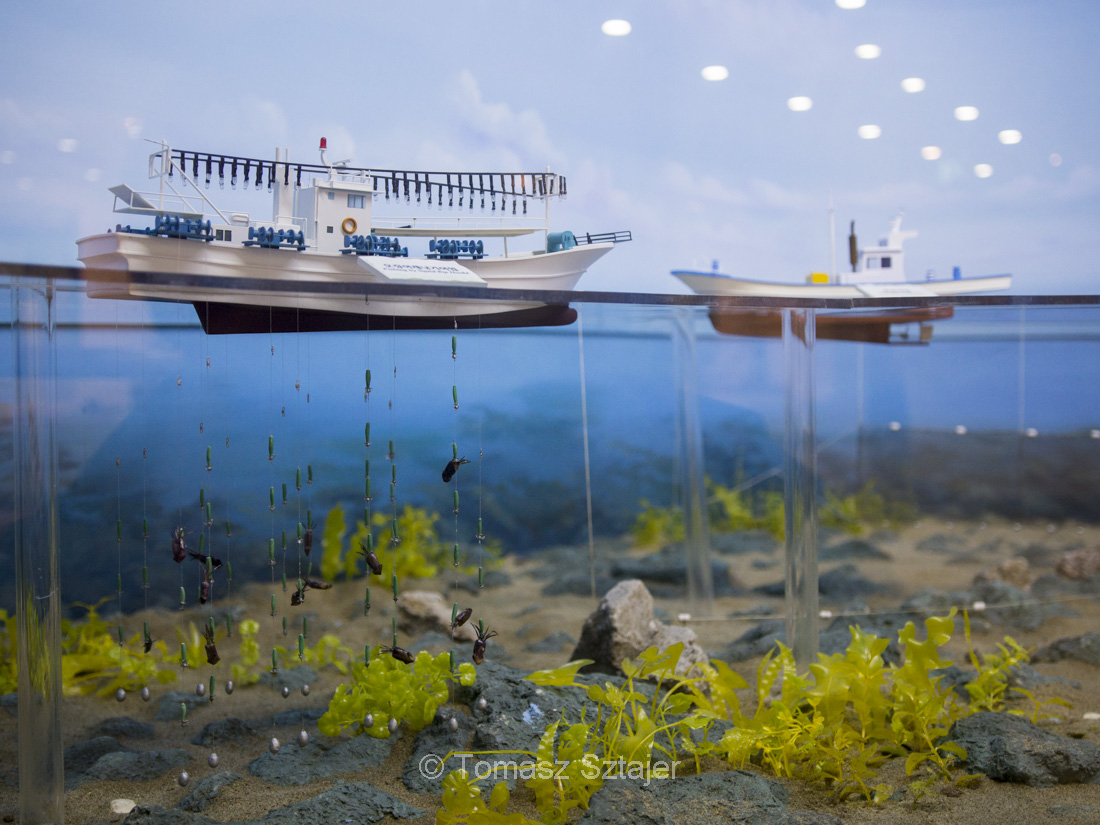
In the park you can also find a musem presenting traditional, less obscene, techniques of fishing. Neatly designed exhibitions. Worth a visit.
***
Zwany także “Parkiem penisów”. Pełen rzeźb przedstawiających to, co w nazwie. Dziwna rzeźbiarska obsesja mieszkańców wioski Sinnam wzięła się stąd, iż dawno, dawno temu, pewna dziewica utopiła się w morzu. Gdy nazajutrz rybacy wyruszyli na półów, wrócili z pustymi sieciami. Zaczęli się głowić nad przyczyną i połączyli w logiczny ciąg zdarzenia: martwa dziewica w morzu = “niepłodne” morze = puste sieci. Rozwiązanie, które przyszło im do głowy, było jeszcze bardziej oryginalne: otóż rybacy postanowili wziąć sprawy w swoje ręce (dosłownie!) i, hm, zapłodnić morze. Ponoć poskutkowało, a tradycja “zapładniania” morza jest ponoć praktykowana do dziś…
W parku znajduje się również muzeum, prezentujące tradycyjne, nieobsceniczne techniki połowów. Pomysłowo zaprojektowane ekspozycje. Warto.
Yeongdeok
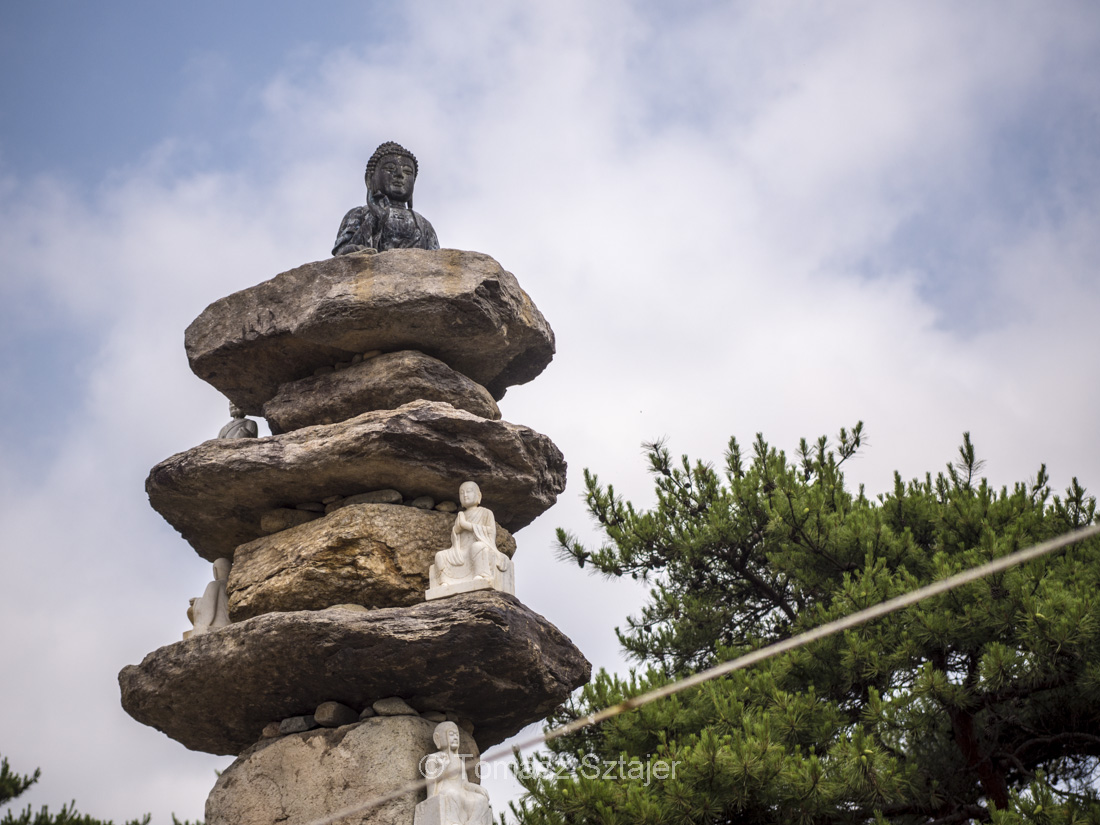
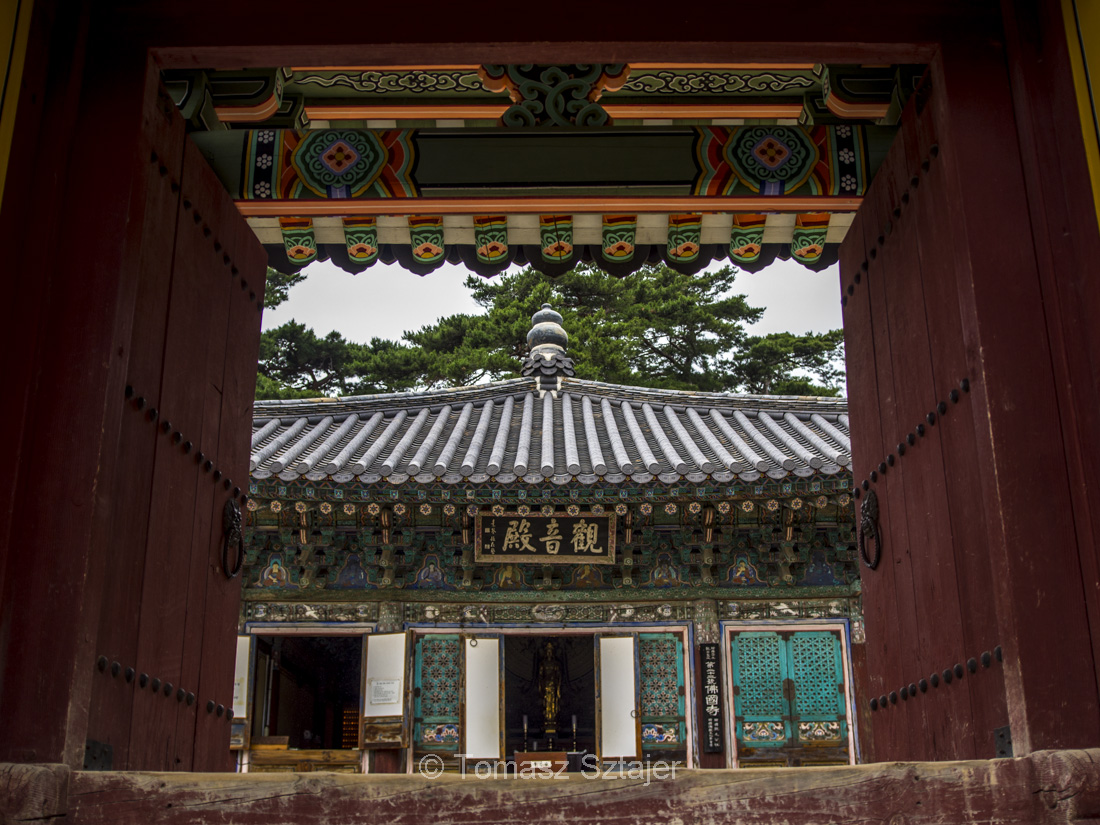
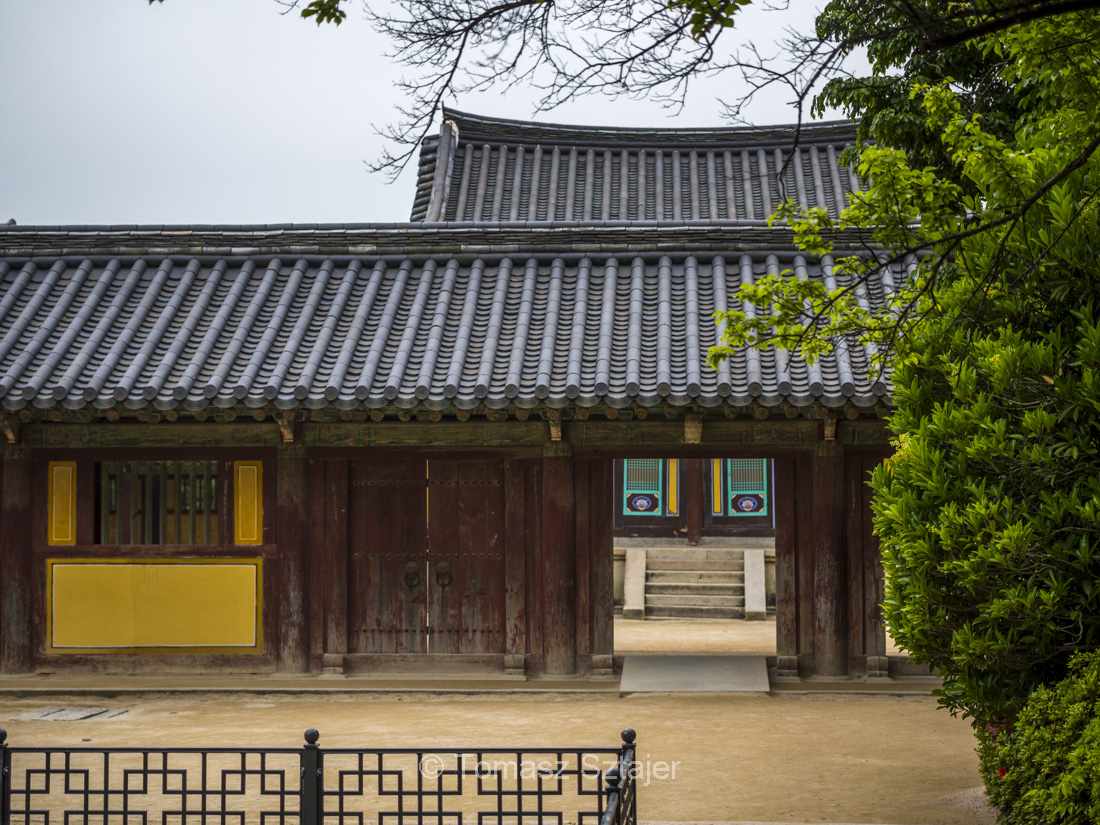
Temple in Yeongdeok
Temple in Yeongdeok
Temple in Yeongdeok
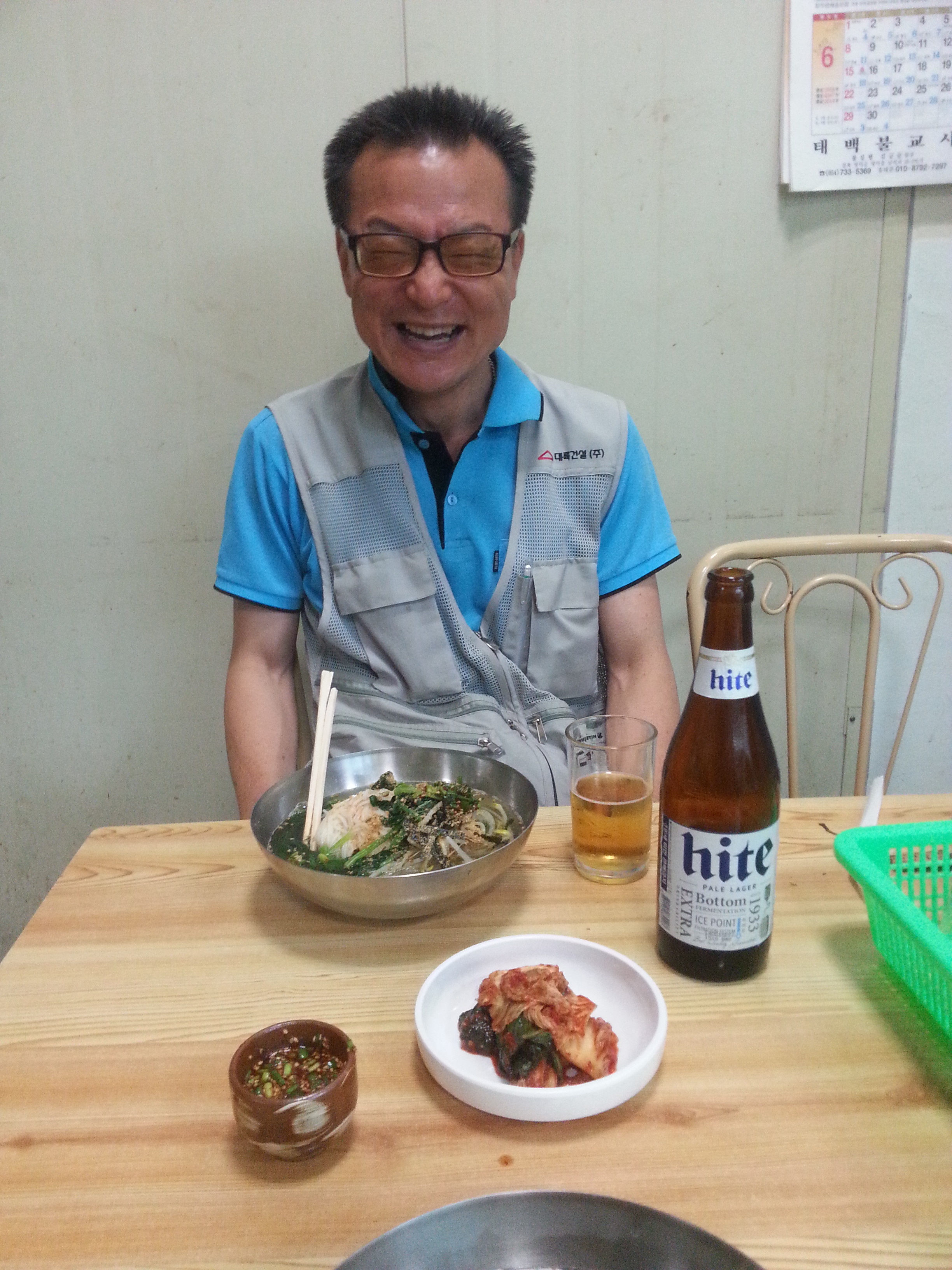
The joyful Mr Kim from Yeongdeok
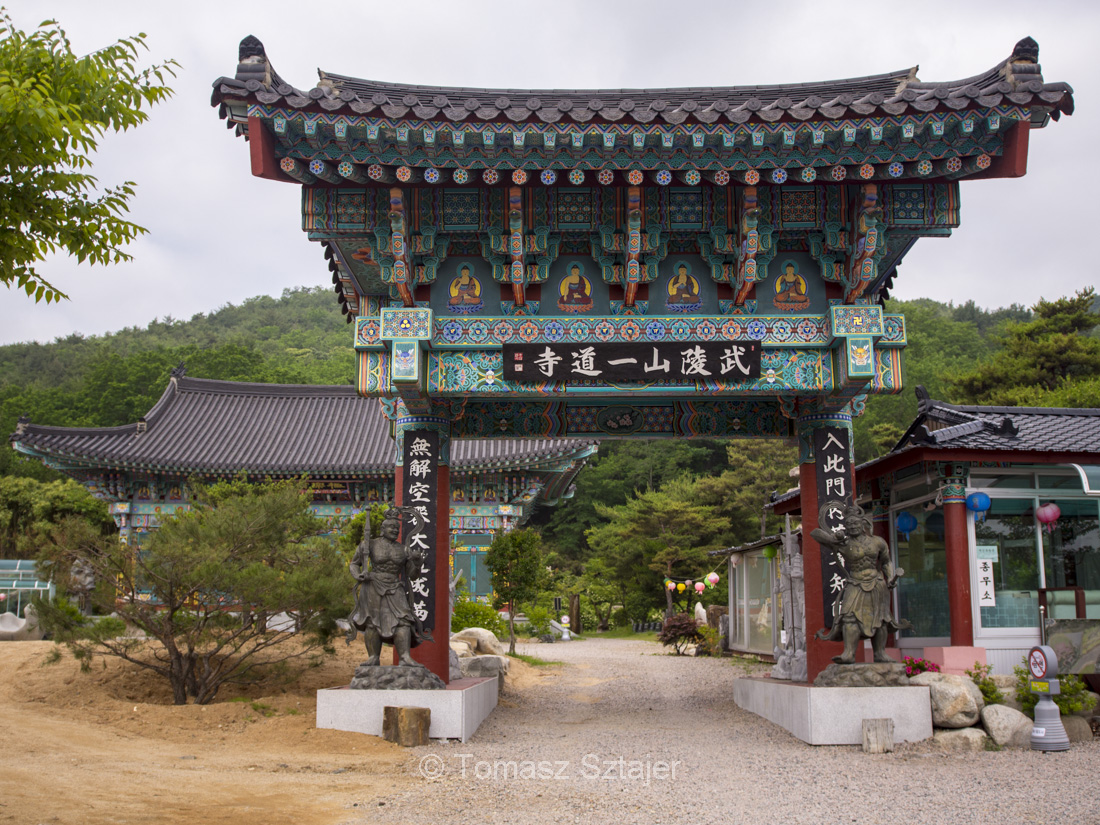
An unplanned stop, but I’m far from regretting. They have a nice jinjilbang here (near the supermarket), there is a temple (away from the town, amidst rice fields) and there is Mr Kim: I met him accidentally in front of the shop and he decided he would not let me leave Yeongdeok until he would have shown me around. And so he did, leading me to the temple, feeding me with some tasty noodles and beer. Big thanks!
***
Przystanek z konieczności, ale nie żałuję. Jest tu bardzo przyjemny jinjilbang (w pobliżu supermarketu), jest świątynia (kawałek za miastem, pośród pól ryżowych), jest też Pan Kim: poznany zupełnie przypadkowo pod sklepem, przesympatyczny gość, postanowił sobie za punkt honoru oprowadzić mnie po miasteczku przed moim wyjazdem. Pokazał mi świątynię, nakarmił i napoił. Piękne dzięki!
Yangdong village / Wioska Yangdong
Yangdong village
Yangdong village
Yangdong village
Yangdong village
Yangdong village
Yangdong village
Yangdong village
Yangdong village
Yangdong village
Yangdong village
Yangdong village
Yangdong village
Yangdong village
Yangdong village
Yangdong village
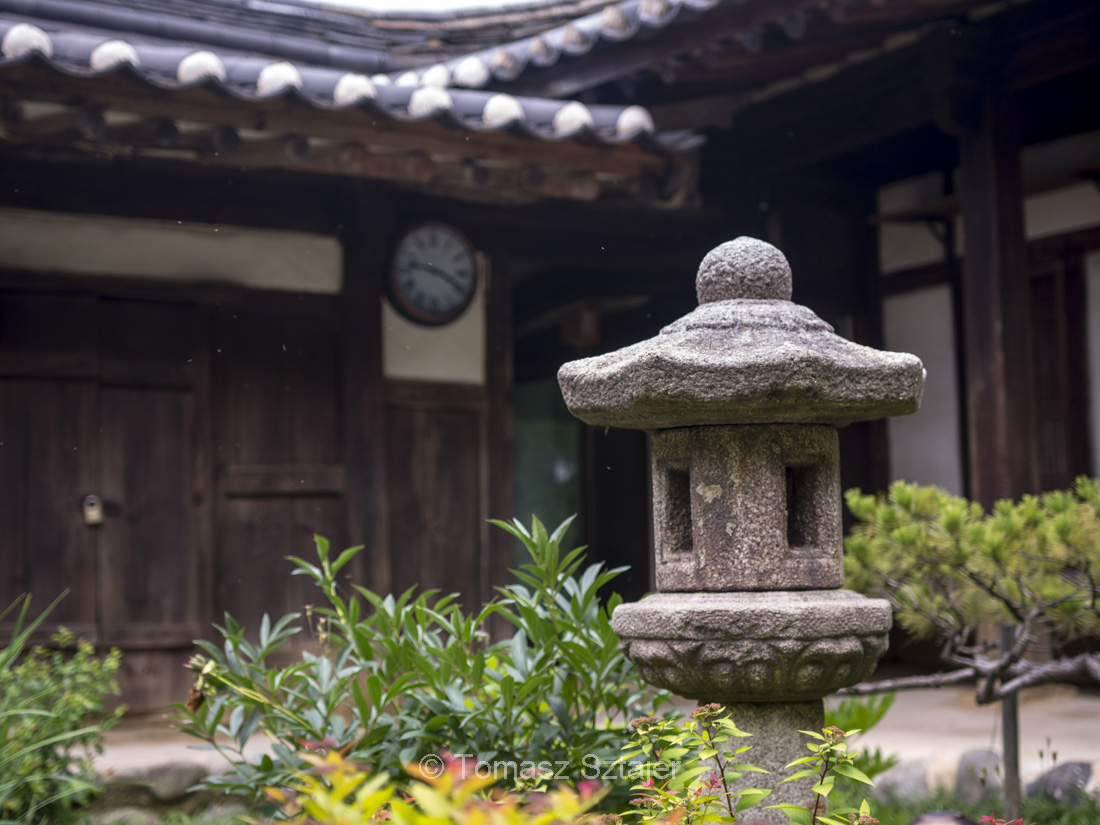
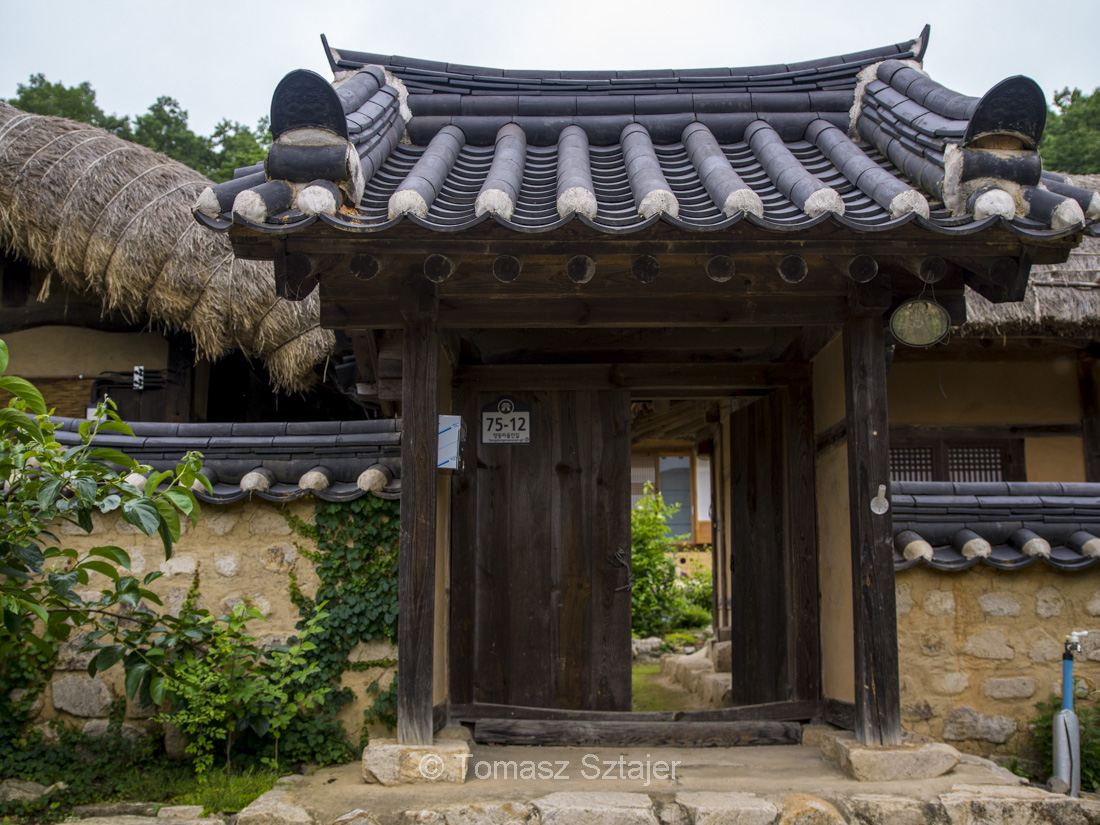
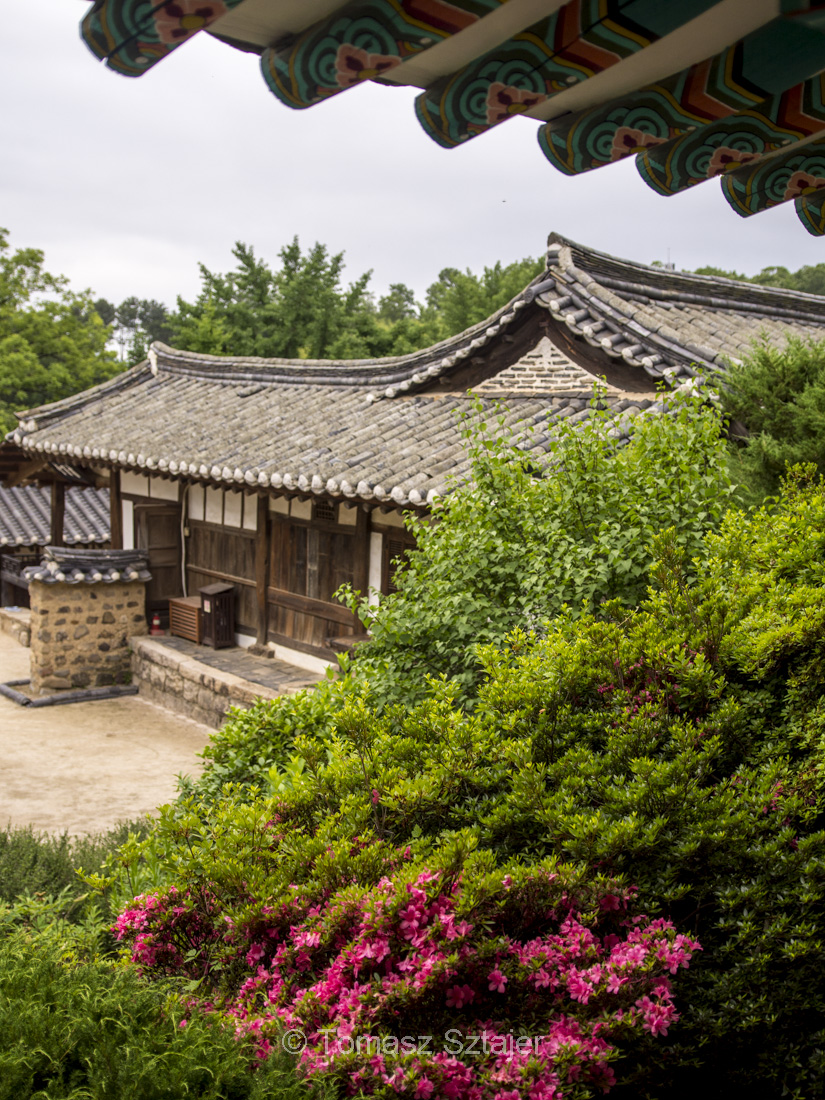
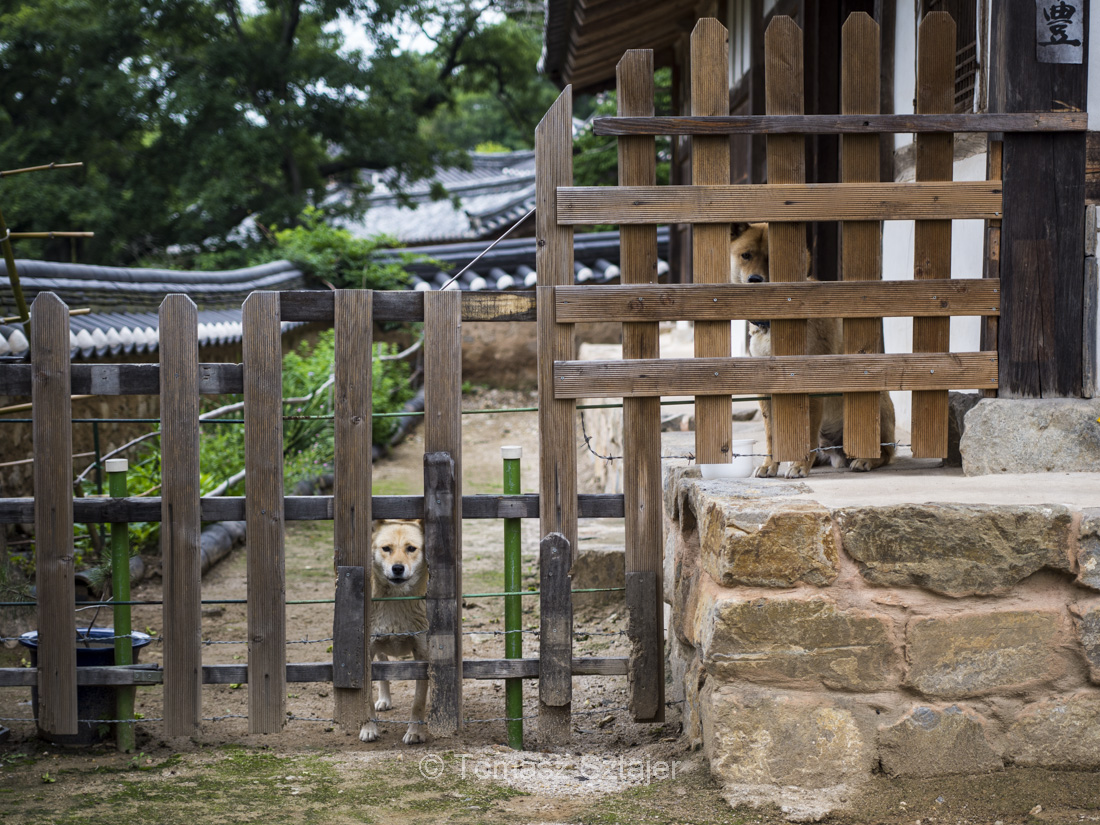
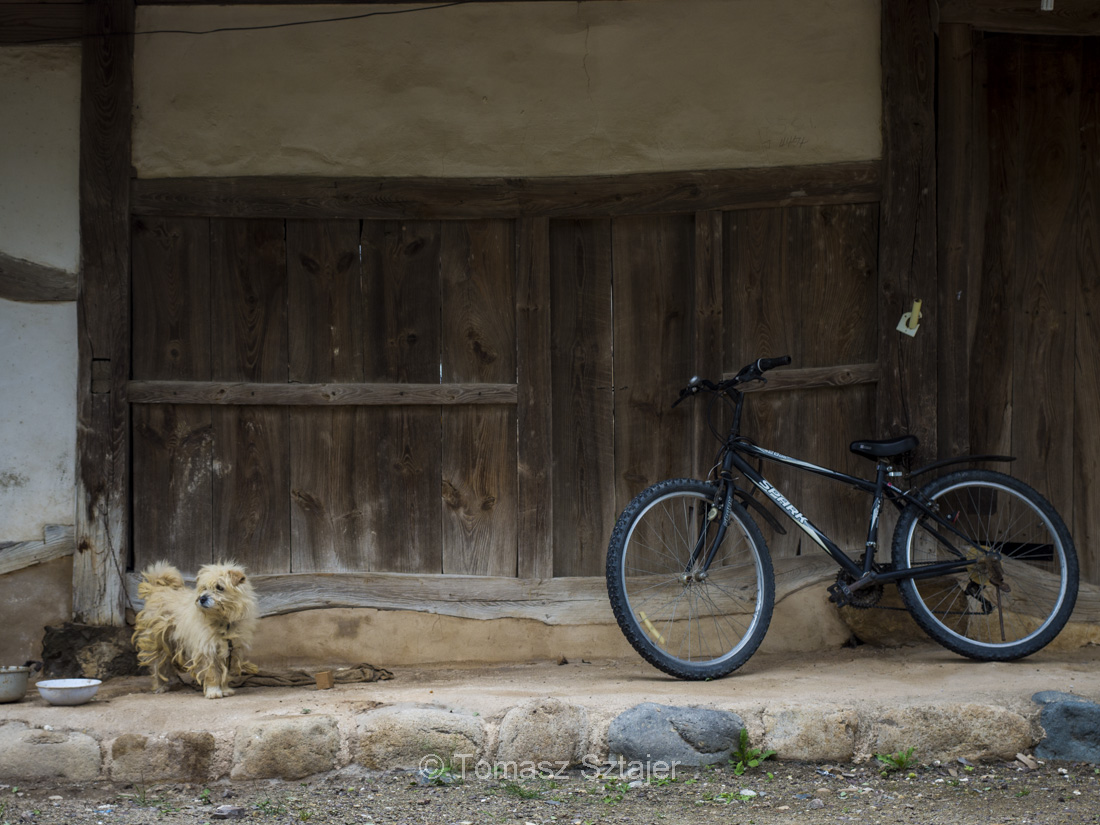
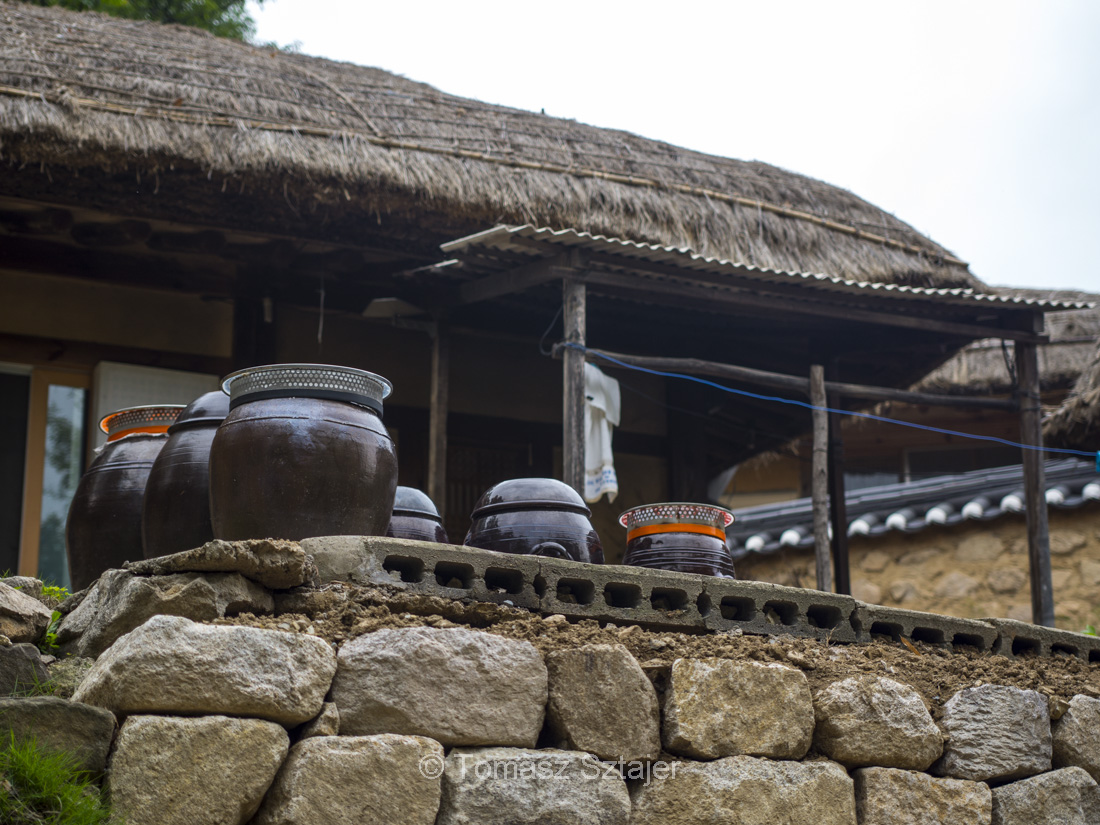
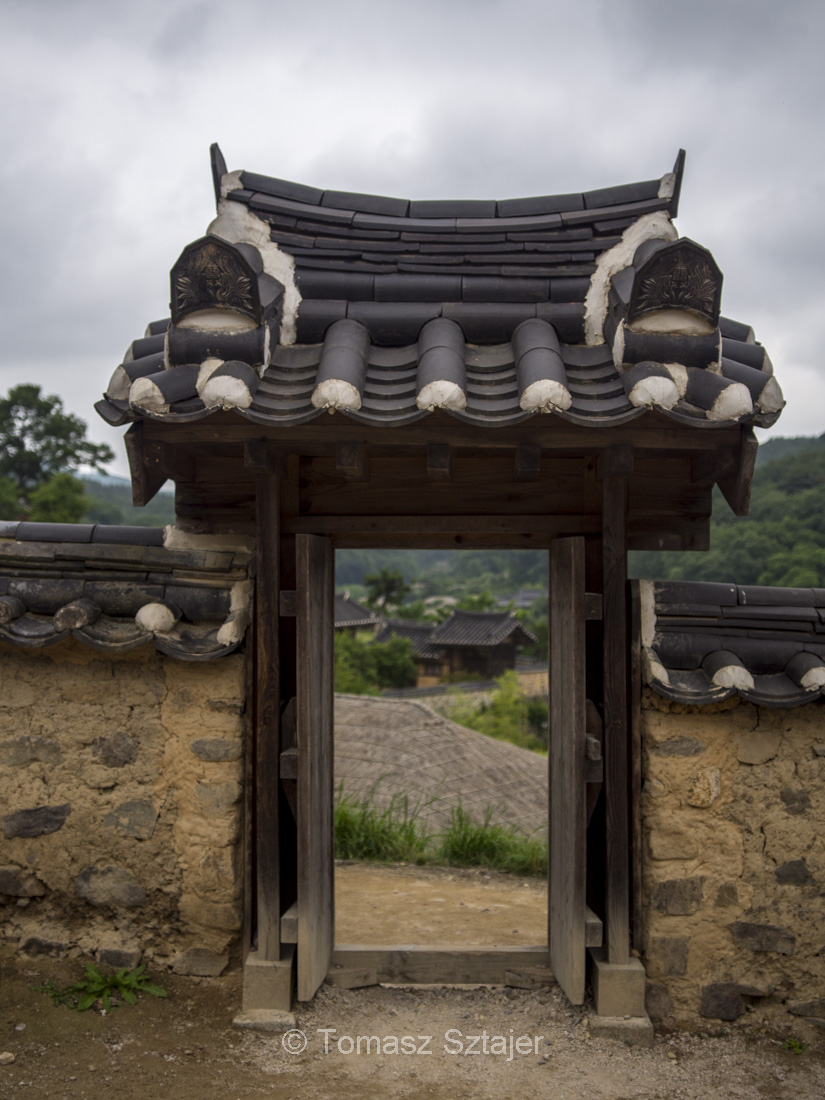
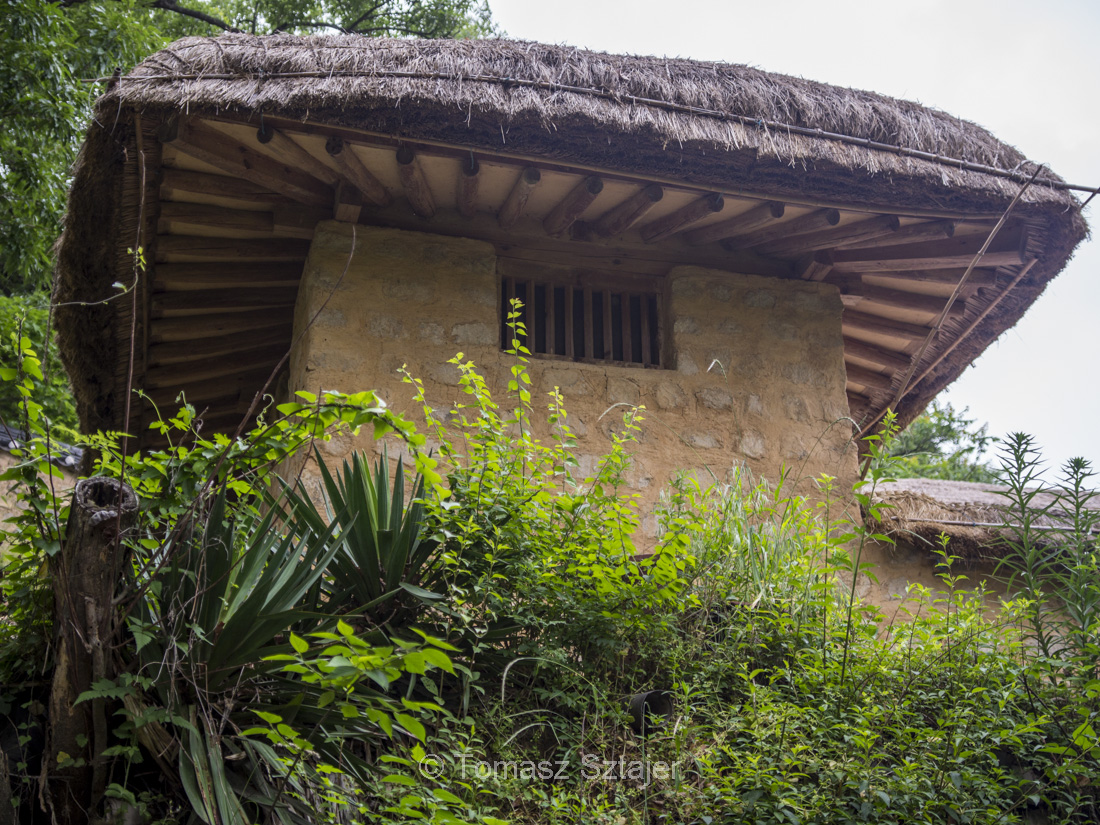
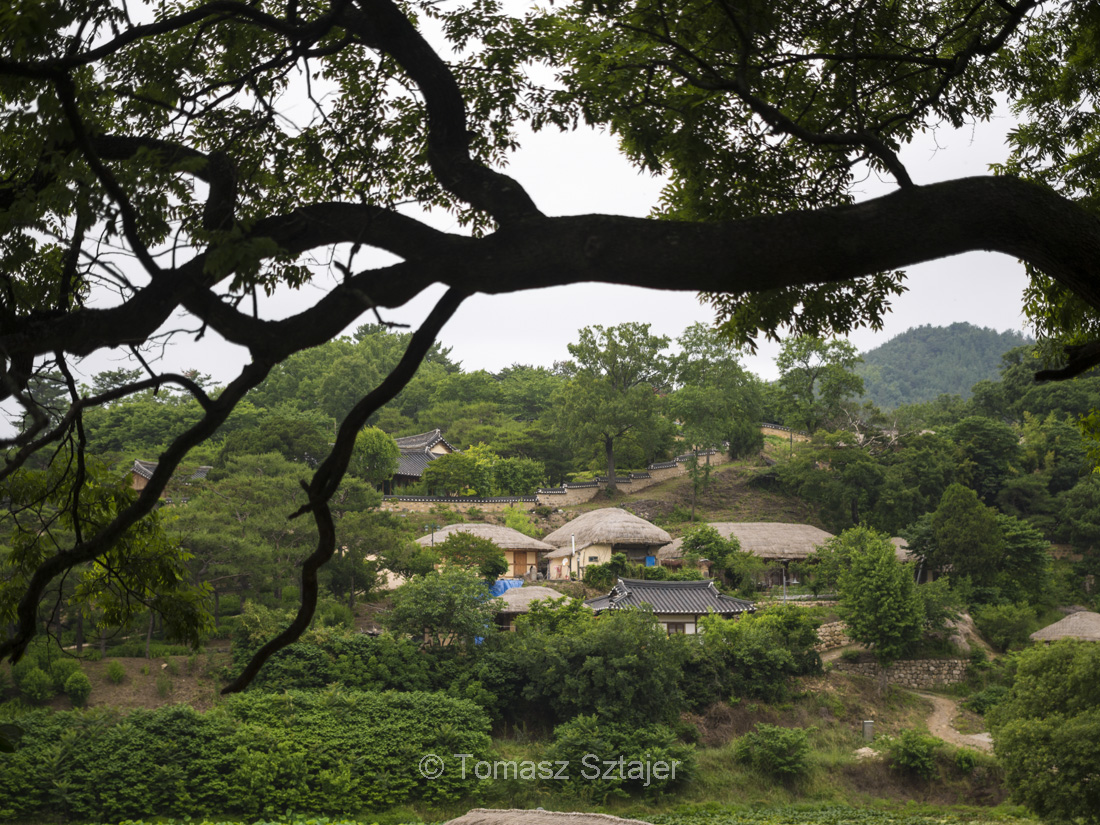
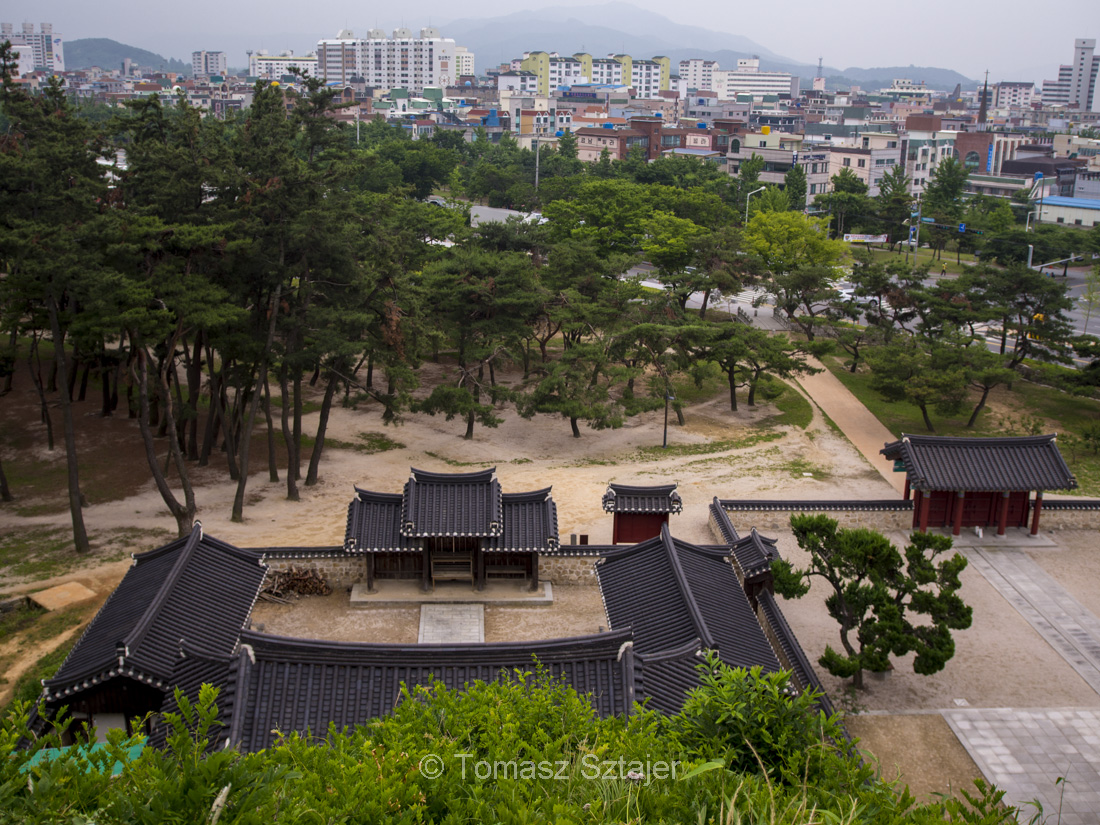
On the way to Gyeongju you can find a UNESCO-listed village. I read that not that long ago the village dwellers were very friendly with the tourists. But with the intensity of tourism nowadays some of them just turned to commerce, and others are simply fed up with all the crowds peeping through their windows. Nevertheless, the traditional architecture looks beautiful, and people still live inside. In theory you should buy a ticket to roam around but practically it is impossible to check it.
***
Po drodze do Gyeongju, UNESCOwa wioska. Ponoć do niedawna jej mieszkańcy chętnie zaprzyjaźniali się z turystami. Jednak przy obecnym obłożeniu, część lokalsów przerzuciła się na gastronomię i pamiątki, a pozostali mają serdecznie dość gapiów zaglądających im przez okna. Tak czy inaczej – bardzo ładna tradycyjna architektura, w dodatku zasiedlona przez ludzi z krwi i kości. Teoretycznie obowiązuje bilet wstępu, praktycznie nie da się tego skontrolować.
Gyeongju
Anapji pond
Anapji pond
Sungsinjeon Shrine
Sungsinjeon Shrine
Sungsinjeon Shrine
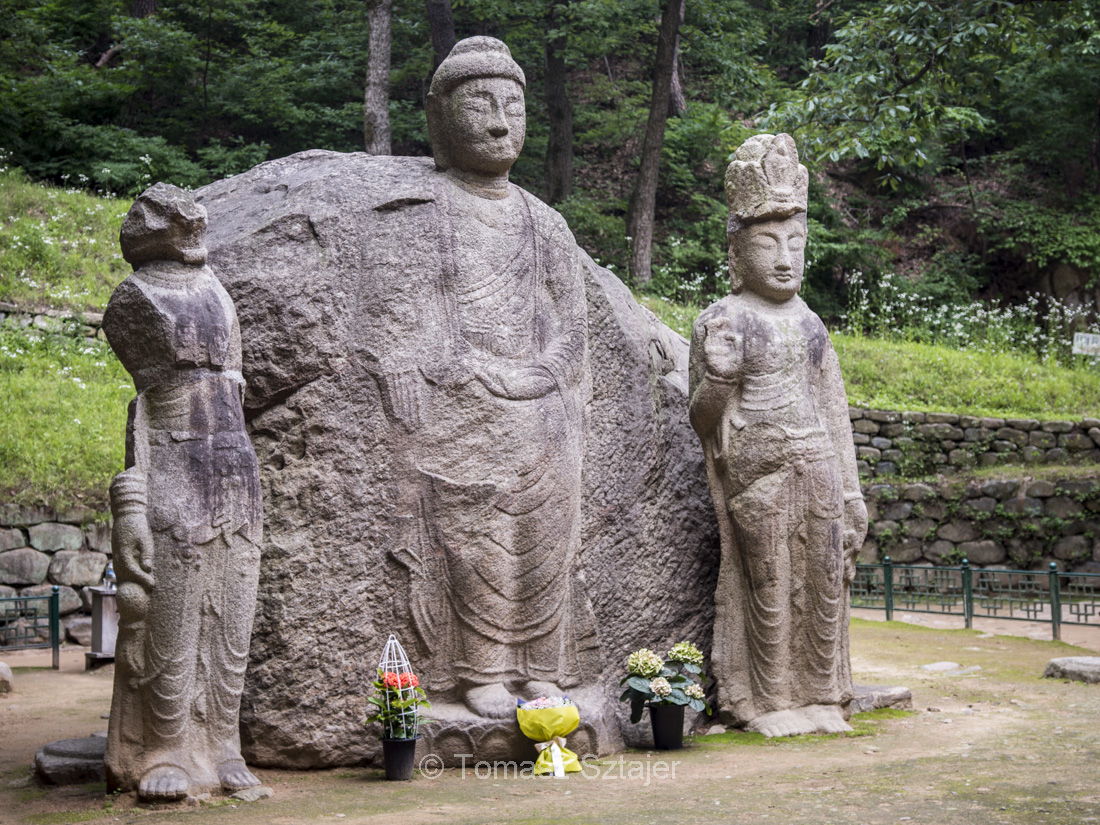
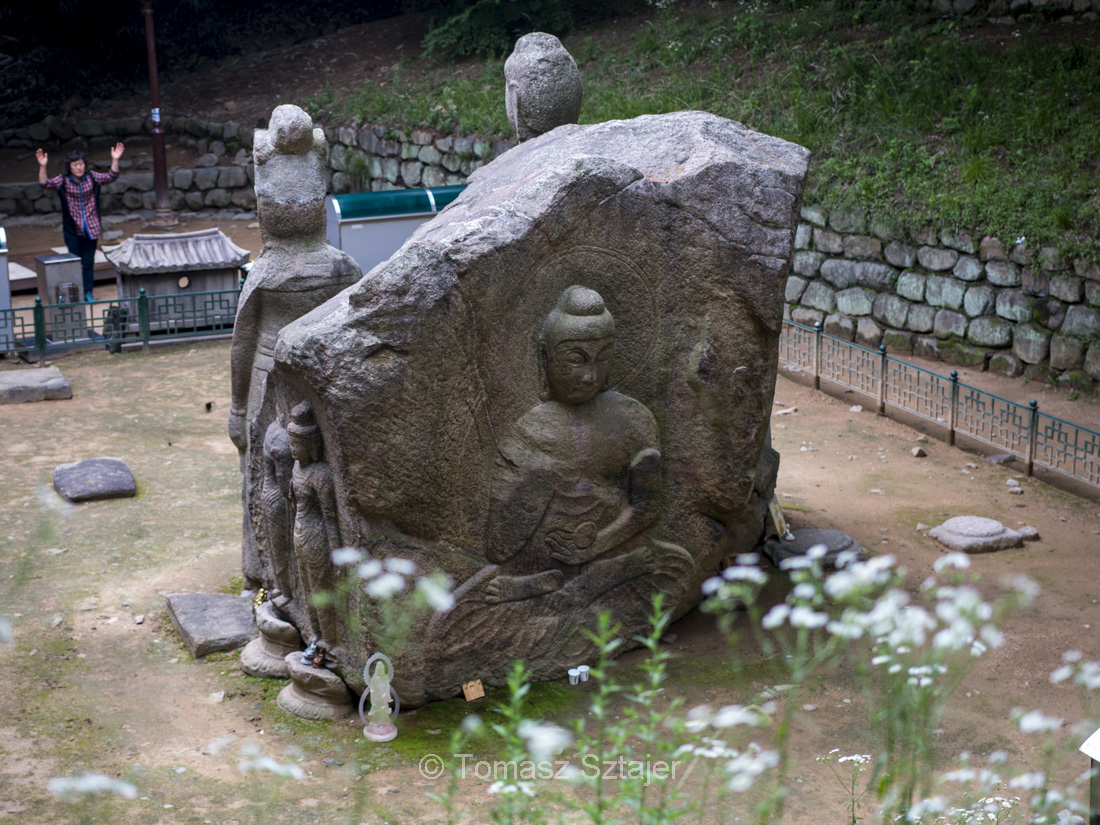
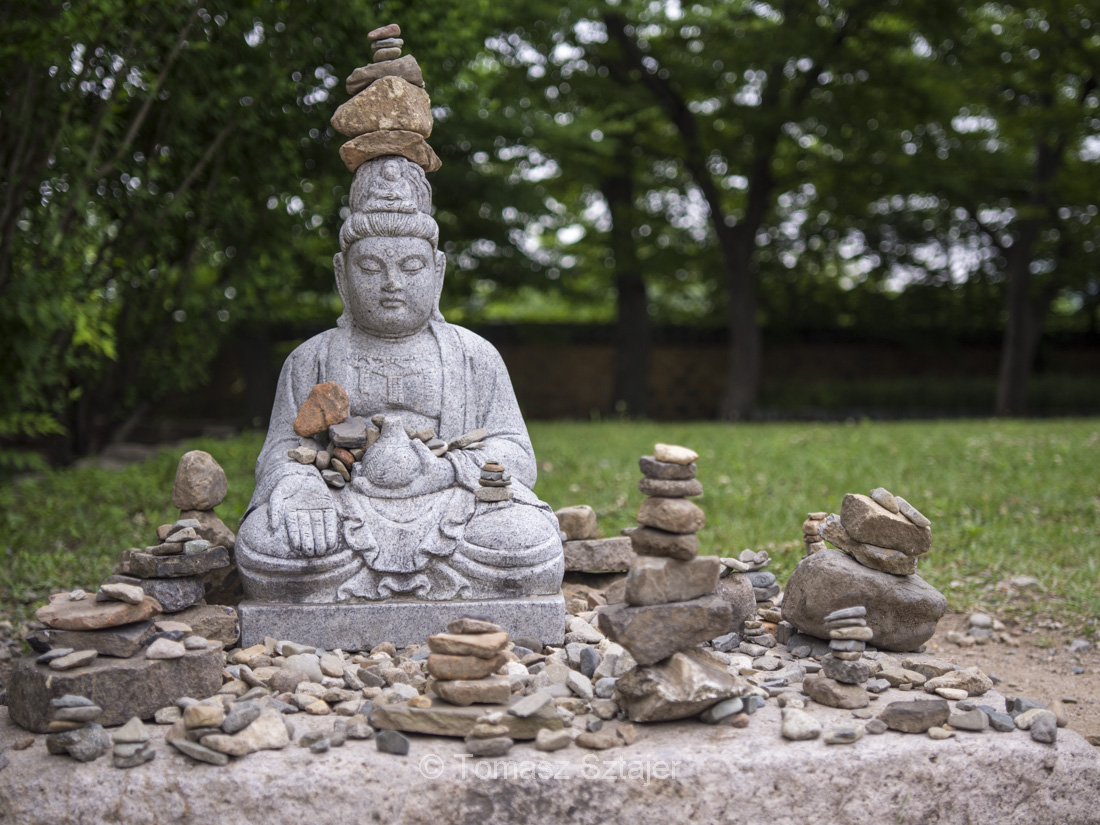
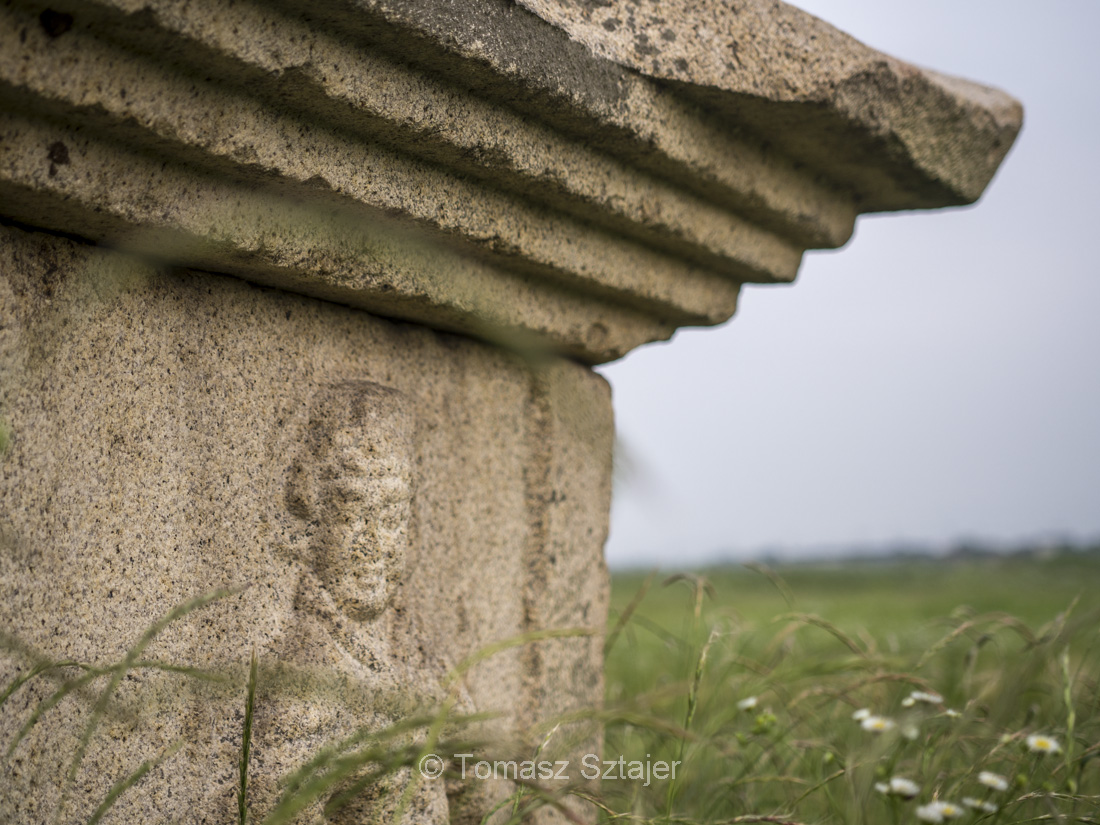
Four-sided stone Buddha of Gulbulsa Temple site
Four-sided stone Buddha of Gulbulsa Temple site
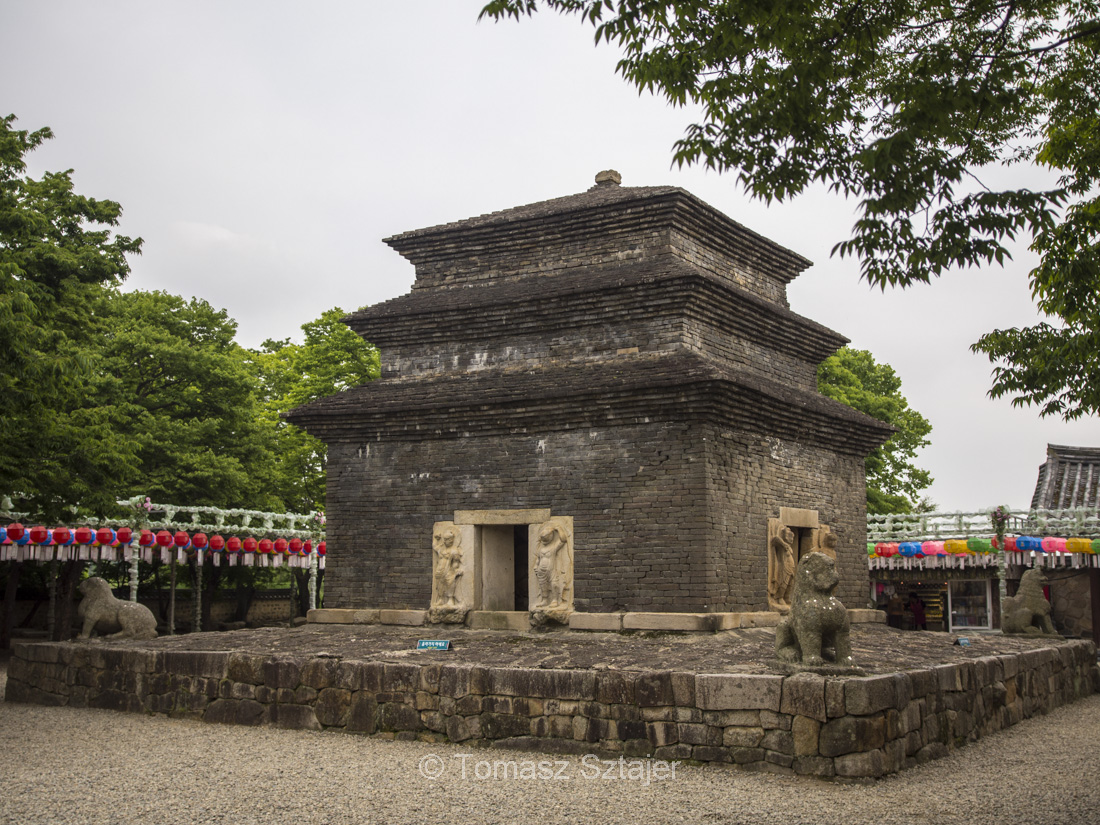
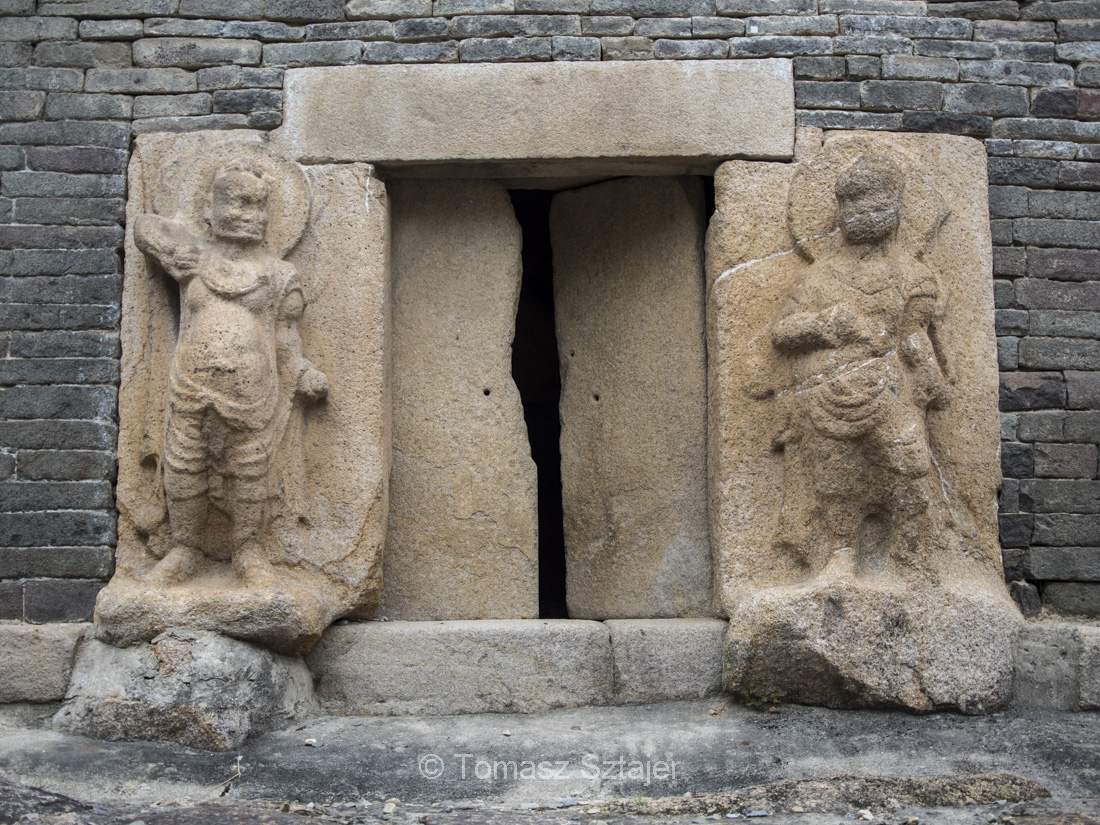
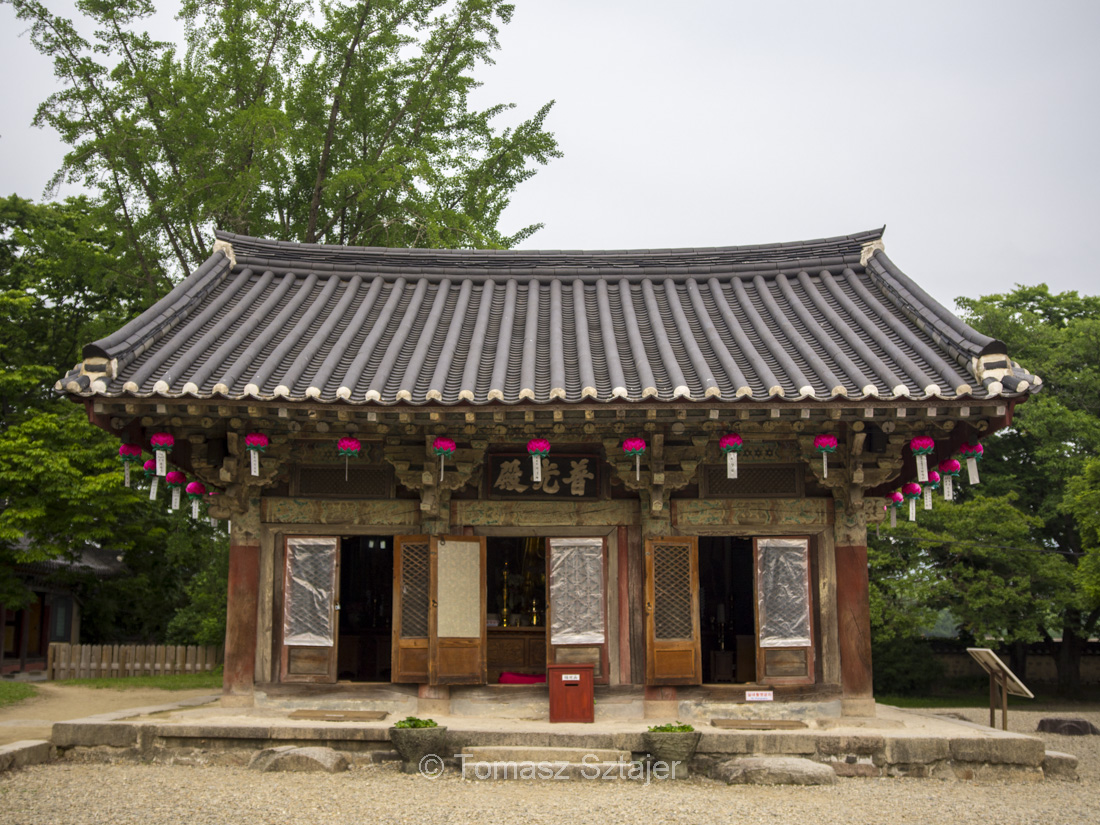
Bunhwangsa temple
Bunhwangsa temple
Bunhwangsa temple
Bunhwangsa temple
Bunhwangsa temple
Random little ruins in Gyeongju
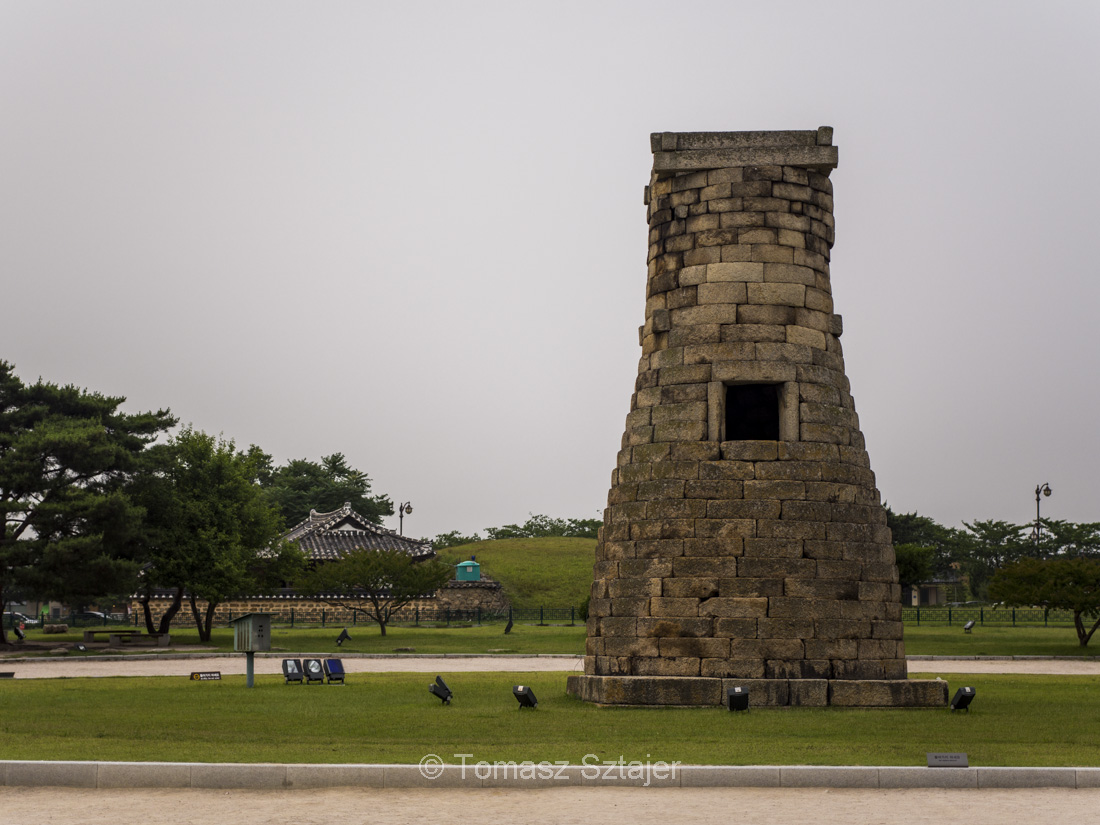
Cheomseongdae Observatory
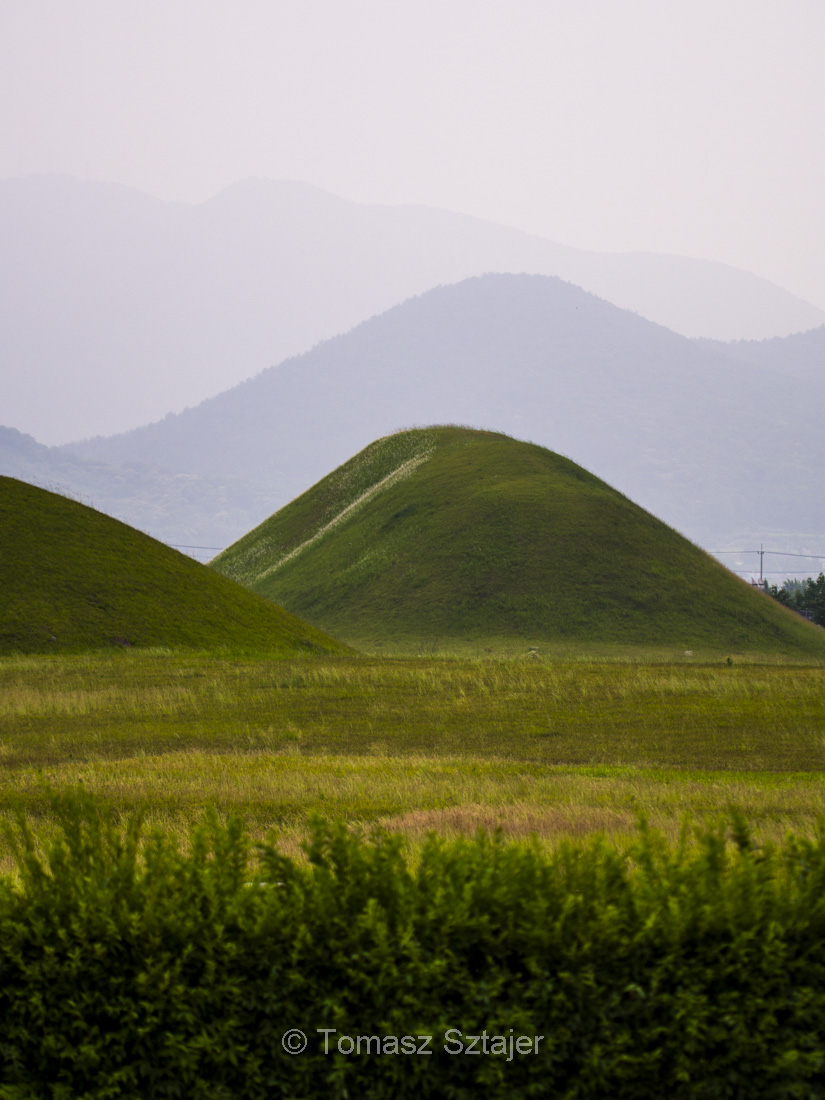
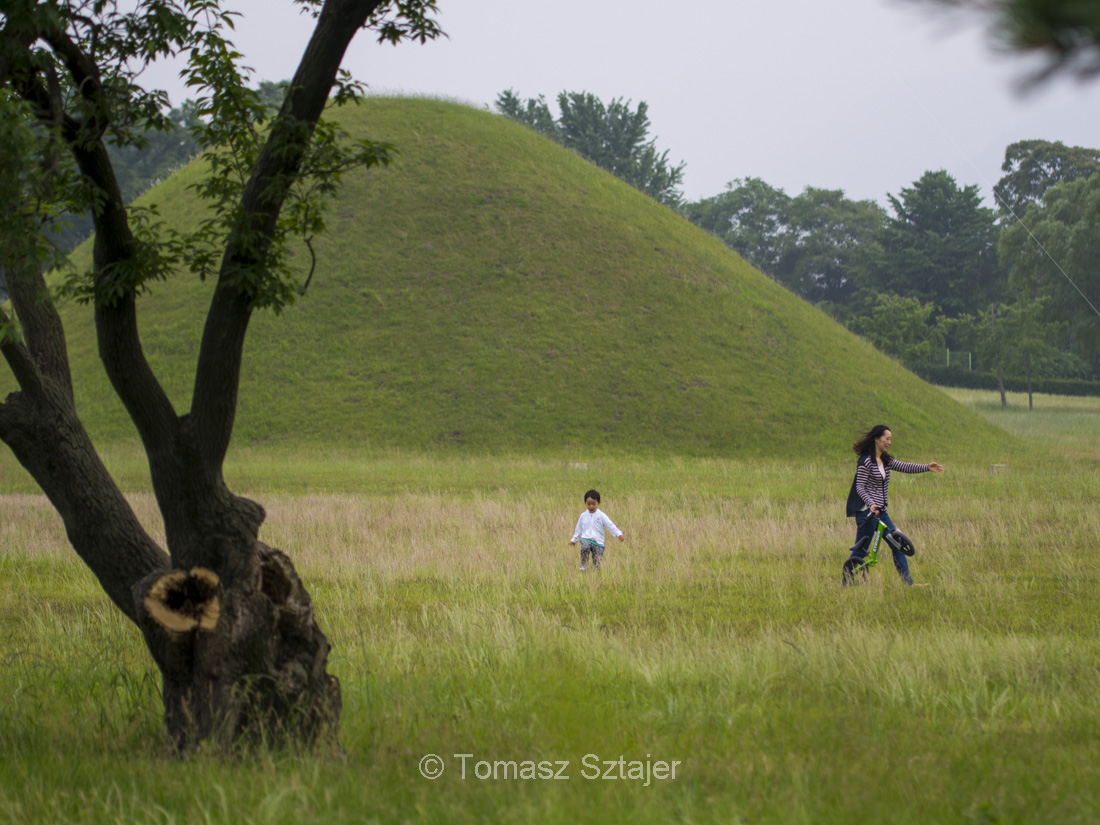
Tombs, tombs everywhere
Tombs, tombs everywhere
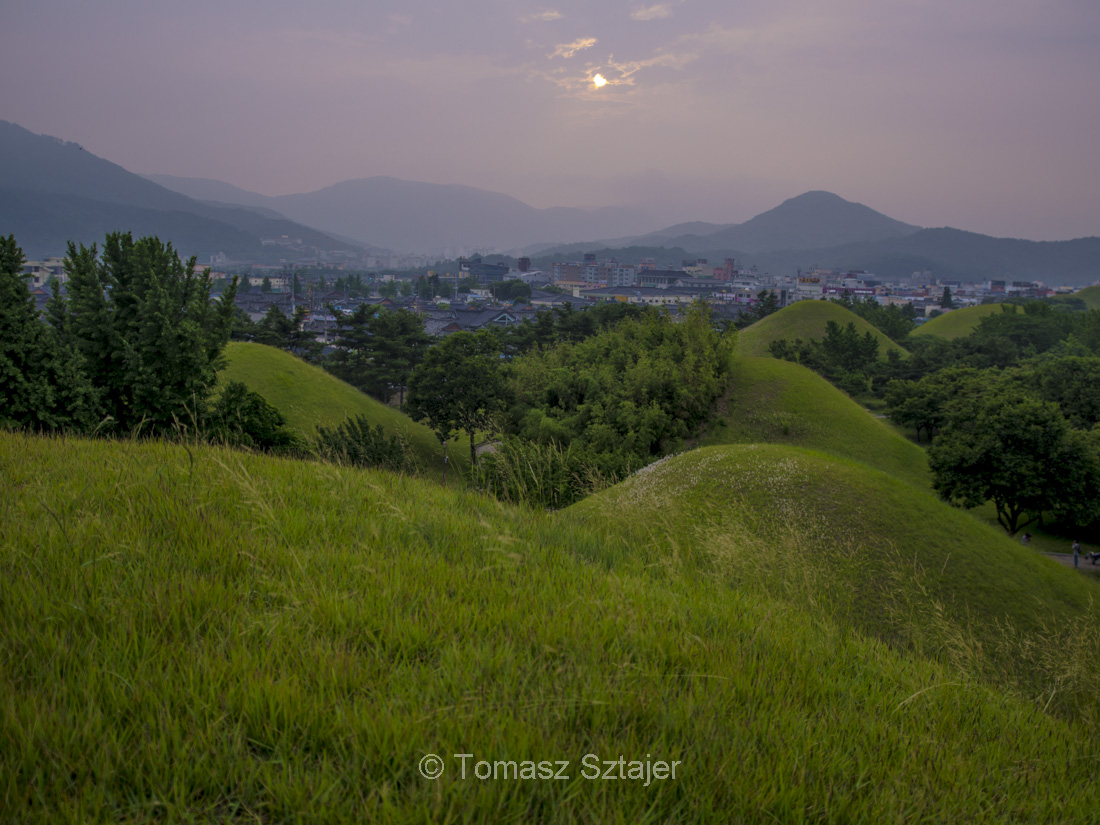
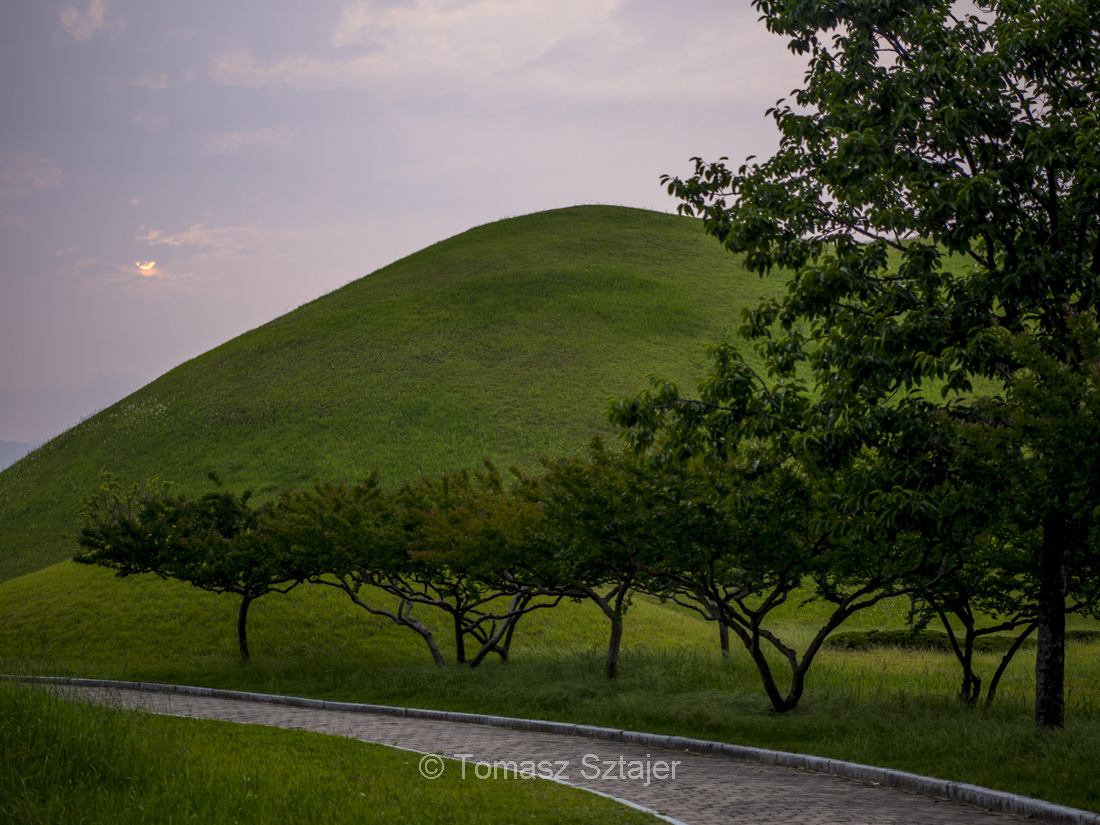
Tomb Park, Gyeongju
Tomb Park, Gyeongju
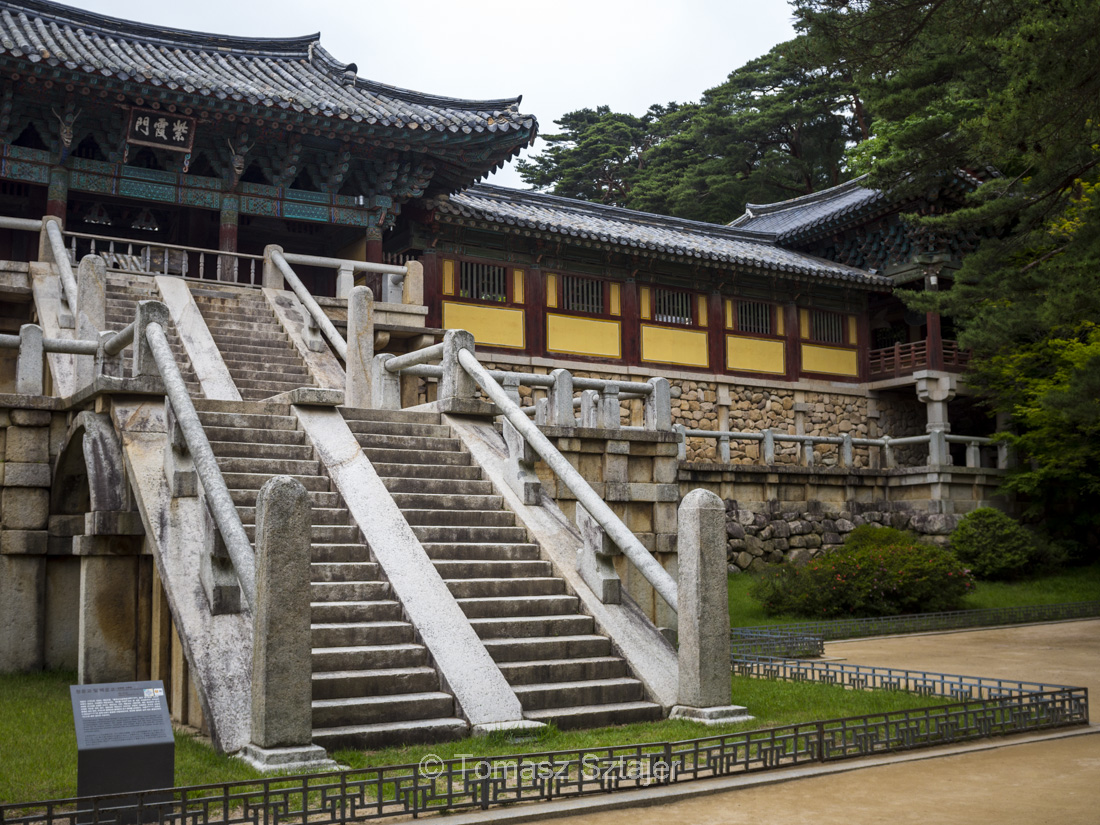
Bulguksa
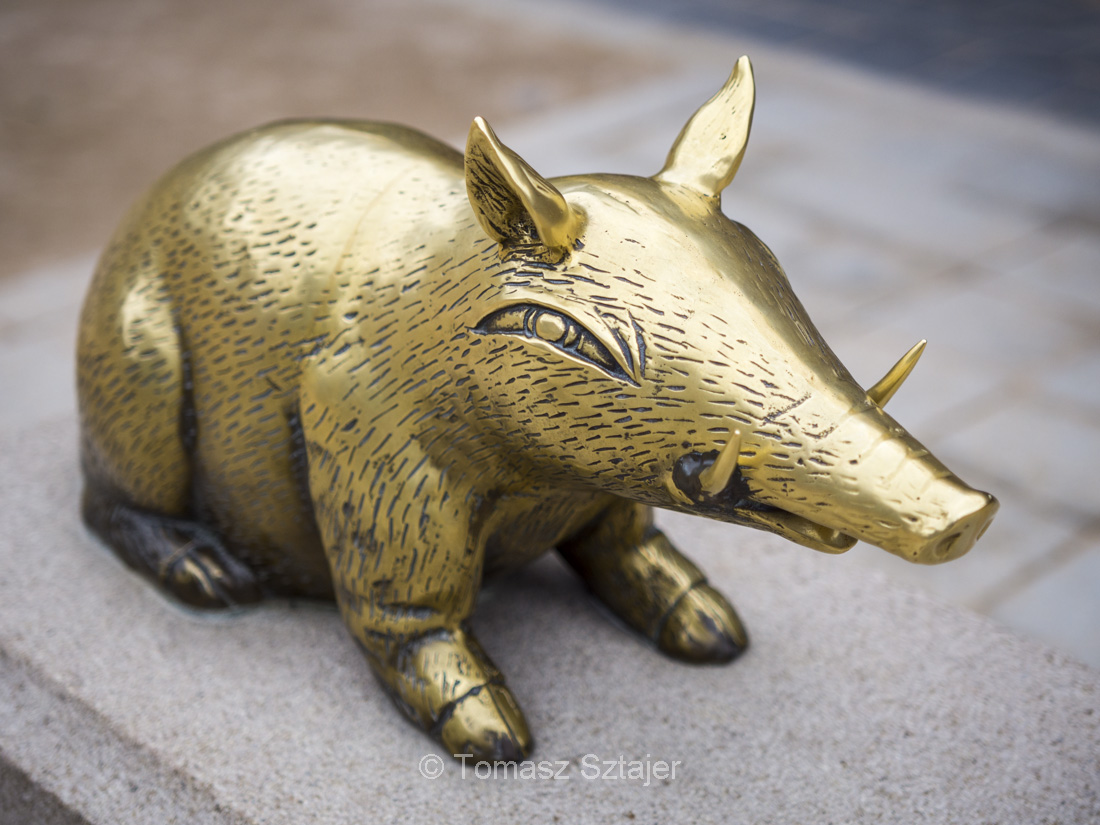
Bulguksa – if you dream of a pig, this means you will soon become rich
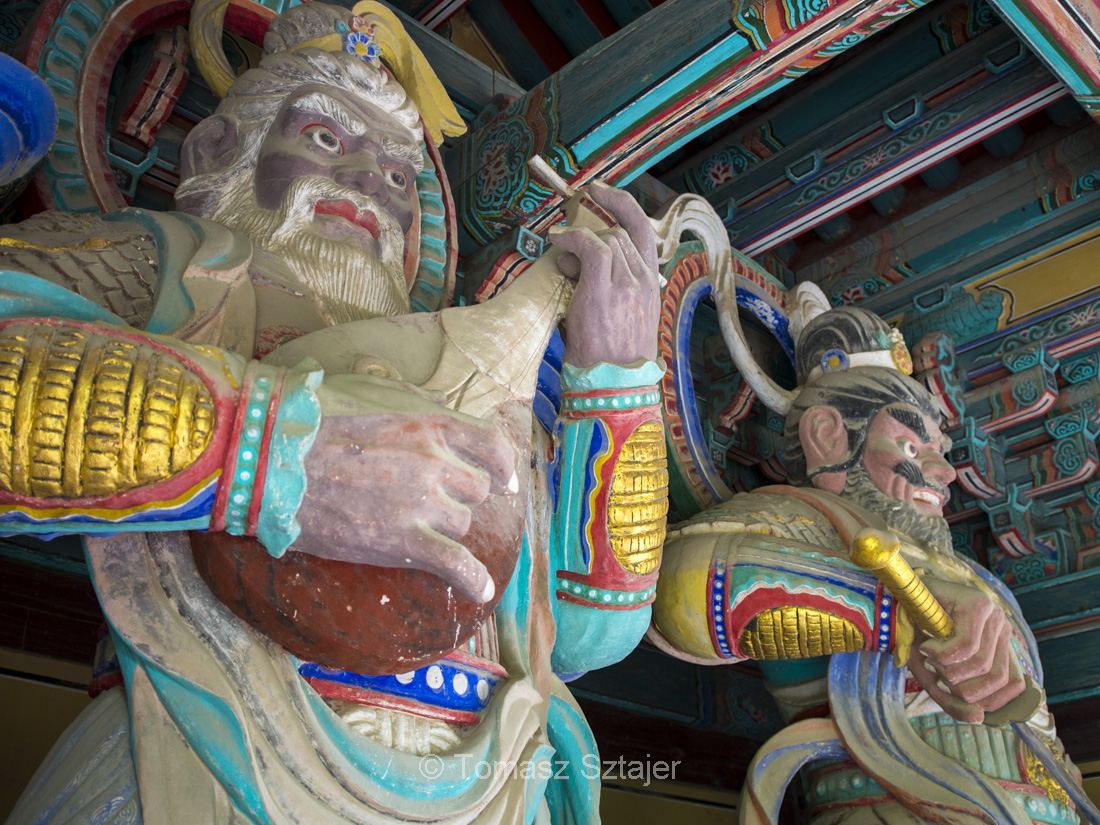
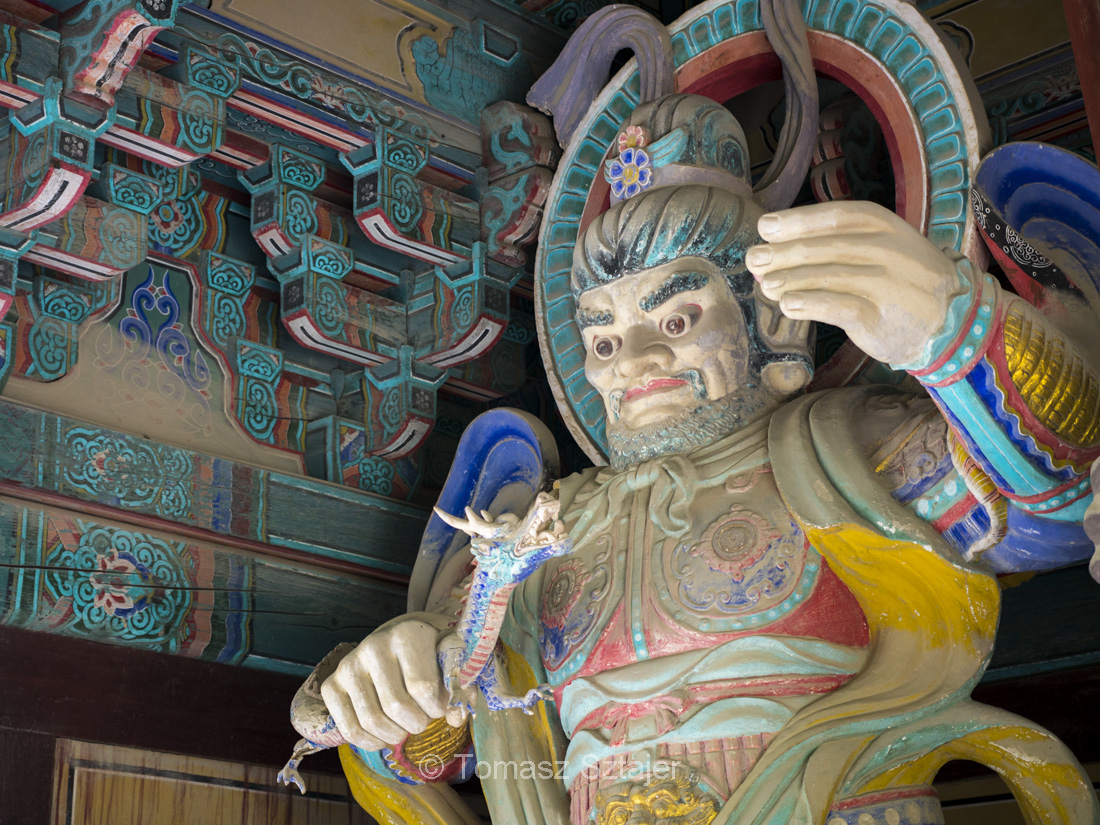
Guards of Bulguksa
Guards of Bulguksa
Bulguksa
Bulguksa
Bulguksa
Bulguksa
Bulguksa
Bulguksa
Bulguksa
Park in Bulguksa
Bulguksa
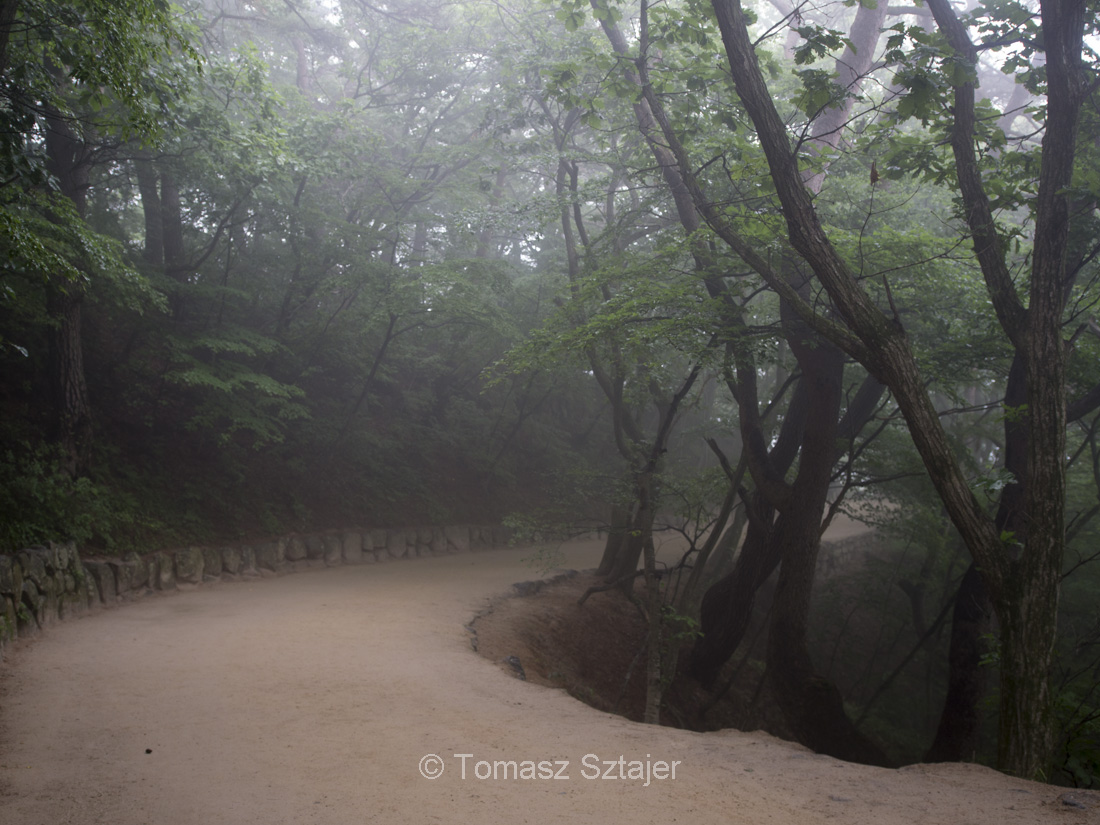
Mysty road to Seokguram grotto
Near Seokguram grotto
Mysty road to Seokguram grotto
Near Seokguram grotto
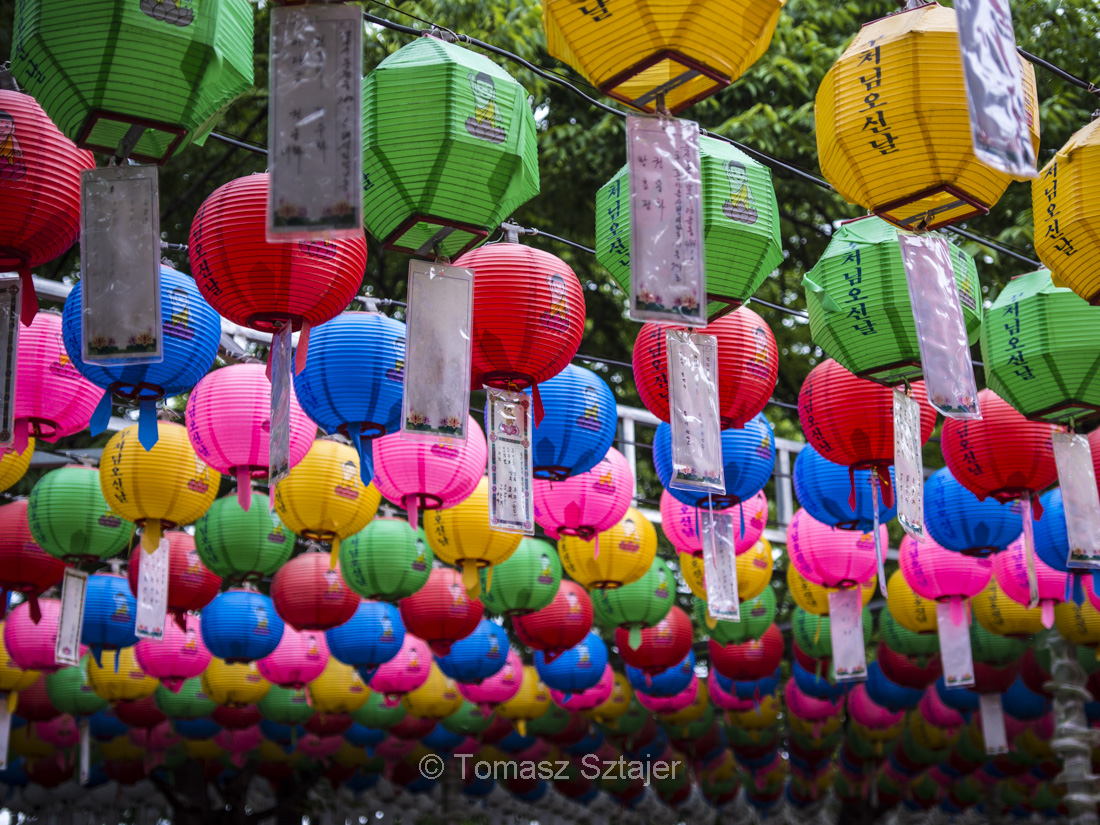
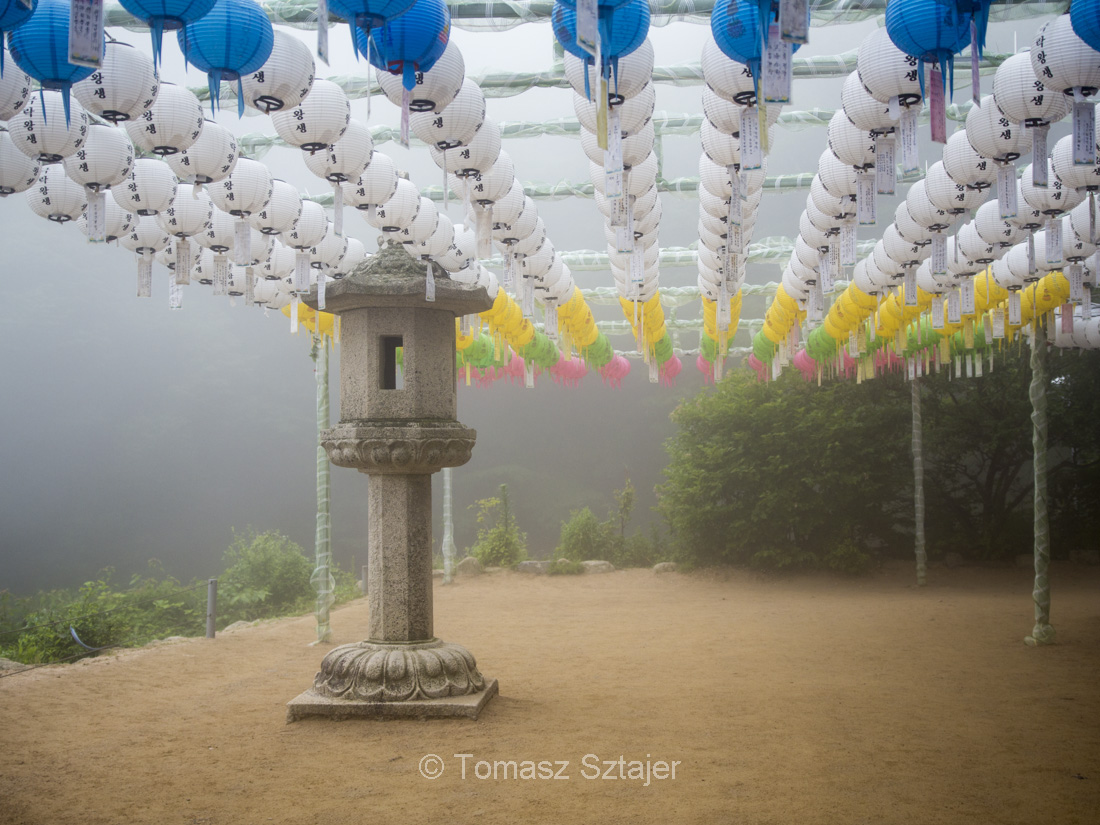
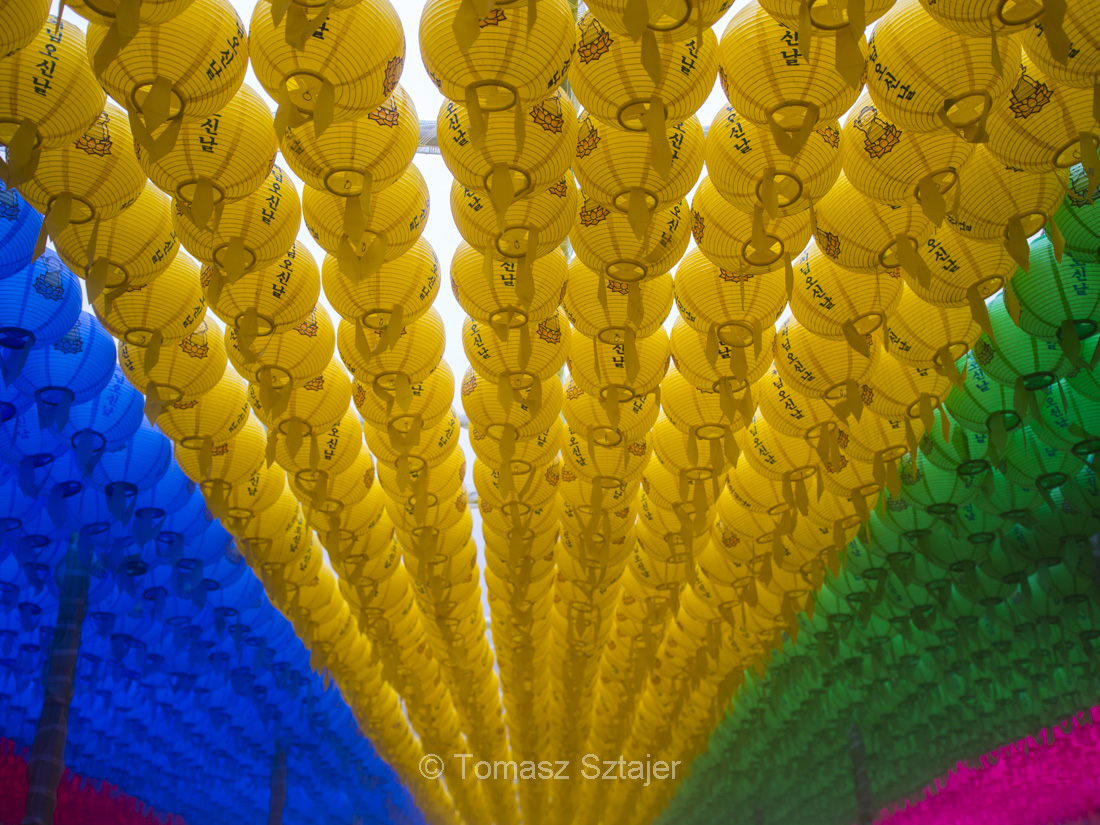
Lanterns around Seokguram grotto
One big open air museum, where all around you get confronted with the glorious past of Silla empire. Gyeongju looks a bit like Ayutthaya in Thailand, though it on a smaller scale and more sterile.
The biggest attraction is Bulguksa temple (UNESCOed) located out of town; you can skip the other UNESCO thingie – the Seokguram grotto; not only you are not allowed to take pictures here but also there is not much to photograph, really: the famous Buddha statue is kept behind the glass and surrounded with steel masts.
For accomodation look around the railway station – you can find yourself a bed in a clean dorm for 15-20k won.
It is in Gyeongju that I said goodbye to my bicycle – a fourth flat tyre was enough for me. I hopped on a bus to get me to Busan.
***
Jeden wielki skansen, w którym można na każdym kroku natknąć się na wspomnienia po imperium Silla. Gyeongju przypomina trochę Ayutthaya w Tajlandii, tyle że skala mniejsza i bardziej tu sterylnie.
Największą atrakcję stanowi umiejscowiona kawałek za miastem świątynia Bulguksa (UNESCOwa), można za to sobie odpuścić inną UNESCOwą miejscówkę – jaskinię Seokguram; nie dość, że nie wolno tu robić zdjęć, to w dodatku nawet nie ma czemu – słynna figura Buddy jest umieszczona za szybą i otoczona metalowymi stelażami.
W sprawie noclegu najlepiej rozejrzeć się wokół dworca kolejowego – w granicach 15-20.000 wonów dostaniemy łóżko w czystym i pachnącym hostelu.
W Gyeongju pożegnałem się z moim rowerem – czwarty kapeć, kolejne naprawy przestały mi się opłacać. Ostatni fragment trasy przebyłem w komfortowym autobusie.
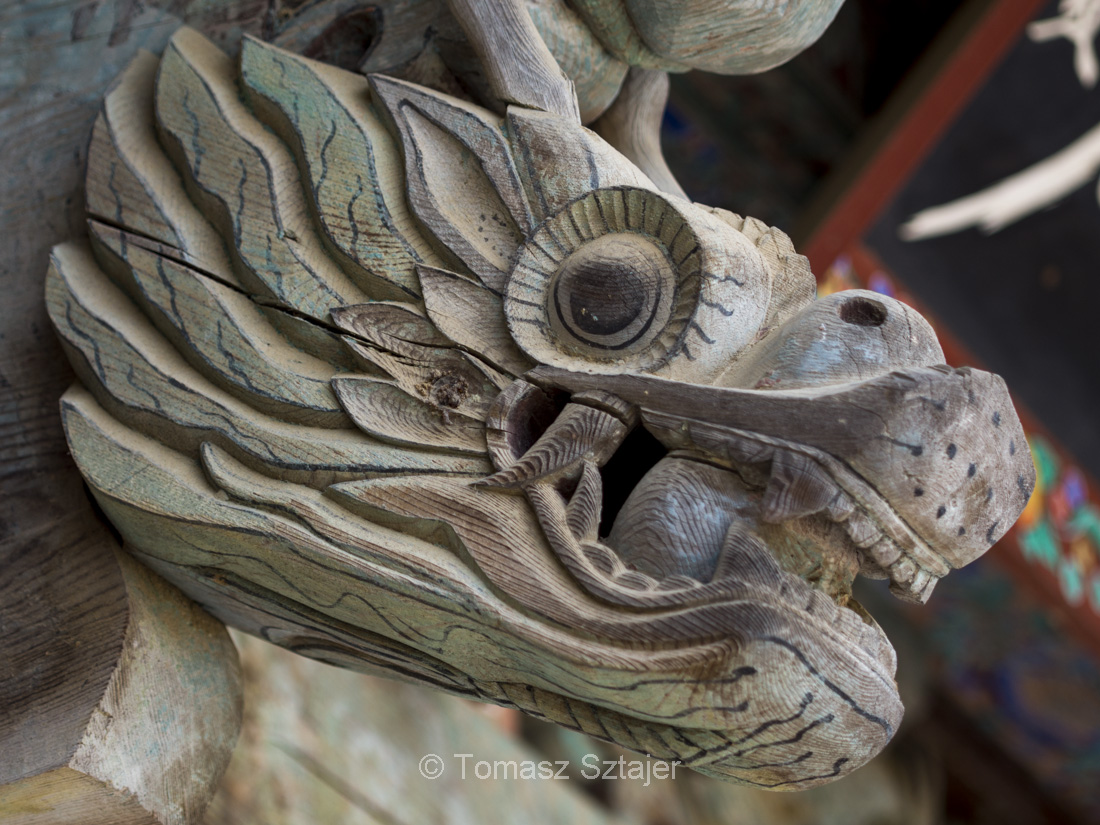
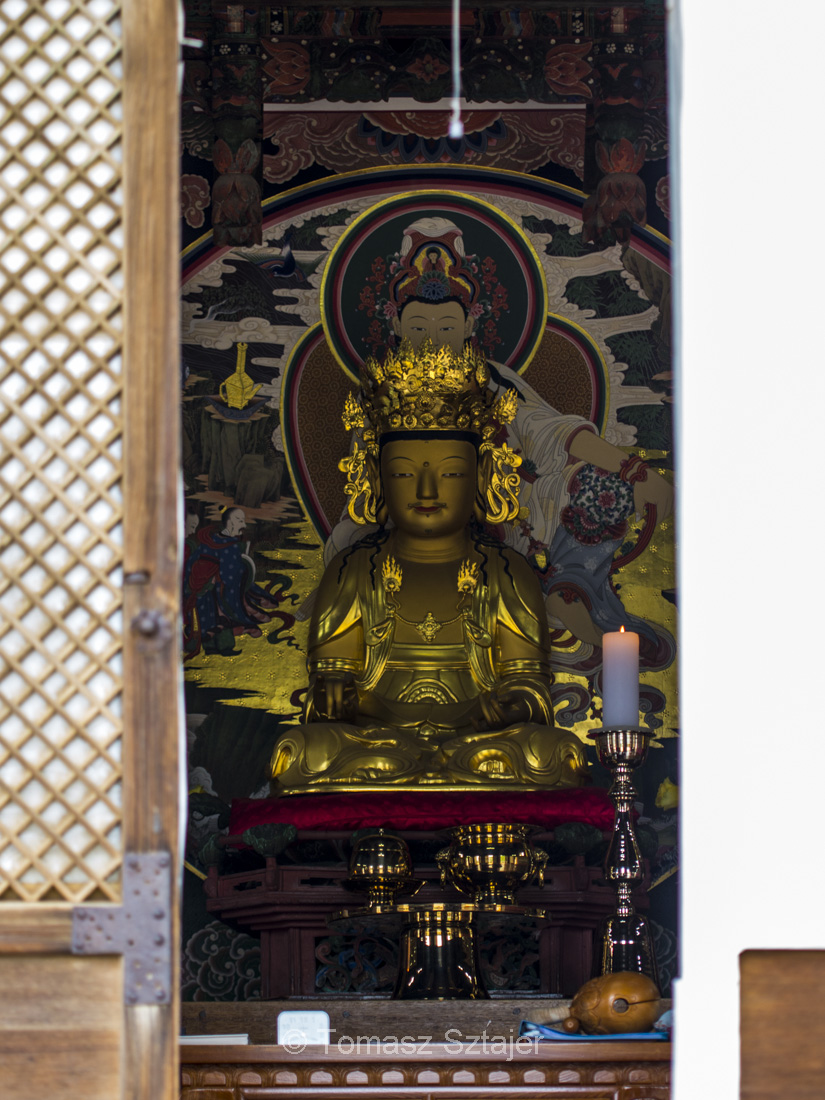
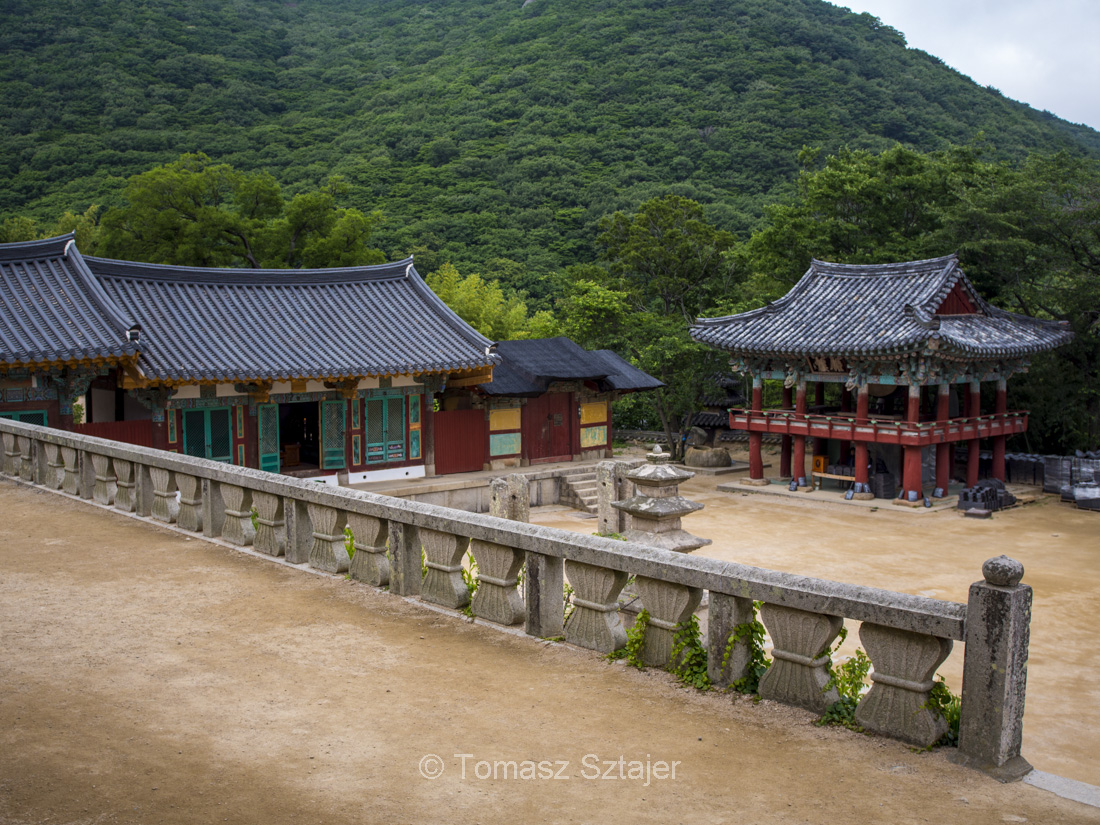
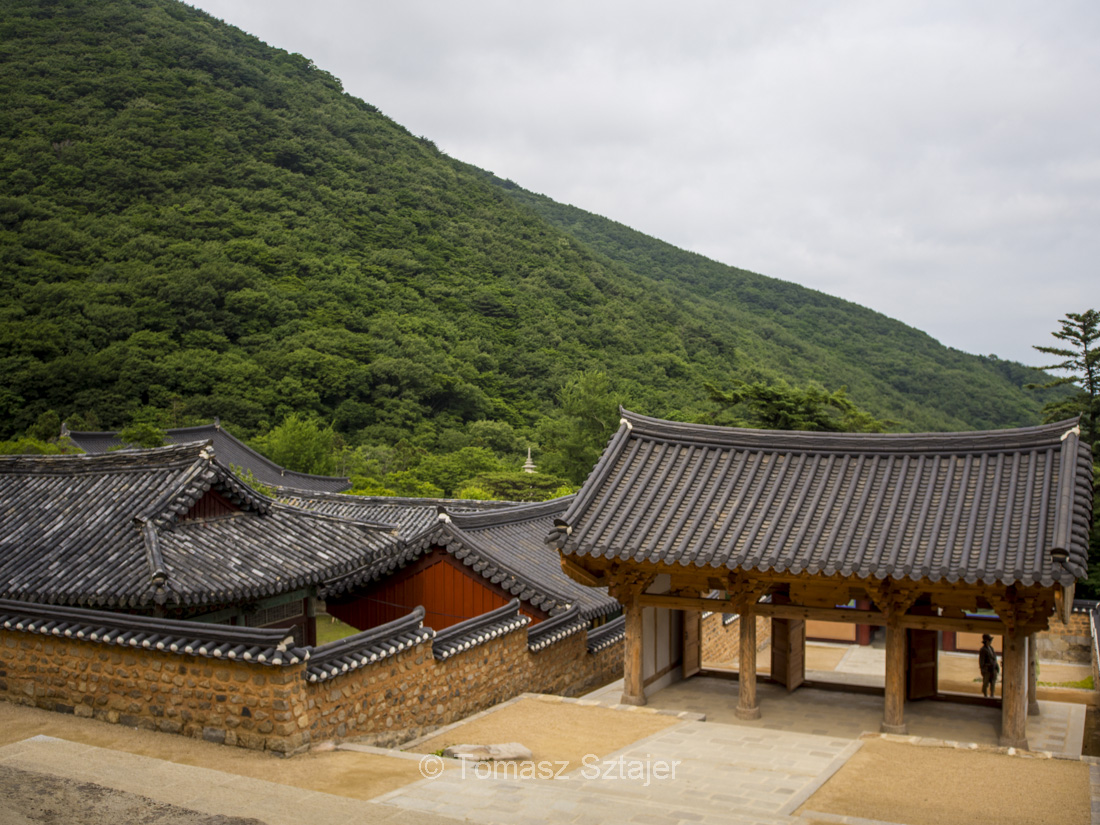
Beomeosa, Busan
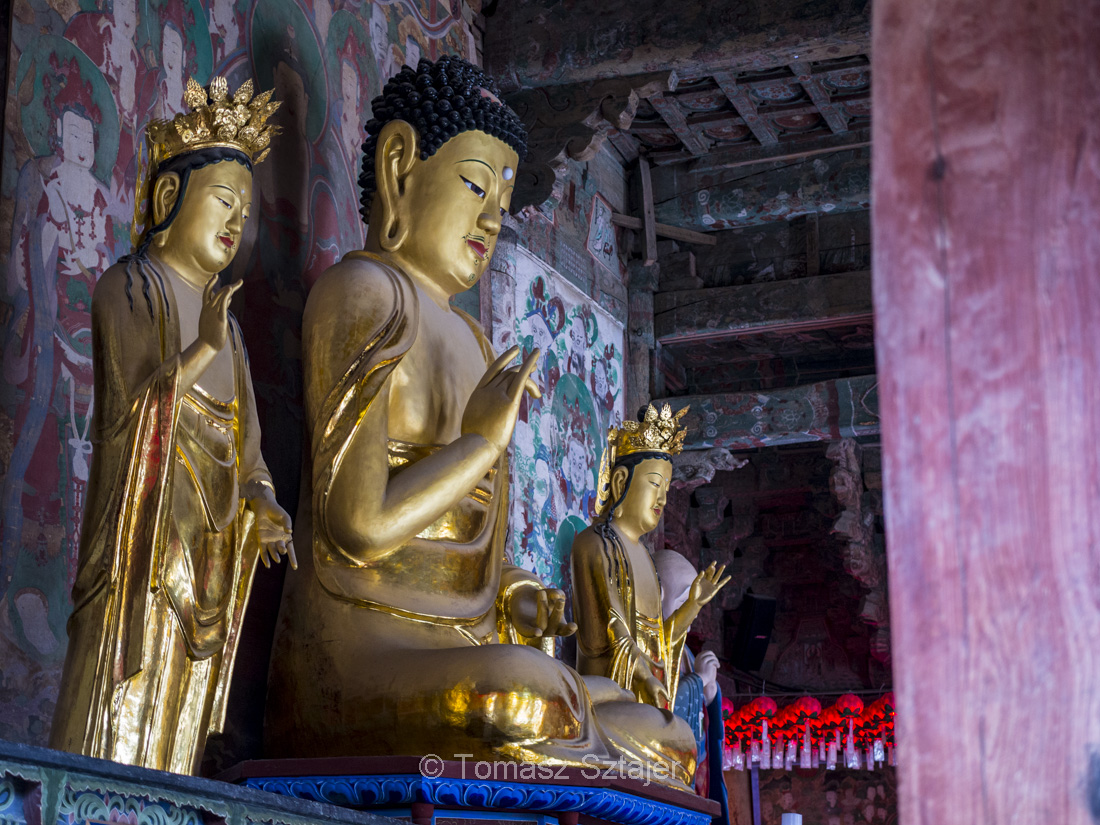
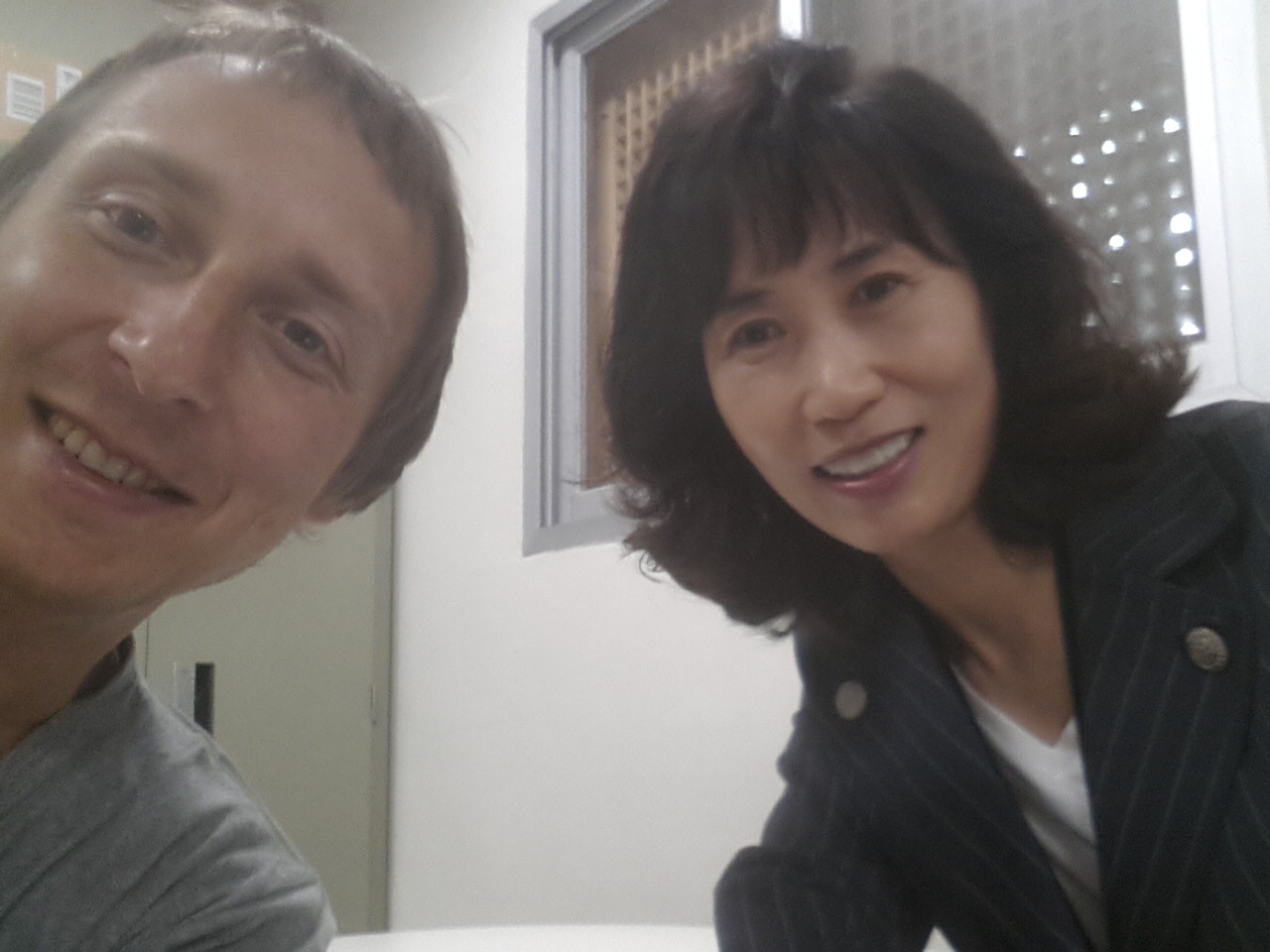
The amazing guide in Beomeosa with an amazing name – So Young
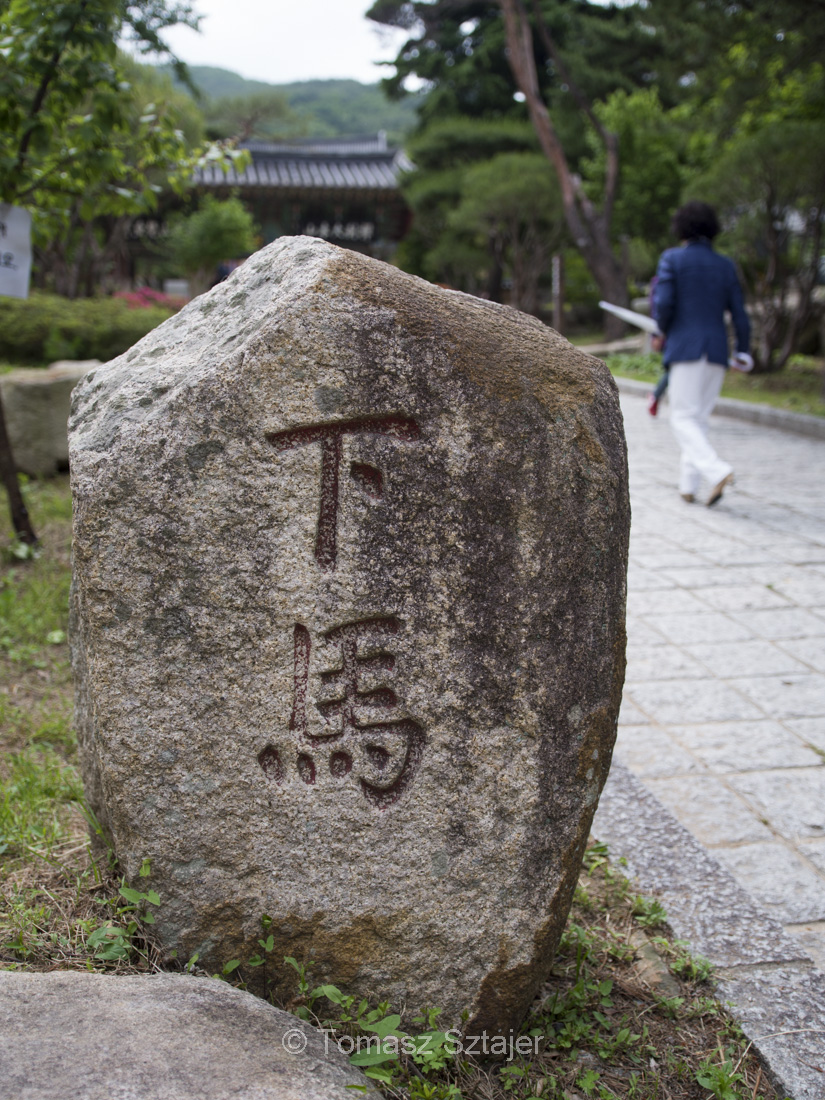
Beomeosa, “Get off the horse” sign
One of the guards in Beomeosa
Beomeosa
Beomeosa
Fish guardian in Beomeosa (the fish never closes the eyes)
Beomeosa
Beomeosa
Beomeosa
Beomeosa
Beomeosa
Beomeosa
Beomeosa
Beomeosa
Beomeosa
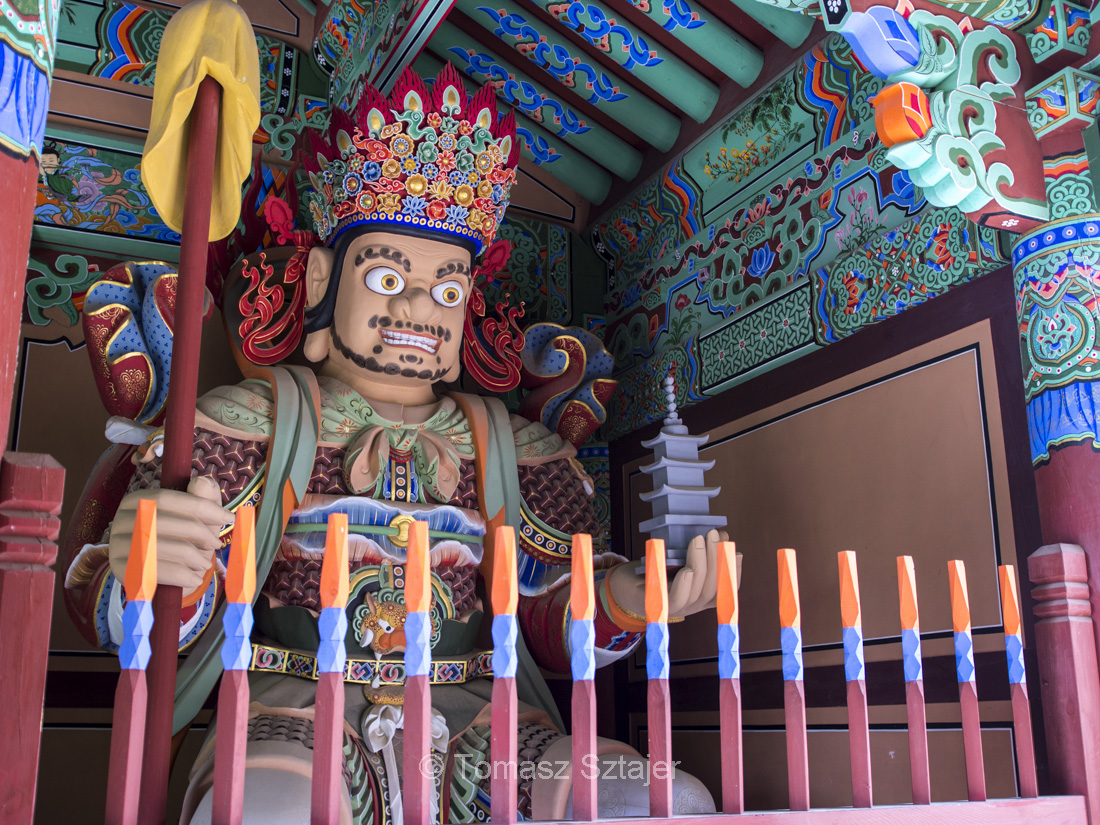
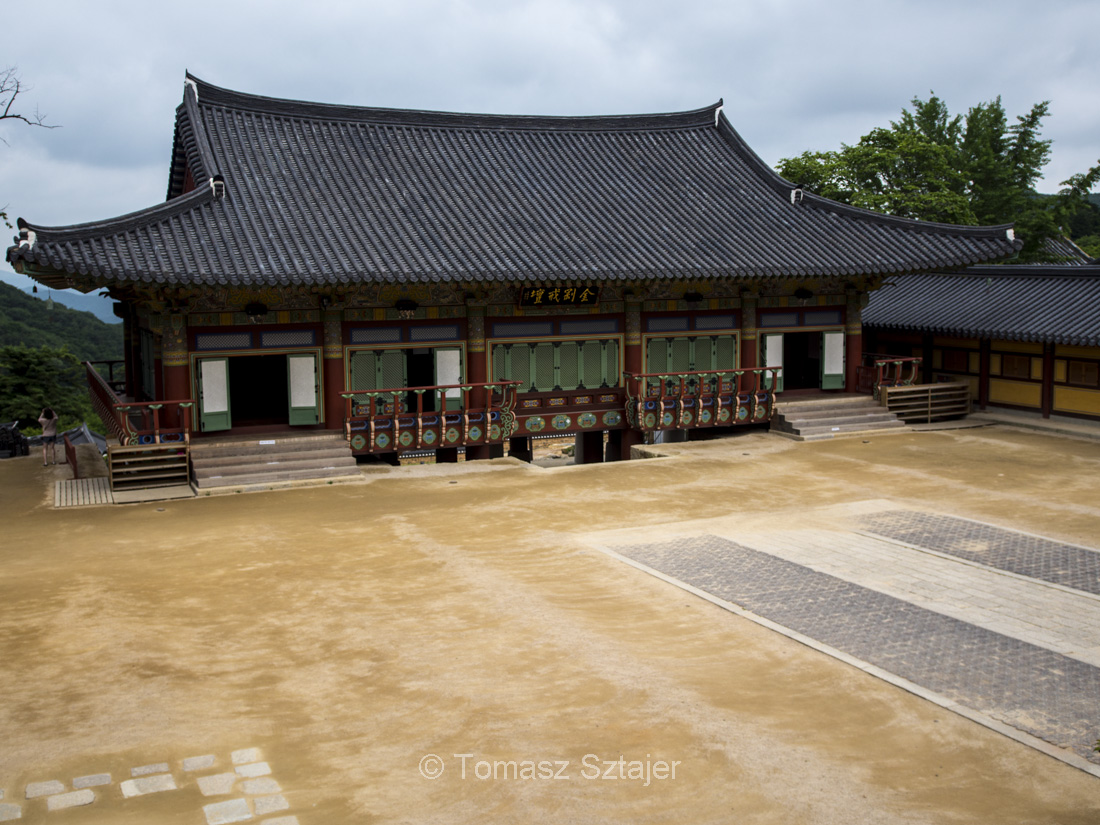
In Busan I only visited one place but a major one: the Beomeosa temple. Not only the (reconstructed) buildings themselves are impressive but I was also was lucky to be guided by the best guide ever – Mrs So Young (and what a cool name to have!). She made my visit to the temple meaningful…
***
W Busan zobaczyłem jedno miejsce, za to nie byle jakie: świątynię Beomeosa. Nie dość, że sama (zrekonstruowana) budowla robi wrażenie, to jeszcze trafiłem na świetnią panią przewodnik – o nieźle brzmiącym imieniu (So Young – po naszemu “Jakże młoda”). Dzięki jej wyjaśnieniom zwiedzanie świątyni nagle stało się całkiem sensowne…
Manjaggul Lava Tube, Jeju Island / Korytarz lawowy Manjaggul, Wyspa Jeju
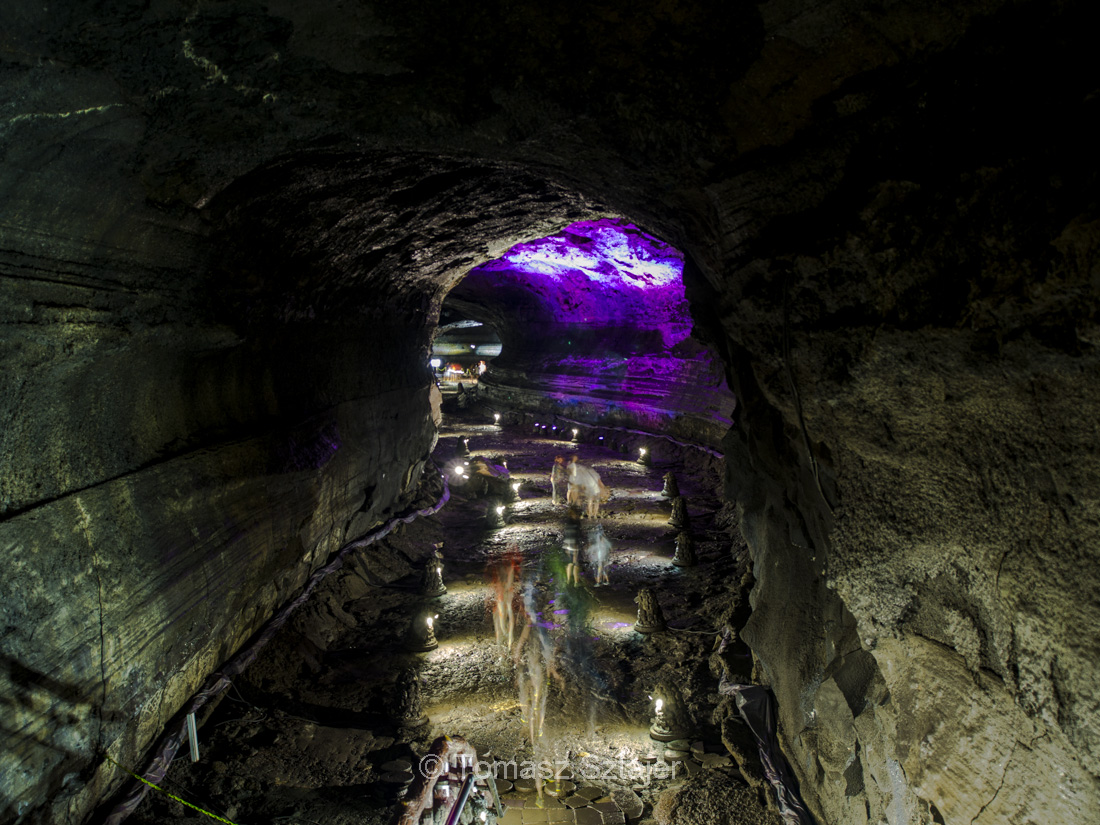
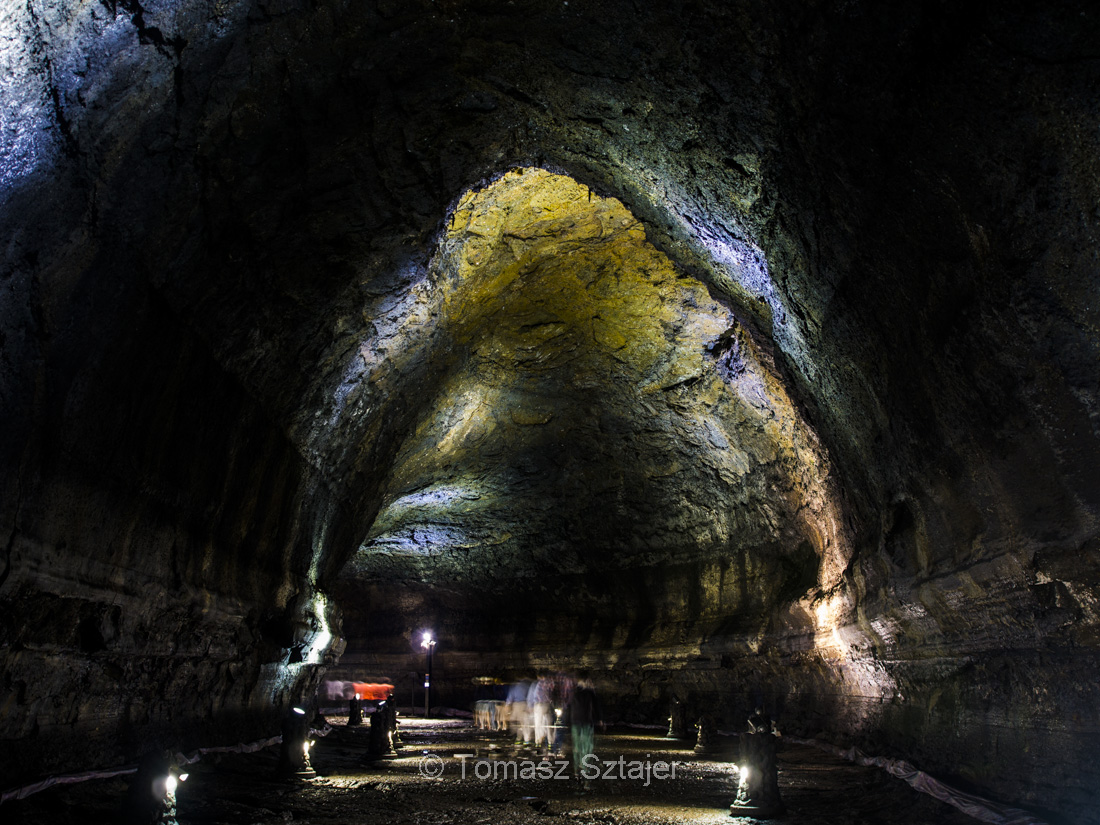
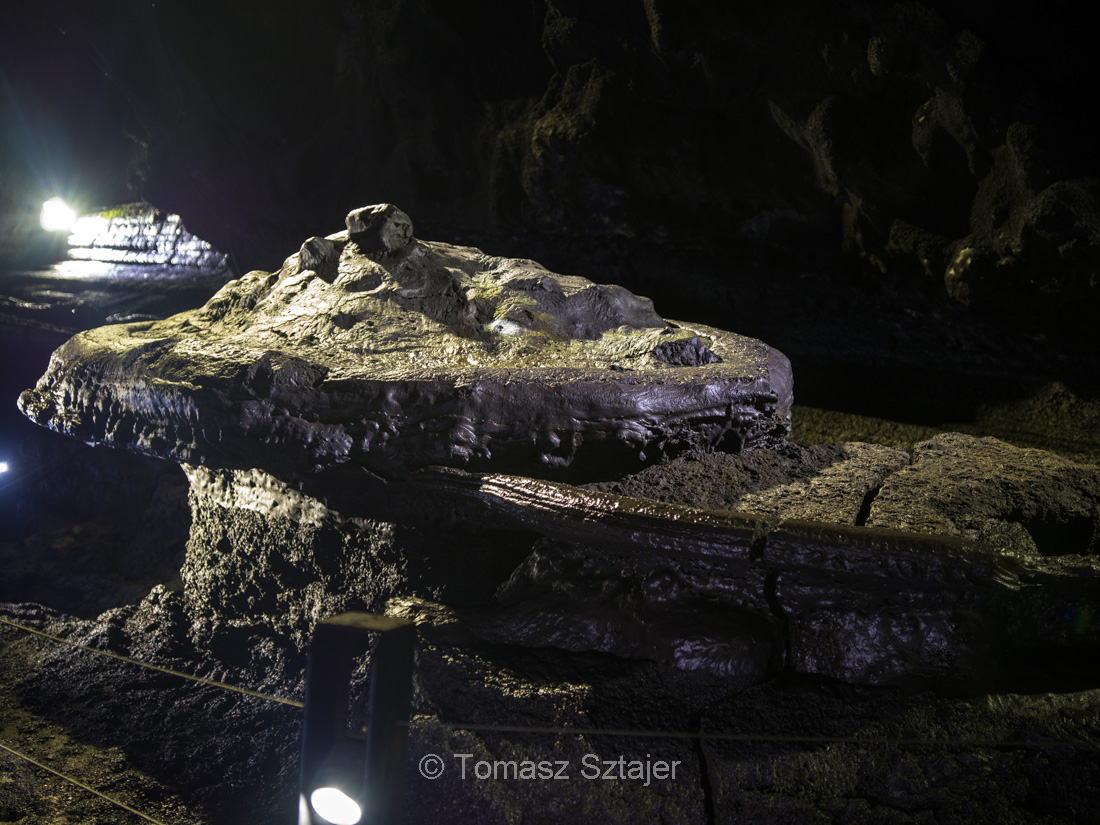
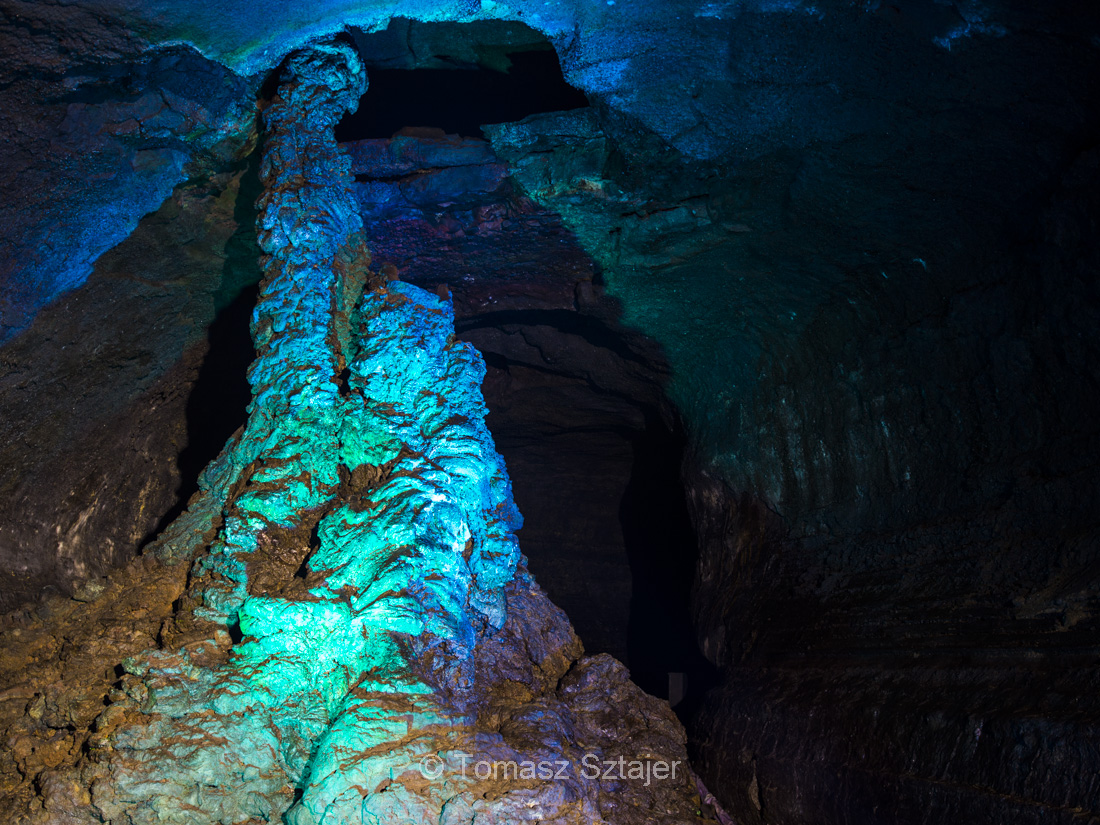
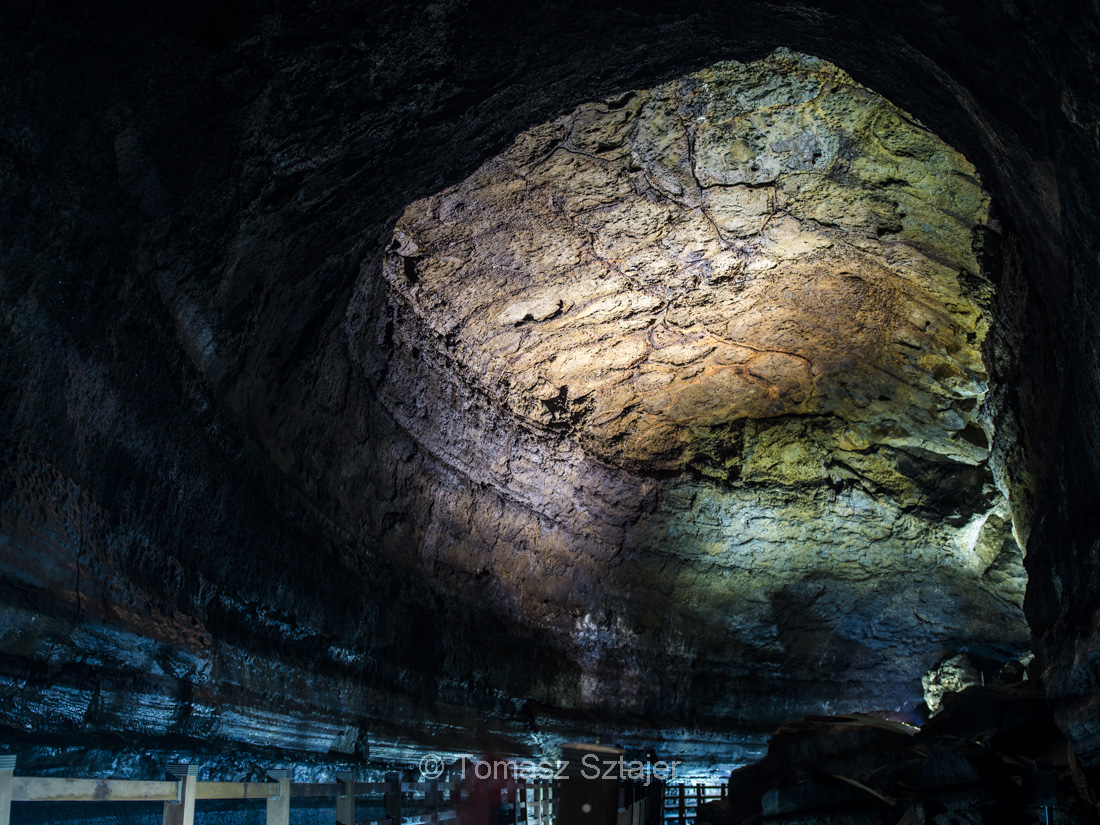
Inside the Manjanggul Lava Tube
Inside the Manjanggul Lava Tube
Inside the Manjanggul Lava Tube
Inside the Manjanggul Lava Tube
Entering a lava tube, Jeju Island
My last stop in South Korea – Jeju Island. I reached it onboard overnight ferry (on which I met a retired truck driver who raked everybody’s ears with folk-disco music played from his pocket boombox; for the finale he danced for me and then bought me a beer; he kept talking to me for hours, not caring that I speak no Korean at all).
I had not much time to sightsee the island called the Hawaii of Jeju (maybe it is for the best – I had no opportunity to meet & hate the hordes of noisy Chinese tourists, so sincerely despised by the locals) so I chose one place, a very characteristic one. The Manjaggul cave is the biggest geological formation of this kind – all sculpted by lava. There is a number of smaller lava tubes around, officially closed to visitors (unoficially you can just climb over the fence).
***
Ostatni przystanek w mojej koreańskiej podróży to wyspa Jeju. Dotarłem na nią nocnym promem, na którym poznałem m.in. emerytowanego kierowcę tirów, który uszczęśliwiał współpasażerów melodiami ludowo-dyskotekowymi, puszczanymi z kieszonkowego boomboxa. W ramach finału zatańczył nawet dla mnie a potem postawił mi piwo. Gadał do mnie przez parę godzin, zupełnie obojętny na fakt, że ni w ząb nie rozumiem koreańskiego.
Na wyspie, zwanej koreańskimi hawajami, nie miałem zbyt wiele czasu na zwiedzanie (może to zresztą i dobrze, bo nie miałem okazji zniechęcić się do hord hałaśliwych chińskich turystów nawiedzających Jeju, których miejscowi szczerze nie znoszą), wybrałem zatem jedno miejsce, za to charakterystyczne. Jaskinia Manjaggul to największy na świecie tego typu twór geologiczny, wyrzeźbiony przez strumień lawy. Takich korytarzy jest zresztą w okolicy jeszcze kilka, z tym że oficjalnie wstęp do nich jest wzbroniony (a nieoficjalnie wystarczy przeleźć przez płot).
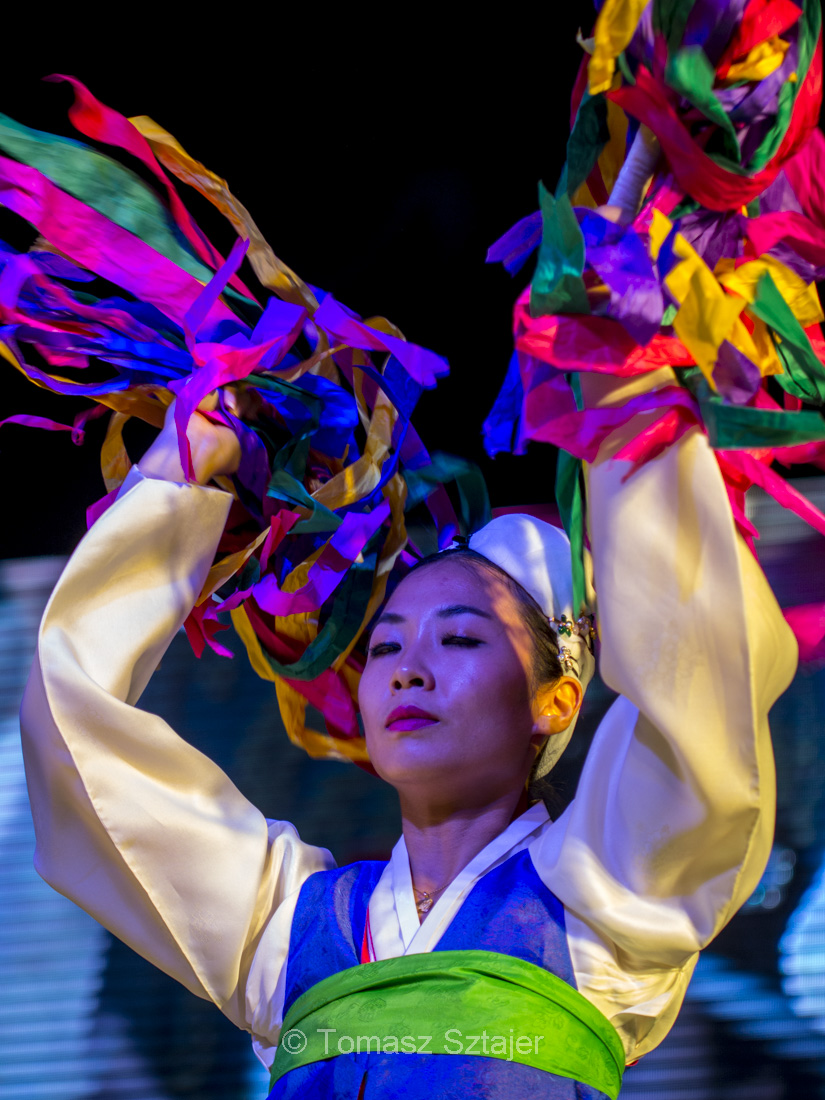
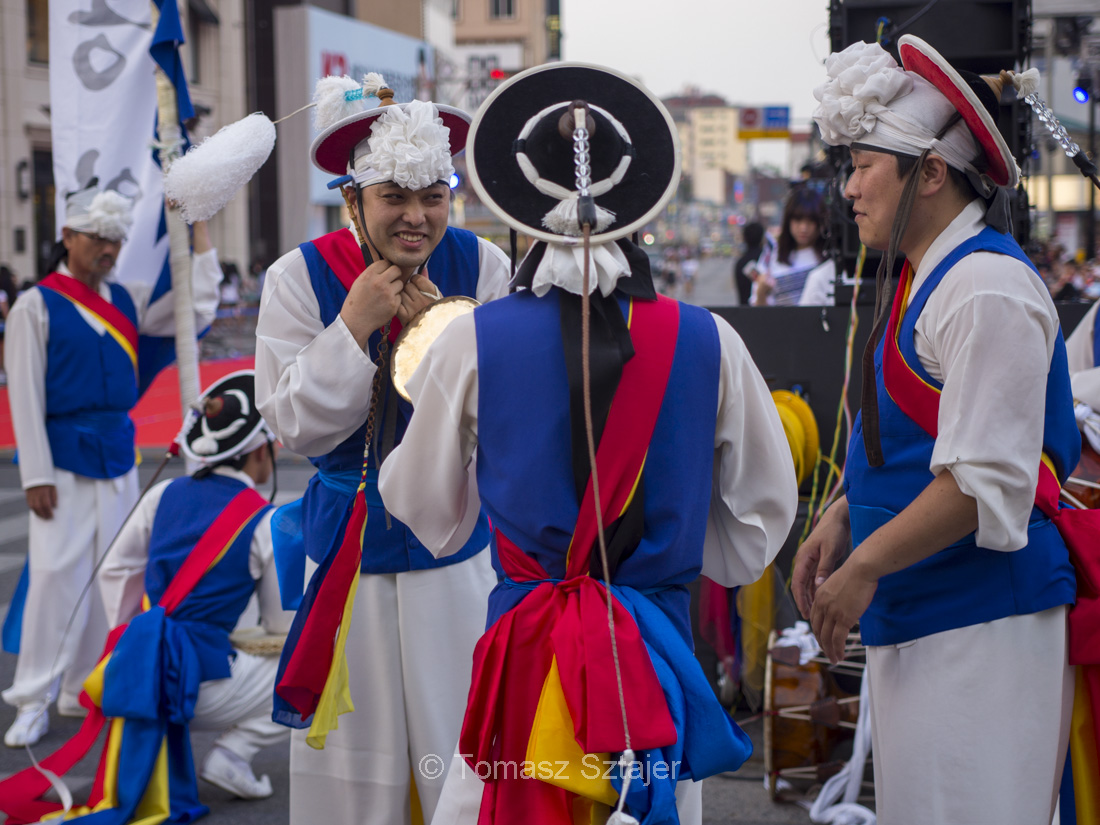
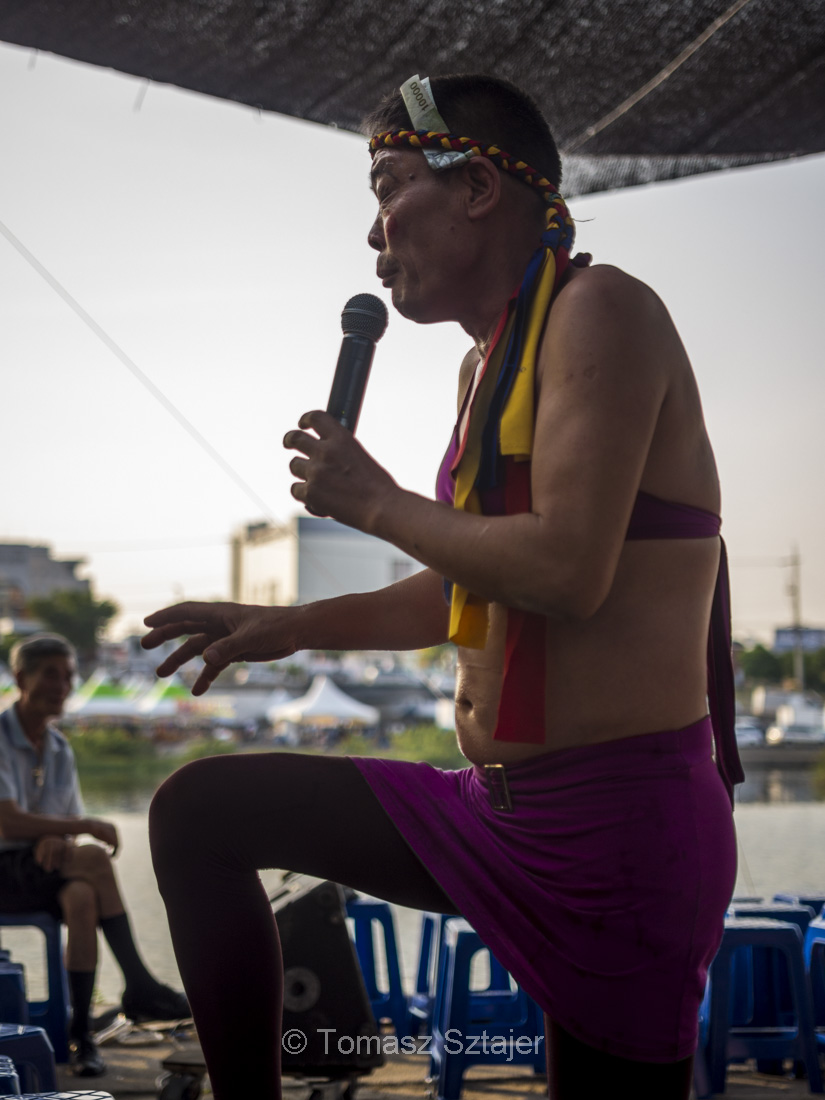
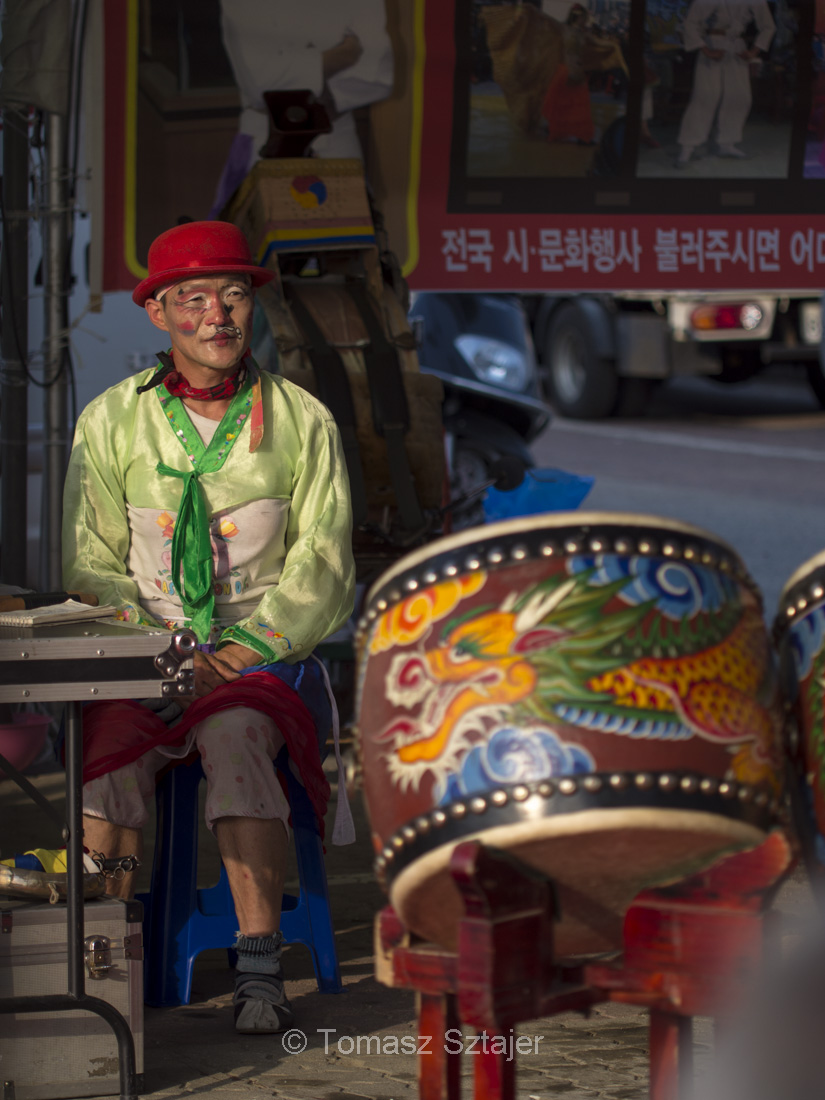
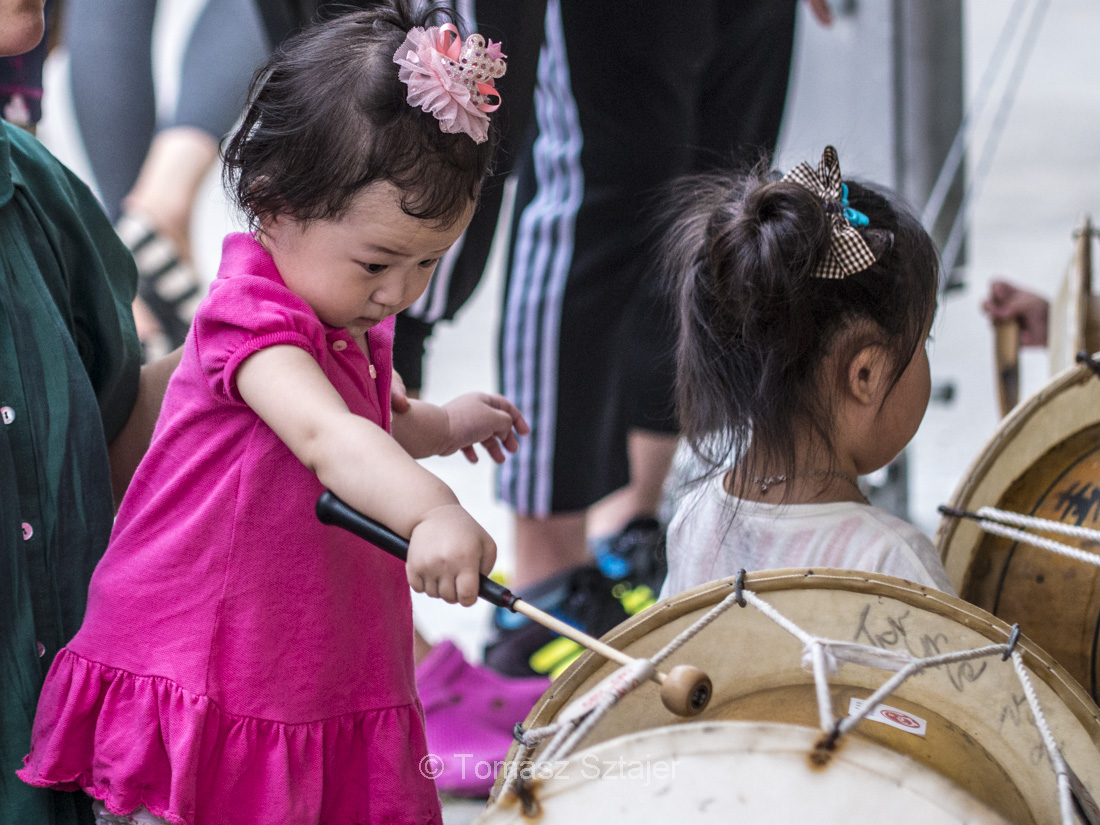
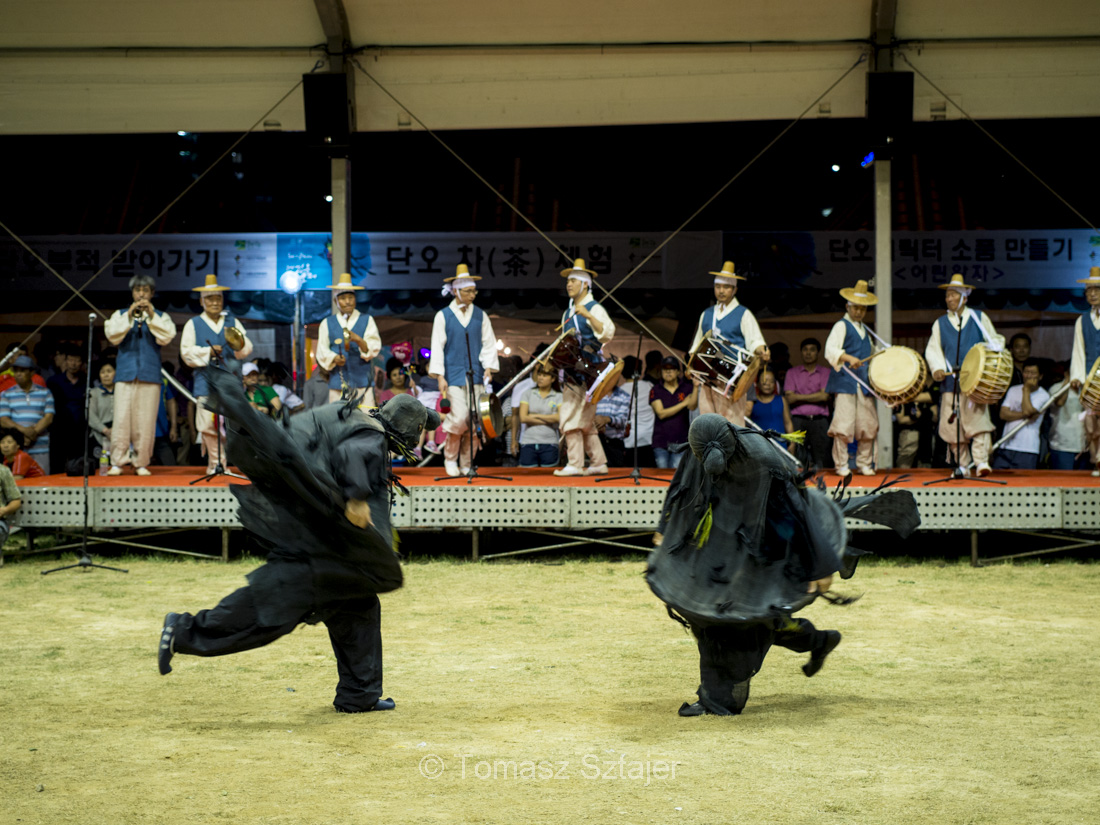
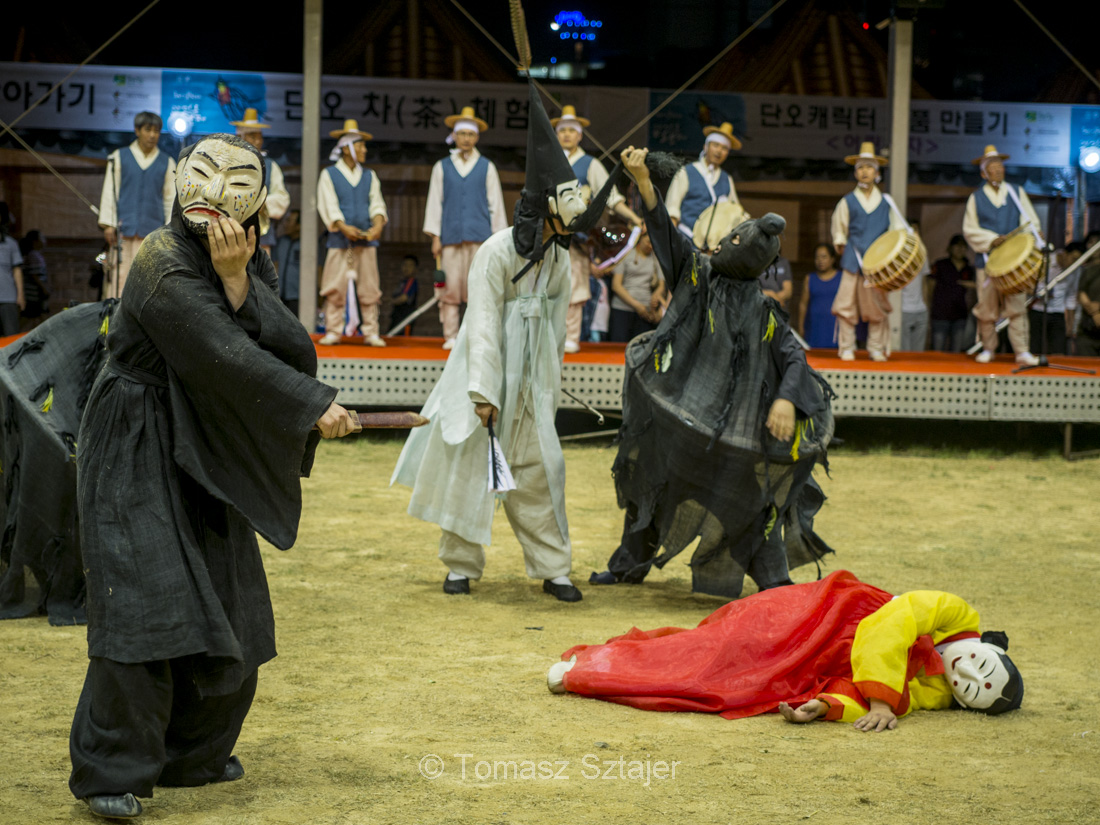
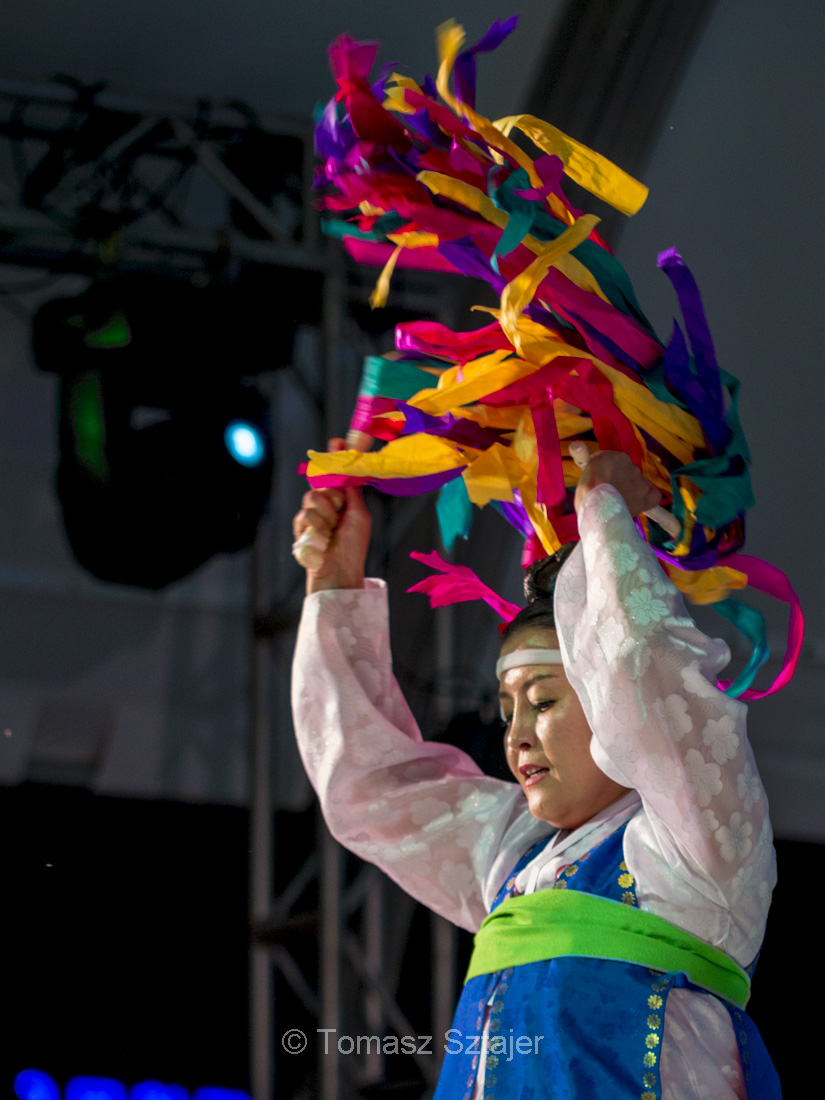
Dano Festival (Danoje) in Gangneung is not just a regular little party. It has been happening every year for over four hundred years (the exact date depends on the lunar calendar, so be sure to check it beforehand; it usually takes place in May or June) and its awesomeness has been confirmed by UNESCO who designated it a “Masterpiece of the Oral and Intangible Heritage of Humanity”. Hence, I needed to check whether the gig was as cool as advertised:) And I wasn’t disappointed.
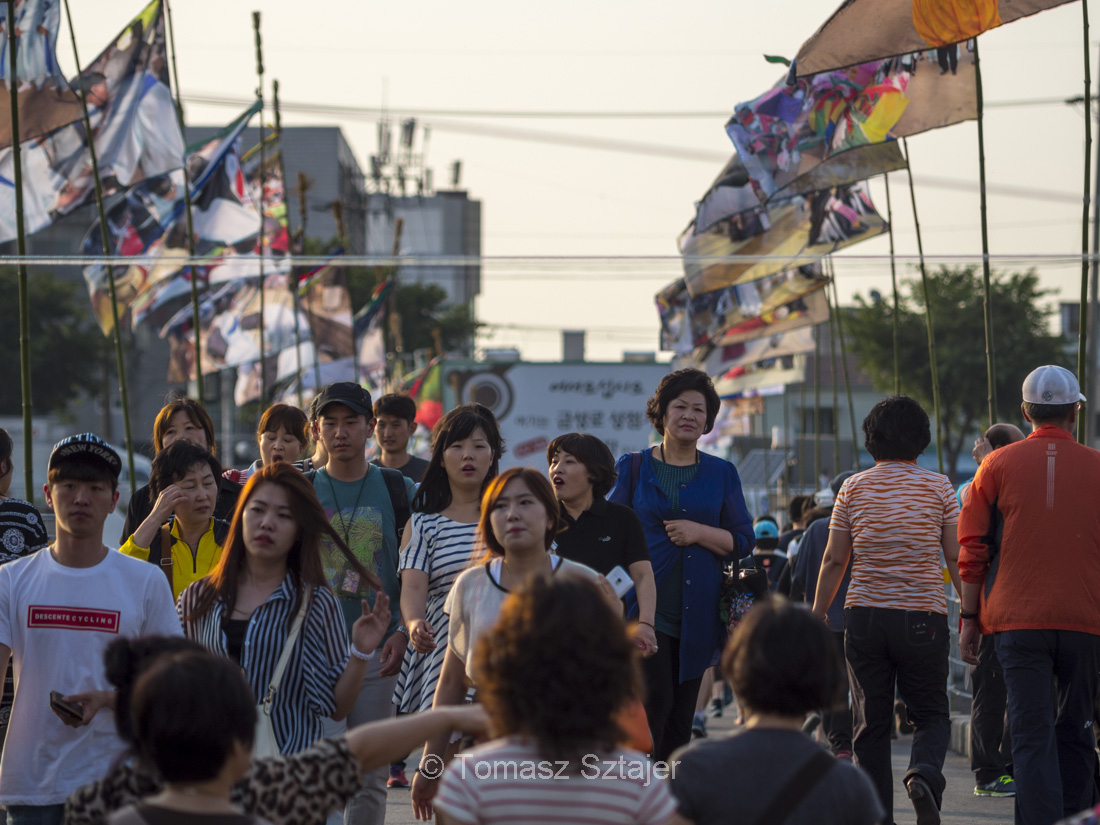
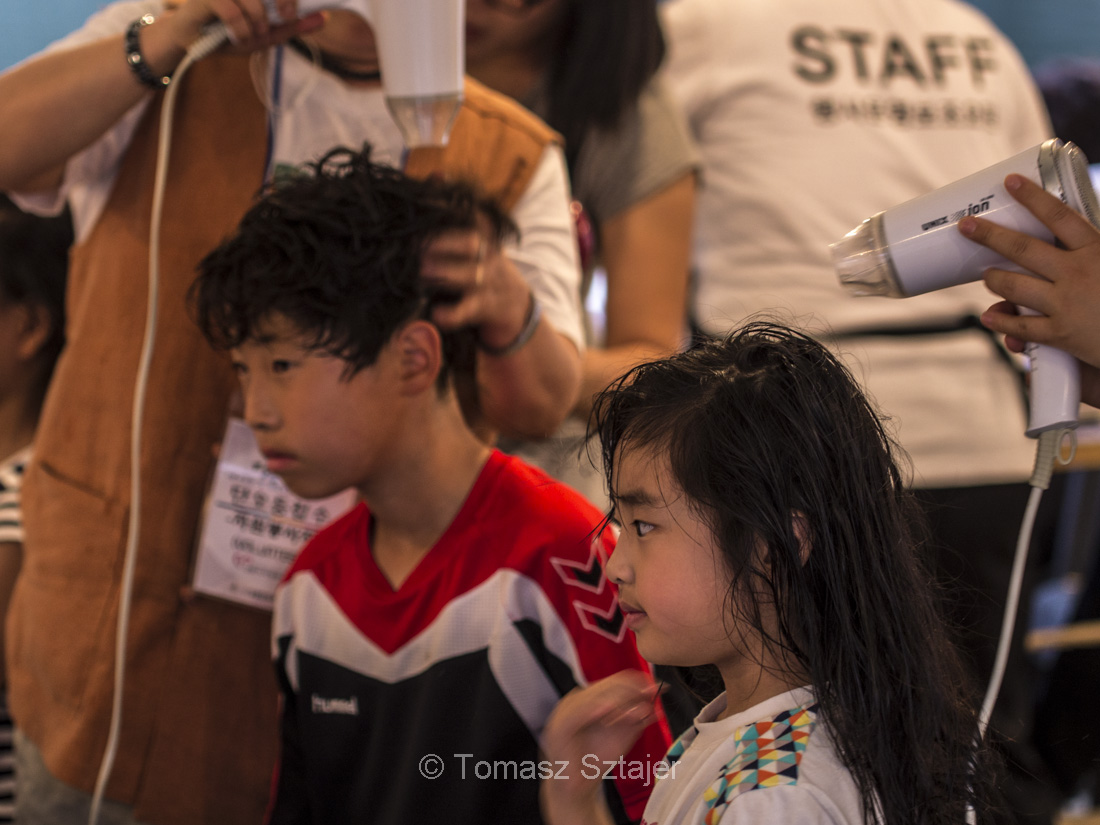
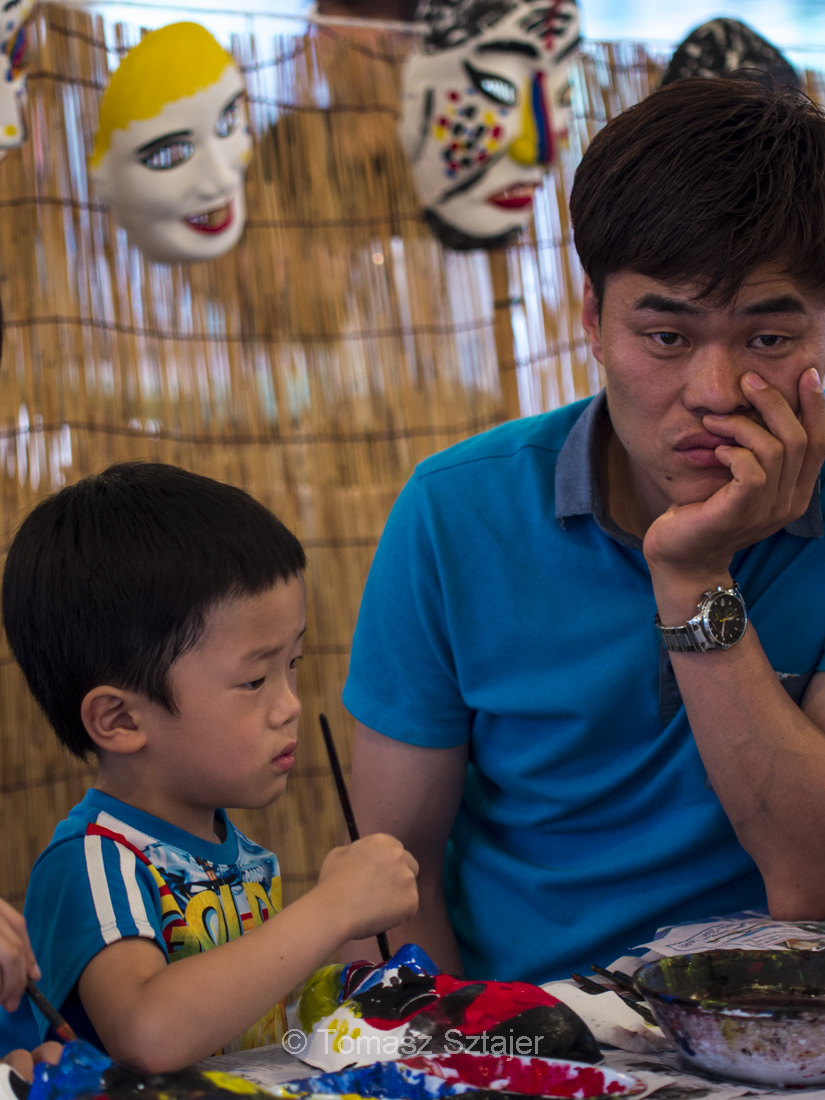
Korean people respect their culture and celebrate it skilfully. It managed to survive all the numerous invasions (mostly by Japanese troops) and it has always been bringing Koreans together. And during the Dano festival itself for two weeks that culture is manifested in all sorts of forms: mask play, shaman singing, traditional hair dyeing, drums, barbecue, soju (Korean rice-based alcohol) – you will find something that suits your taste. The biggest crowd always gathers to see the big parade that opens the festival: the streets of Gangneung are taken by the representatives of surrounding townships as well as schools, universities and various professional groups.
Check out the videos and photos to feel the magic of the gig.
***
Festiwal Dano (Danoje) w Gangneung to nie byle jakie wydarzenie. Odbywa się co roku od przeszło czterystu lat (święto ruchome, wypadające w maju lub czerwcu), a jego fajność została nawet doceniona przez UNESCO, które wpisało festiwal na listę Arcydzieł Kulturowego Dziedzictwa Ustnego i Niematerialnego. Postanowiłem zatem sprawdzić, czy ta impreza jest rzeczywiście tak wspaniała, jak o niej piszą. I nie zawiodłem się.
Koreańczycy bardzo szanują i umiejętnie celebrują swoją bogatą kulturę, która przez wieki zdołała się oprzeć najeźdźcom (głównie z Japonii) i która do dziś skutecznie spaja naród koreański. A podczas festiwalu kultura owa przez bite dwa tygodnie przejawia się w najrozmaitszych formach: teatr masek, szamańskie śpiewy, tradycyjne farbowanie włosów, bębny, szaszłyki, soju (koreański alkohol na bazie ryżu)… Dla każdego coś miłego. Najwięcej publiczności gromadzi zawsze otwierająca imprezę parada, podczas której ulicami Gangneung dziarsko maszerują przedstawiciele okolicznych miasteczek, wiosek a także szkół, uniwersytetów i różnych grup zawodowych.
Zapraszam do oglądania filmików i zdjęć, coby poczuć ducha festiwalu.
I had this idea to go to Korea by sea. After doing the math I chose Lianyungang in Jiangsu province as my port of departure (you can find the full list of ferry connections here: https://byferryfrom2japan.com/en/korea-china NOTE: the schedules are prone to changes, be prepared for all sorts of surprises).
After a night on sociable and talkative train I reached Lianyungang railway station. From here I took a couple of buses (1h30 in total) to get to the ferryboat ticket office/terminal (located away from the town itself; and far from the port, too). Surprise: today’s boat’s engine is broken, no trip today. But there is another ferry leaving tomorrow noon.
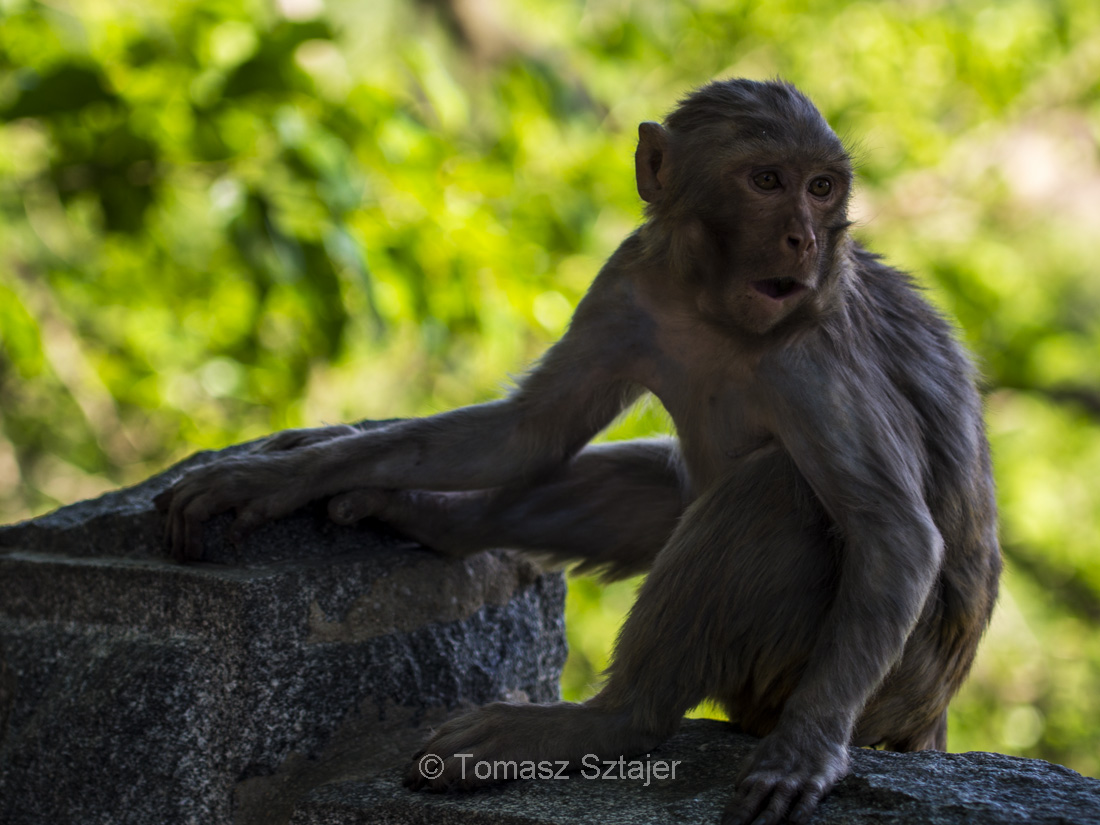
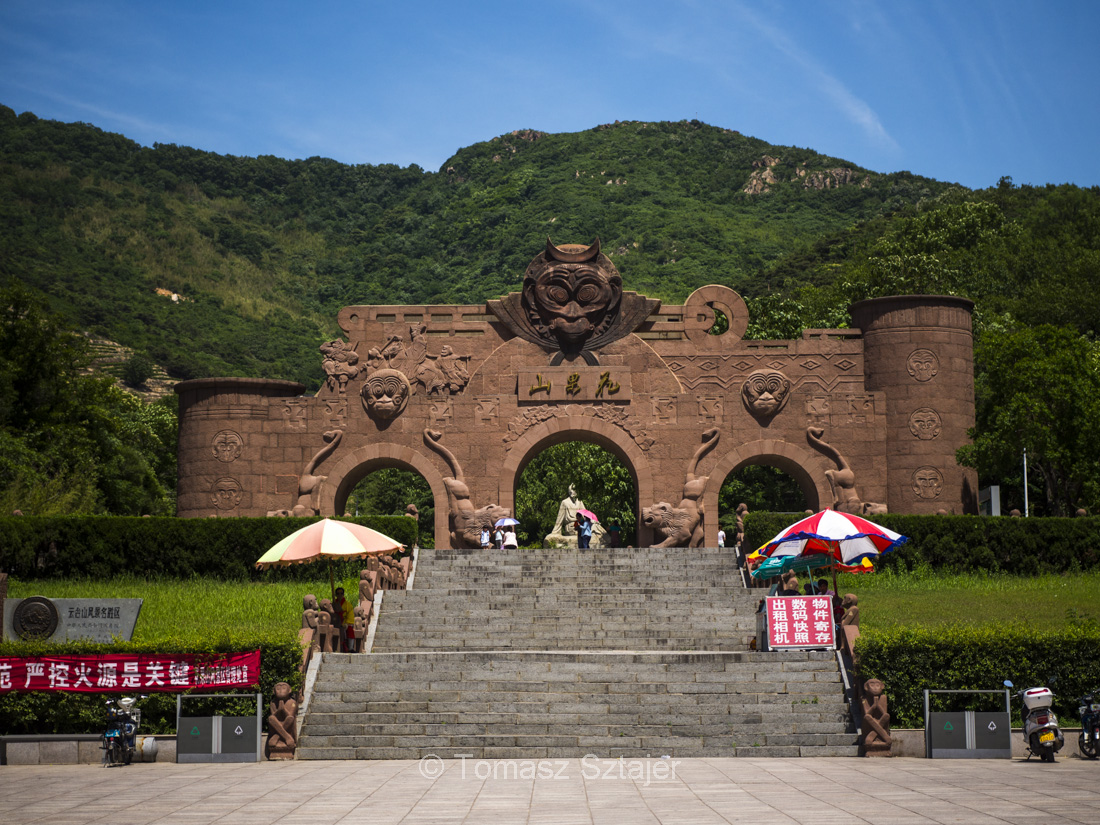
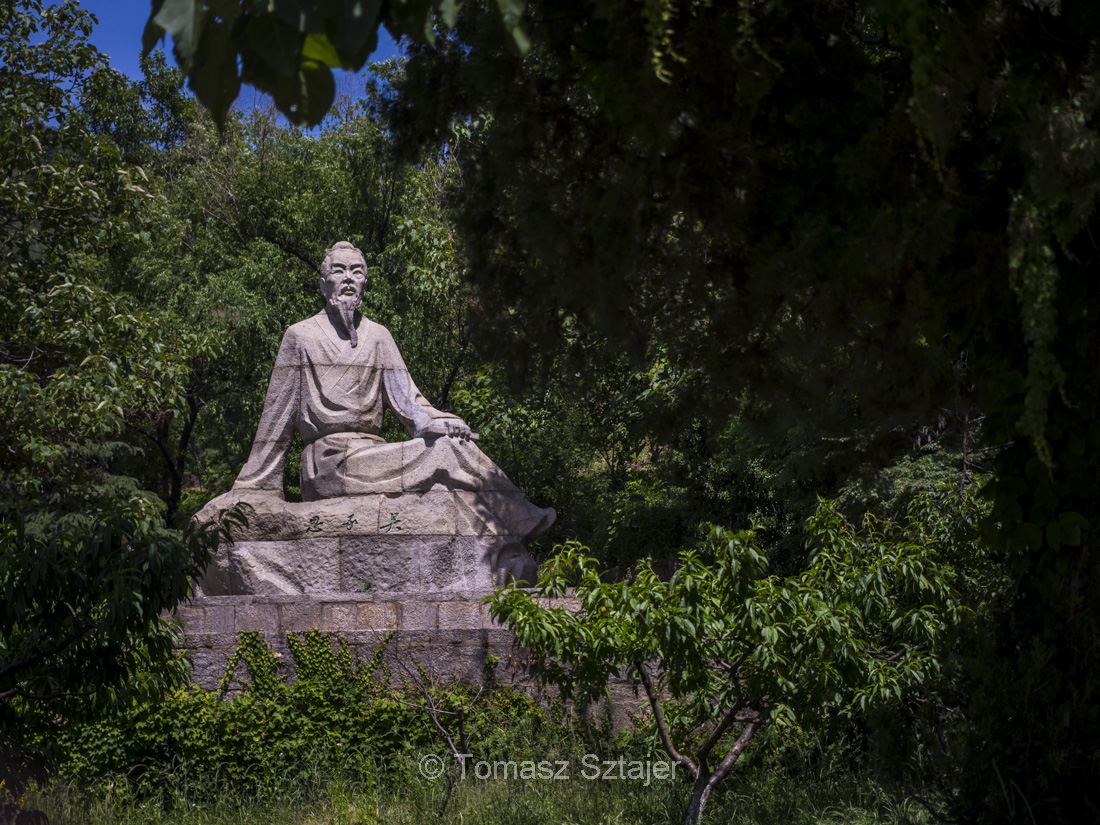
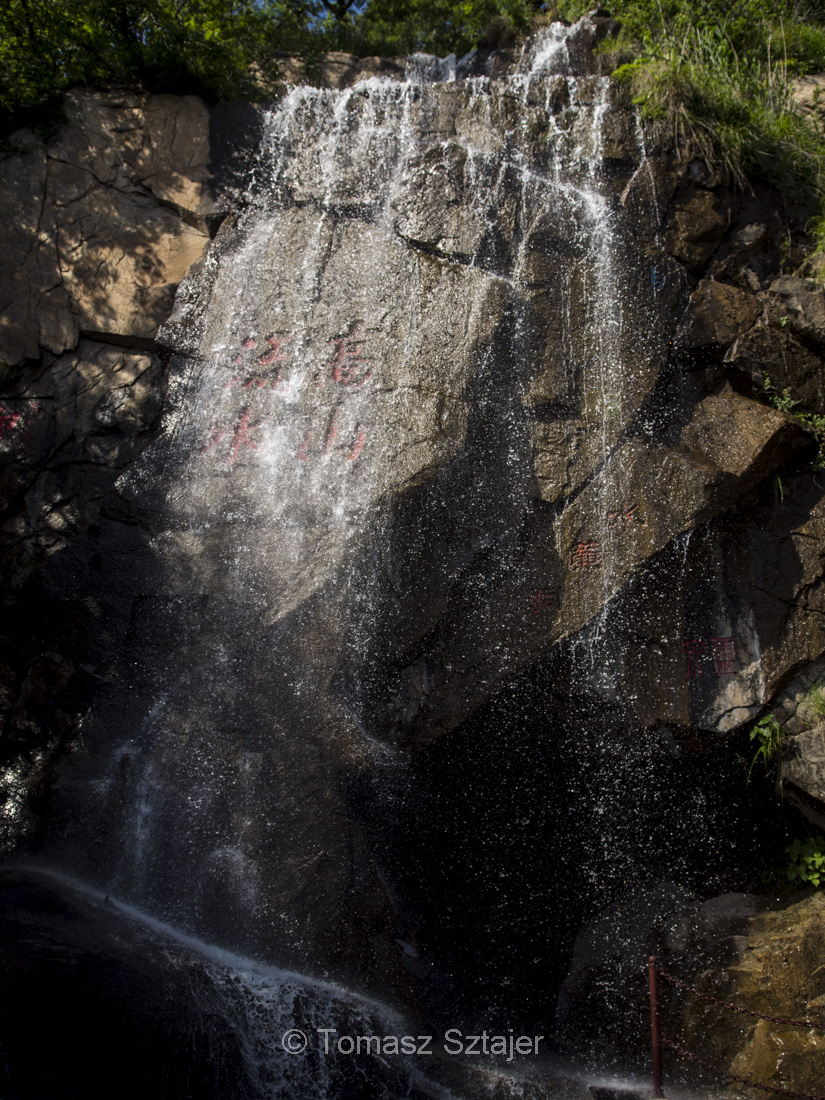
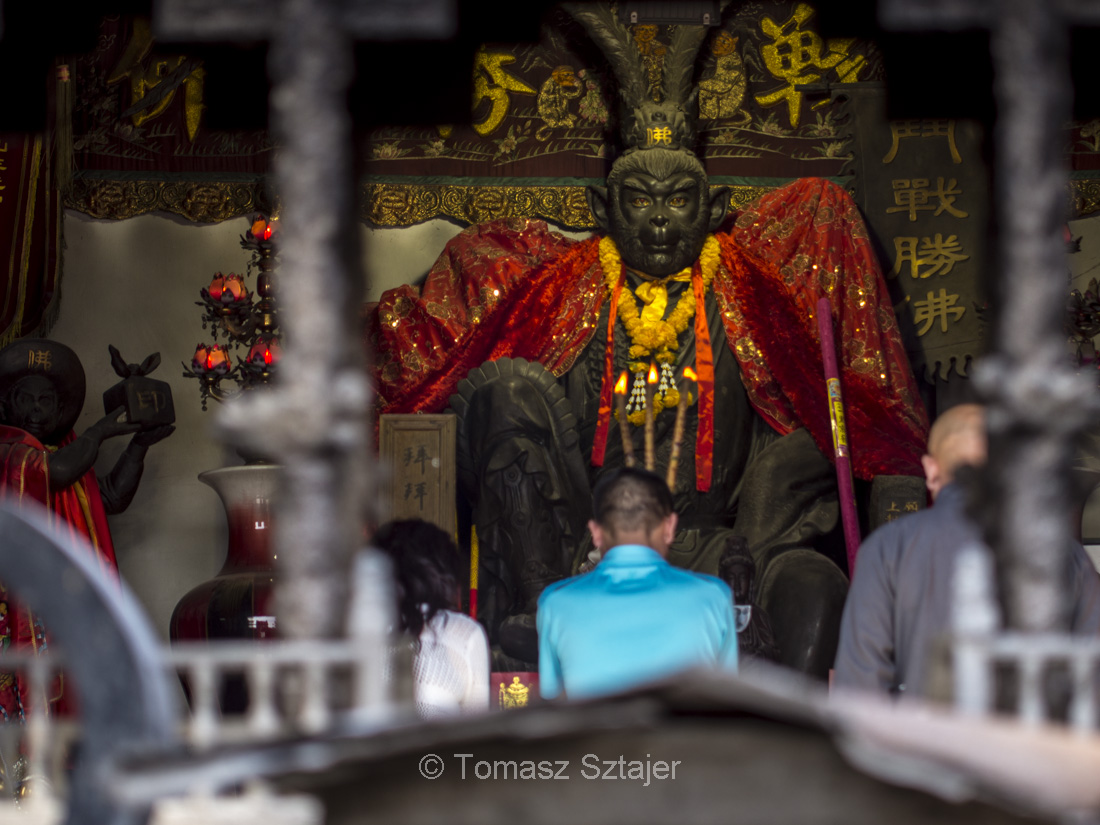
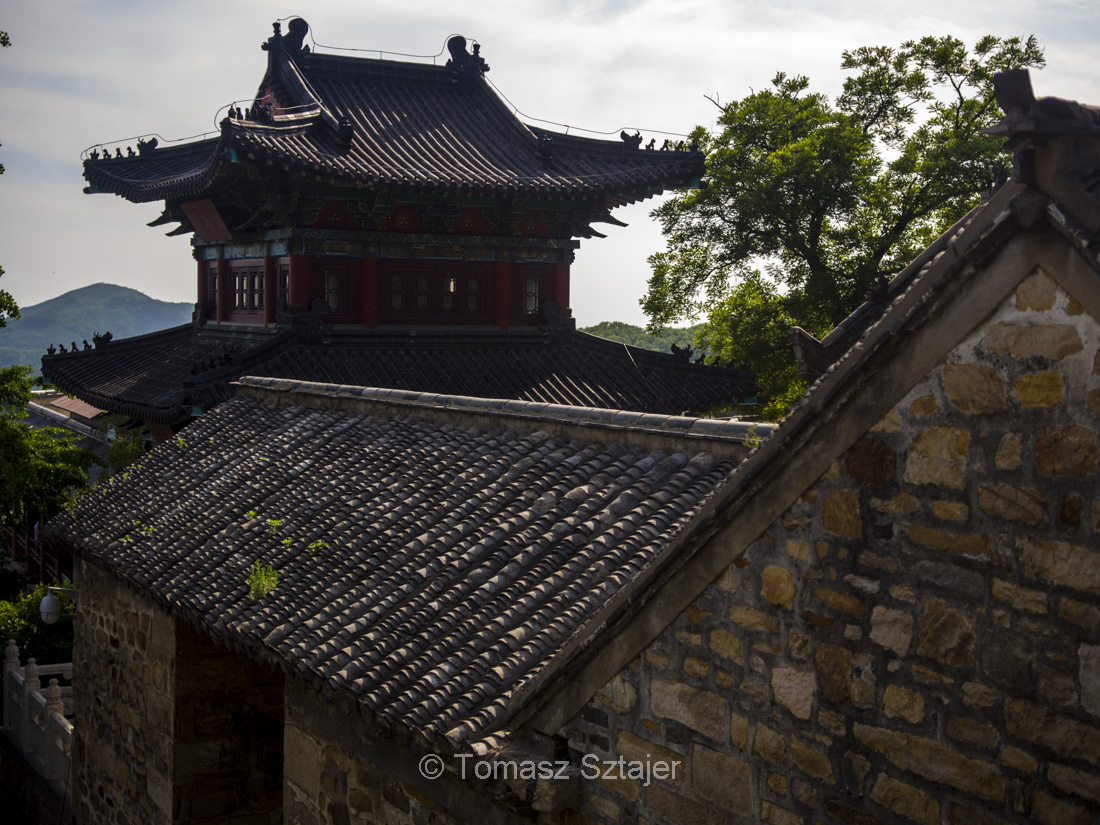
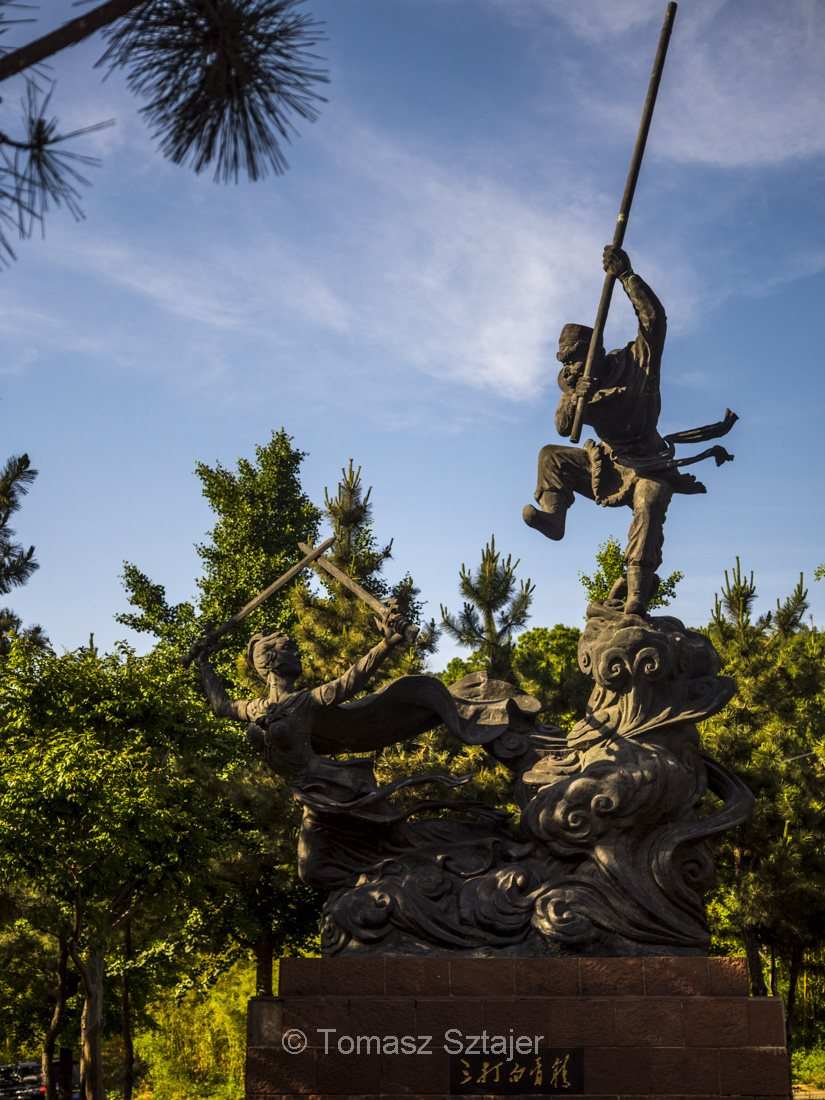
No problem at all. While waiting I will check one of the biggest local tourist attractions: Huaguoshan Park, where Sun Wukong, the Monkey King from the novel “Journey to the West”, found a cave hidden behind a water curtain and spent some fun time there (inside the cave there was a paradise on earth to be found).
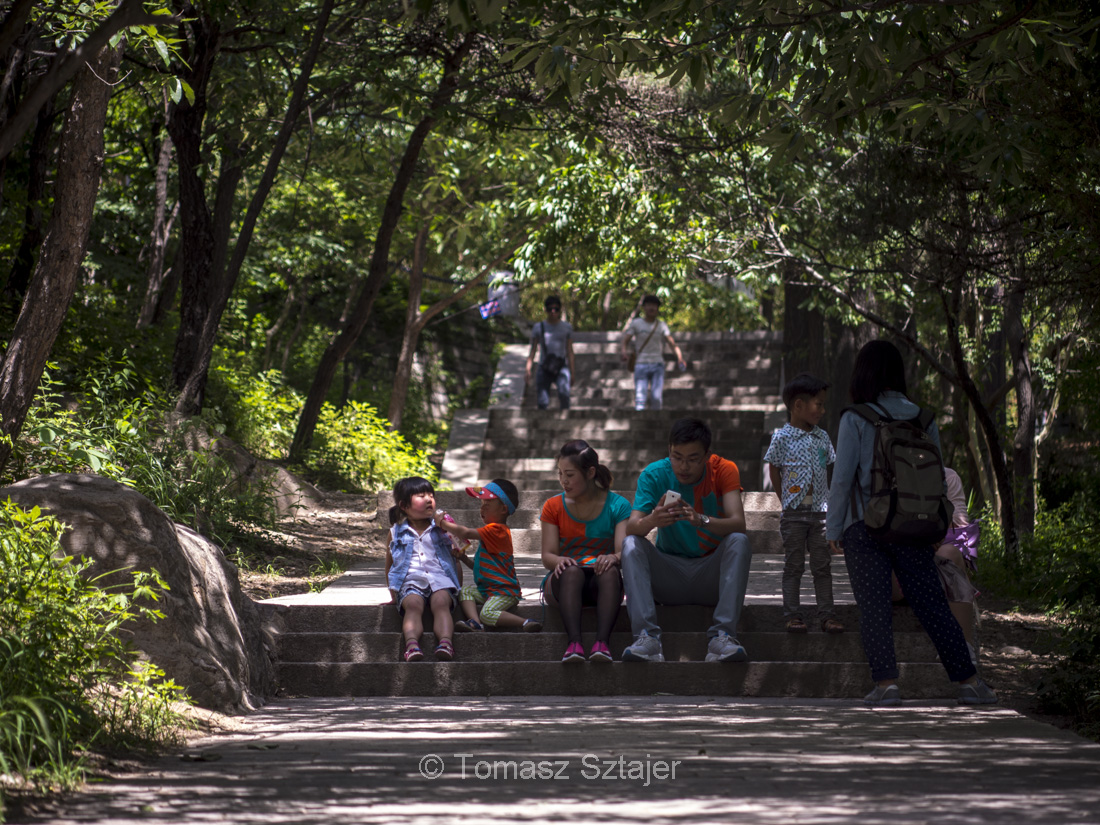
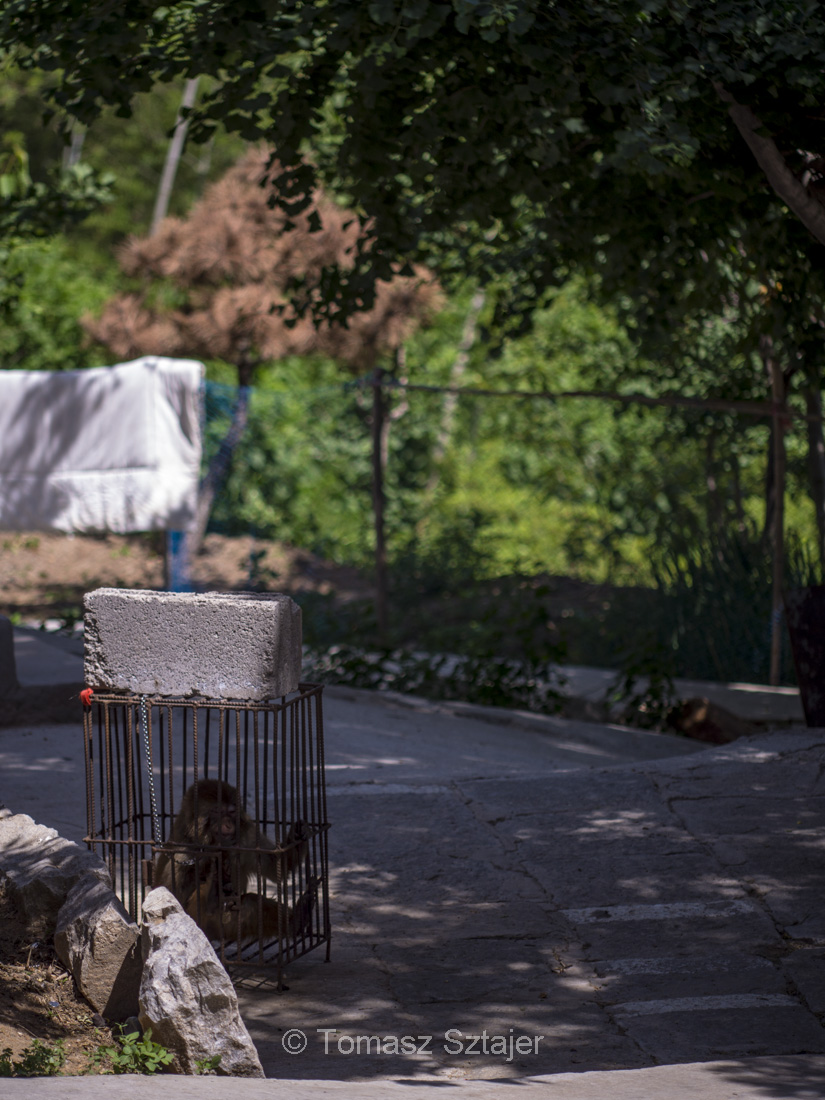
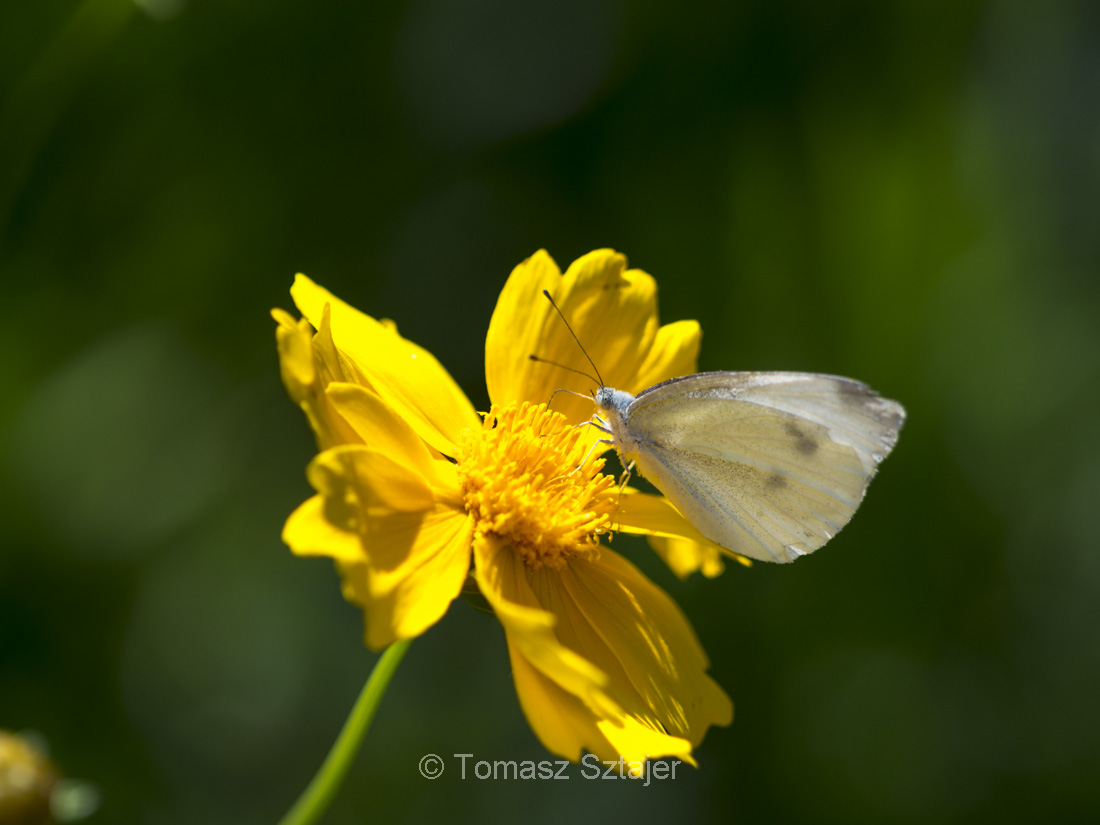
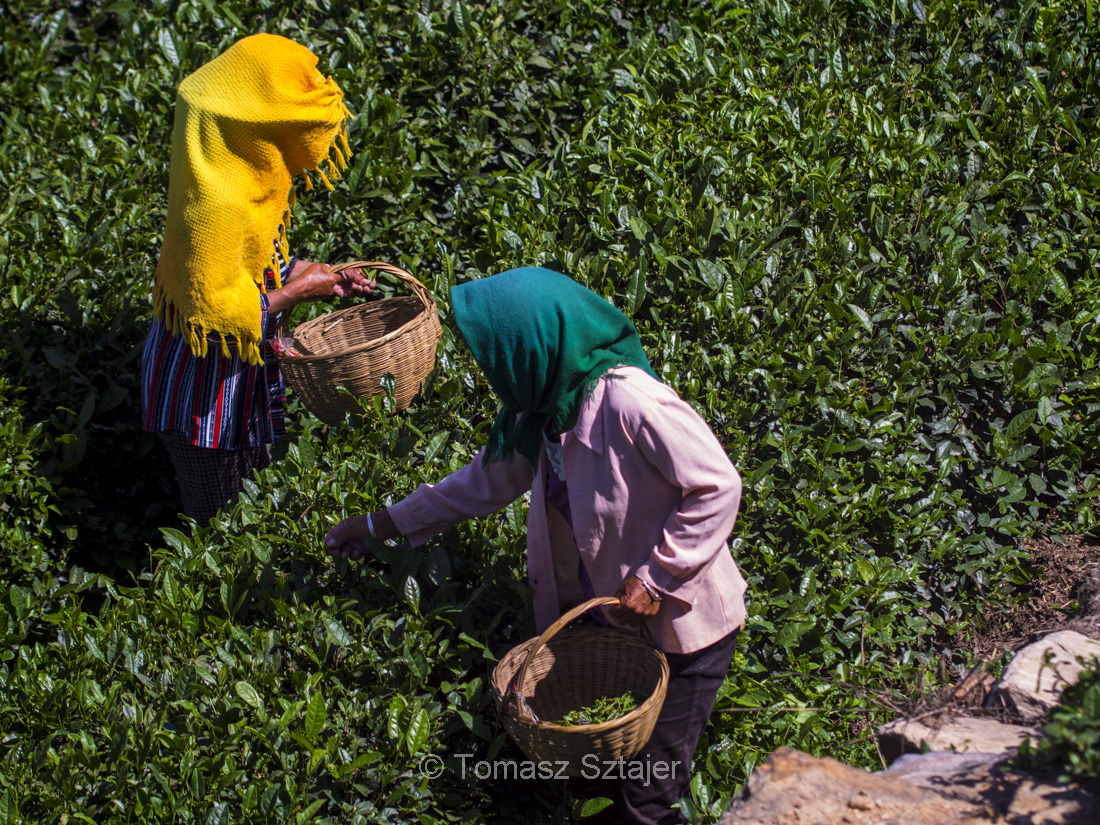
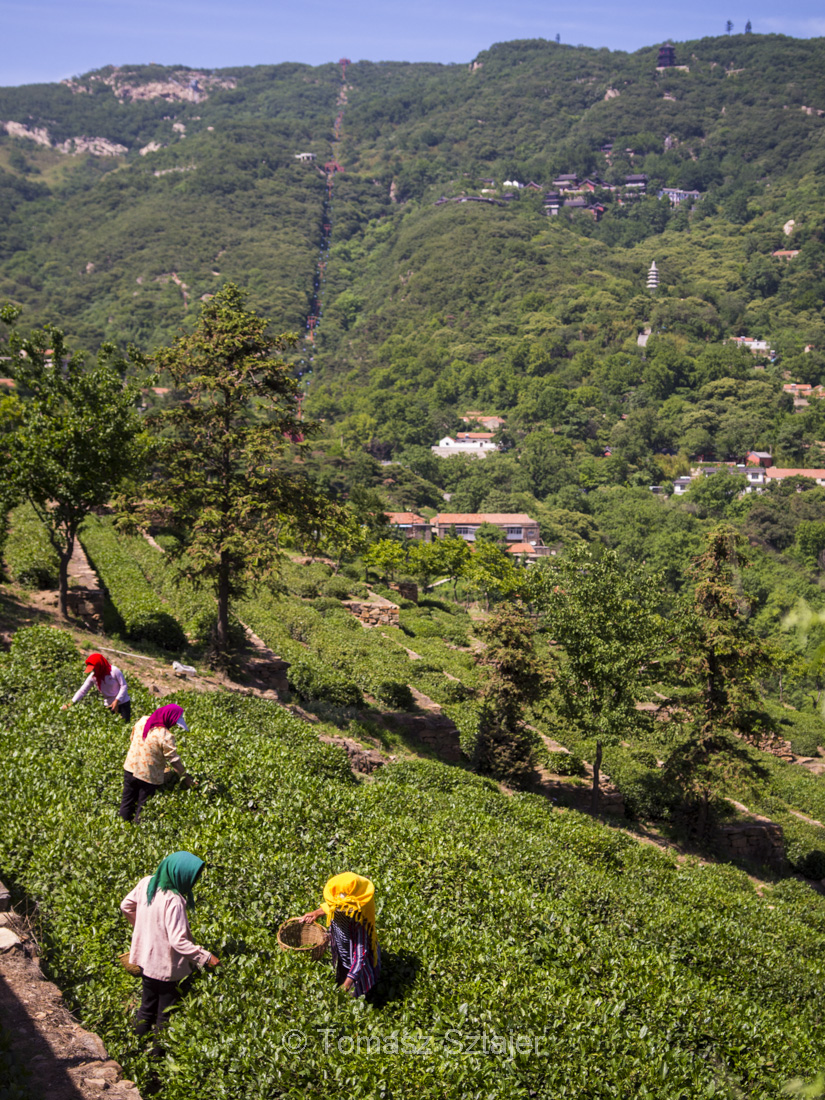
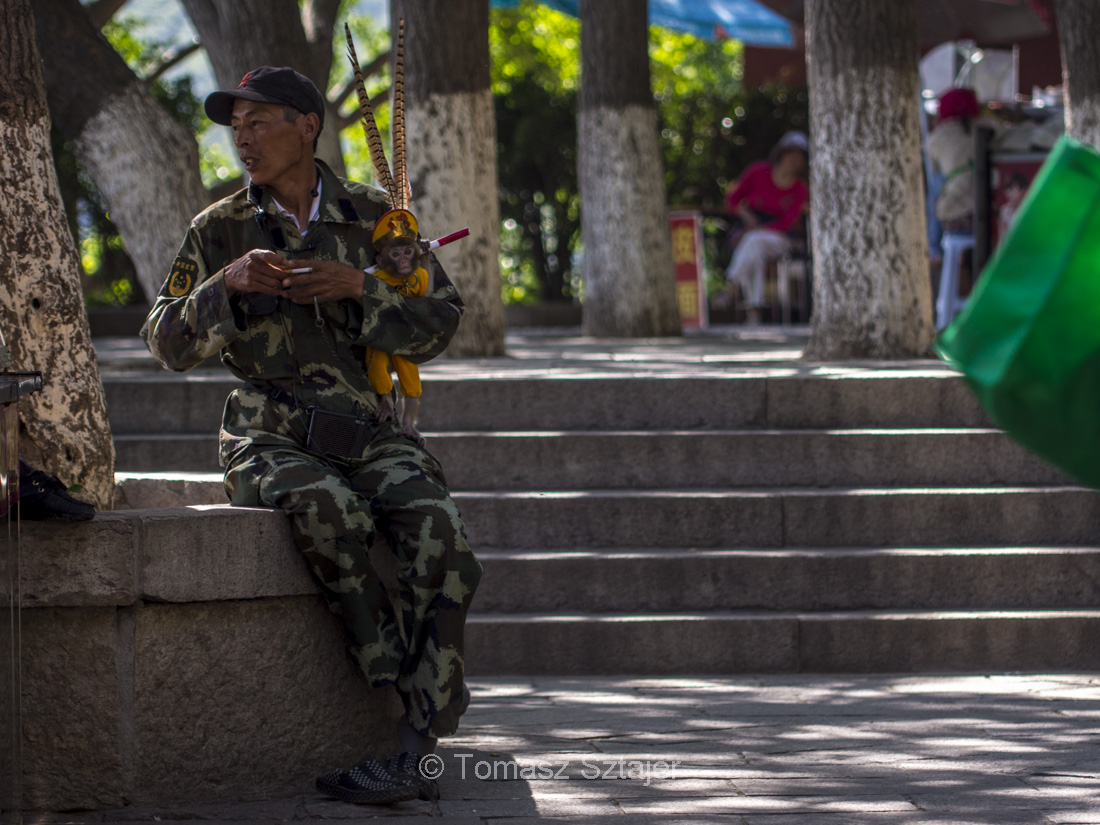
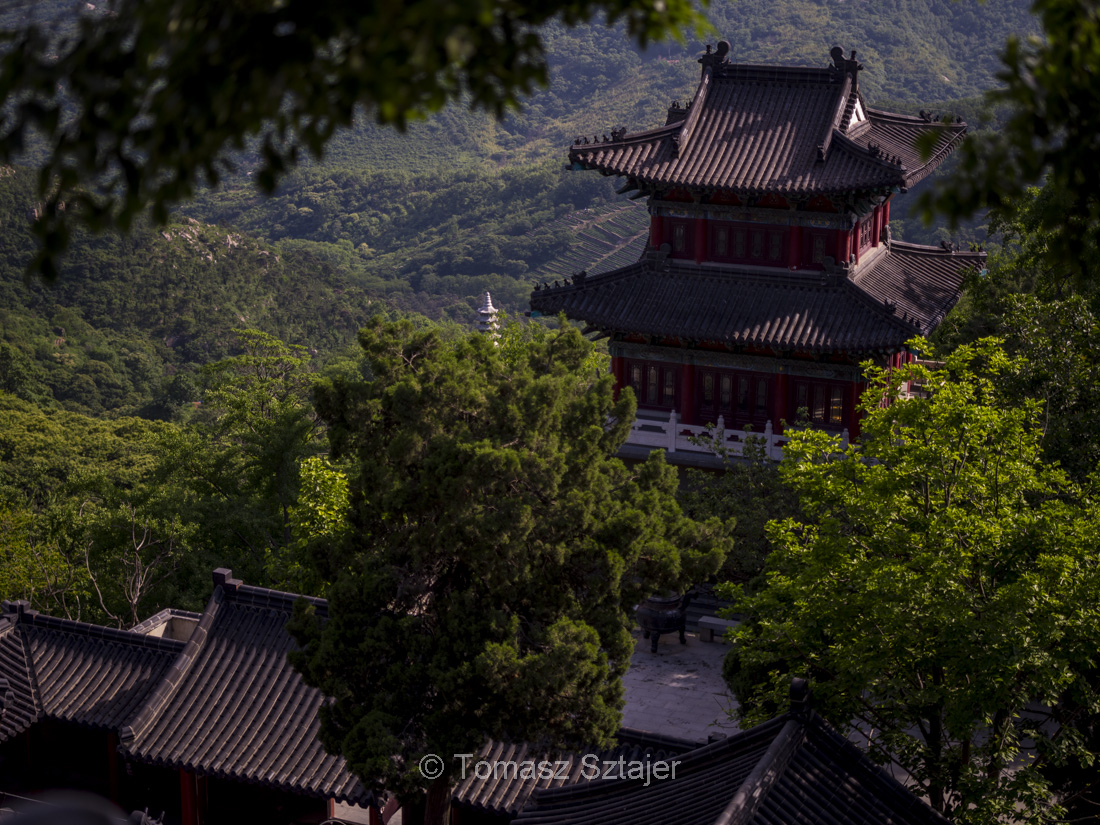
In case you were wondering, the park IS NOT worthy a visit. And definitely not for the ticket price (100RMB). I think this moment marks officialy the beginning of my campaign against the disgusting Chinese greed in terms of draining tourists of their money… Not only the price you have to pay for entering just about any place is always way too elevated, especially compared with local average salary, but it keeps increasing at an absurd pace. Just take a tour around the neighbour countries and you will find that tickets to access some of the finest attractions are 5-10 less costly than in China. Are Chinese attractions 5-10 more awesome than any other? I don’t think so. What is more, in China very often the “ancient” architecture is “recreated” with no respect for the original work (check out the Great Wall of China, rebuilt much wider to accomodate more tourists walking up and down). Fake temples, fake rocks, new “old” borrroughs built everywhere… In Huaguoshan, for example, we have a fake waterfall, fake monks trying to extrude some cash from you, a photo with a monkey in a cage (though officially the government condemns the cruelty blah blah blah). Enough. Look at the photos if you please but AVOID the place. Any bright spots? Maybe the colorfully dressed, hard-working women picking tea leaves on the way.
In the evening I check into a cheap (60RMB) hotel at the back of Jinjiang Inn in the centre (after being refused in a number of other cheap hotels that are not allowed to accomodate foreigners); I have my street stall dinner accompanied by newly met “friends” who end up asking me to get them a job. My excuse to leave early is the morning departure next day…
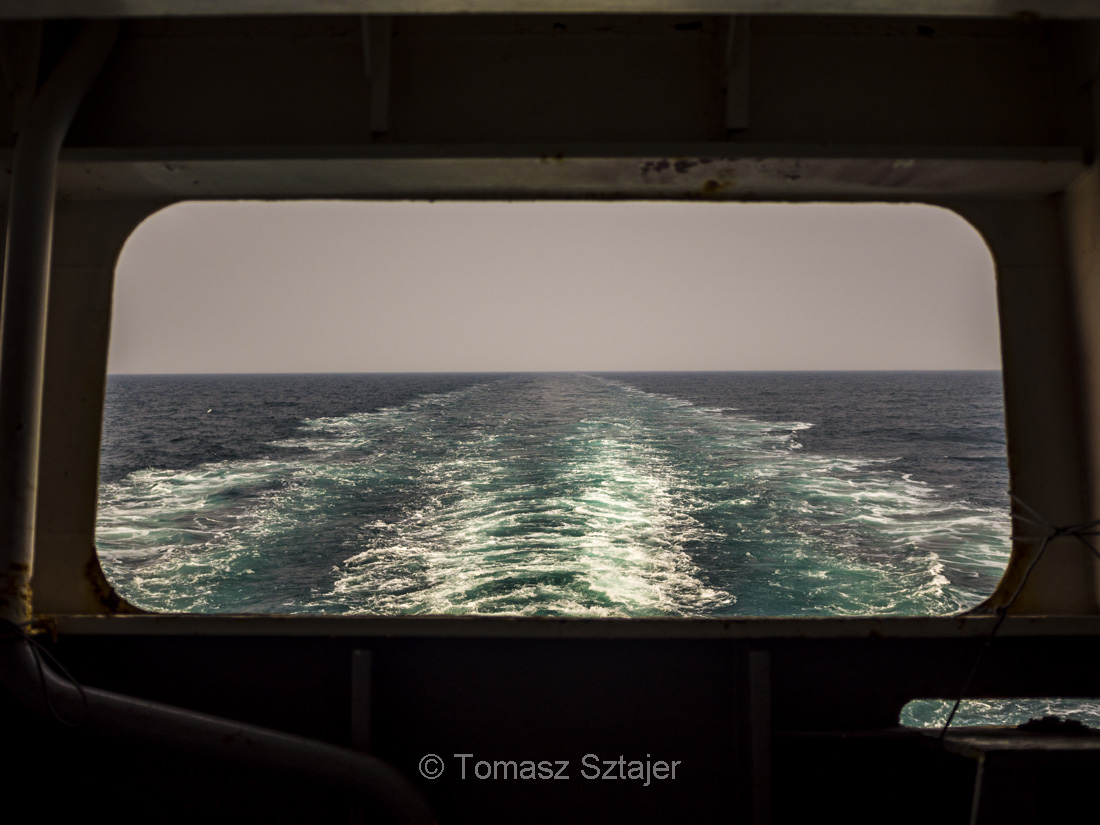
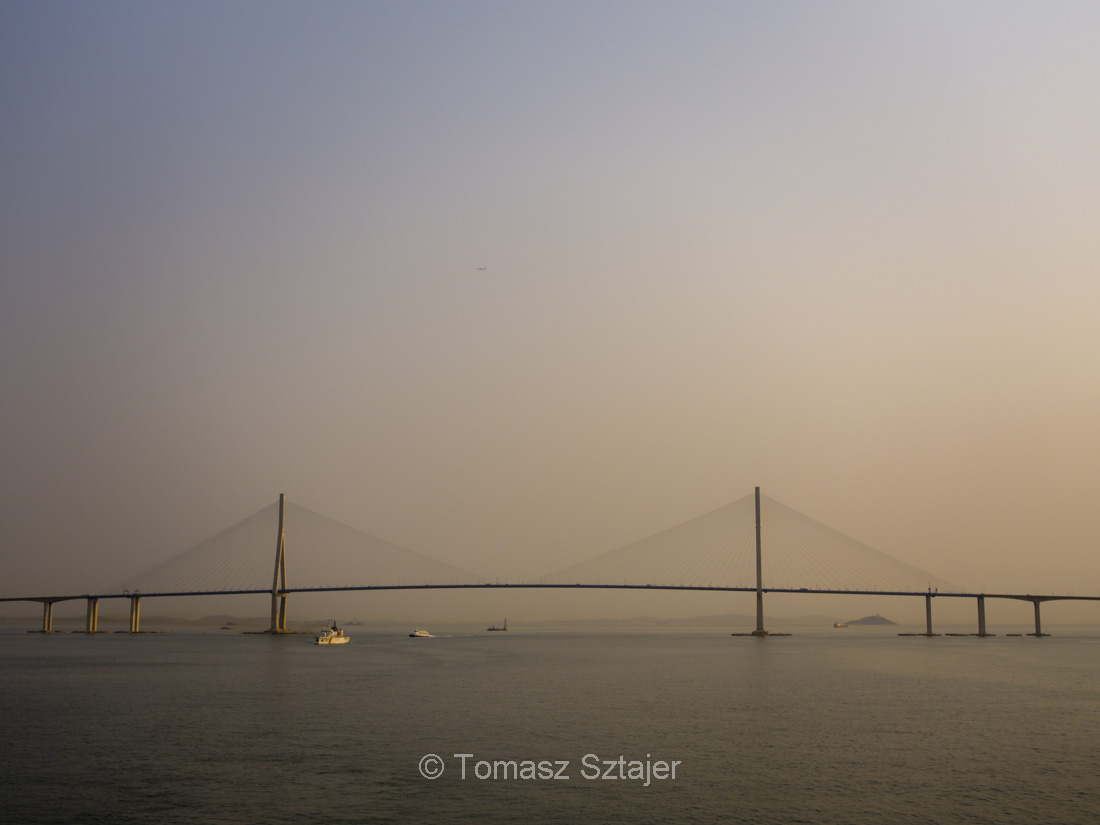
In the morning I queue for the ticket, trying to figure out how the queuing system works here, if at all. I hop on my shabby ferryboat, make myself comfortable in my cabin – 4-people but free from other passengers… And after 30 hours I reach Incheon in Korea.
***
Tak to sobie wymyśliłem, że wybiorę się do Korei drogą morską. Po przekalkulowaniu kosztów, z wielu dostępnych portów mój wybór padł na Lianyungang (pełną listę połączeń można znaleźć tutaj: https://byferryfrom2japan.com/en/korea-china UWAGA: dni i godziny, a nawet czas przejazdu wciąż ulegają zmianie, zatem przygotujcie się na niespodzianki) w prowincji Jiangsu.
Po nocnym przejeździe towarzyskim i rozgadanym pociągiem dotarłem do dworca w Lianyungang. Stąd kombinowanymi połączeniami autobusowymi (półtorej godziny) dostałem się do kasy/terminala promów pasażerskich (zlokalizowany kawał drogi za miastem, dla zmyłki również kawał drogi od samego portu), gdzie spotkała mnie wspomniana wcześniej niespodzianka – prom się popsuł i dziś nie kursuje. Ale jest inny prom, jutro w południe.
Nic nie szkodzi, w oczekiwaniu na połączenie pozwiedzam sobie jedną z największych atrakcji miasta – park Huaguoshan, w którym to, wedle treści słynnej powieści chińskiej “Podróż na Zachód”, za kotarą wodospadu, wewnątrz jaskini, schronił się Sun Wukong, Małpi Król, wraz ze swymi kompanami i doświadczał w tejże jaskini raju na ziemi…
Odpowiadając zawczasu na pytanie, czy miejsce jest warte zwiedzenia, zaznaczam i przestrzegam: NIE JEST. A na pewno nie za taką cenę (100RMB). Wizyta w Huaguoshan oficjalnie inauguruje moją osobistą krucjatę przeciwko chińskiej zachłanności w zakresie dojenia turystów… Ceny wstępu właściwie wszędzie są windowane na absurdalnie wysoki poziom, zważywszy zwłaszcza na zarobki miejscowych, i rosną w niesamowitym tempie. Wystarczy przejechać się po paru sąsiednich państwach, by przekonać się, że (prawie) wszędzie dookoła wstęp do nawet najświetniejszych atrakcji kosztuje 5-10 razy mniej niż w Chinach. Czy chińskie atrakcje są 5-10 razy lepsze od nie-chińskich? Otóż nie są. Mało tego, często “stara” architektura jest tu “odtwarzana” bez dbania o wierność w odwzorowaniu oryginału (patrz choćby Wielki Mur Chiński, odbudowany w formie poszerzonej tak, by mogło po nim się przechadzać jak najwięcej turystów). Sztuczne świątynie, sztuczne skały, budowane od podstaw całe “stare dzielnice”… W Huaguoshan mamy np. sztuczny wodospad, mnichów-naciągaczy i zdjęcia z małpą więzioną w klatce (choć oficjalnie chiński rząd potępia okrucieństwo bla, bla, bla). Zatem popatrzcie sobie na zdjęcia i na tym poprzestańcie. Jasne punkty? Plantacja herbaty mijana po drodze i spocone ale wesołe kobiety na niej pracujące…
Wieczorem melduję się w tanim (60RMB) hoteliku na tyłach Jinjiang Inn w centrum miasta (po uprzednim wyproszeniu z kilku innych tanich hotelików, którym nie wolno przyjmować cudzoziemców) i zjadam kolację w towarzystwie nowopoznanych miejscowych lekkoduchów, którzy deklarują swą szczerą przyjaźń i w związku z tym oczekują, że załatwię im pracę. Żegnam się pospiesznie, wymawiając się wczesnym wyjazdem nazajutrz.
Rano ustawiam się w kolejce po bilet na prom (system i kolejność obsługiwania klientów stanowi dla mnie do dziś niewyjaśnioną zagadkę), ładuję się do mojej czteroosobowej acz wolnej od współprasażerów kajuty i już po 30 godzinach dopływam do Incheon w Korei…
Meet Namar and Langlang – your guides to discovering the little secrets of the Philippines. / Przedstawiam Wam Namara i Langlang, Waszych przewodników po mini-sekretach Filipin.