Brace yourself – there is a lot of visual content to go through here… To make things easier though, I grouped the photos (and one video, at the very end) into logical blocks:
In-between – all that happened when hitchhiking;
NYC closer – slowing down to see the details of urban landscape;
NYC wider – more focusing on architecture;
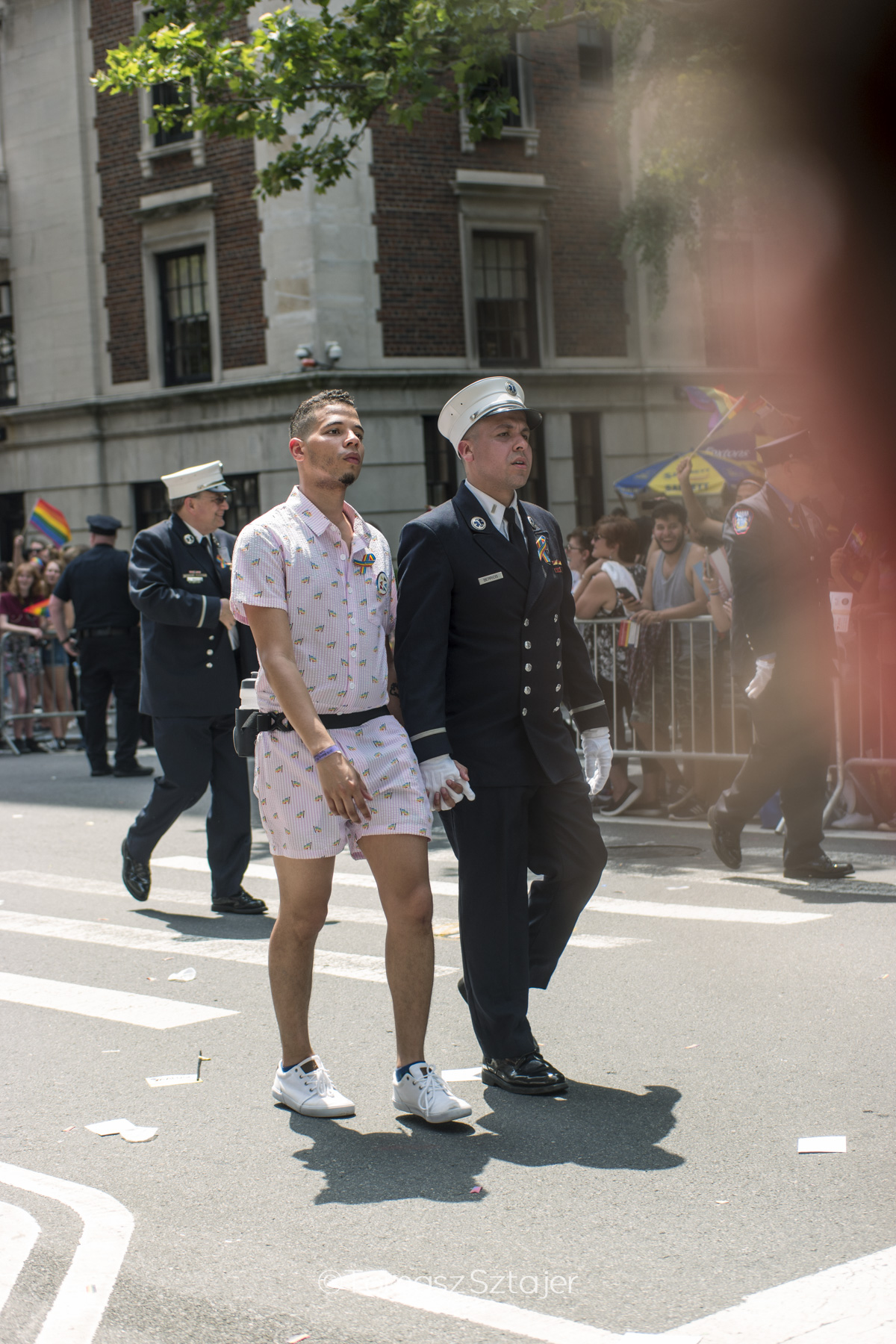
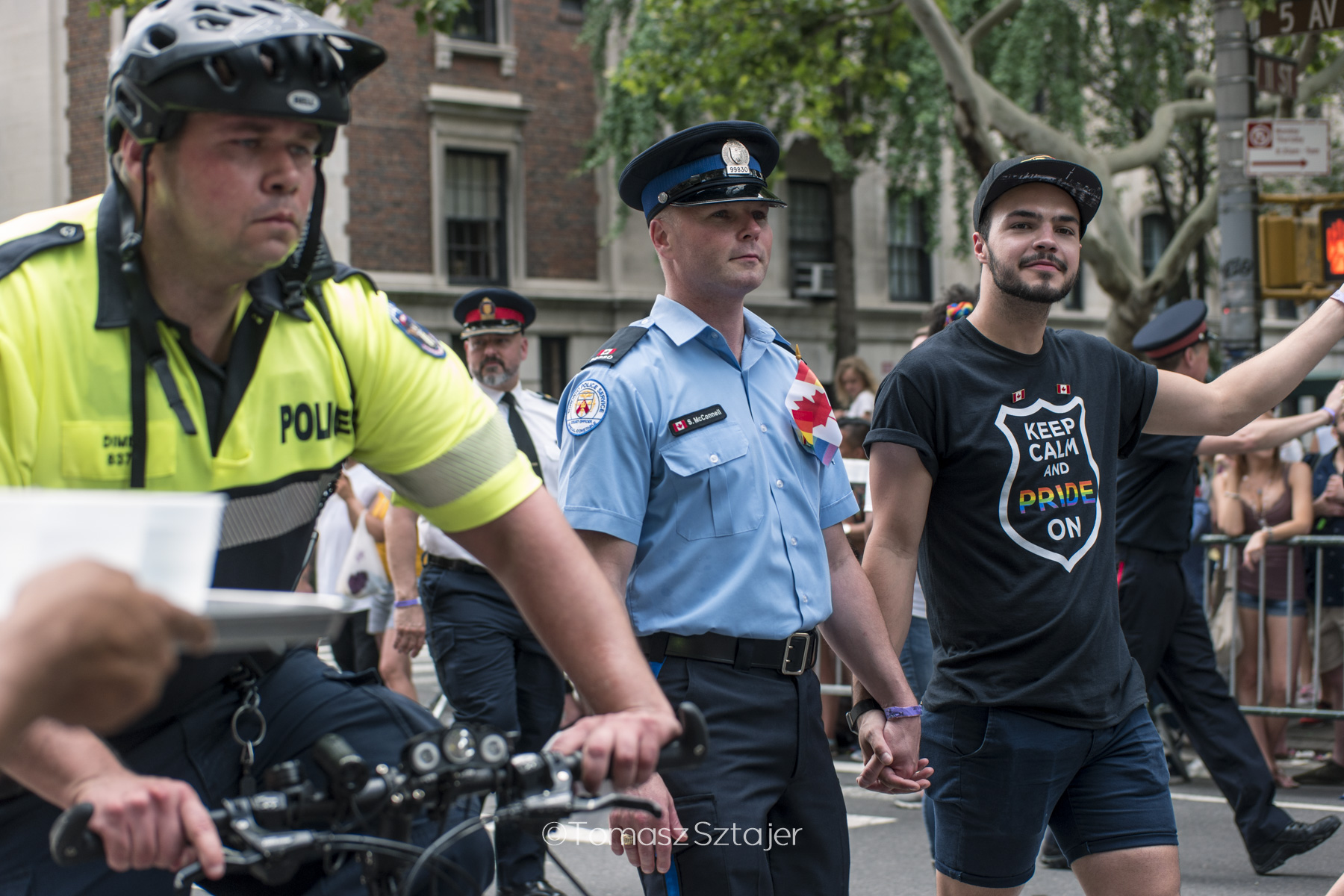
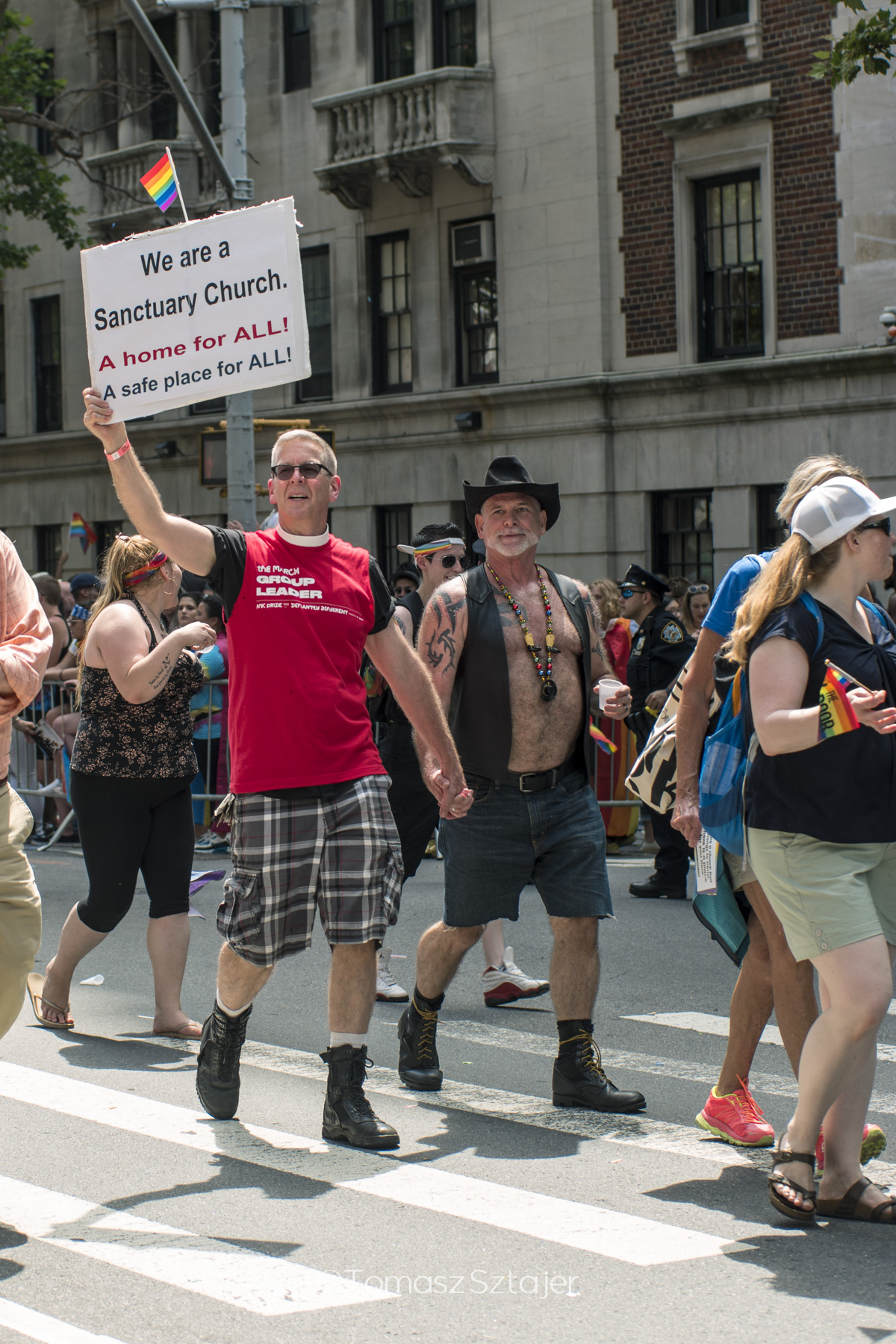
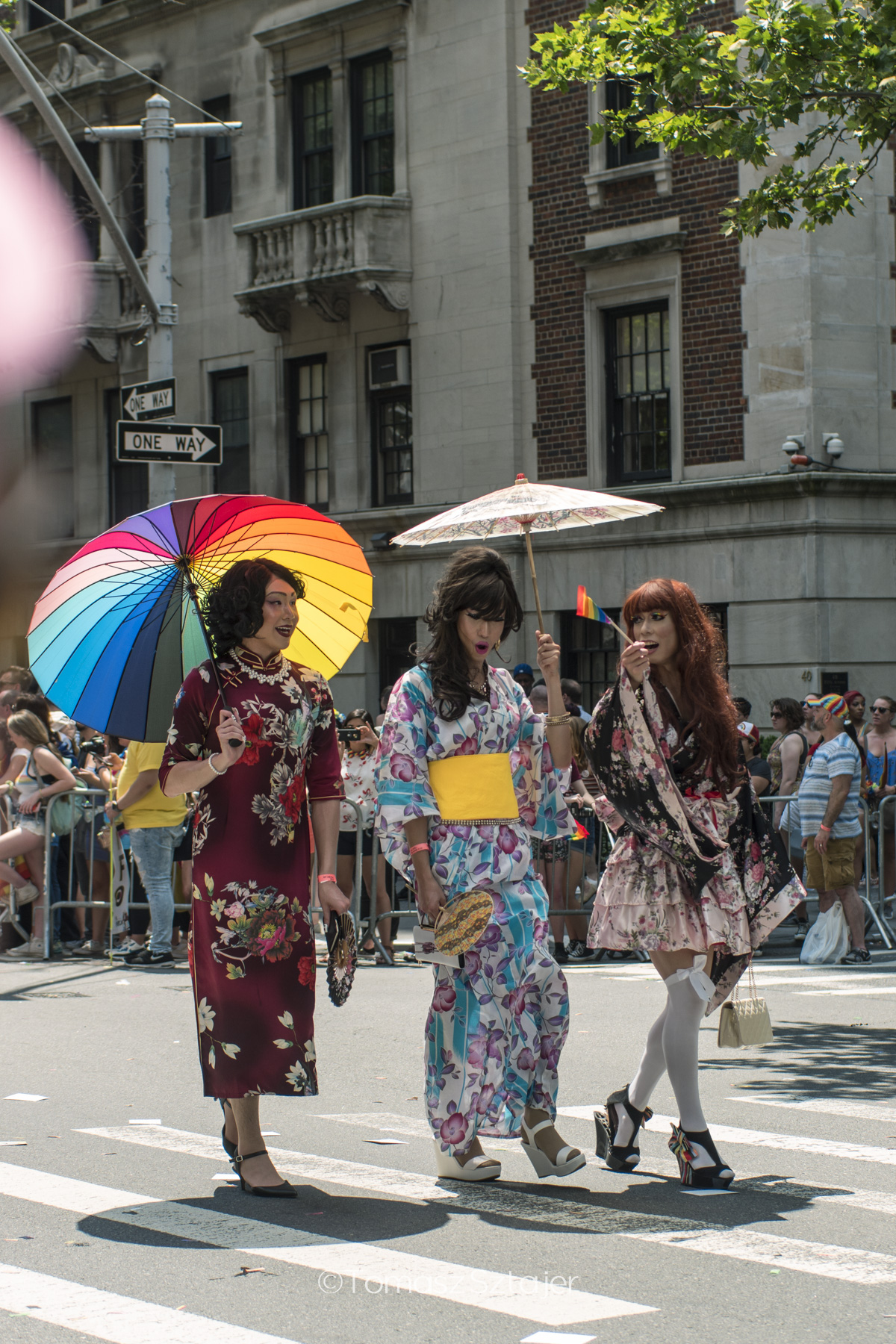
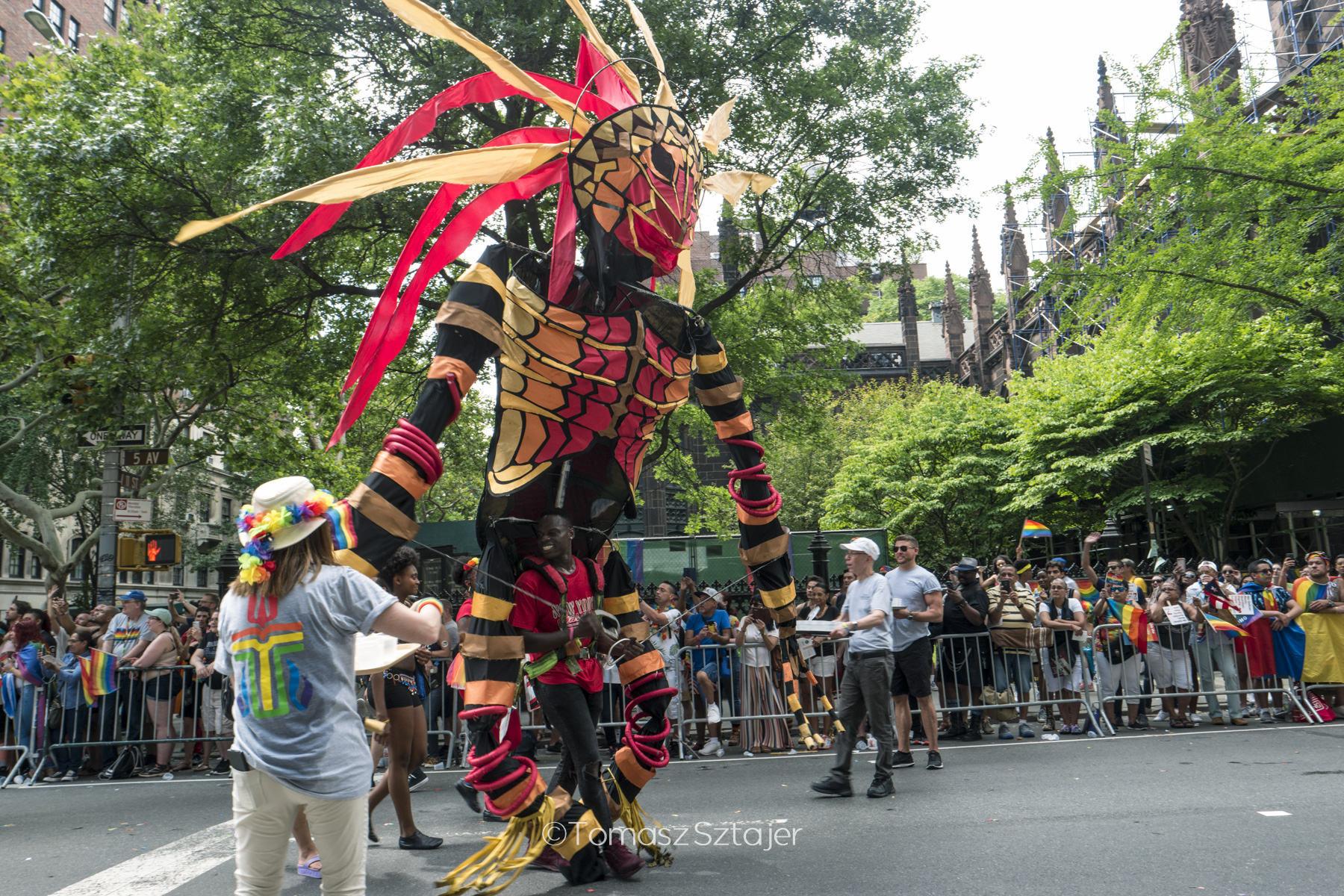
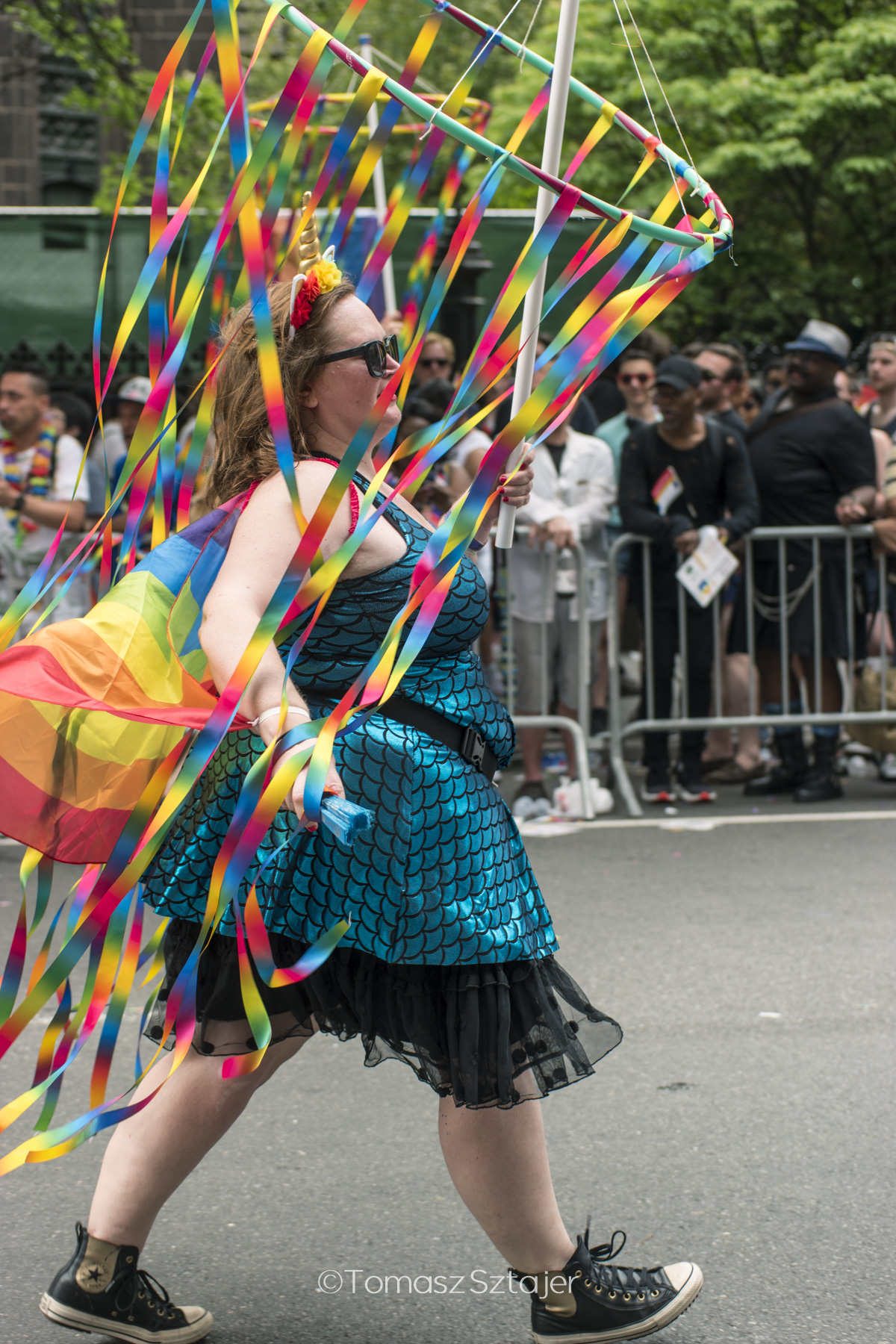
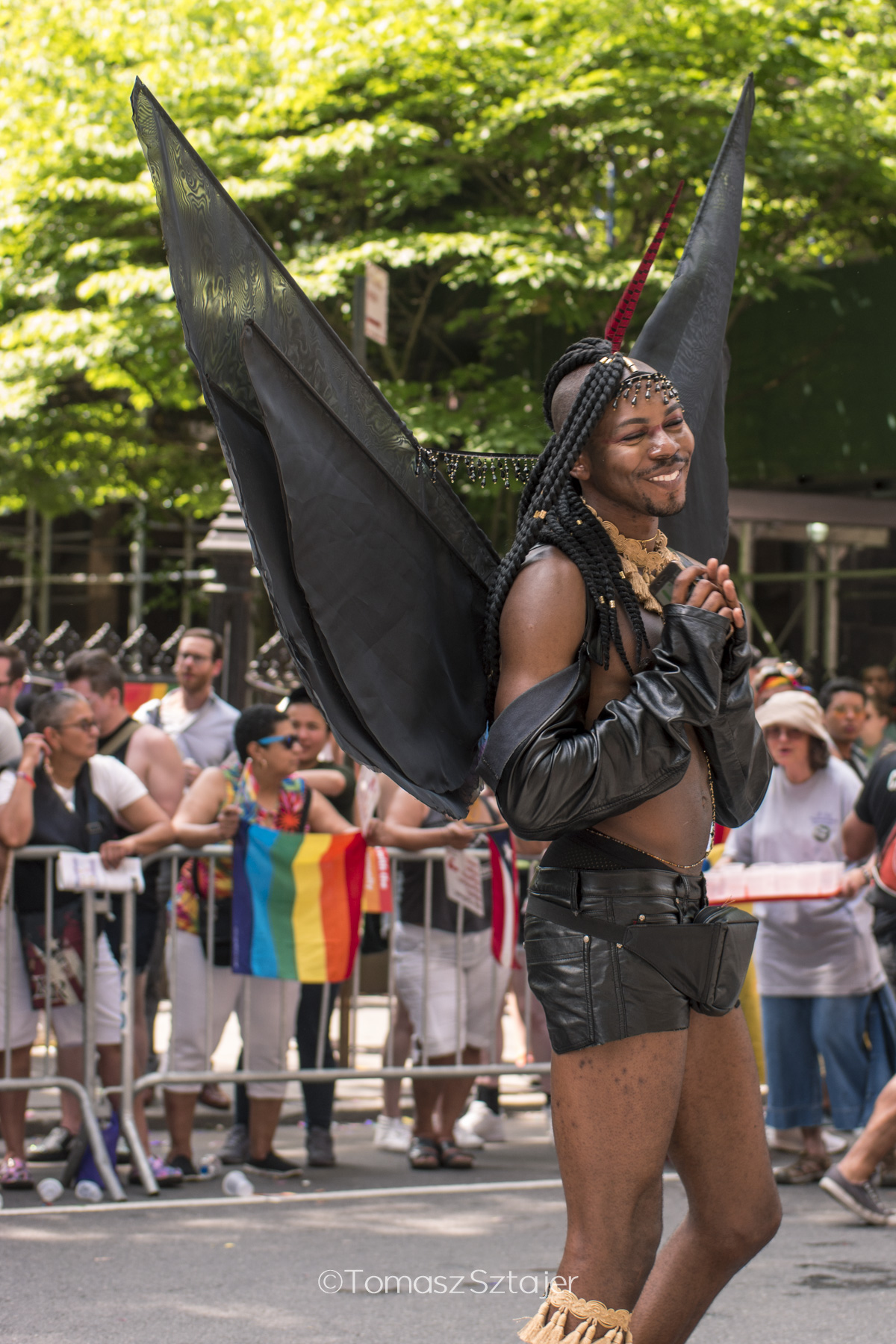
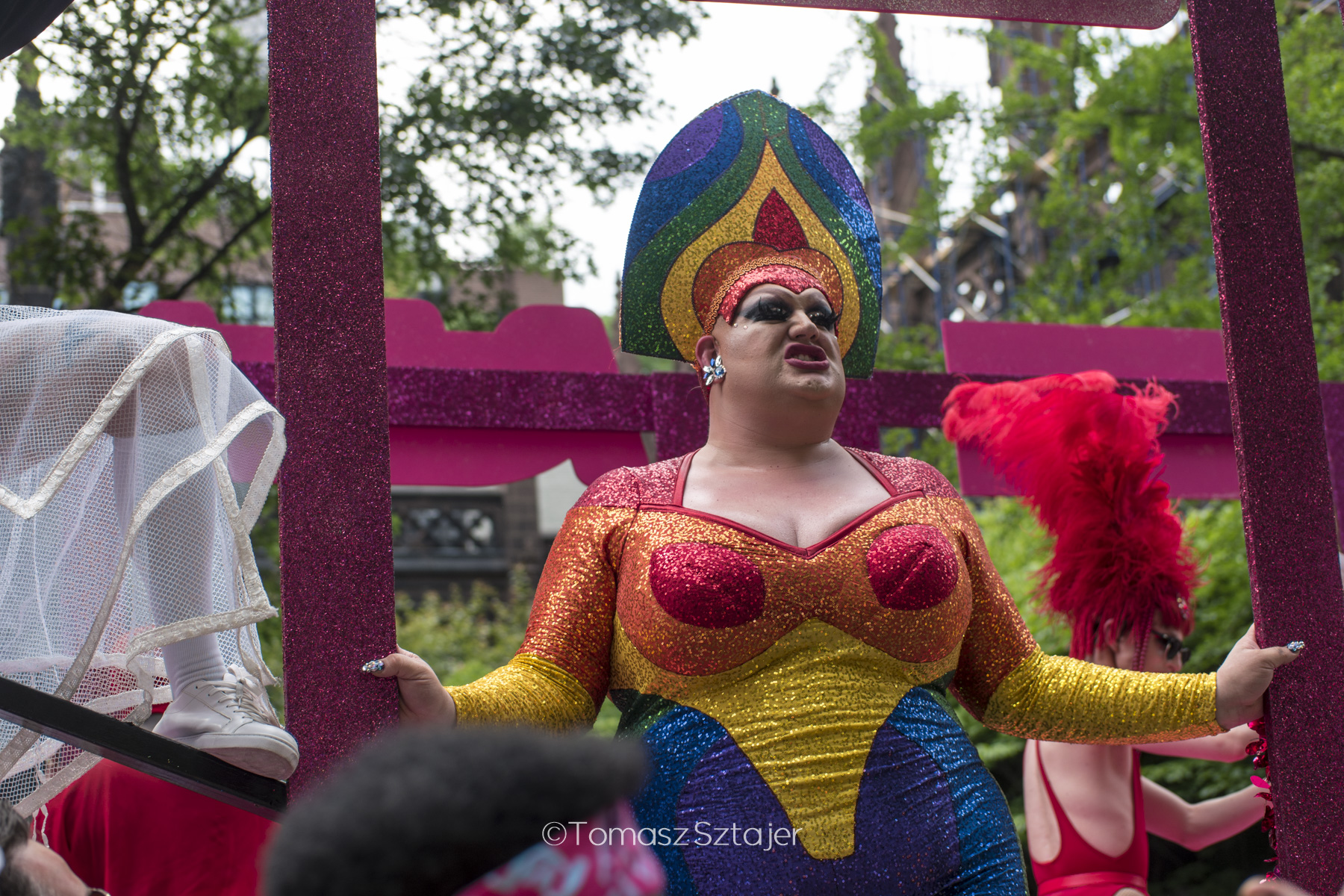
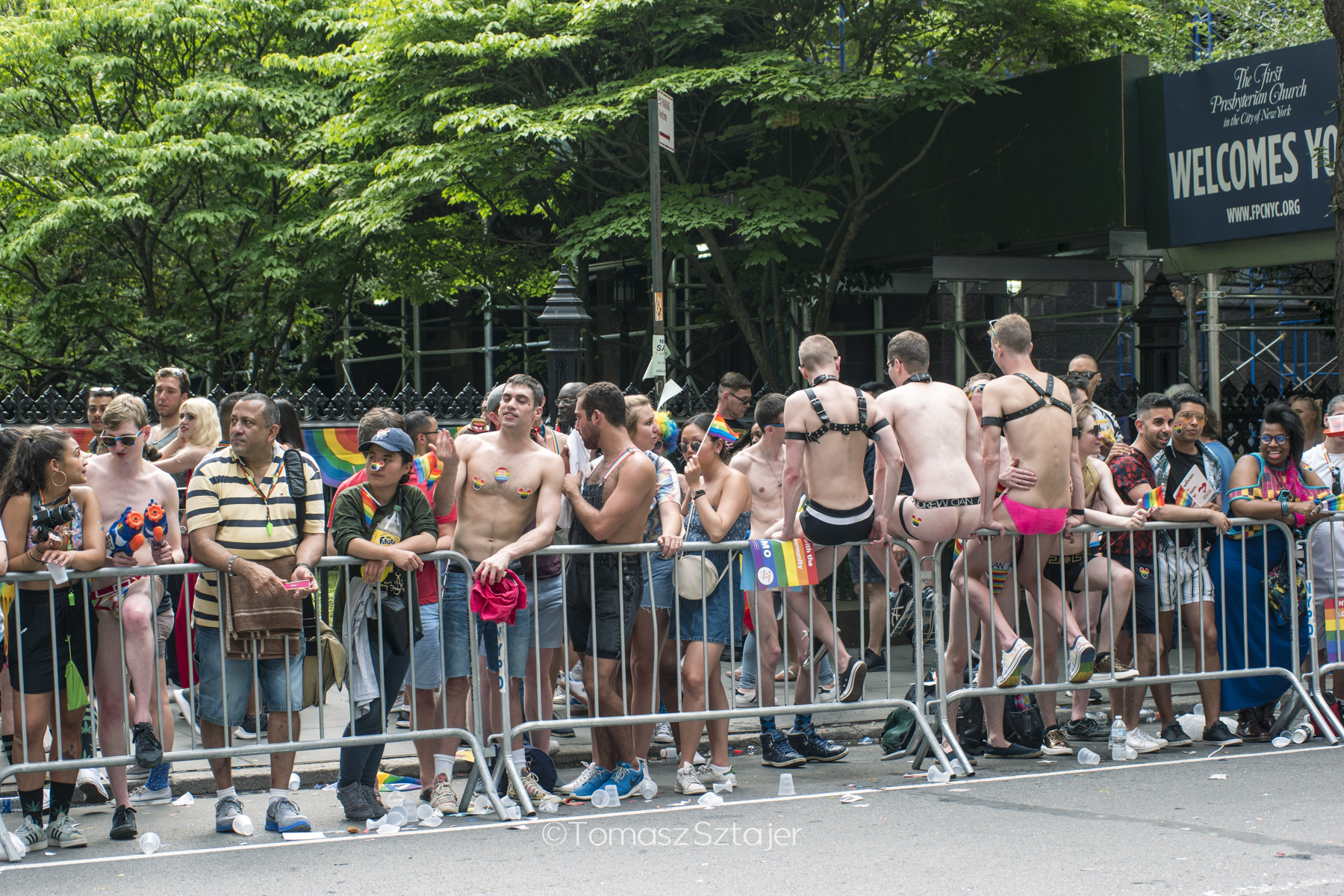
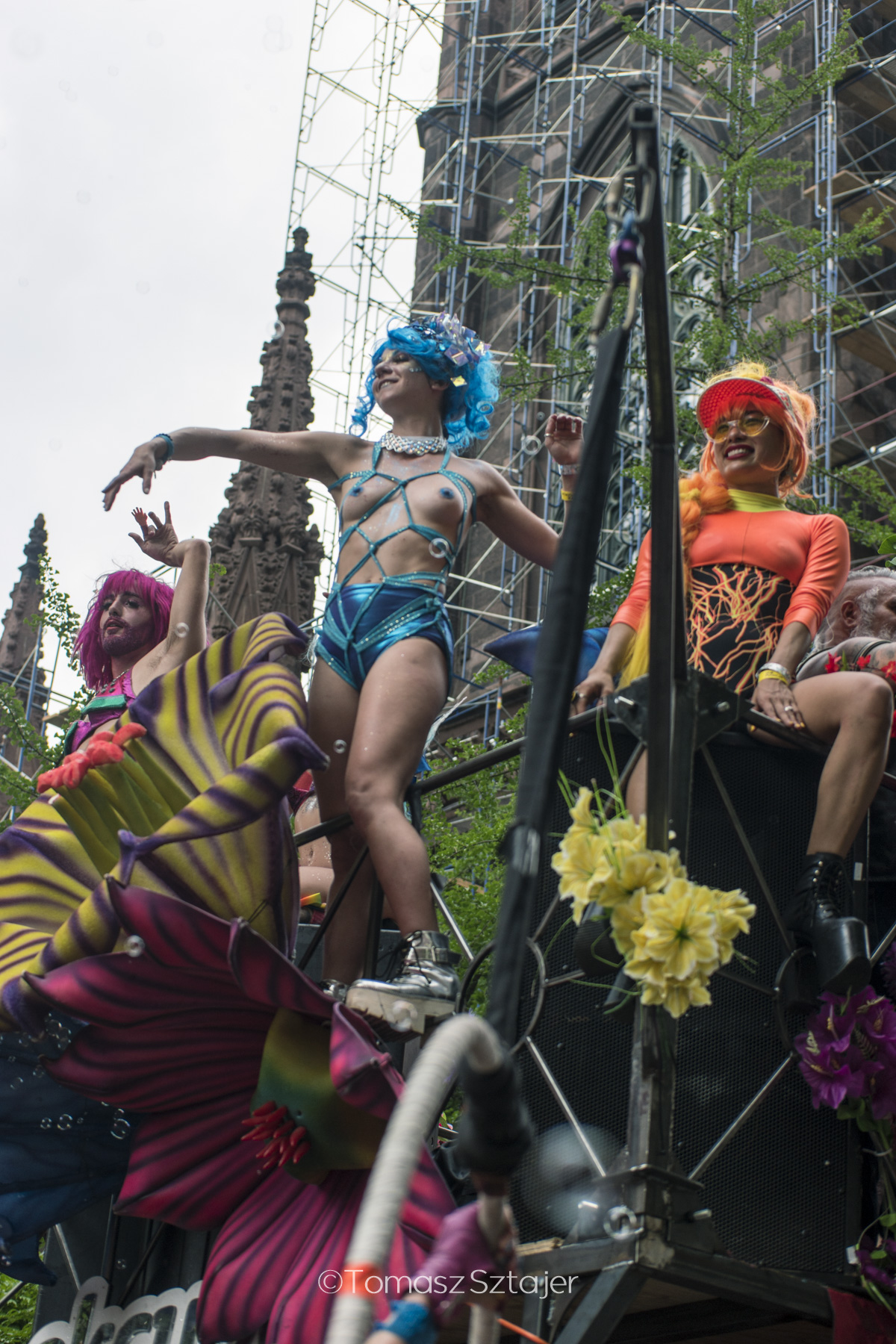
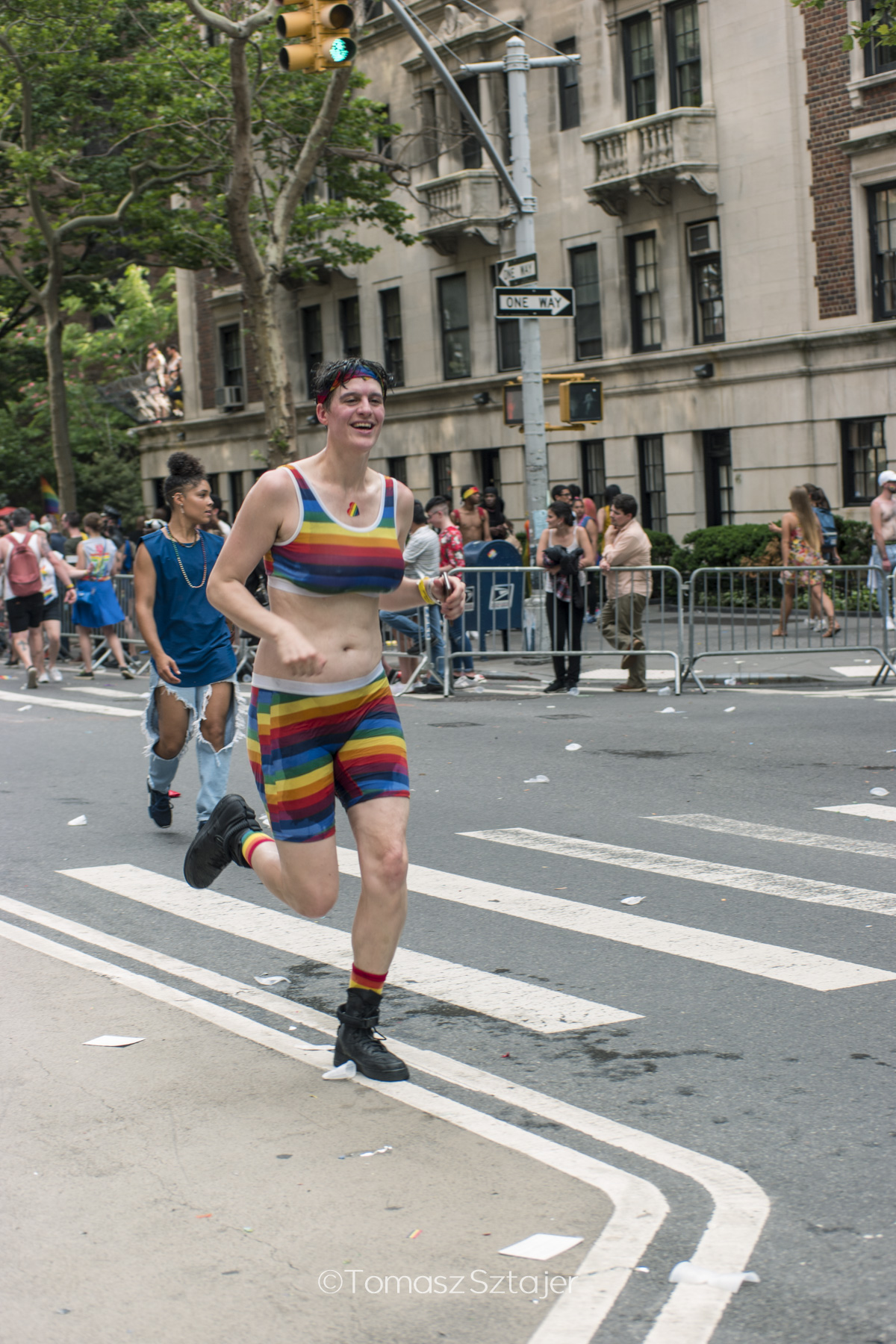
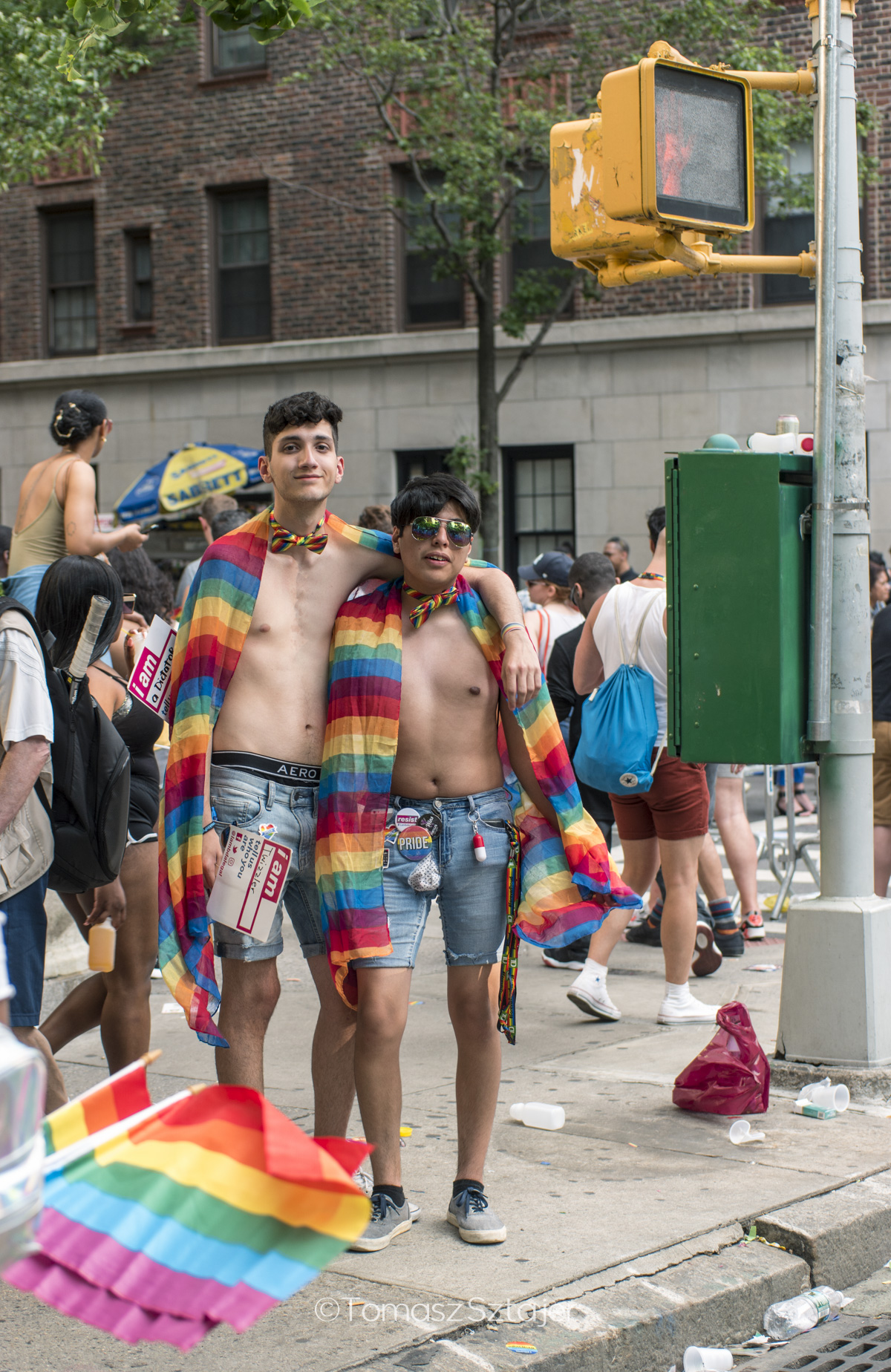
NYC Pride – rainbow people;
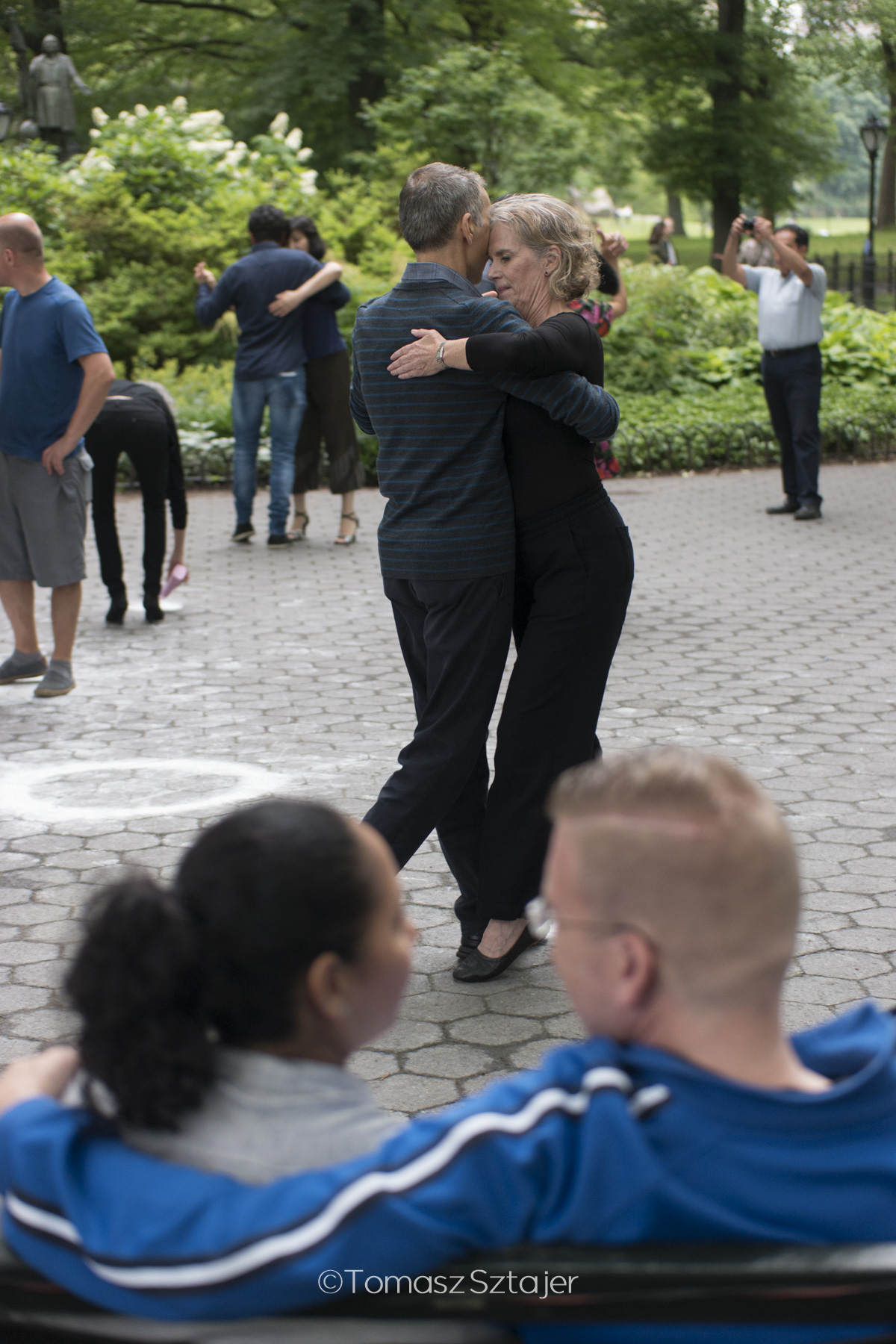
Central Park – green microcosm in the heart of the city;
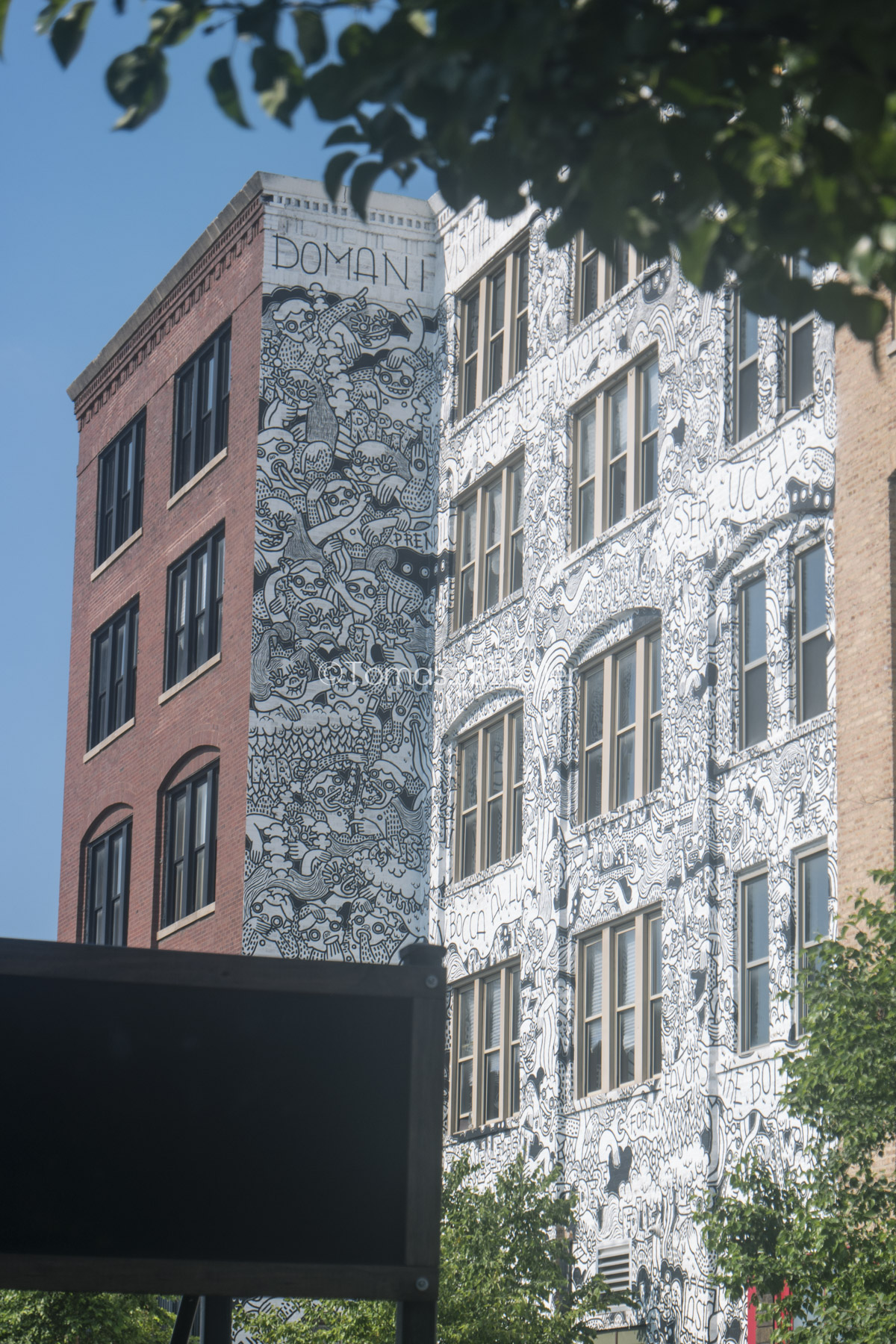
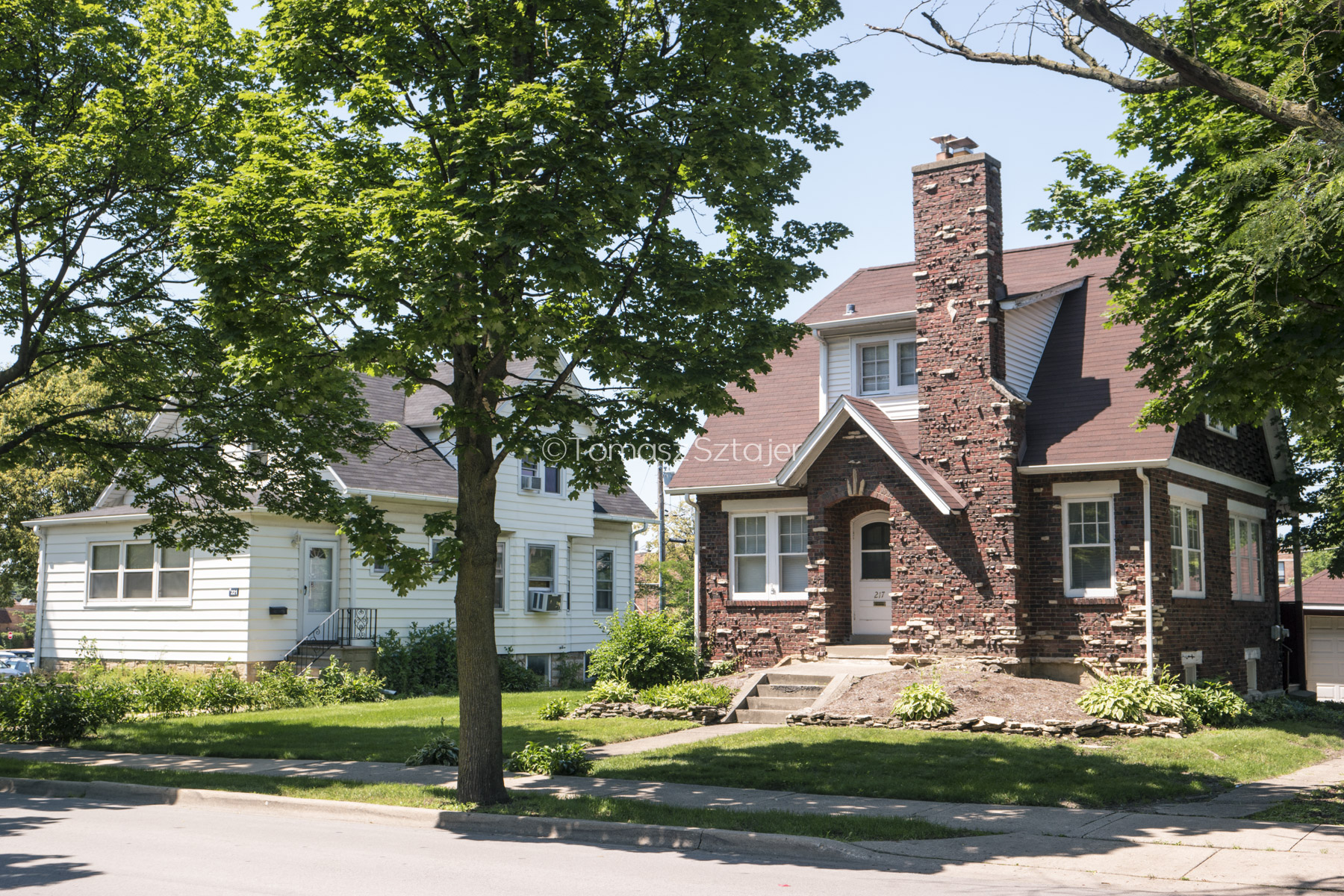
Chicago and suburbs;
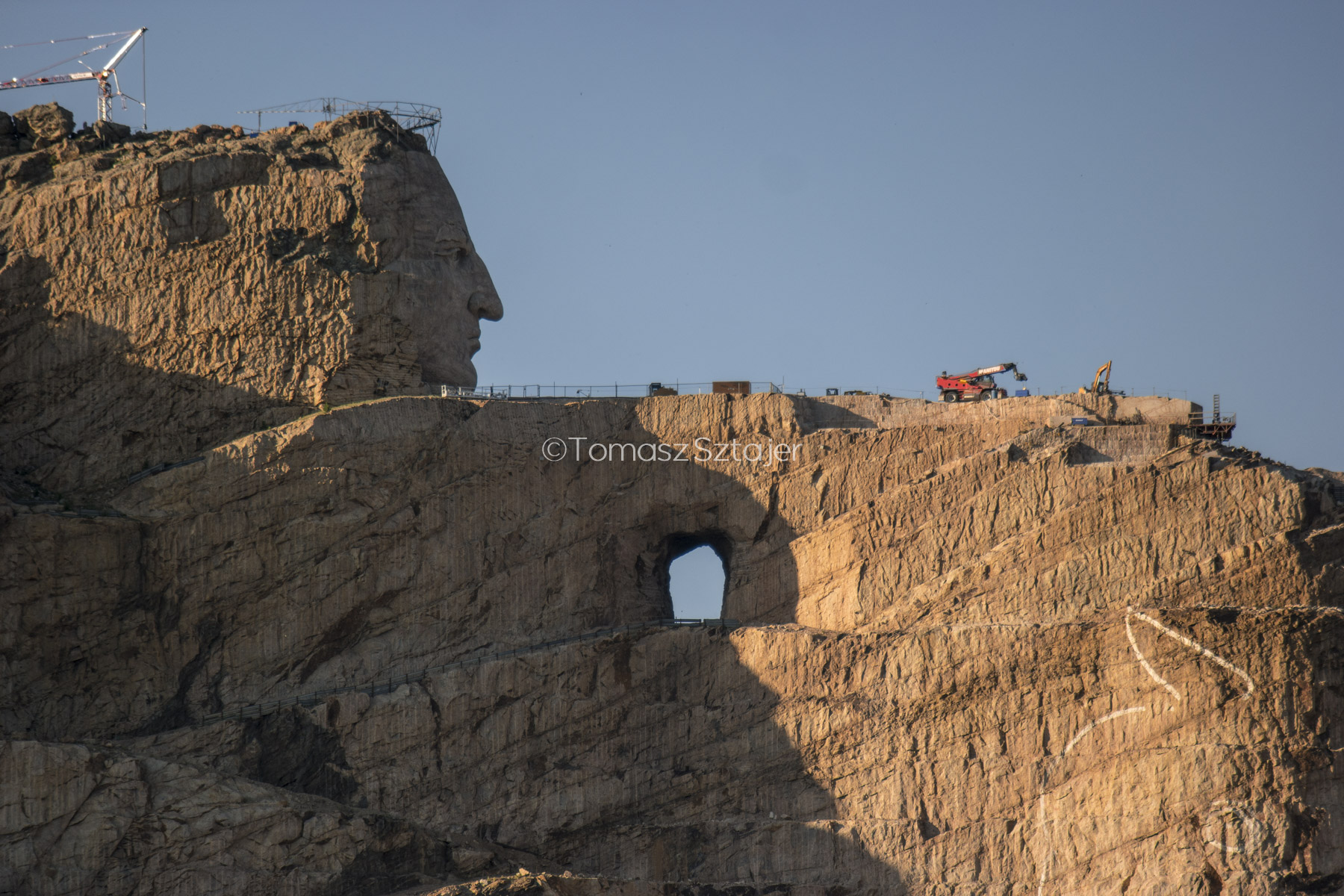
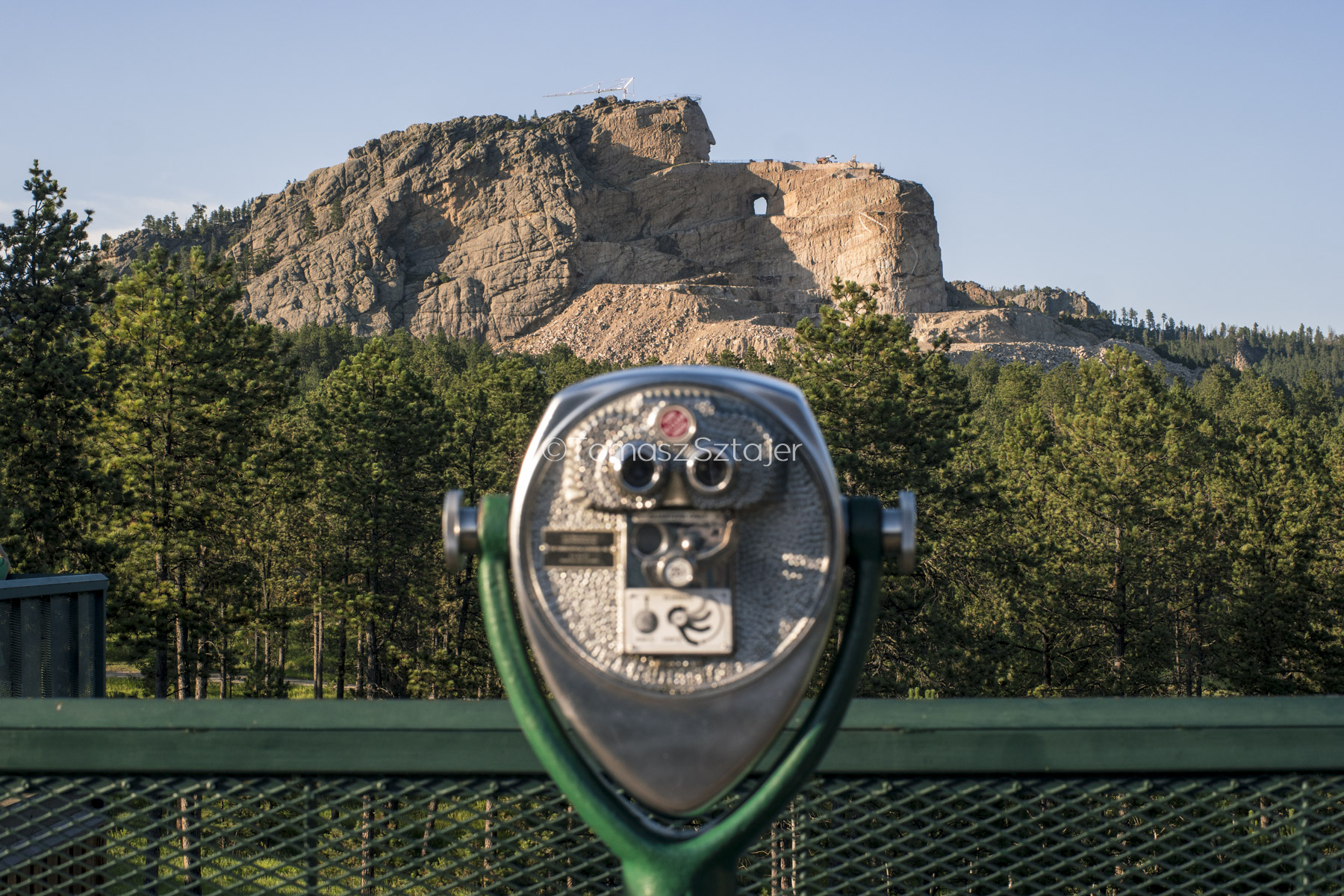
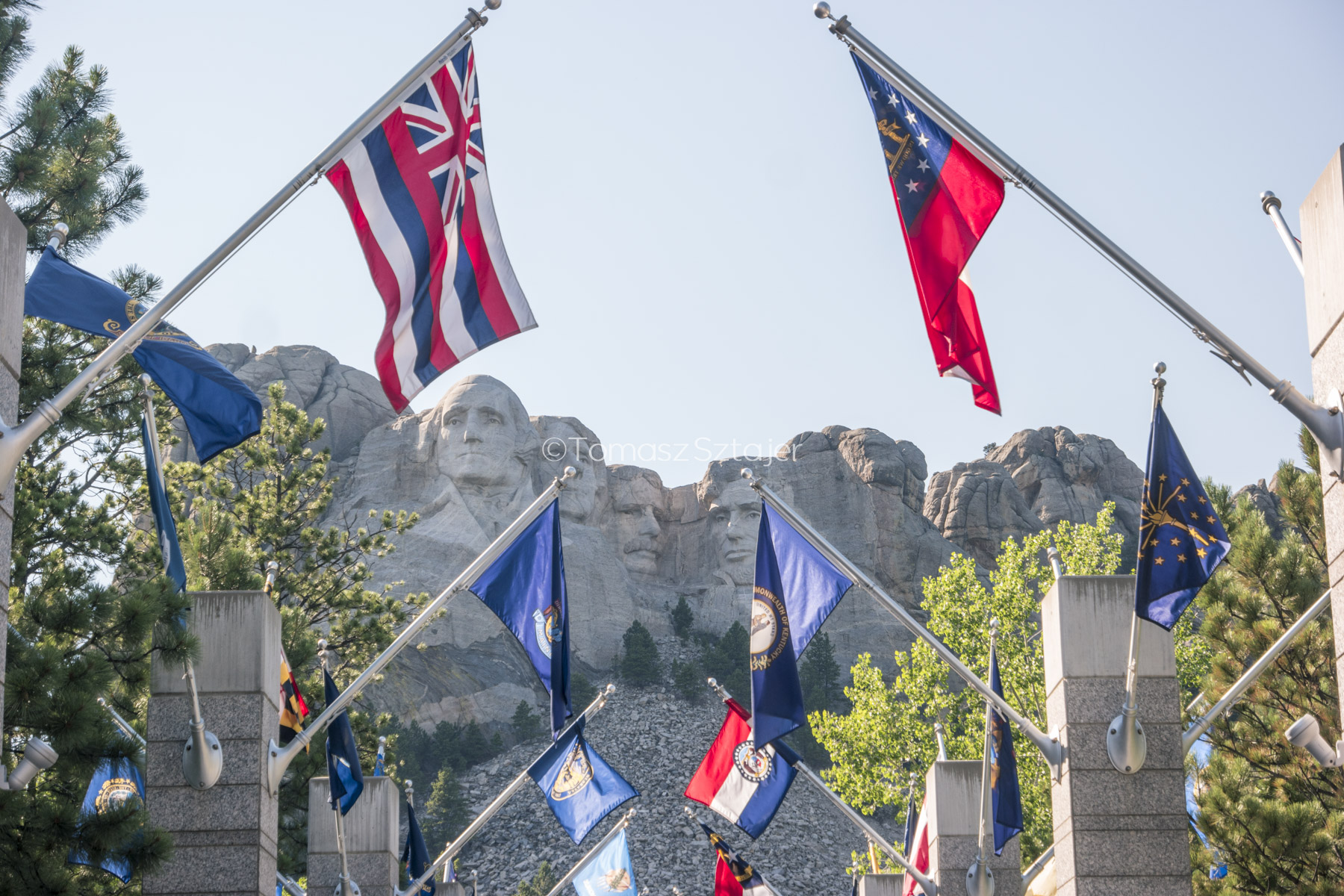
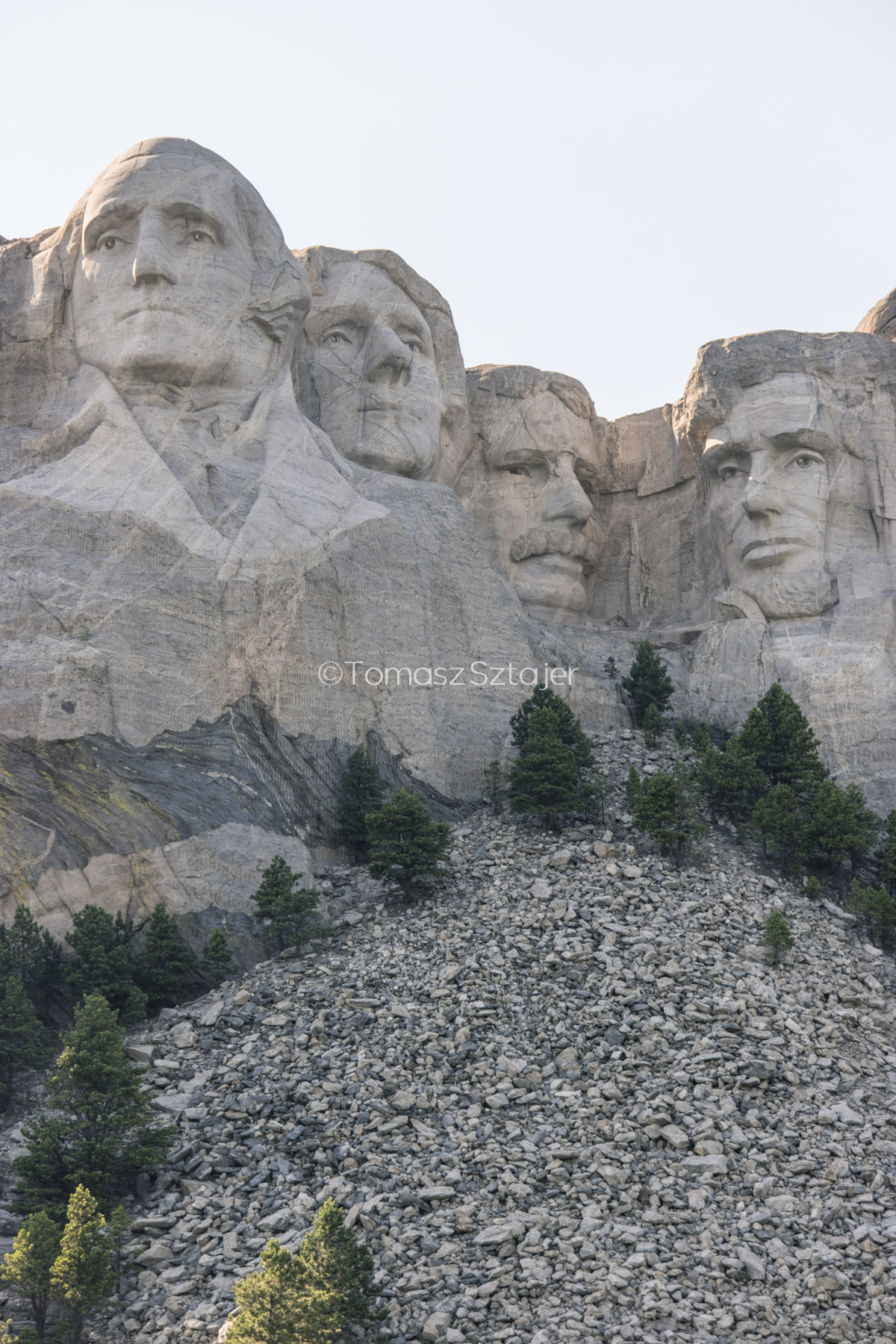
Mount Rushmore & Crazy Horse – two important monuments – one for the white Americans and the other for the Native Americans (though started by a Pole – Korczak Ziółkowski);
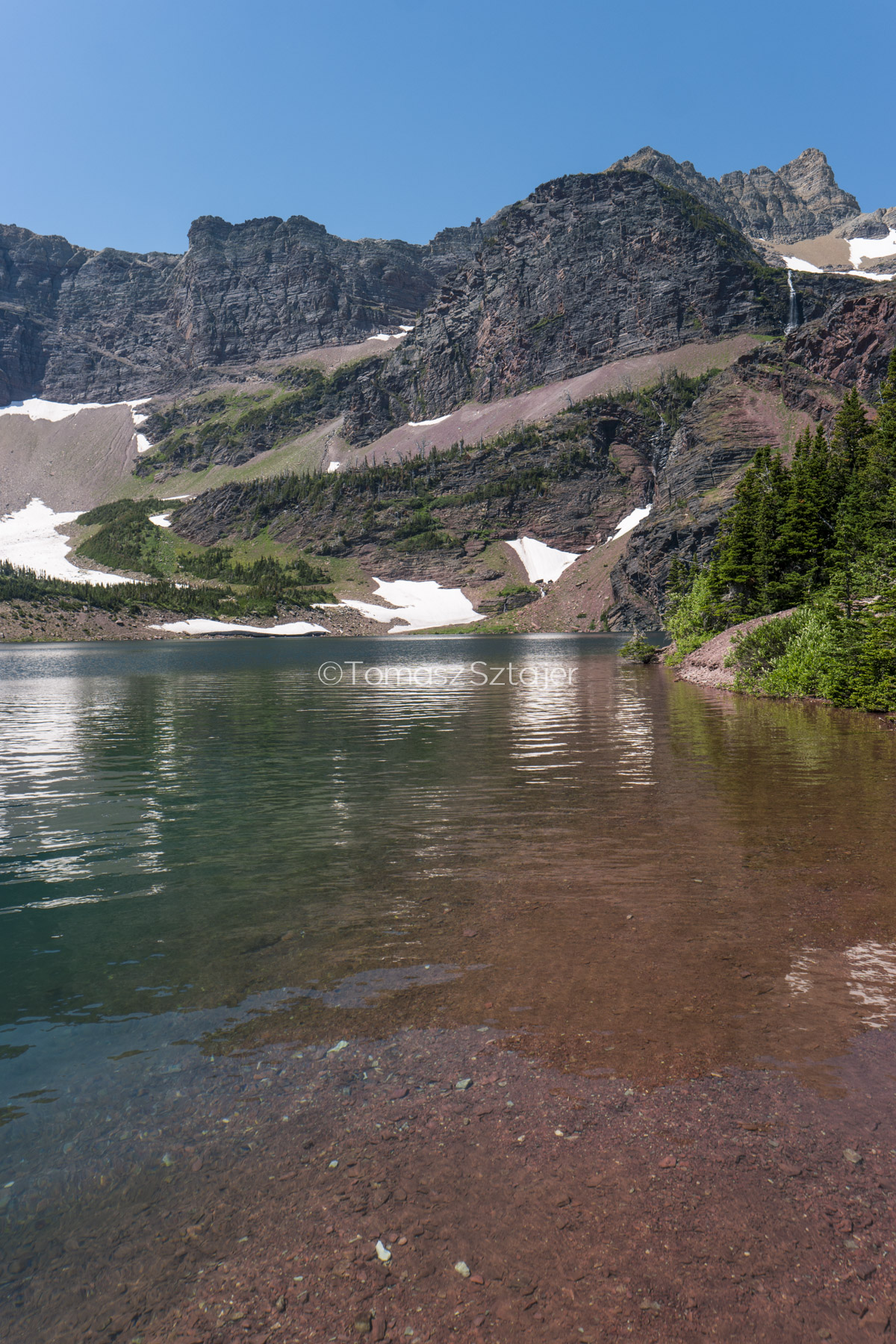
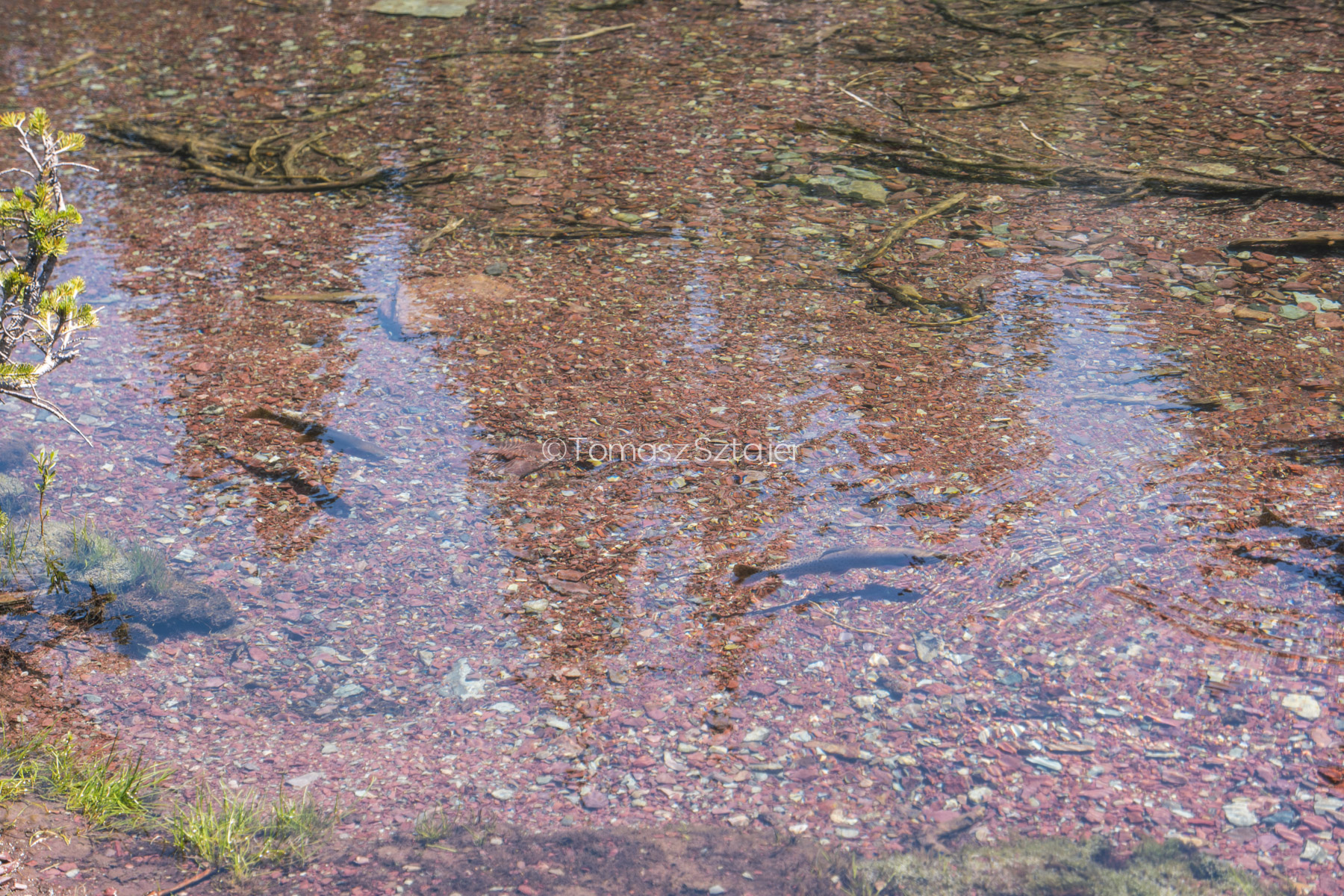
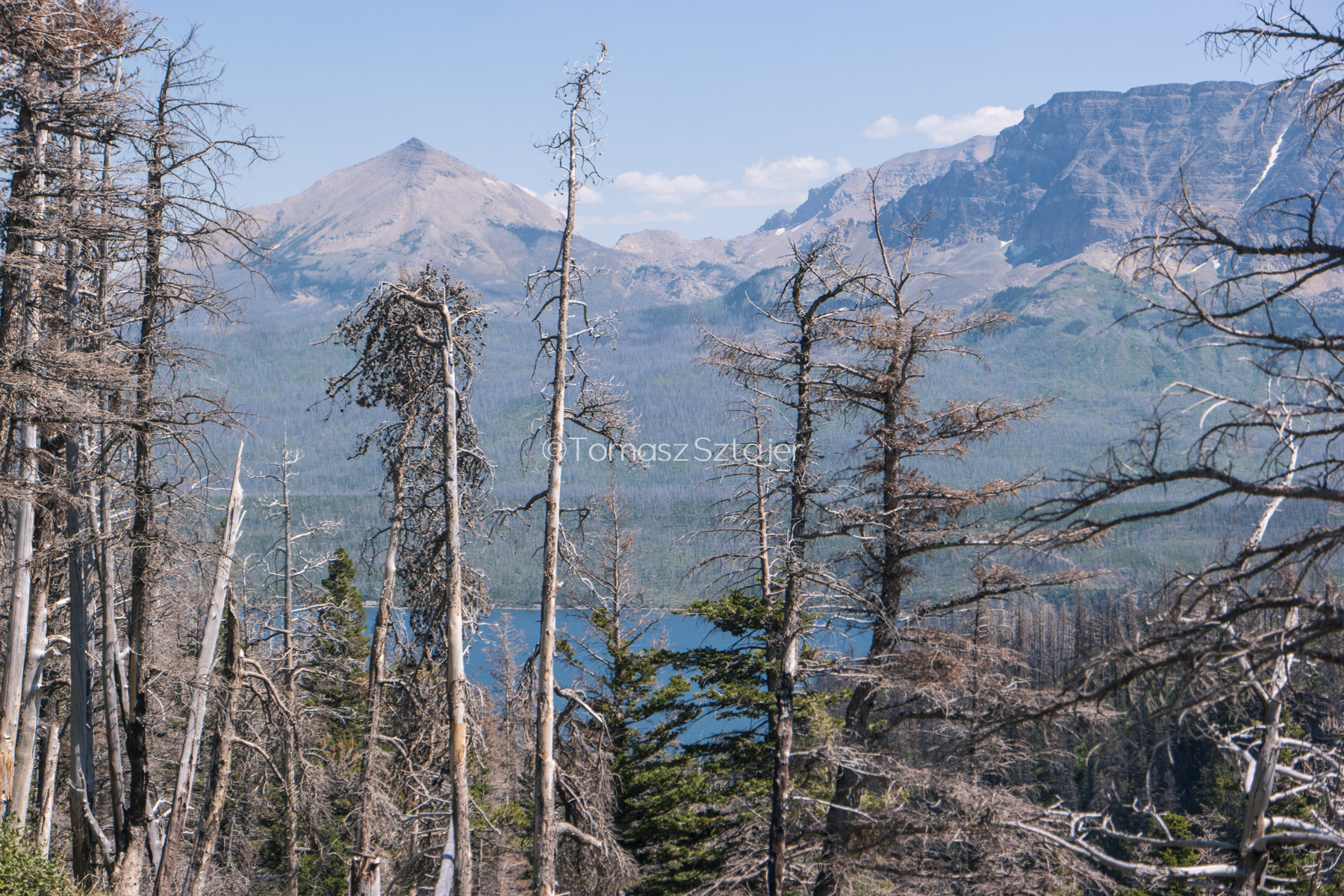
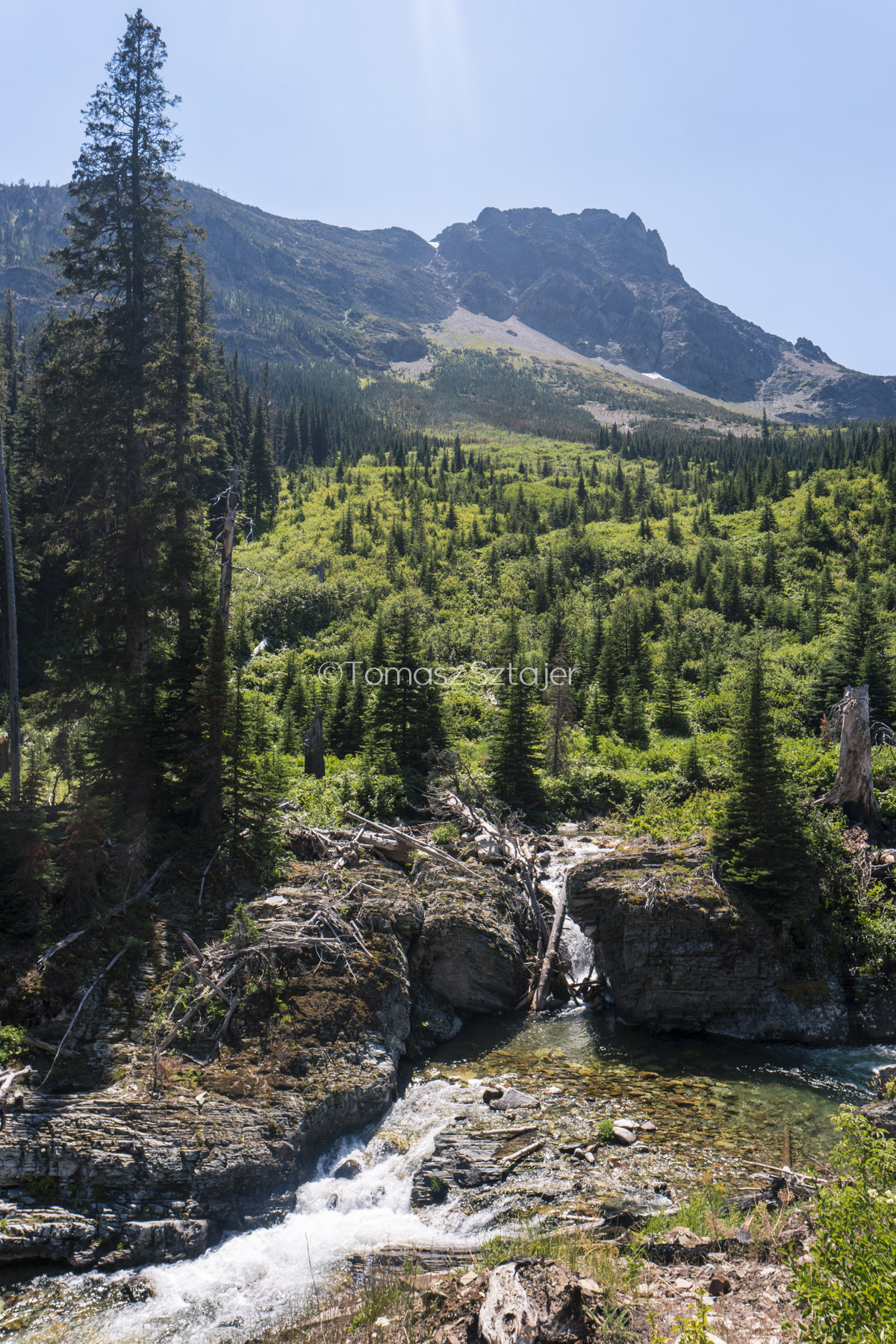
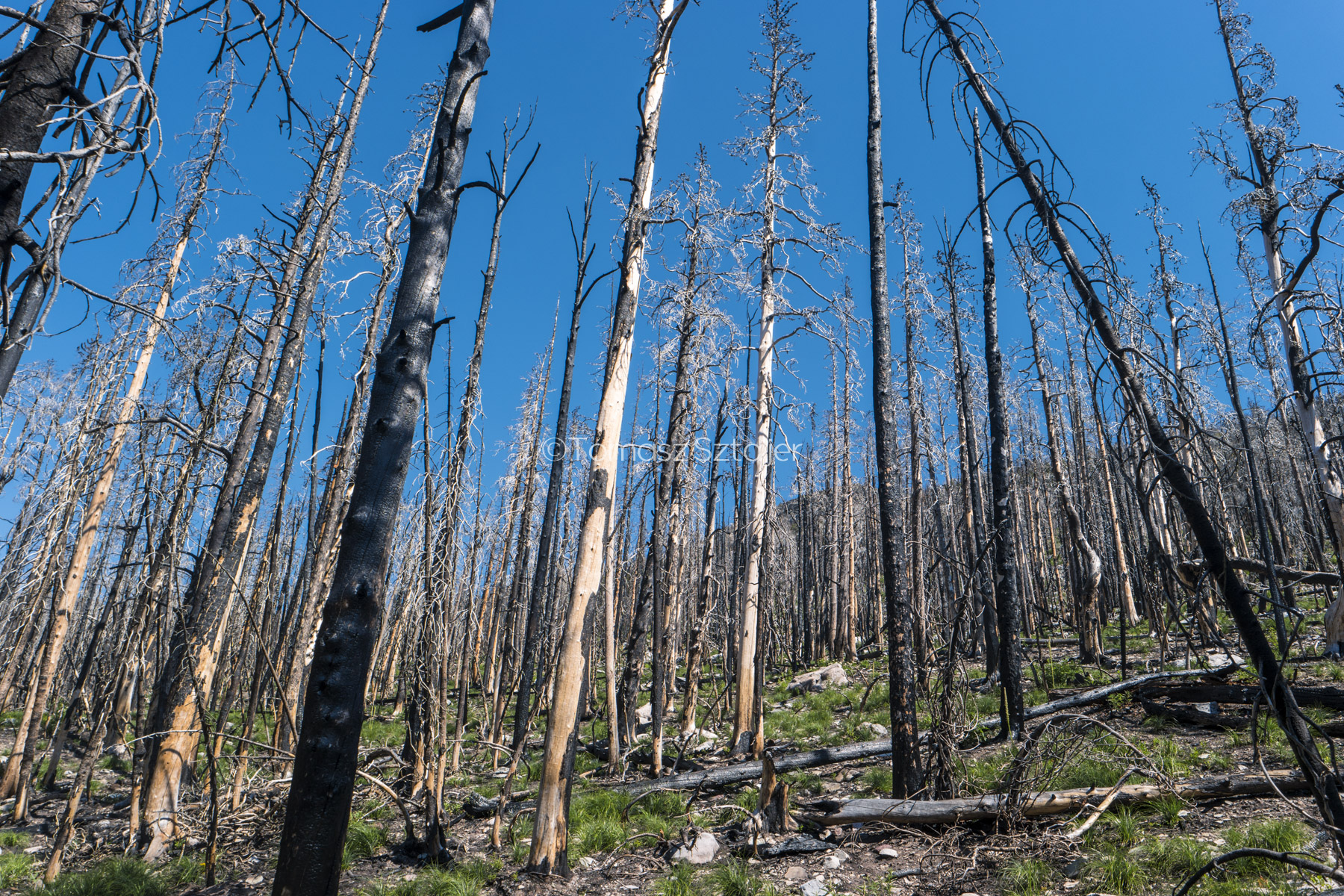
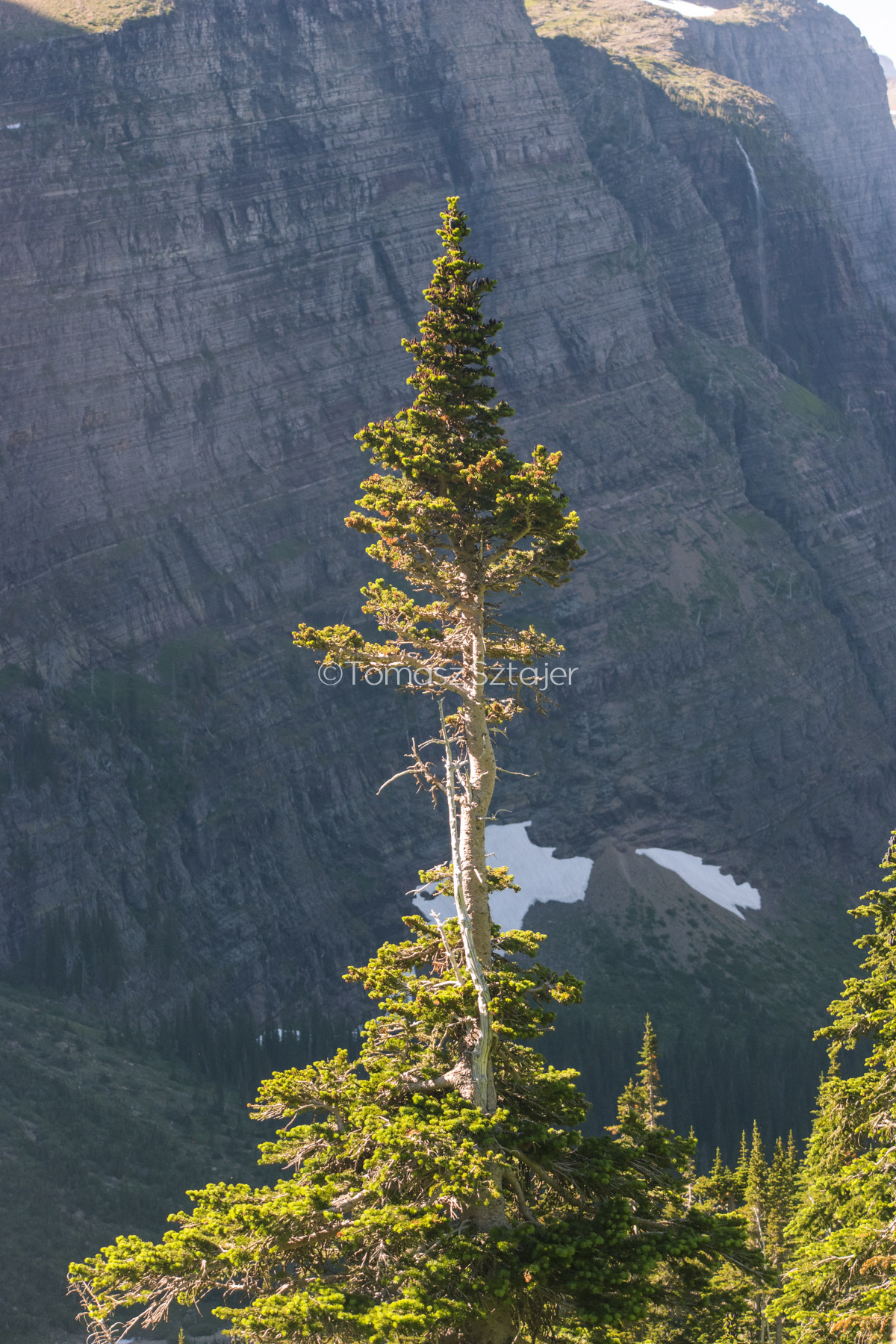
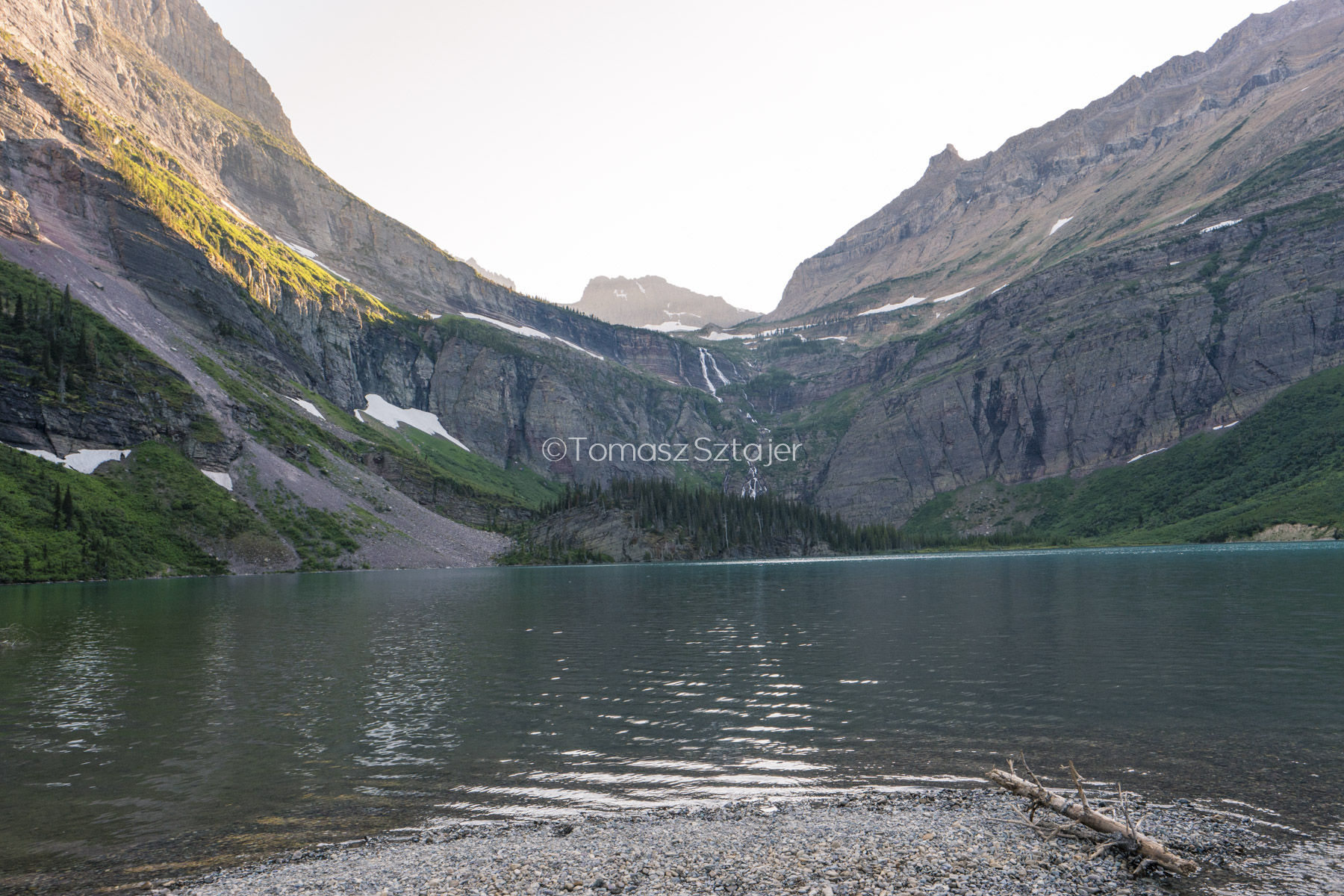
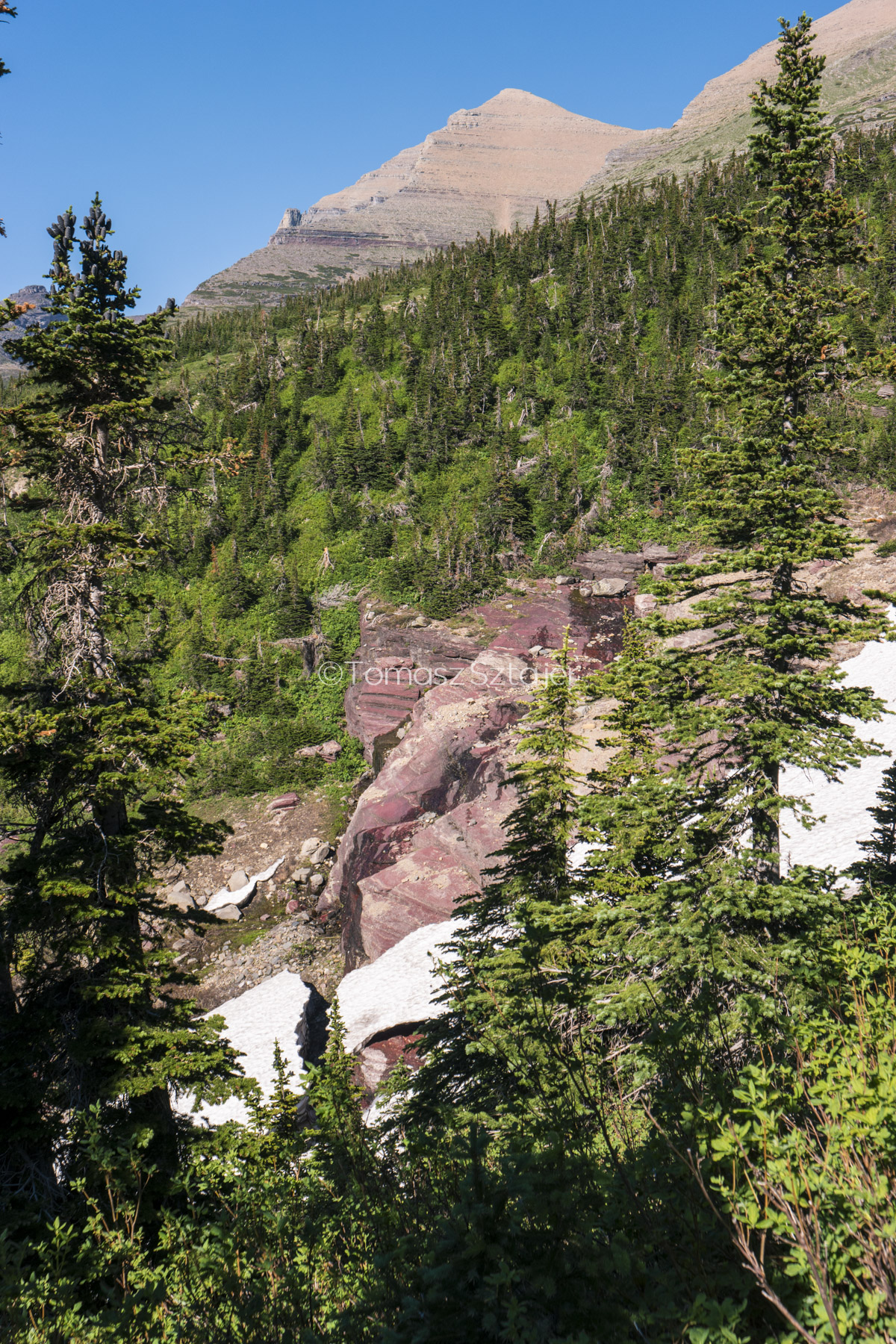
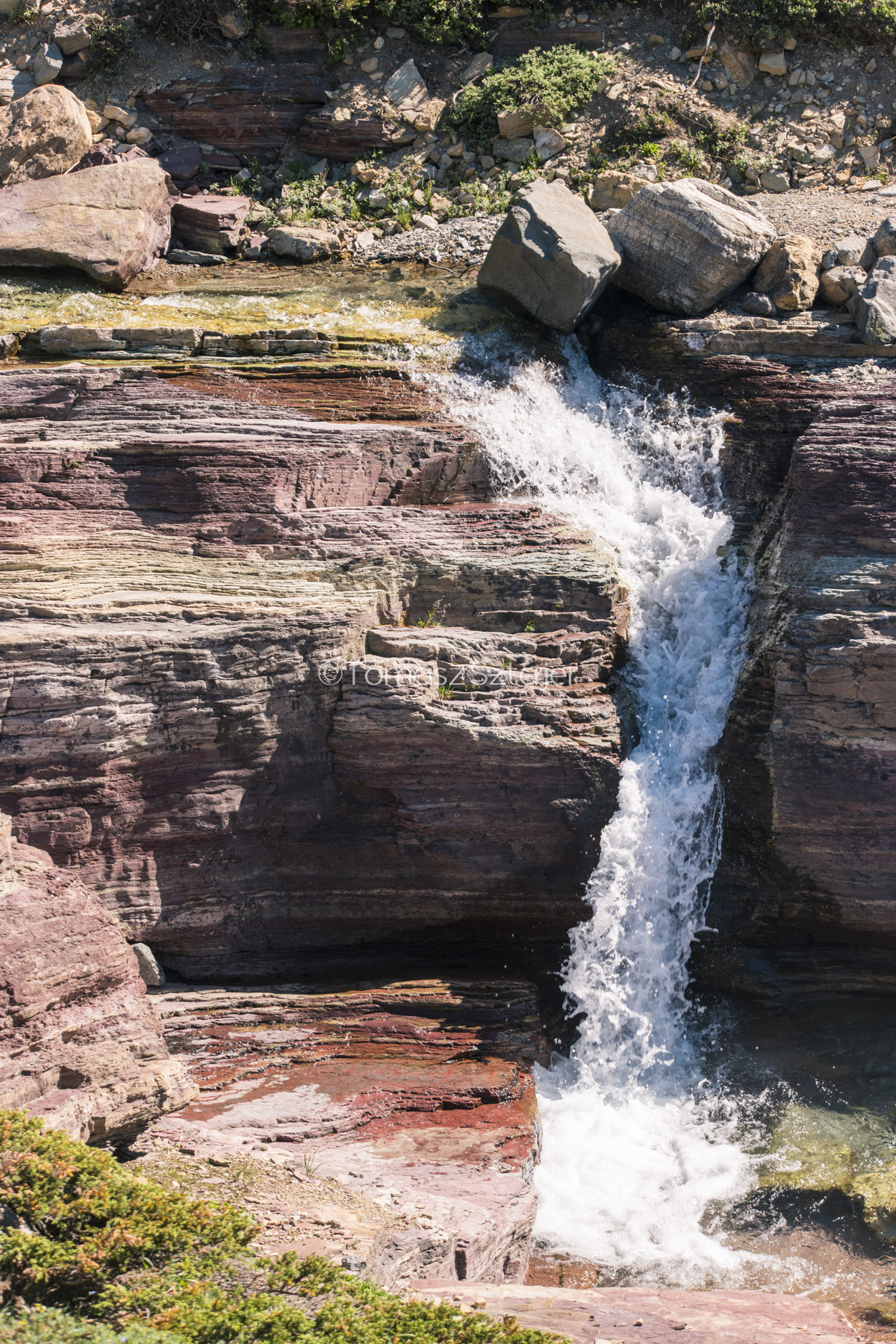
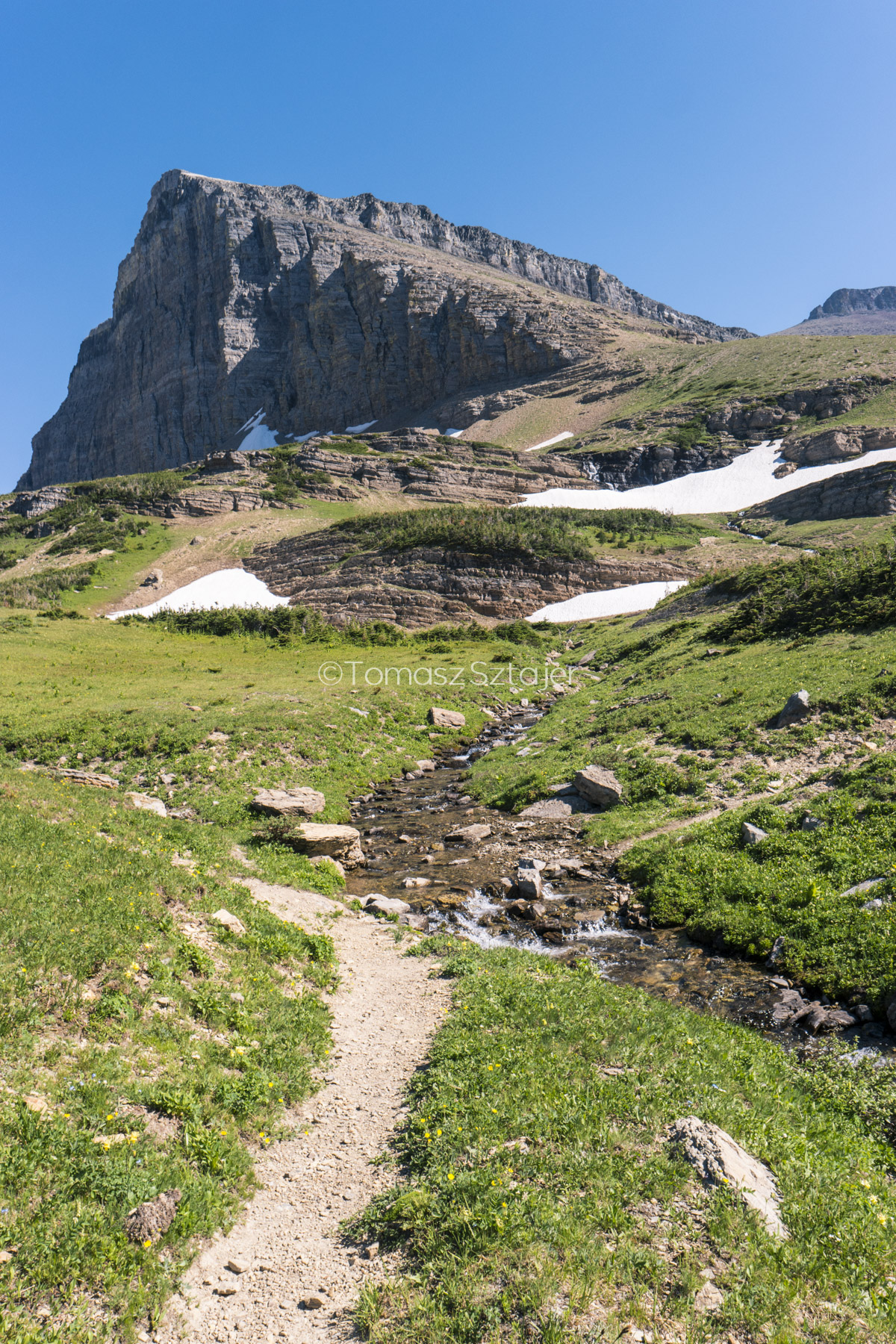
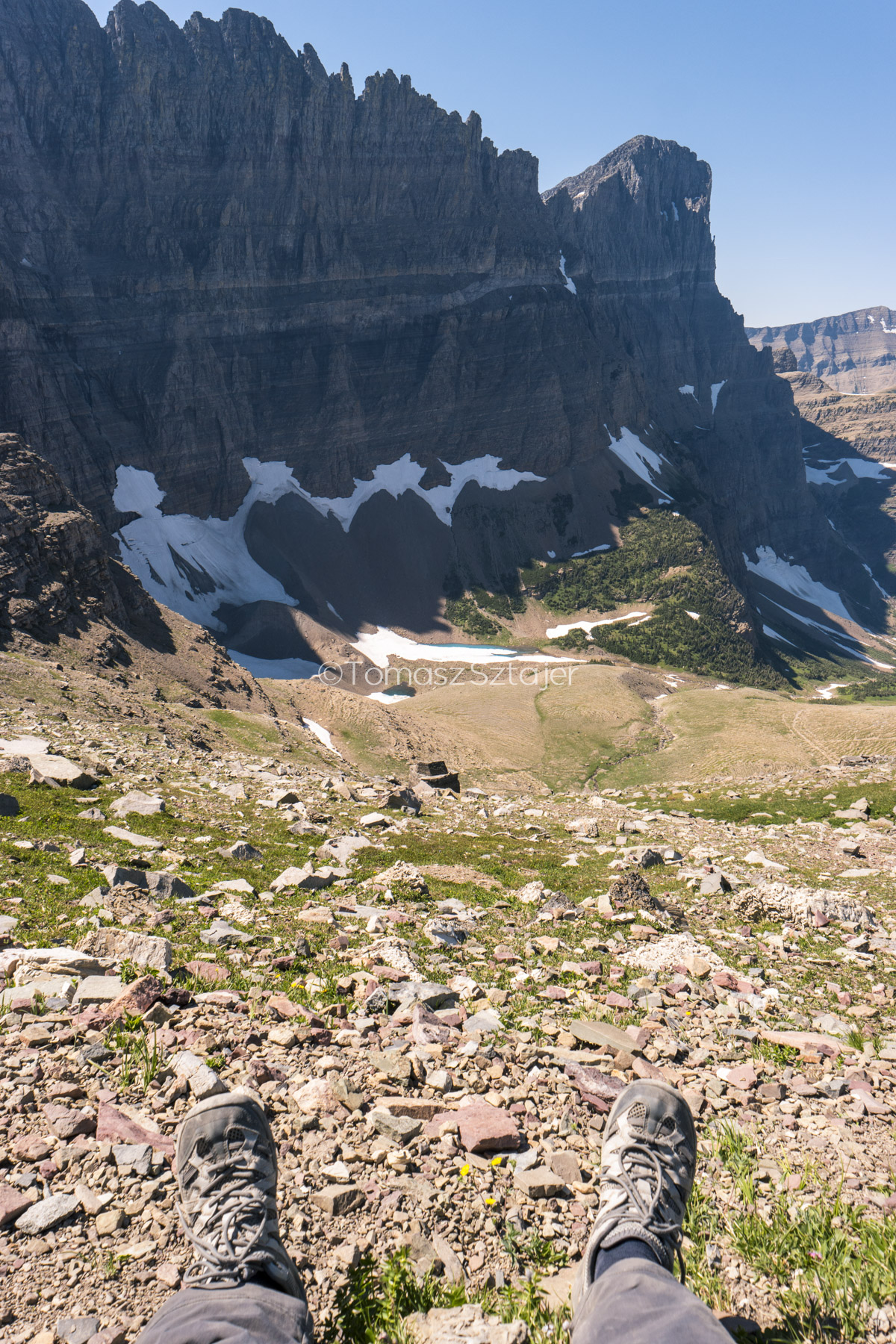
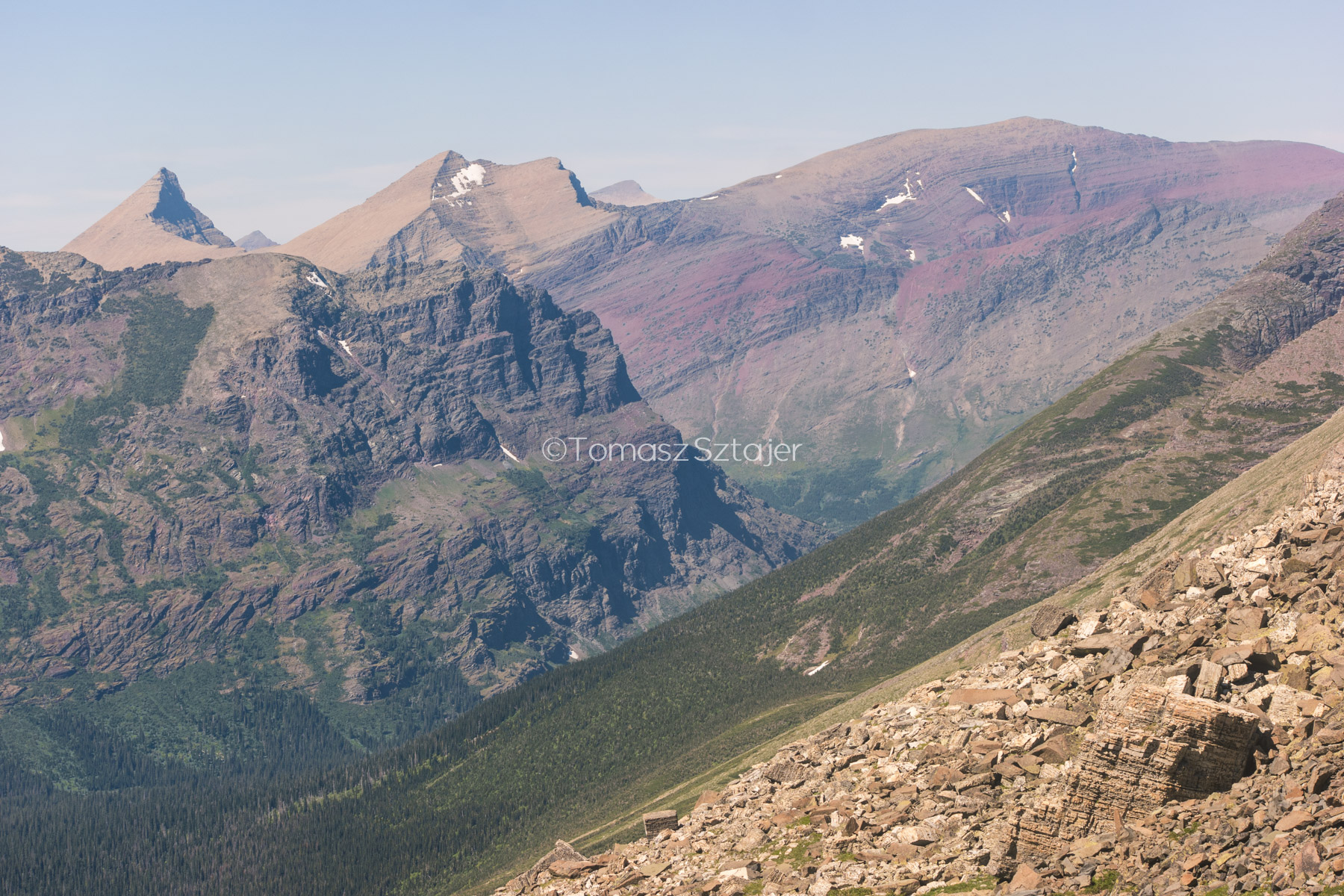
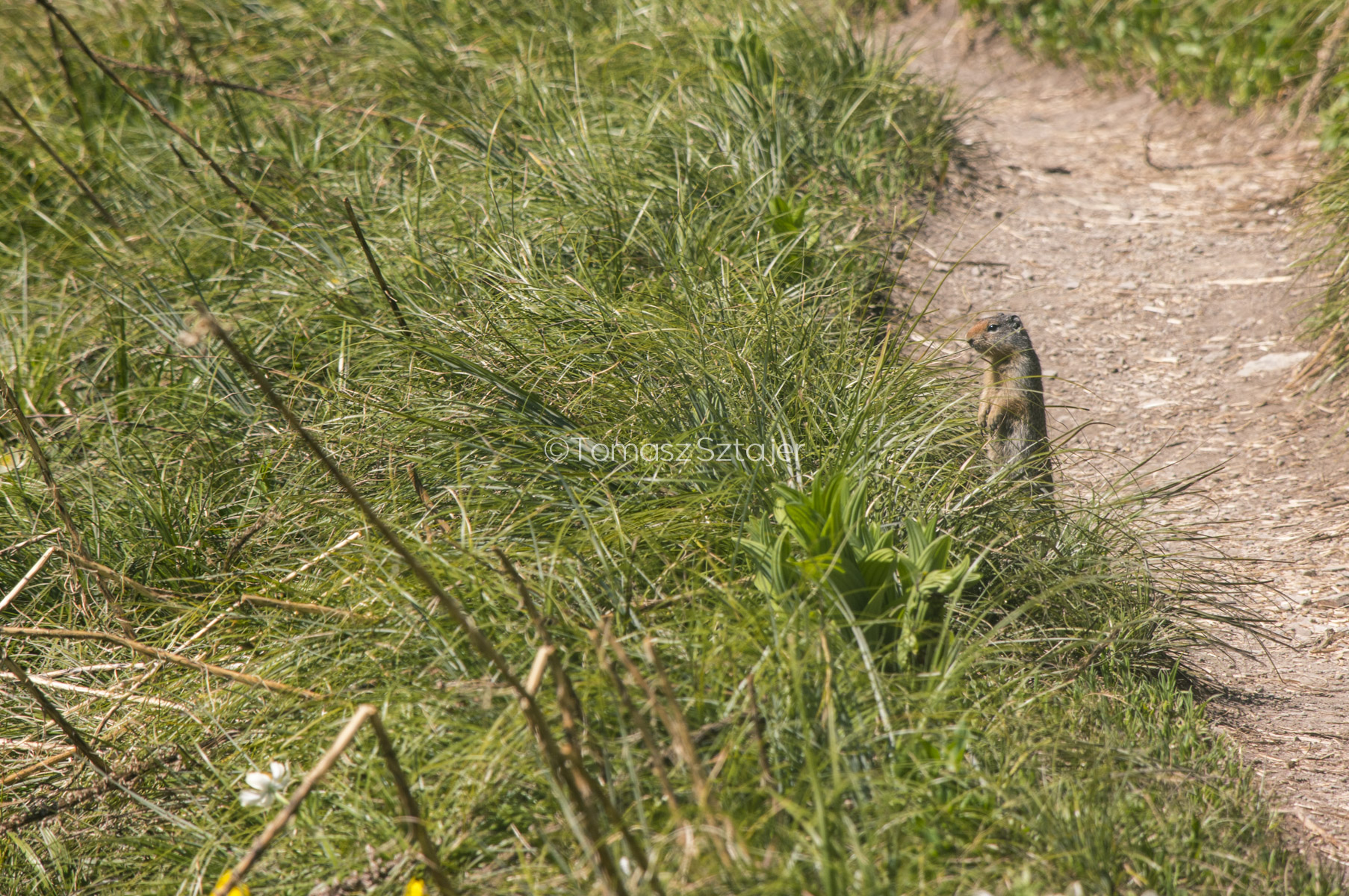
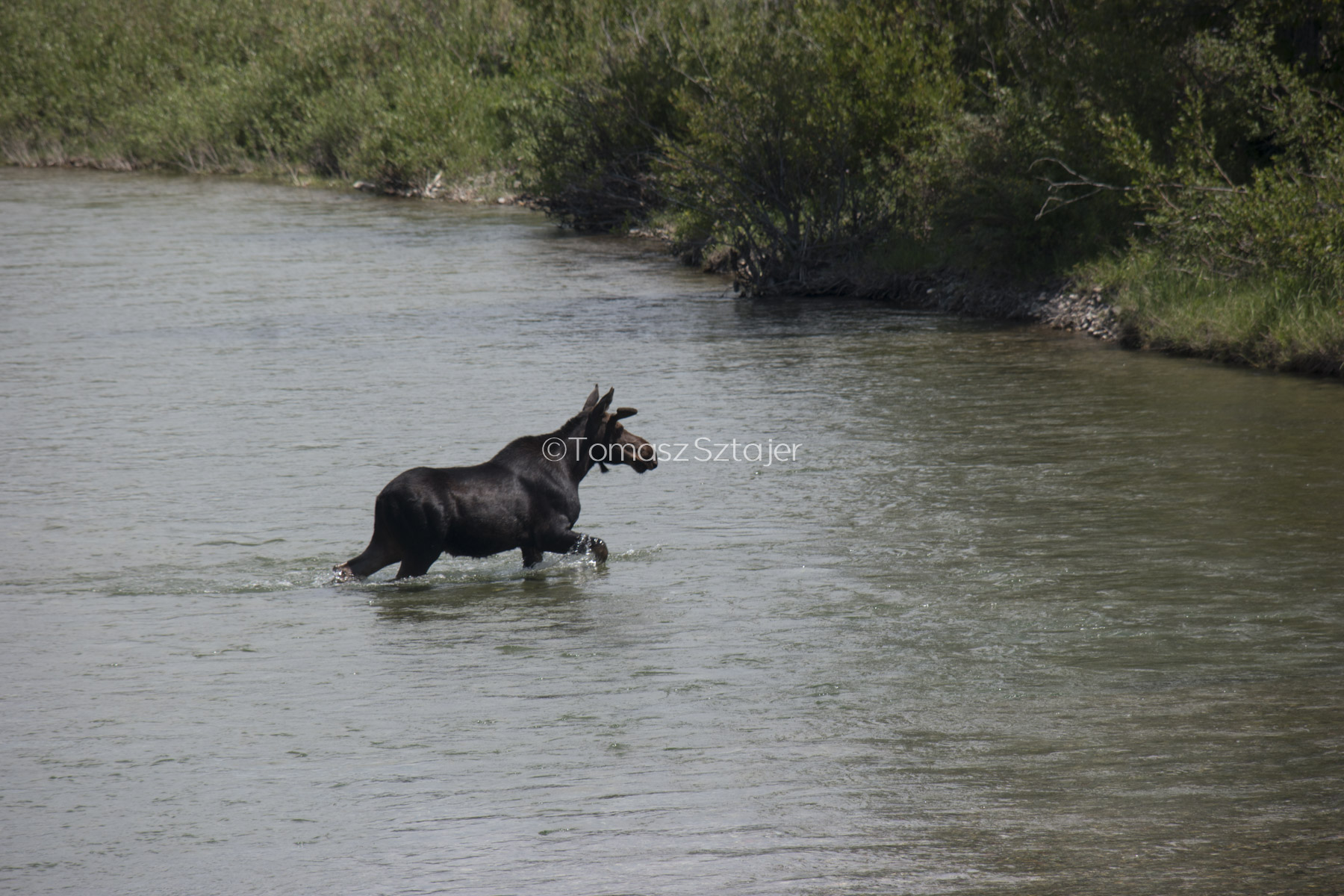
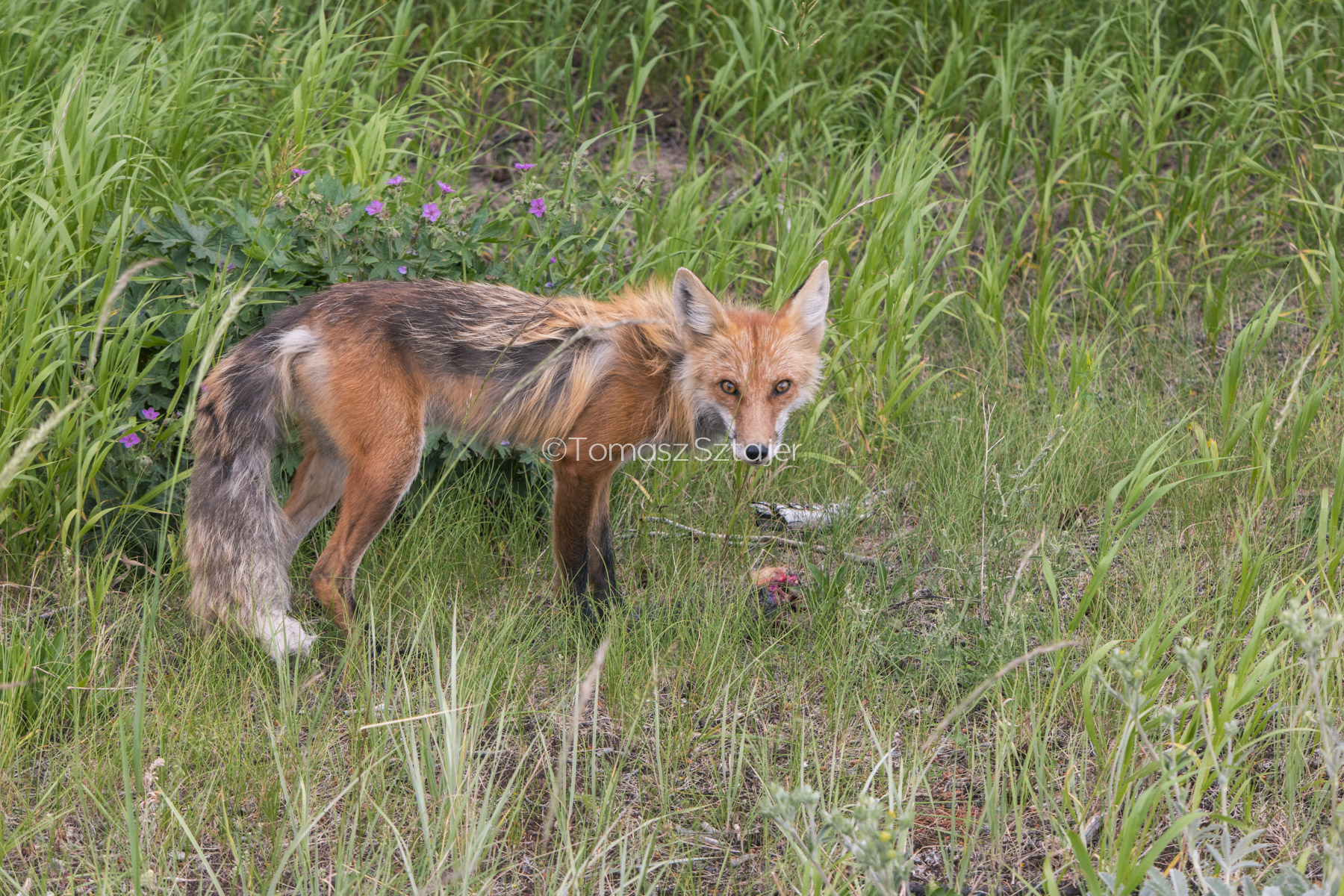
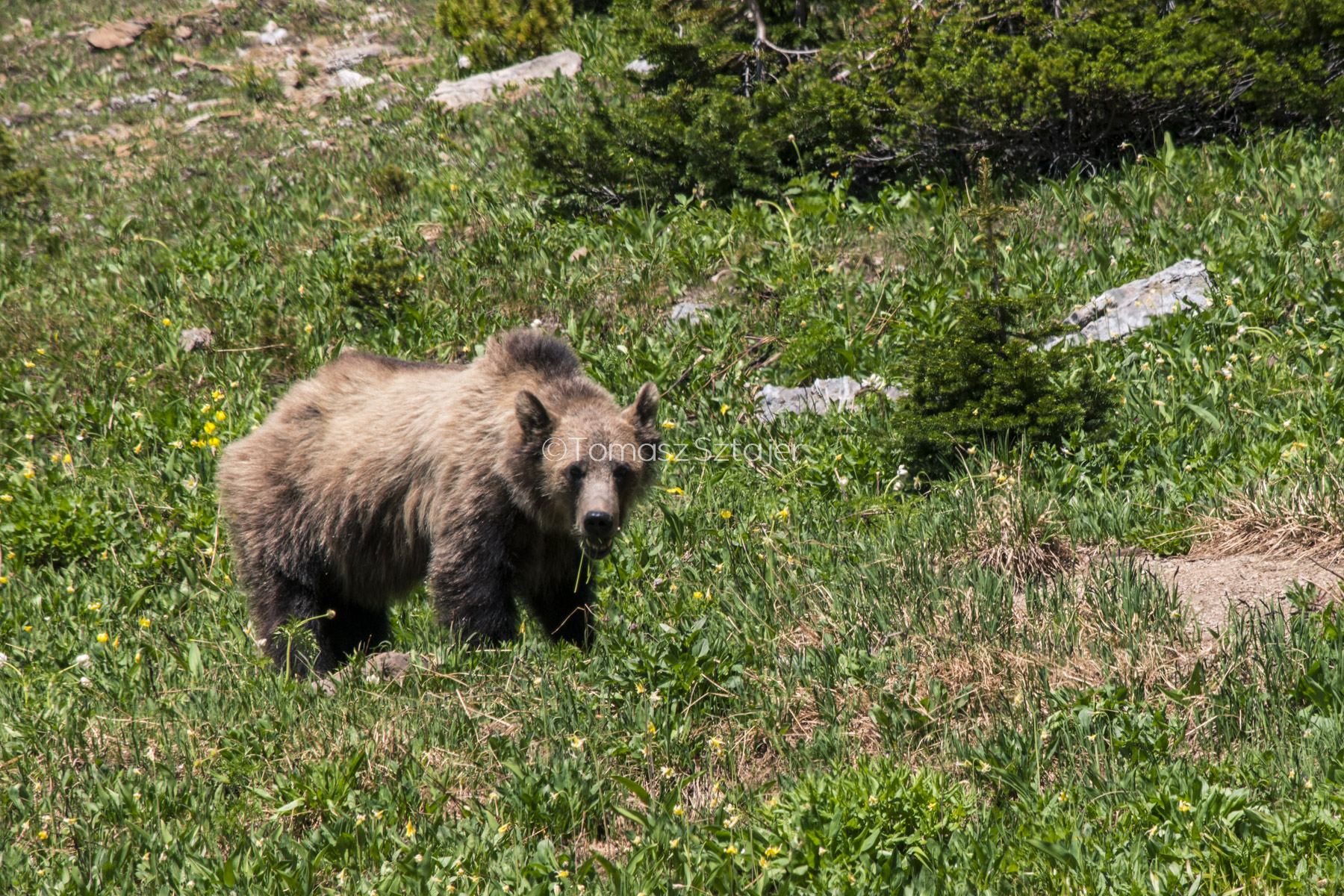
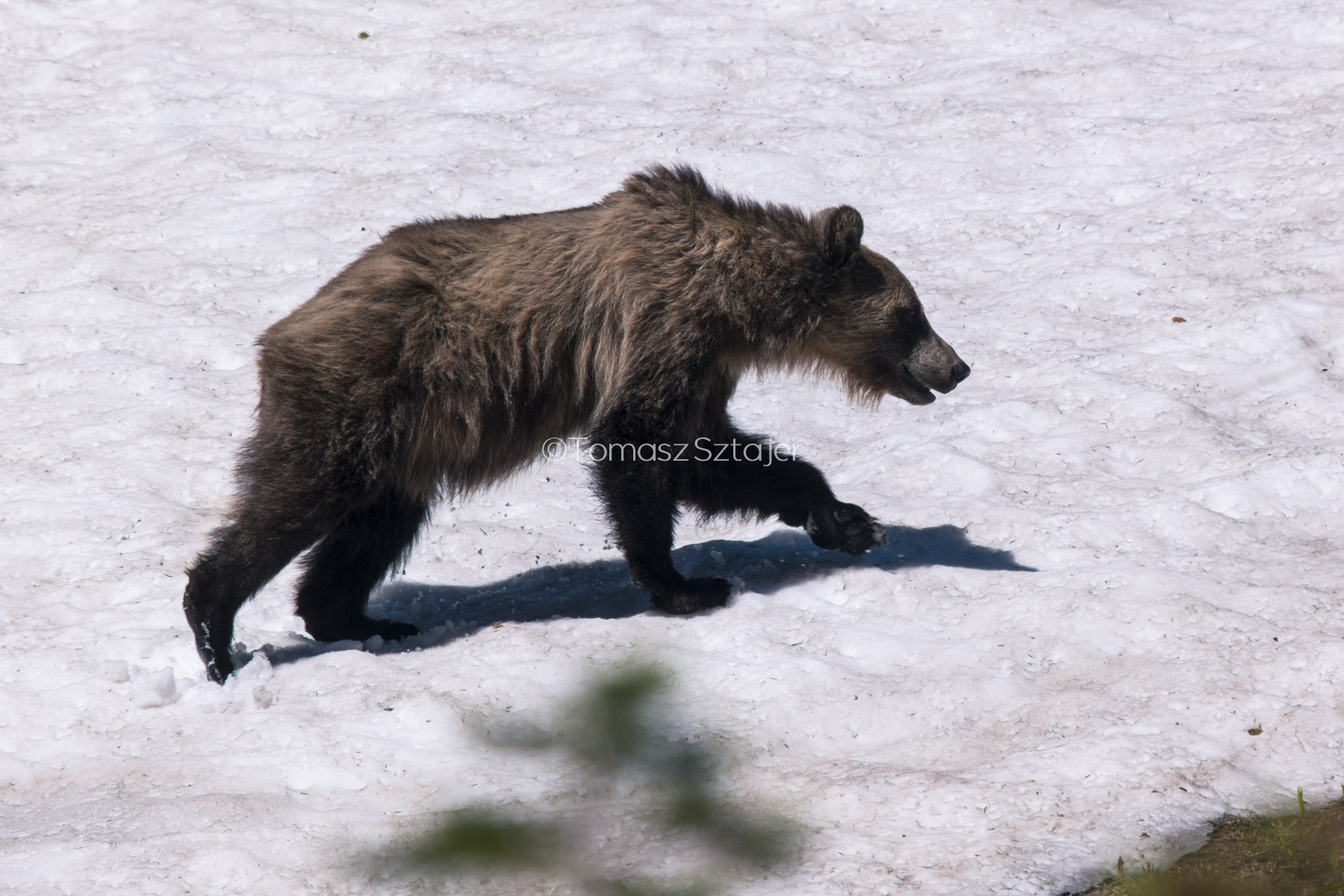
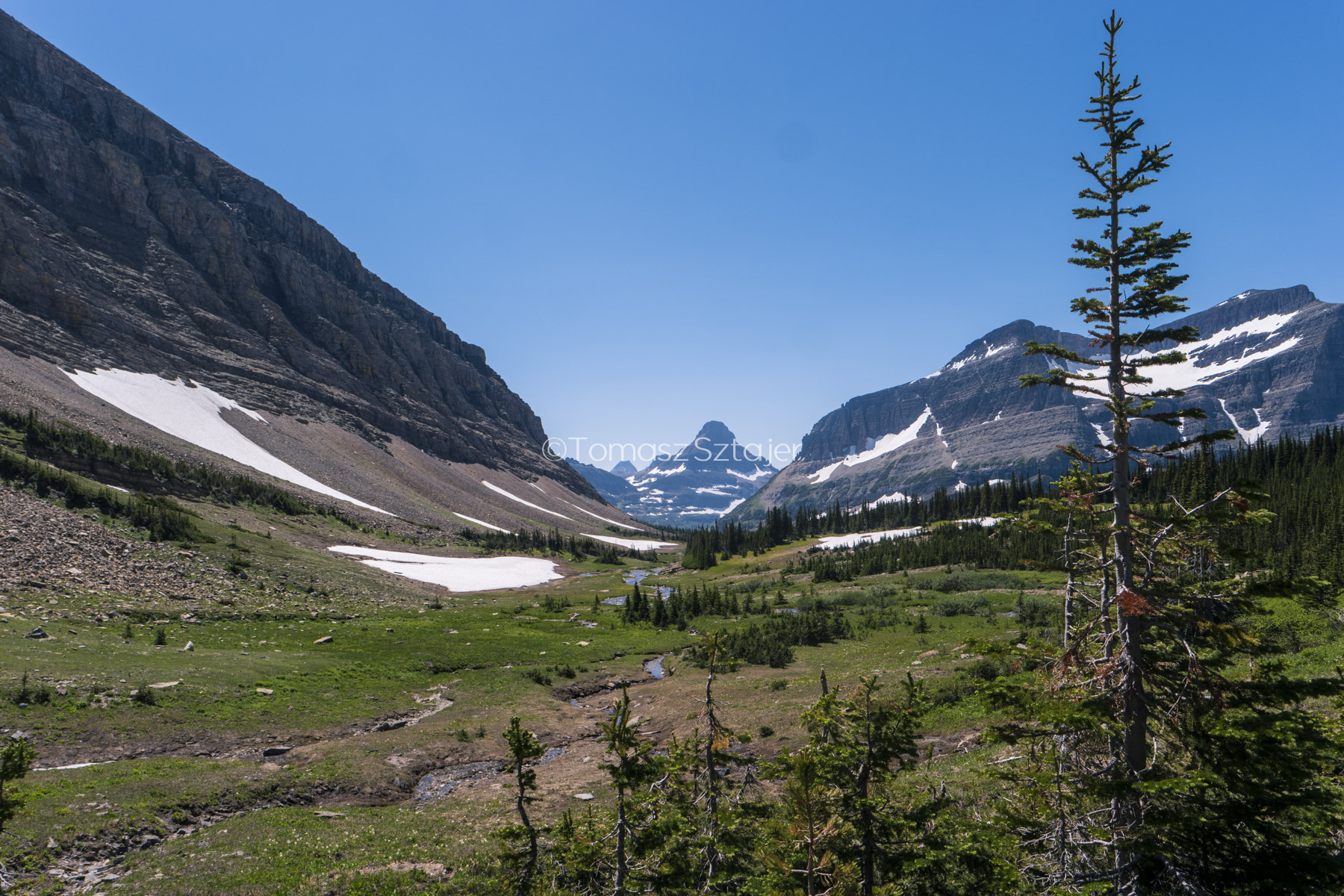
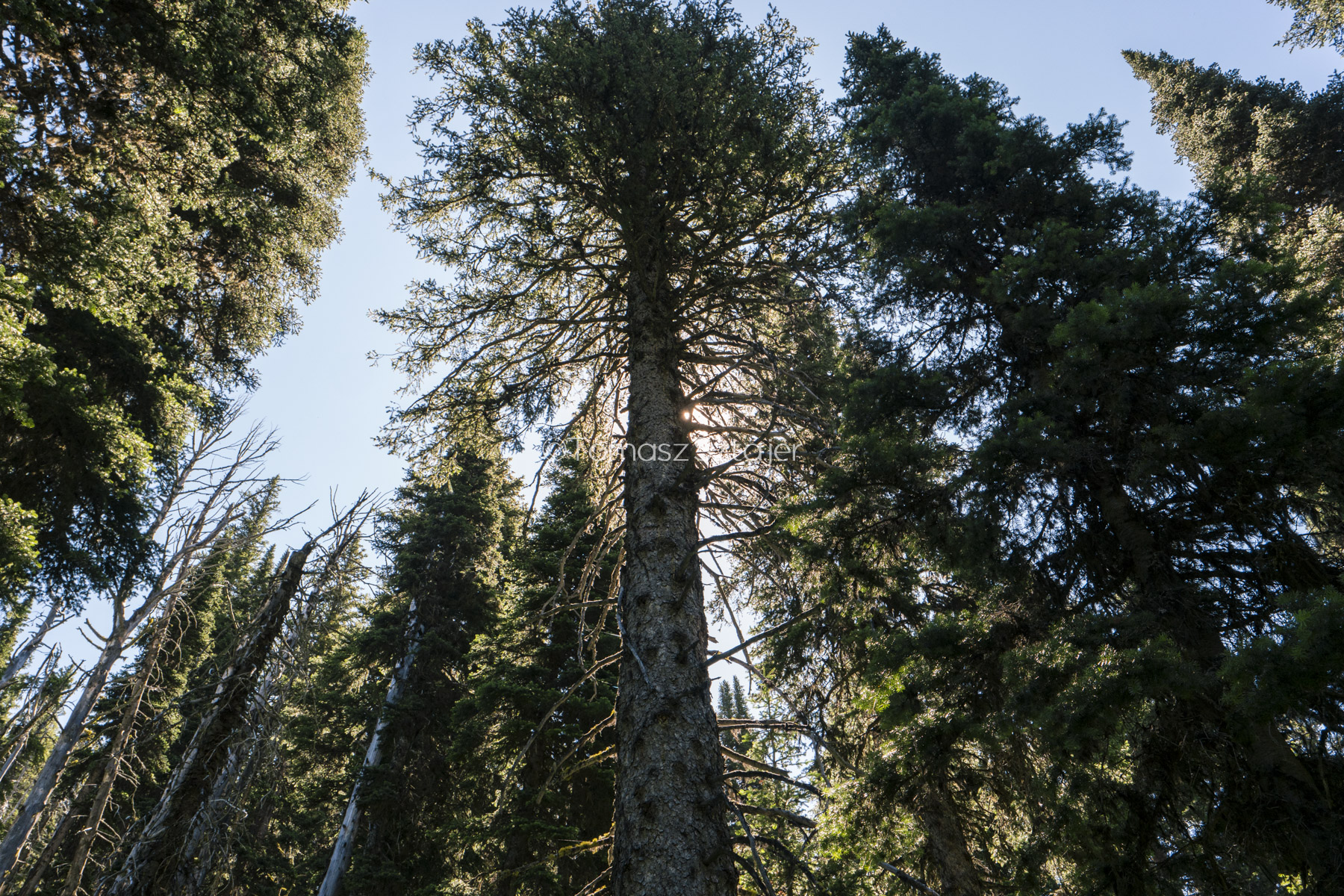
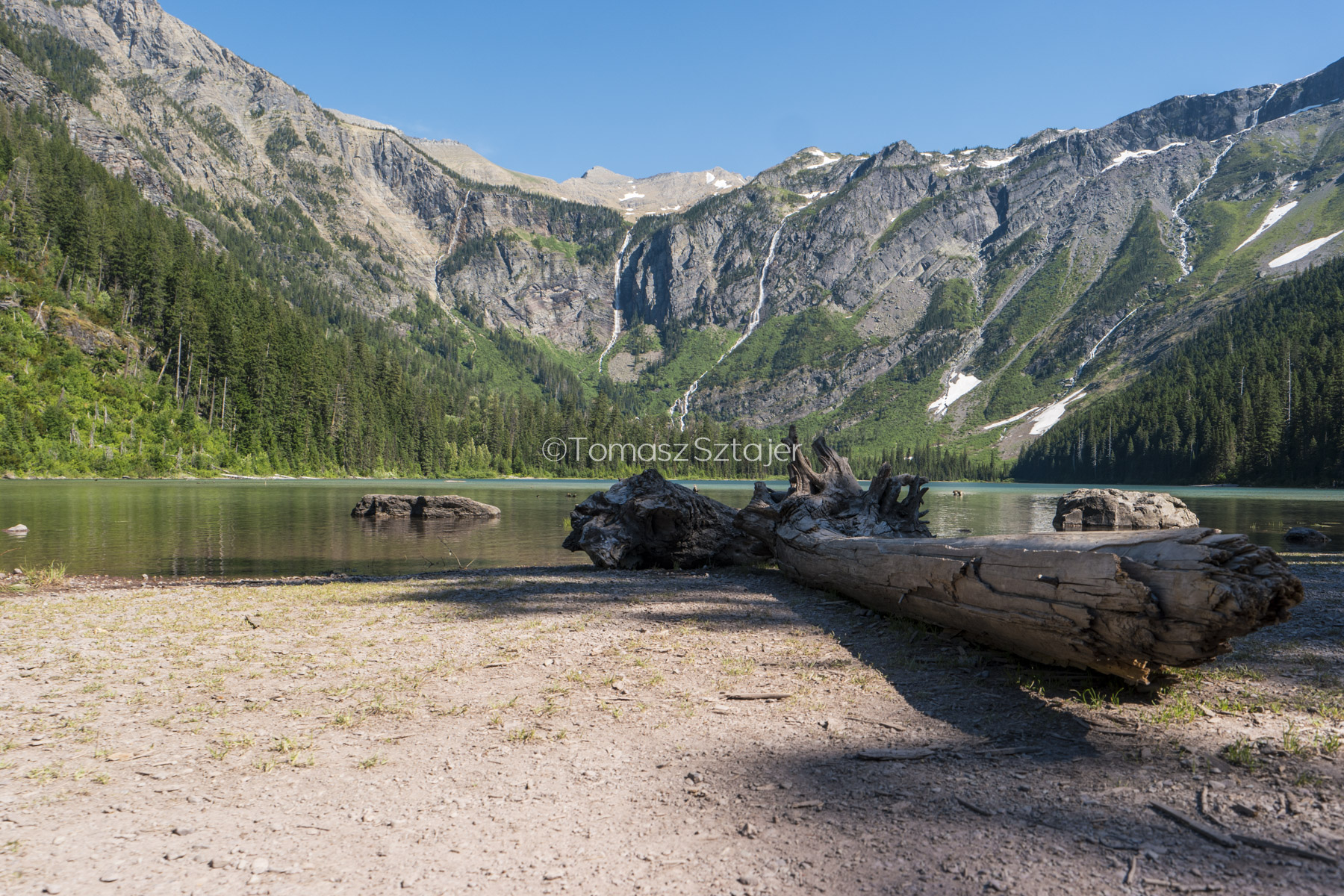
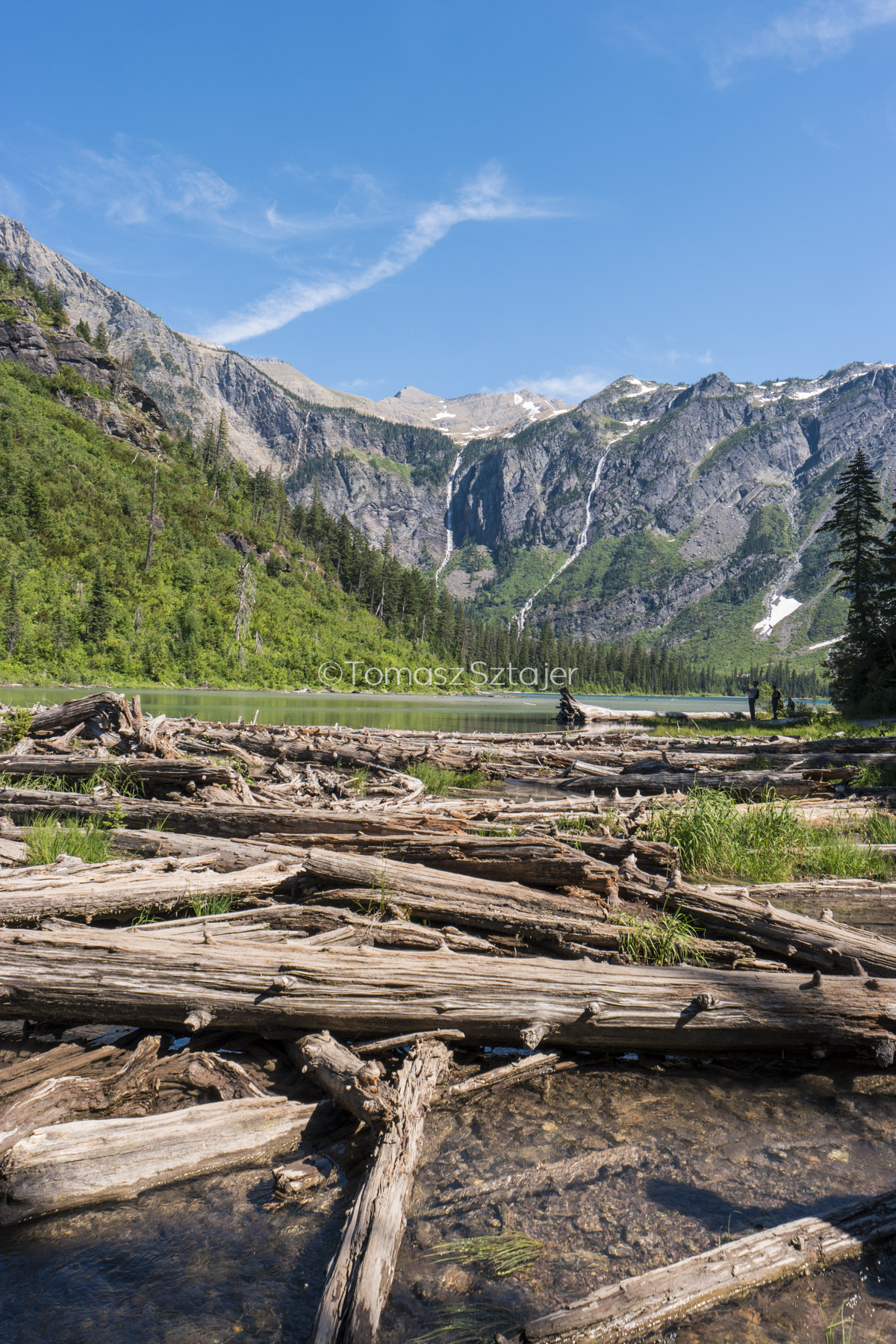
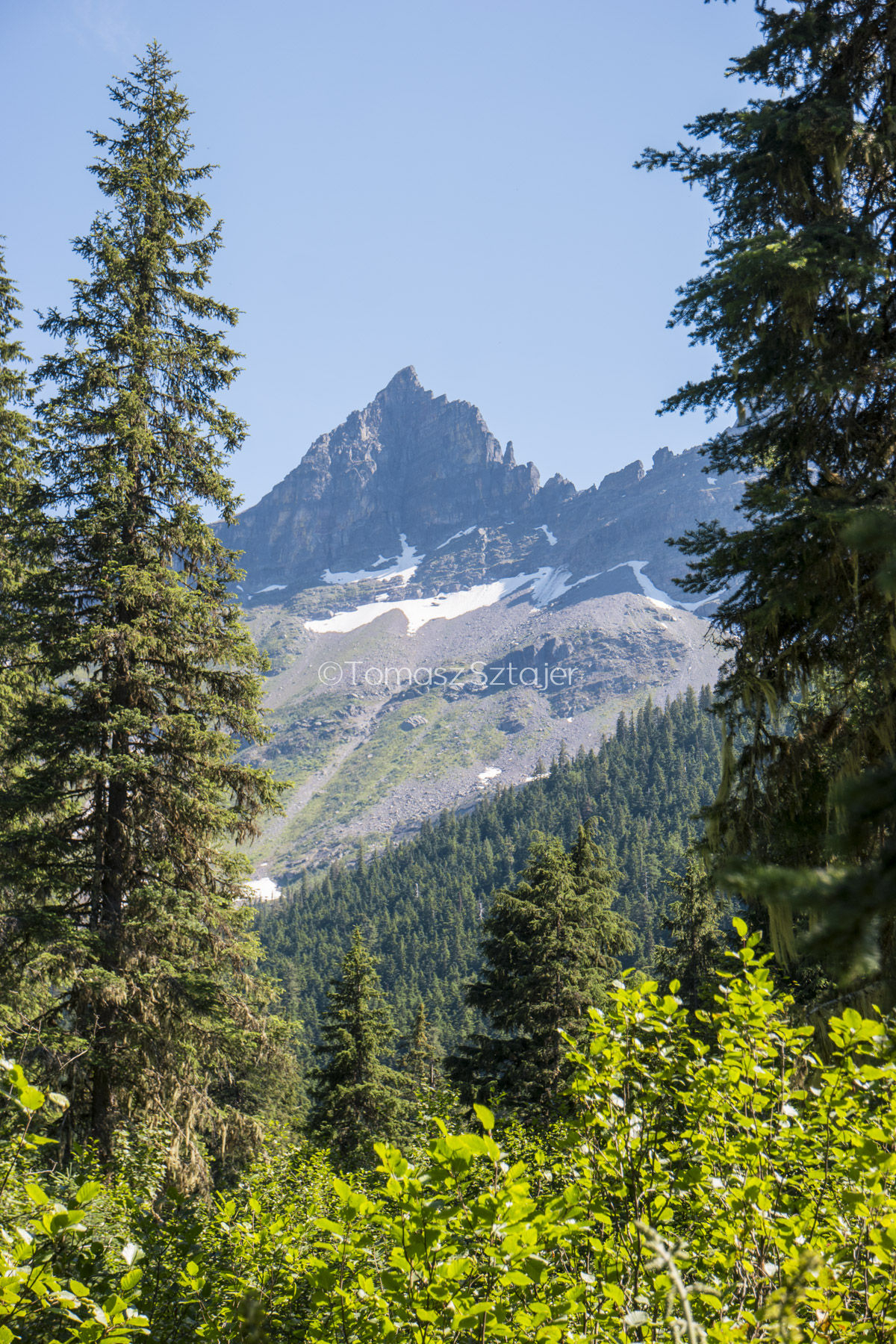
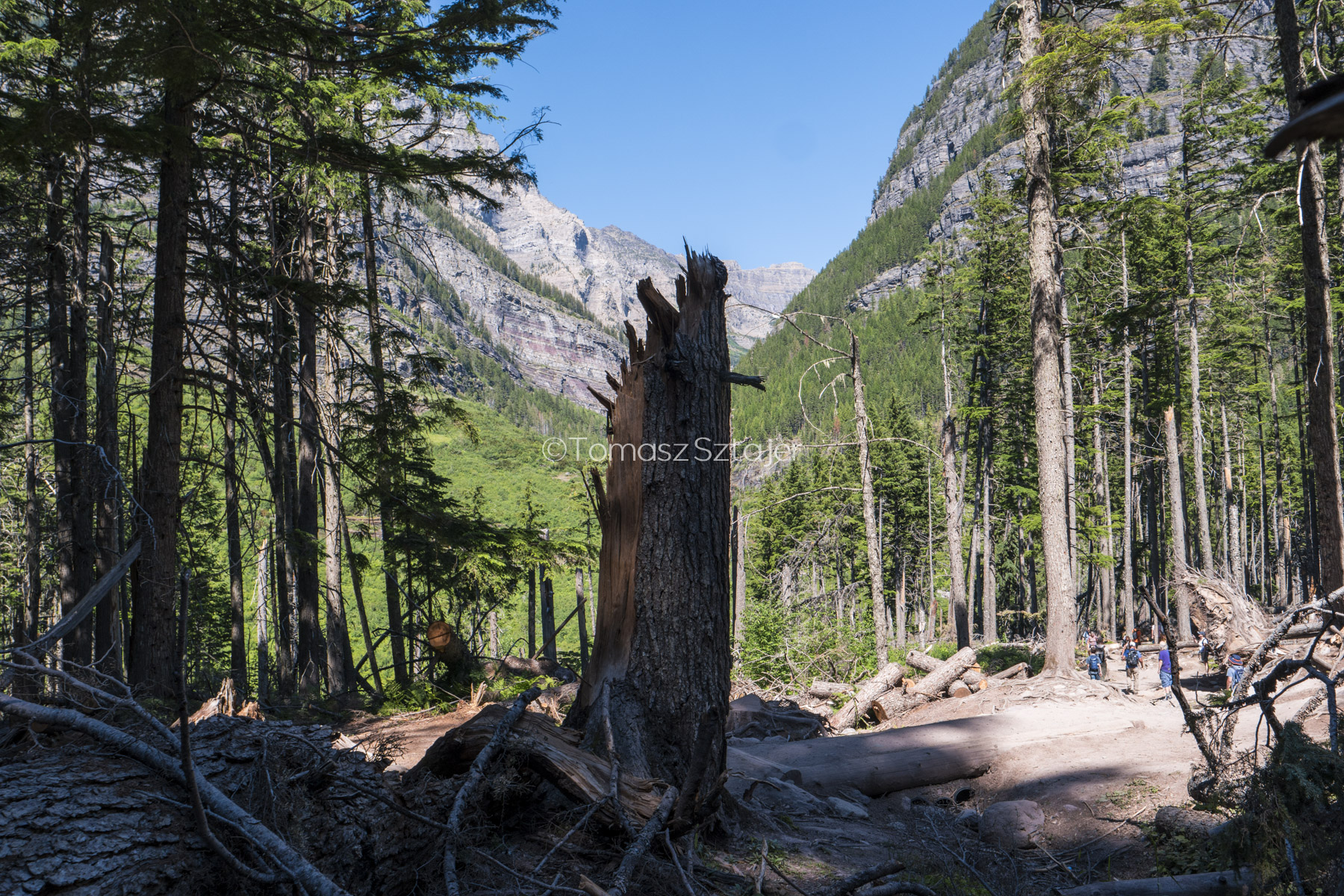
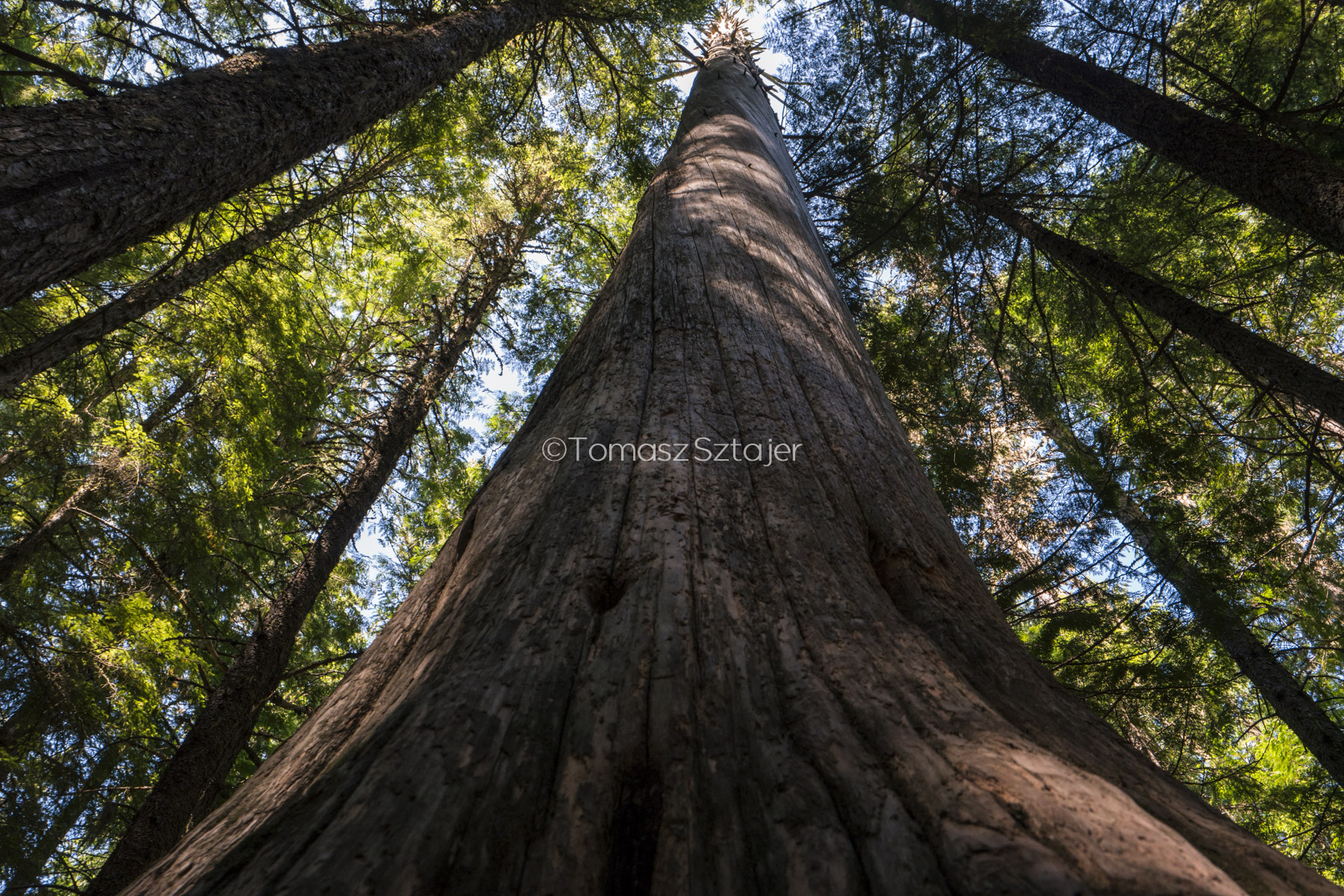
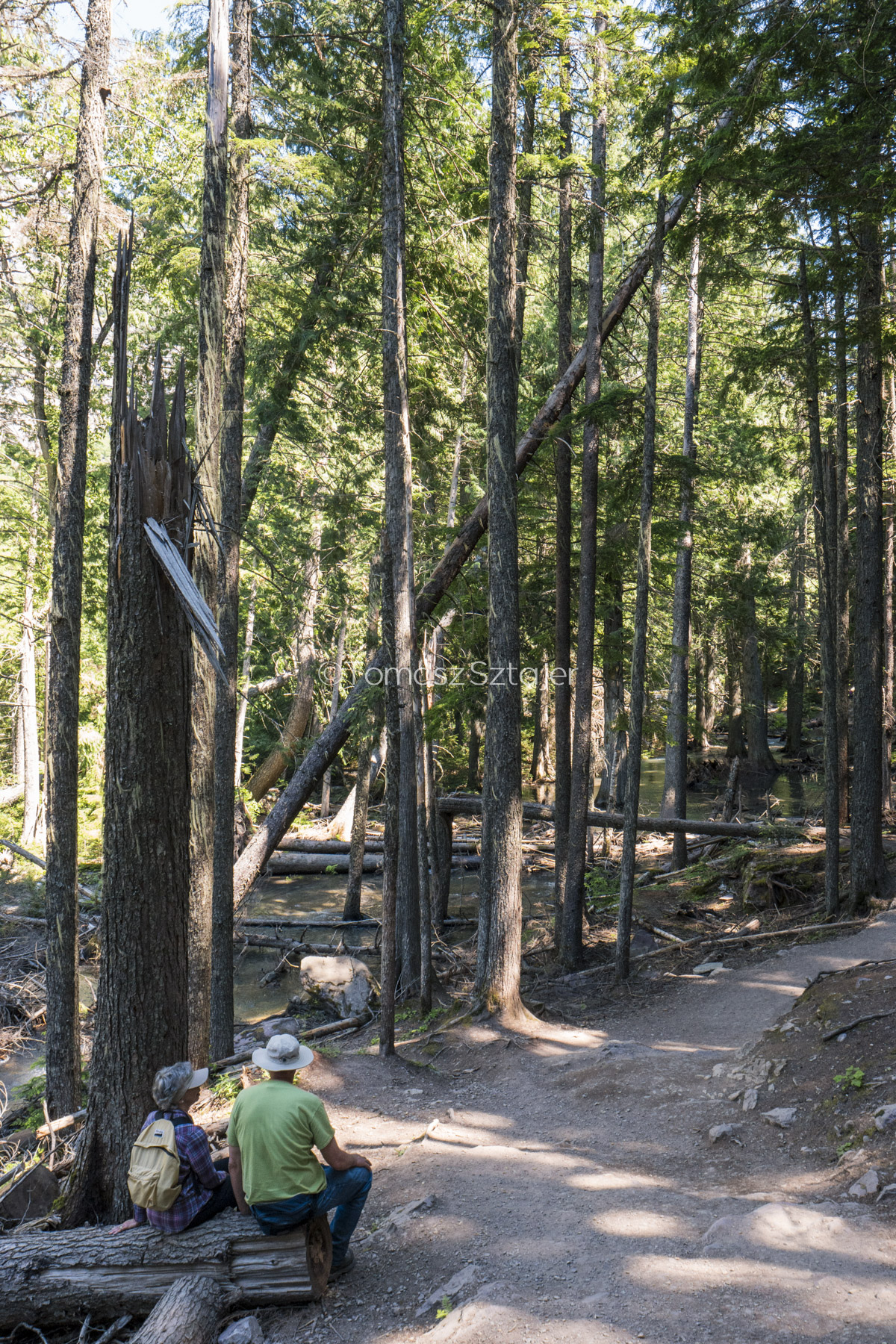
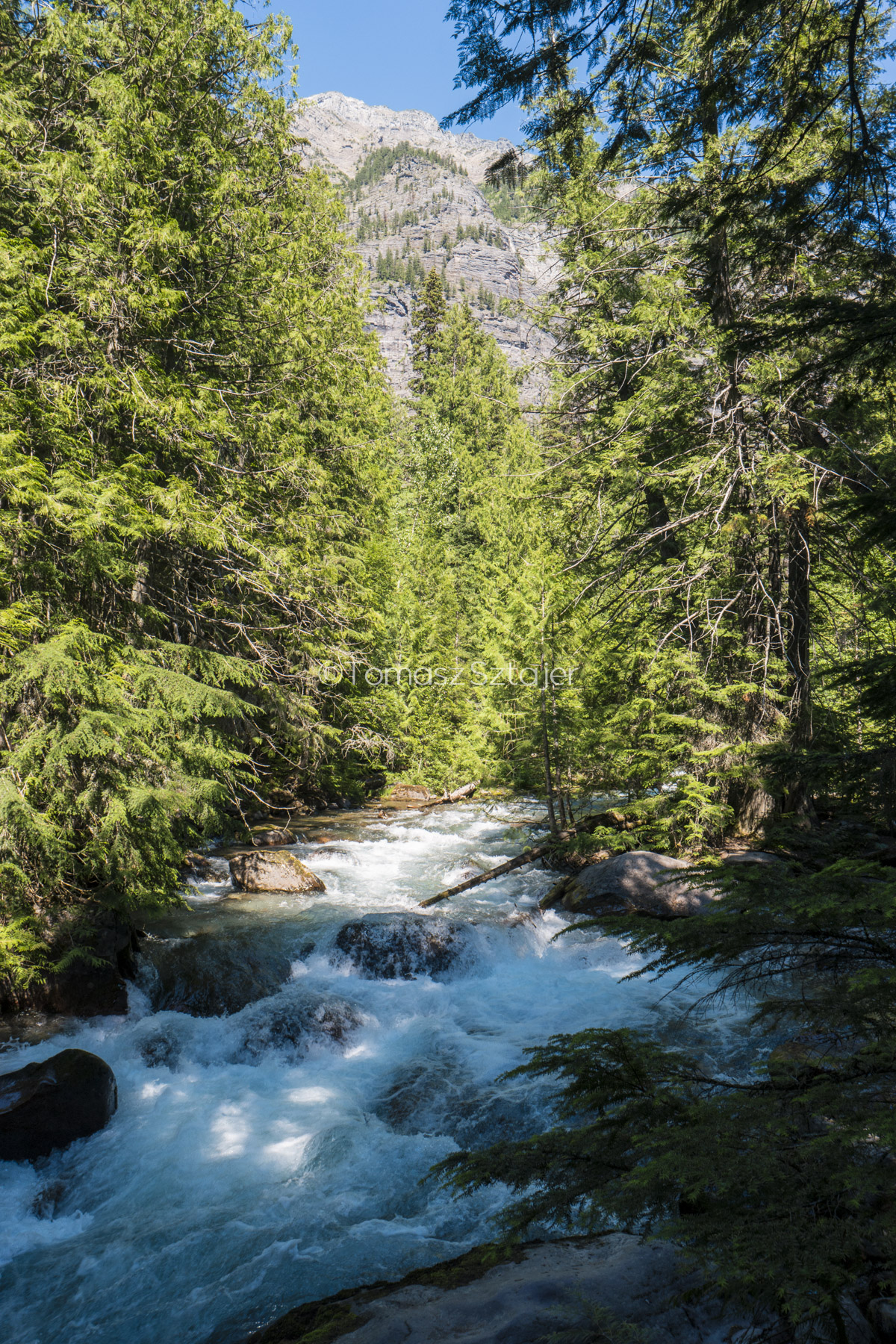
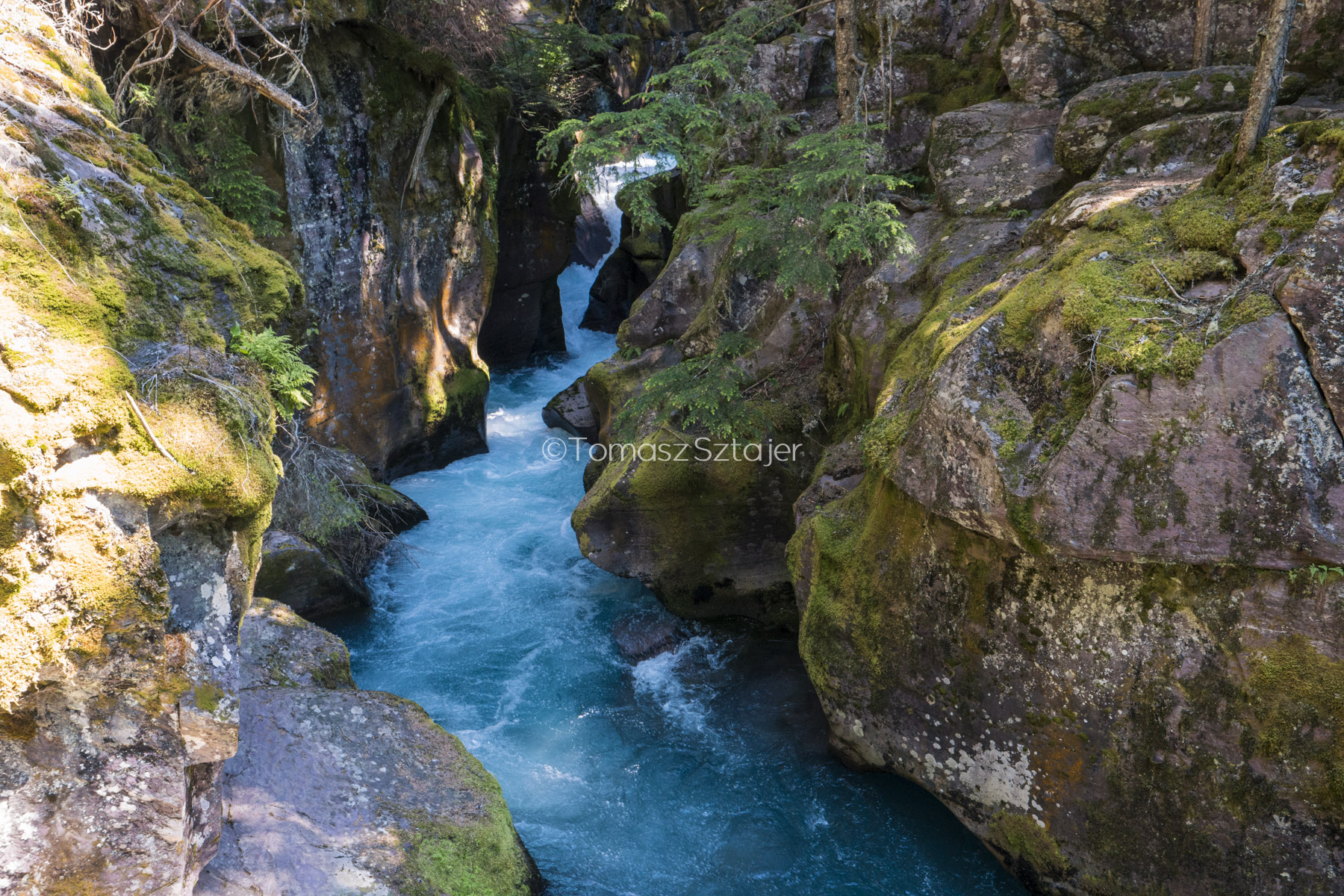
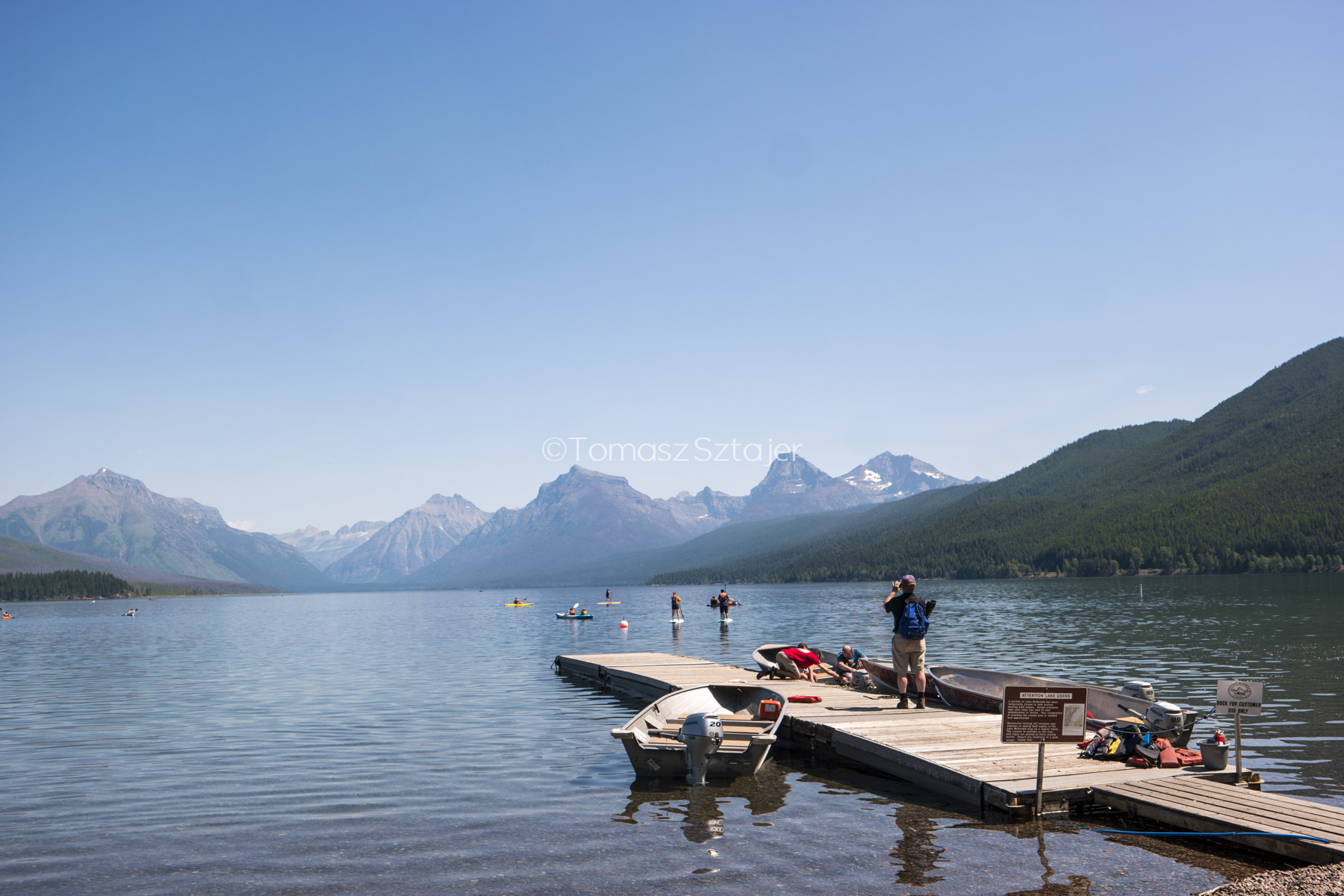
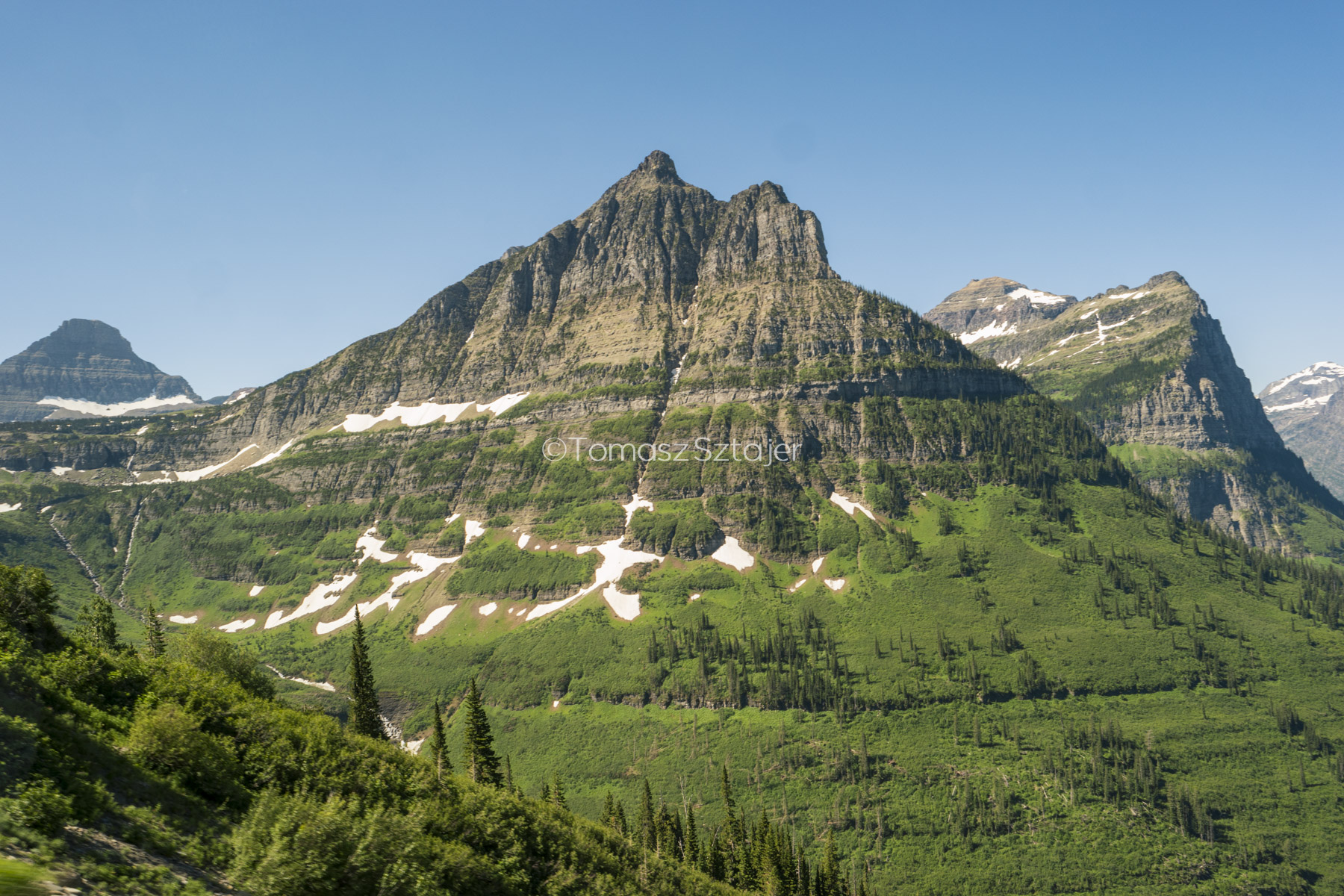
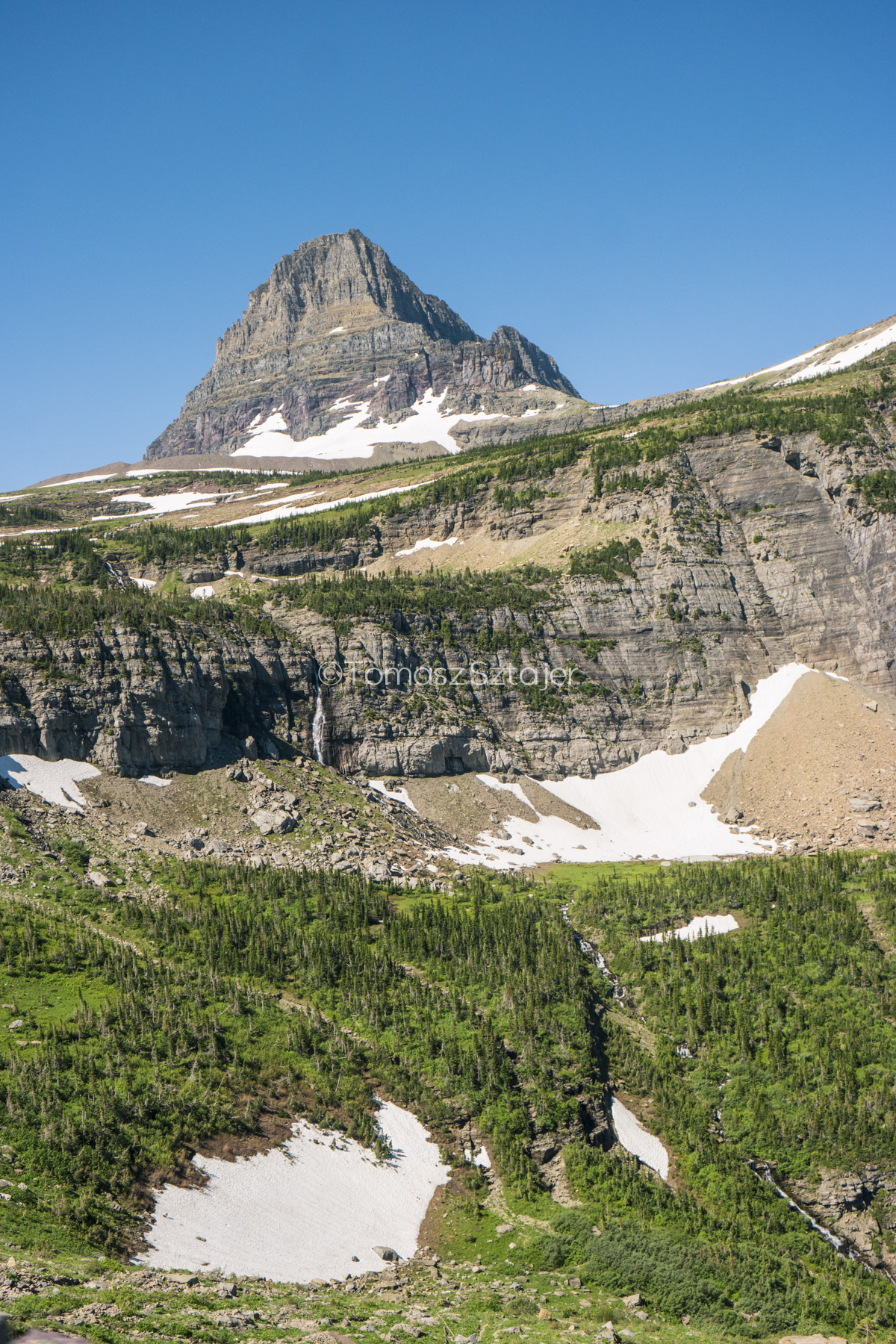
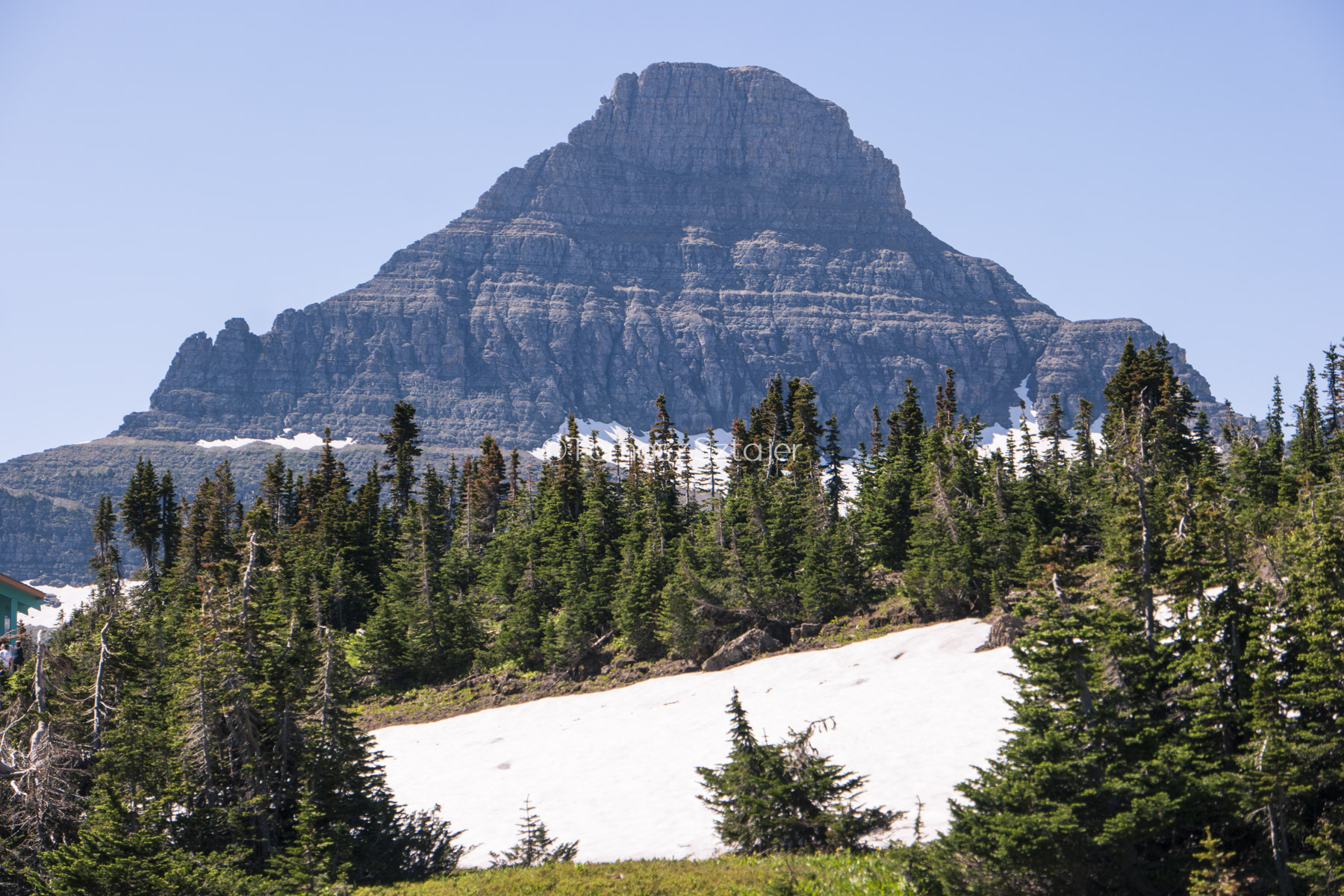
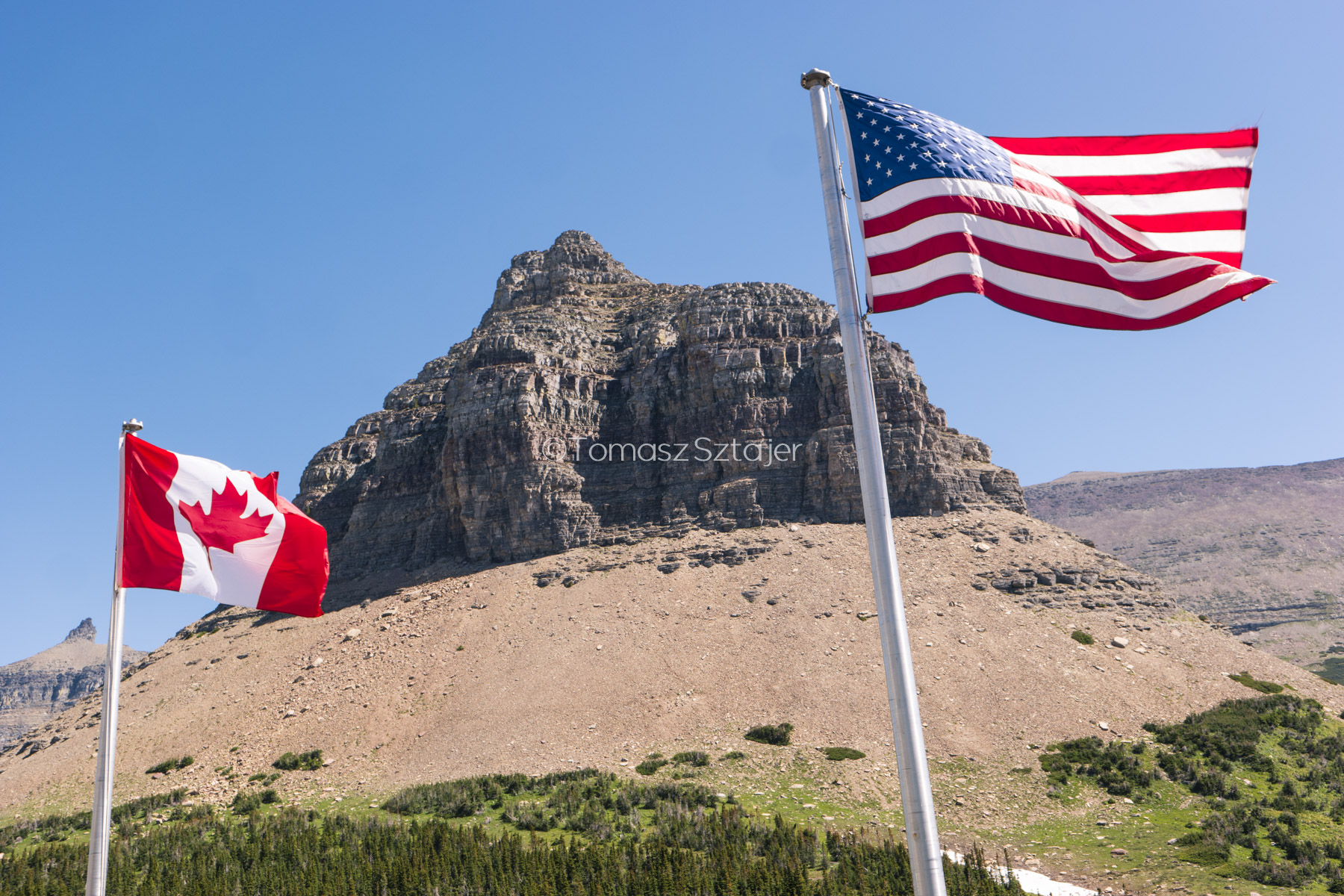
Glacier National Park – at the very border with Canada, a place of sheer beauty, good for a loooong exploration;
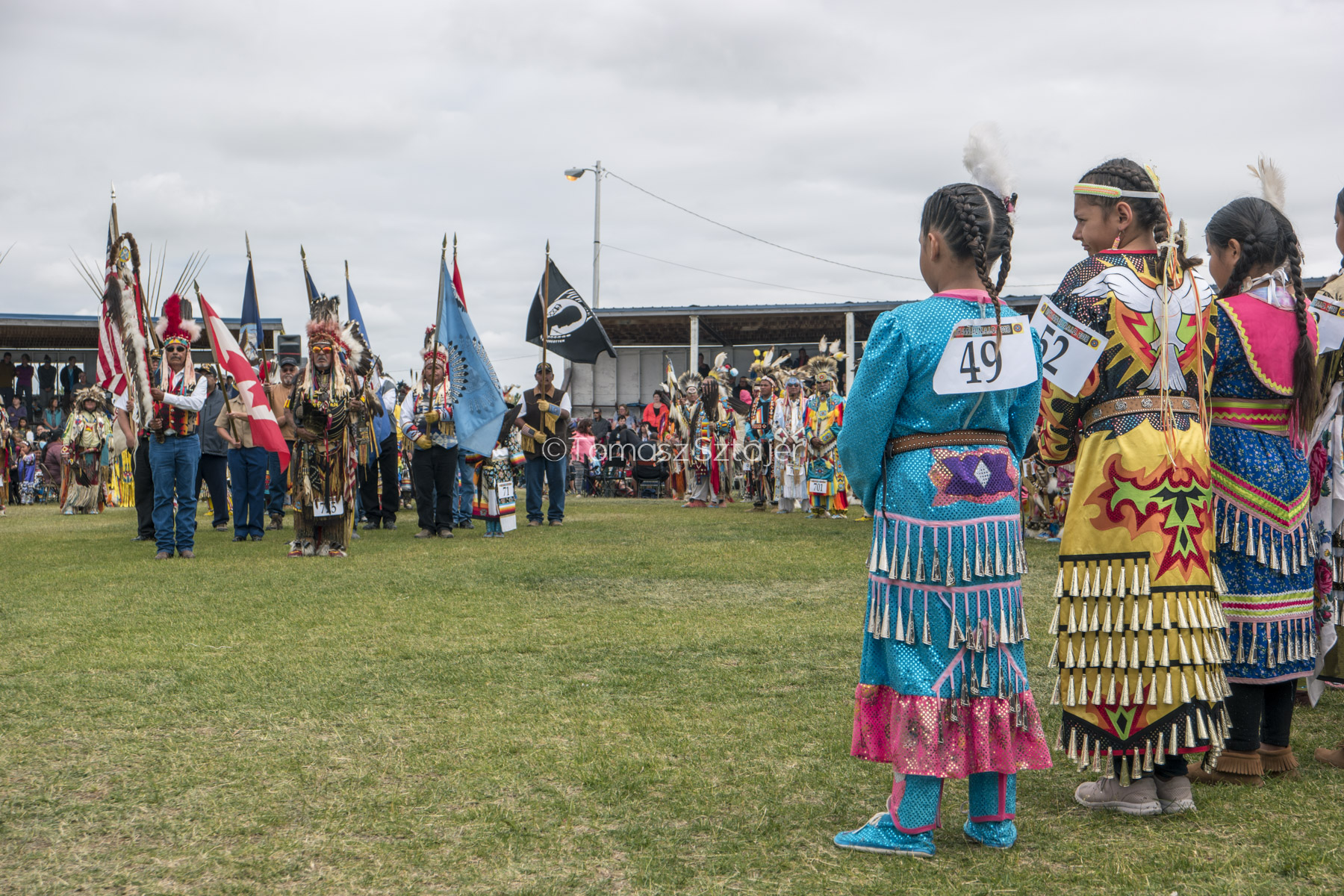
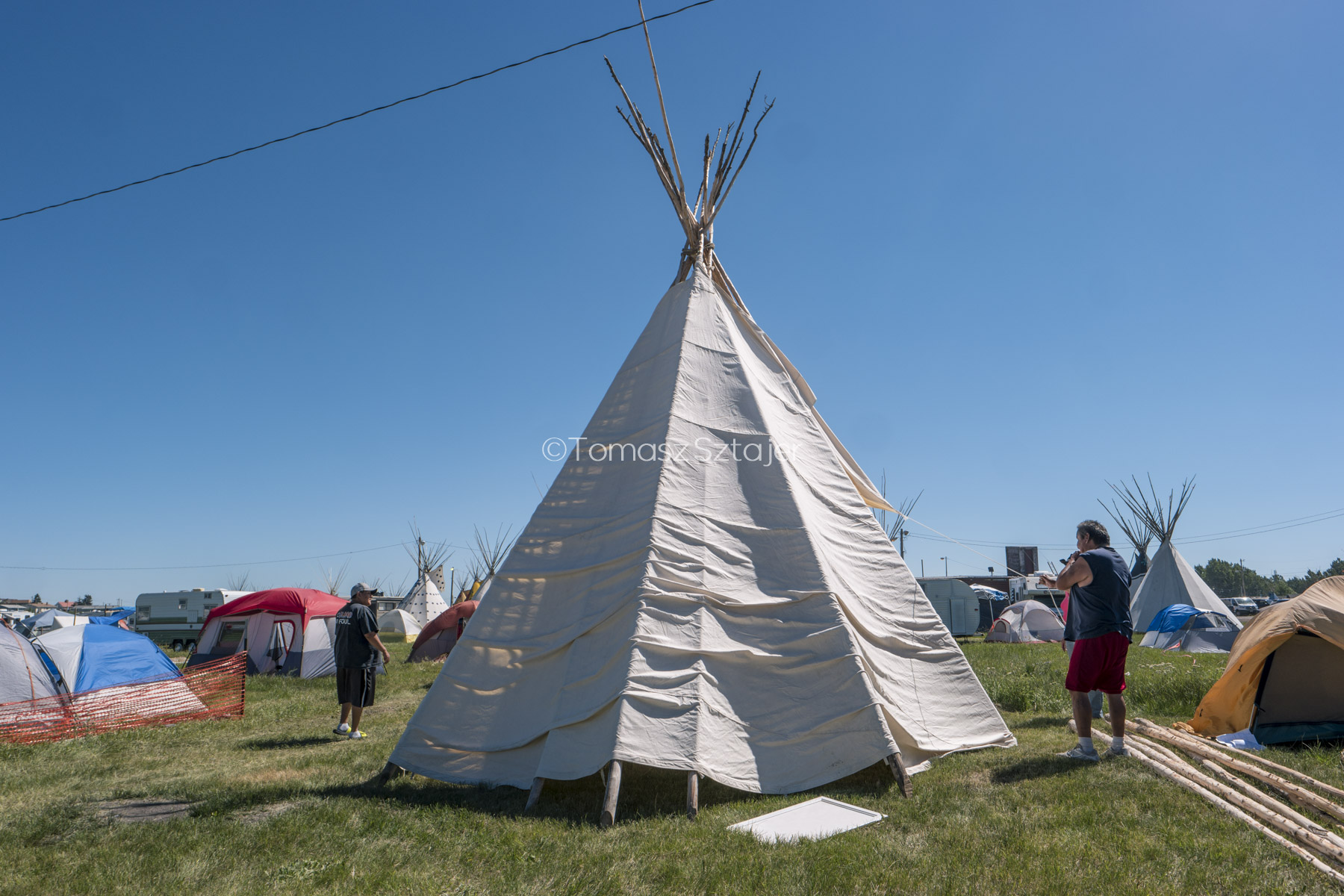
And North American Indian Days (+video) – American Indian festival in the town of Browning
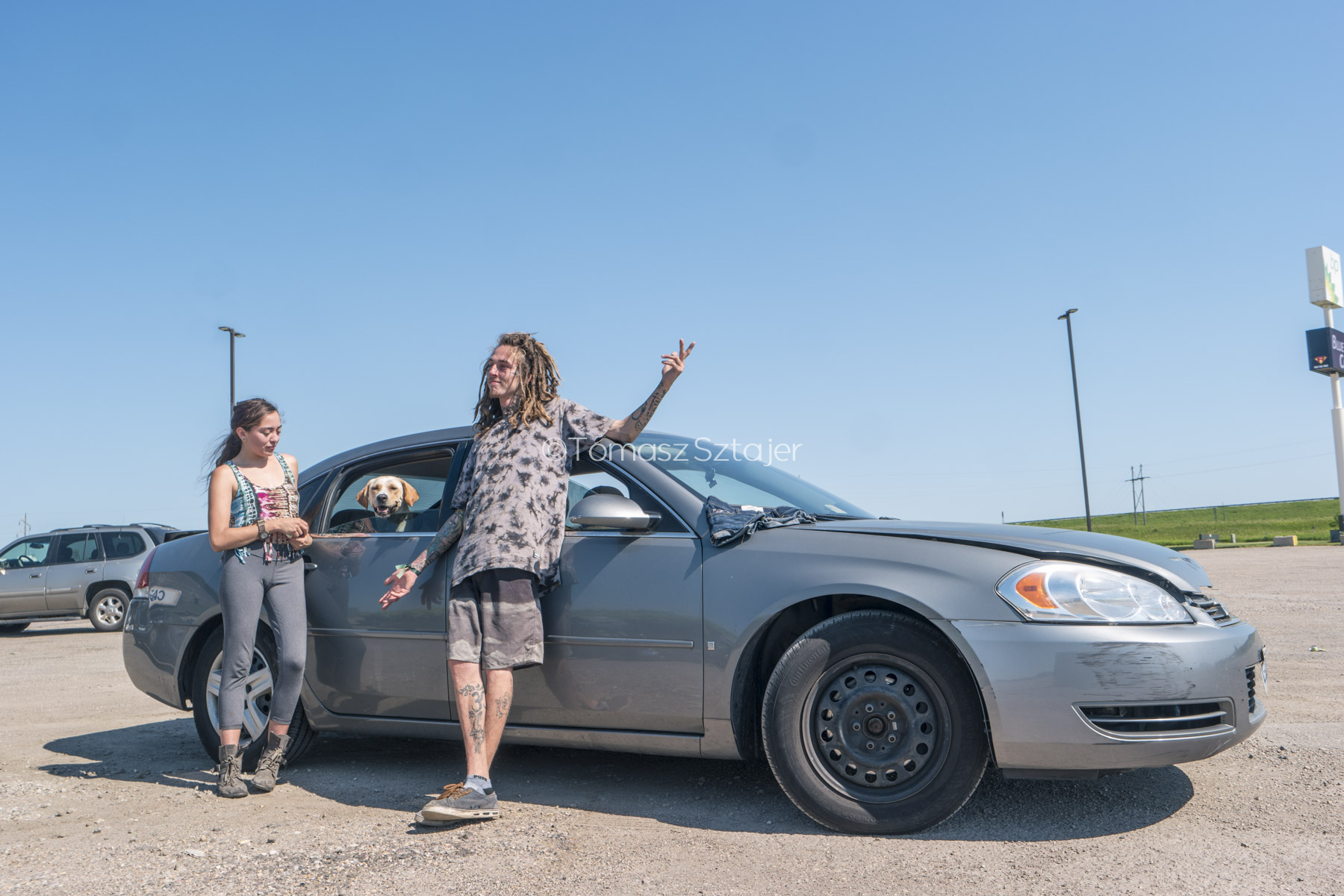
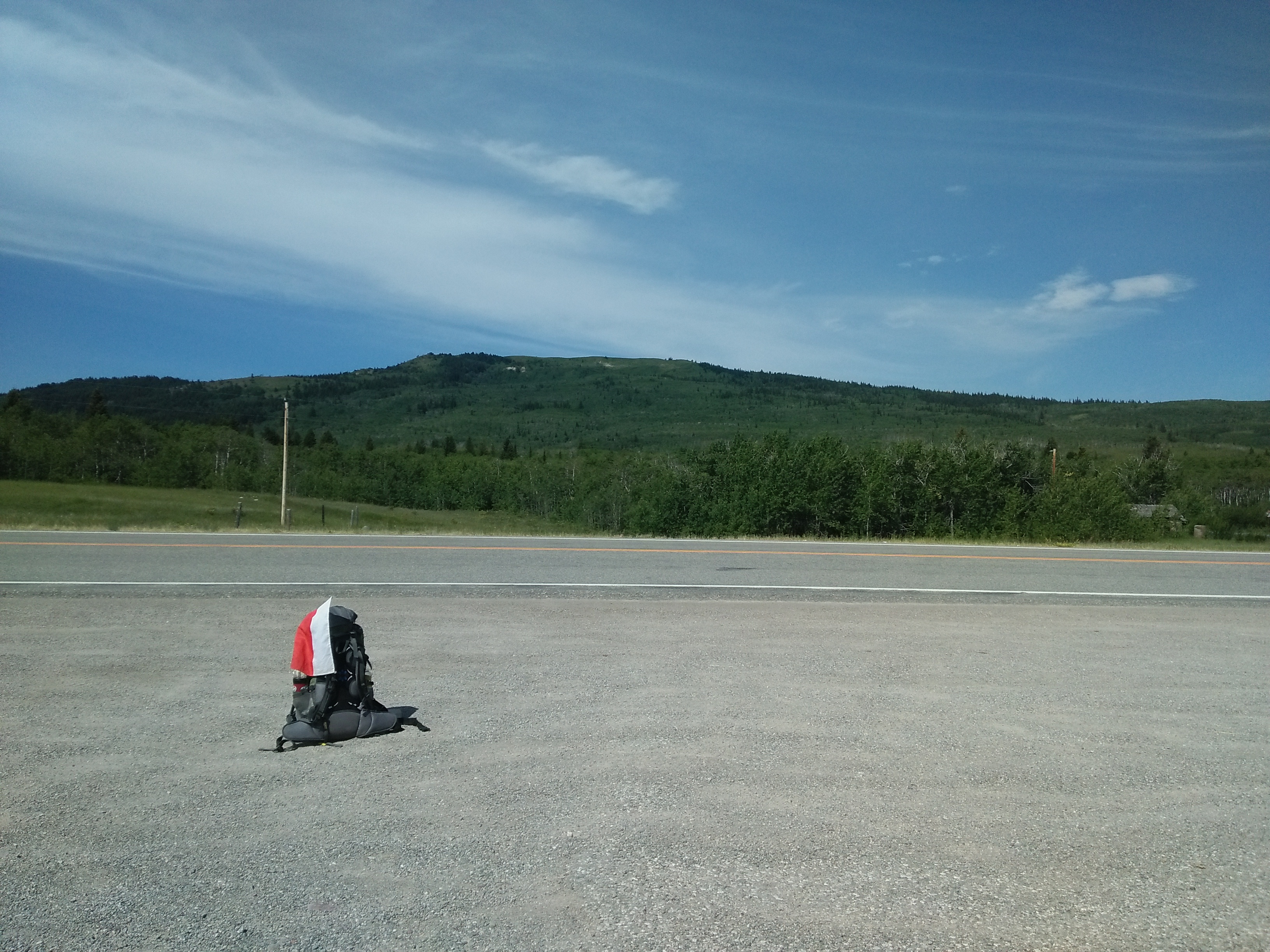
I won’t waste your and my time writing the trip itself – I guess the photos show all that is important. I will mention, however, and I will make it sound and clear – that hitchhiking in the United States of America is an extraordinary experience that everybody should try… To make it short – the hitchhiker here is a sort of a VIP, if a driver is not going your way, he will at least ask if you have enough water… Or better still, he will hand you a bottle of ice cold delicious water without asking… Or he will offer food… Or money (I made the point of refusing it but sometimes you just can’t… Like when a driver dropped me off at a gas station, we said our goodbyes, he drove away… and came back ten minutes later, handing me a handful of banknotes, excusing himself for not have given the money to me earlier but he had no cash in his wallet and had to drive home to get it)… And don’t be too surprised when a driver… says a prayer for the safety of your humble person during the trip. Even the cops are helpful and even give you rides(except for those in the state of Illinois, they sometimes apply the rules too strictly, forbidding you to hitchhike at all.. you have to do it “undercover” in gas stations; rules and their application vary from state to state). And if you’re a Pole – you can count on your fellow countrymen living in the U.S. in big numbers. I also recommend you staying in truckers’ lounges, where you can sleep and even take a shower (you can do the latter for free if you ask politely for a spare shower card – the truckers usually have too many of these).
***
Lojalnie uprzedzam – materiału (wizualnego) jest dużo i z góry gratuluję tym, którzy przebrną przez całość:) Dla ułatwienia, pogrupowałem zdjęcia (i jeden filmik, na samym końcu) w bloki tematyczne:
Pomiędzy – czyli to, co wydarzyło się podczas autostopowania;
NYC bliżej – zatrzymanie się na detalach i zaskakujących fragmentach pejzażu miejskiego;
NYC szerzej – szersze kadry, próbującego ogarniać nowojorską architekturę;
NYC Pride – czyli tęczowa parada równości;
Central Park – zielony mikrokosmos w sercu miasta;
Chicago i okolice;
Mount Rushmore & Crazy Horse – dwa ważne pomniki, jeden dla białych Amerykanów, a drugi dla Indian (choć zapoczątkowany przez Polaka – Korczaka Ziółkowskiego);
Park Lodowcowy – pod samą granicą z Kanadą, przepiękne miejsce, do dłuuugiej eksploracji;
I w końcu North American Indian Days (+video) – festiwal Indian w mieście Browning
Nie będę się tutaj zanadto rozpisywał nad przebiegiem podróży – myślę, że to, co ważne, widać na zdjęciach. Wspomnę tylko, za to głośno i wyraźnie, że podróż autostopem po Stanach to doświadczenie absolutnie konieczne do zaliczenia… W skrócie – autostopowicz to tutaj VIP, jeśli kierowca akurat nie jedzie w daną stronę, to zapyta, czy mamy zapas wody… Albo nie zapyta, tylko od wręczy nam butelkę – świeżo zakupioną z myślą o nas, chłodniutką… Albo zaproponuje jedzenie… Albo pieniądze (starałem się odmawiać, ale czasami po prostu się nie da: jeden facet podwiózł mnie na stację benzynową, pożegnaliśmy się, odjechał… i po parunastu minutach wrócił, wręczając mi garść dolarów i przepraszając, że wcześniej mi nie dał, ale nie miał ze sobą gotówki i musiał po nią pojechać do domu… trudno w takim przypadku odmówić:)… Może nas także spotkać – i to mnie totalnie rozwaliło – modlitwa kierowcy o bezpieczeństwo naszej podróży. Nawet policjanci są pomocni i udzielają podwózki (poza tymi w Illinois, niektórzy z nich zbyt ściśle przestrzegają przepisów i w ogóle zabraniają autostopować – trzeba się wtedy przyczaić na stacji; w każdym stanie przepisy i stosunek do nich stróżów prawa są inne). W dodatku w wielu stanach mieszka wielu Polaków, bardzo chętnie pomagających rodakom. Polecam też korzystanie z truckers’ lounges, w których można się wygodnie przekimać, a nawet wziąć prysznic (za darmo, jeśli wydębimy od tirowca karnet, których zazwyczaj ma w nadmiarze).
In-between // Pomiędzy:
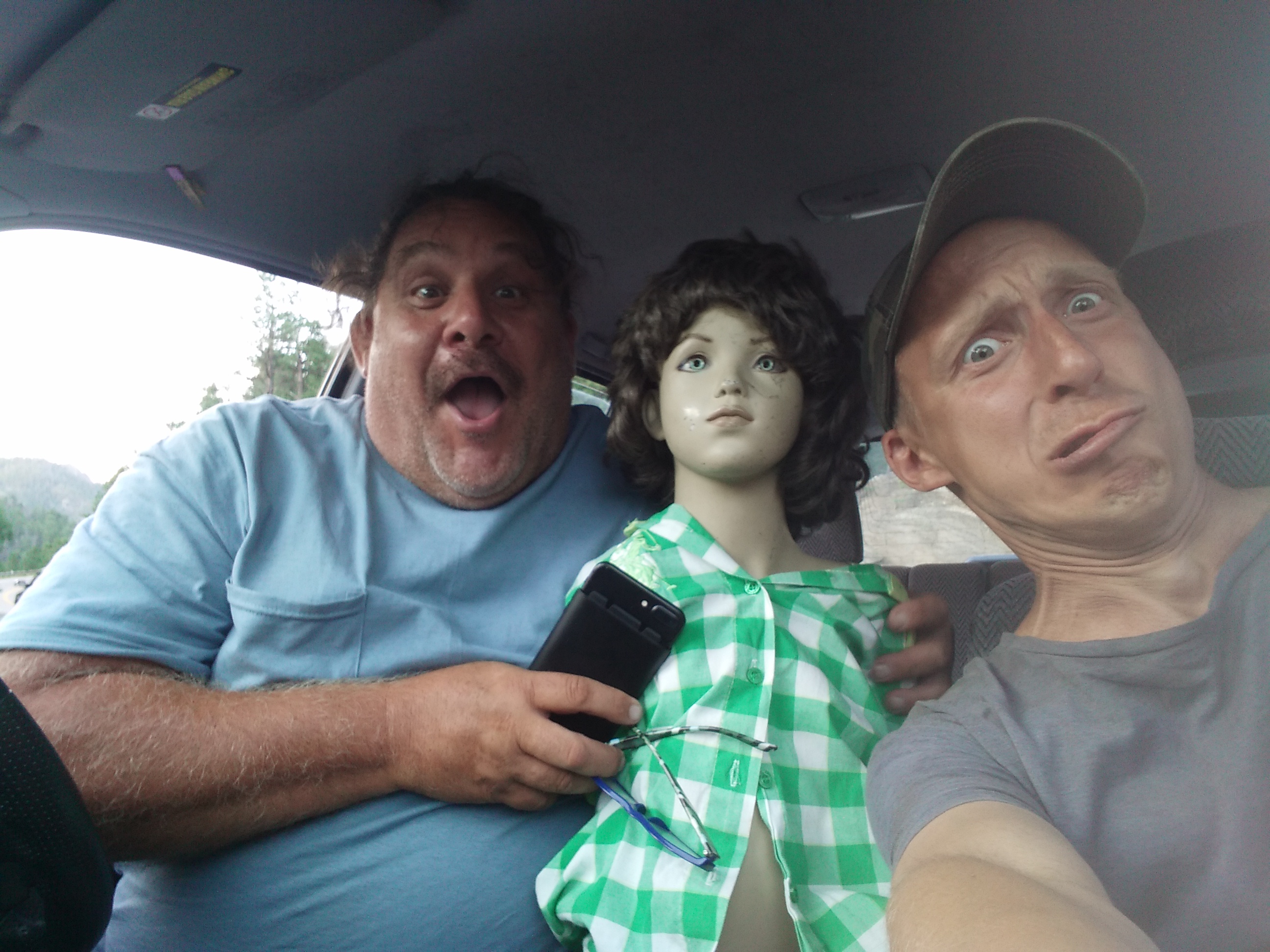
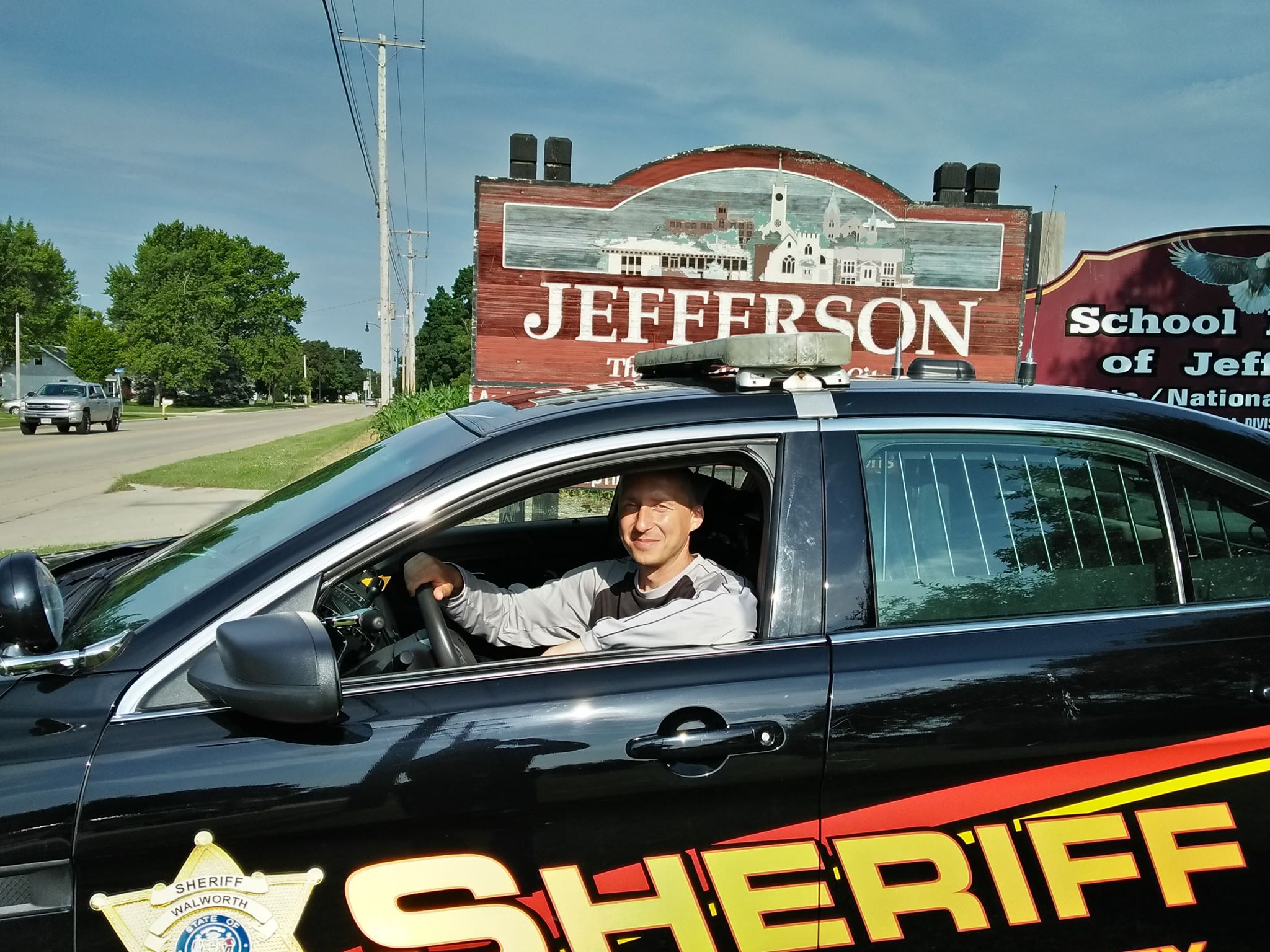
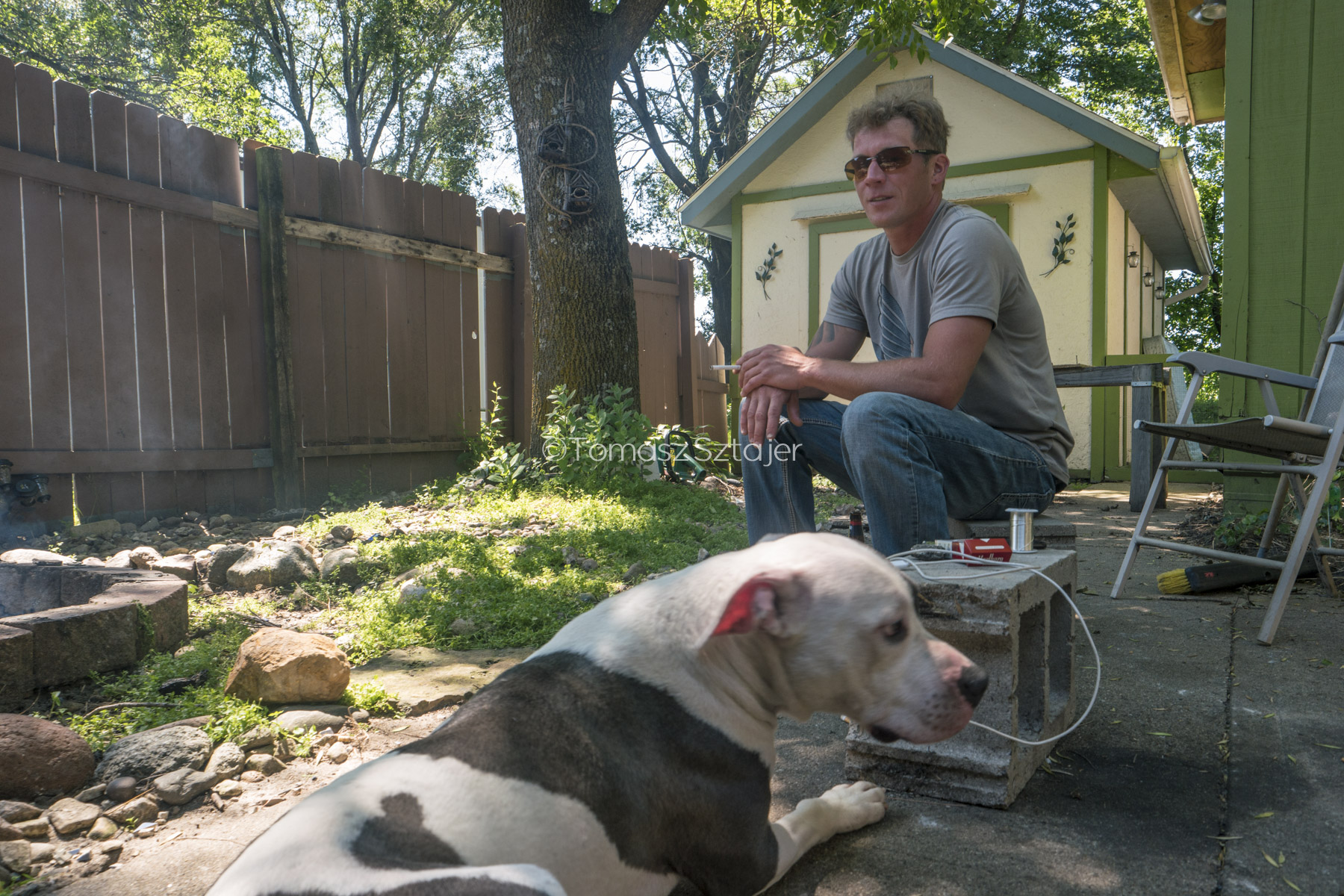
My drivers
My drivers
My drivers
“It’s impossible to get lifts from truckers”
The truck that made me go a long way
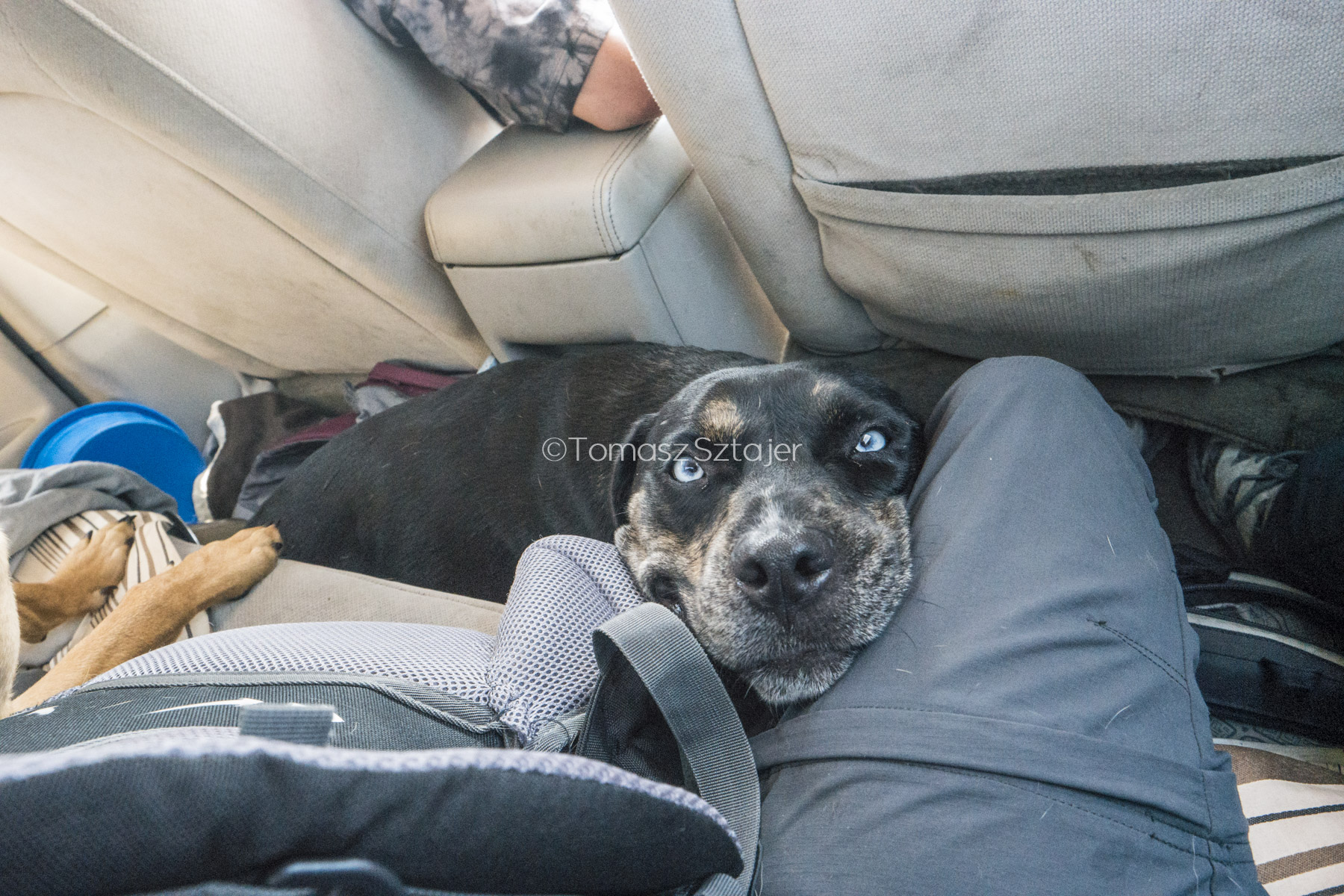
Sharing the backseat with 3 dogs
My drivers
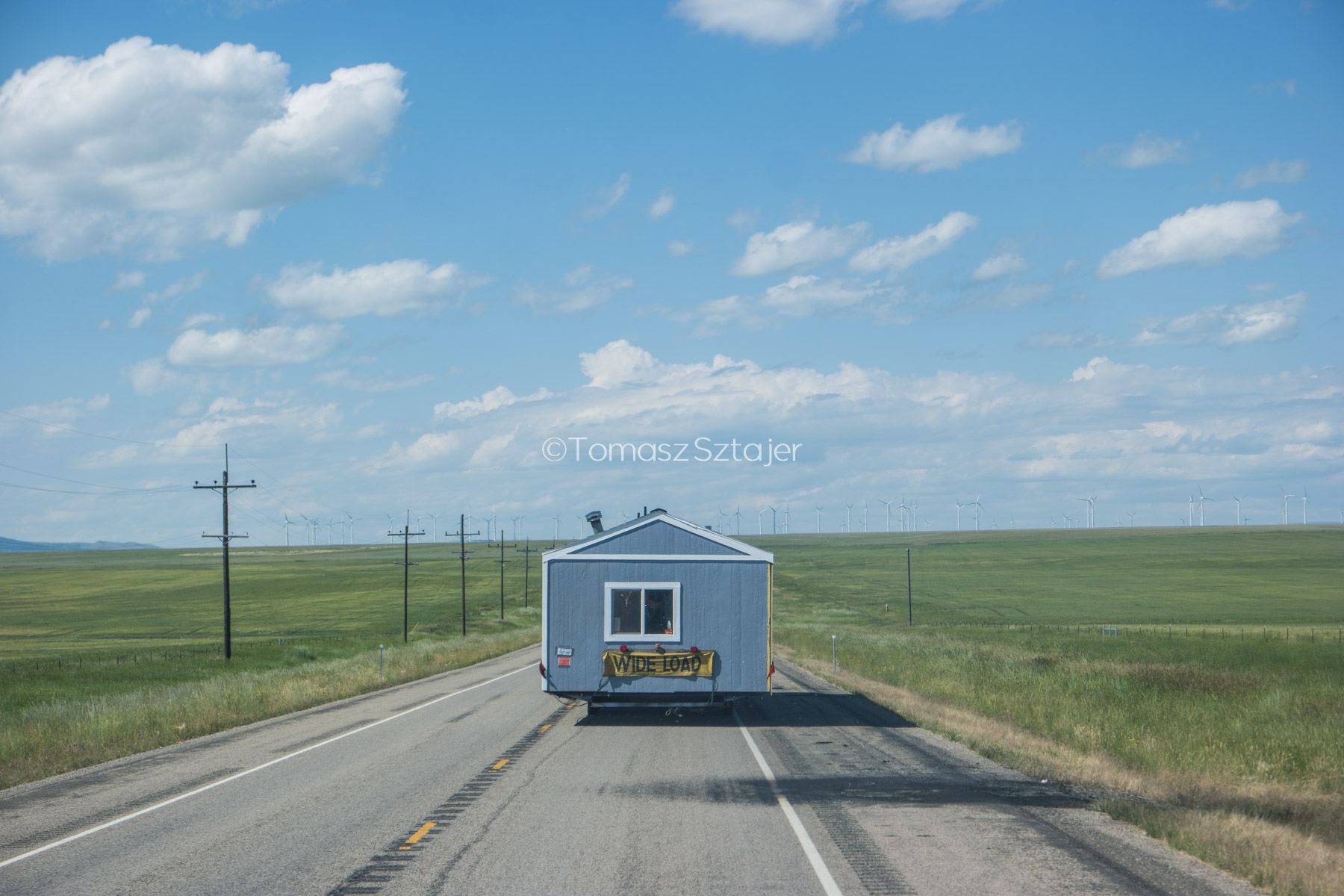
Somewhere on the way
Hitch-hiking
“I’m getting retired in 6 months, so what will they do – fire me?”
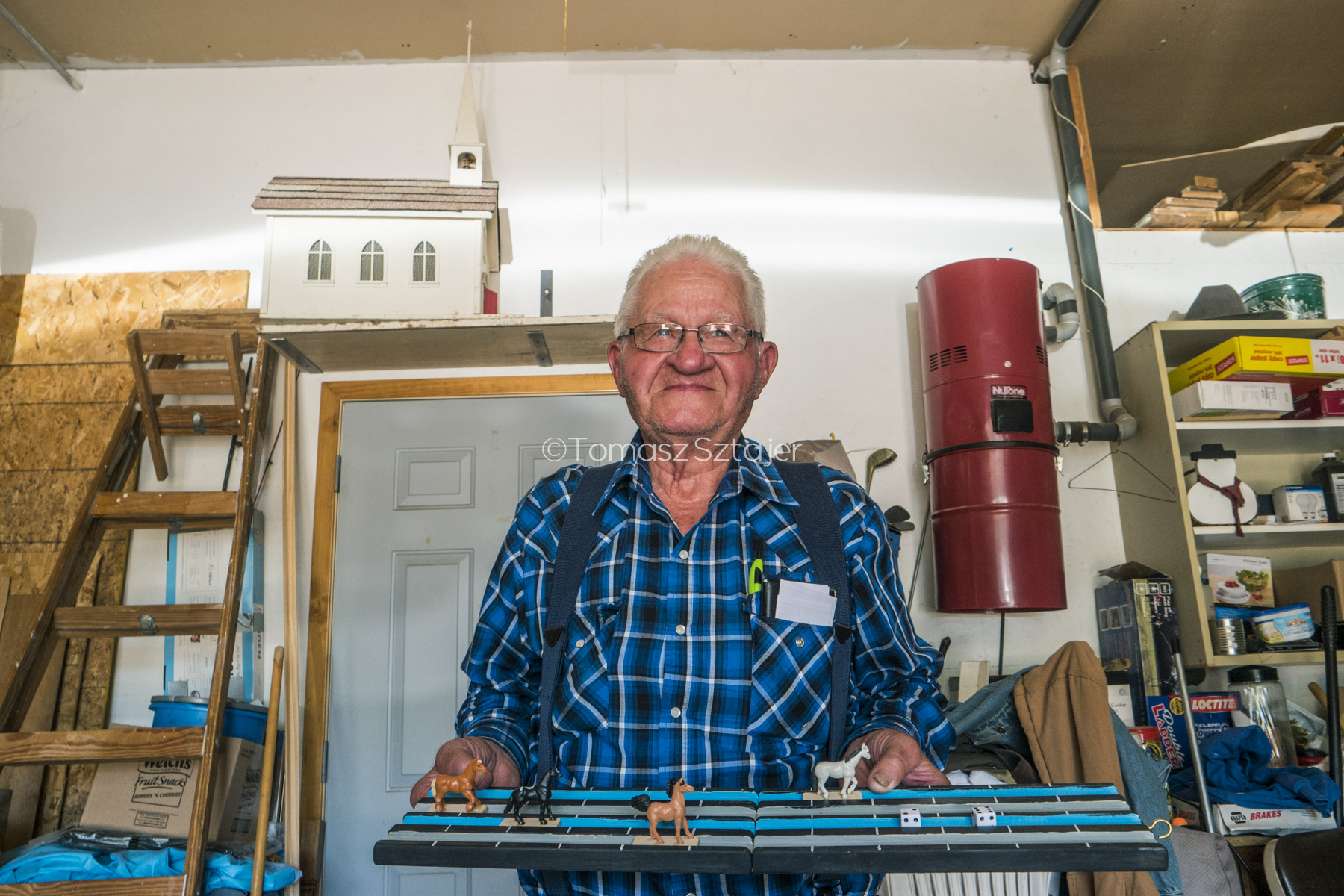
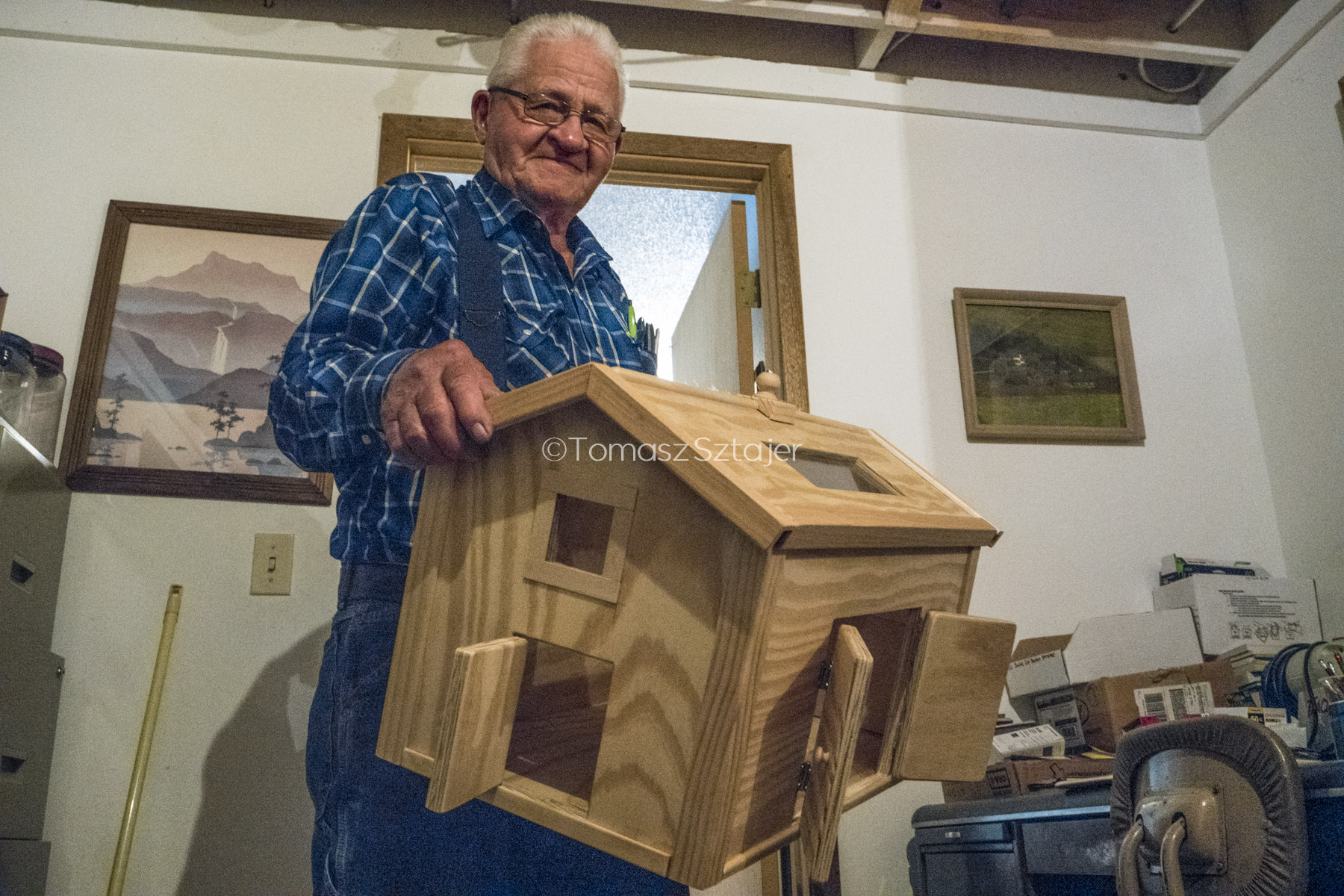
Unexpected invitation – this kind man invited me to see his handmade wooden toys
Elvis next to me
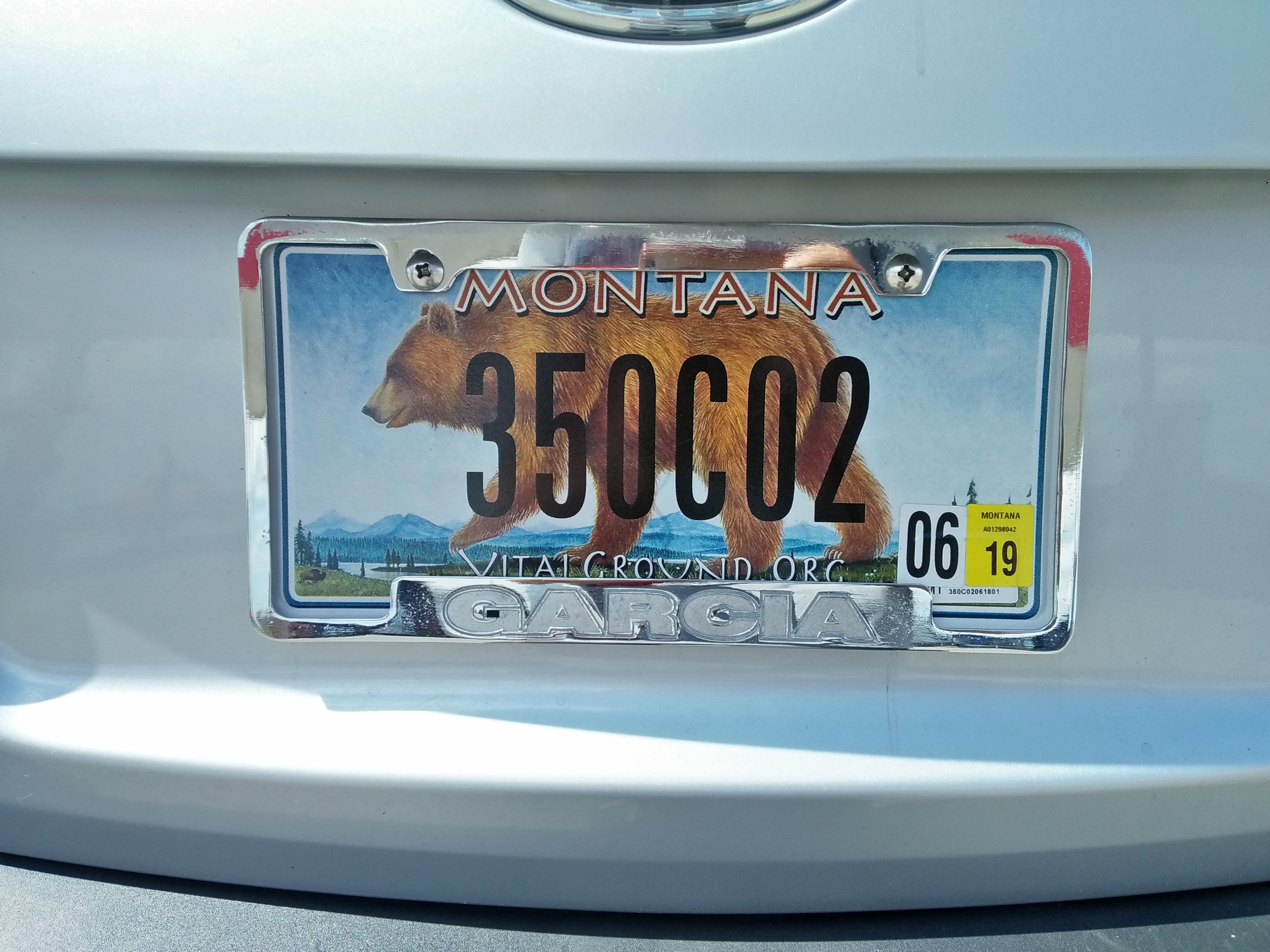
Nice plate
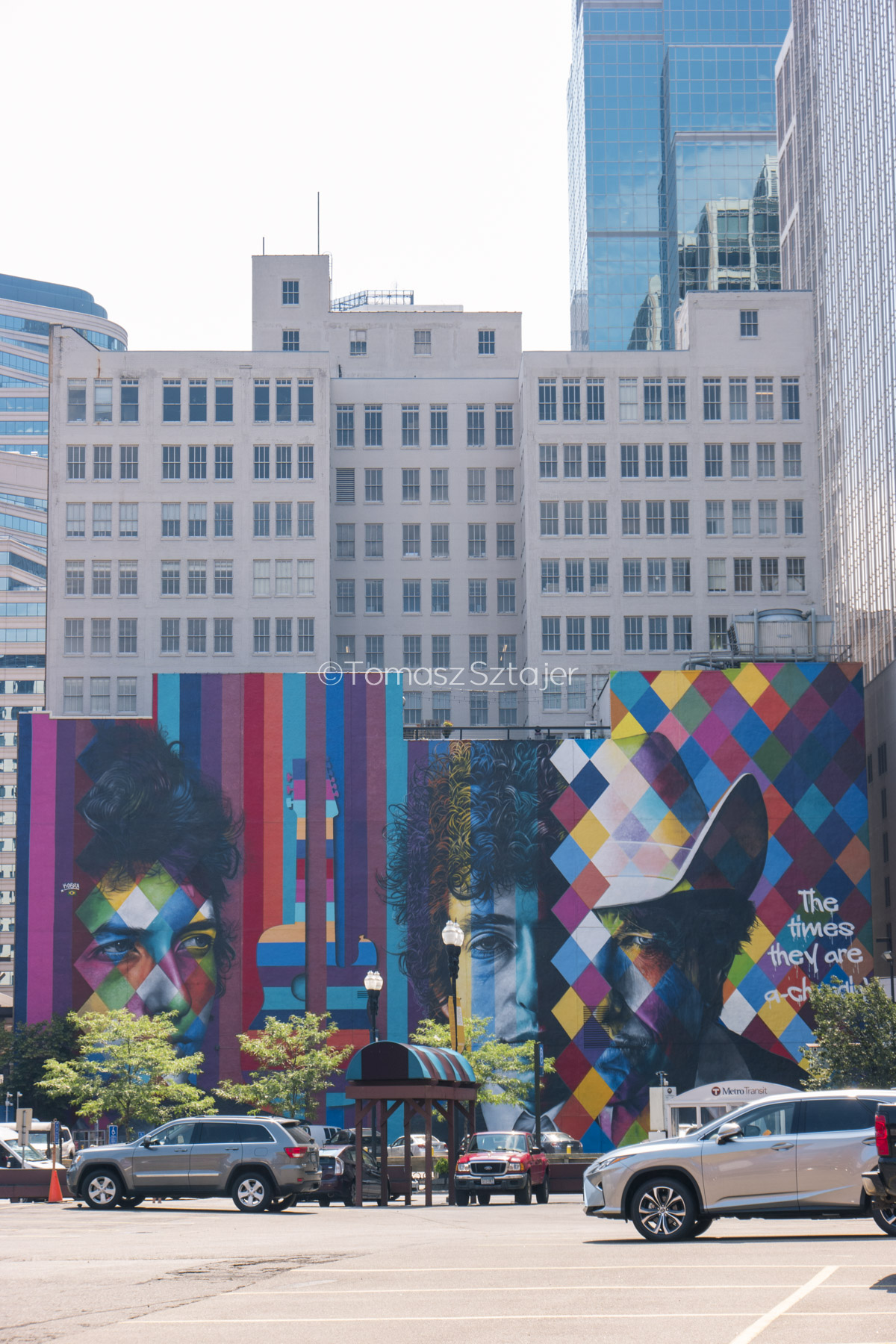
Bob Dylan Mural in Minneapolis
Somewhere on the way
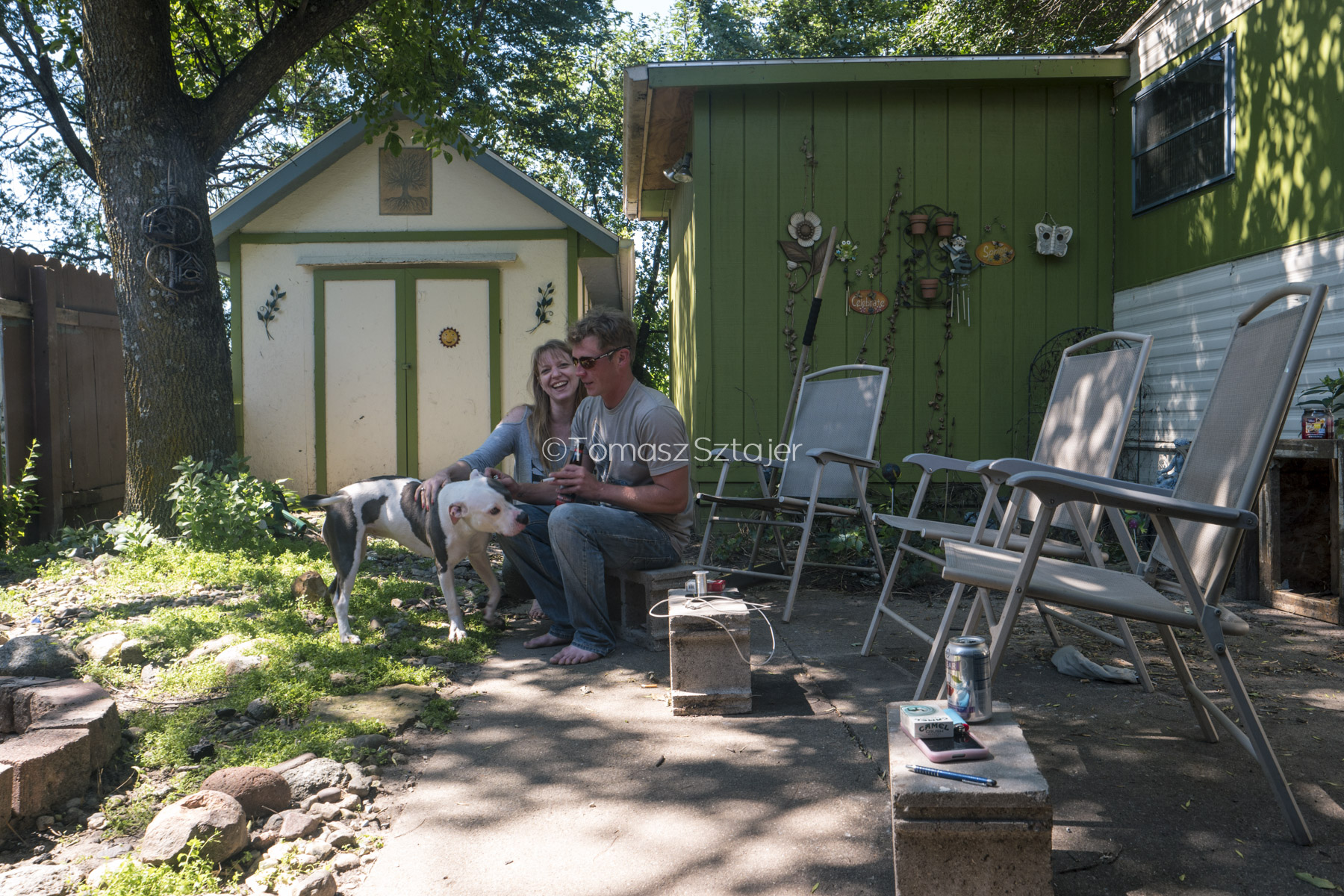
Josh and Ezra
Josh, Trina and Ezra
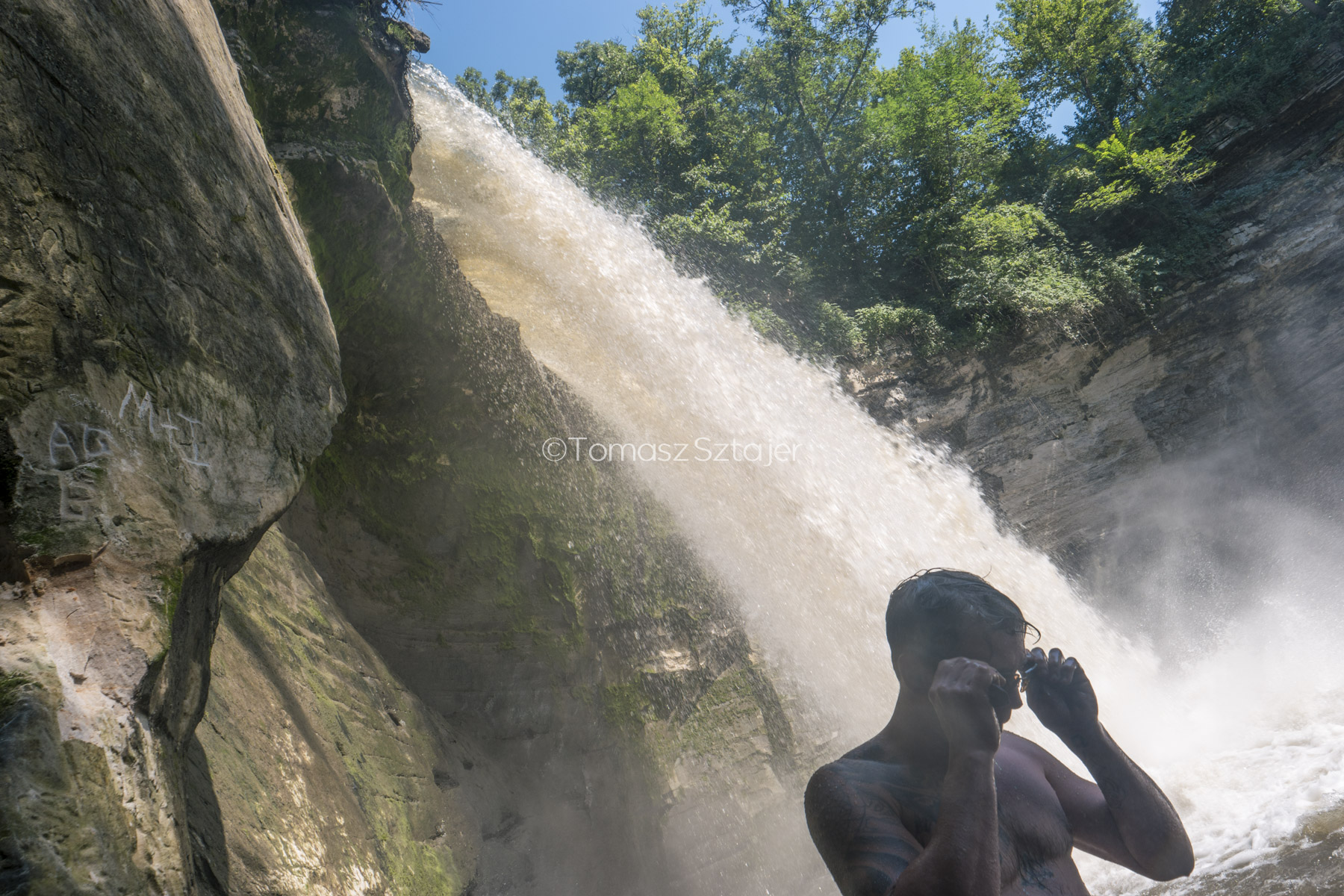
Josh and Trina showing me Minneopa Falls
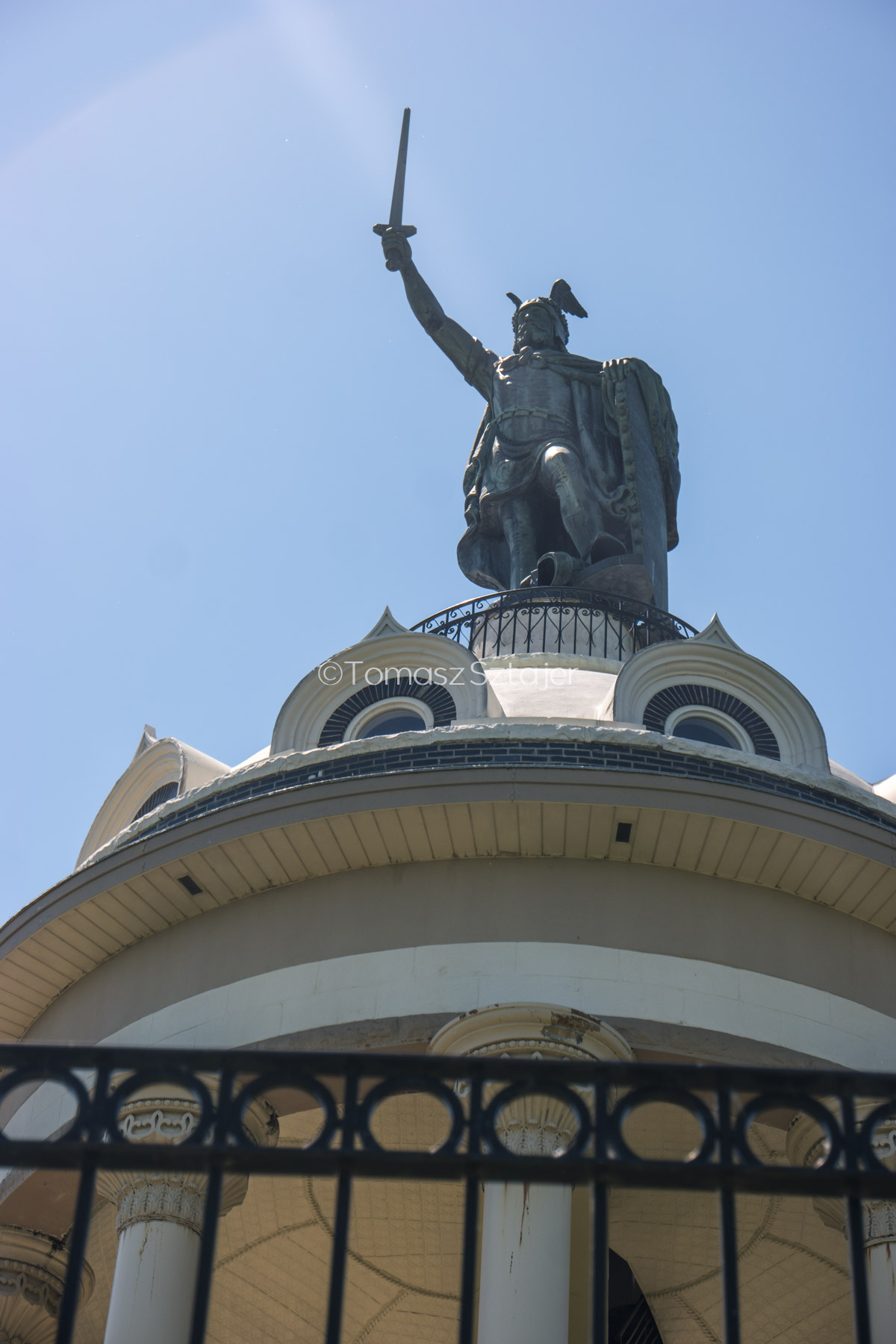
Herman the German in New Ulm
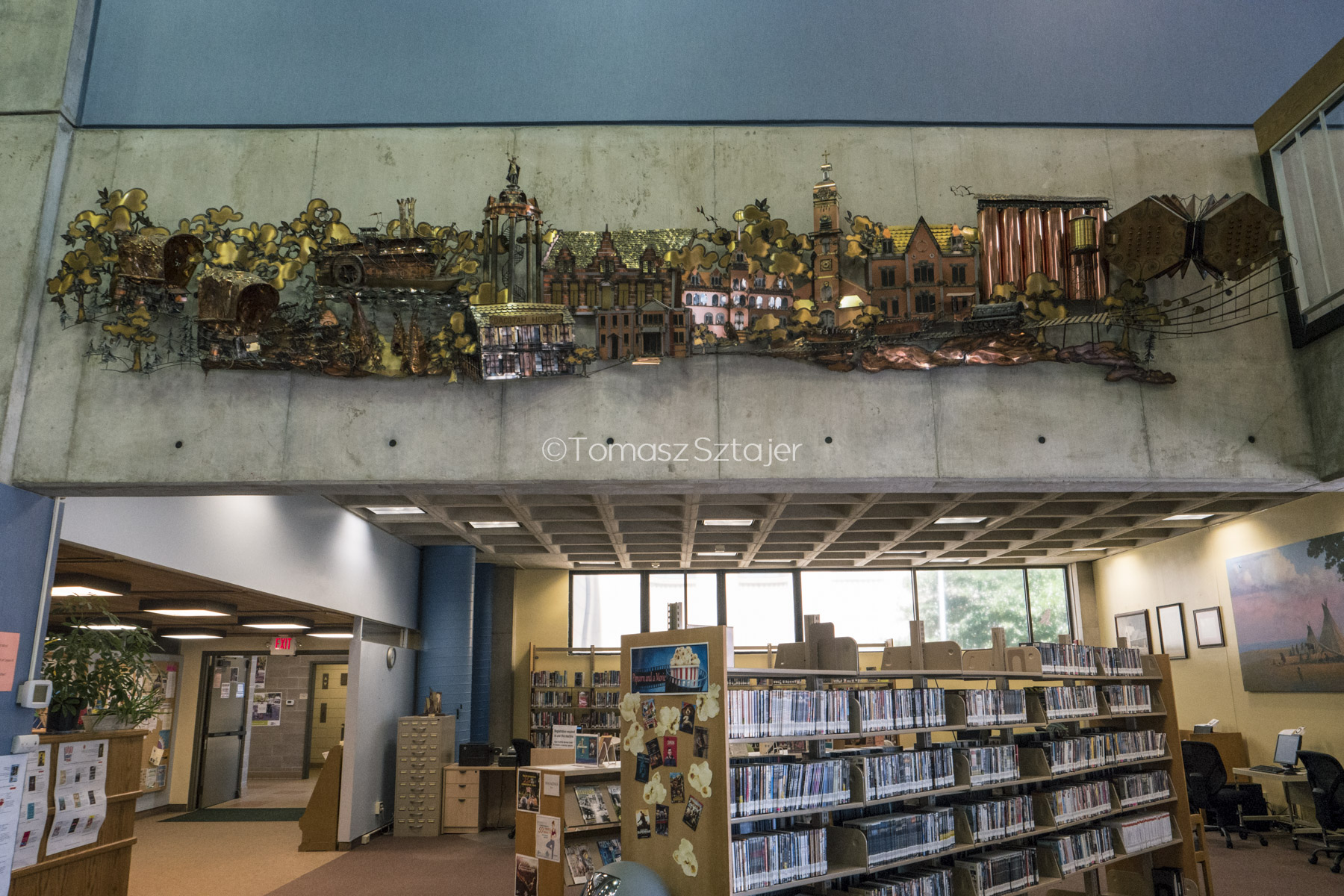
New Ulm Library
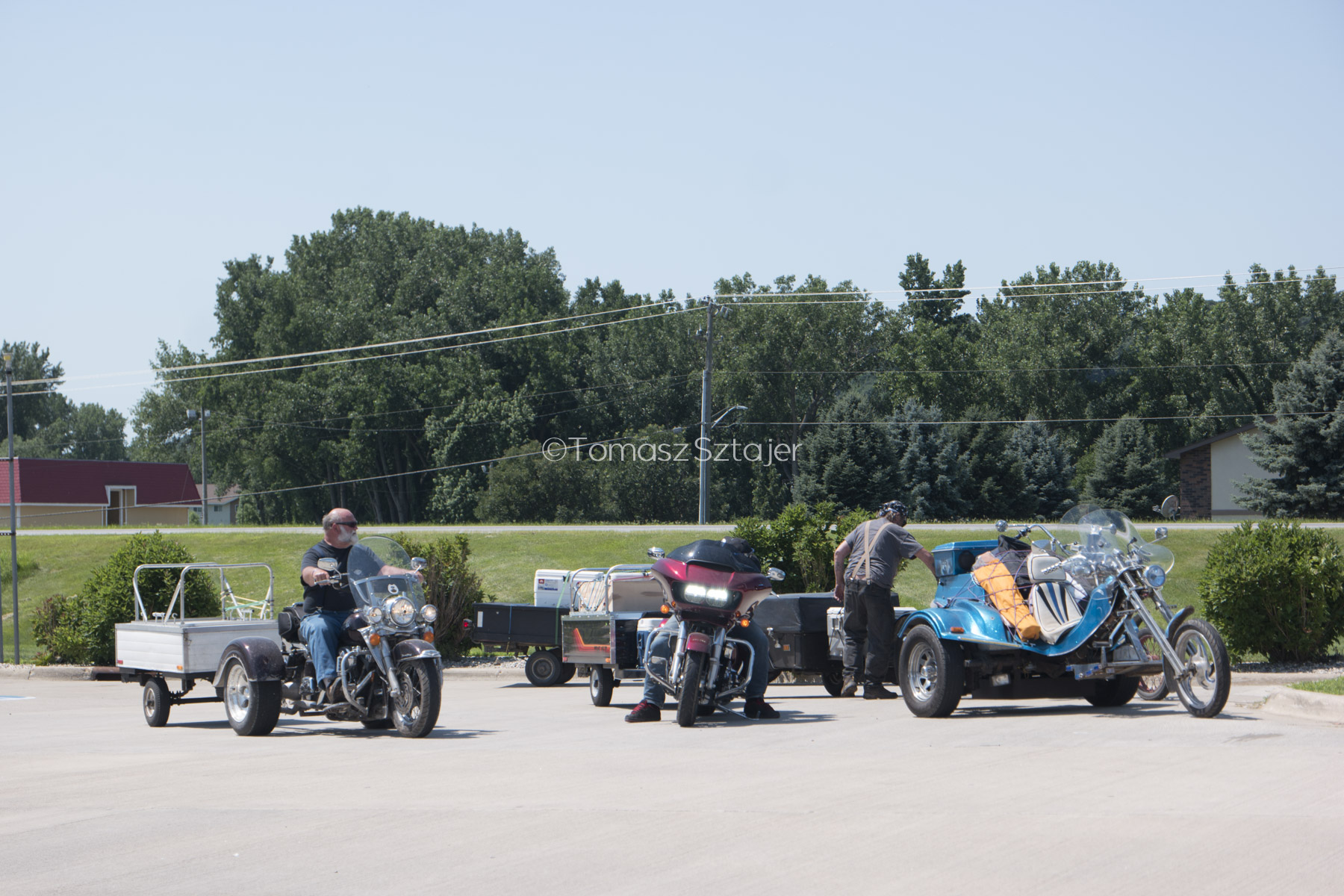
Somewhere on the way
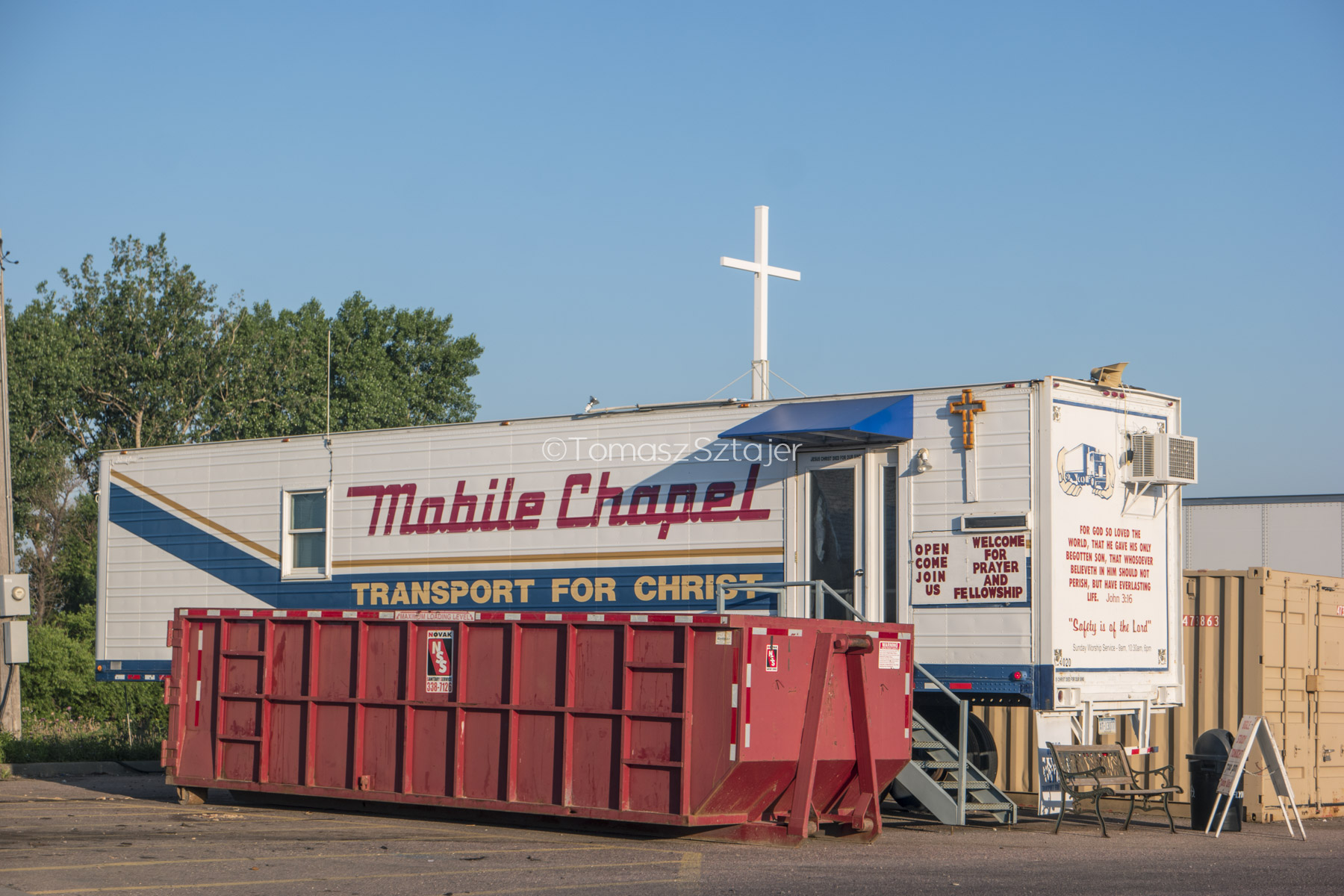
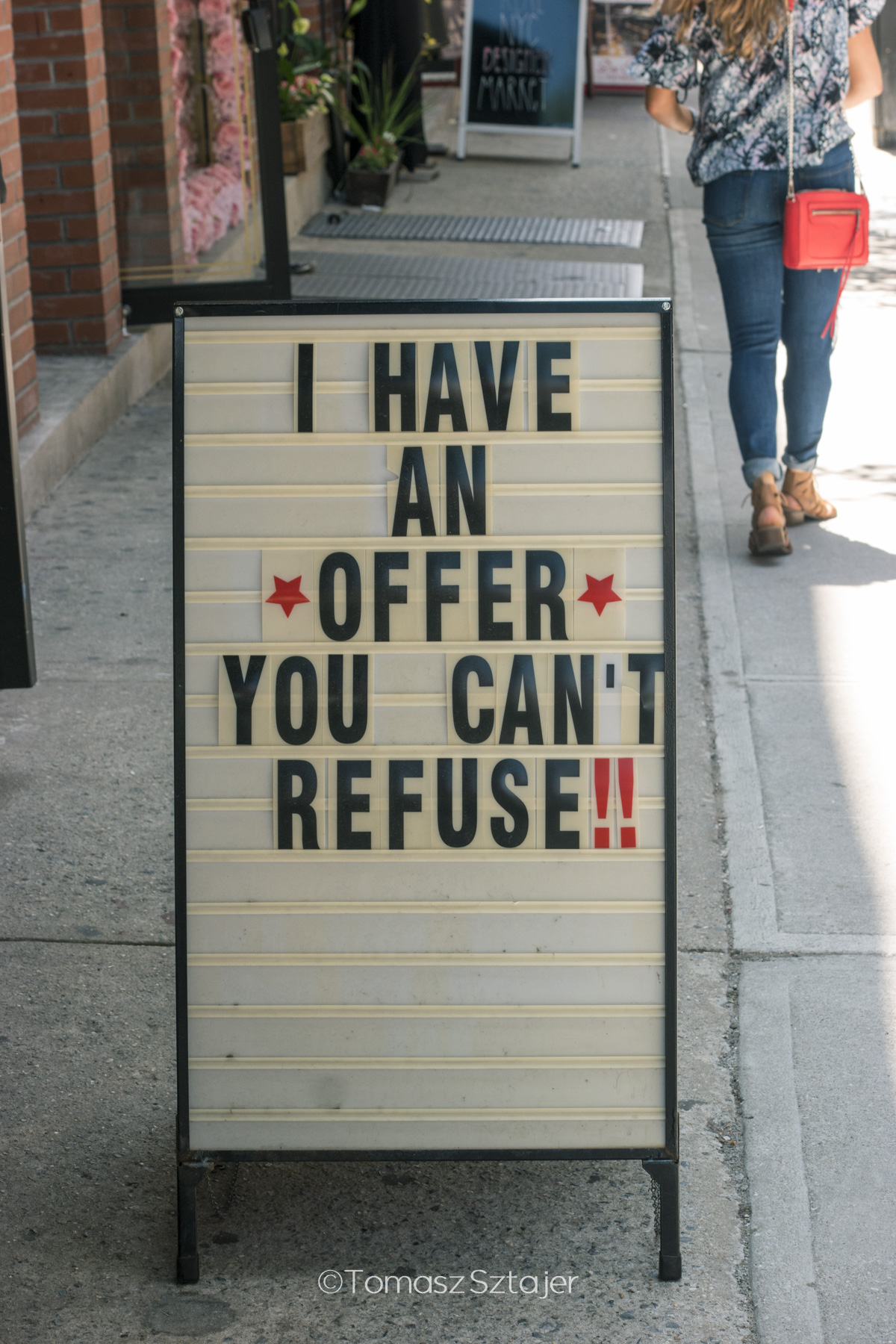
It is what it says it is.
NYC a little closer // Bliżej:
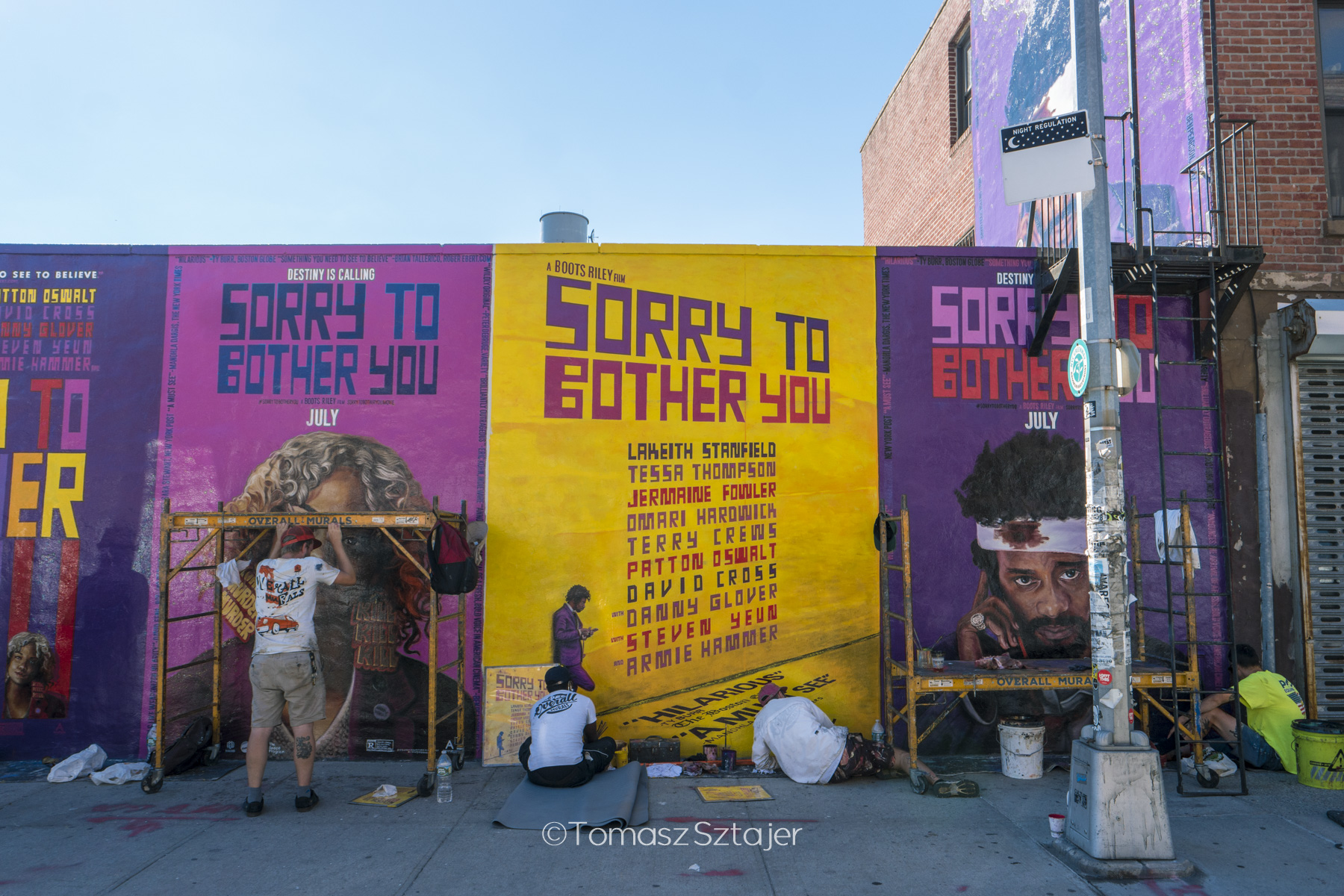
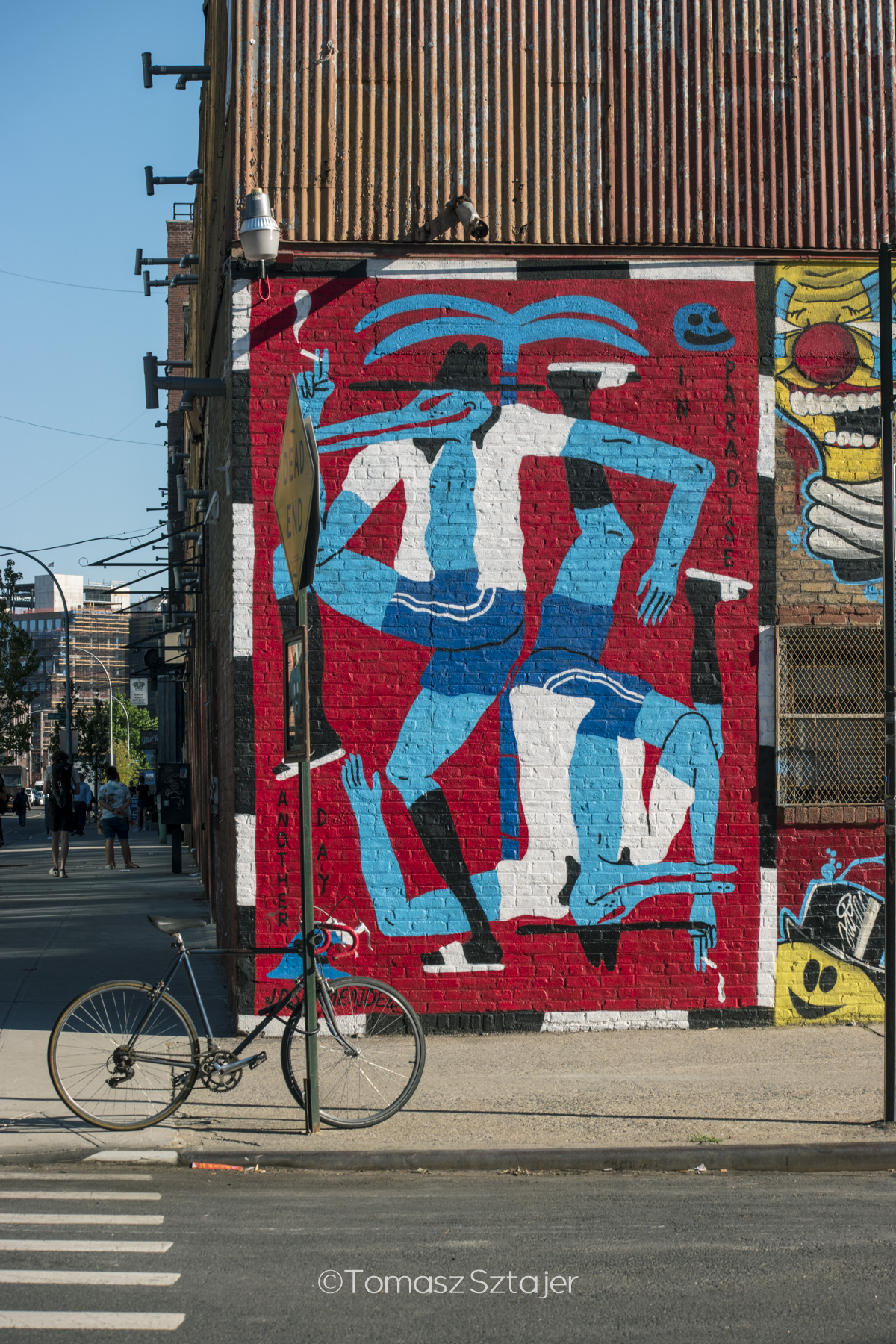
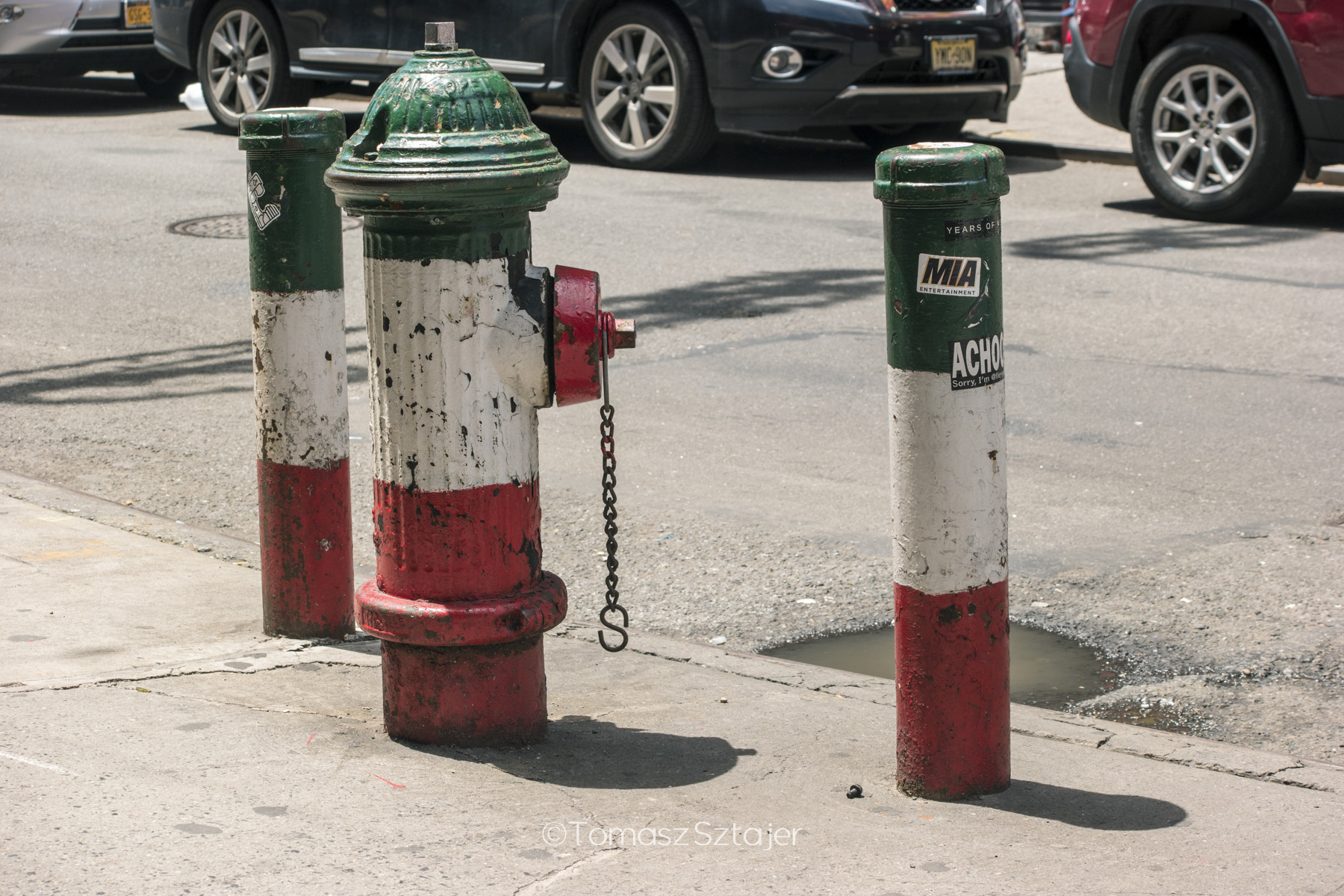
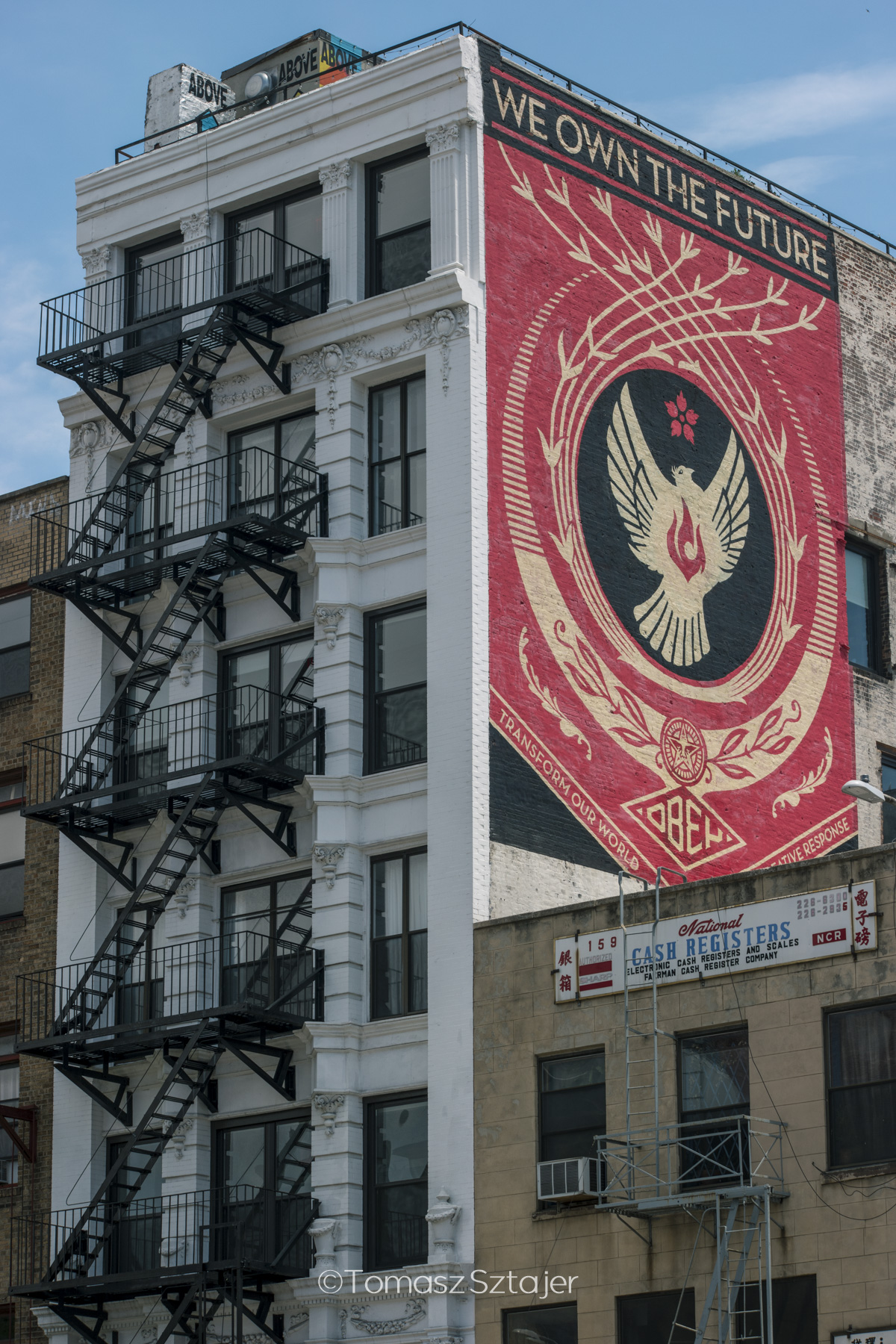
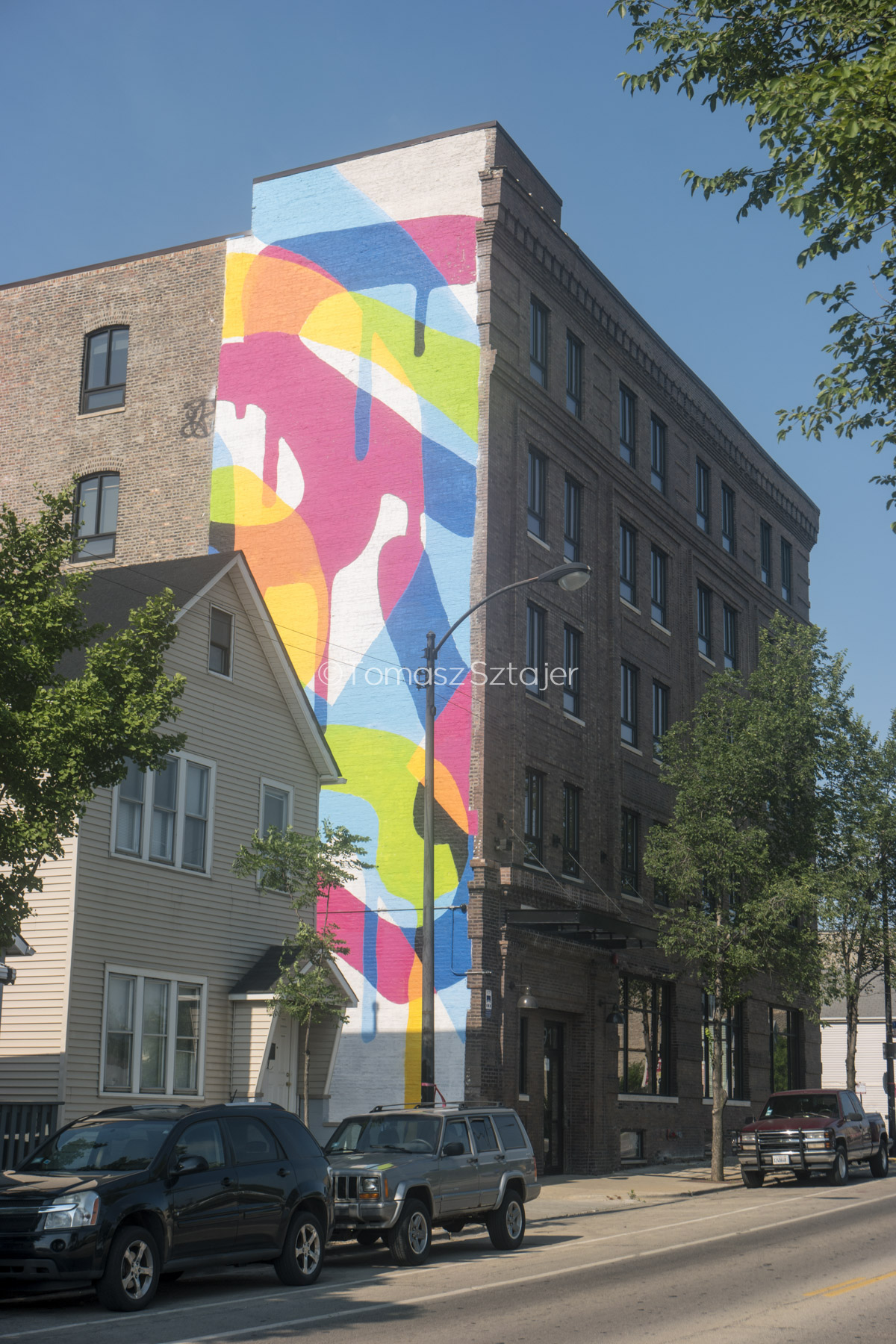
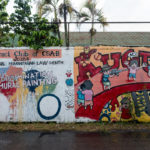
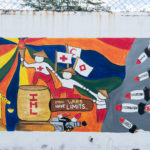
NYC Street art
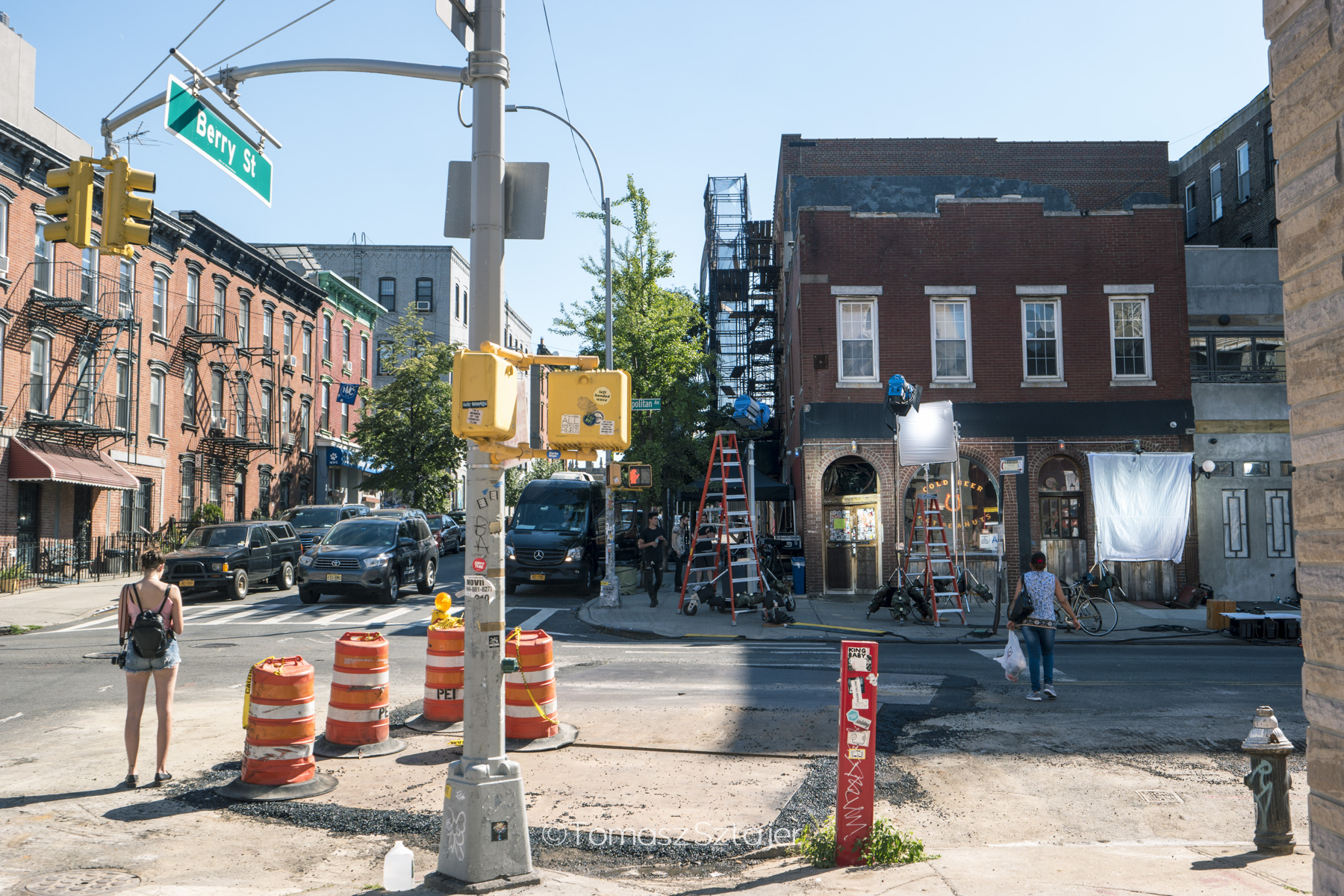
A movie set around the corner
?
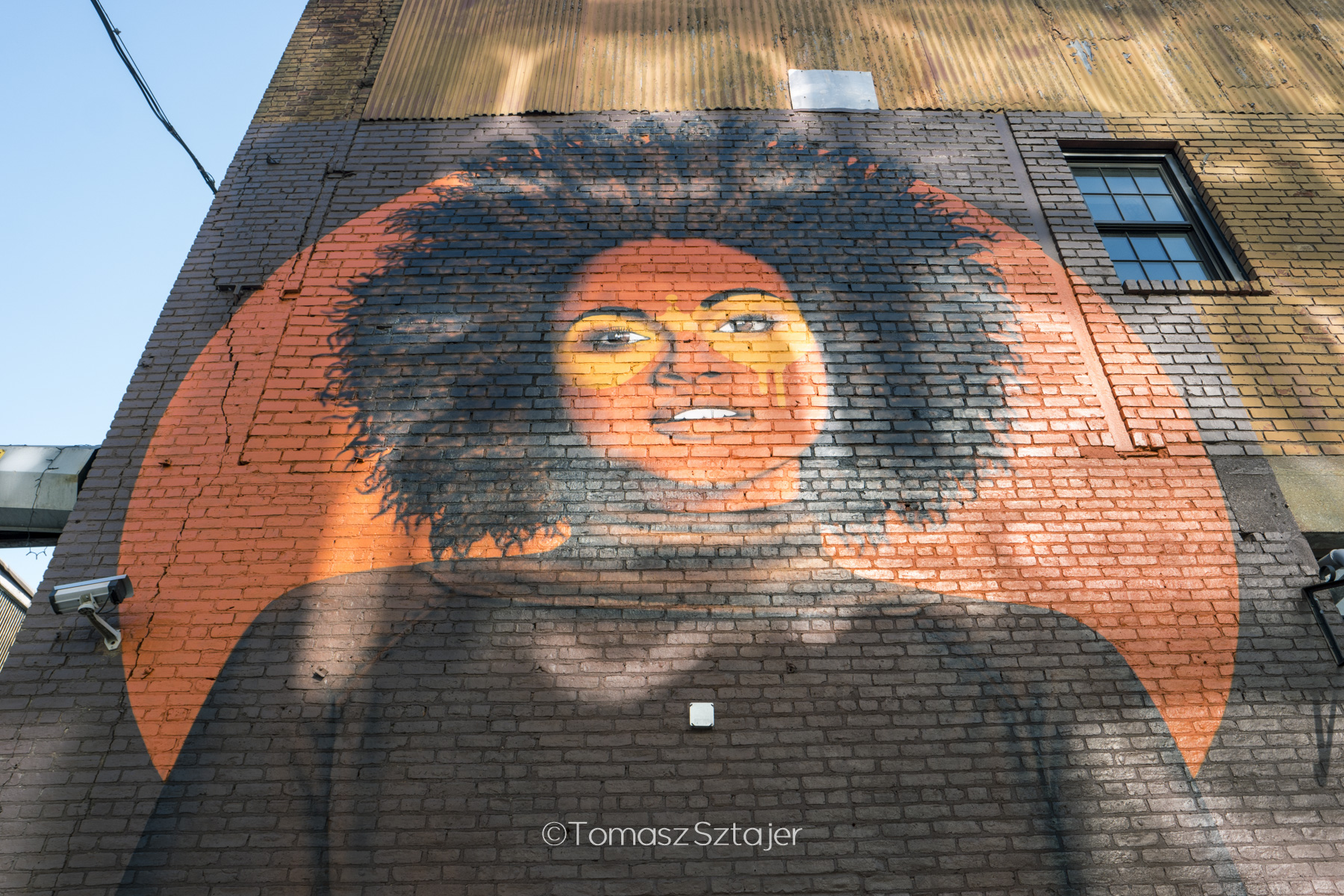
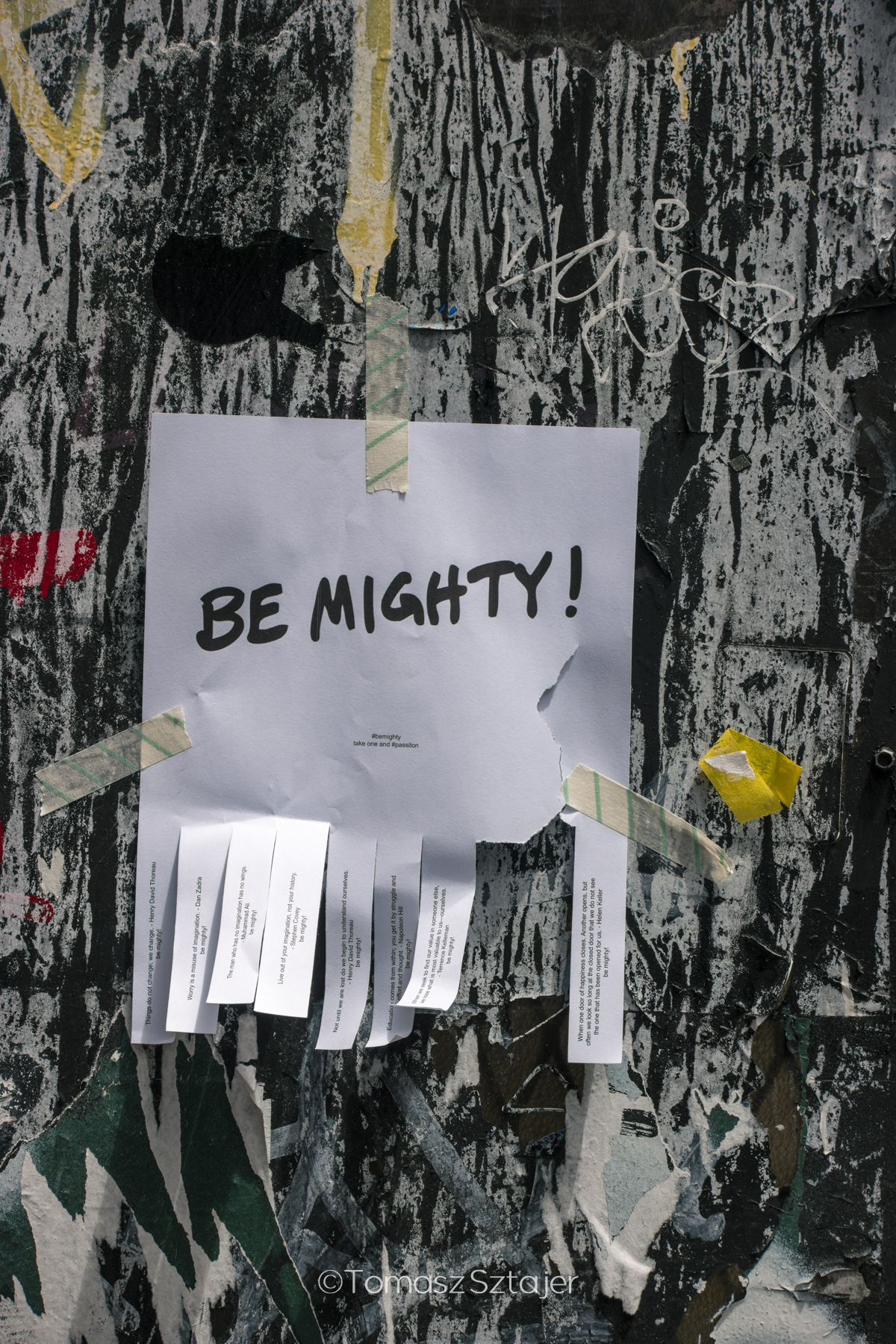
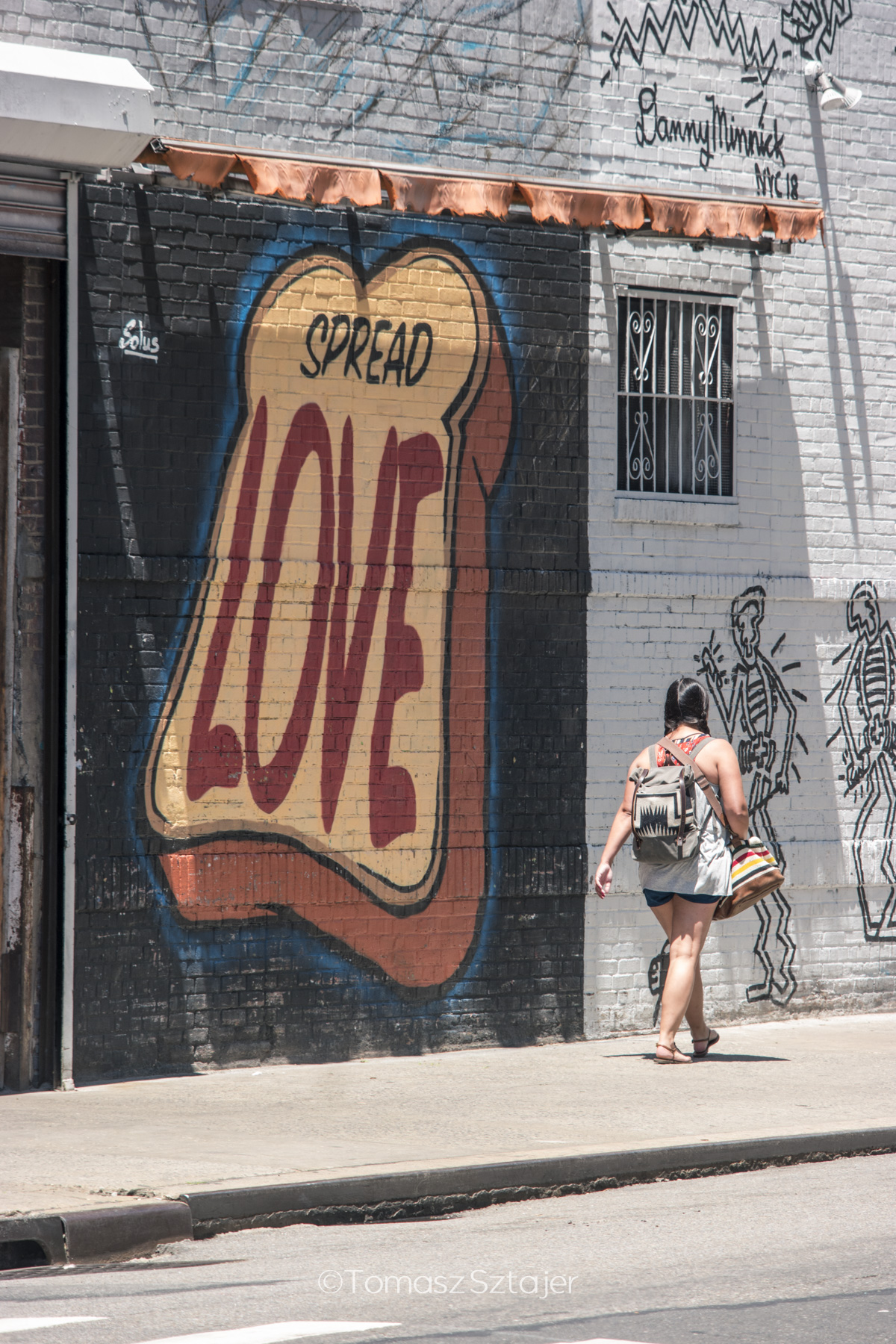
NYC Street art
NYC Street art
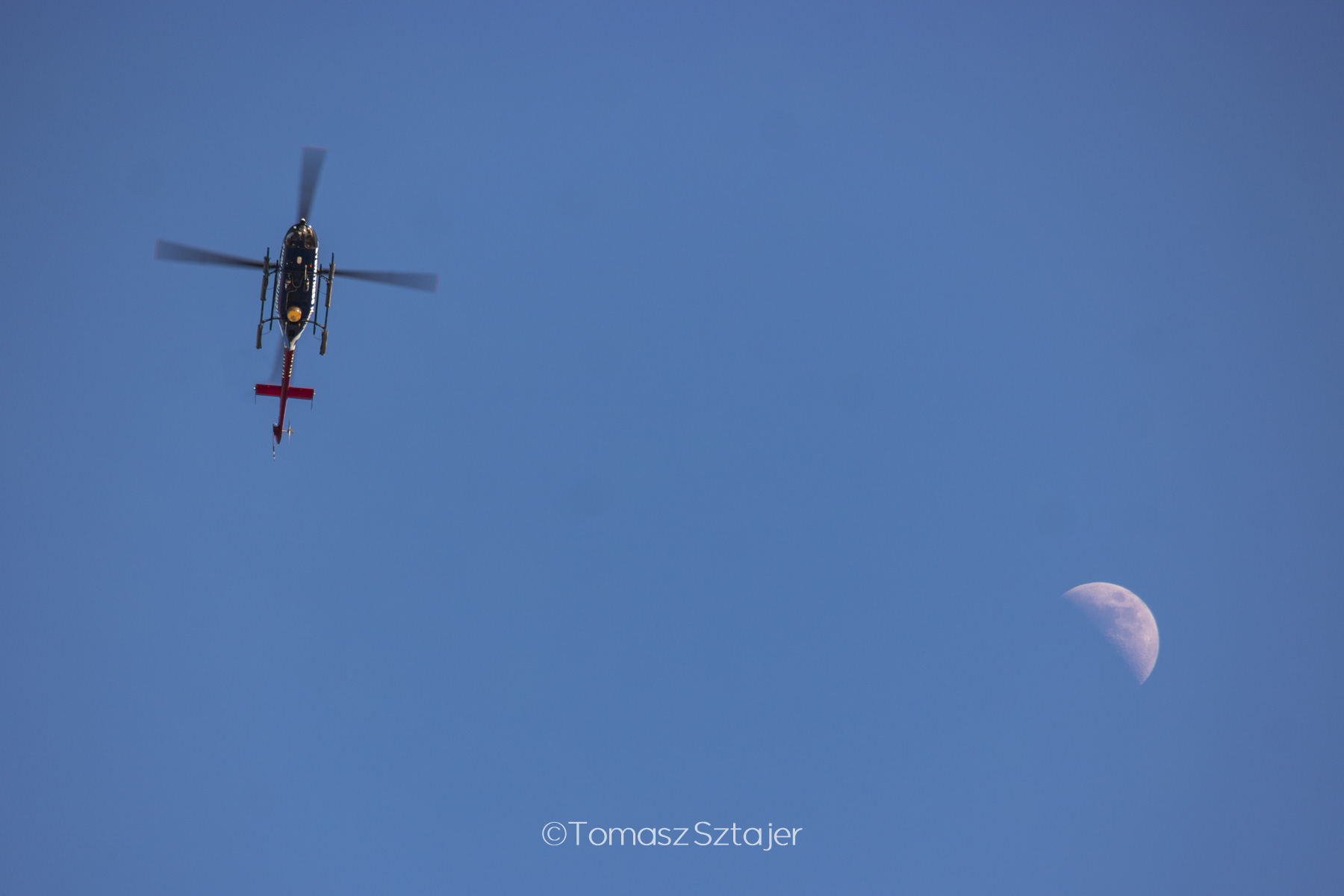
Helicopters are everywhere
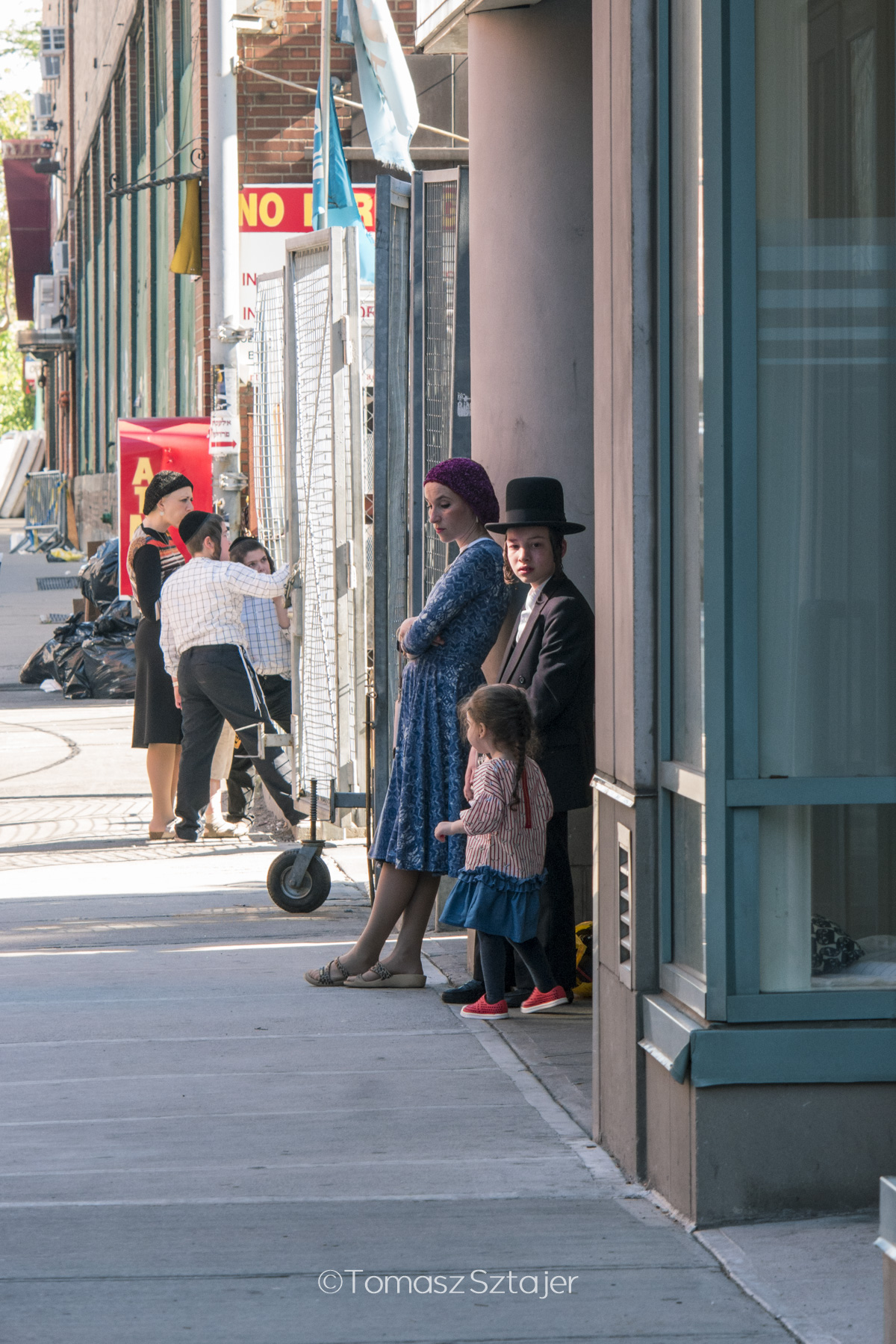
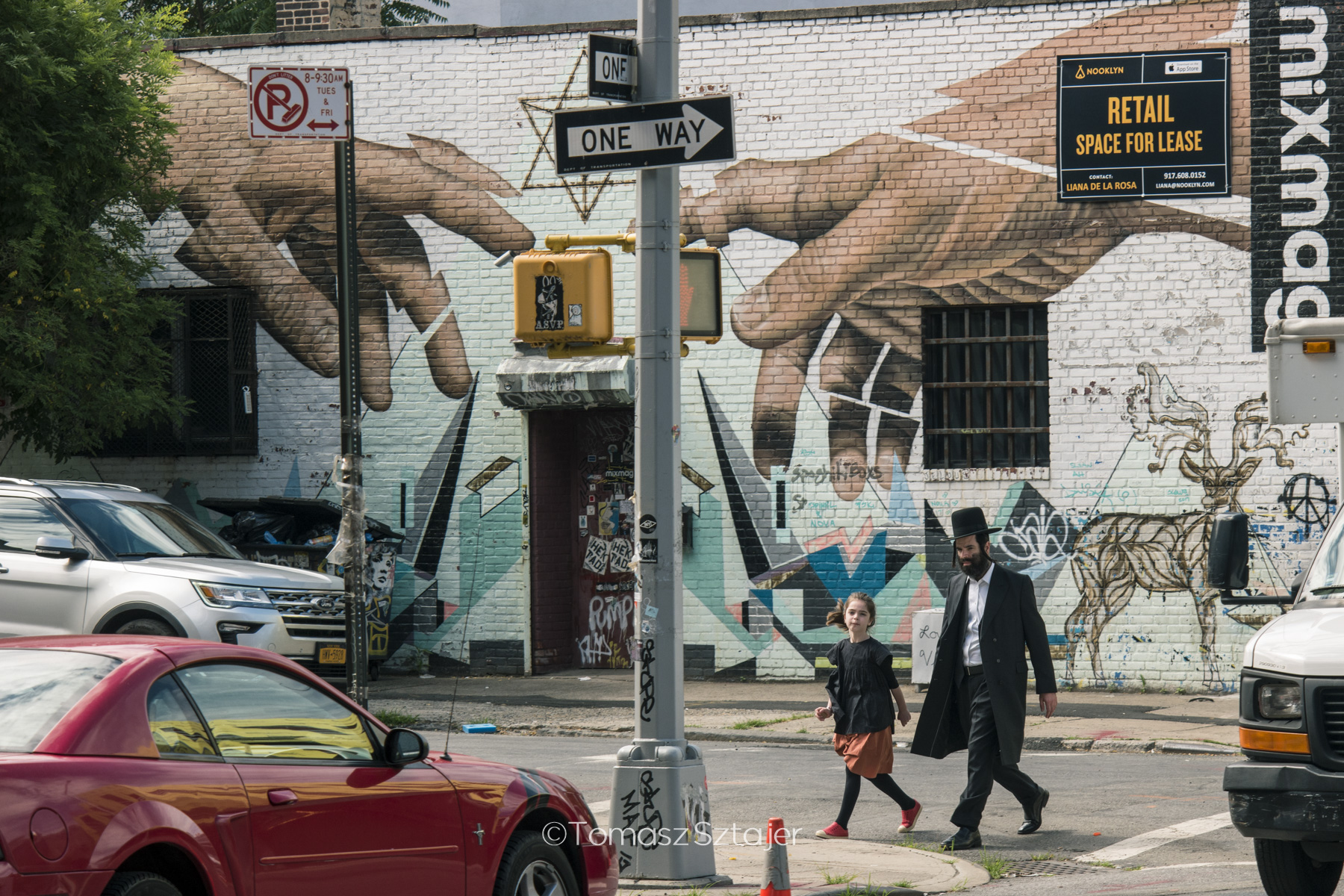
Jewish part of town
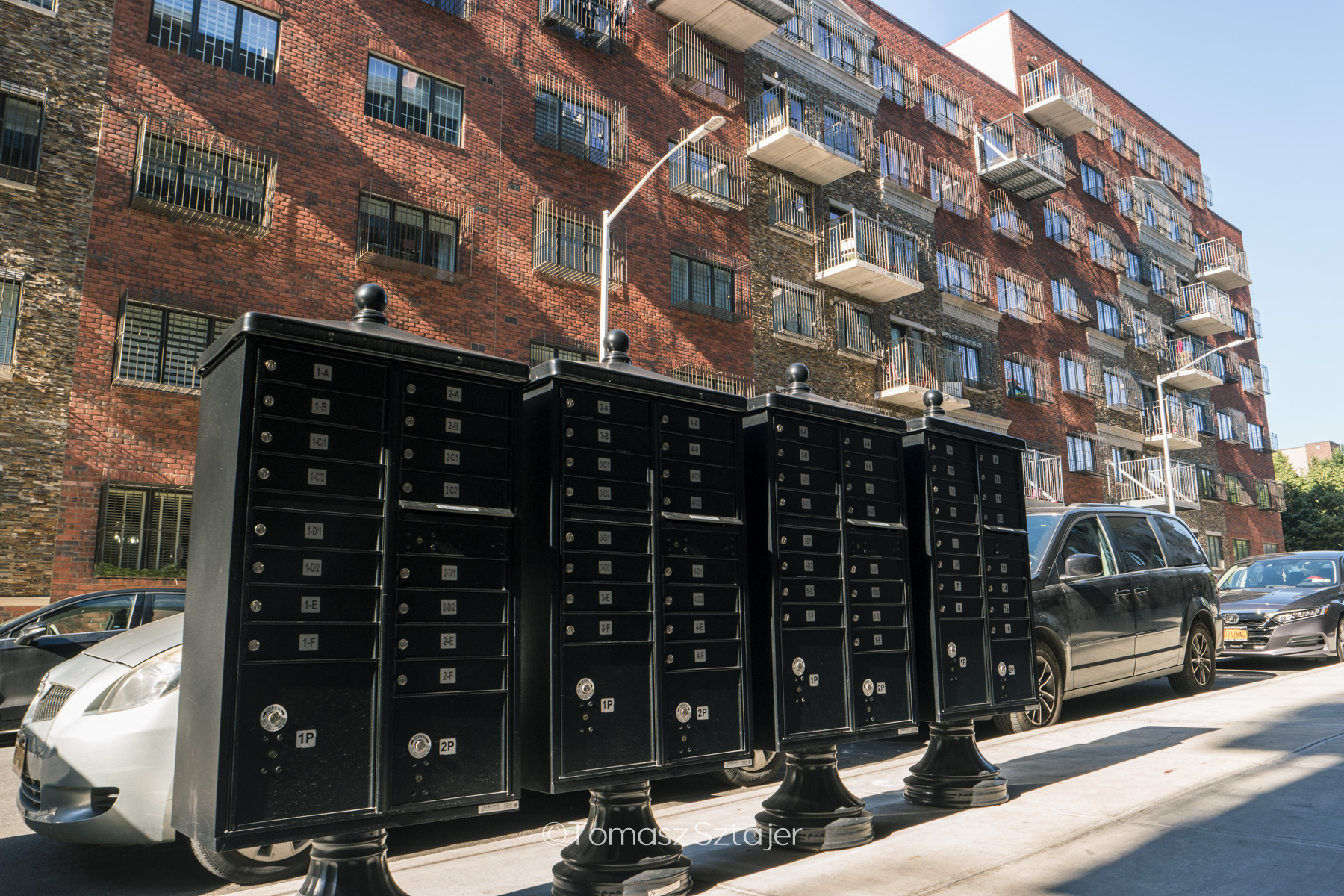
Jewish borough architecture
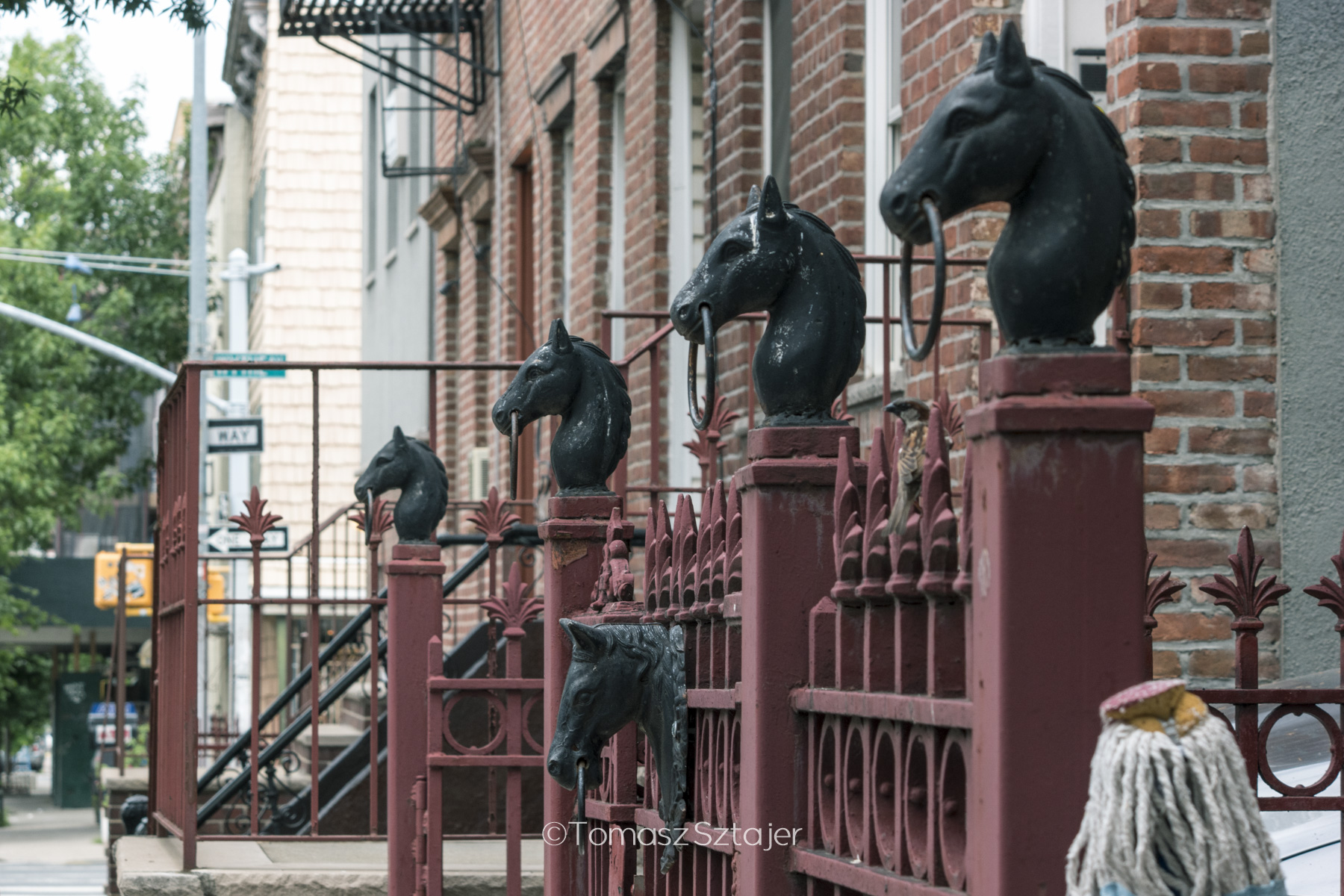
Those little details…
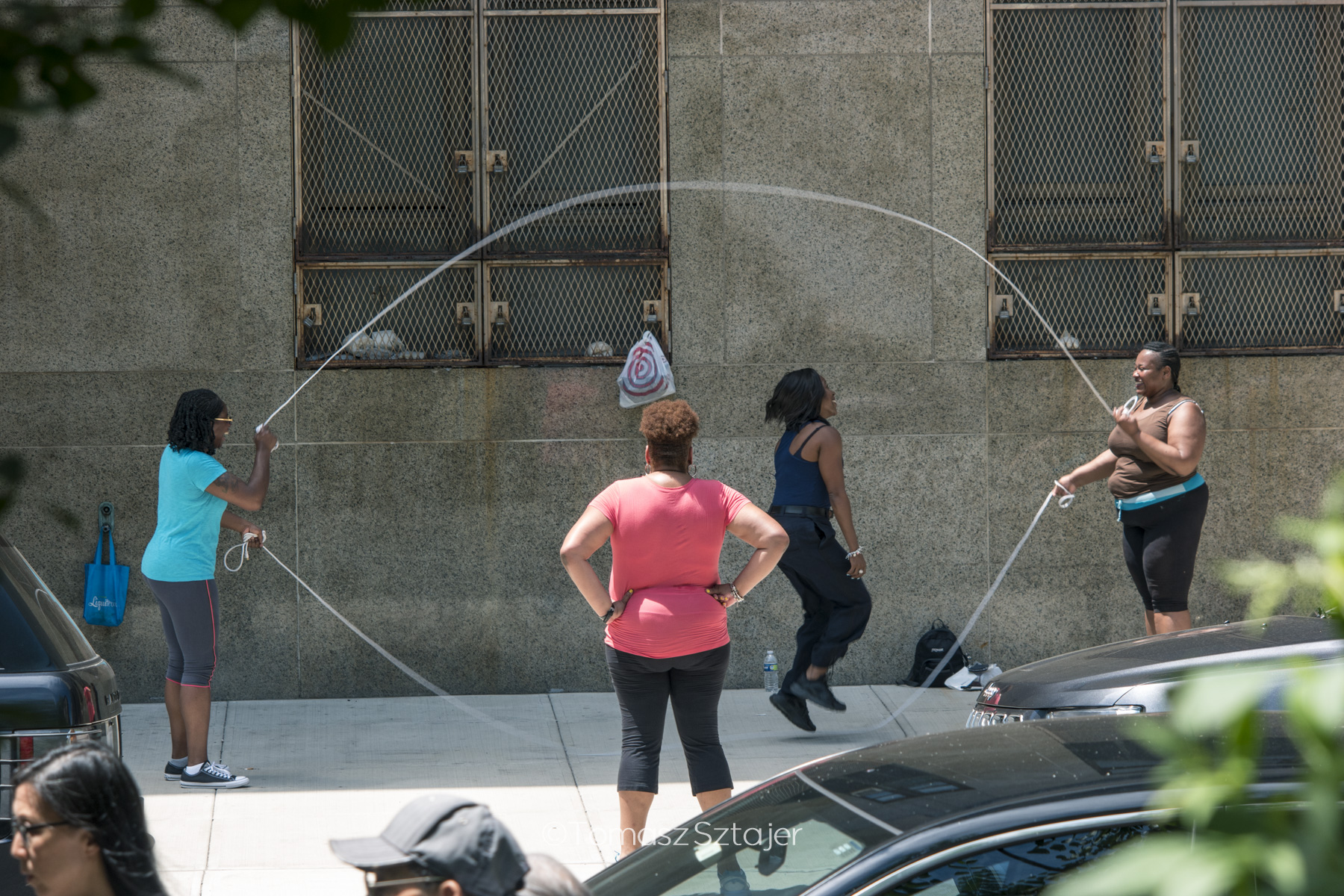
Outdoor activities
Those little details…
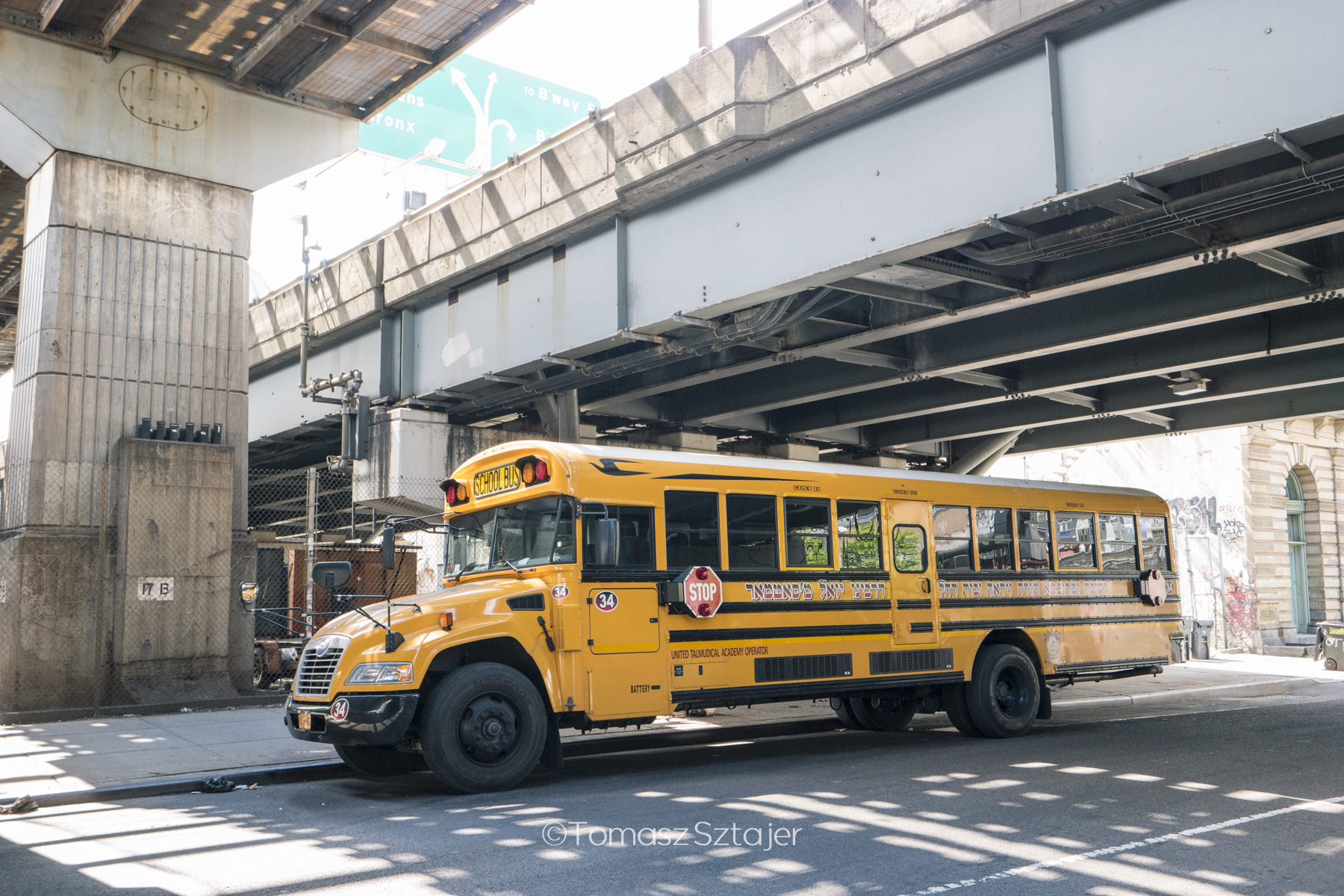
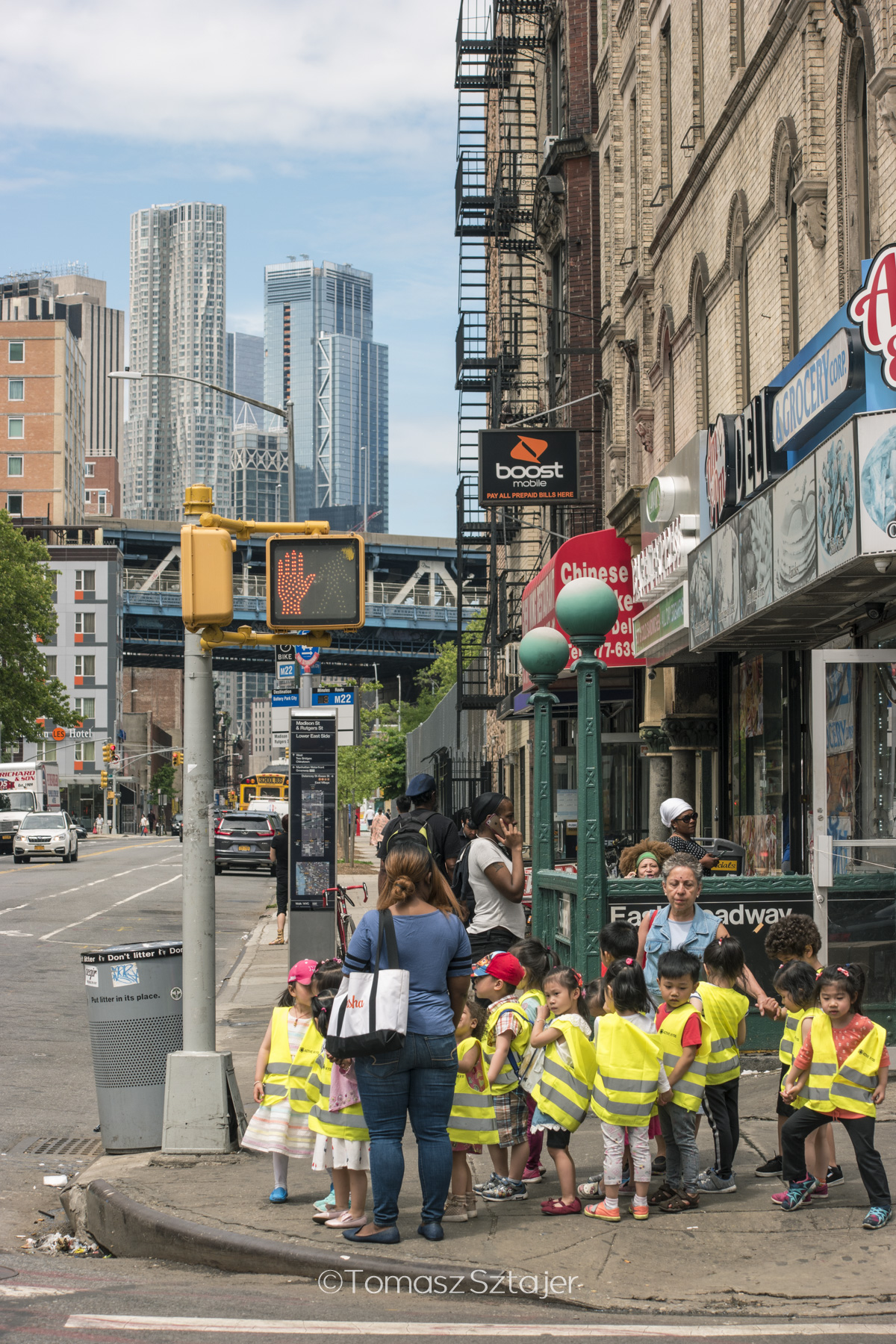
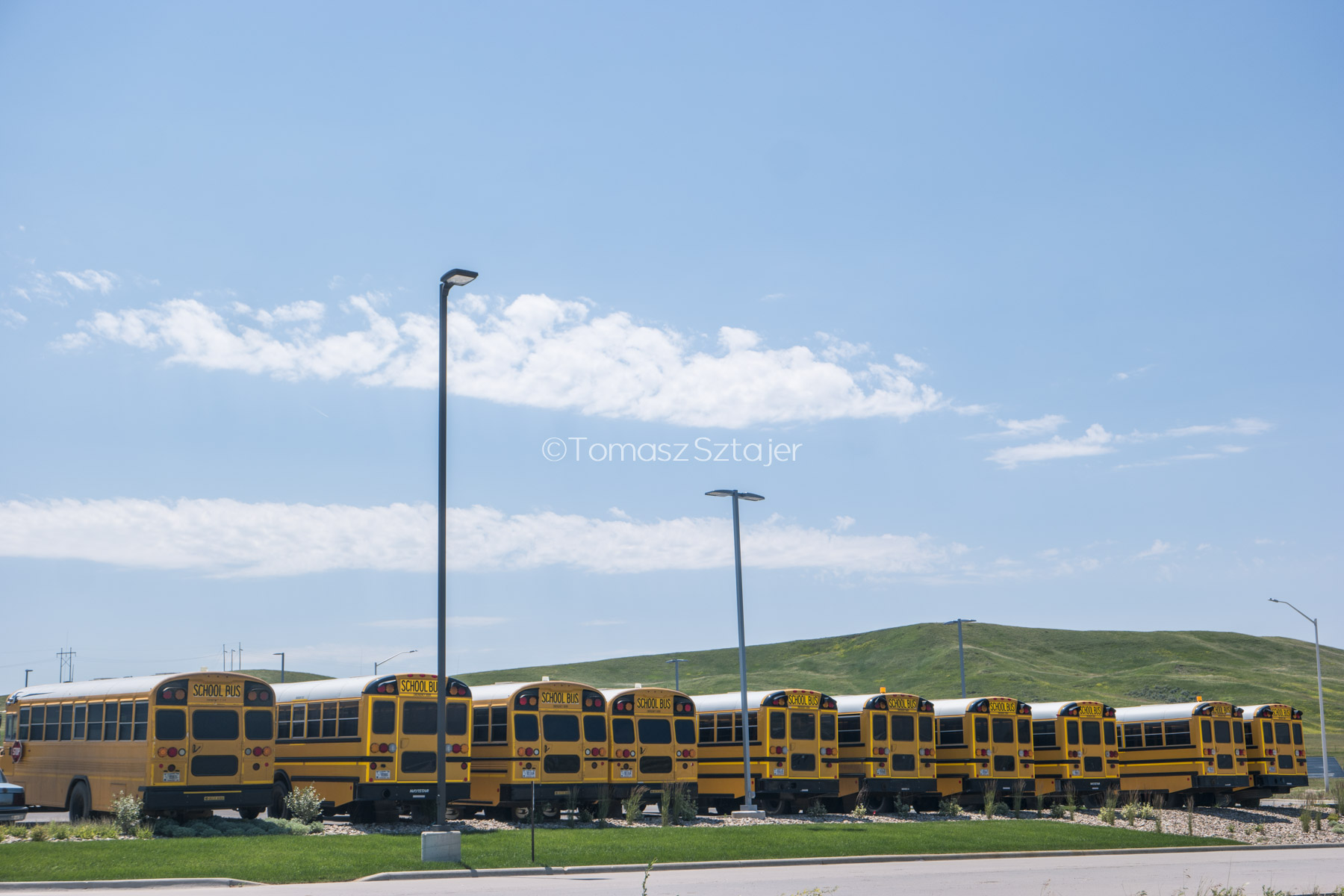
Not just any school bus
NYC Street art
NYC Street art
Crossing to Manhattan
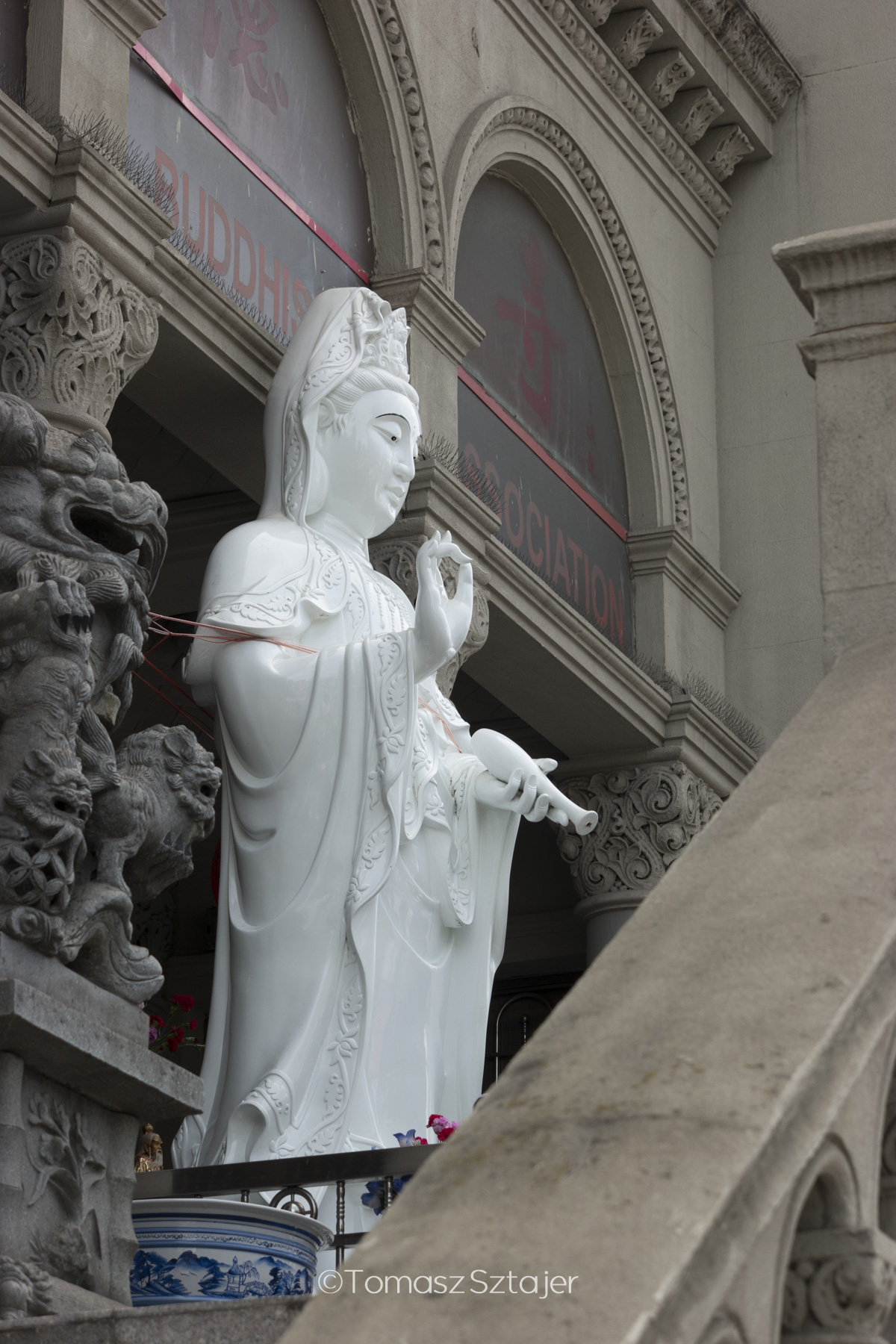
In Chinatown
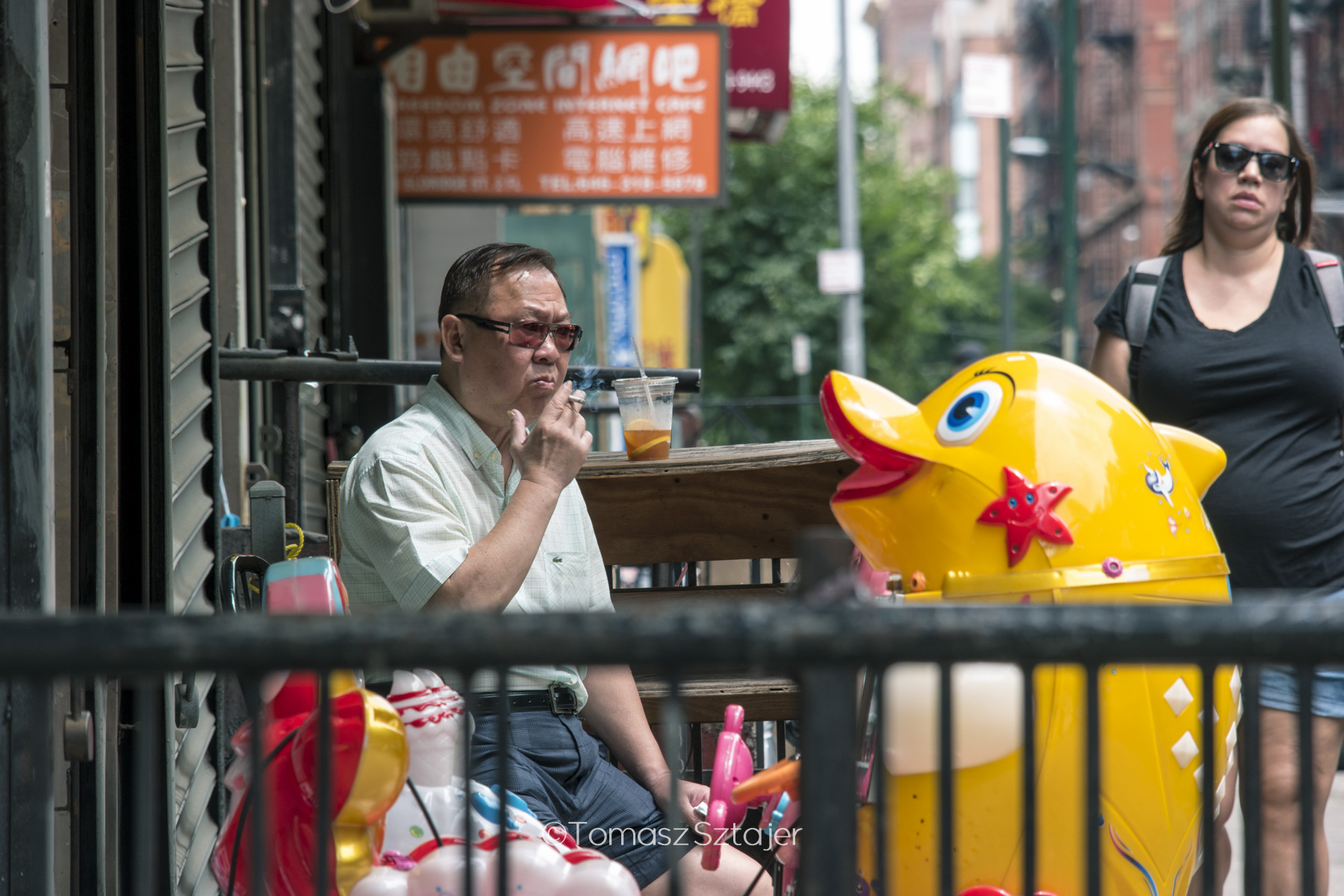
In Chinatown
In Chinatown
In Chinatown
In Chinatown
In Chinatown
In Chinatown
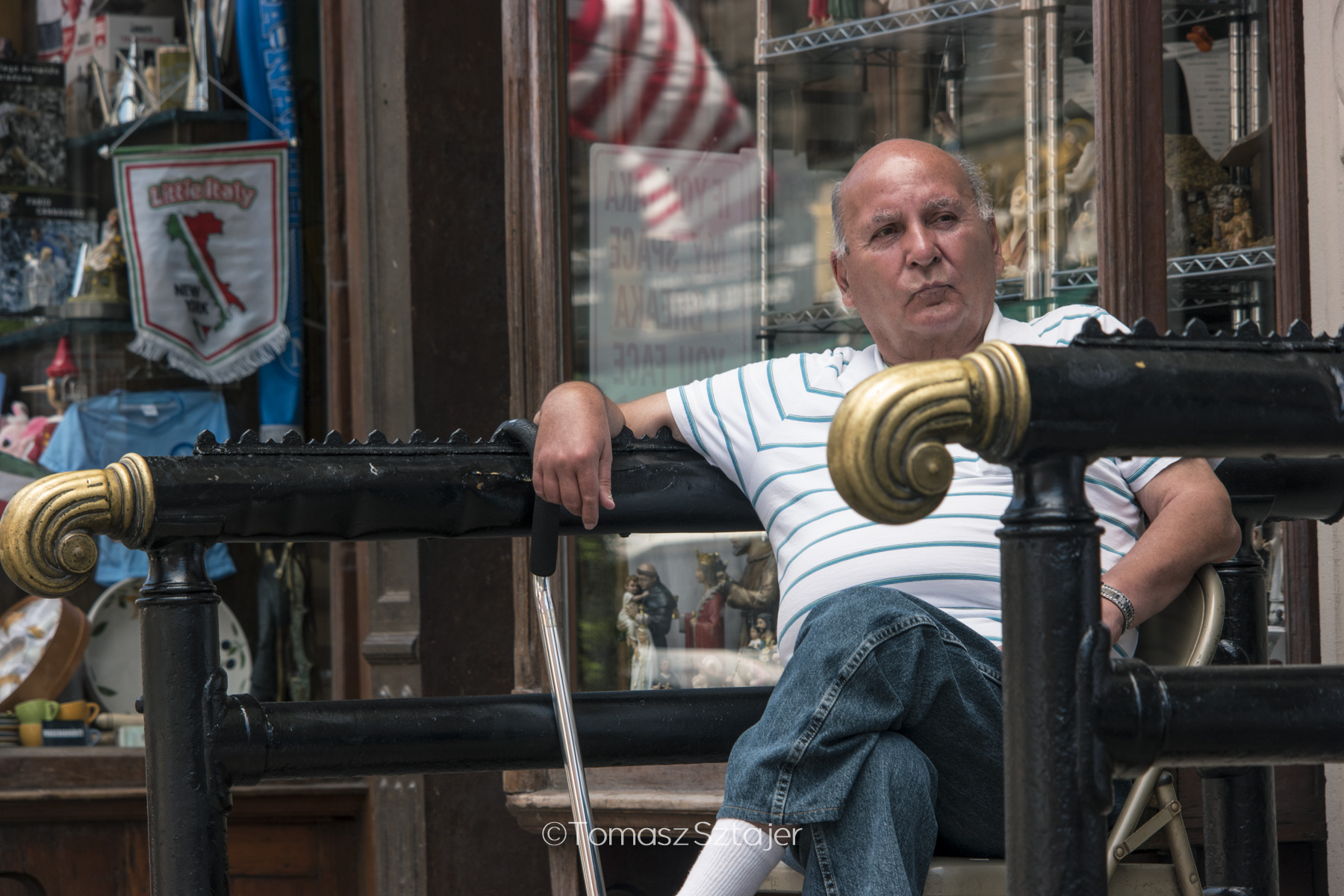
… and in Little Italy
Those little details
Street art, too
Chillin’
Street art
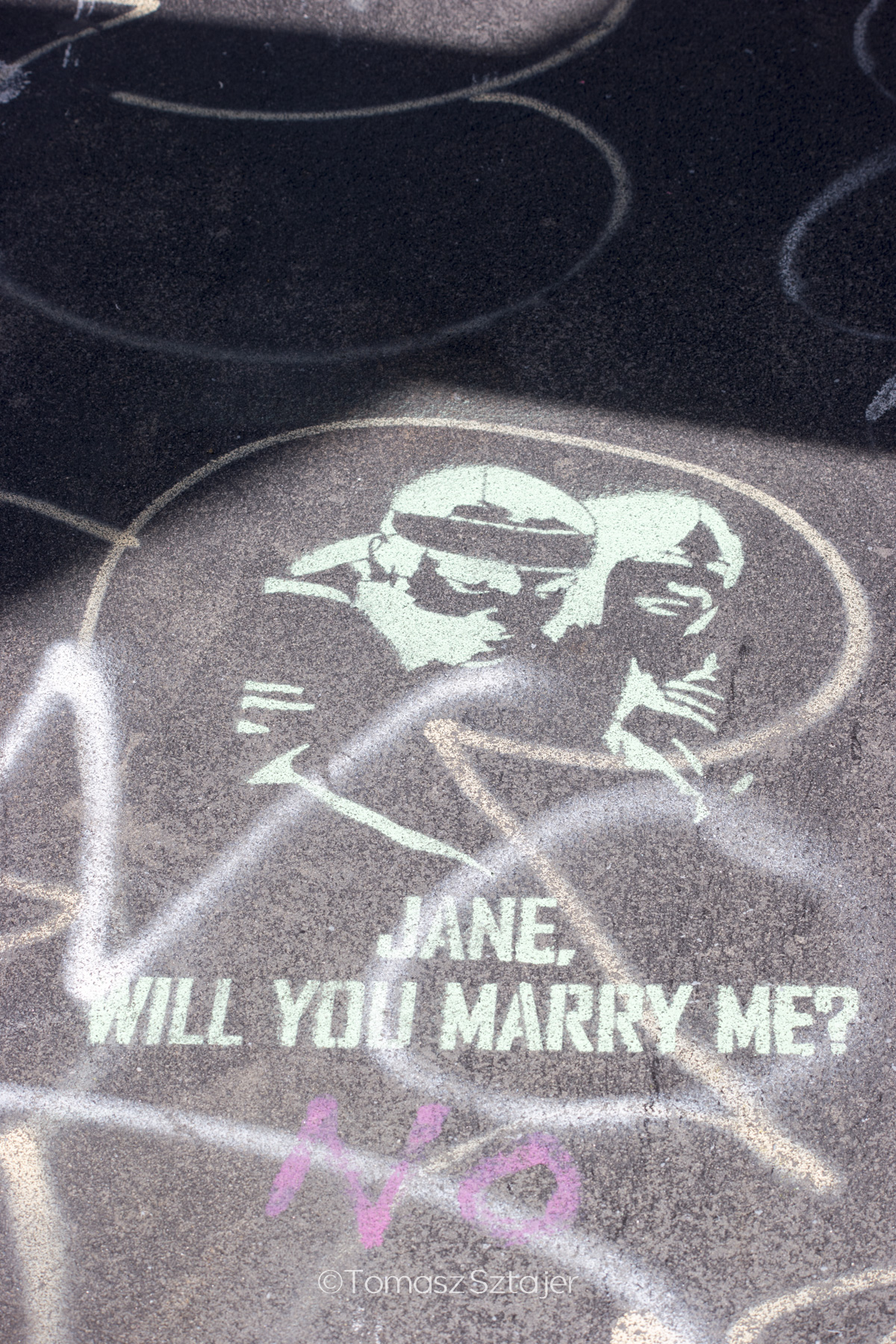
Hm…
–
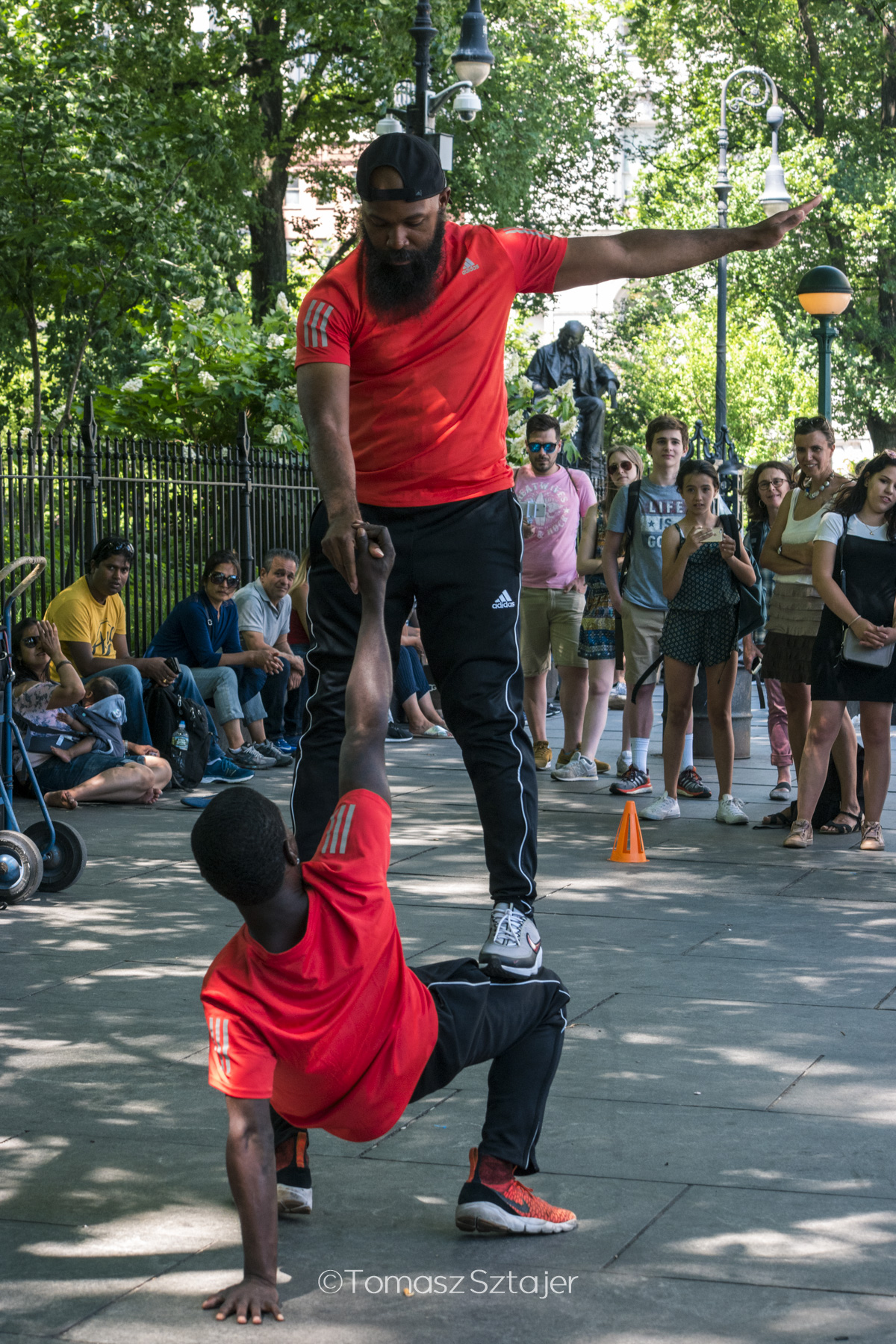
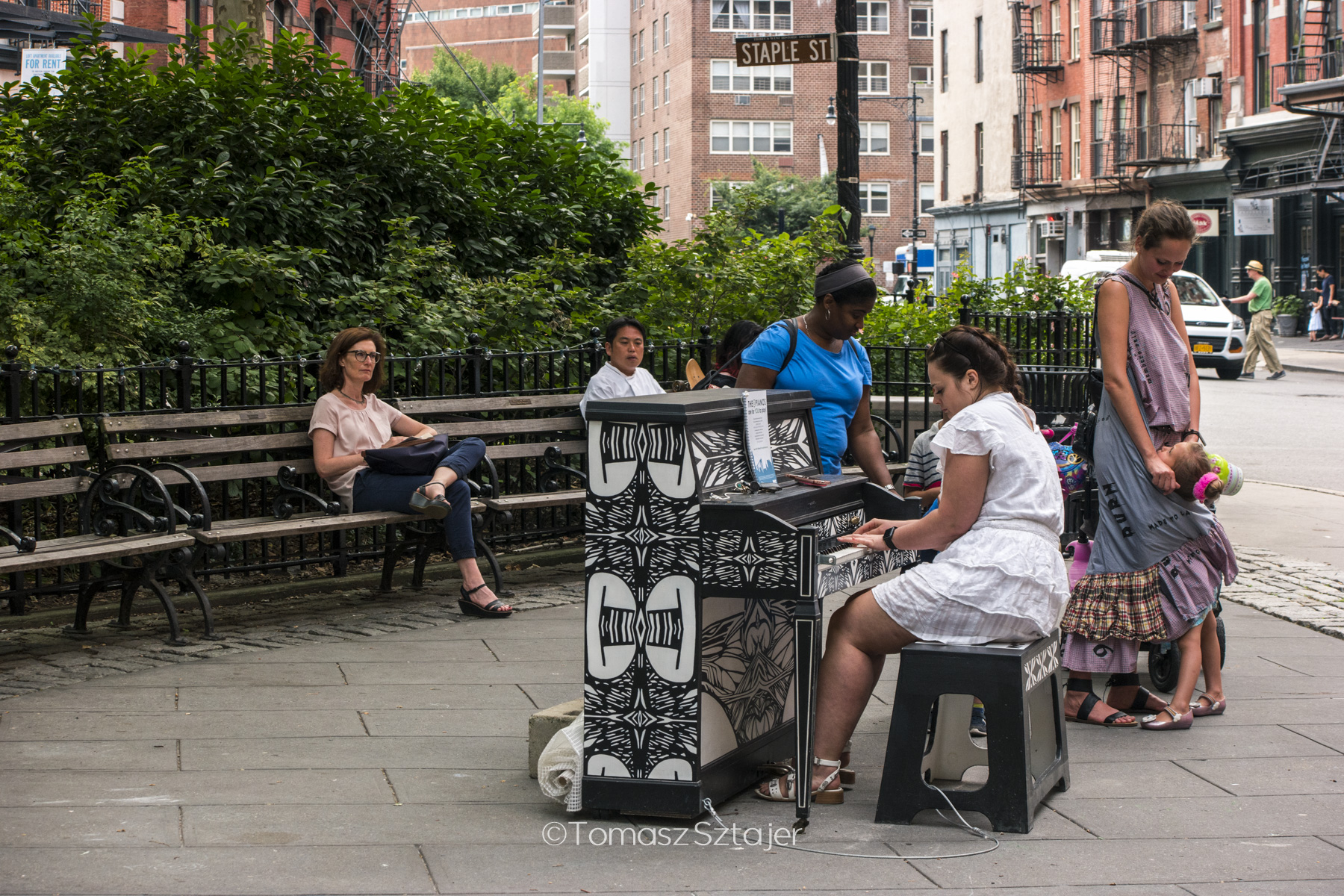
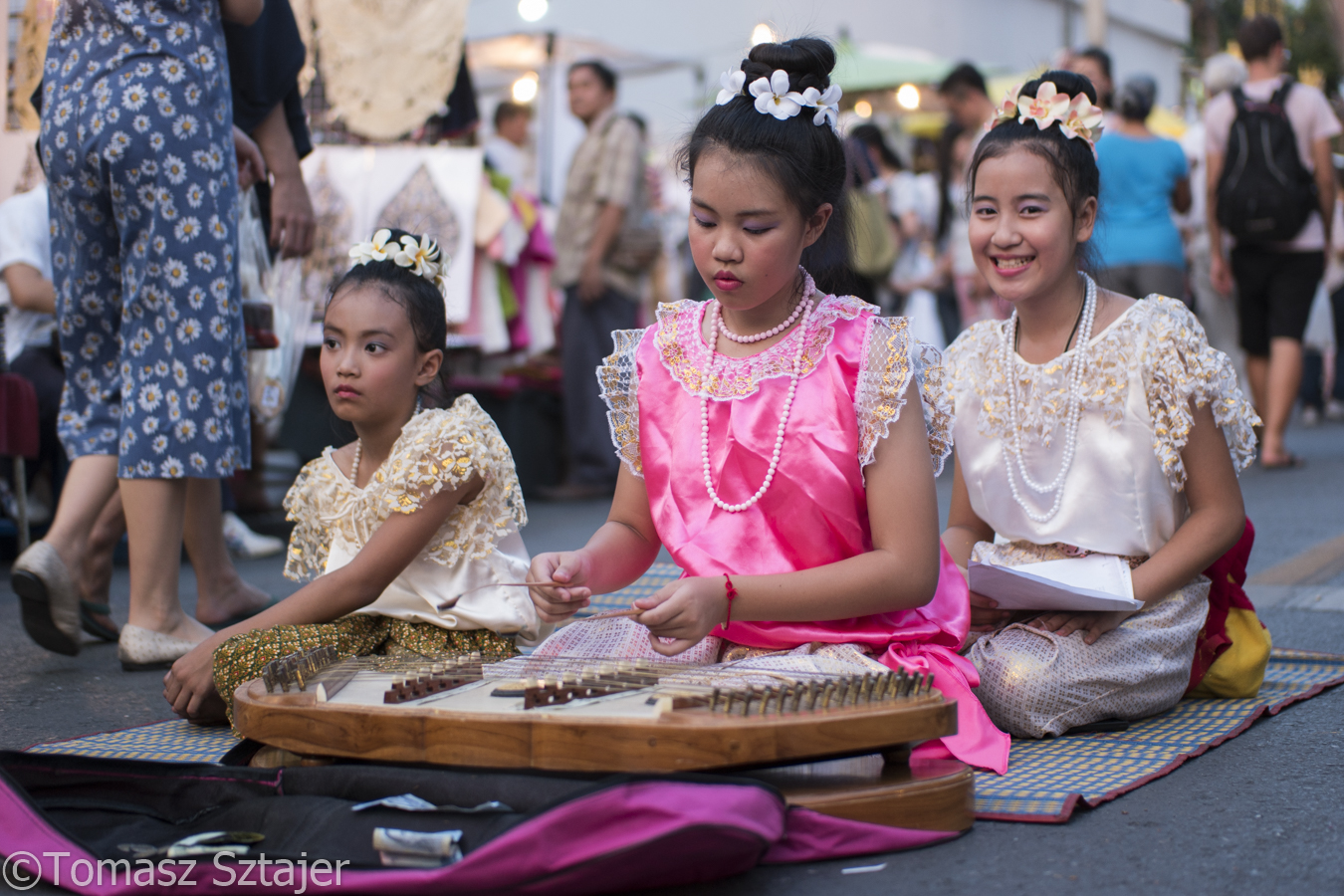
Street performers
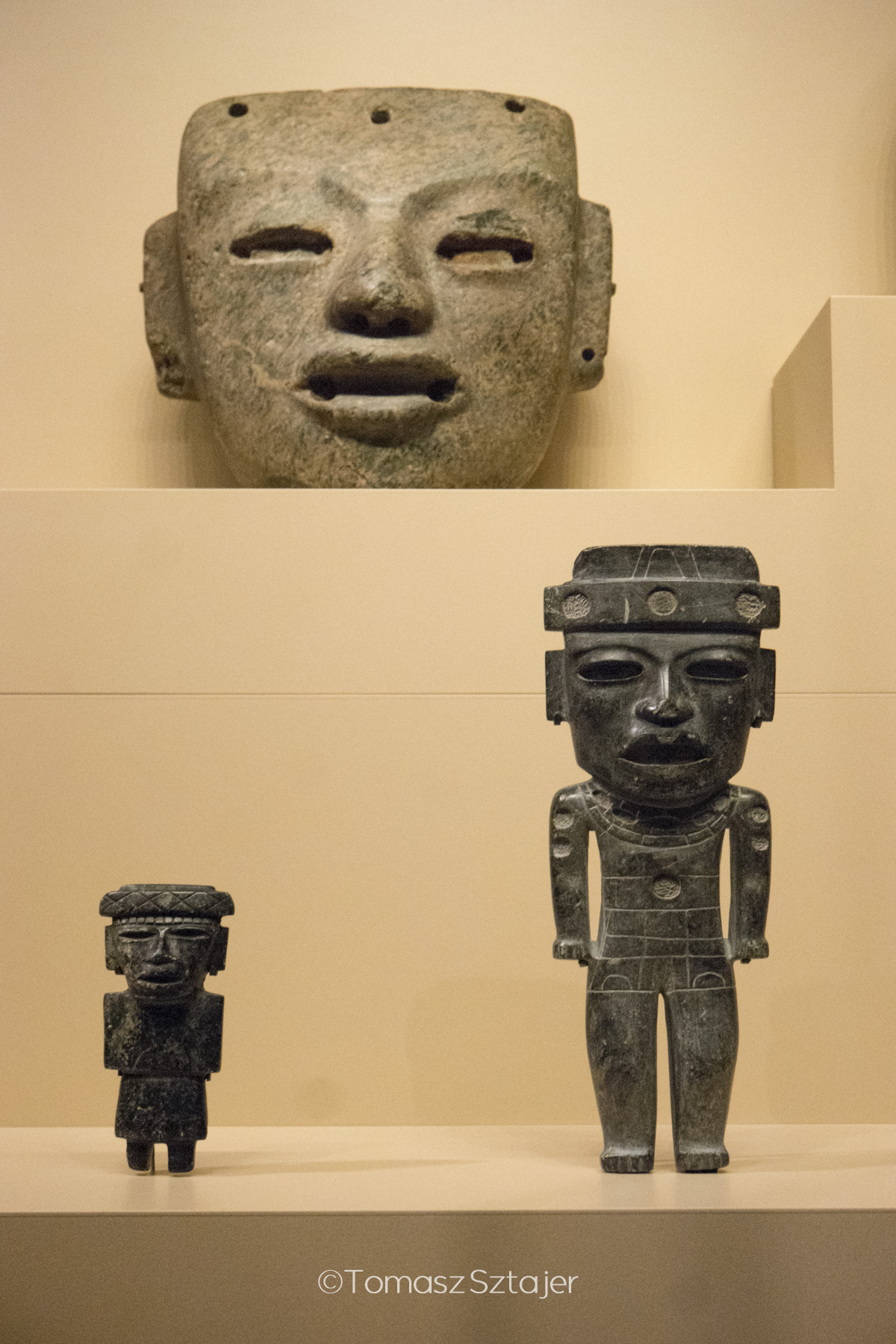
Museum of the Native American
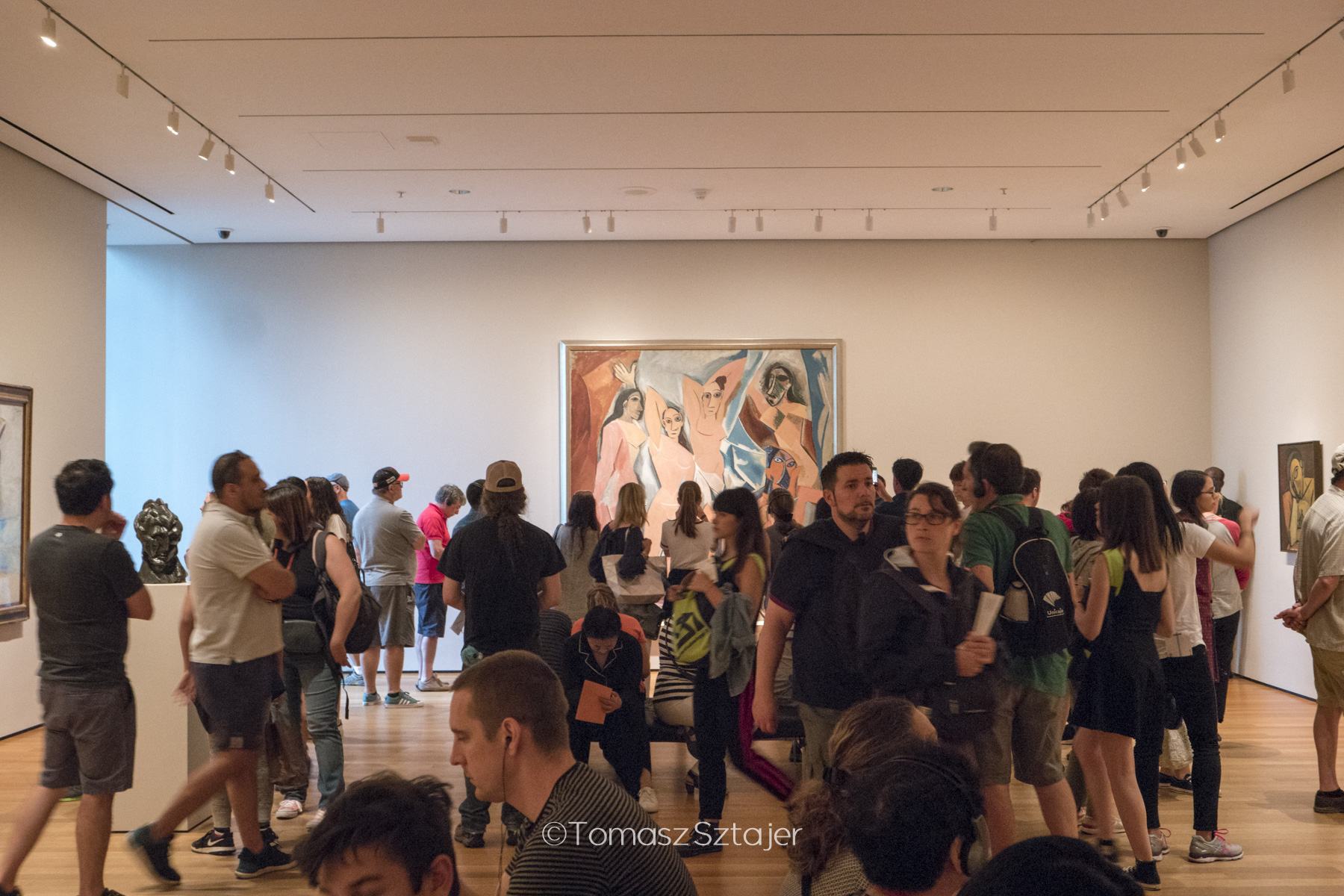
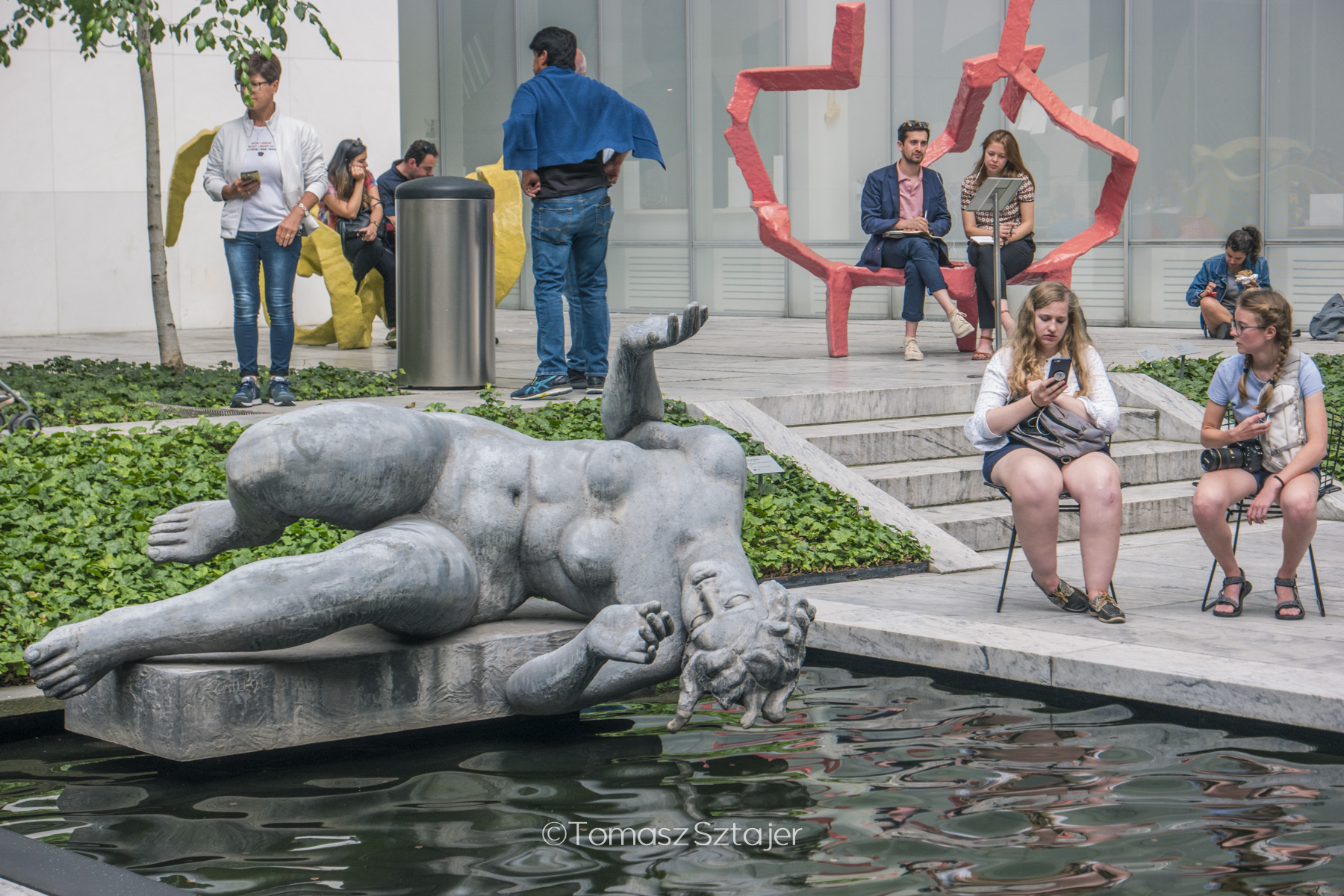
MoMA Free Thursdays
MoMA
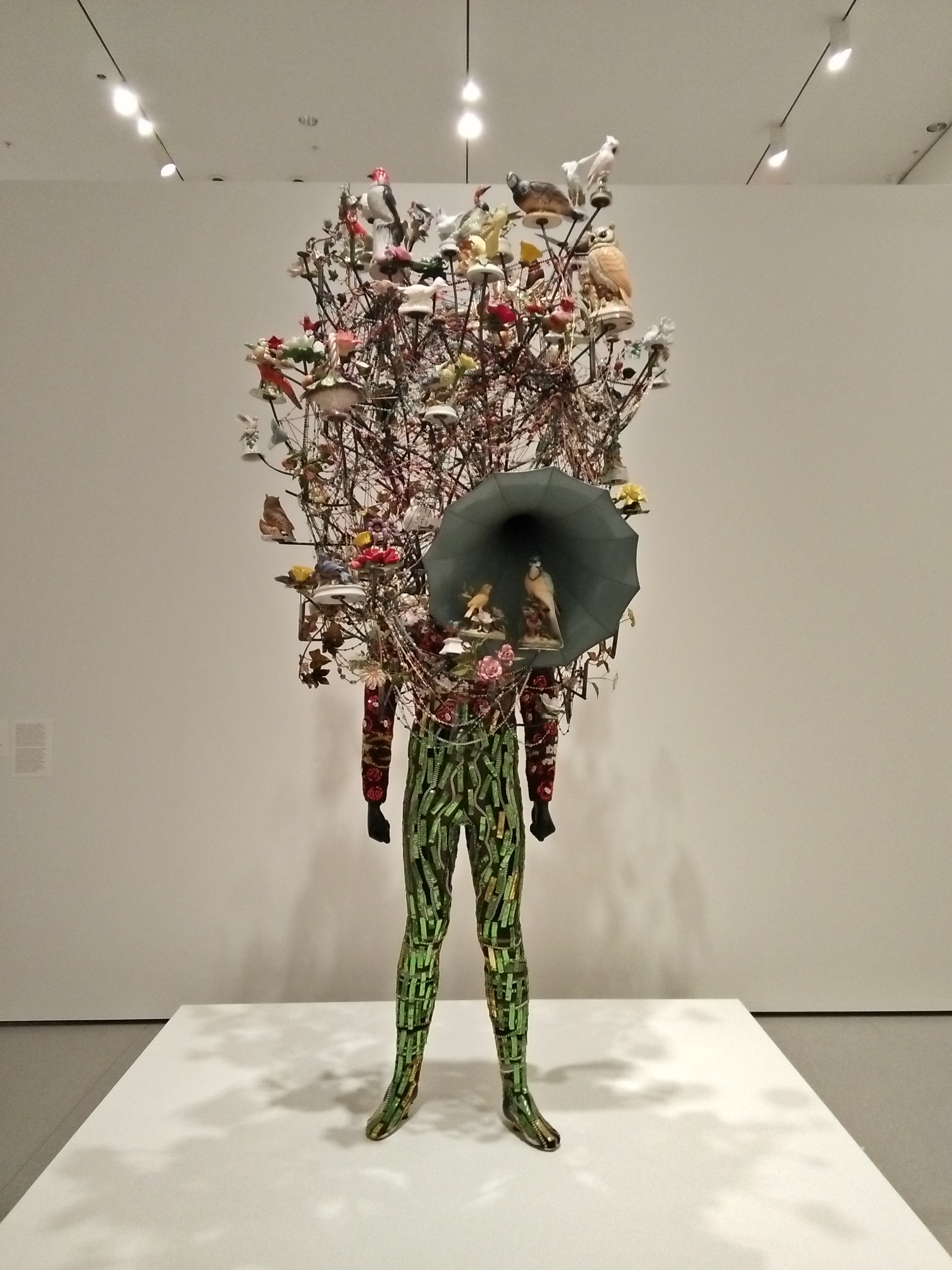
MoMA – Nick Cave’s art
Street performer
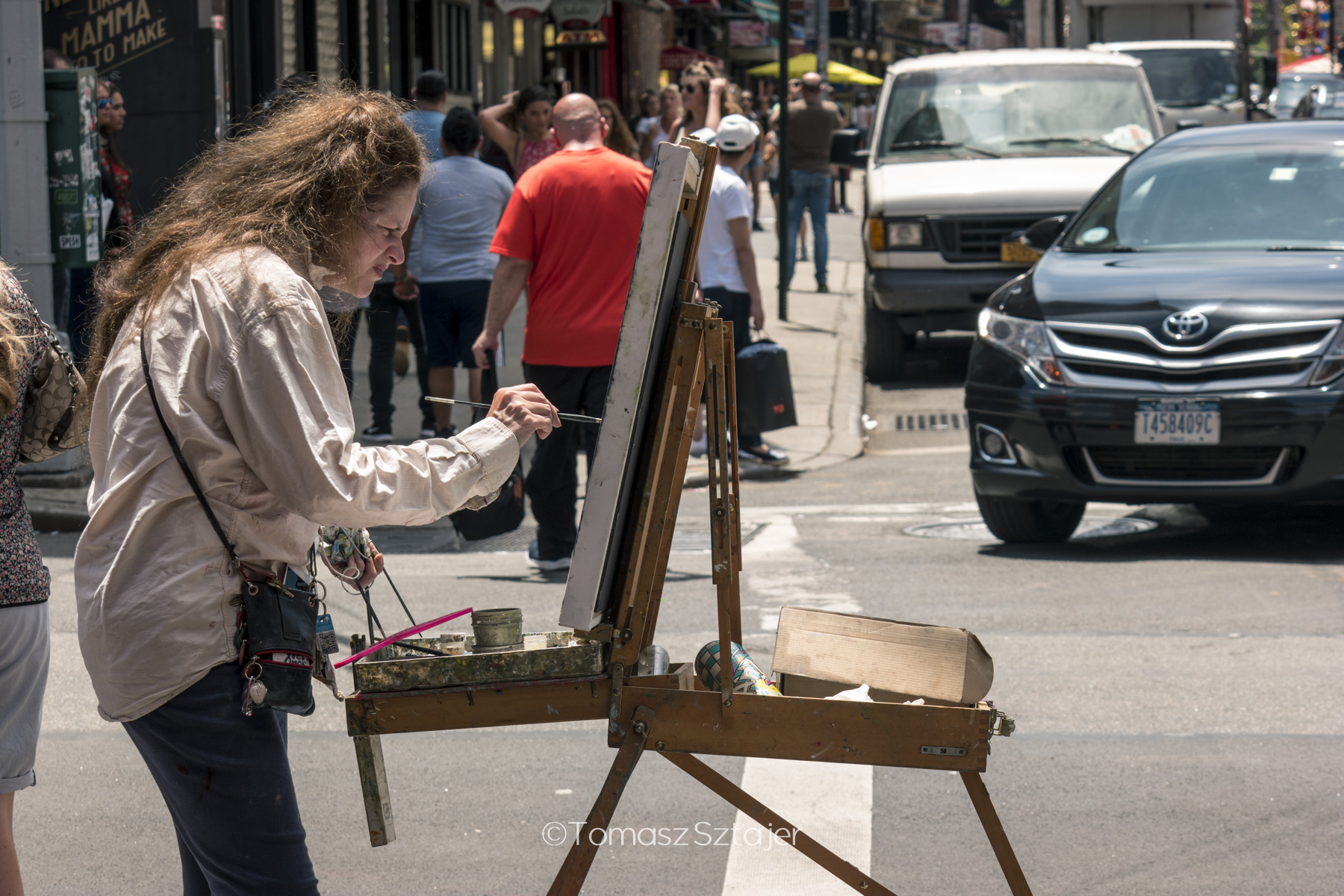
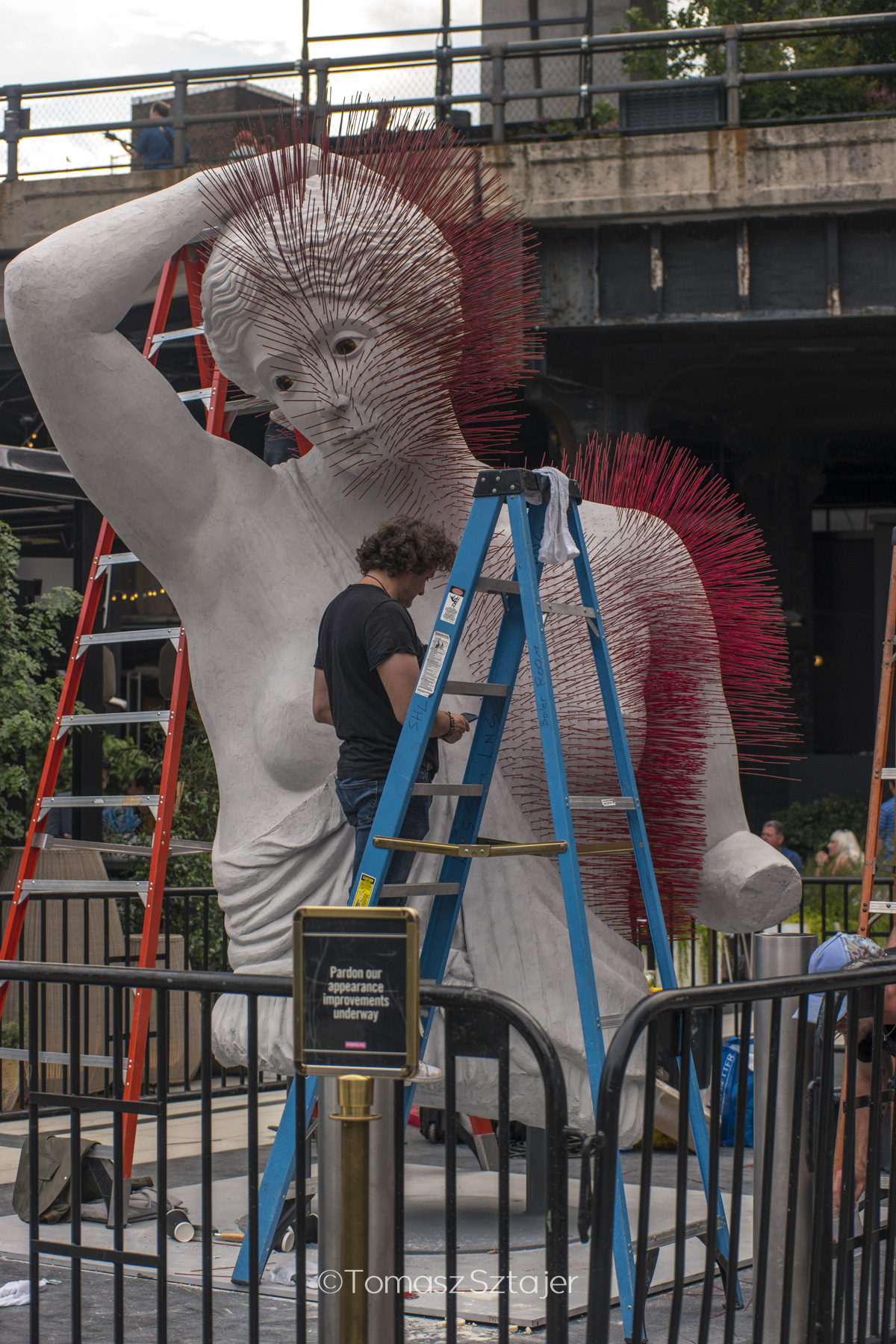
Art in progress
Street art
Subtle but arty
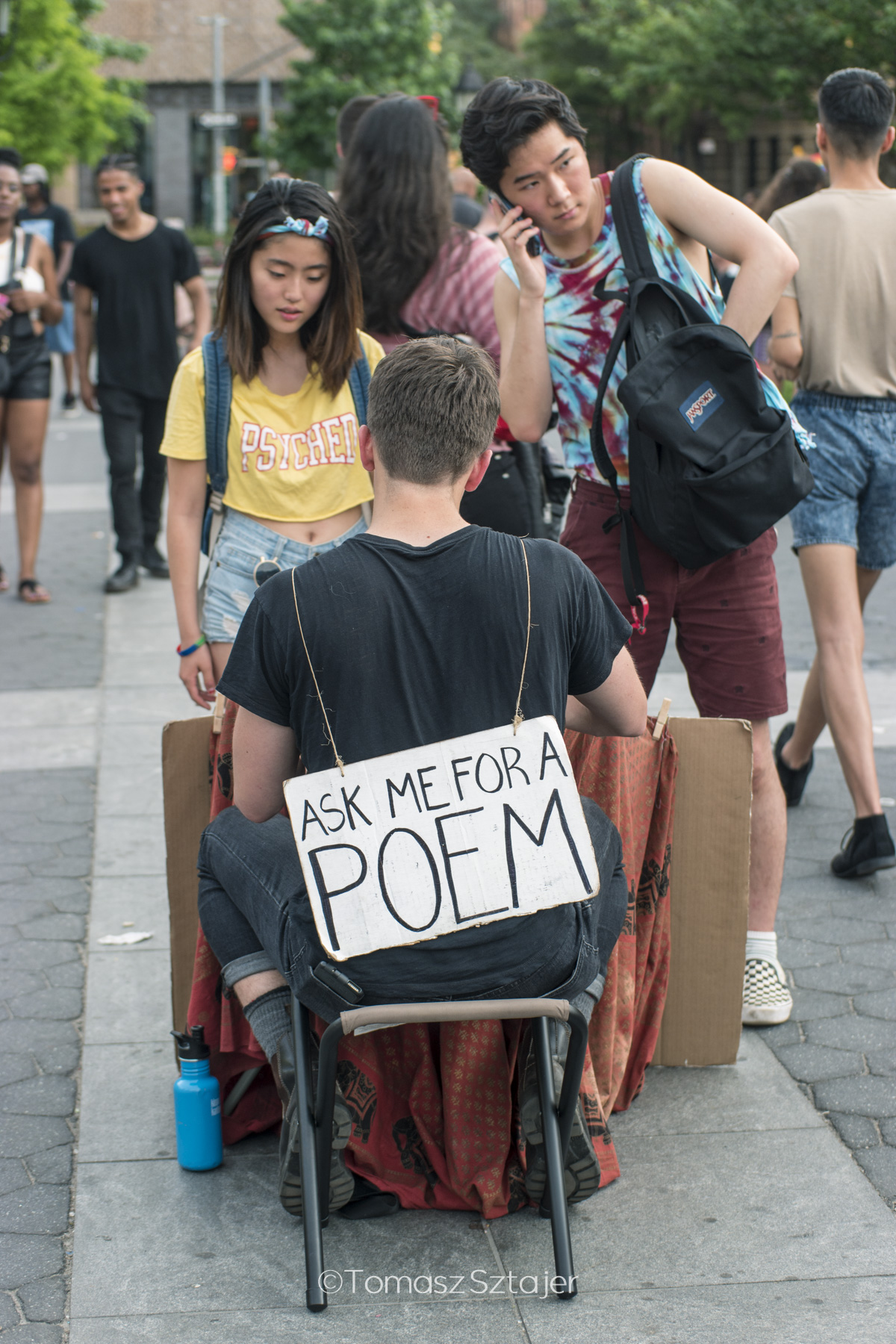
A poet in Washington Square
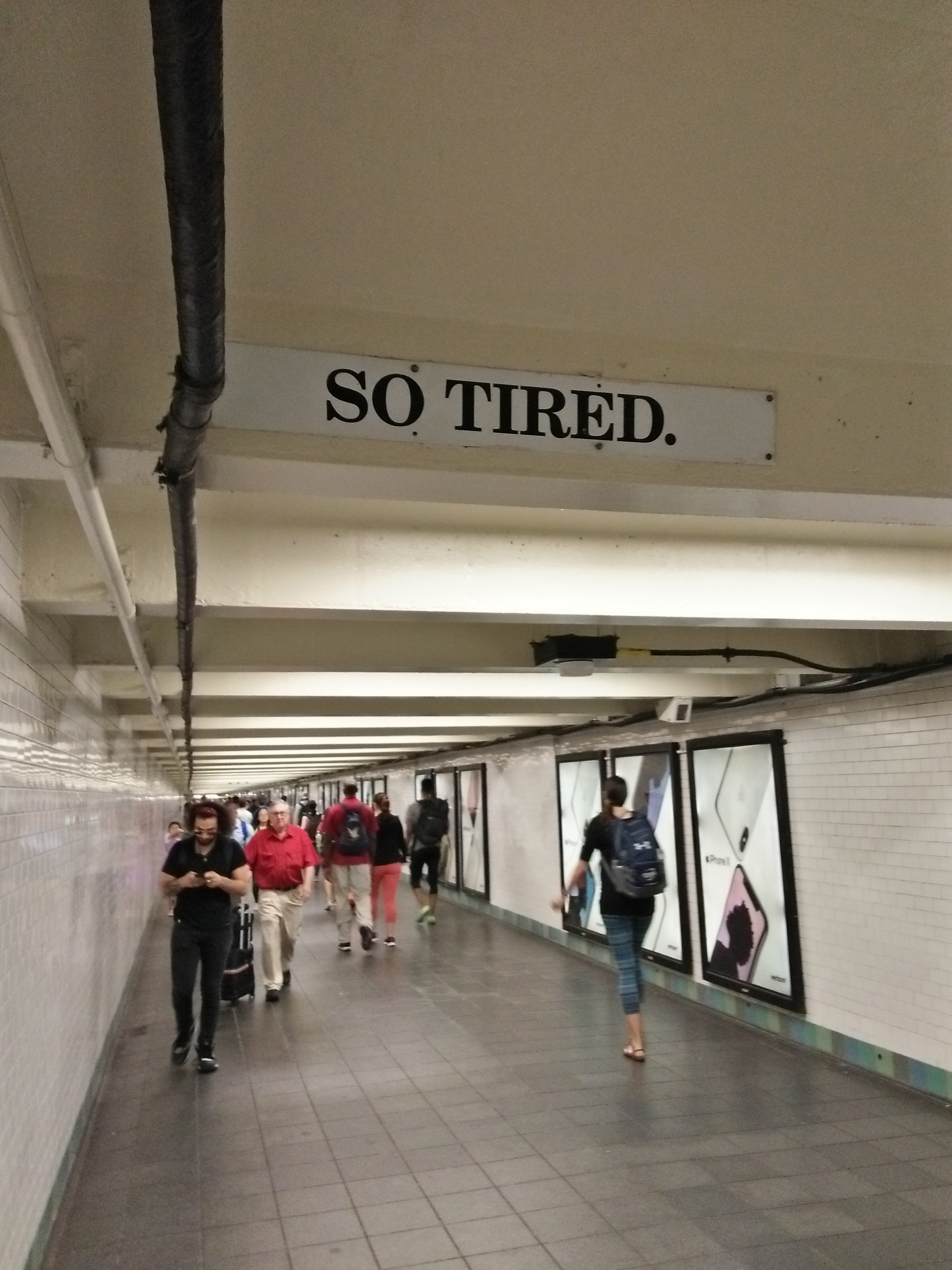
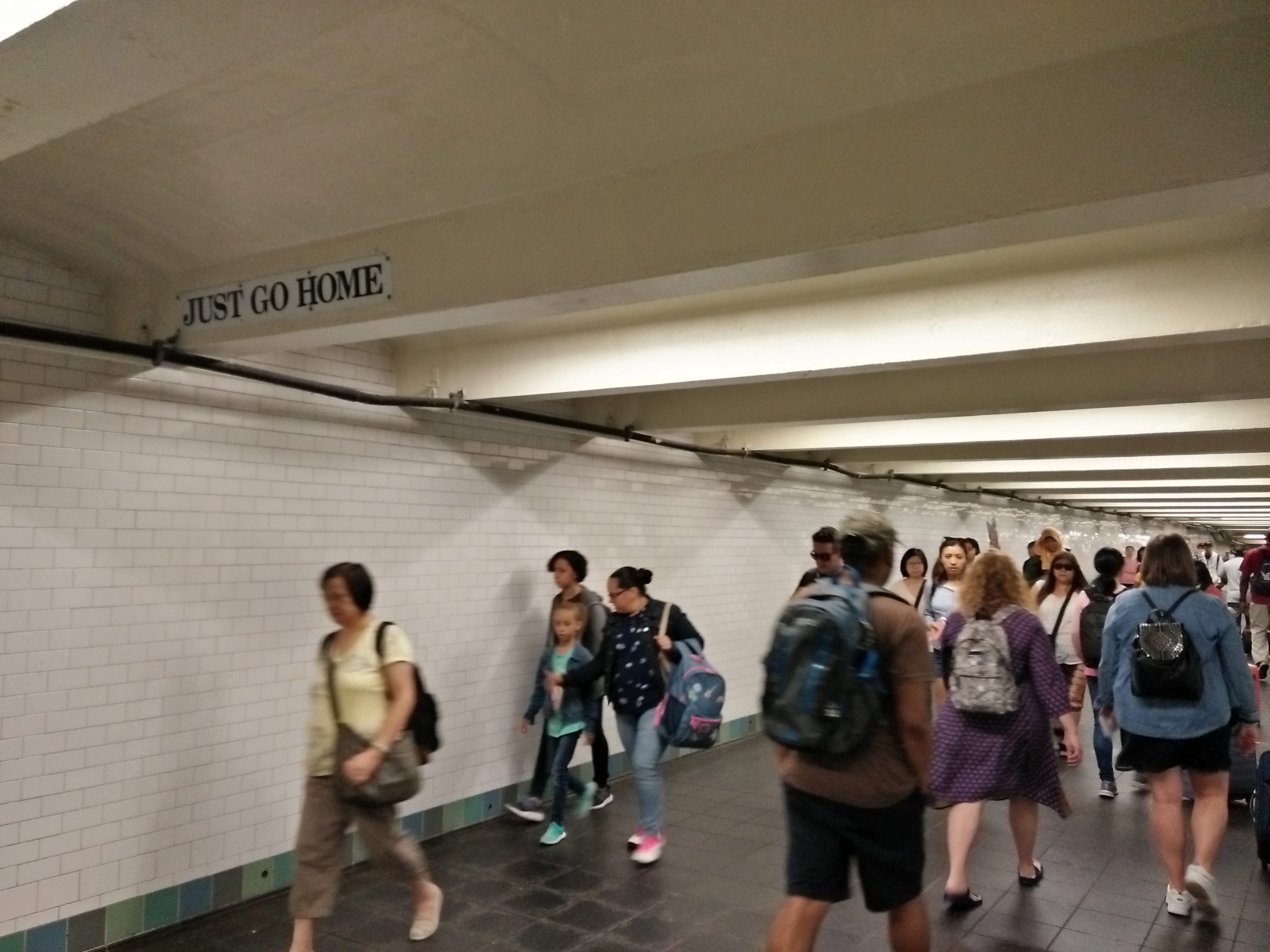
Heading for the subway
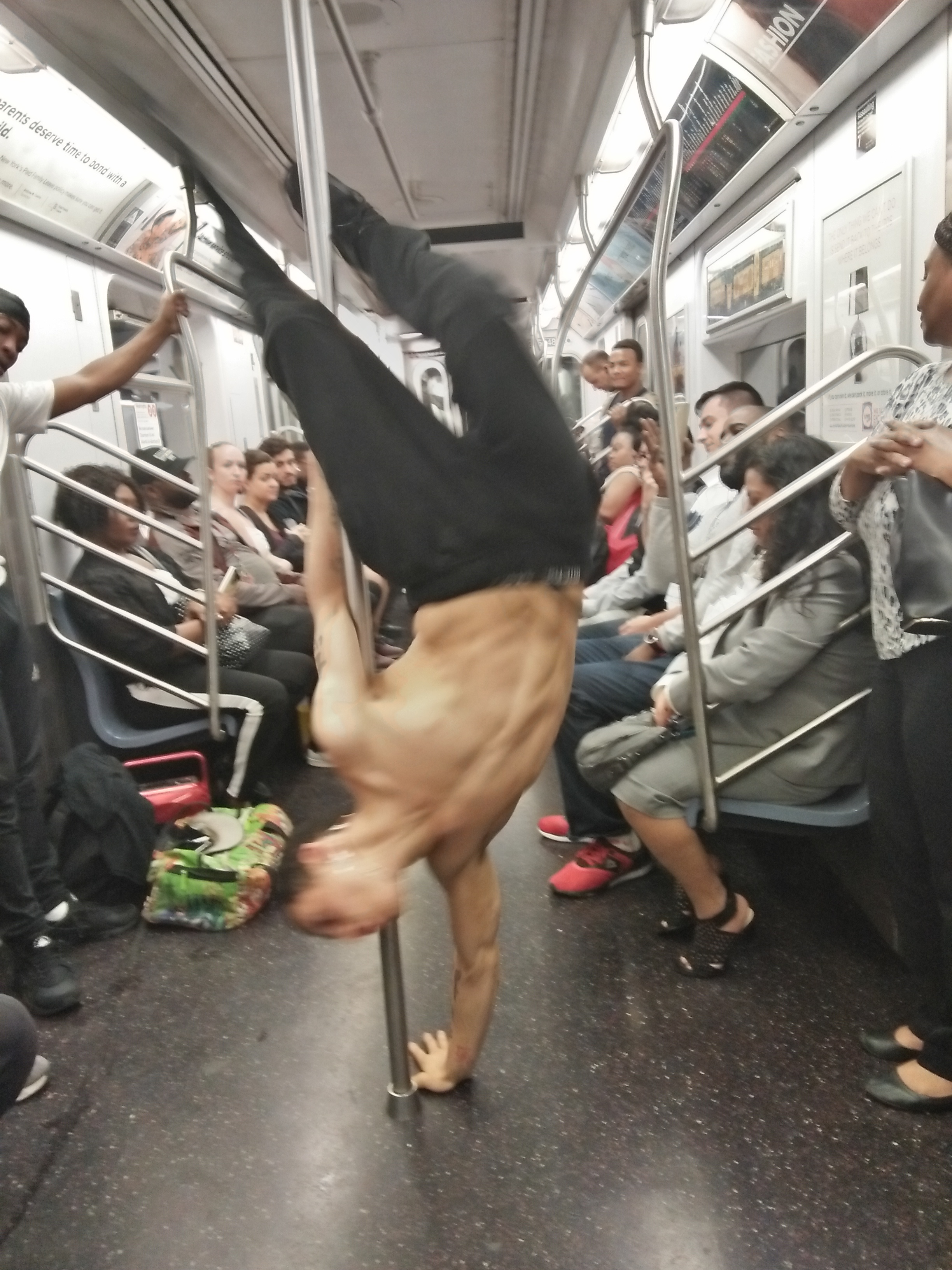
On the subway
On the subway
–
–
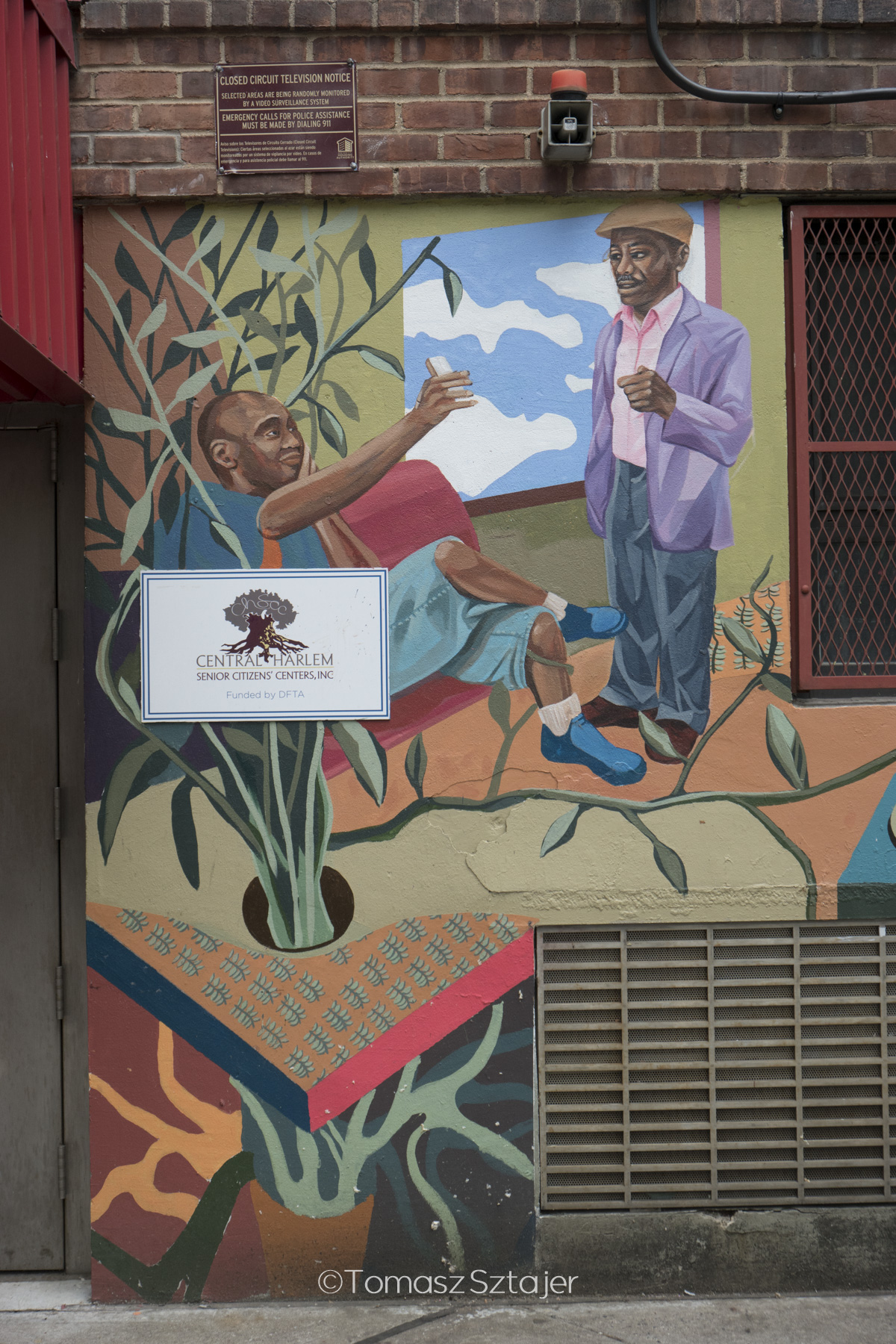
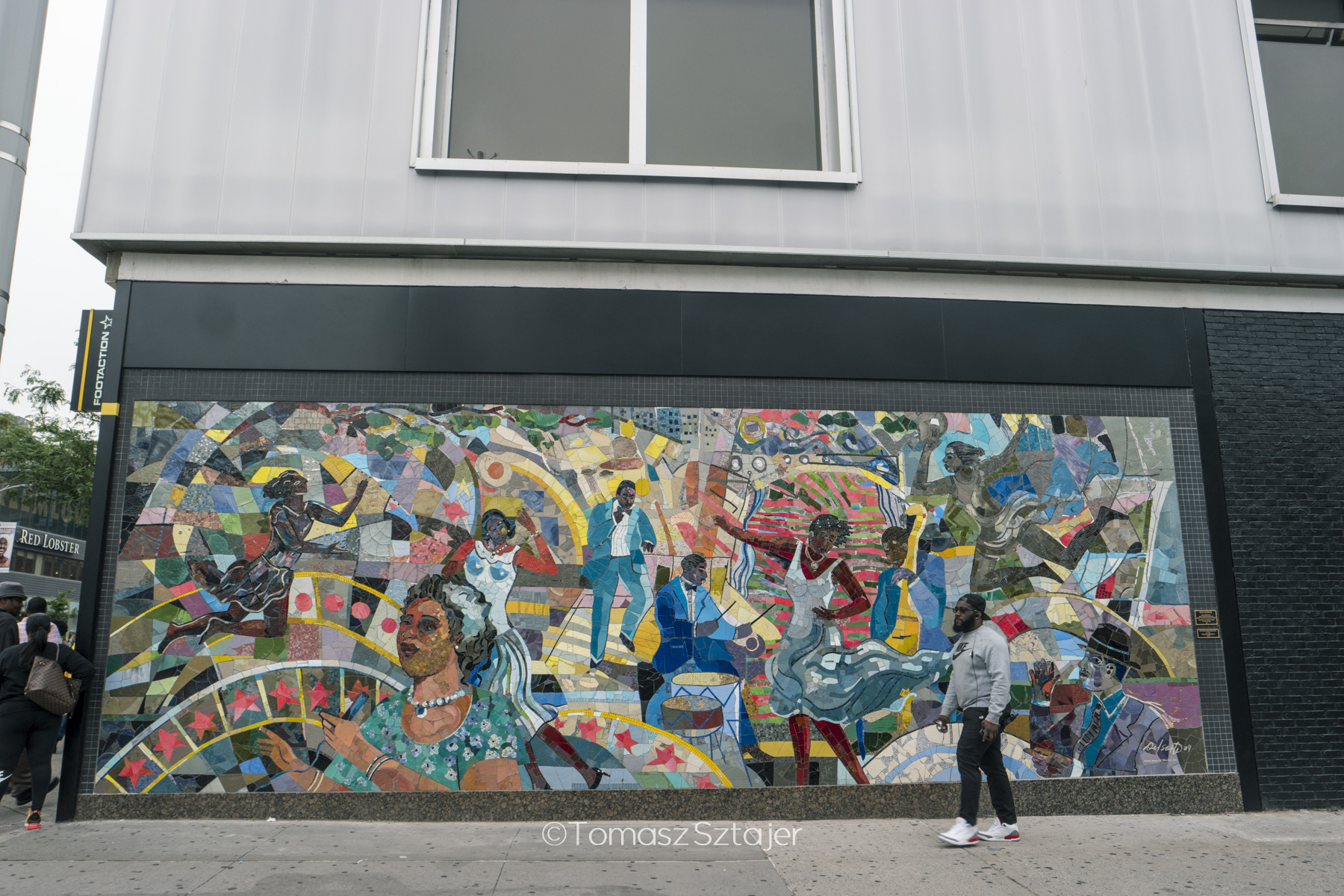
In Harlem
In Harlem
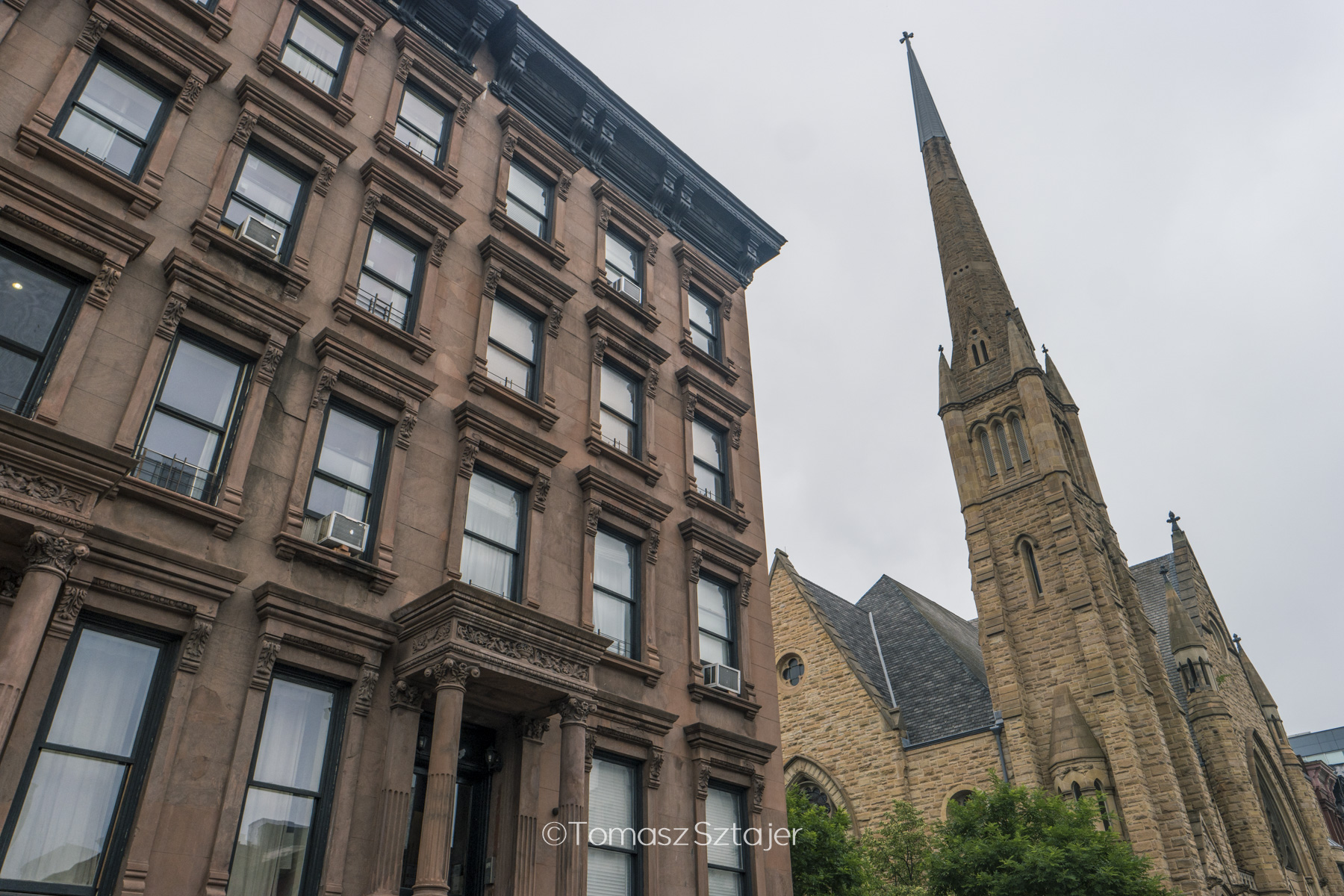
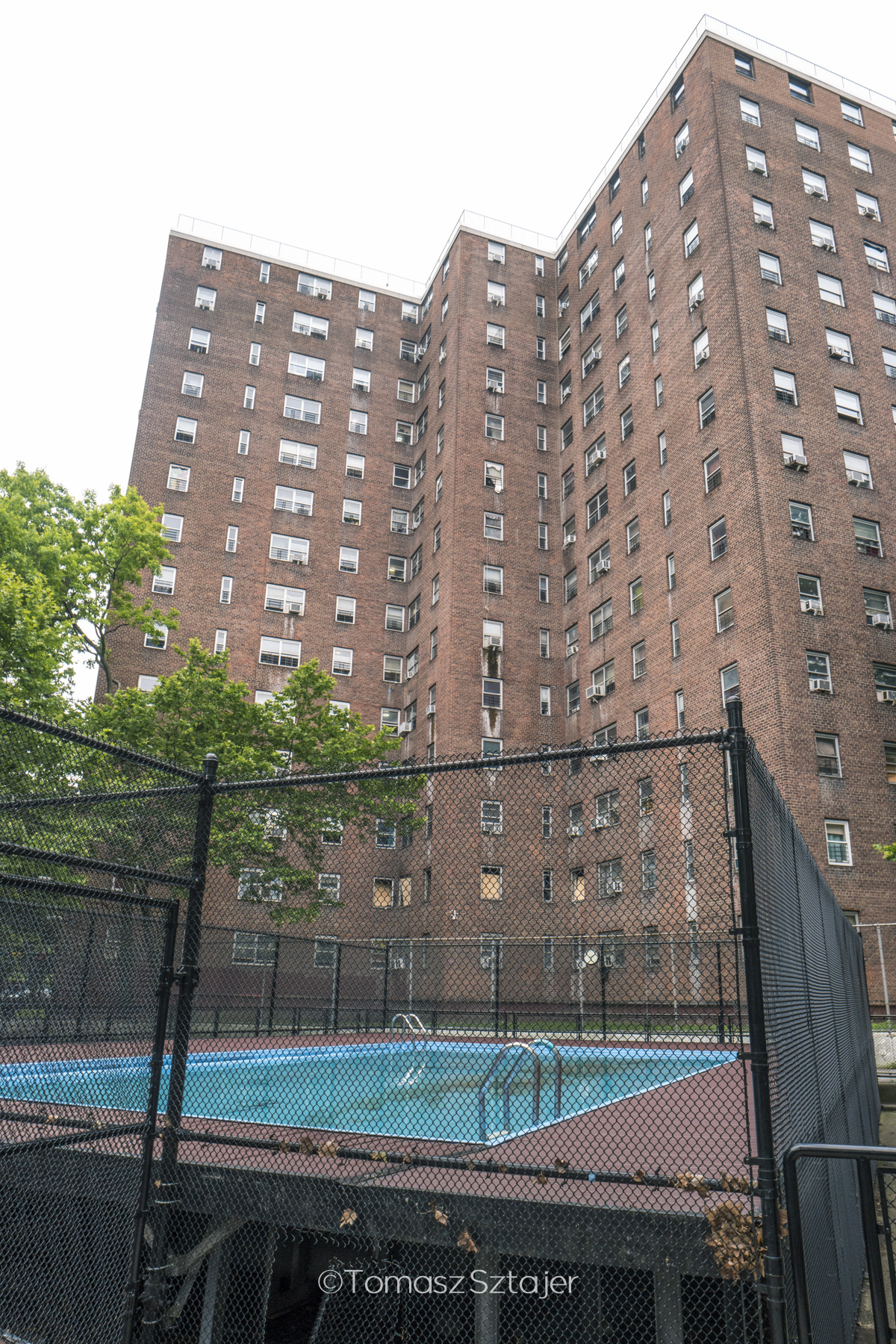
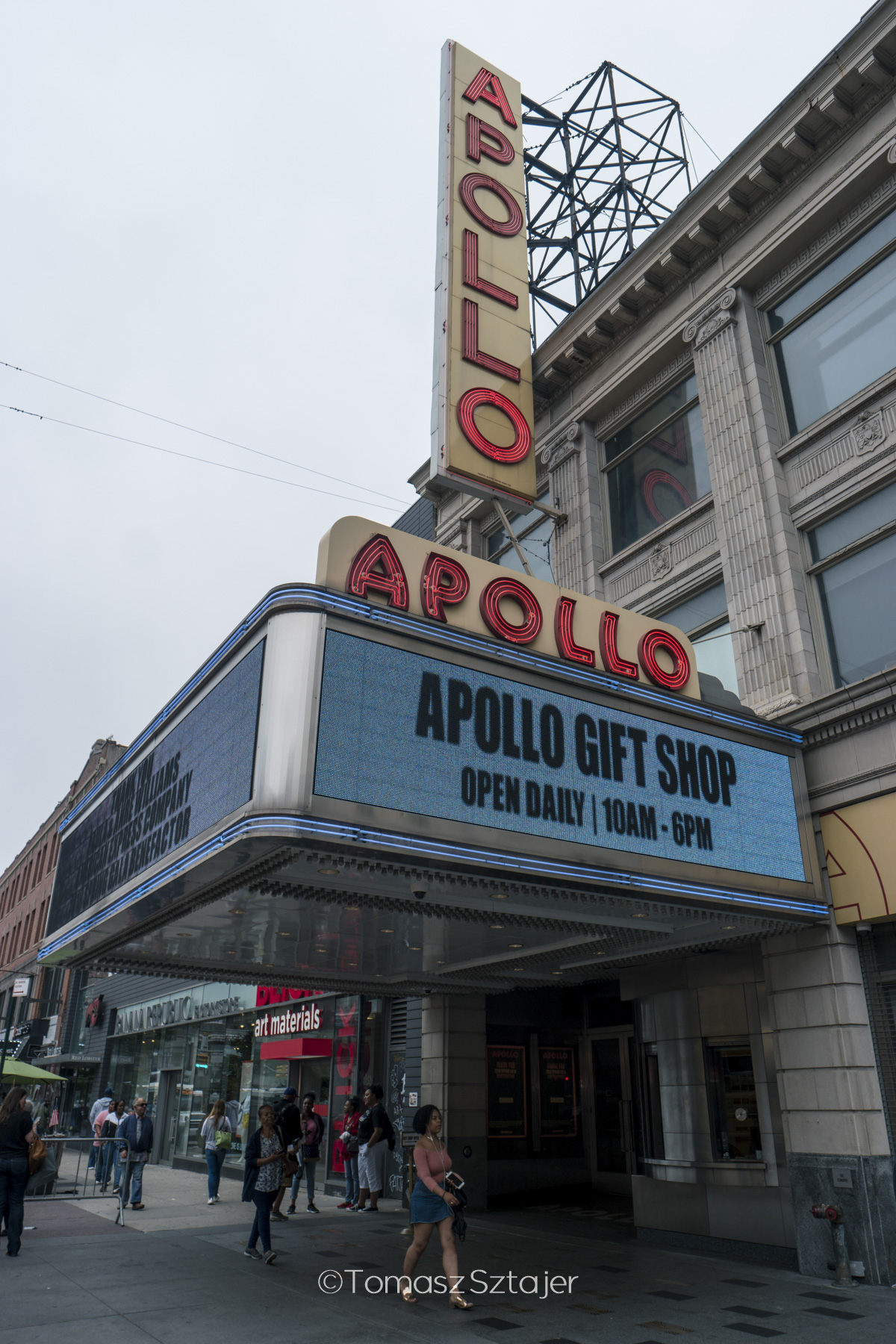
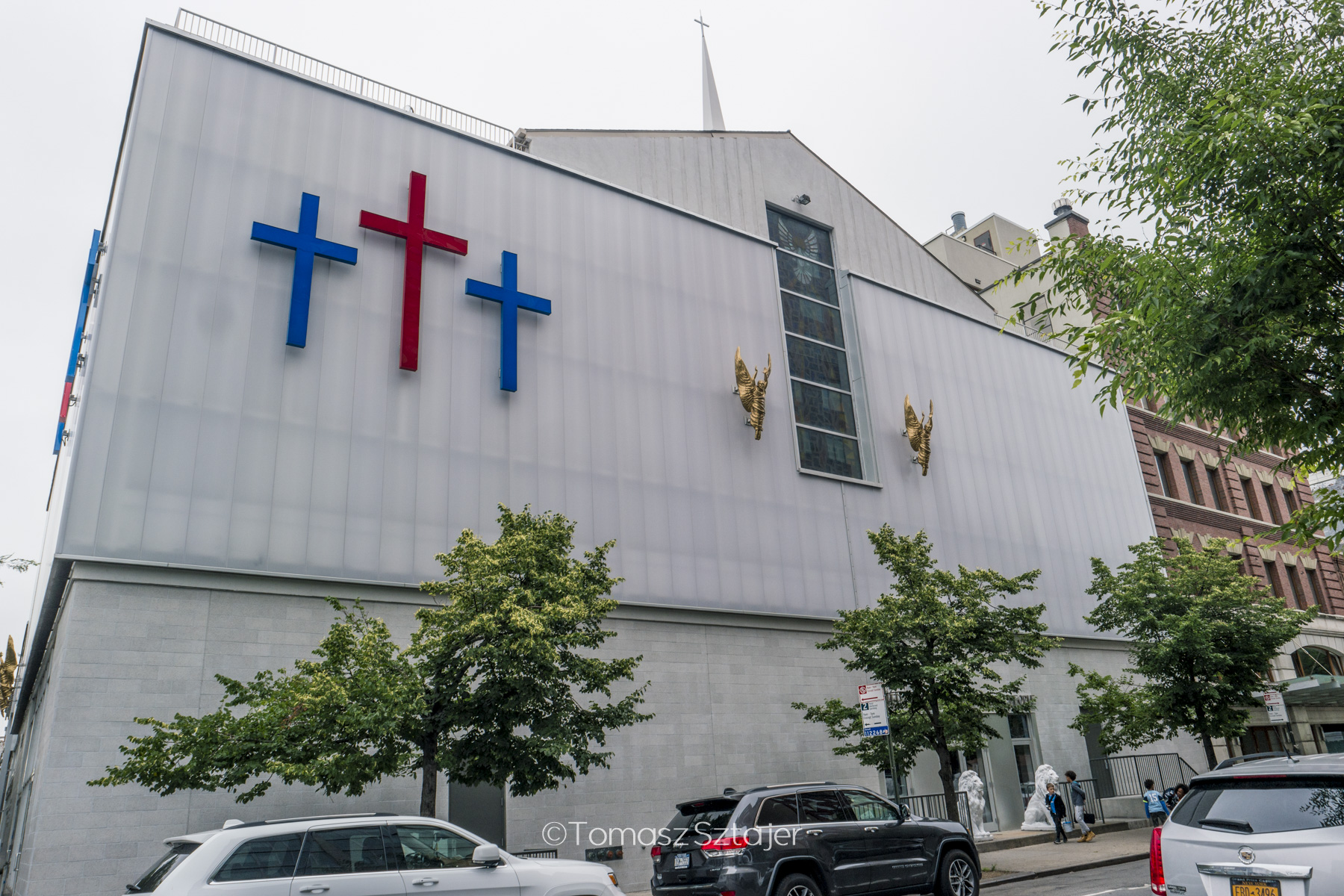
In Harlem
In Harlem
NYC a little wider // Szerzej:
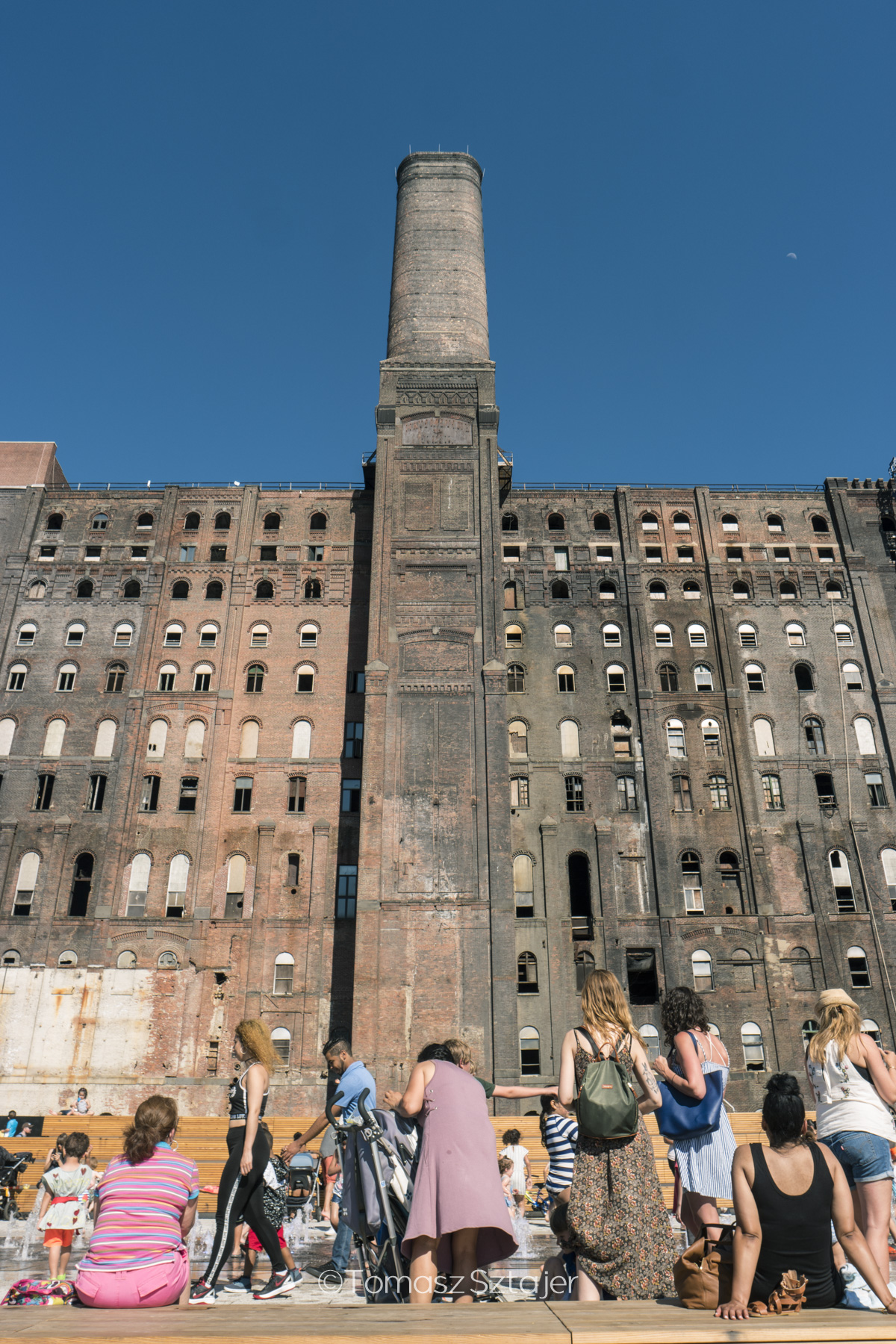
Brooklyn waterfront
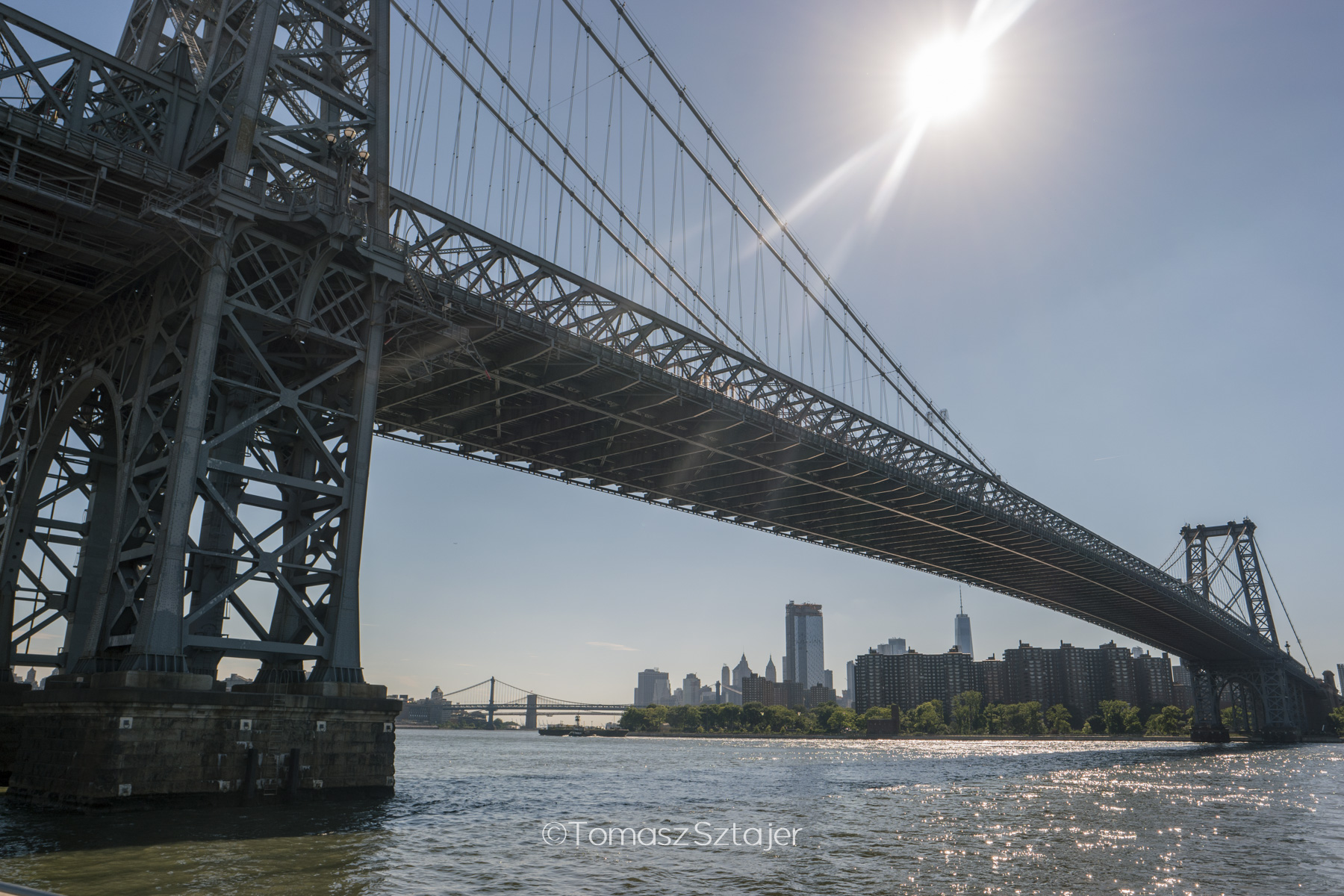
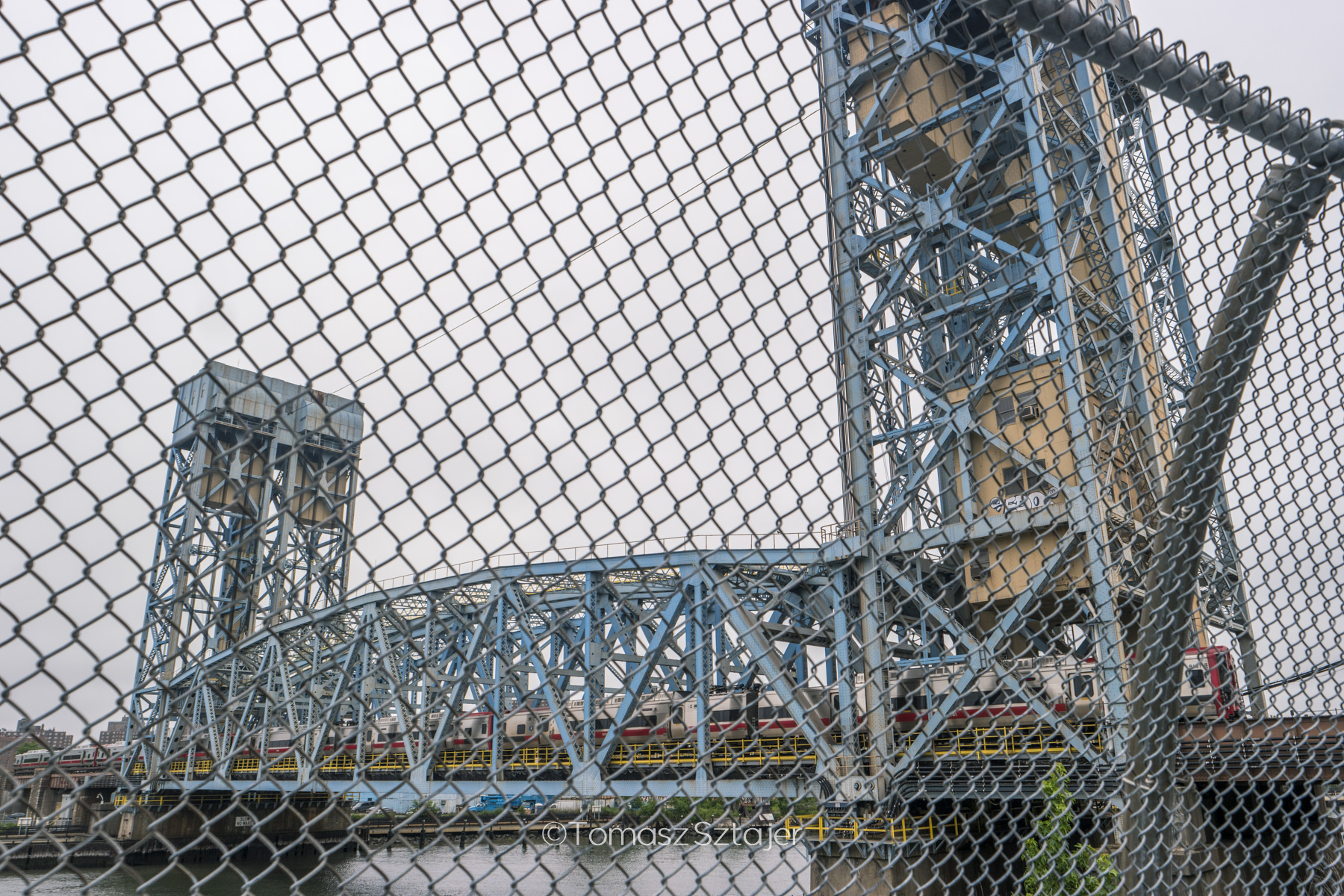
Williamsburg bridge
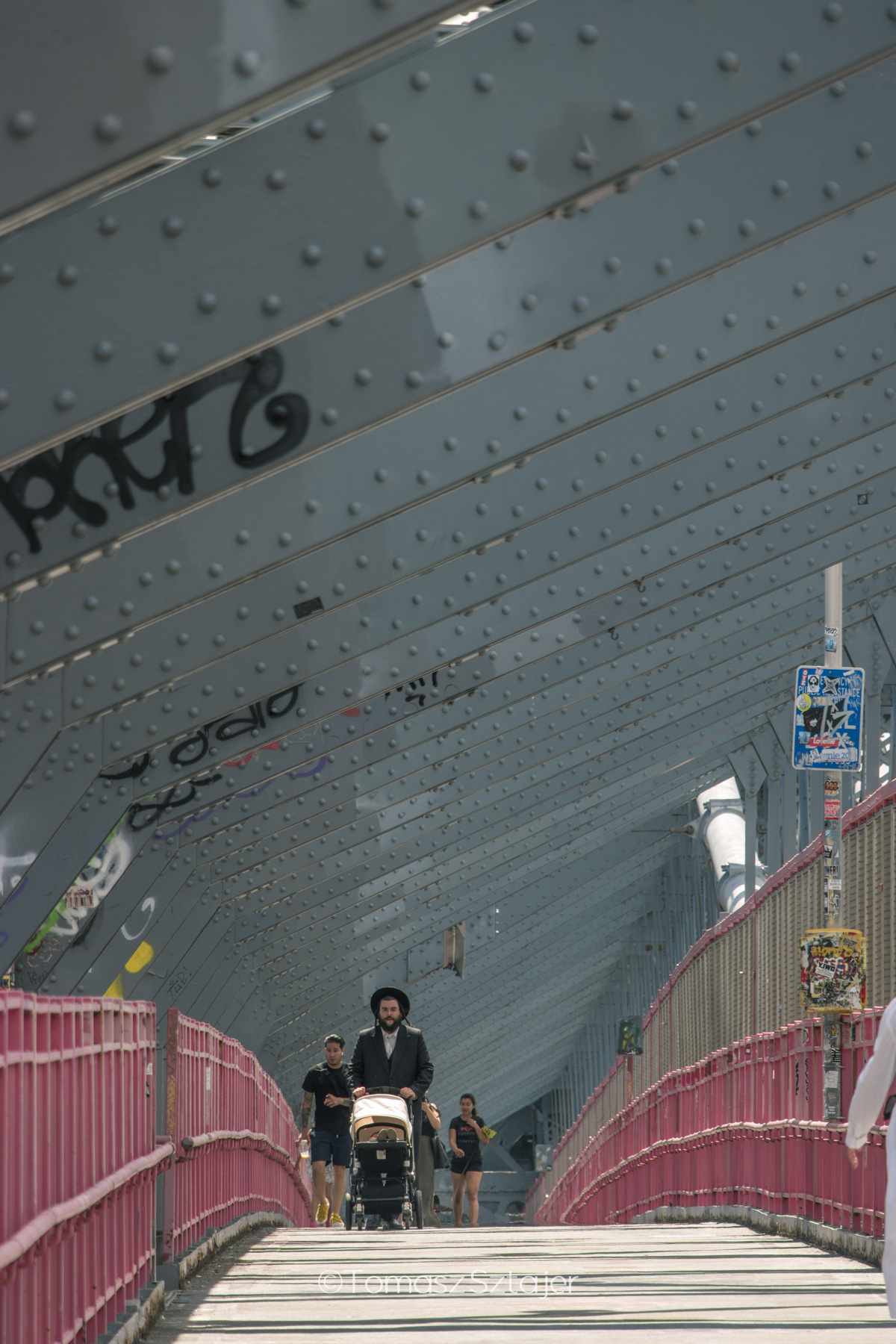
Crossing Williamsburg bridge
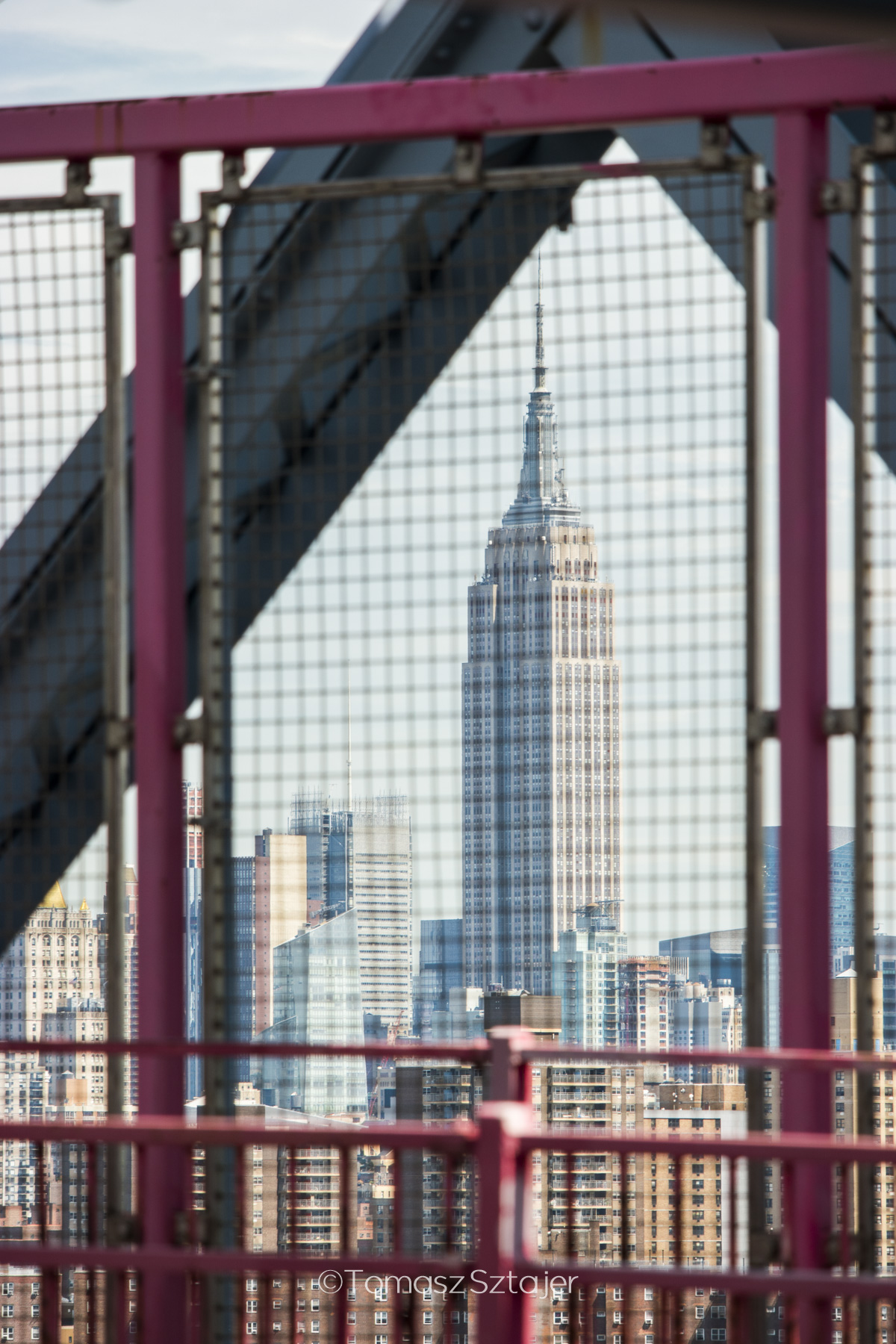
Williamsburg bridge
The awesome facades
The awesome facades
The awesome facades
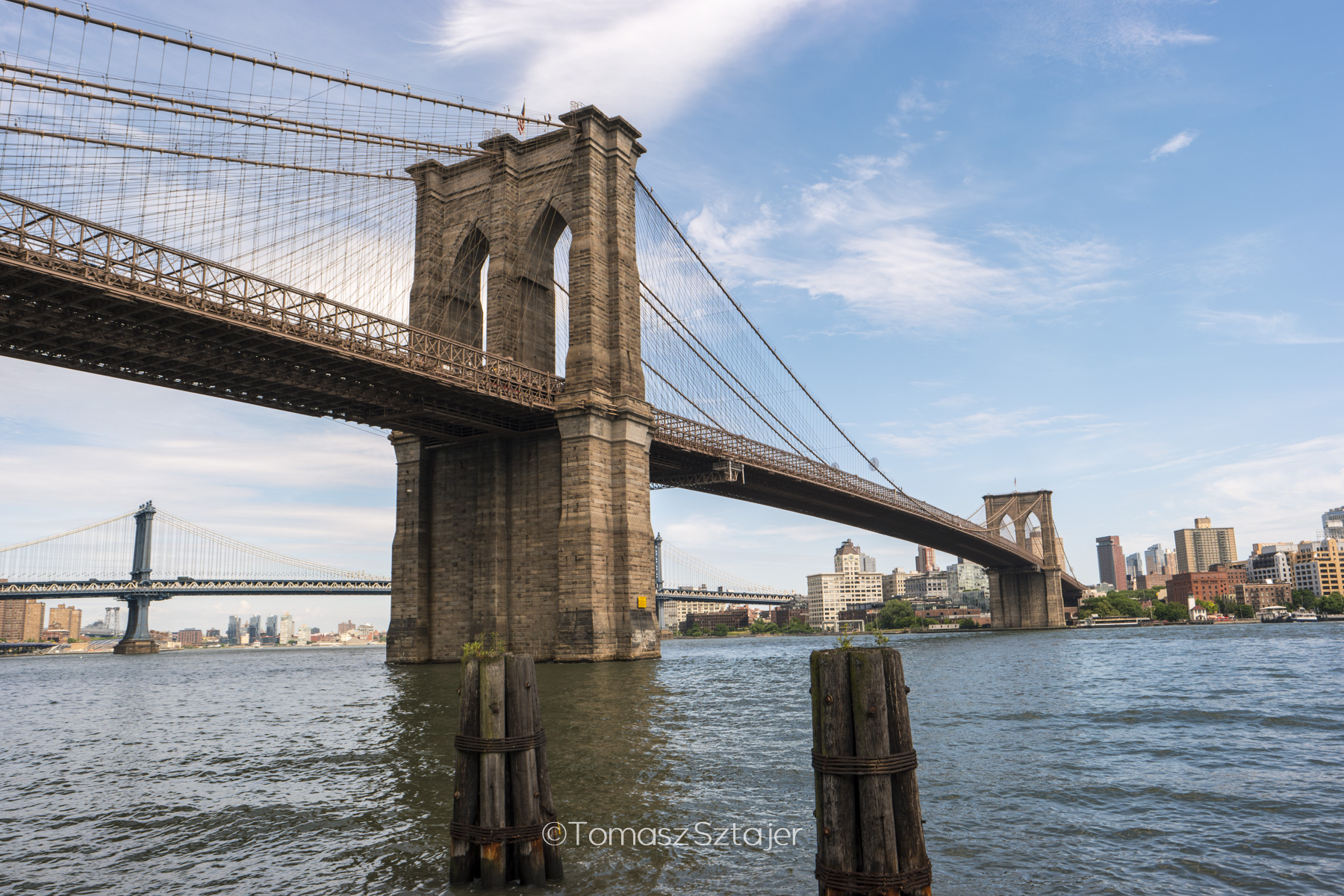
Brooklyn bridge
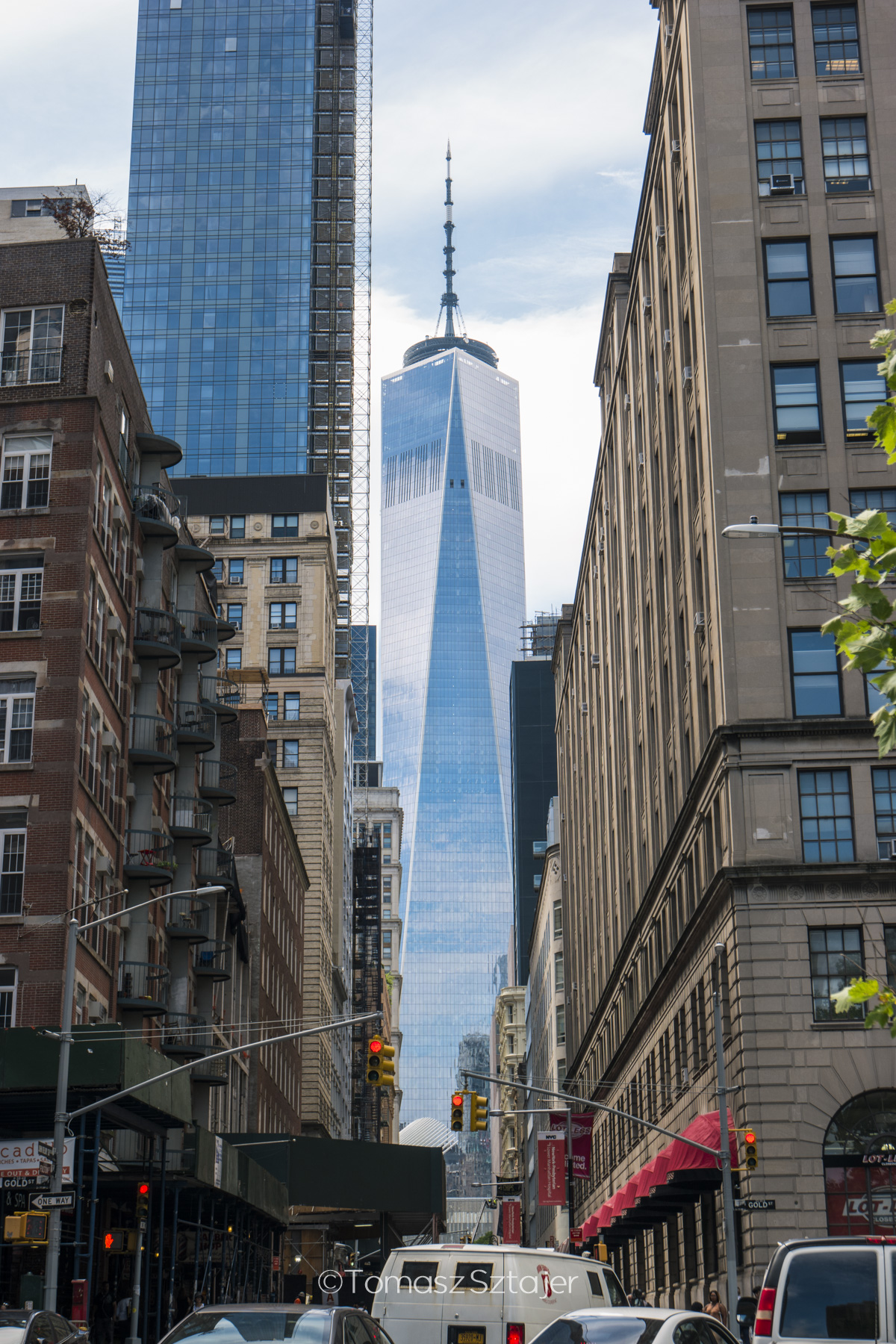
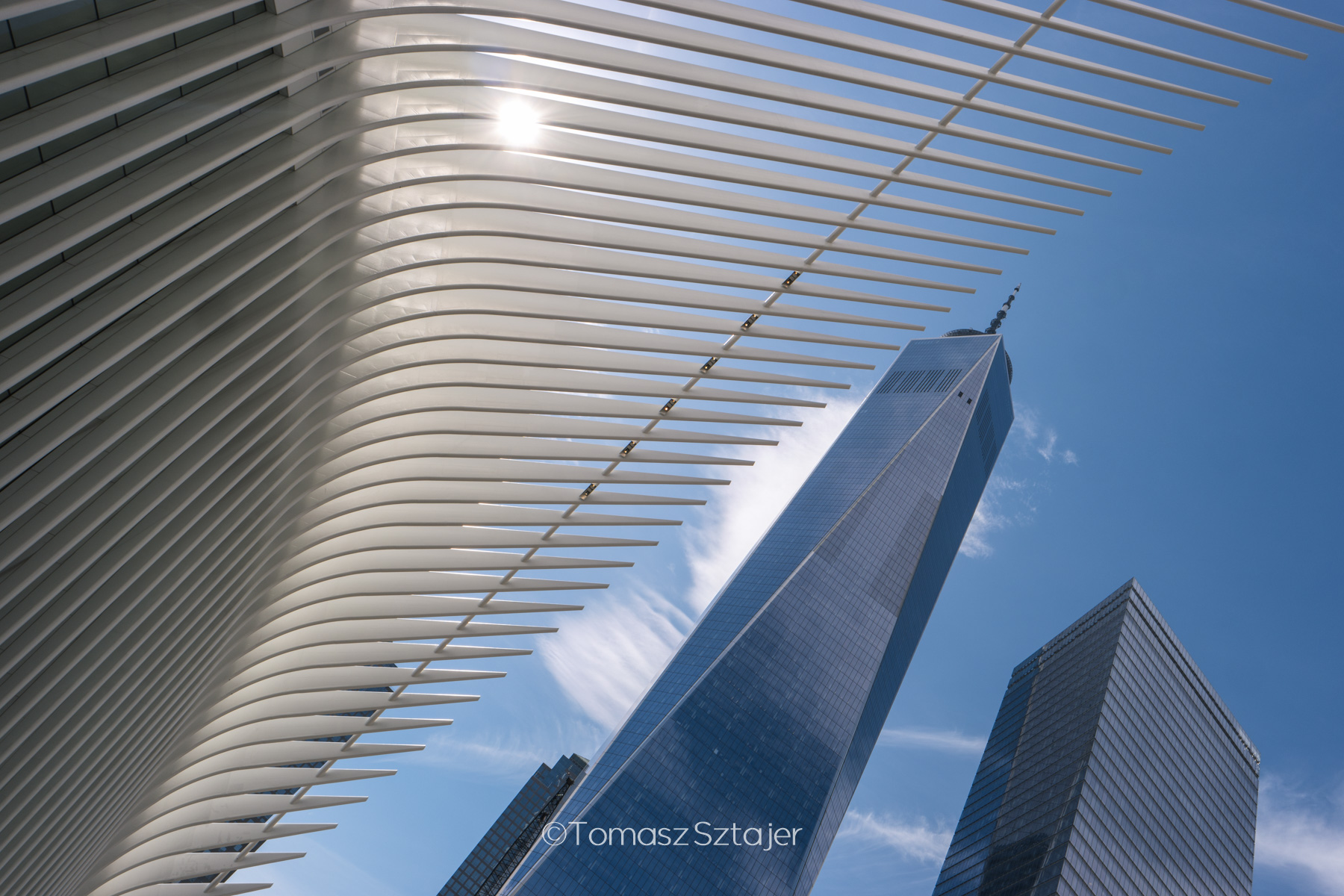
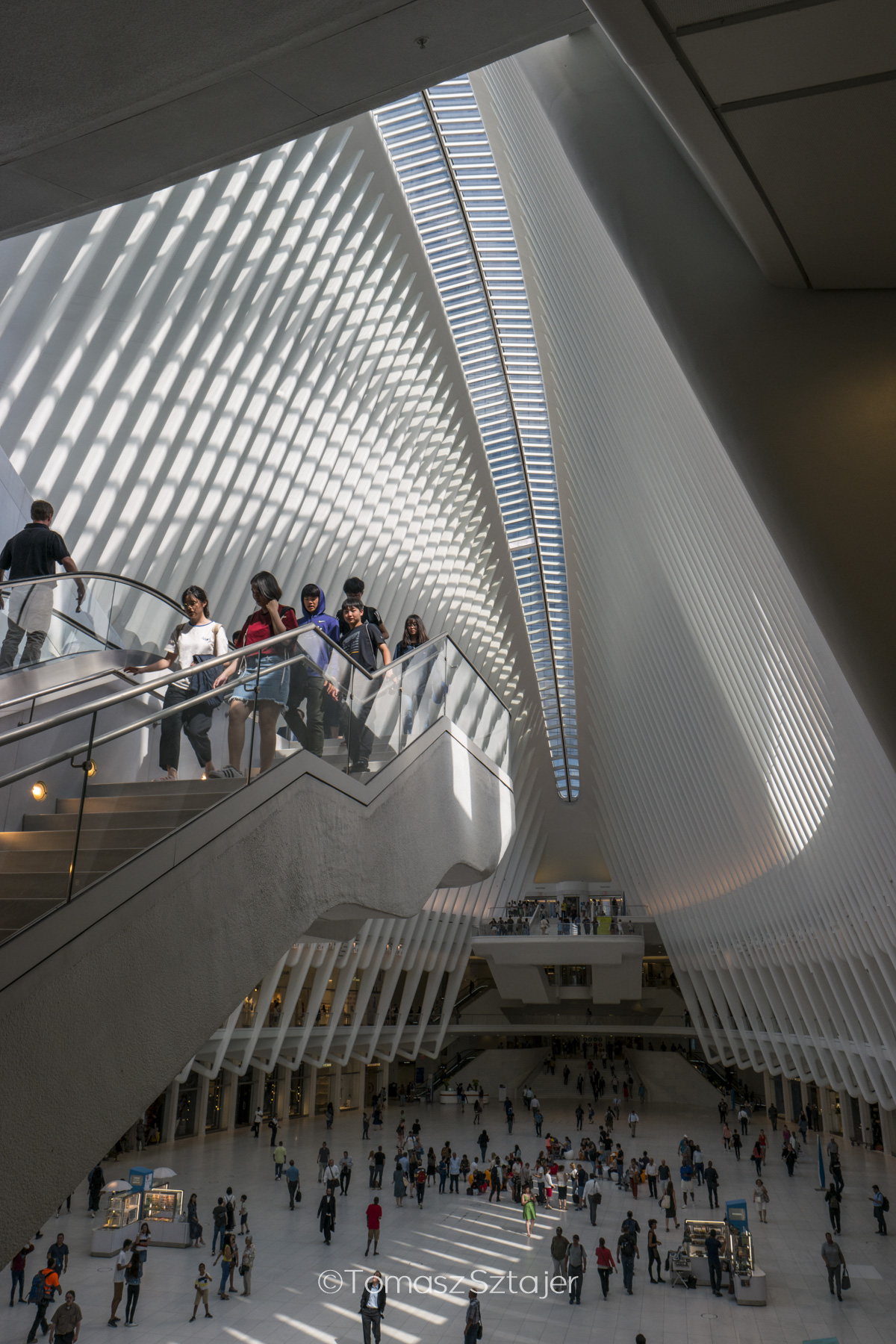
One World Trade Center
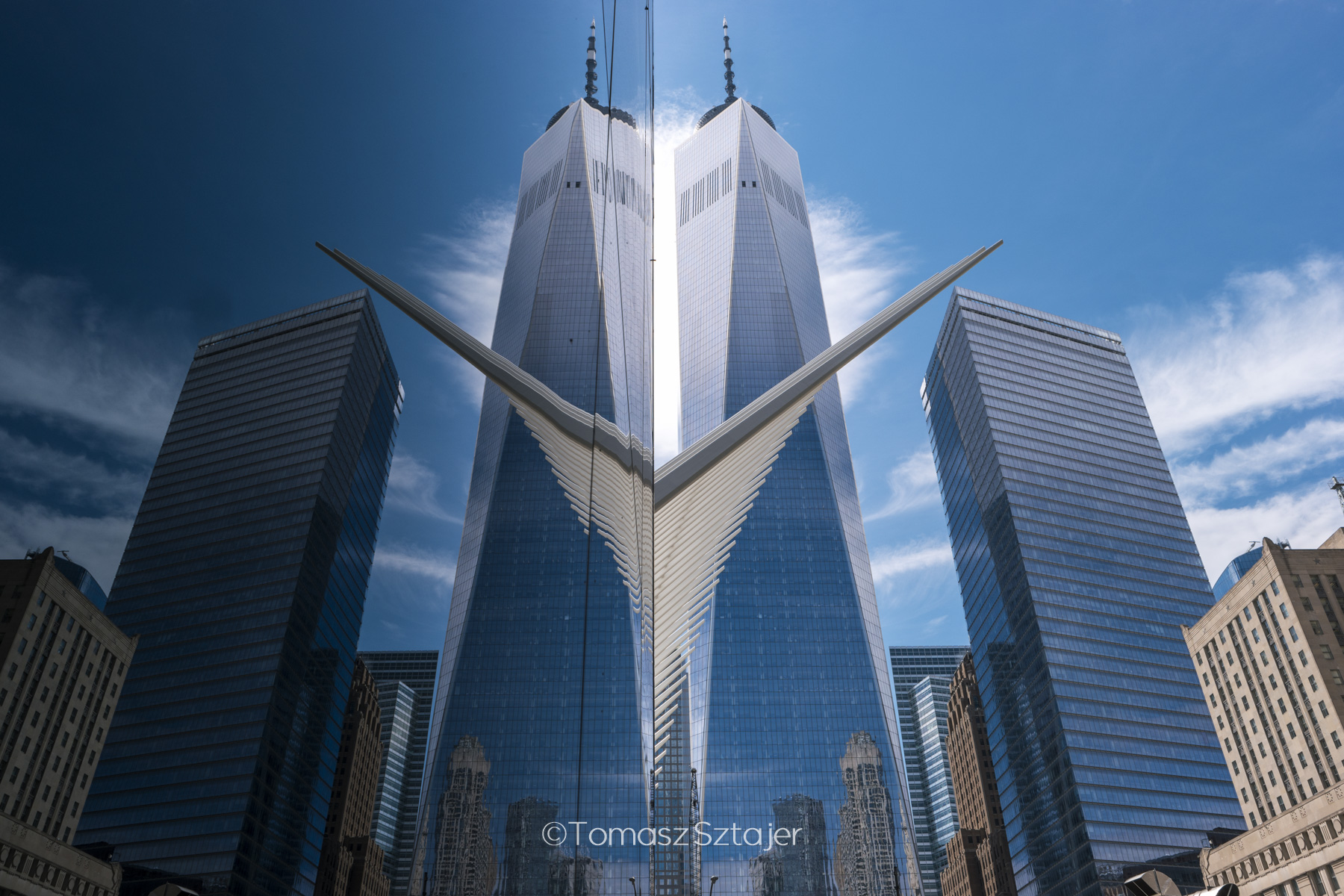
Getting creative around One World Trade Center
One World Trade Center
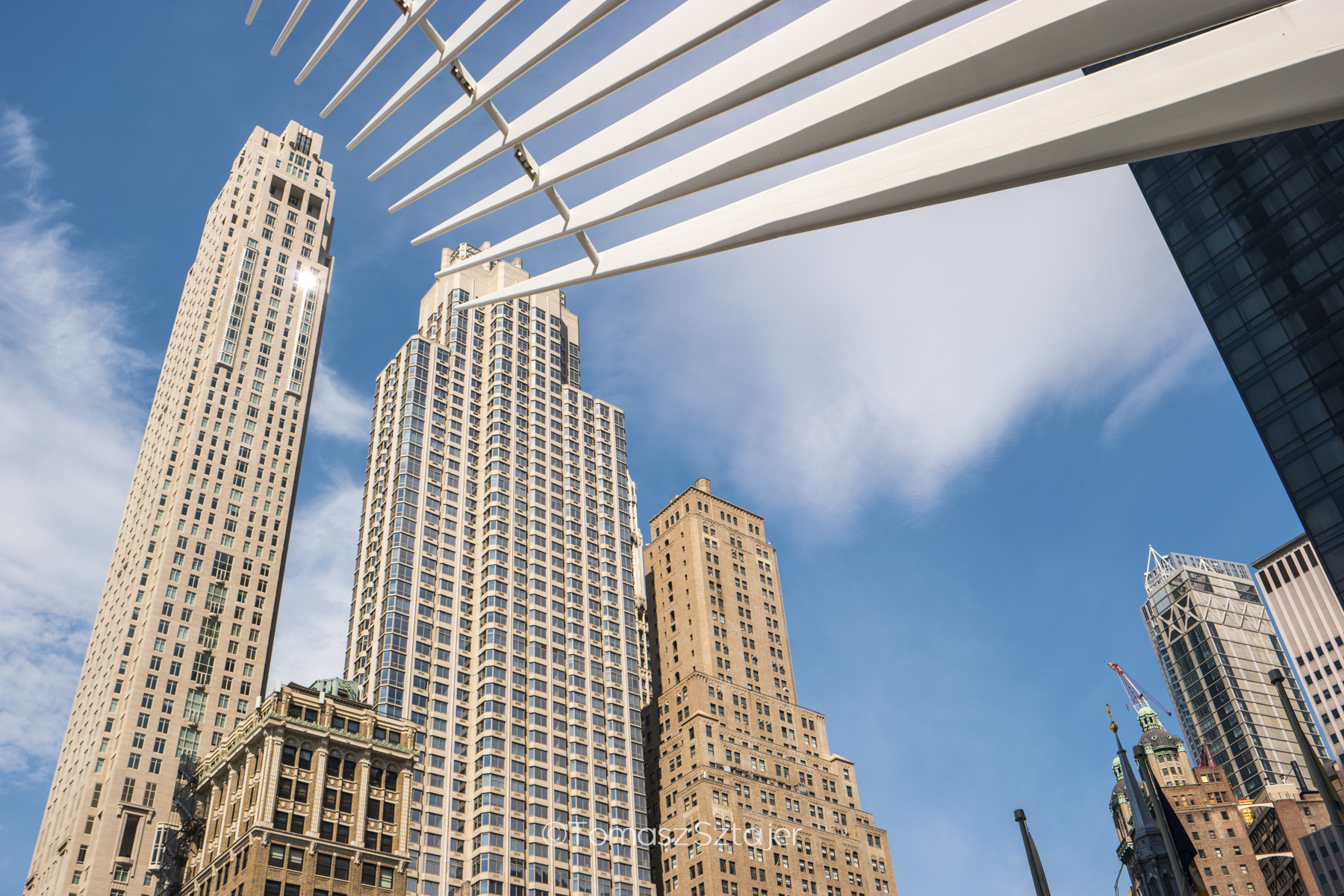
Around One World Trade Center
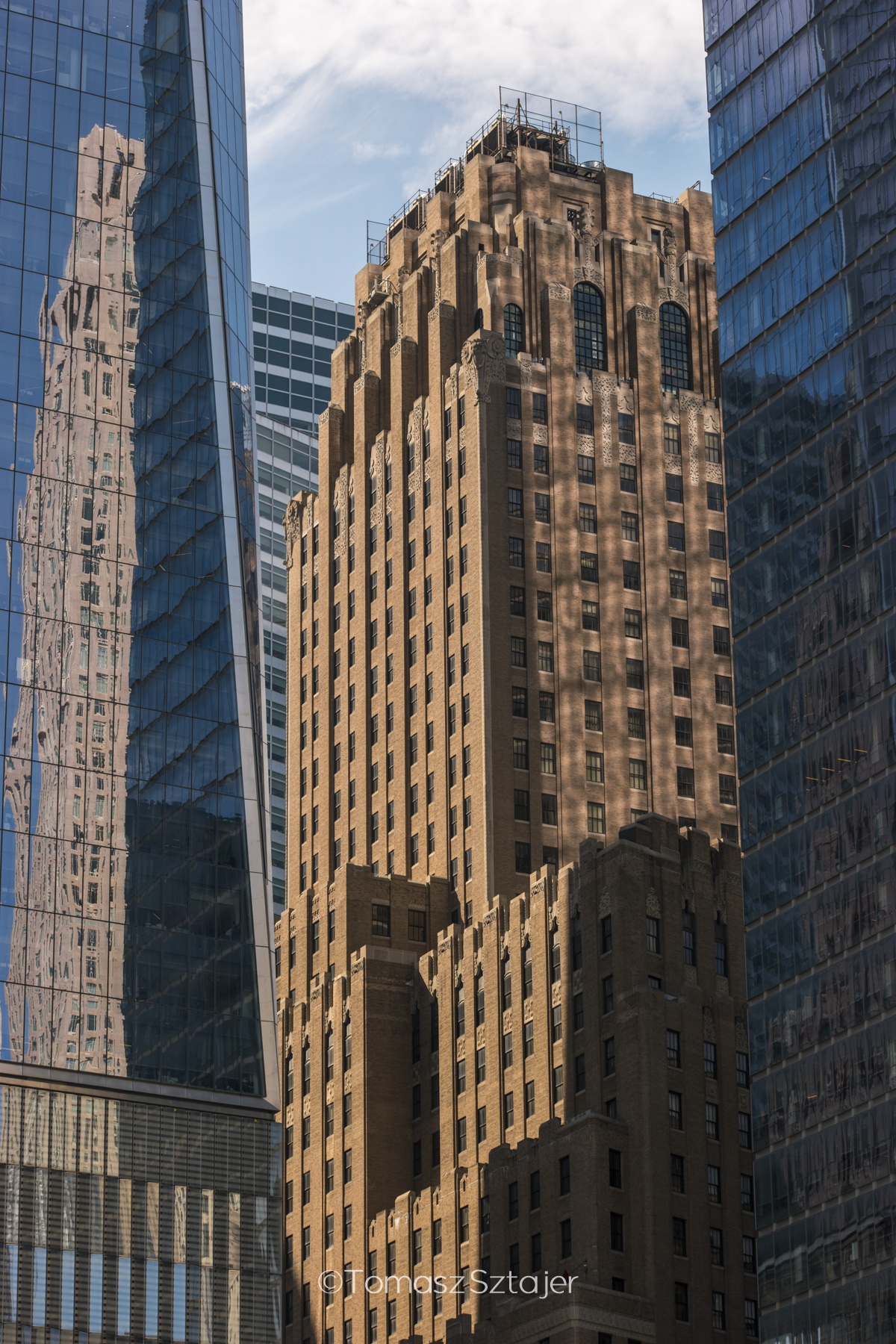
One World Trade Center
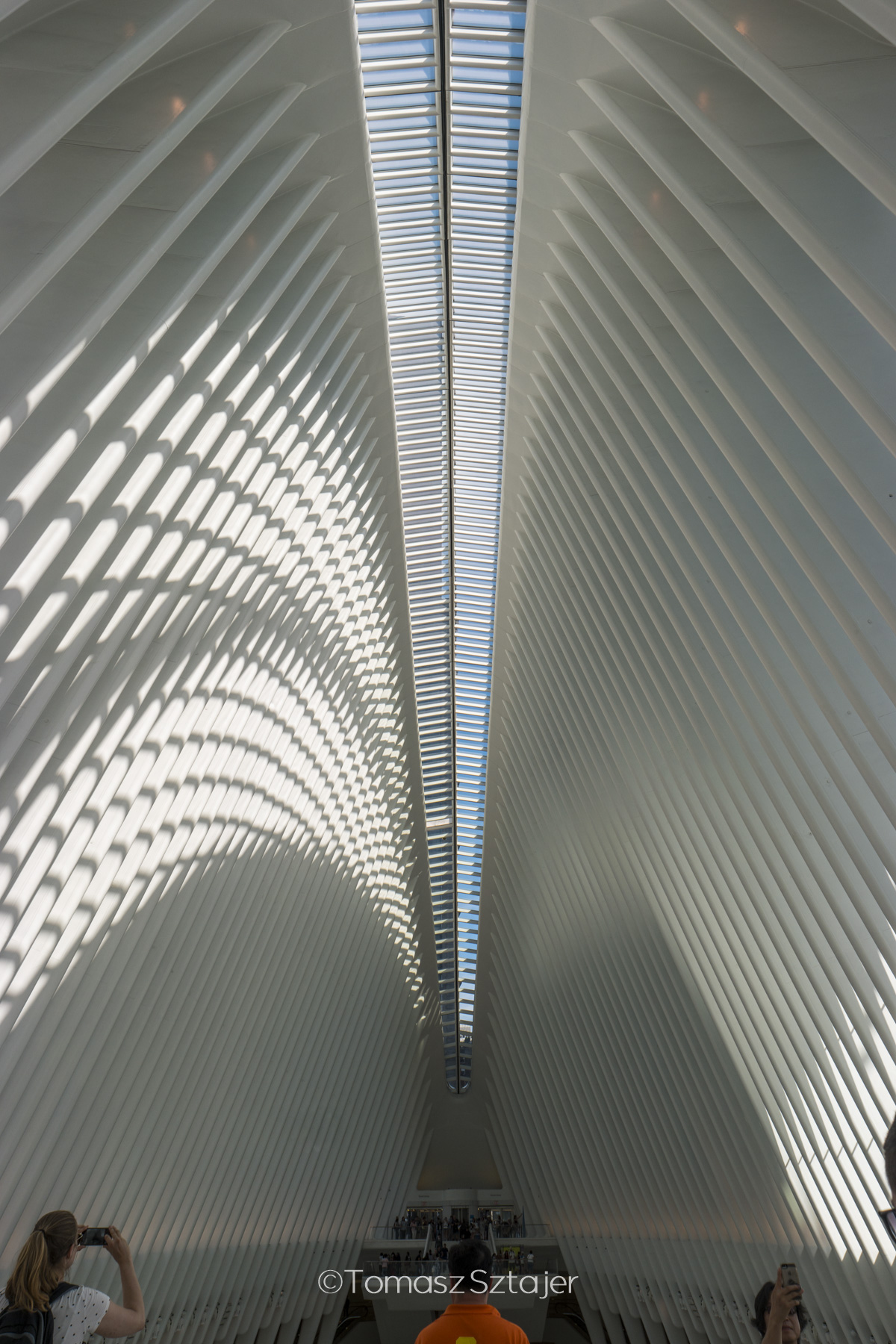
One World Trade Center complex
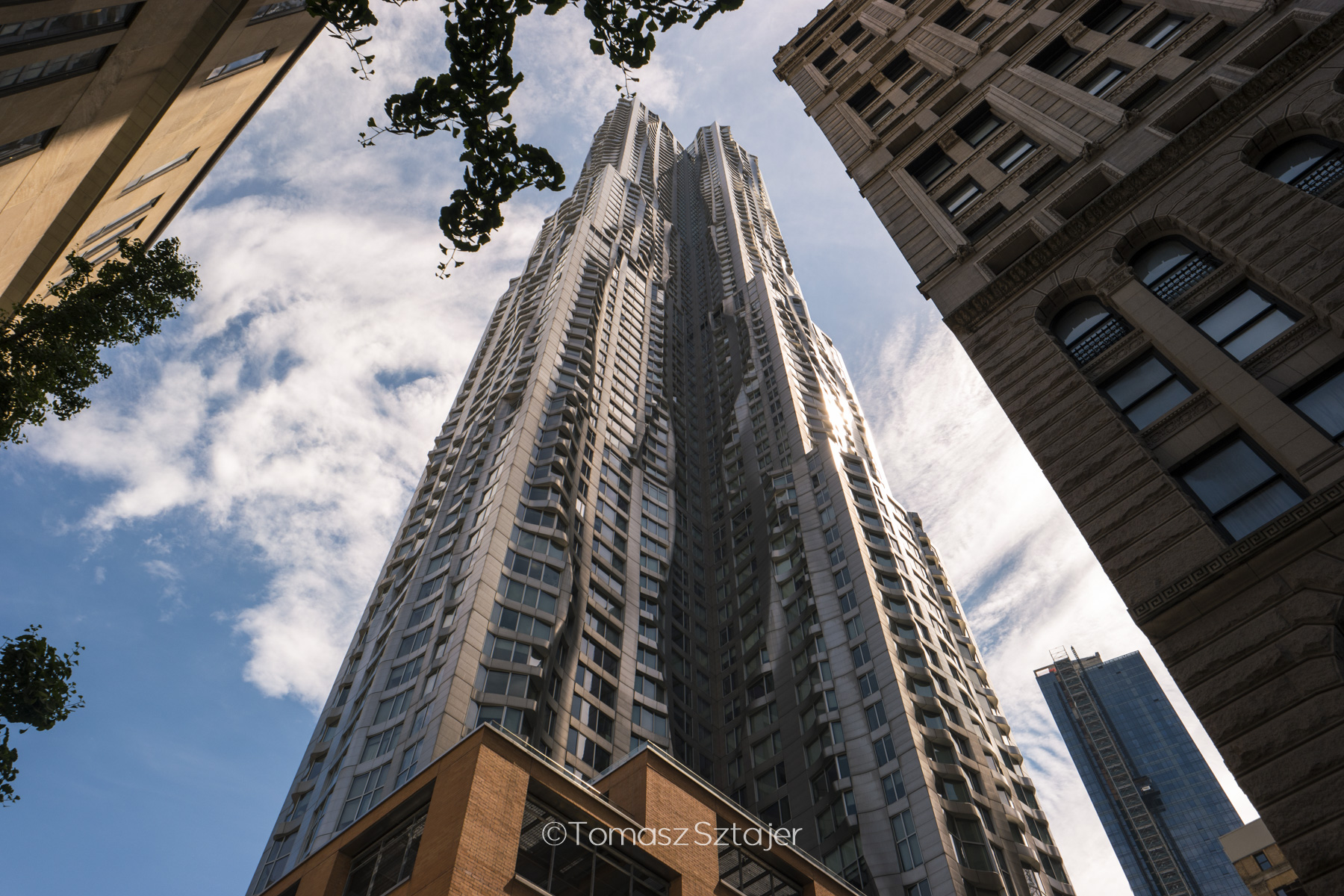
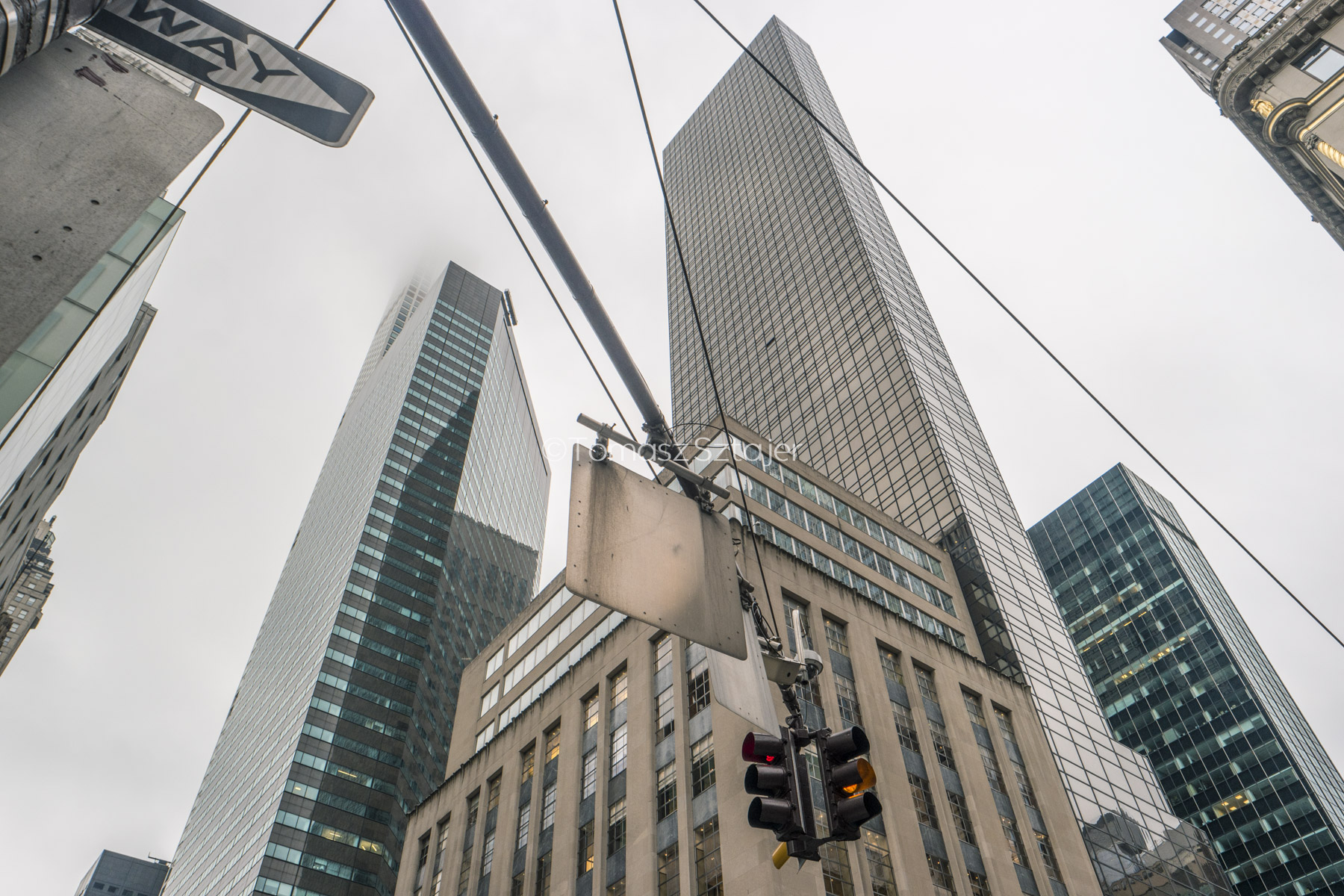
Skyscrapers…
Skyscrapers…
The intriguing architecture of NYC
This where boats with immigrants arrived in the times when America was built
View of Lower Manhattan
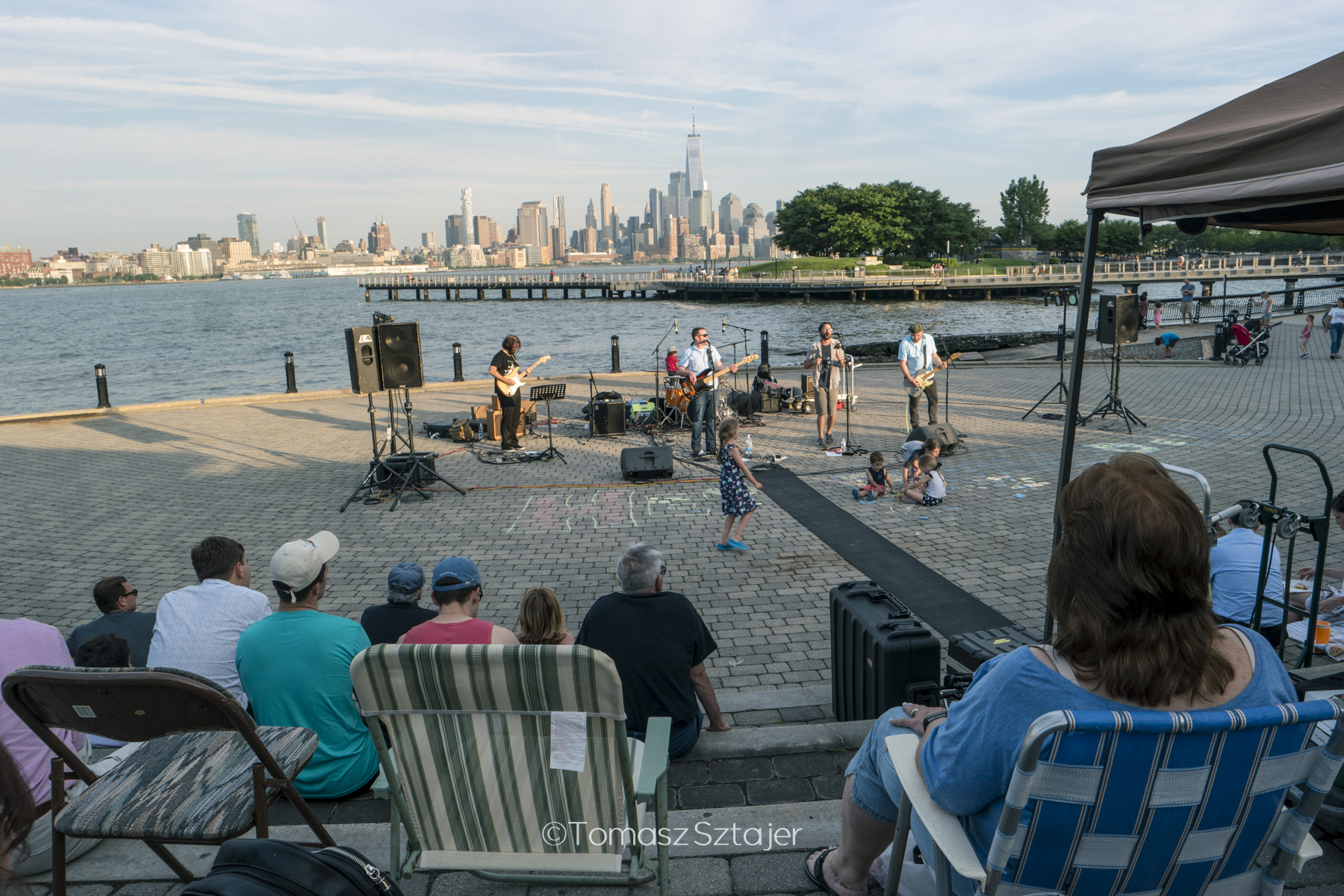
Enjoying music in New Jersey
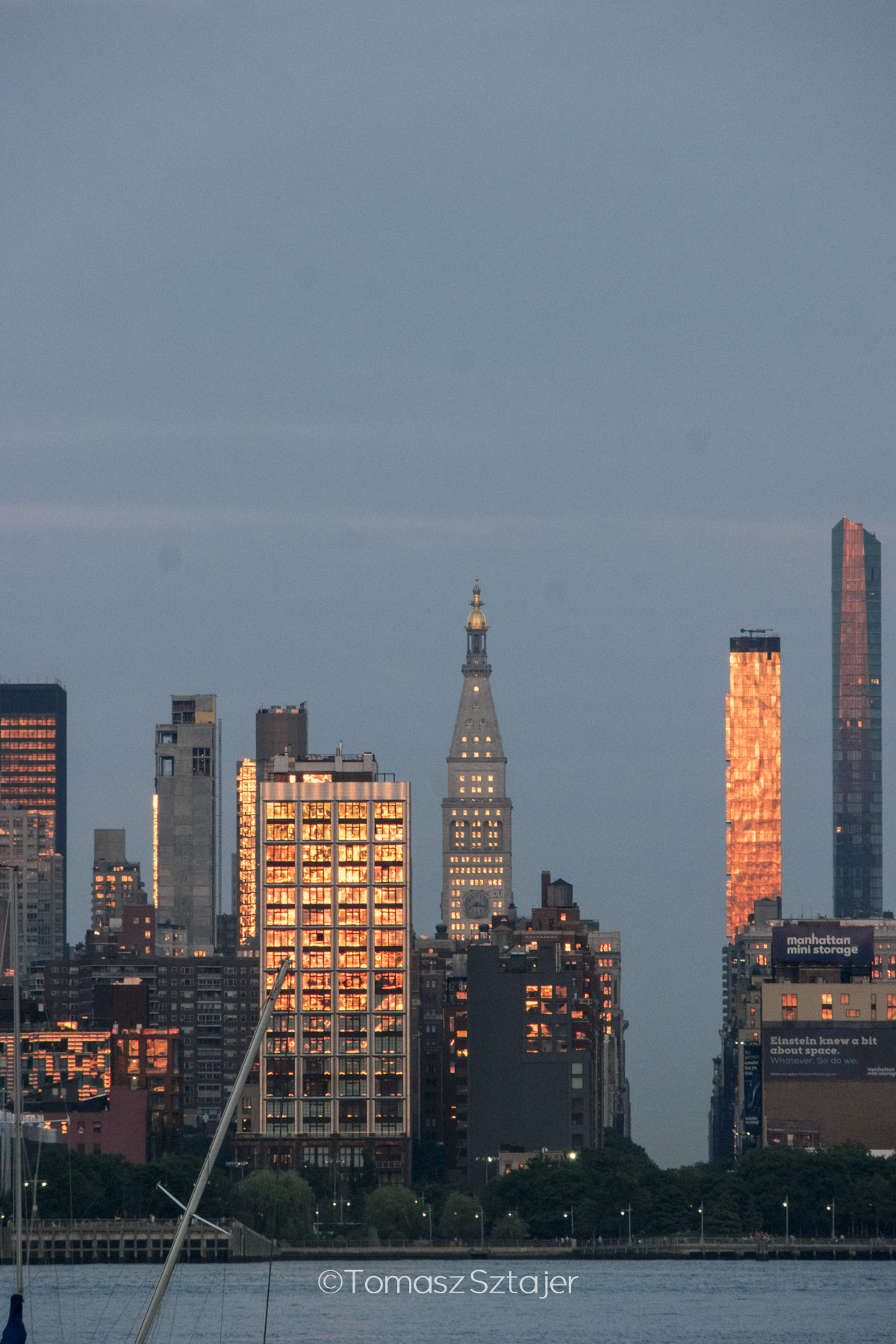
Manhattan evening reflections
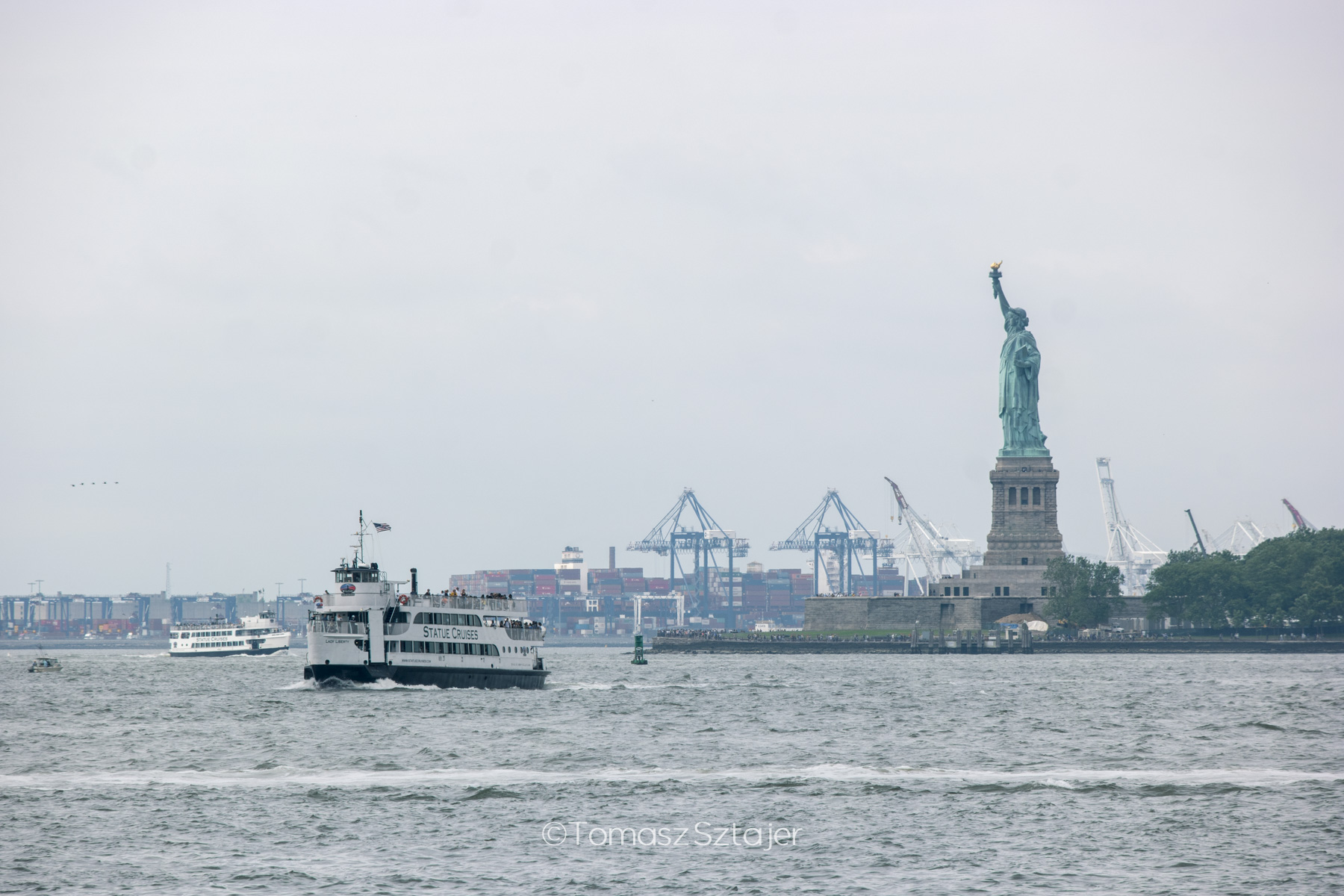
Statue of Liberty
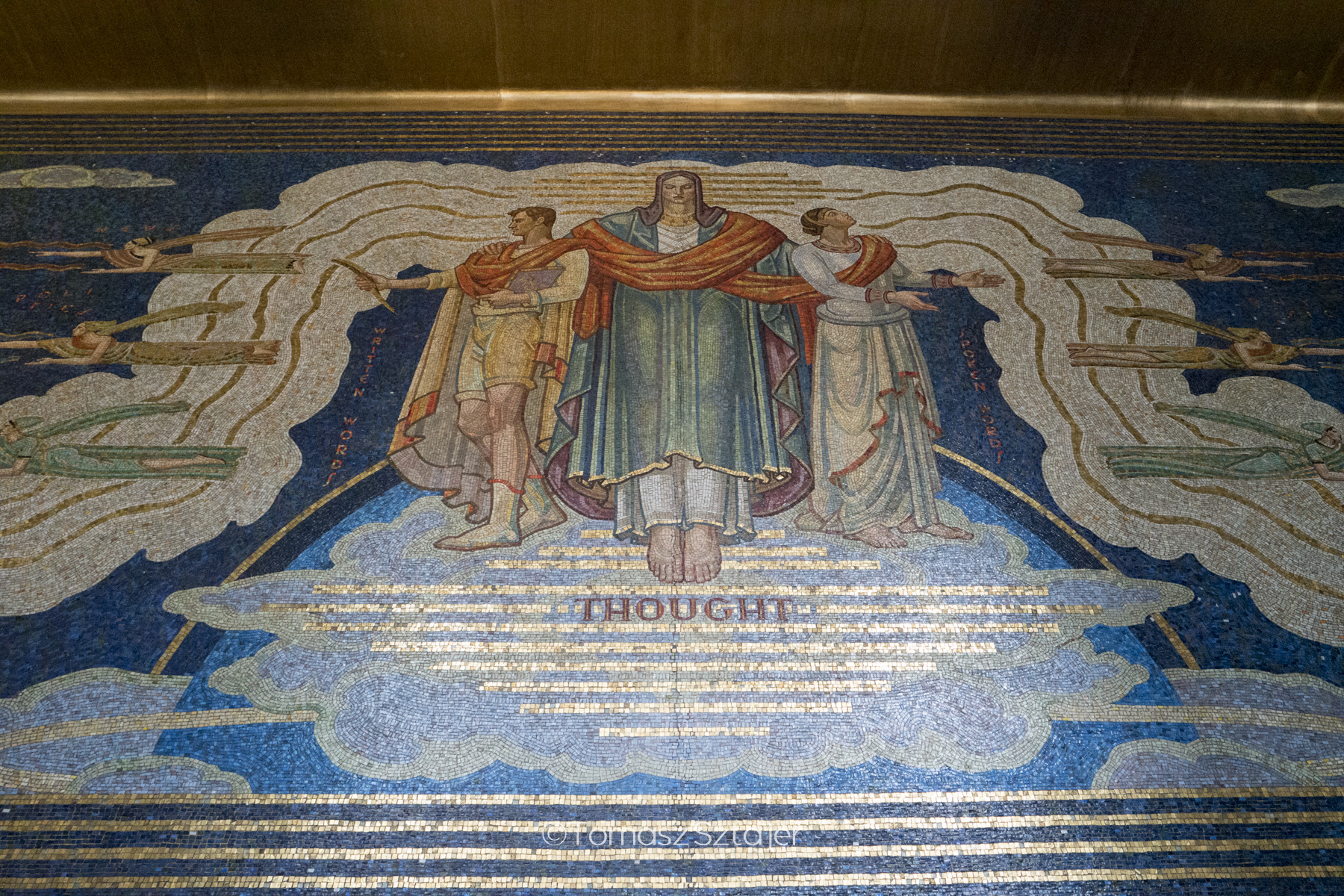
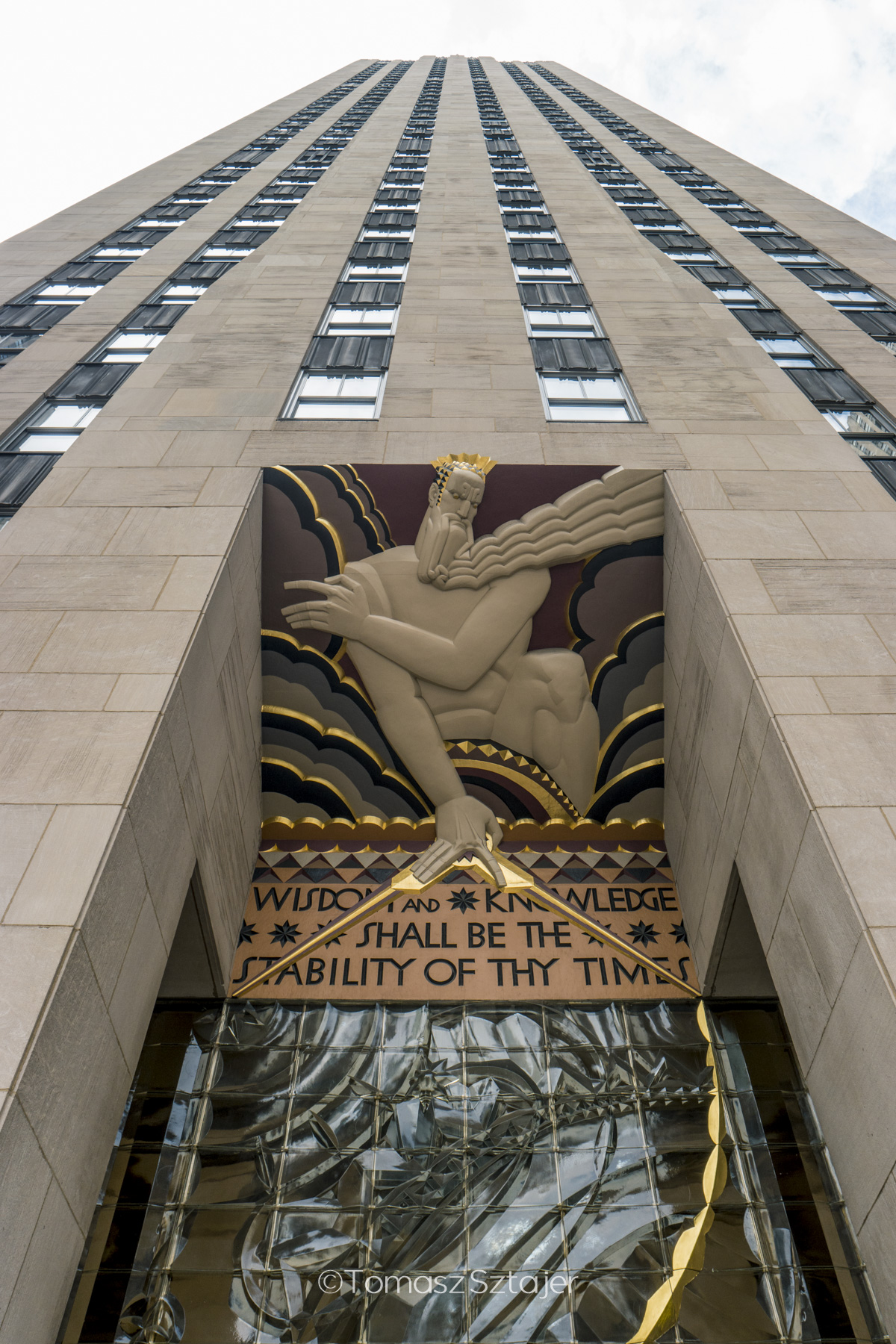
Intelligence awakening Mankind, Rockefeller Center
In front of Museum of Native American
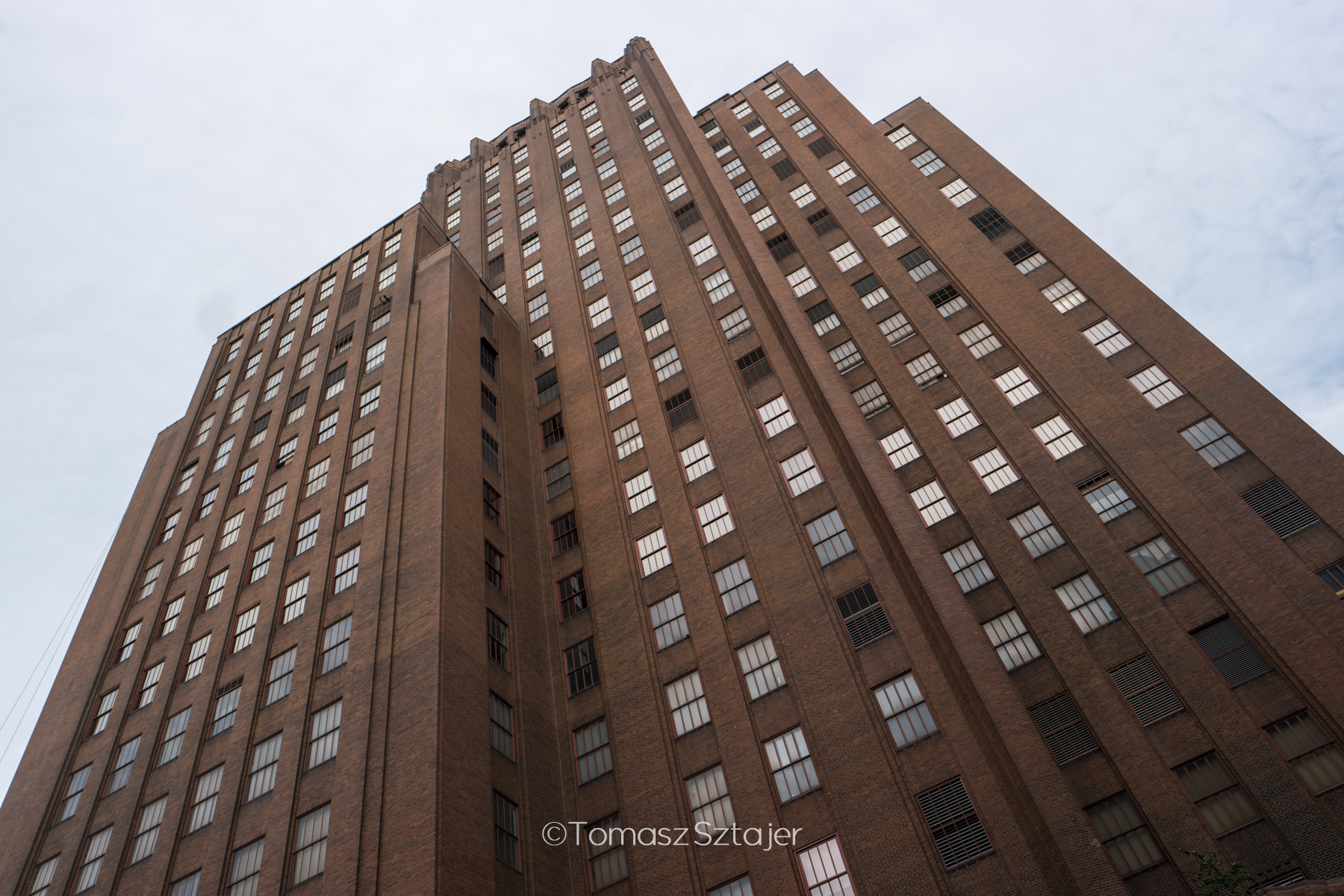
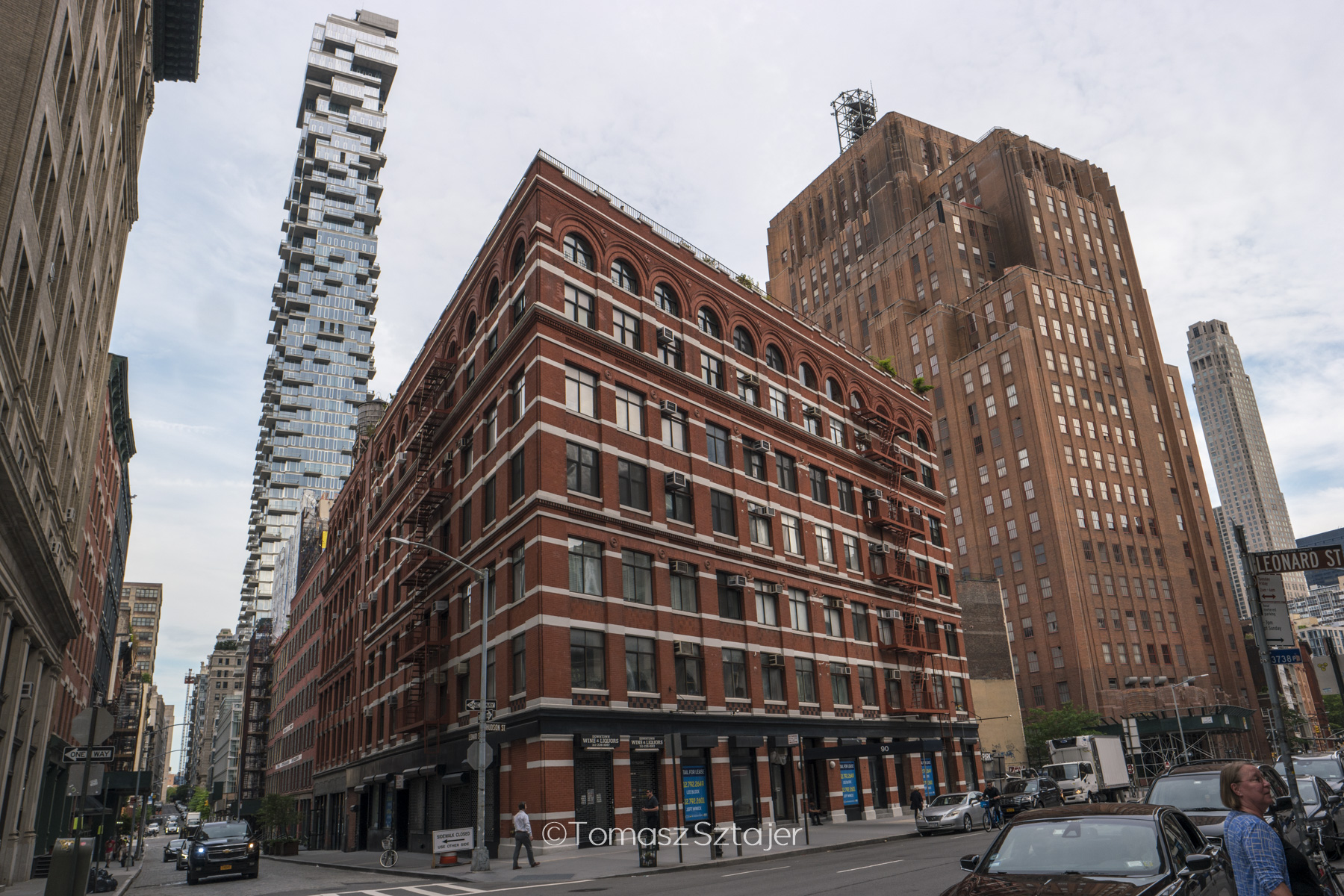
NYC architecture
NYC architecture
NYC architecture
NYC architecture
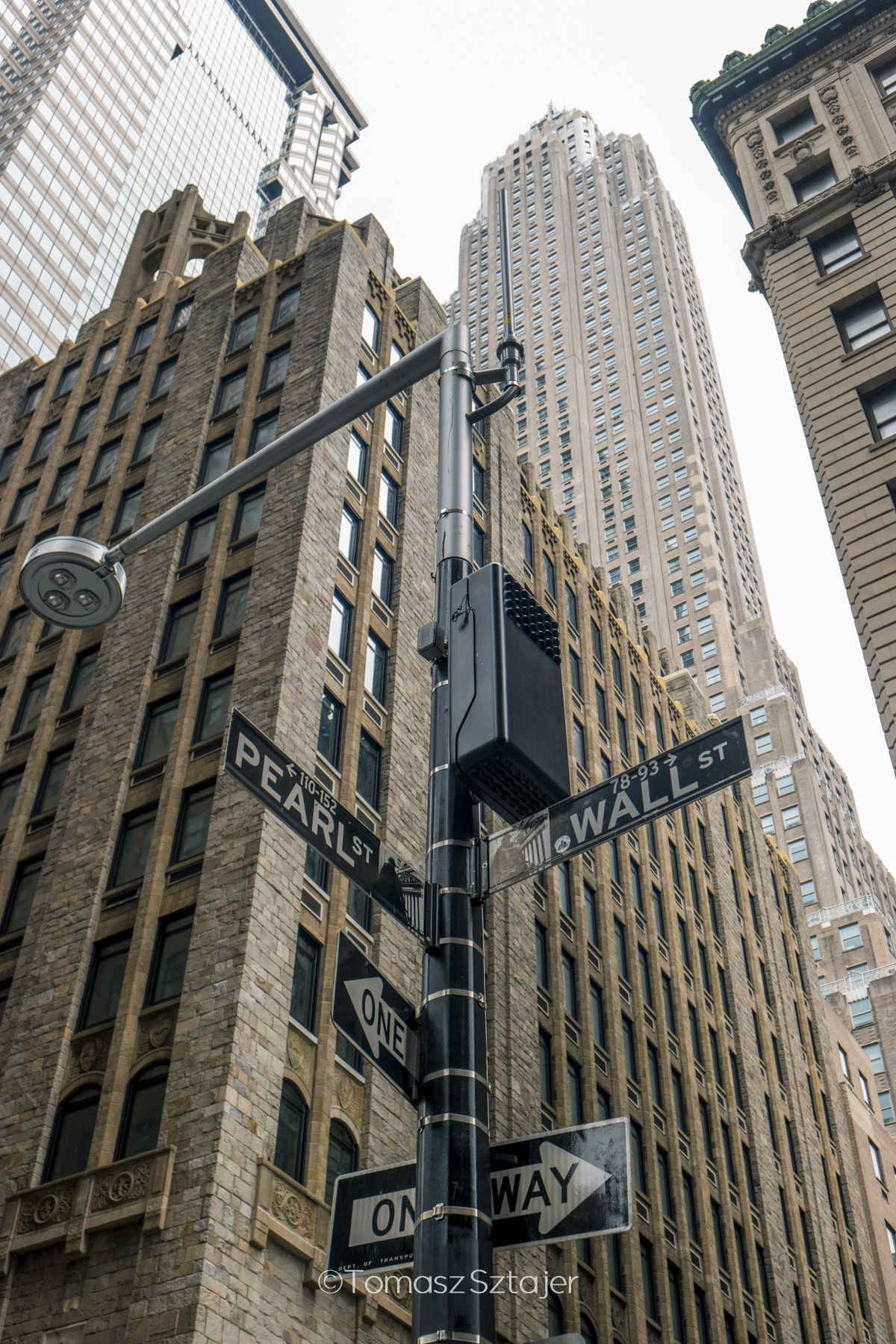
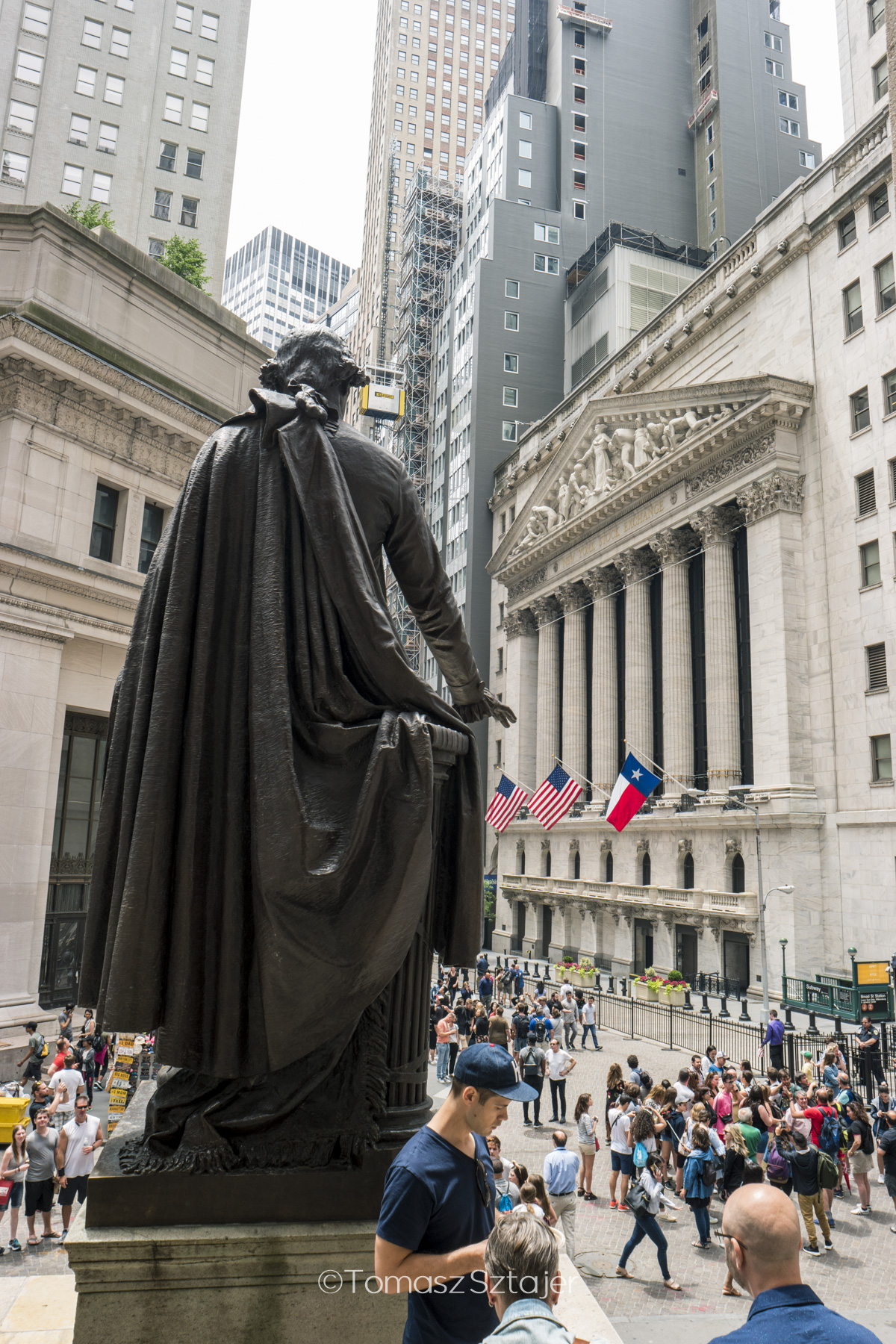
Wall Street
NYC architecture
NYC architecture
Rockefeller Center
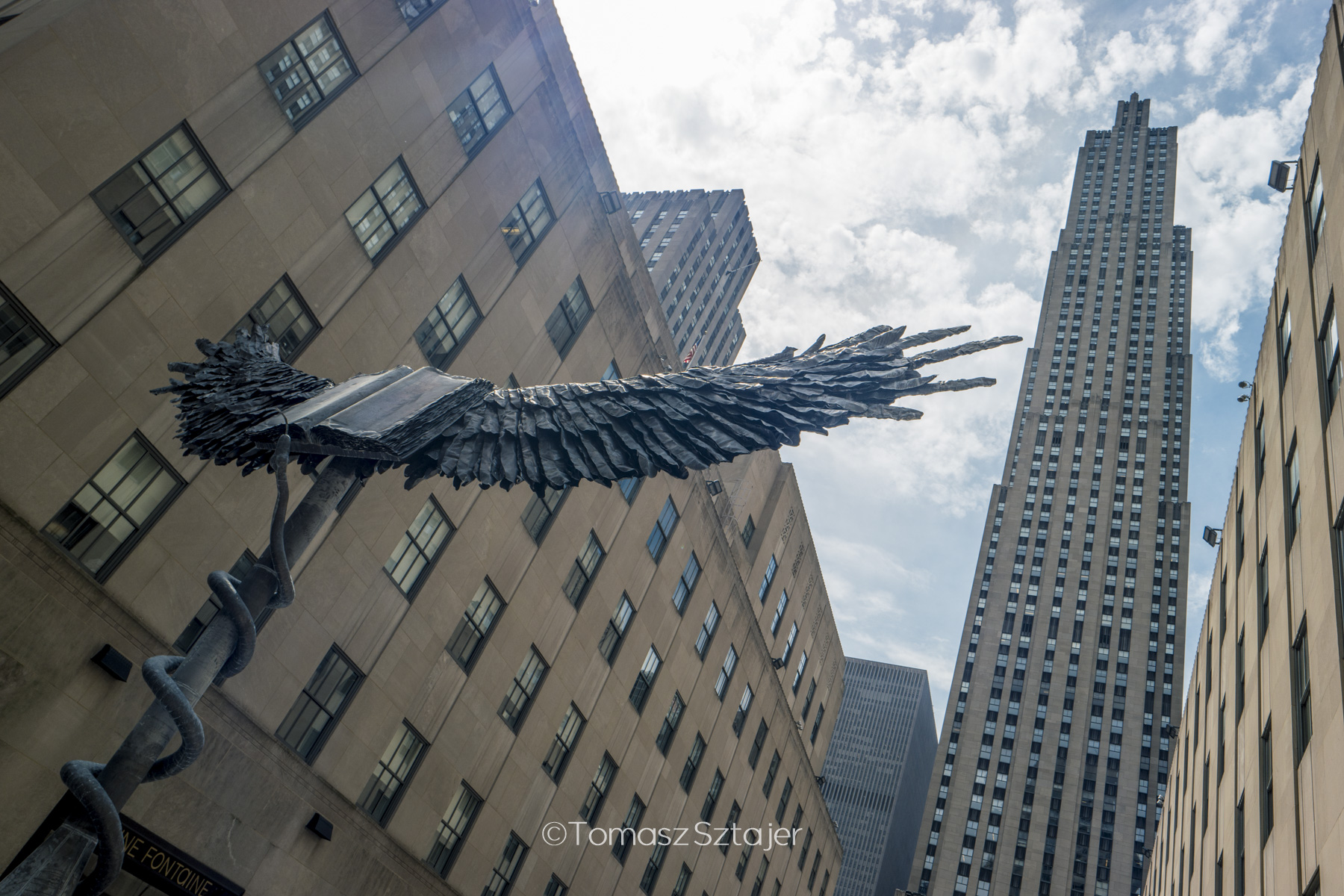
Anselm Kiefer’s sculpture in front of Rockefeller Center
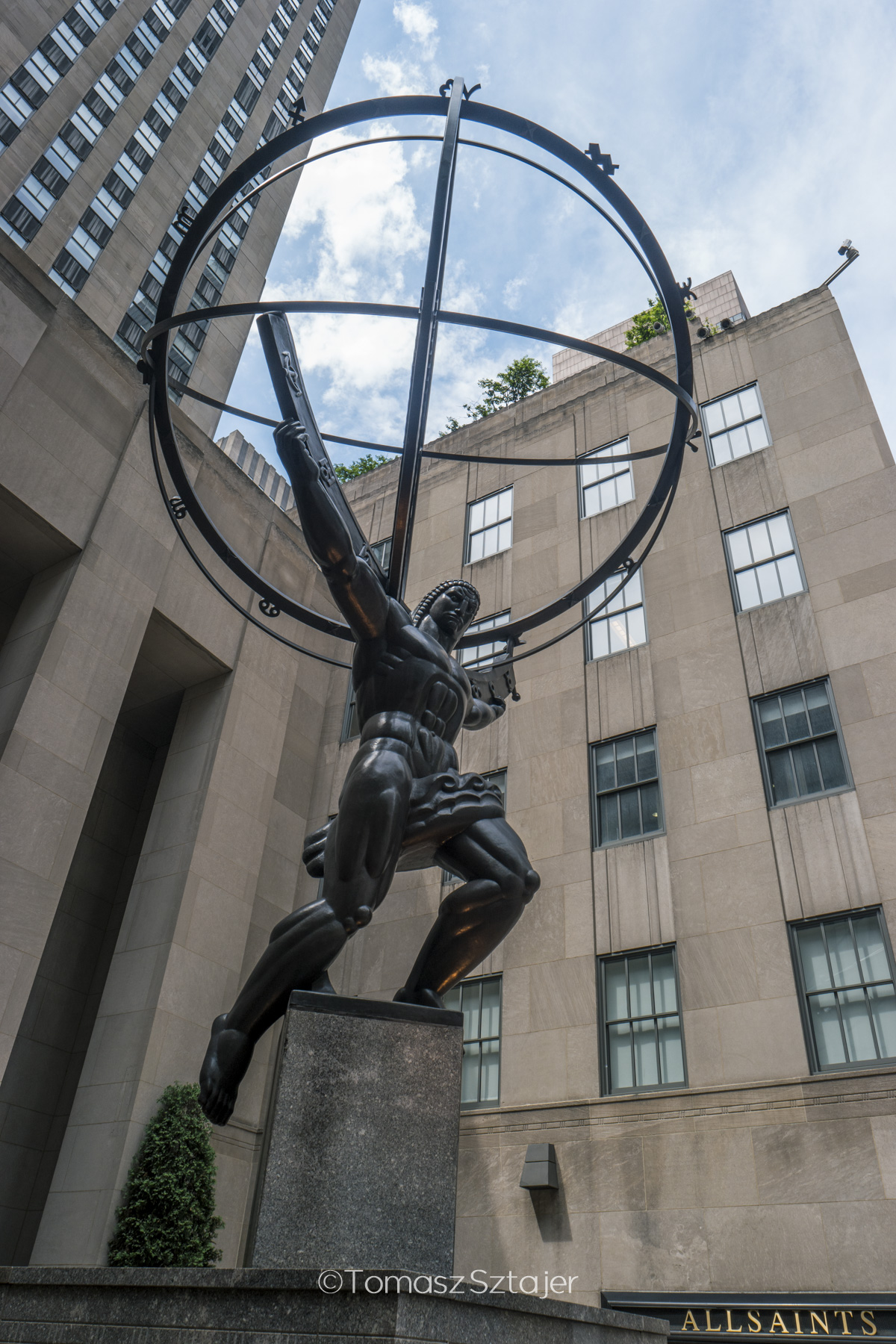
Statue of Atlas in front of Rockefeller Center
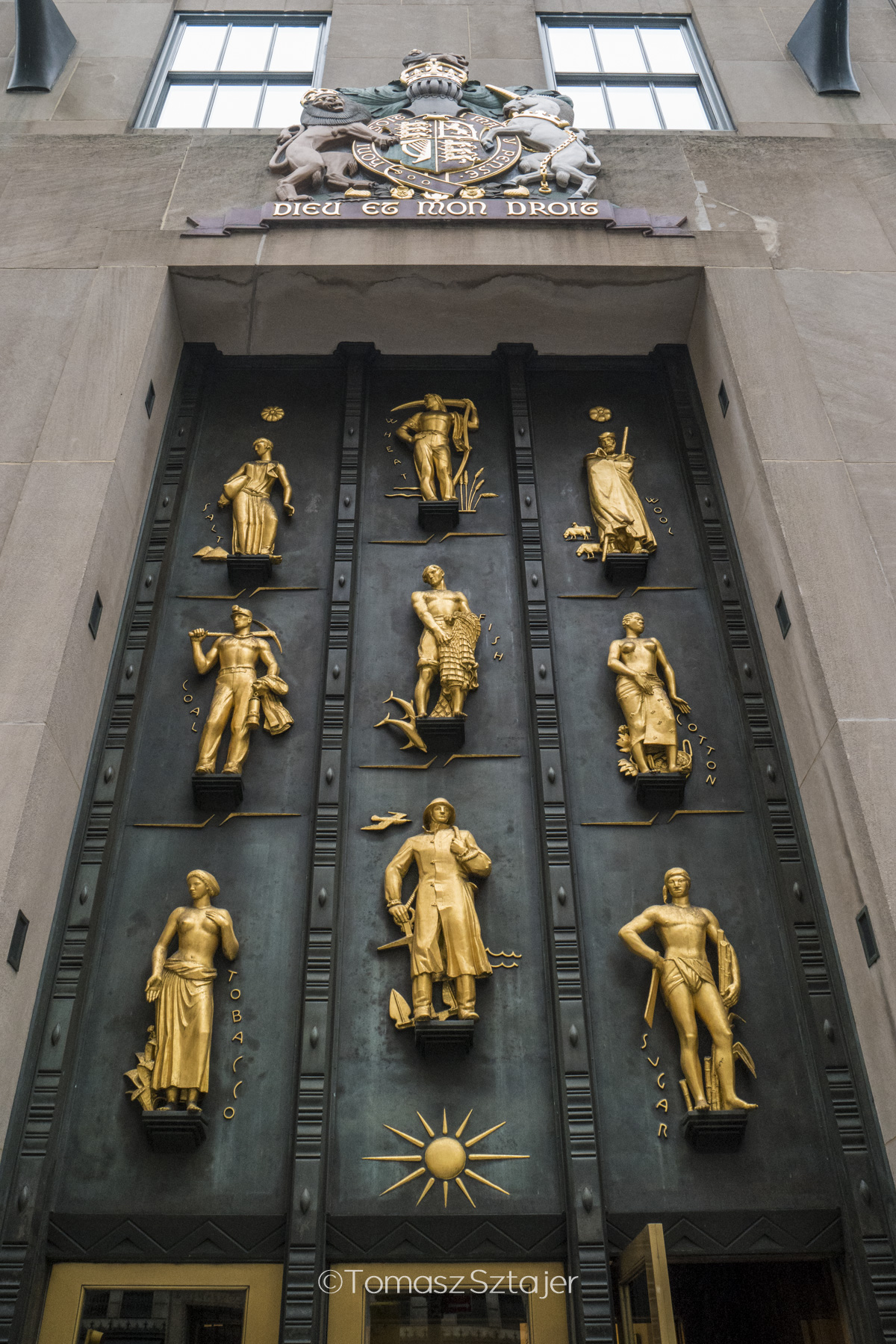
Near Rockefeller Center
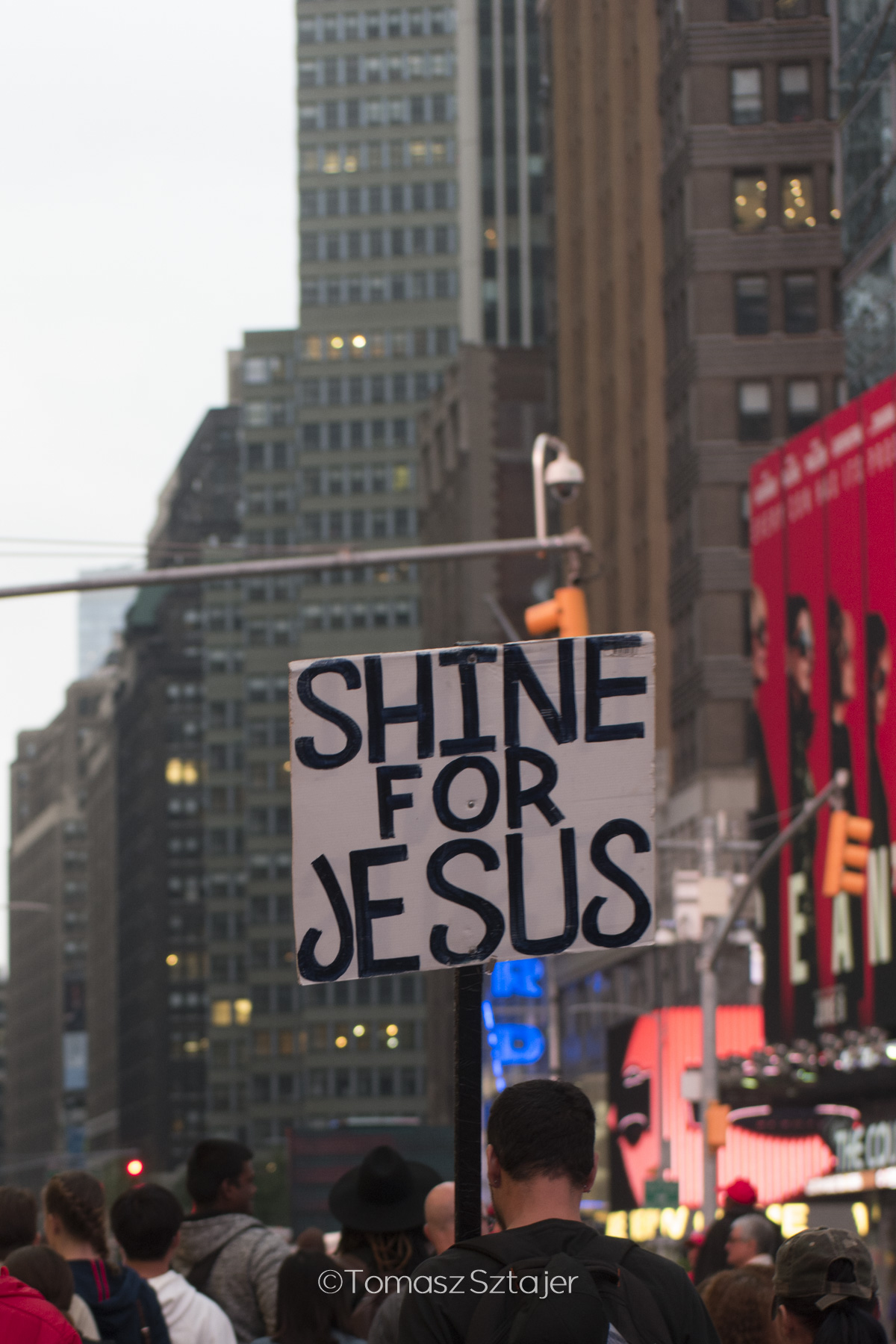
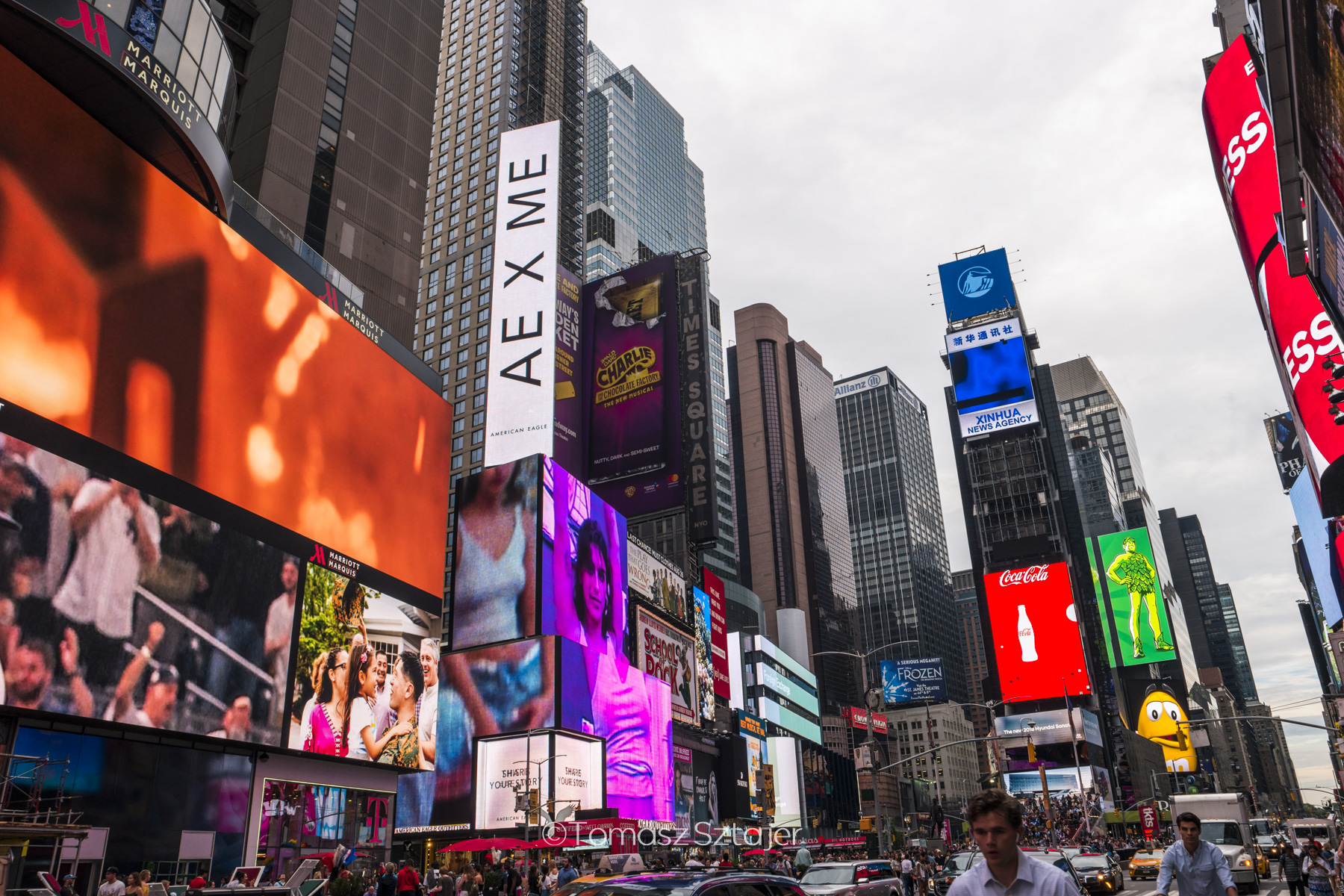
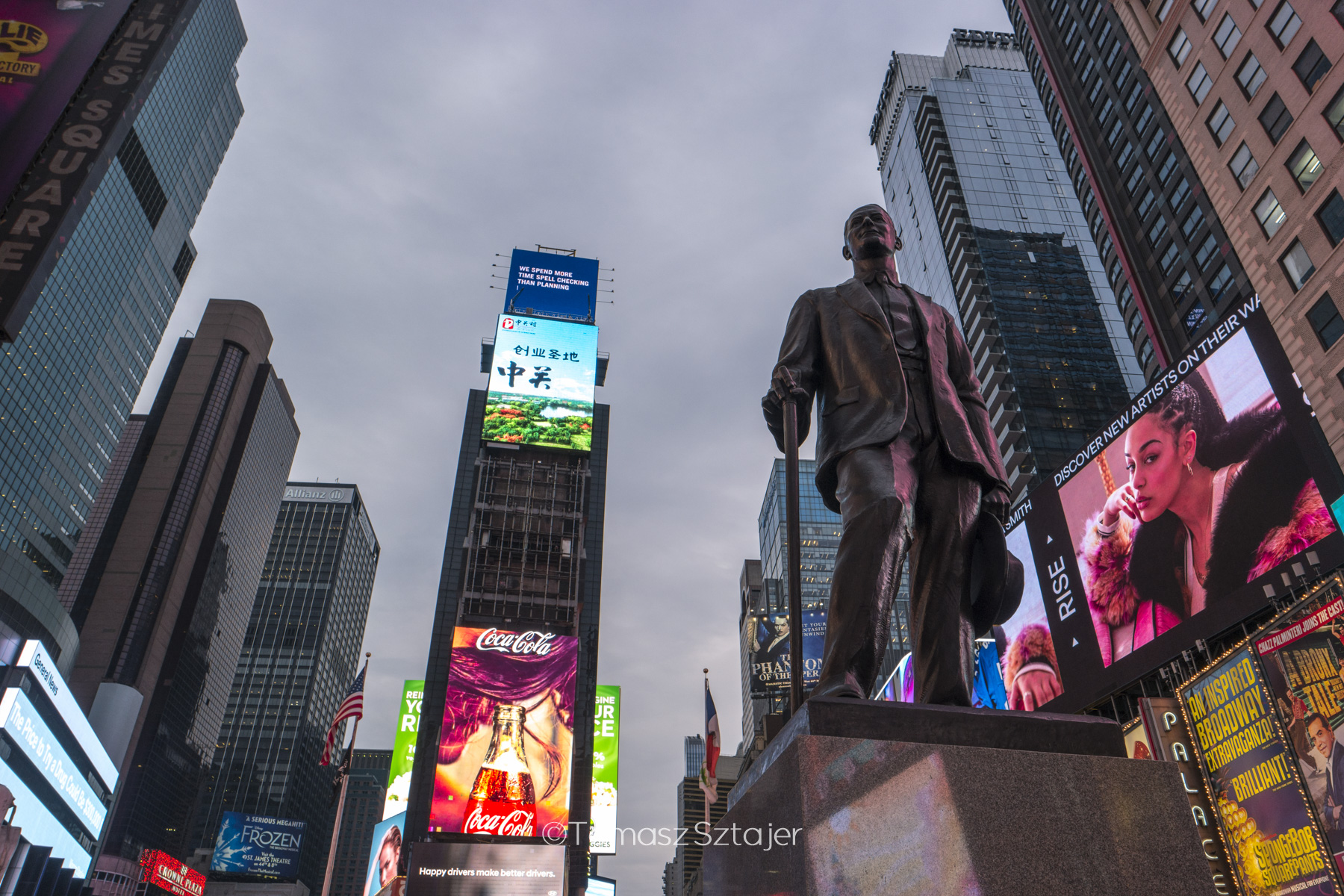
Times Square
Times Square
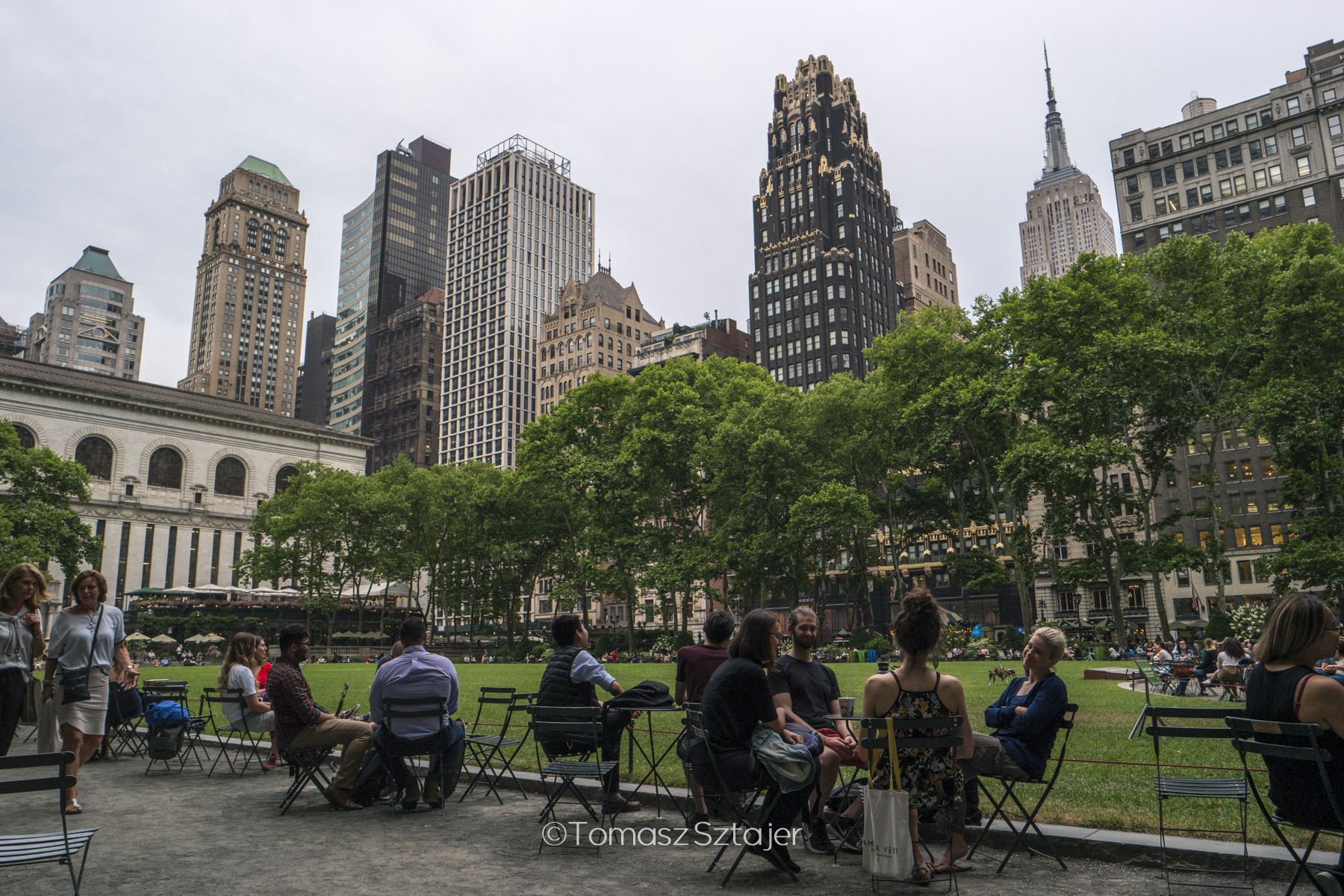
Bryant Park
In Harlem
In Harlem
In Harlem
In Harlem
In Harlem
In Harlem
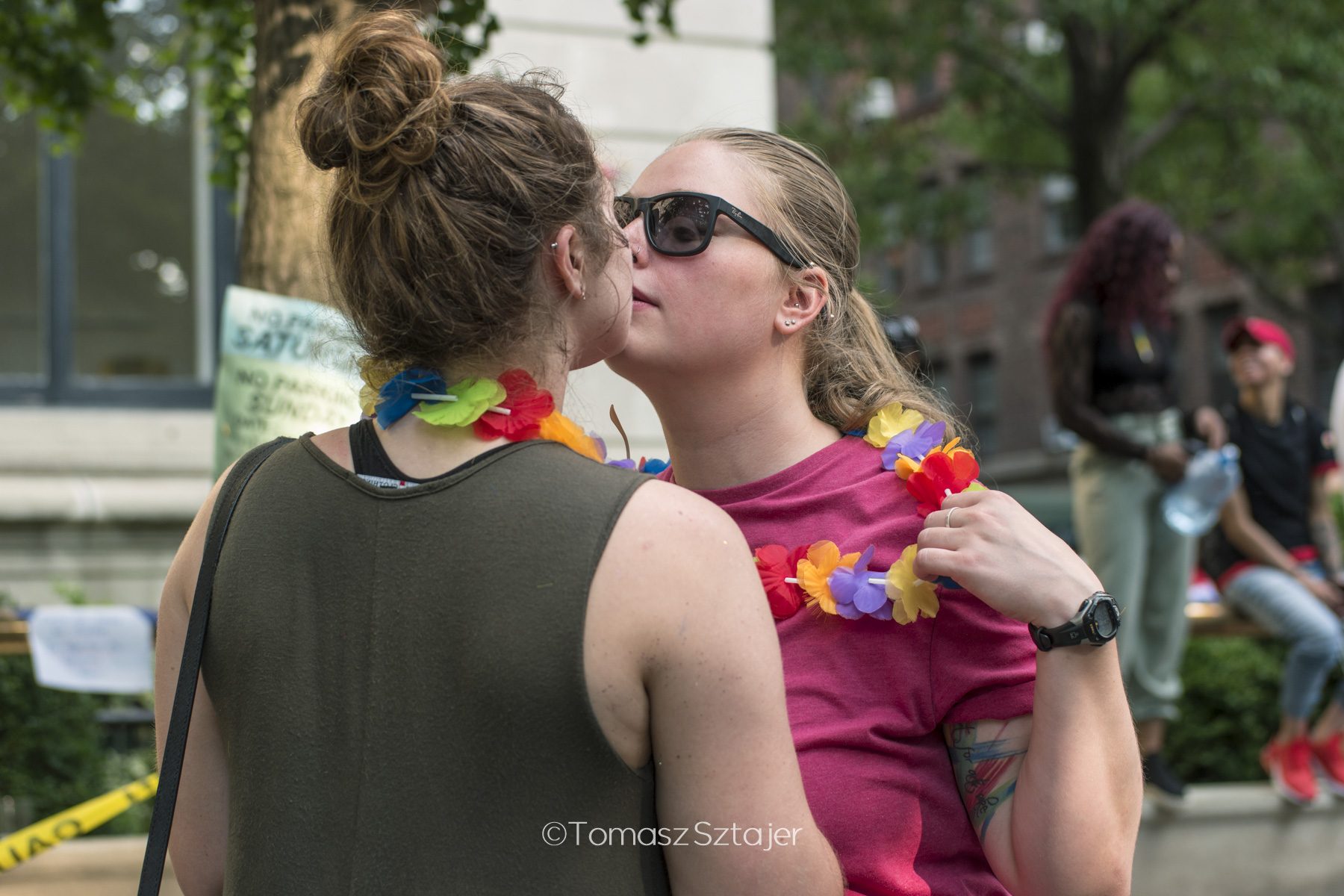
NYC Pride:
The pride is everywhere…
In Times Square
…
NYC Pride
NYC Pride
NYC Pride
NYC Pride
NYC Pride
NYC Pride
NYC Pride
NYC Pride
NYC Pride
NYC Pride
NYC Pride
NYC Pride
NYC Pride
NYC Pride
NYC Pride
NYC Pride
NYC Pride
NYC Pride
NYC Pride
NYC Pride
NYC Pride
NYC Pride
NYC Pride
NYC Pride
NYC Pride
NYC Pride
NYC Pride
NYC Pride
NYC Pride
NYC Pride
NYC Pride
NYC Pride
Central Park:
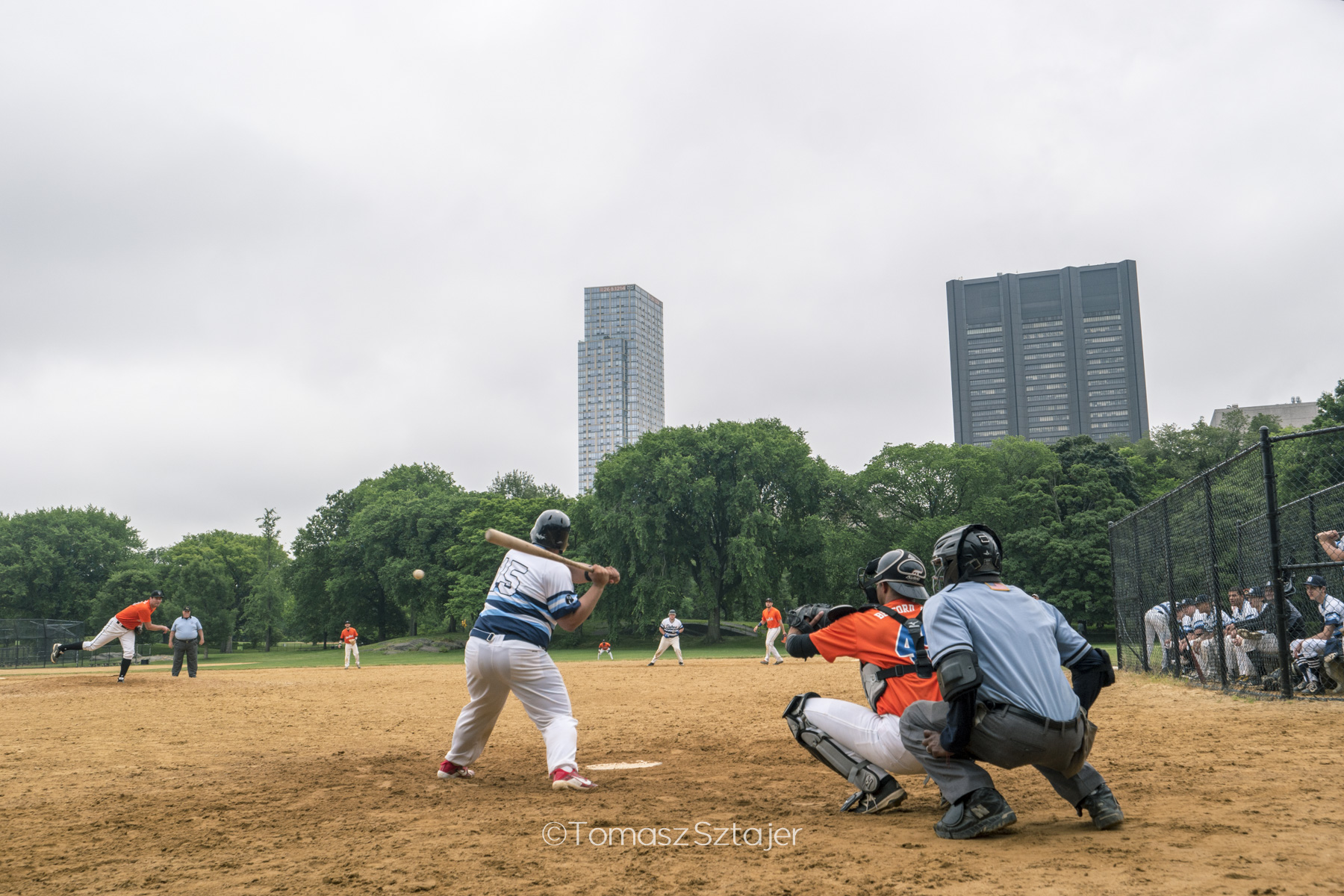
Baseball in Central Park
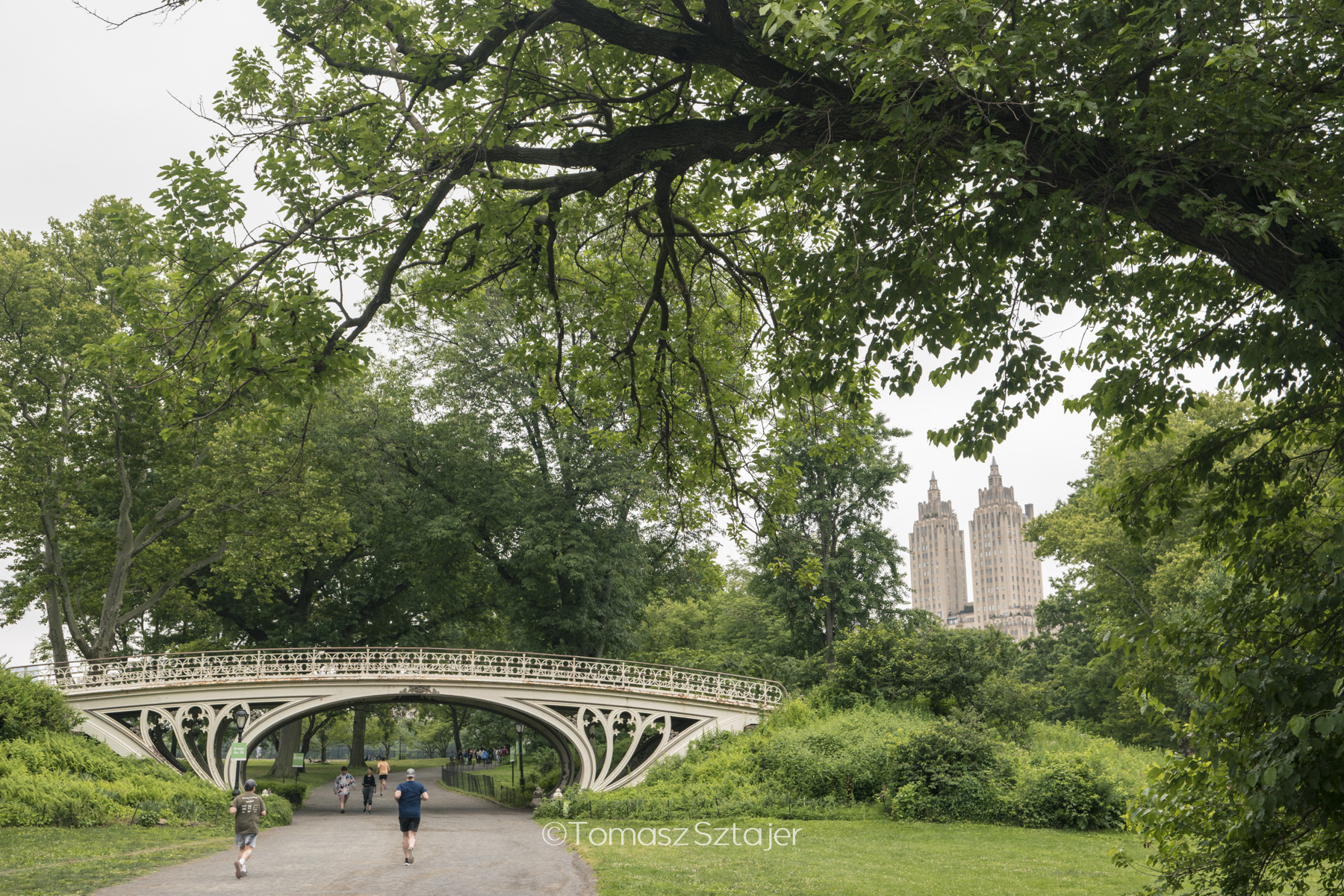
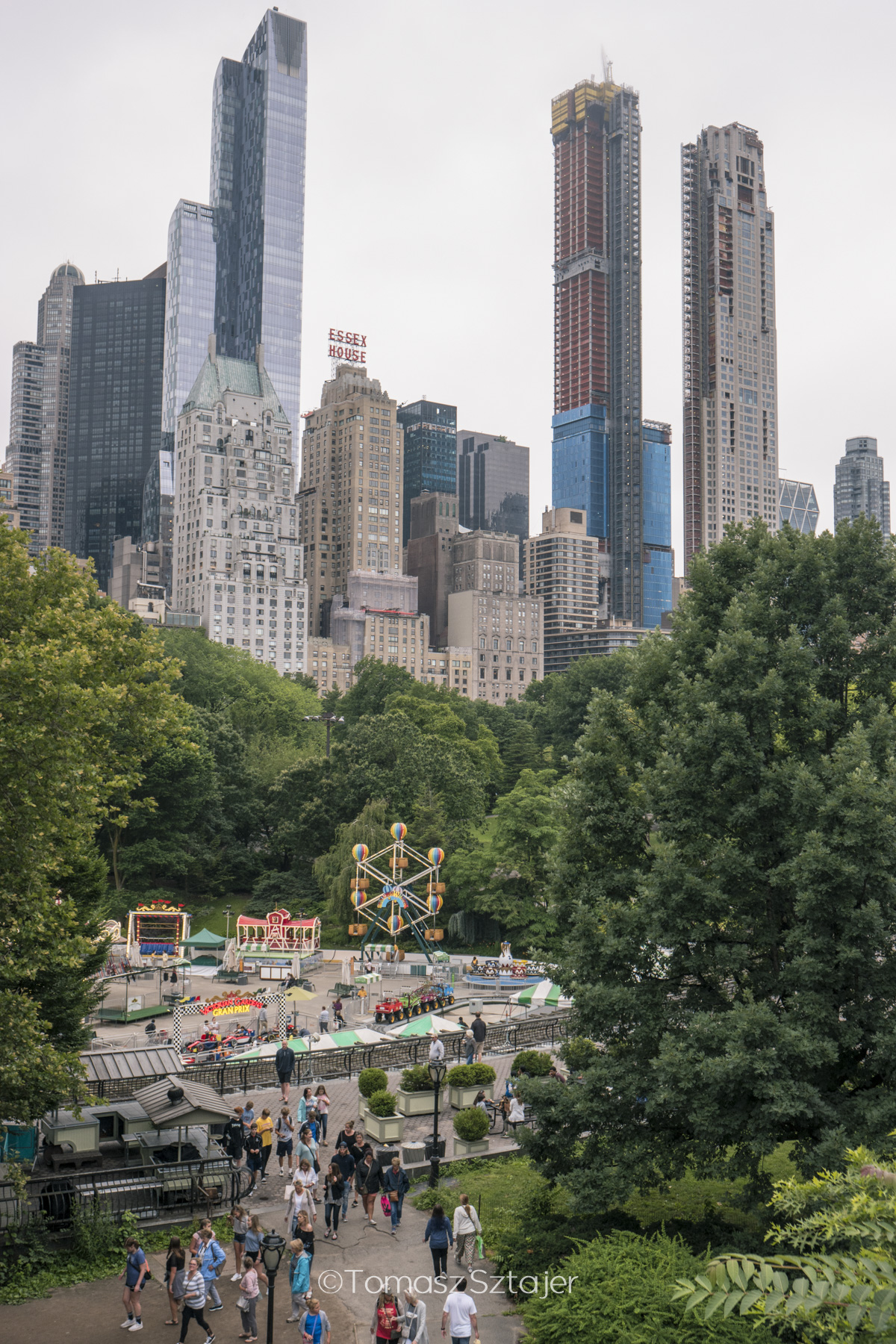
Central Park
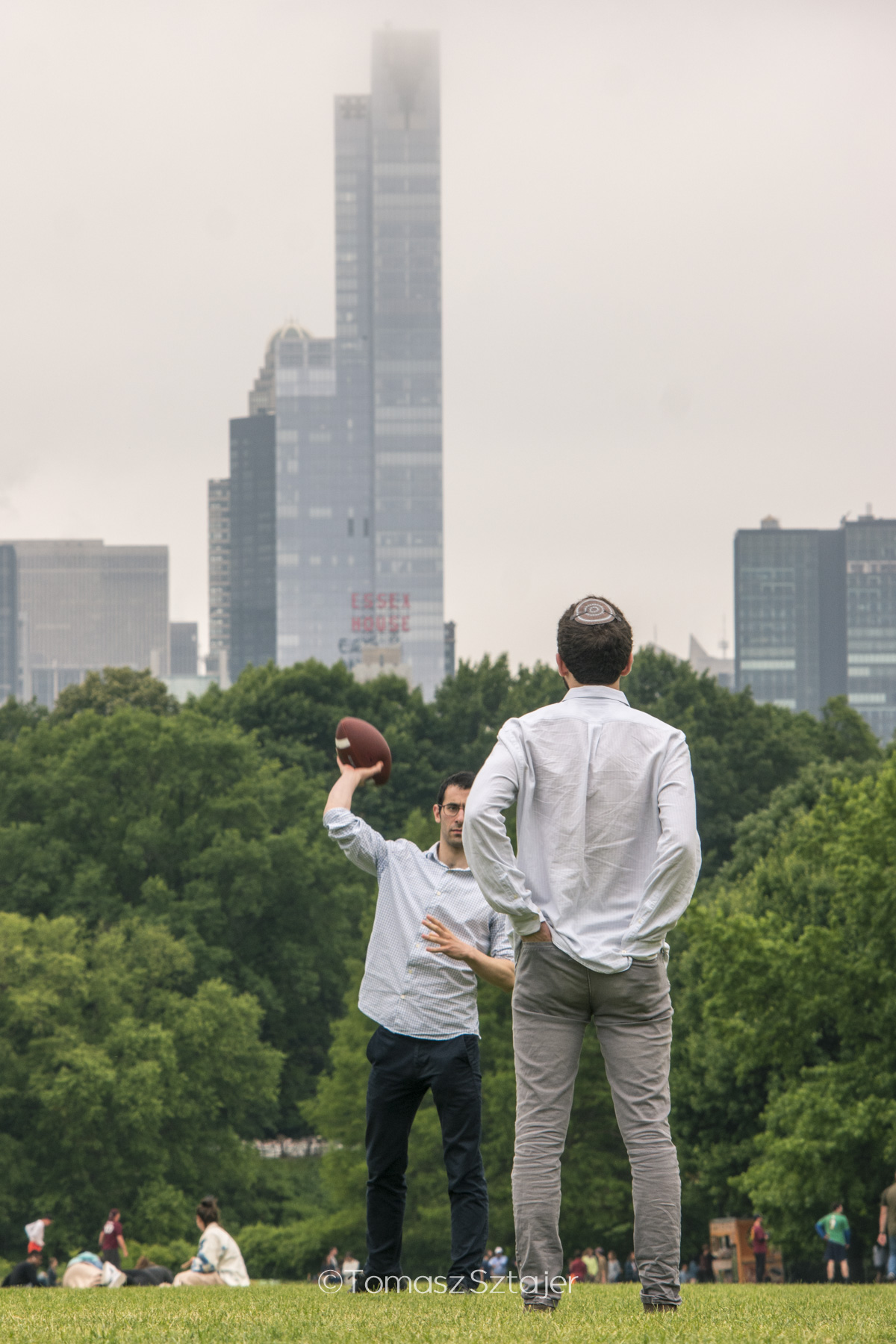
Central Park
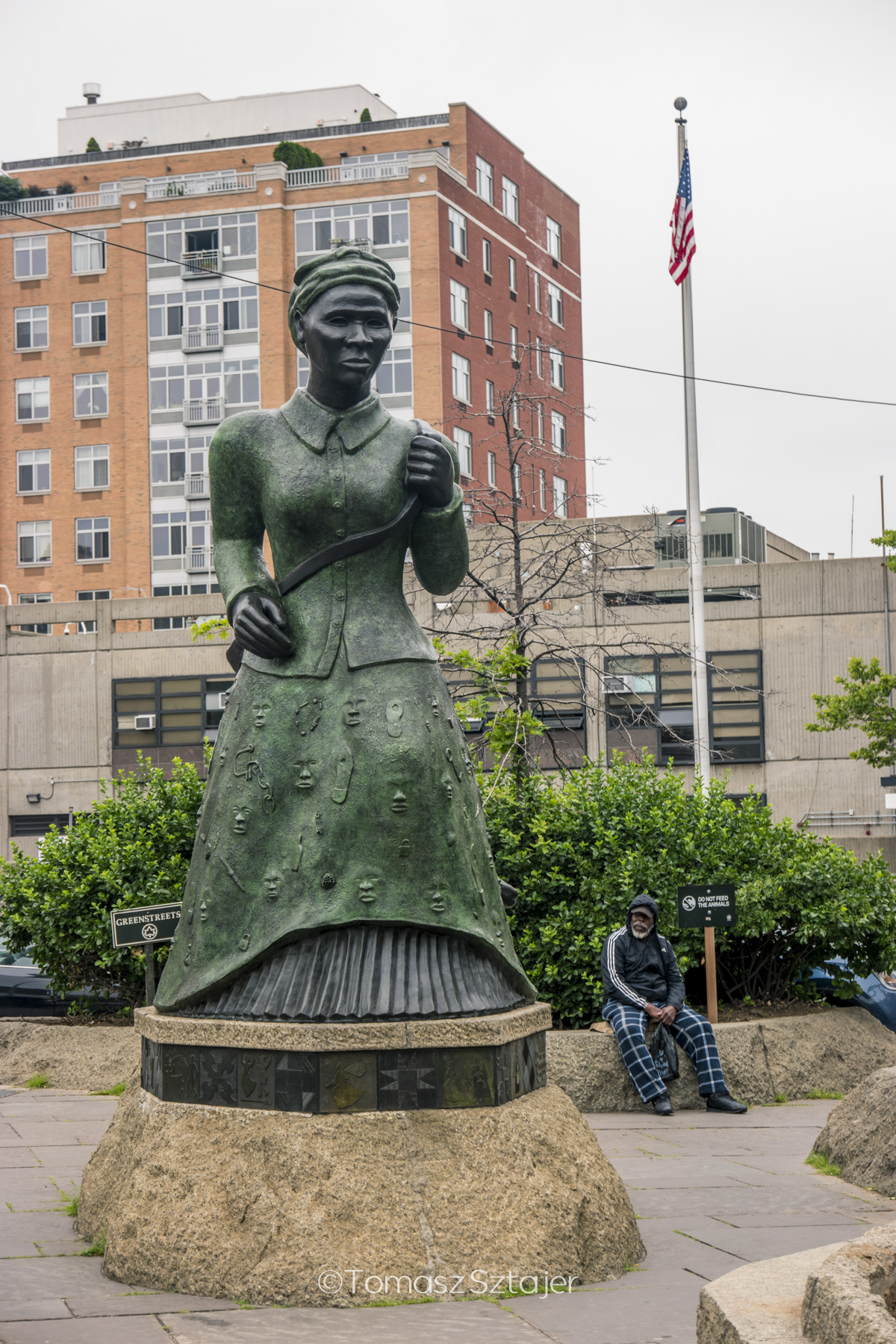
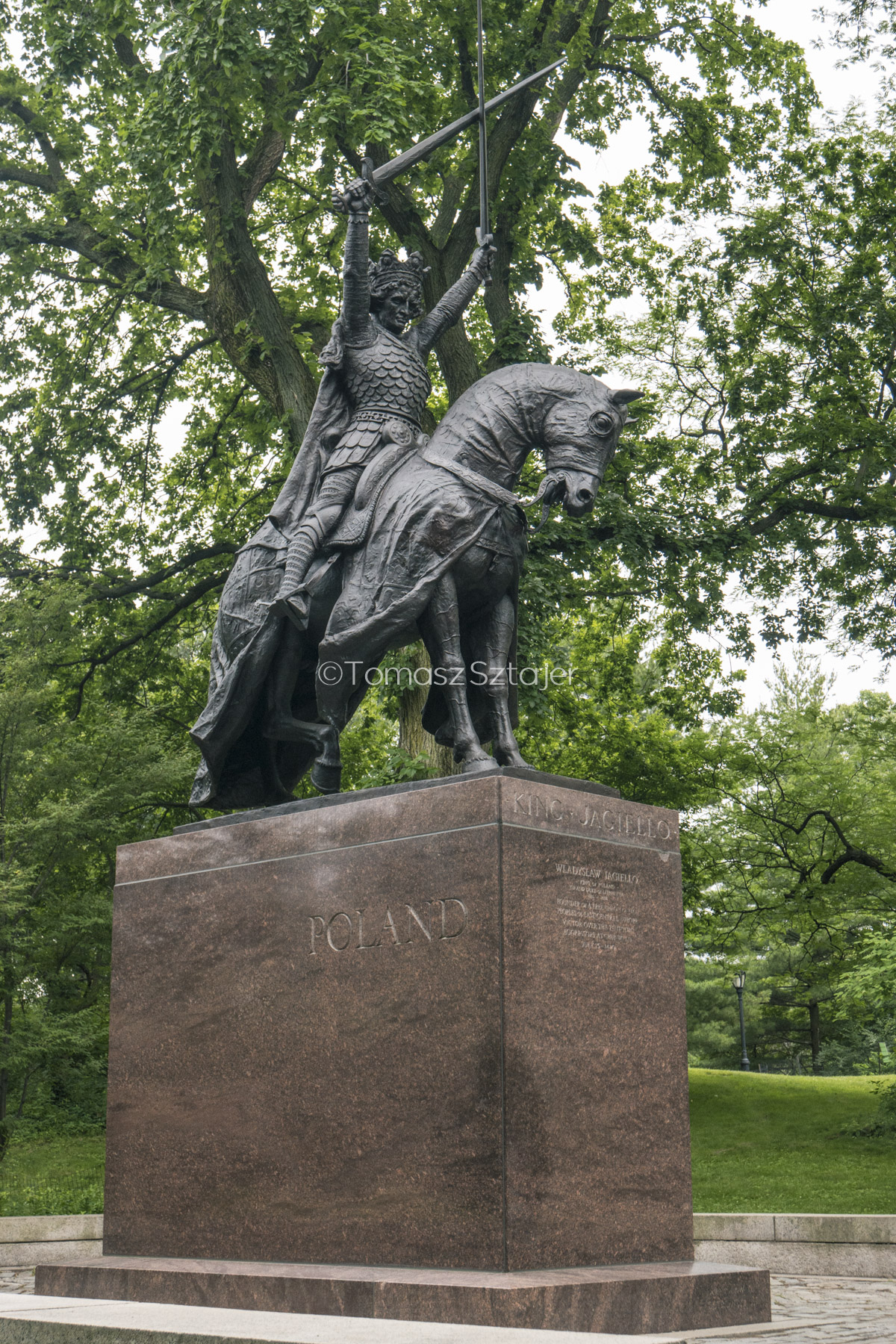
Statue of Władysław Jagiełło in Central Park
Central Park
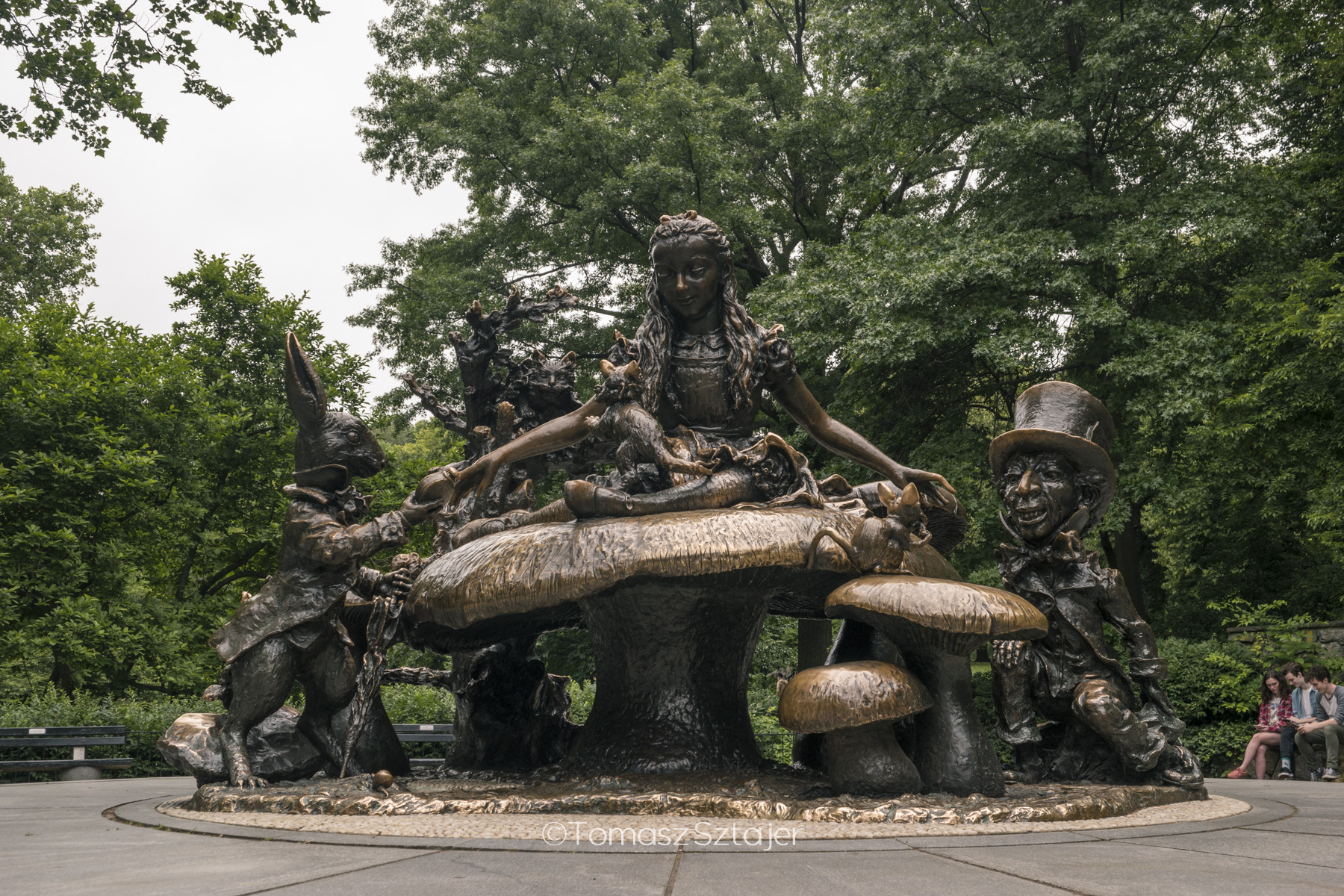
Alice in Wonderland
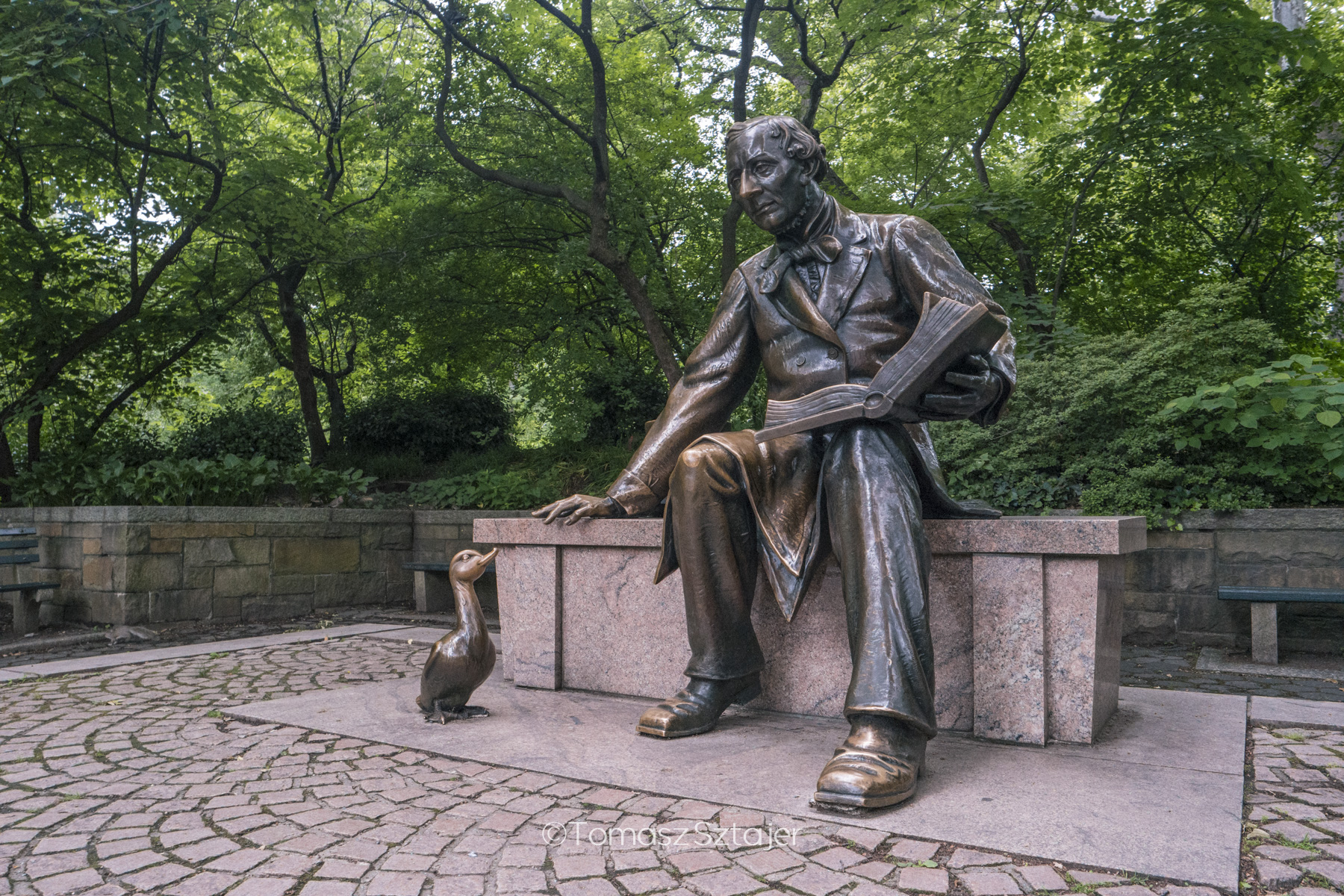
H. Ch. Andersen
Central Park
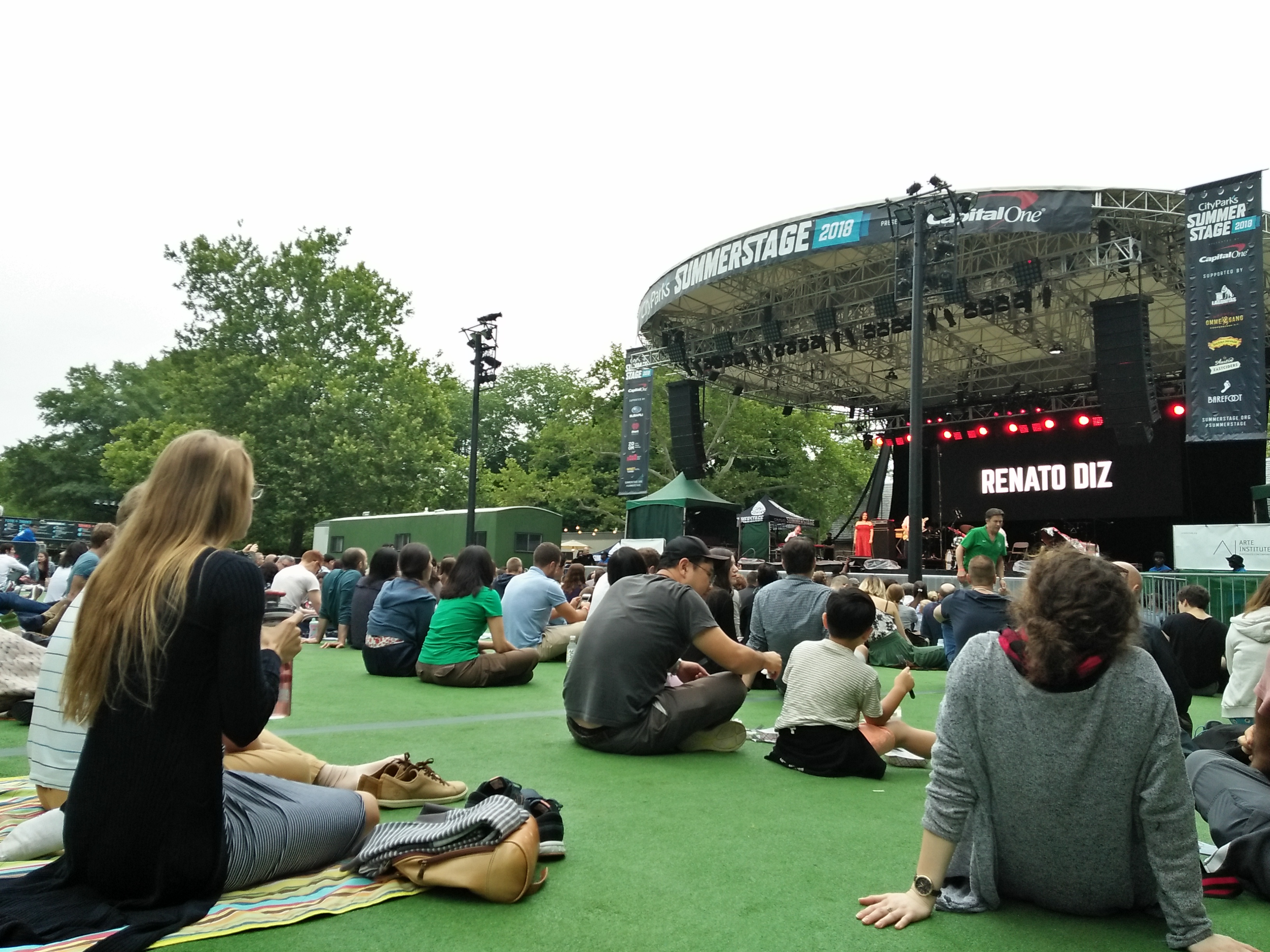
Concerts in Central Park
Chicago & suburbs // Chicago i okolice:
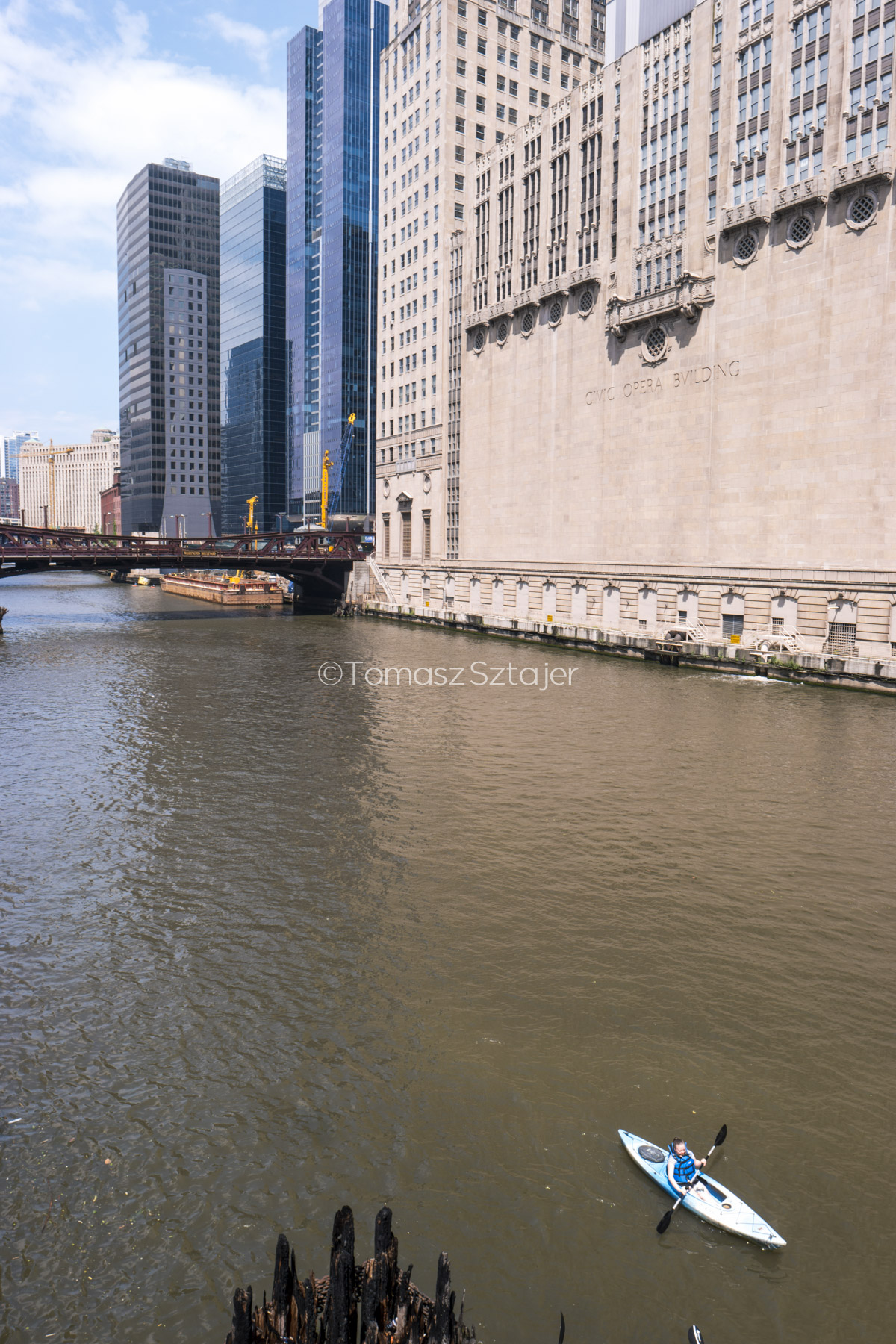
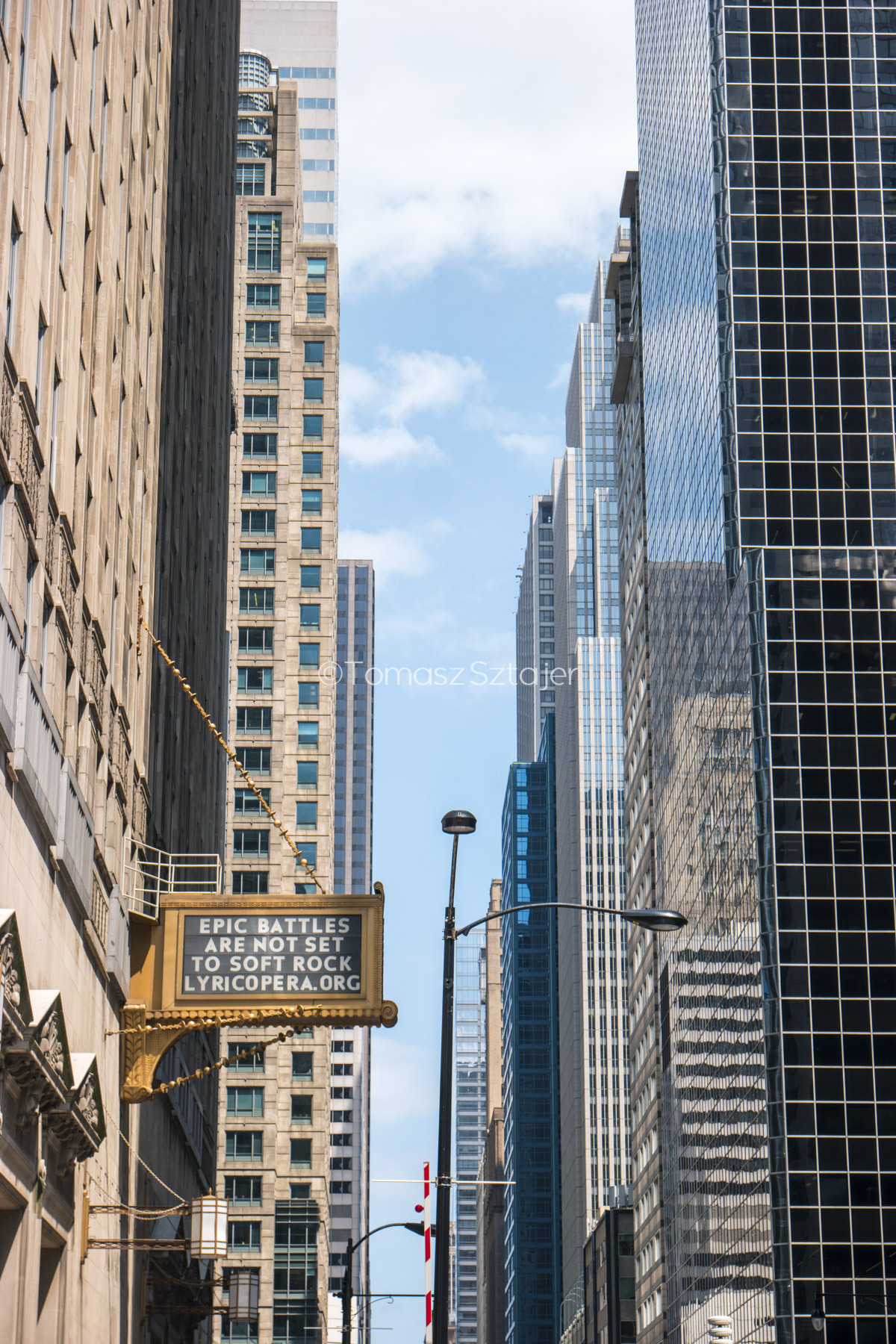
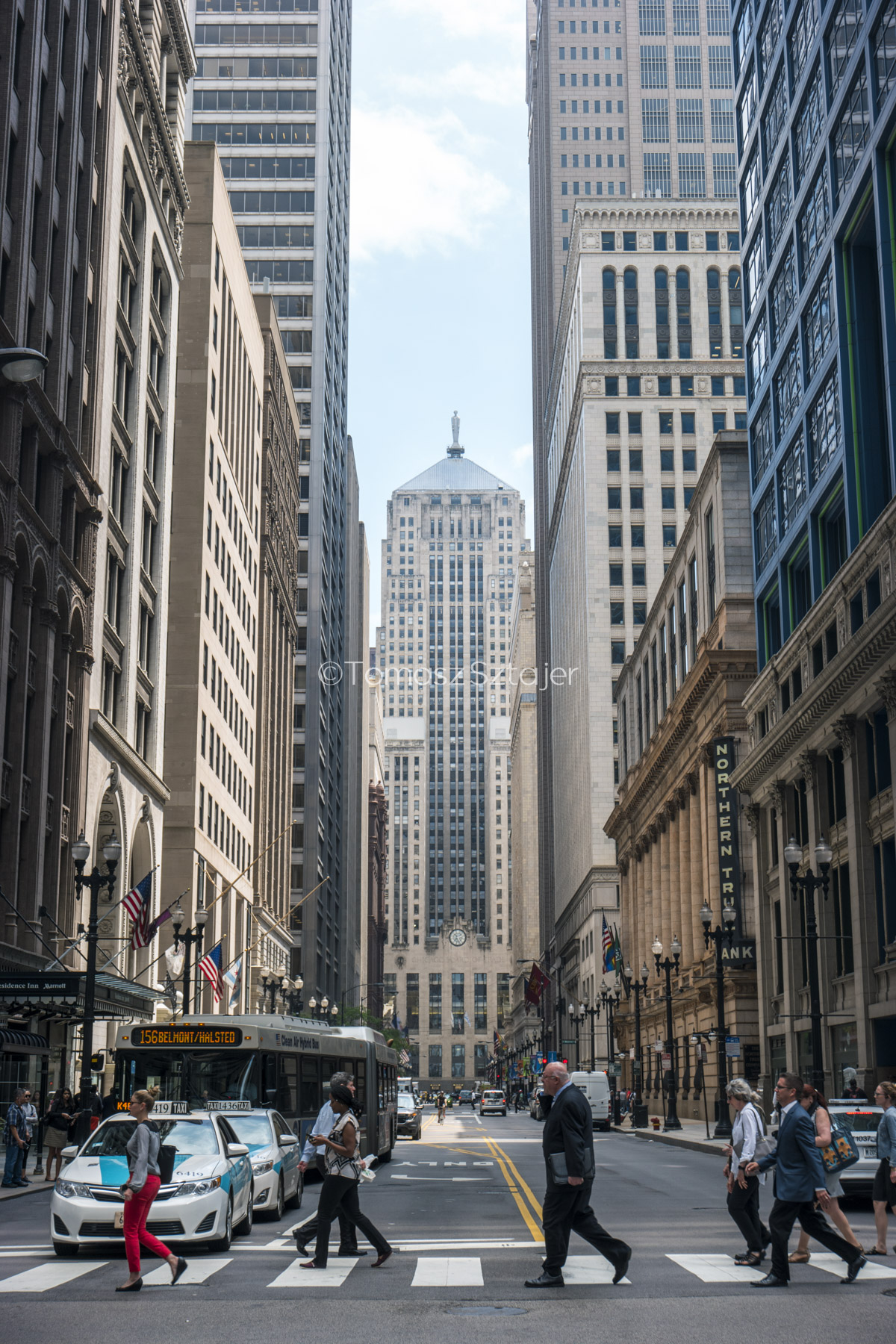
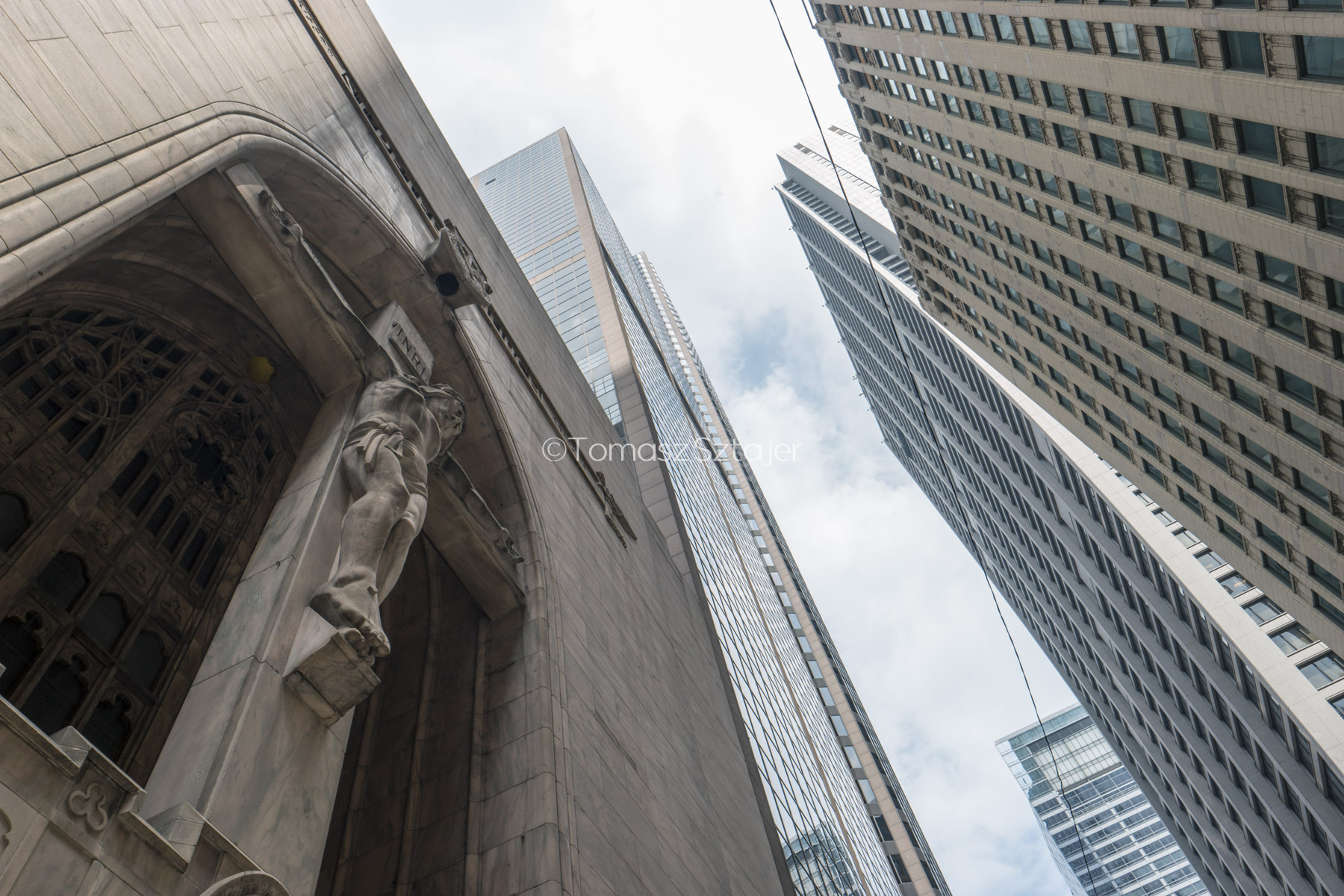
Chicago’s monumental architecture
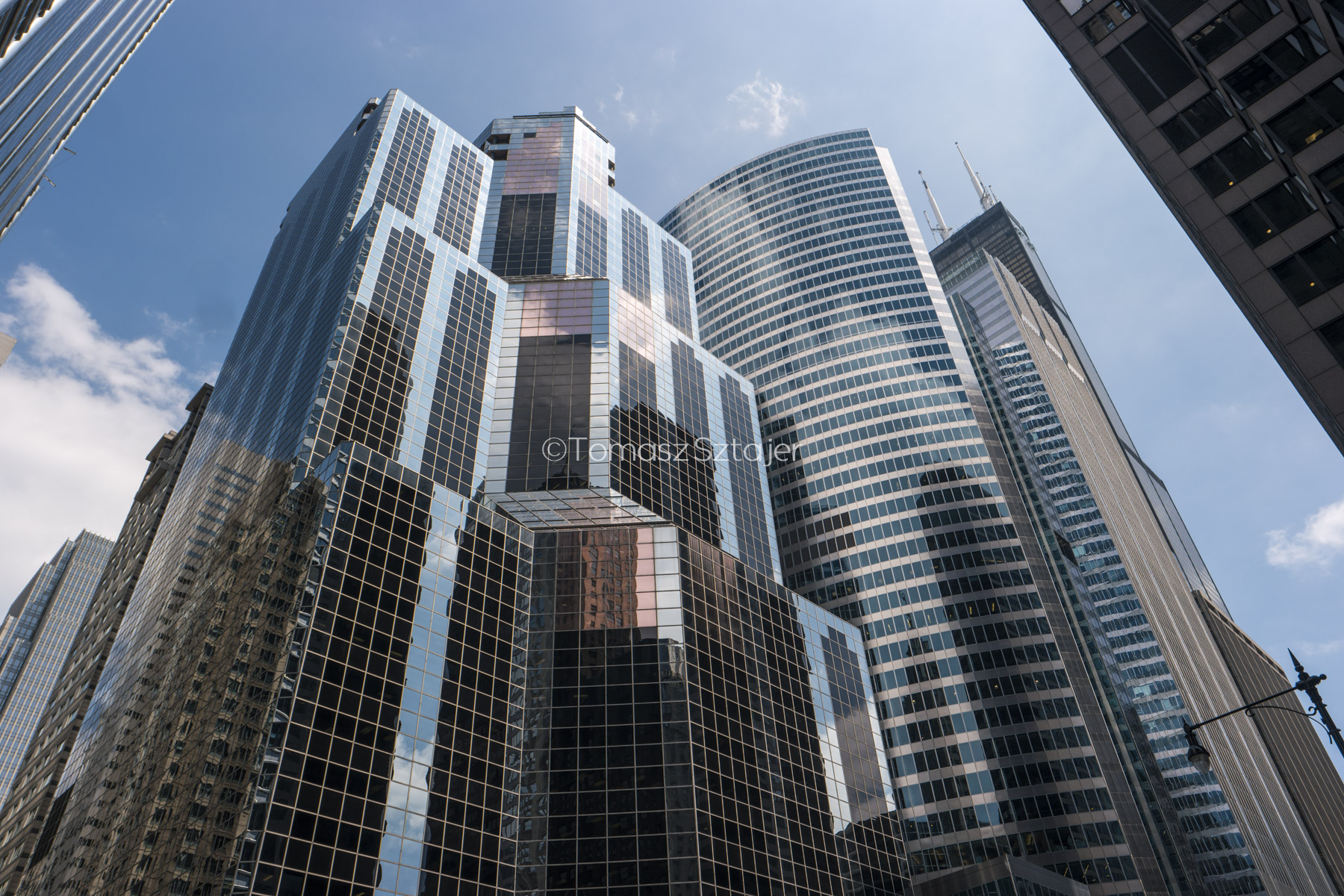
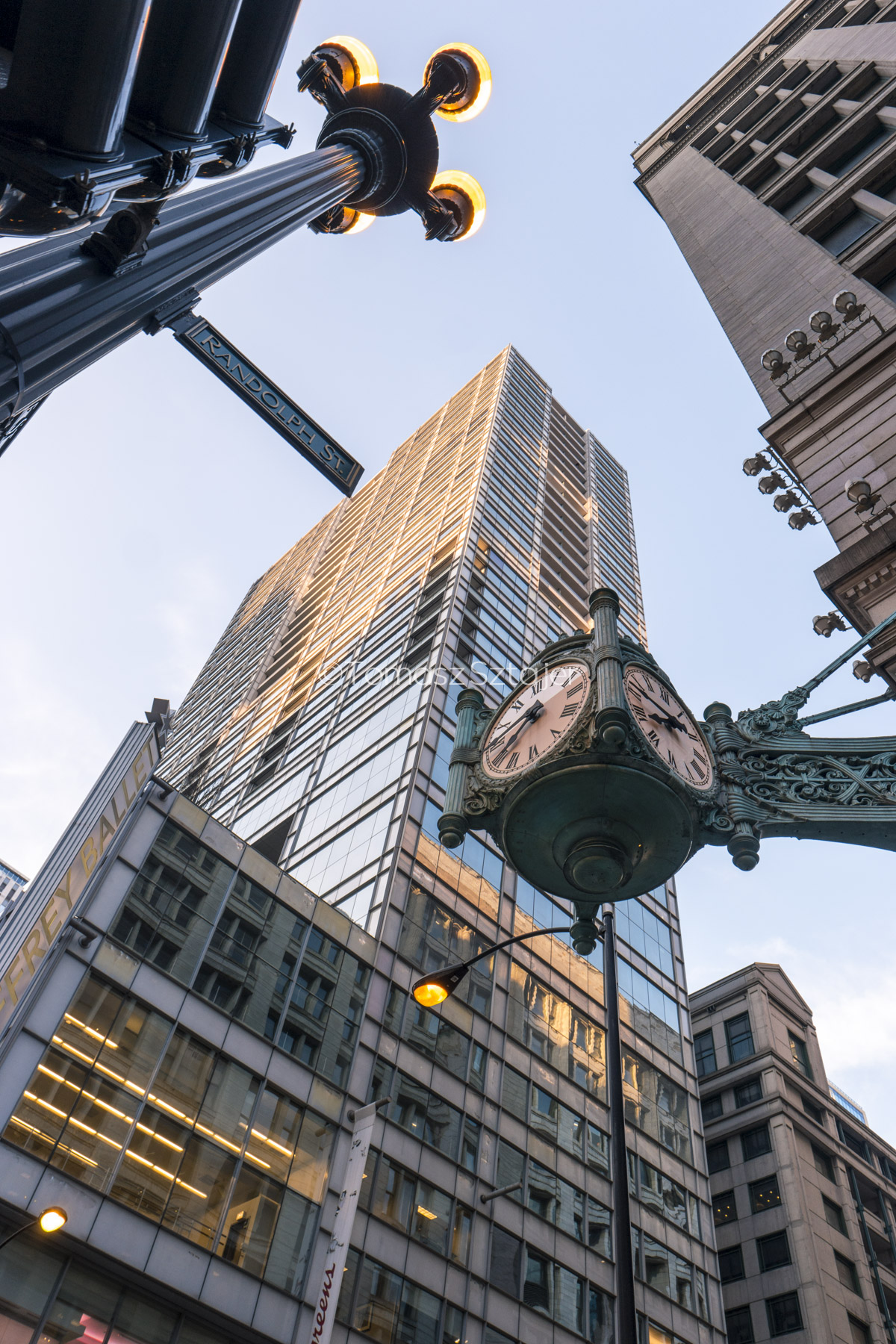
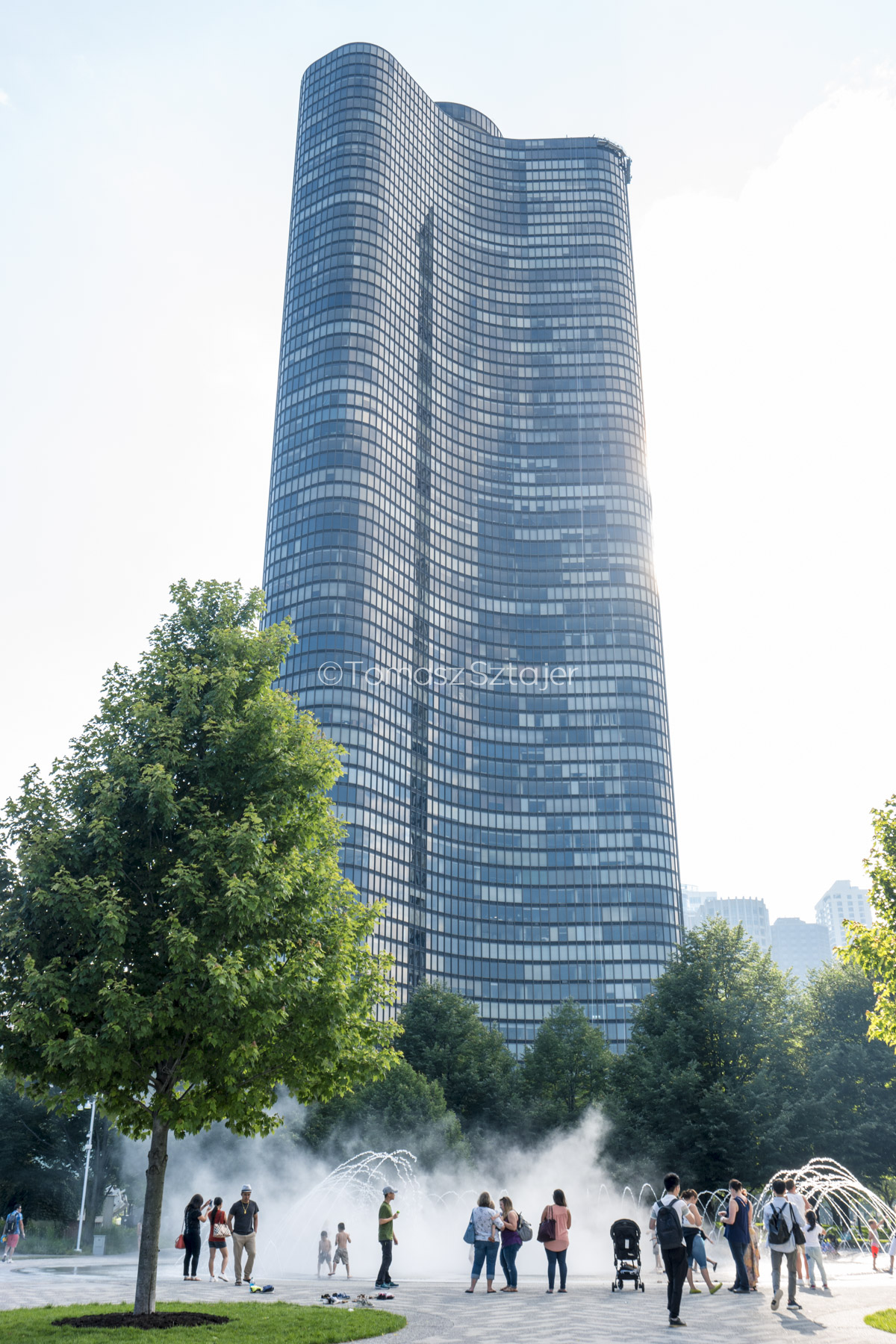
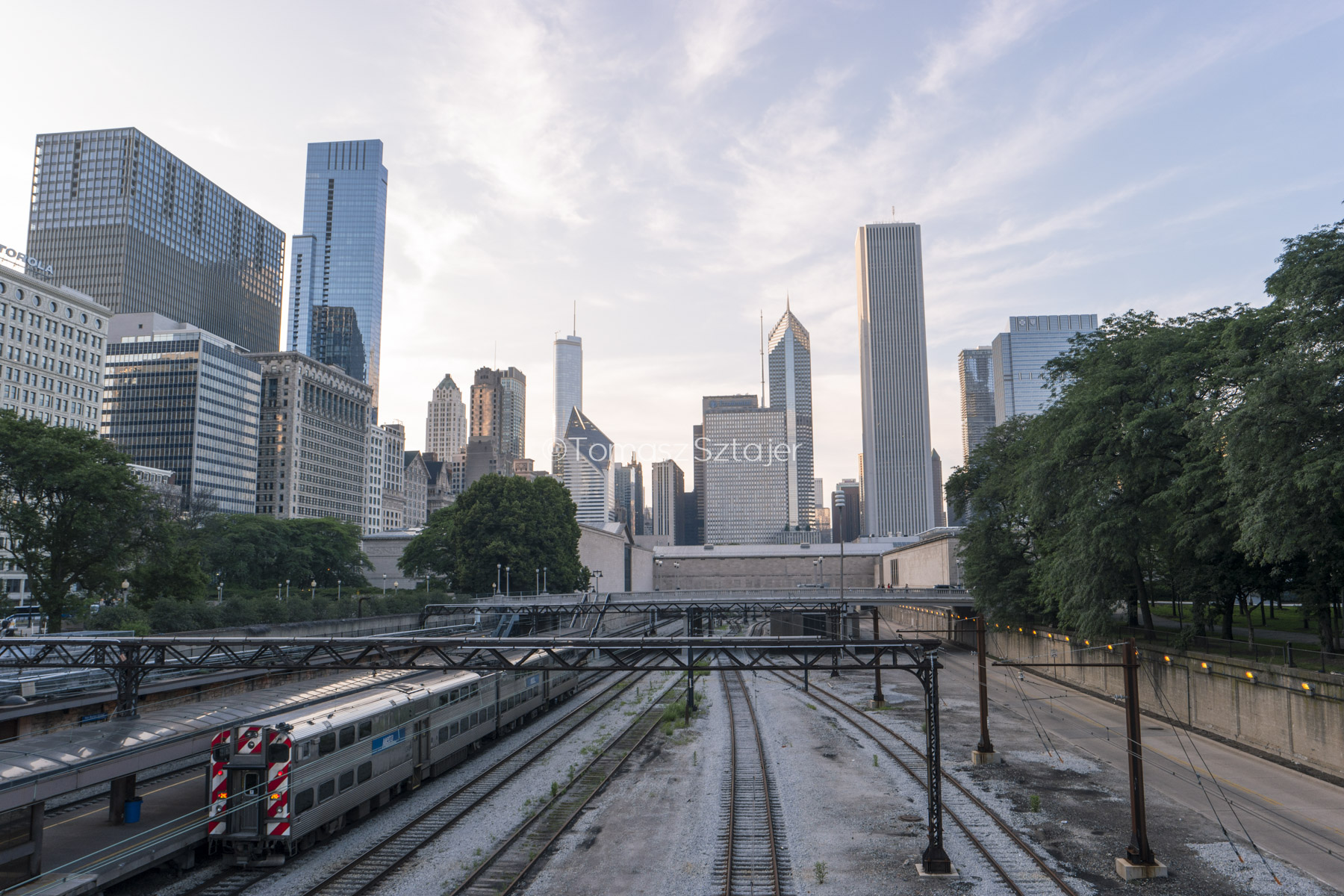
Chicago high risers
Chicago high risers
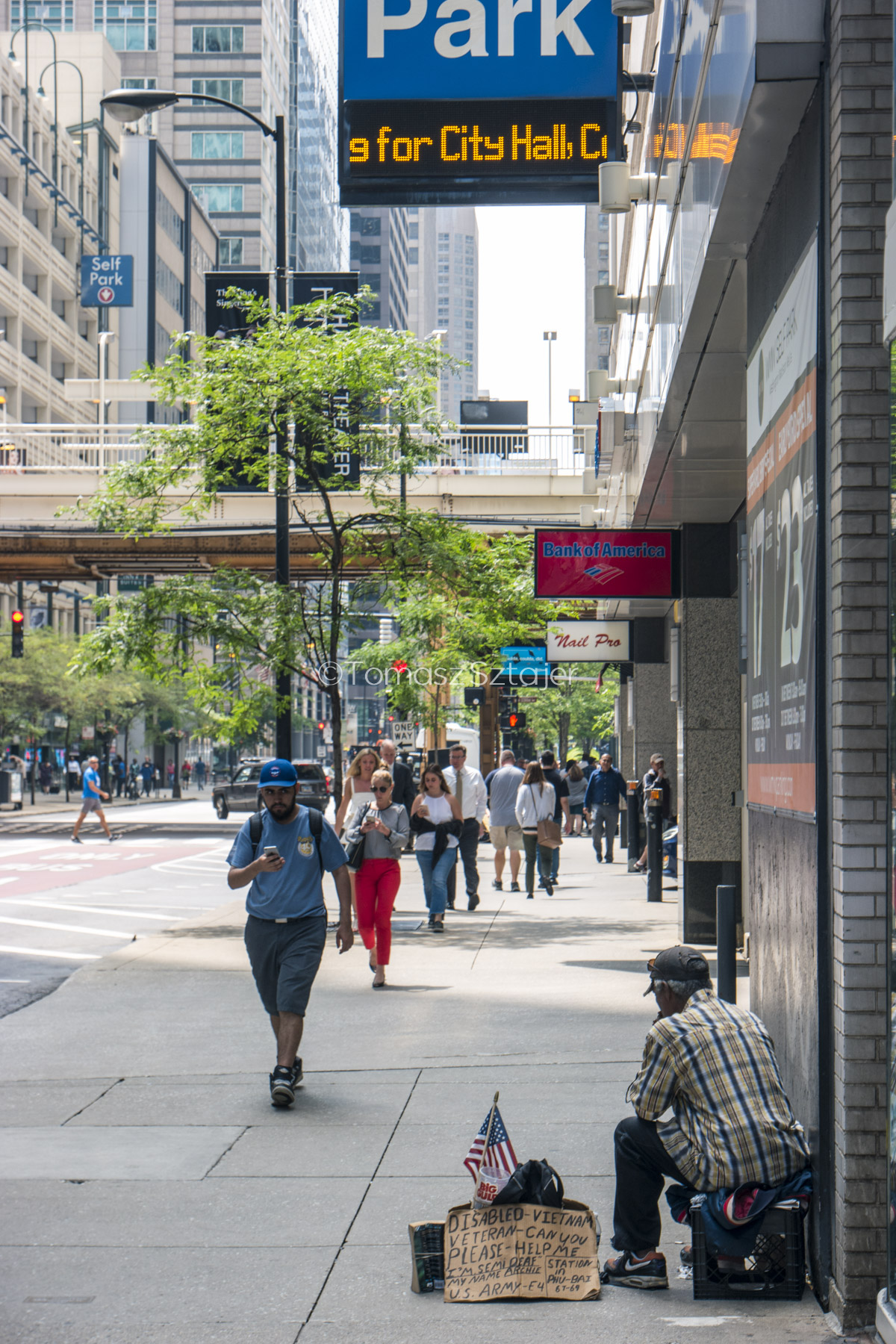
In Chicago
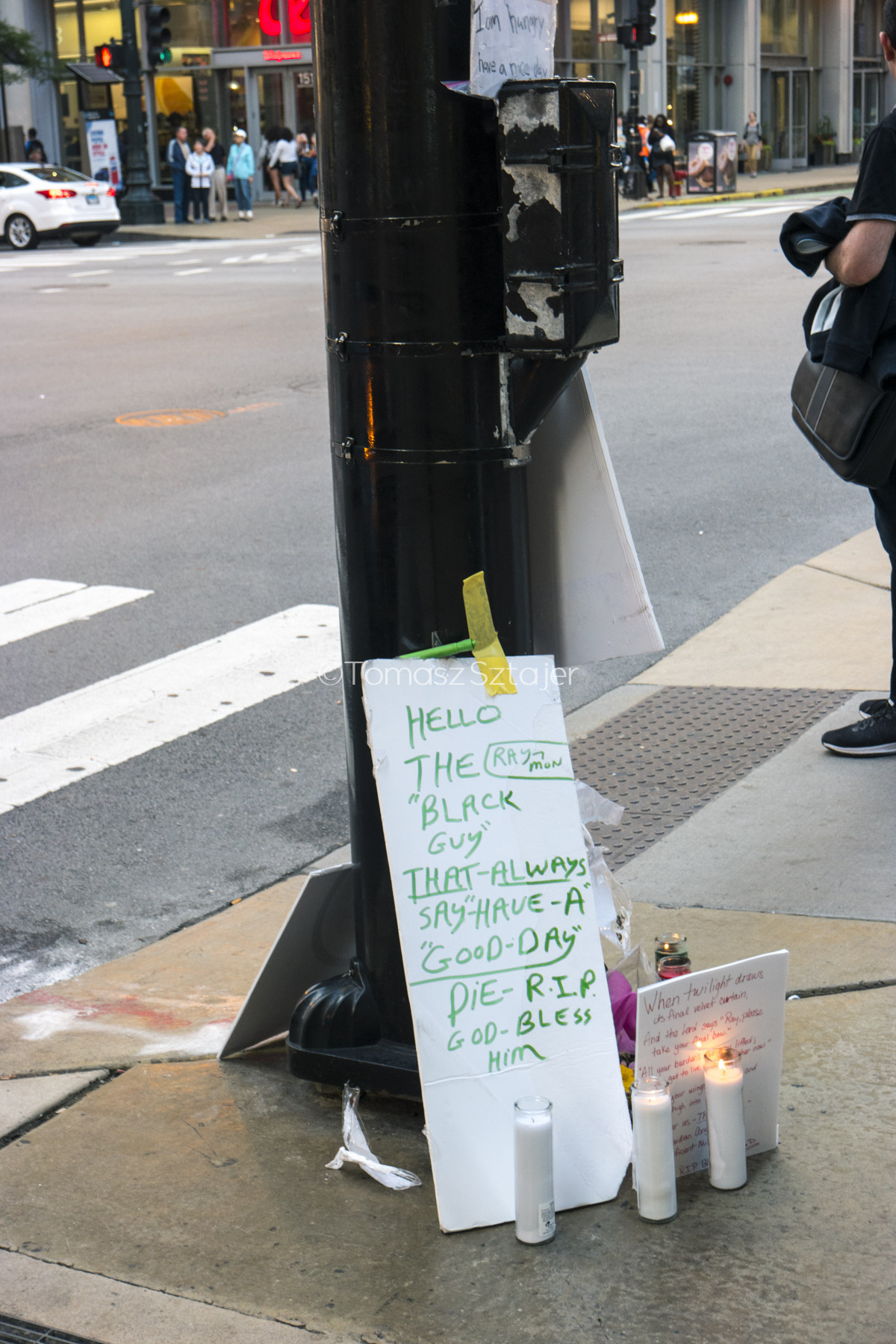
In Chicago
In Chicago
In Chicago
In Chicago
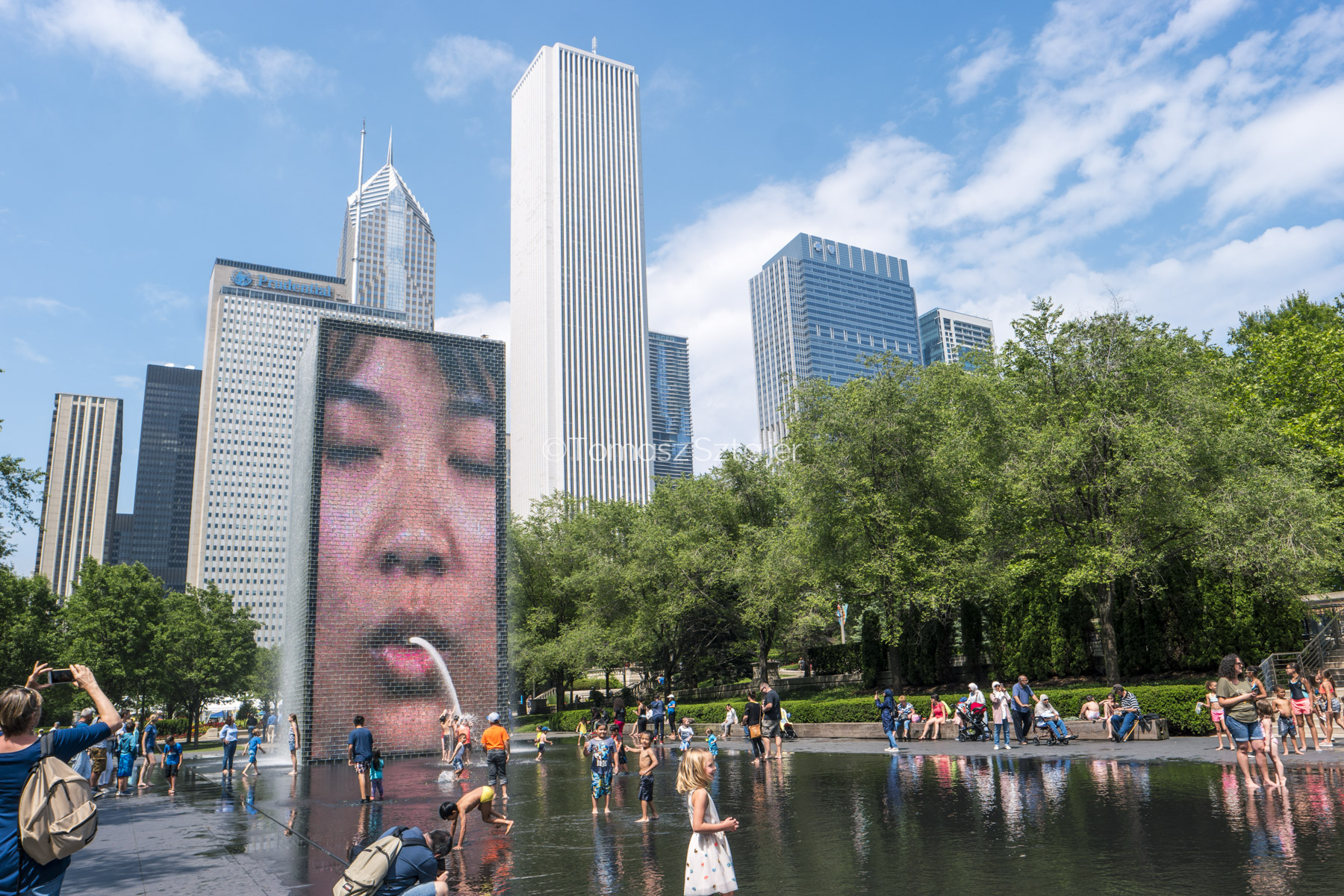
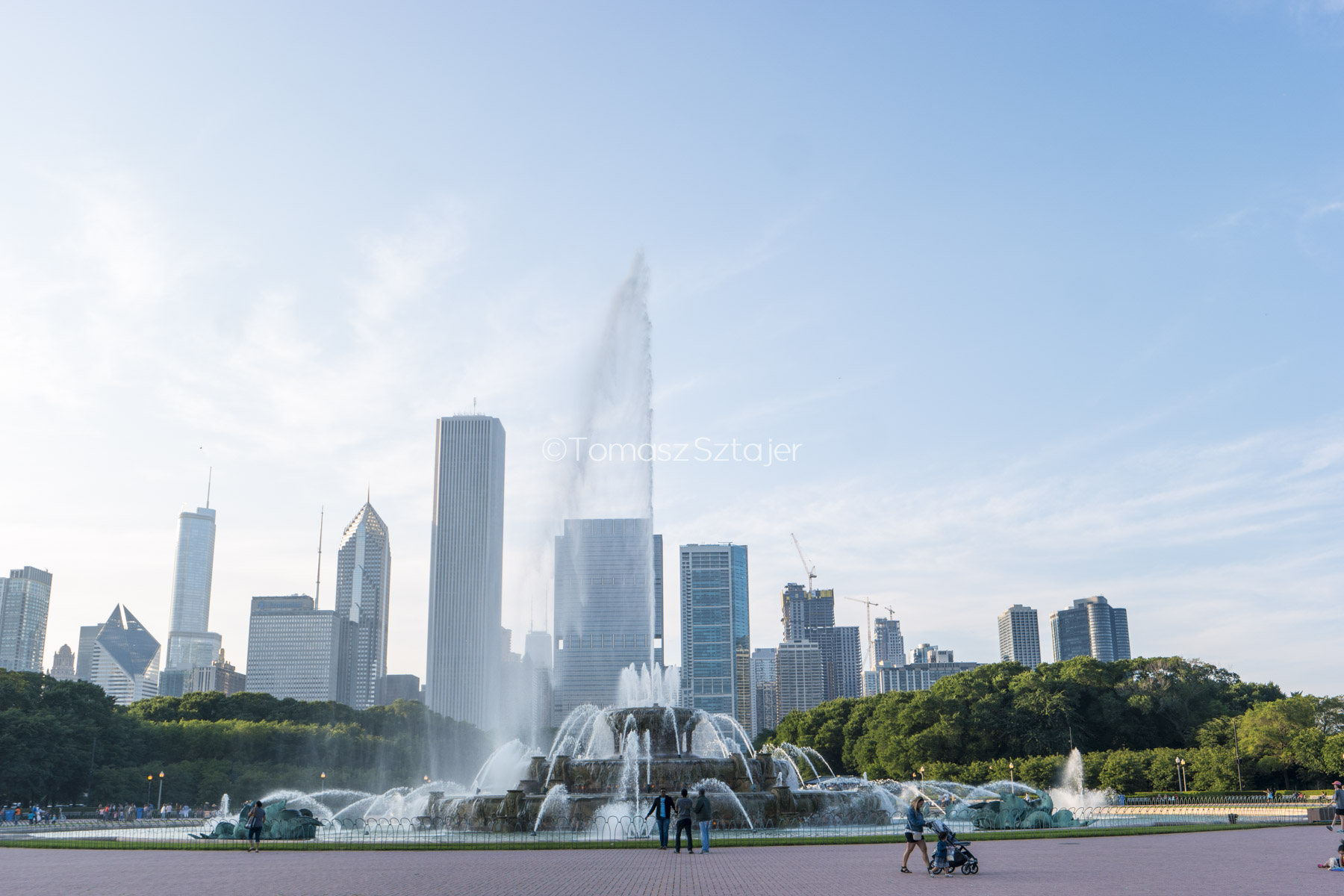
Crown Fountain in Millenium Park
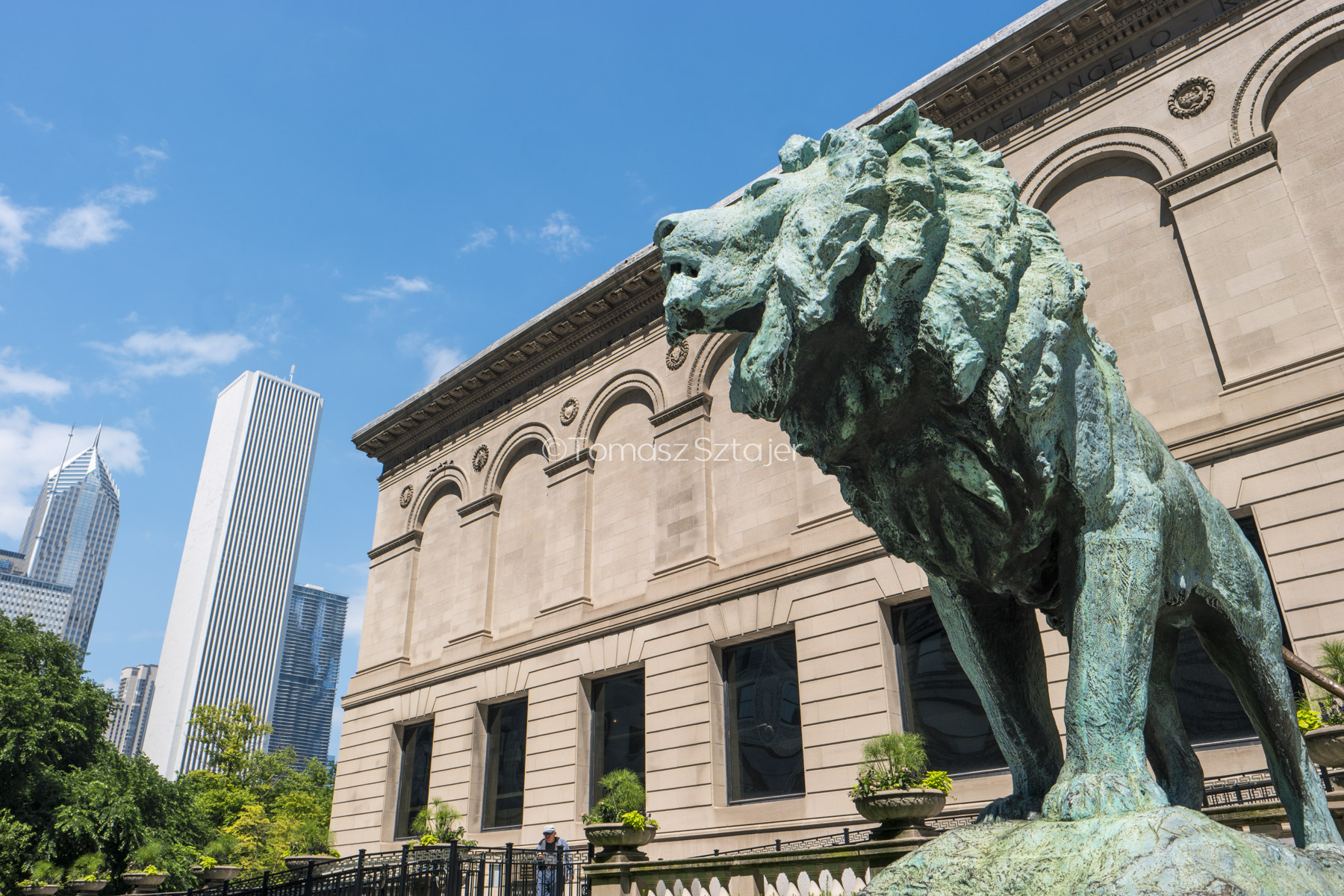
The Art Institute of Chicago
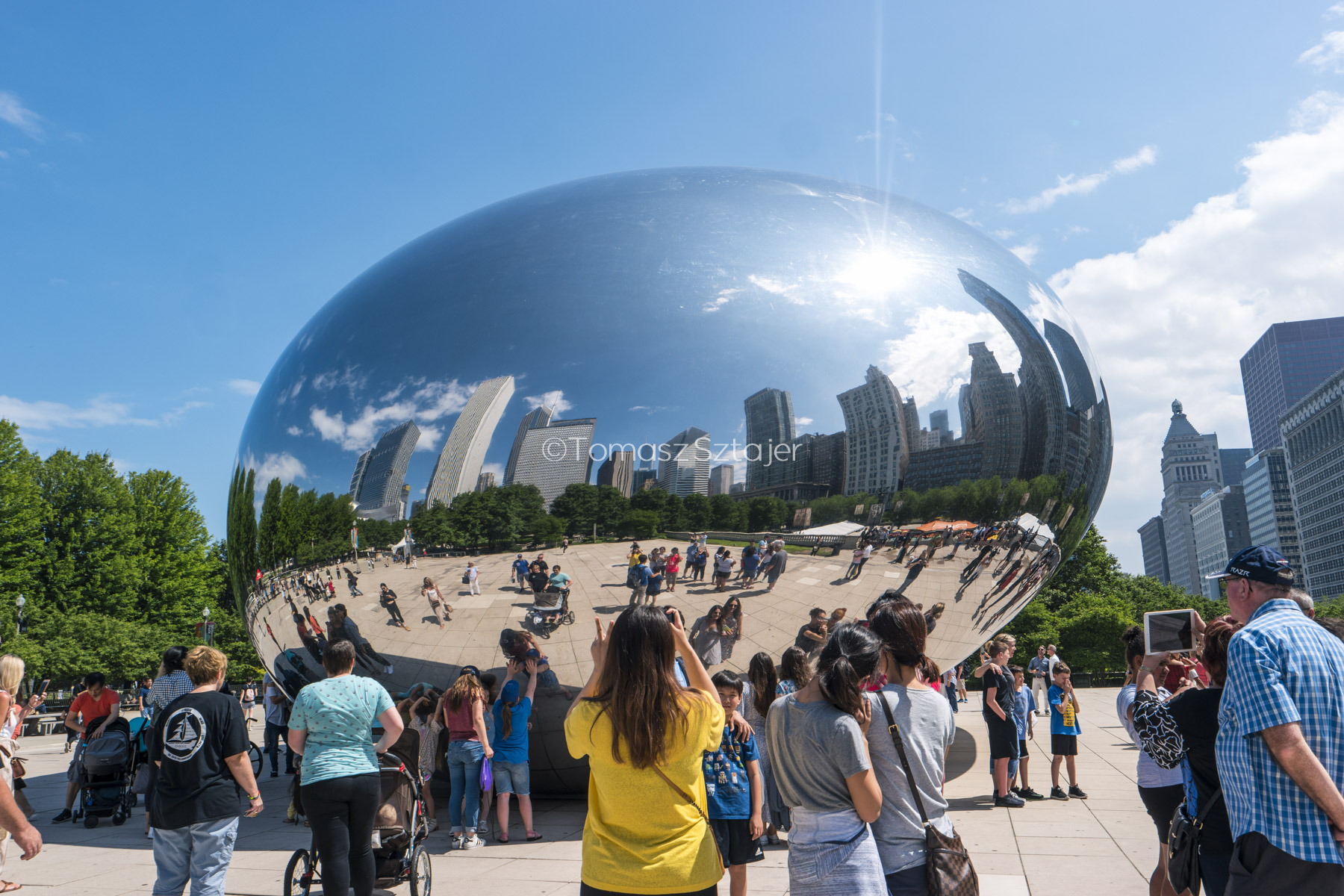
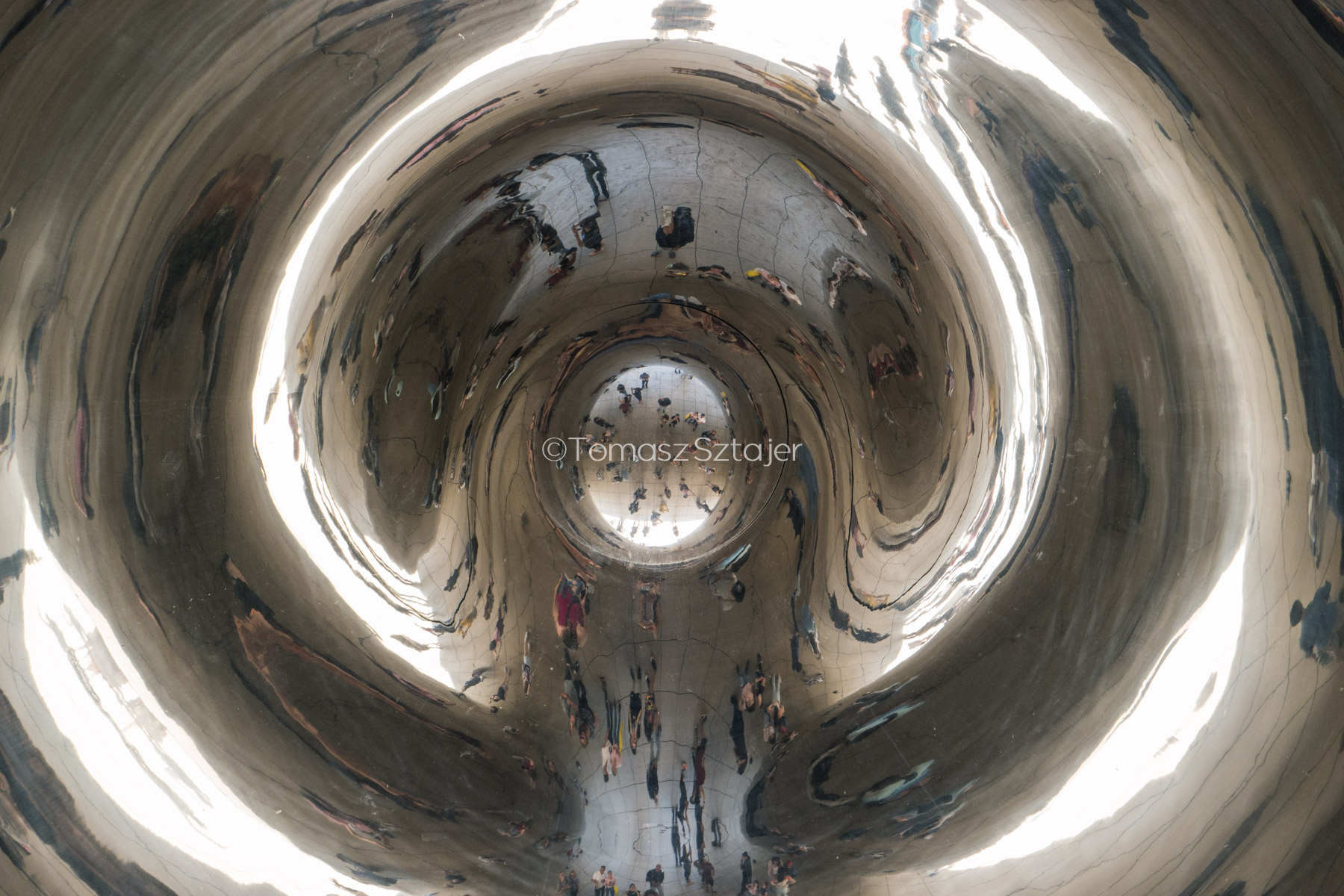
Cloud Gate by Anish Kapoor
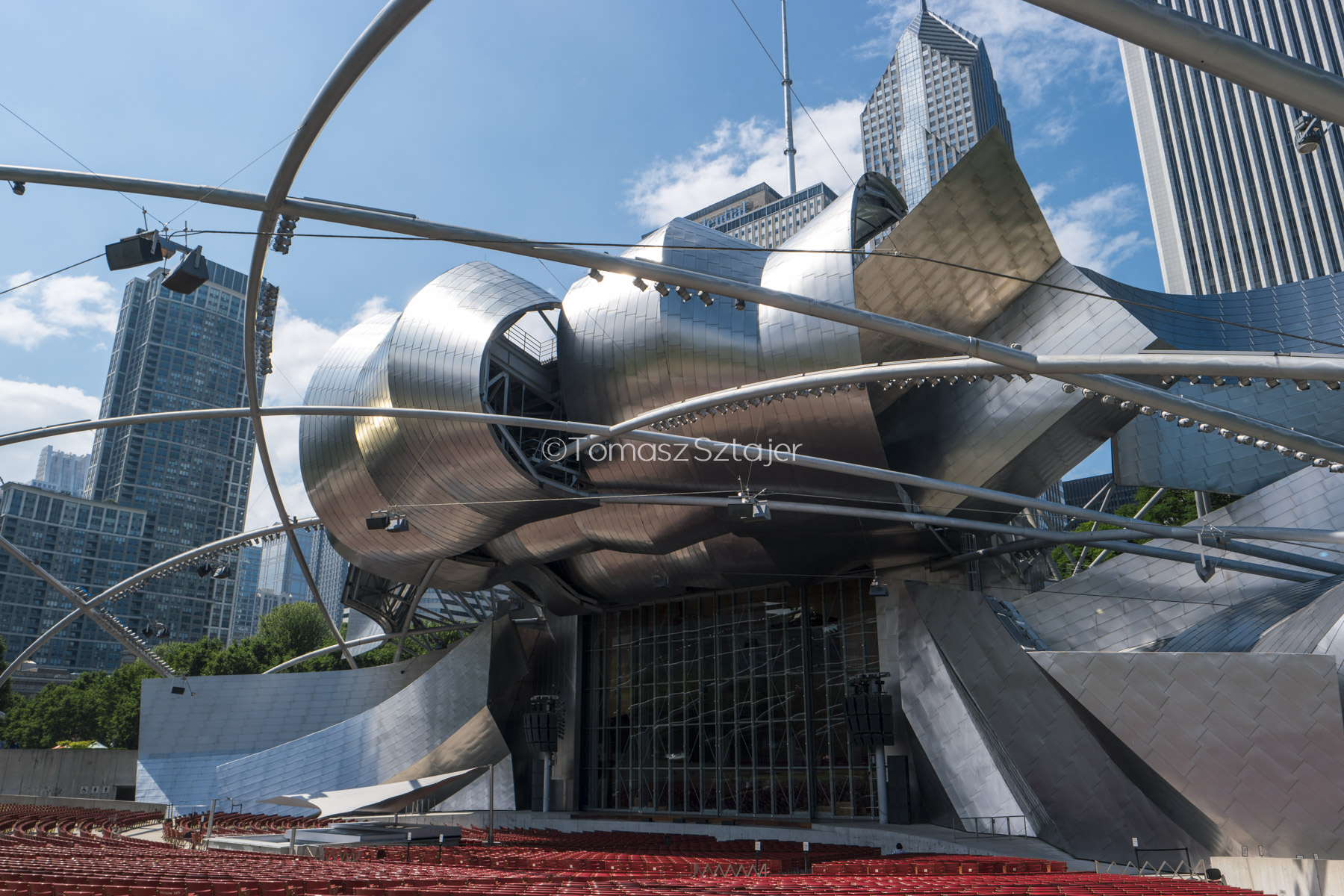
Jay Pritzker Pavilion
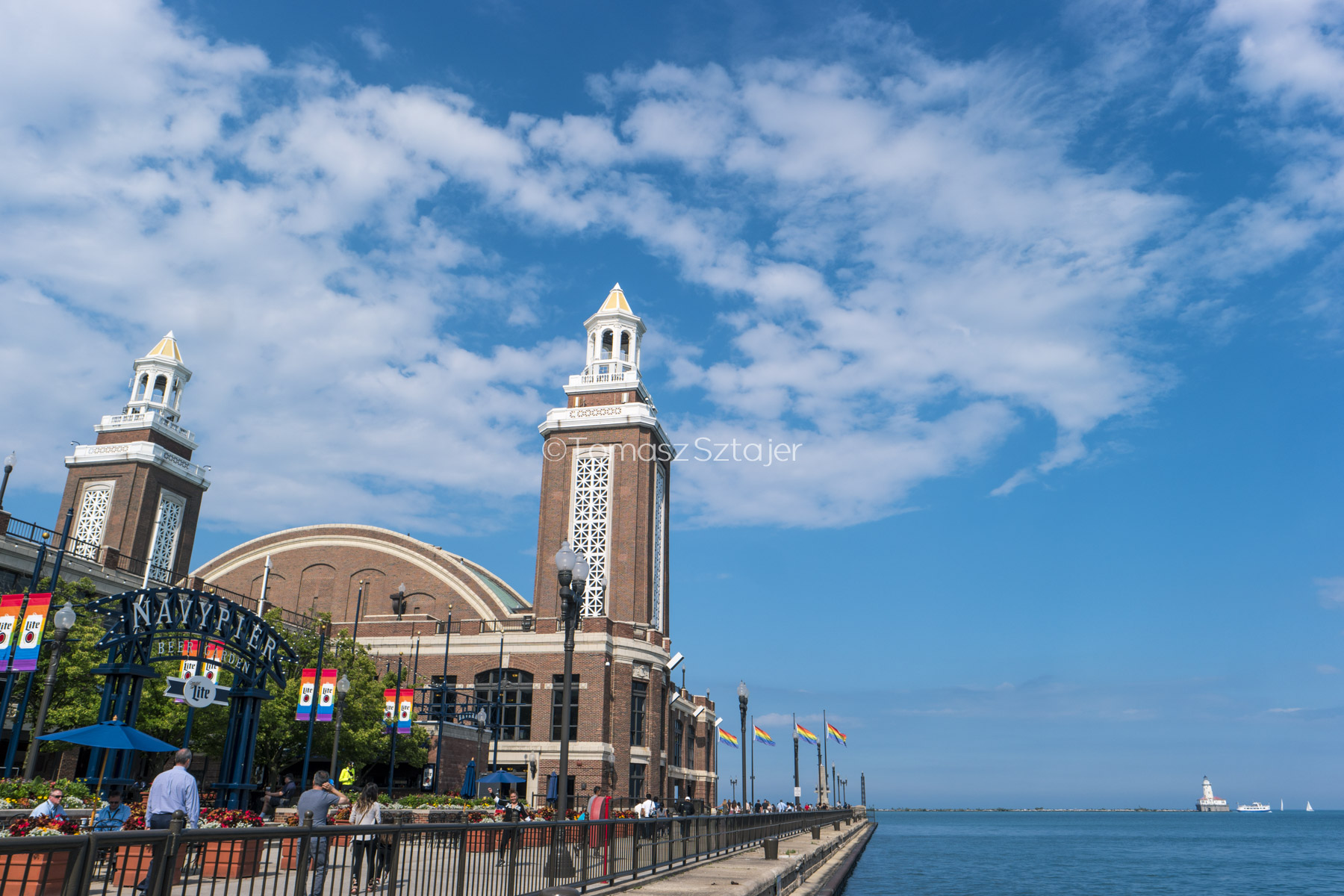
Approaching Navy Pier
In Navy Pier
In Navy Pier
In Navy Pier
In Navy Pier
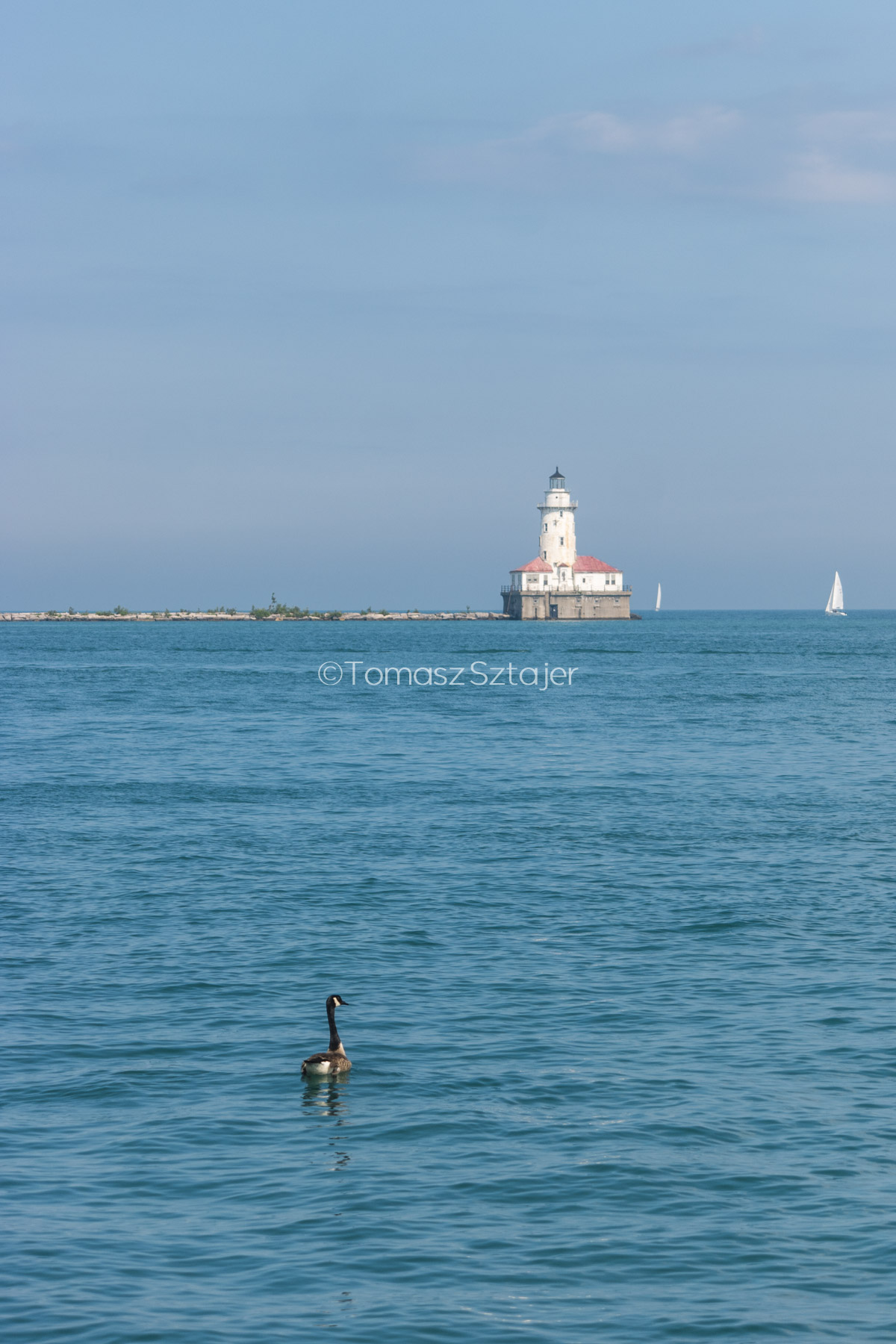
Near Navy Pier
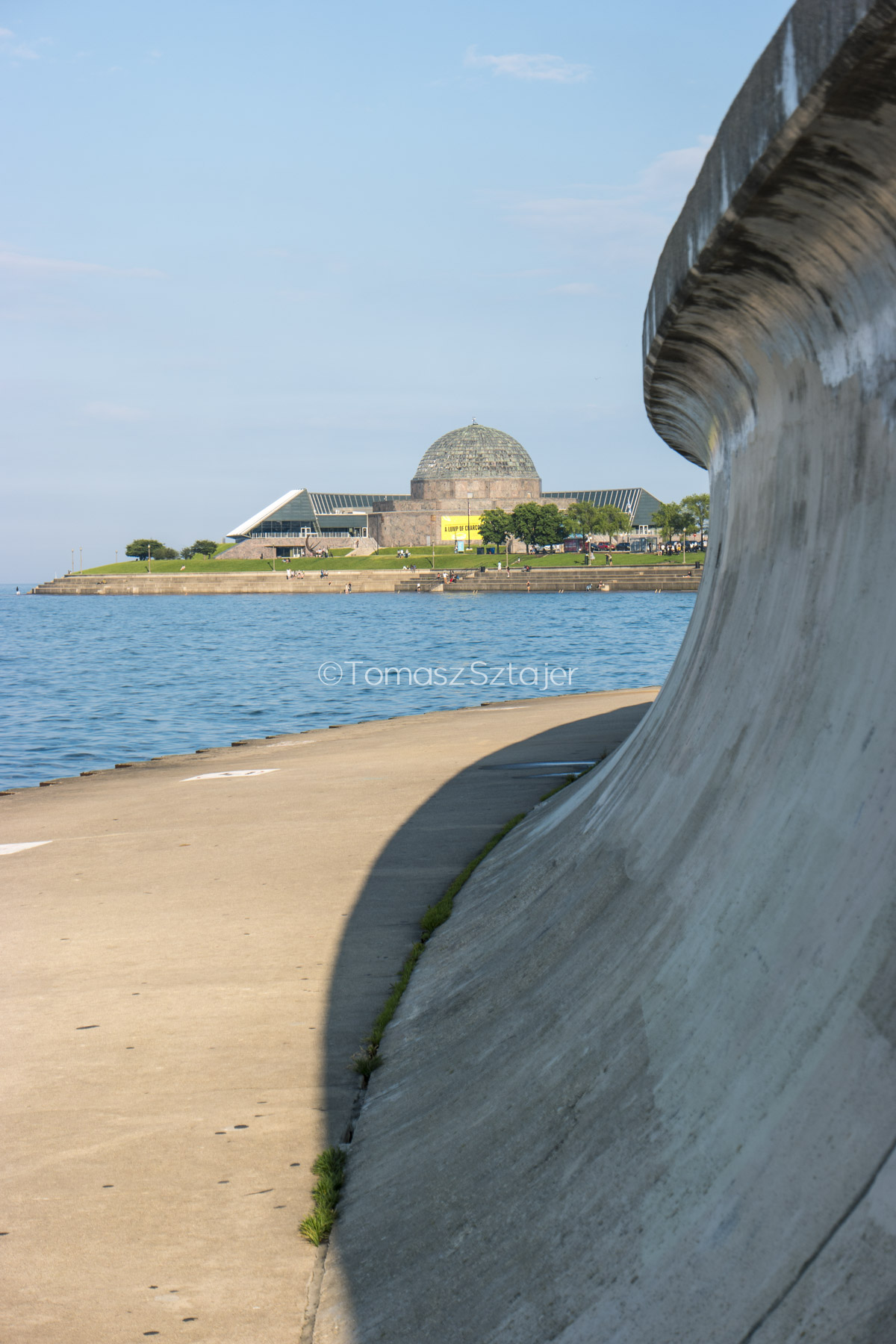
Adler Planetarium
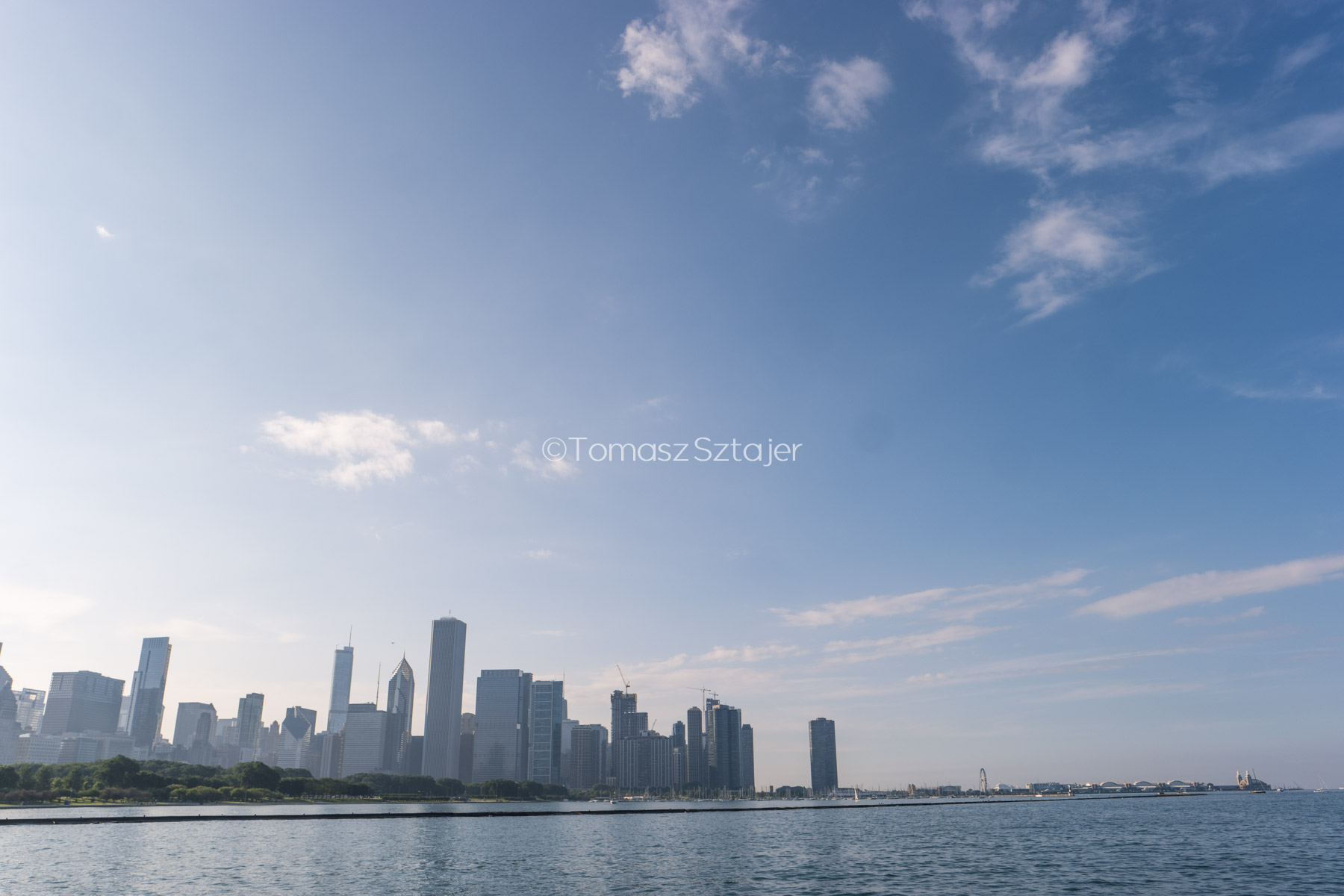
A bit of Chicago skyline
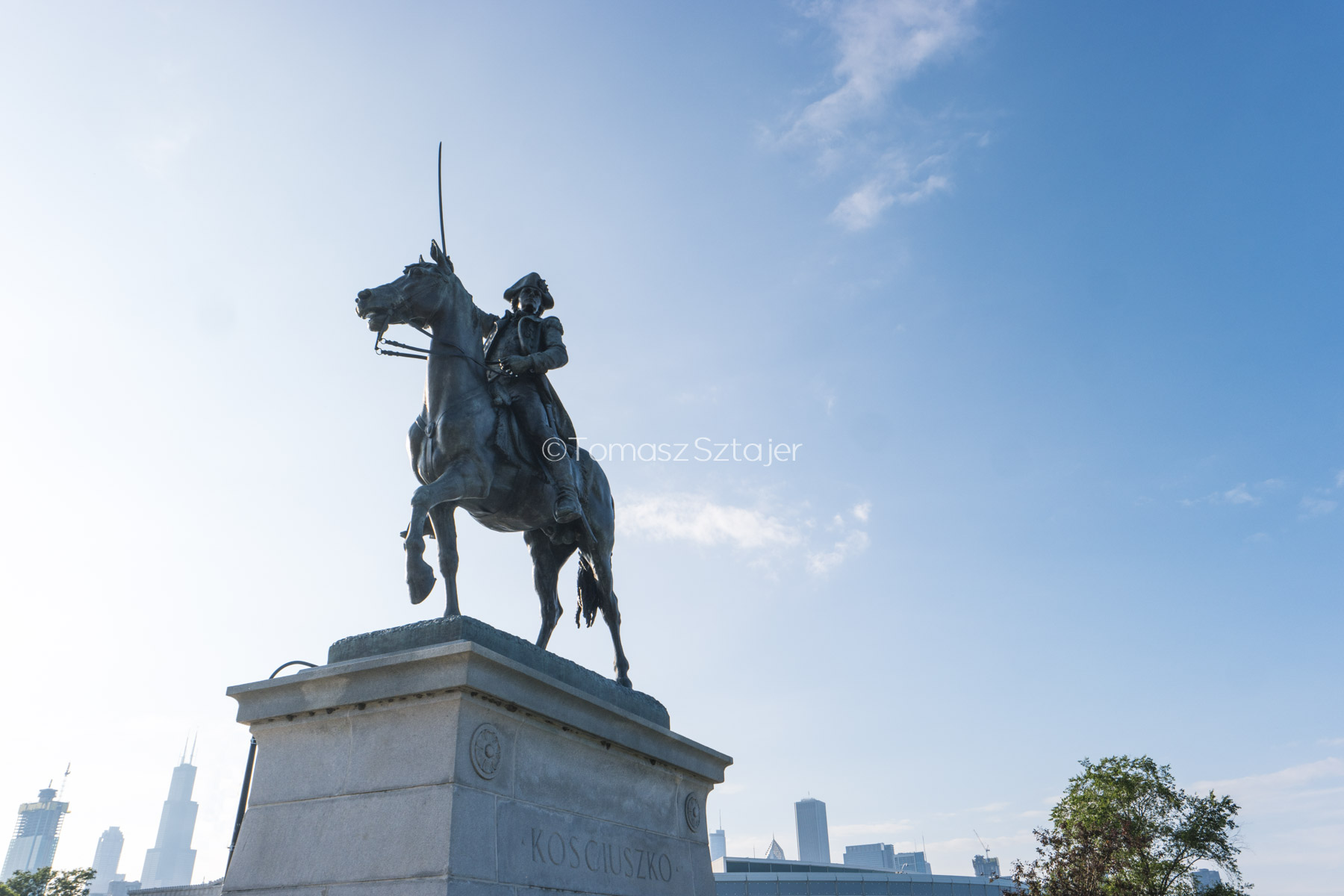
Statue of Tadeusz Kościuszko
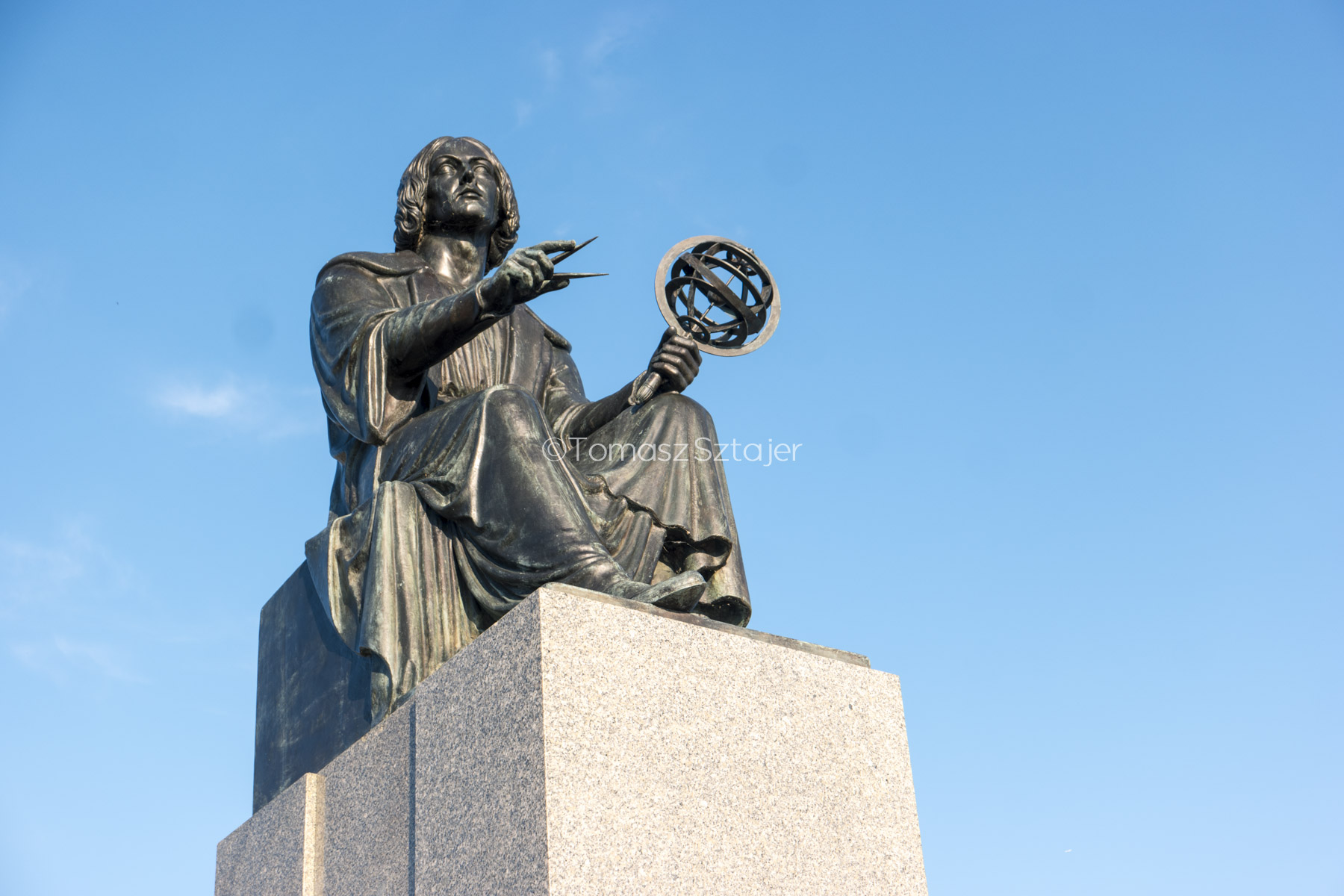
Copernicus
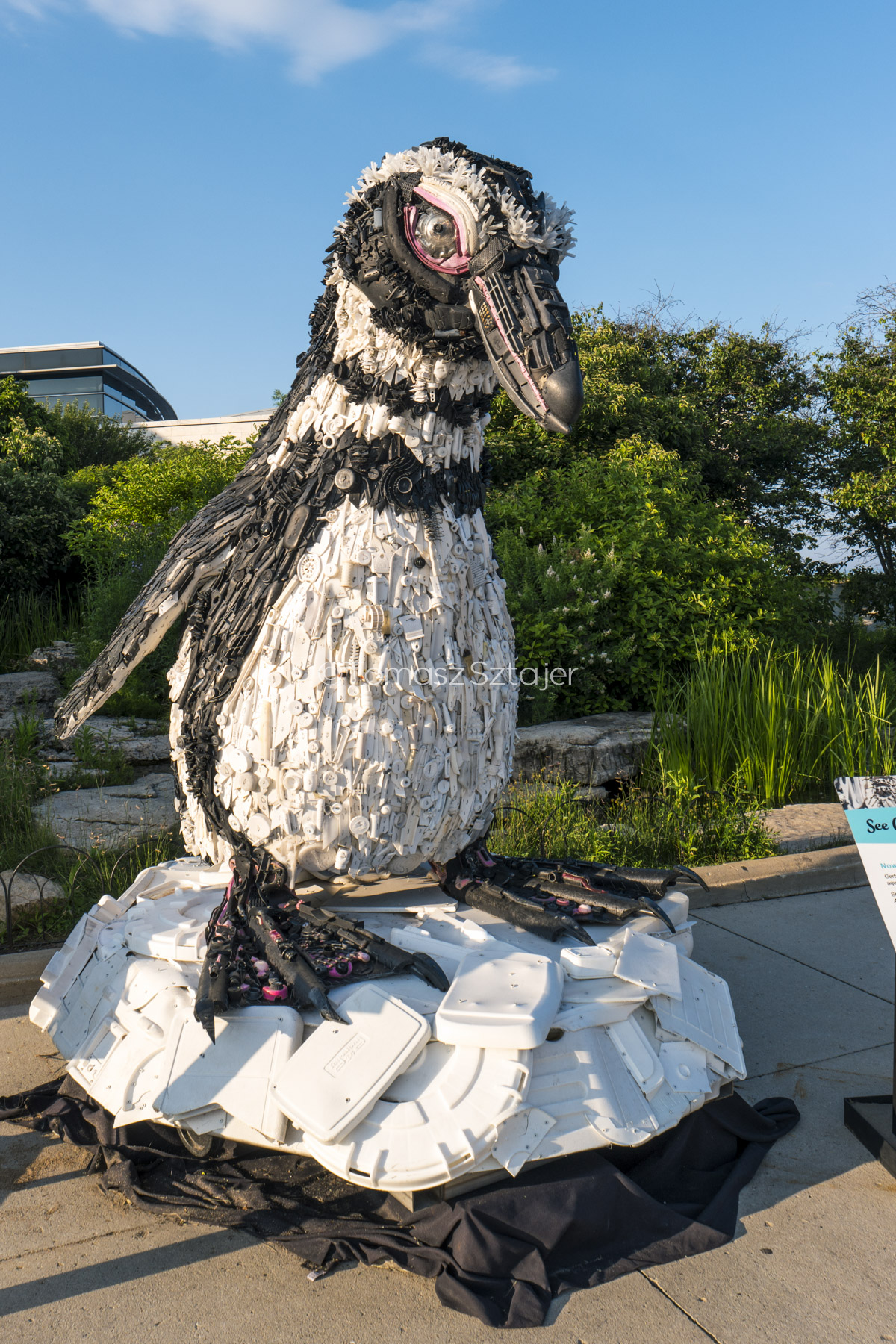
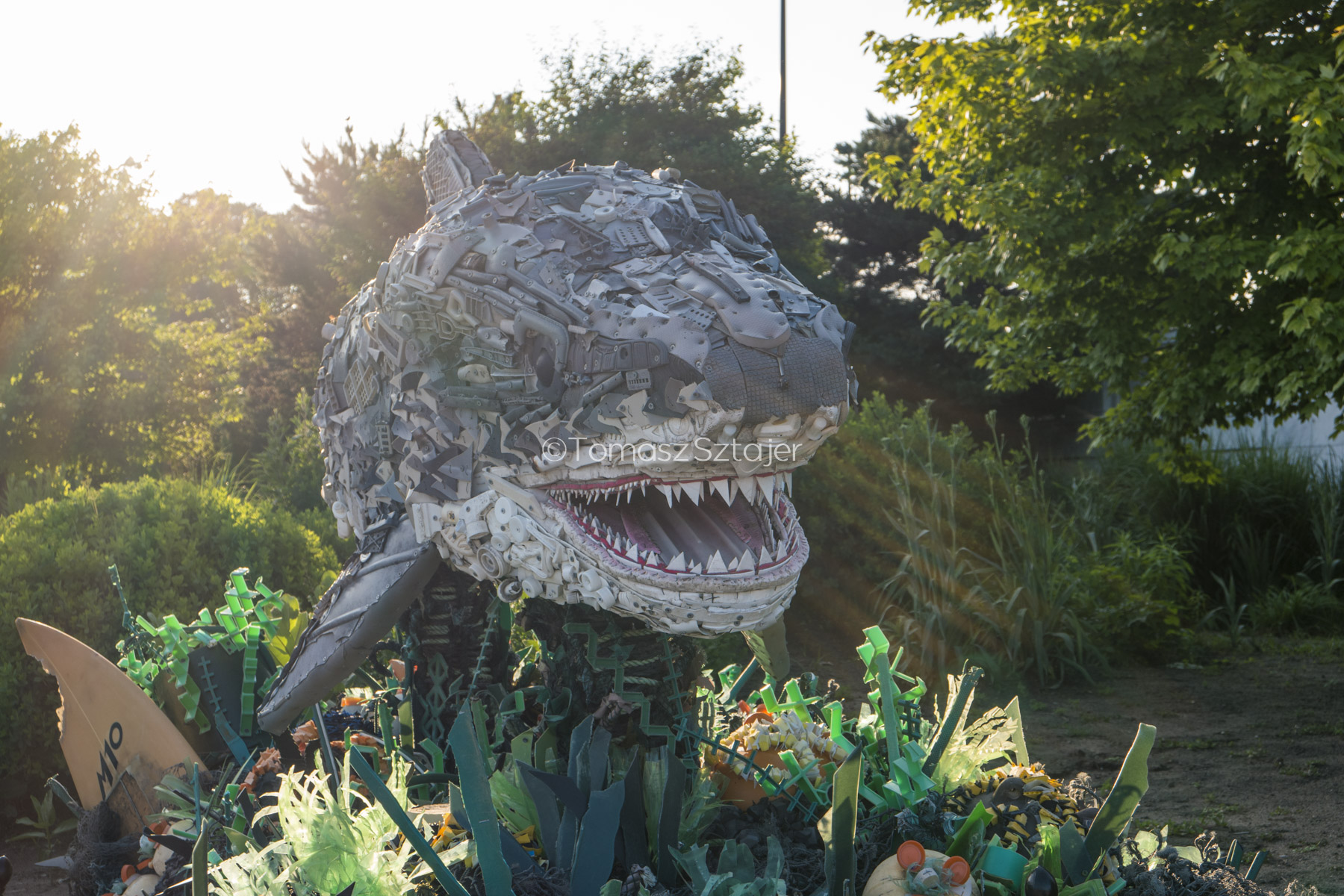
Animals made of waste found in the ocean
Grant Park
Walking around
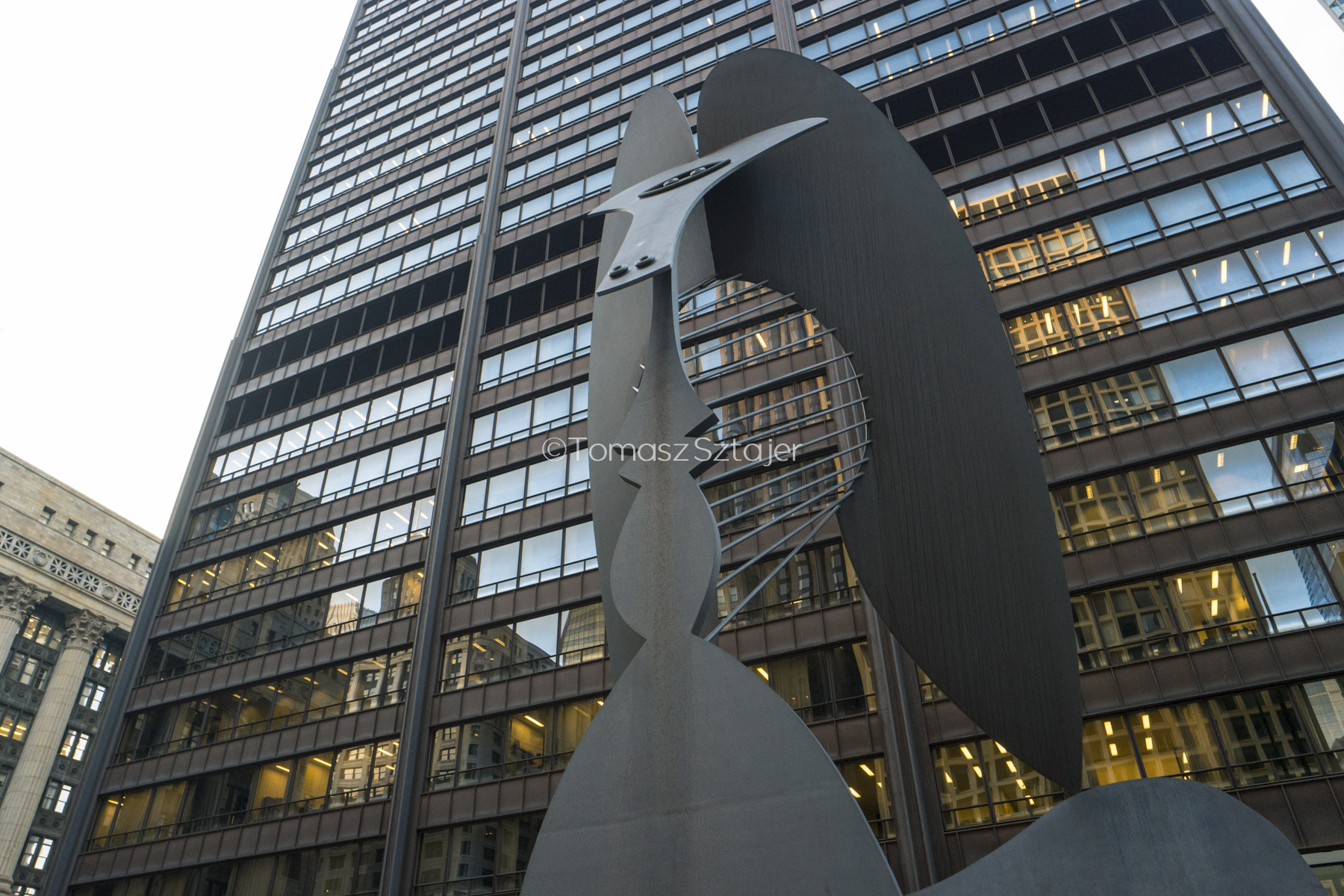
Pablo Picasso’s scultpure
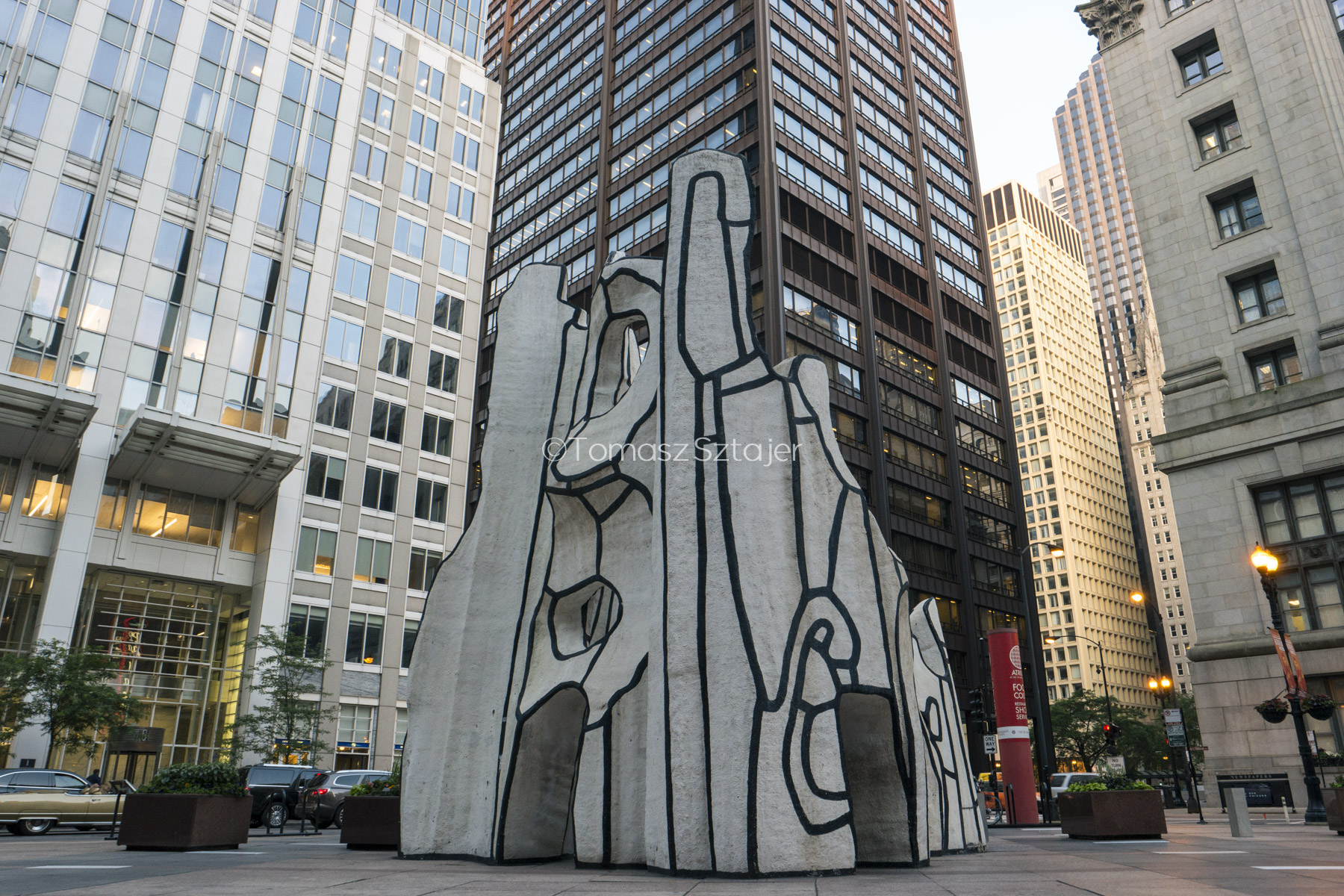
Jean Dubuffet’s sculpture
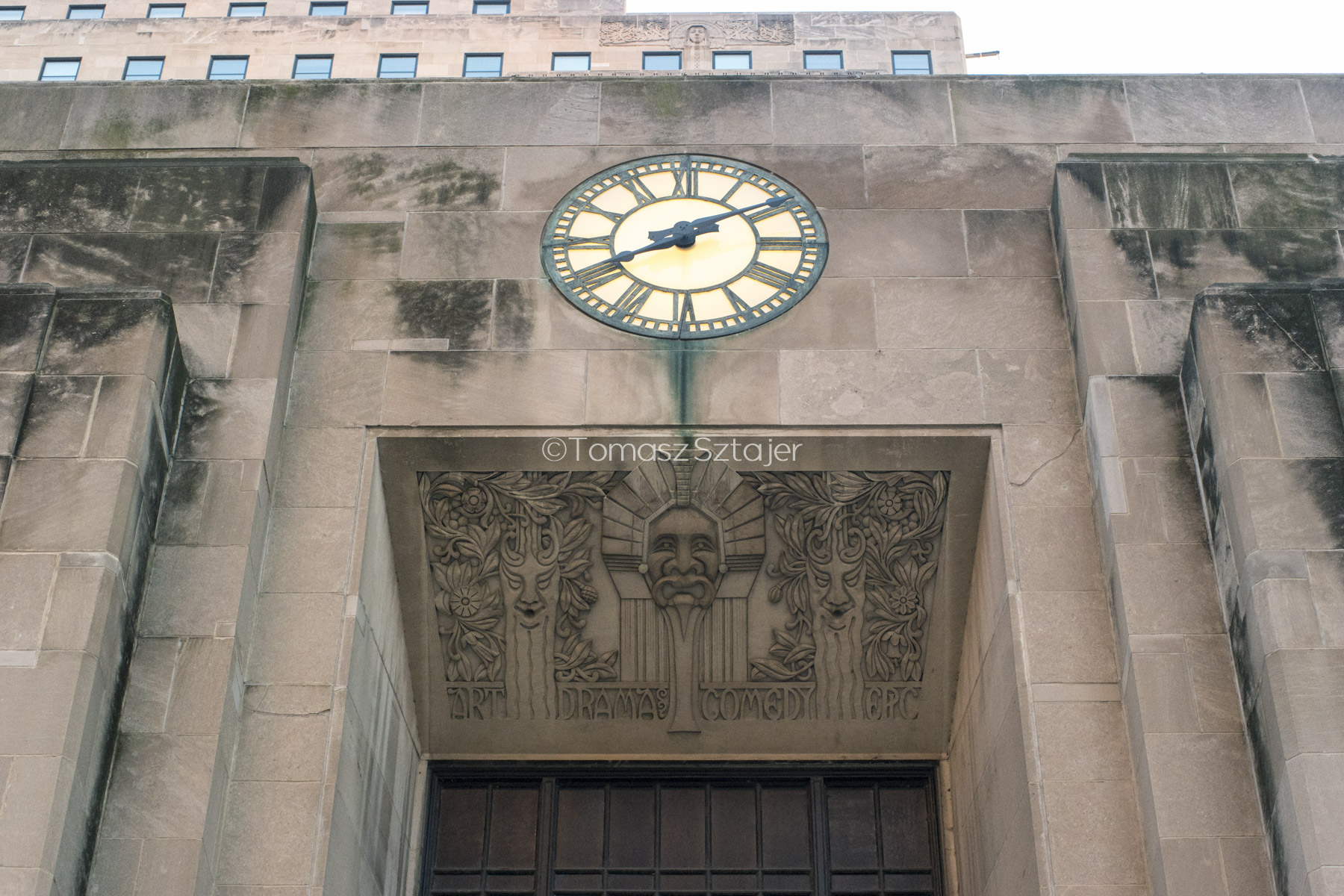
Art deco here and there
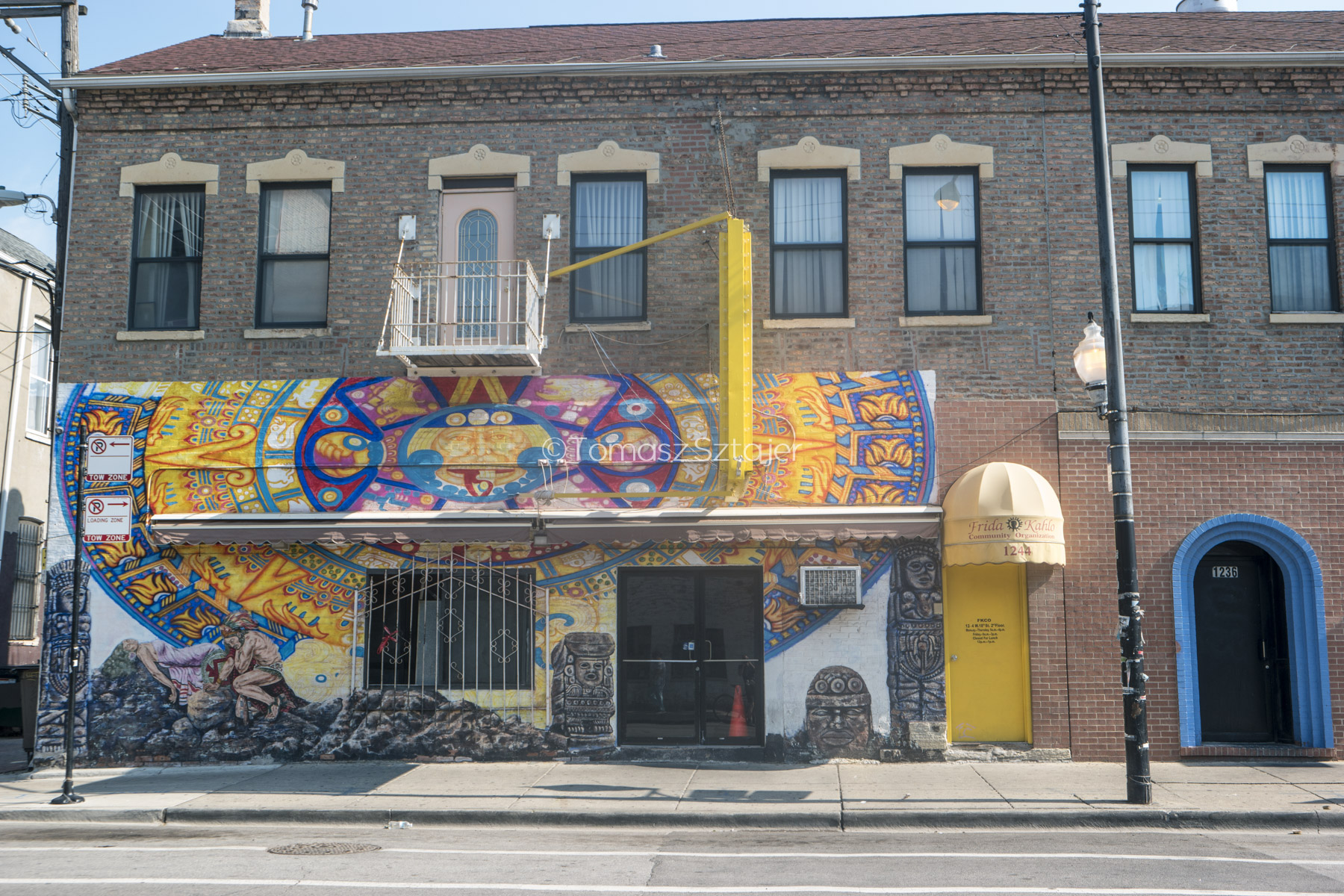
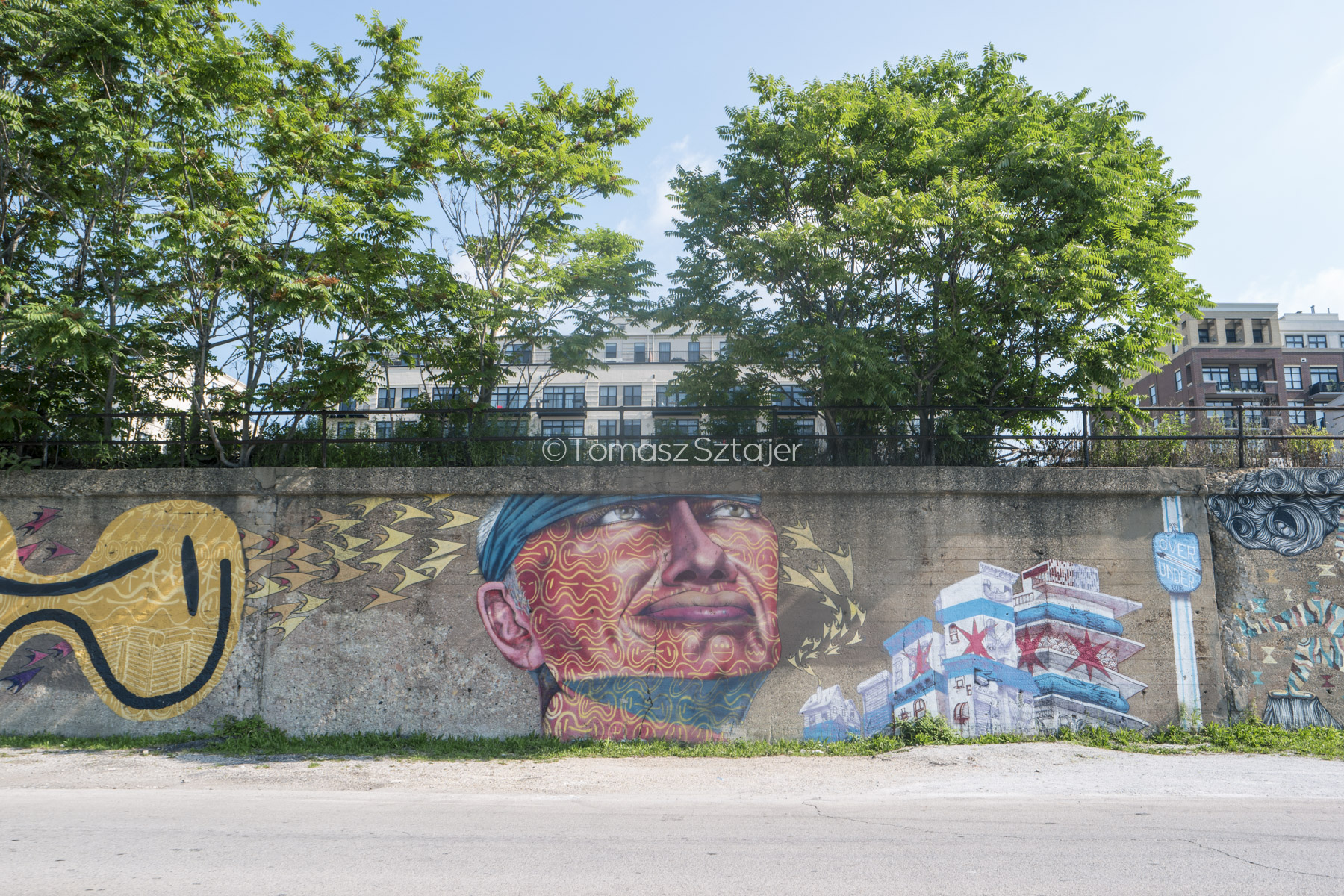
Arty suburbs
Arty suburbs
Arty suburbs
Arty suburbs
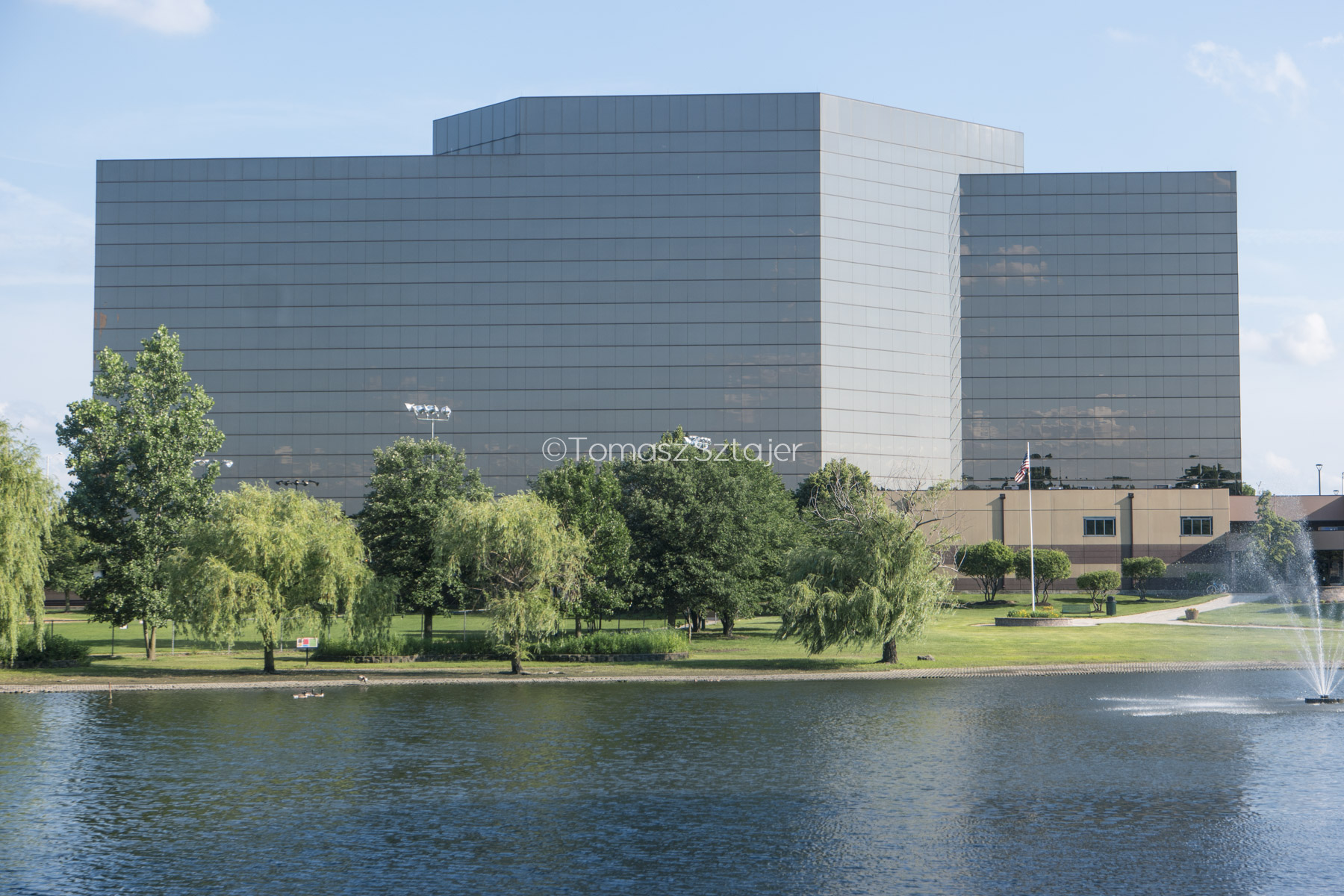
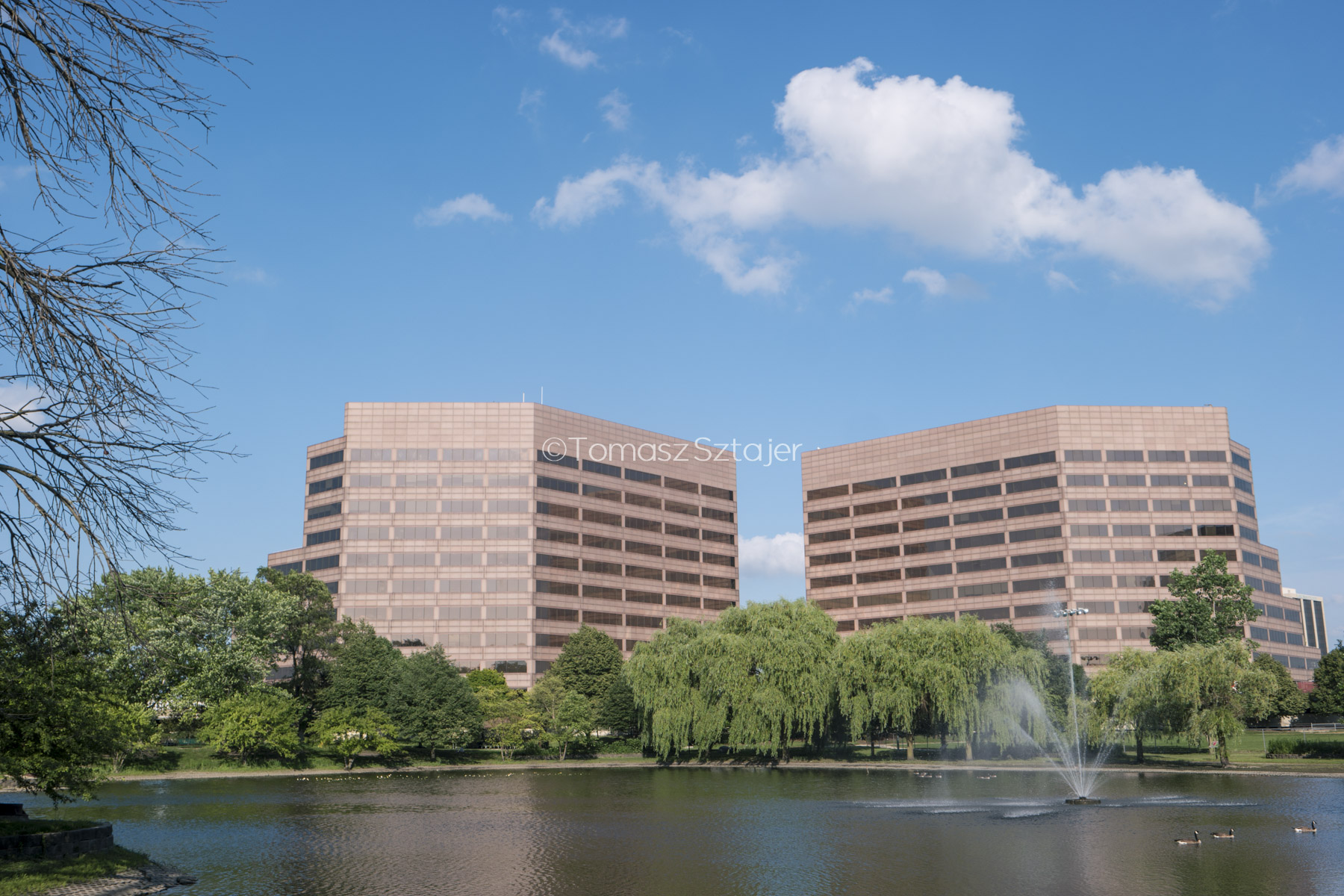
Suburbs
Suburbs
Suburbs
Suburbs
Suburbs
Suburbs
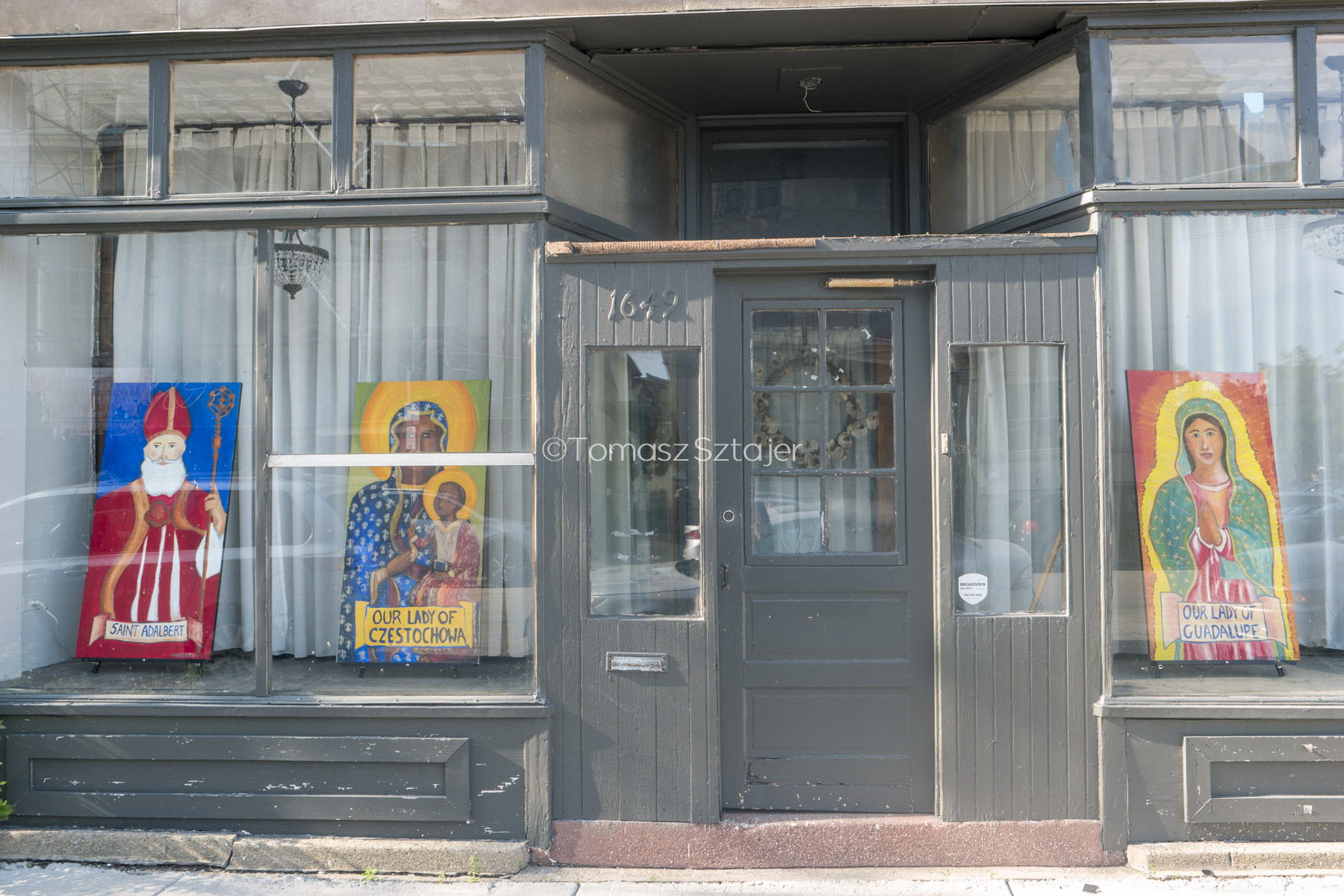
Some Polish details
Polish church
Opposite Polish church
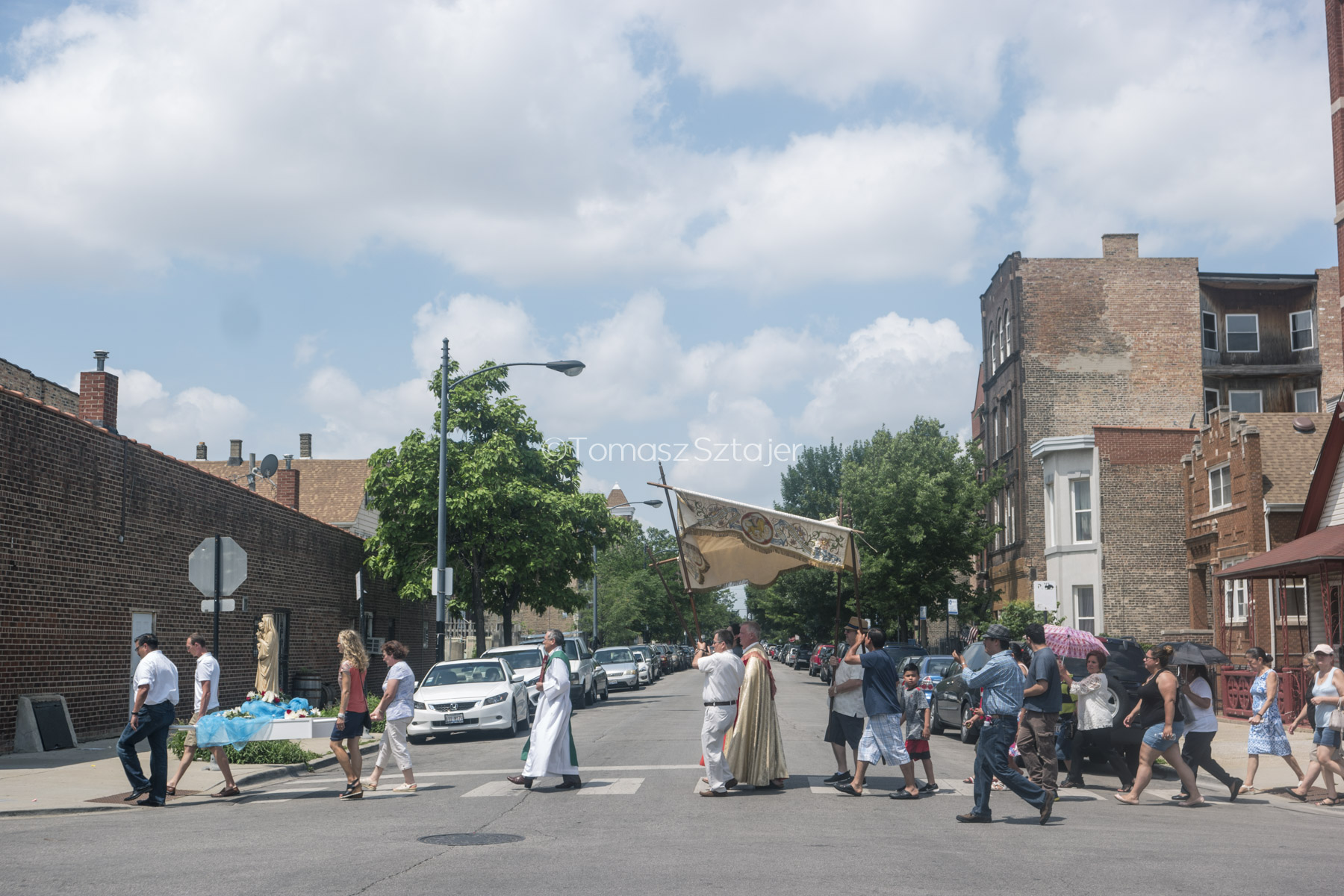
Closing a church in a Polish neighbourhood – a sad ceremony
Mount Rushmore & Crazy Horse:
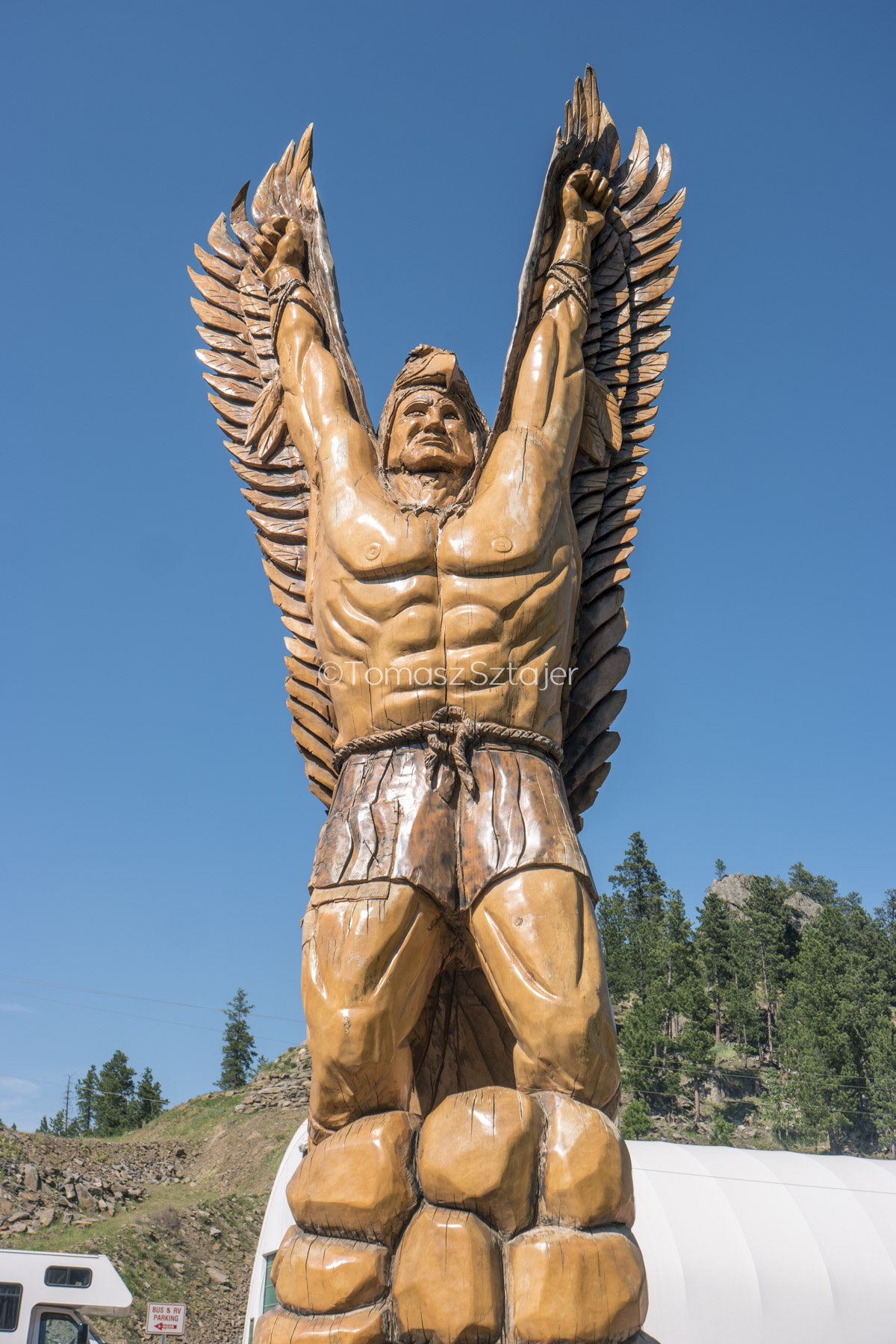
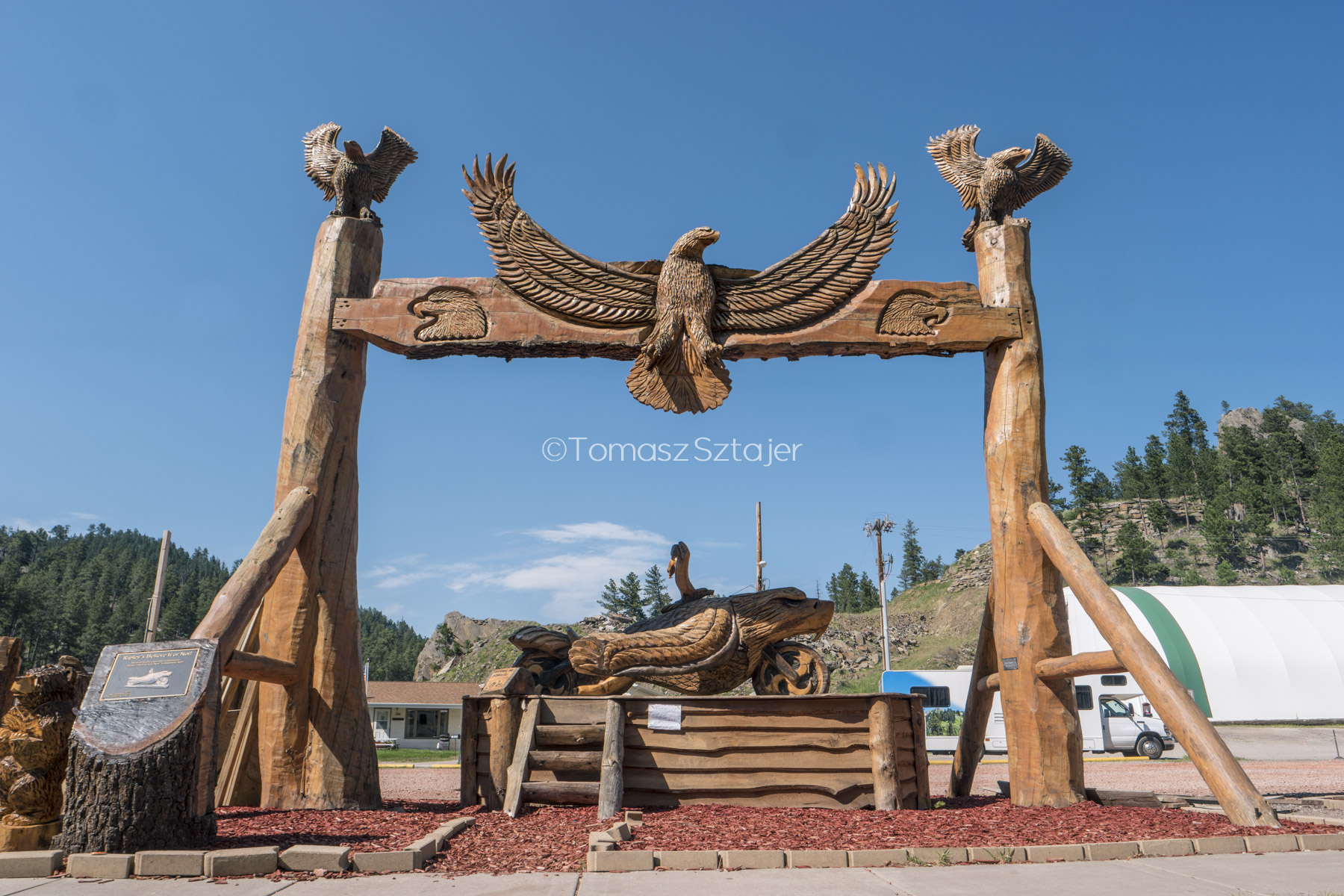
Crazy Horse Memorial – the project started by Korczak Ziółkowski
On the way to Mount Rushmore
Mount Rushmore
Mount Rushmore
In Rapid City
In Rapid City
In Rapid City
In Rapid City
Glacier National Park // Park Lodowcowy:
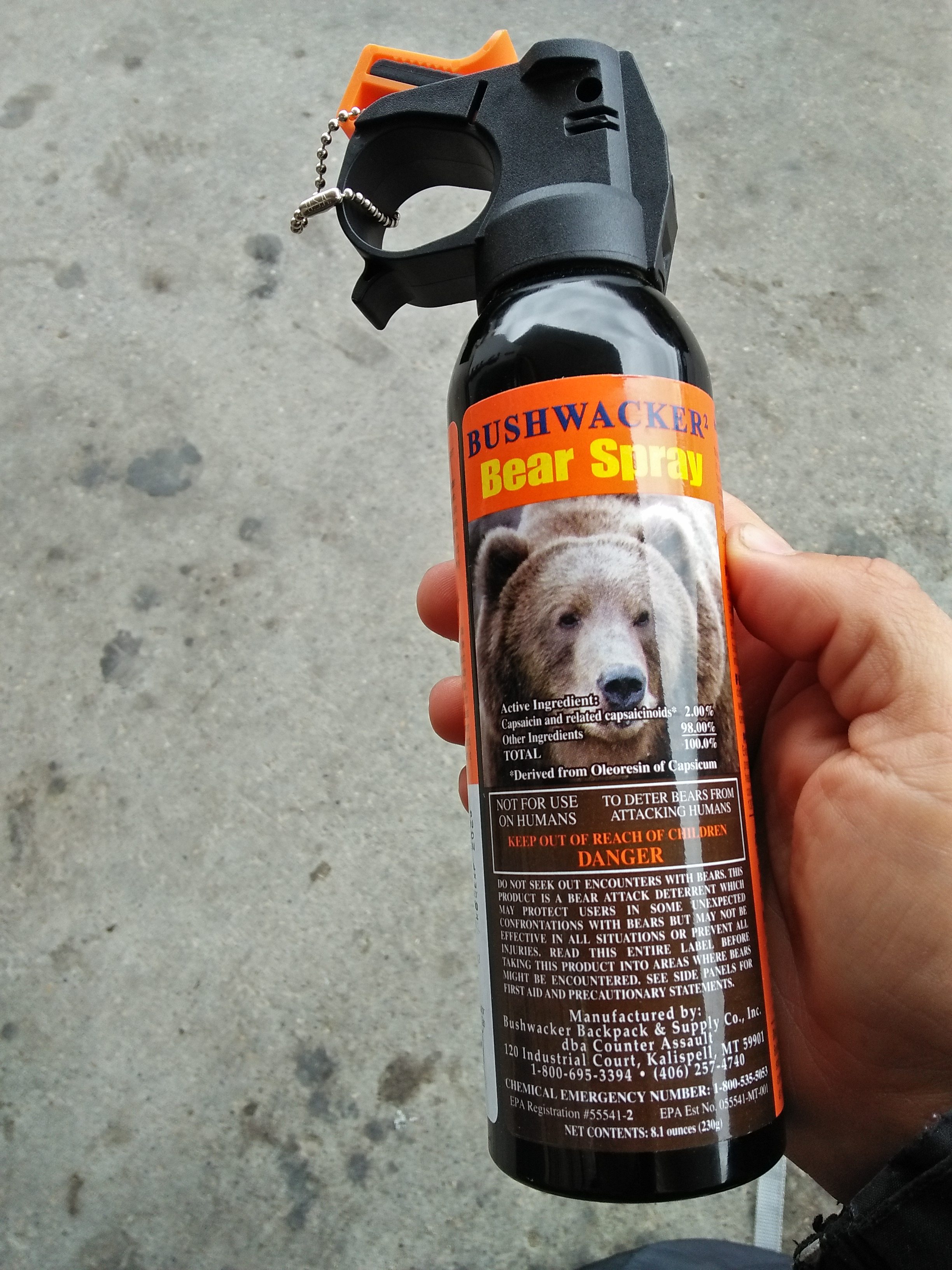
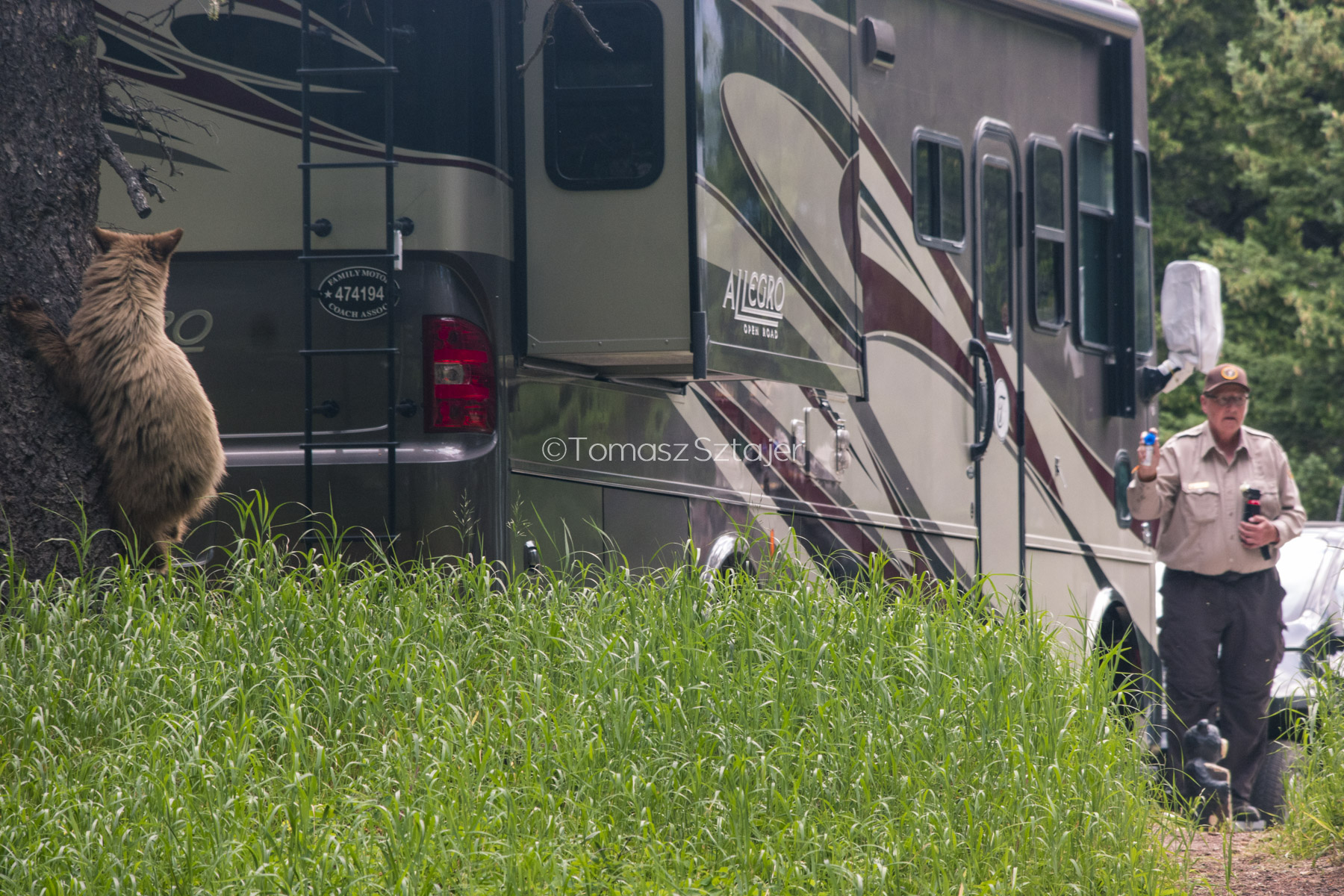
Bear spray – you definitely want to have one with you in the park… But you also don’t want to be in a situation when you have to use it.
My trip to South Africa was more of a time-travel as I was visiting a friend from long ago, hence this time I did not experience awesome wildlife and exoticism etc. but I think I will make up for it next time I visit this country:)
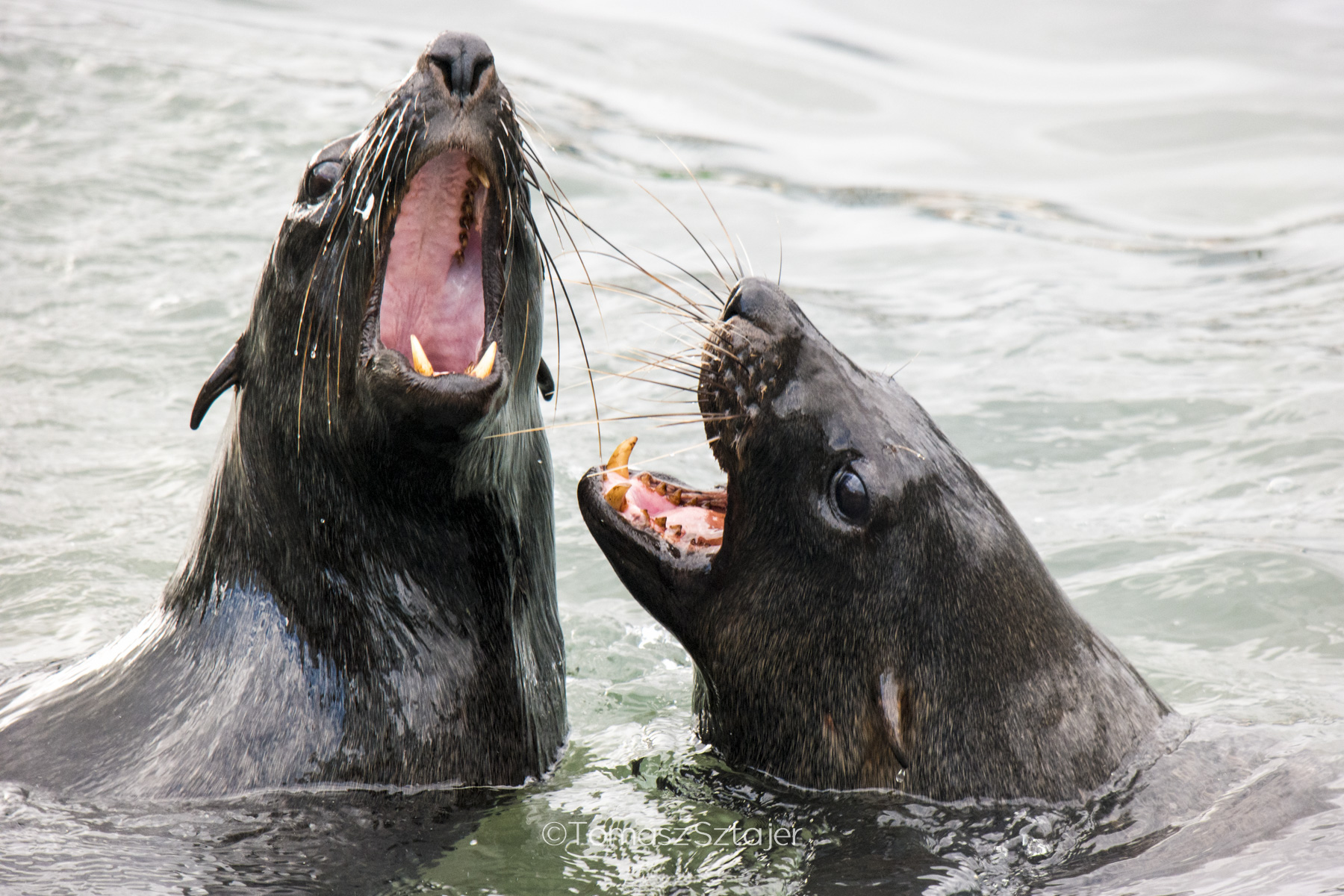
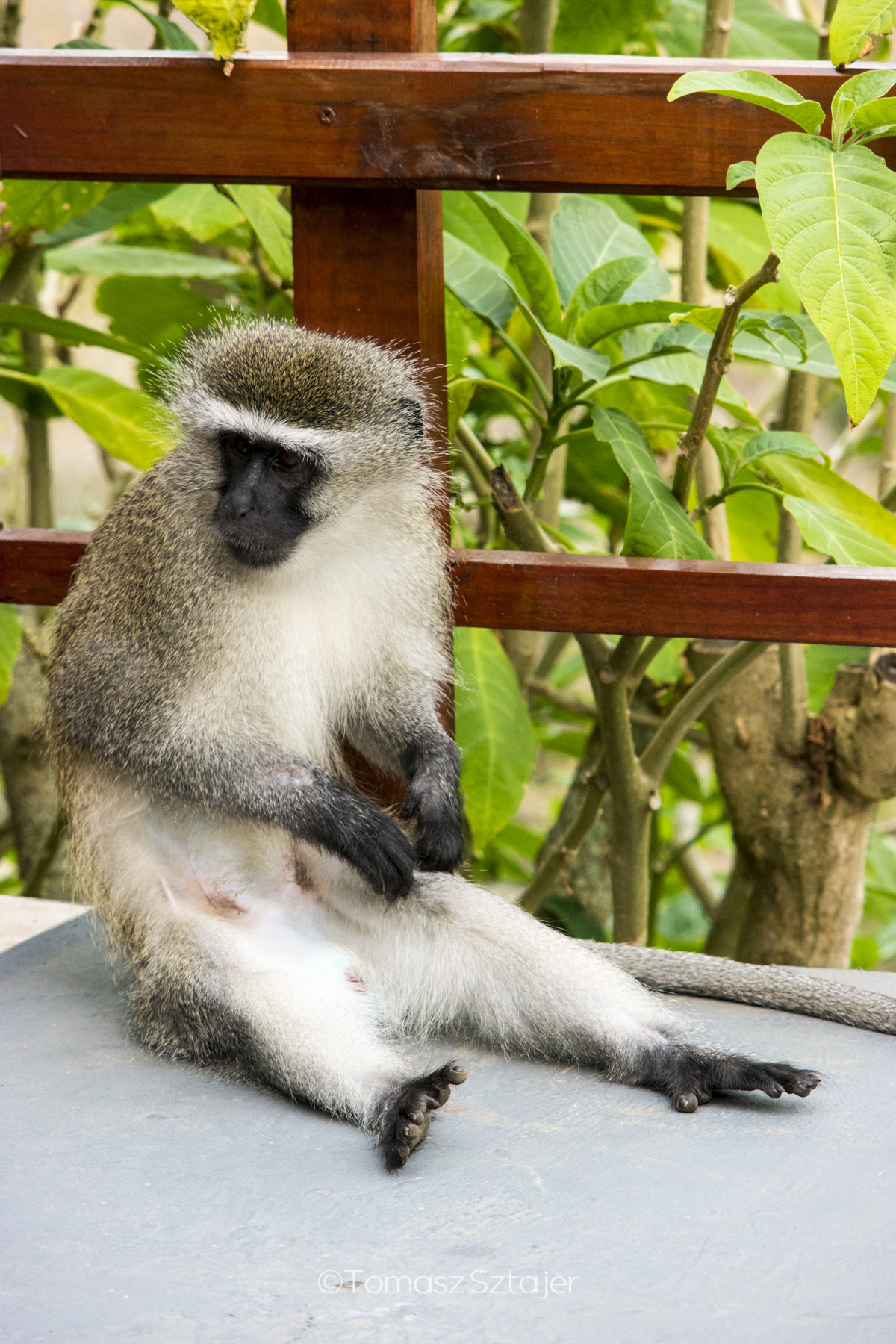
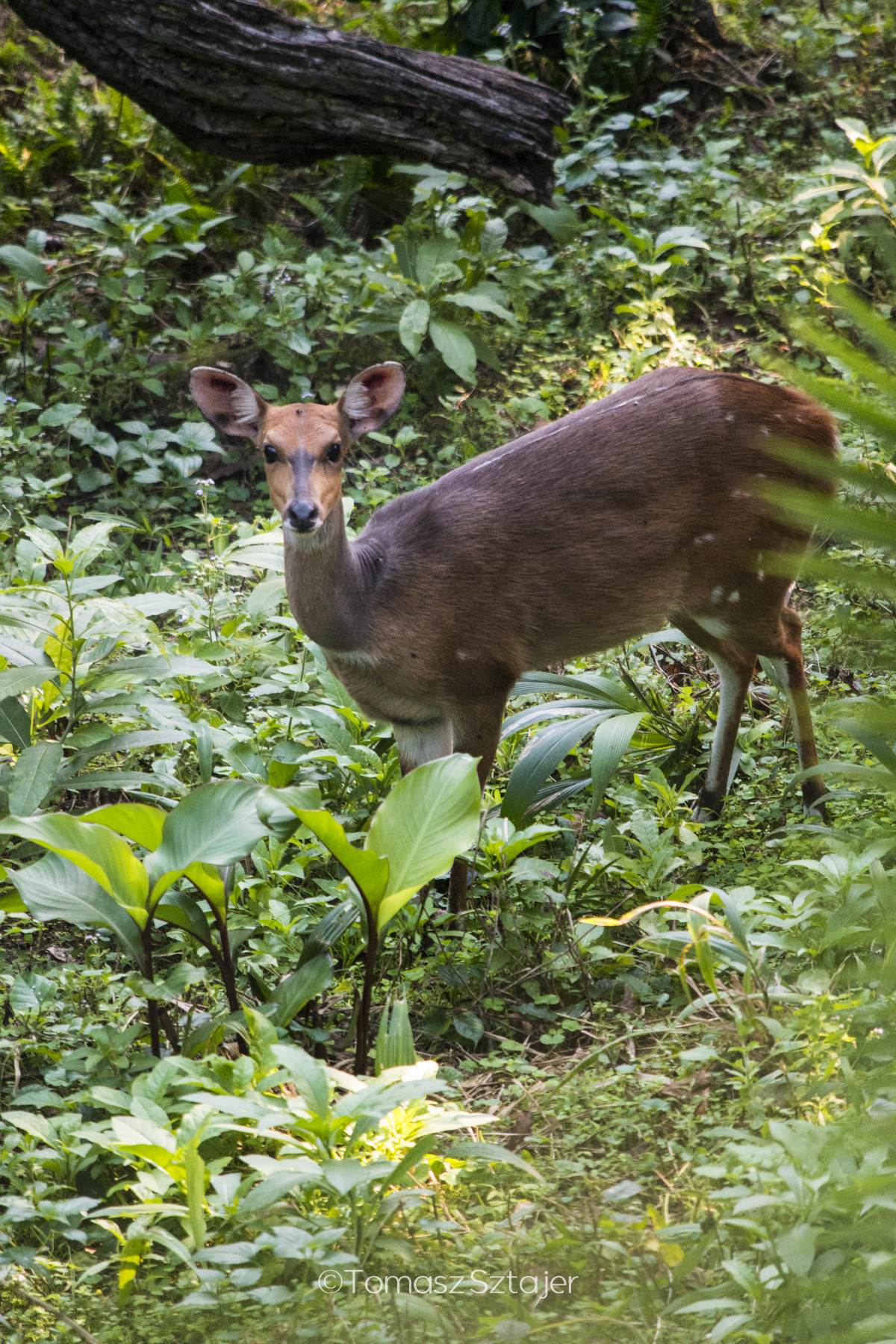
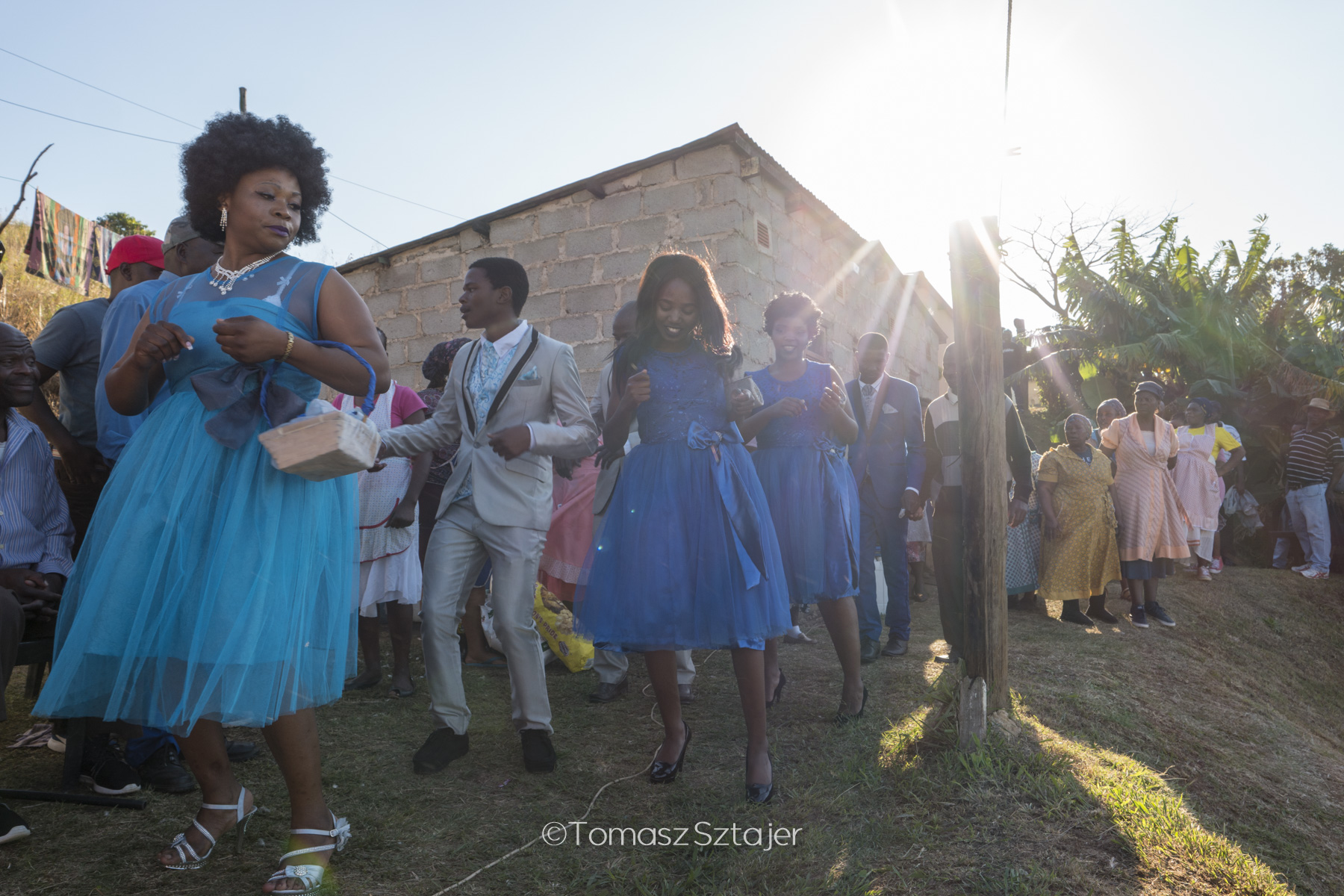
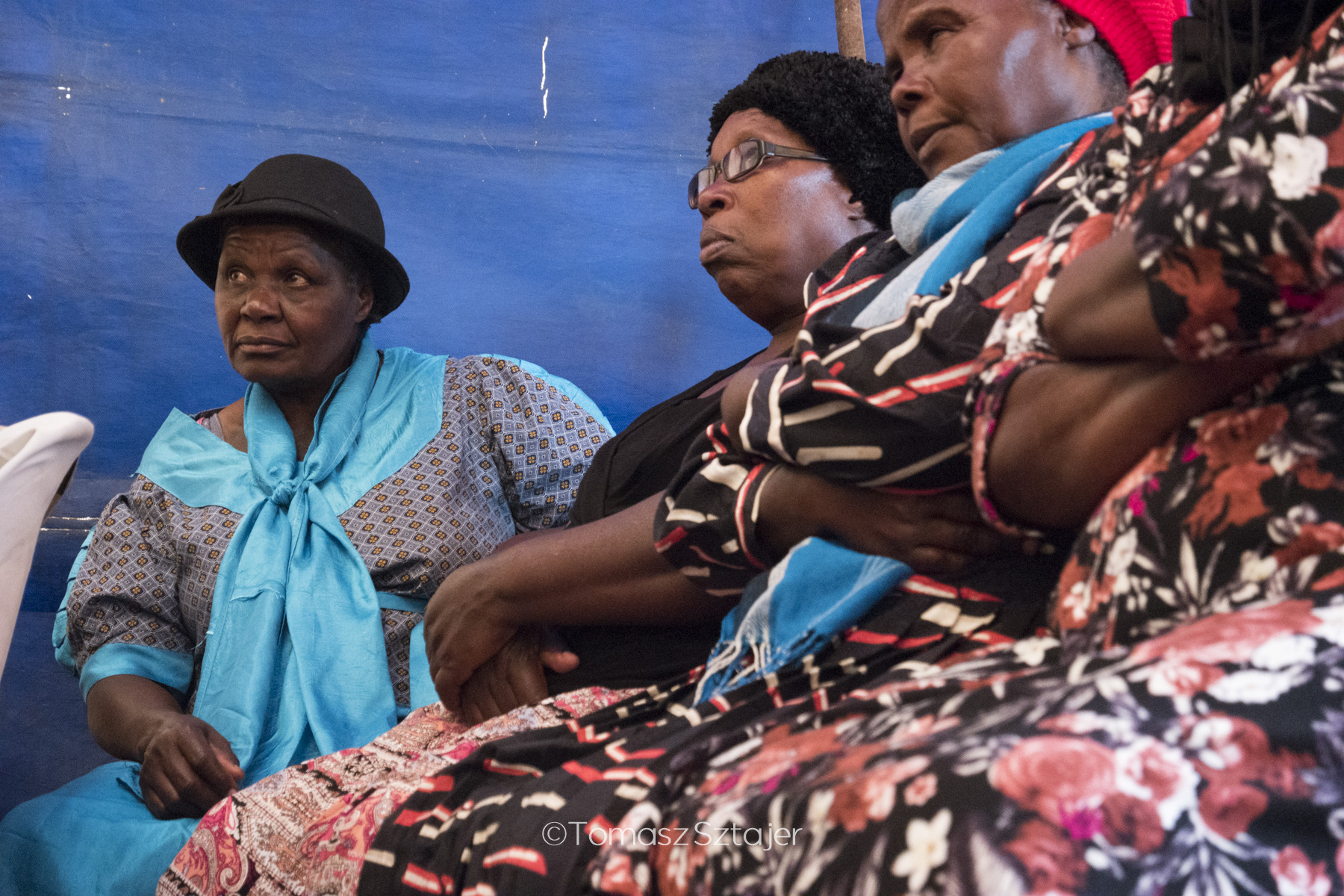
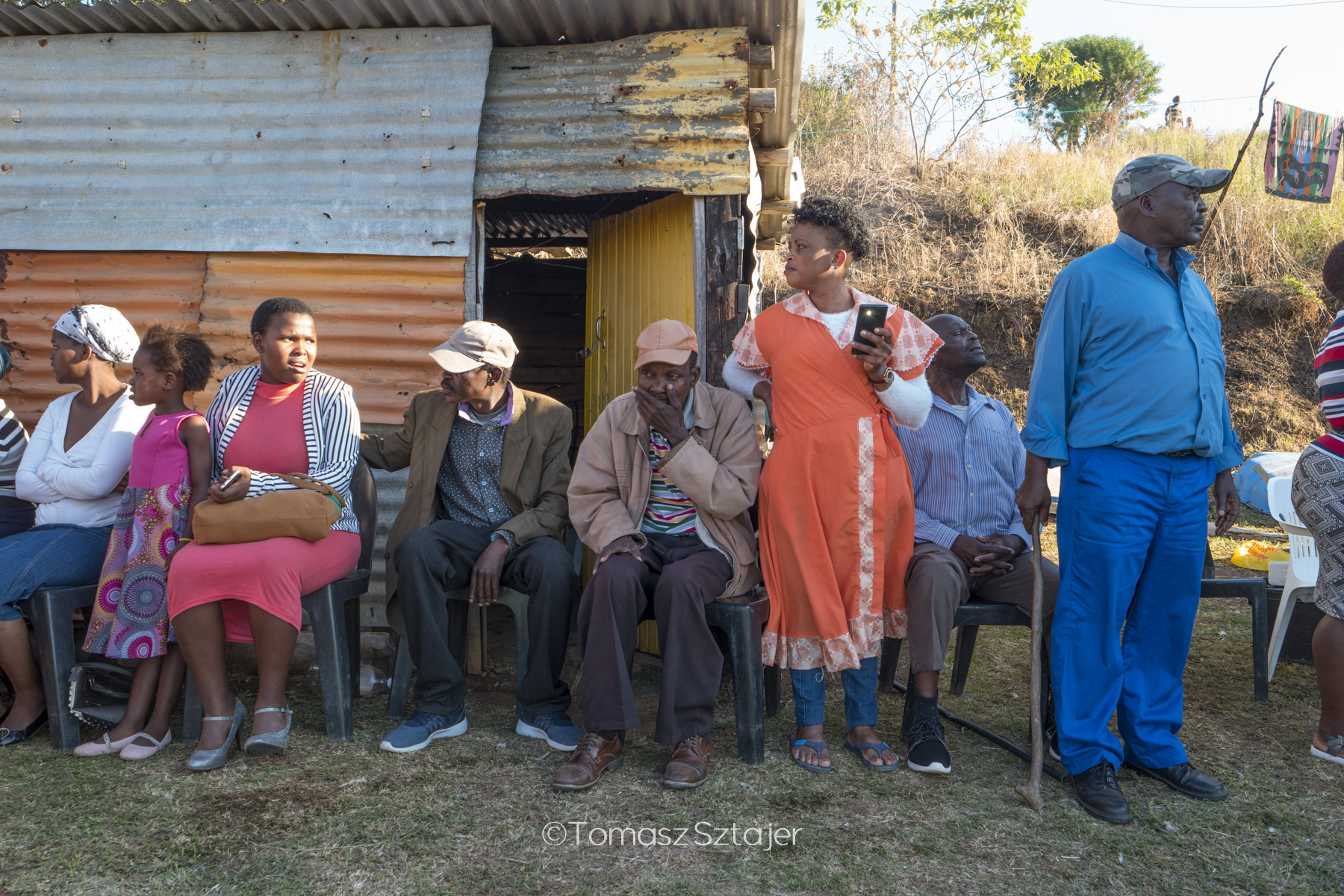
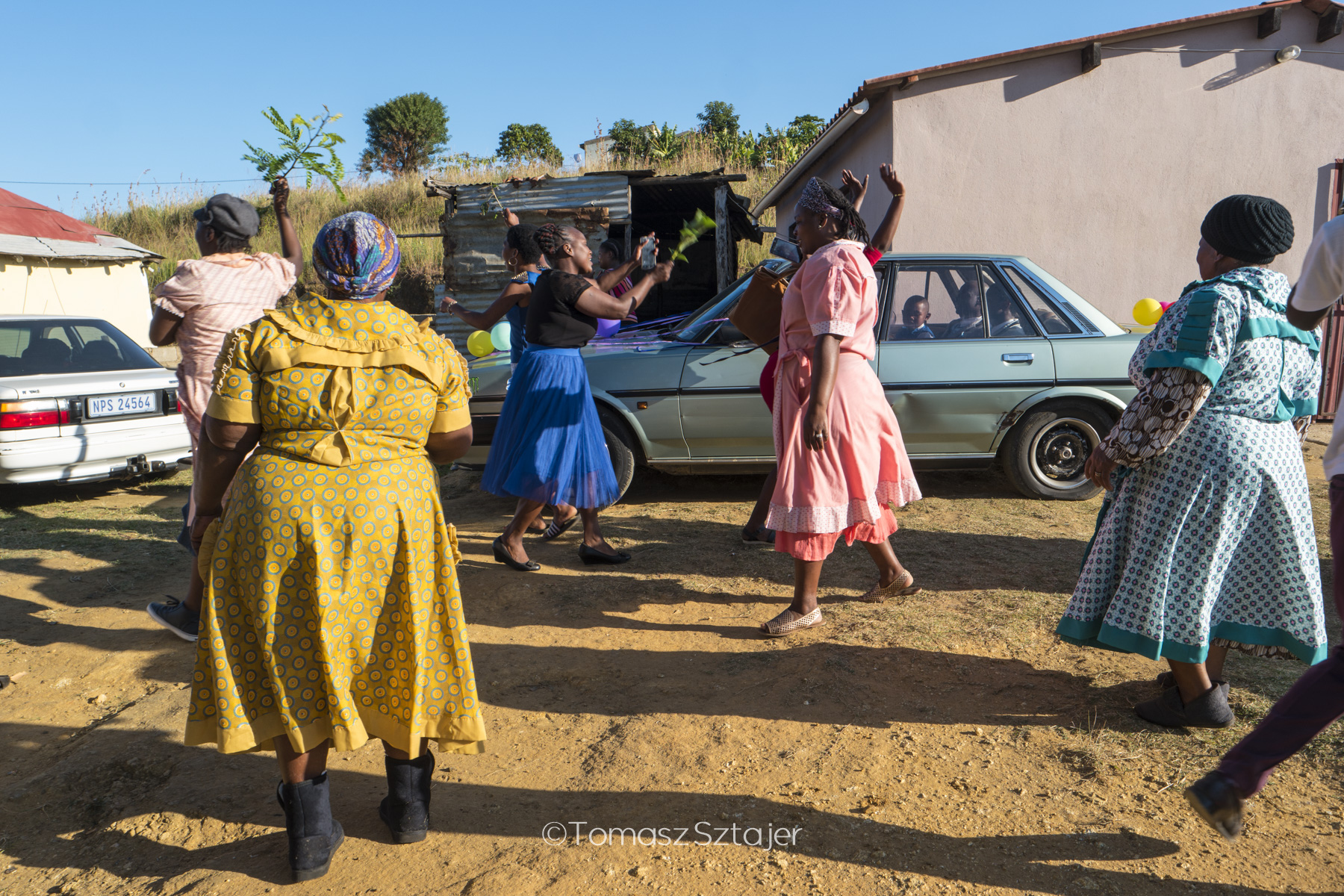
This time, though, while in SA (Hibiscus Coast and around Cape Town mostly) I managed to spot some semi-exotic and semi-wild wildlife – deers of all sorts, monkeys, seals and penguins… And I also met some interesting people – stoned and talkative employees and guests of a hostel in Cape Town, buskers, small time crooks and muggers, a Polish priest, Mrs Irena (aged 90+) with lots of stories about her soviet era deportation, I was lucky enough to take part in Zulu wedding (I was called as an emergency cameraman as the local “videofilming” company failed to deliver)… All in all, a fruitful trip, with lots of things to think about, especially regarding interracial relations. I keep processing that issue in my head and I still can’t understand how people manage to live in such isolation – the whites are desperately scared of the blacks and – if they can only afford it – they enclose themselves with high walls surrounding their mansions and keep complaining every time they need to to deal with the blacks (whose accommodation standards are much lower) for whatever reason, which doesn’t stop them from hiring them as housemaids and handymen …and complaining constantly about the quality of their service. You have black and white people standing in separate queues to get to the doctor, with separate waiting rooms – and guess which waiting room has a higher standard? On the other hand, the government is favoring black people in universities and manager posts – which seems to be not working out so great for the economy. And everybody is afraid of going out in the evening due to high crime rates… Everybody was warning me about it but luckily I had no such experience… Except for my very last day when I was flying out from Cape Town. There were some crooks around trying to convince me to visit an ATM together. And one desperate fellow that walked up to me in plain sight trying to extort money from me telling me “not to force him to become a criminal, I have two kids etc.” I heard this kind of phrasing elsewhere, too: there are all sorts of local entrepreneurs trying to blackmail tourists by telling them that if they weren’t selling these bottles of water or training those seals, they would turn criminals. And a sensitive white tourist wouldn’t want such a bad thing to happen to the local, right?
***
Moja podróż do RPA była bardziej podróżą w czasie, bo odwiedzałem starego znajomego, zatem tym razem nie zaliczyłem ekstremalnych wrażeń związanych ze spotkaniami z wielkim zwierzem i egzotyką itp., ale myślę, że nadrobię to przy okazji następnej wizyty:)
Tym razem, podczas pobytu w RPA (głównie Hibiscus Coast i okolice Cape Town) udało się zobaczyć umiarkowanie dzikie zwierzęta – jelenie różnego typu, małpy, foki i pingwiny… Poza tym spotkałem parę ciekawych osób – wiecznie upalonych i rozgadanych pracowników i gości hostelu w Cape Town, ulicznych muzyków, oszustów i oszuścików, polskiego księdza, Panią Irenę (90+) wspominającą radzieckie czasy zesłania i tułaczki po świecie, zakończonej zakotwiczeniem w RPA, miałem okazję uczestniczyć w zuluskim weselu (które awaryjnie dokumentowałem, bo lokalna firma “videokamerująca” nawaliła)… Ogólnie, owocny wyjazd, z materiałem do przemyśleń, zwłaszcza w zakresie stosunków międzyrasowych. Wciąż mielę ten temat w głowie i wciąż nie pojmuję, jak ludziom udaje się żyć w takiej izolacji – biali trzęsą portkami przed czarnymi i – jeśli tylko mogą – zamykają się w rezydencjach, ogrodzonych wysokimi murami i narzekają przy każdej okazji, gdy muszą coś załatwić z czarnymi (którzy mieszkają zdecydowanie skromniej), co nie przeszkadza im zatrudniać ich w charakterze pomocy domowej, oczywiście przy ciągłym narzekaniu na jakość wykonywanej przez czarnych pracy. Do lekarza pacjenci ustawiają się w dwóch kolejkach – białej i czarnej, z osobnymi poczekalniami – i zgadnijcie, która z nich jest o wyższym standardzie? Z drugiej strony rząd stara się faworyzować czarnych przy przyjmowaniu na studia a także przy obsadzaniu wszelkich stanowisk kierowniczych, co ponoć nie odbija się zbyt korzystnie na stanie gospodarki. Wszyscy za to boją się chodzić po zmroku, ze względu na wszechobecną przestępczość… Przed przestępczością byłem ciągle i przez wszystkich ostrzegany, całe szczęście udało mi się uniknąć problemów – poza dosłownie ostatnim dniem przed wylotem, spędzonym w Cape Town, gdzie paru cwaniaczków próbowało mnie namówić na wspólną wizytę w bankomacie a jeden typ próbował w biały dzień wydusić ode mnie pieniądze tekstem typu “nie zmuszaj mnie, żebym zrujnował sobie życie, stosując przemoc, mam dwójkę dzieci itd.”. Formułę tę słyszałem zresztą gdzie indziej, wiele osób próbuje wyciągać od turystów kasę, oświadczając, że gdyby nie to, co robi (sprzedaż wody, tresura fok itd.), to musiałby być przestępcą. A wrażliwy biały turysta nie chce przecież sprowadzać biednego miejscowego na złą drogę, prawda?
Bushbuck Lodge video:
Peter John Batho performing in the station:
Everyday visitor in the lodge
A frequent visitor
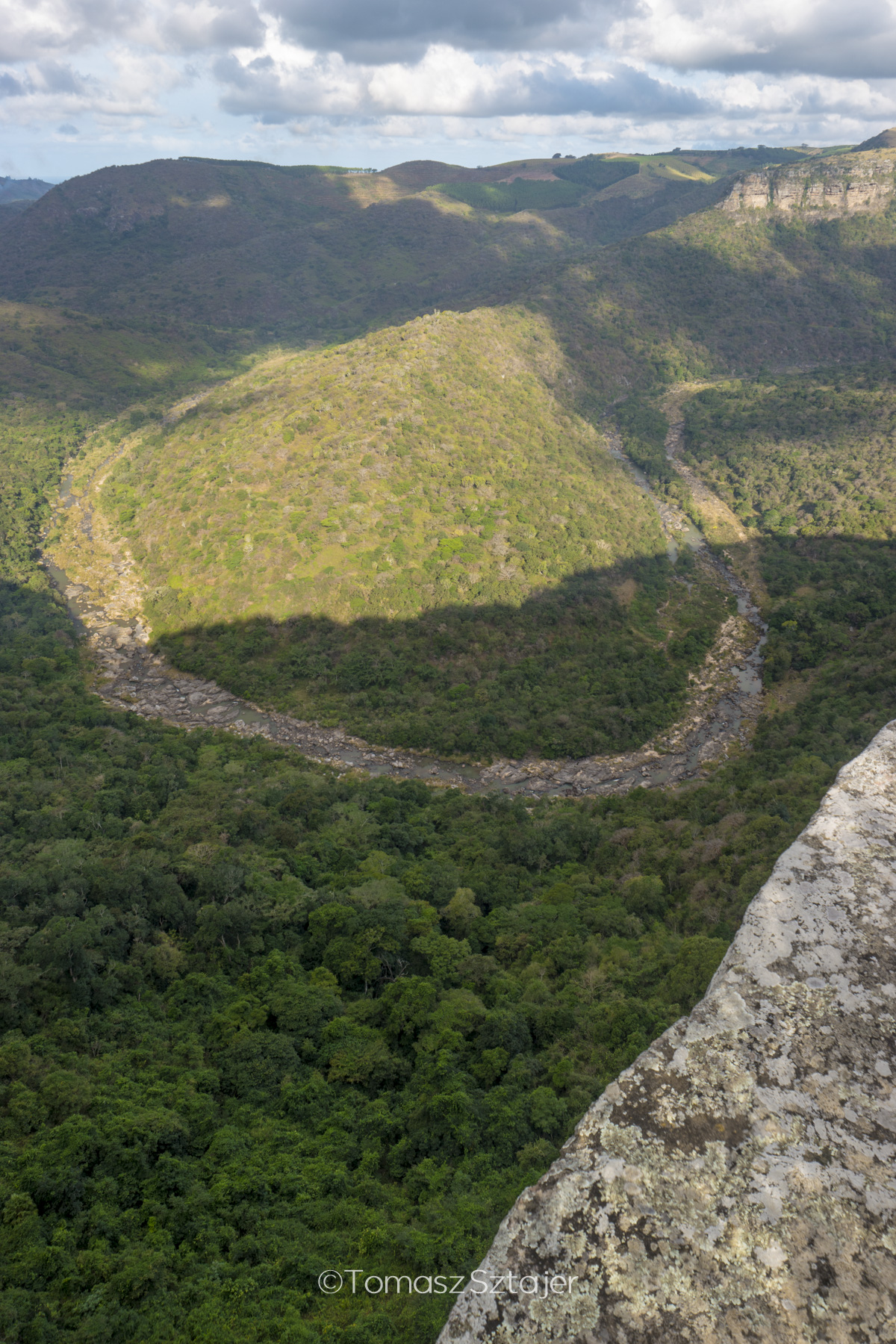
Oribi Gorge
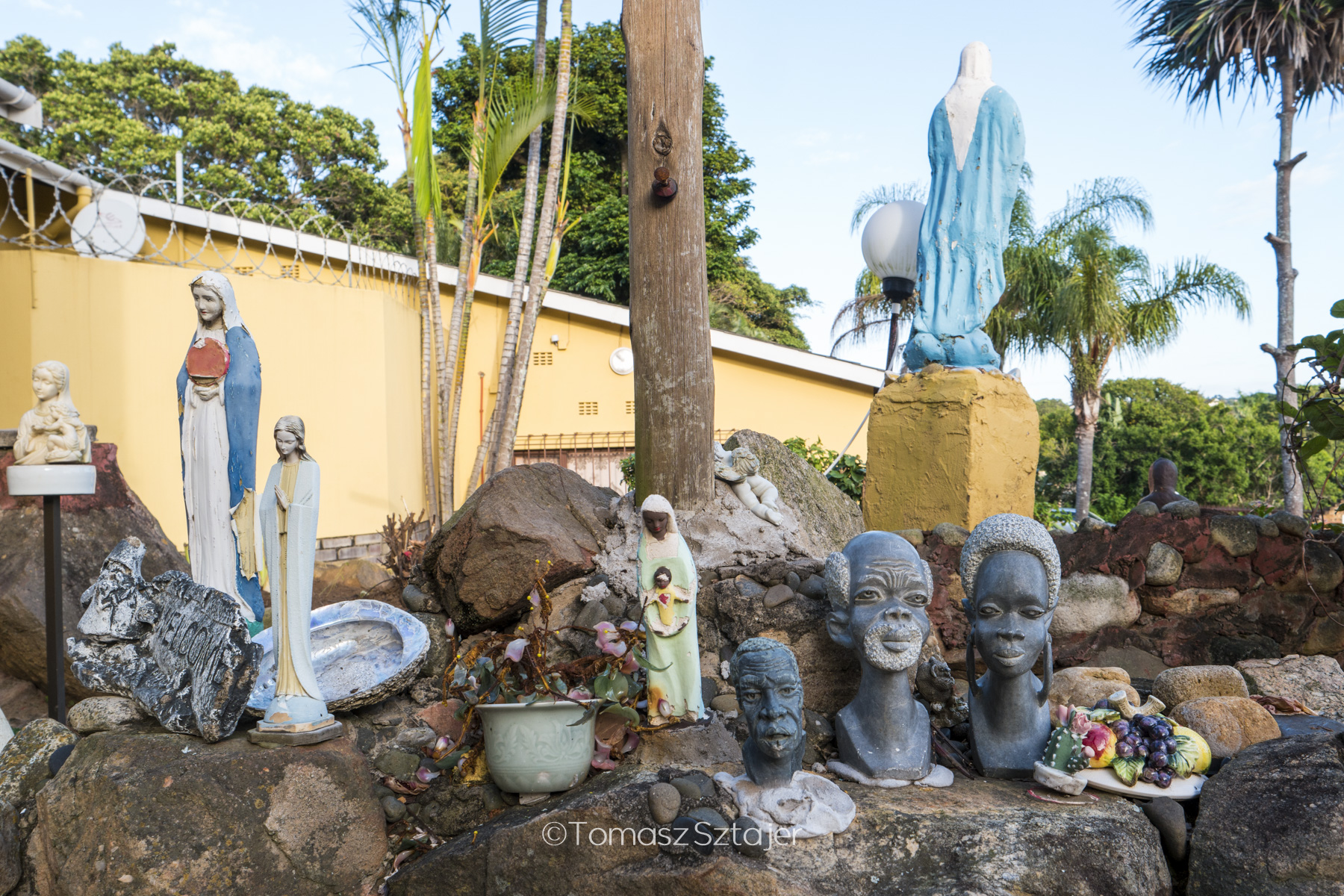
Local catholic church
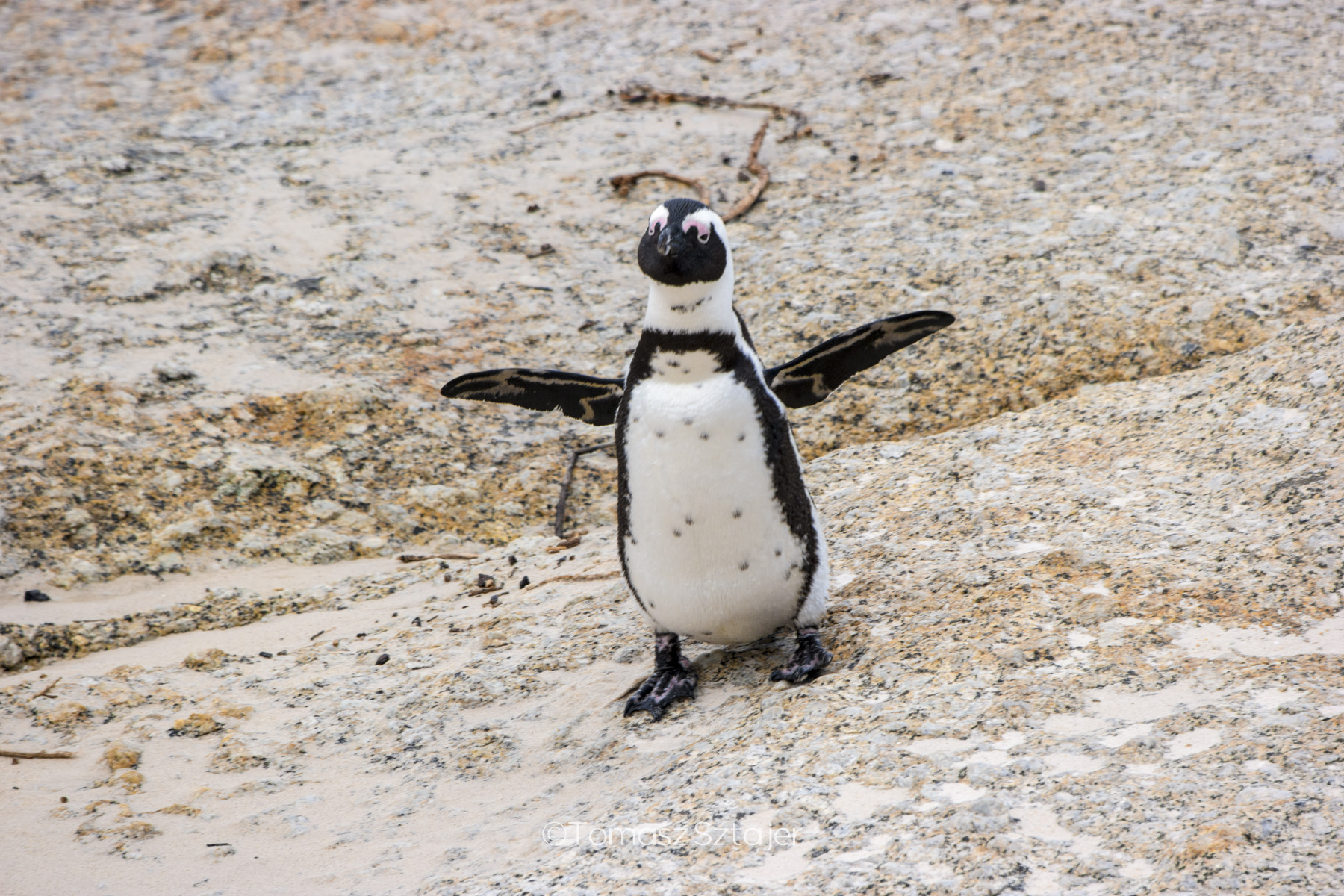
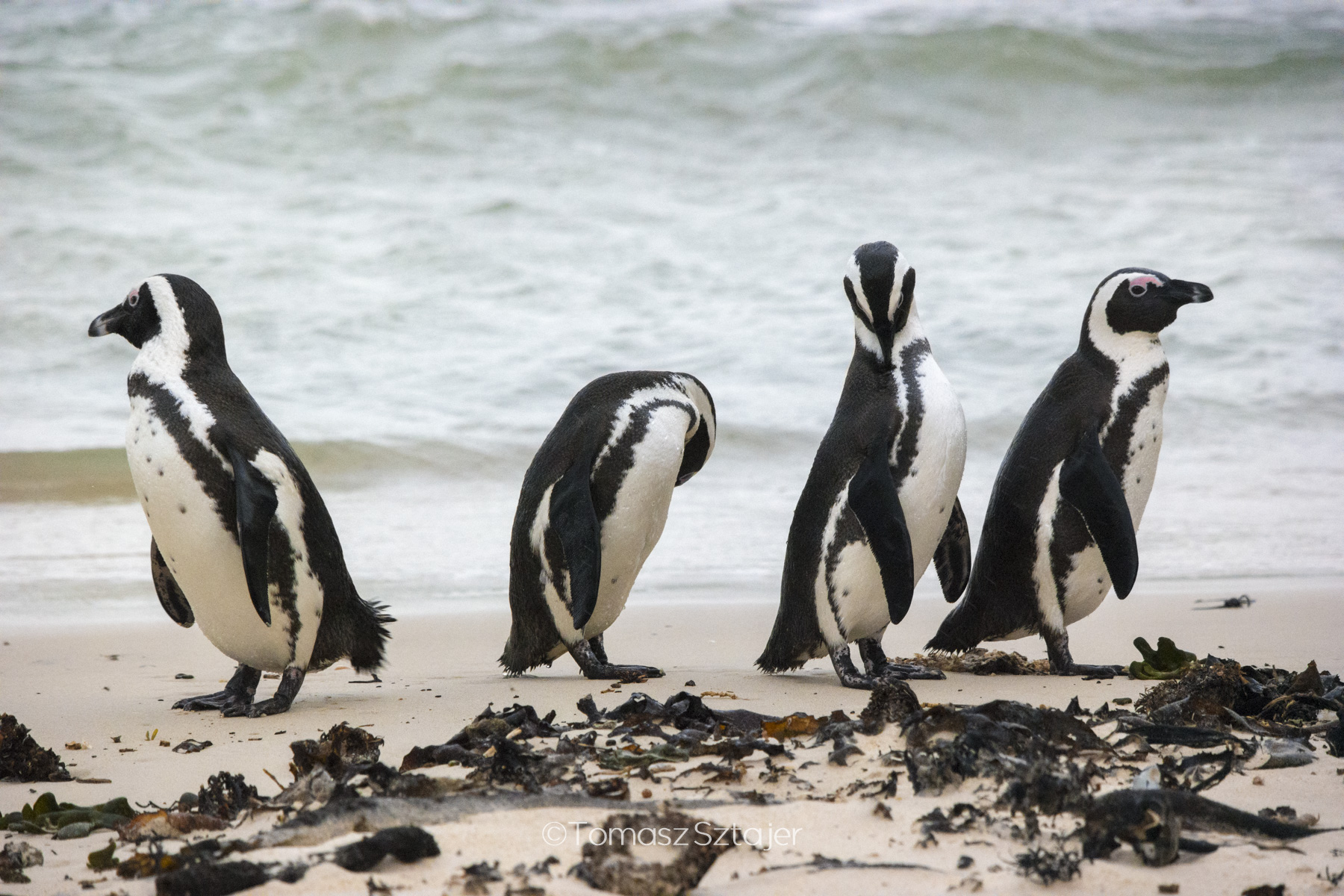
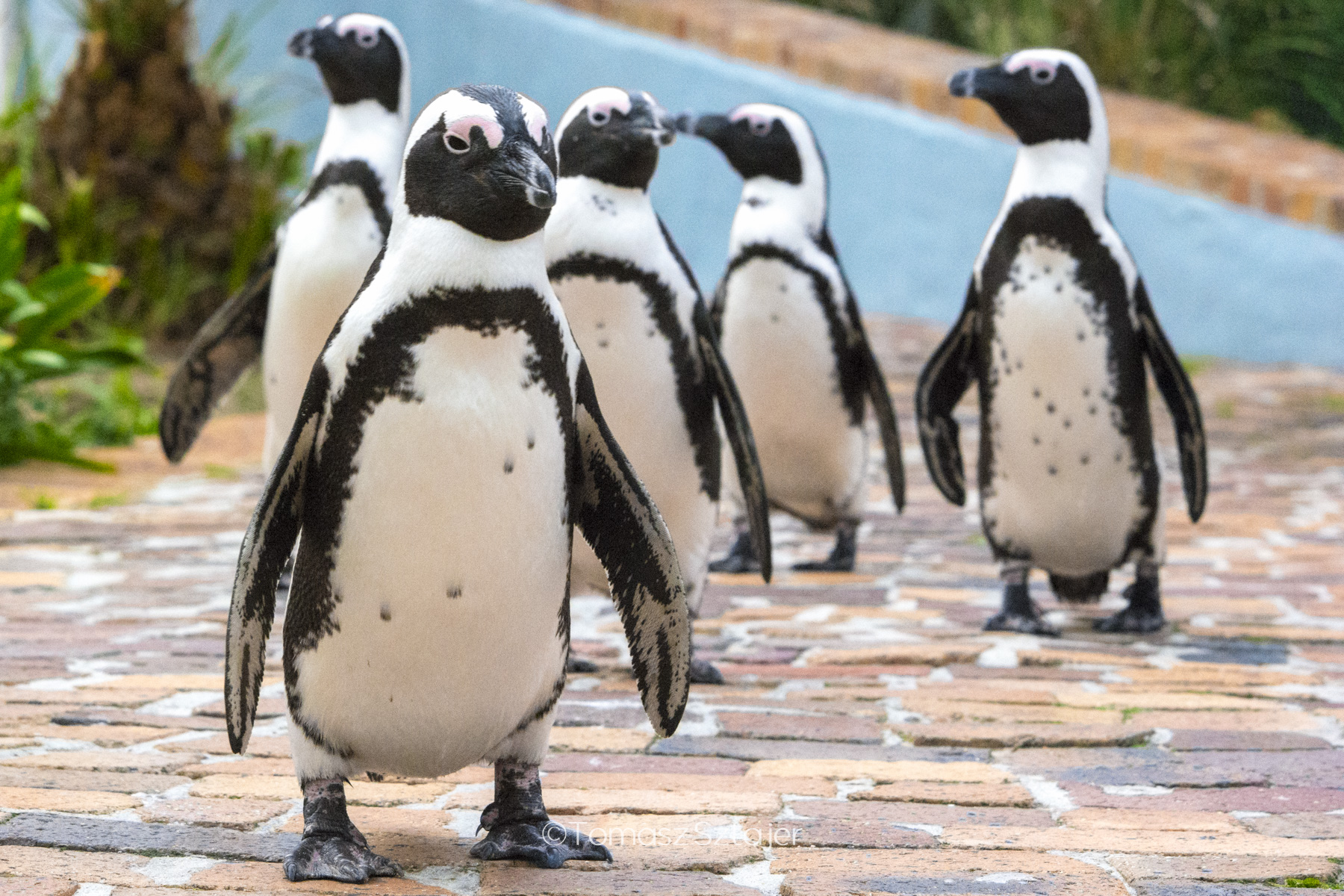
Penguins in Simon’s Town
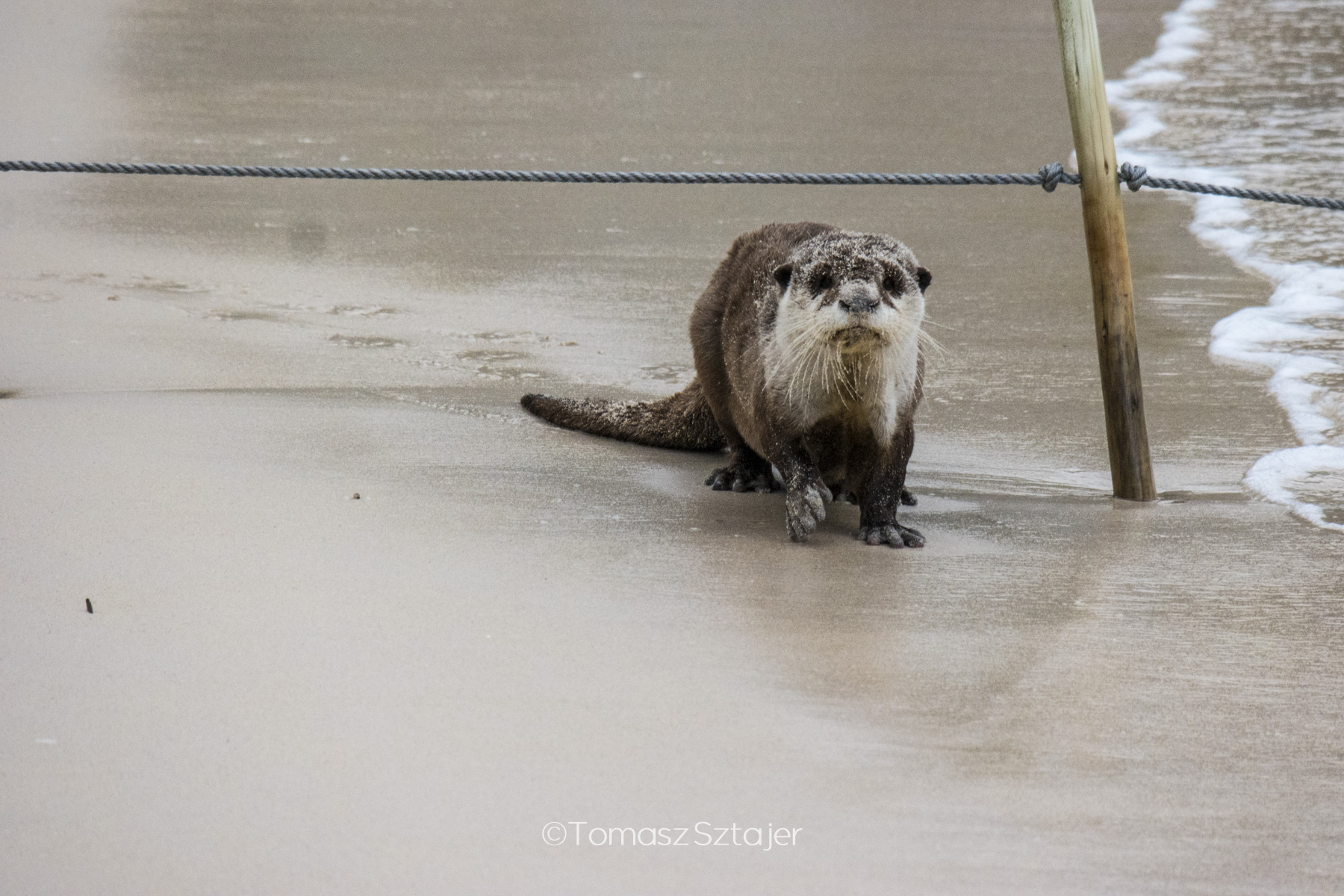
An otter in Simon’s Town
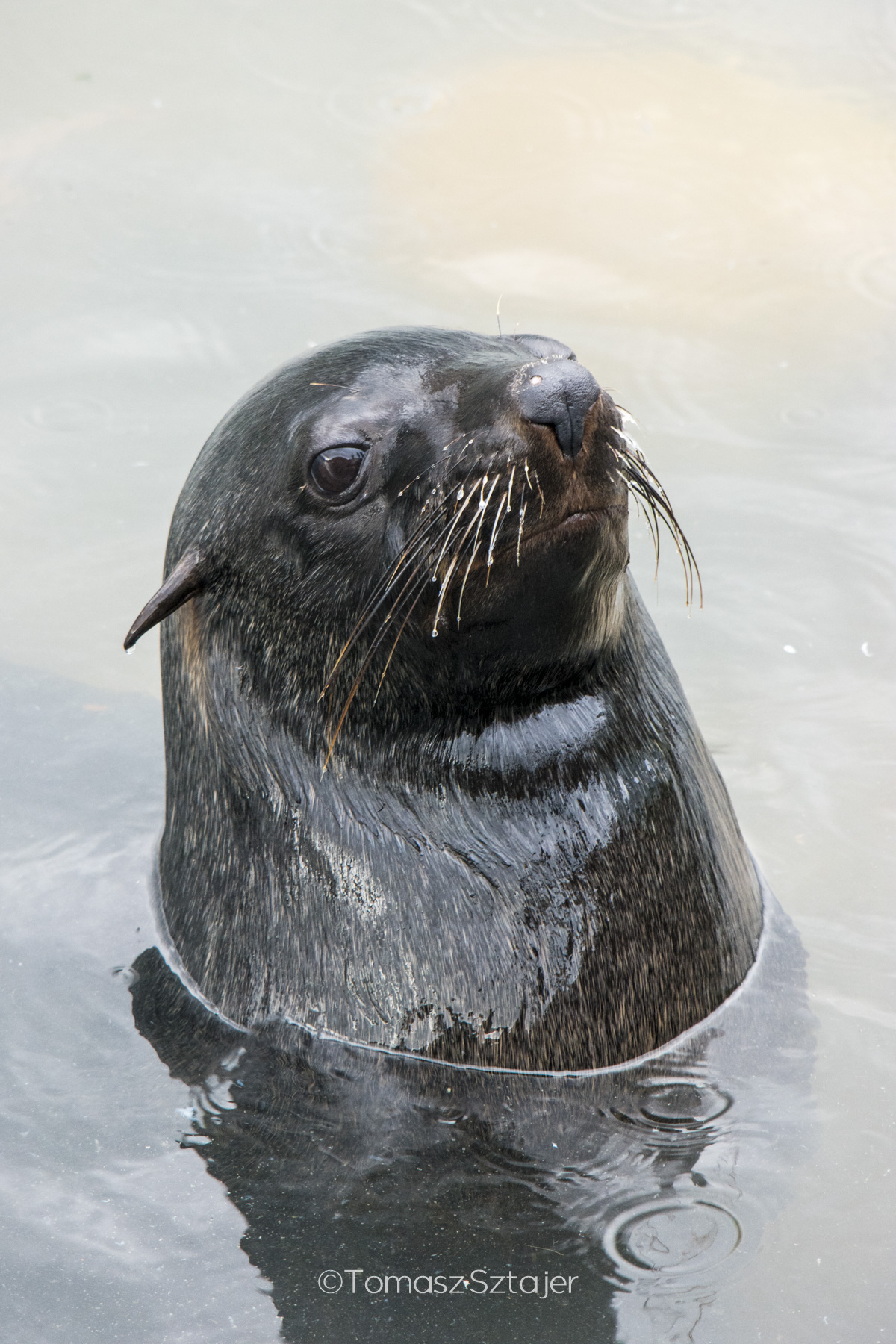
Seals in Hout Bay
Seals in Hout Bay
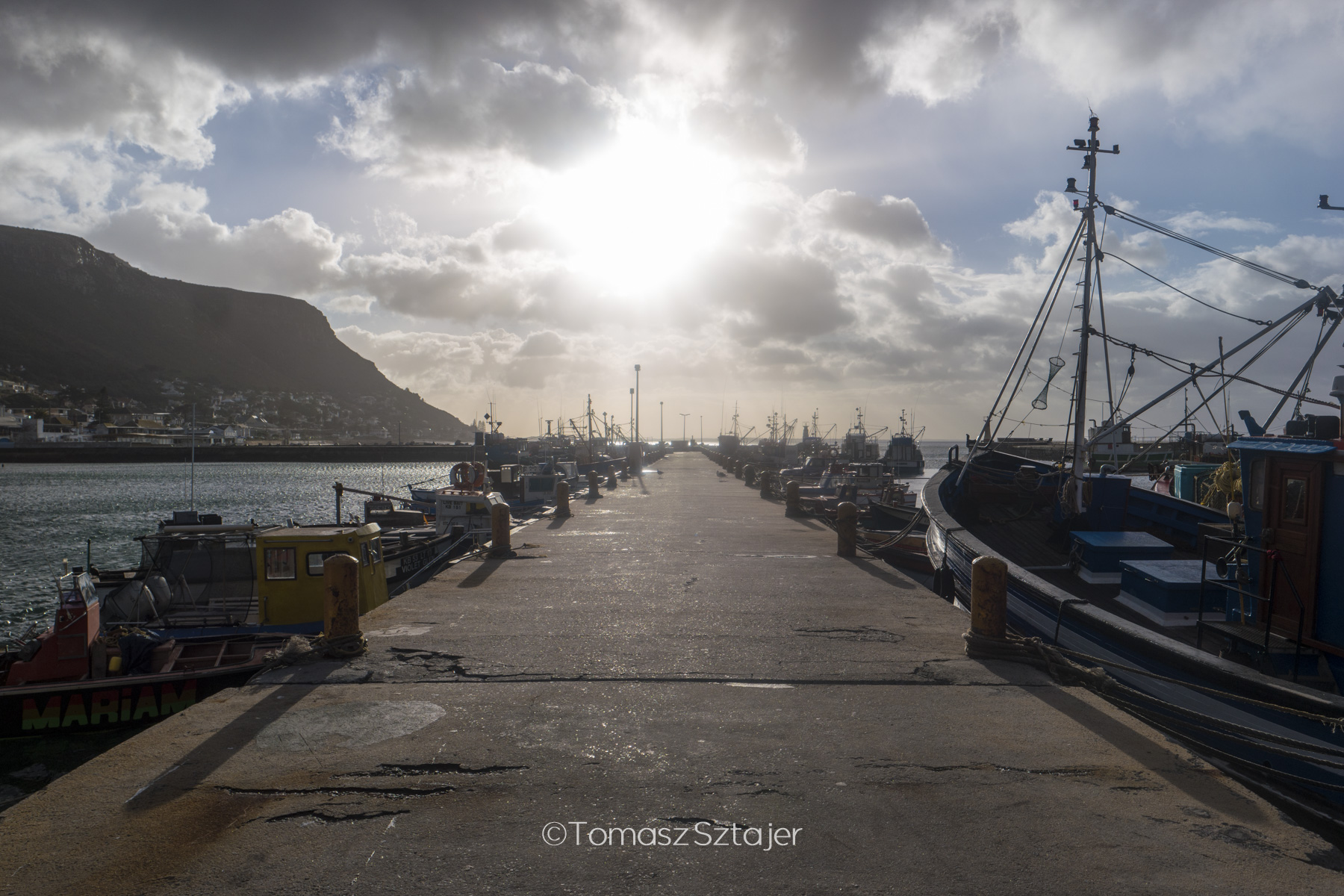
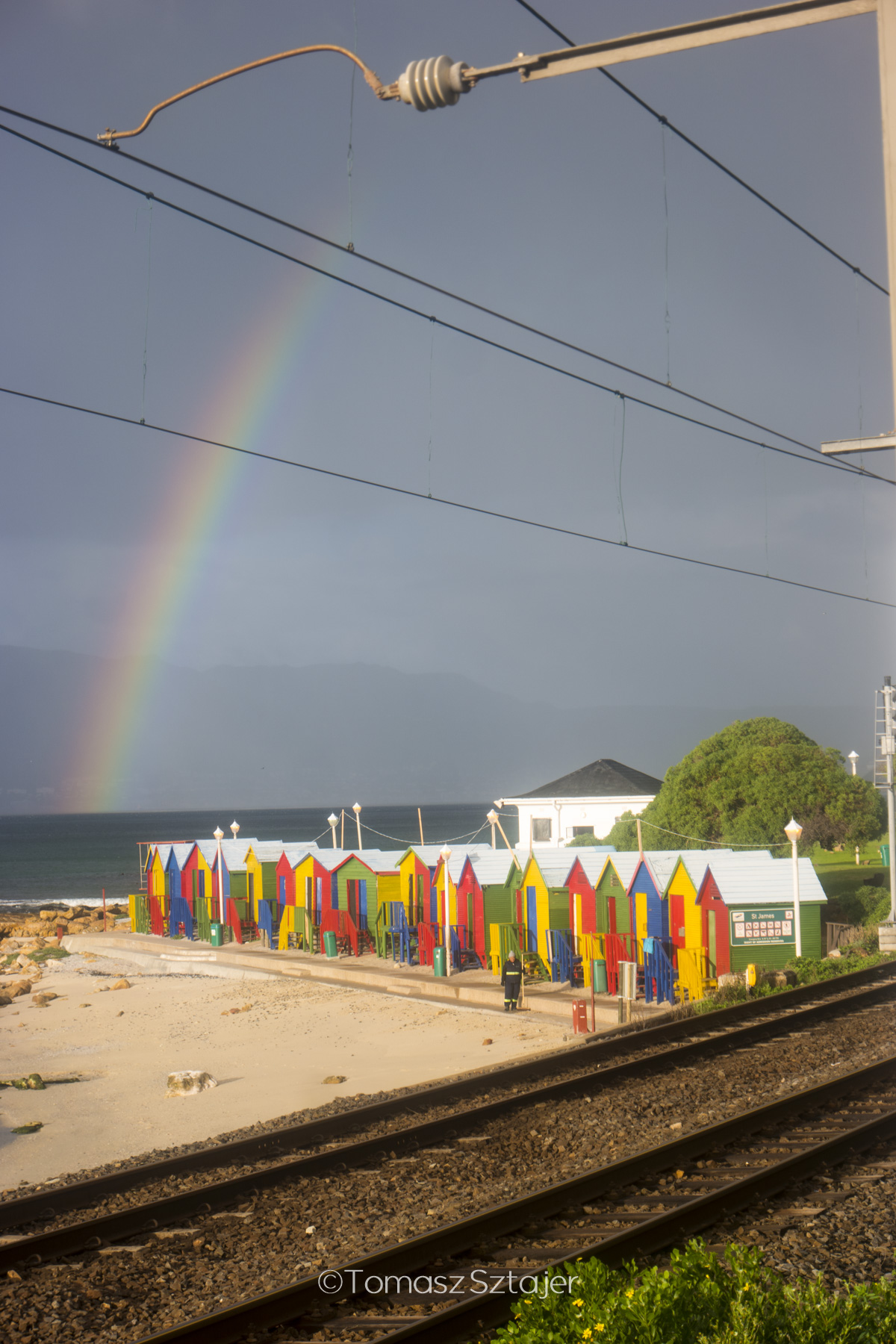
Pier in Kalk Bay
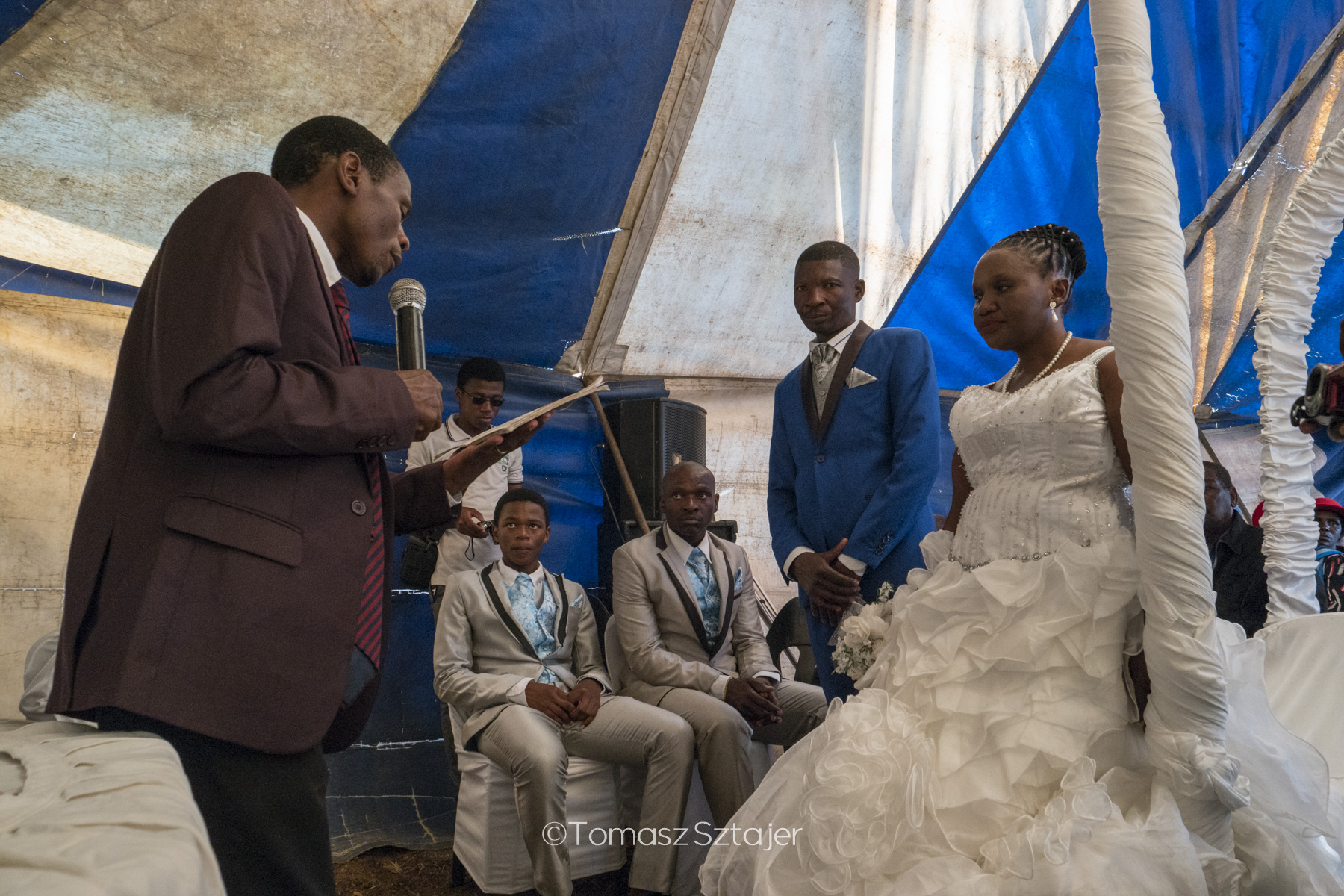
A wedding
A wedding
A wedding
A wedding
A wedding
A wedding
A wedding
Random stuff
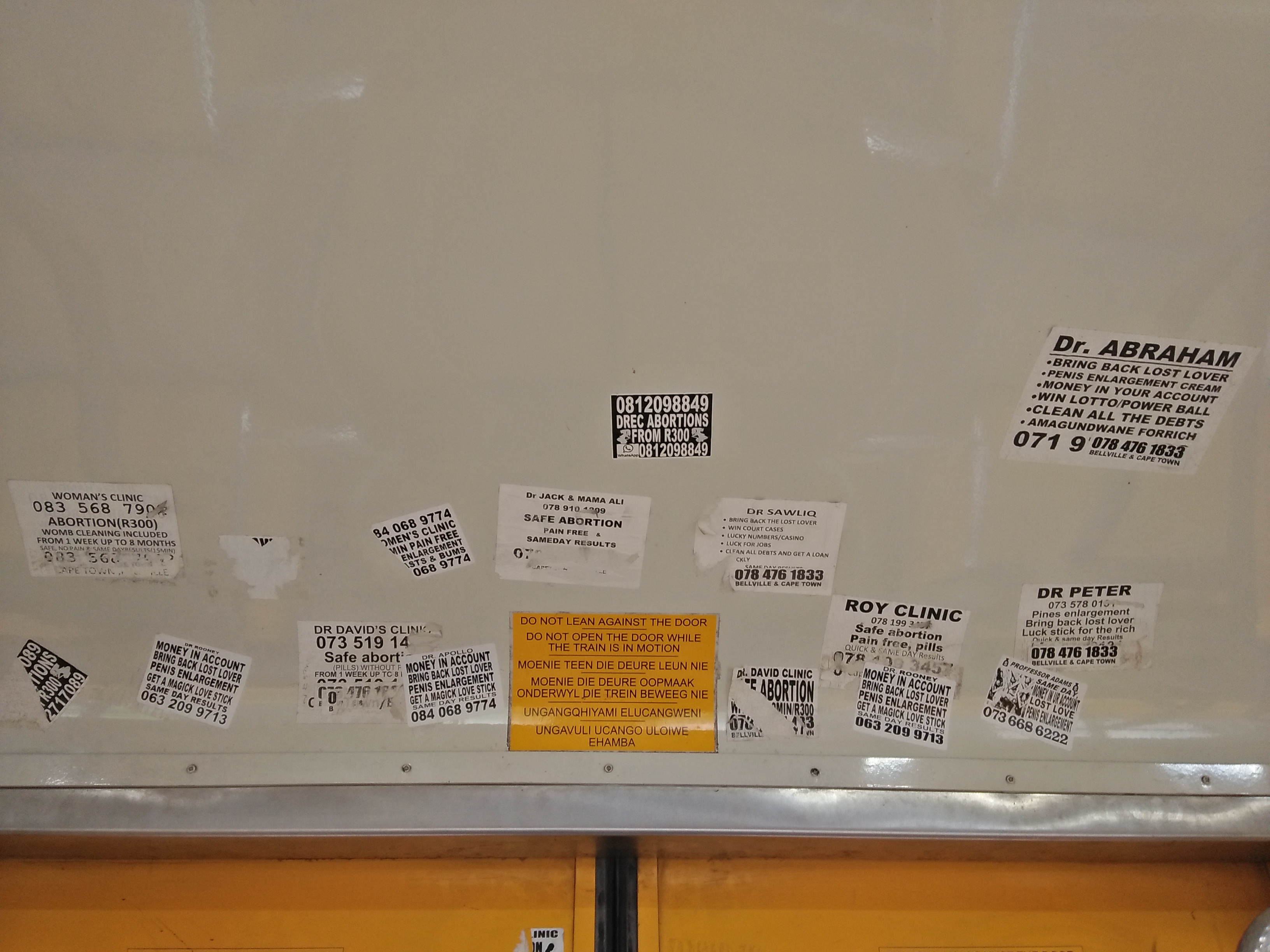
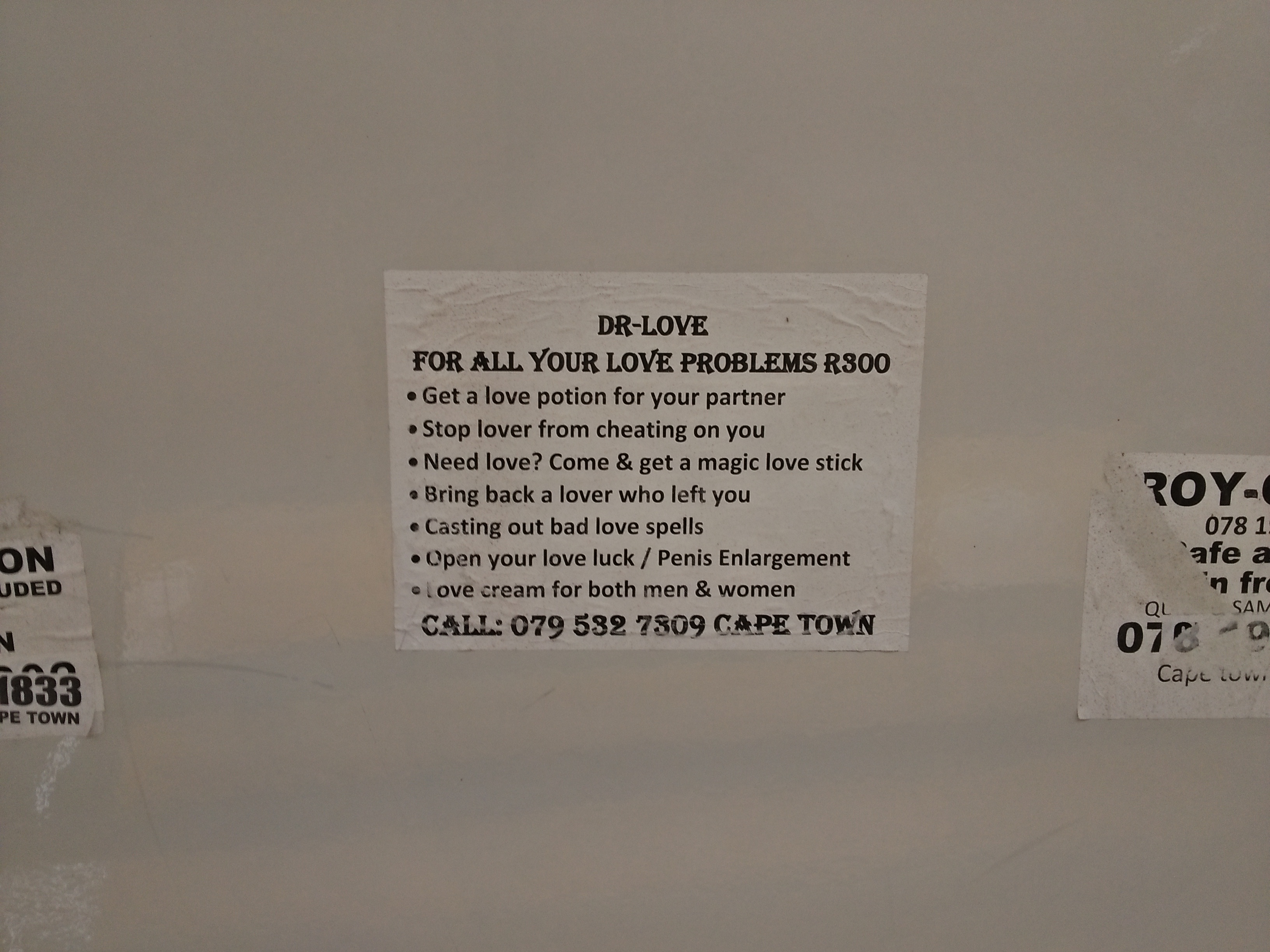
On the train near Cape Town
View from the train
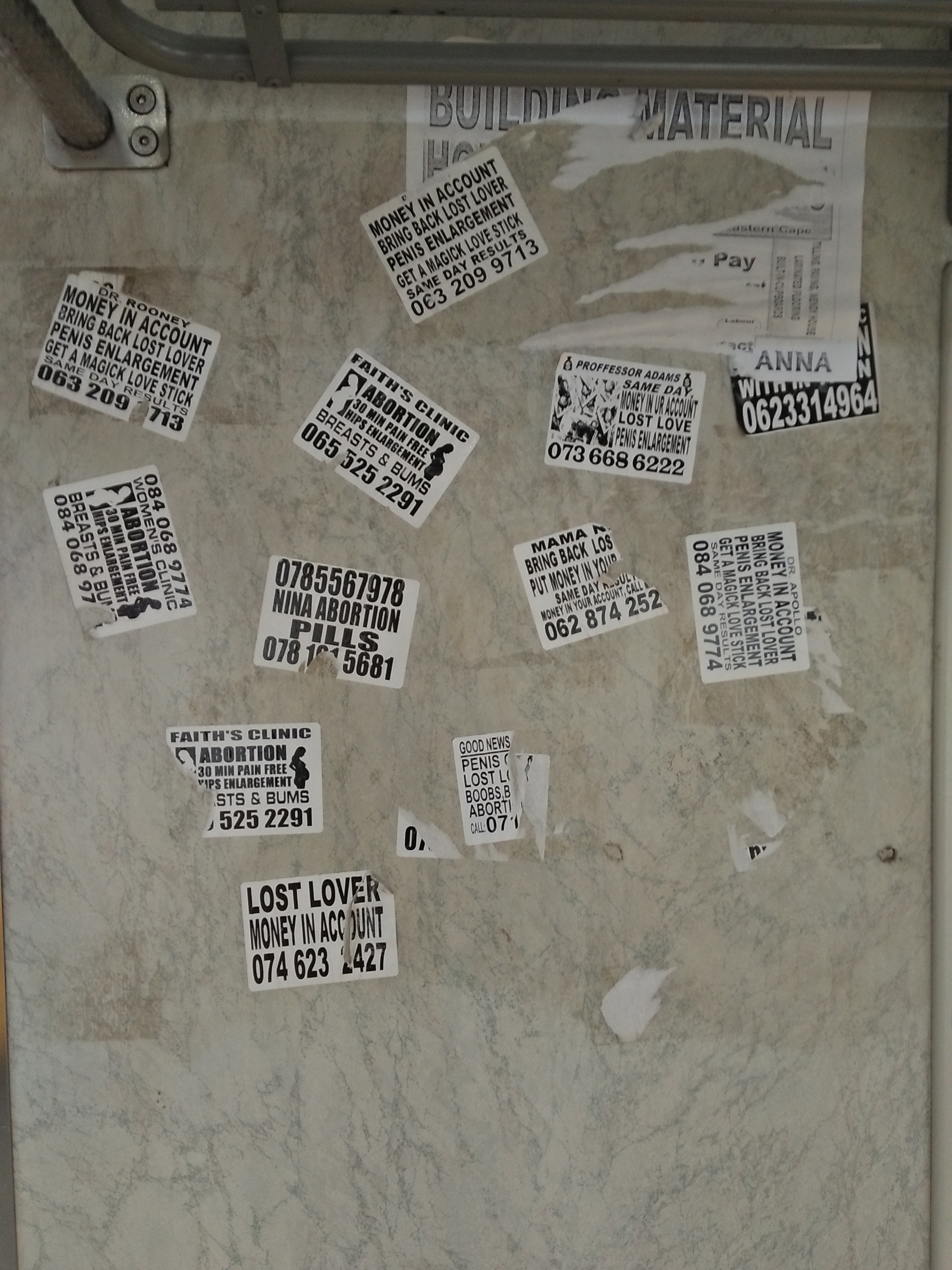
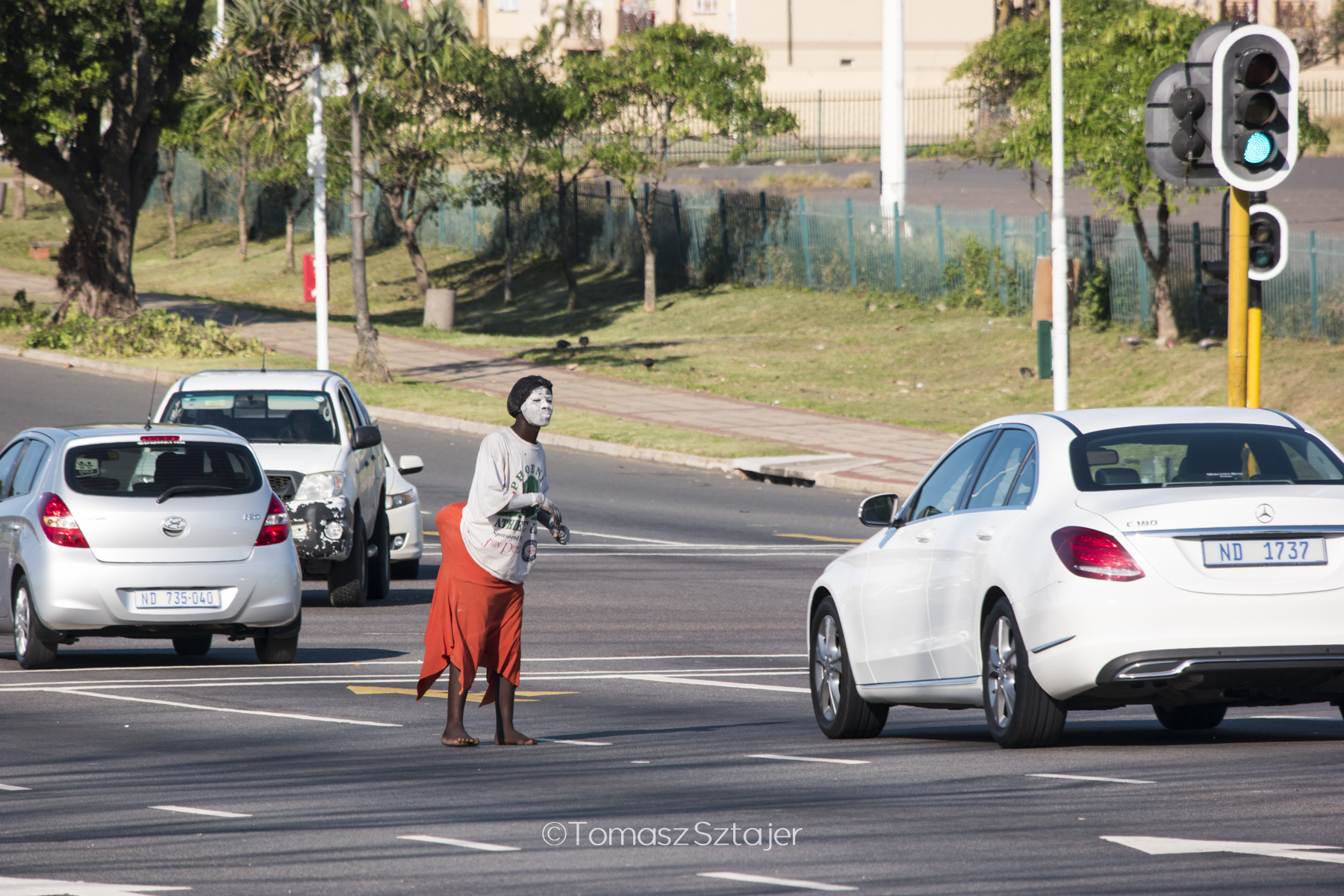
Creepy stuff… Those guys keep whistling loudly and shaking their butts in busy intersections in Durban.
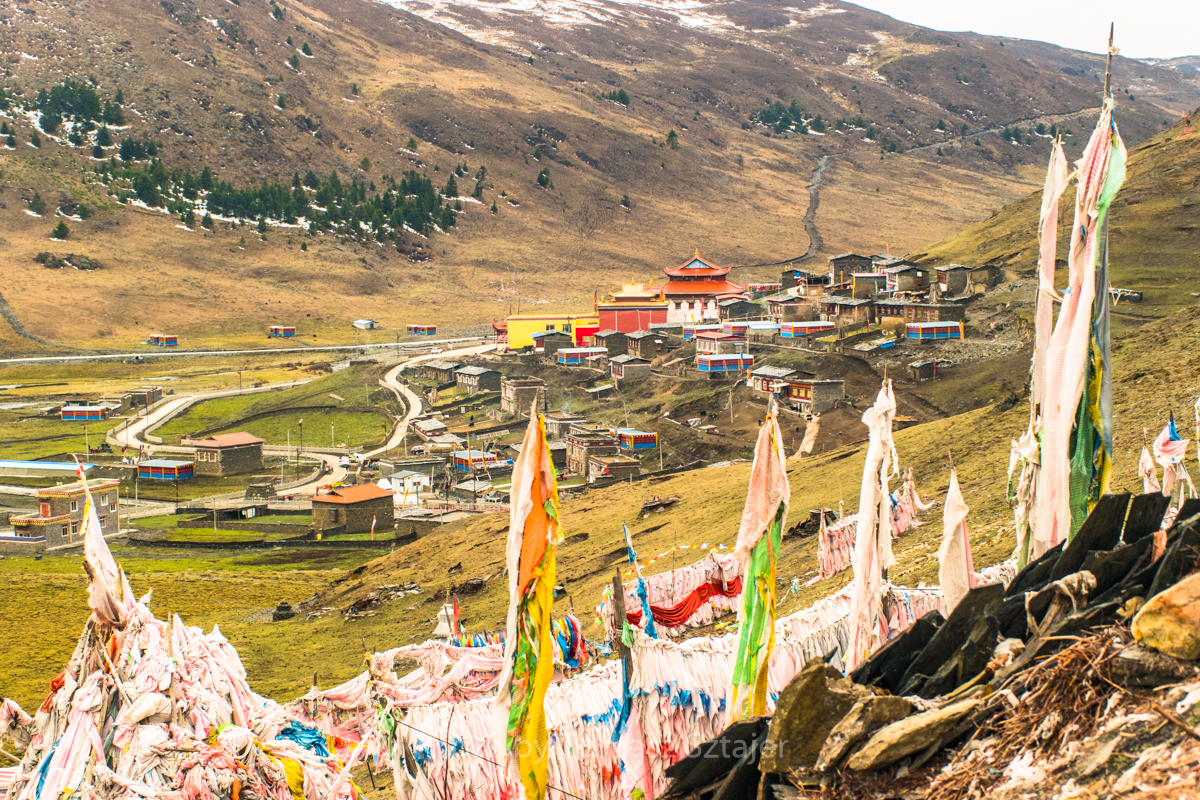
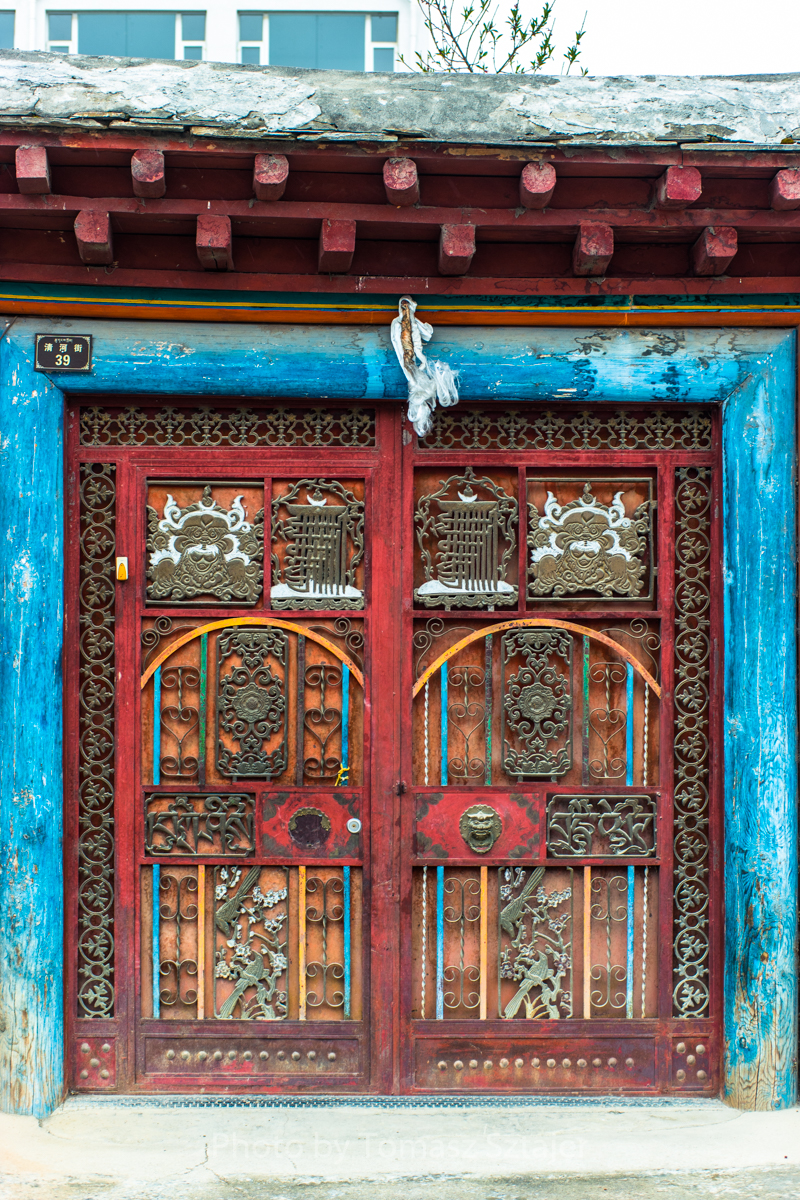
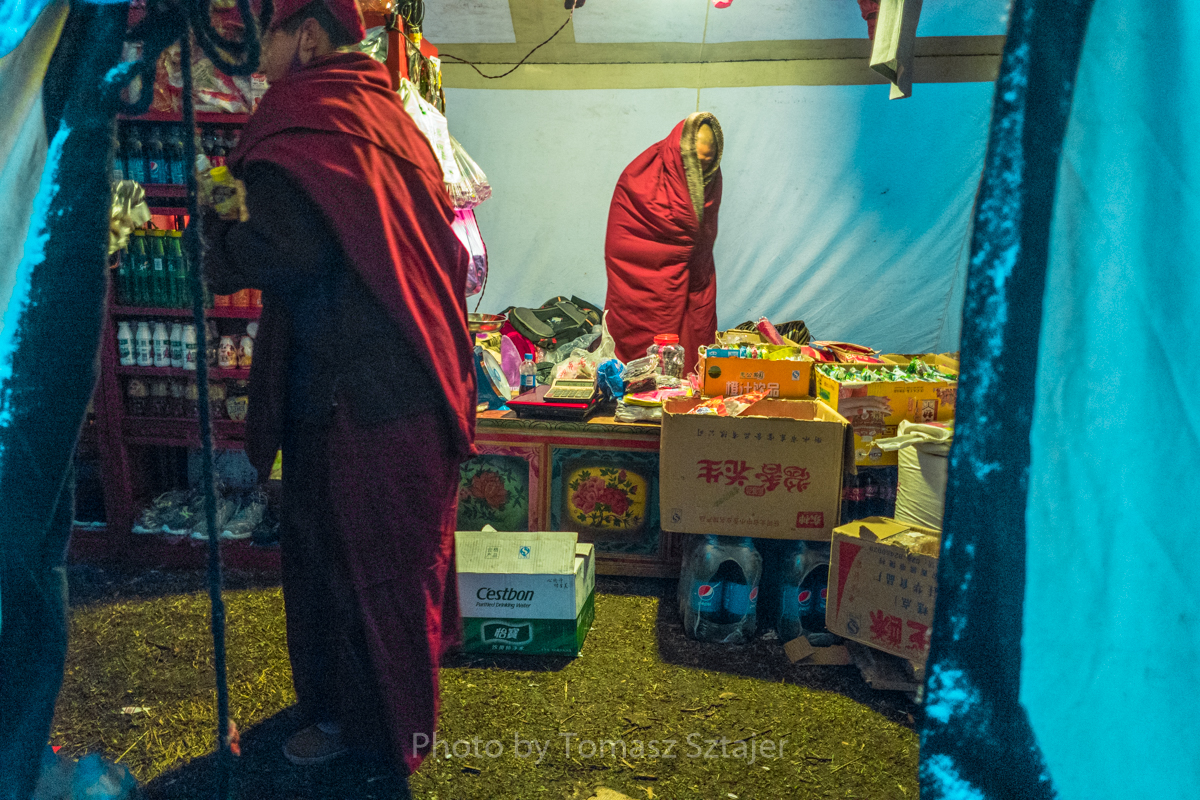
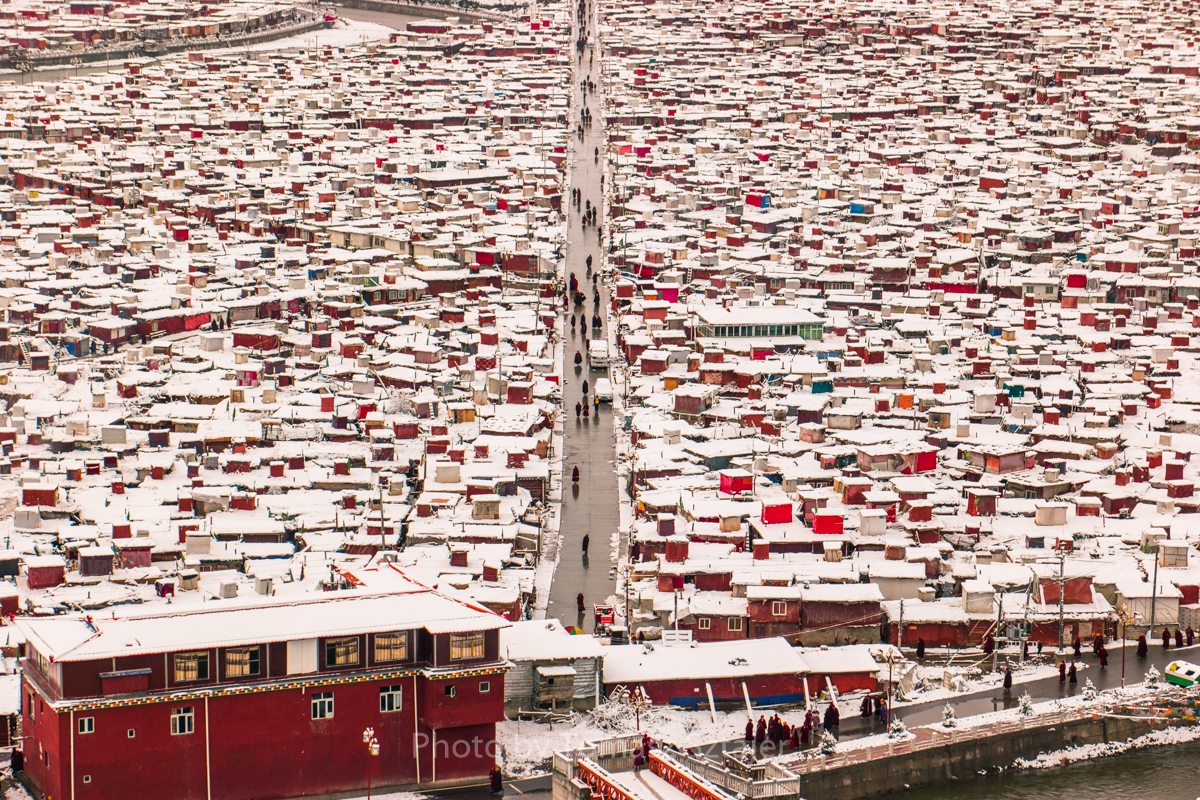
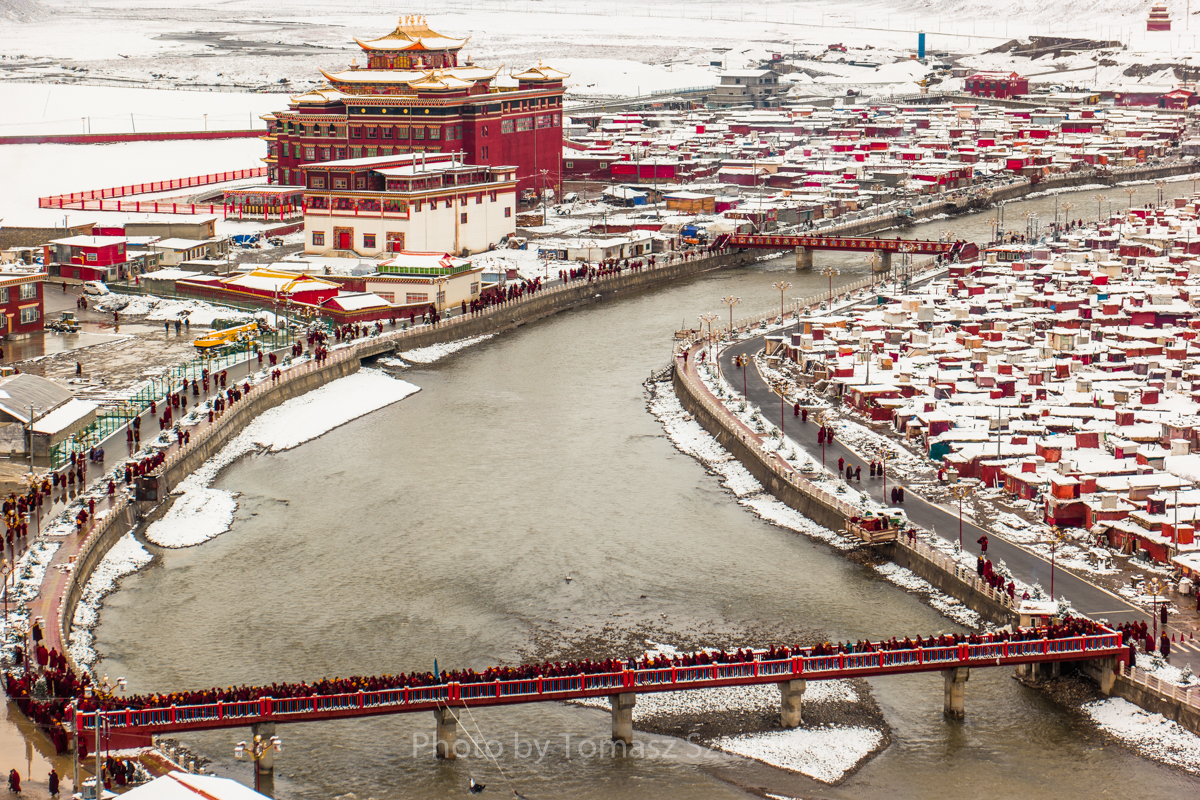
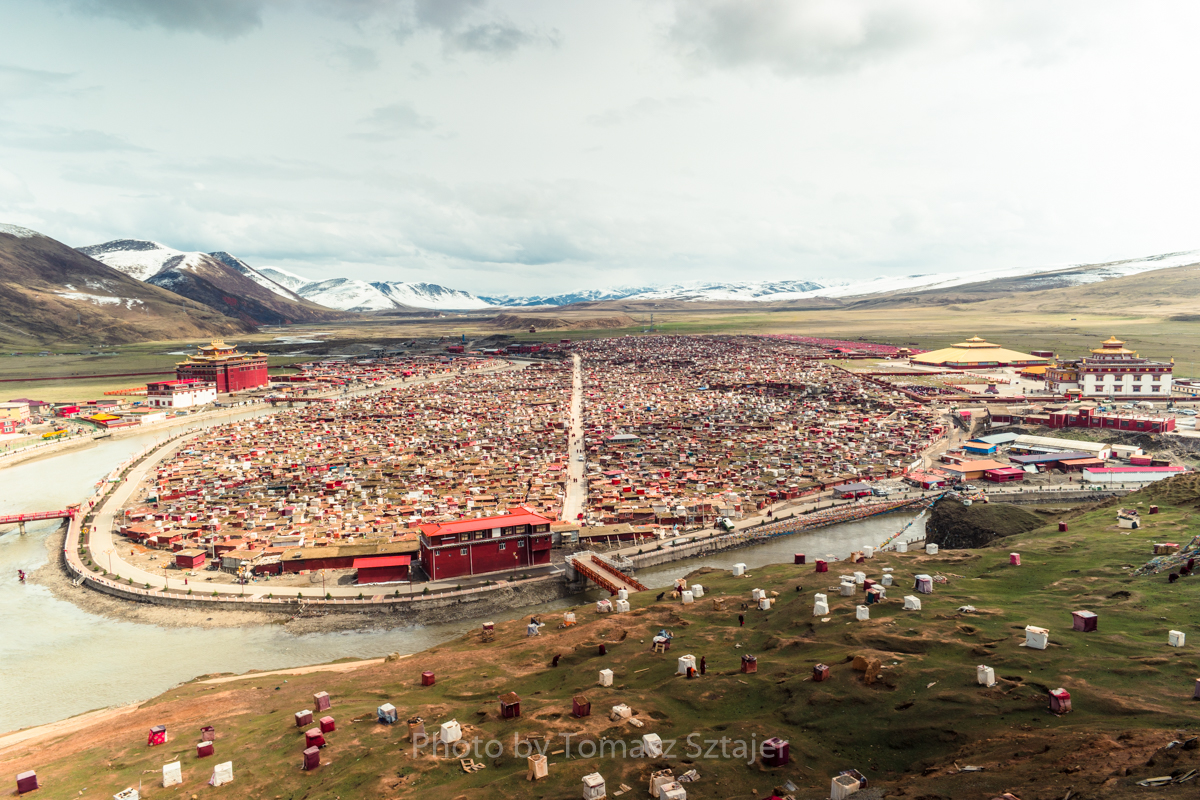
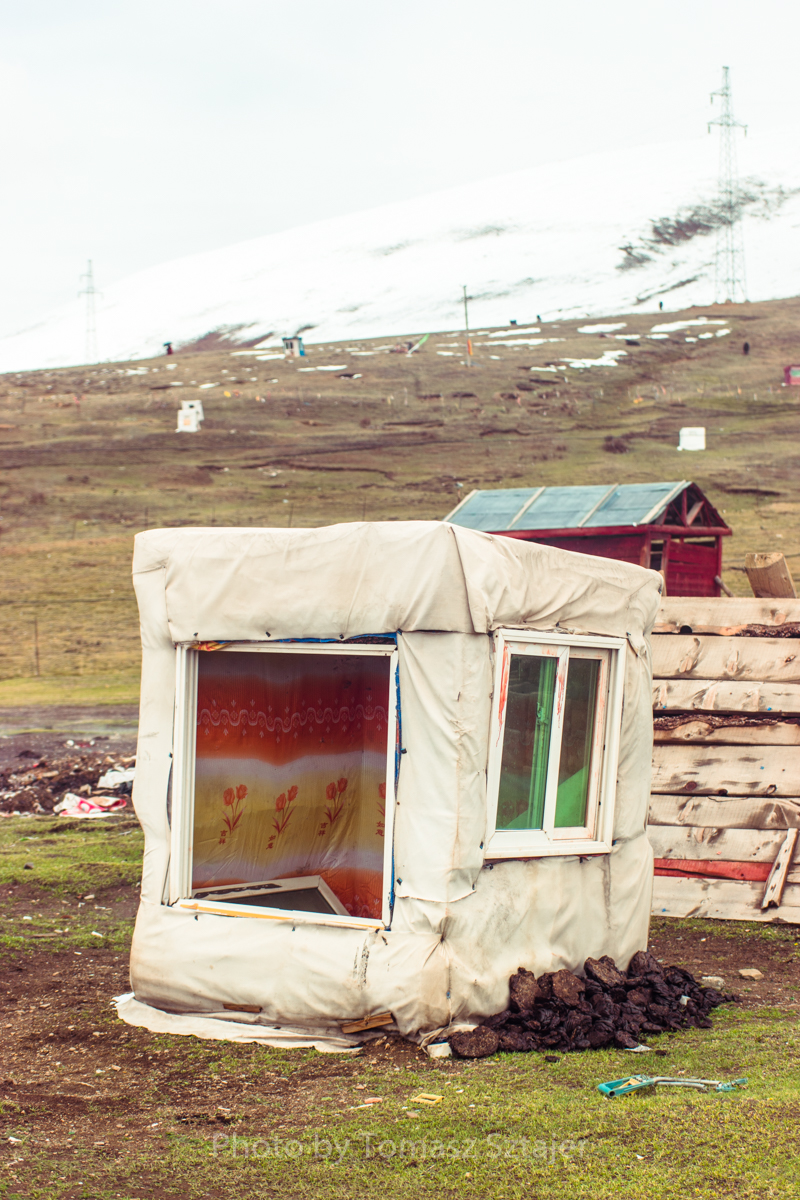
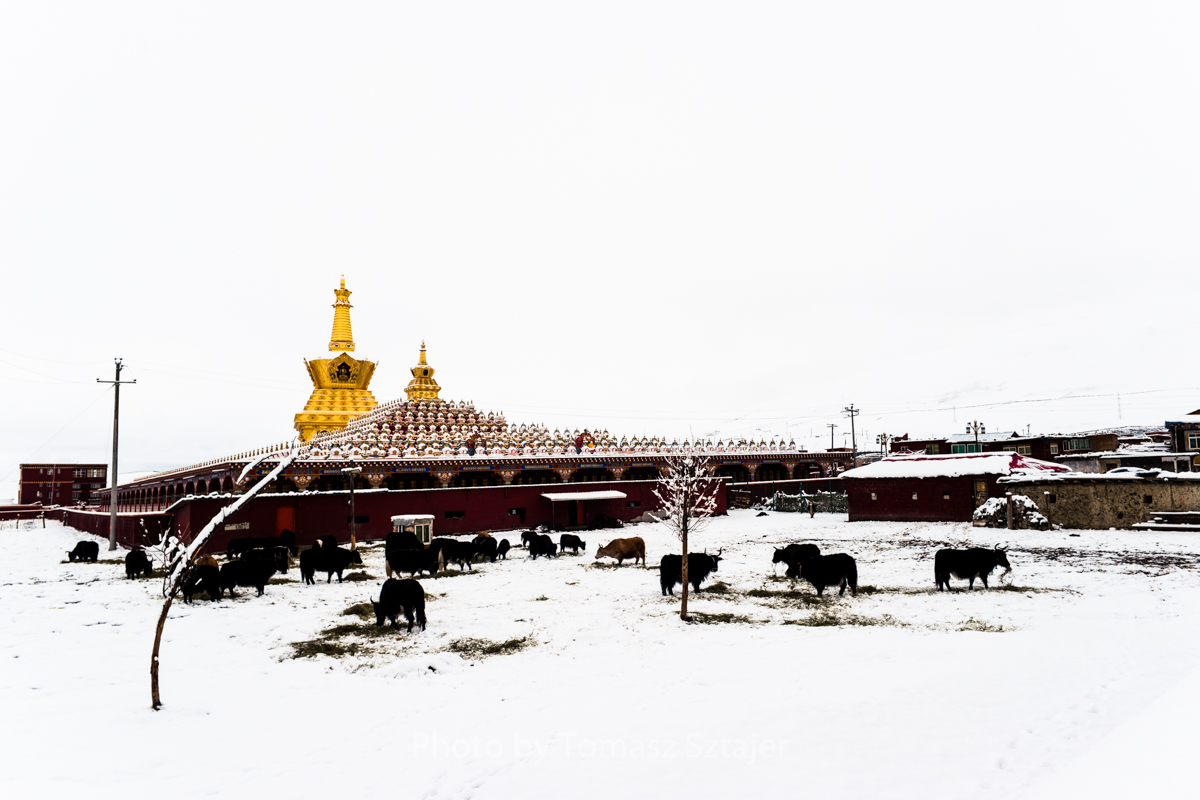
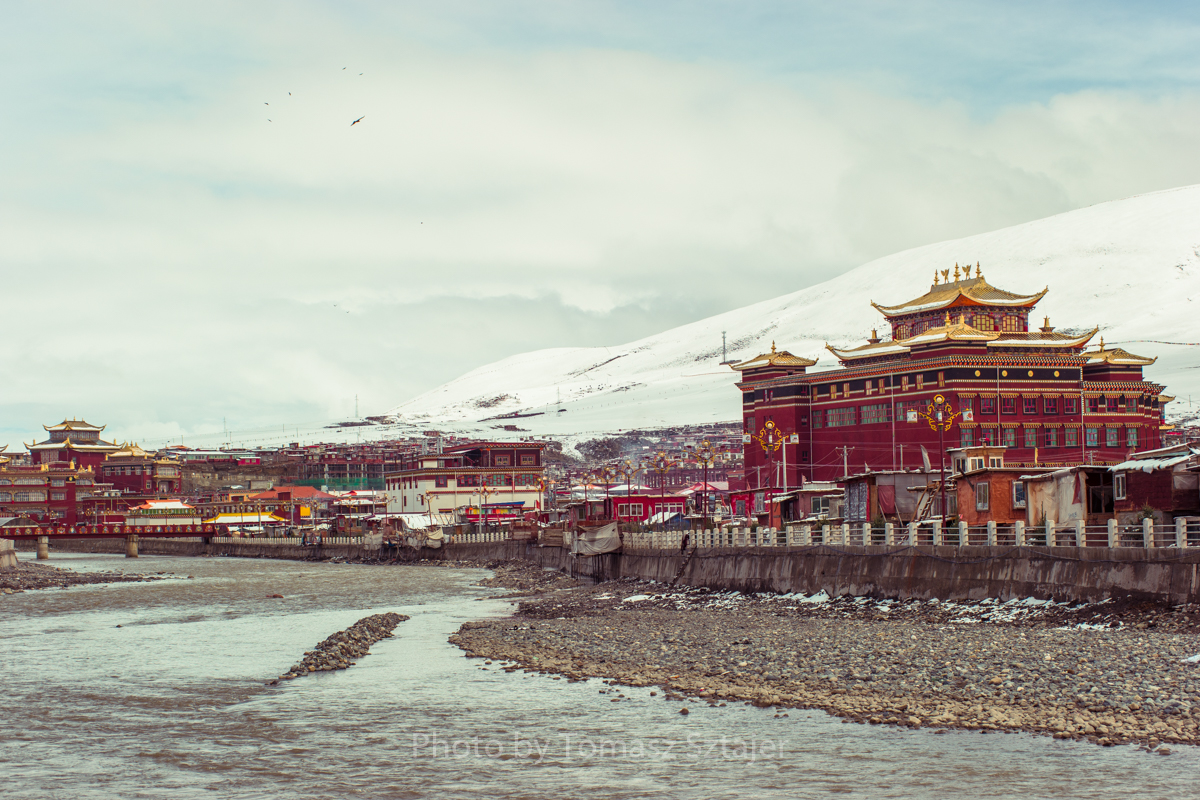
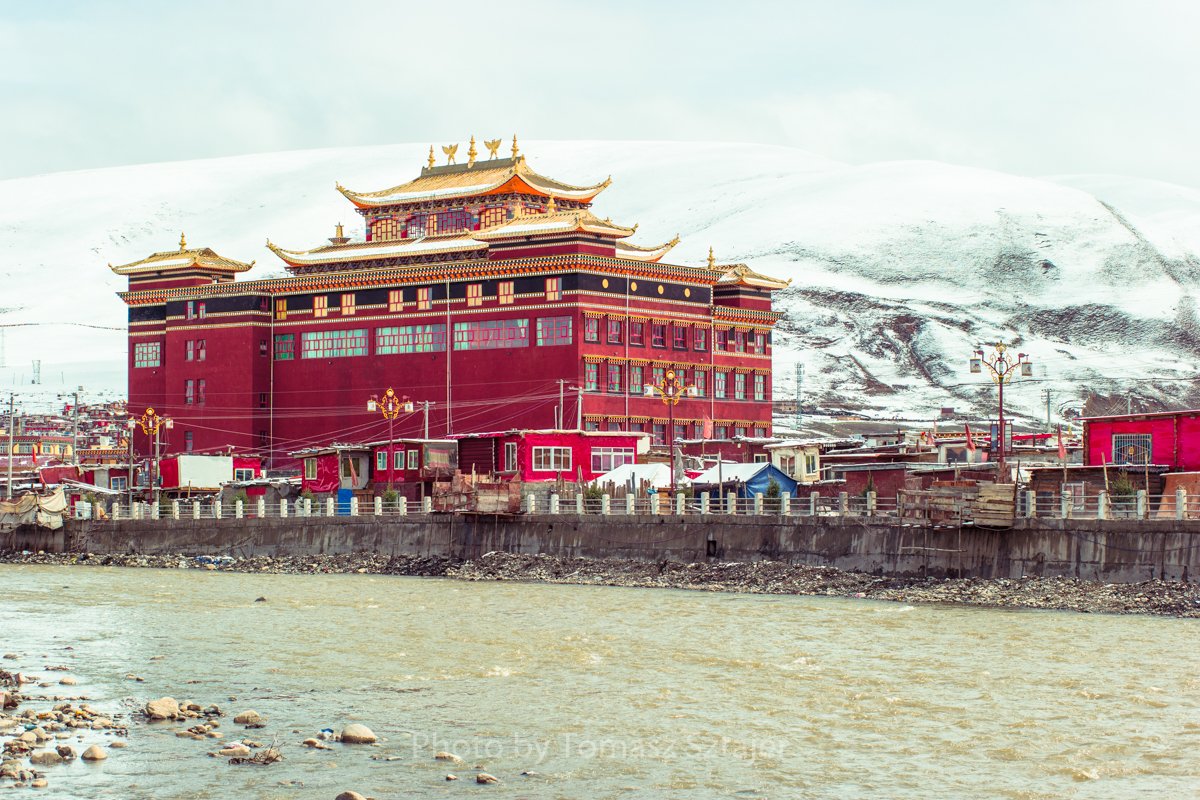
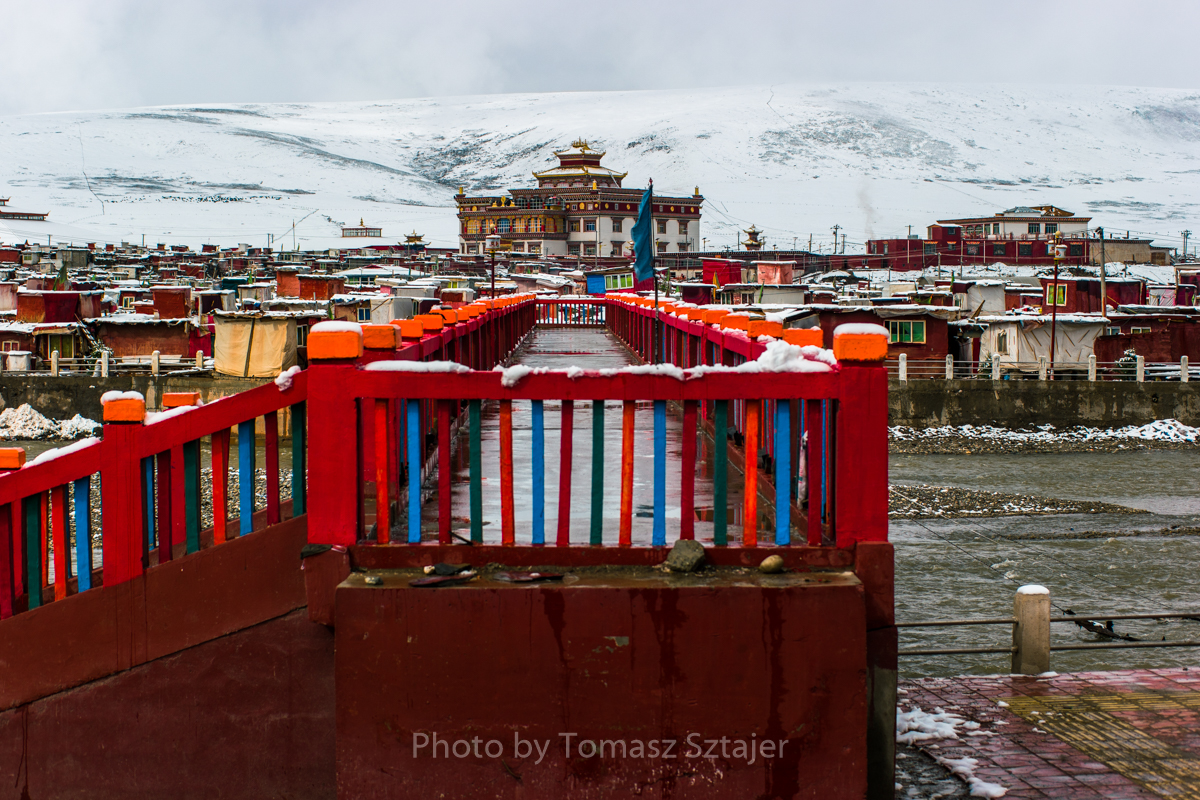
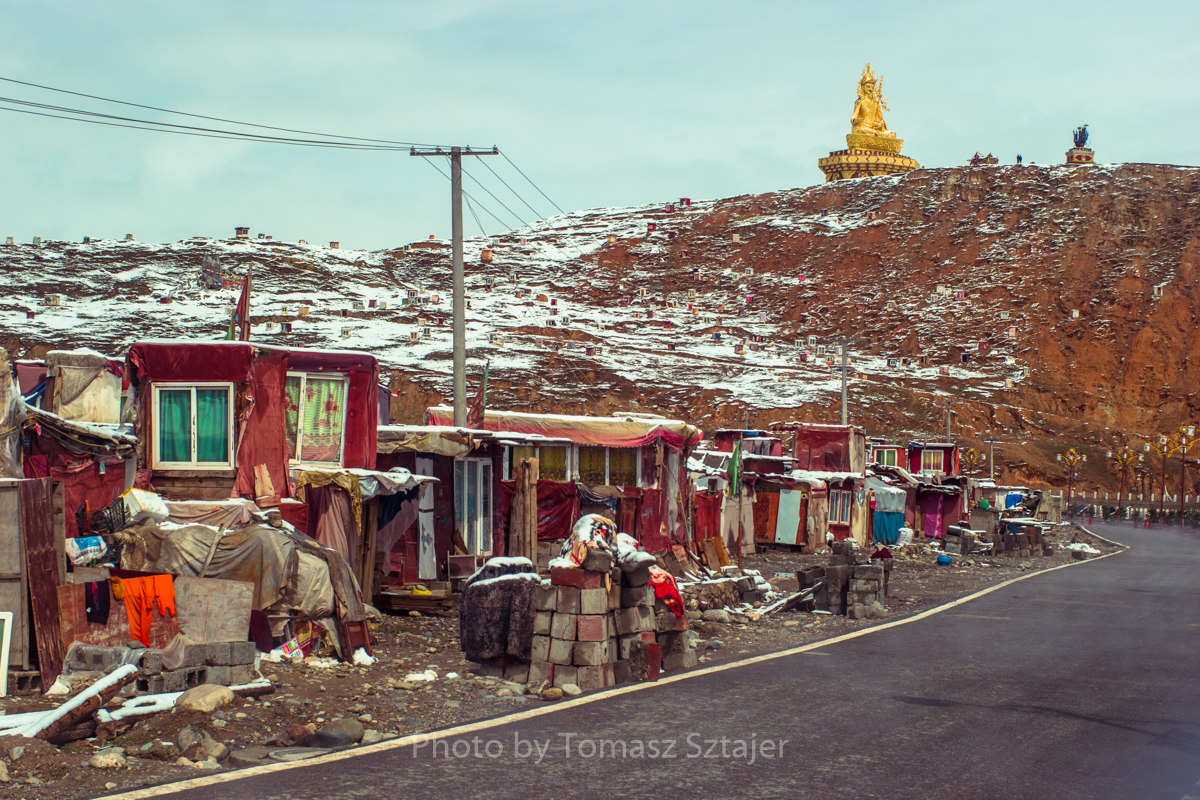
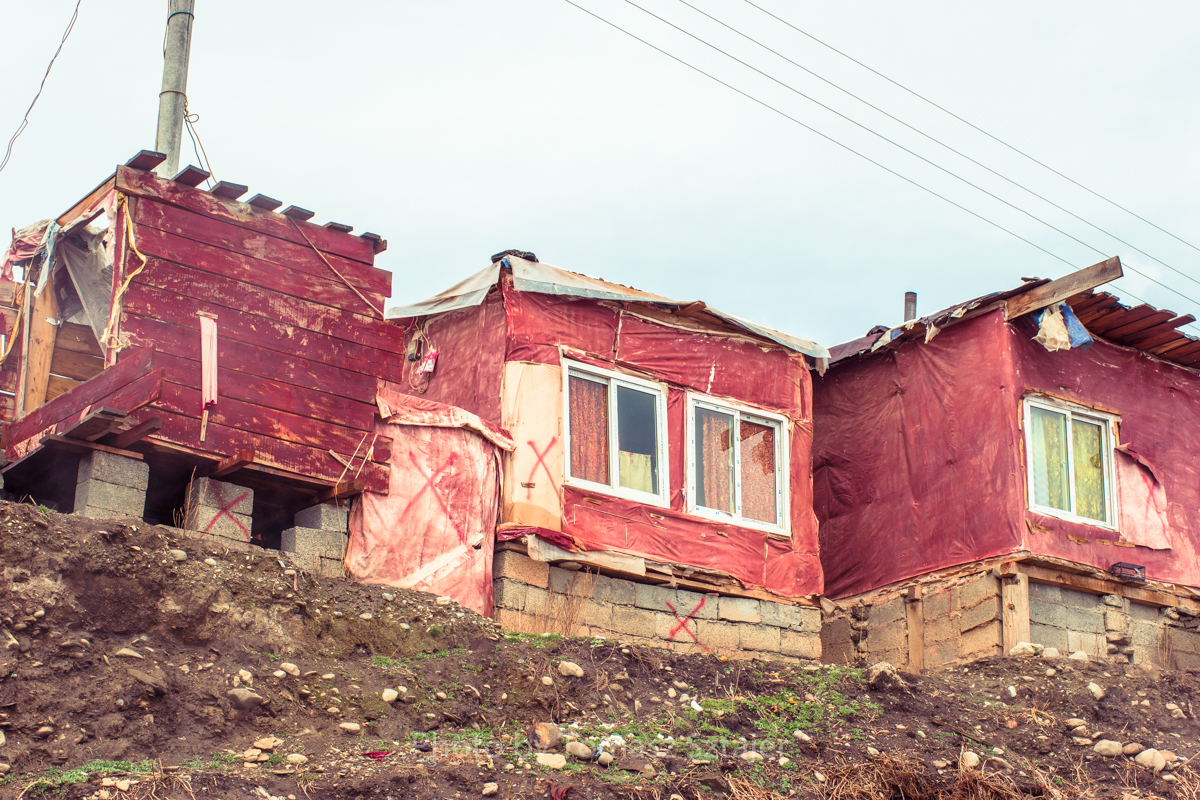
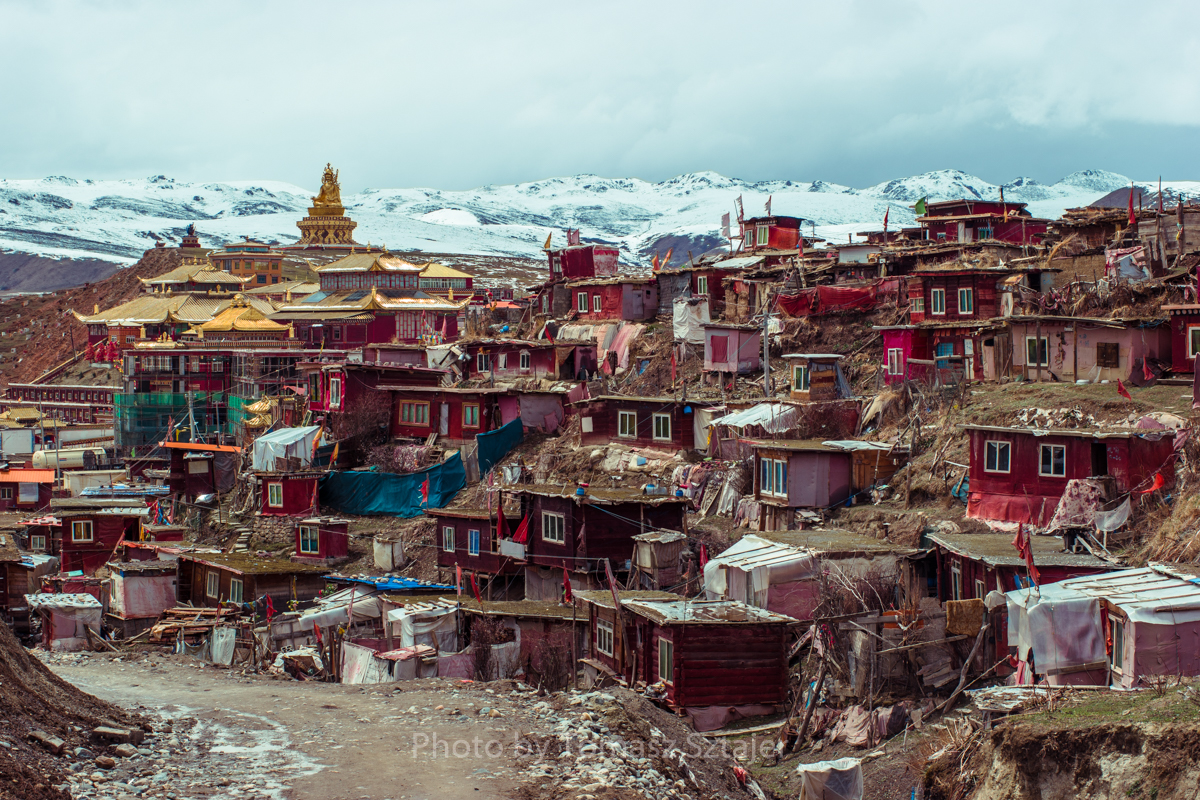
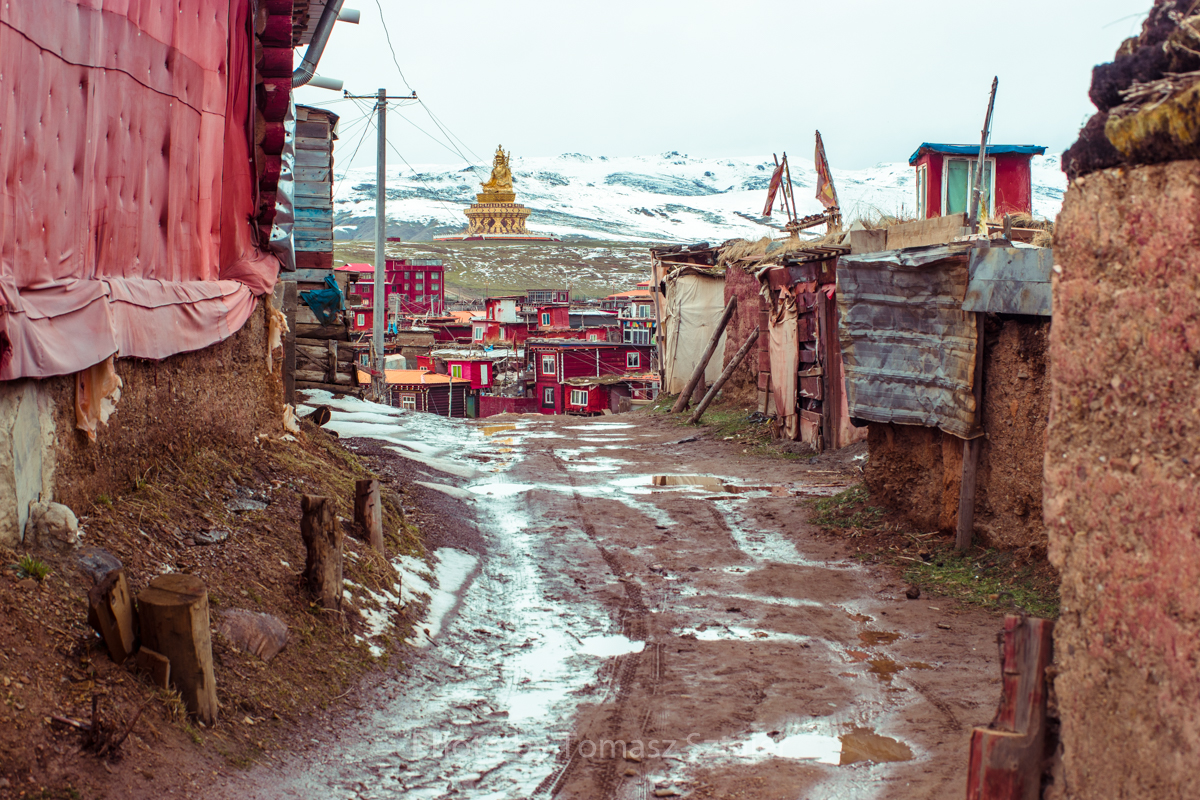
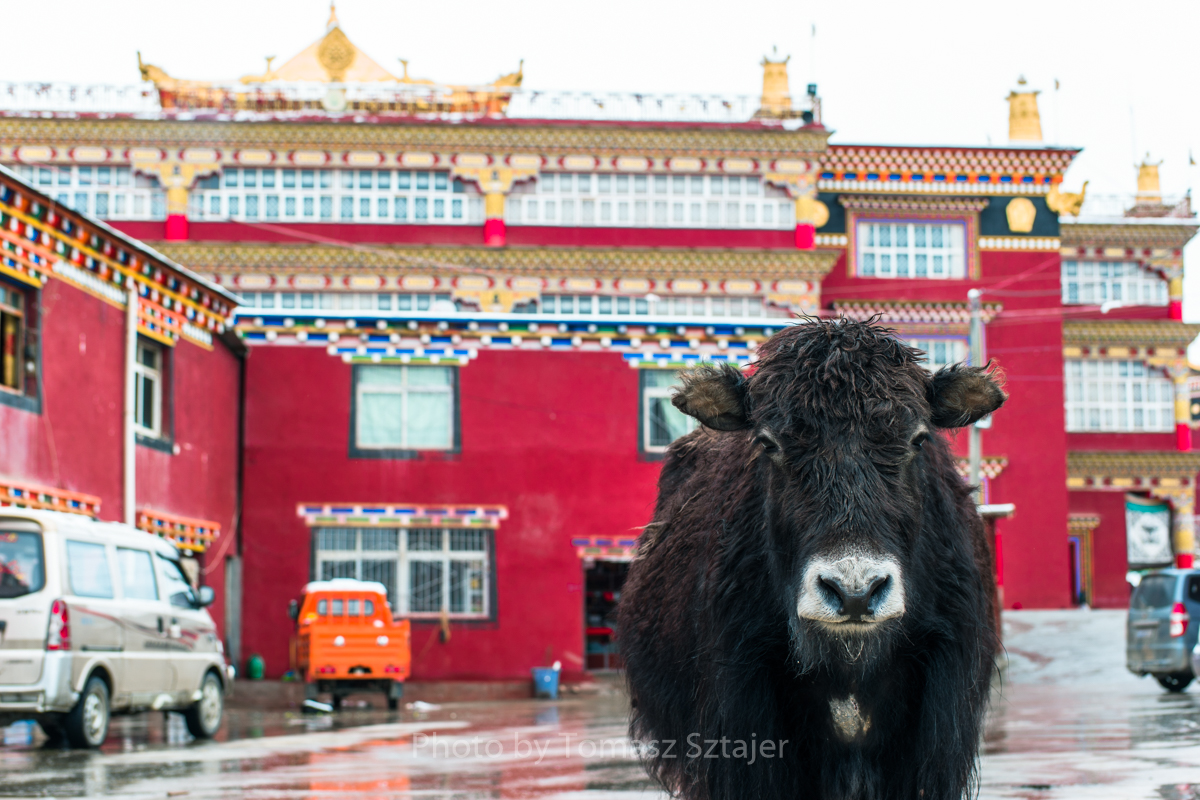
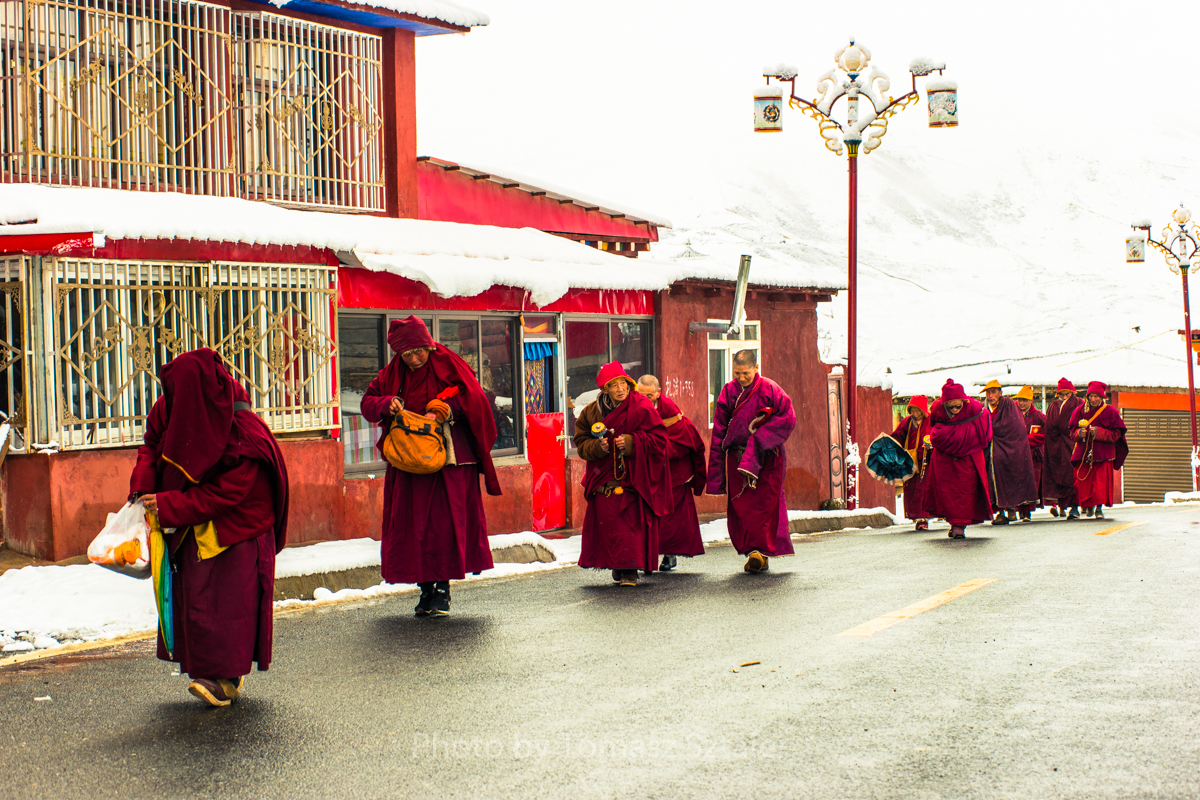
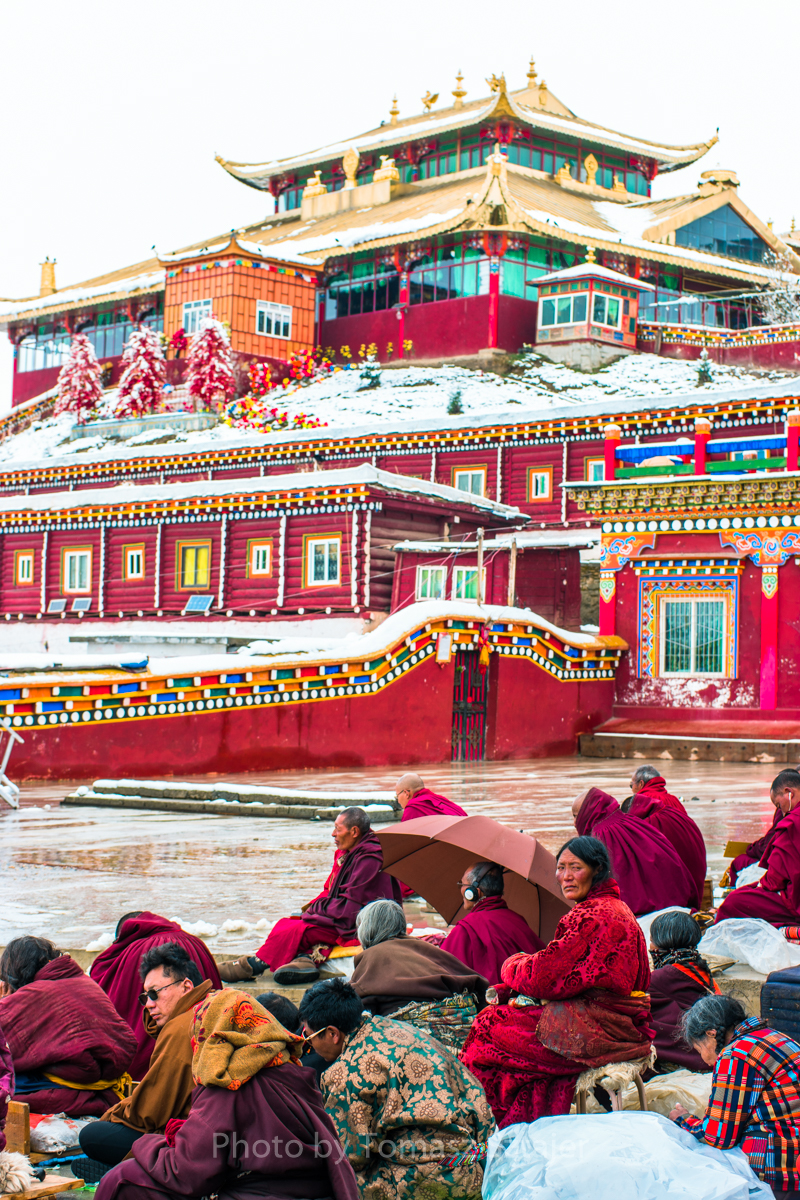
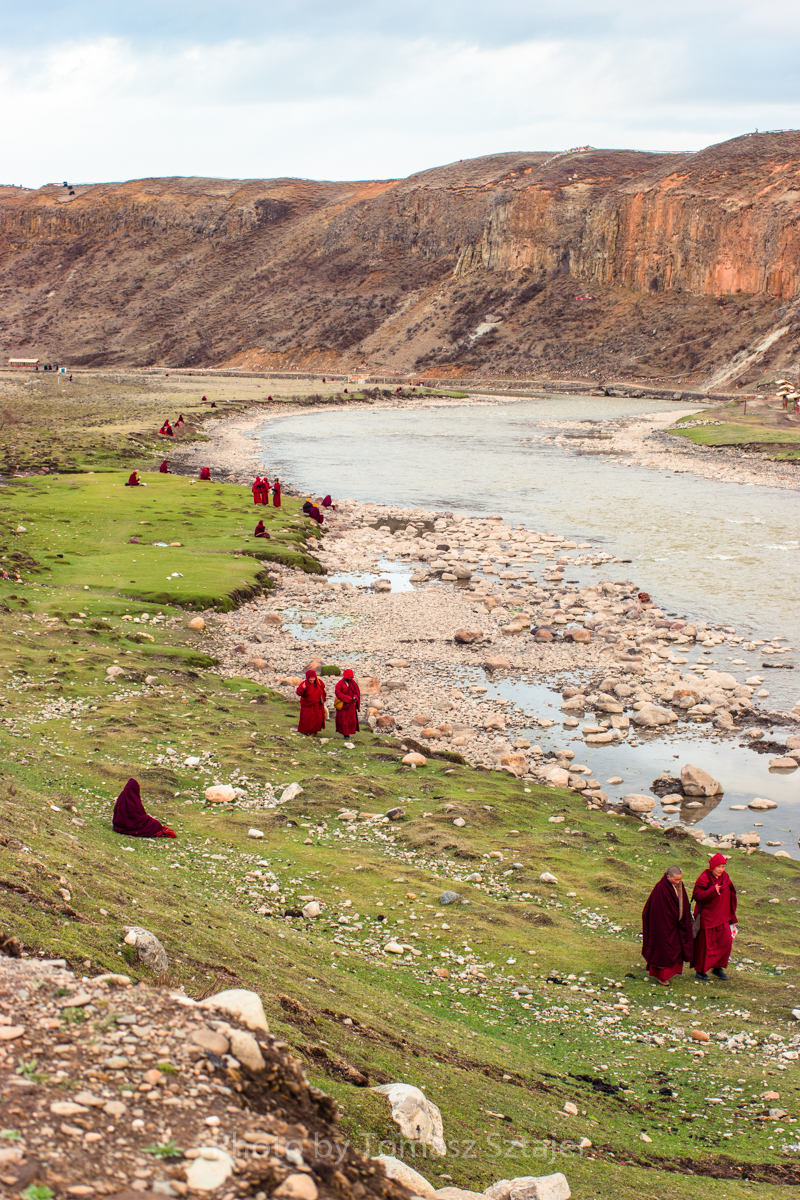
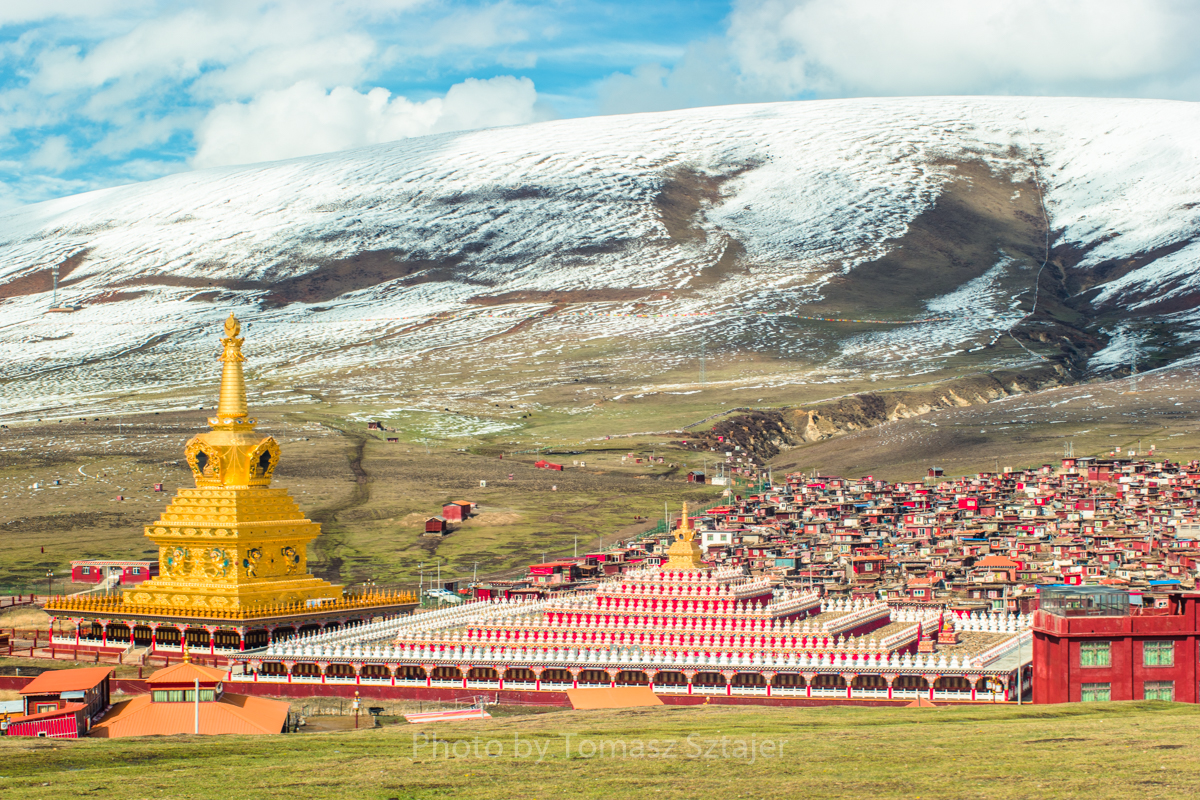
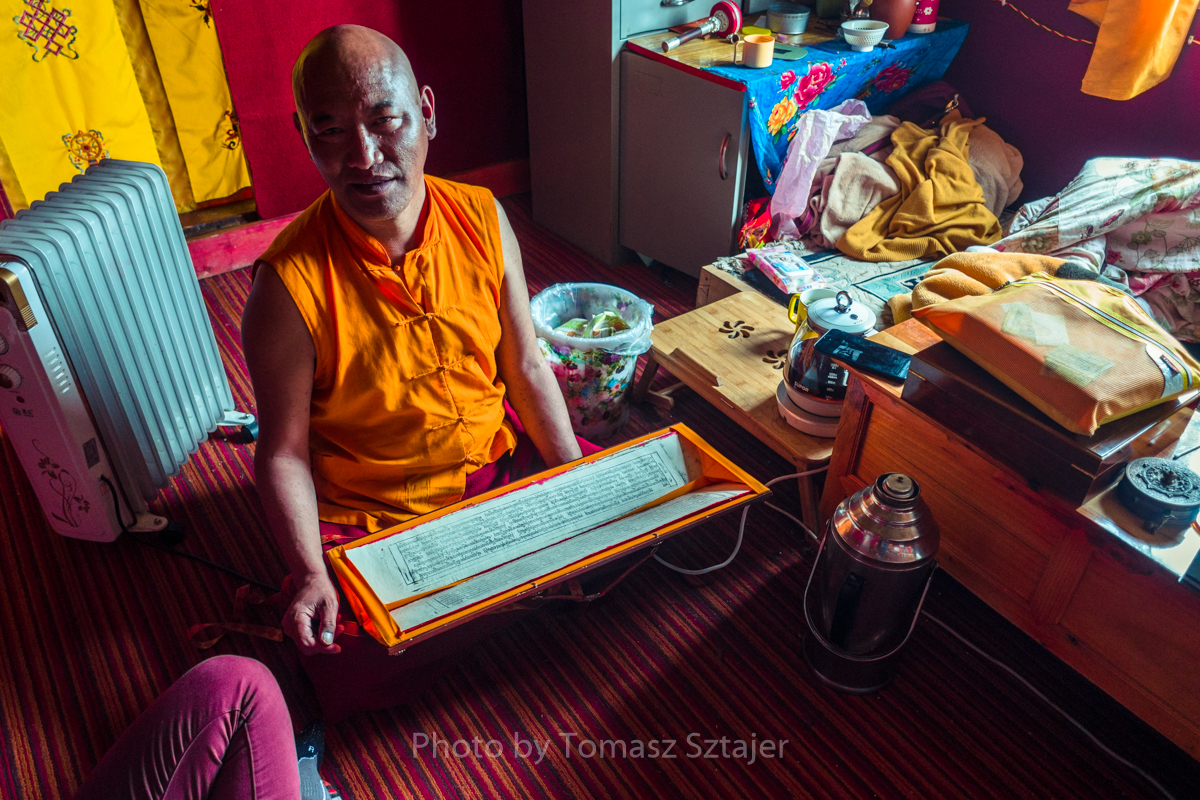
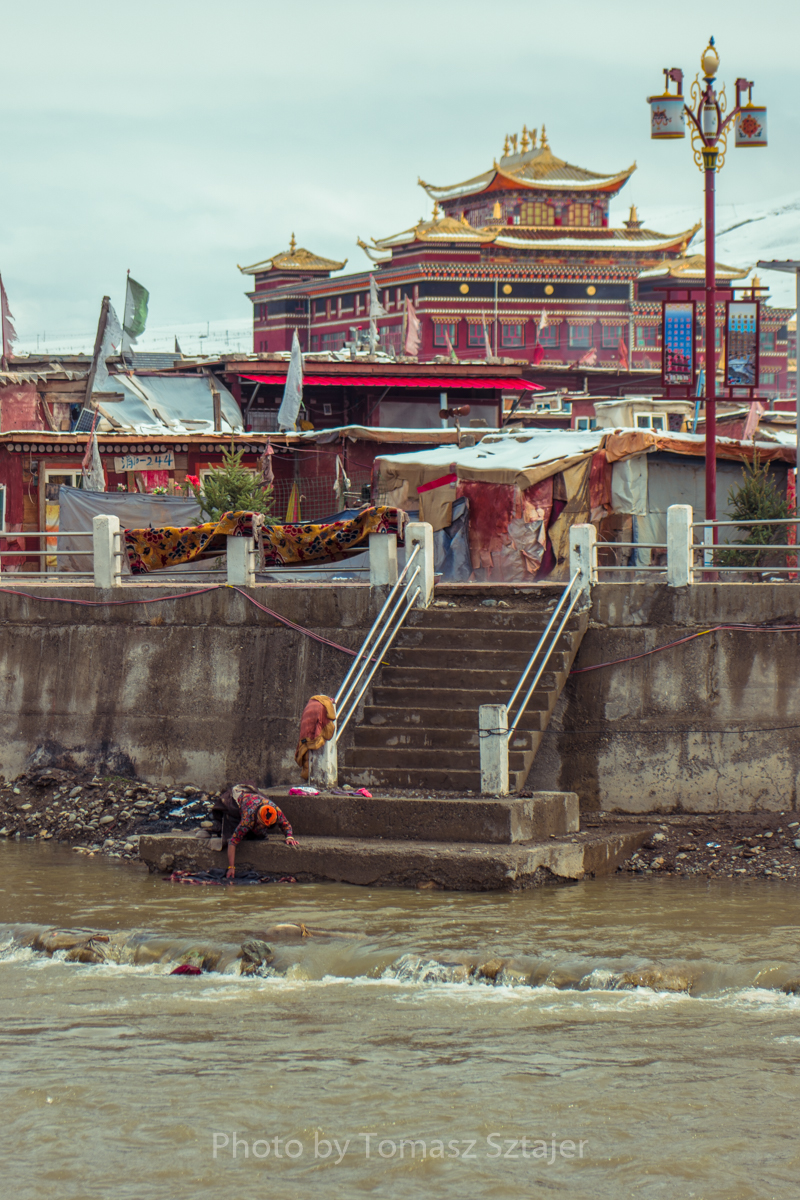
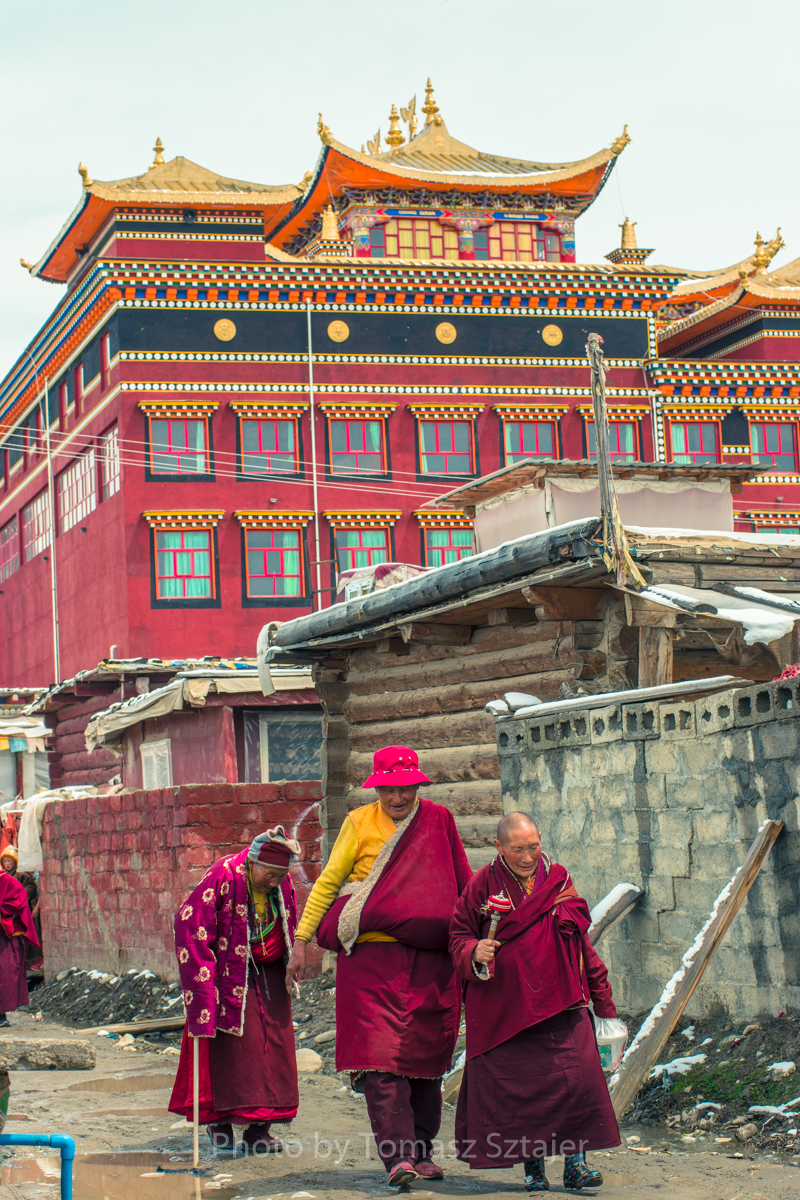
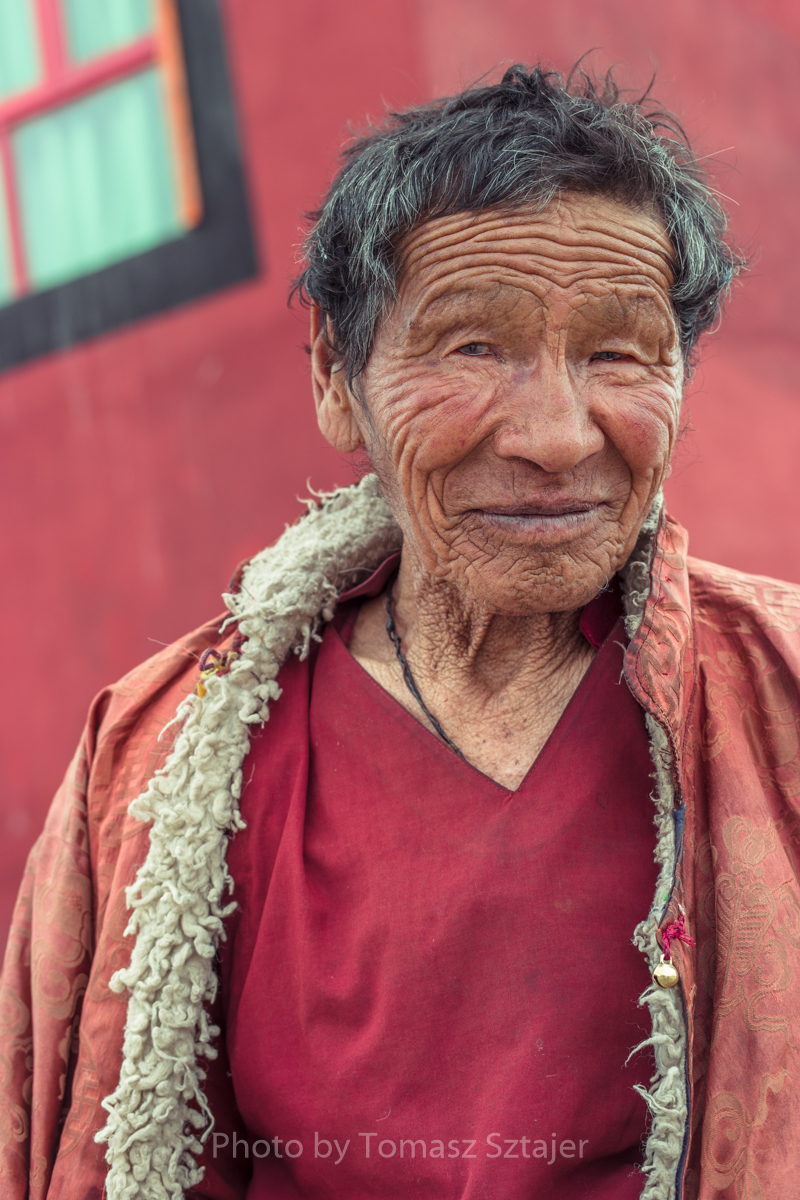
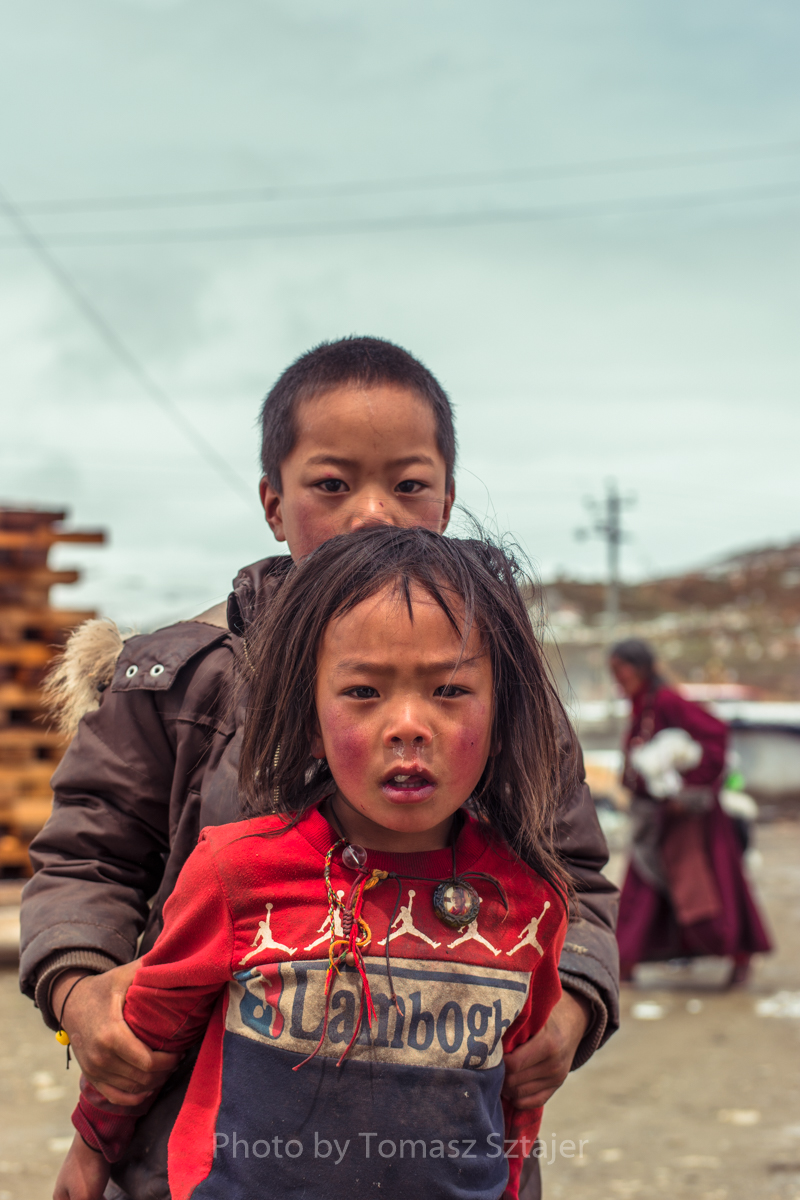
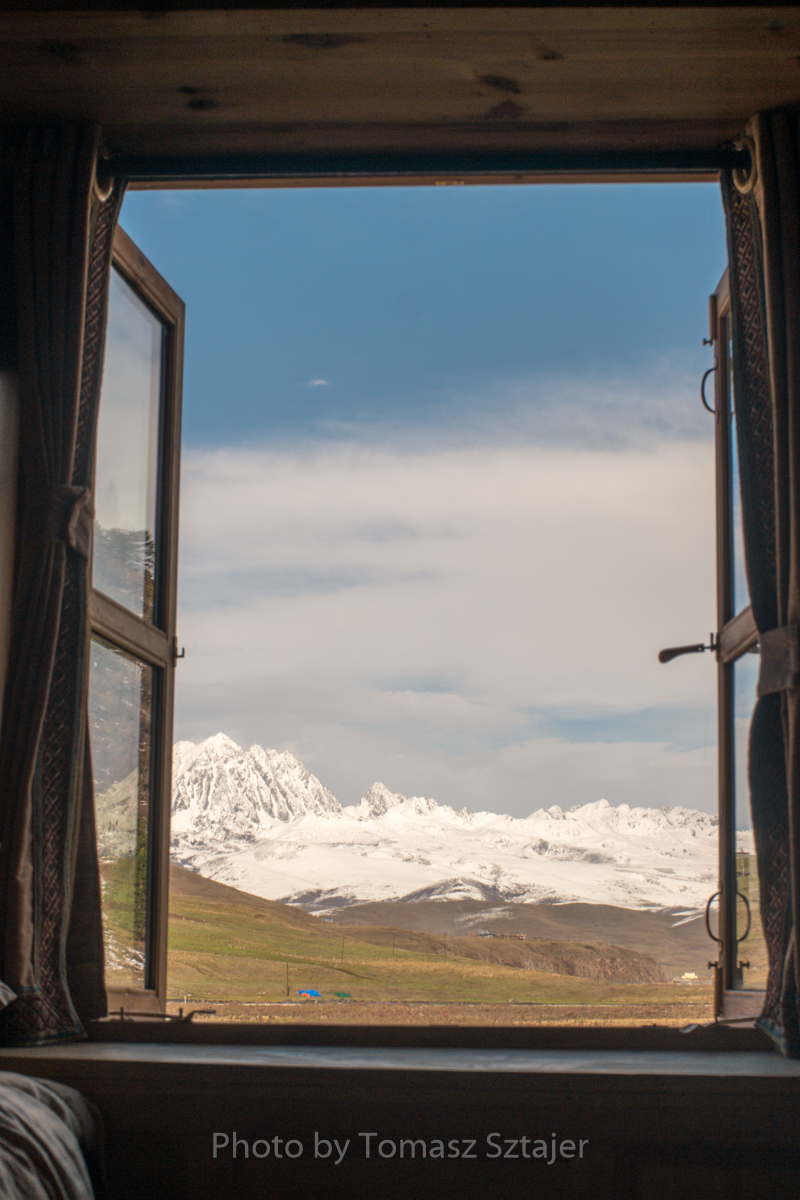
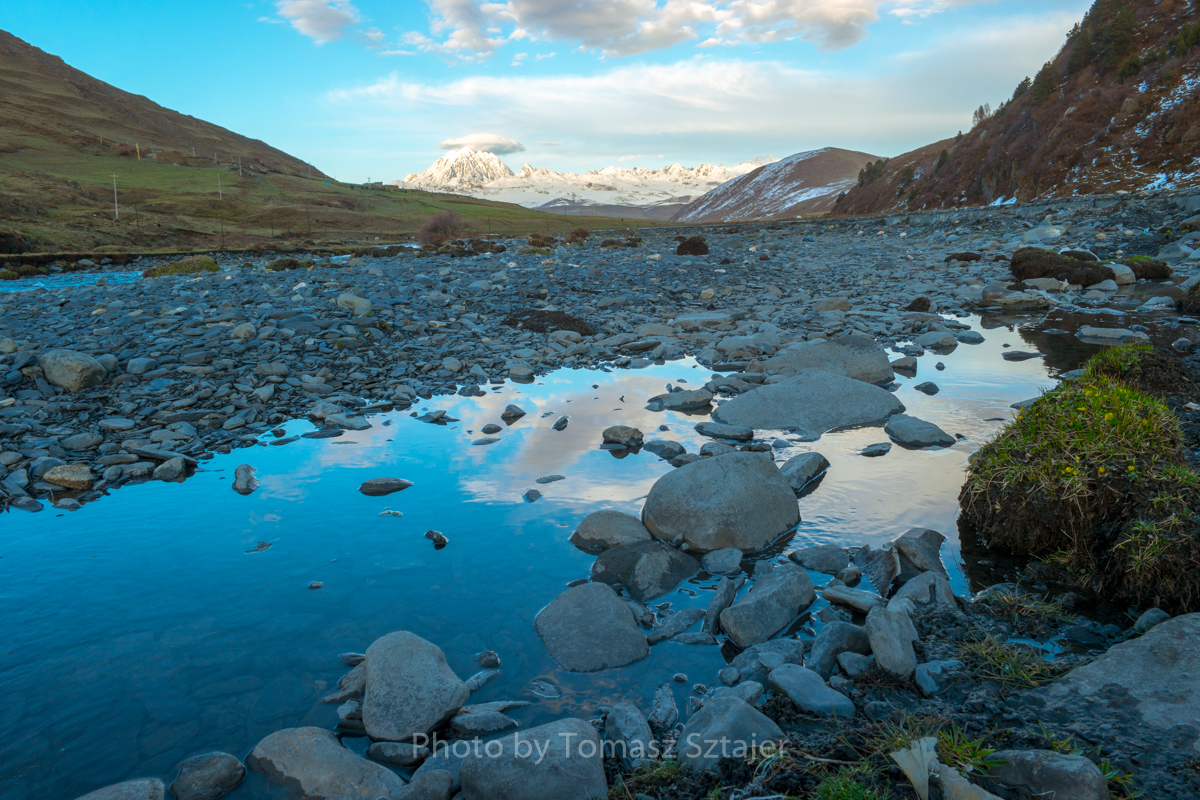
Sharing some images from the trip I had to one of the most amazing places in Sichuan, China: Yarchen Gar (Yaqing Si) buddhist monastery. The view of the monk shanty town (female monks living within the “island”, male monks – outside) enclosed by meandering river is simply surreal. Too bad the authorities are “developing” the place and tearing it down…
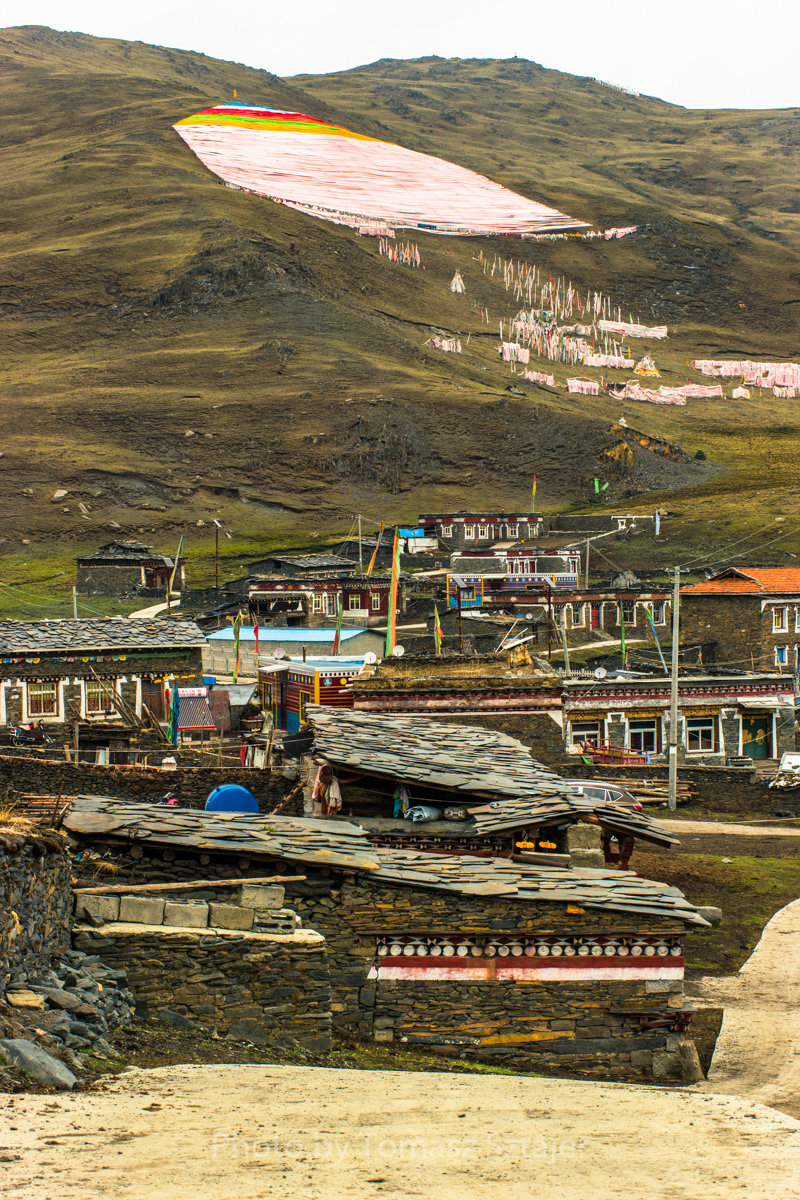
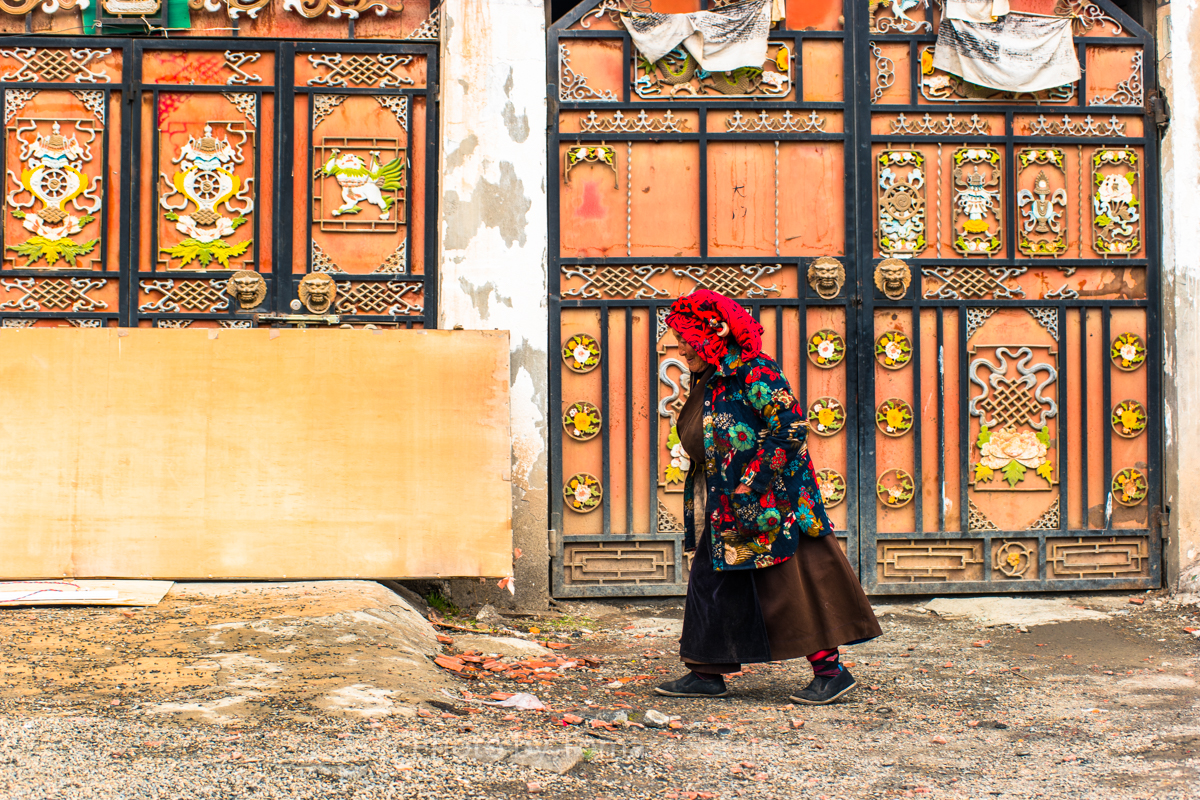
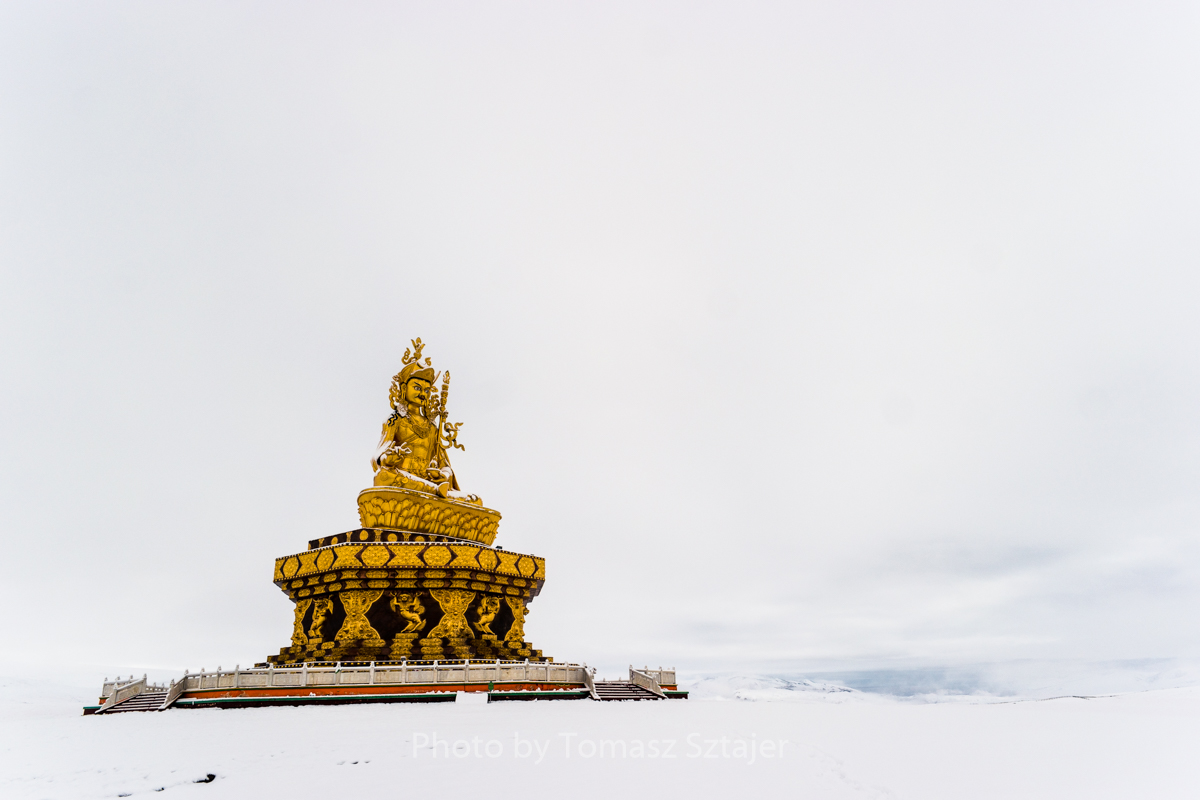
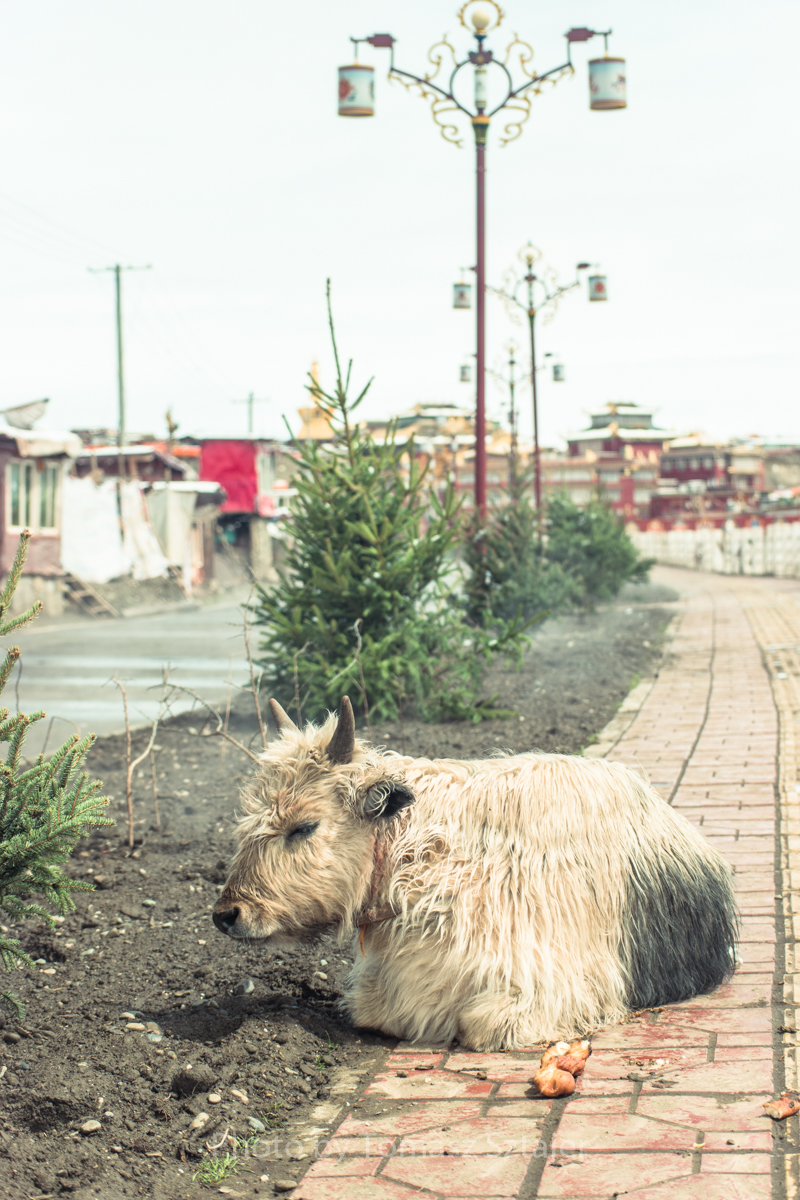
Plus some photos from near Tagong.
//
Wrzucam kilka obrazków z jednego z najbardziej niesamowitych miejsc, które można odwiedzić w regionie Siczuan: klasztor i świątynia Yarchen Gar (Yaqing Si). Widok wyspy szczelnie zabudowanej mnisimi chatkami z byle czego robi spore wrażenie. Z perspektywy turysty – trochę szkoda, że władze próbują “udoskonalić” mnisie miasteczko, głównie poprzez wyburzanie jego części…
Plus kilka zdjęć z okolic Tagong.
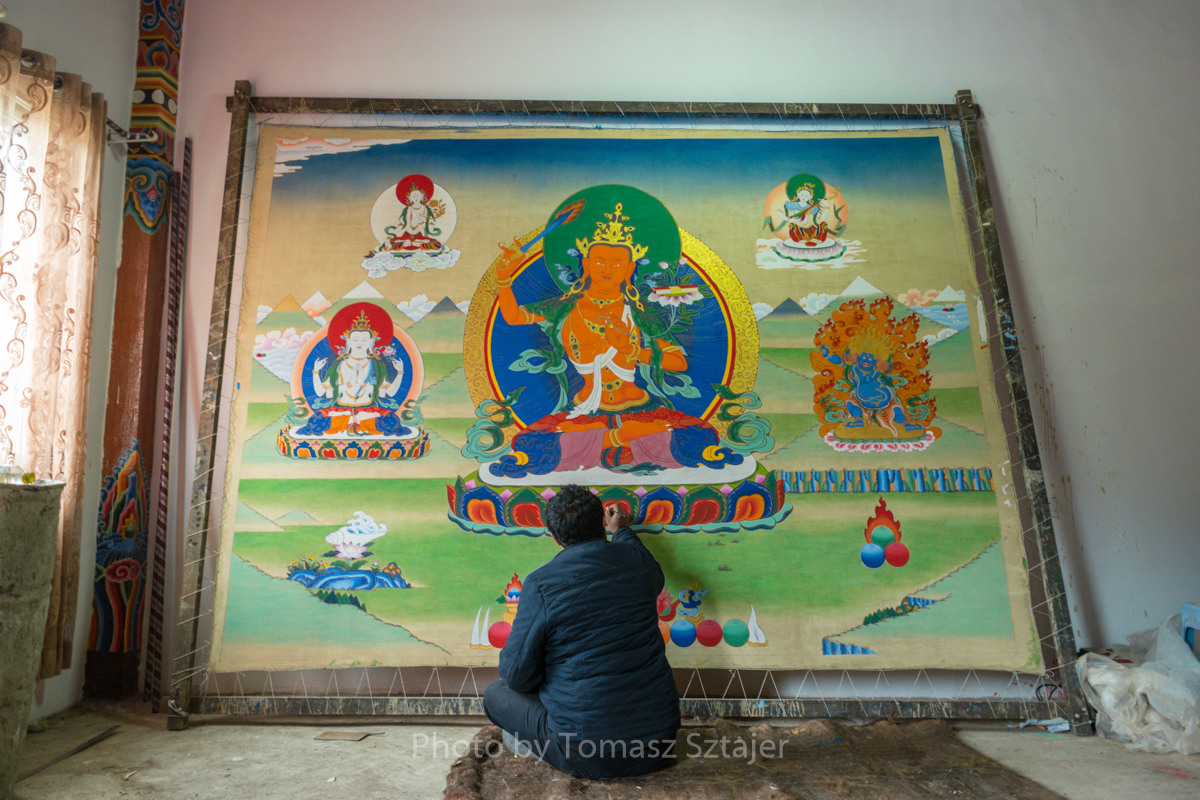
An artist at work, Kanding
View from Khampa Nomad Ecolodge
Just outside the lodge
Visiting nearby villages
On the way to Tagong
Tagong town
Tagong town
Tagong town
“Supermarket” on the way to Yarchen Gar
Yarchen Gar – winter in the morning
… spring in the afternoon
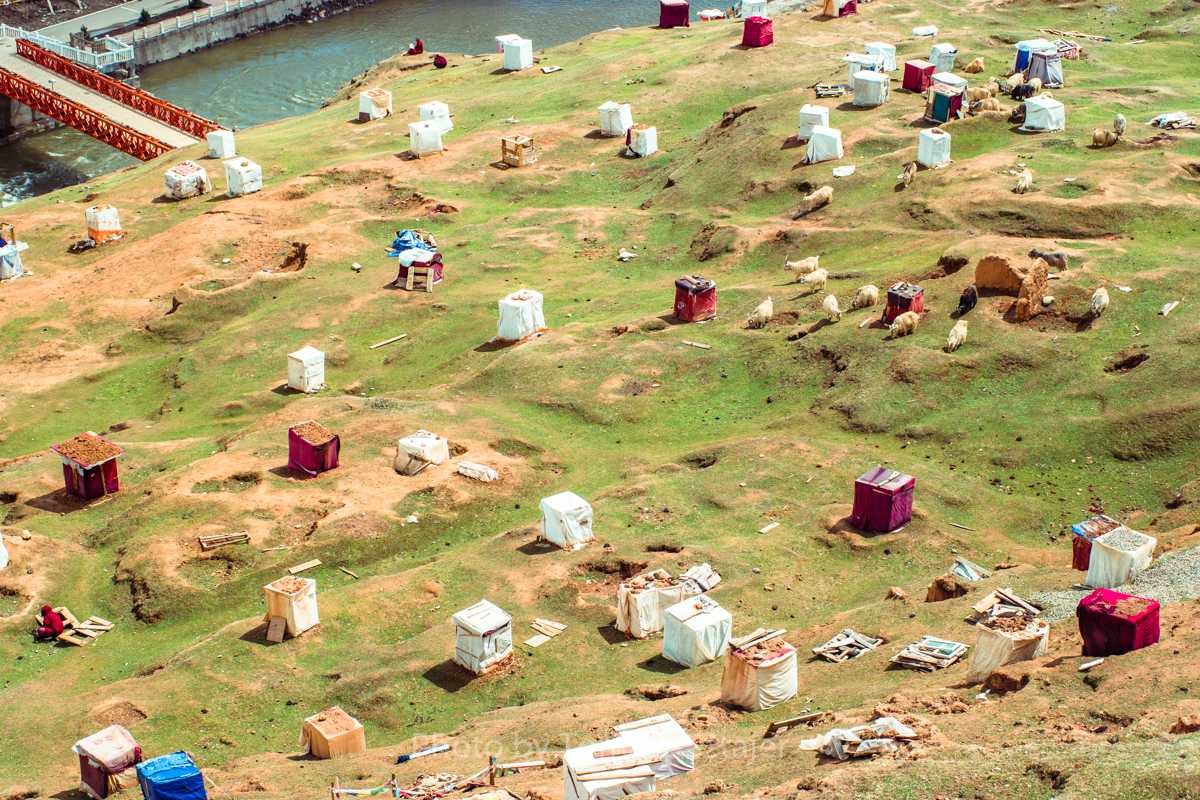
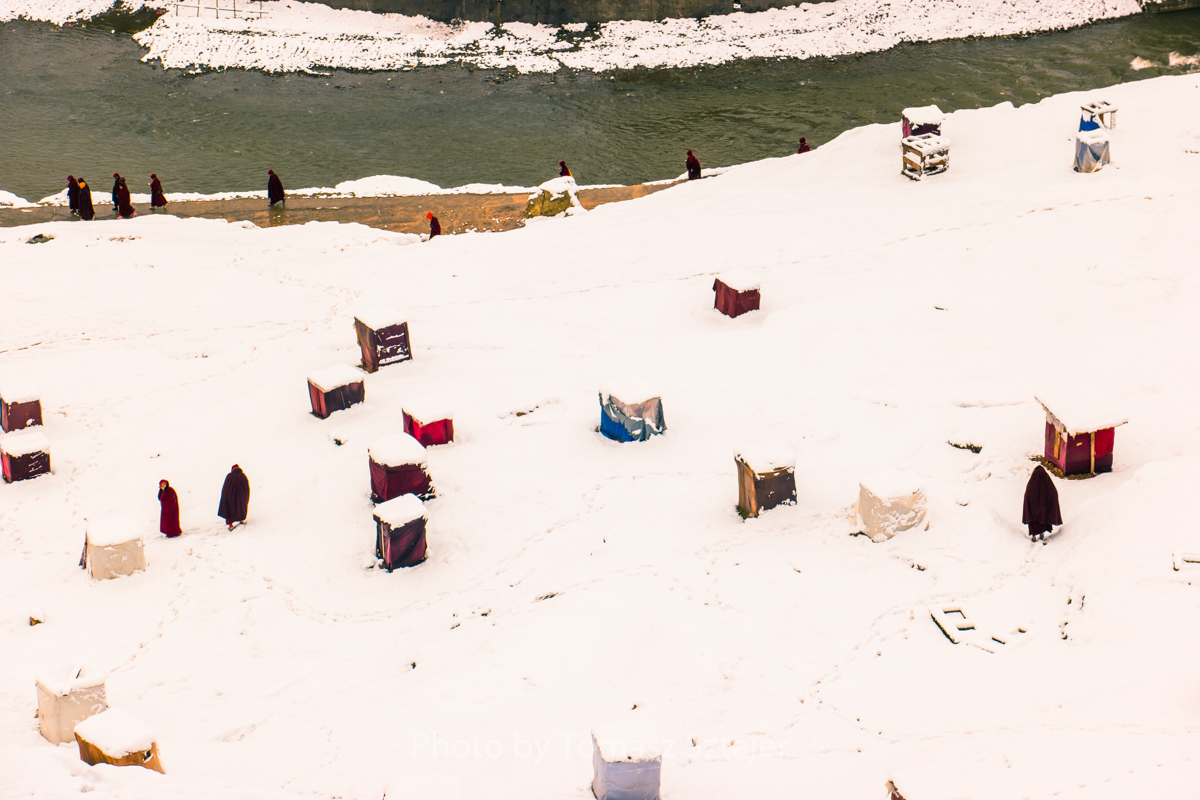
Tiny meditation huts
Snowy Yarchen Gar
Yarchen Gar
Yarchen Gar
Yarchen Gar
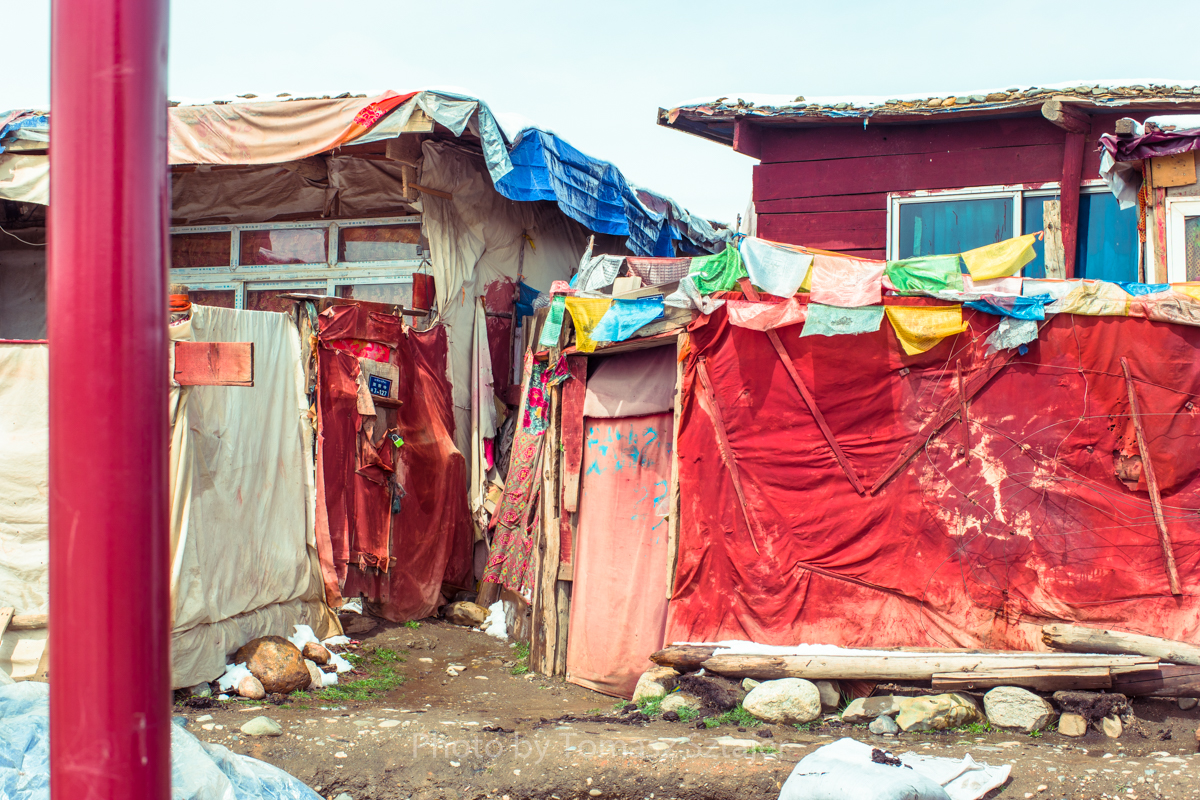
Even the shantiest of houses have their address plates
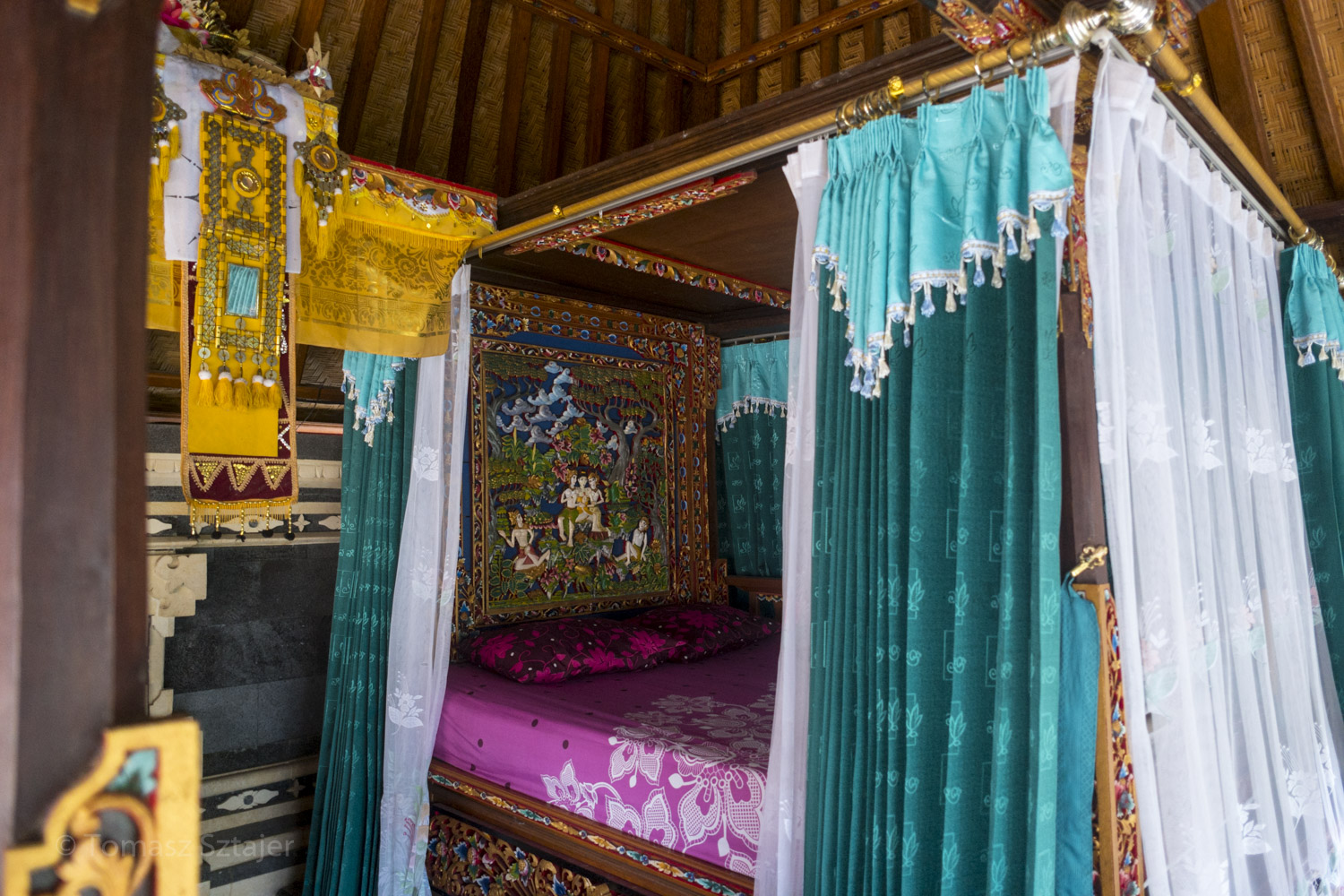
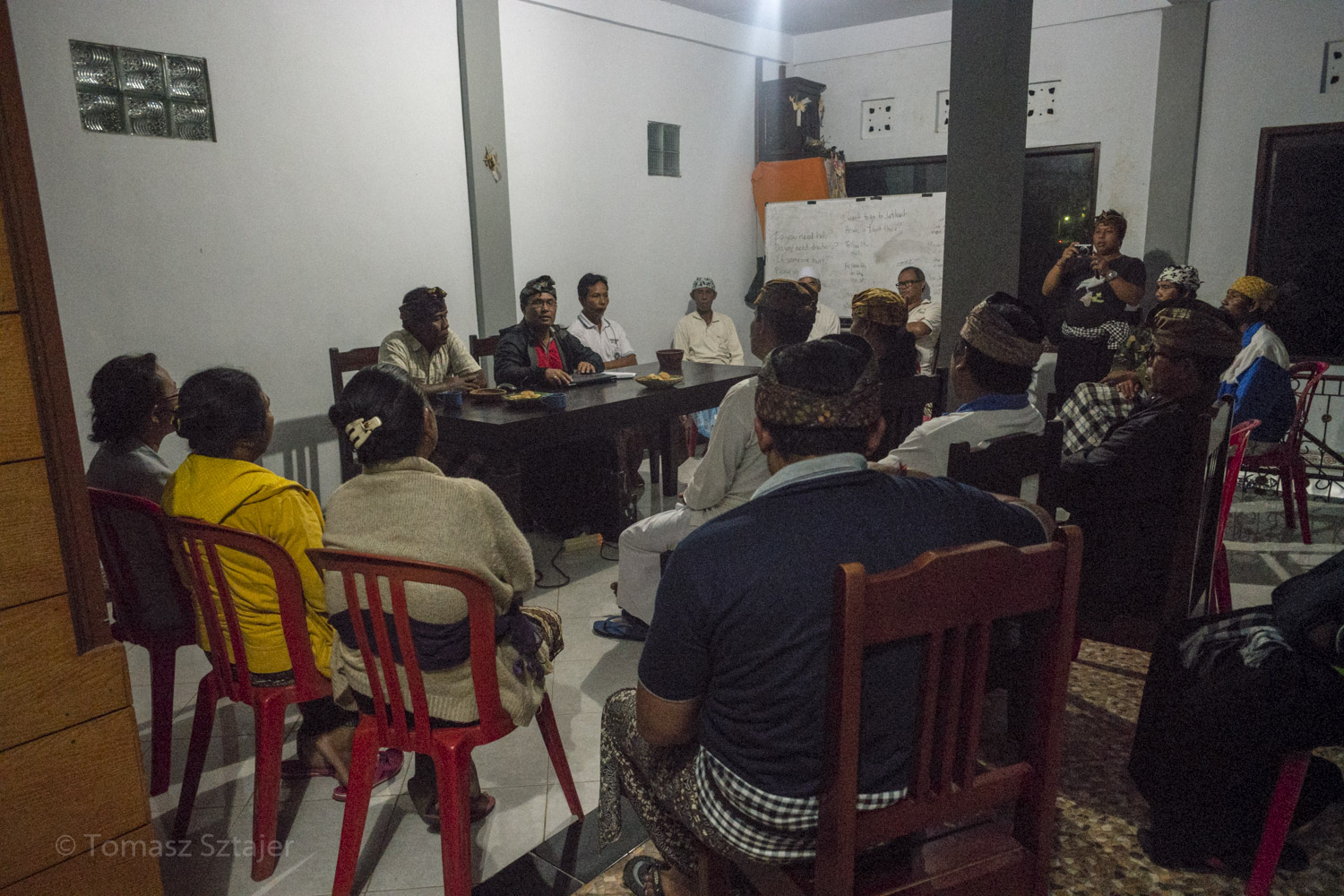
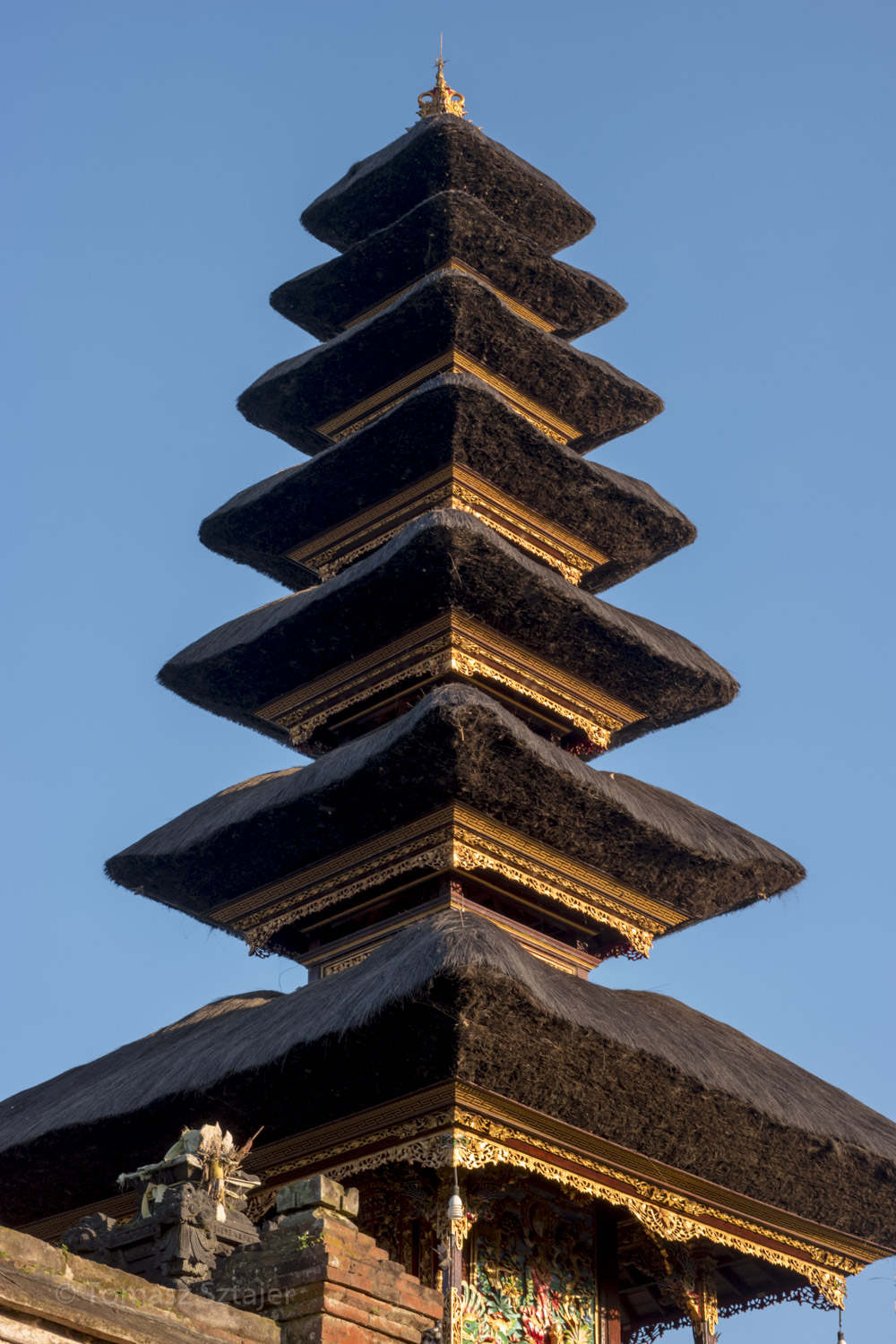
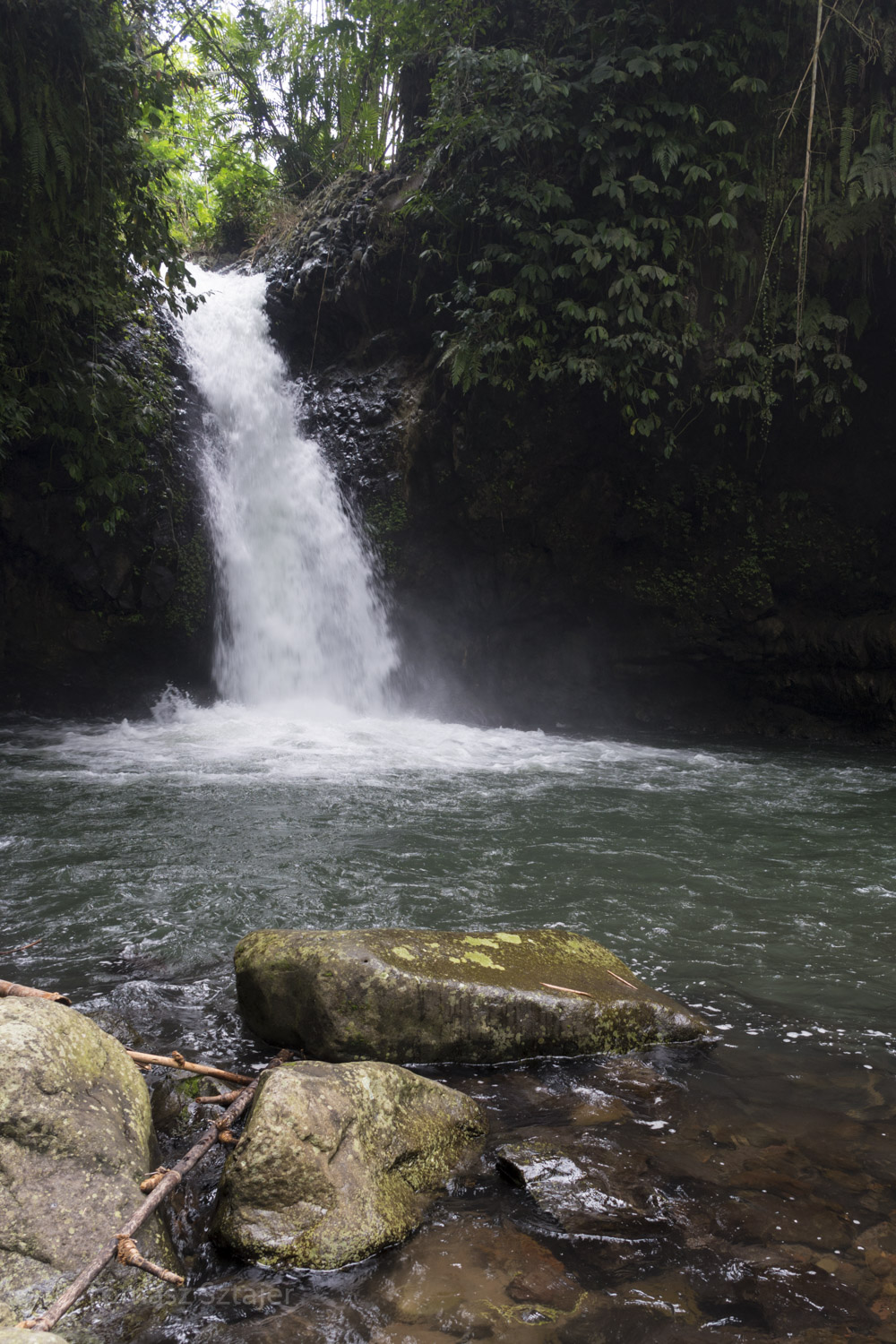
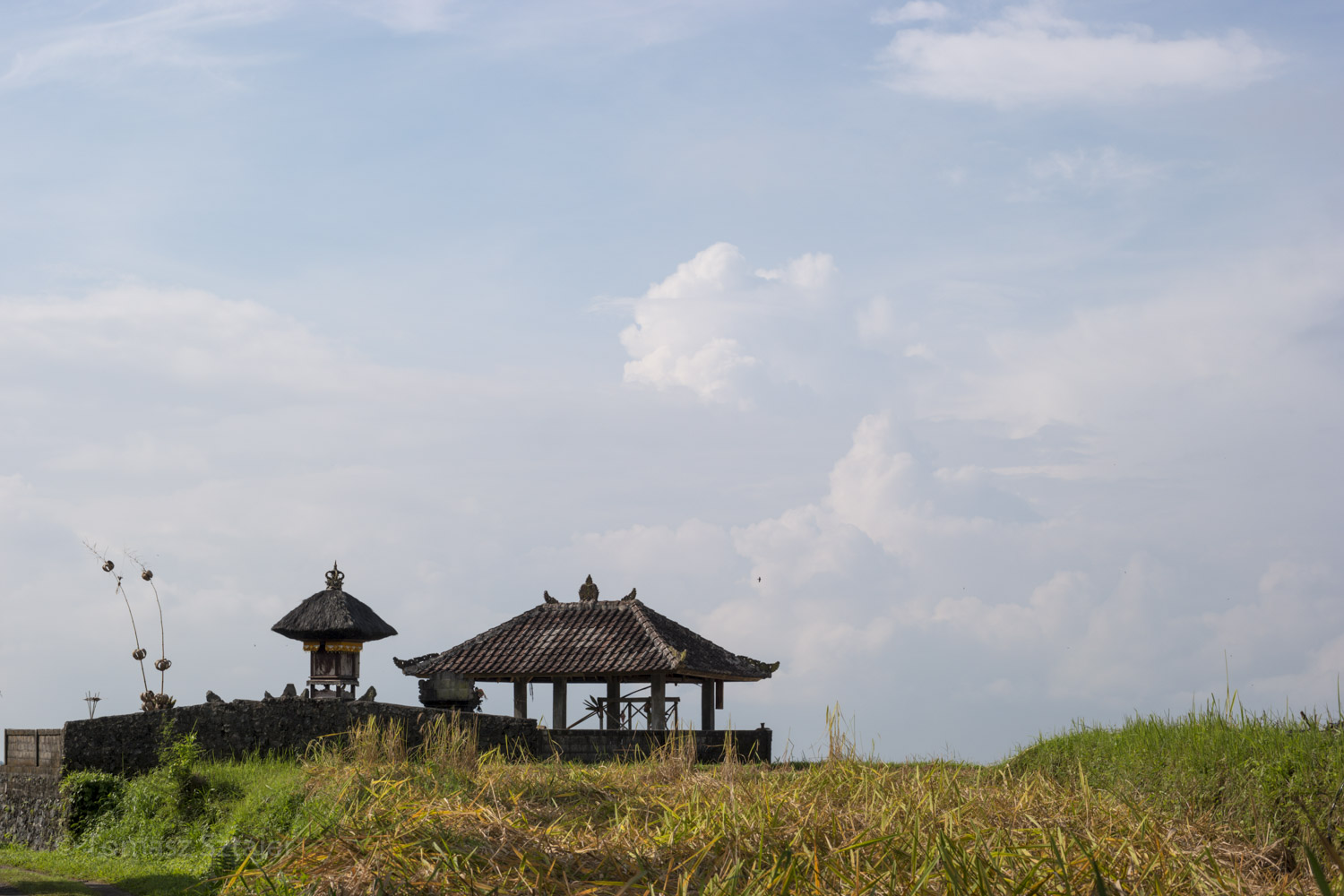
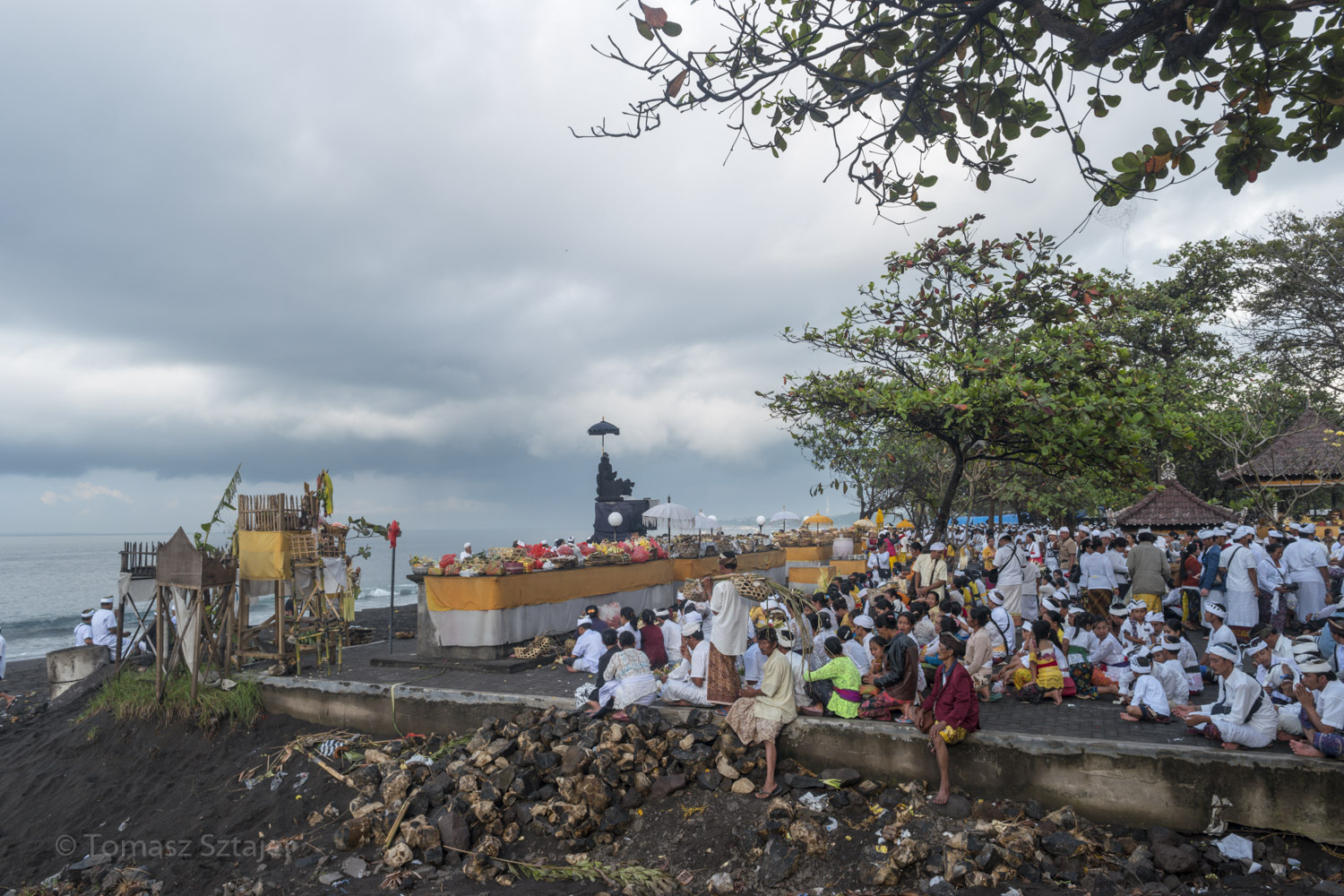
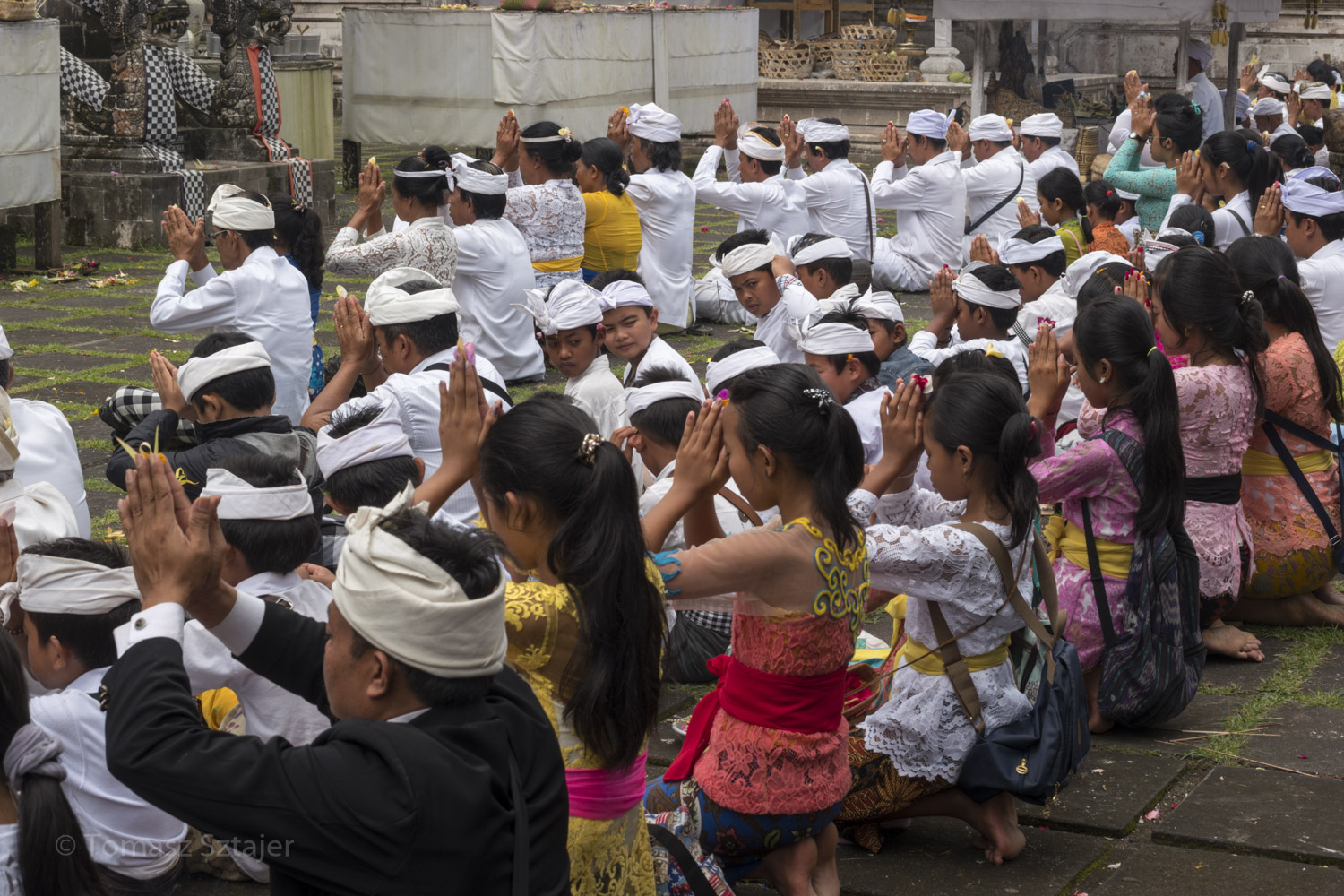
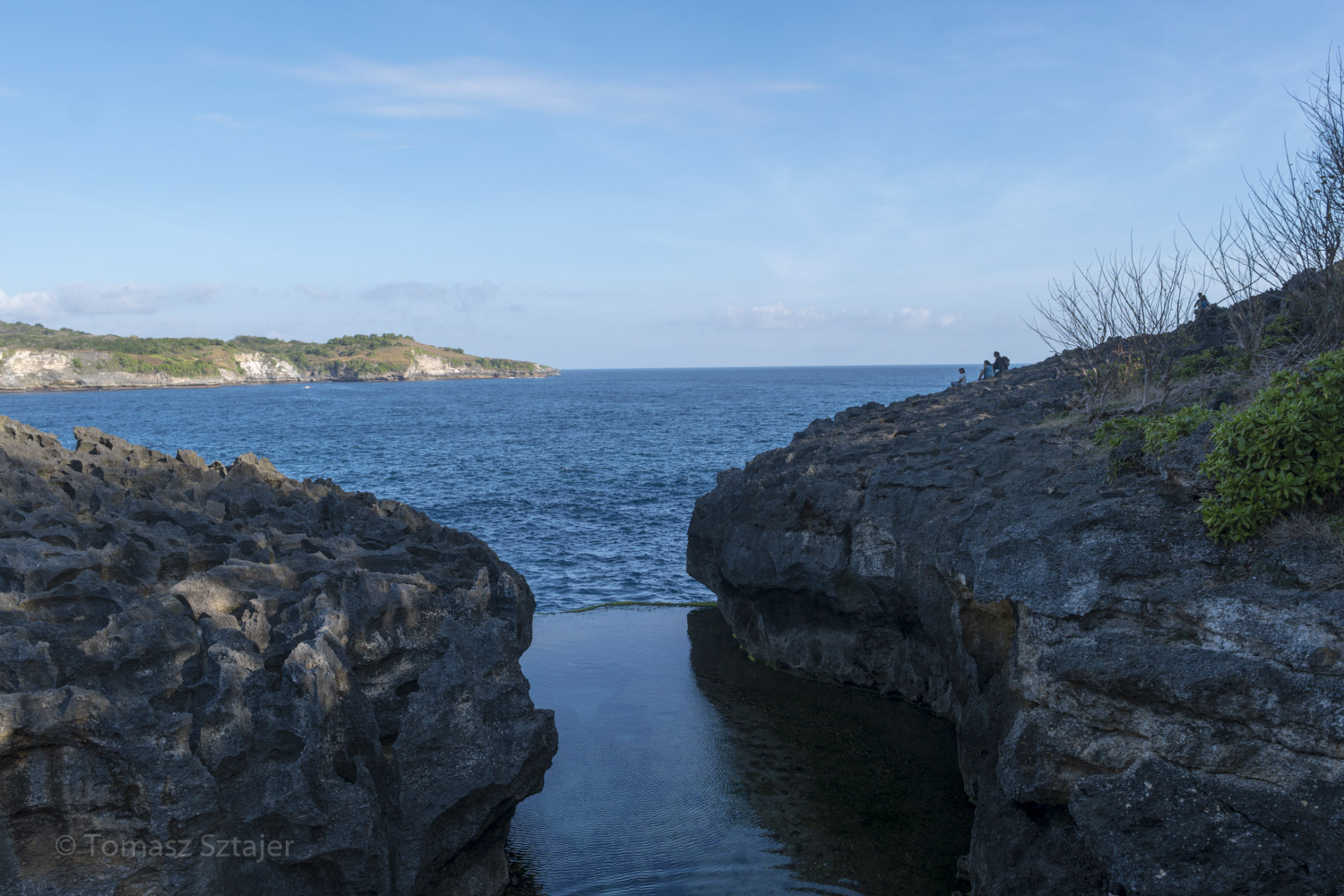
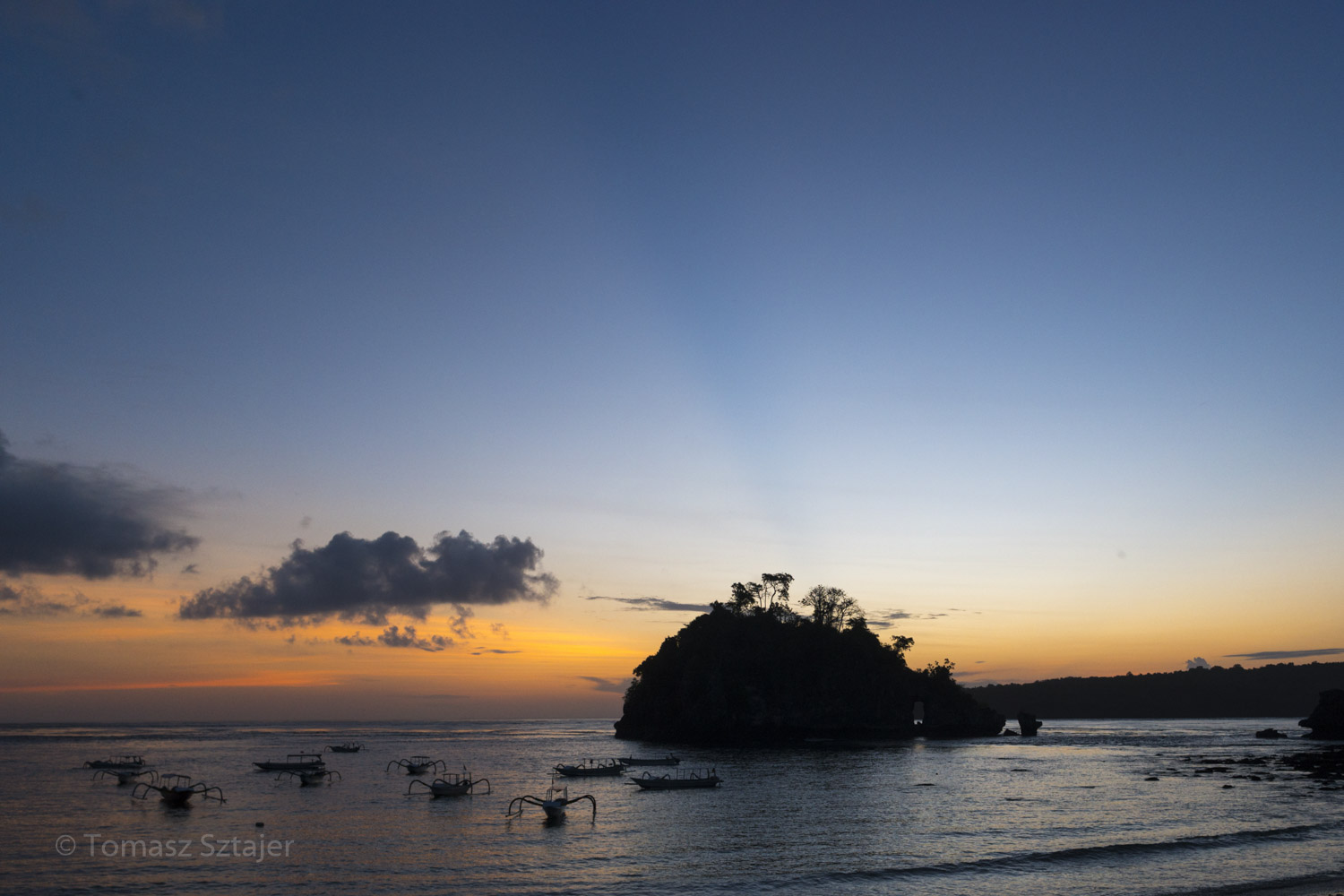
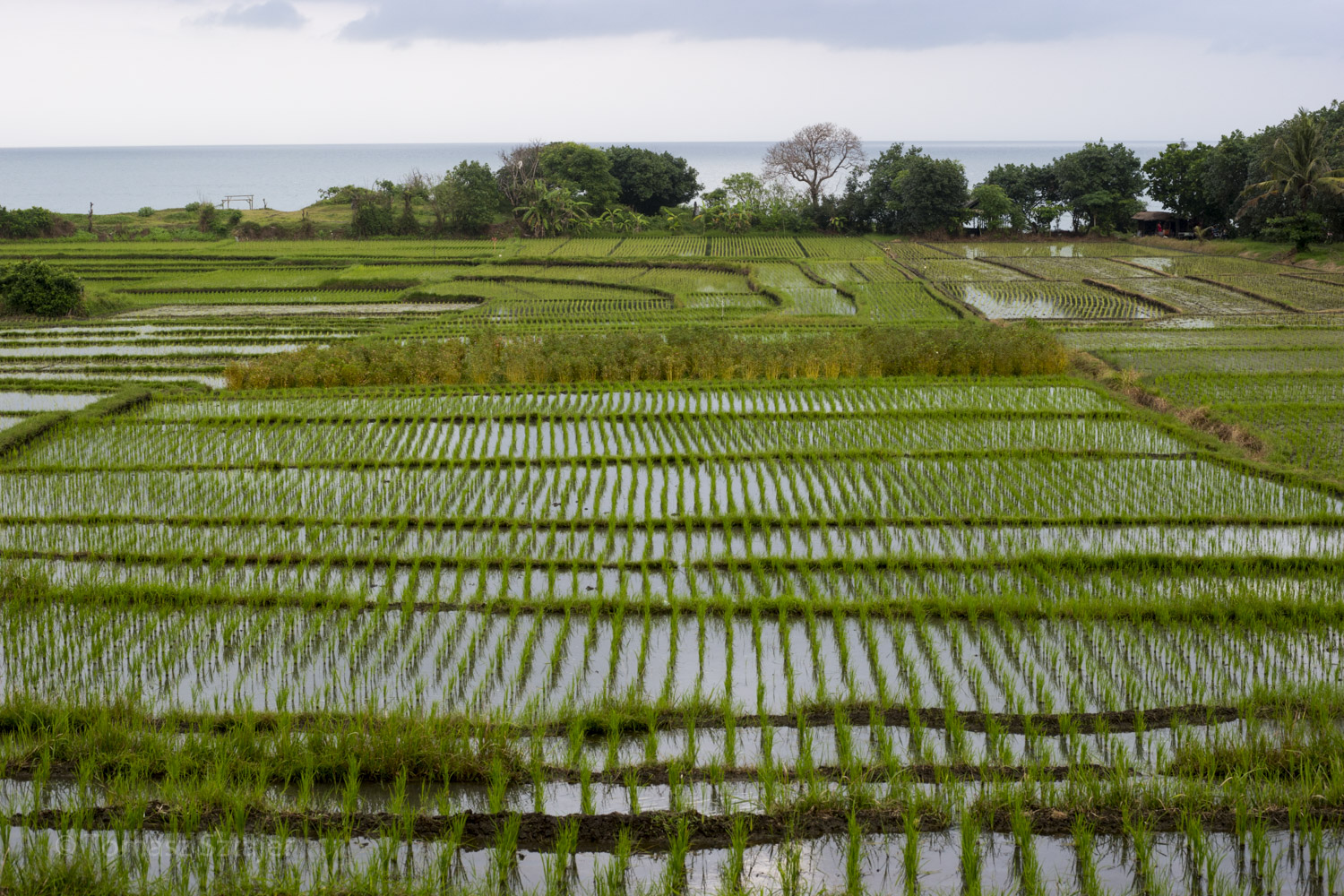
Get prepared for all that Bali has to offer – you will have it all brought to you on a golden platter, you will have to try hard to shake off all the hawkers, you will be offered all that you don’t need from drinks to stone massage to zipline to banana boat; and you will be expected to pay a much higher price than a local would… But once you get out of those ultra-touristy areas (that cover a big part of the island, but not all of it …yet) Bali can still impress you – beautiful landscapes, thousands of family temples, delicious street food, smiling and kind people (protip: when on tight budget and not willing to spend money on transportation, politely refuse all the scooter drivers that pull over offering to give you a ride for money, by telling them you will just walk; once he realizes you are serious and he won’t be able to squeeze any money of you, the driver will bring you to your destination for free; it only works out of touristy zones).
I was lucky enough to have contacted Friends of the National Parks Foundation before arriving to Bali and that organized my stay around shooting a video about their activities (and it brought me to the neighbouring island – Nusa Penida). And when not shooting I just roamed around the place:)
***
O Bali powiem krótko: według mnie trzeba mieć jakiś pomysł na tą wyspę, inaczej jej turystyczność potrafi przytłoczyć… Zachodni turysta ma tu wszystko podane na talerzu, nie może się opędzić od różnego rodzaju naganiaczy i naciągaczy, tutaj zrobią mu drinka a tam masaż kamieniami, zipline albo banana boat; oczekuje się od niego, że za wszystko zapłaci kilkukrotnie wyższą cenę niż miejscowy… Ale gdy wydostanie się ze stref turystycznych (które obejmują sporą część wyspy, ale – całe szczęście – jeszcze nie całą) Bali wciąż może oczarować – piękne krajobrazy, tysiące przydomowych świątyń, pyszny street food, uśmiechnięci i życzliwi ludzie (protip: jeśli podróżujesz niskobudżetowo i nie chcesz wydawać kasy na transport, odmów typowi na skuterze, oferującemu podwózkę za pieniądze i powiedz, że pójdziesz piechotą; w wielu przypadkach, uznawszy, że i tak nic z Ciebie nie wyciśnie, kierowca podwiezie Cię za darmo; działa tylko poza strefą turystyczną).
Ja miałem to szczęście, że przed dotarciem na Bali skontaktowałem się z Friends of the National Parks Foundation, co ukierunkowało mój pobyt na nakręcenie materiału video o ich działalności (i zawiodło mnie m.in. na sąsiednią wyspę – Nusa Penida). A w chwilach wolnych od kręcenia – włóczyłem się to tu, to tam:)
FNPF video:
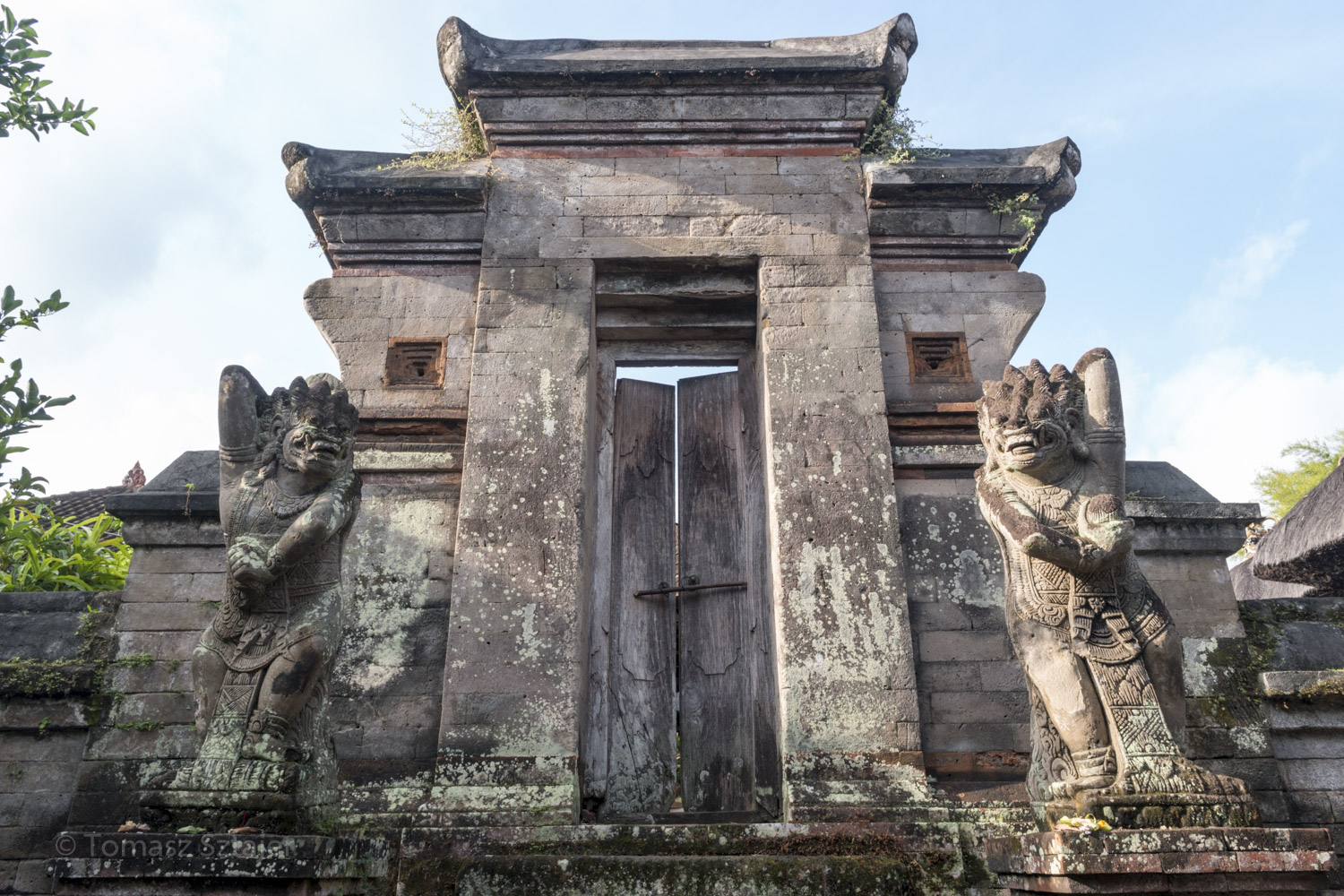
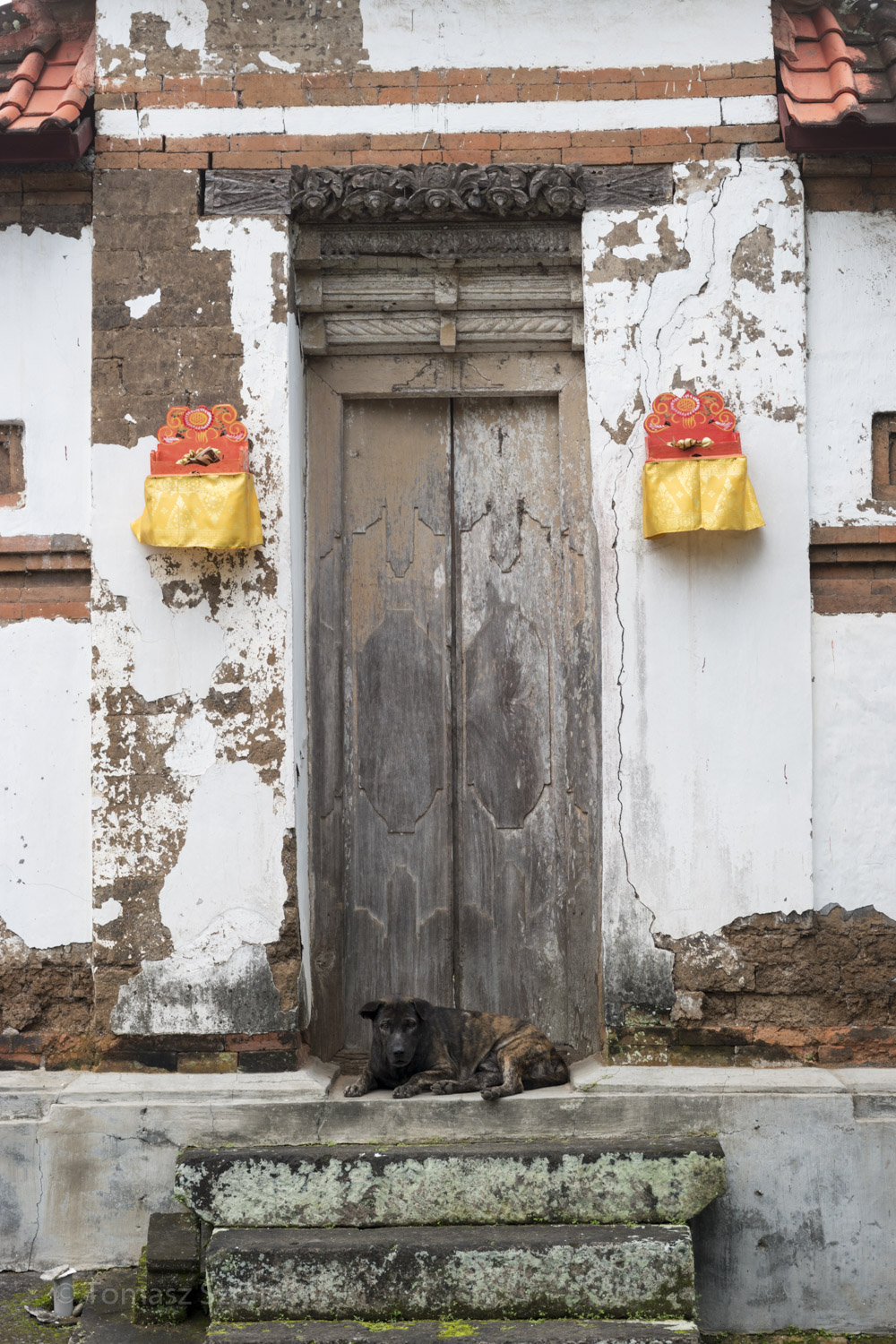
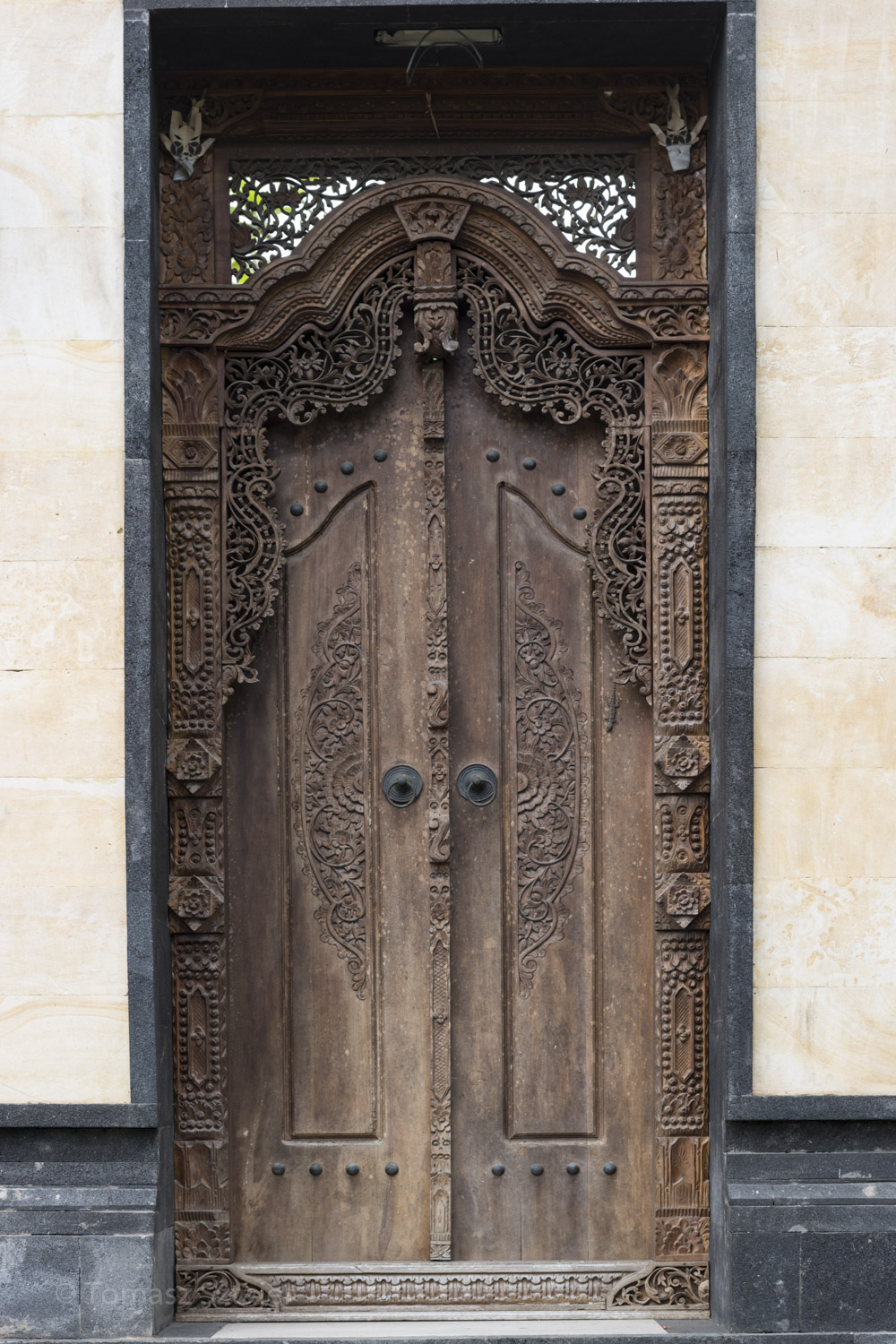
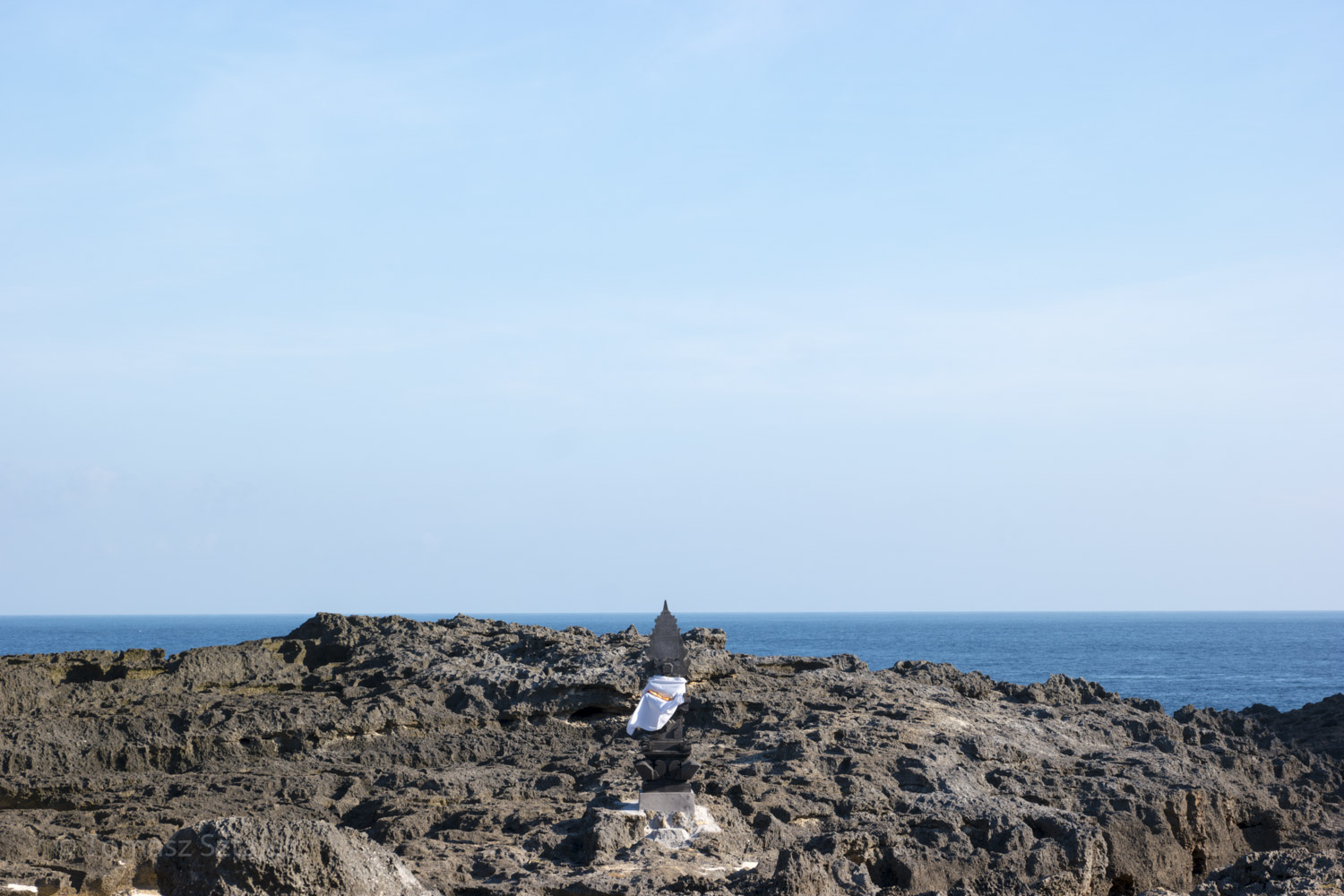
Entrance to household temple
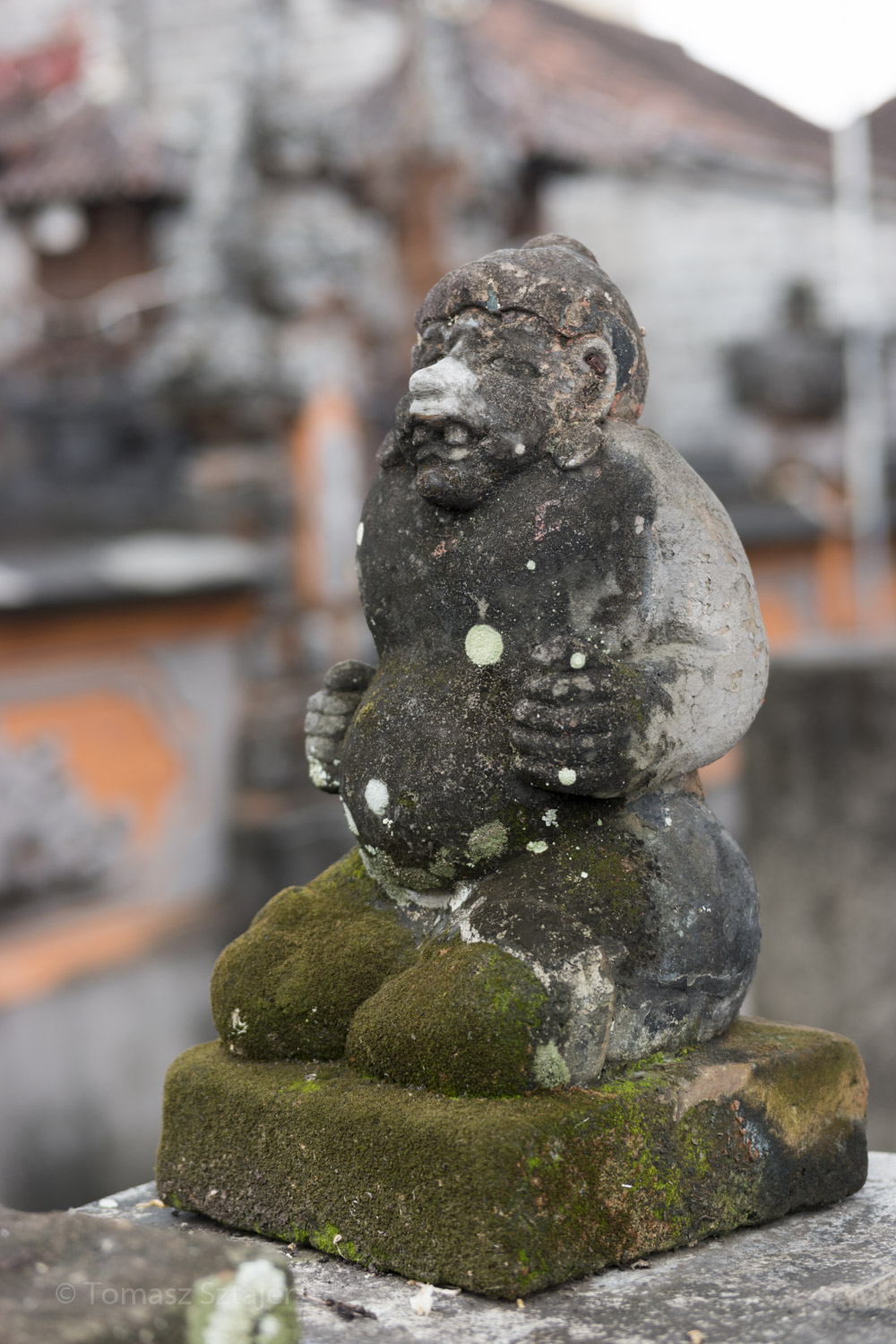
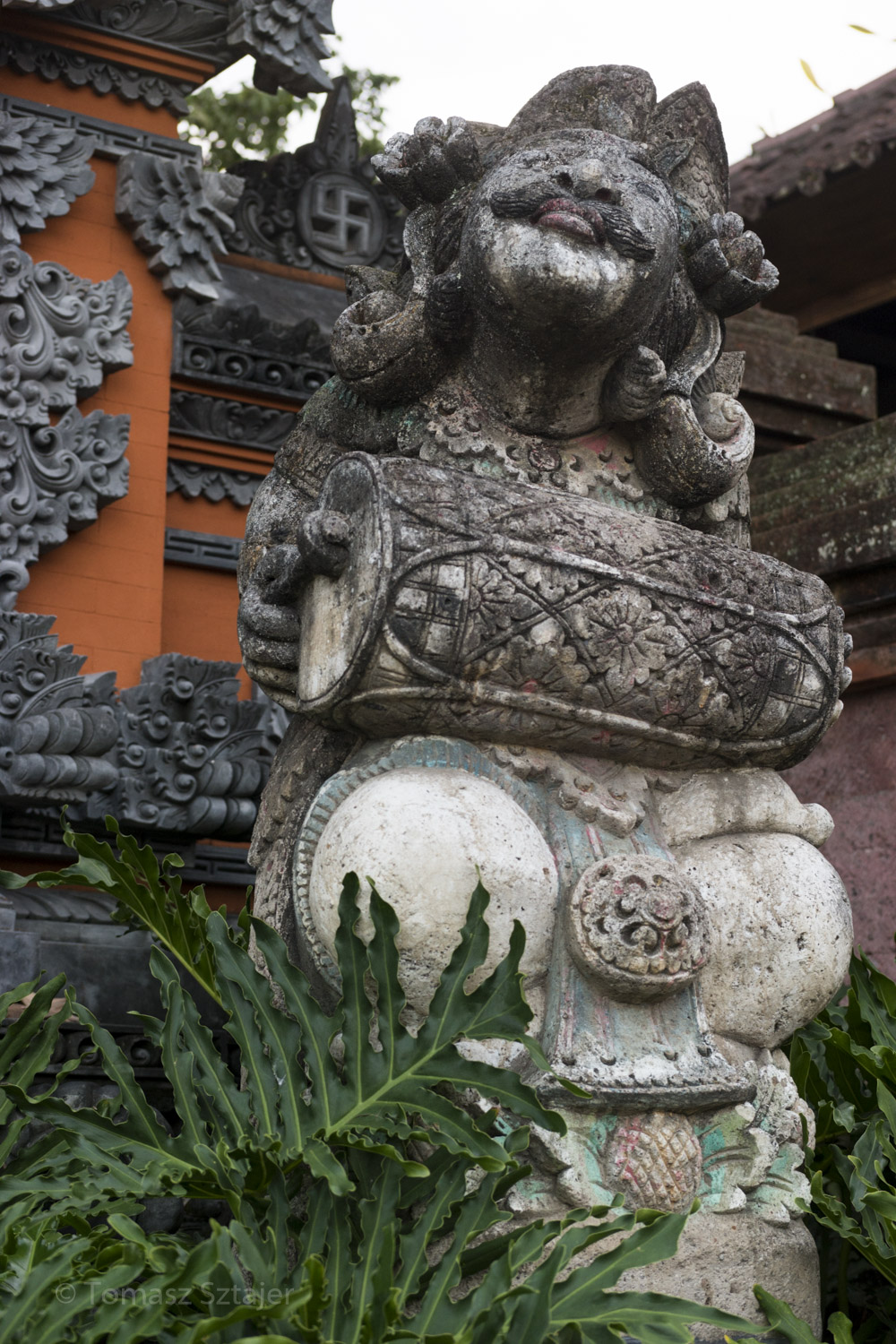
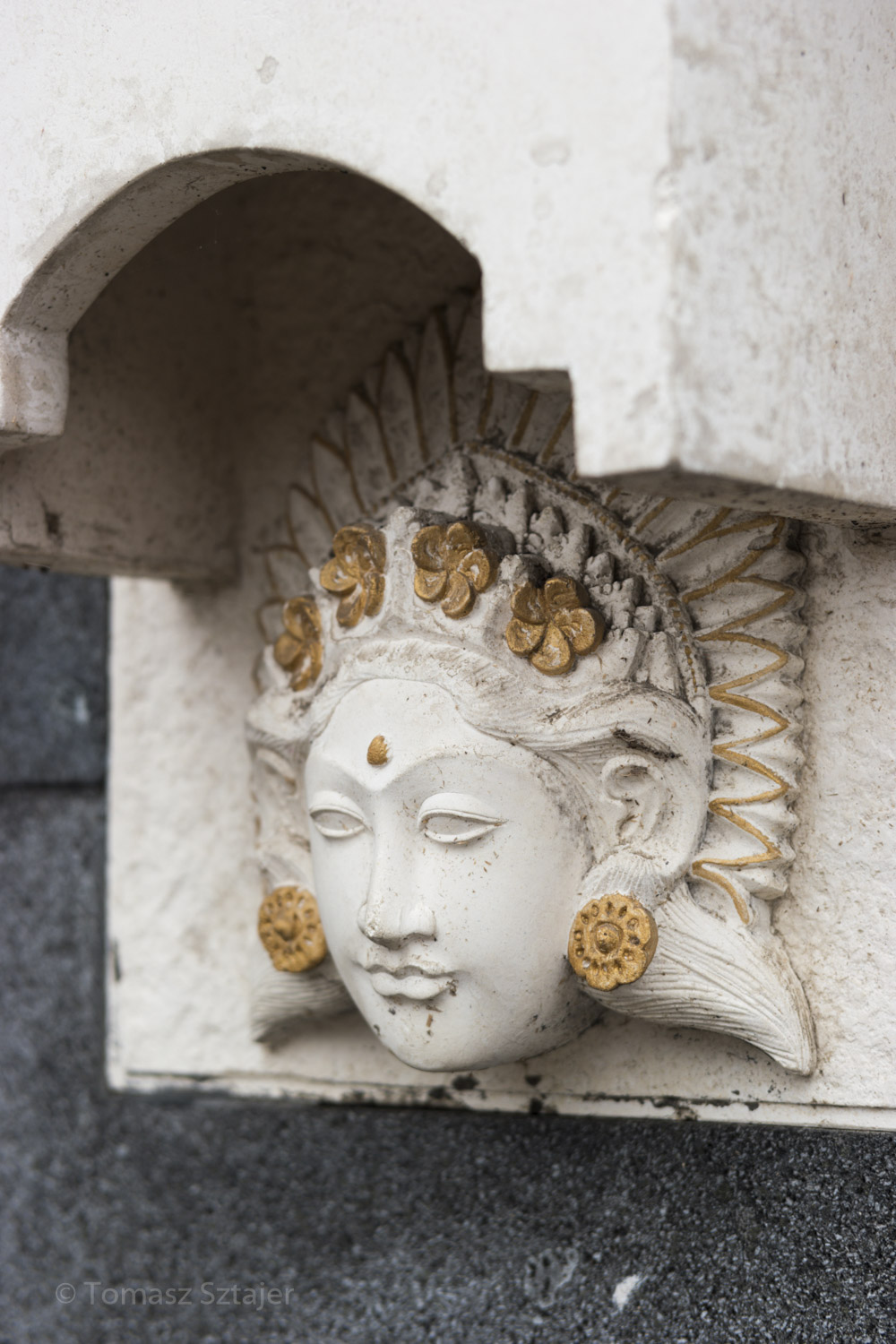
Decorative little temples
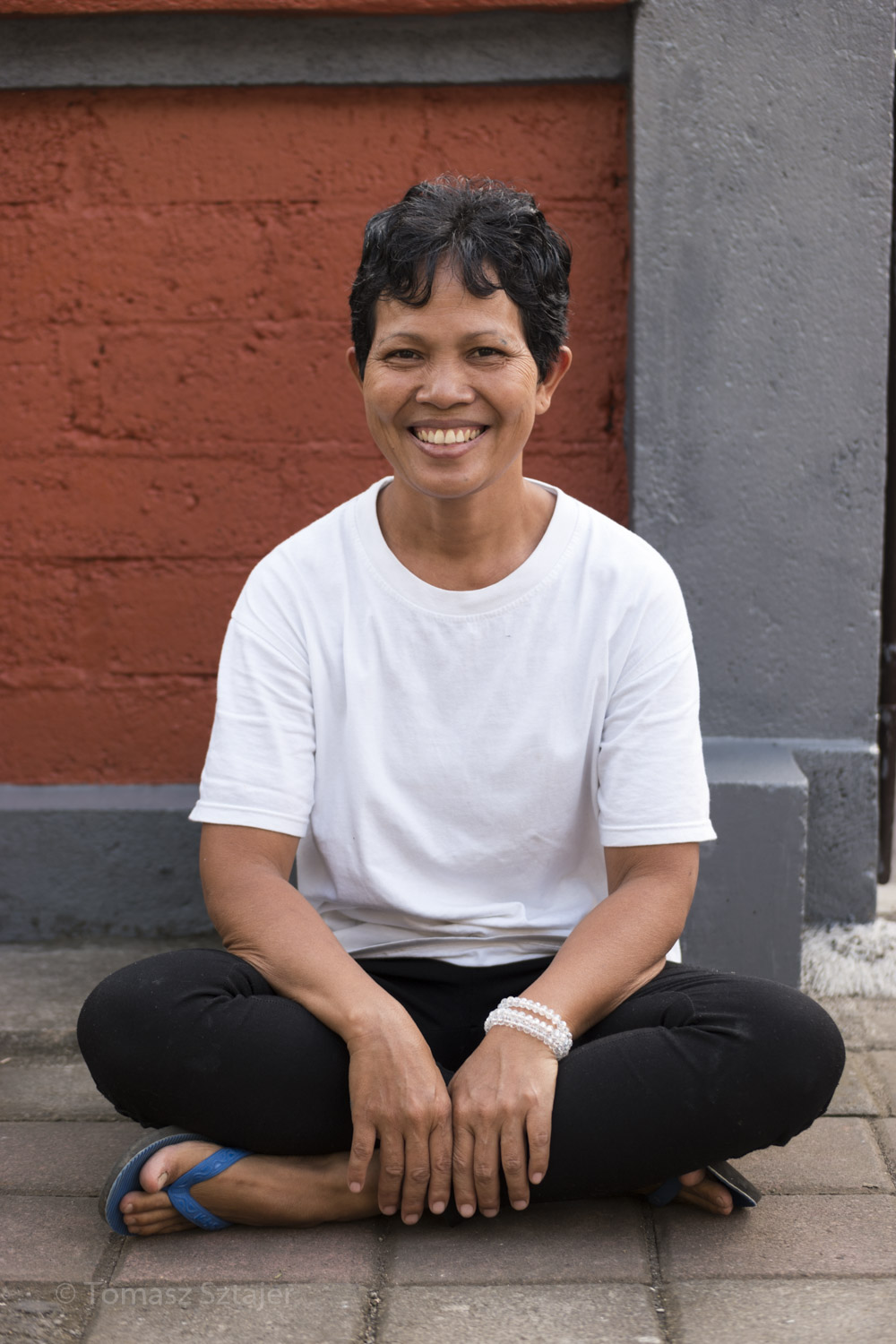
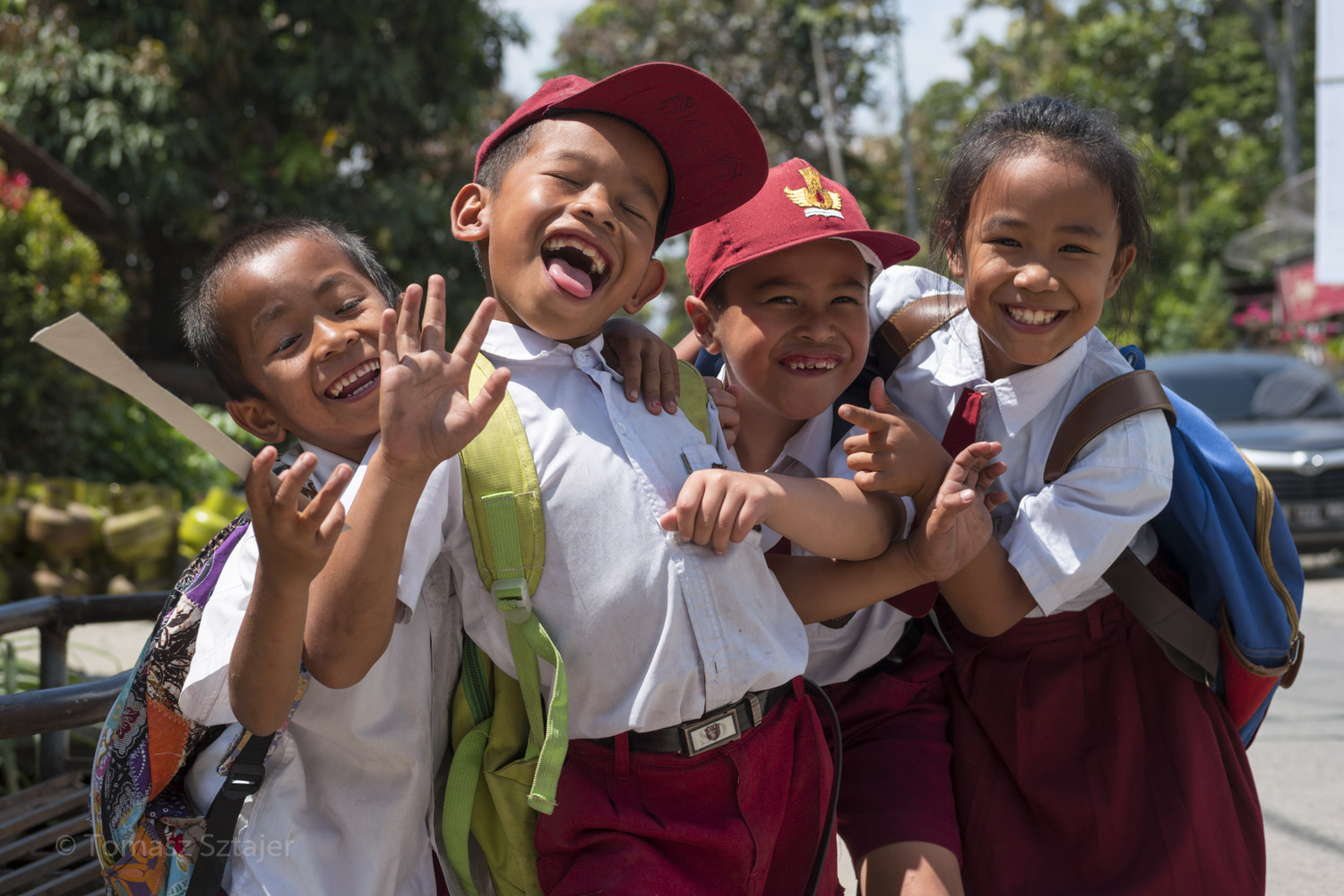
The famous Bali smile
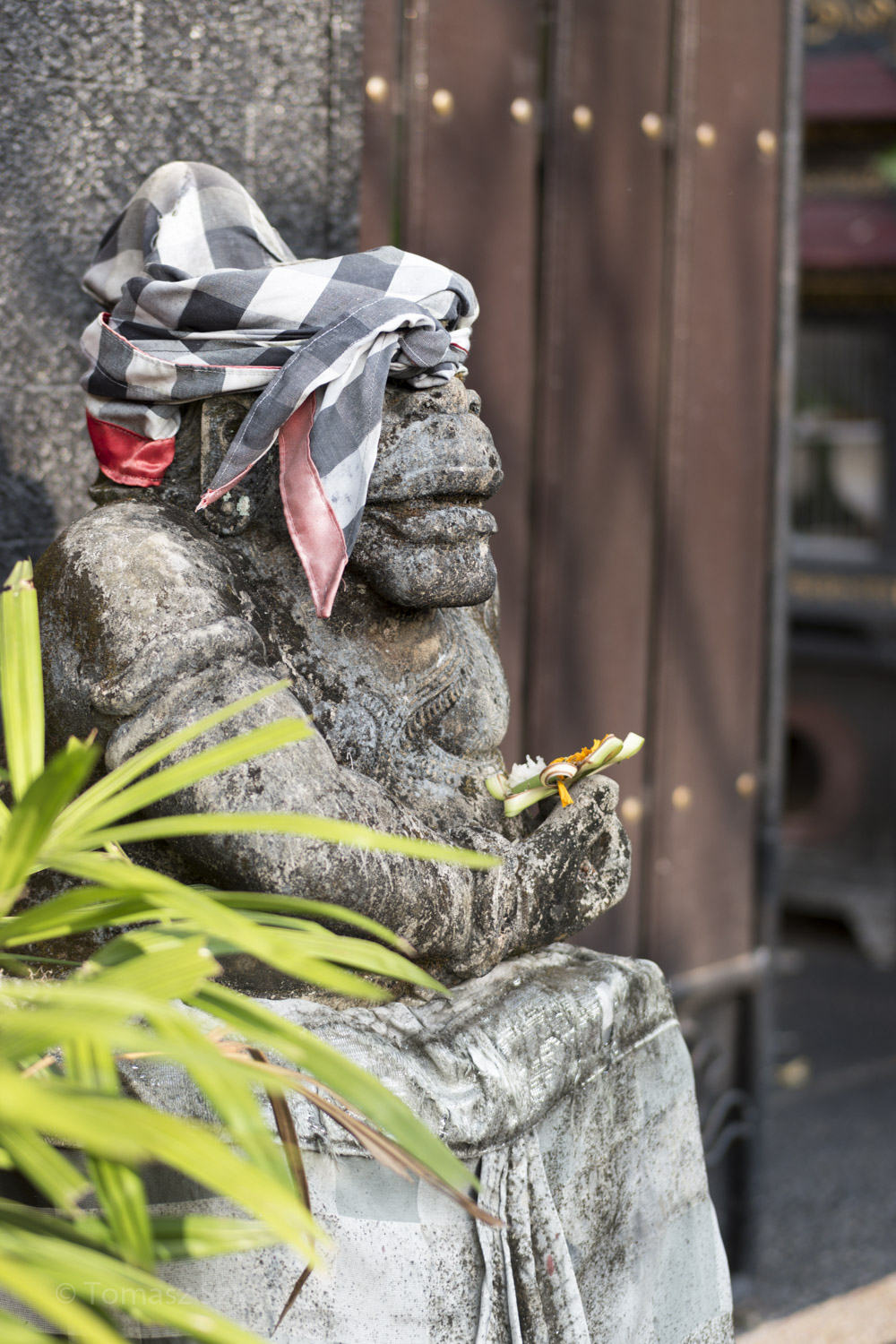
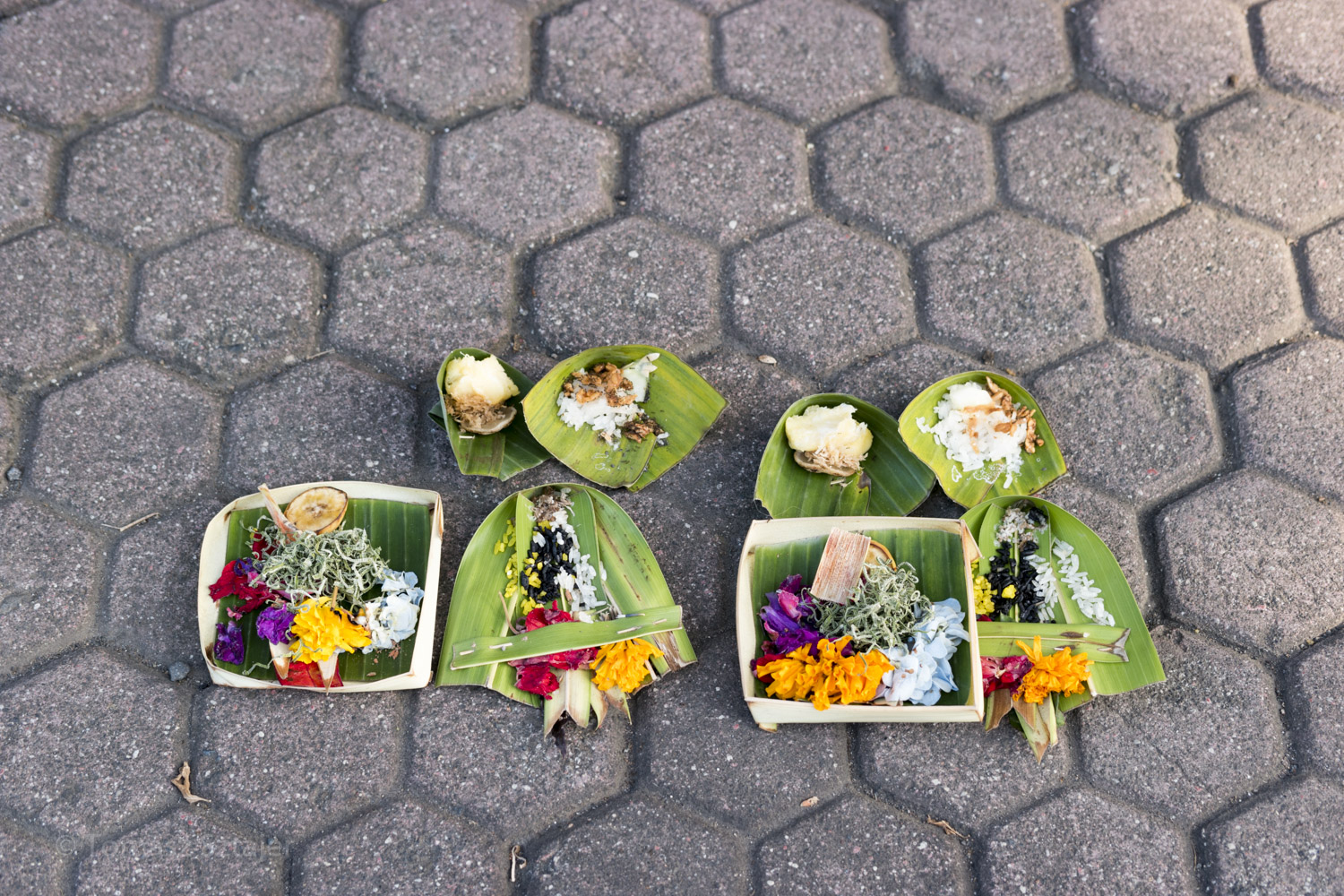
Offerings for hindu gods
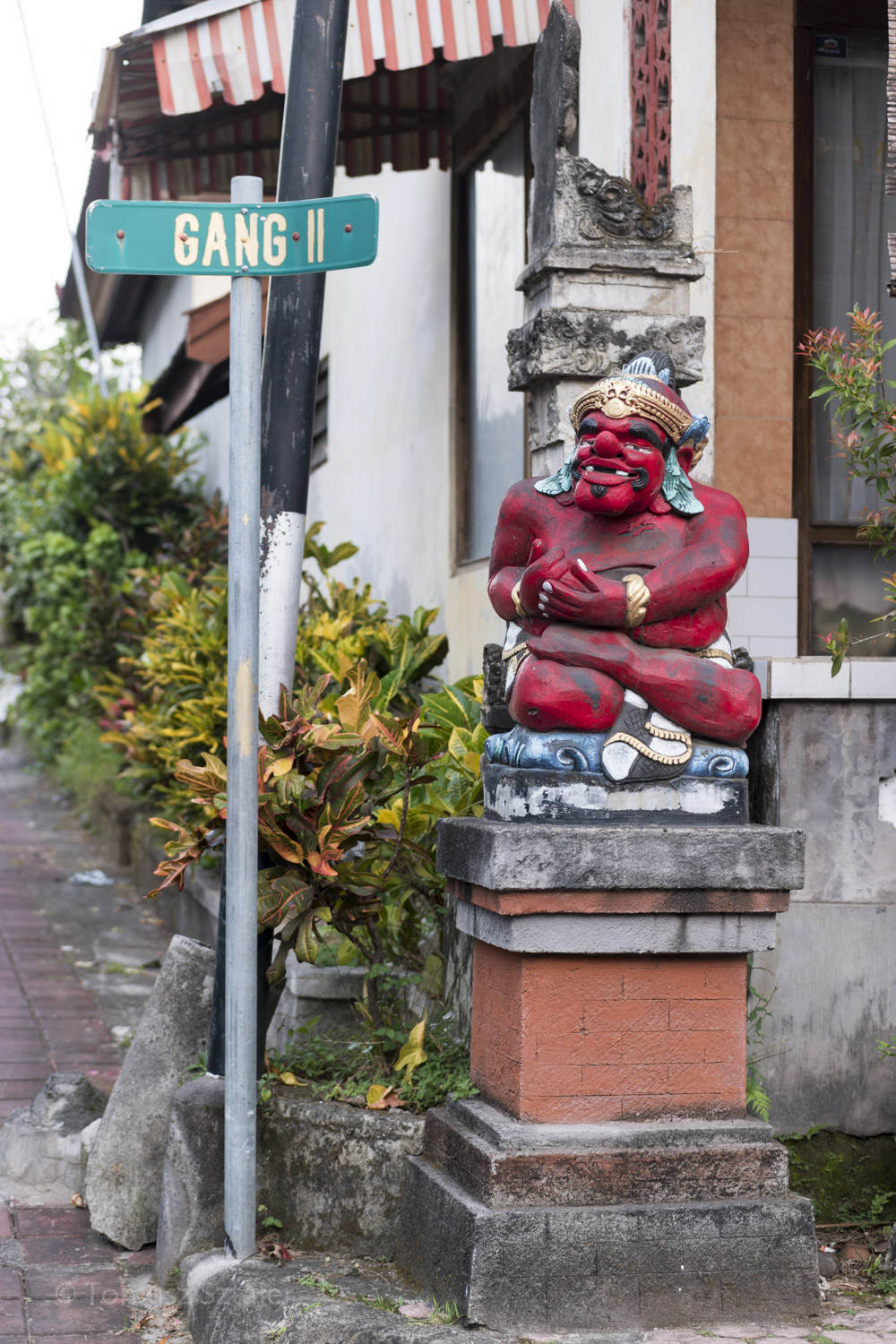
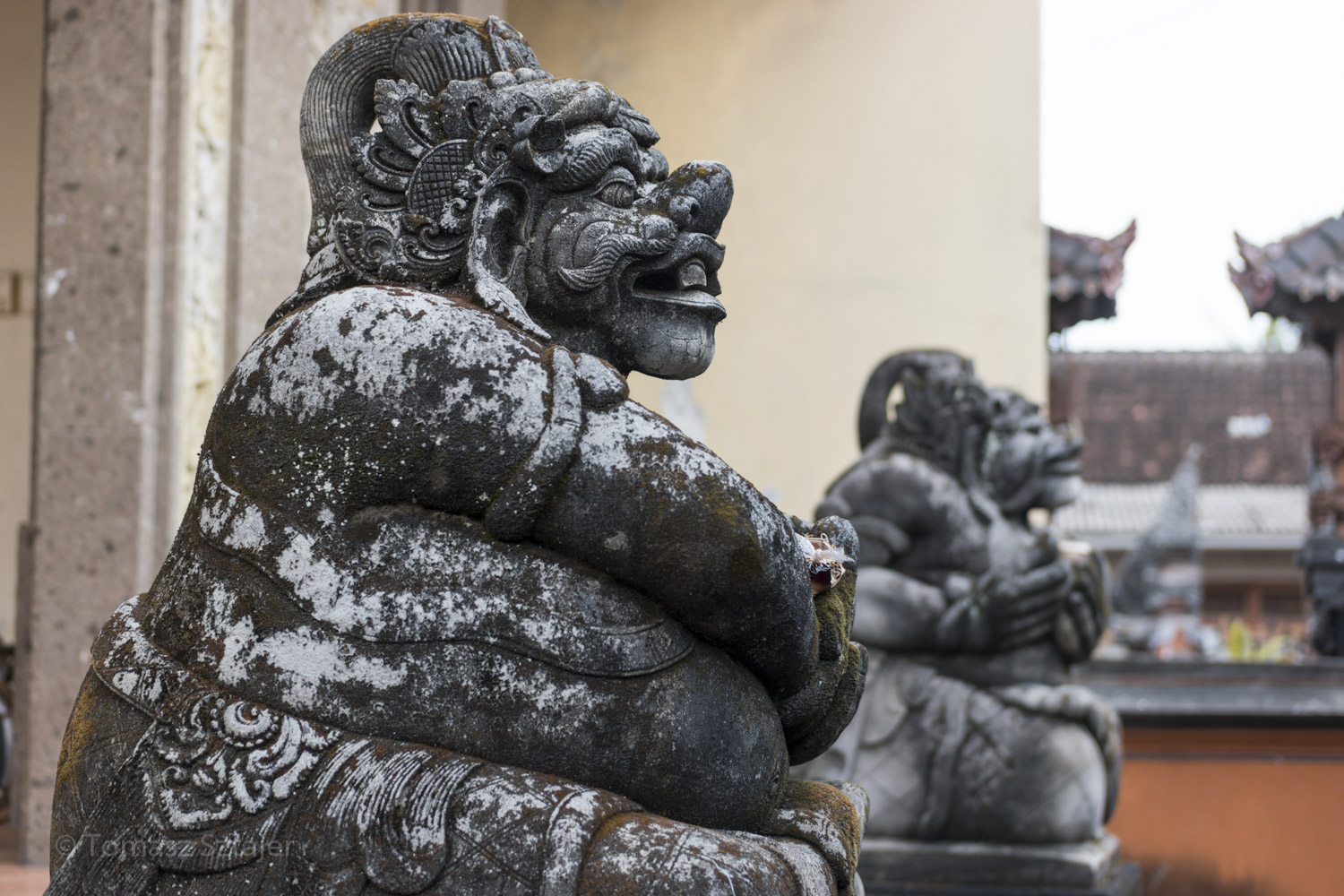
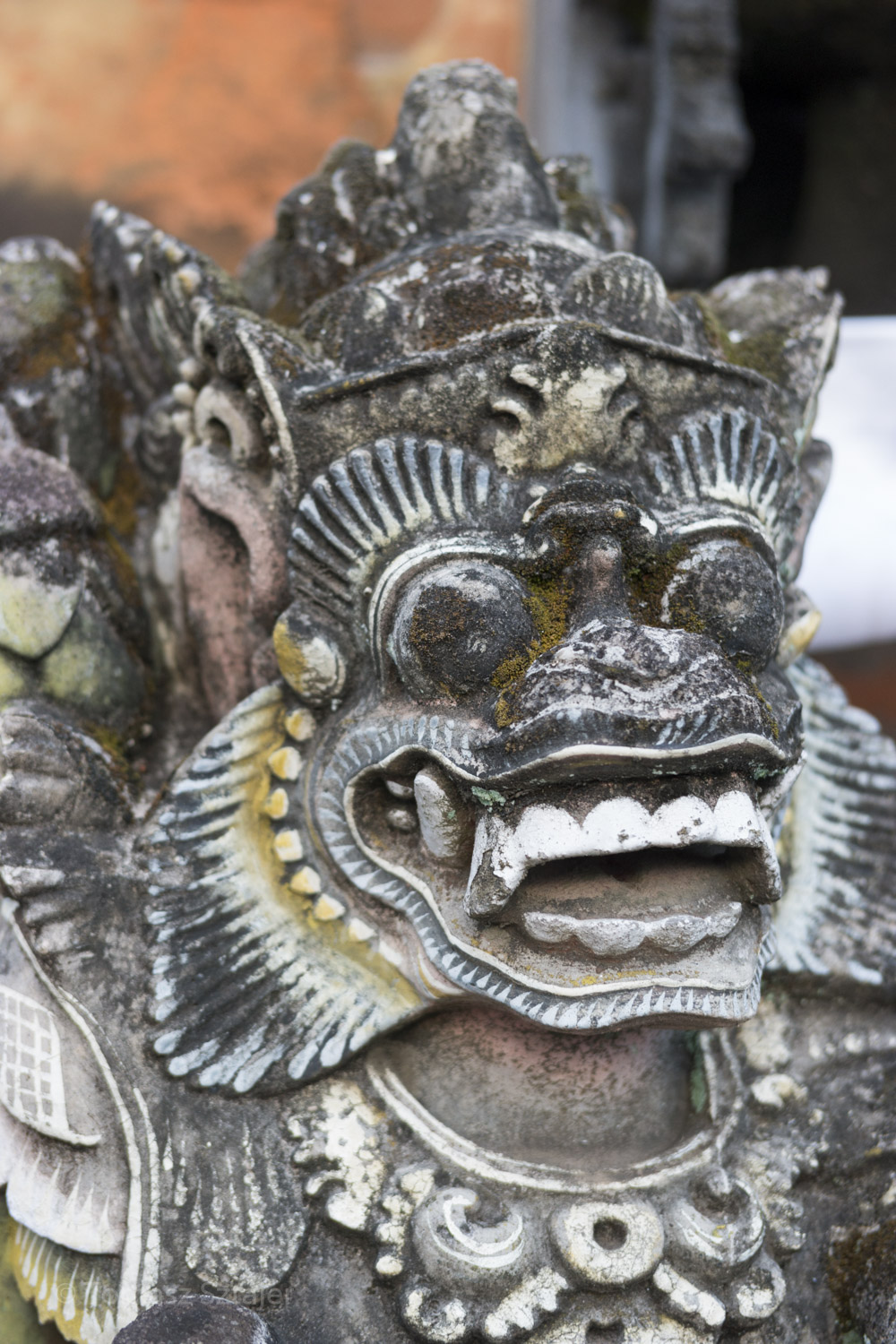
The guardian
Beautiful decorations
True…
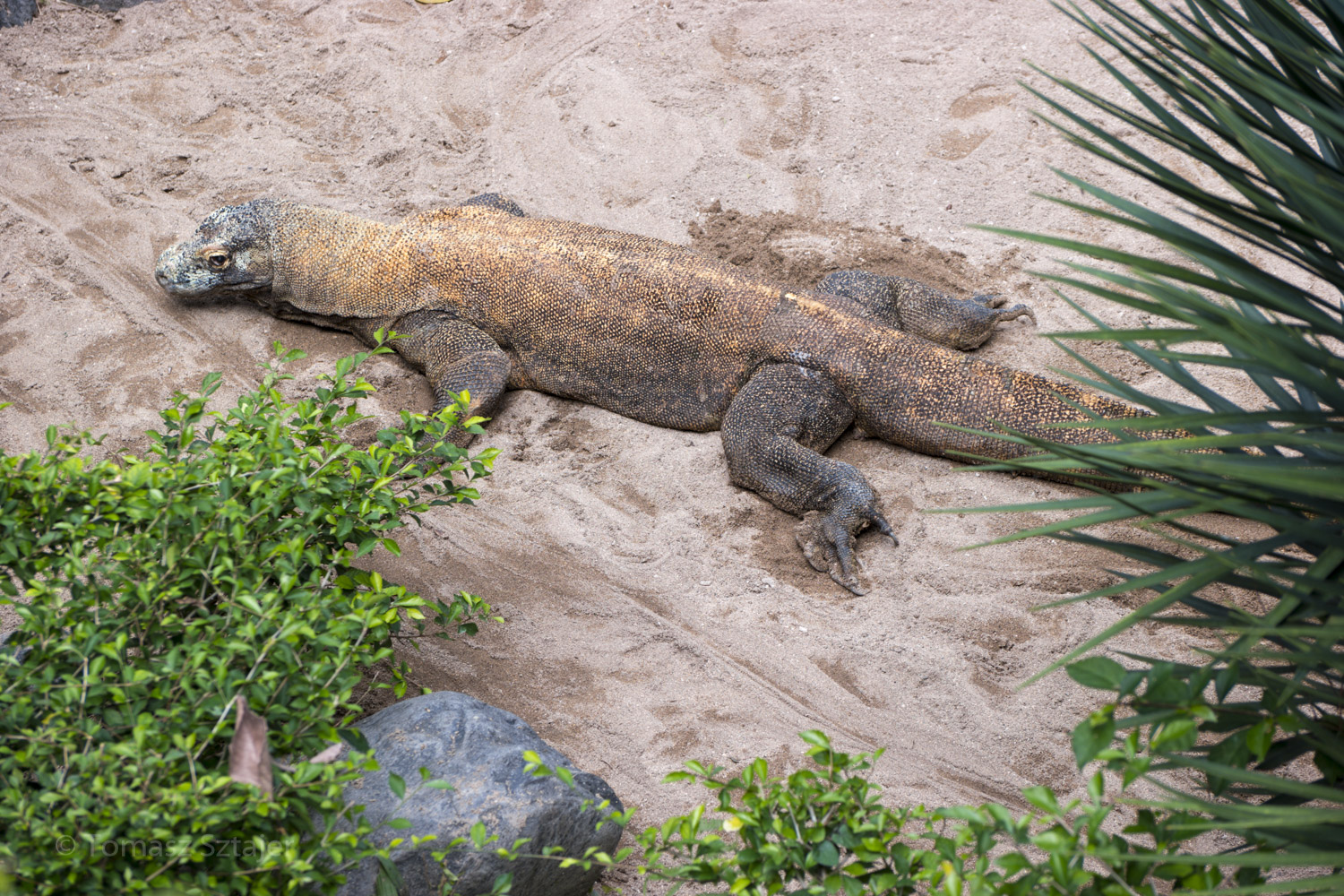
Komodo dragon
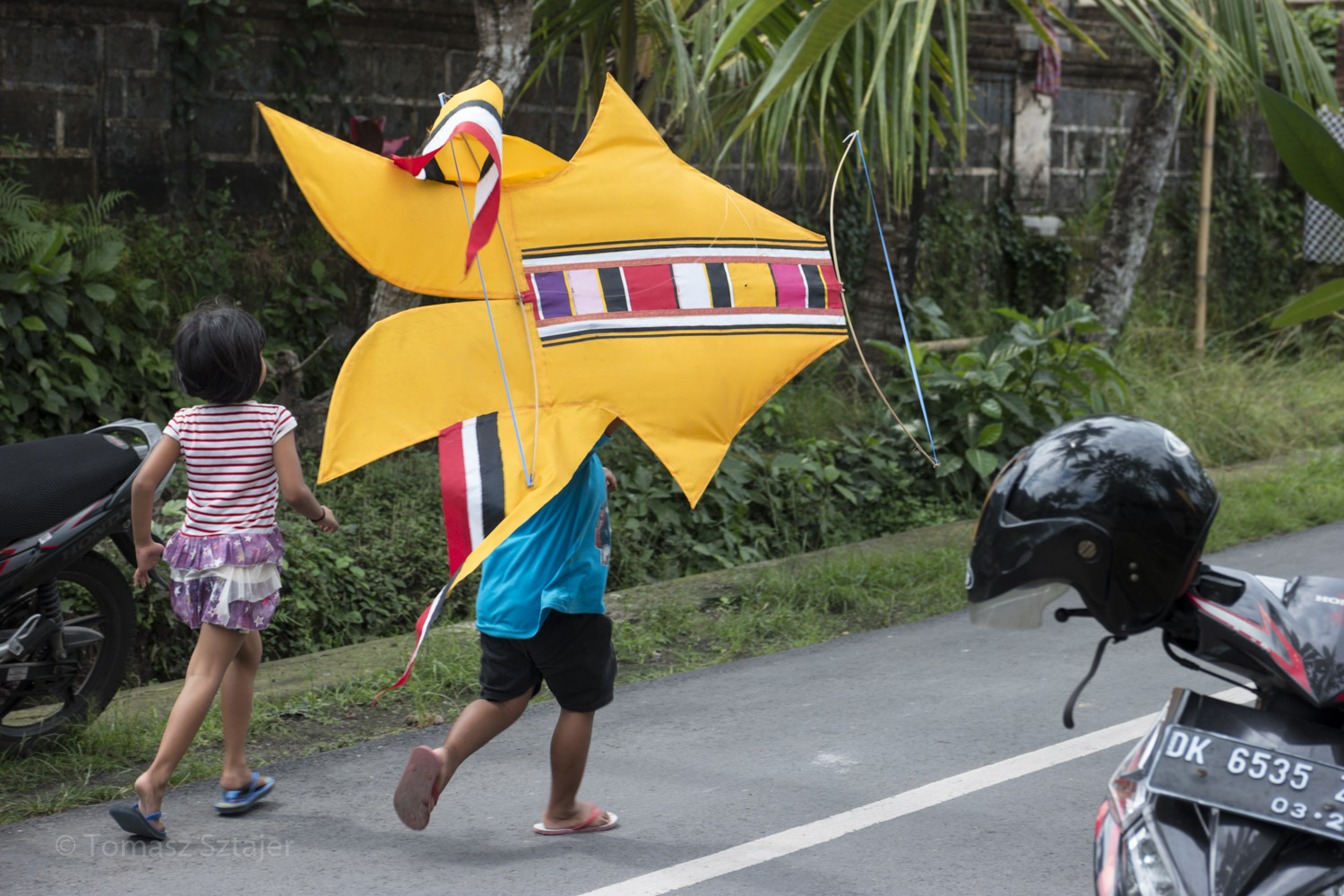
Flying kites
On the way to the beach, near Tabanan
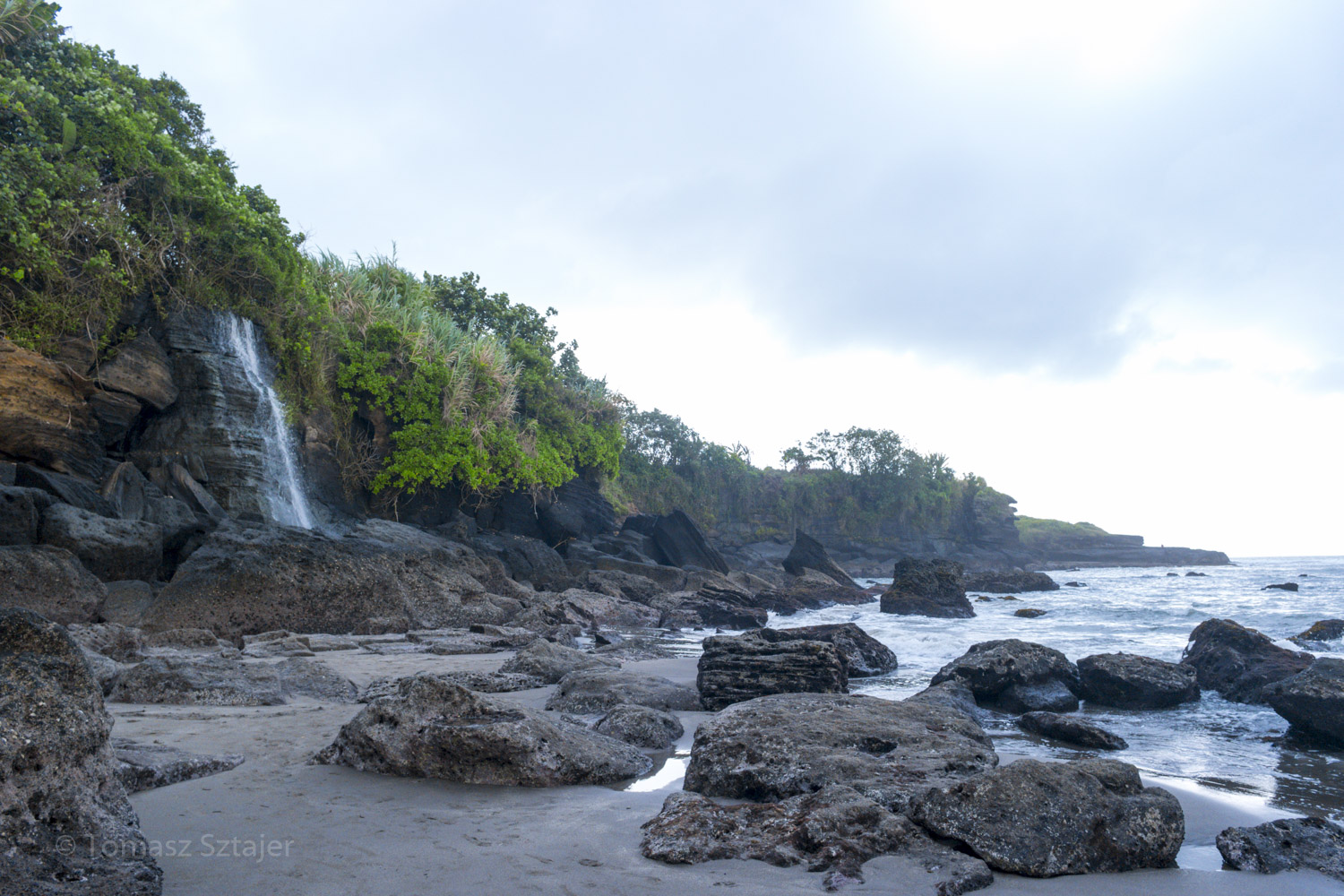
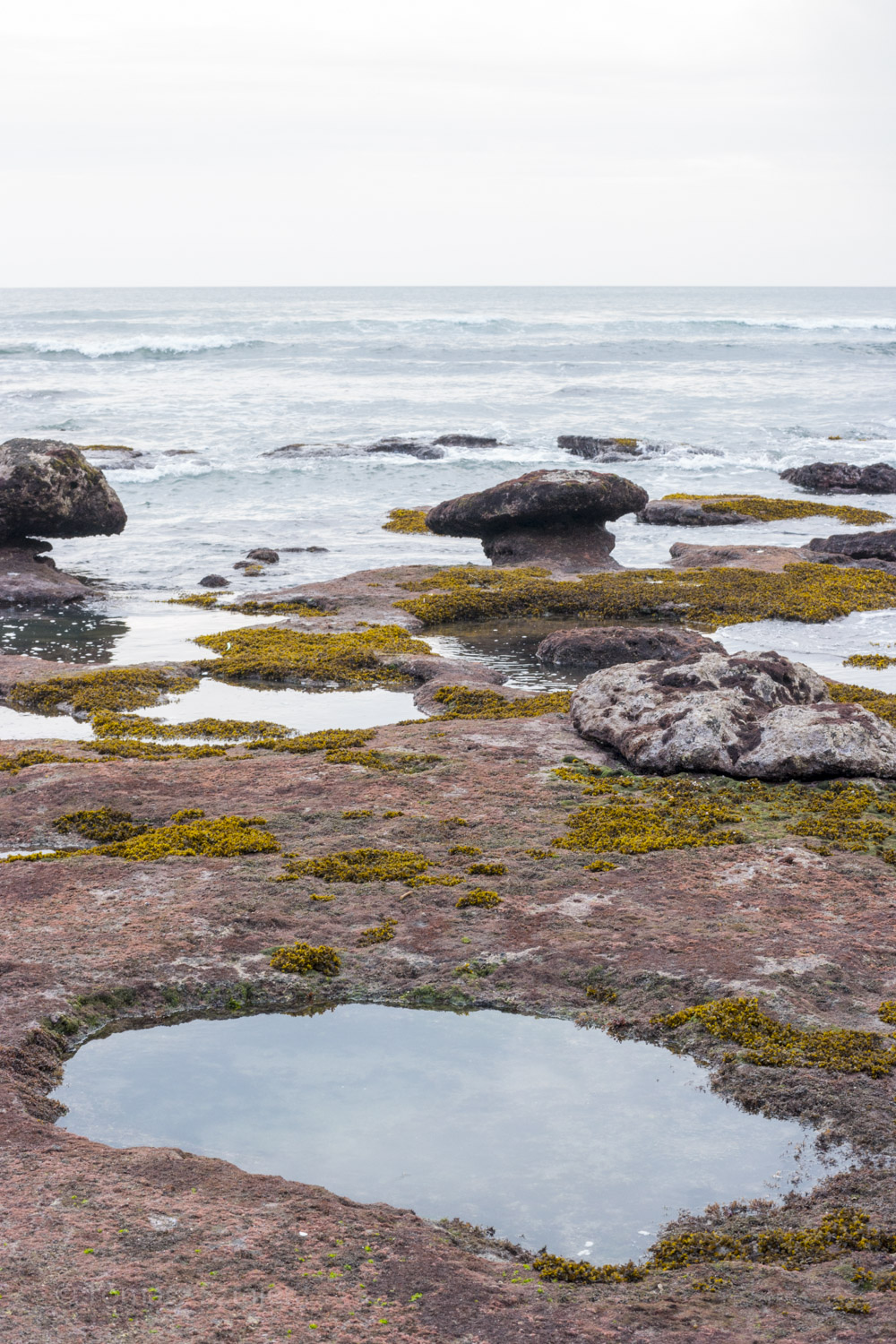
One of the beaches South of Tabanan
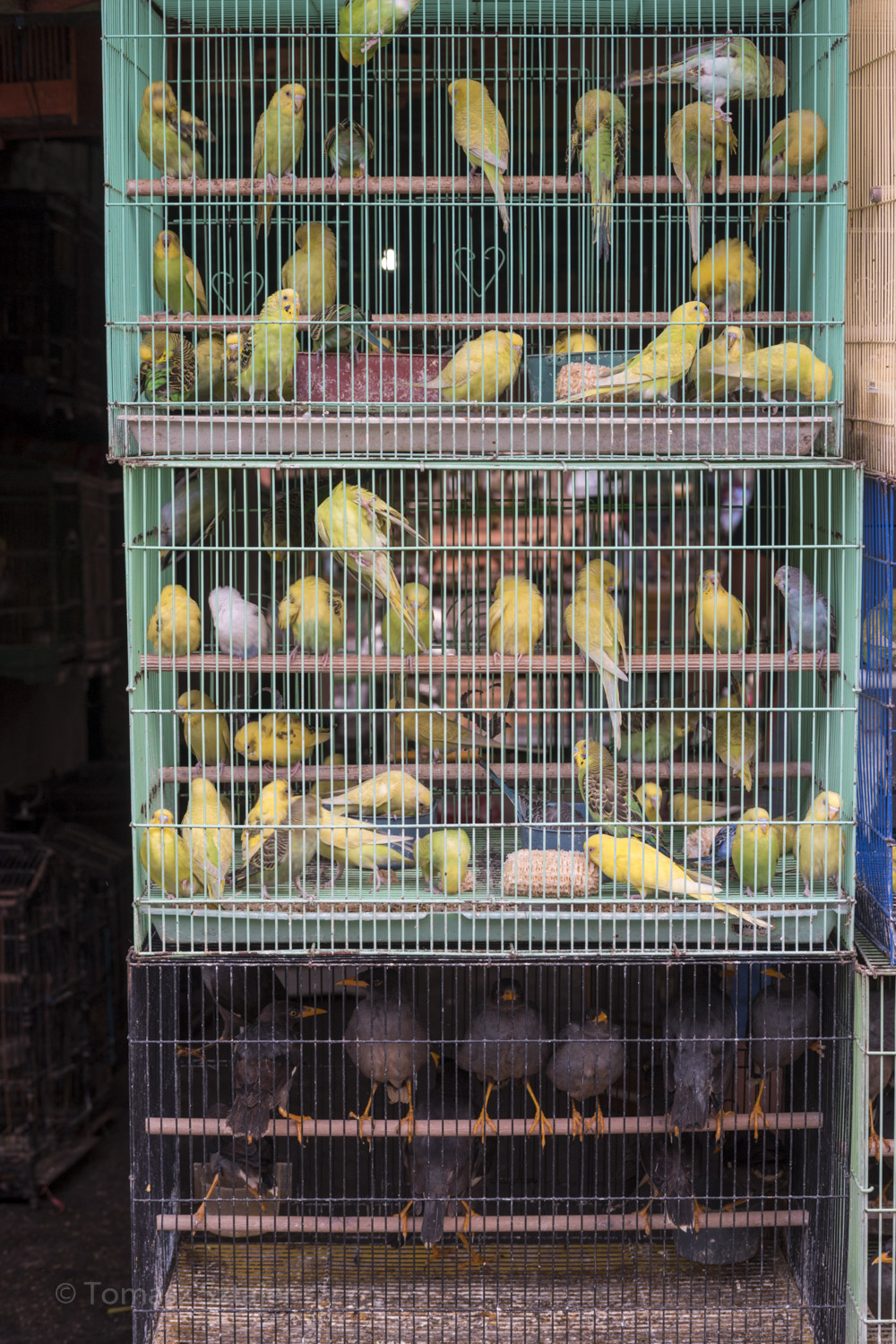
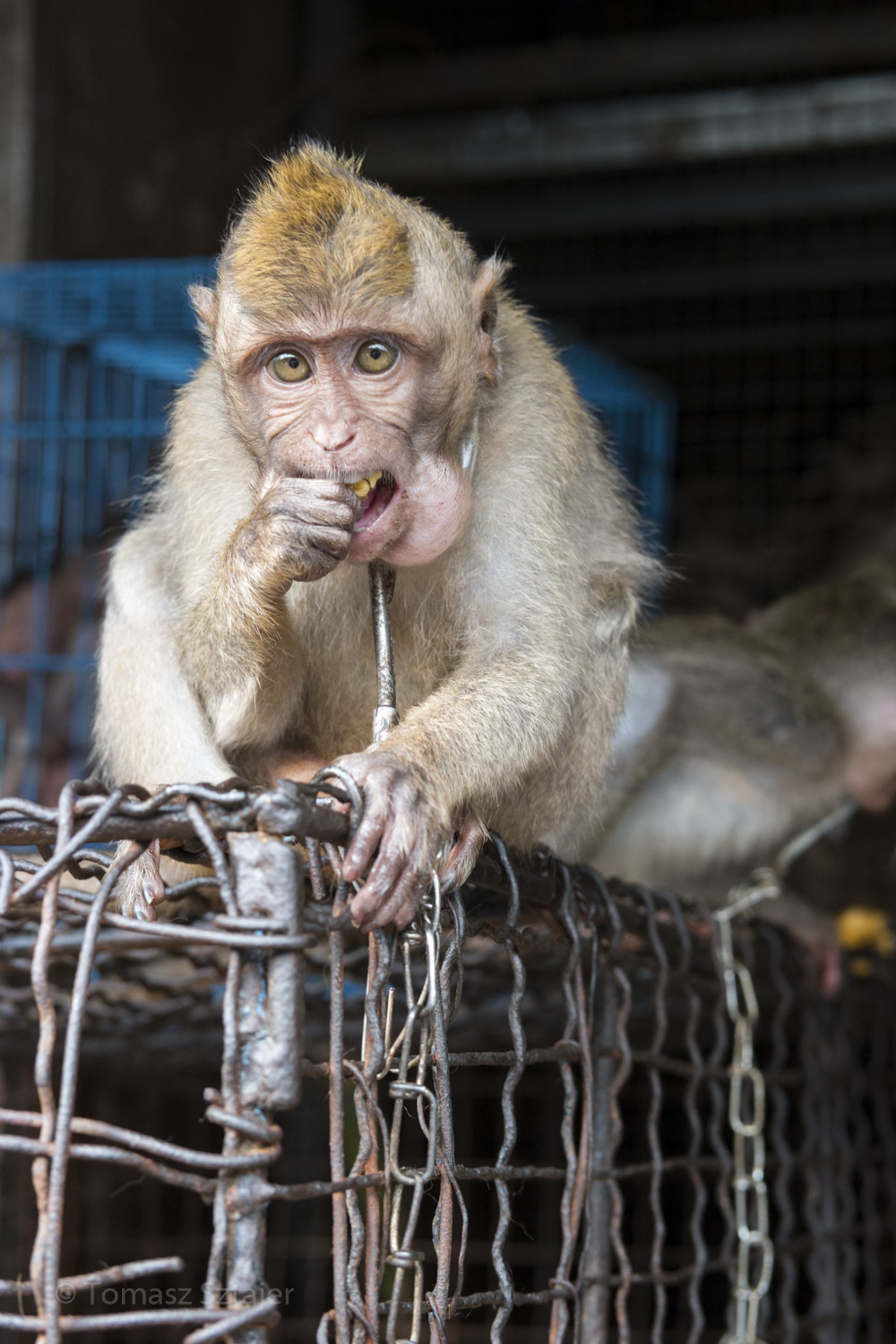
Wildlife market (with lots of illegally poached animals)
Of all the countless islands of Indonesia I decided to visit two: Sumatra and Bali (Lombok doesn’t count as I was there for half a day only just to hop on a plane). Below are some impressions of Sumatran part of my trip.
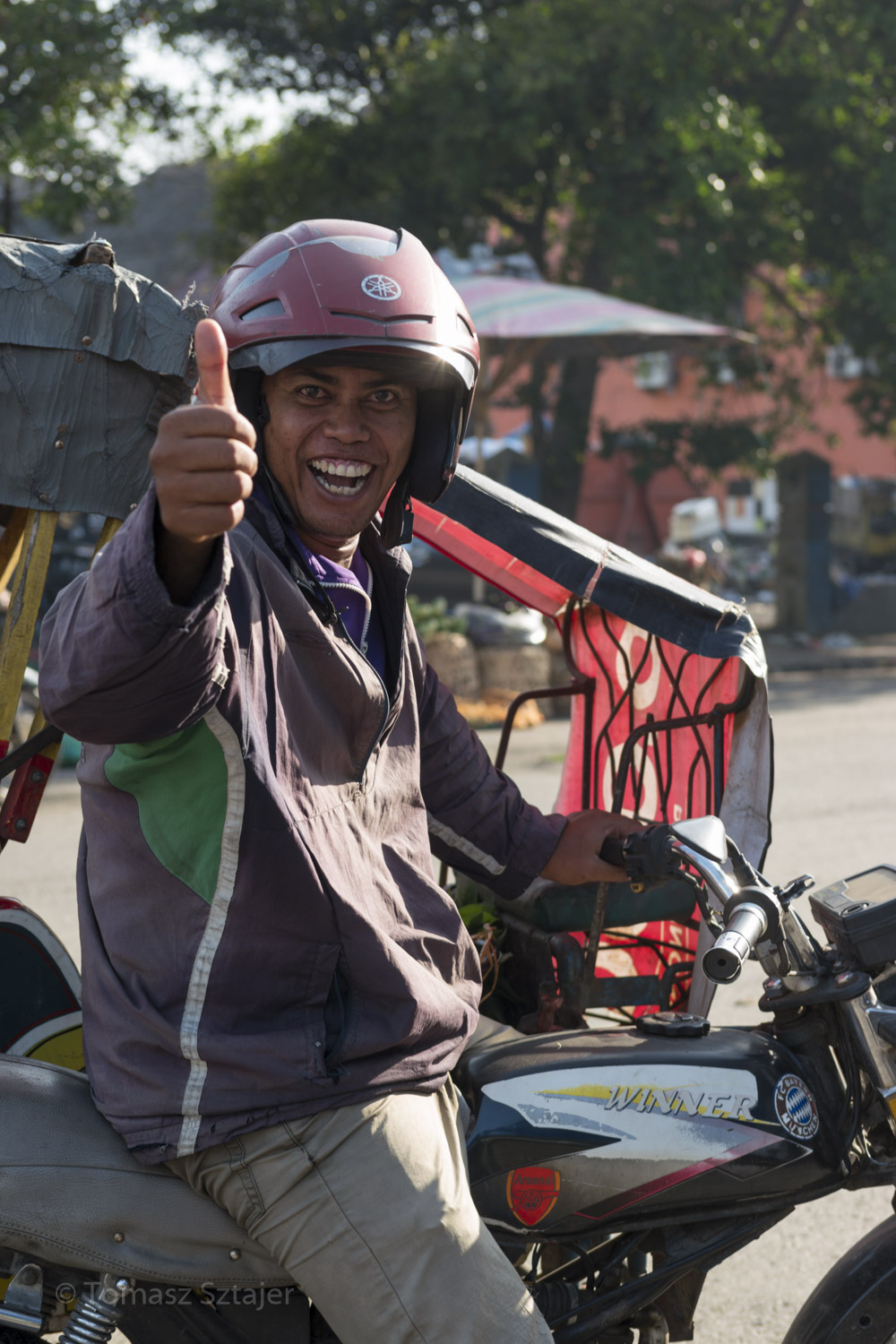
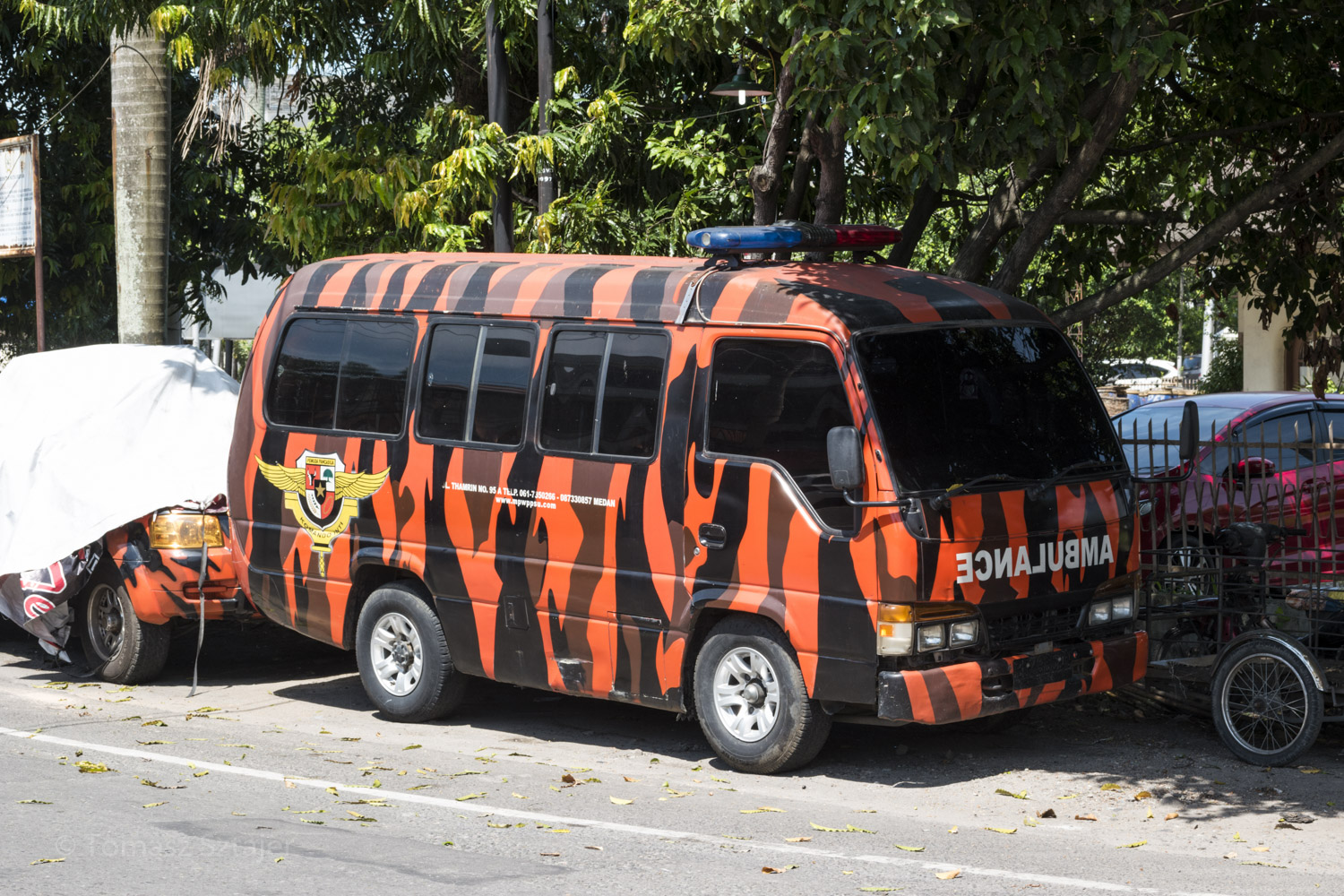
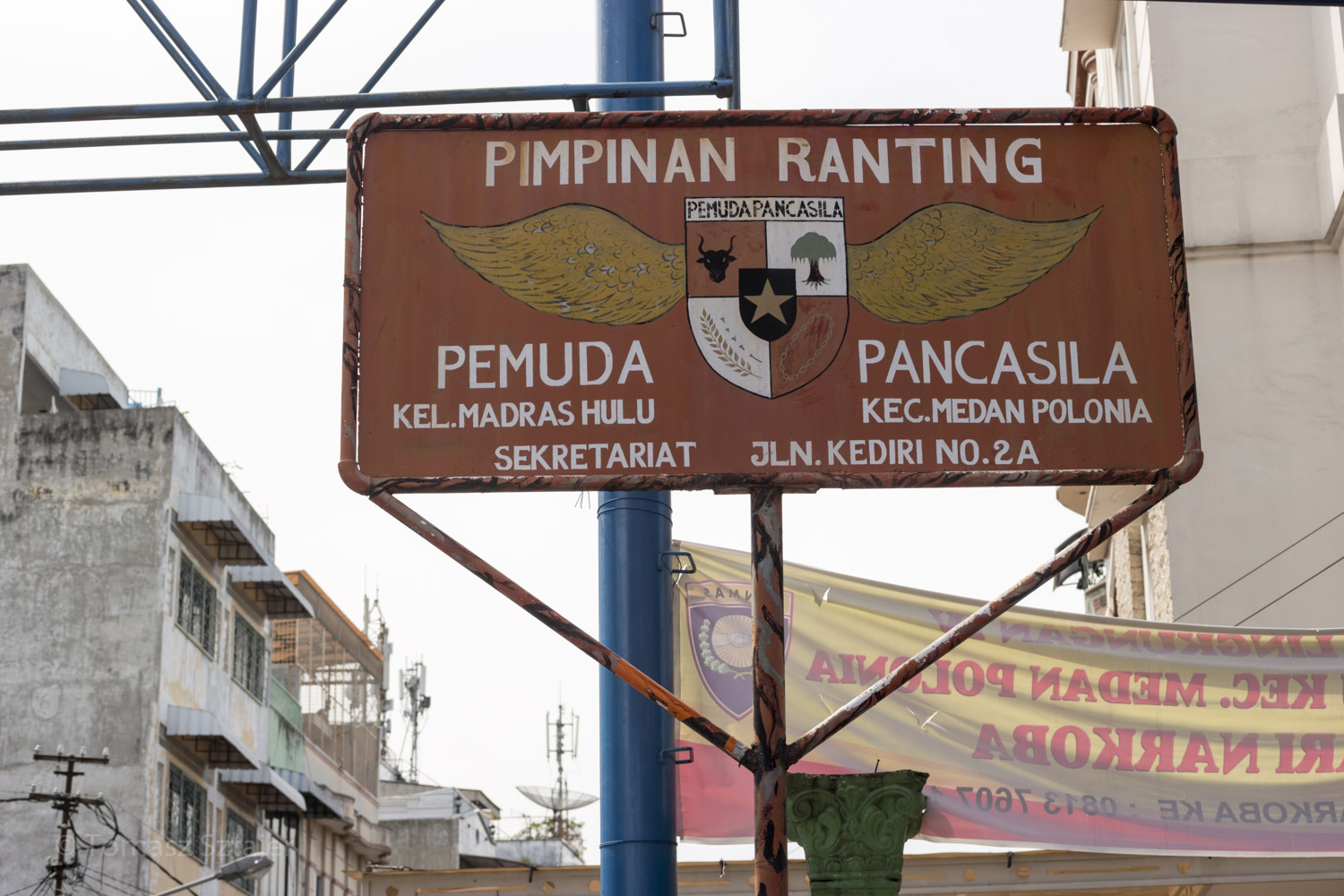
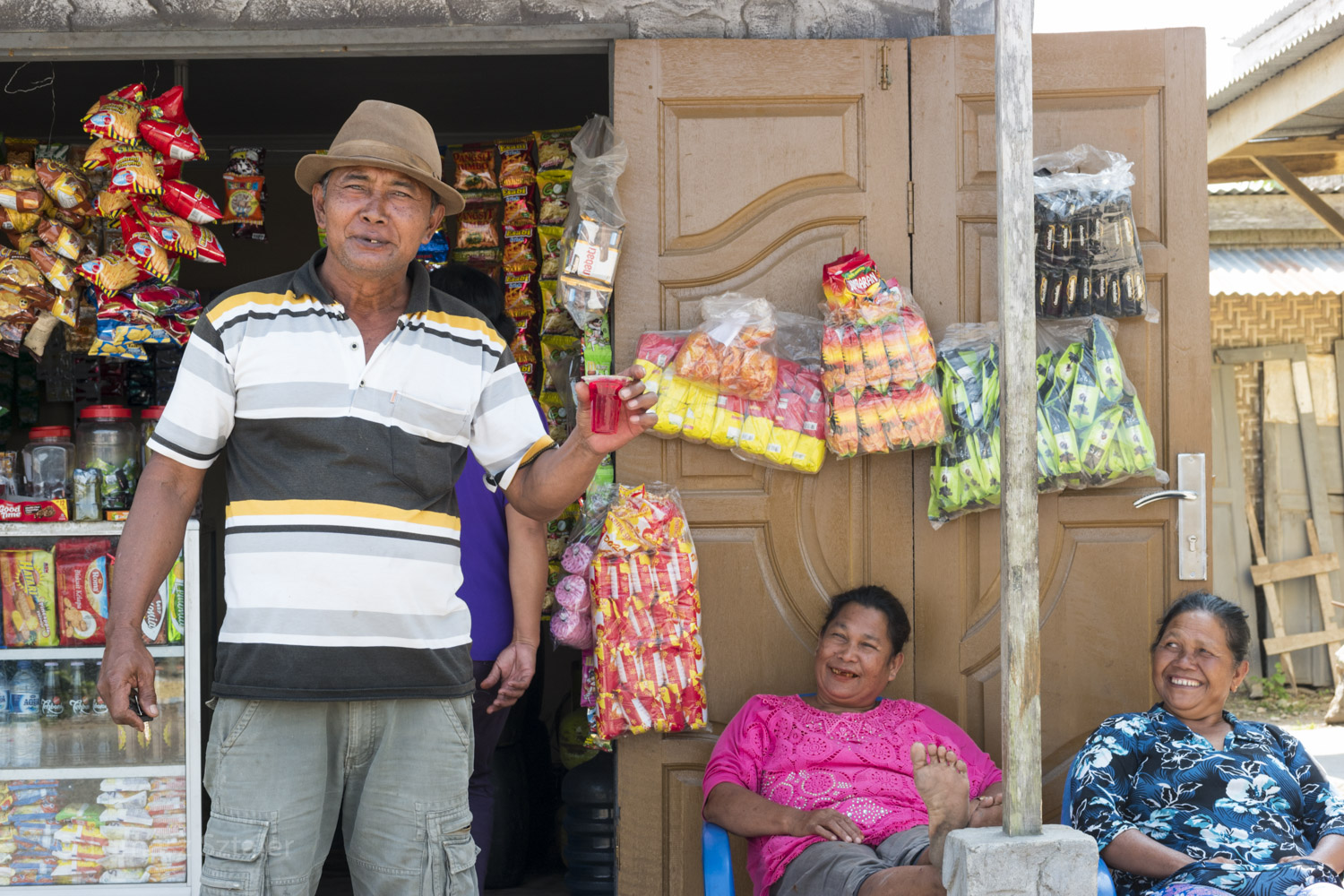
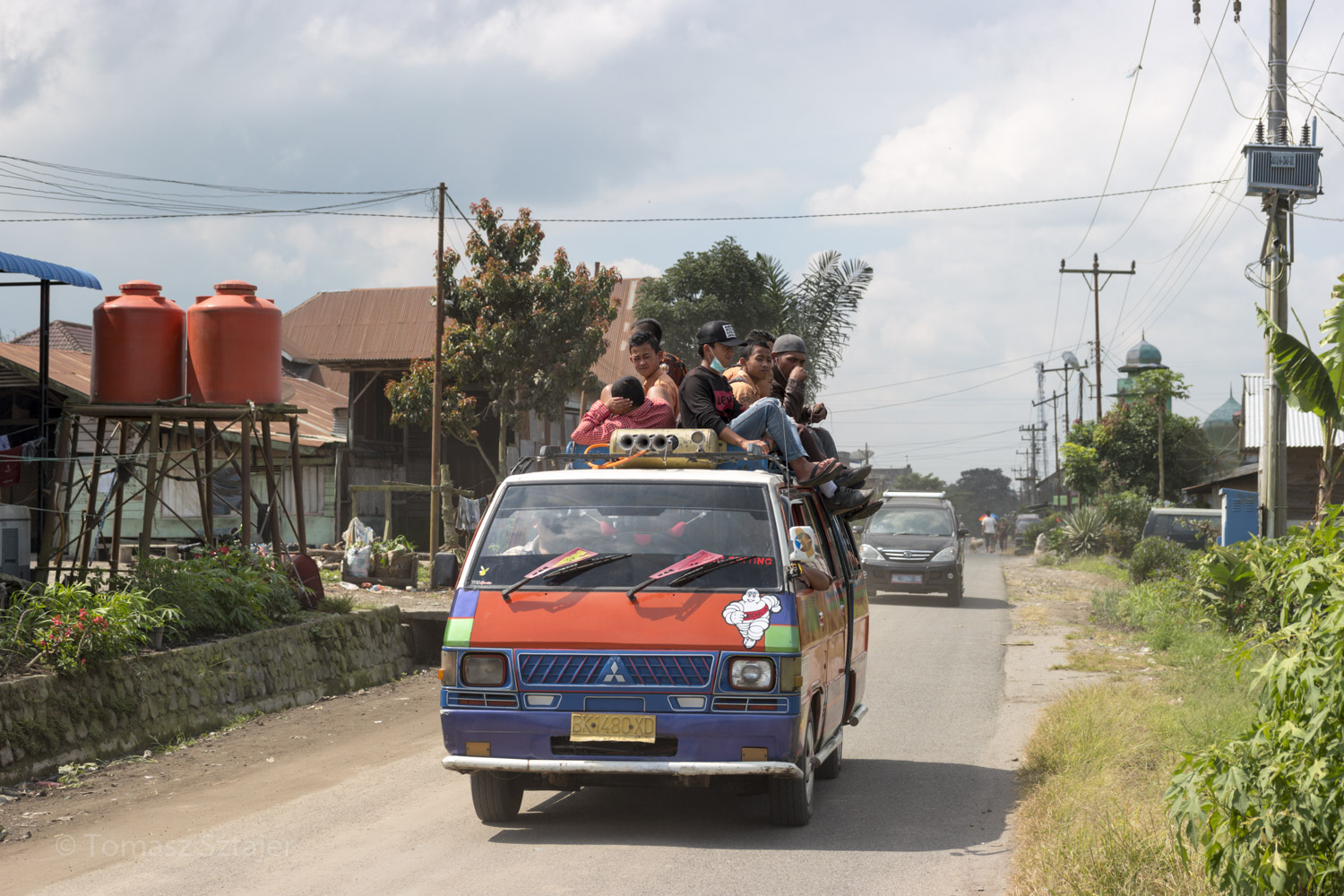
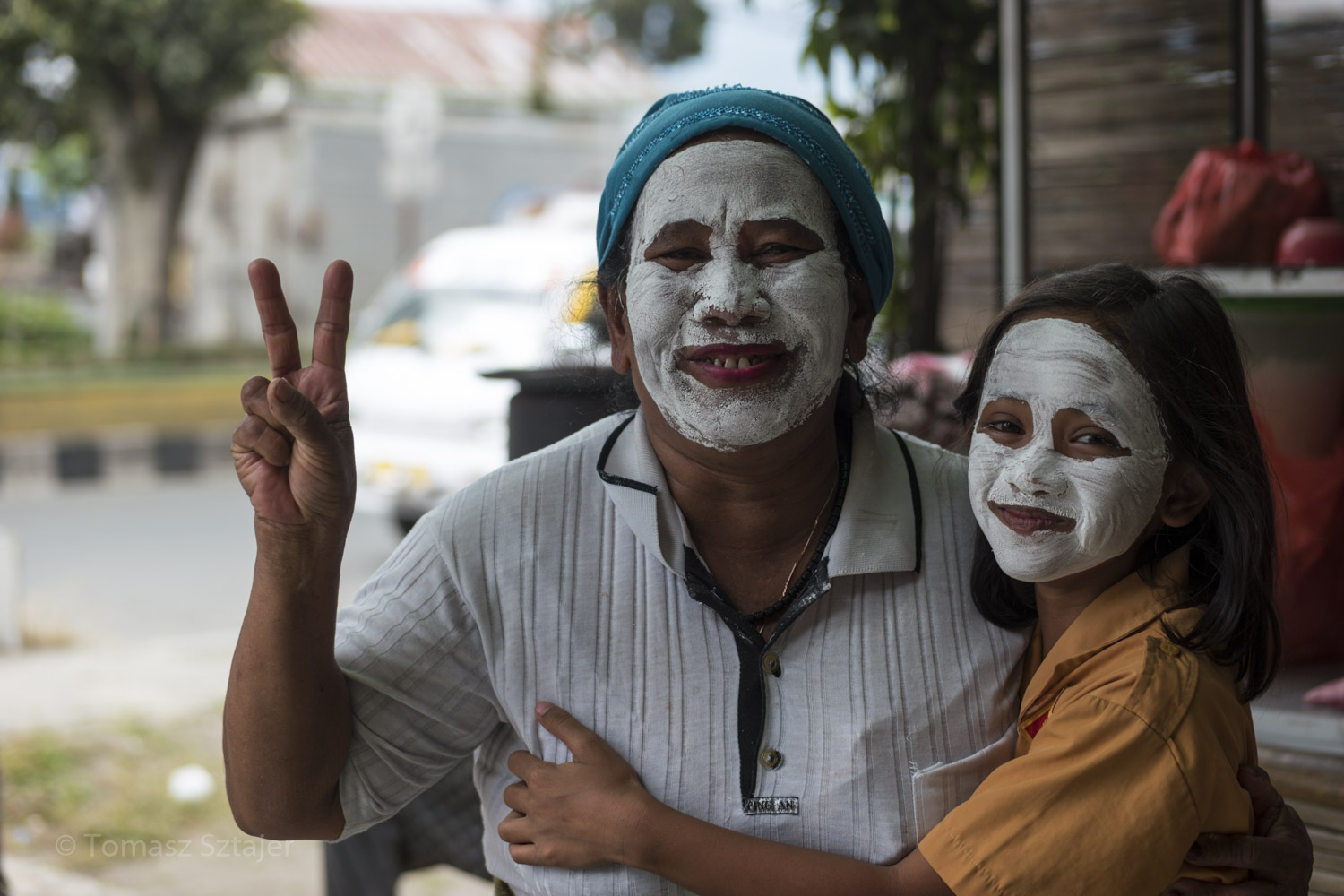
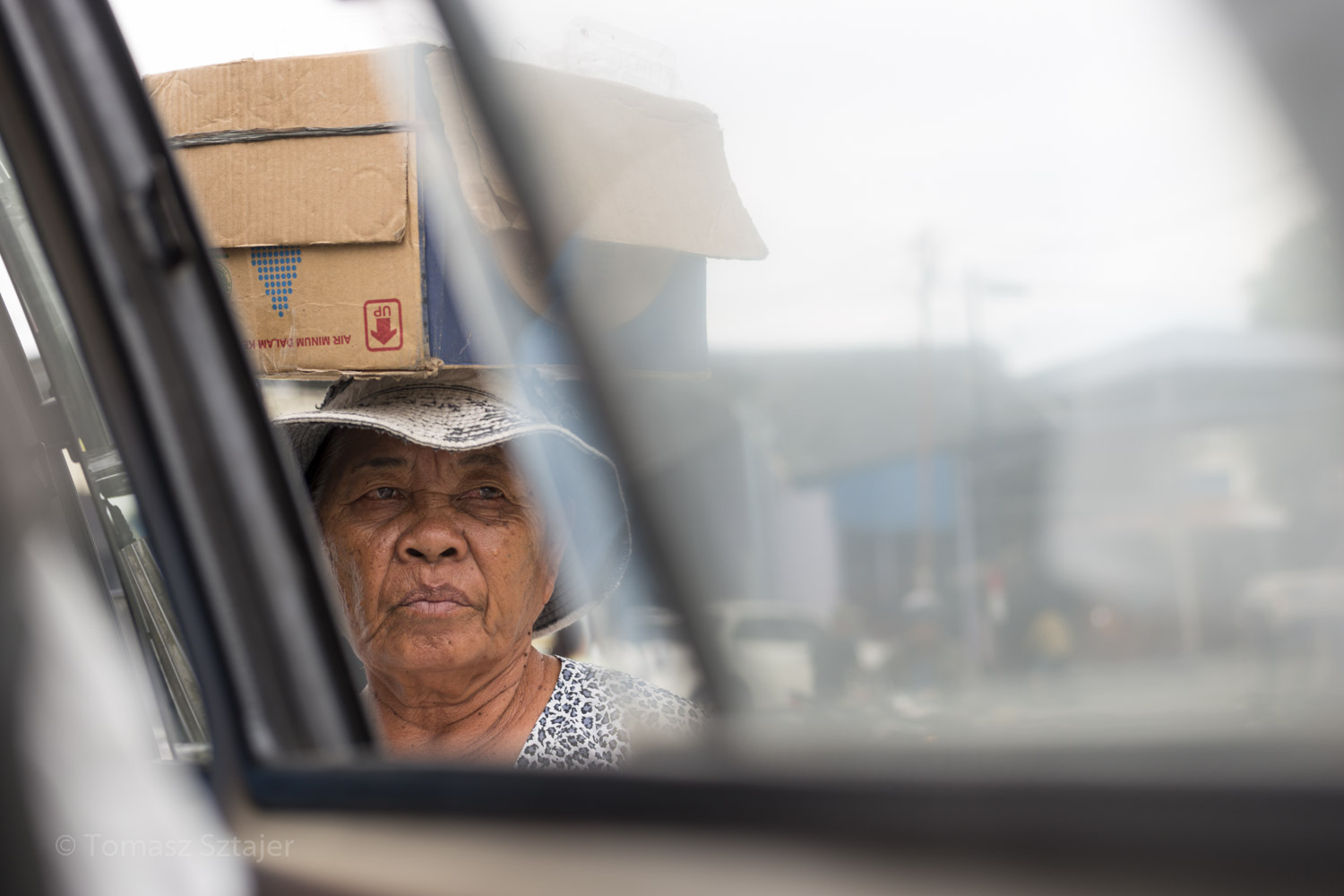
I owe huge thanks to Rudy, the greatest ever couchsurfing host from Medan and to his flatmate William… It is them (and their jolly bunch of friends) I had a very soft landing in Indonesia and I got introduced to many a local custom. The care they took of me even felt too much at some point but only until I watched some videos of people getting mugged in many cruel ways at night (especially by guys on electric scooters)… It was only then that I understood better why my friends would always give their buddies a ride back right to their door and wait until they safely got in… And the security of Indonesian Chinese (and my hosts are members of that minority) is something one should not take for granted: being the best educated, best earning and not-so-willing-to-marry-Indonesians social group they face some hostile looks from locals on everyday basis and you can sense that there still exists the potential to repeat the pogroms like that one that took place in 1998. Nobody got really punished for 1965-66 anticommunist raids that targeted many innocent Chinese either… And Pancasila, the omnipresent paramilitary organization that very often replaces police in their actions has many of those who caused the above mentioned trouble in their ranks. By the way, I found it astonishing how many of such paramilitary groups were active in almost every borough of the city, advertising their activities on big banners… The police and the army don’t seem to mind…
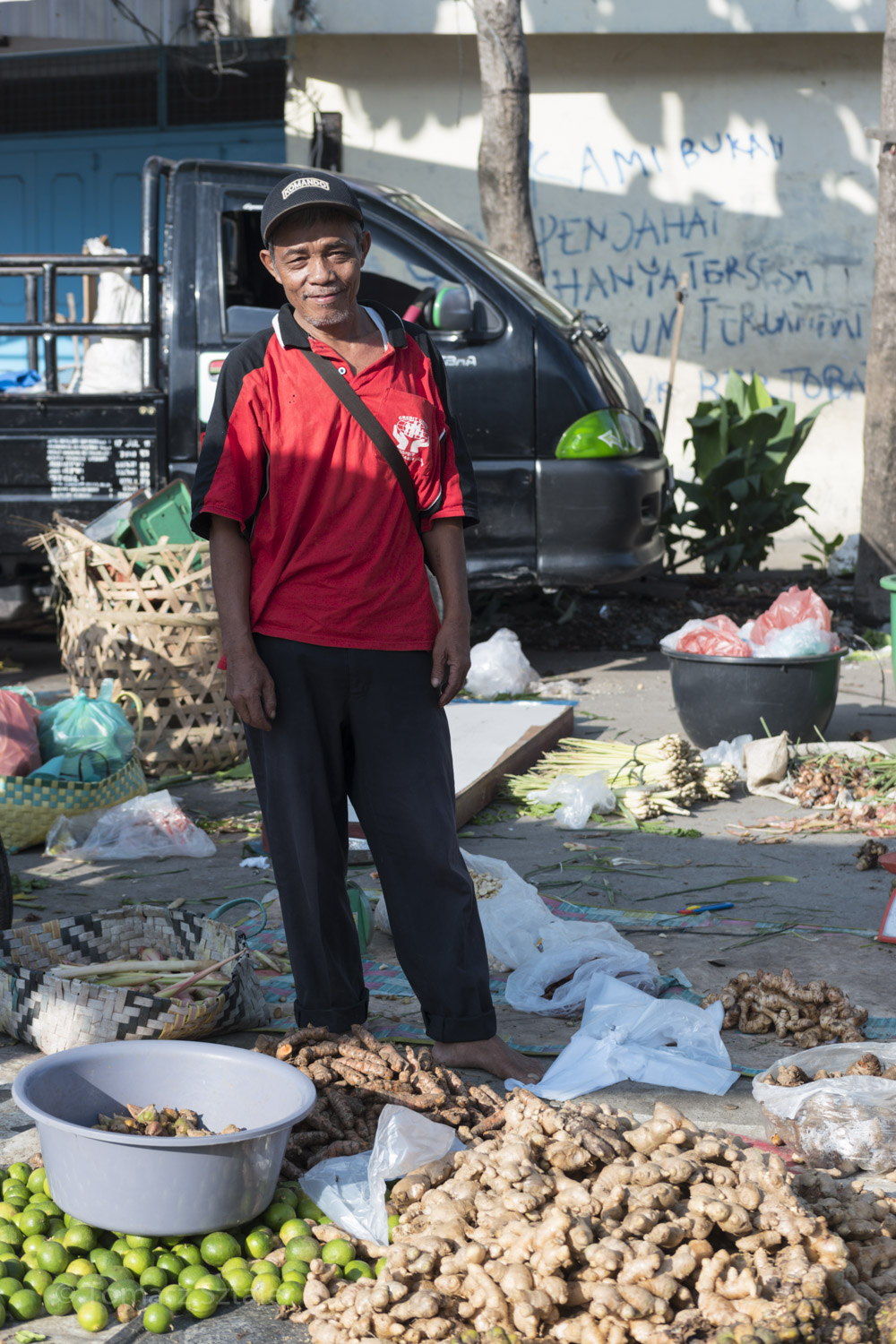
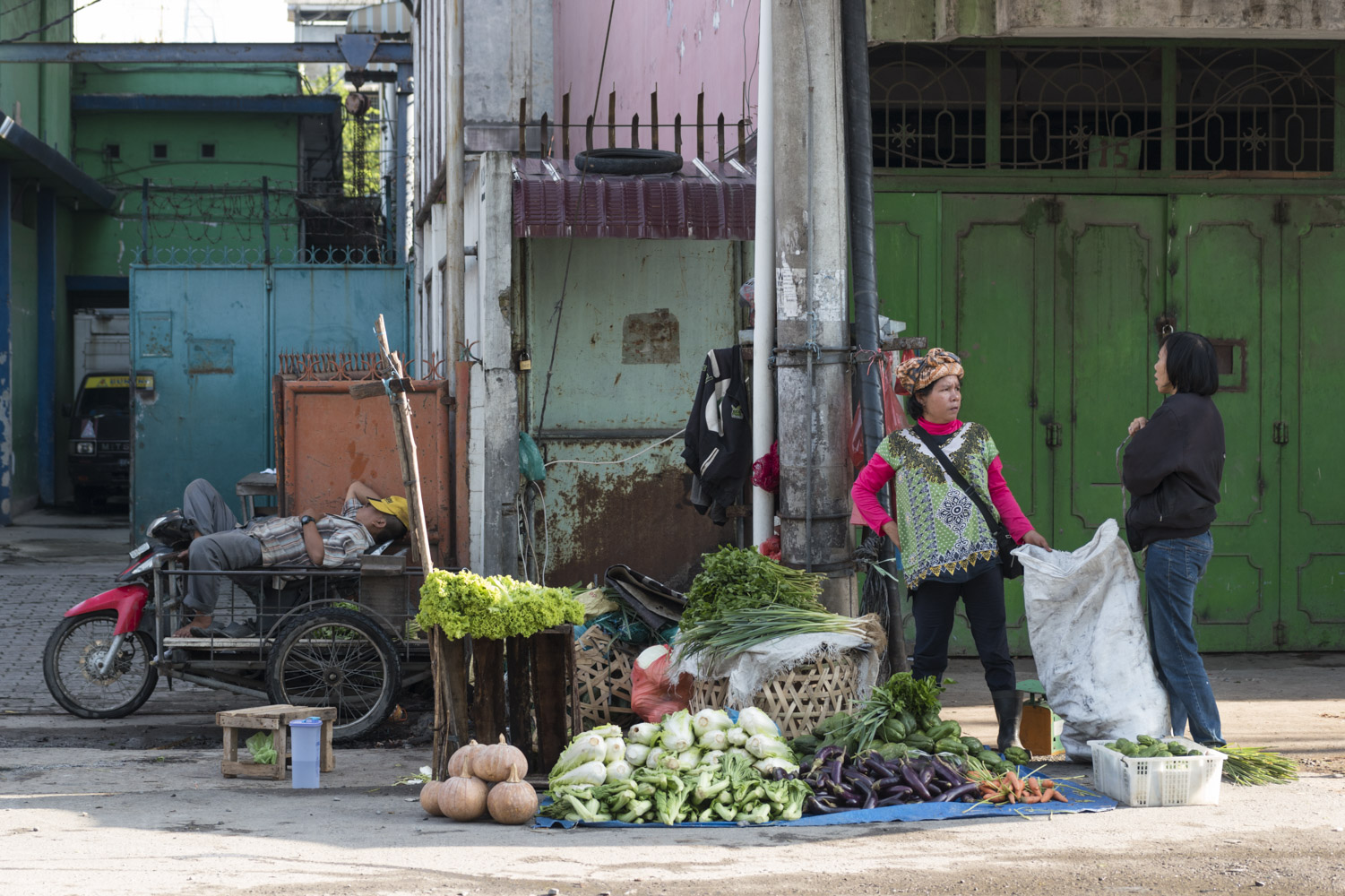
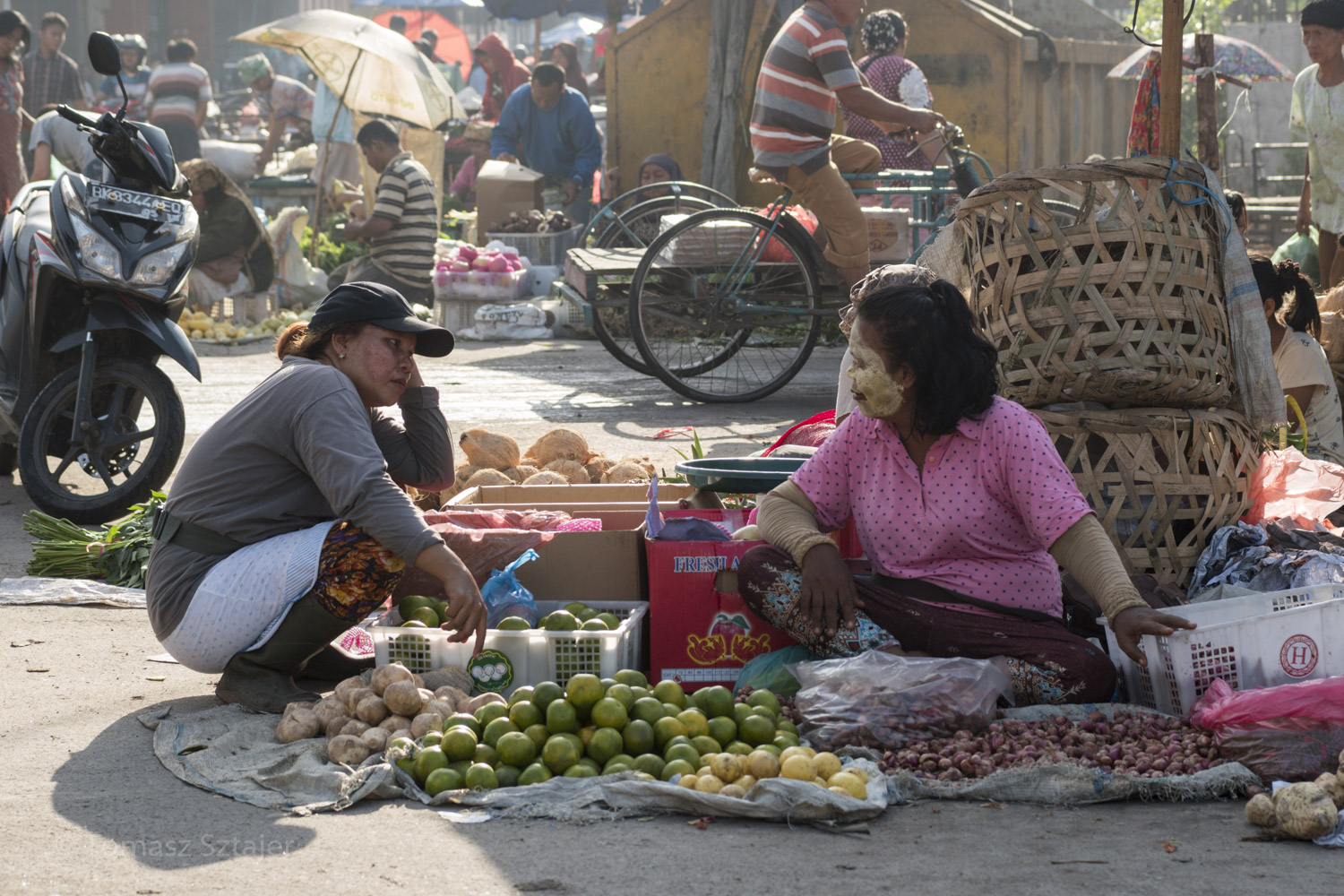
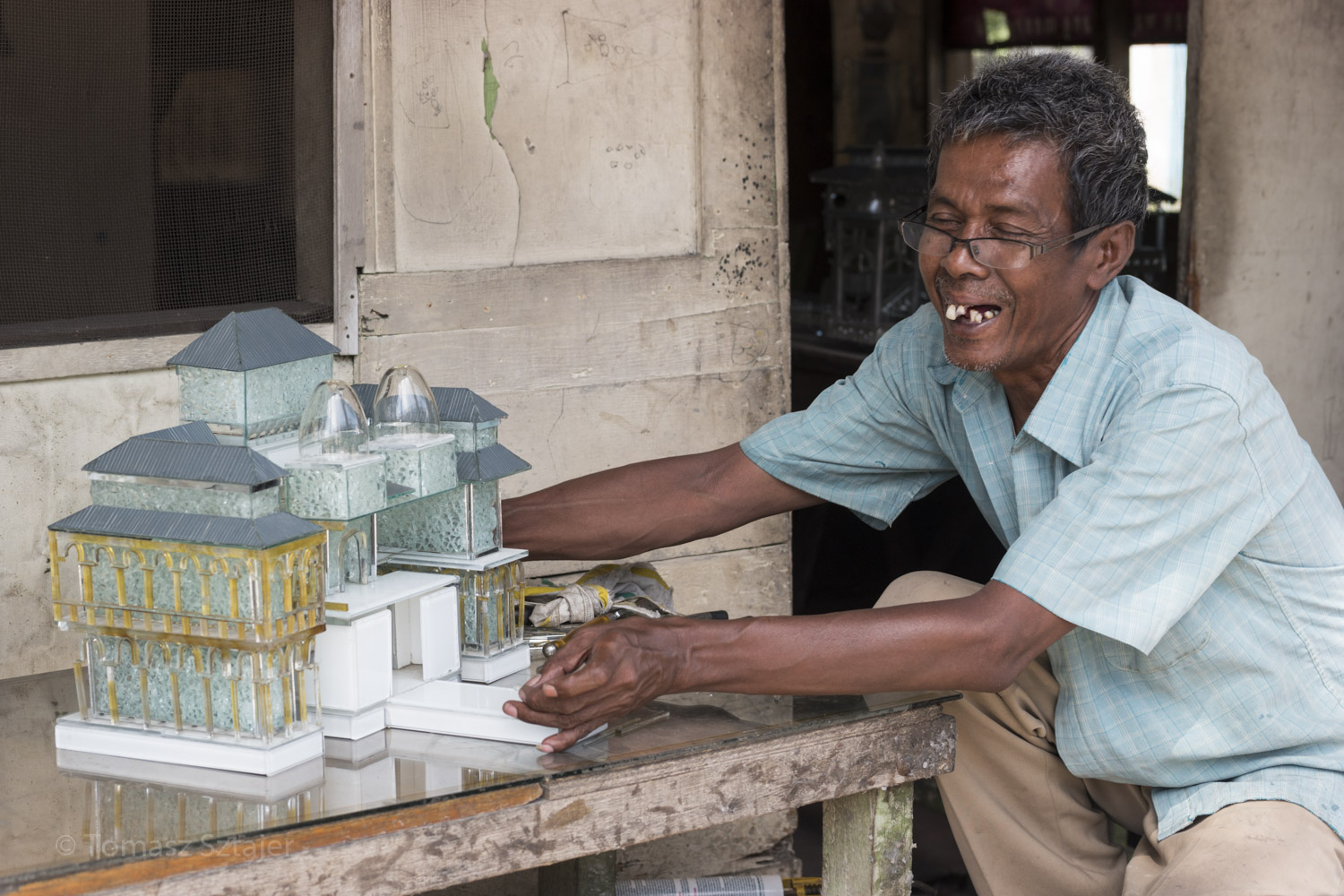
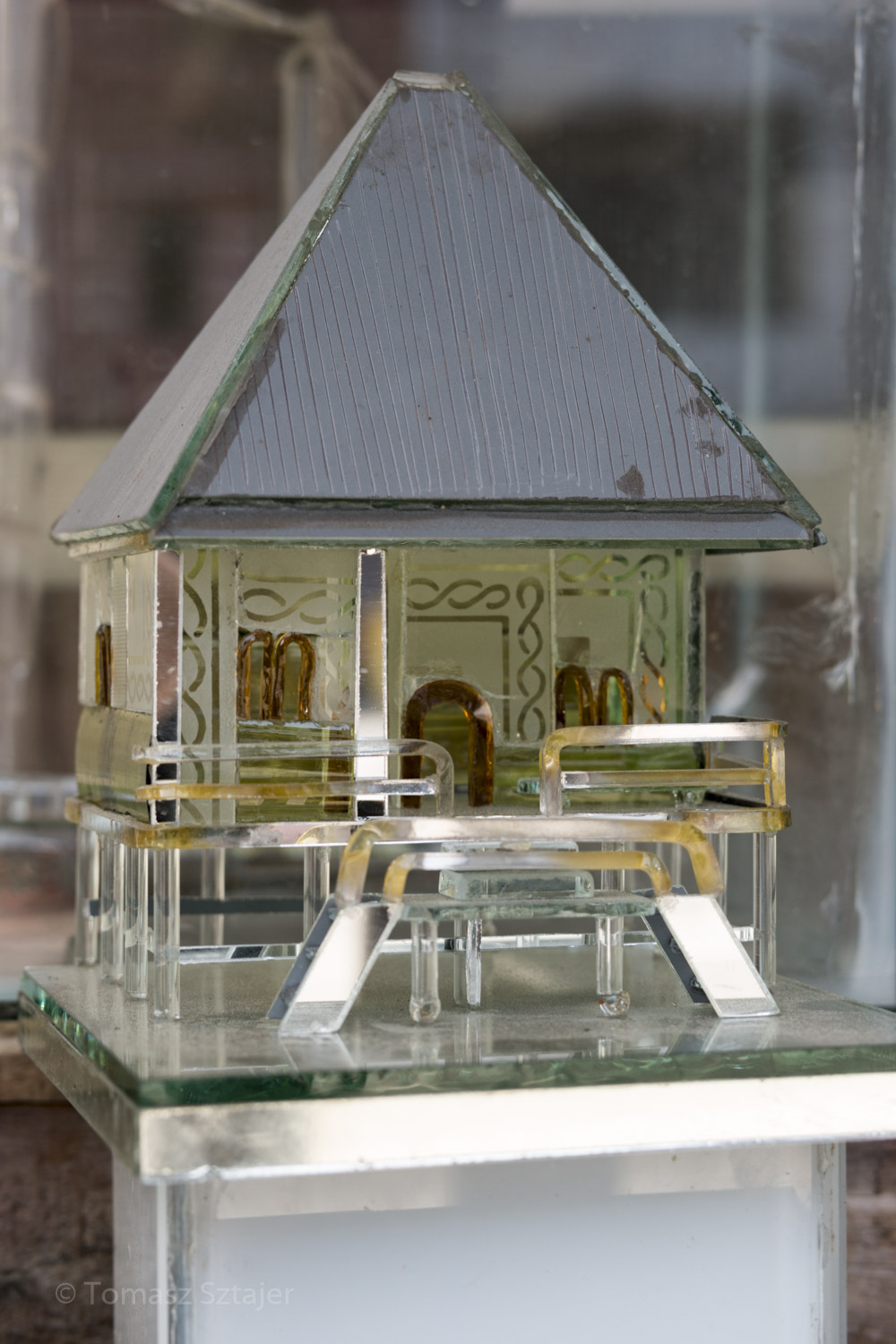
Enough of that nit-picking though… I began my Sumatran experience with sightseeing the city of Medan – colorful, seemingly quite conservative but a very multicultural city (for North Sumatran standards). An experience I recommend: hang around the mall and let local students interview you… The benefits are mutual – the students get what they need for their classes and you, the foreigner, feel like a superstar for a moment:) I also came across a guy who makes tiny glass buildings using scrap bottles – a very nice person but his business is not going too good and he lives in terrible conditions. If I only had a way to fit his stuff in my backpack I would have bought a glass house or two…
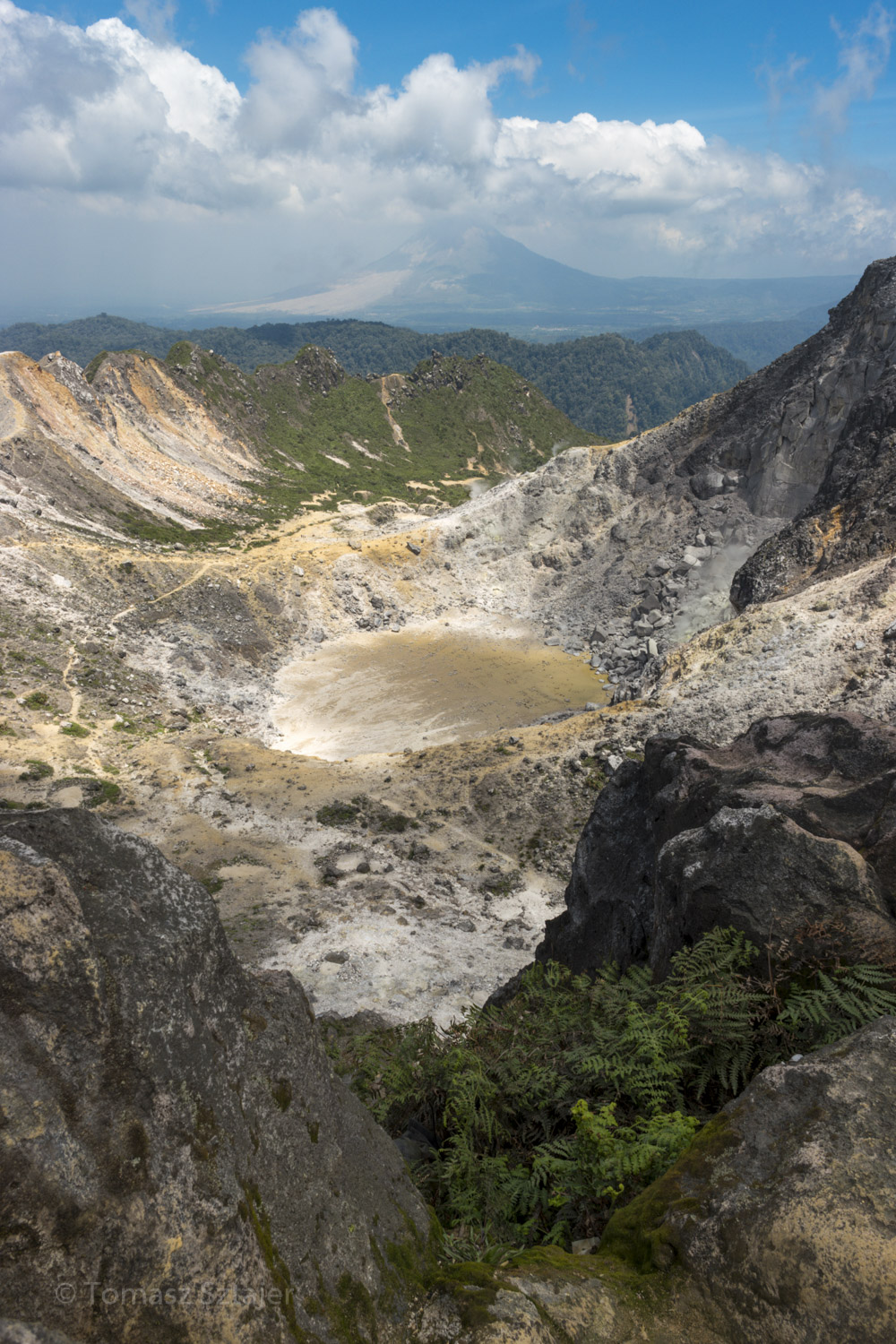
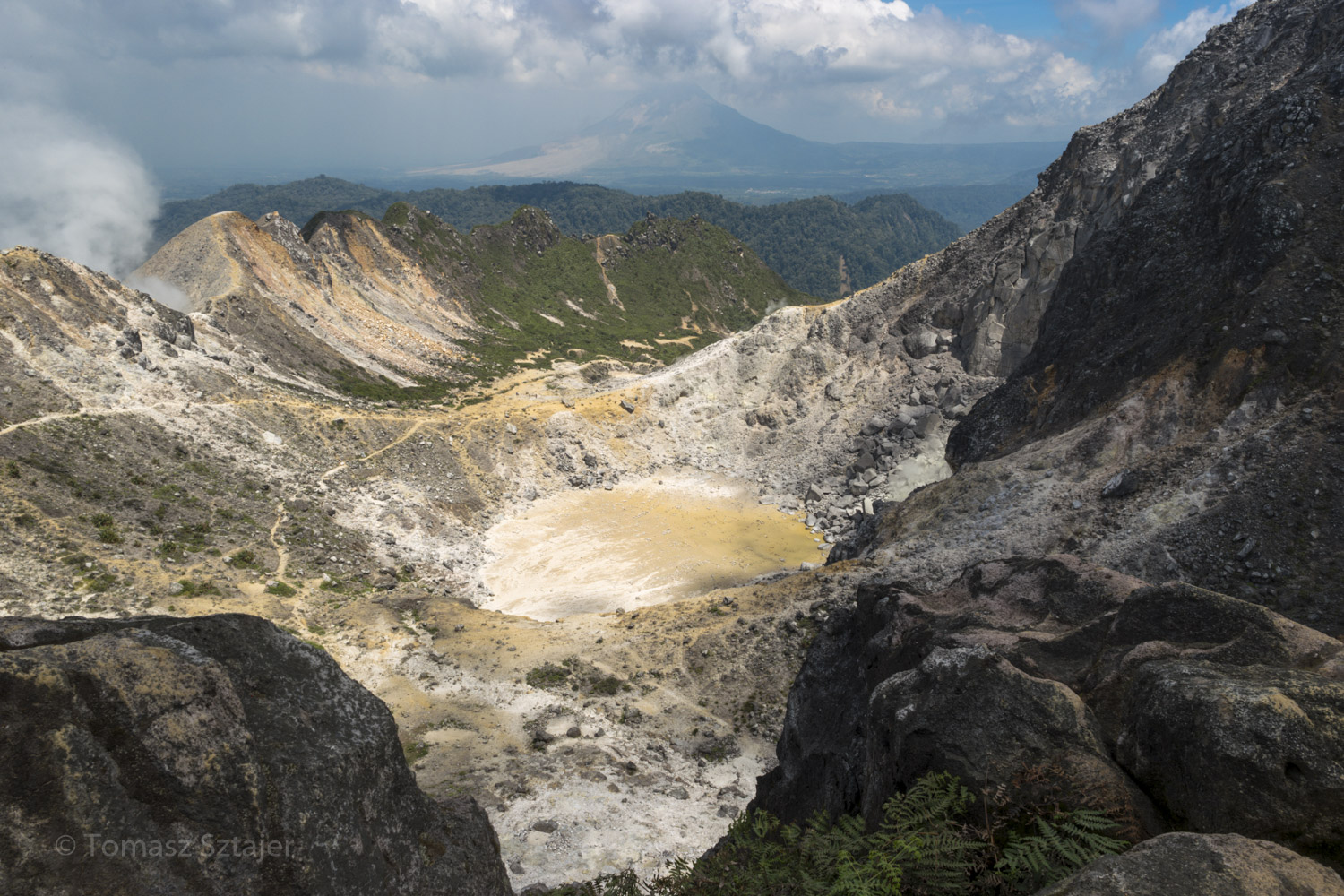
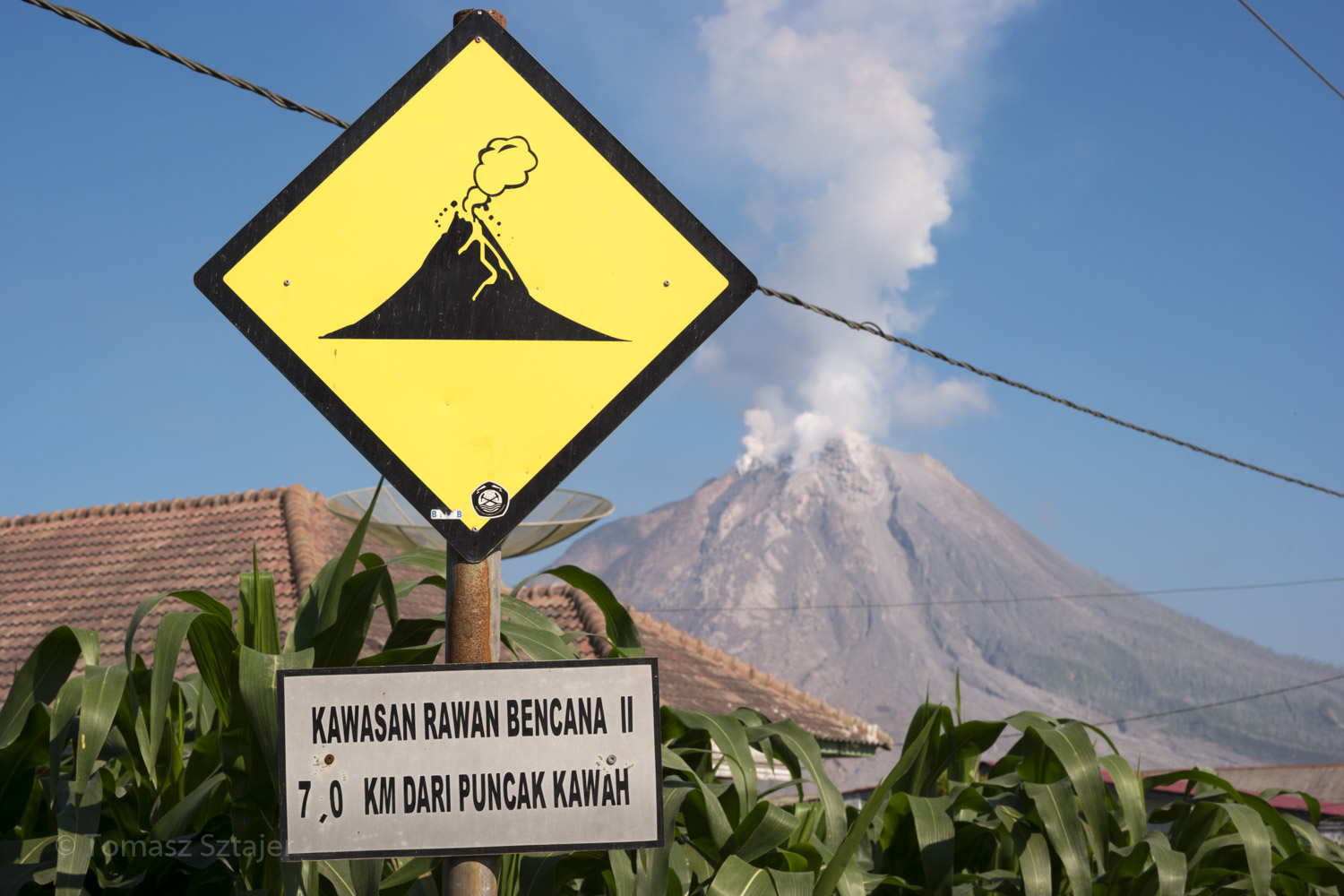
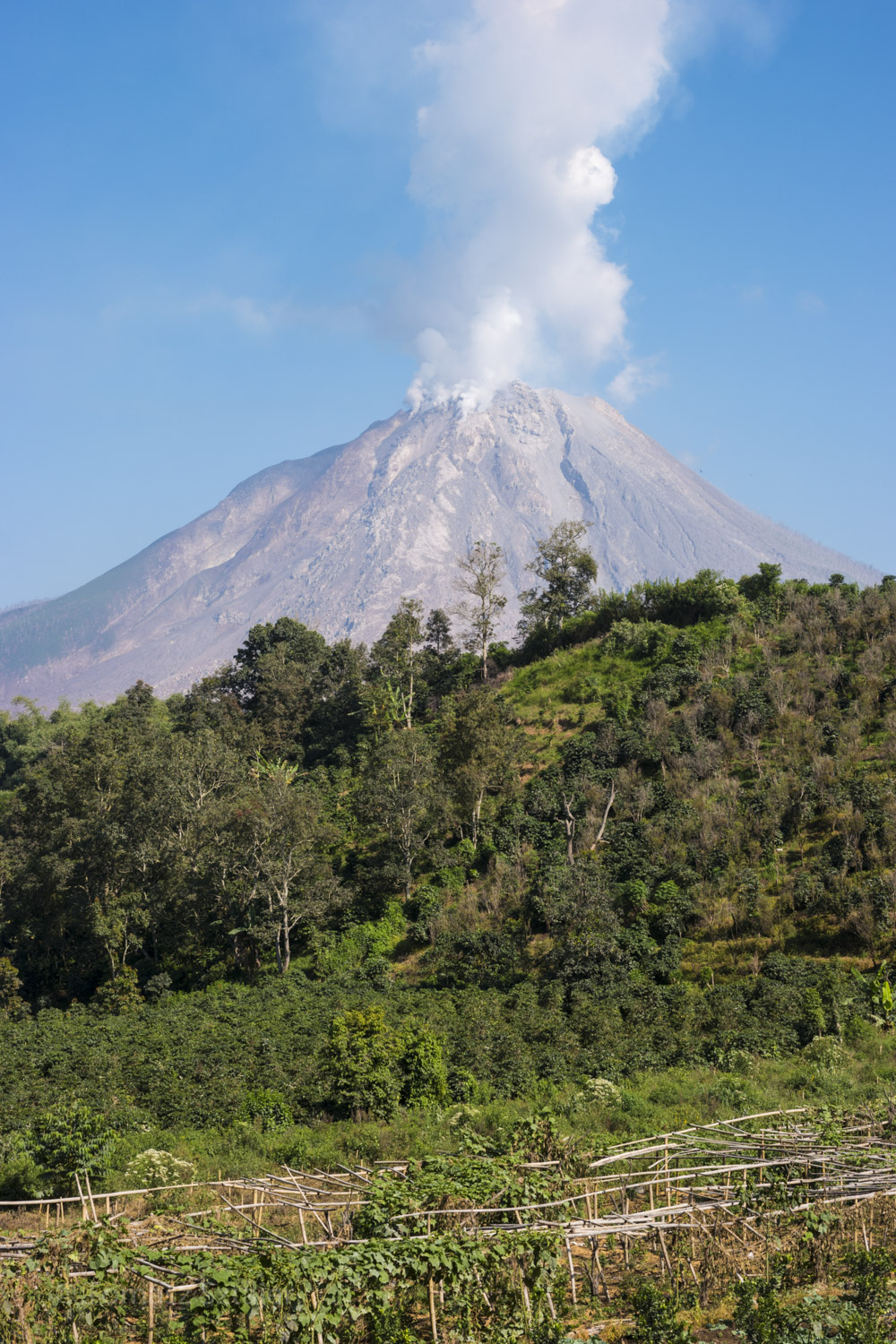
Next stop – Berastagi. This is the perfect place to begin your volcano experience… The trail leading to inactive Mount Sibayak is nice and easy and when you go down on the other side you can jump into (paid) pool with hot (and stinky) water. Mount Sinabung, on the other hand, was a bit too angry to climb it so I only got as close as I could and watched it from a safe distance…
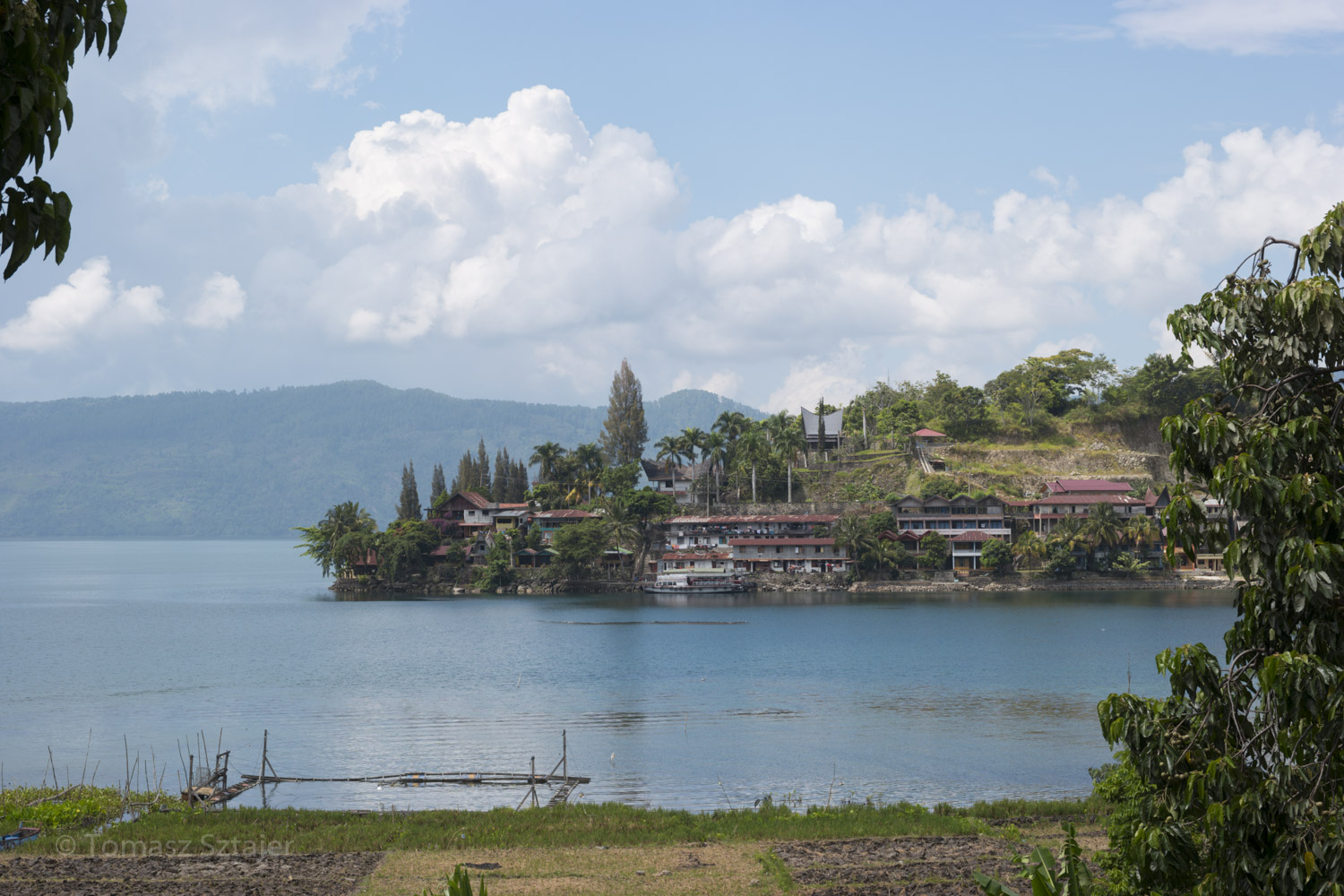
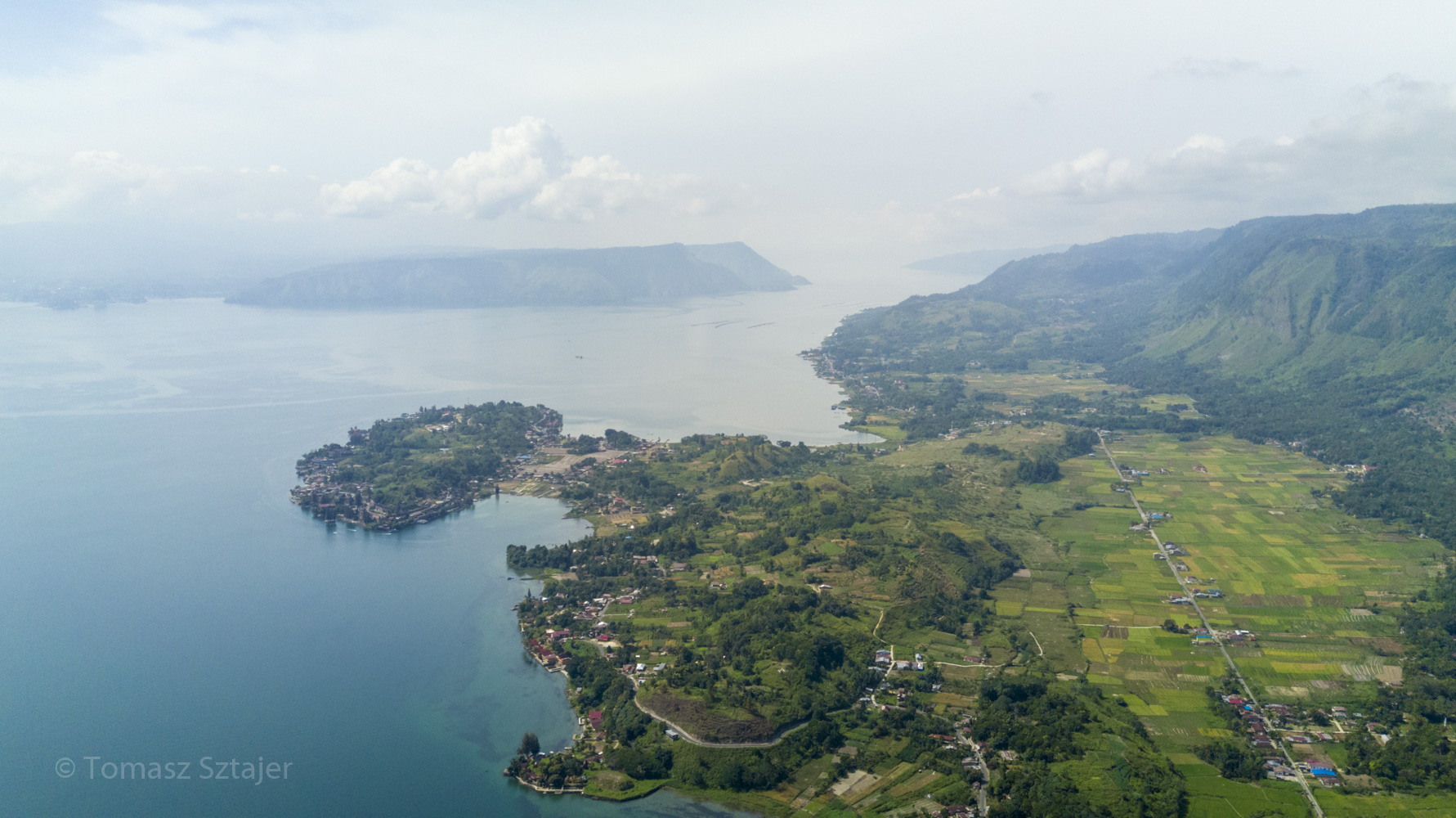
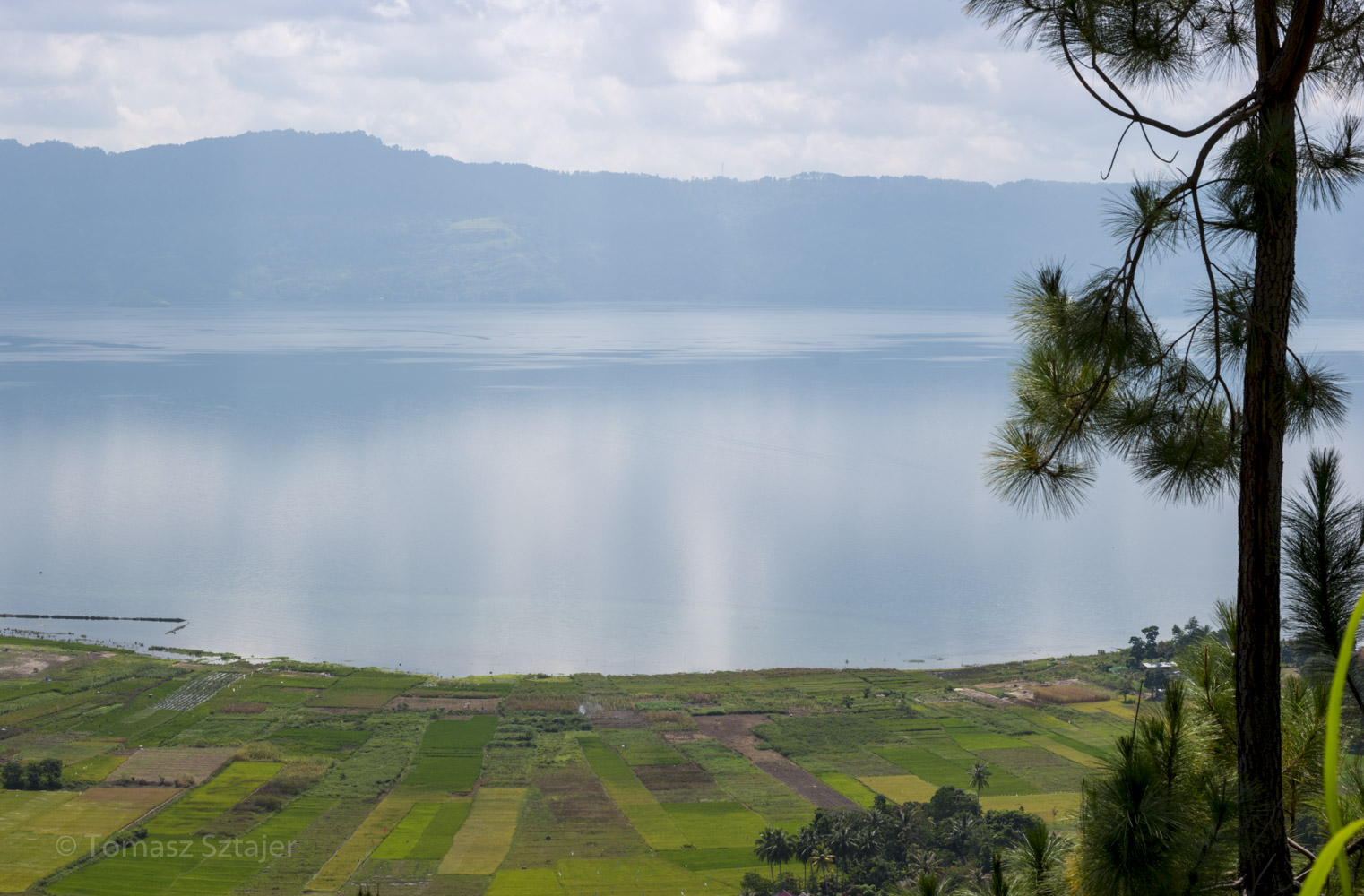
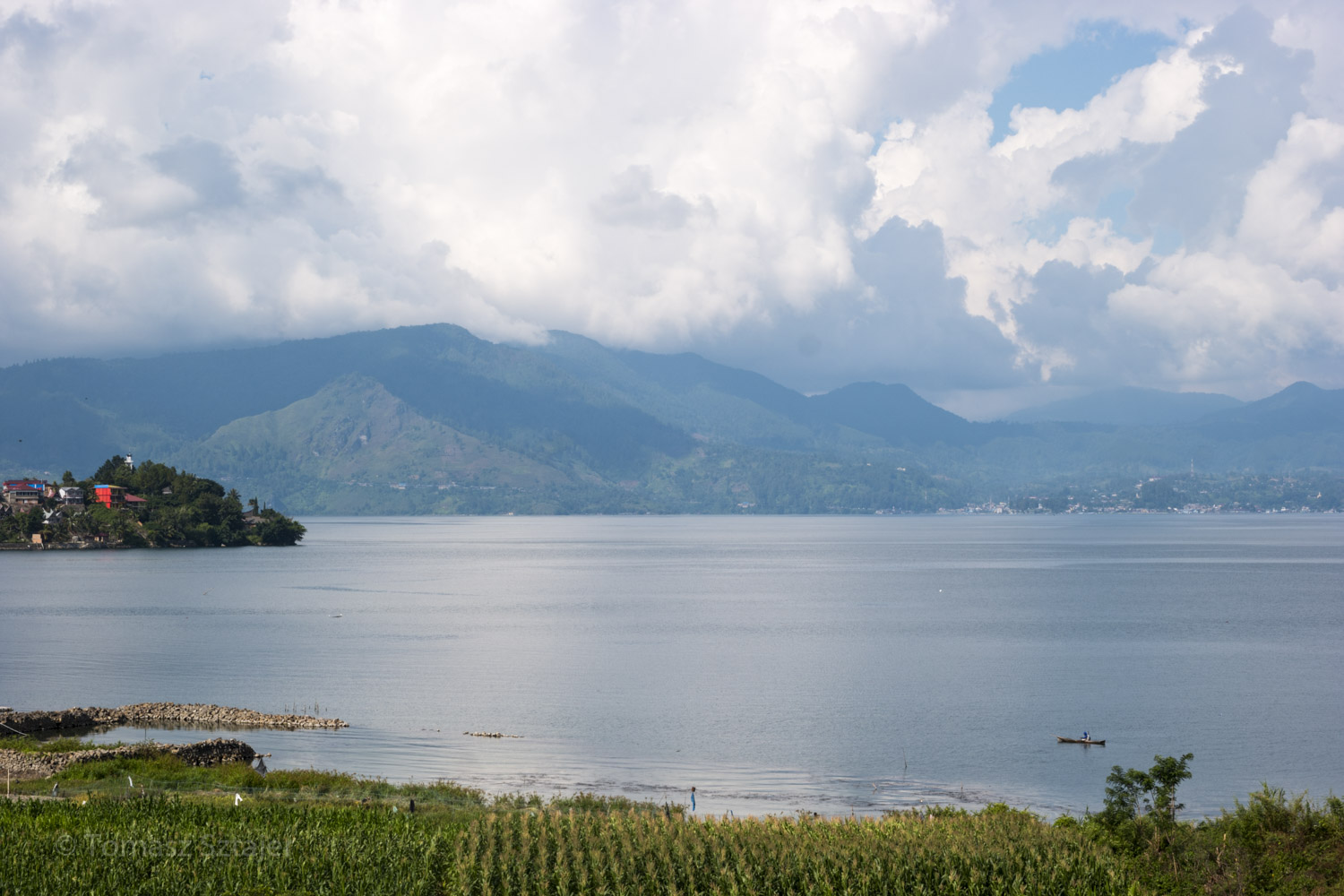
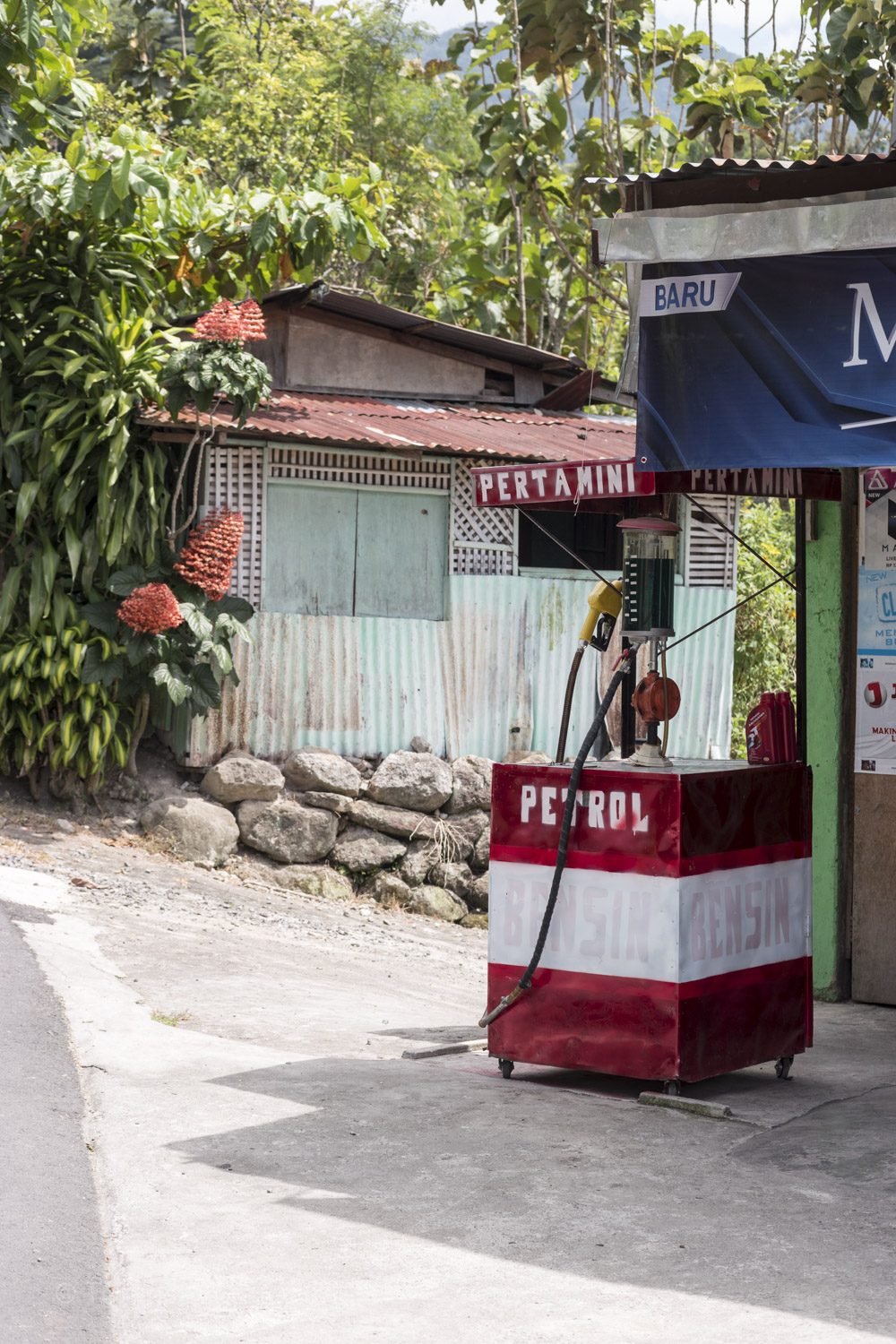
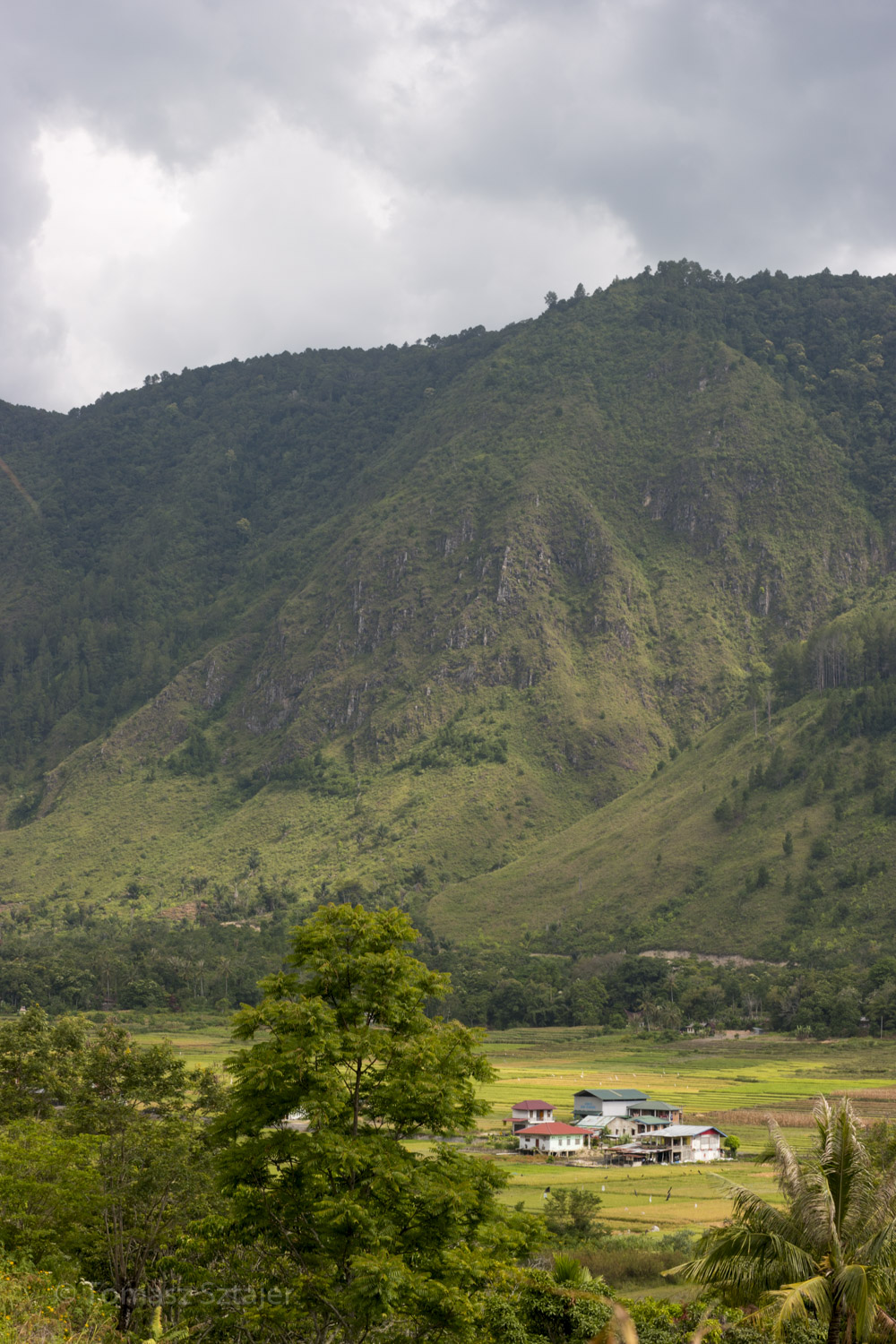
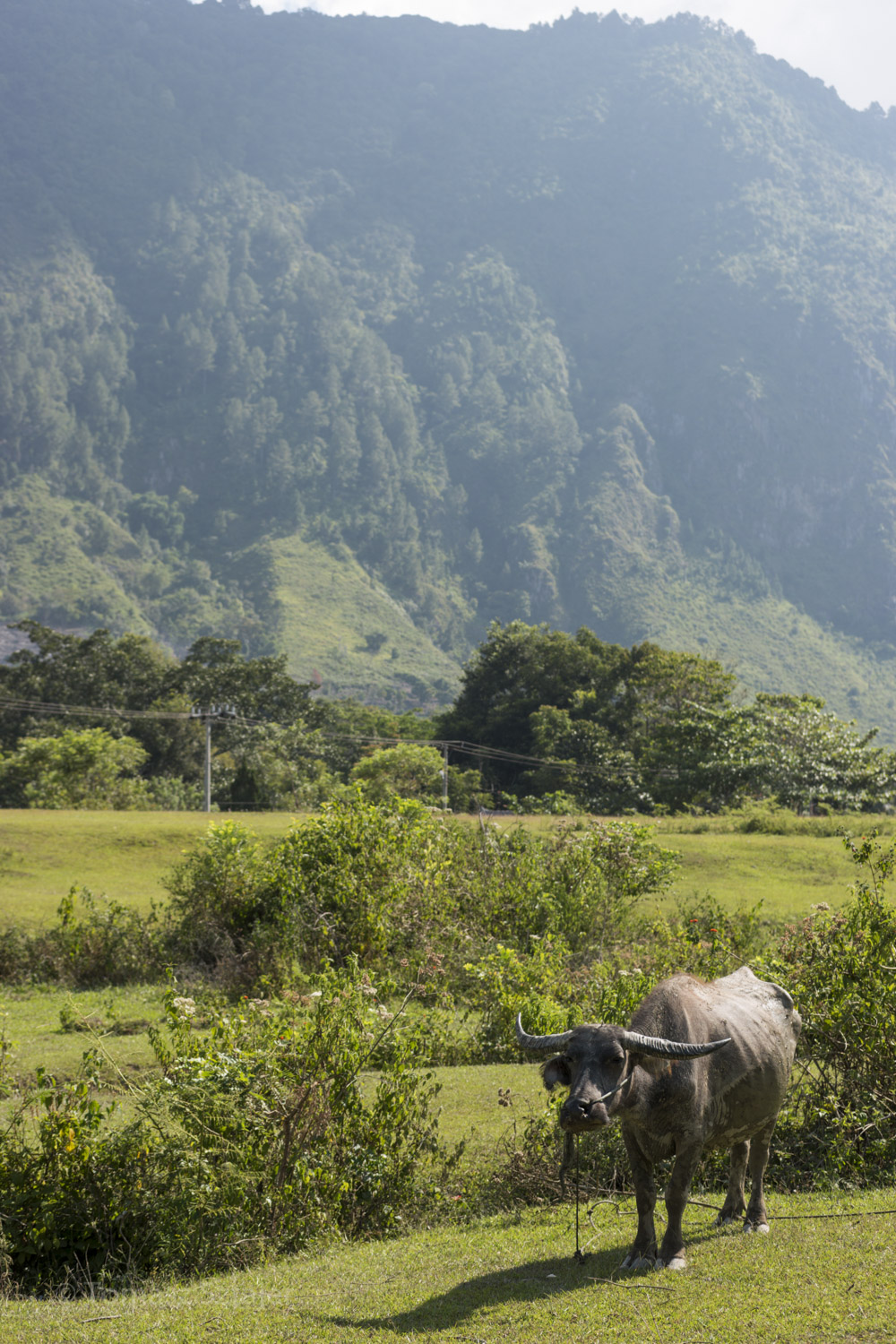
One more important place to visit when in Sumatra is Lake Toba. A very popular tourist destination once, it became a mess after ecological disaster brought upon by sensless fishing. It is slowly getting back in shape but you can clearly see that many of lodging places remember the long gone glory and do nothing to bring the establishment to more recent standards (like something better than a hole and rubber hose in the bathroom – but hey, it’s affordable!).
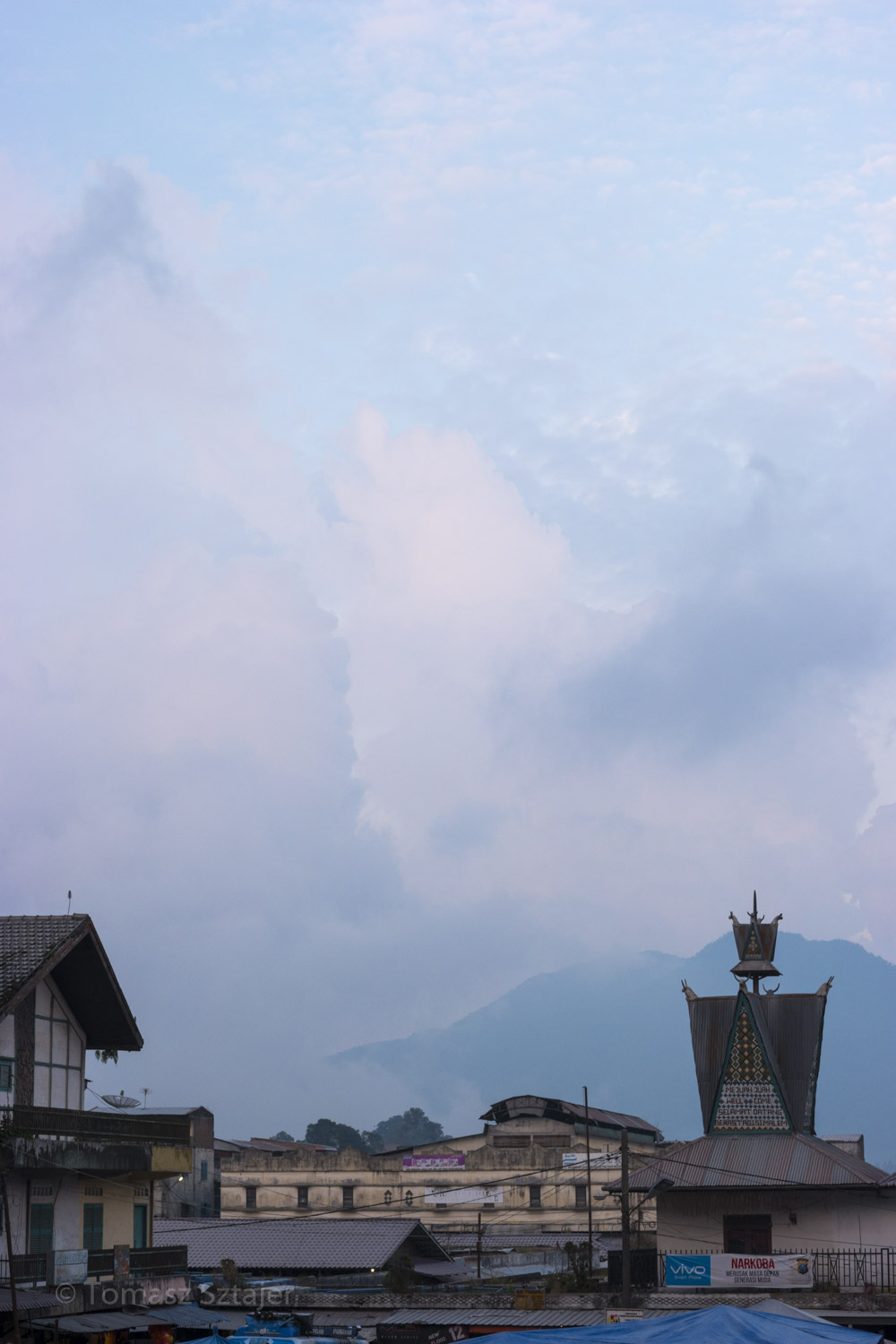
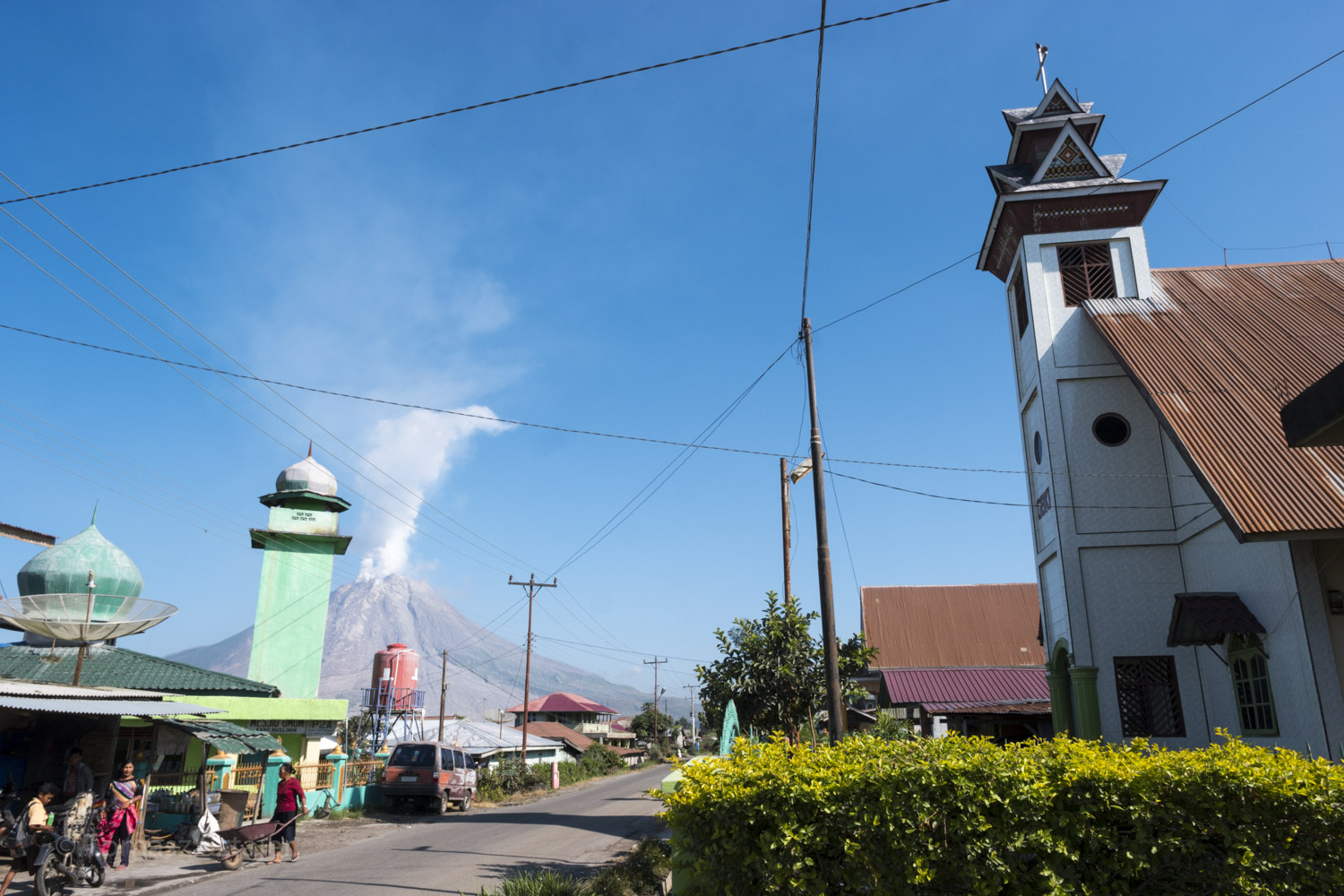
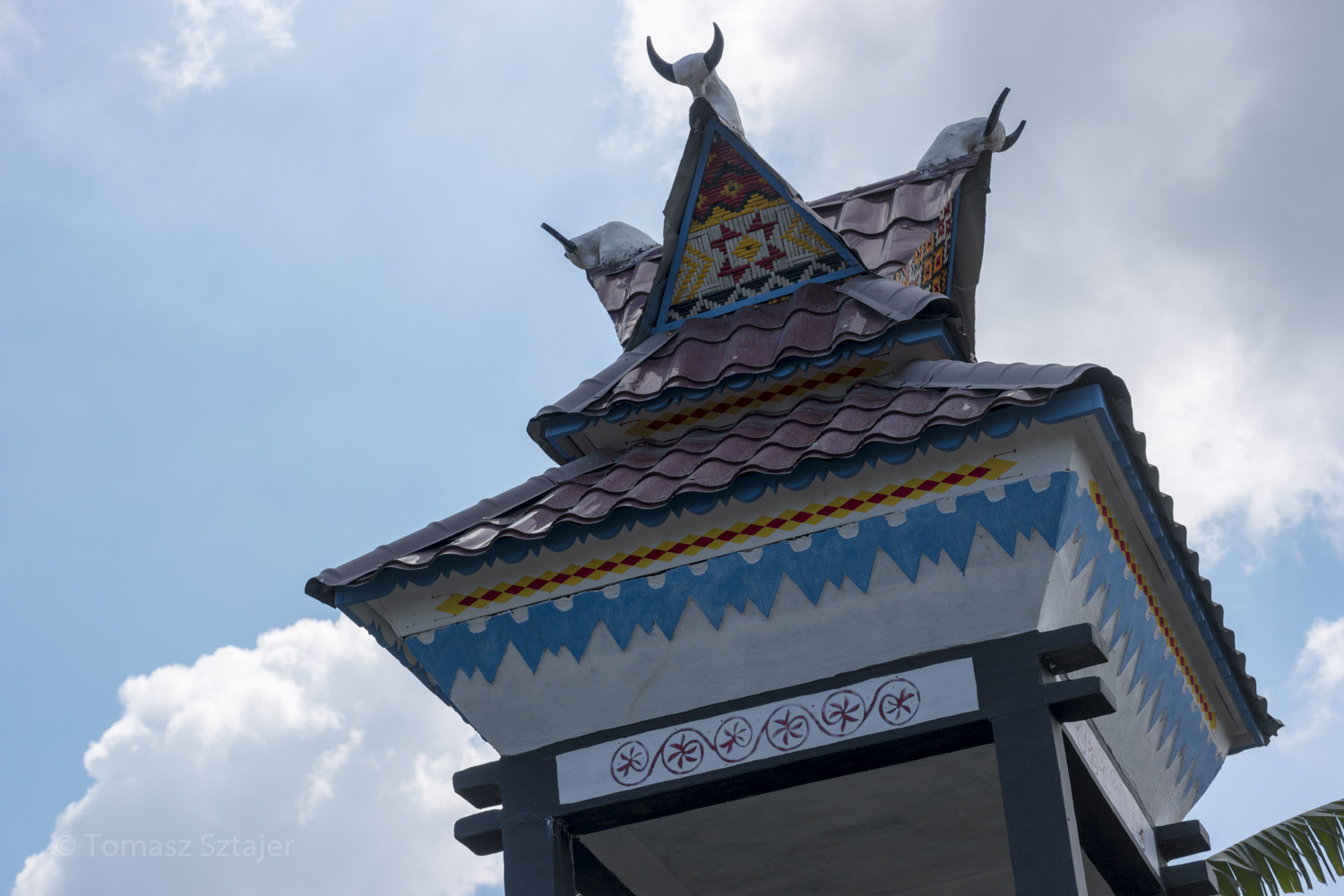
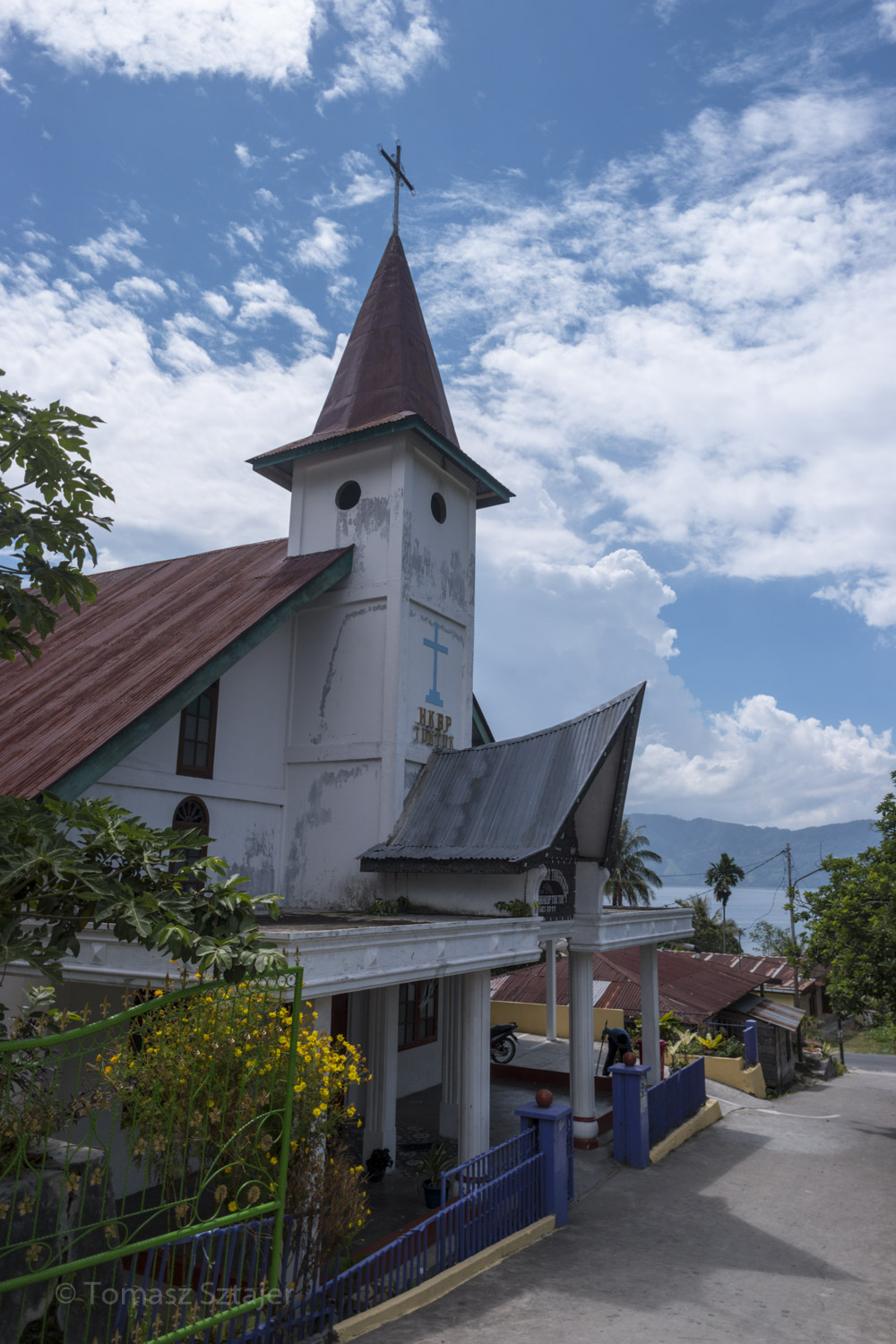
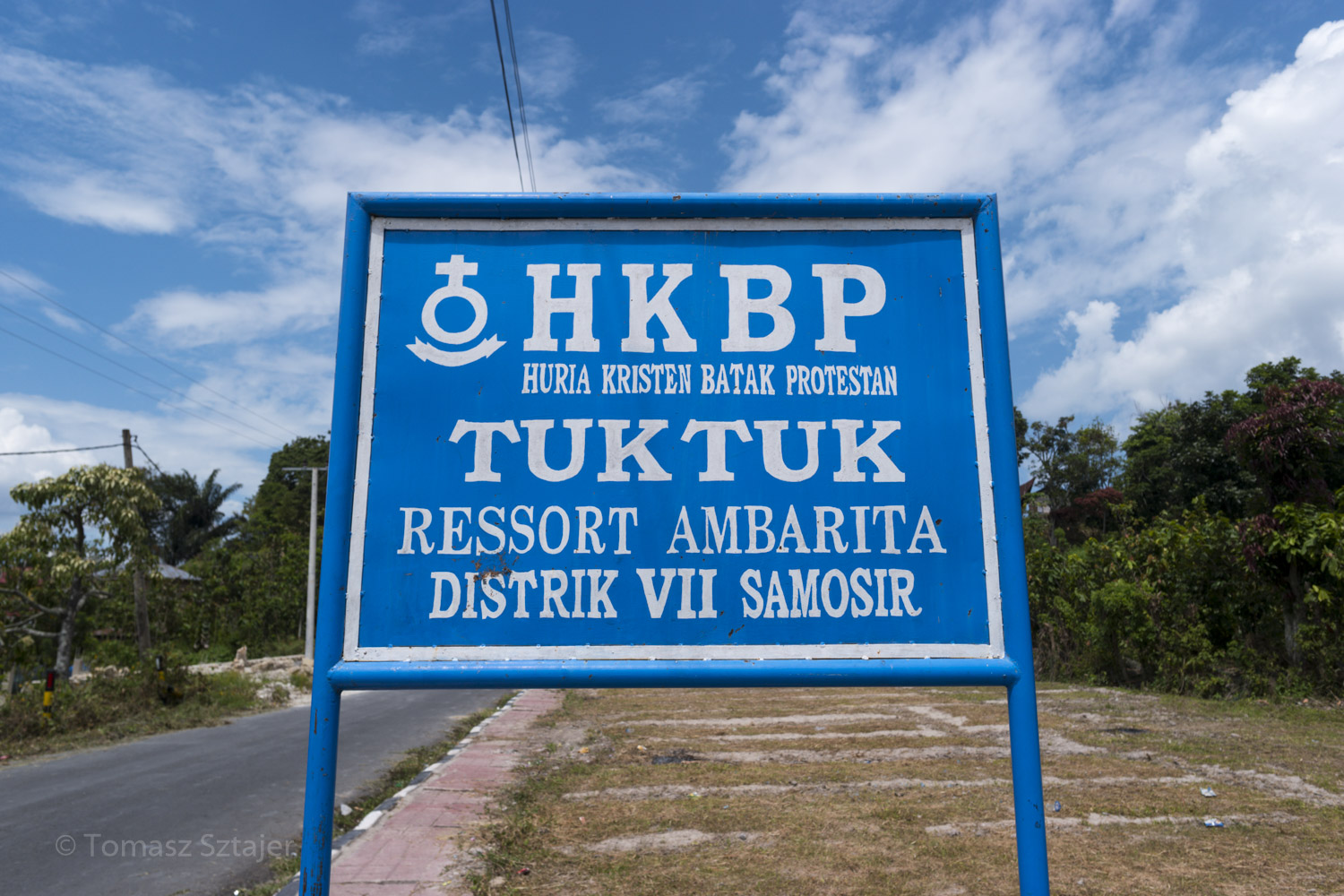
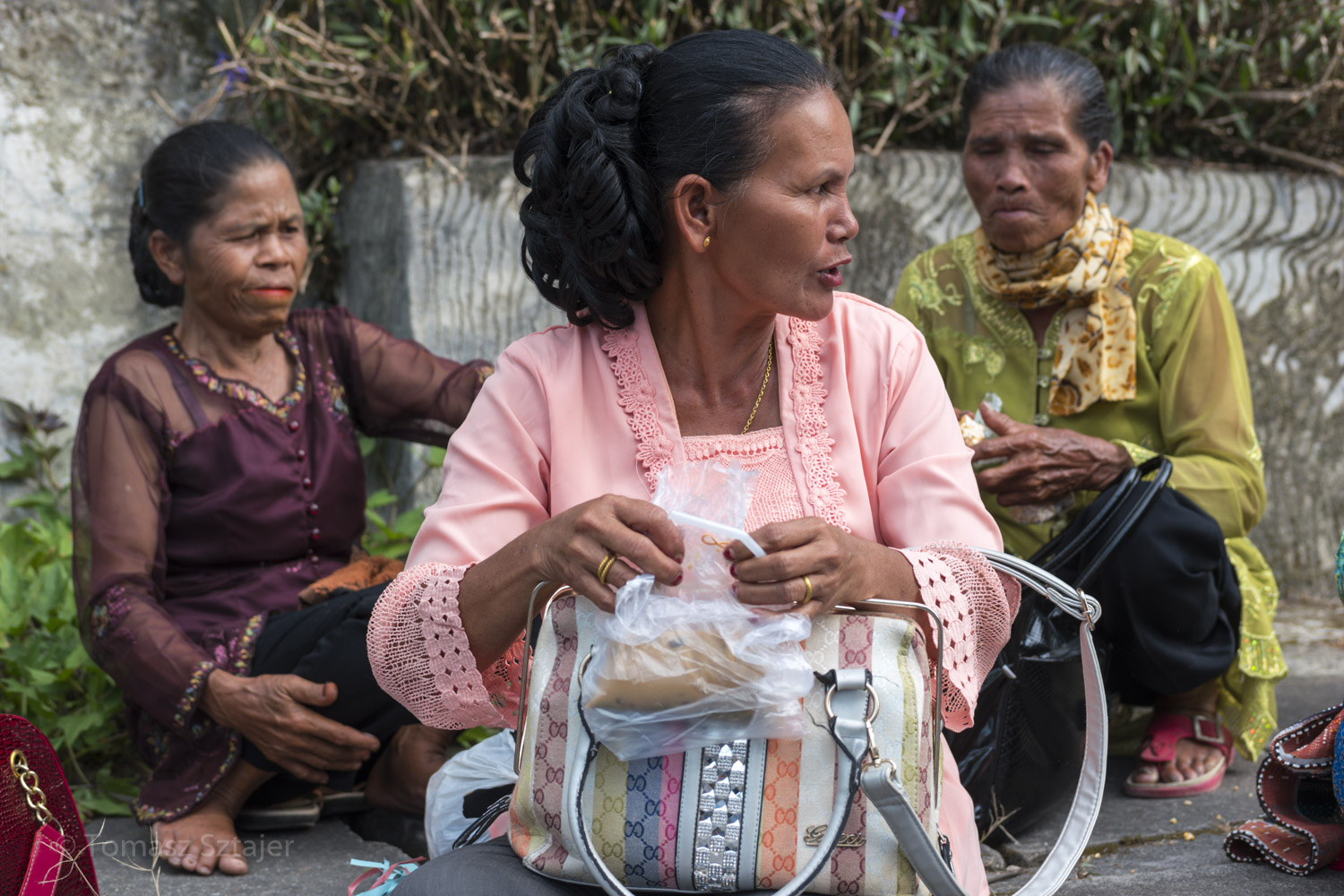
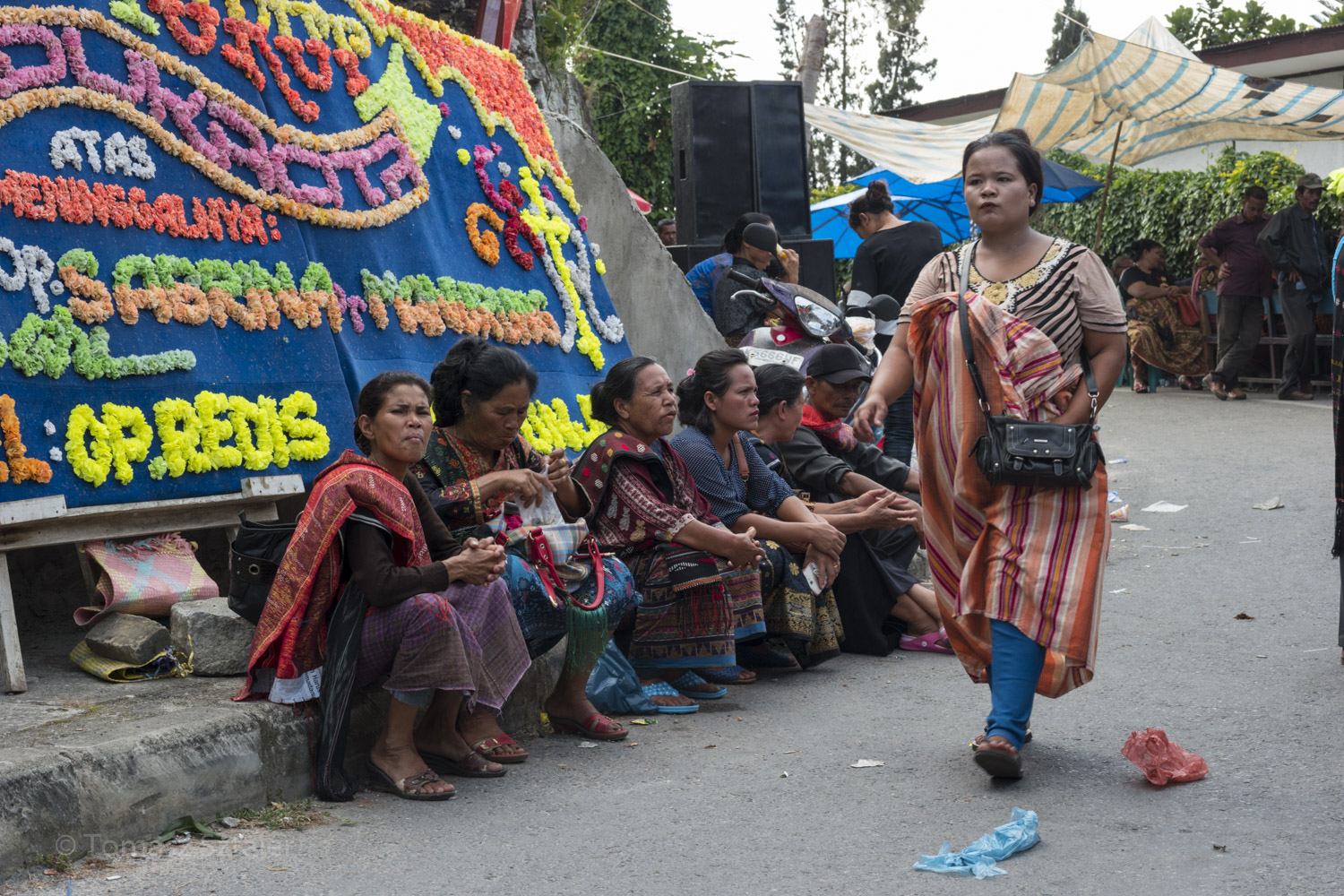
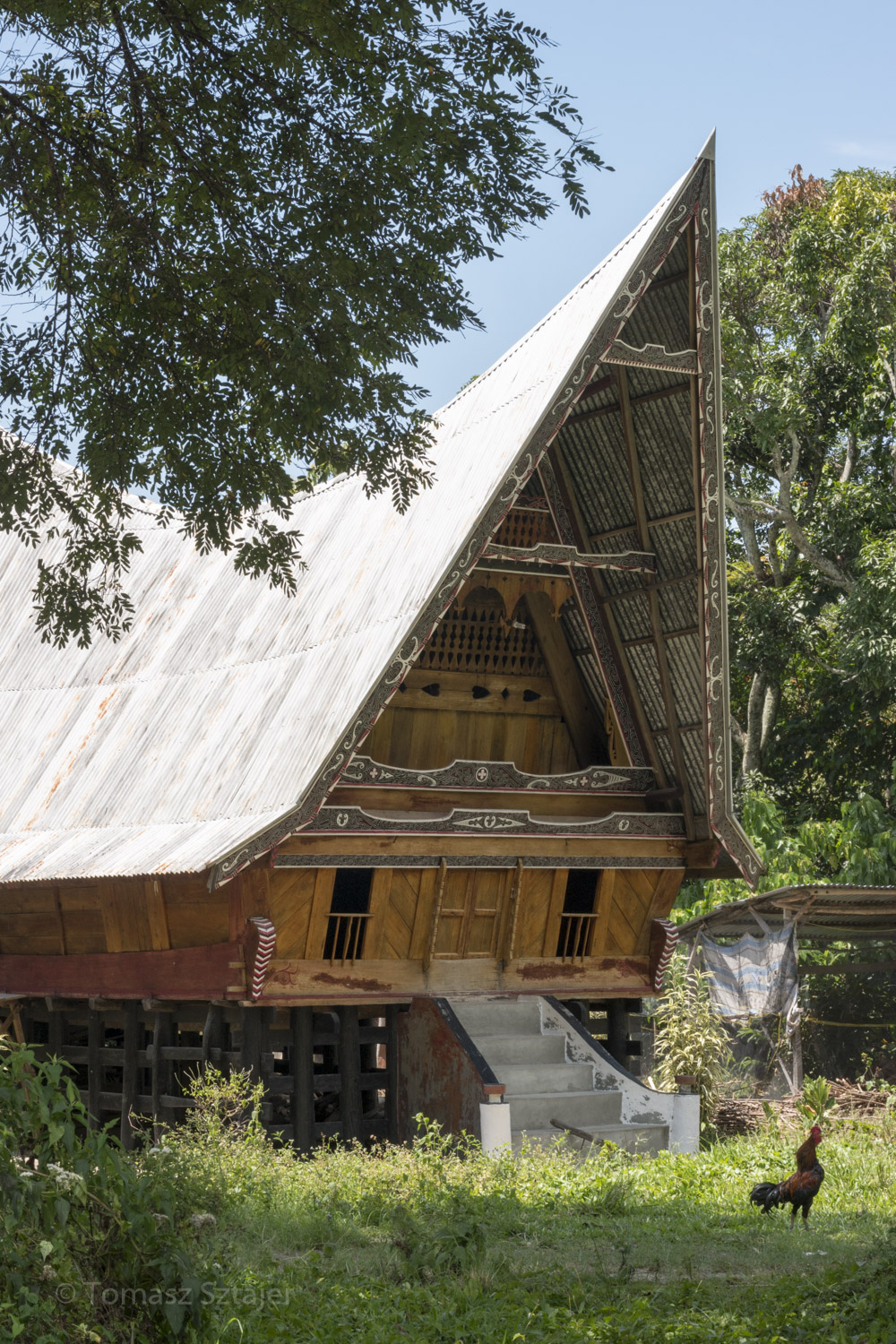
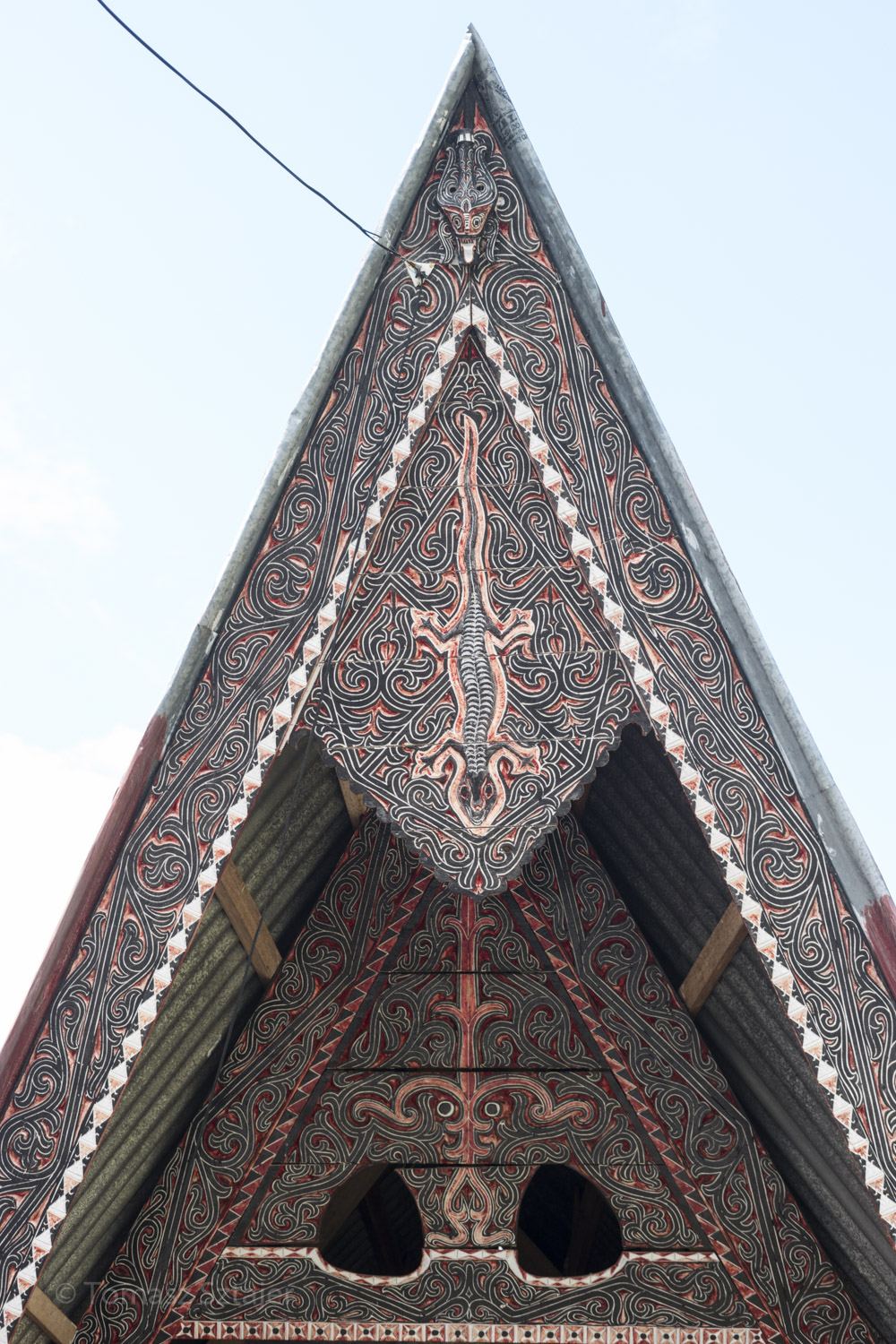
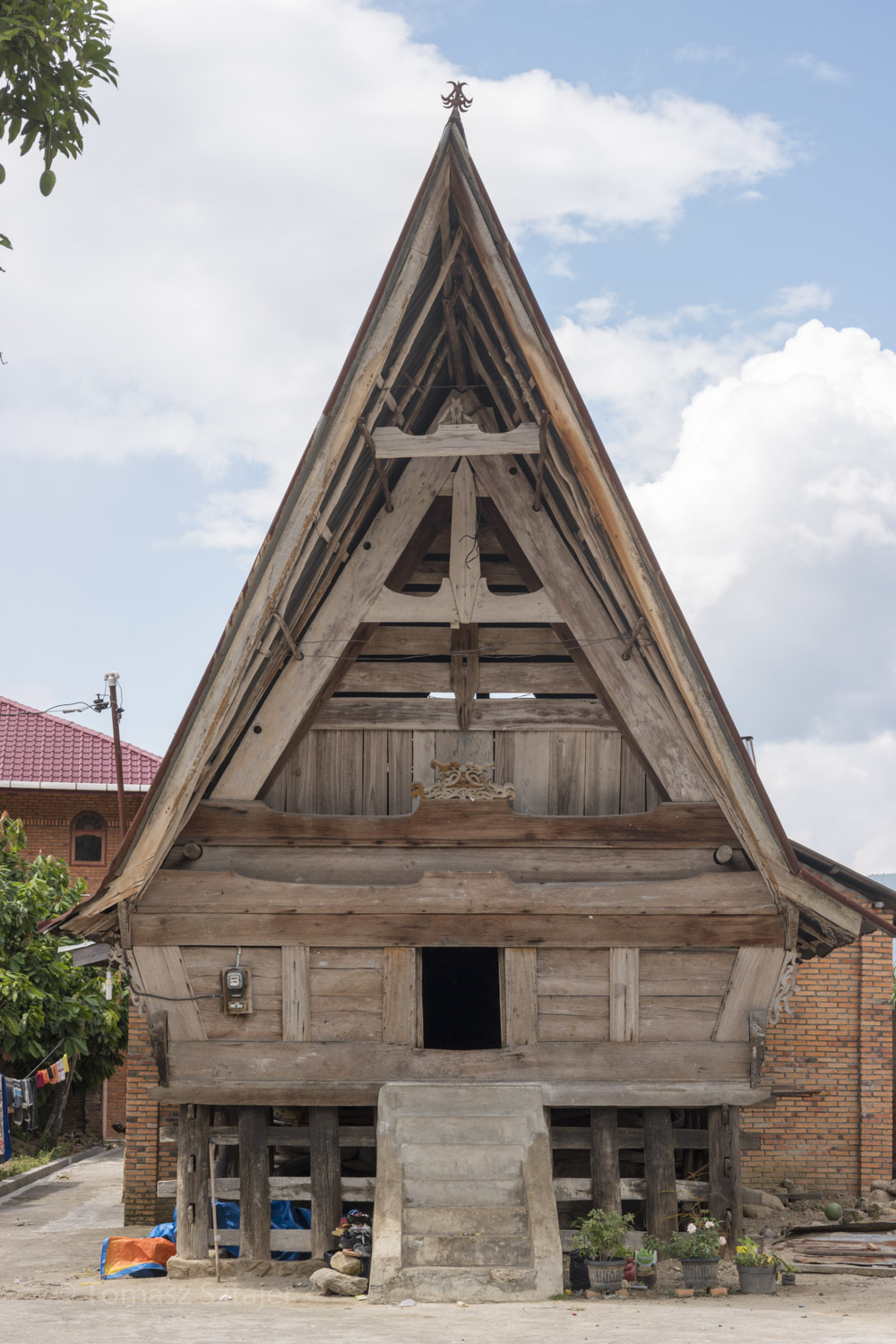
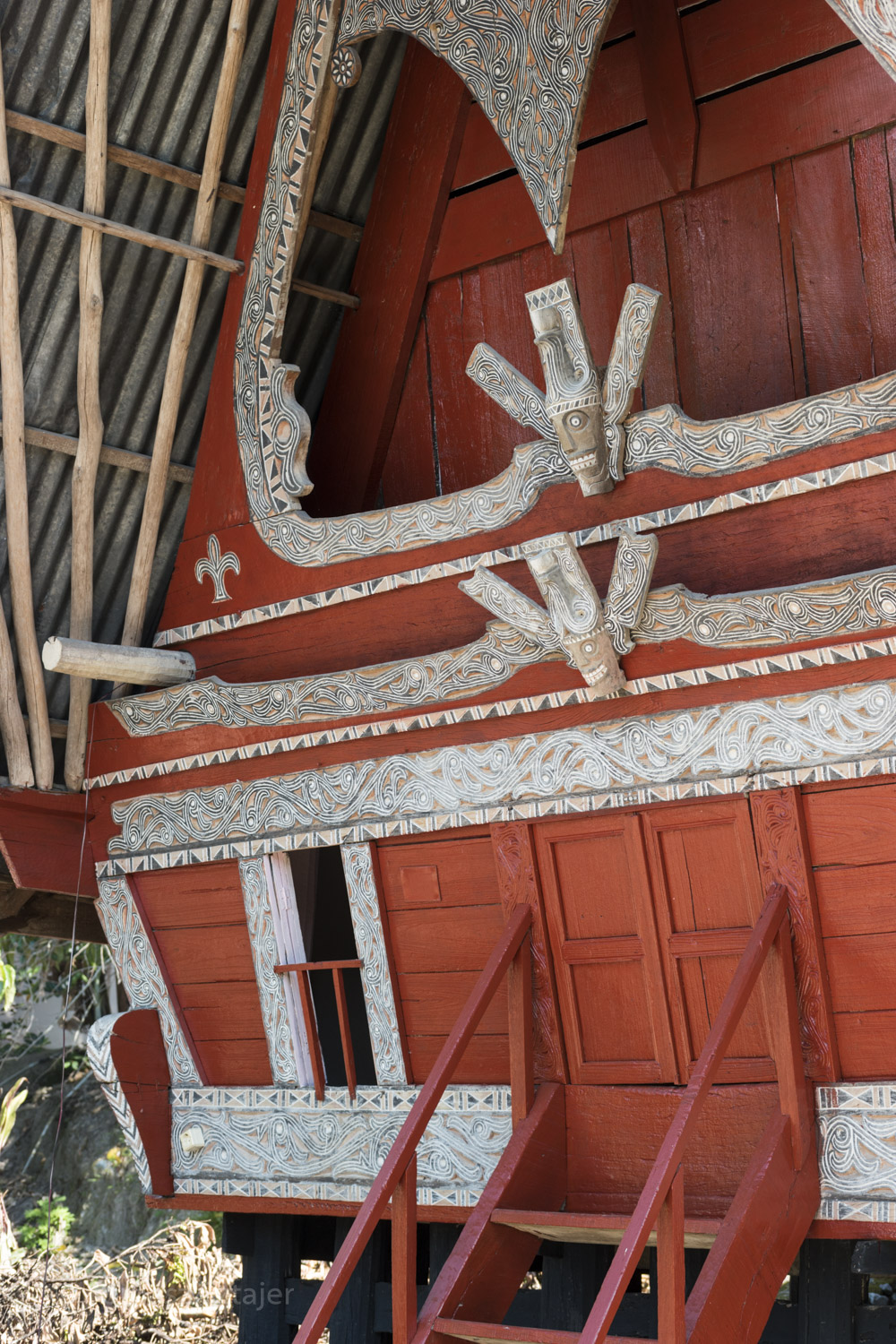
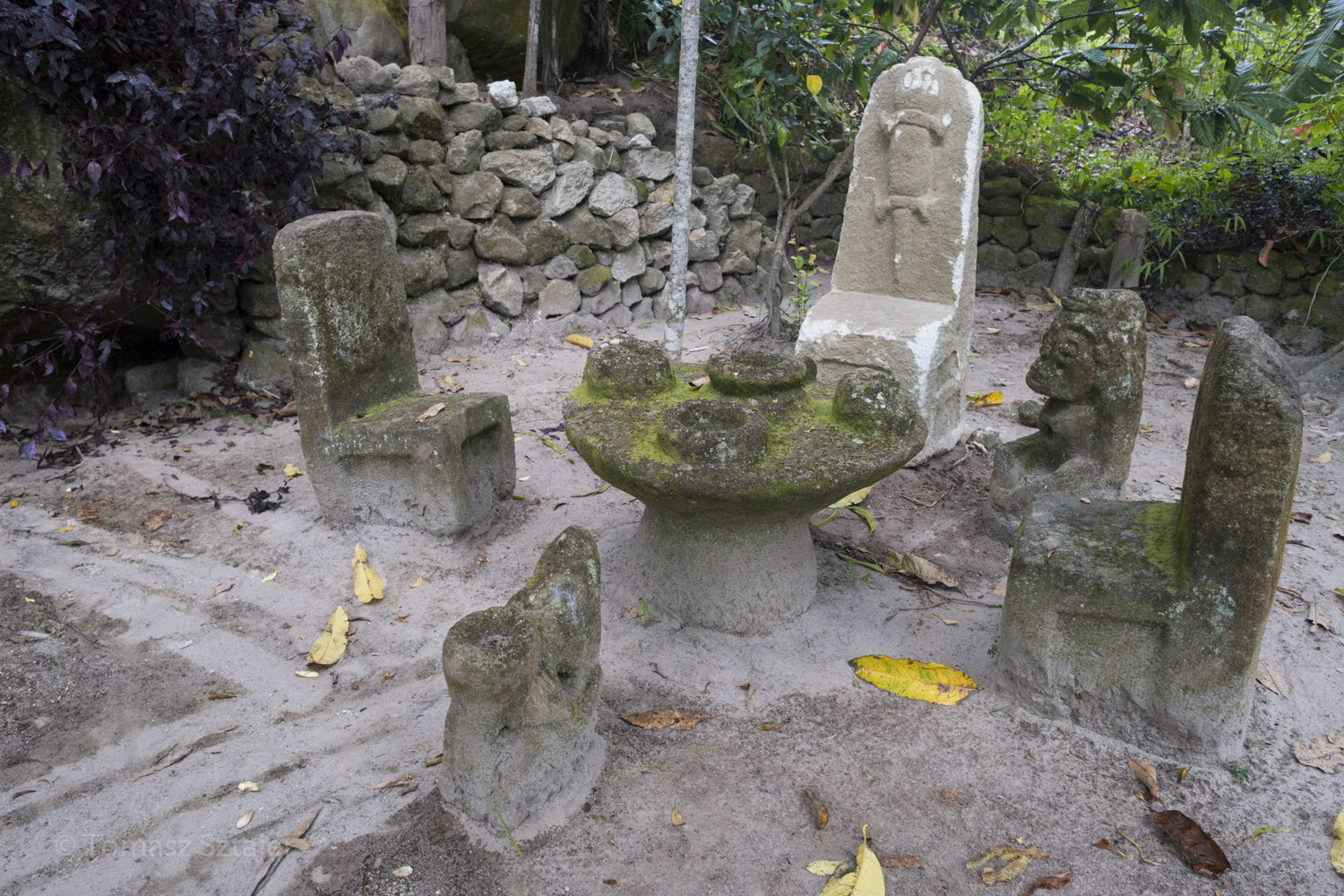
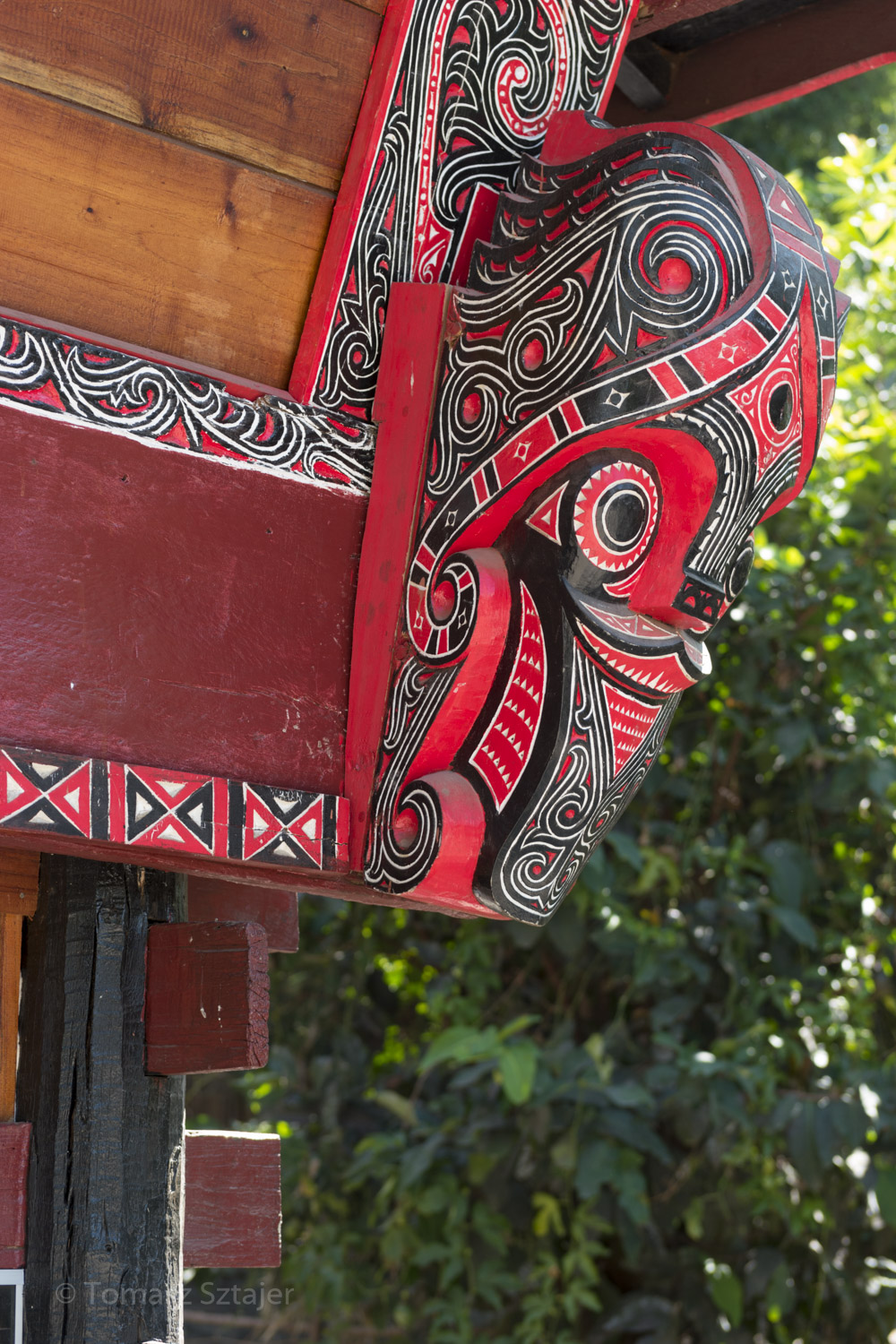
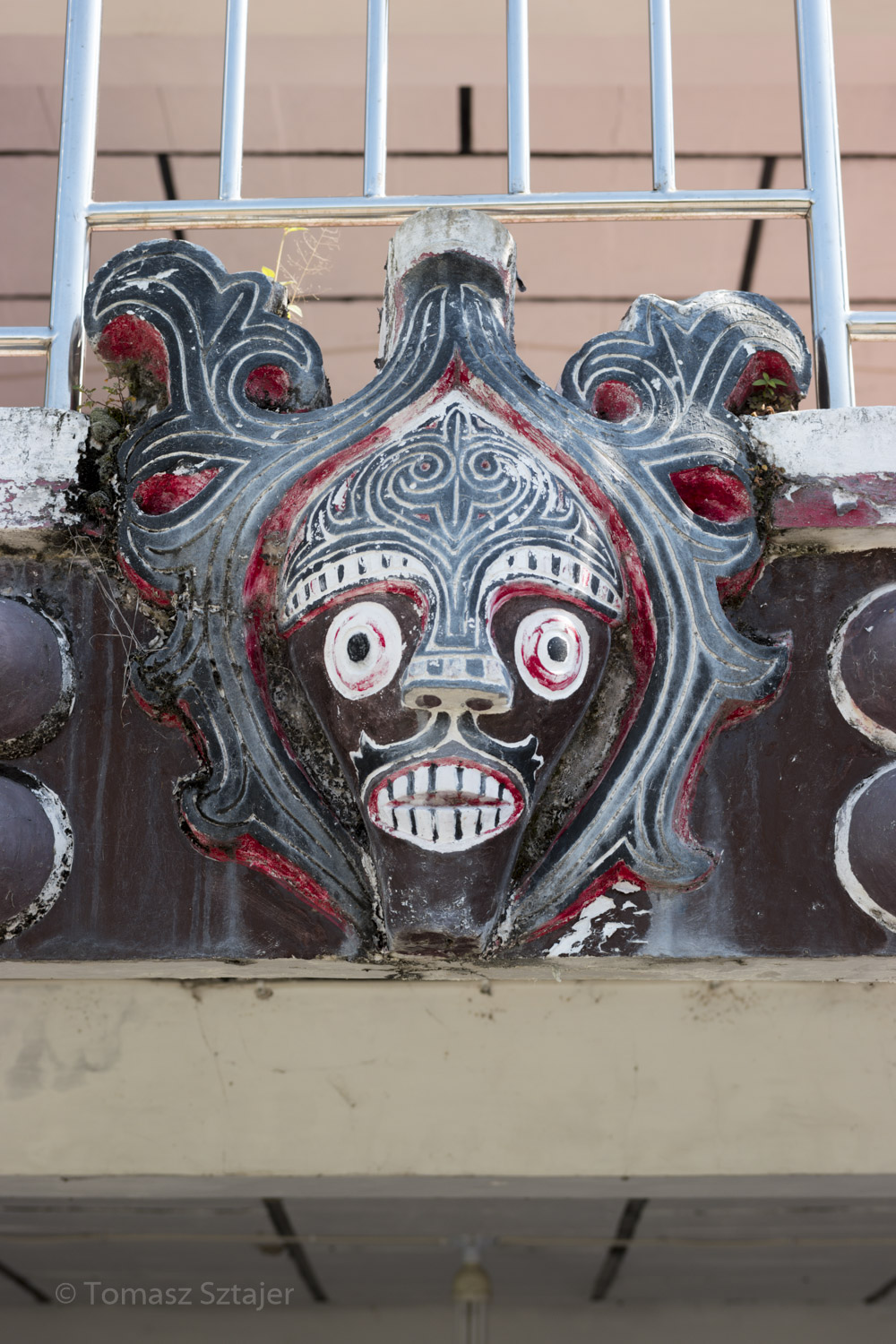
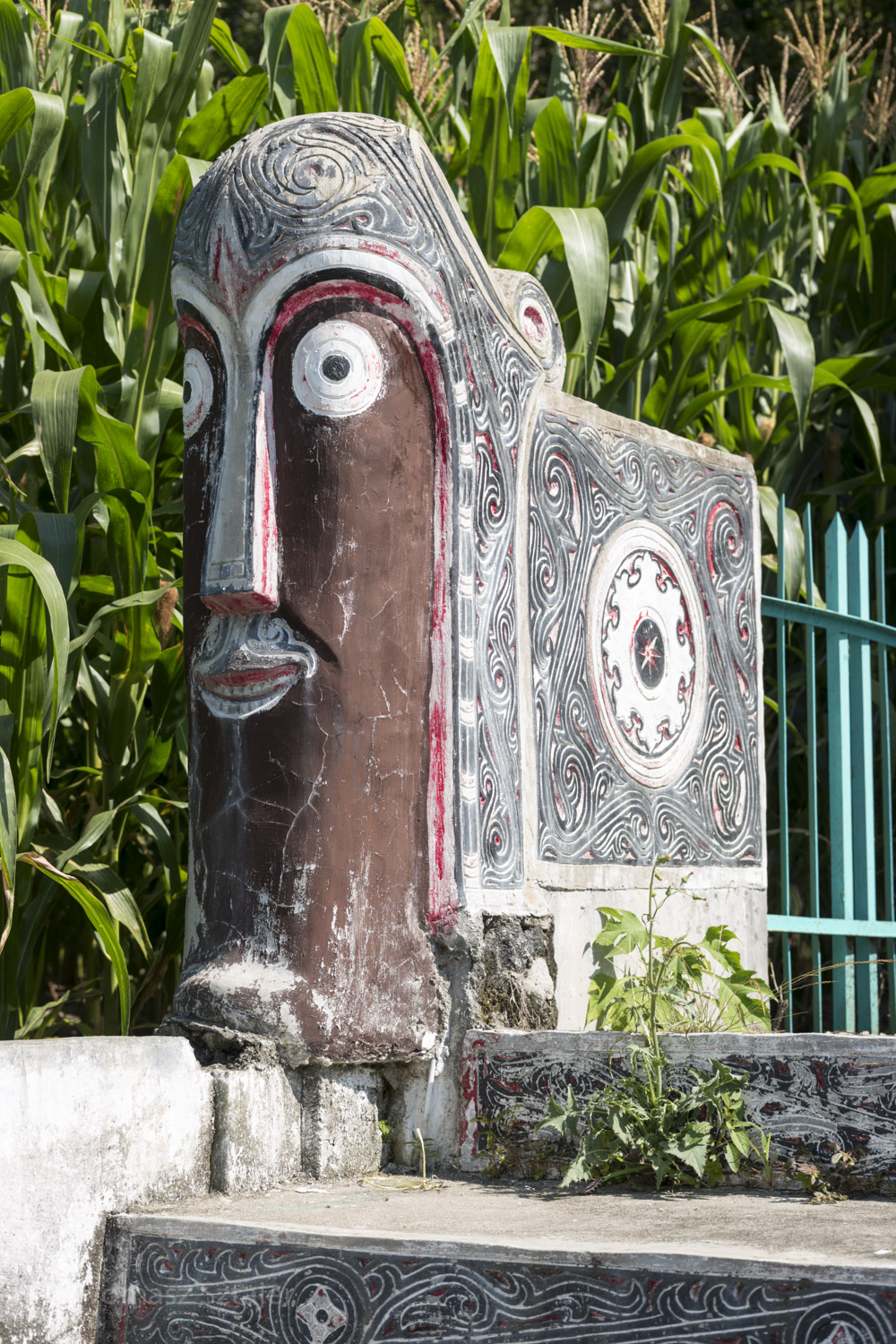
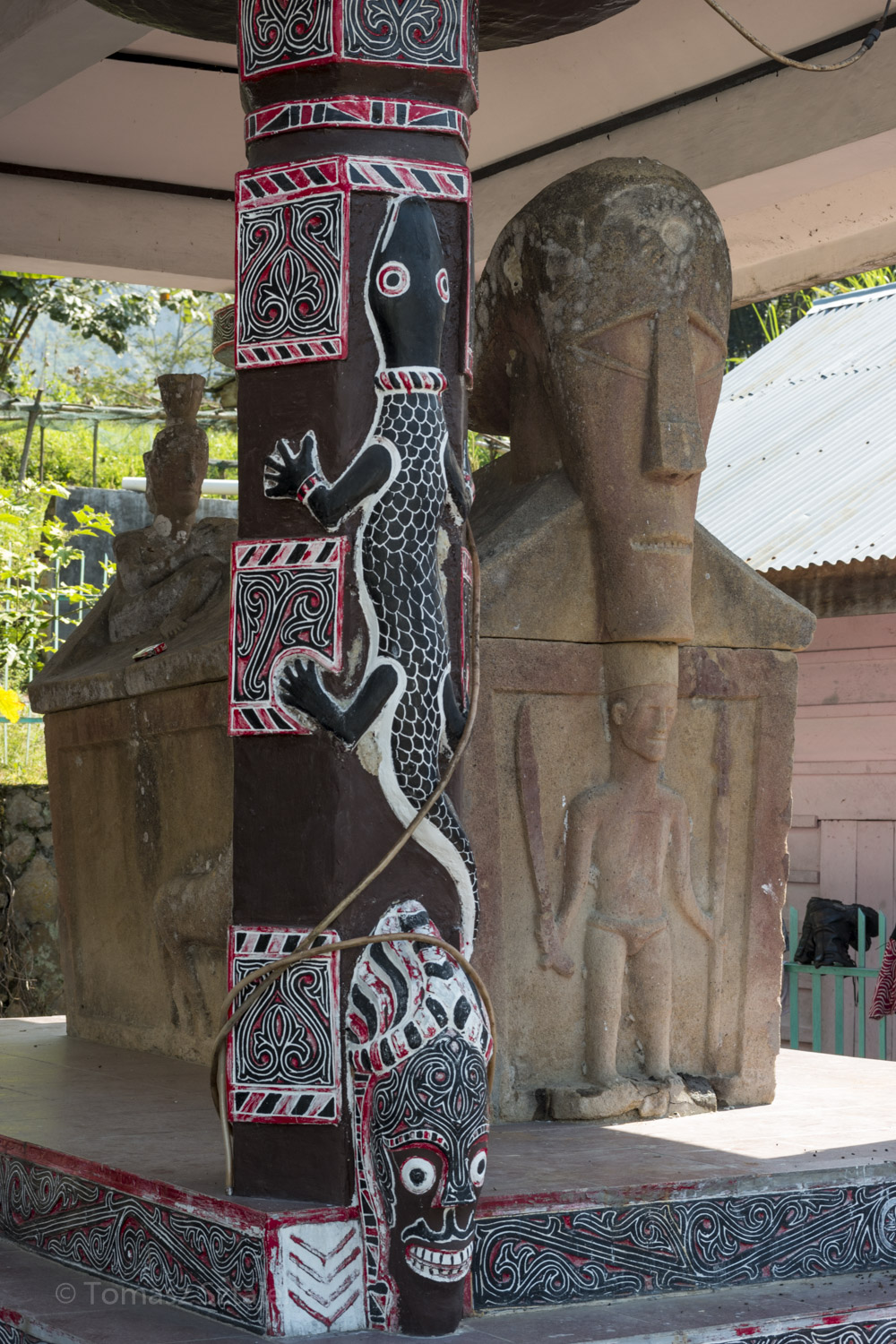
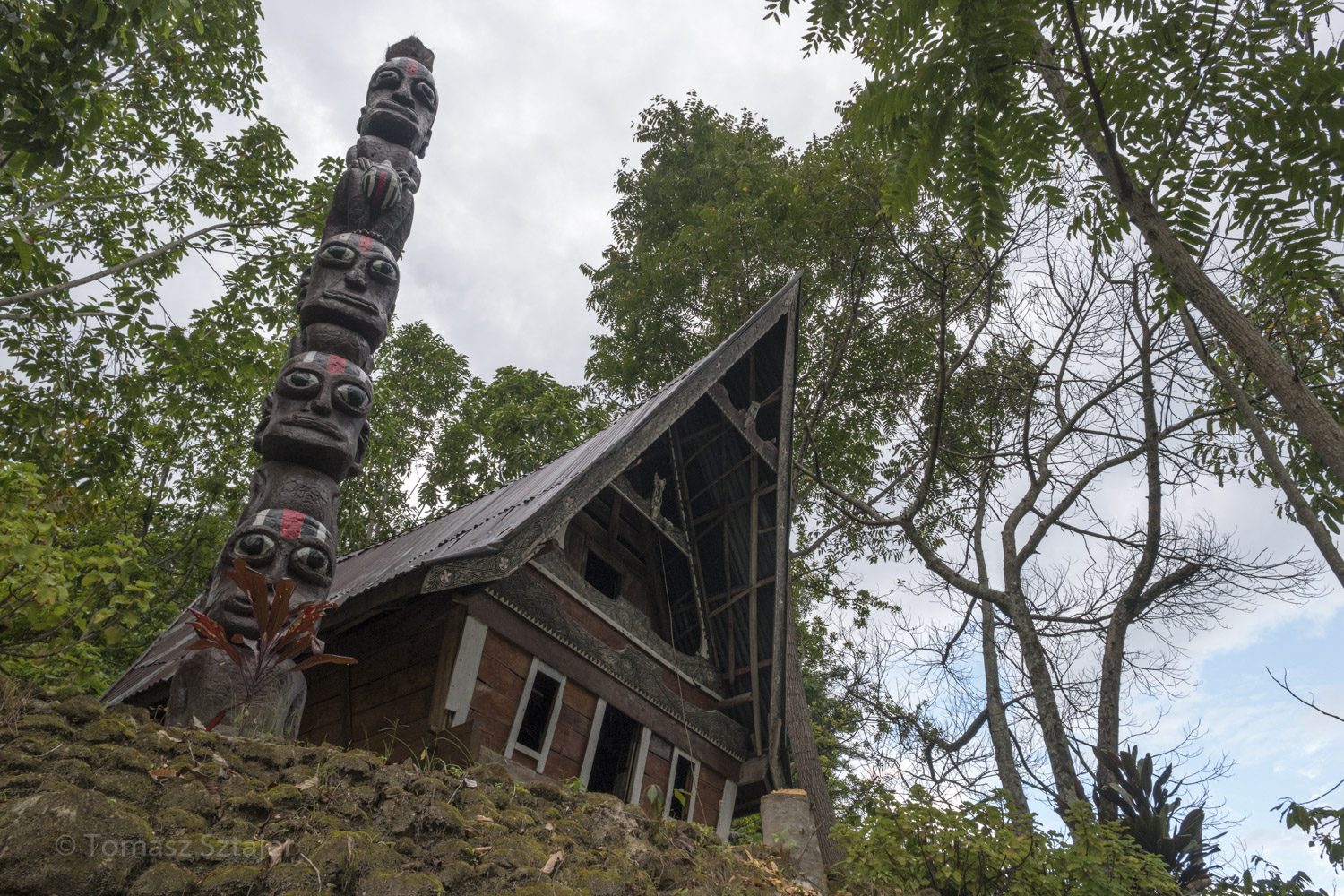
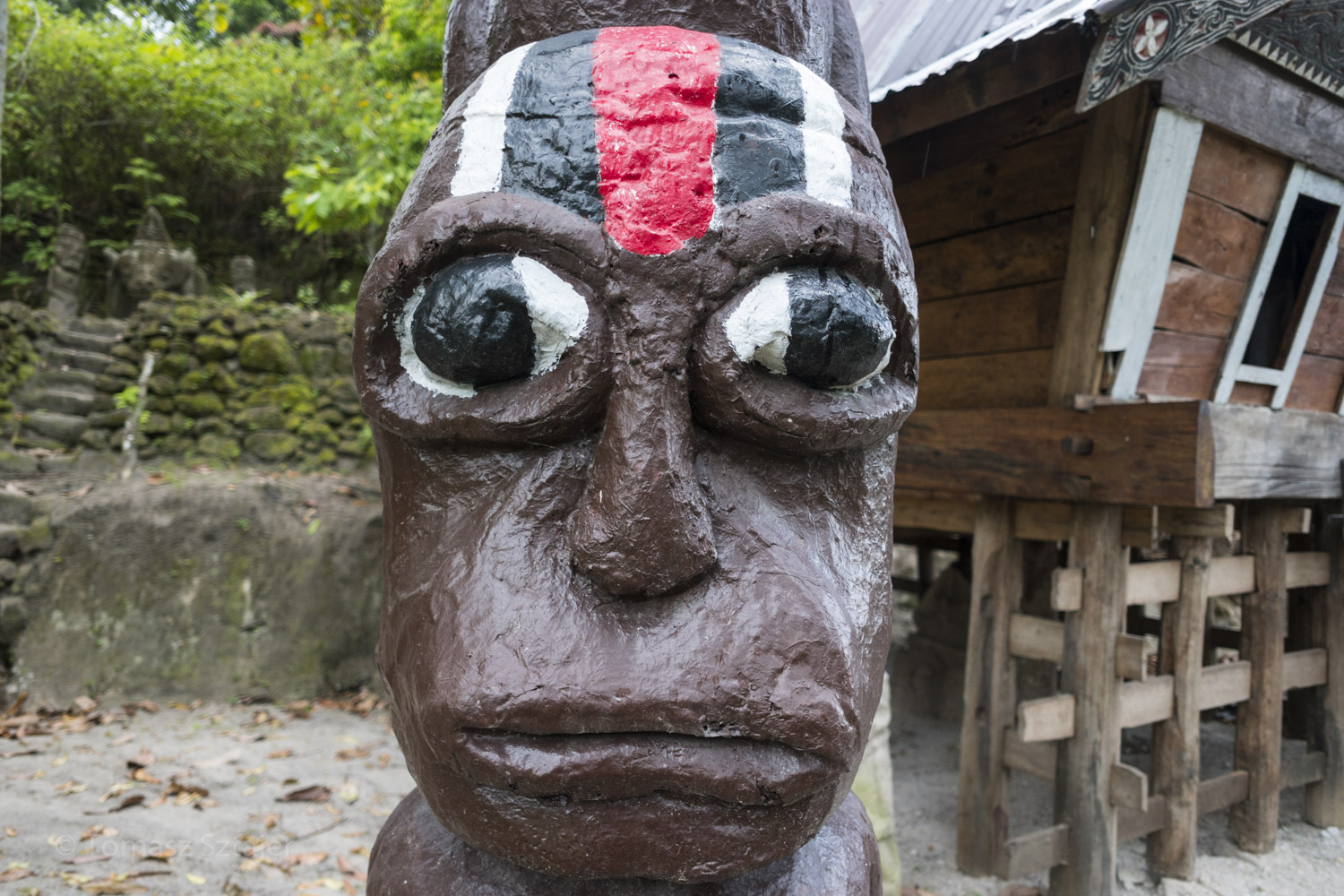
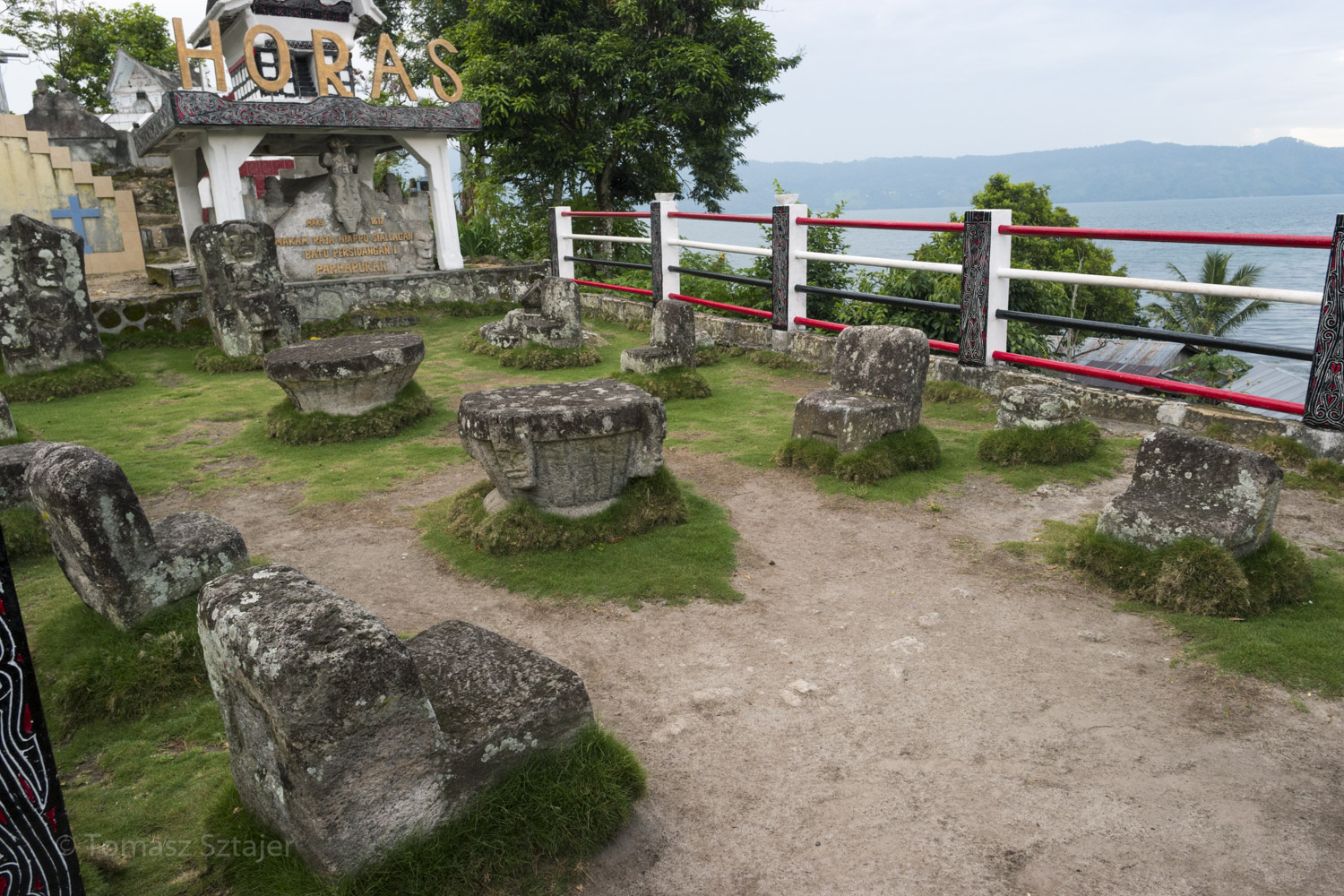
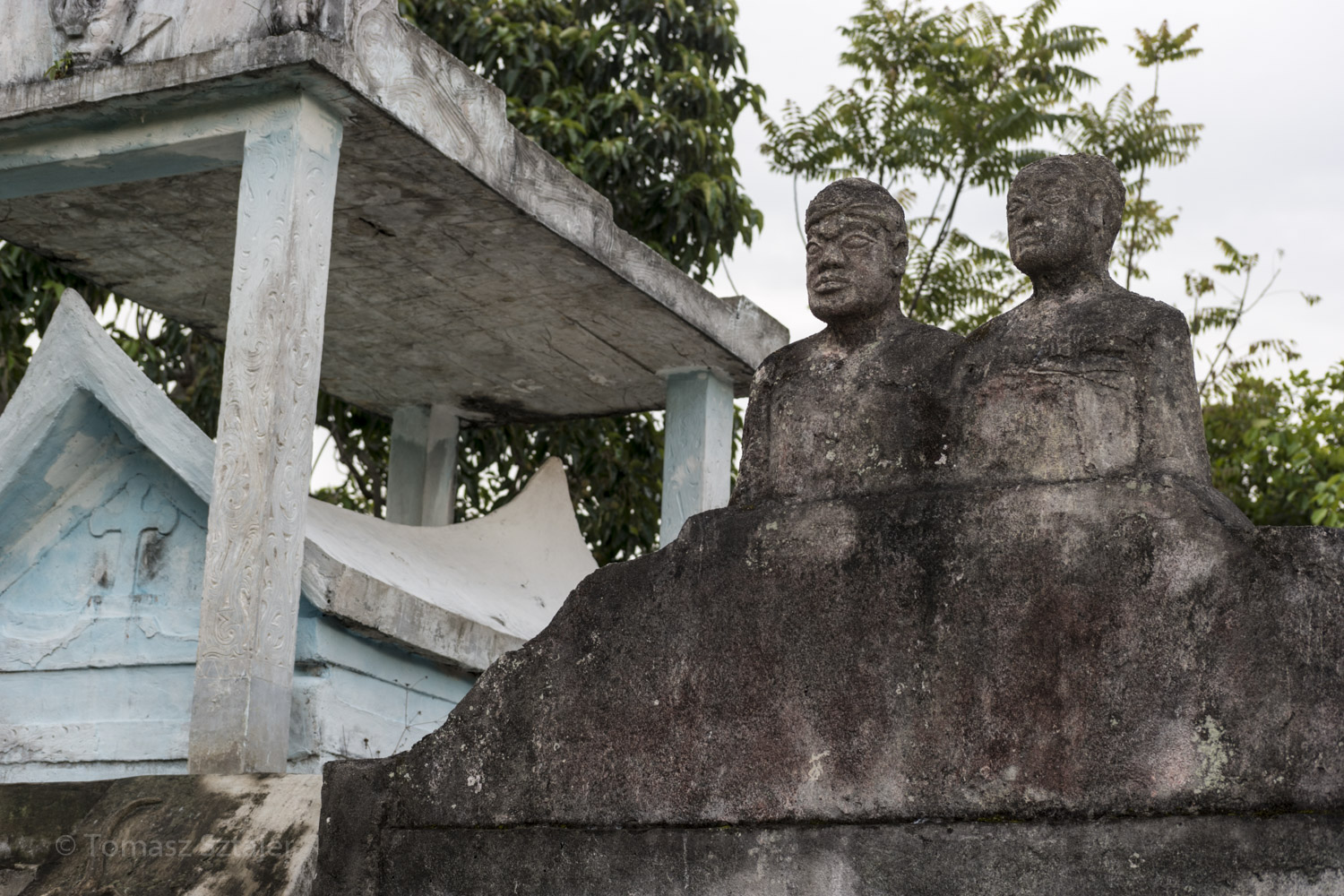
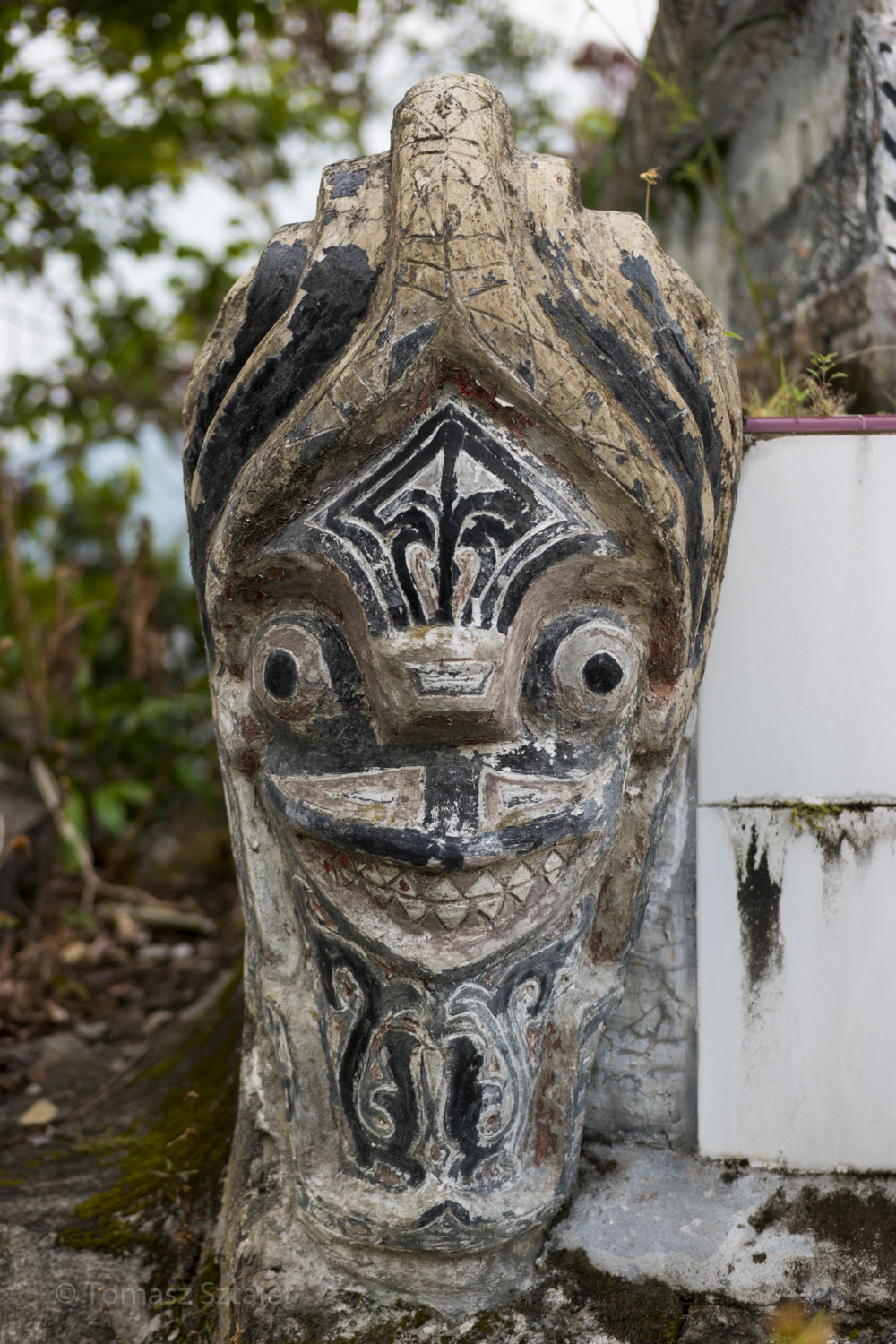
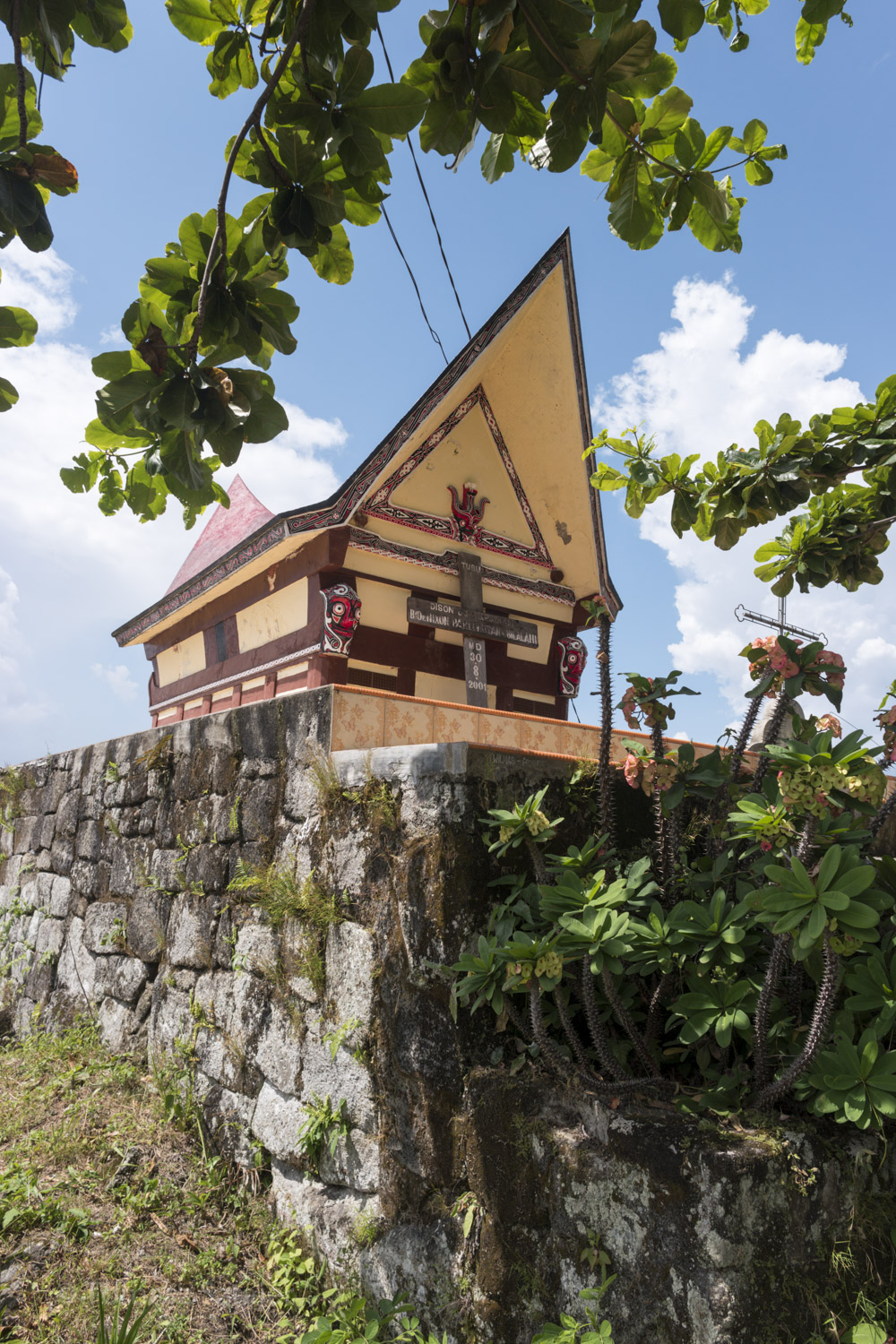
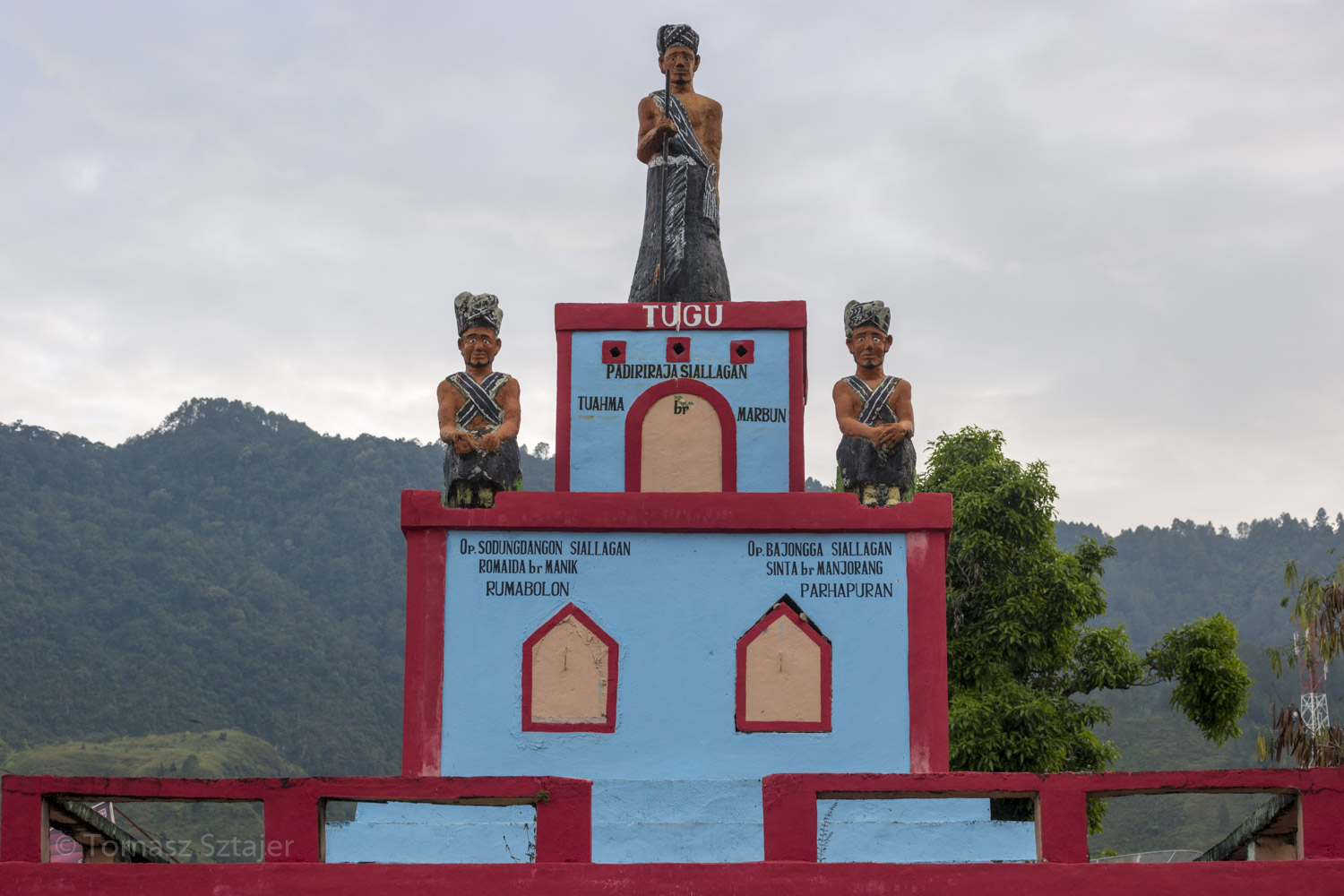
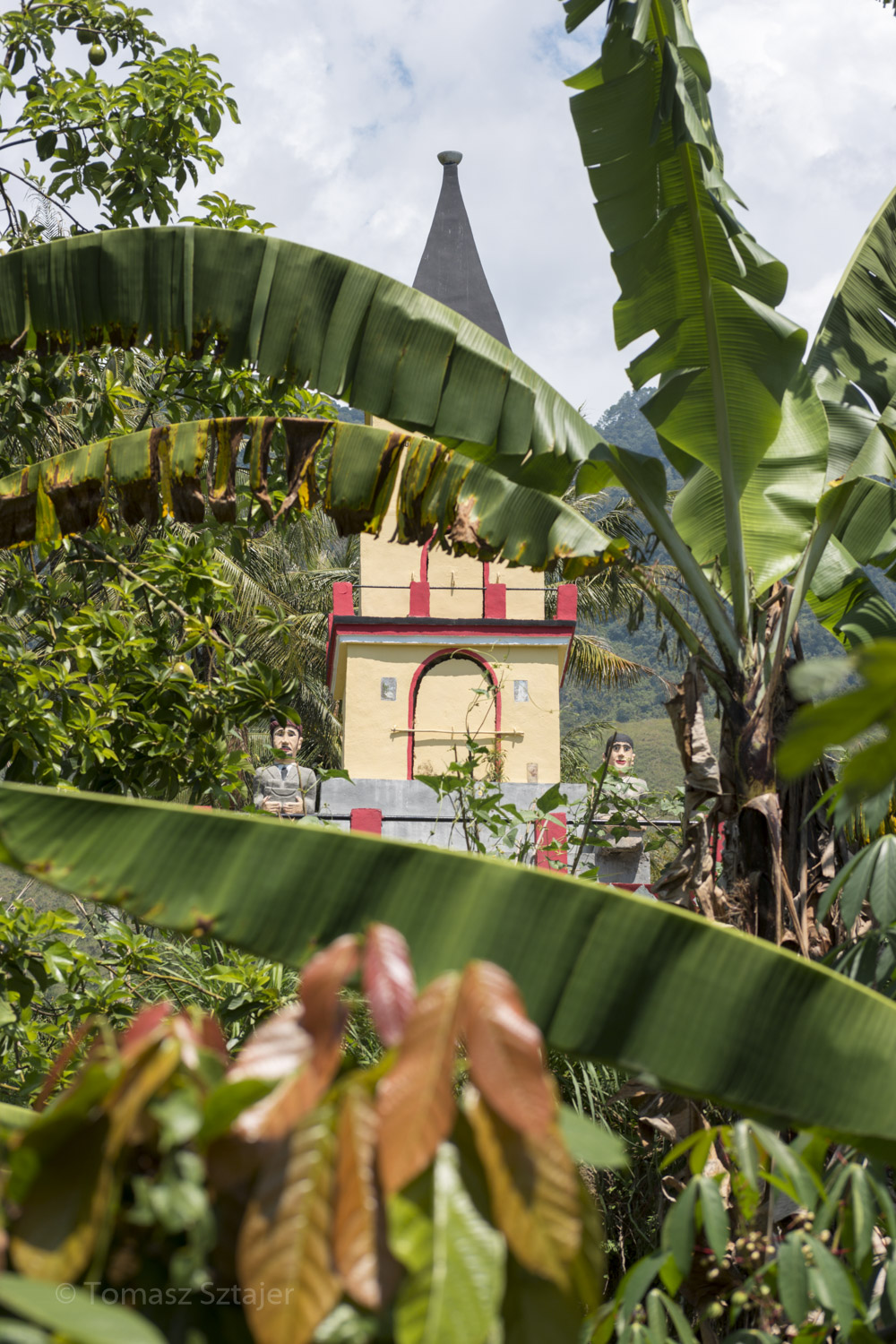
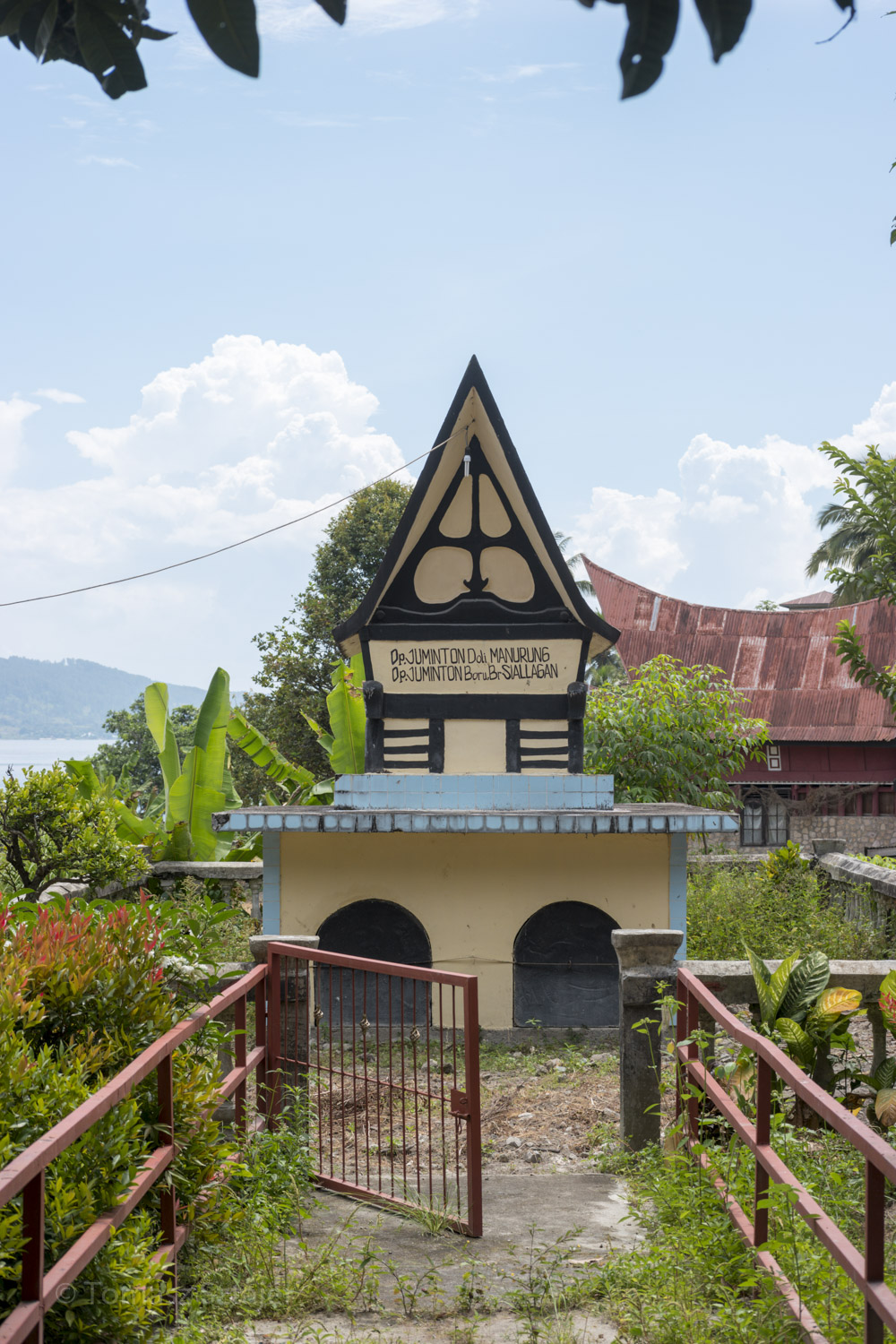
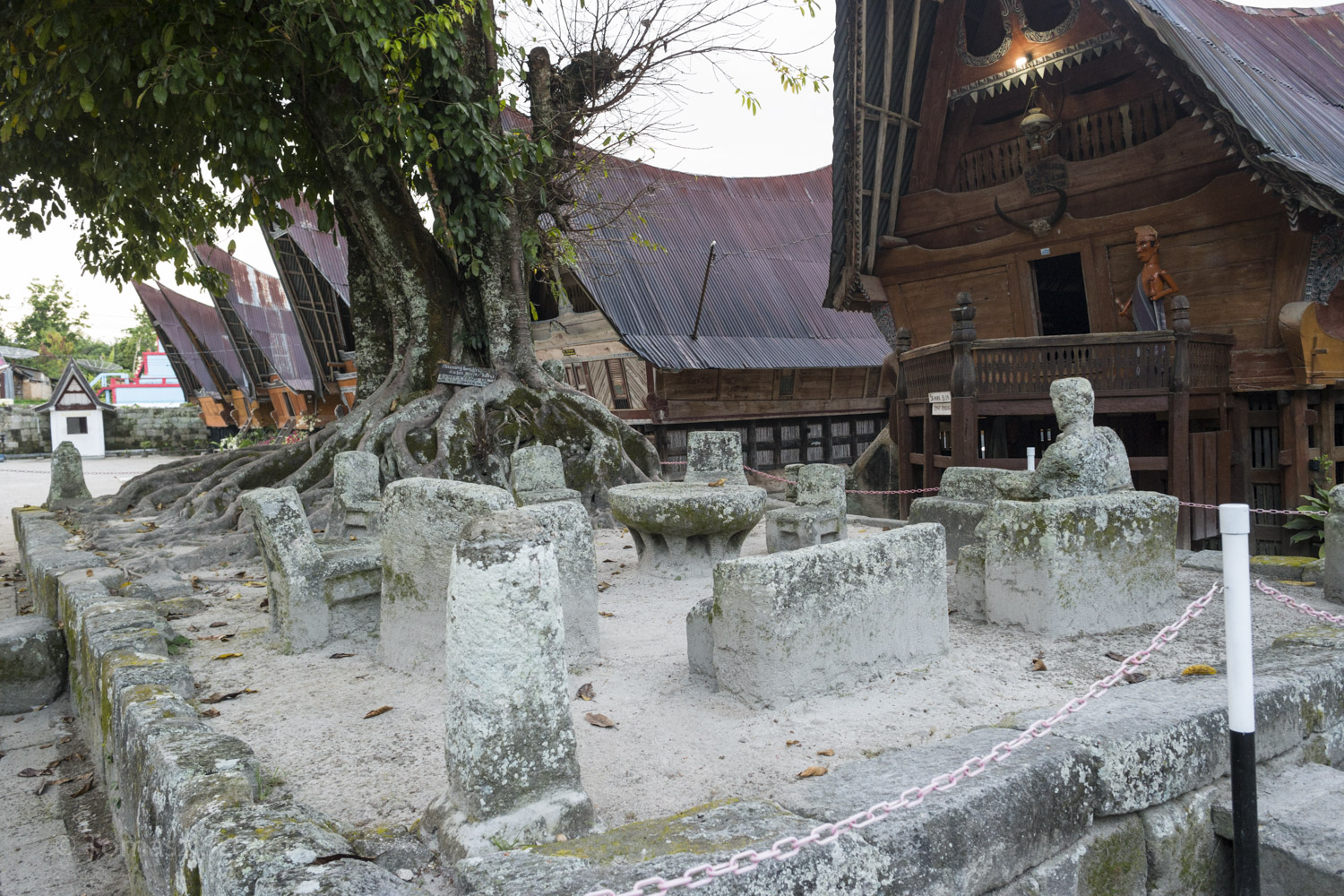
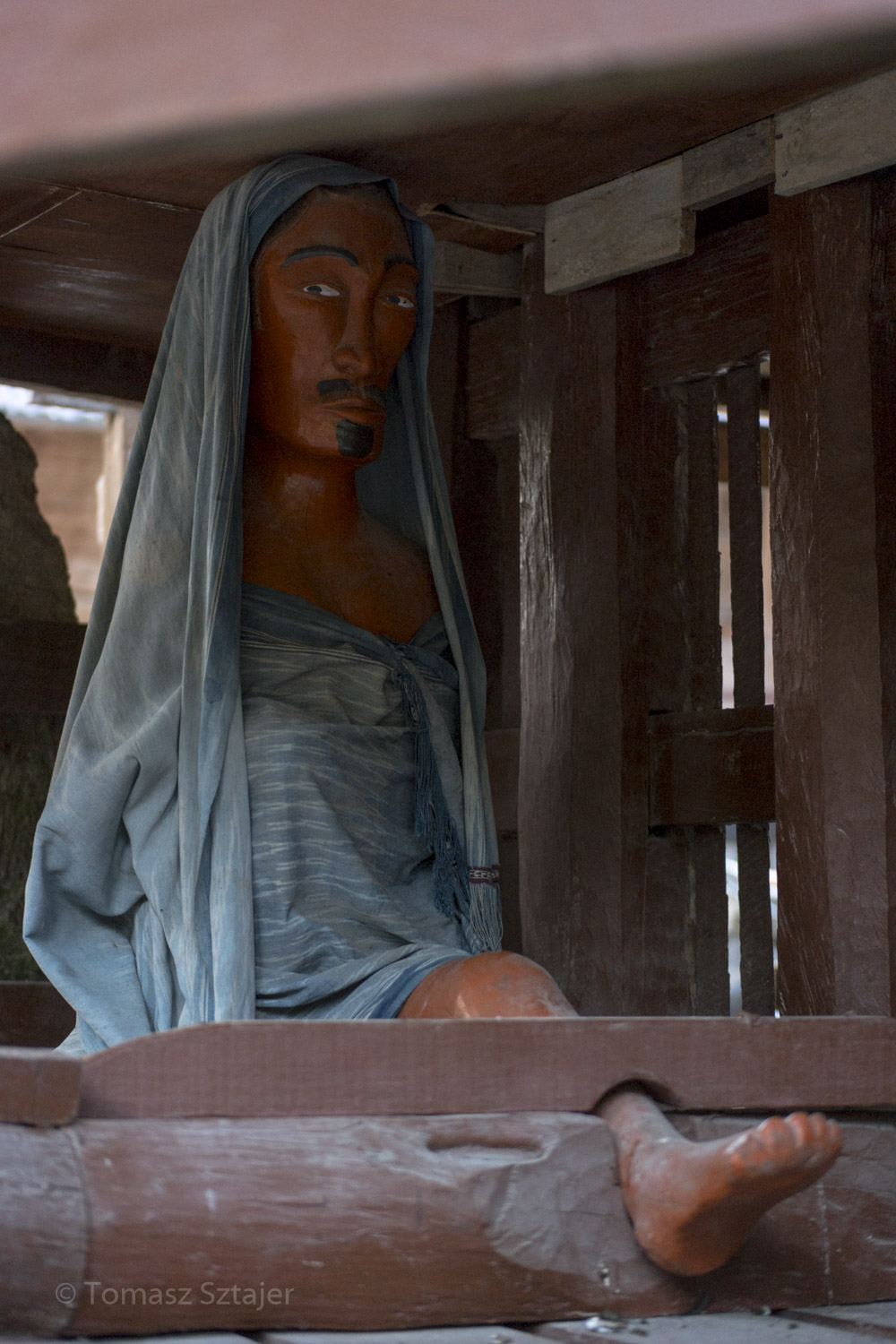
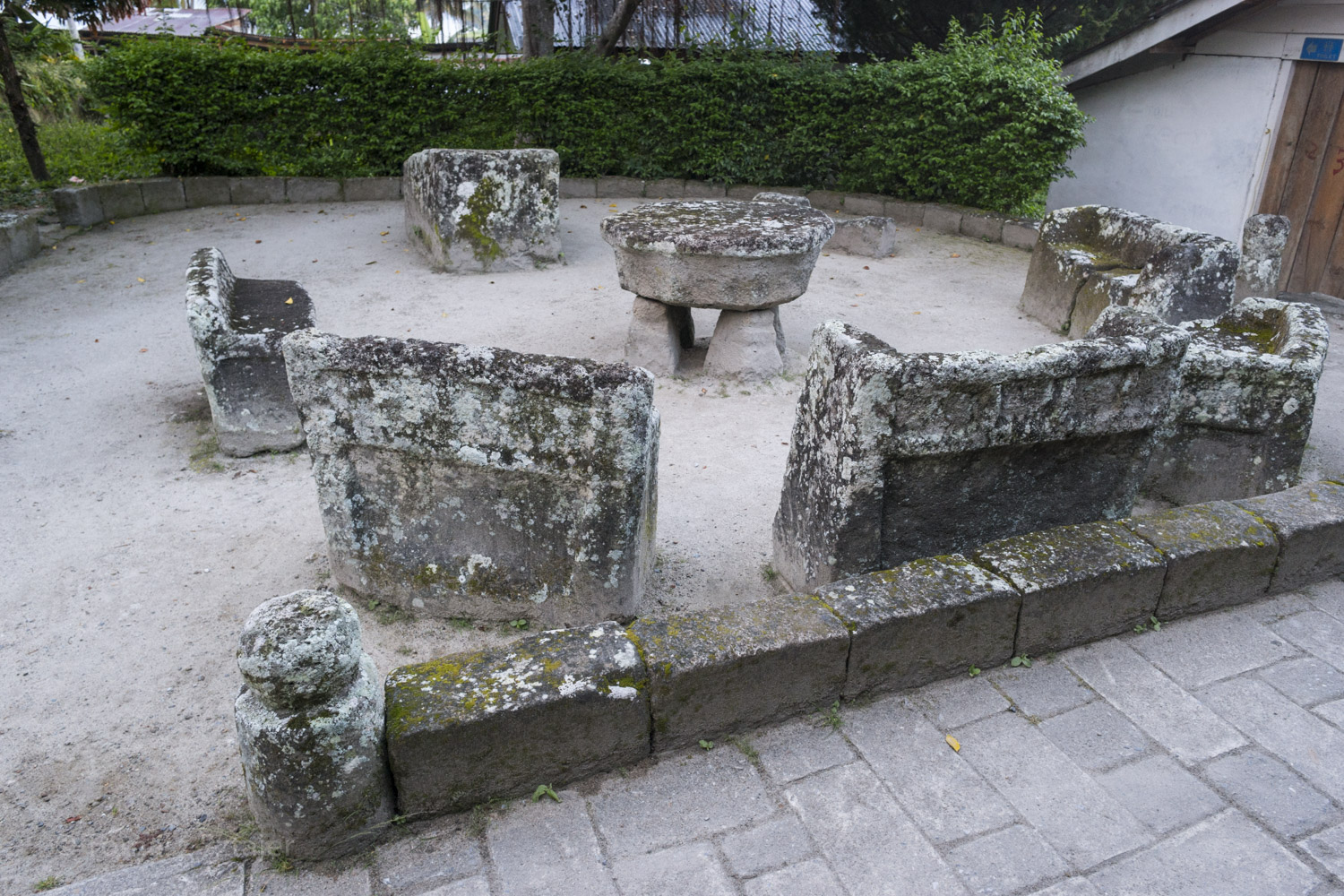
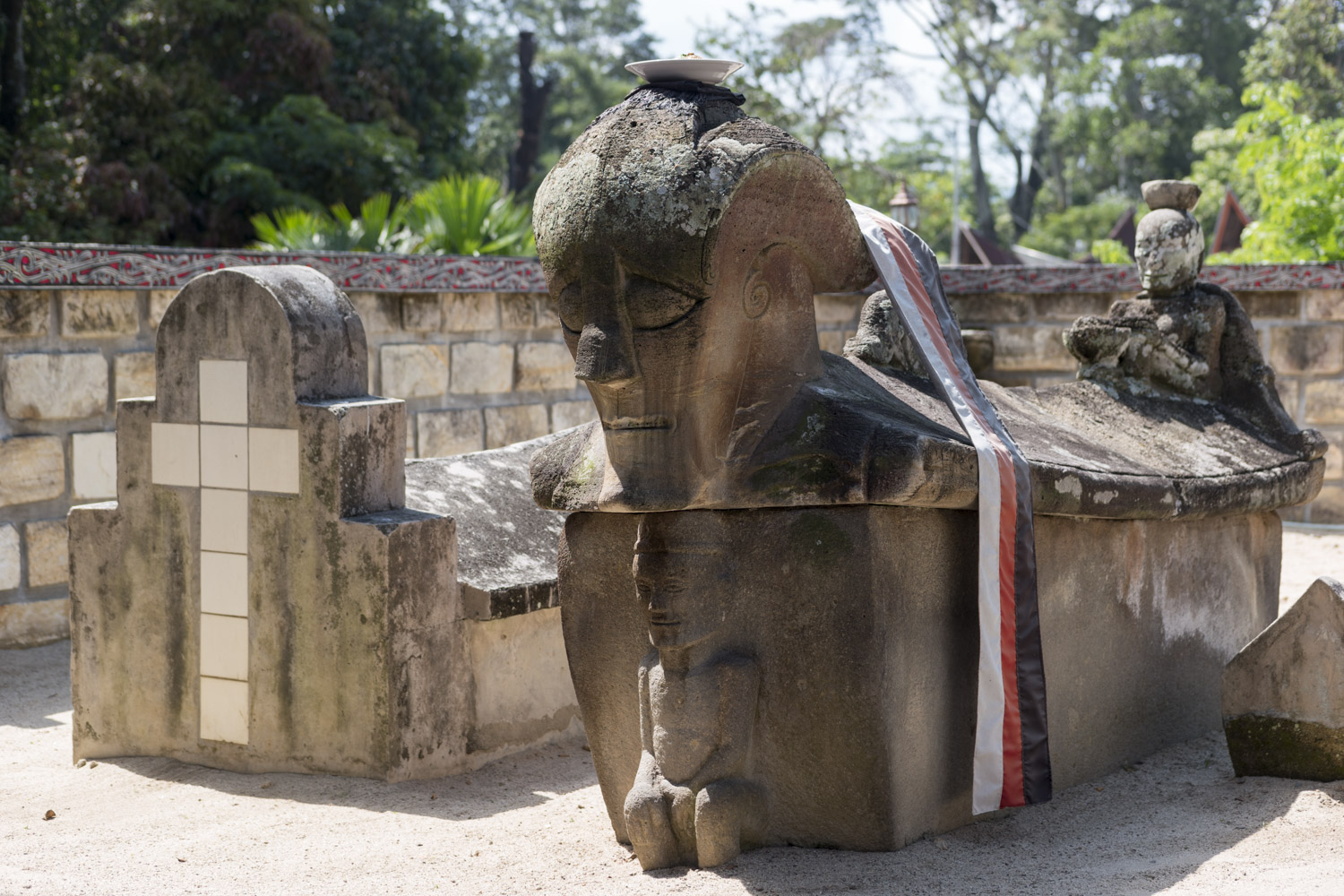
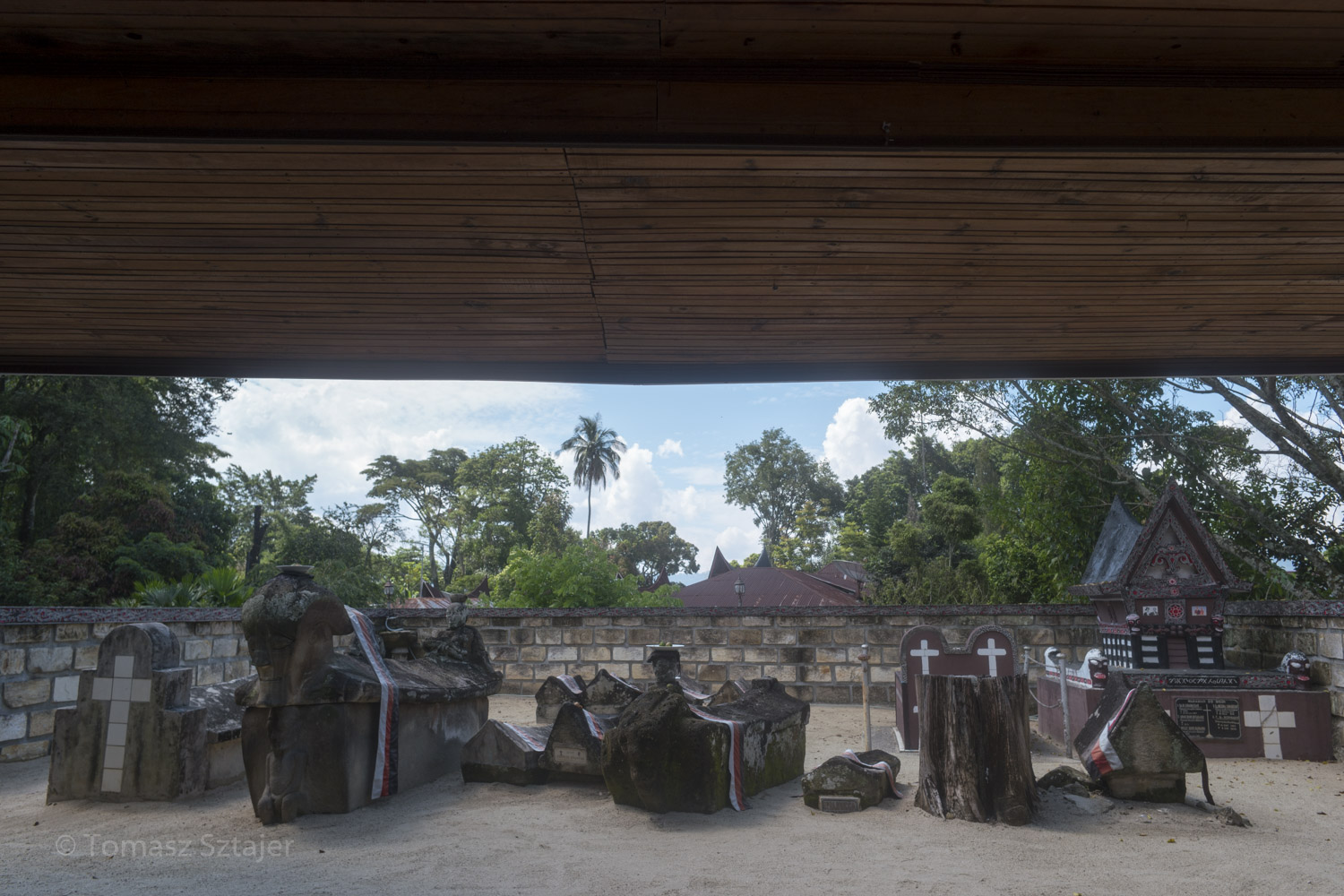
The Somosir island that rests in the middle of the lake (which in turn is a huge crater covered with water) invites you to wander around and look at the wicked architecture of Batak minority. You can also check out the places that remind you of the rich Batak culture across the ages…
***
Z niezliczonej liczny wysp i wysepek, którymi kusi Indonezja, zdecydowałem się odwiedzić dwie: Sumatrę i Bali (Lombok się nie liczy, bo byłem tam ledwie pół dnia, żeby wsiąść w samolot powrotny). Poniżej trochę wrażeń z pobytu na Sumatrze w formie wizualnej.
Winien jestem wielkie podziękowania Rudy’emu, przesympatycznemu couchsurfingowemu gospodarzowi z Medan i jego współlokatorowi, Williamowi… Dzięki nim (i całej ichniej wesołej kompanii), miałem miękkie lądowanie w Indonezji i ciekawe wprowadzenie w meandry miejscowych zwyczajów. Opieka, którą zostałem objęty, w pewnym momencie wydawała mi się być nadopiekuńczością, dopóki nie obejrzałem sobie internetowych filmików pokazujących nocne napady wszelkiej maści (zwłaszcza z użyciem wszechobecnych skuterów)… Dopiero wtedy trochę się przekonałem do eskortowania każdego ze znajomych pod same drzwi i czekania, aż wejdą do domu i zaryglują drzwi… Inną sprawą jest, że chińska mniejszość w Indonezji (do której zaliczają się moi gospodarze) ma więcej powodów do obaw o bezpieczeństwo: będąc najlepiej wykształconą, najlepiej zarabiającą i niespecjalnie wżeniającą się w indonezyjskie rodziny grupą, na codzień spotykają się z mało życzliwymi spojrzeniami miejscowych, a podskórnie da się wyczuć potencjalną gotowość do powtórek pogromów, jak np. ten z 1998 roku. Wciąż nie jest też rozliczony temat gnębienia Chińczyków podczas czystek antykomunistycznych w latach 1965-66… A Pancasila, wszechobecna paramilitarna organizacja, która wyręcza policję w jej działaniach, ma w swych szeregach autorów wyżej wspomnianych okropieństw. Swoją drogą, zdumiewająca jest mnogość takich instutucji i instytucyjek paramilitarnych – odniosłem wrażenie, że każda dzielnica miasta ma swoich “żołnierzy” i zachęca do wstępowania we własne szeregi na wielkich bannerach… A policja i wojsko nie protestują, chyba tak jest im wygodniej…
No dobrze, dość szukania dziury w całym… Zwiedzanie Sumatry zacząłem od miasta Medan, barwnego, niby dość konserwatywnego ale dość multikulturowego jak na standardy północnosumatrańskie. Z nietypowych doświadczeń – polecam powłóczenie się po mallu i pozwolenie medańskim studentkom anglistyki na przeprowadzenie wywiadu z obcokrajowcem… Korzyść obopólna, studentki mają materiał na zajęcia, a obcokrajowiec przez chwilę czuje się jak gwiazda:) Przypadkiem wpadłem też na Pana, który tworzy rzeźby z odpadów szklanych – bardzo sympatyczny gość, stara się jak może być twórczy, ale biznes kiepsko się kręci i facet mieszka w warunkach urągających człowieczeństwu. Gdybym miał jak toto zapakować, to bym może i od niego kupił jakiś szklany budyneczek…
Kolejny przystanek to Berastagi – to idealne miejsce dla tych, którzy chcą zapoznać się z wulkanami… Trasa do nieczynnego już wulkanu Mount Sibayak jest łatwa i przyjemna, a schodząc z drugiej strony, można wskoczyć do (płatnego) basenu z gorącą (i śmierdzącą) wodą. Mount Sinabung z kolei był akurat trochę zbyt wzburzony, żeby można było się nań wspiąć, ale podjechałem w miarę blisko i popodziwiałem górę z bezpiecznej odległości…
Jeszcze jeden ważny punkt do odwiedzenia na Sumatrze to dla mnie Jezioro Toba. Niegdyś bardzo popularne miejsce turystyczne, popadło w ruinę po katastrofie ekologicznej, którą spowodowało niekontrolowane rybołóstwo. Teraz powoli wraca do formy, ale wiele z miejsc noclegowych jest wyraźnie zaniedbanych i dysponuje standardem z poprzedniej epoki (dziury w podłodze + gumowy wąż jako wyposażenie toalety/łazienki)… Za to ceny przystępne, więc nie ma co narzekać:)
Na wyspie Somosir, mieszczącej się na środku jeziora (które jest samo w sobie zalanym wodą kraterem olbrzymiego – nieczynnego już – wulkanu), można się powłóczyć i popodziwiać odjechaną architekturę mniejszości etnicznej Batak i pozwiedzać miejsca, które przypominają o batakowej kulturze sprzed wieków…
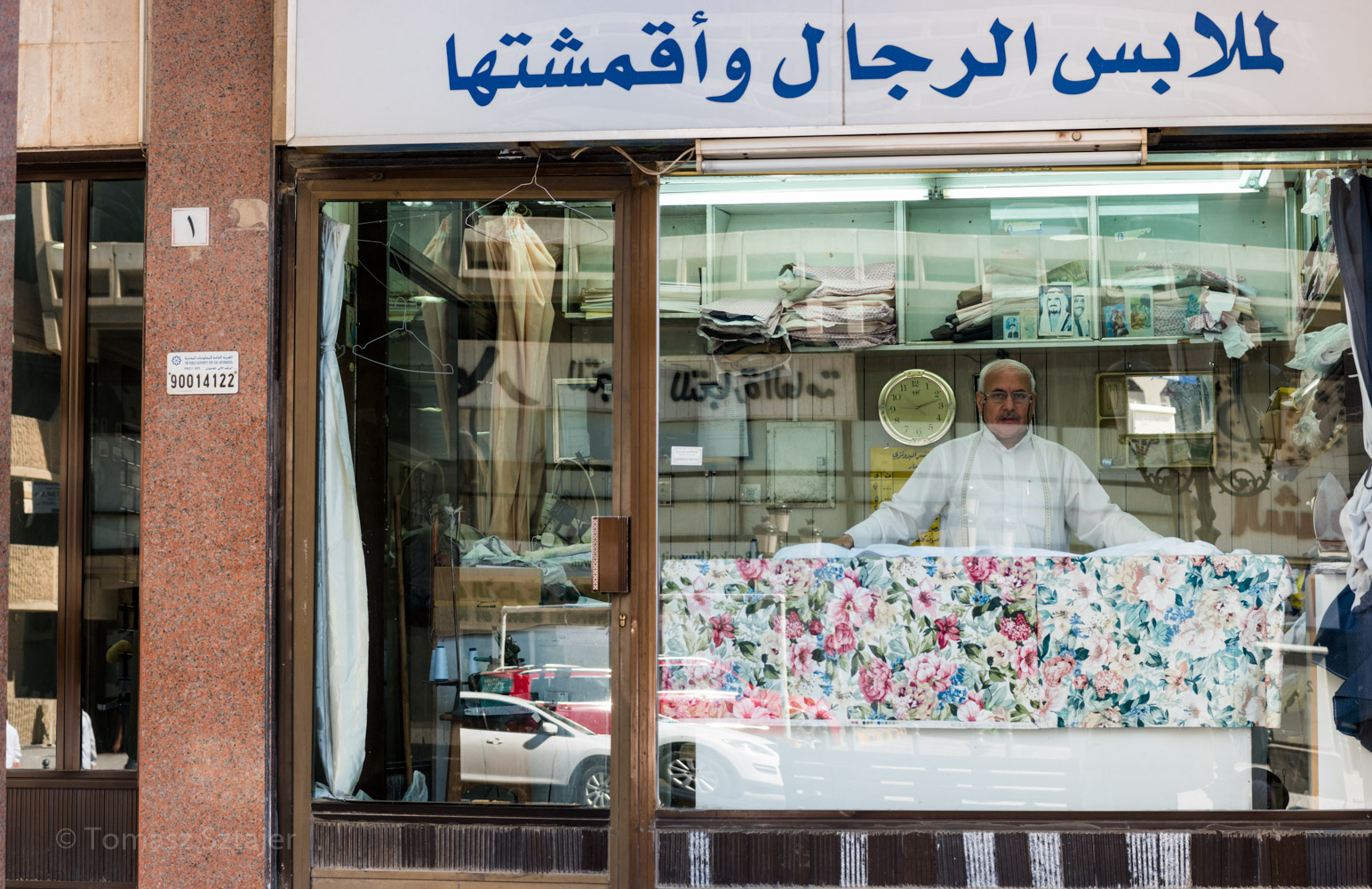
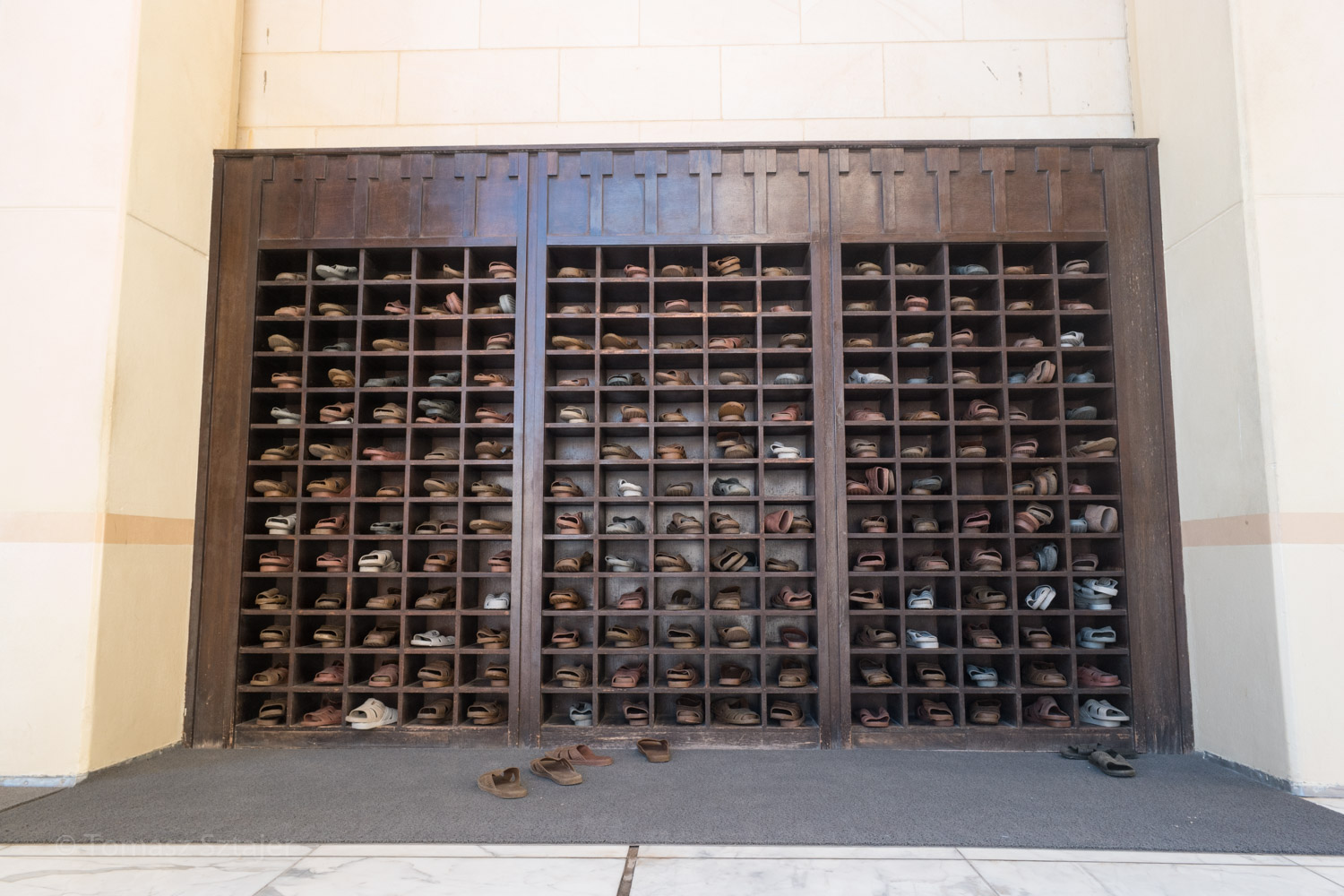
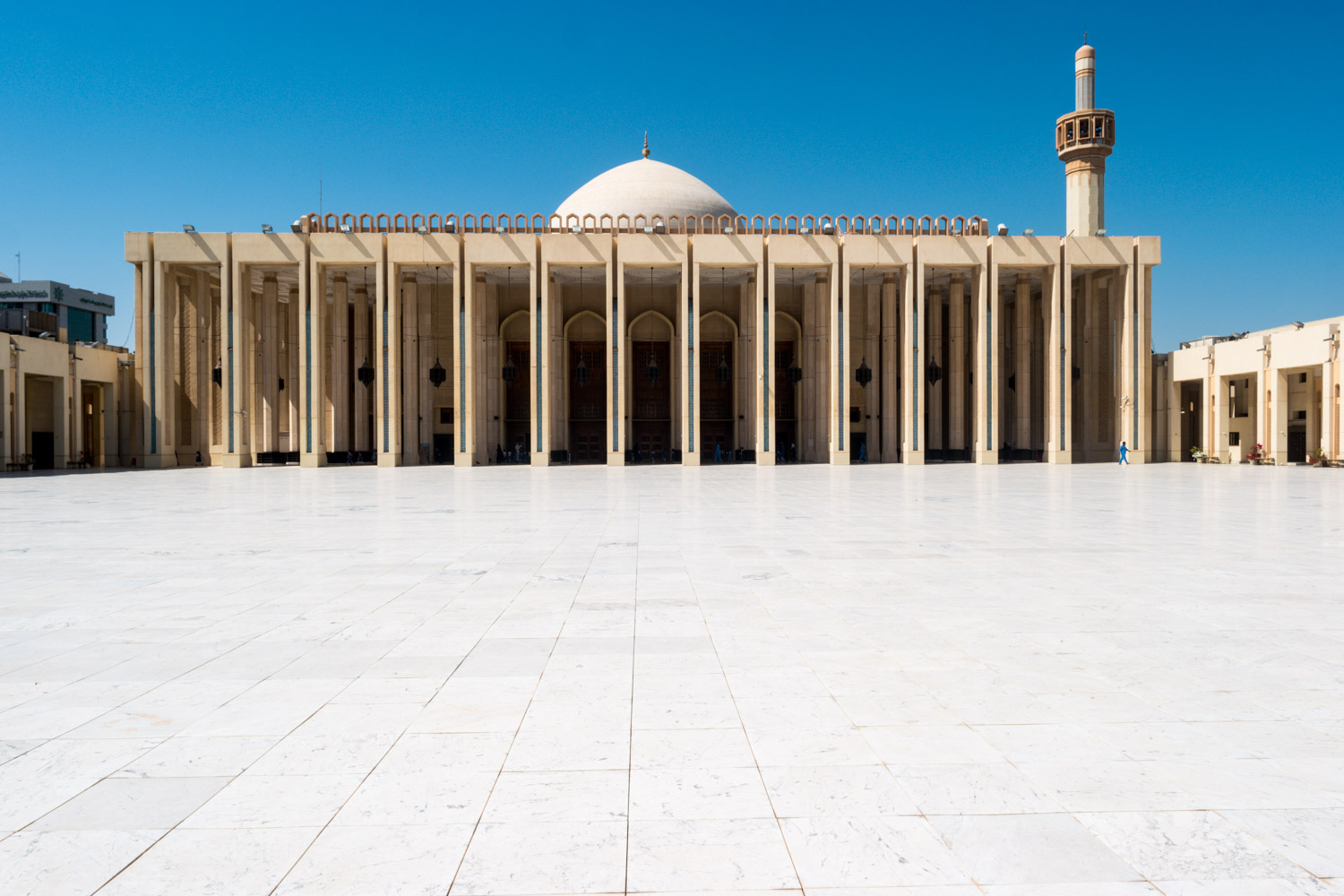
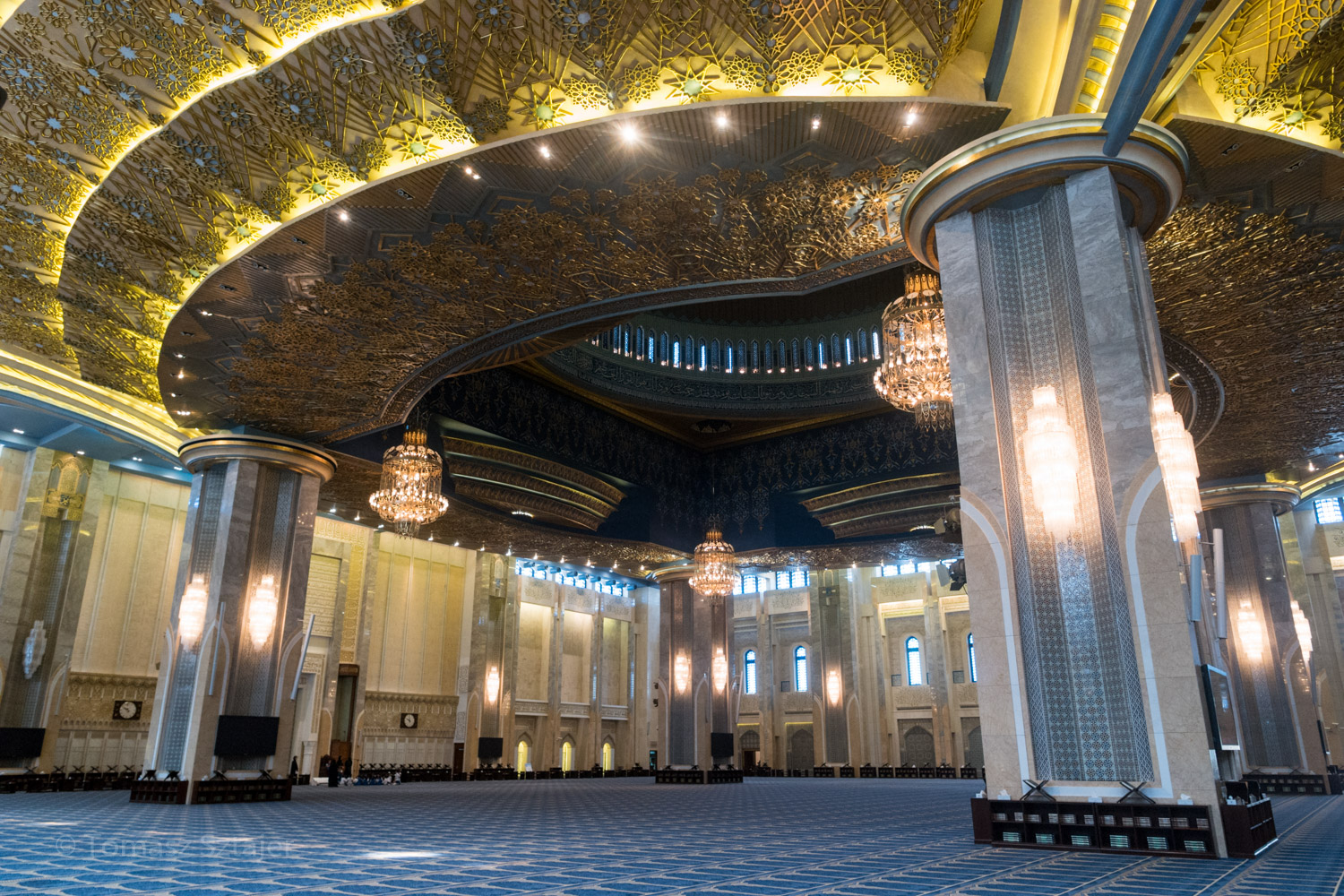
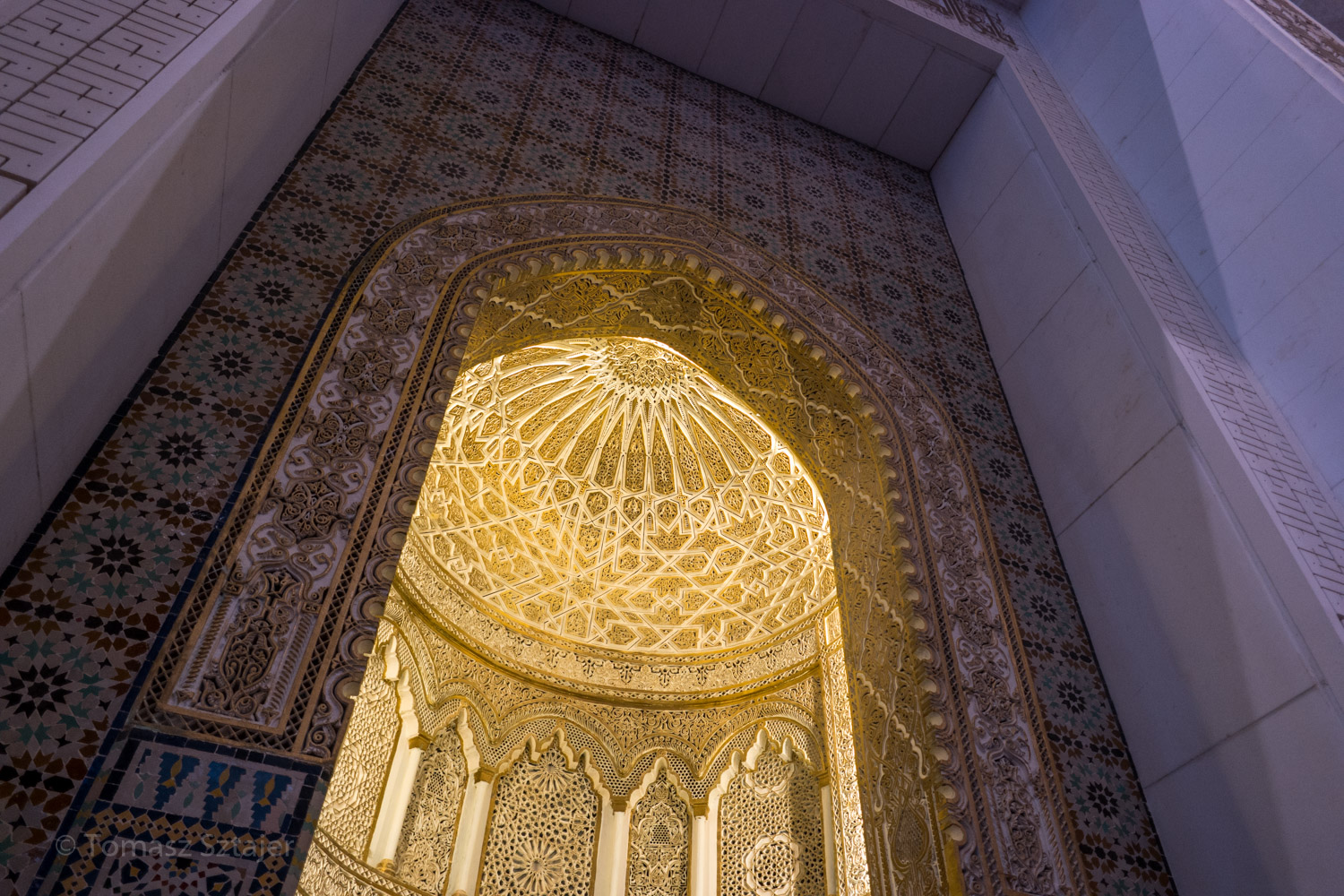
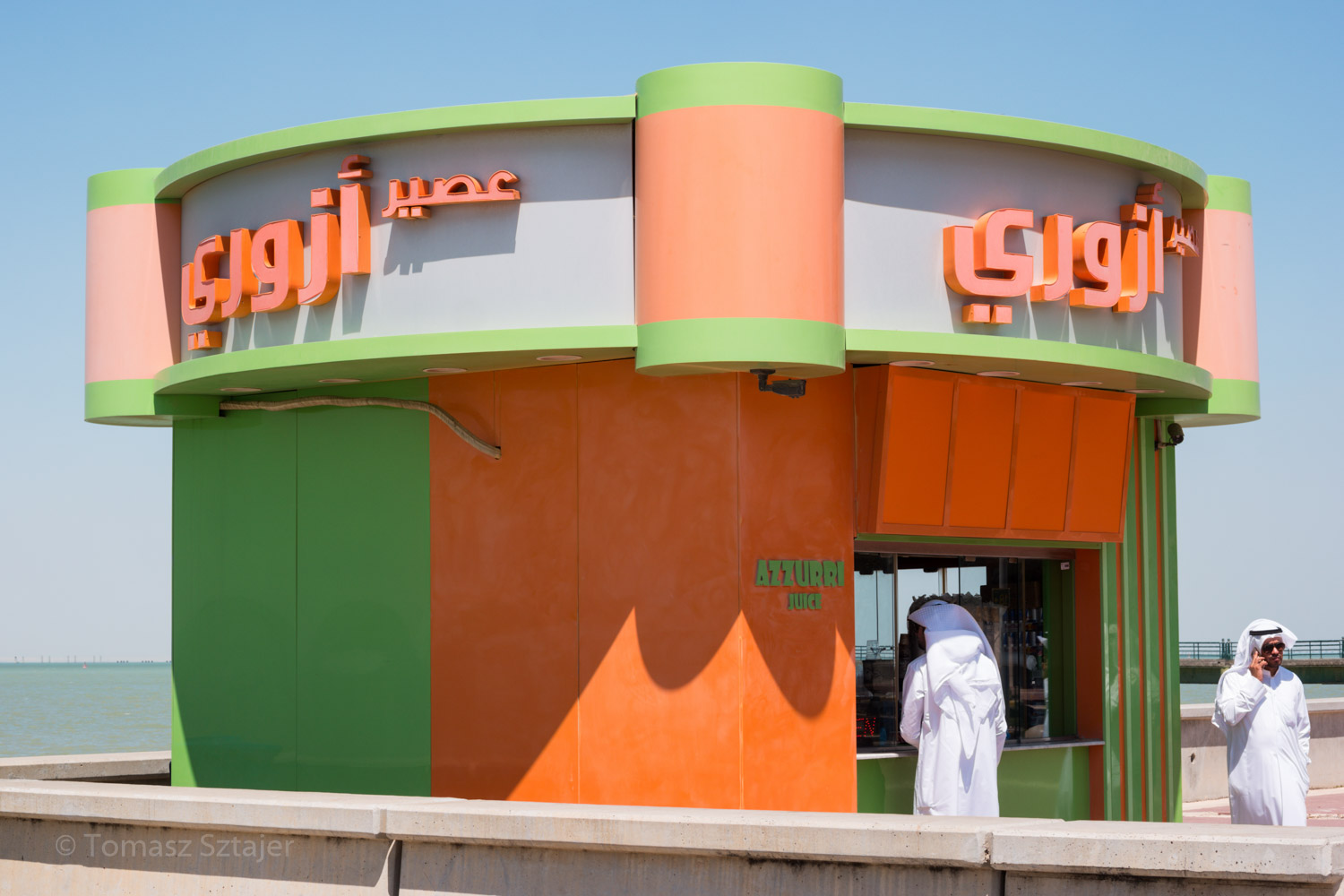
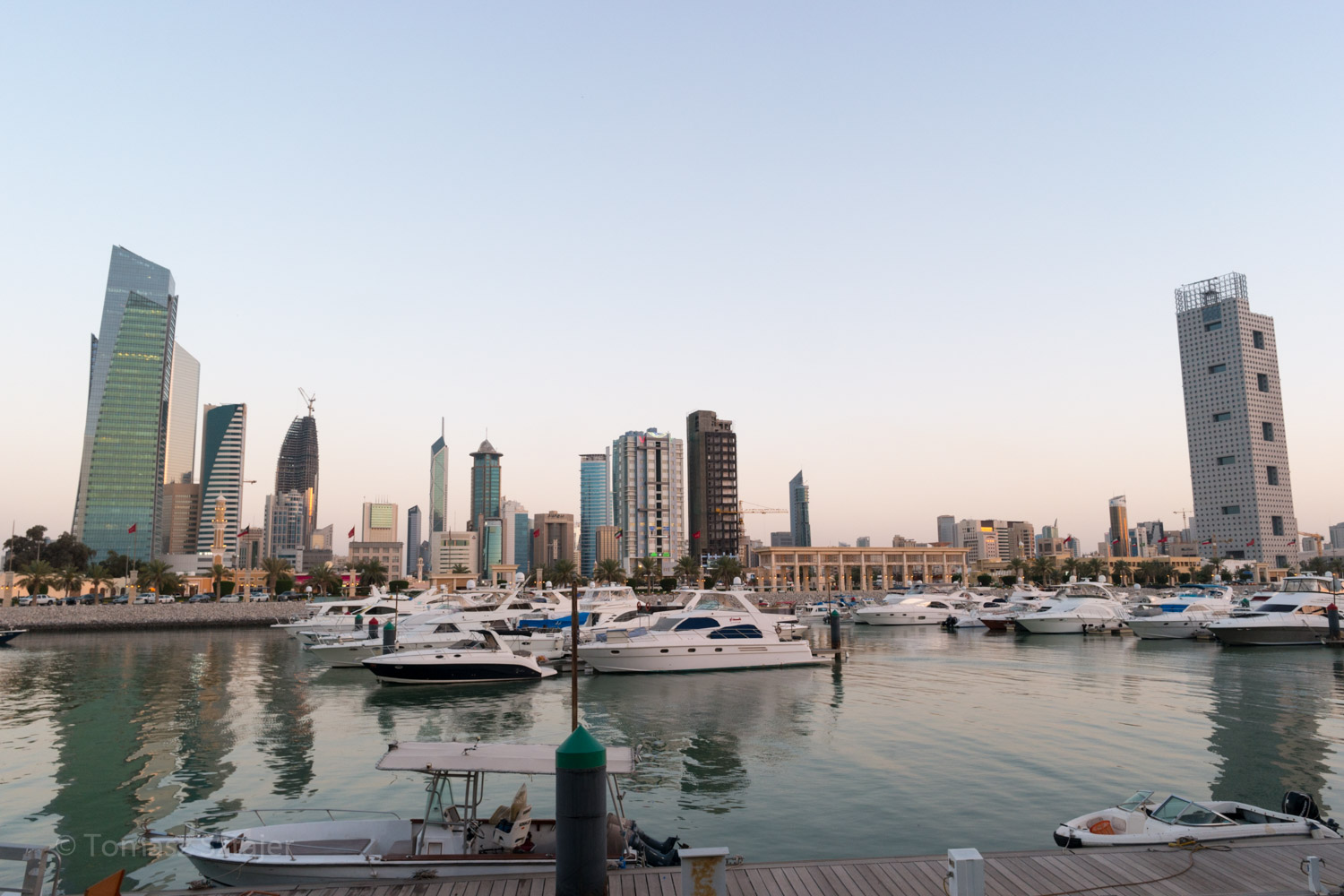
On my way back home from the Philippines I had a somewhat long stopover in Kuwait. After a bit of visa-issuing chaos I walked out of the airport and did some sightseeing…
***
W drodze powrotnej z Filipin zaliczyłem przydługą przesiadkę w Kuwejcie. Po chaotycznej walce o wizę (potrzebnej na jeden jedyny dzień pobytu:) wydostałem się z lotniska i pokręciłem się po okolicy…
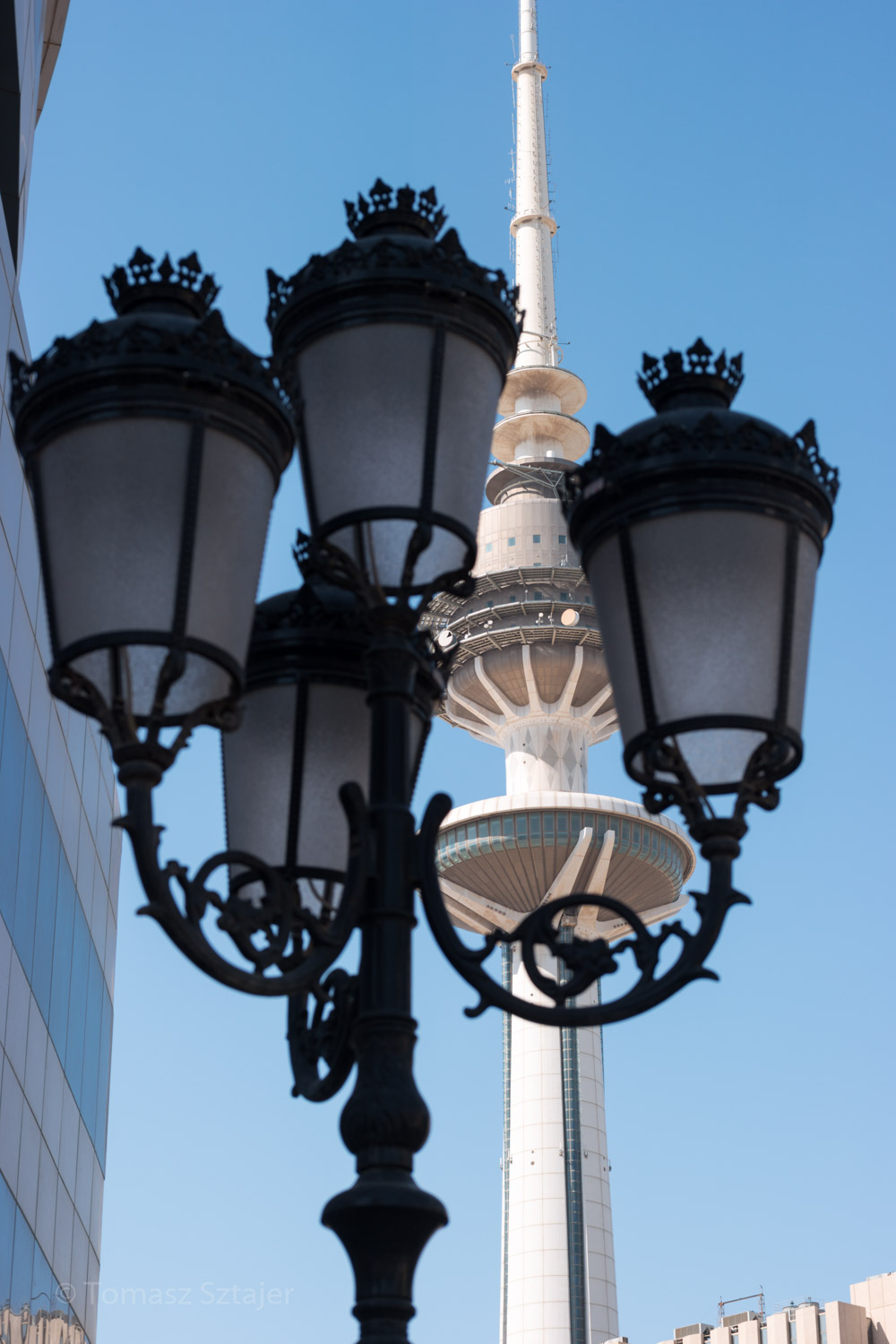
TV tower
Shopping anyone?
Shopping anyone?
Walking around…
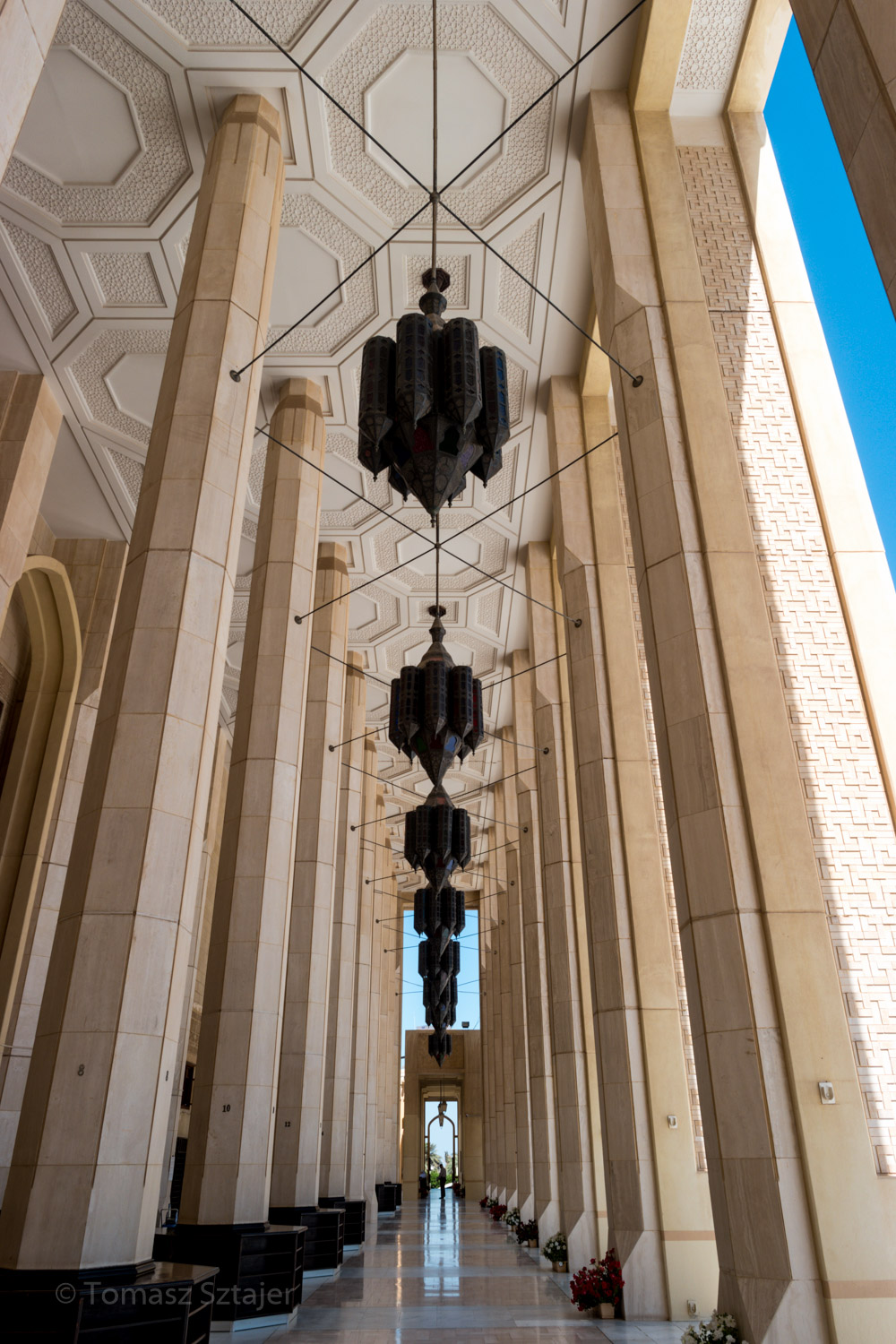
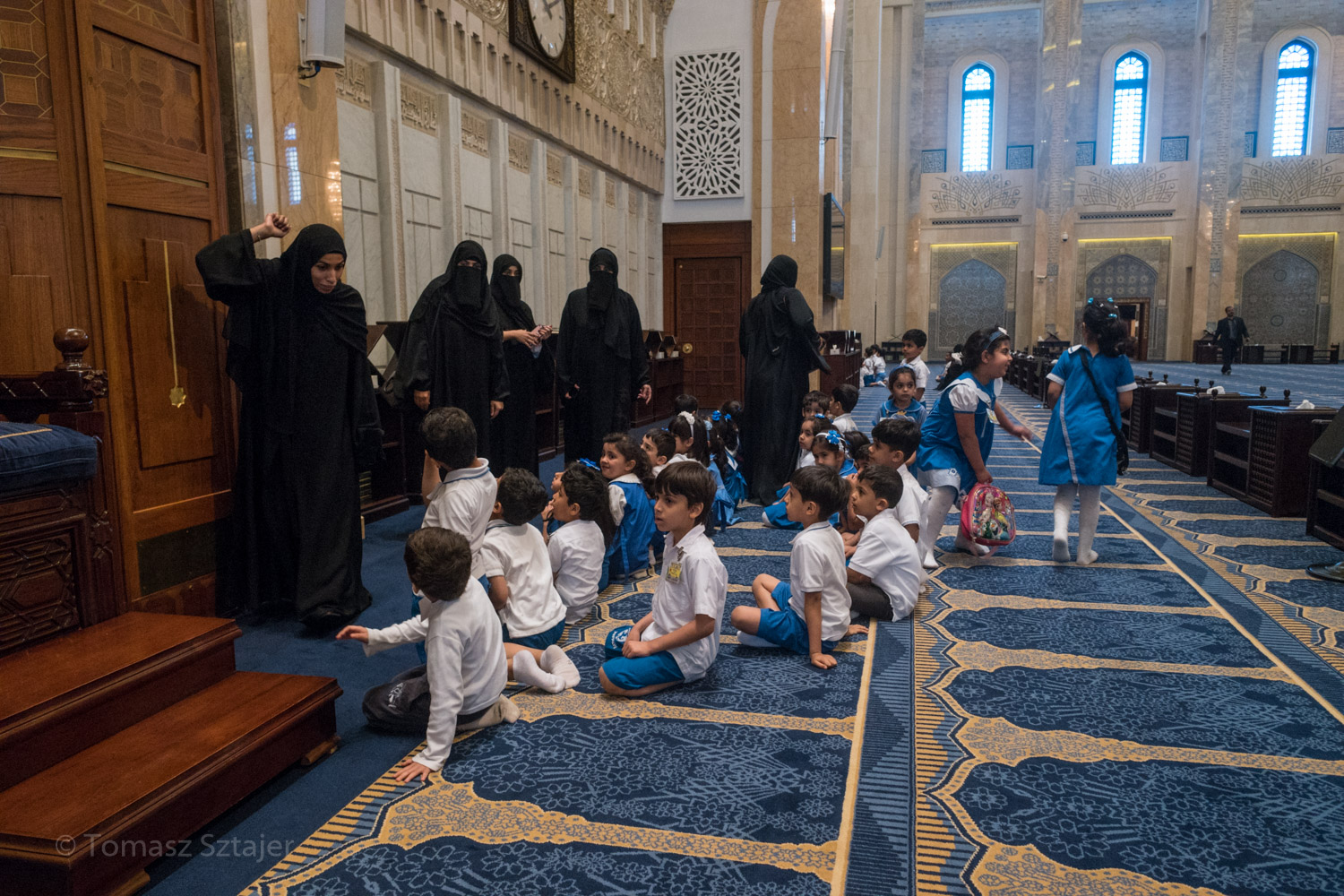
The Grand Mosque
The Grand Mosque
The Grand Mosque
The Grand Mosque
The Grand Mosque
The Grand Mosque
The Grand Mosque
The Grand Mosque
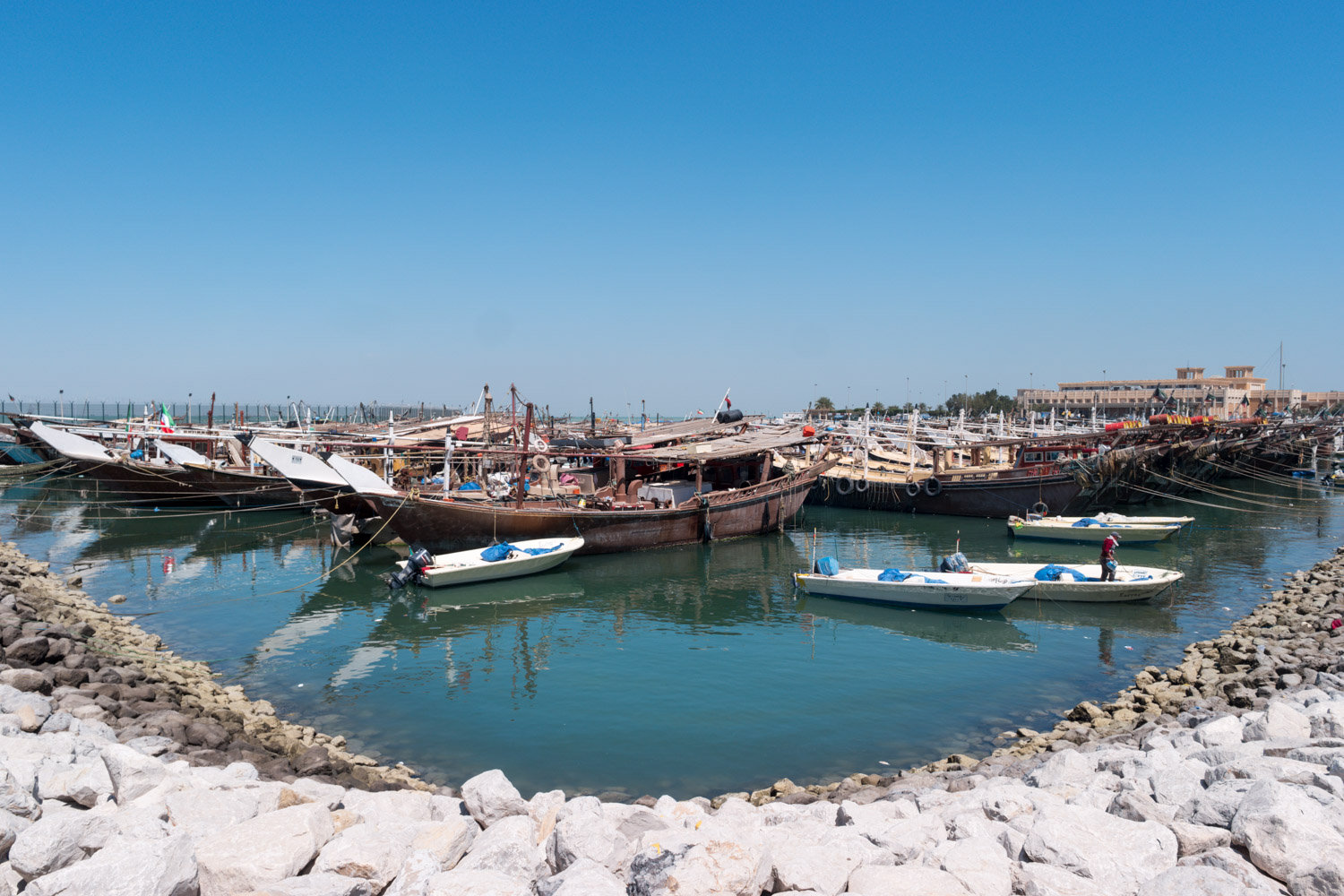
Old Port
Old Port
Old Port
Refreshing…
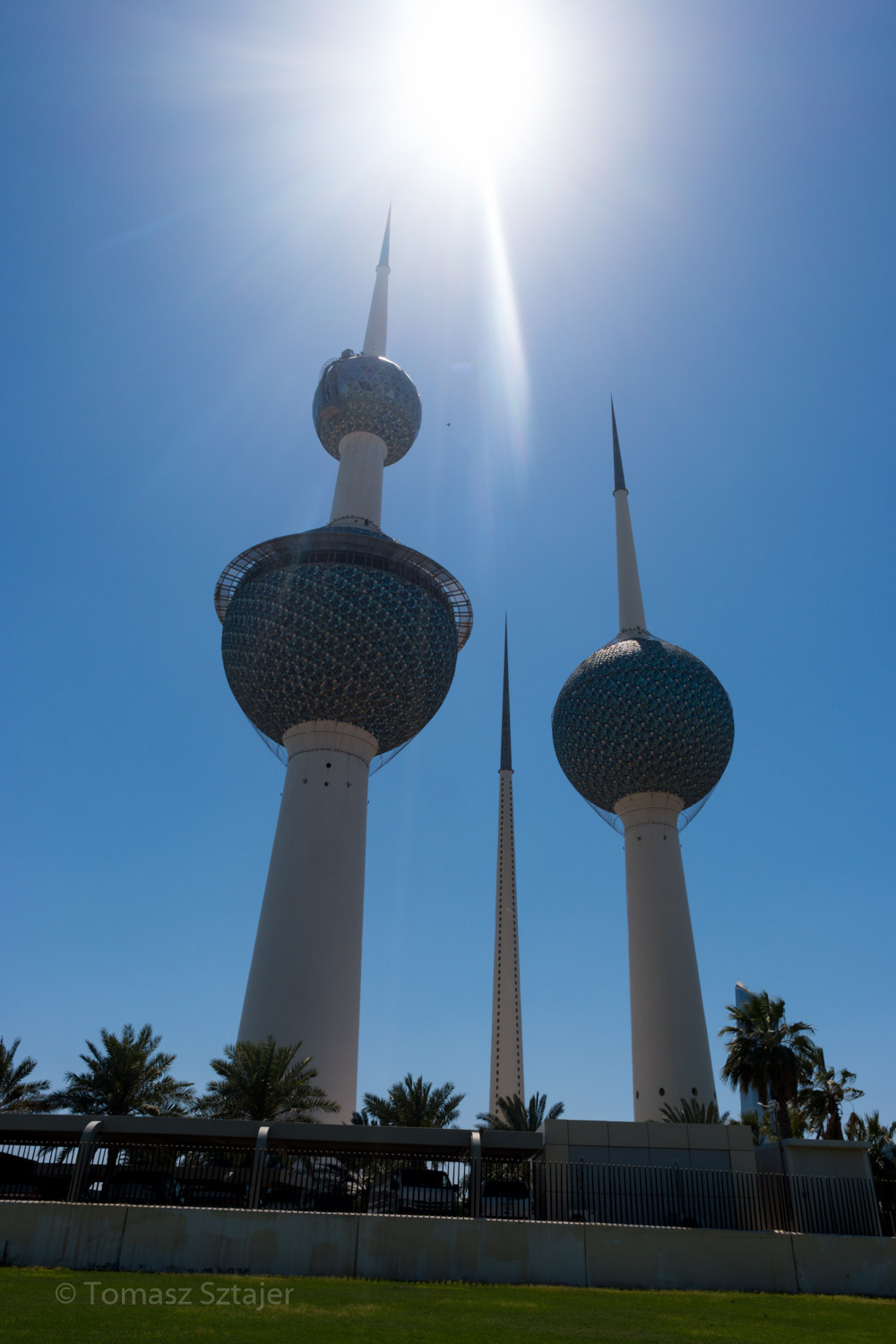
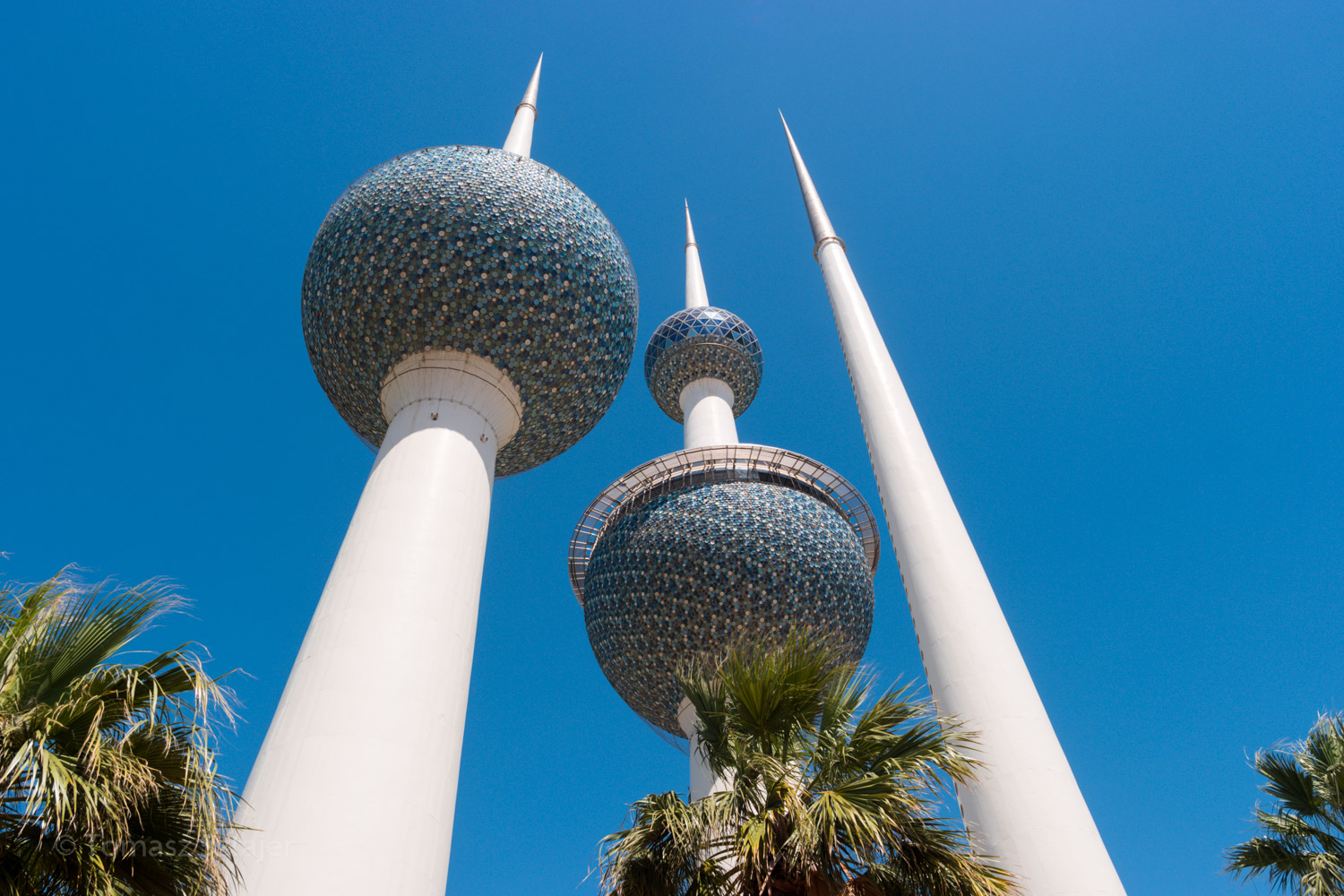
Kuwait Towers
Kuwait Towers
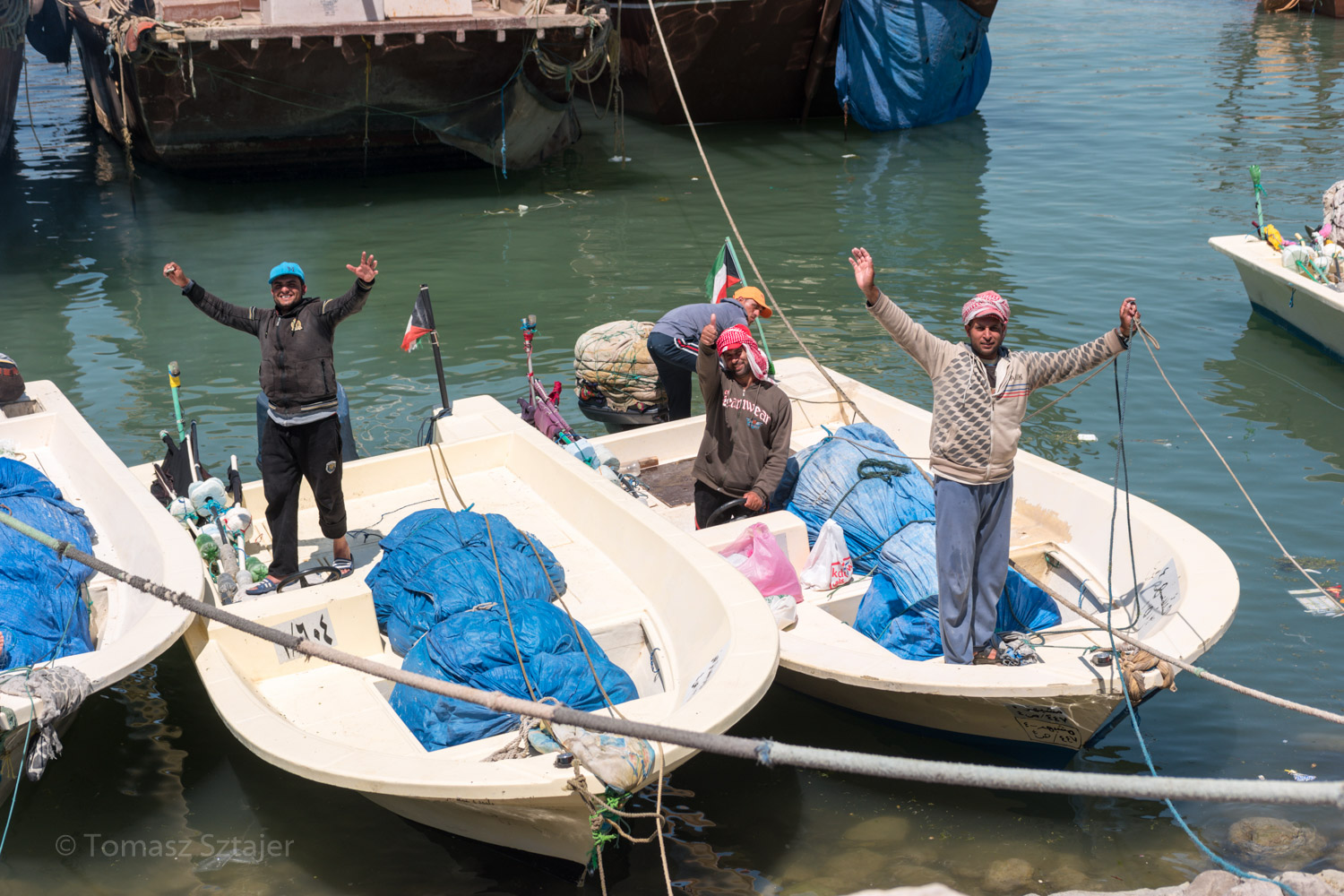
Random Afghani workers on during their day off
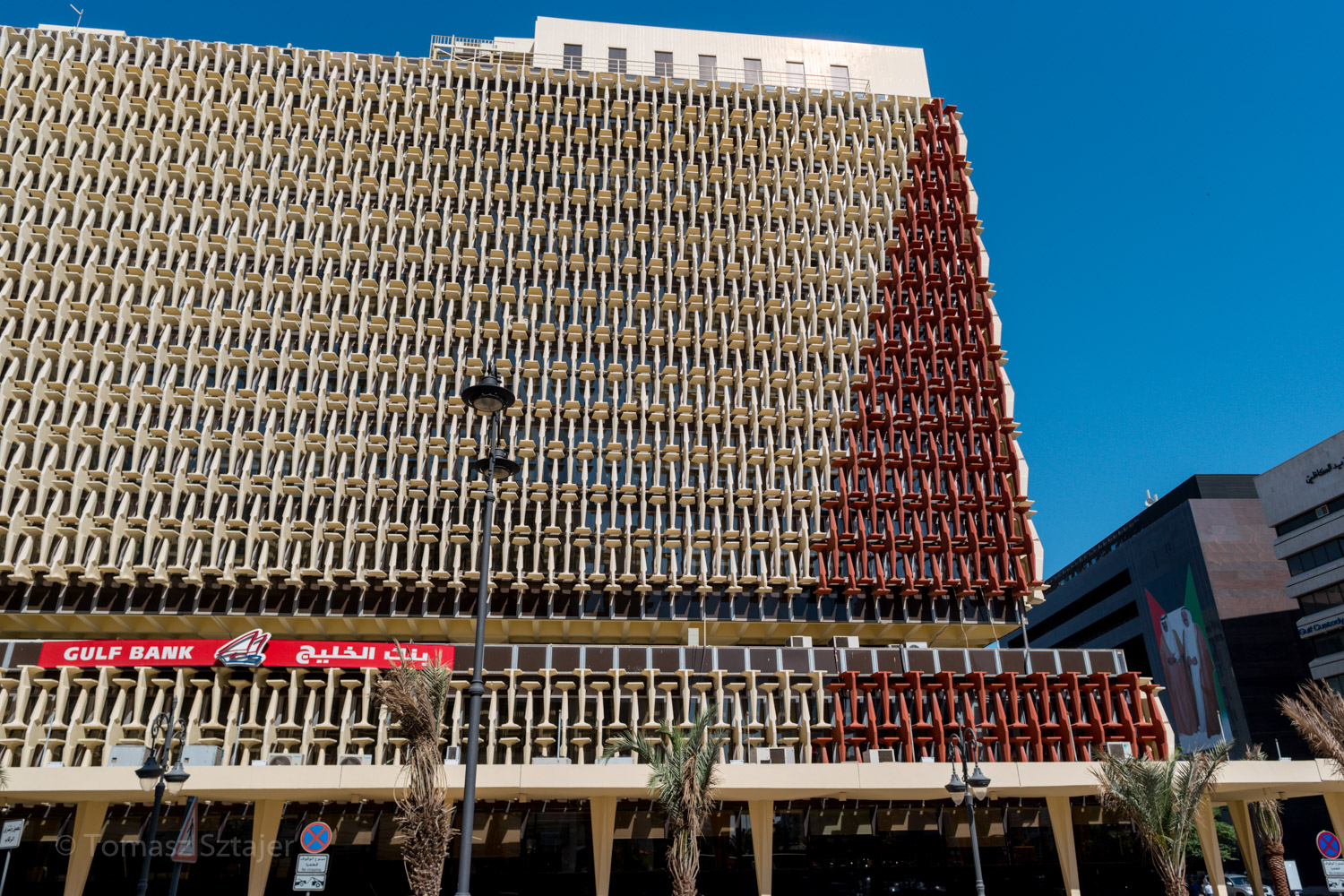
City landscapes…
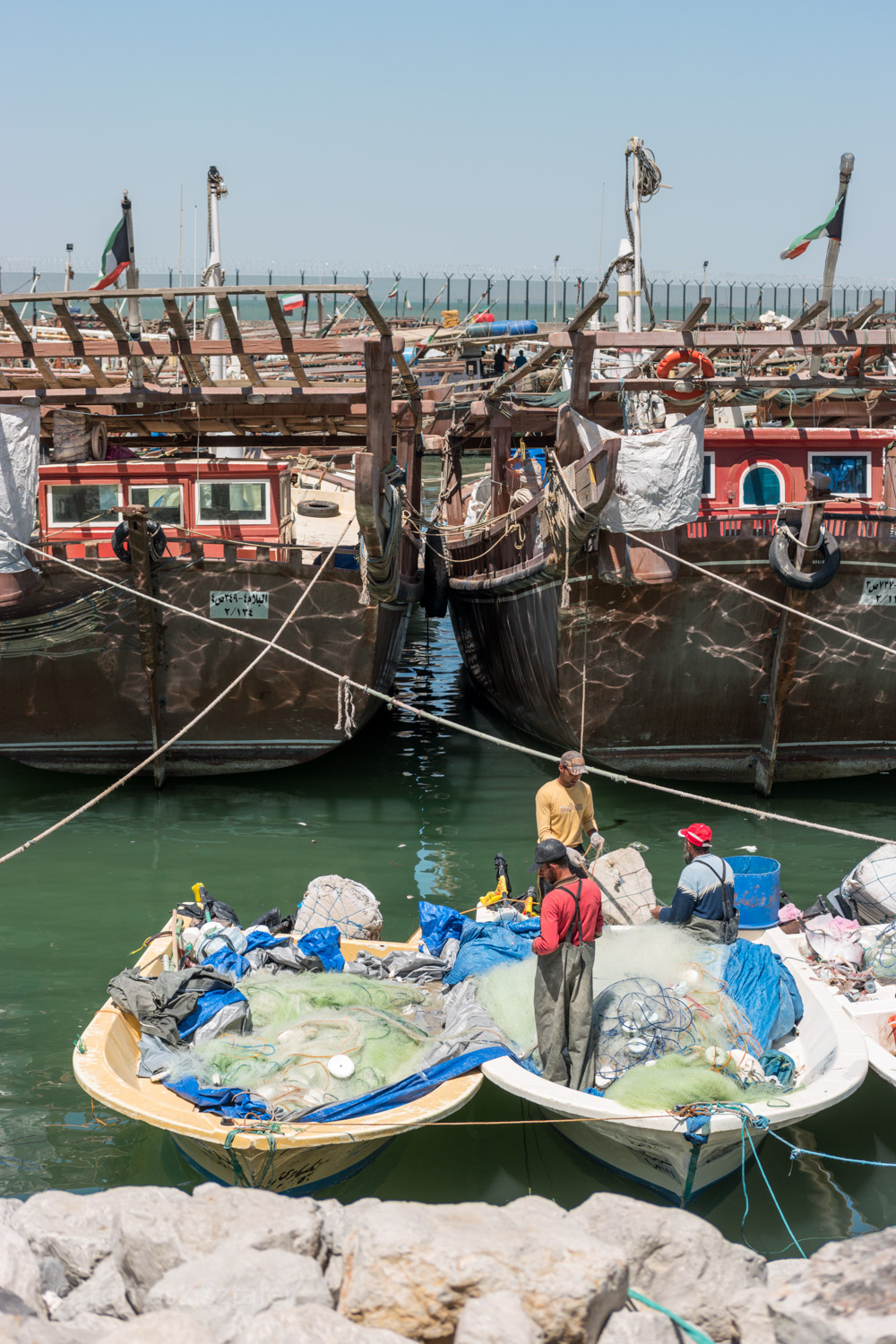
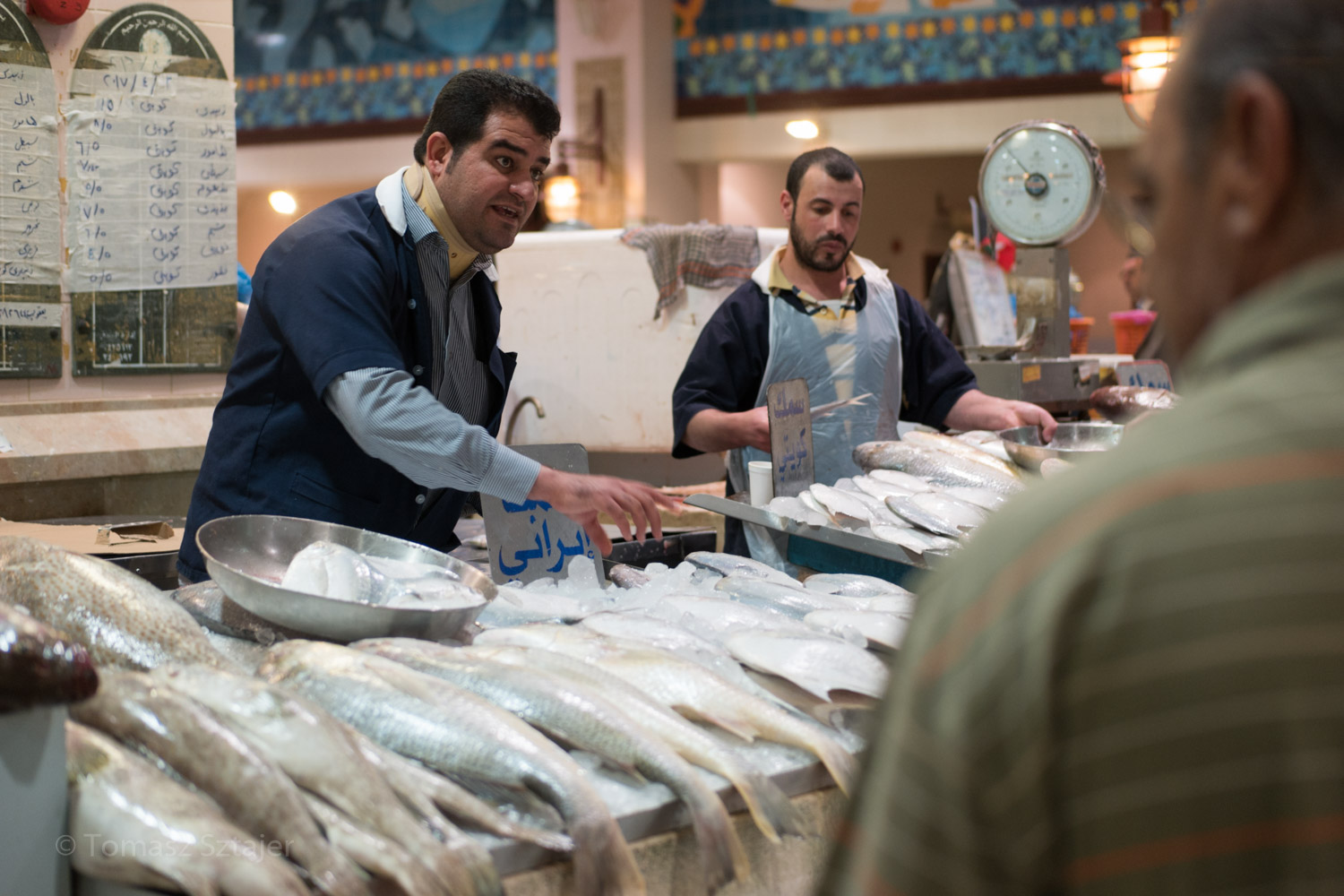
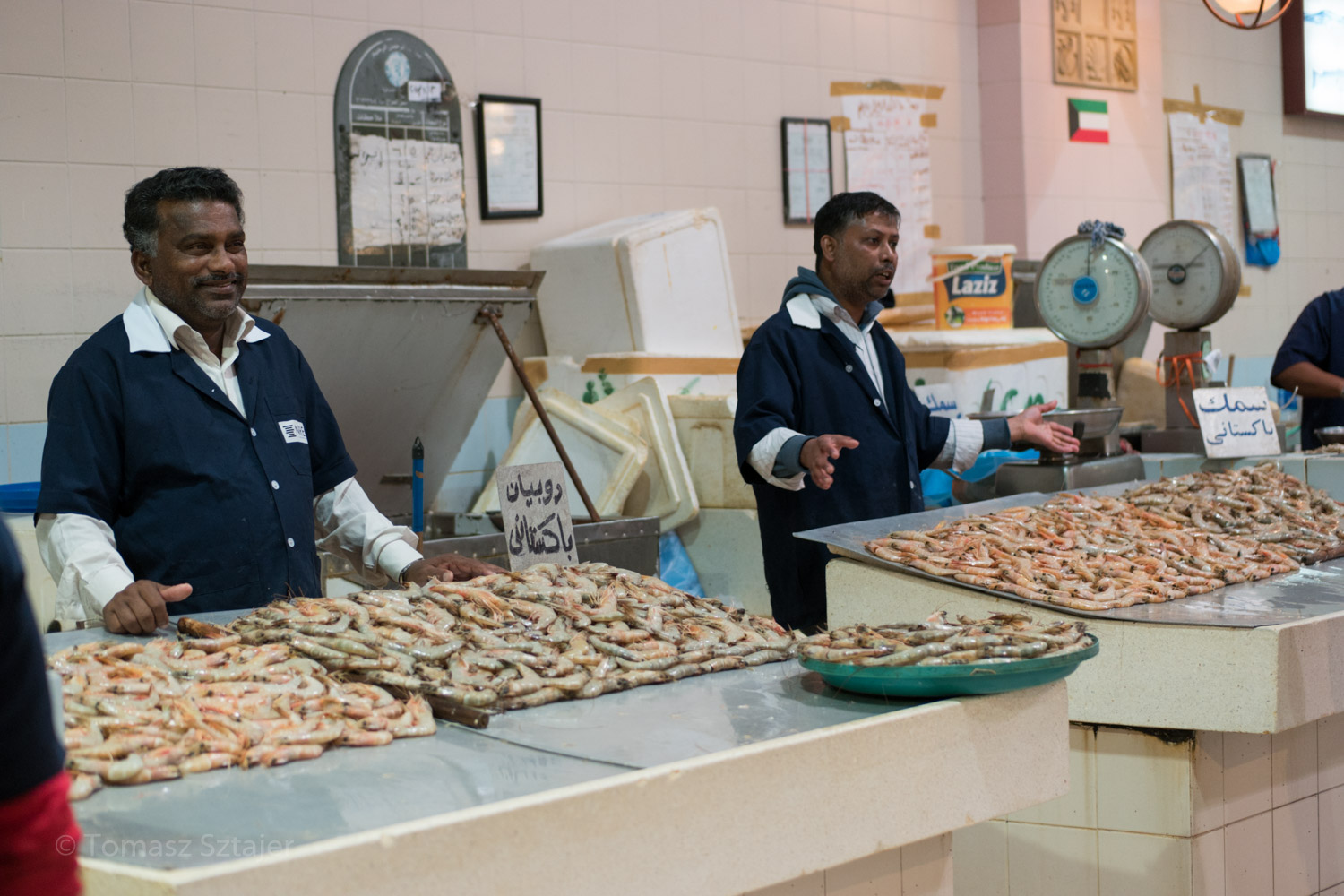
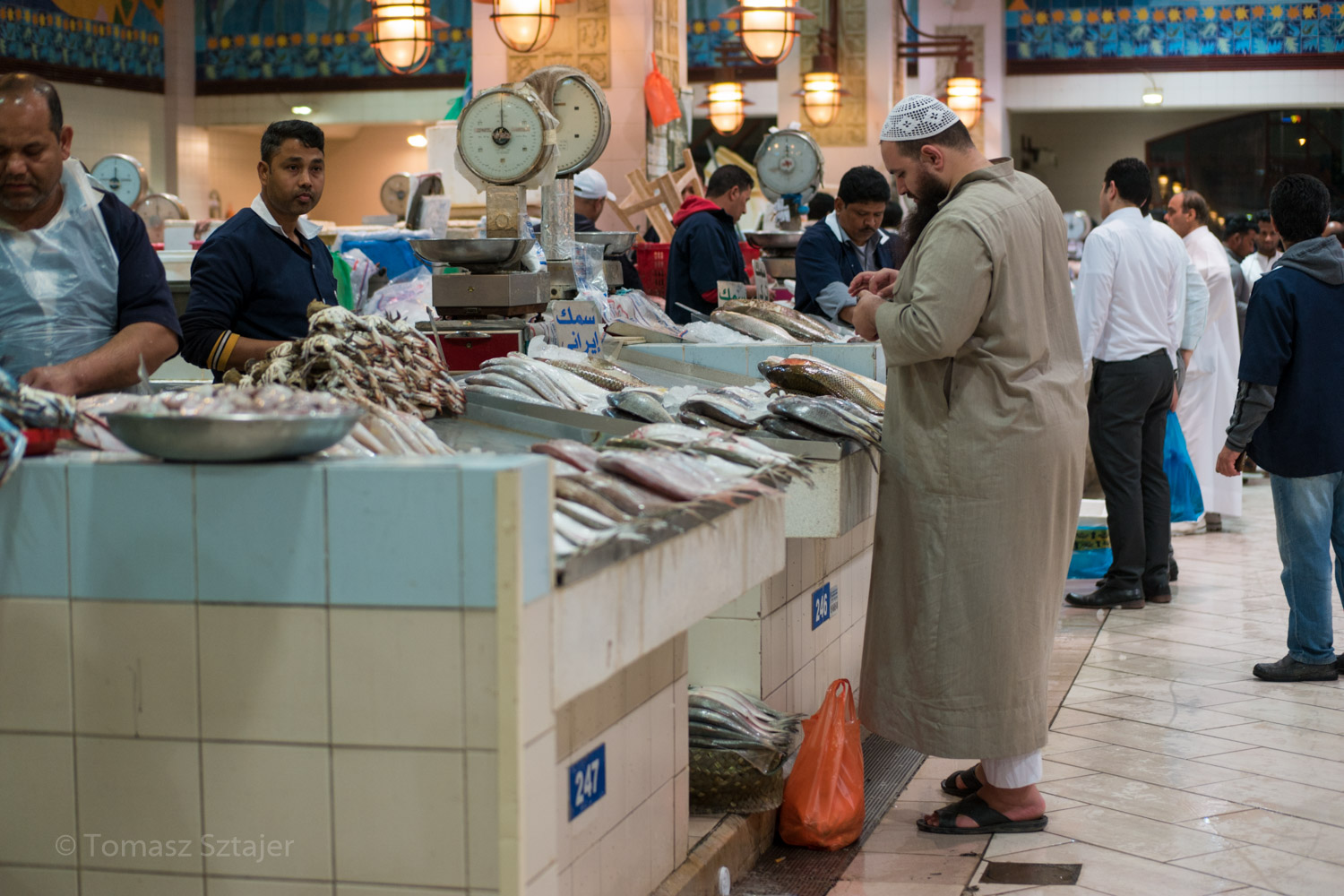
Fish Market
Fish Market
Fish Market
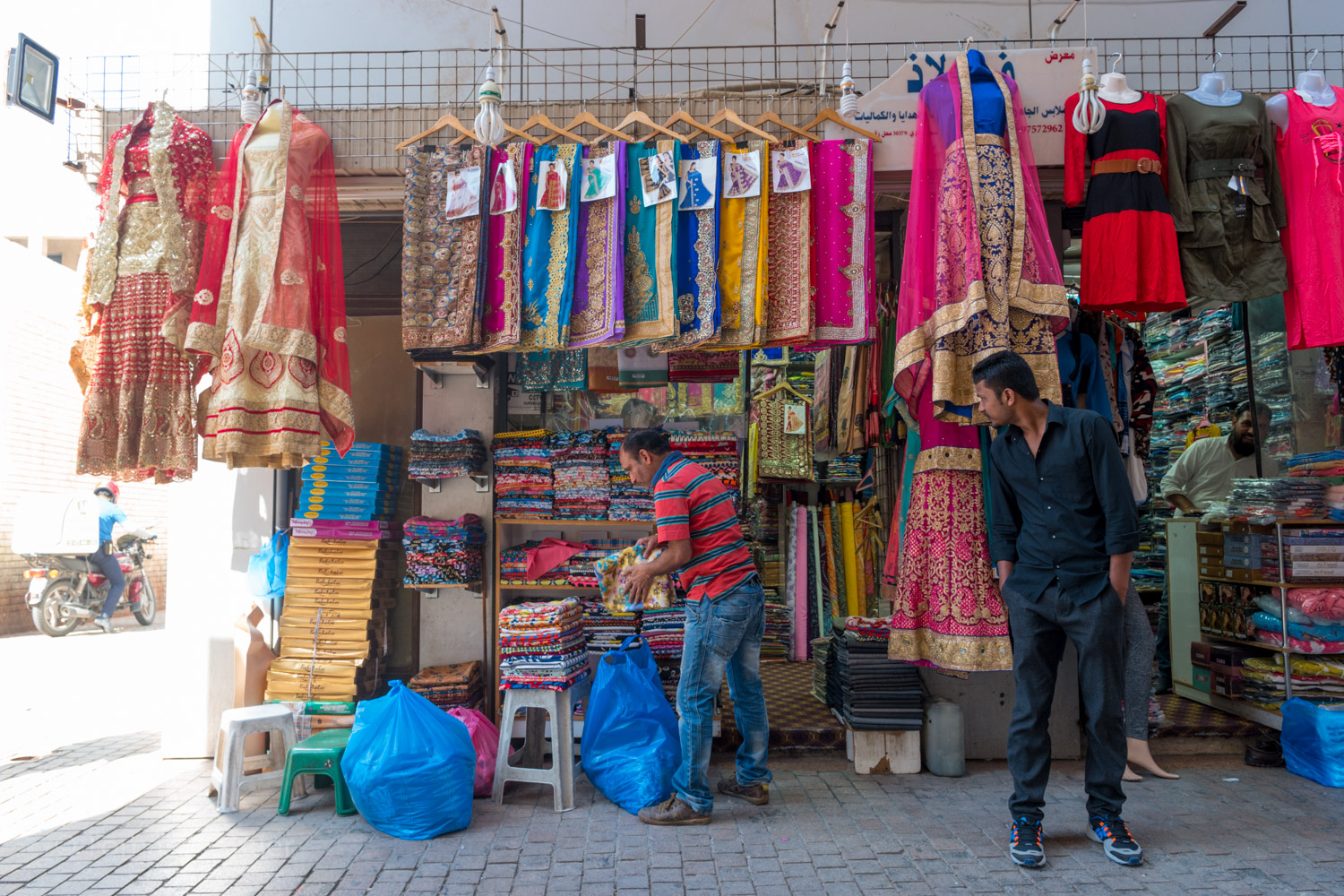
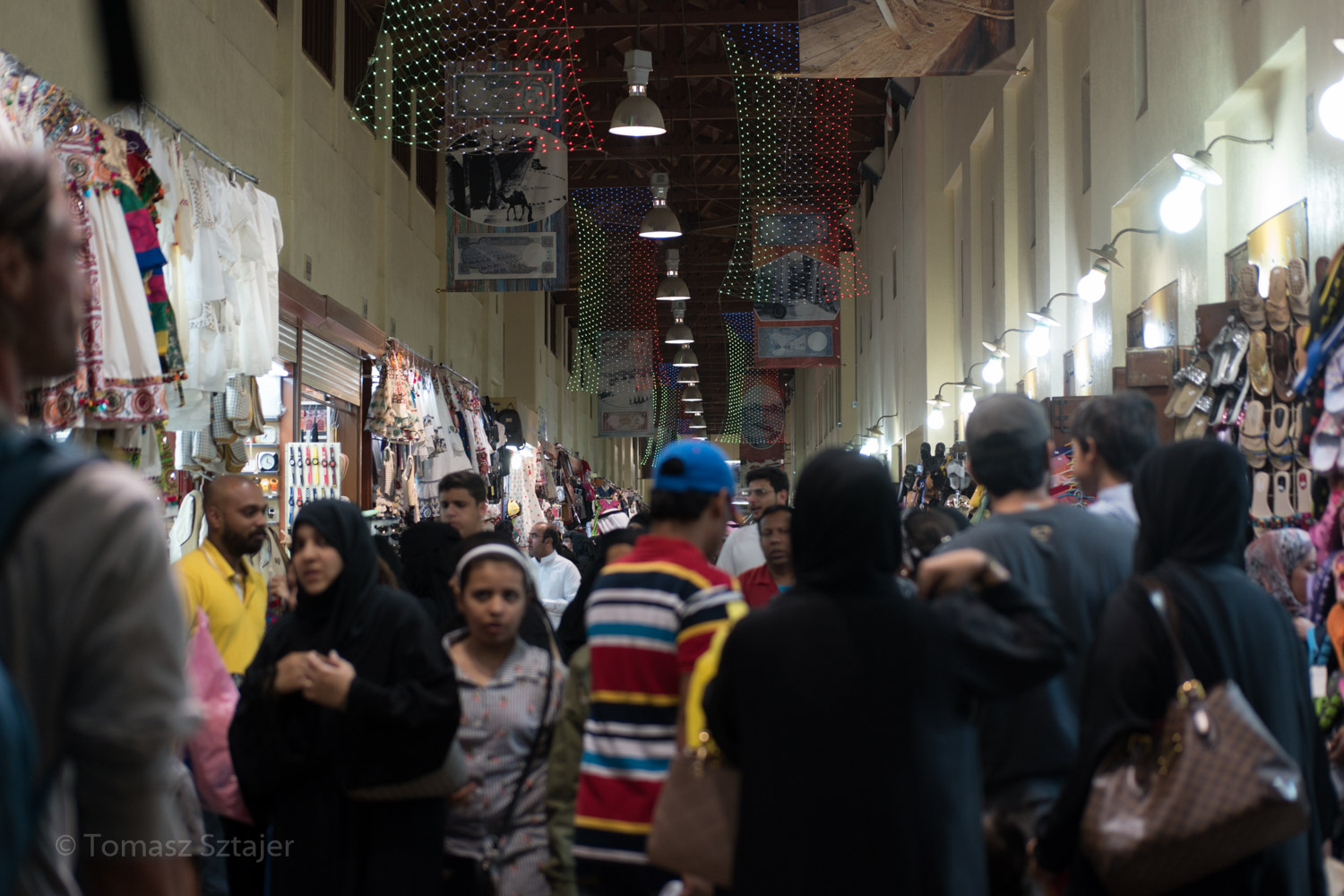
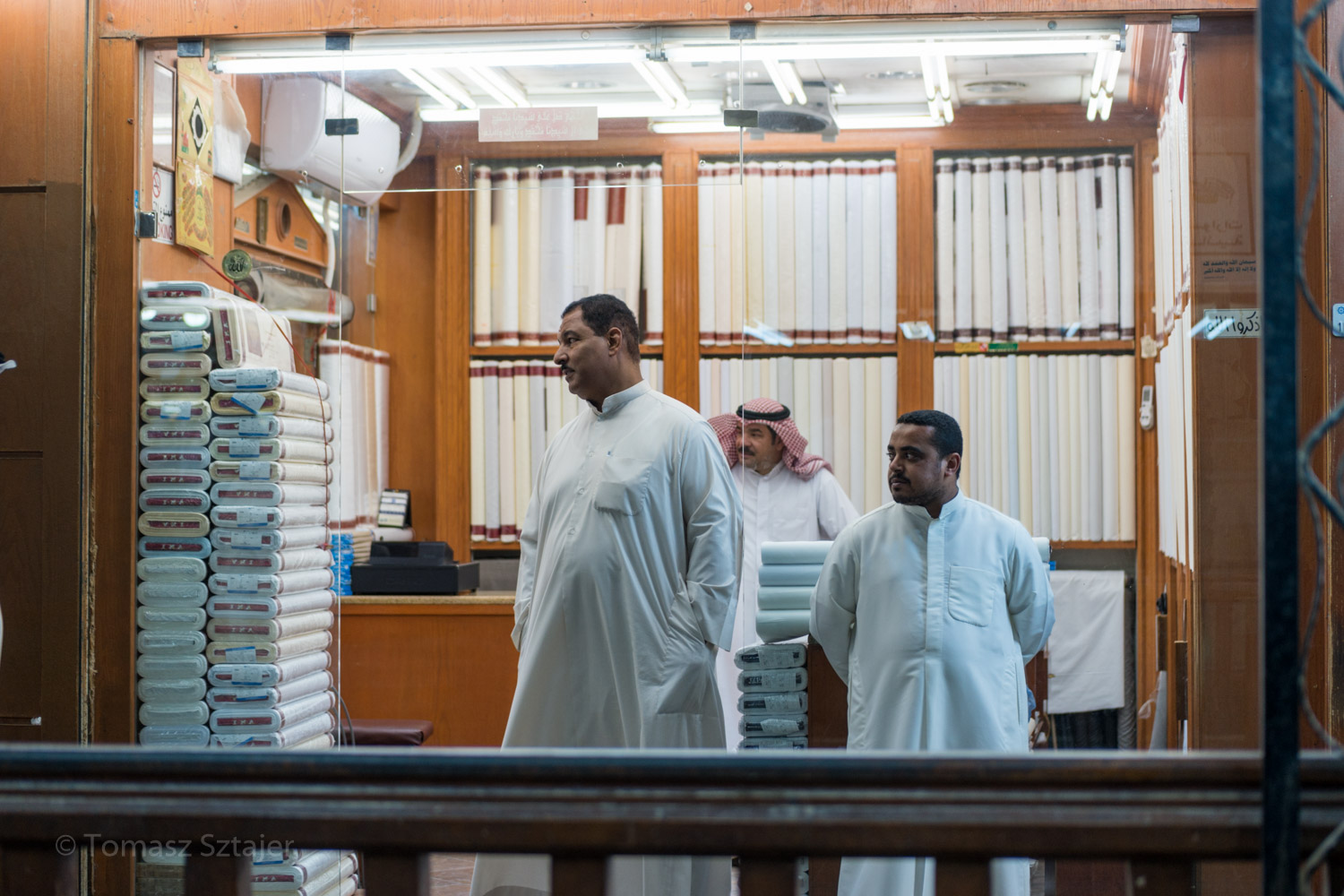
The Bazaar life
The Bazaar life
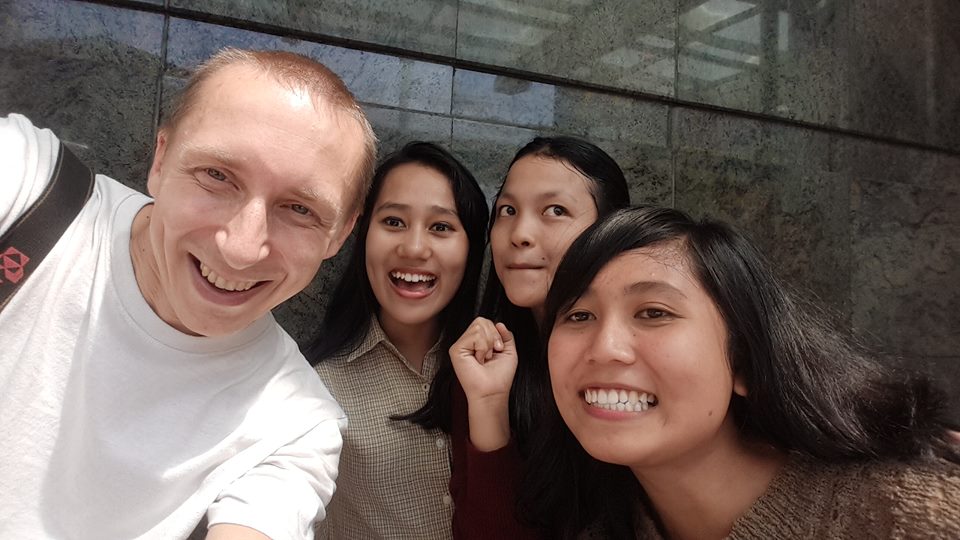
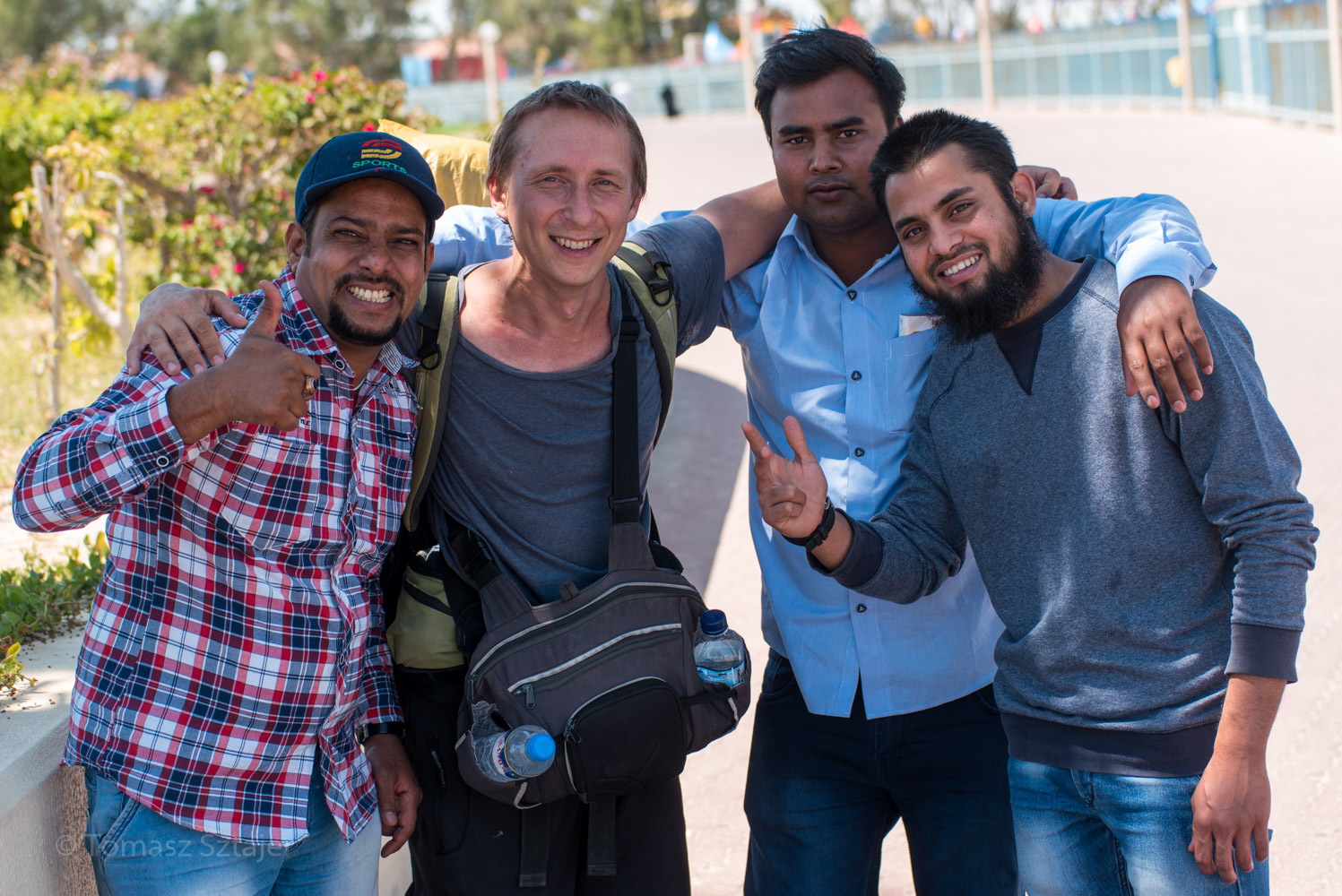
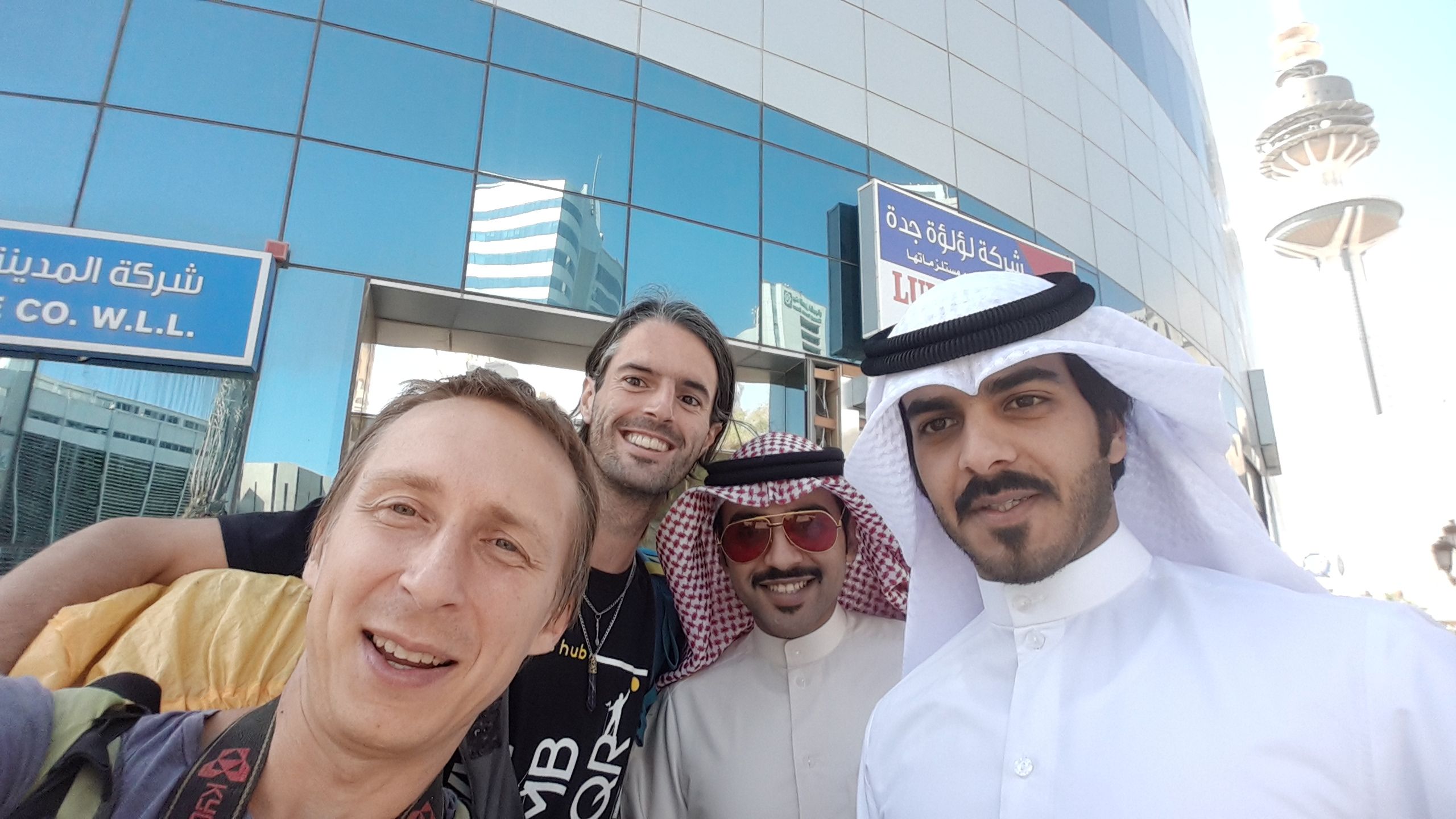
A selfie with two locals and Völgo Fôlak, a Spanish traveler
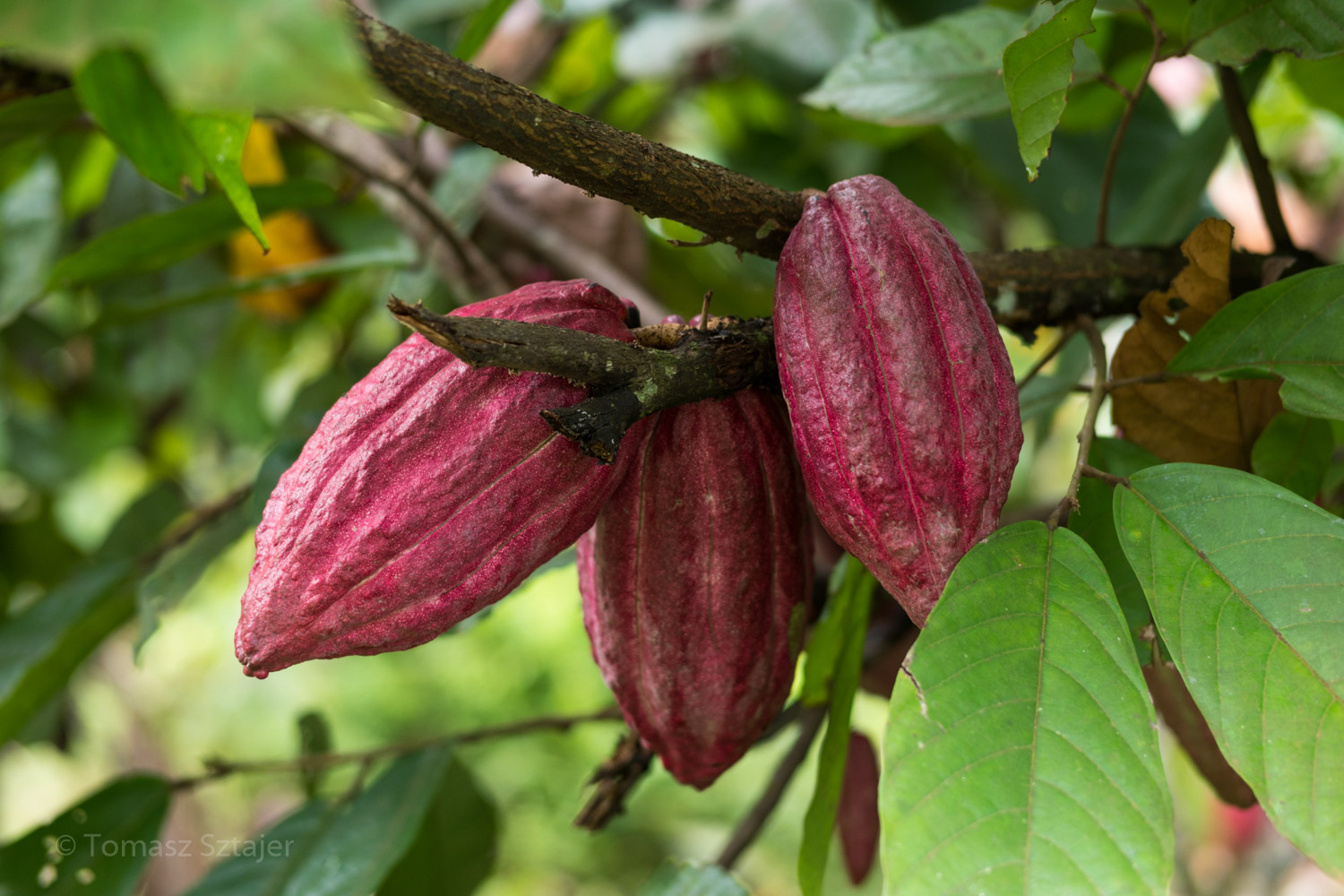
This time my visit to the Philippines had a purpose or even two: making a chocolate video (big thanks to Mr. Grover Rosit and his family) and meeting a Filipino shaman/wonderhealer/dr quackquack (and that was made possible with a little help from Grochu – https://breakdacycle.com)… And in between I experienced the fiesta during Kadalag-An festival in Victorias City, I tried to approach Mount Kanlaon in Negros island (nope, it was a little too active recently and it was forbidden to get close but I spent some nice time in the nearby village), I visited the shaman-saturated island of Siquijor… And I have some photos and videos to prove it:)
***
Tym razem wycieczka na Filipiny miała dwa główne cele: zrobienie materiału video o filipińskiej czekoladzie (podziękowanie dla Pana Grovera Rosita i jego rodziny!) i spotkanie filipińskiego szamana (co udało się na bardzo polskiej wyspie Bantayan, głównie dzięki Grochowi, znanemu z https://breakdacycle.com)… A po drodze udało się jeszcze zobaczyć to i owo – np. tańce i swawole podczas święta miasta Victorias (festiwal znany pod nazwą Kadalag-an Festival), pomrukujący wulkan Kanlaon na wyspie Negros (zbyt groźnie pomrukiwał i obowiązywał zakaz zbliżania się do krateru, ale i tak mile spędziłem czas w pobliskiej wiosce), piękną i szamańską wyspę Siquijor… Materiały wizualne z podróży – poniżej:)
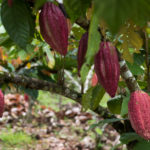
Chocolate:
Interview with a shaman:
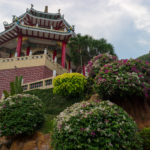
Taoist Temple in Cebu
In Cebu
Lunch break on the way to the pier
Waiting for the ferry
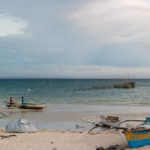
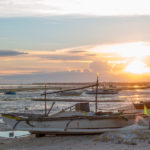
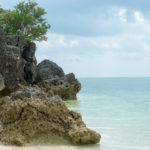
Bantayan beaches…
Bantayan beaches…
Bantayan beaches…
Bantayan beaches…
Bantayan beaches…
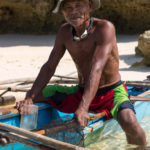
Local fisherman
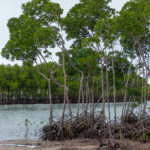
Mangroves
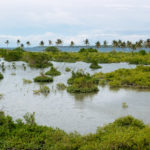
…and other wonders of nature in Bantayan Island
A local store
Somewhere in Bantayan
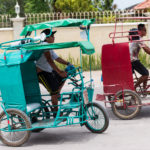
This is how you get around the island
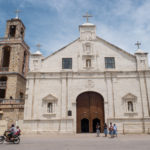
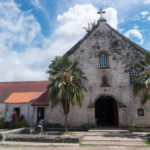
St Peter and Paul church in Bantayan city
Cemeteries
Cemeteries
Grouchu’s place in Madridejos
…and some of his neighbours
One of the many stray dogs
House of Hubert, local artist in Madridejos
Hubert
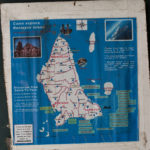
Bantayan map
Leaving Bantayan
Leaving Bantayan
Leaving Bantayan
In Port Danao
In Port Danao
In Port Danao
In Port Danao
In Port Danao
Victorias, getting ready for the festival
Kadalag-An Festival in Victorias City
My hosts’ house in Victorias
My hosts
Nico, who told me about Victorias, and his family around him
Nico’s place
The neighbourhood
Roaming around with Nico
…and meeting some smiling people
… and seeing some epic cows.
End of the day
Victorias
In Bacolod
In Bacolod
In Bacolod
In Bacolod
Big banners announcing the ASEAN summit
…that hide what the delegates aren’t supposed to see
Karaoke bar behind the banners
In Kanlaon village
In Kanlaon village
Angel trumpets
Angel trumpets
Fighter rooster farms… The reason why you never get a good sleep in Kanlaon
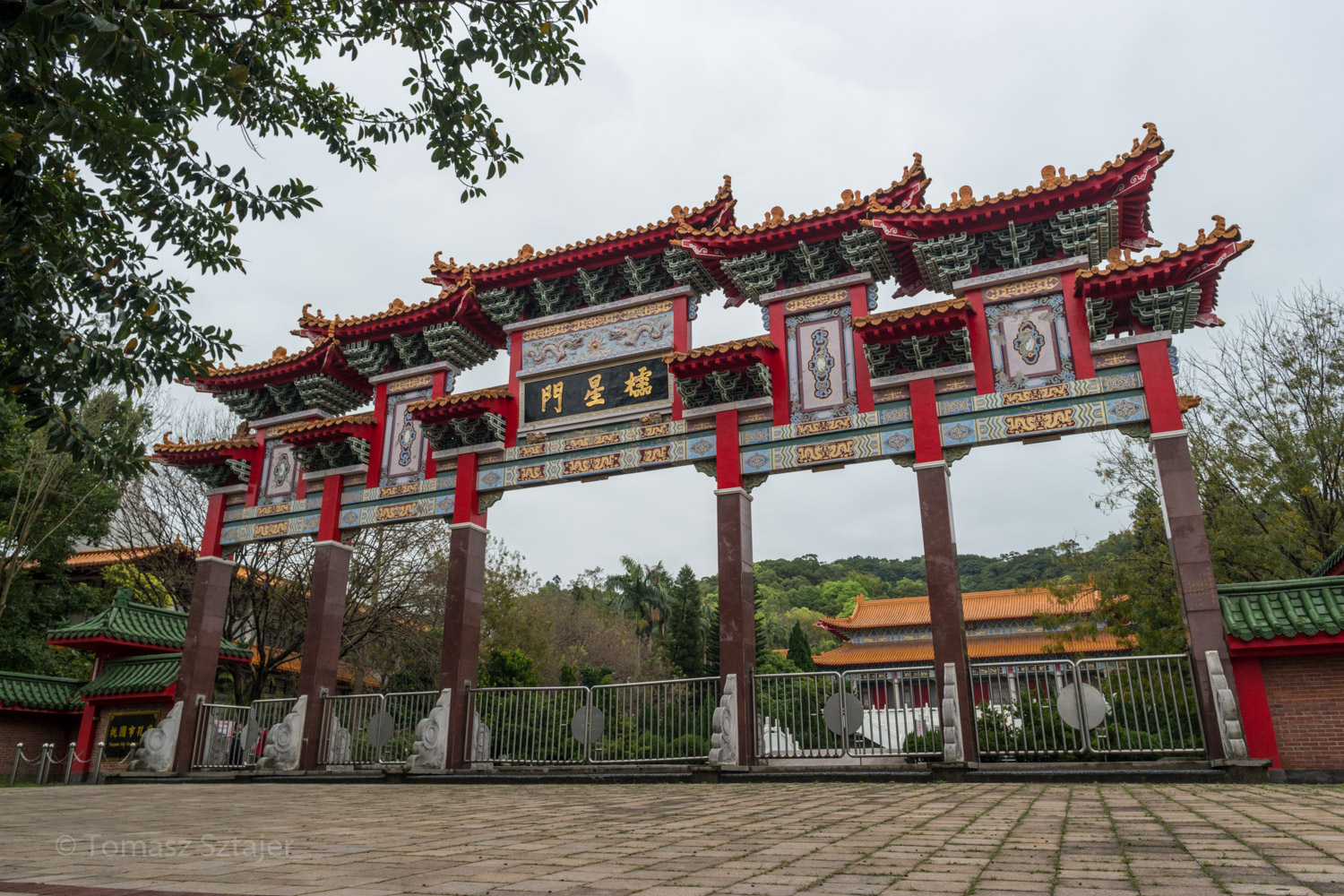
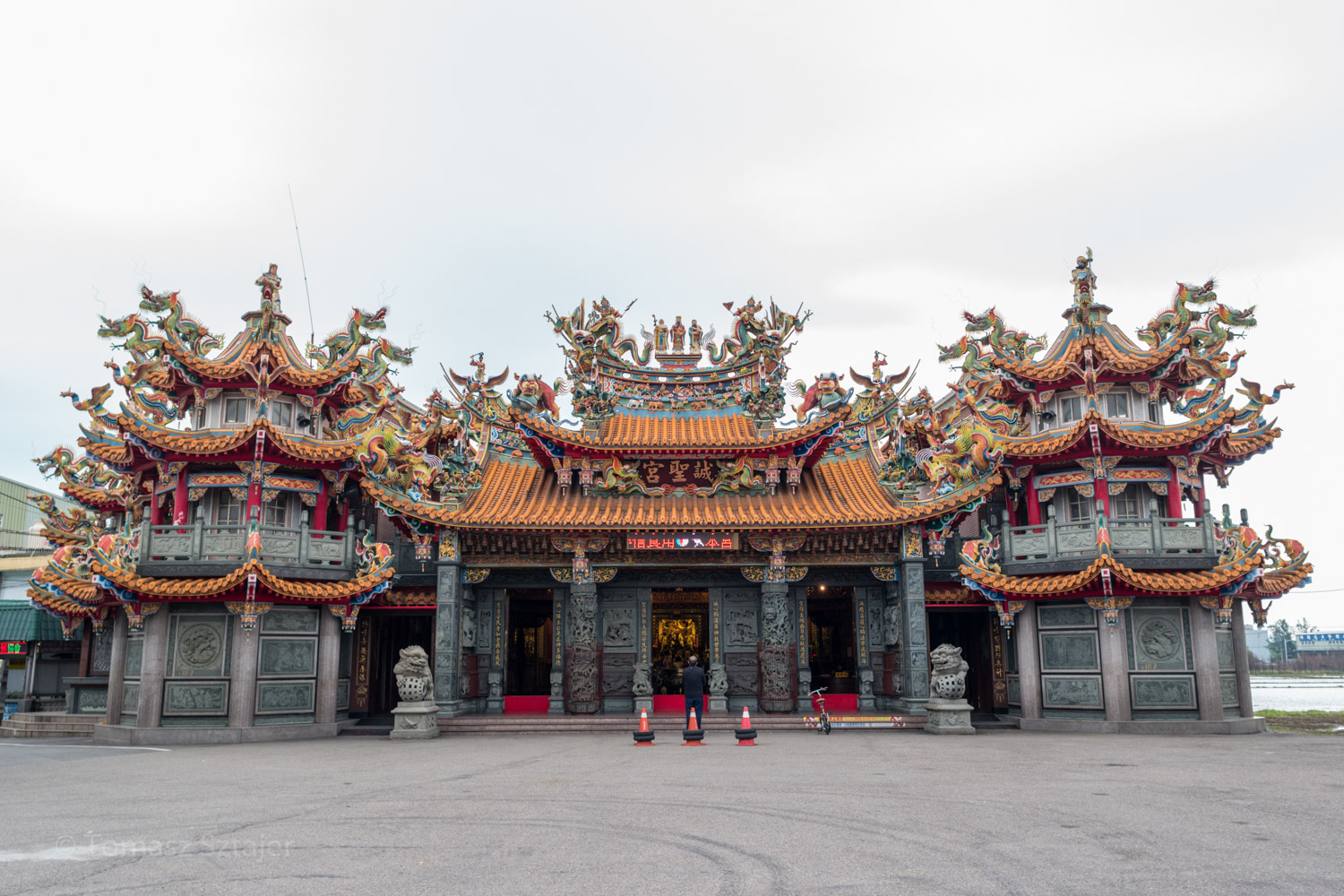
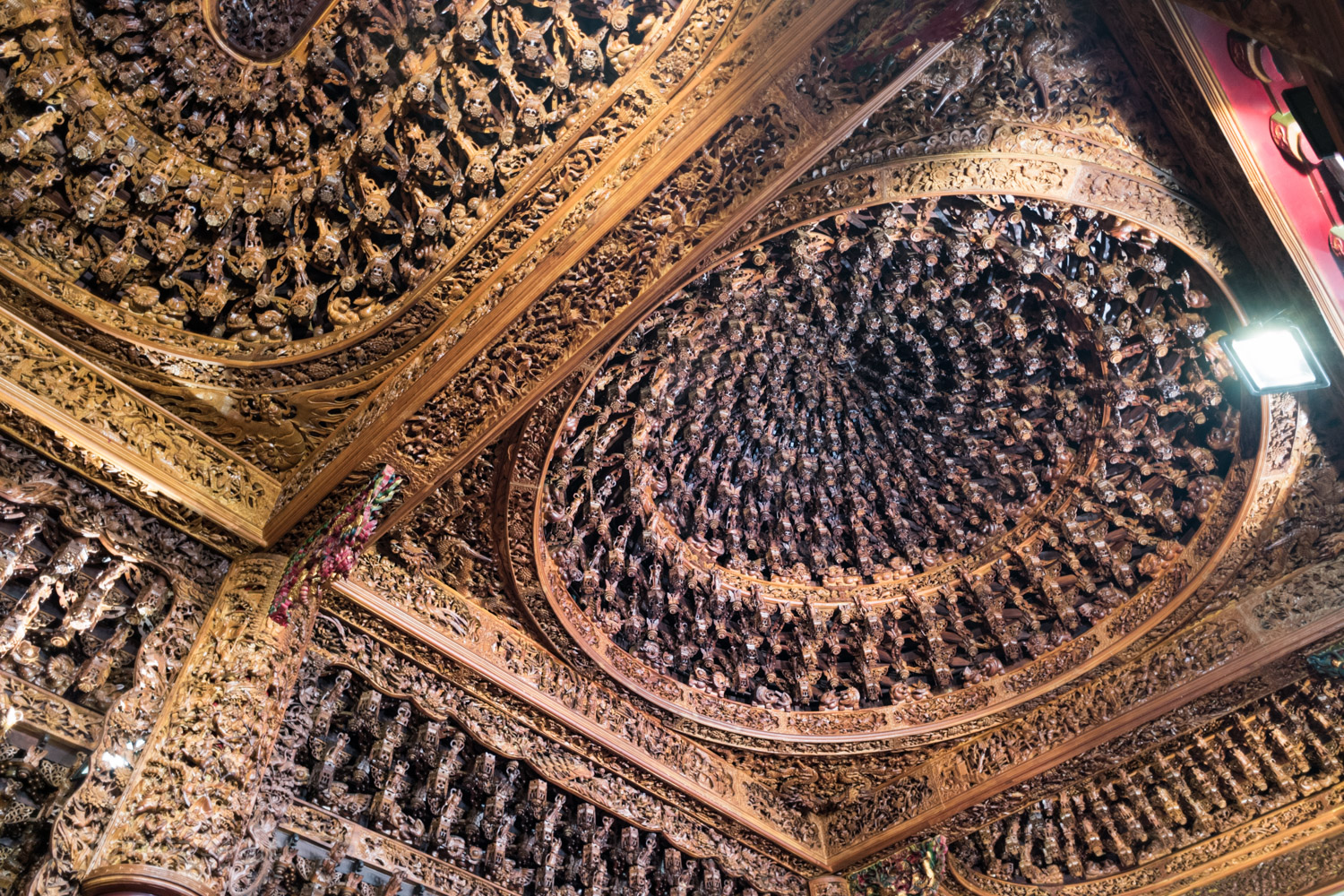
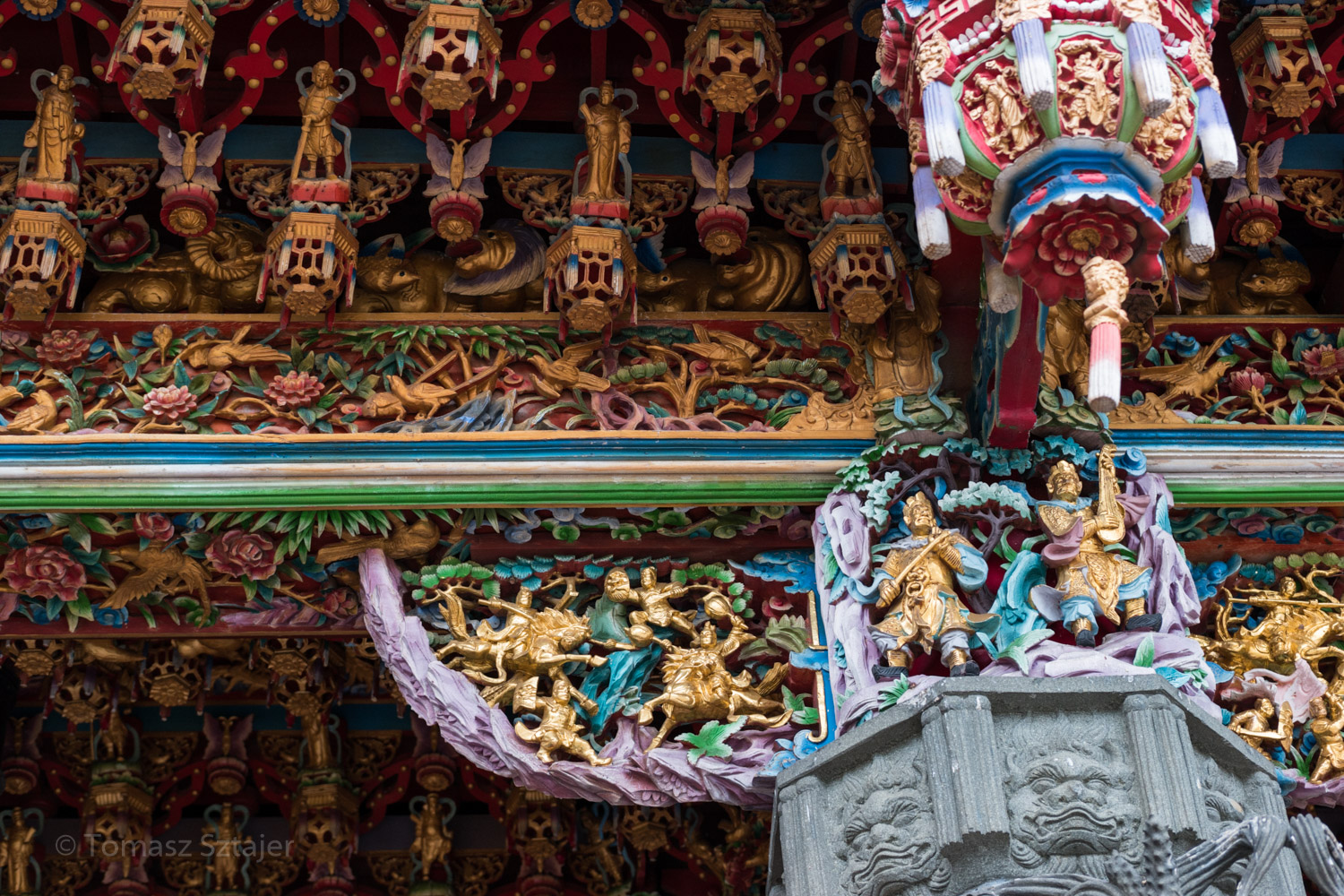
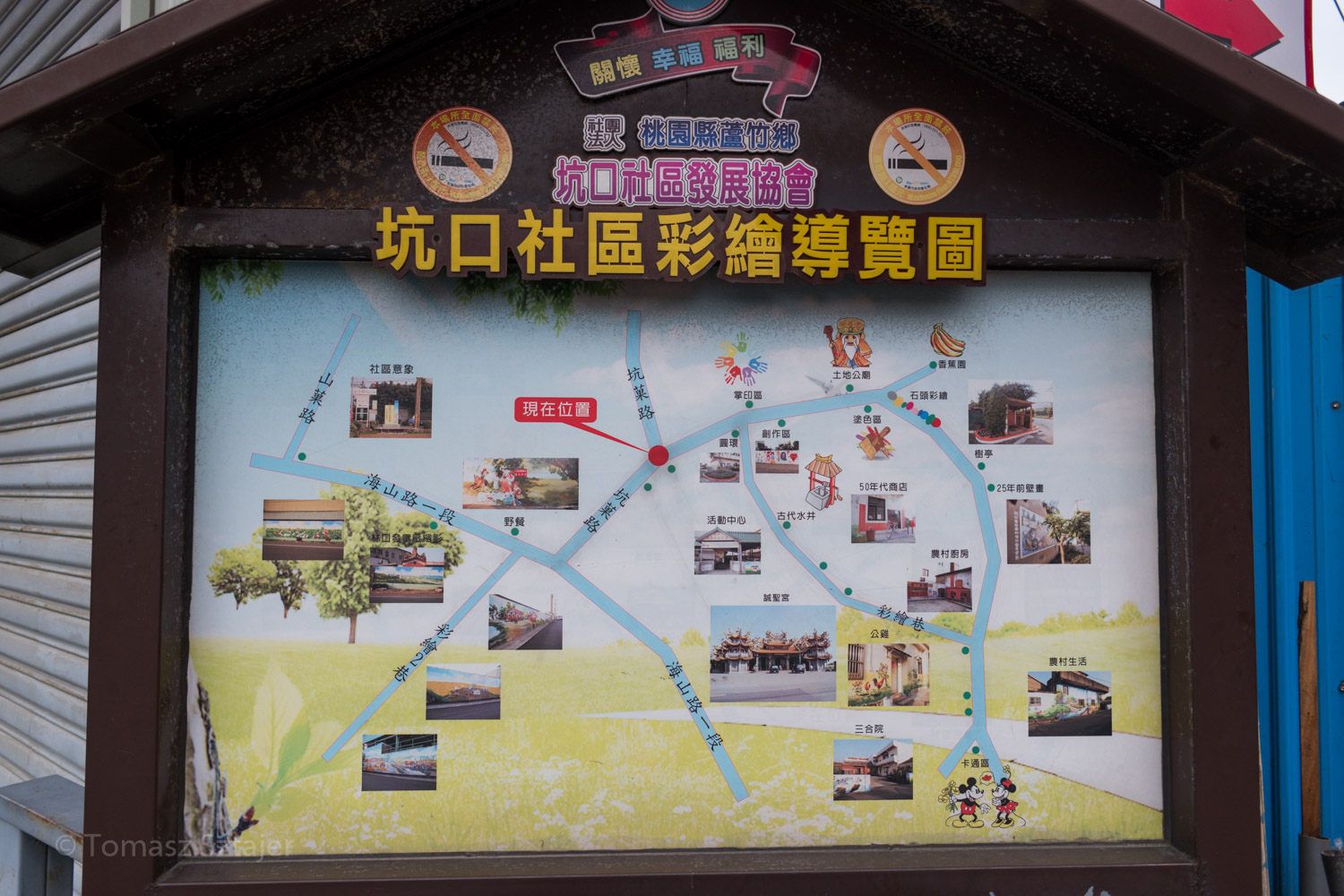
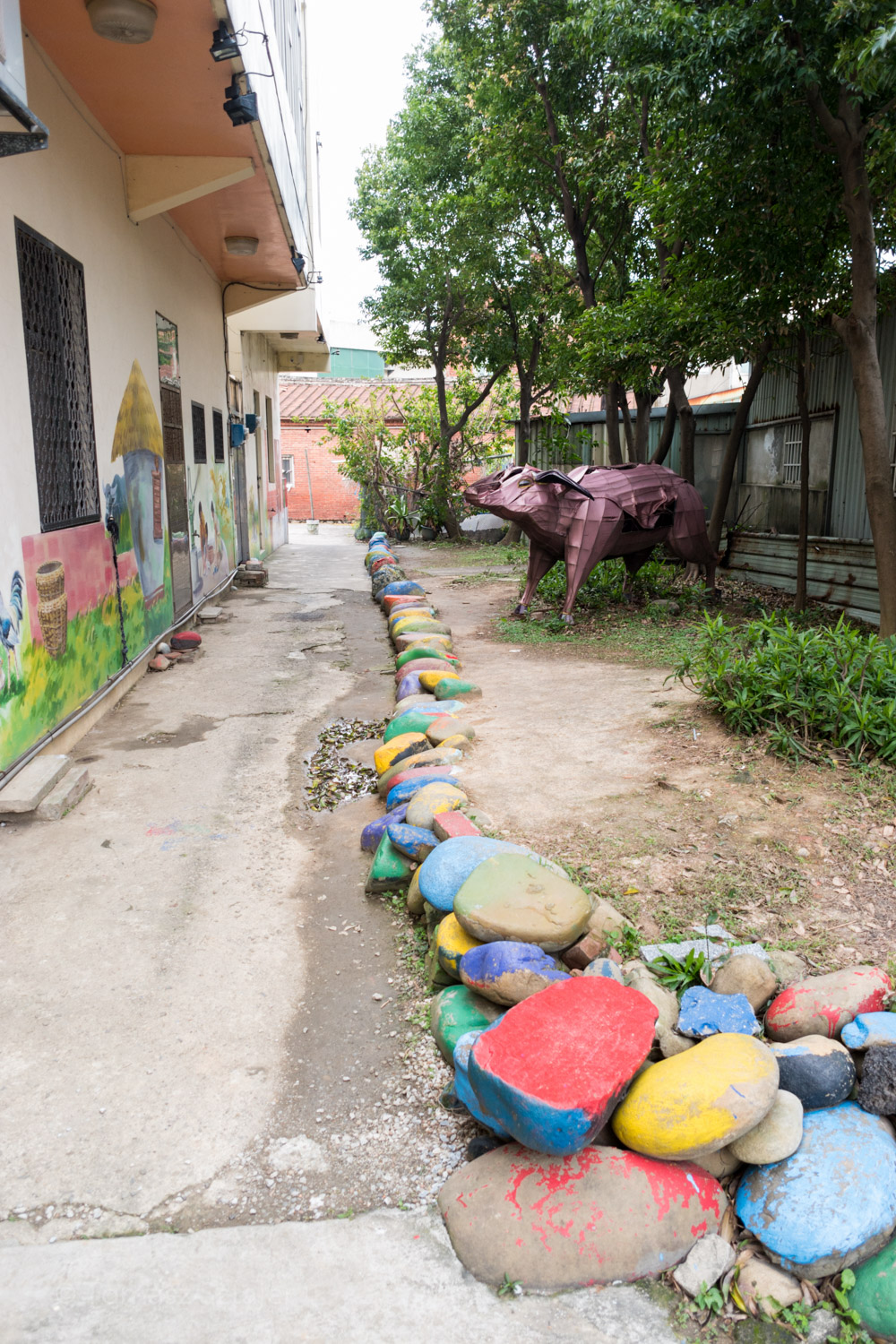
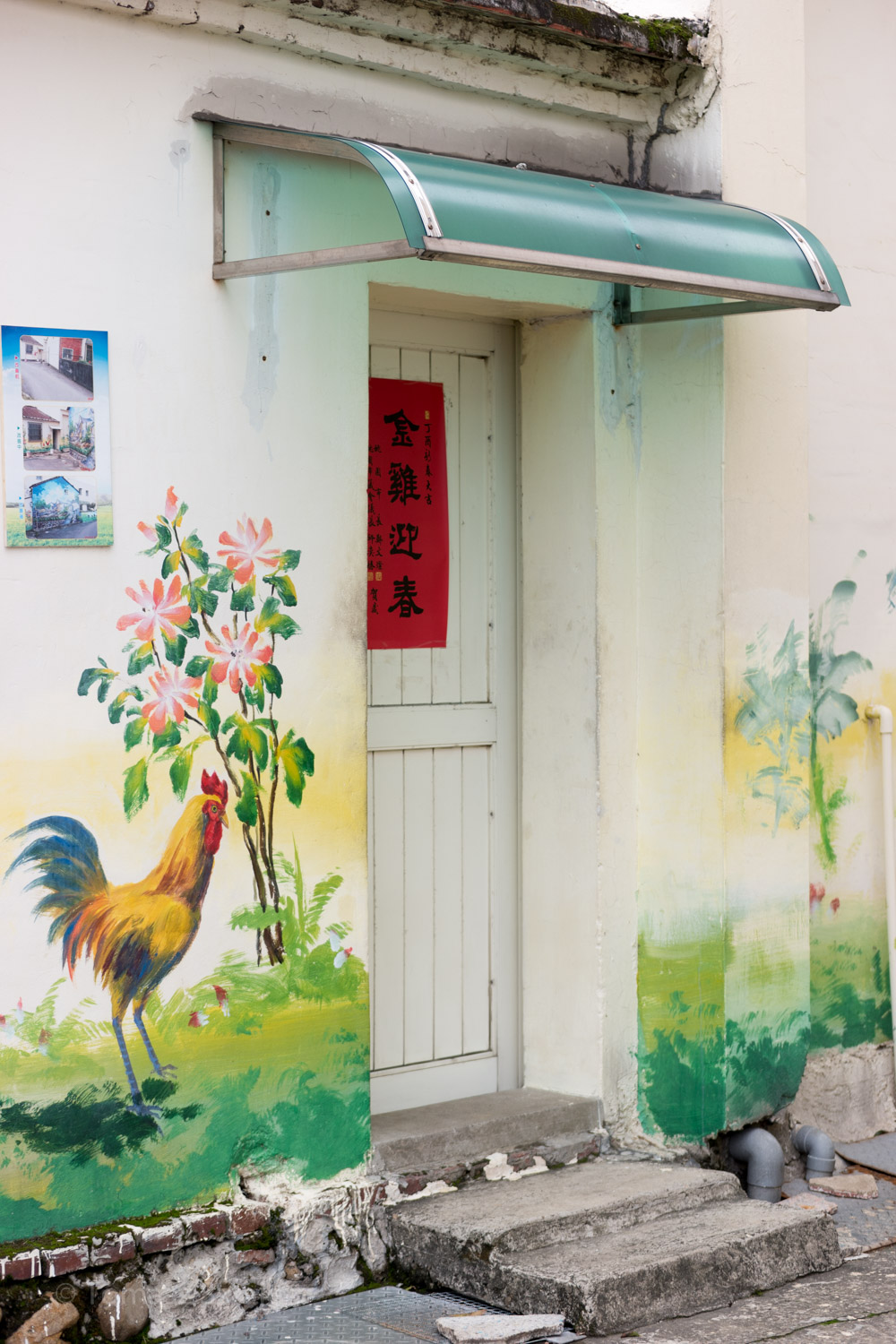
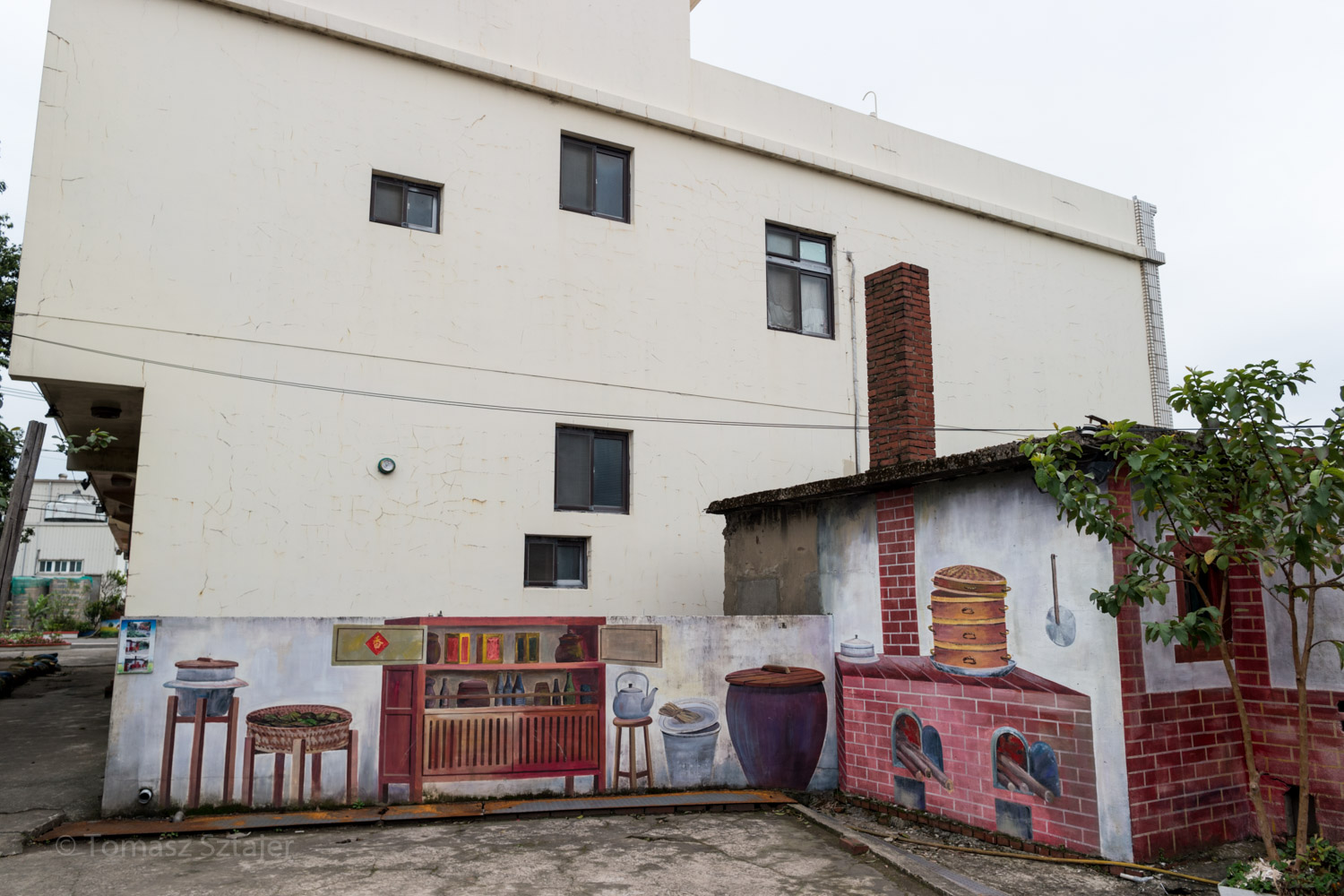
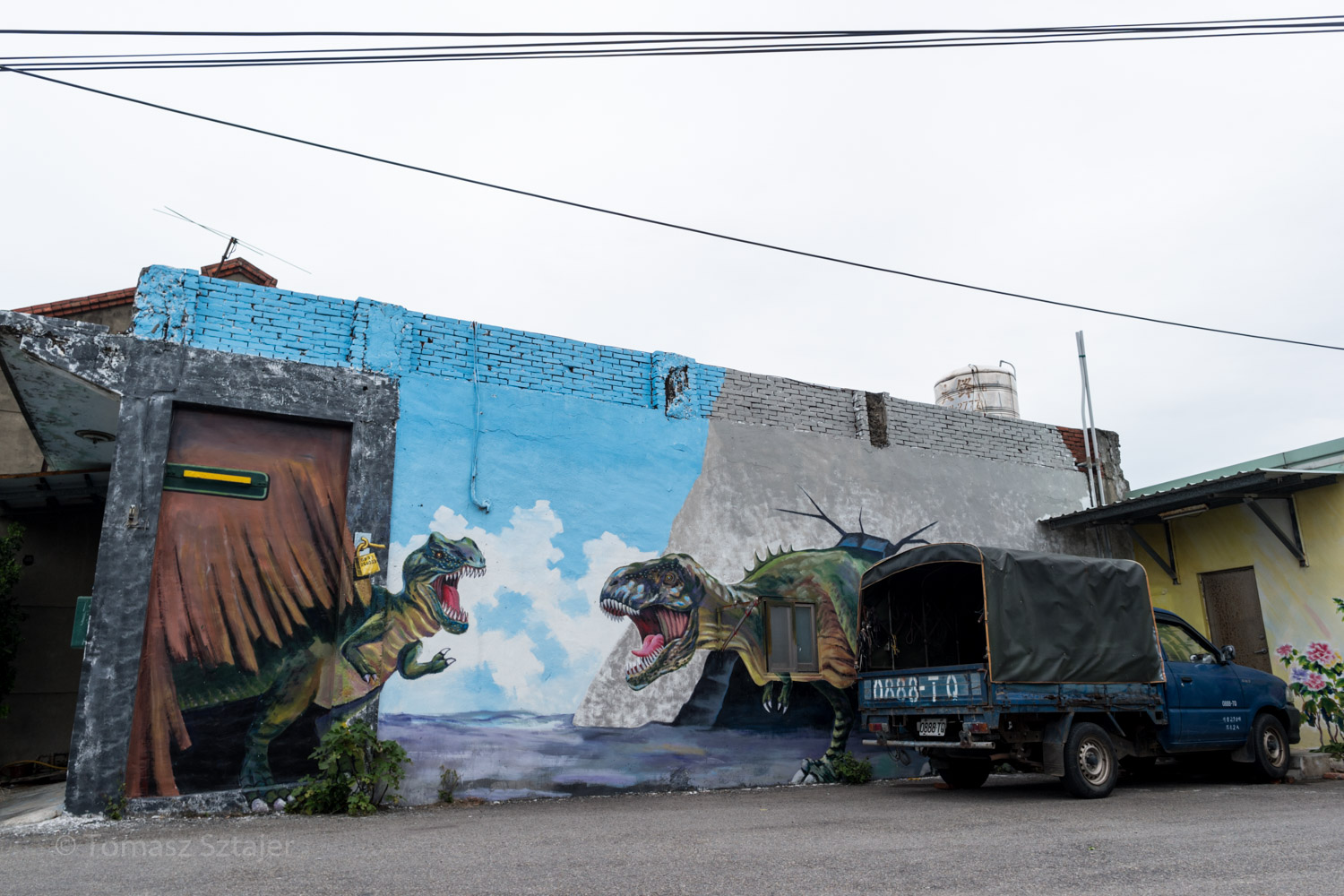
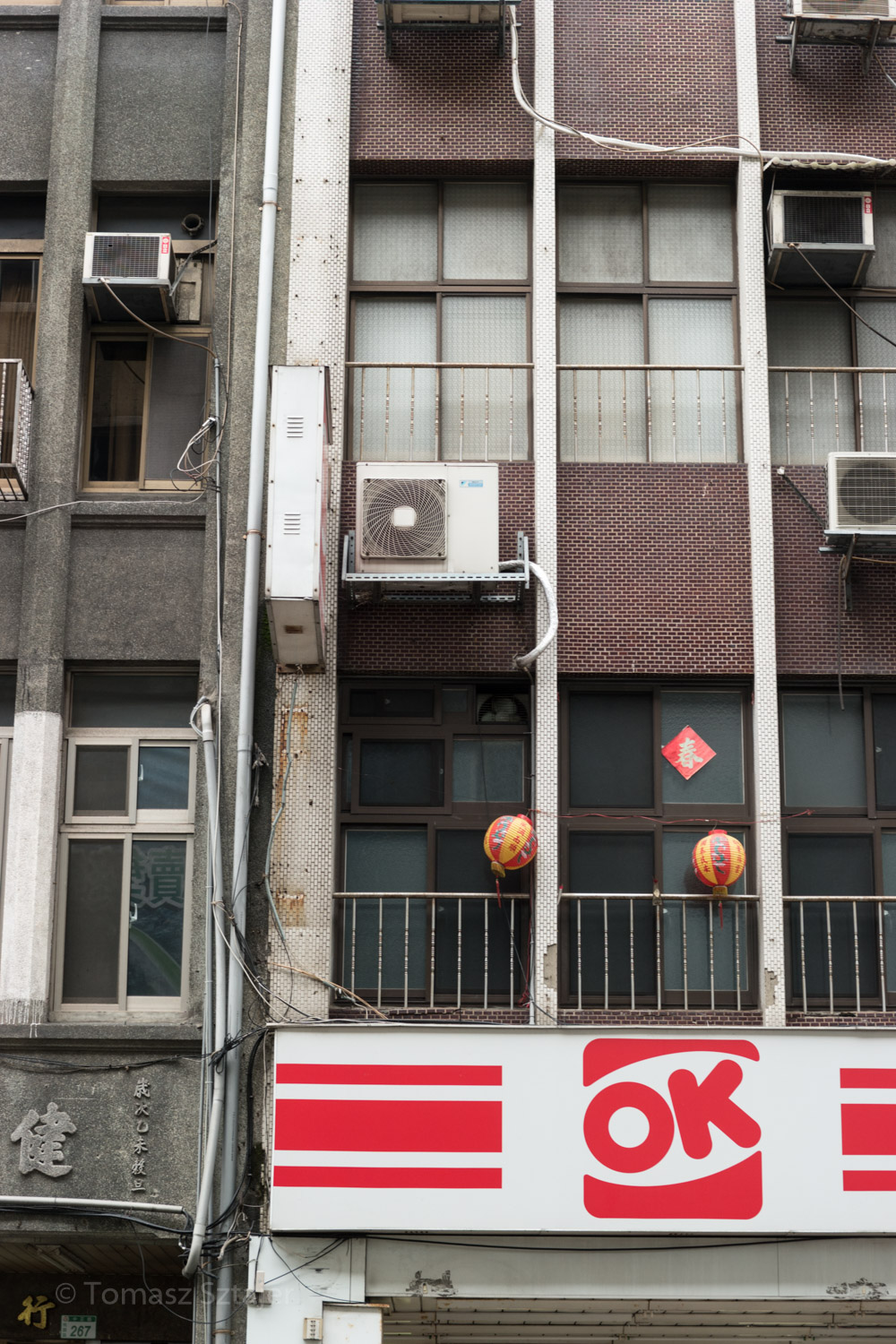
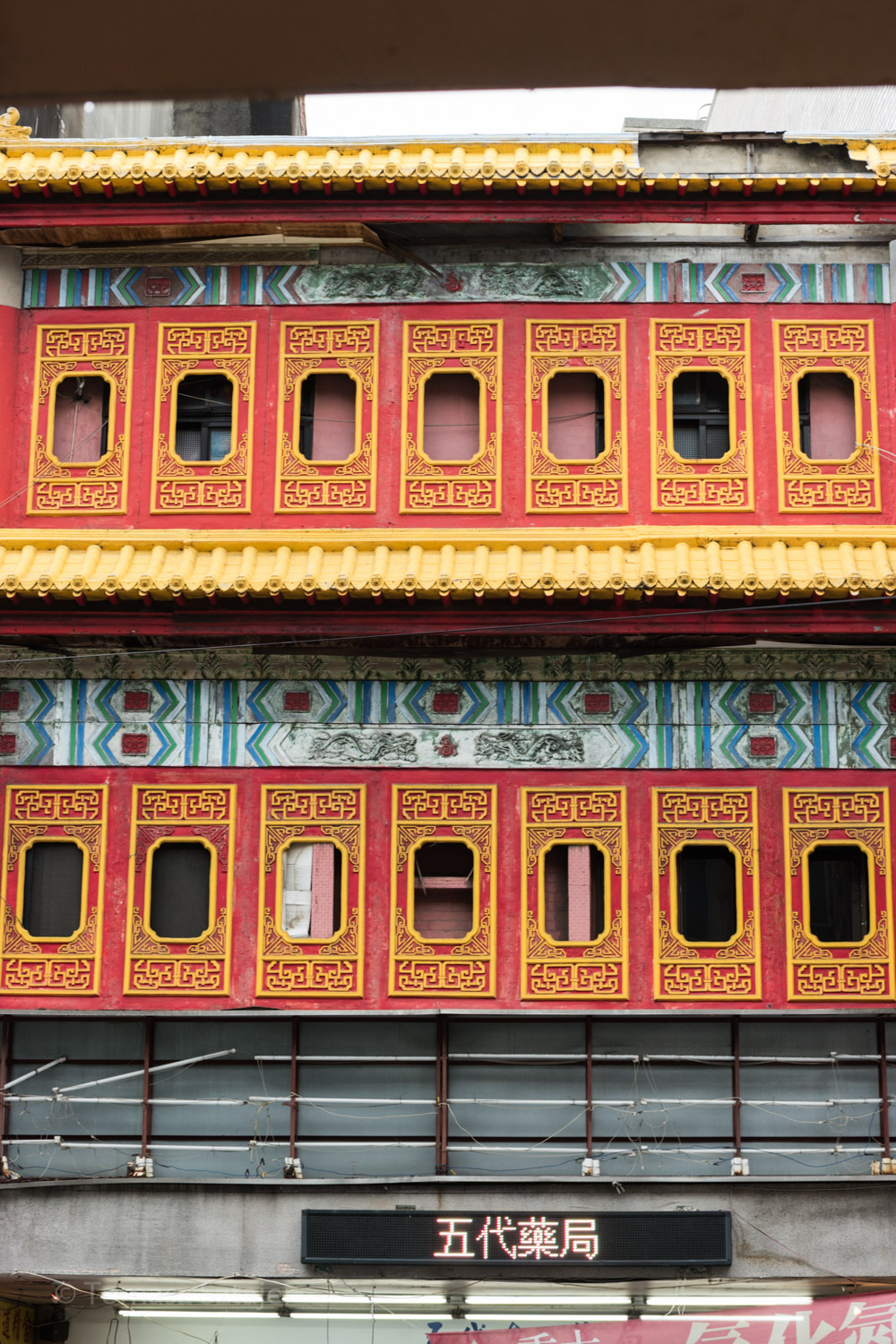
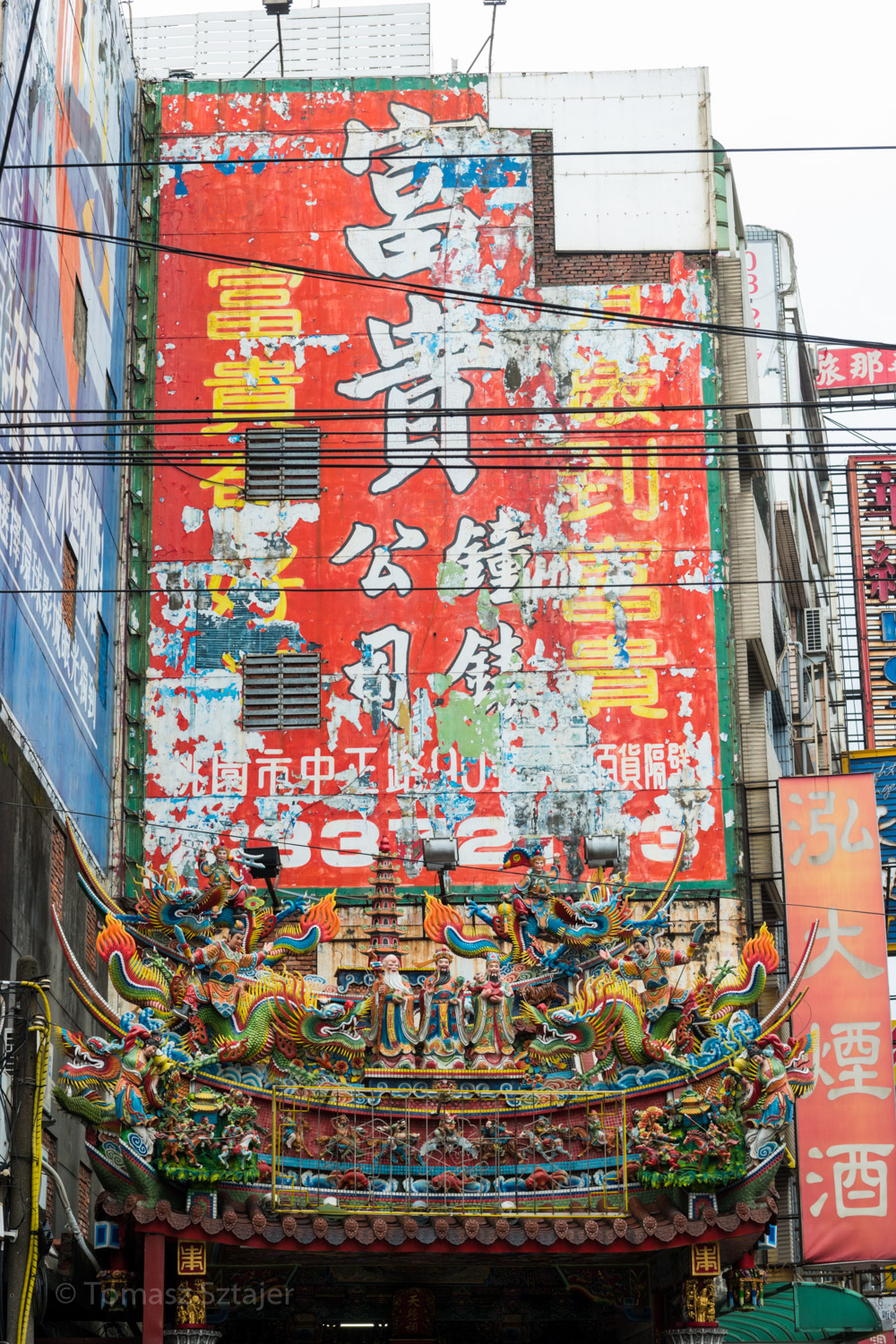
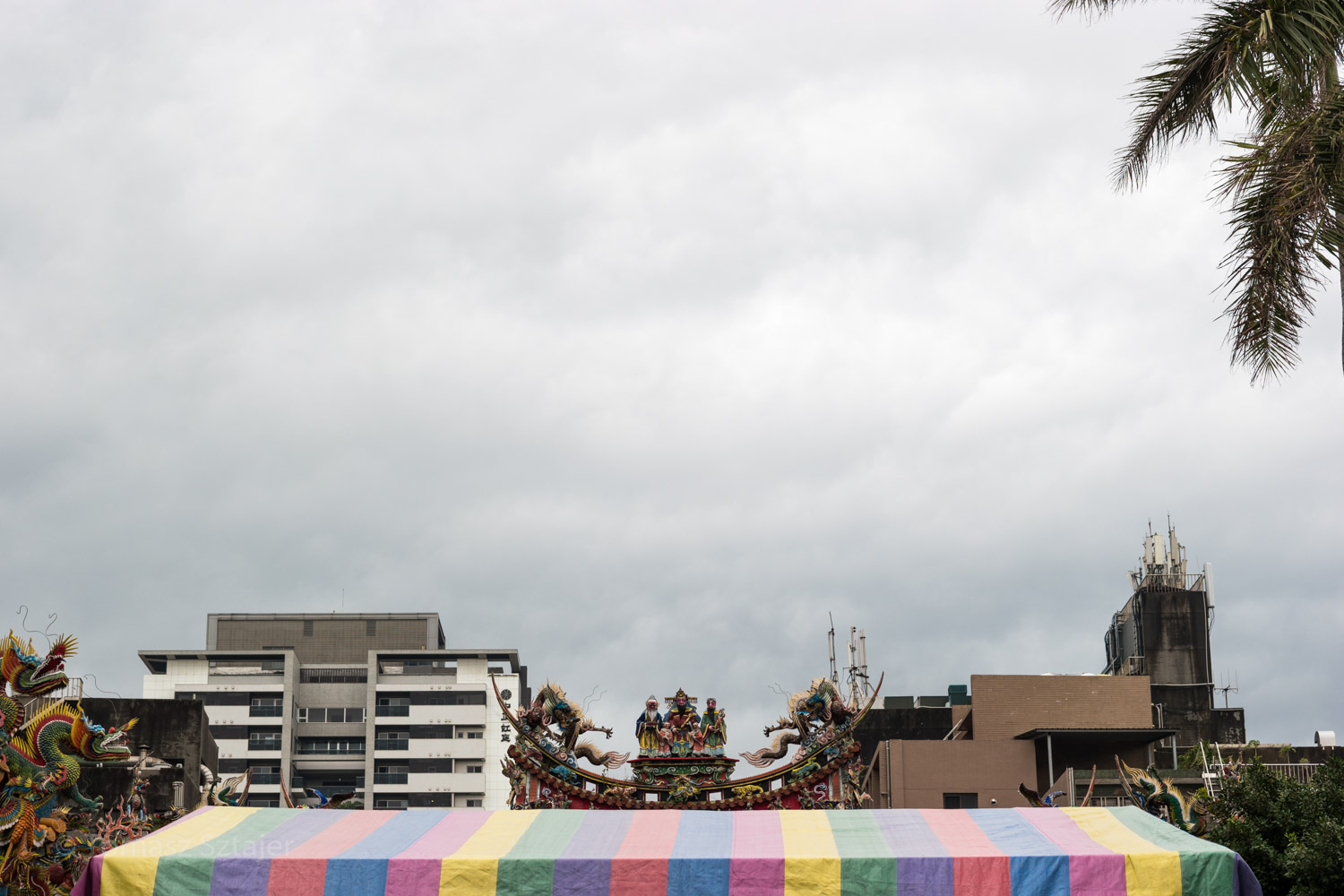
My stay in Taiwan only lasted a few days and was limited to Taoyuan and its surroundings so I will skip the writing part. However, you should know that the locals are very kind and helpful and hard drives are pretty cheap. Oh, and the cheapest stay is in the brothel street (and the cheapest ever, um, room is a sort of a closet under the stairs).
***
Mój pobyt na Tajwanie ograniczony był czasowo do ledwie paru dni i geograficznie do Taoyuan i okolic, nie będę się tu zatem wymądrzał i rozpisywał, ograniczę się tylko do stwierdzenia, że lokalsi są bardzo mili i uczynni, a twarde dyski sprzedają tu w dobrej cenie. Acha, i najtańsze noclegi są przy ulicy z burdelami (a najtańszy z najtańszych, hm, pokoi mieści się… we wnęce pod schodami).
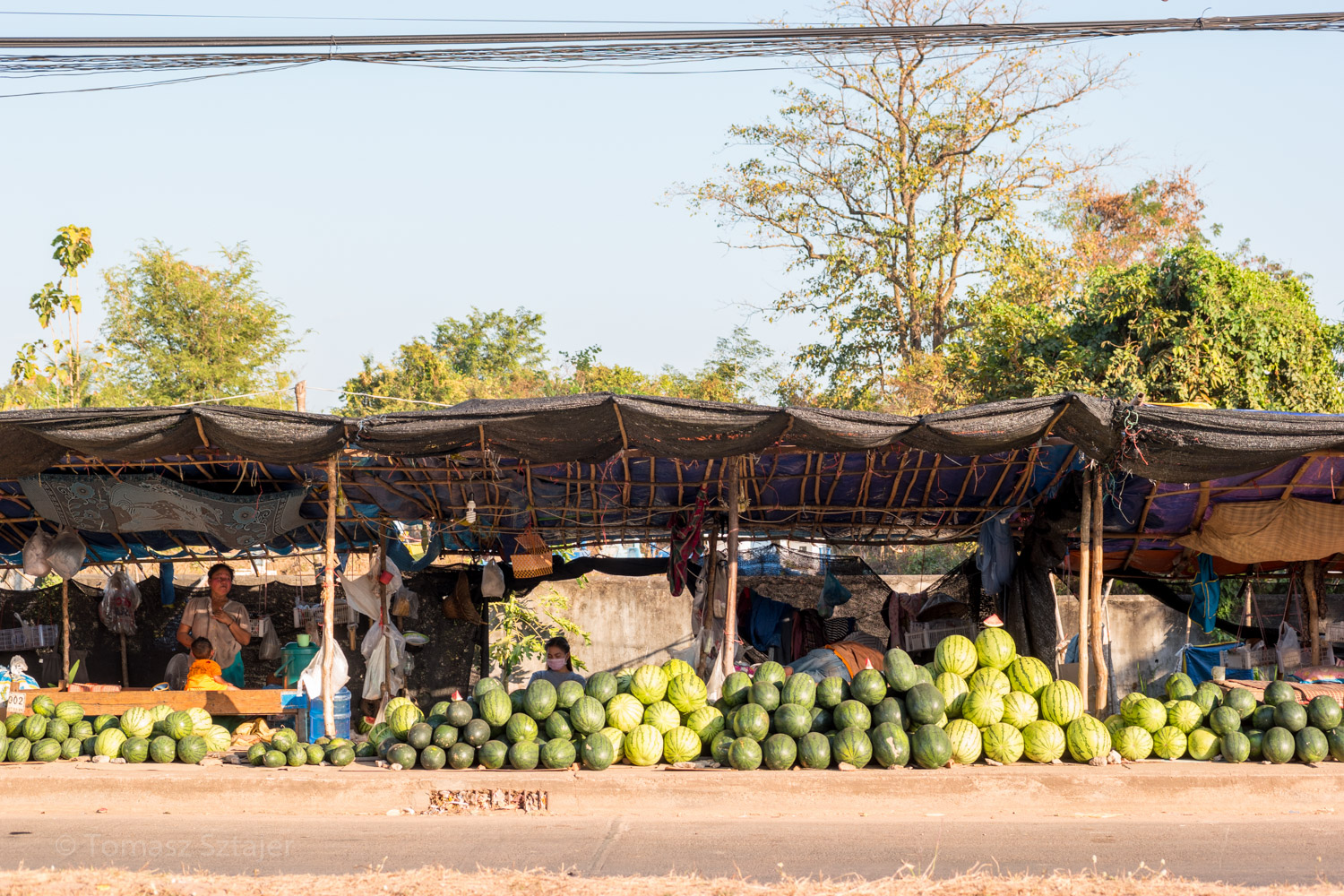
My stay in Laos triggered a reflexion on directions and boundaries of tourism industry development, the development that caters for more and more spleen-ed and lazy tourists (did I just say tourists? My bad – I mean, travelers… None of the thousands or millions of youngsters scaling the very same banana pancake trail would ever want to be called a tourist) and brings them the most amazing and authentic experience. Laos is a great place to ponder on it as – compared with neighbouring countries – their tourism awesomeness level is very moderate, nevertheless, the Laotians keep trying to somehow sell their resources to the visitors. And how, you might ask? They wrap the same old product, pimping it with the “adventure” and “authenticity”. I put those terms in inverted commas because oftentimes that “adventure” boils down to just laying back and letting the guide (of varying degree of competence) do the job and bring the customer to places that he himself could easily reach if he only made a small effort (instead of walking to a nearby village or waterfall just asking the locals about the way many people would hire a guide, who in turn hires a boat that you don’t need and organizes food that you can easily buy yourself). As for the “authenticity” bases on the homestay system: the tourist takes the best spot in the house while the hosts hide in the corners and both parties live next to each other, one being a very profitable piece of furniture/animal and the other – a monkey to take photos of. You can go very “authentic” with all the daytrips available from your local tour operator – you can see the real dwellers of villages, doing their traditional stuff using their traditional ways… That is, until the tourist’s visit is over – then they pack all the traditional stuff up and get back to real life. Some might say – so what, as long as they are earning money that lifts them from poverty… And it is true, to some extent. It’s just that the way that the money goes from the tour operator to the hands of local villagers is not always a very straight one. Oh, and most of tourism-related businesses are foreigner-owned (an interesting thing: you can see a switch in the ownership from Western hands to Chinese hands; either way, it seems that Laotians don’t have the skills, and – more importantly – the capital to own anything in their country).
And one more thing money-wise: it seems that the locals are pretty good at turning the Westerner’s guilt (that applies to the Americans in particular as their bombs punctured the country so badly that the forest fauna has not yet recovered to this day) into money – they charge you everywhere and for everything. Although the whole region is perceived as cheap, Laos, when compared with the neighbours, seems a little expensive, especially given the comparatively modest quantity and quality of tourist attractions.
And I don’t want to discourage you from visiting Laos – not at all! You just need to realize that with those numbers of people visiting the country – and this number is constantly growing as more and more people decide to have a “gap year” and find the true self somewhere on the way (plus hordes of Chinese tourists with their own travel culture; avoid traveling anywhere in Asia the months of January/February, April and early October as these are the times where they all flock to spend their holidays abroad) – this kind of tourism market deformation cannot be avoided. The more you want the authentic experience, the more authentic-ish product you get… And if you want a deeper level of authenticity and uniqueness – the industry will find a way to cater for your needs.
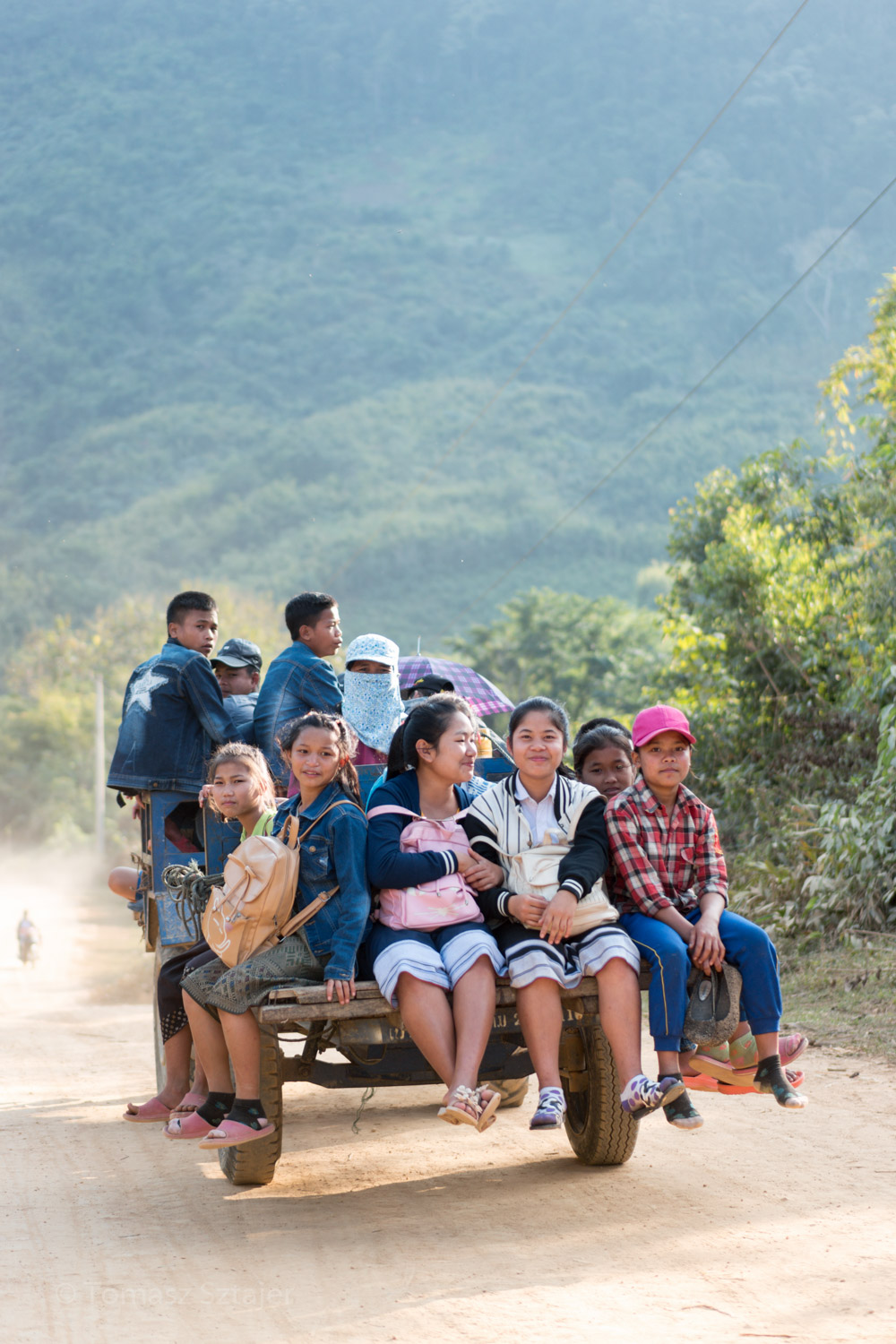
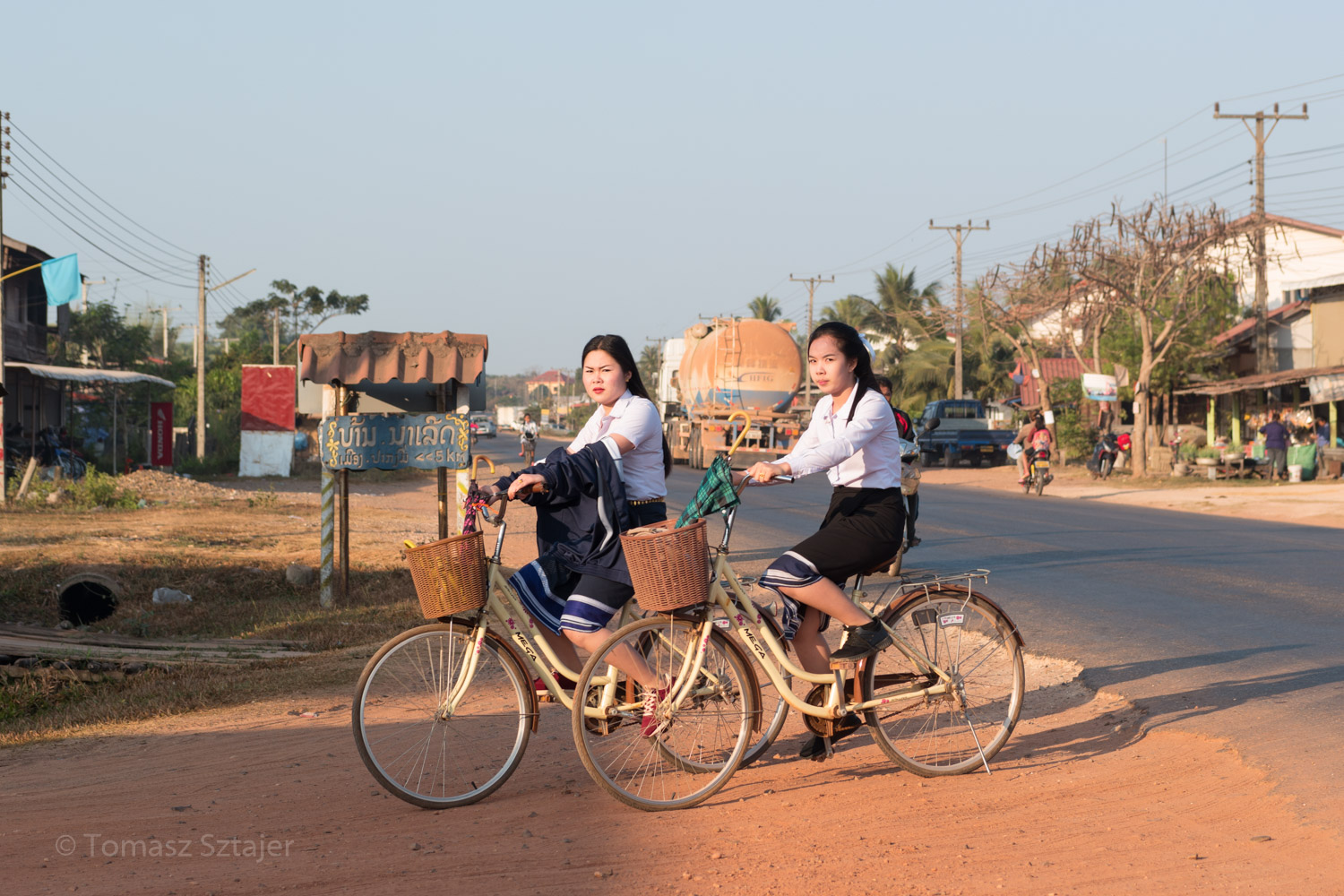
But enough complaining now… Let’s begin the tour. Laos is actually a nice place to visit – beautiful landscapes, numerous temples, picturesque villages, warm and helpful people. And try hitch-hiking there – they don’t even understand the concept but hey are very willing to help you out, including hosting you for the night when you get stuck on the way.
Just ignore the tourist folklore, all the hawkers and children trying to get money from you (whoever taught them that should be severly punished) and find your own way of exploring the beauty of the country.
***
Pobyt w Laosie zachęcił mnie do refleksji nad kierunkami i granicami rozwoju przemysłu turystycznego, celem zapewnienia coraz bardziej znudzonym i rozleniwionym turystom (przepraszam, podróżnikom, żaden z tysięcy a nawet milionów młodych ludzi, przemierzających dokładnie ten sam szlak po Azji Środkowo-Wschodniej, nie życzyłby sobie, żeby go nazwać turystą) jak nawspanialszych i jak najbardziej autentycznych doznań. Laos jest idealnym miejscem do takich rozważań, bo – porównując go z sąsiednimi krajami – nie dysponuje nadmiarem charakterystycznych atrakcji, a mimo to, swoje skromne zasoby próbuje jakoś sprzedać. A jak? Otóż opakowując na nowo to, co wszyscy znamy, umiejętnie operując czynnikiem “przygodowości” i “autentyczności”. Opatrzyłem te pojęcia cudzysłowem, bo w wielu przypadkach ta “przygodowość” oznacza kompletne lenistwo oraz brak samodzielności turysty, zagospodarowane przejęciem danego osobnika/grupy pod opiekę lokalnego – mniej lub bardziej kompetentnego – przewodnika i prowadzenie go do miejsc, do których sam by dotarł przy odrobinie wysiłku (zamiast przejść się do pobliskiej wioski czy wodospadu, pytając o drogę, wiele osób zatrudnia przewodnika, który z kolei wynajmuje łódkę i przygotowuje po drodze posiłek). Z kolei “autentyczność” opiera się np. na homestayach, tworzących już dość solidną gałąź biznesu, polegających na tym, że turyście przydziela się najwygodniejsze miejsce w chacie, podczas gdy rodzina mości się po kątach i przez parę dni jedni żyją obok drugich, traktując się z jednej strony jak dziwnego (i dochodowego) egzotycznego zwierza i z drugiej strony jak małpy do ofotografowania (tym bardziej atrakcyjne, im bardziej tradycyjnie wyglądające i tradycyjnie wykonujące tradycyjne czynności). Wiele “autentycznych” wrażeń dostarczają też rozmaite daytripy, podczas których odwiedza się prawdziwych mieszkańców wiosek, wykonujących rozmaite tradycyjne rękodzieła, tradycyjnie przyrządzających tradycyjne potrawy itp. Natychmiast po zakończeniu wizyty, mieszkańcy rzucają całą tą tradycję w kąt i wracają do normalnych zajęć. Ktoś powie- i cóż z tego, przynajmniej pieniądze z tego przedstawienia trafiają do lokalnych społeczności… I jest w tym sporo prawdy, choć droga, którą gotówka przebywa od organizatora do szeregowego wieśniaka, bywa dość kręta… Swoją drogą, organizator ten często jest obcokrajowcem (przy tej okazji krótka dygresja: o ile do niedawna wszelkie biznesy turystyczne tworzyli biali ludzie z Zachodu, to obecnie nie da się nie zauważyć, że coraz większej ilości miejsc – na razie przede wszystkim hoteli i hosteli – szefują Chińczycy; Laotańczycy najwyraźniej nie mają zmysłu organizacyjnego, a przede wszystkim kapitału)…
I jeszcze parę słów w sprawie pieniędzy – Laotańczycy zmyślnie wykorzystują poczucie winy Zachodu (zwłaszcza Amerykanów, którzy tak im podziurawili kraj bombami, że do tej pory nie odrodziła się fauna leśna) i kasują wszędzie i za wszystko. I za dużo… Choć według standardów europejskich cały region jest tani, to na tle krajów ościennych, Laos wypada dość drogo, zwłaszcza zważywszy na brak spektakularnych atrakcji turystycznych.
Nie chcę bynajmniej zniechęcać do zwiedzania Laosu, wręcz przeciwnie… Po prostu przy takiej liczbie odwiedzających – a liczba ta będzie wzrastać, bo co roku miliony ludzi robią sobie “gap year” i ruszają w drogę celem odnalezenia siebie w pięknych okolicznościach przyrody (do tego dochodzą chmary chińskich turystów, którzy – oprócz tego, że zawsze zjawiają się w dużych ilościach – reprezentują dość specyficzną, hm, kulturę podróżowania; terminy, w których należy spodziewać się chińskiej inwazji w całej Azji to styczeń/luty, początek października, okolice kwietnia) – taka deformacja rynku turystycznego jest nie do uniknięcia… Miliony ludzi pojawiają się, oczekując/żądając autentycznych i niepowtarzalnych doświadczeń, zatem rynek odpowiada na te potrzeby oferując namiastkę tej autentyczności (bo przy takich liczbach odwiedzin na autentyczną autentyczność nie ma szans)… A skoro ta namiastka nam nie wystarcza, skoro potrzebujemy pogłębionej “autentyczności” i wyjątkowości, rynek kombinuje i wykonuje wygibasy, żeby tylko nam zaoferować produkt, jak najbardziej zbliżony do naszych oczekiwań…
Dość narzekań, czas zabrać się za zwiedzanie:) Bo w Laosie wcale nie jest źle – ładne pejzaże, rozliczne świątynie i świątynki, malownicze wioski, sympatyczni i uczynni ludzie. Acha, i spróbujcie autostopu – choć większość Laotańczyków nie rozumie tej idei, to zrobi wszystko, żeby Wam pomóc, łącznie z ugoszczeniem na noc… Wystarczy tylko przymknąć oko na cepeliowość, opędzić się od wszelkiej maści naganiaczy, pogonić dzieciaki z wyrobionym automatyzmem proszenia białego o pieniądze i znaleźć swój sposób na zachwycenie się miejscem, które odwiedzamy.
Poniżej znajdziecie parę filmików i garść zdjęć z mojej wycieczki.
Free the Bears Laos:
Healer’s Visit:
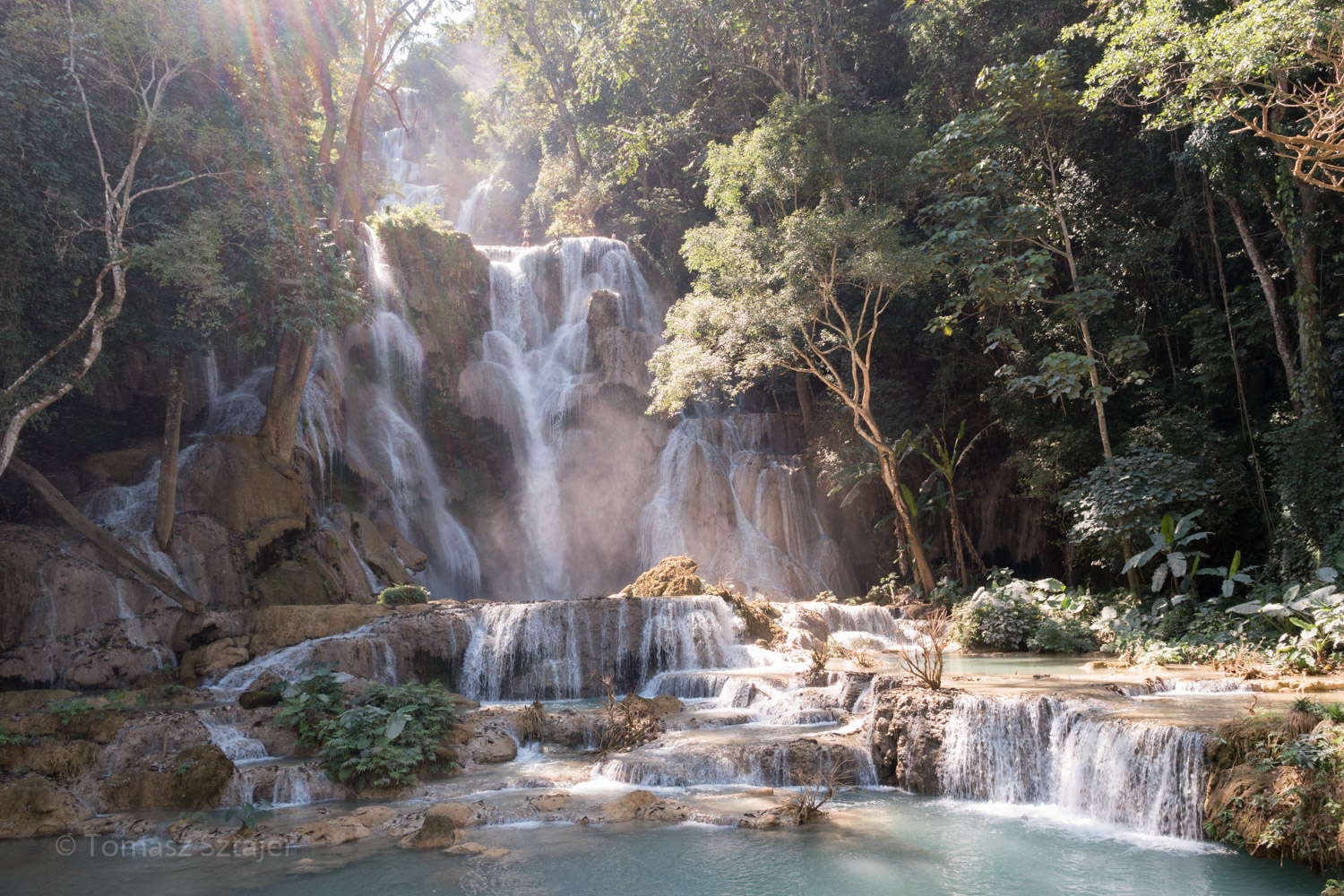
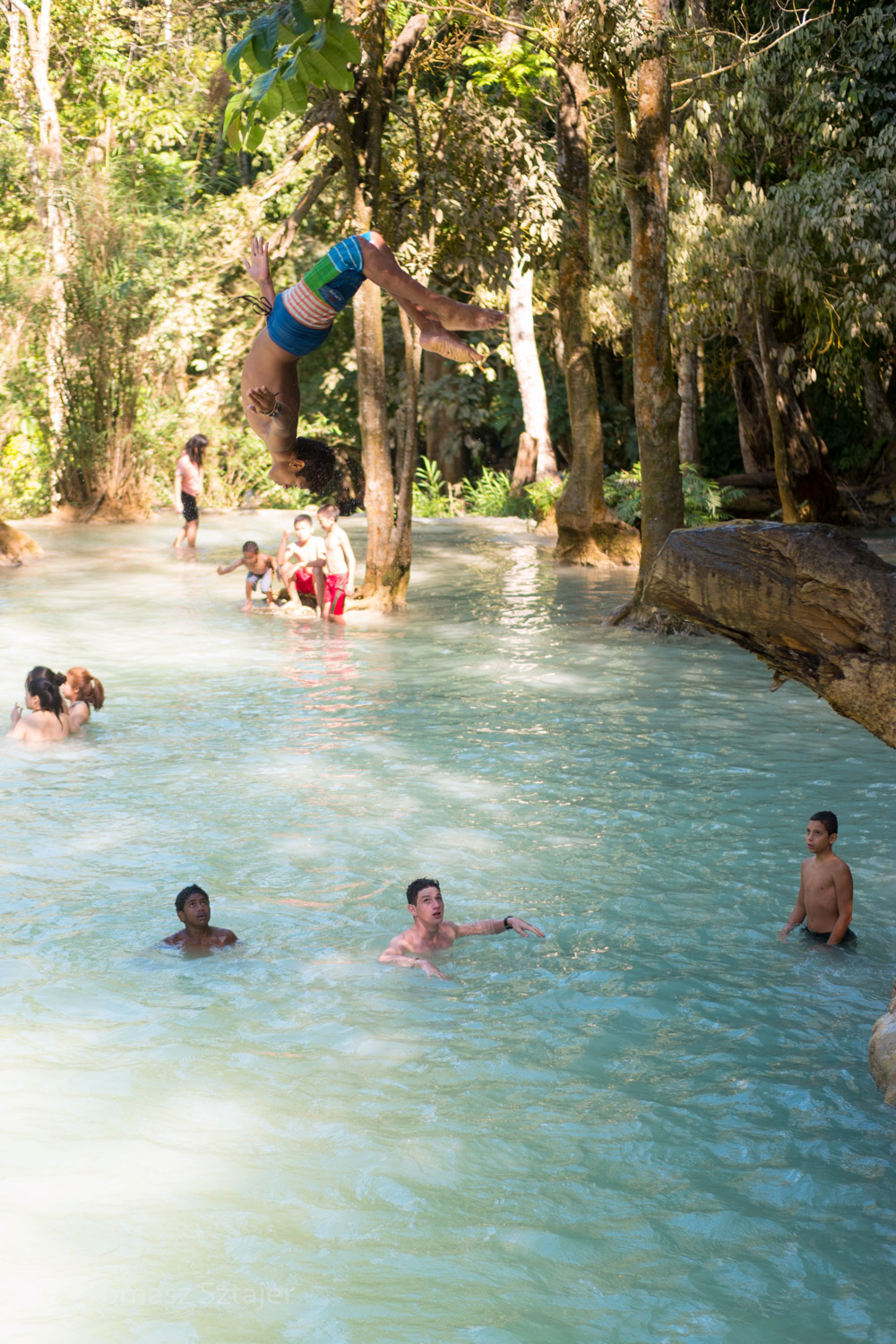
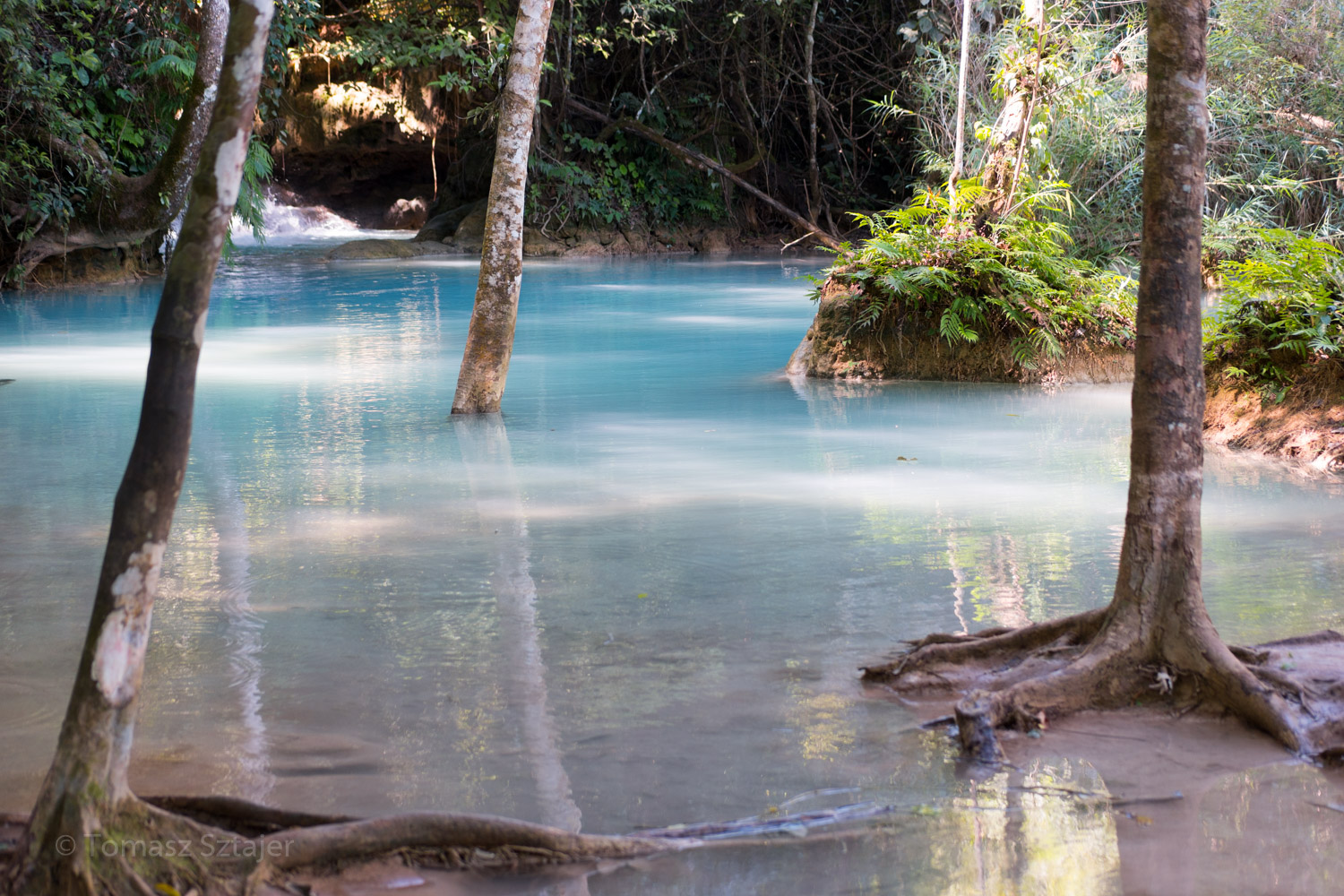
Tat Kuangsi Park
Tat Kuangsi Park
Tat Kuangsi Park
On the way to Tat Kuangsi
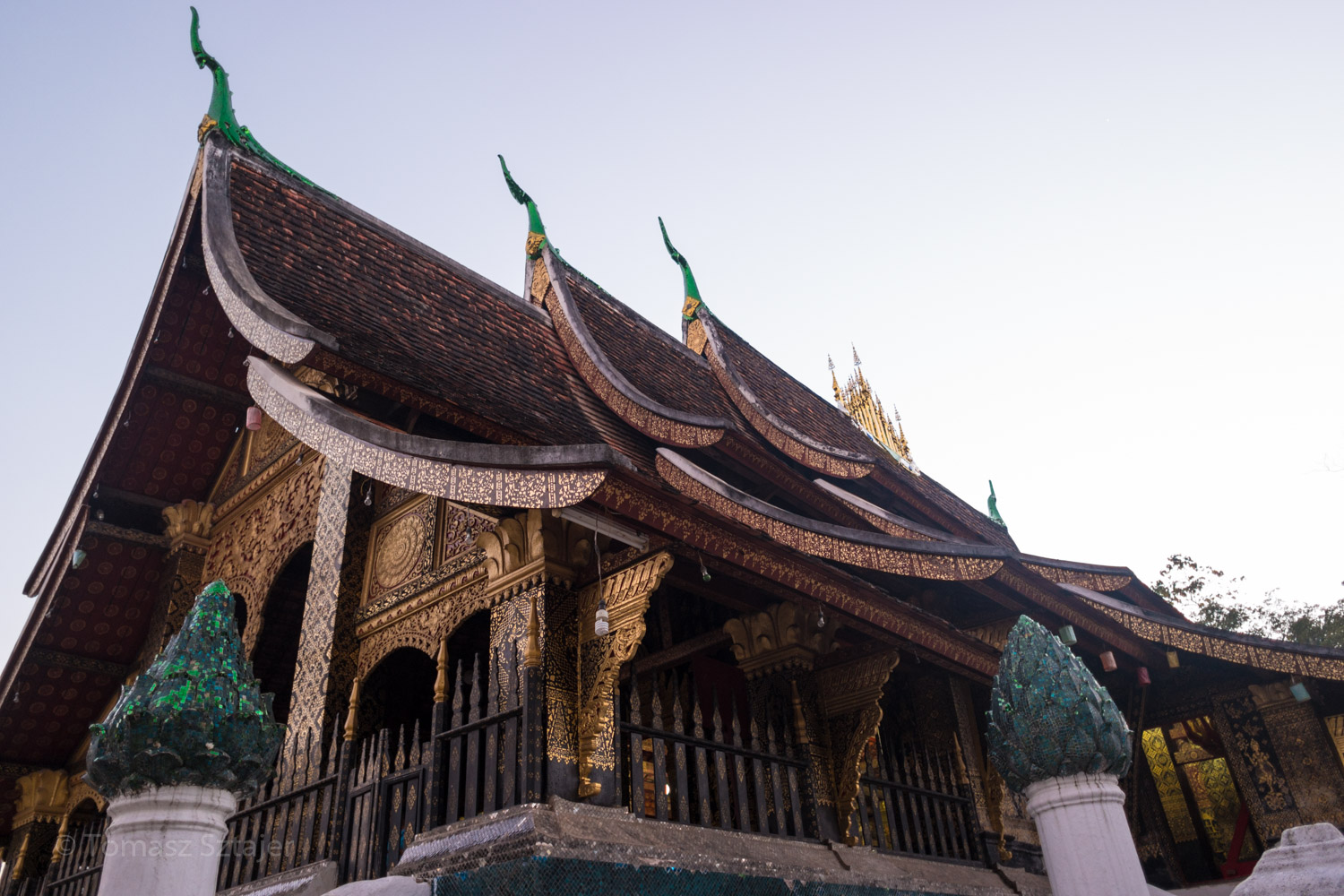
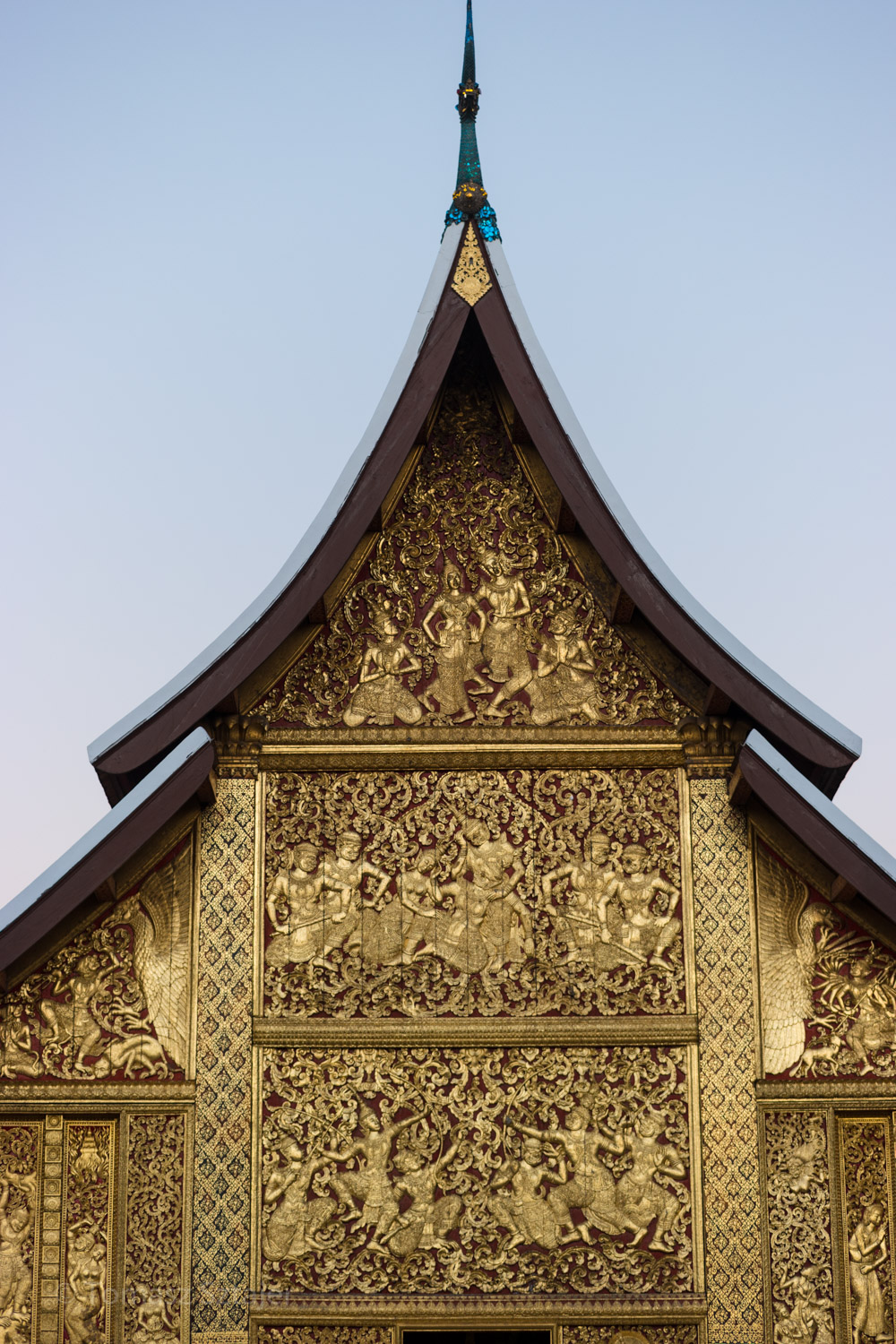
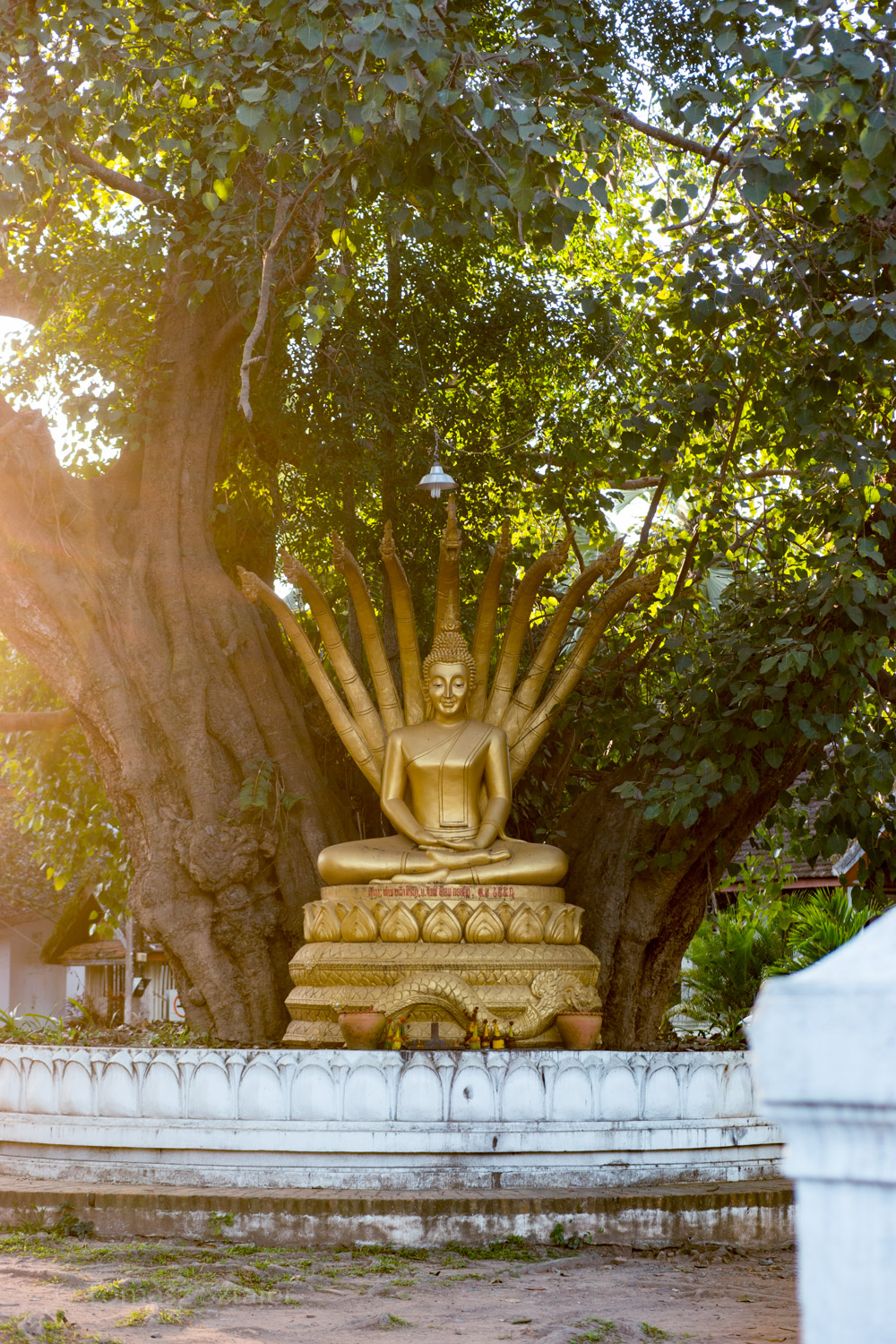
Wat Xieng Thong, Luang Prabang
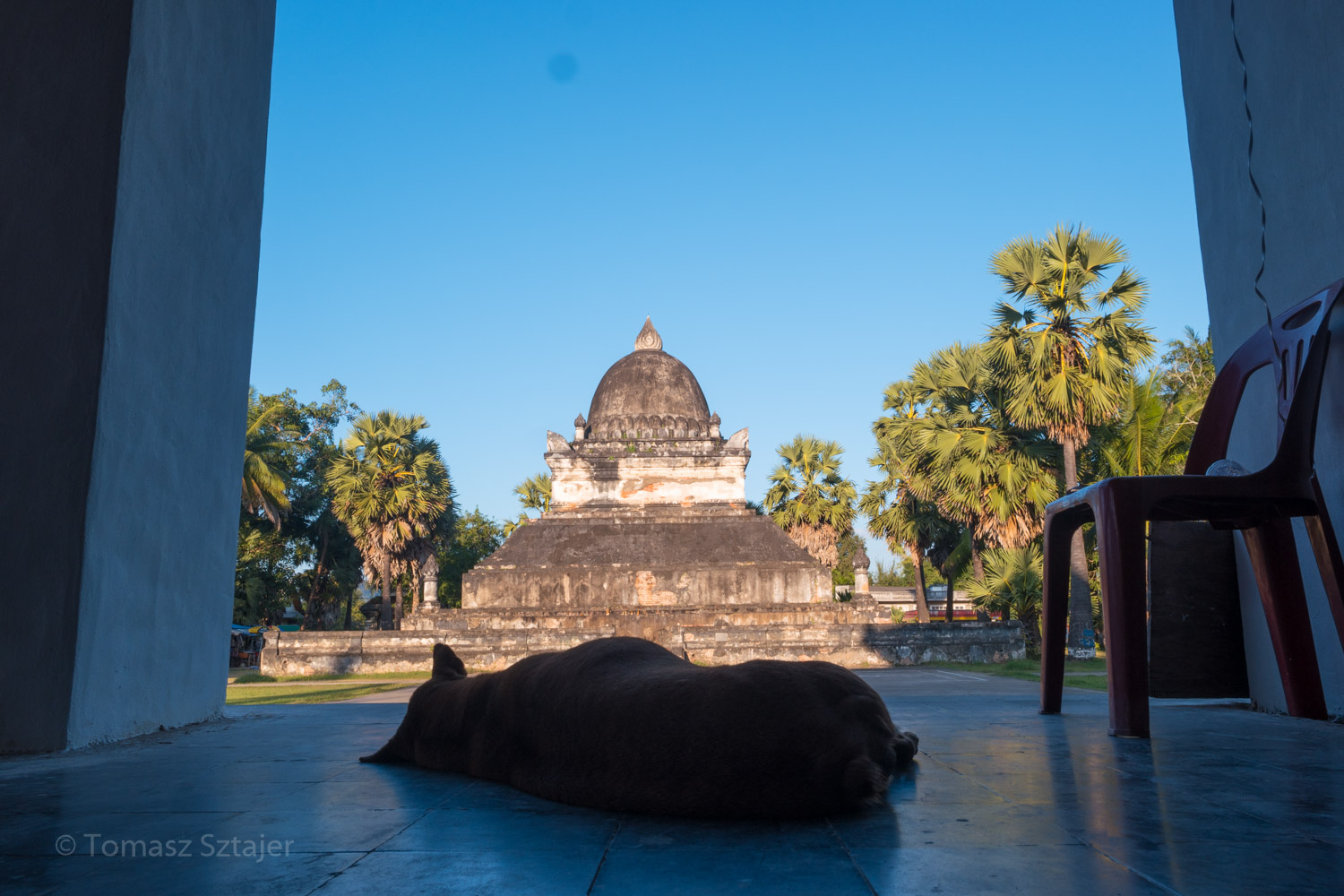
Wat Visoun, Luang Prabang
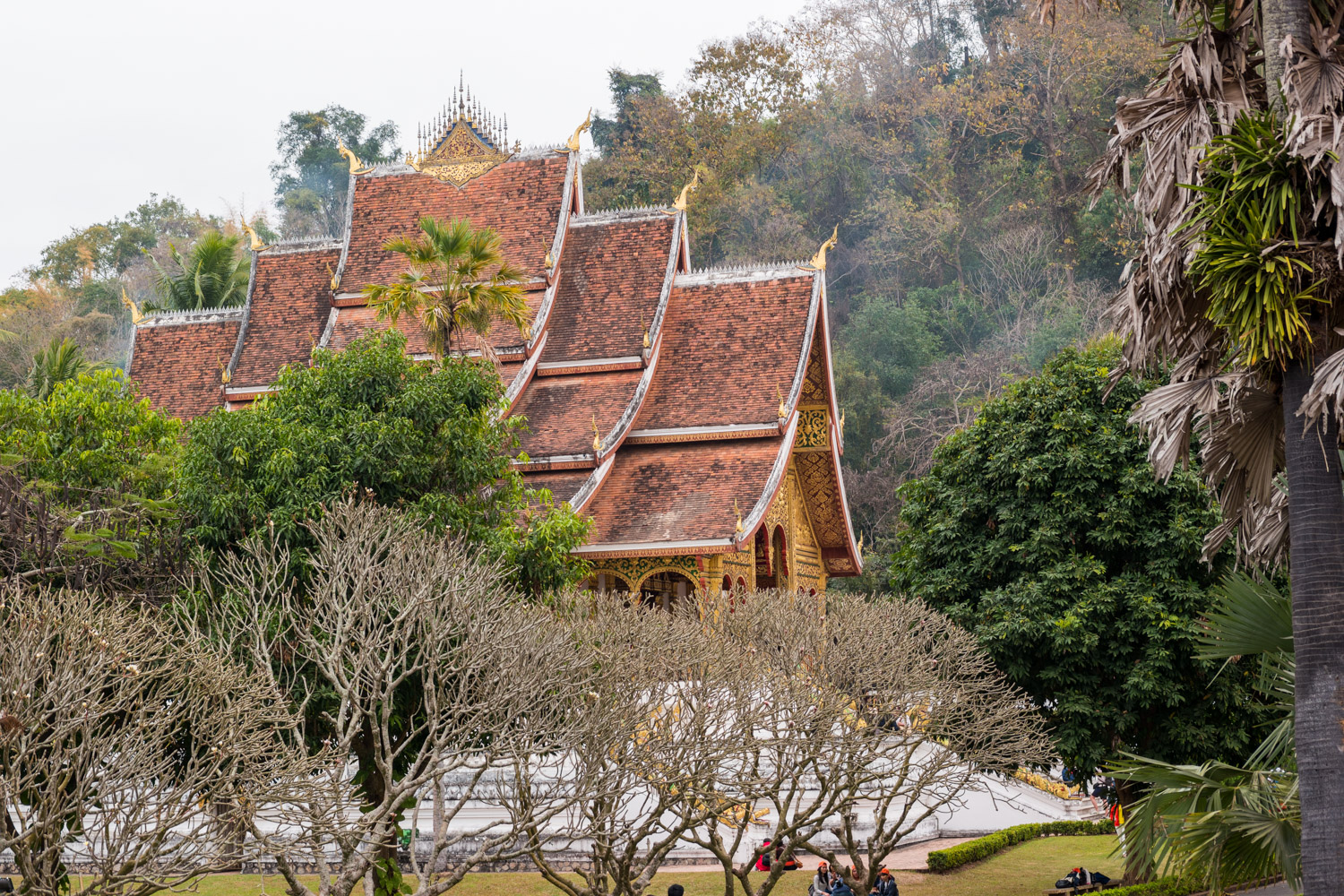
Haw Pha Bang, Luang Prabang
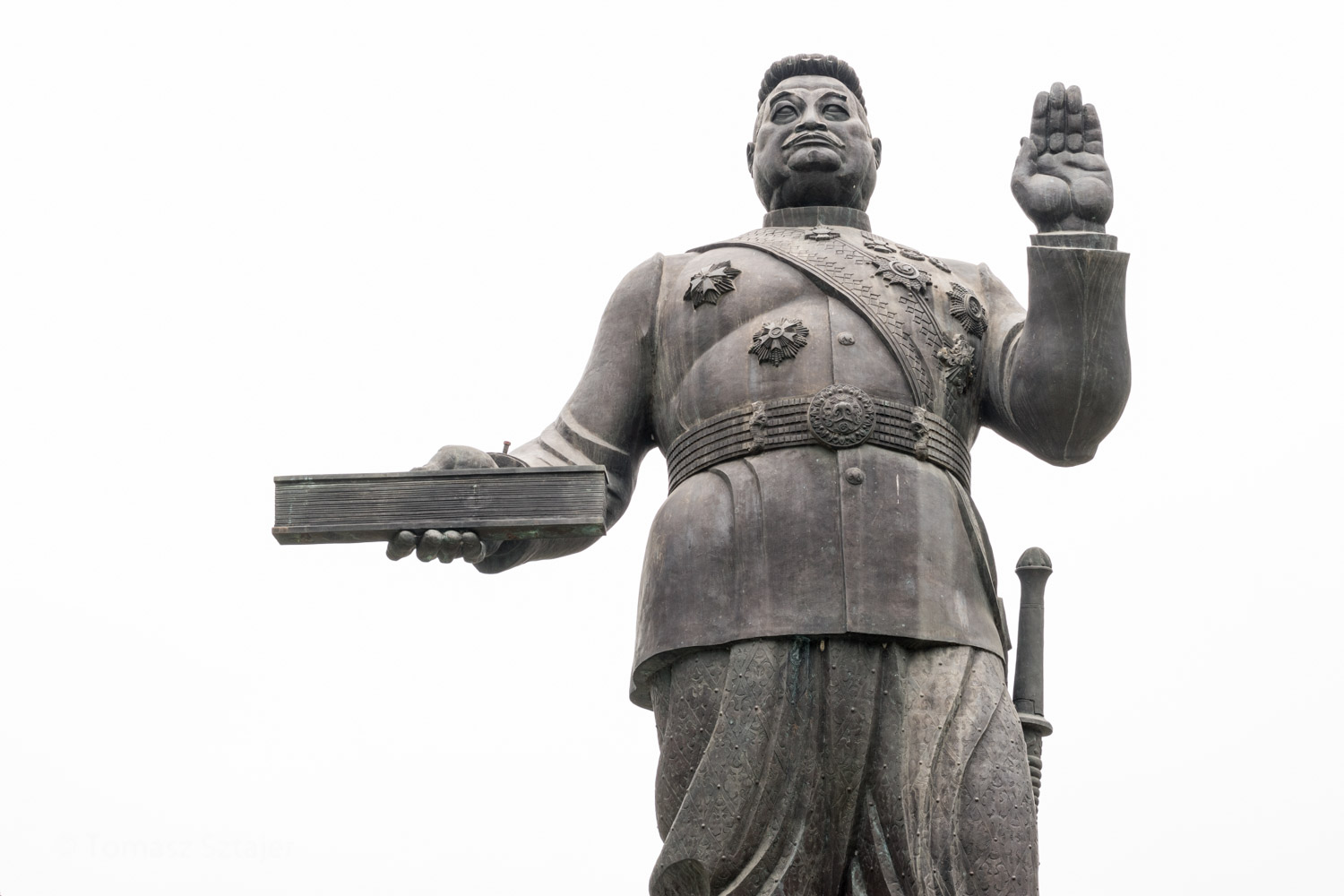
Statue of Sisavang Vong on the palace grounds, Luang Prabang
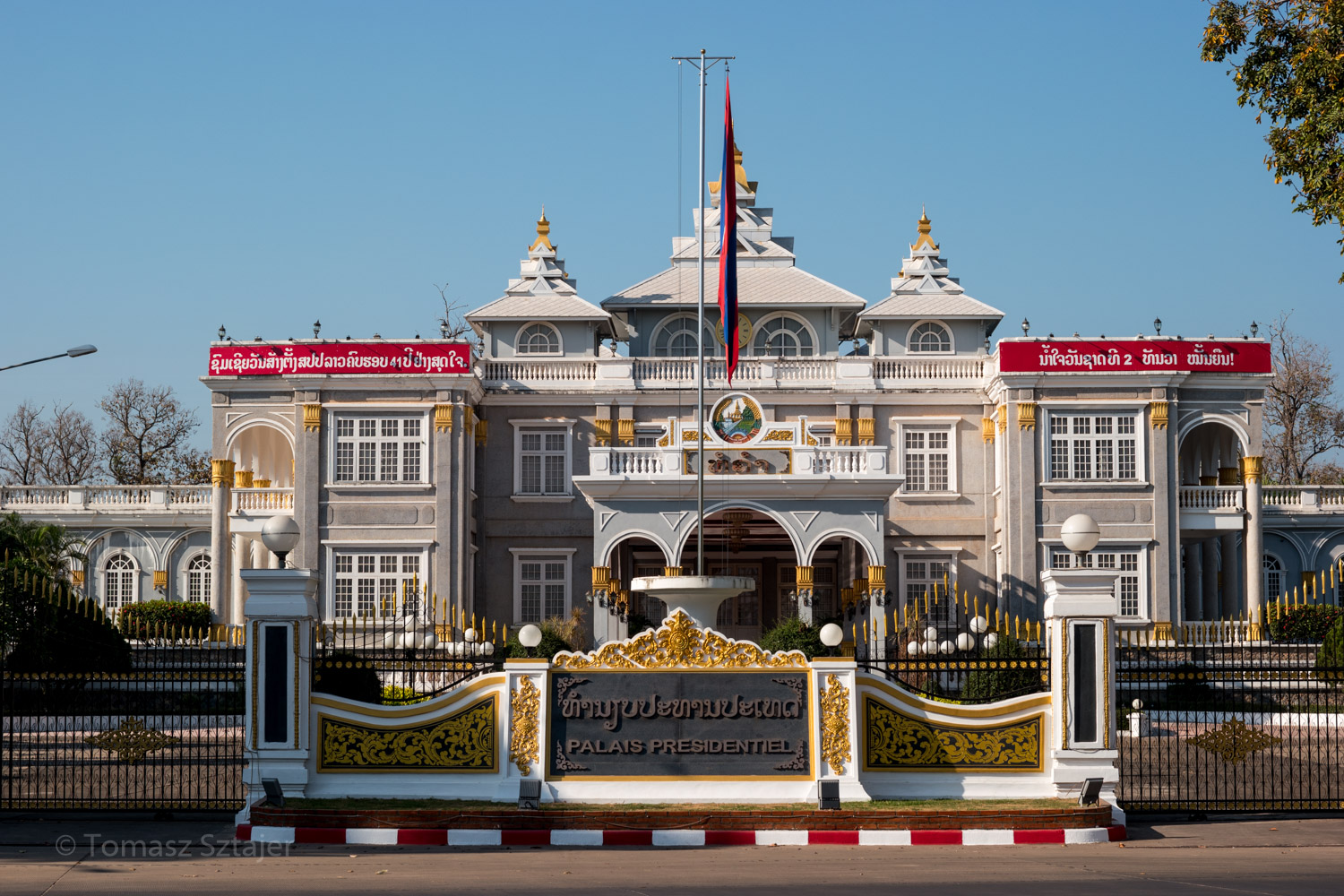
Royal Palace, Luang Prabang
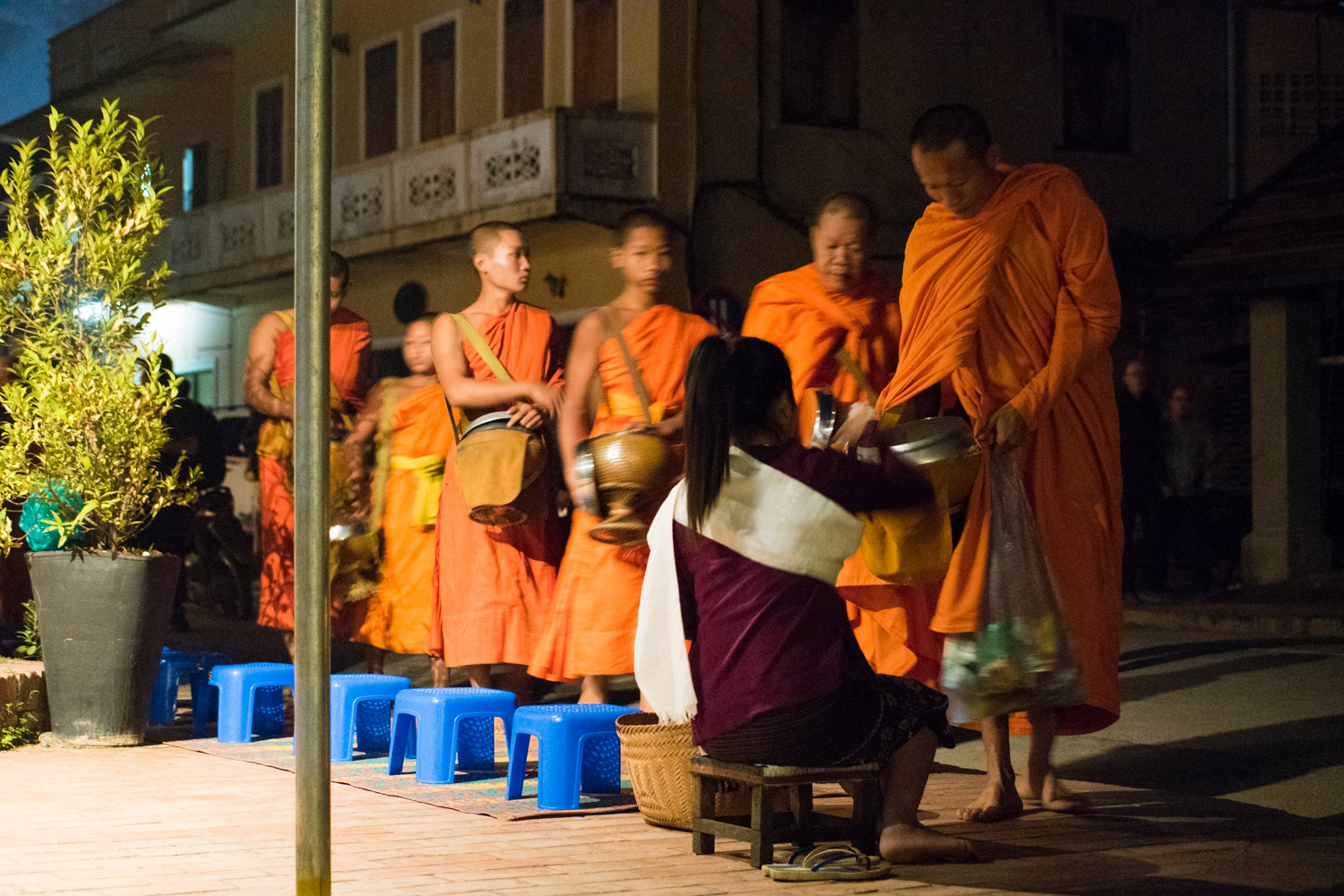
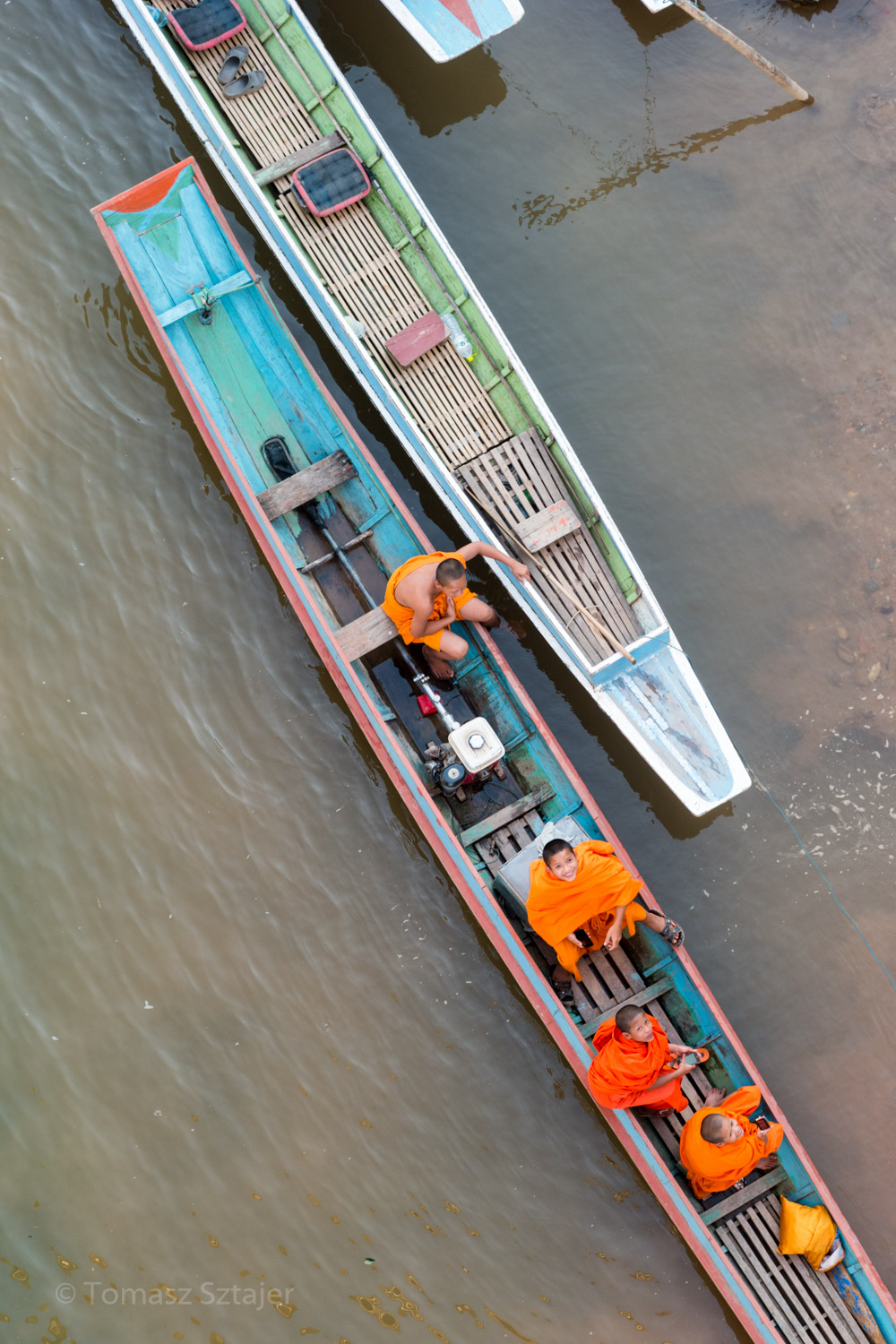
Alms ceremony, Luang Prabang
Luang Prabang
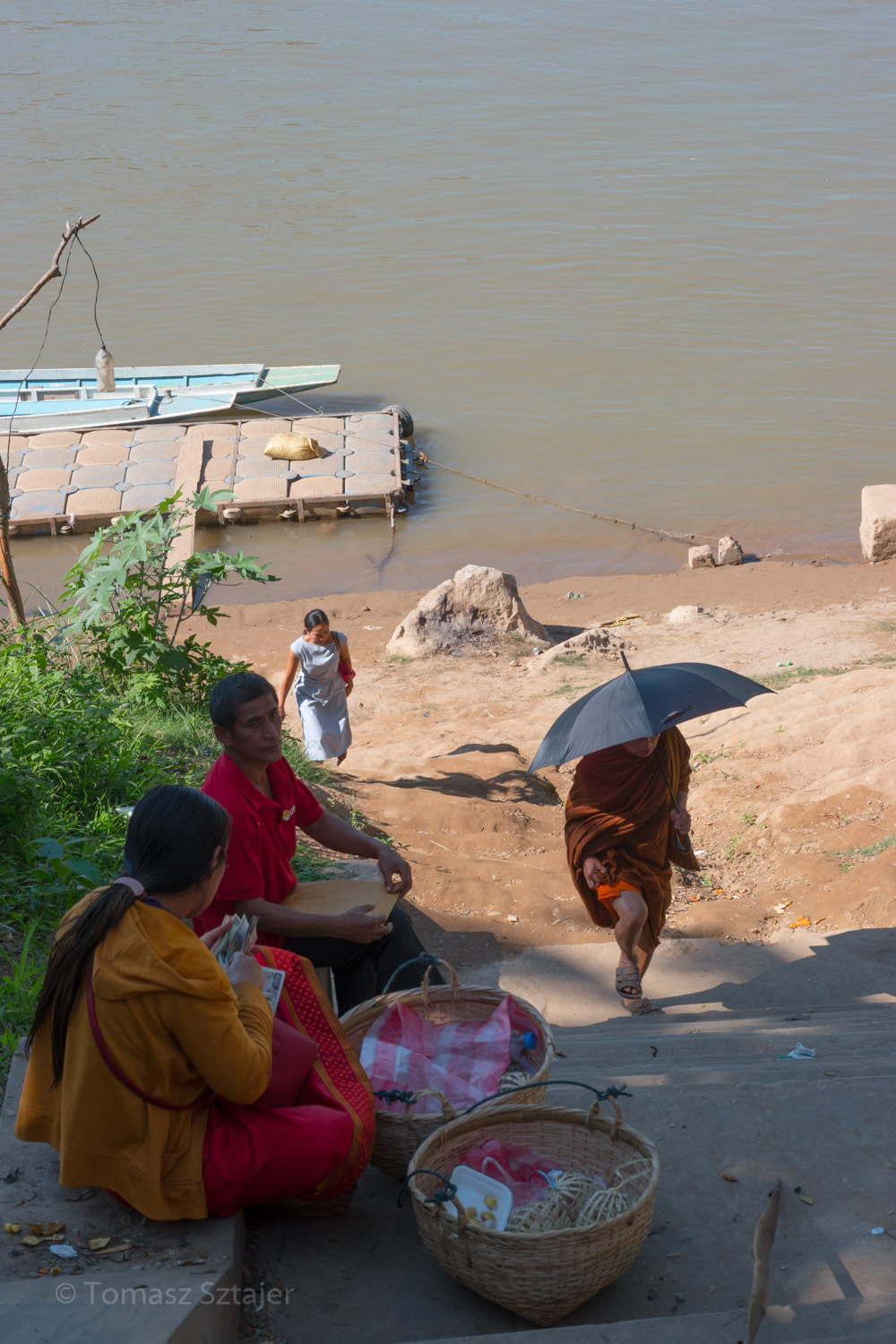
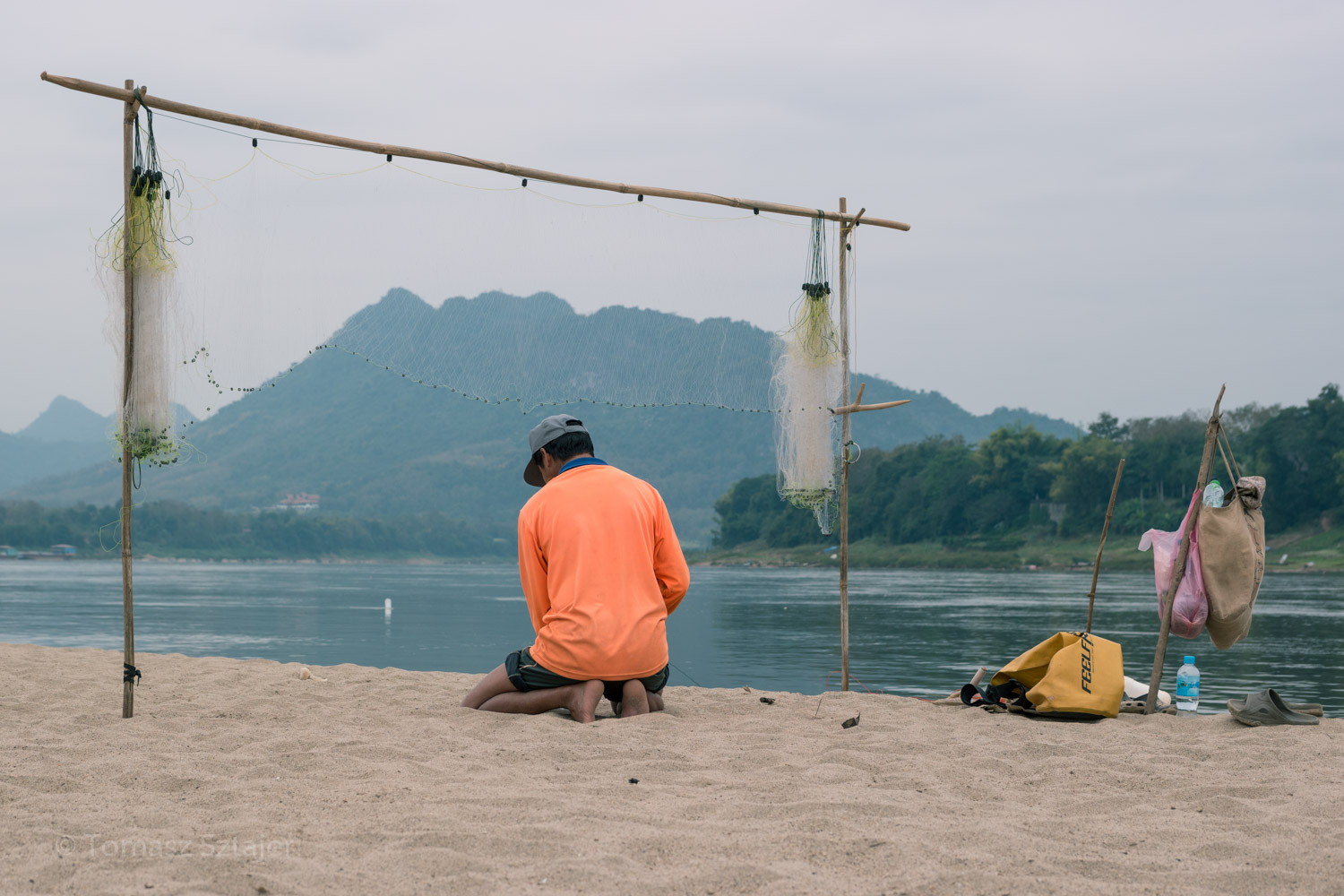
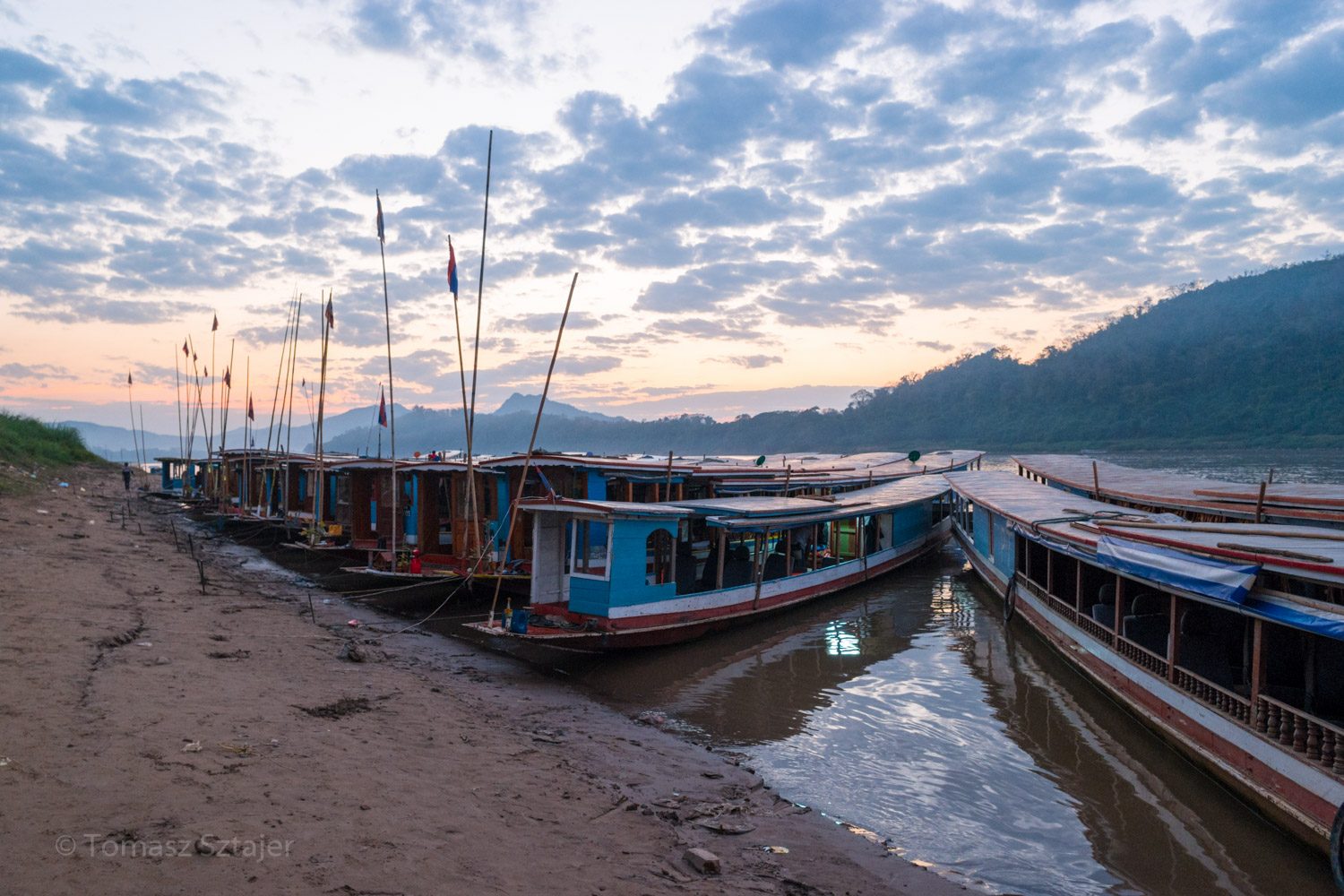
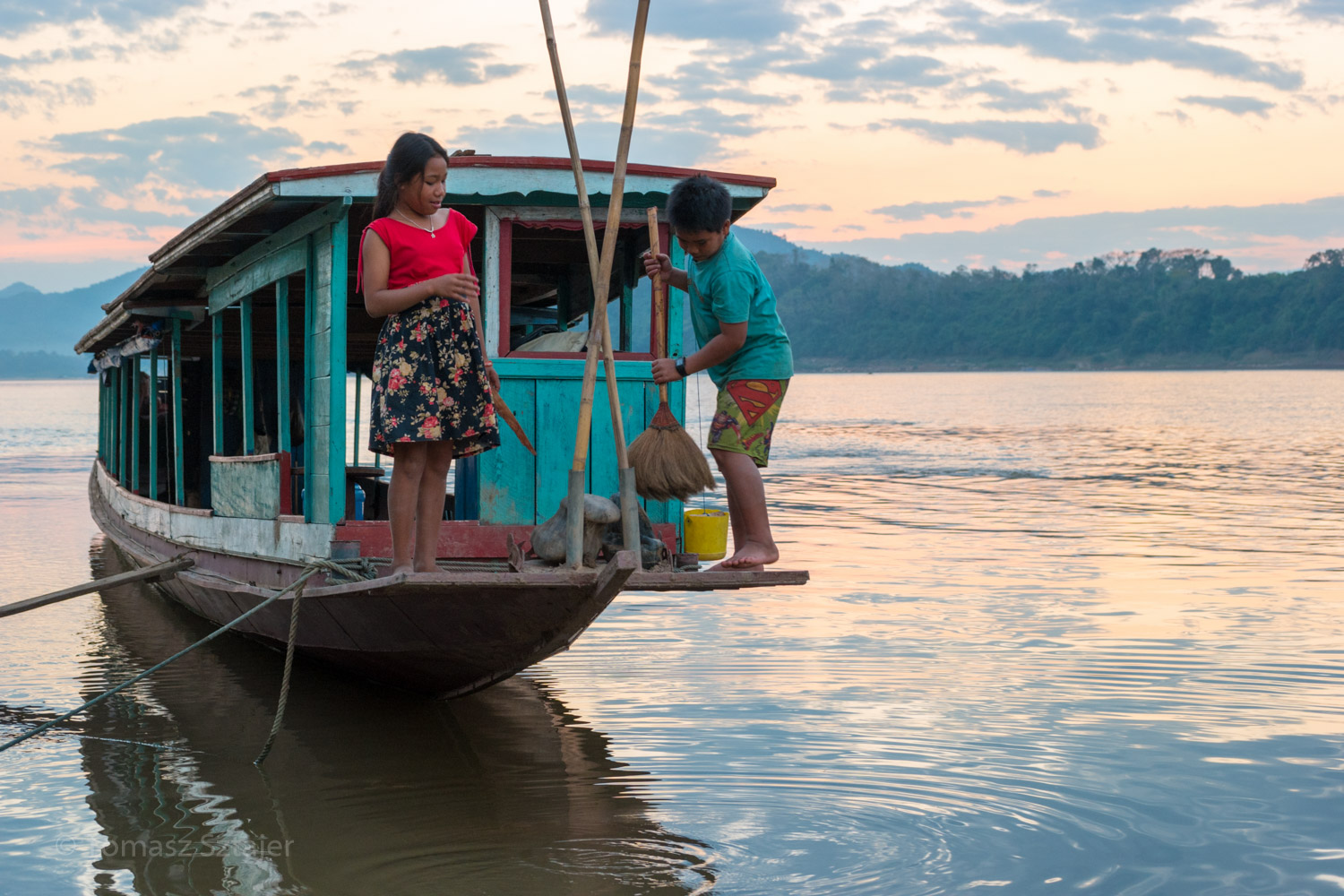
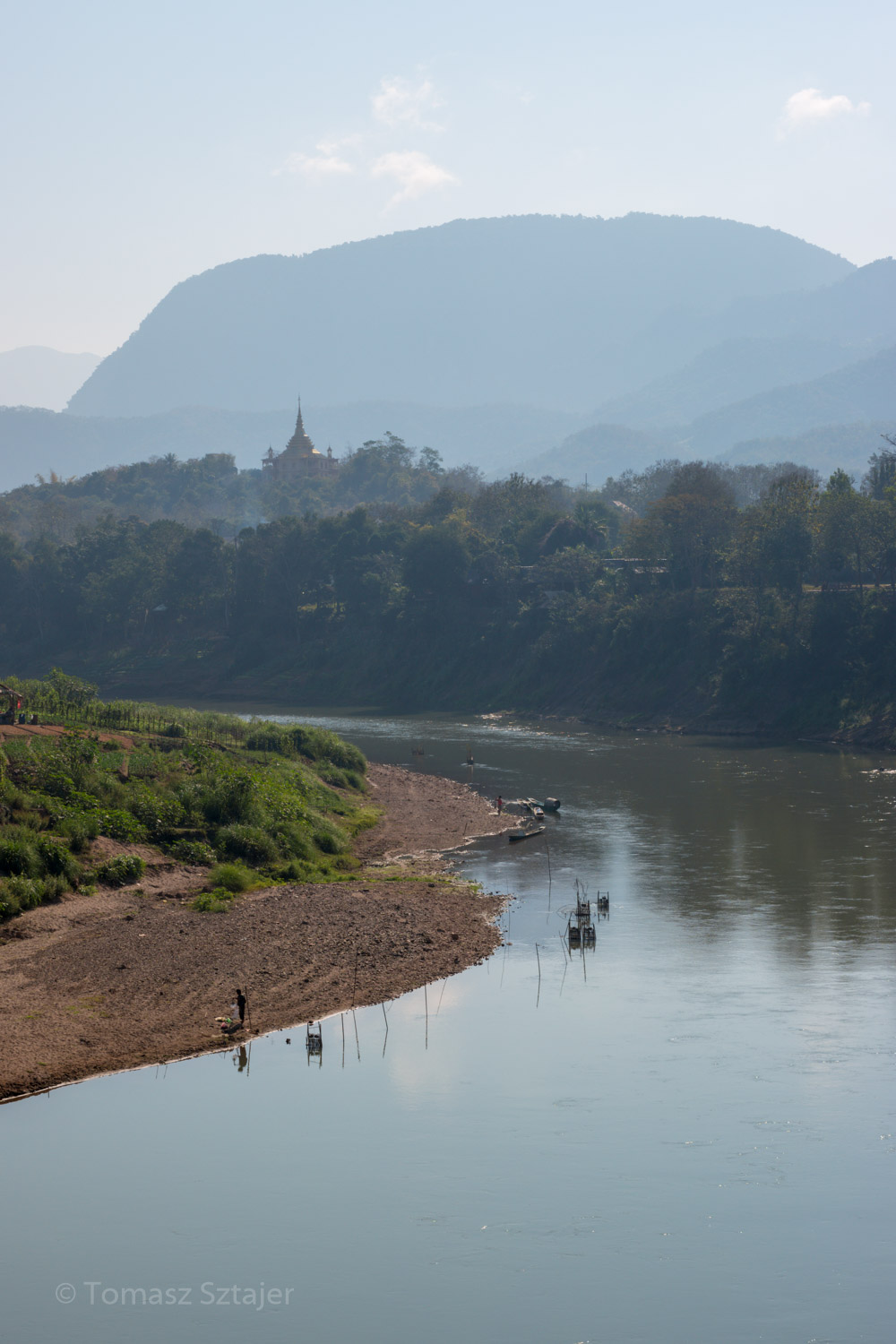
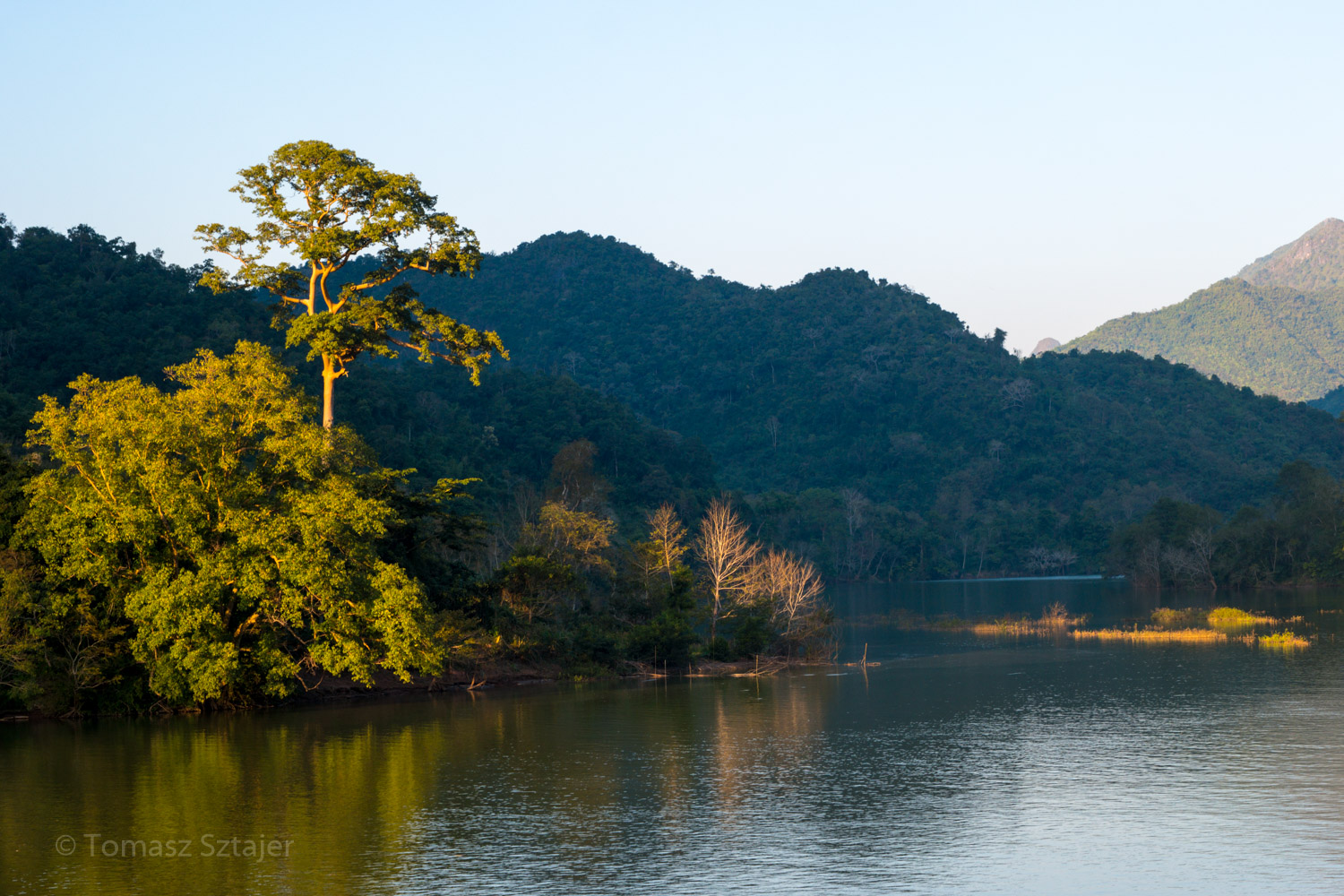
Mekong river, Luang Prabang
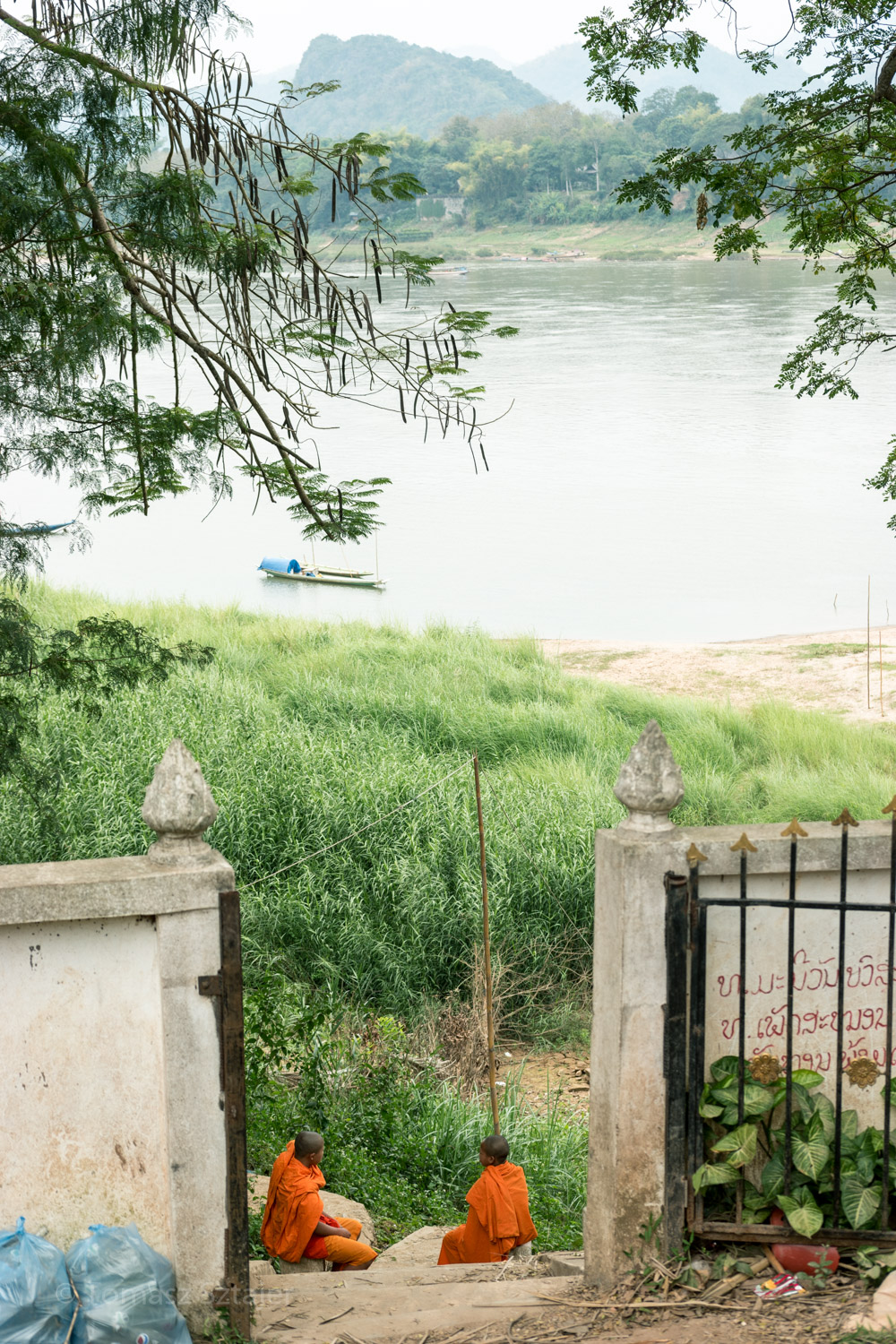
Mekong River, Luang Prabang
Mekong river, Luang Prabang
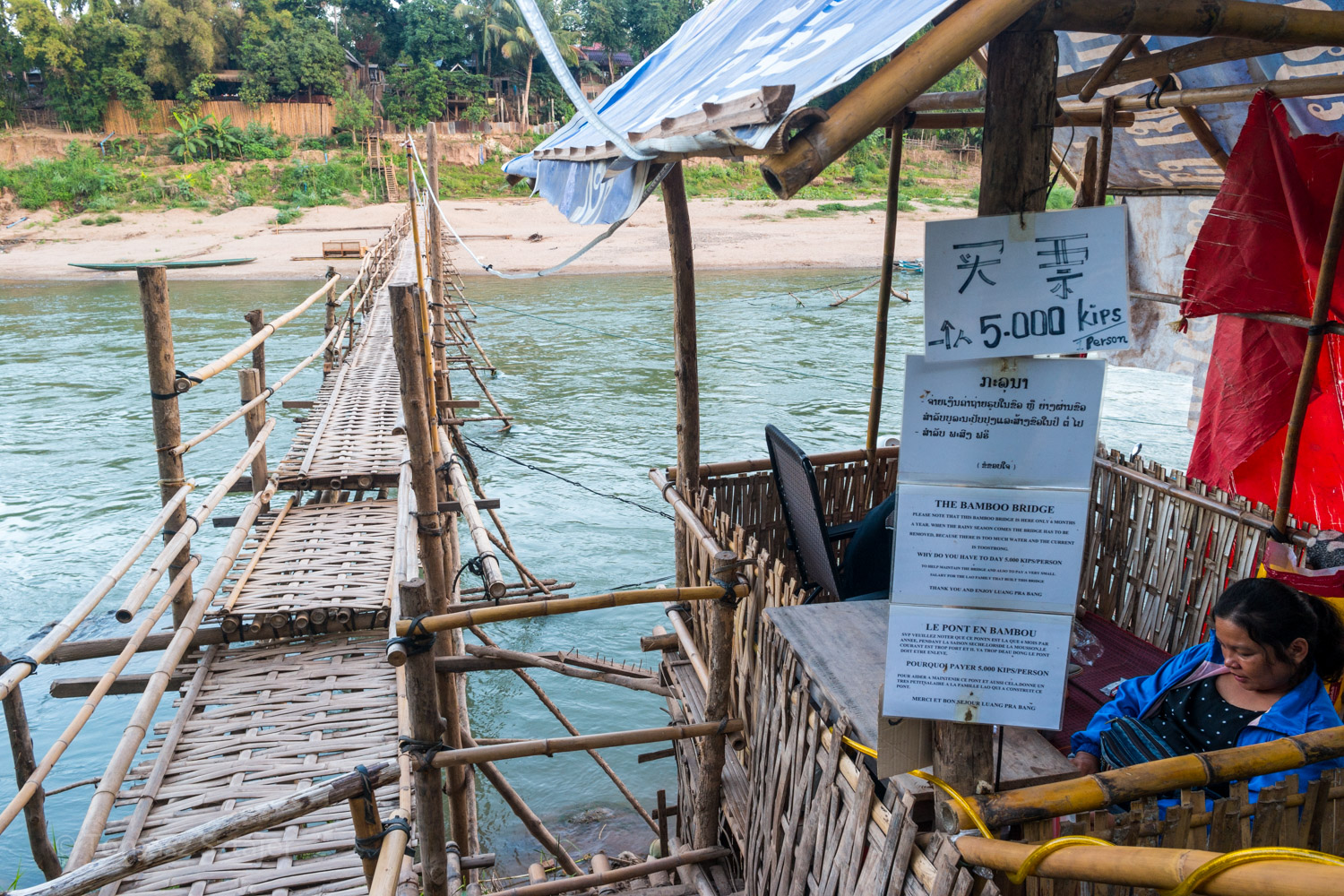
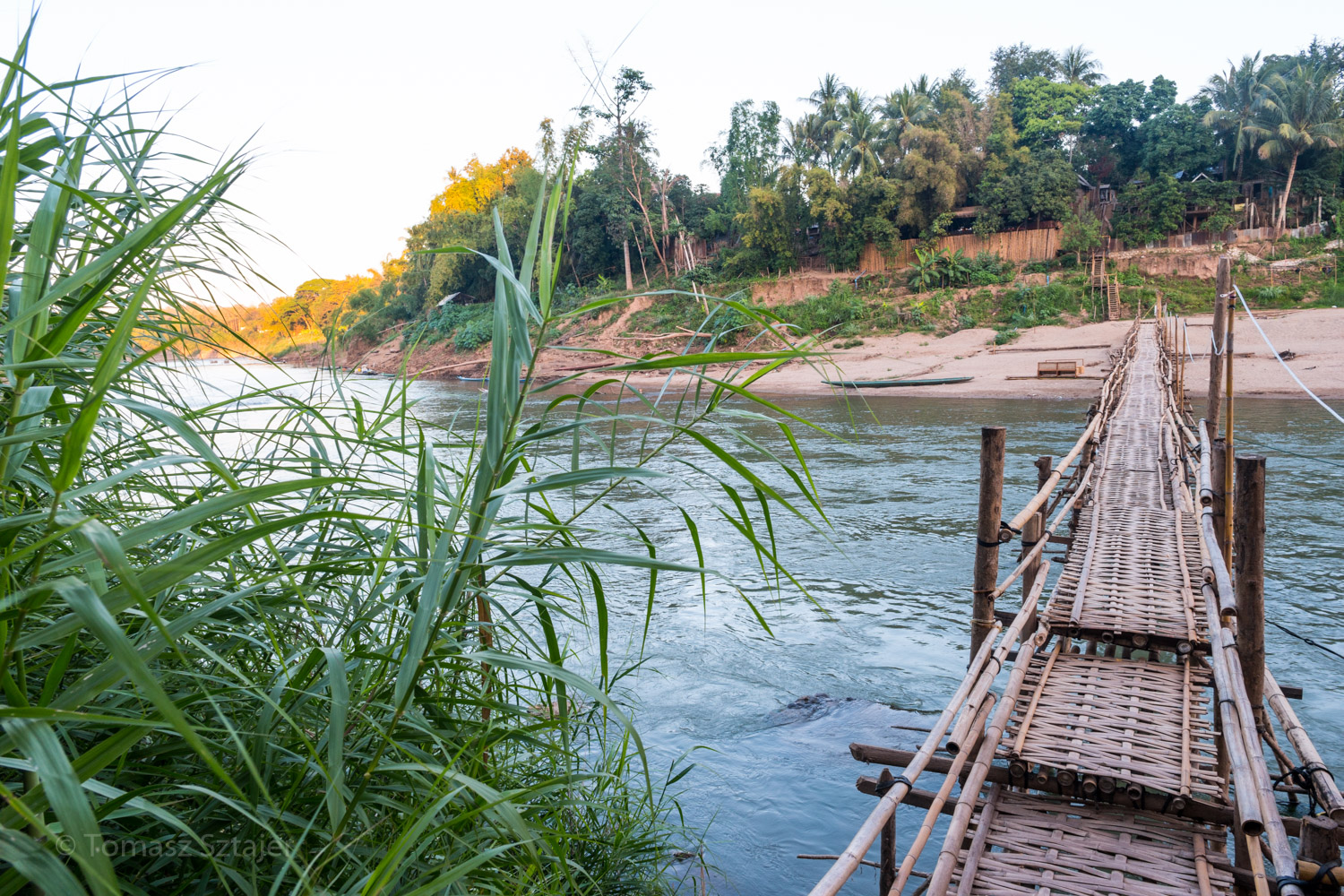
Laotian small business, Khan river, Luang Prabang
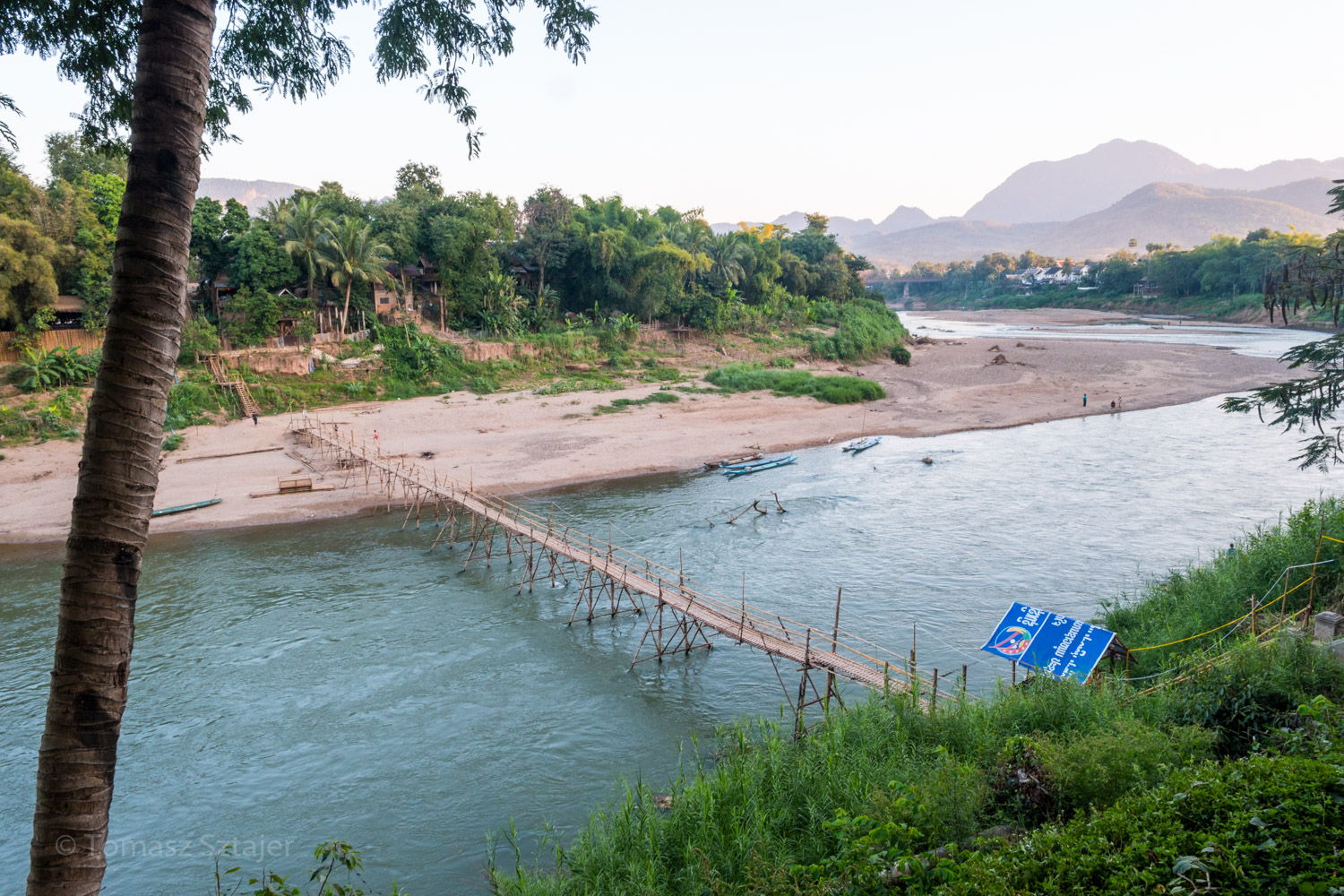
Same bridge, looking nicer, Luang Prabang
Looking nice from a distance, Khan river, Luang Prabang
Khan river, Luang Prabang
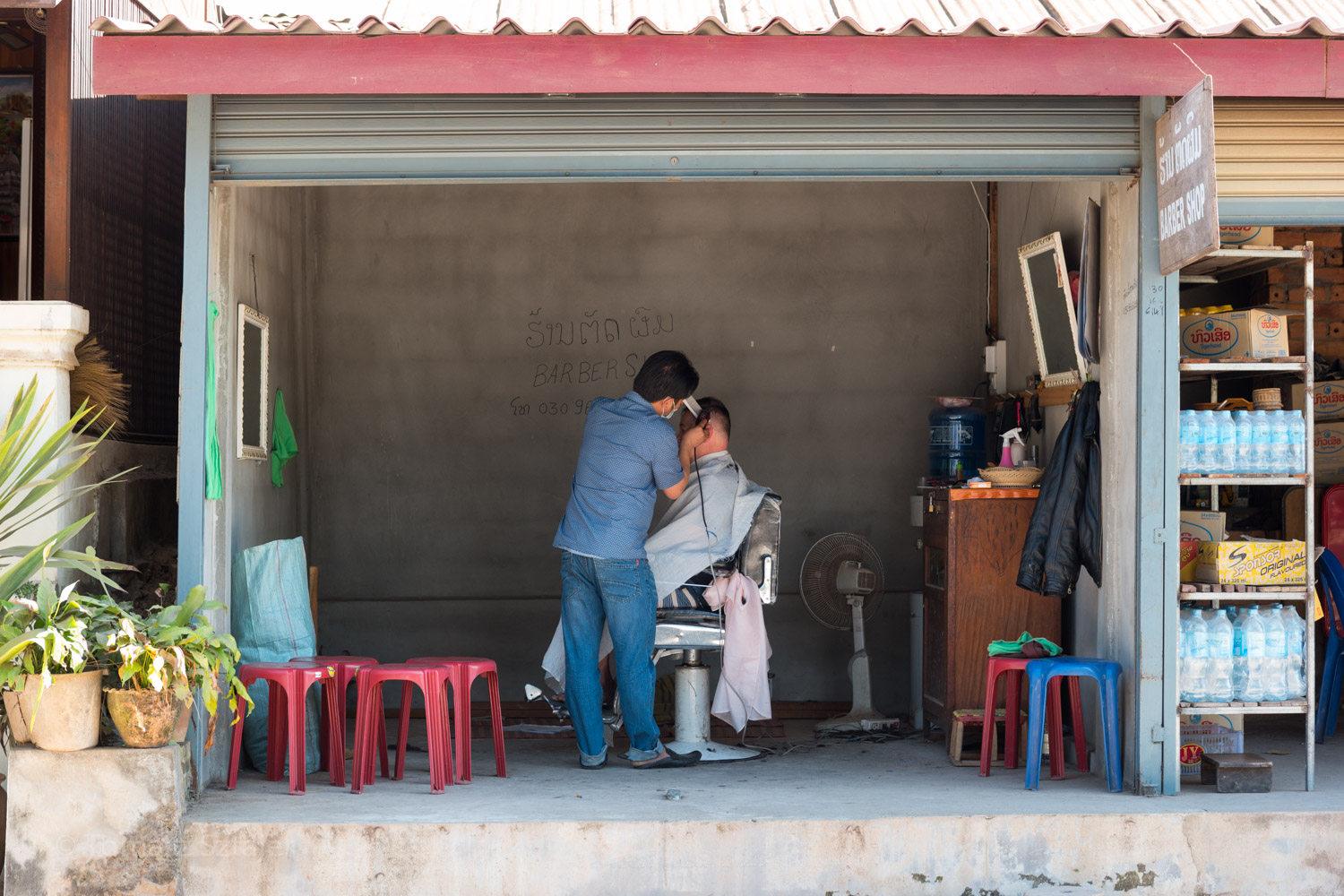
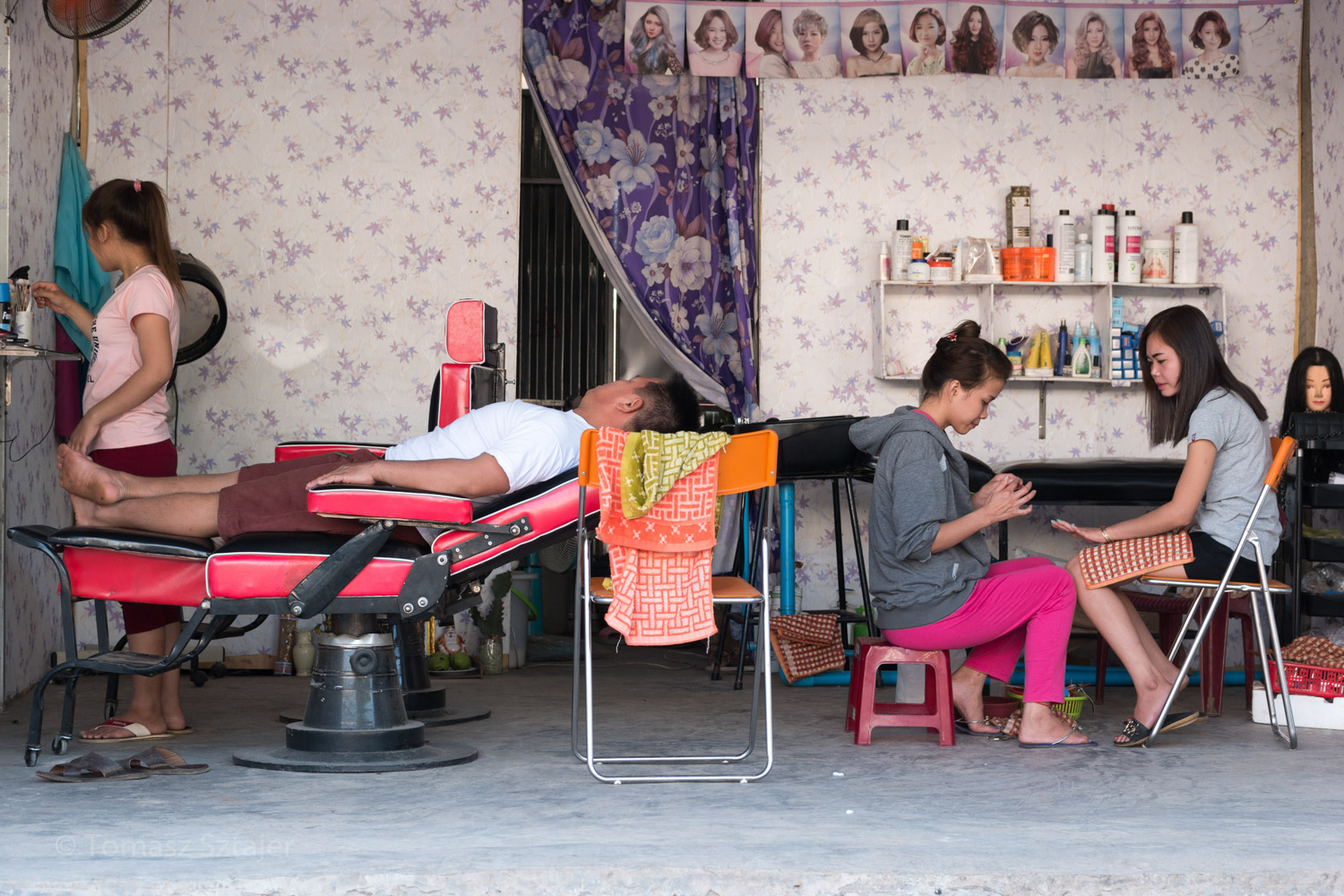
Barber shop, Luang Prabang
Luang Prabang
Luang Prabang
Luang Prabang
Luang Prabang
Luang Prabang
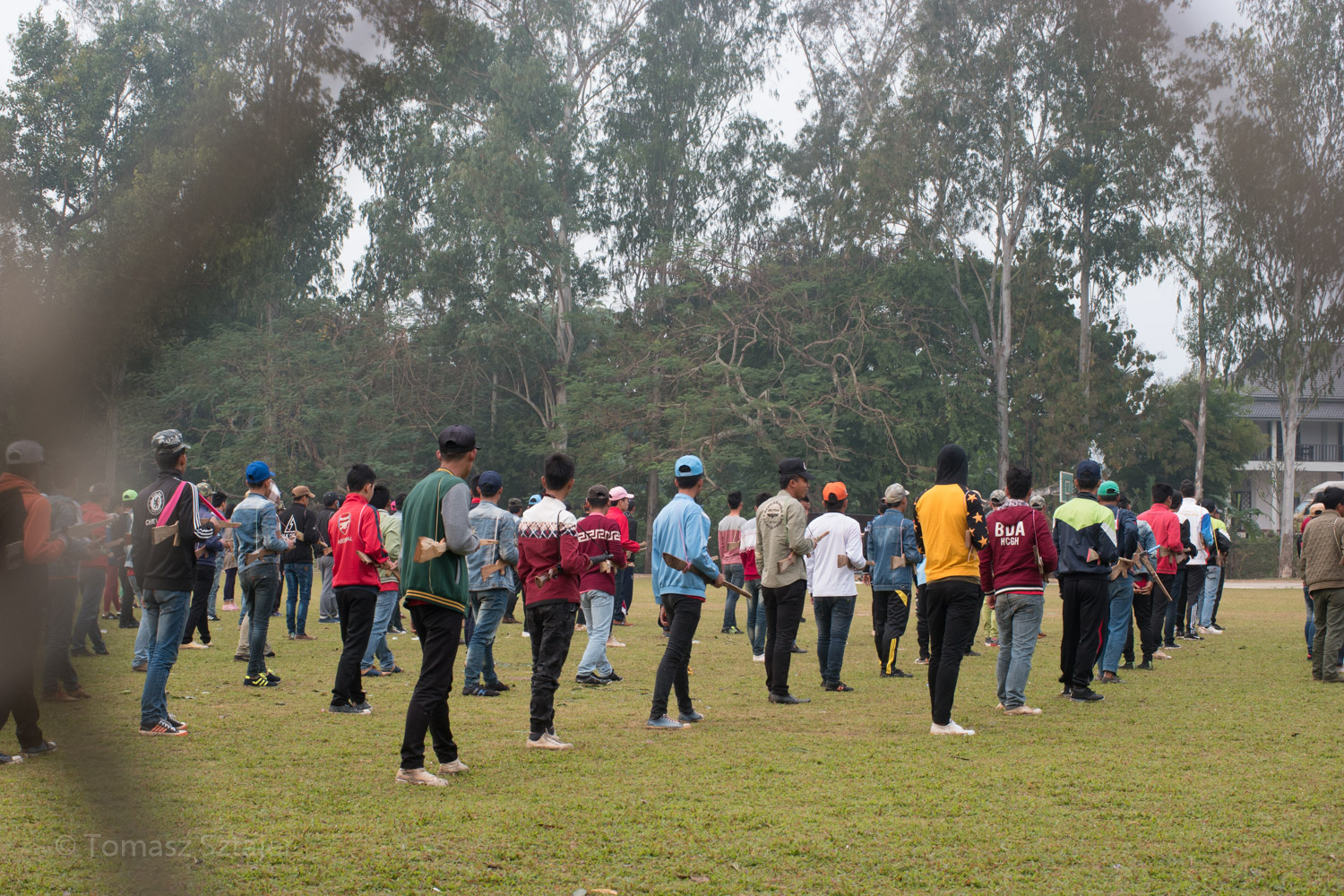
Military drill in high school, Luang Prabang
Luang Prabang
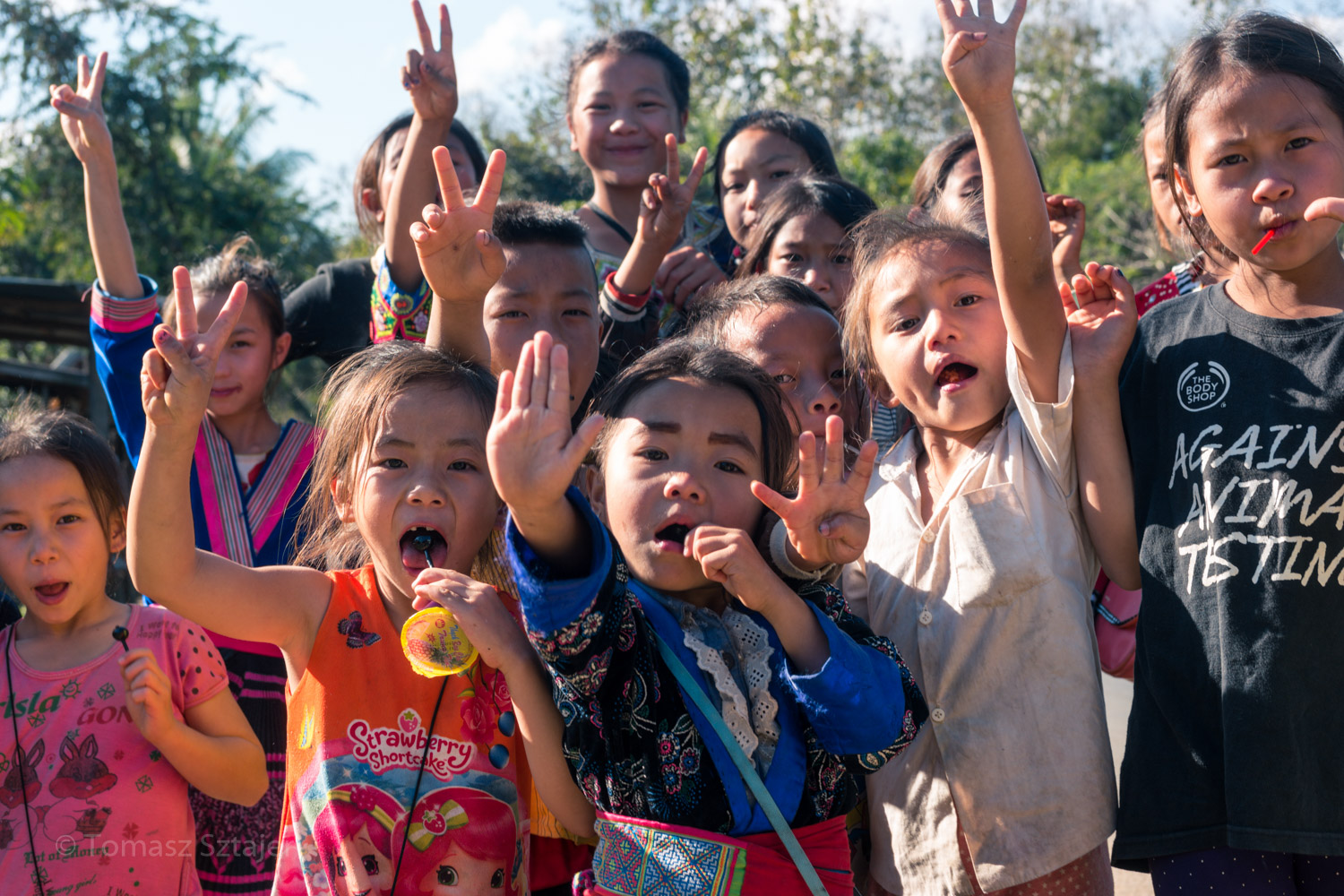
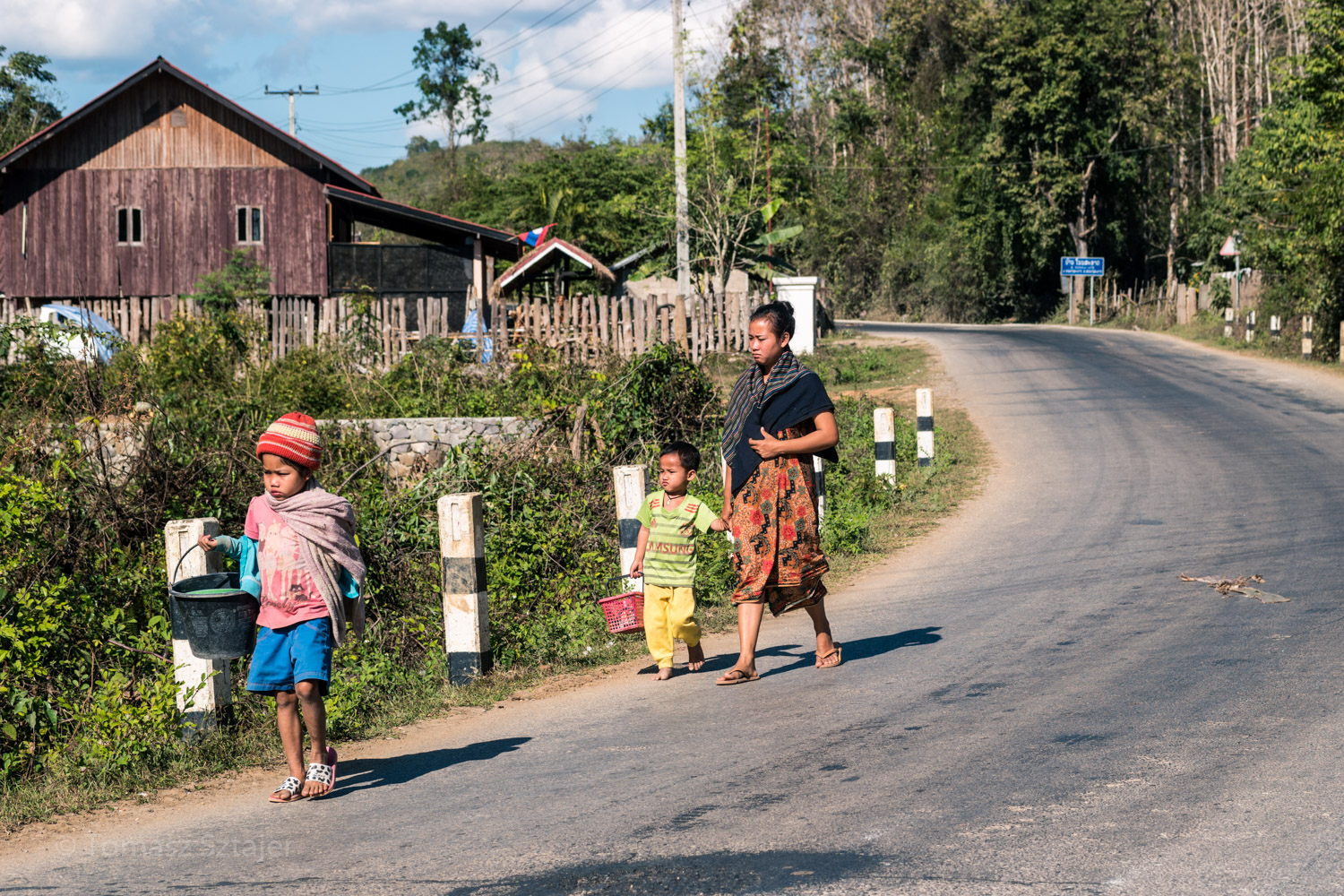
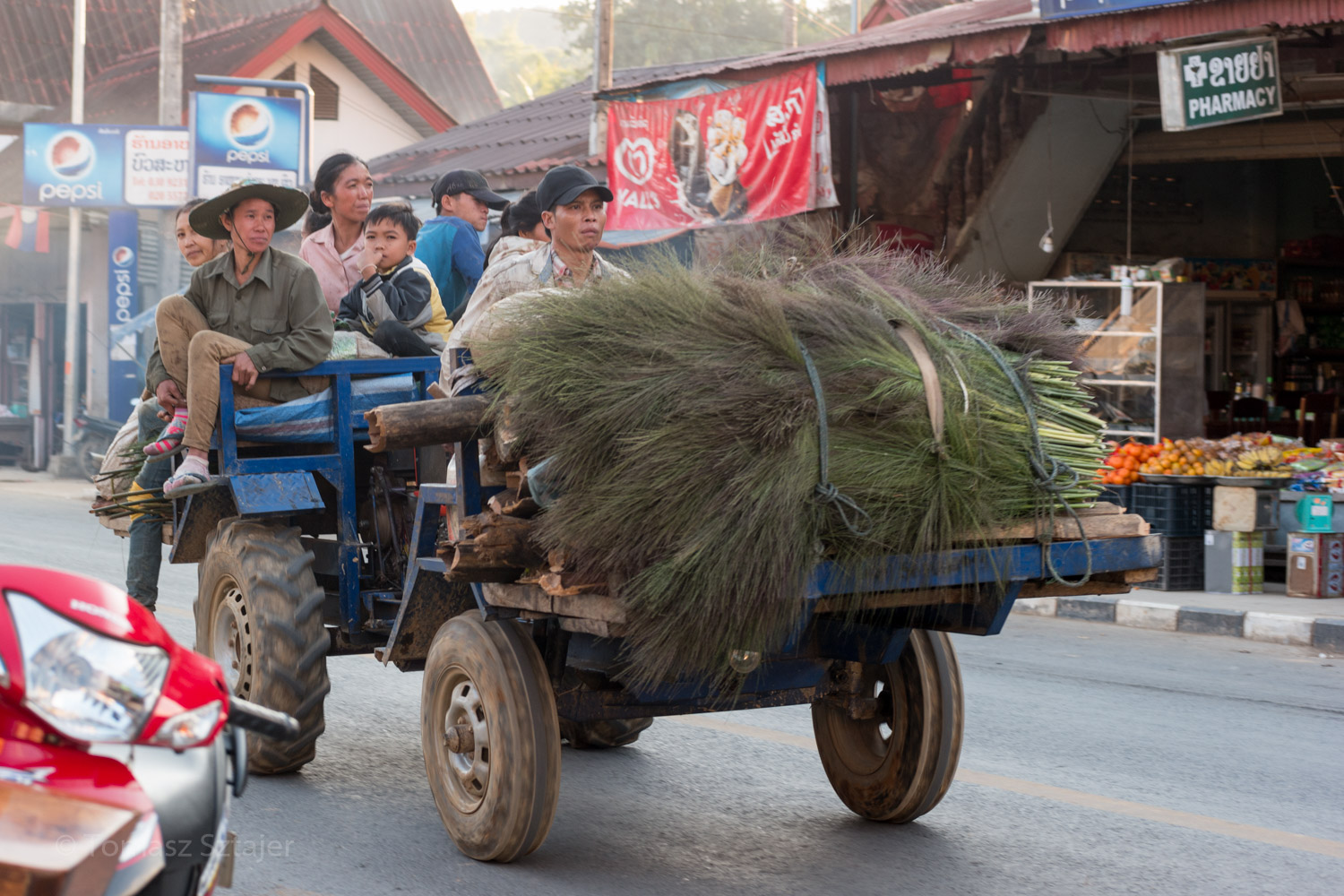
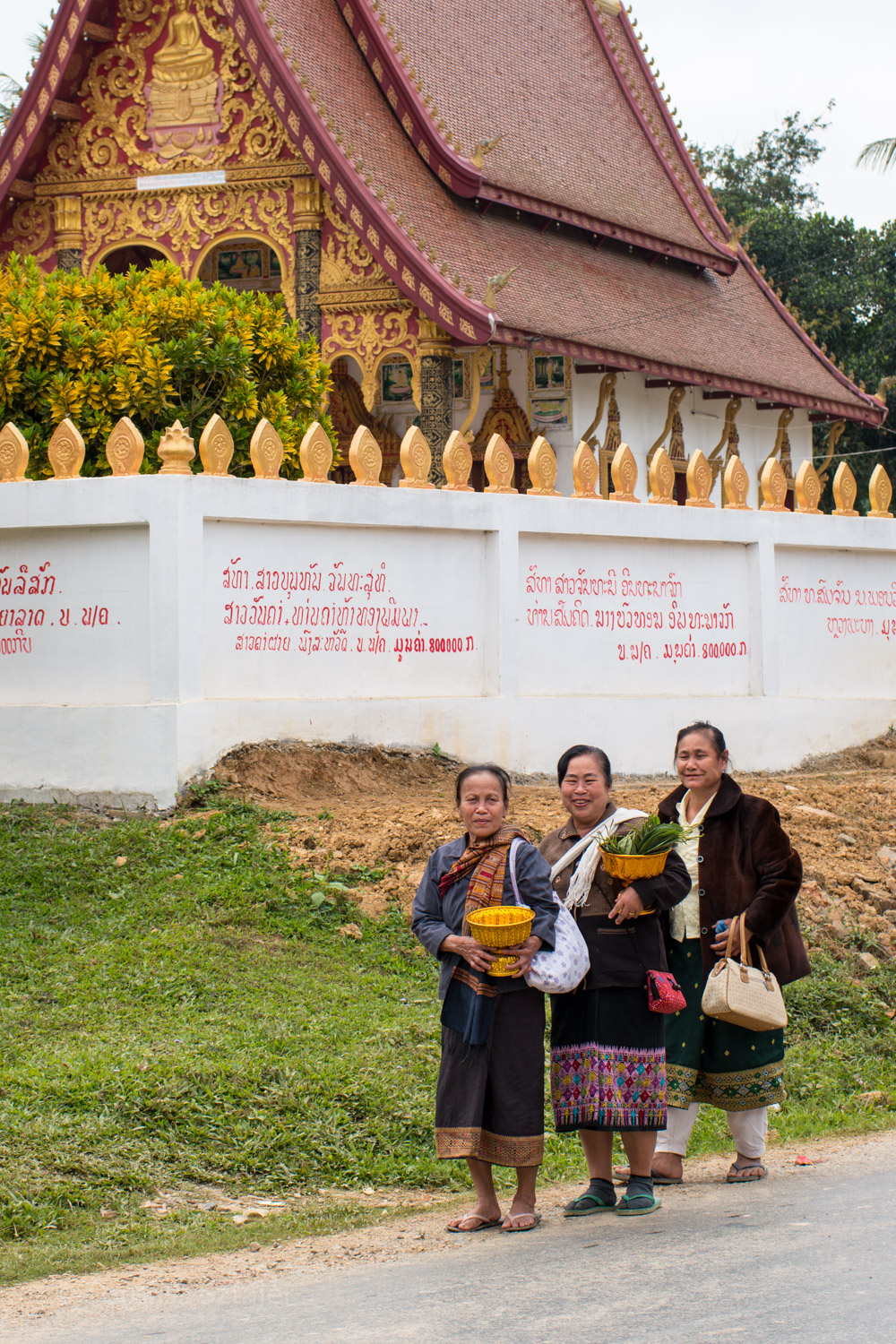
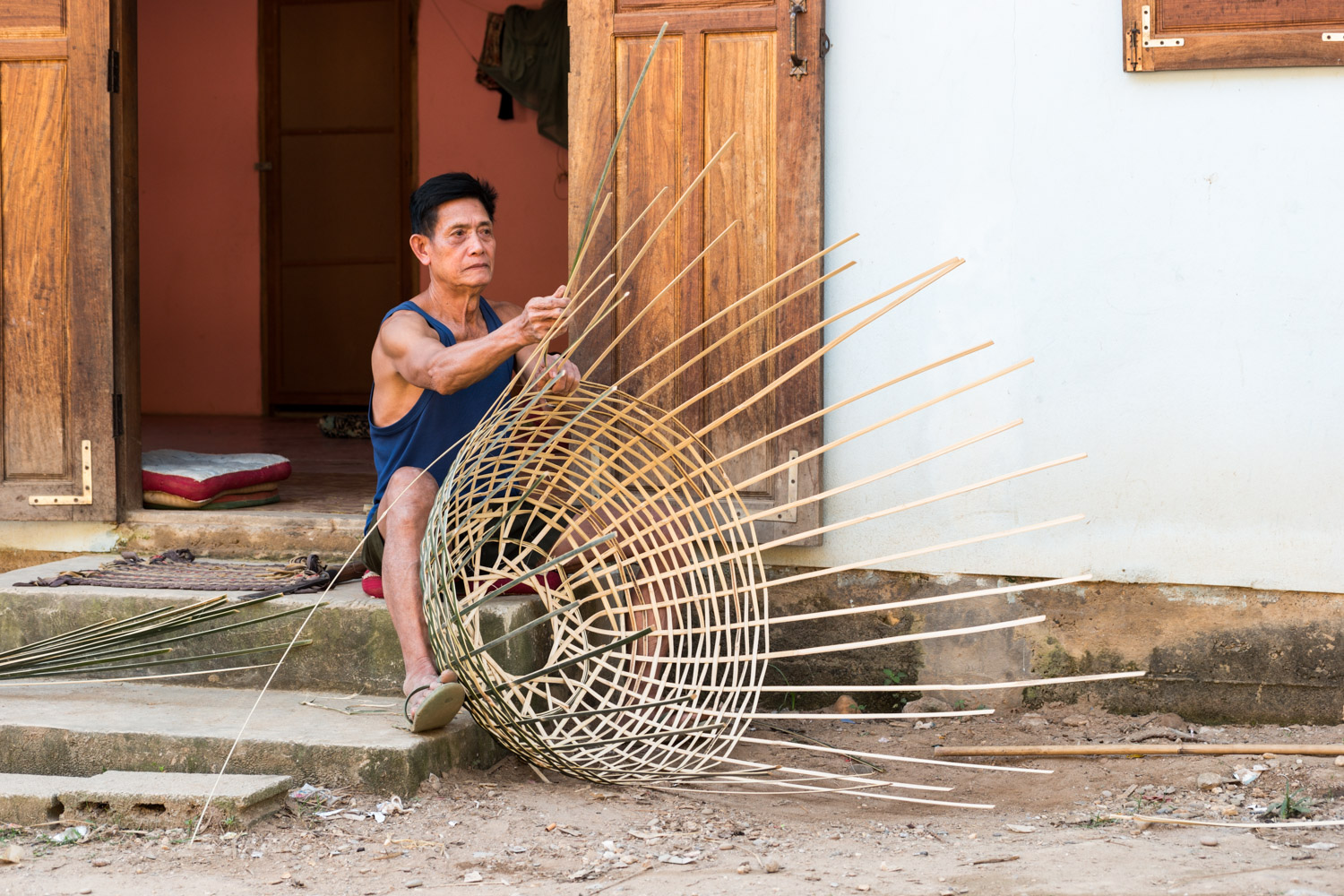
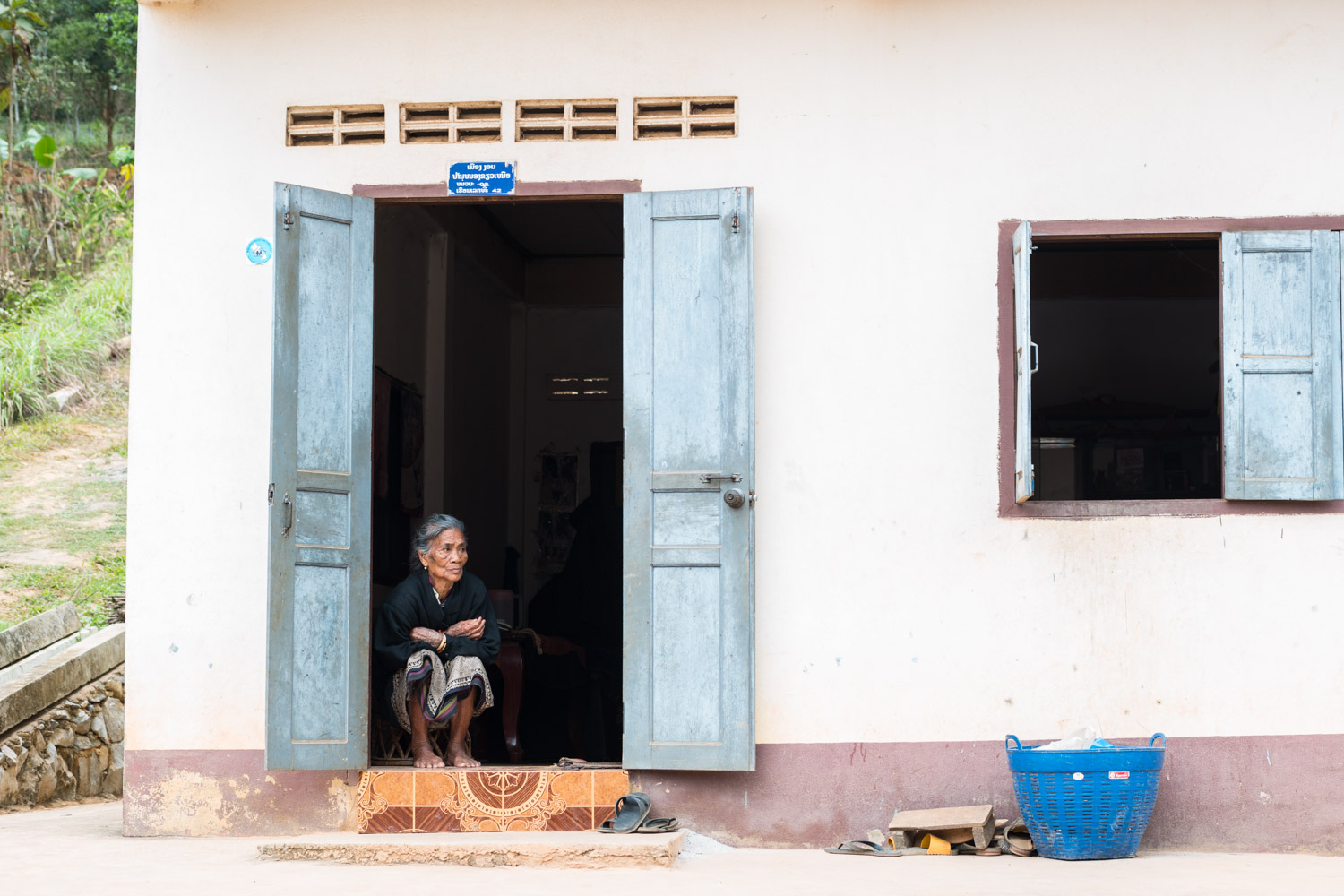
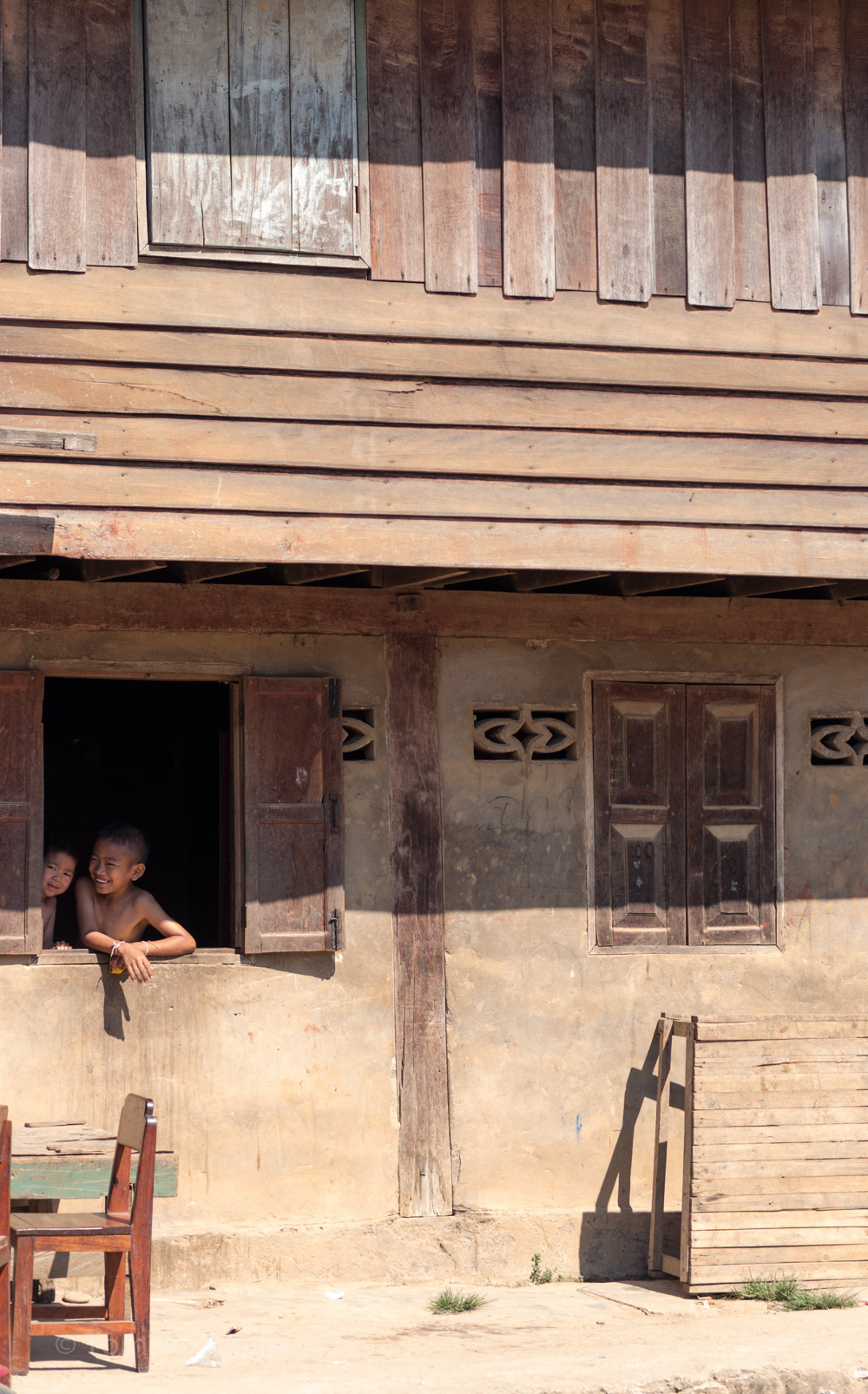
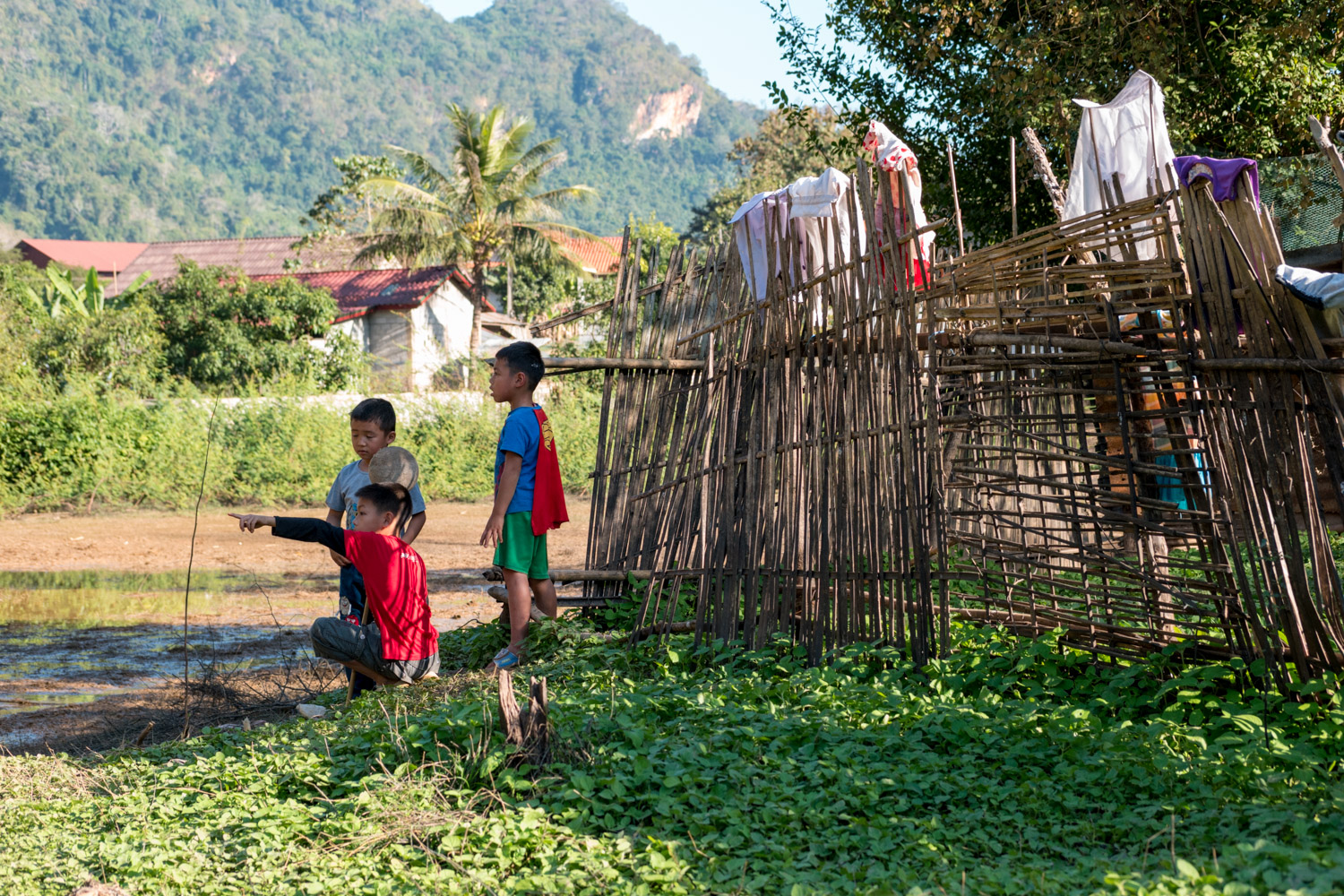
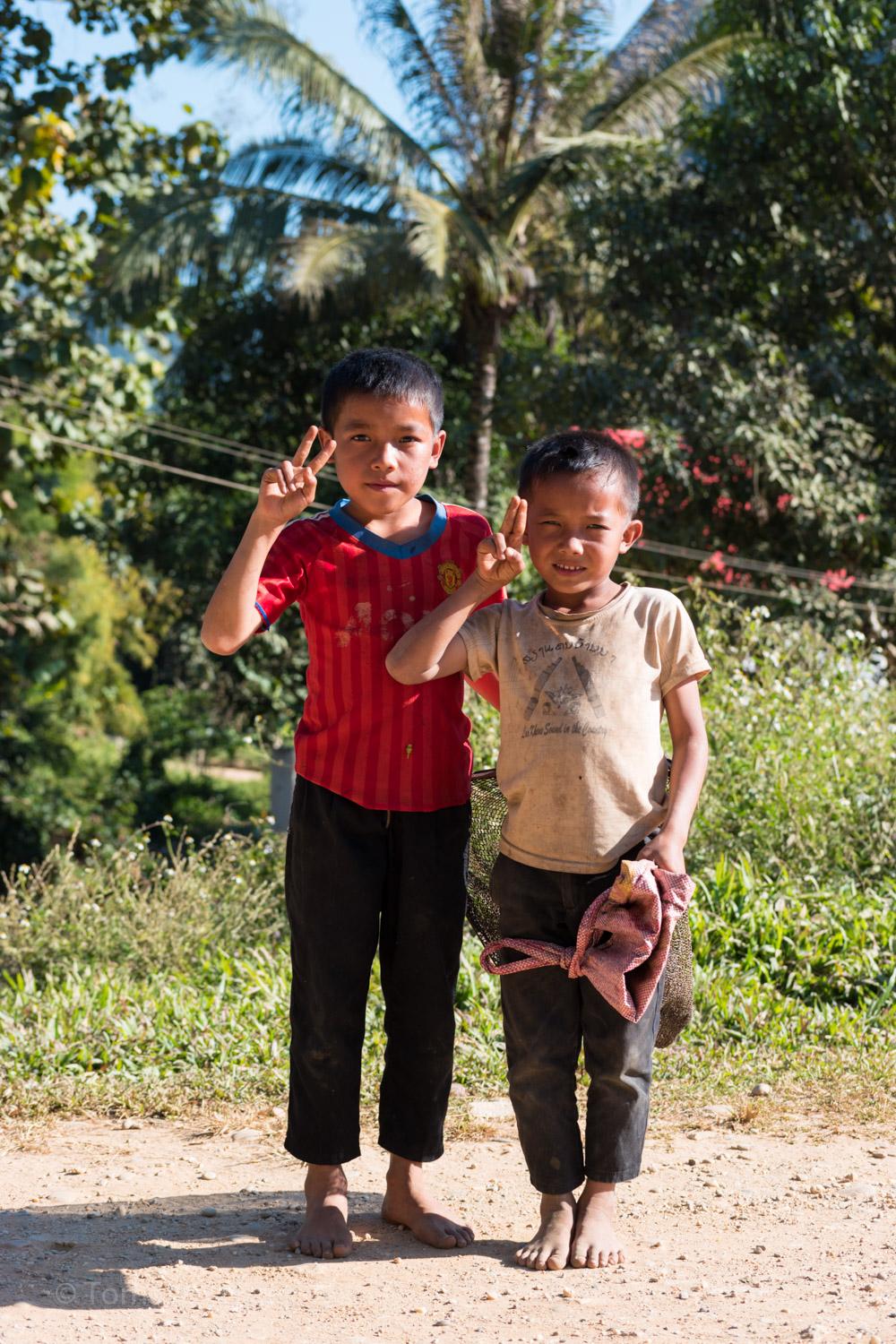
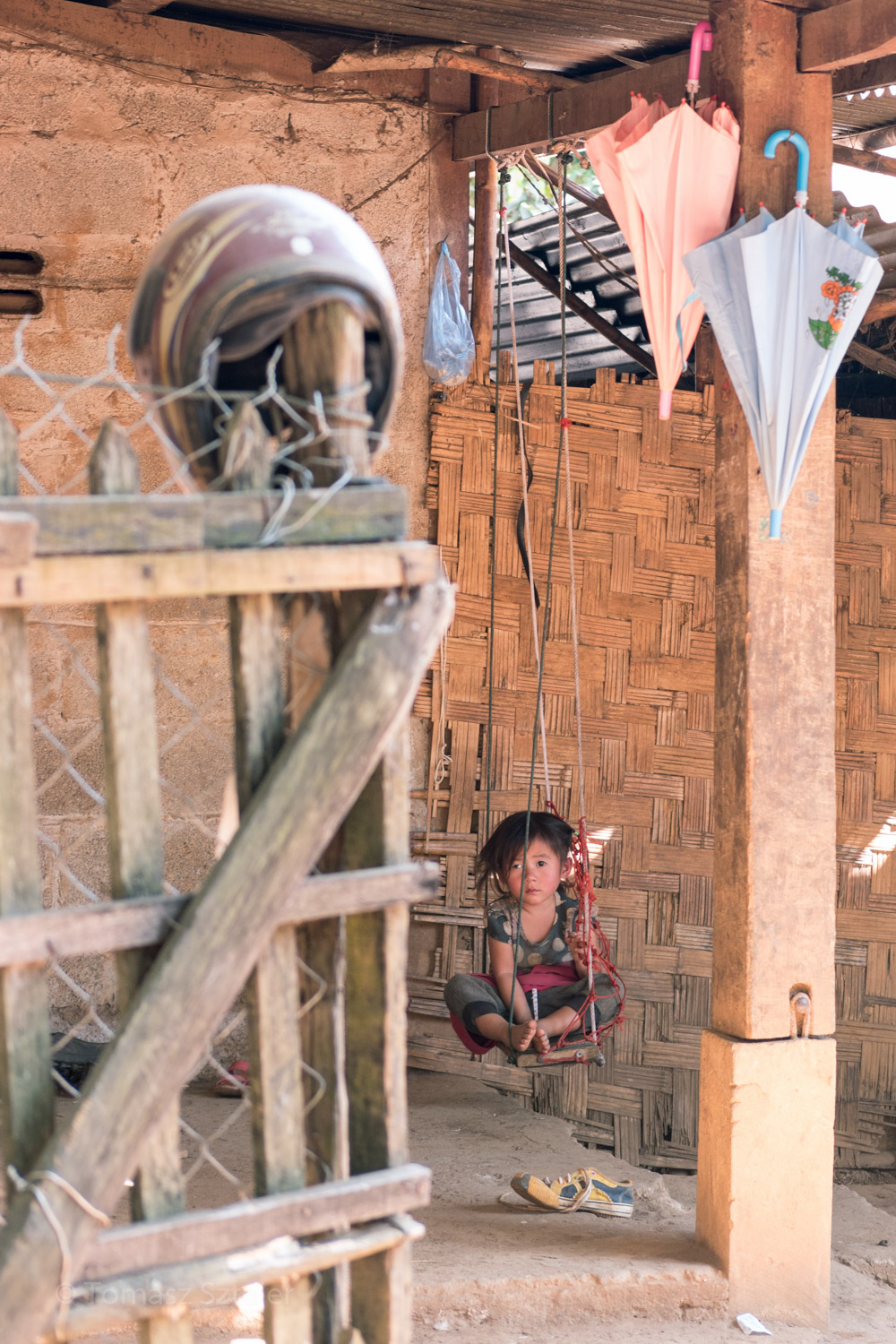
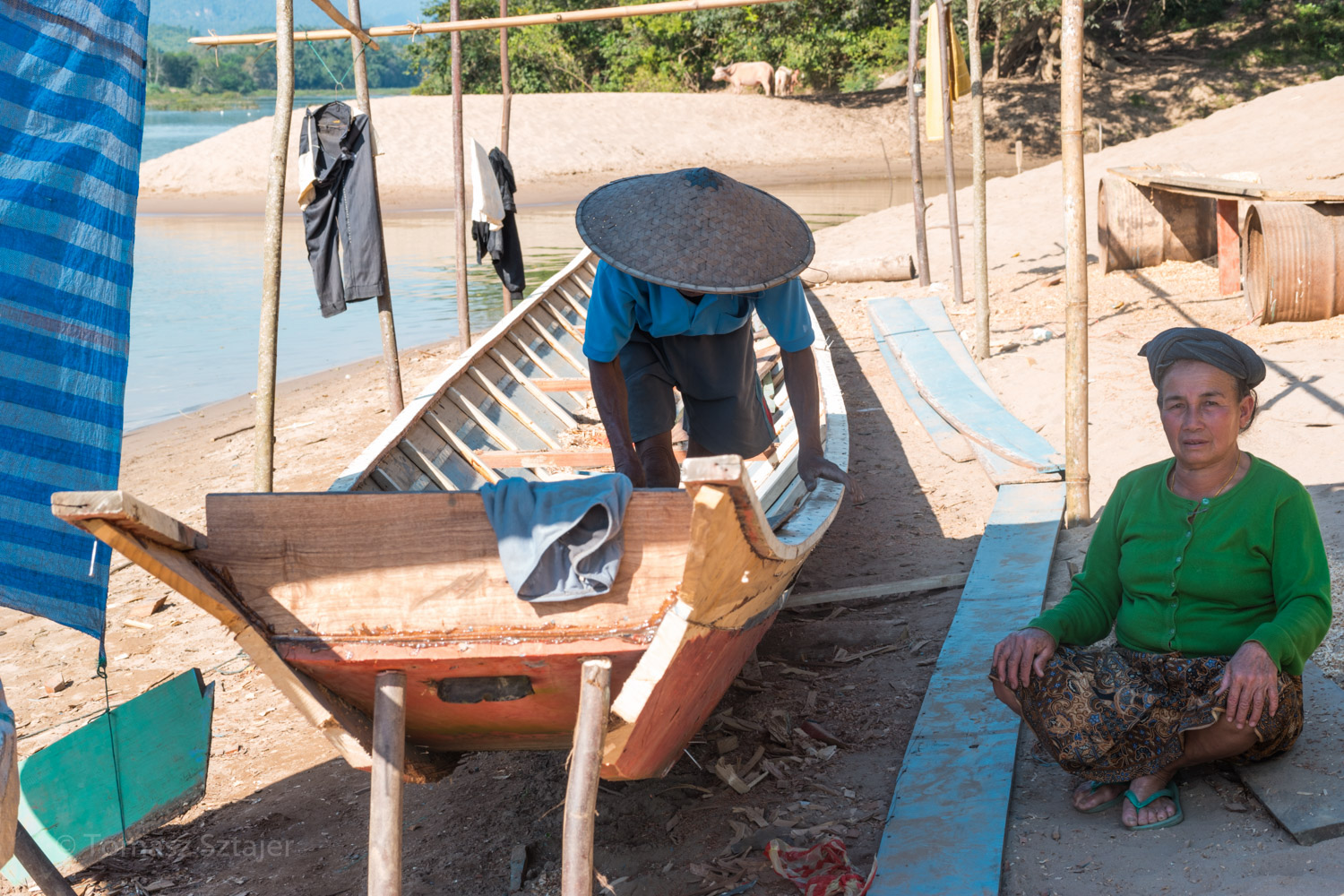
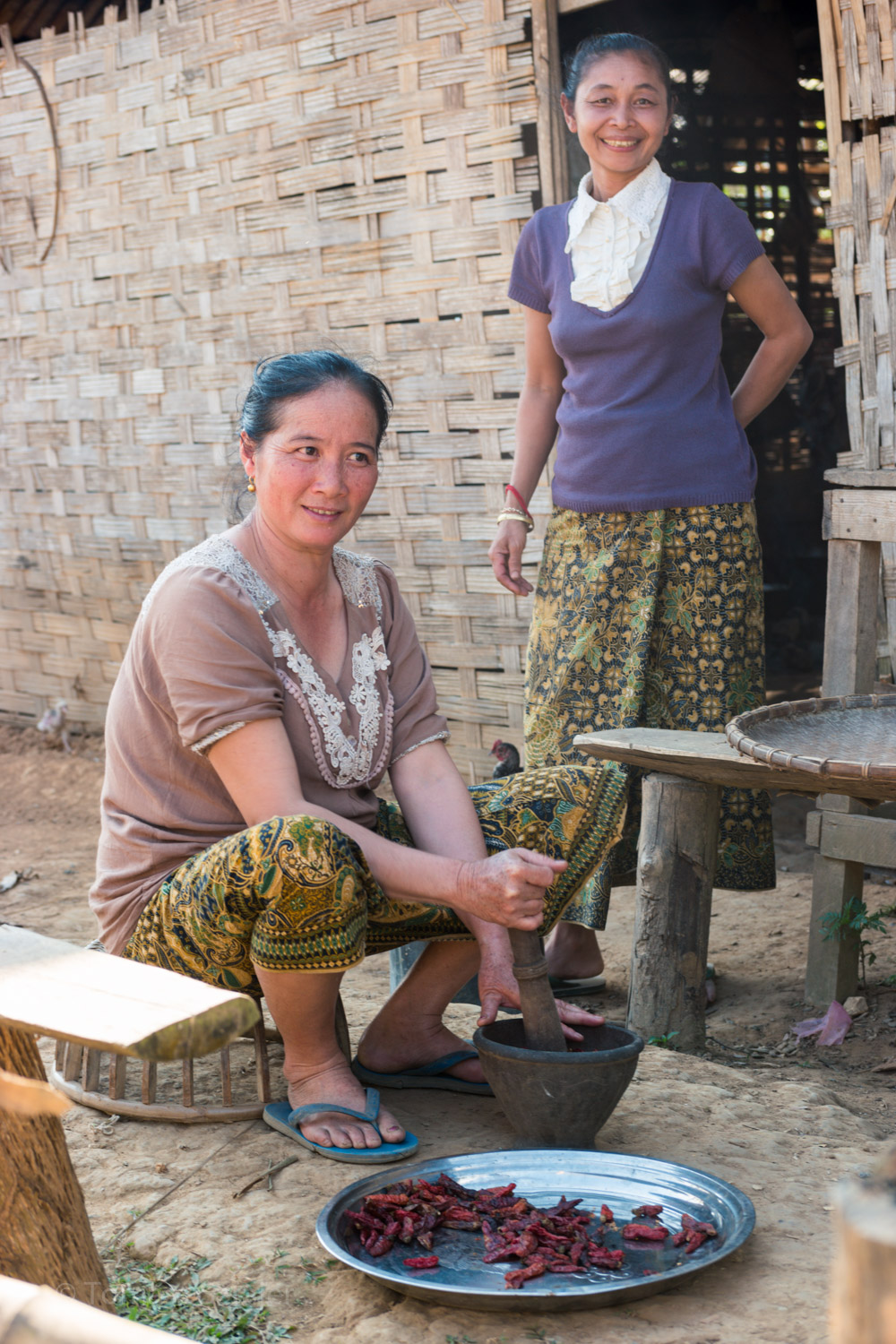
Village life
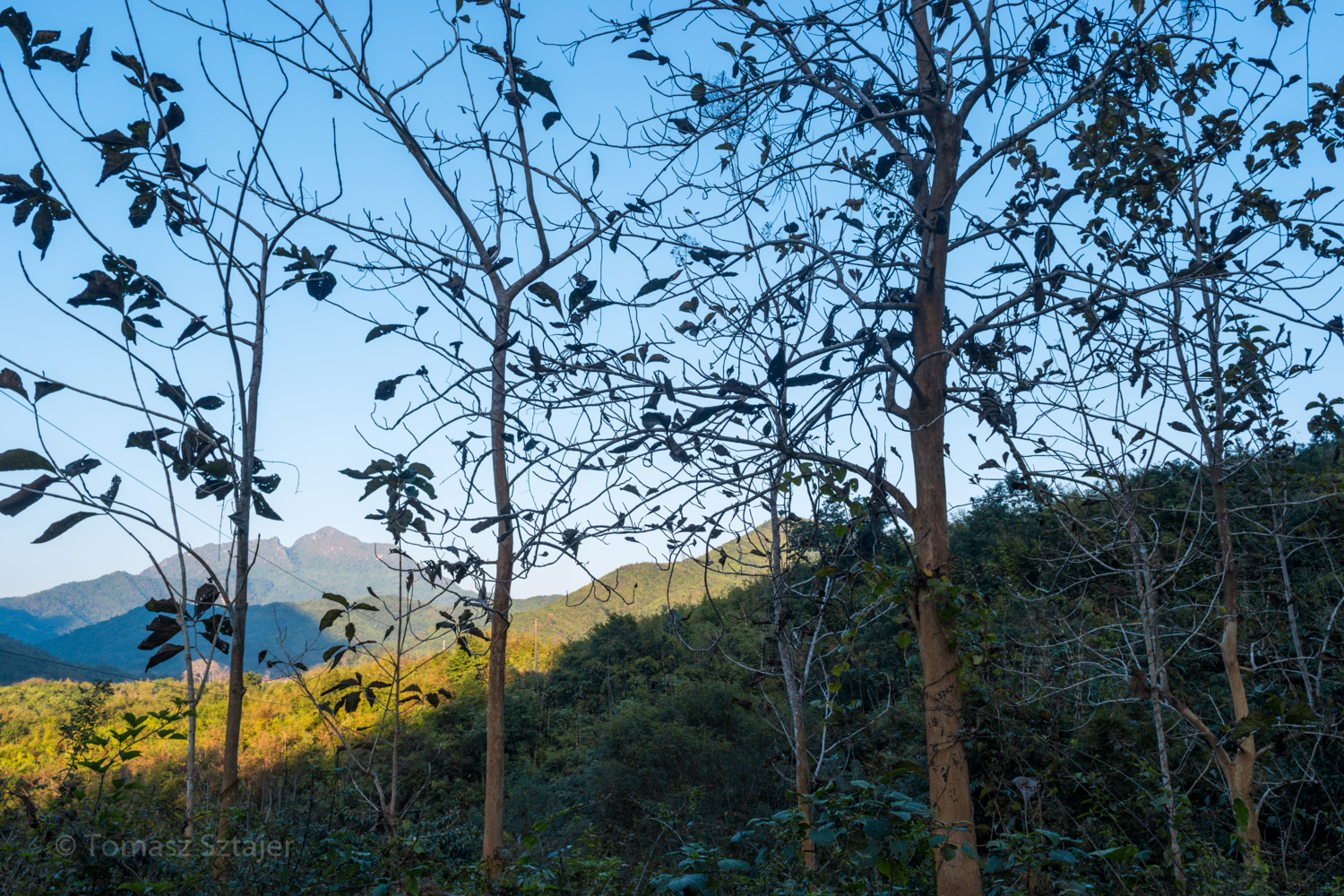
Somewhere on the way
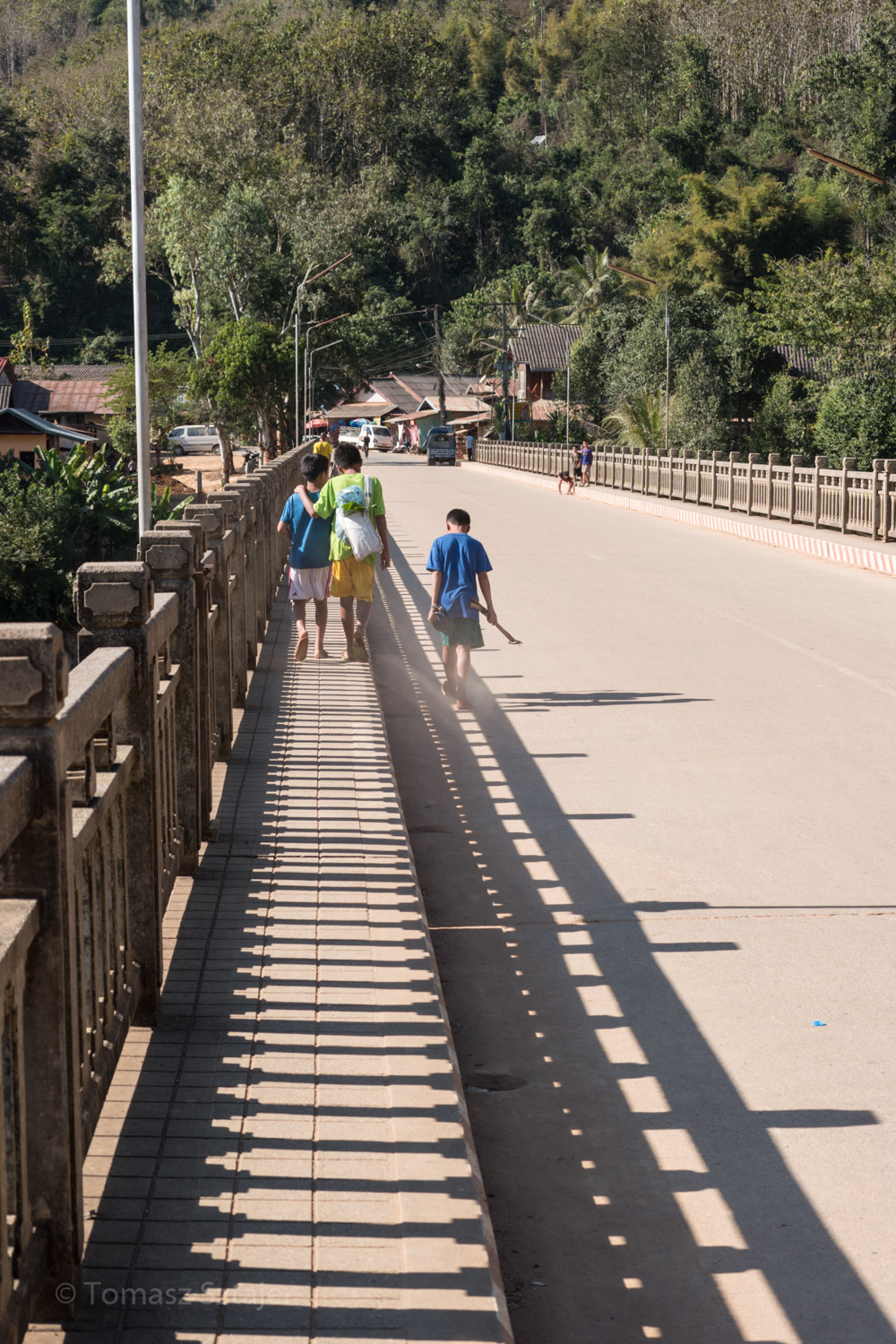
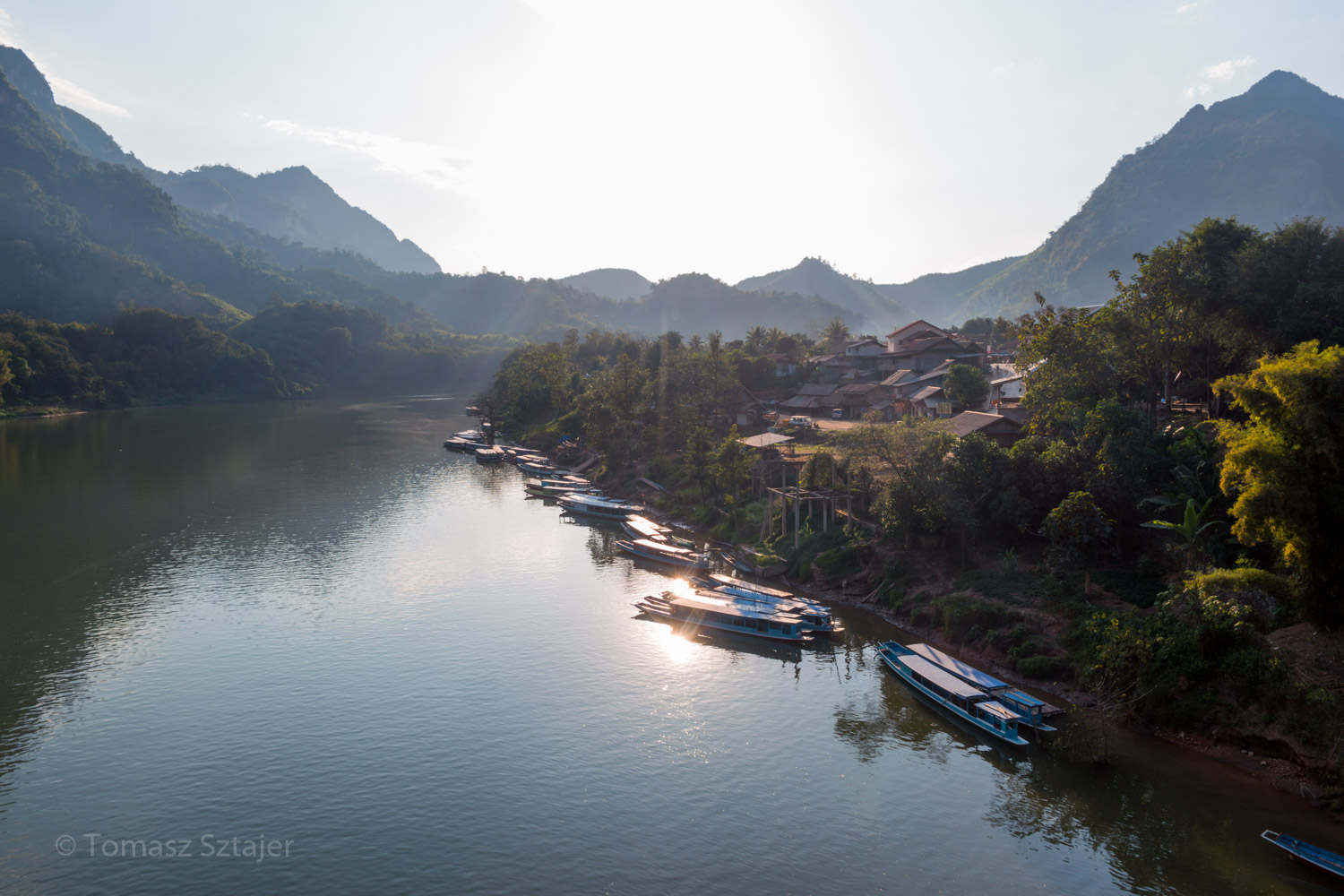
View from the Nong Khiaw bridge
Nong Khiaw (Nong Khiao)
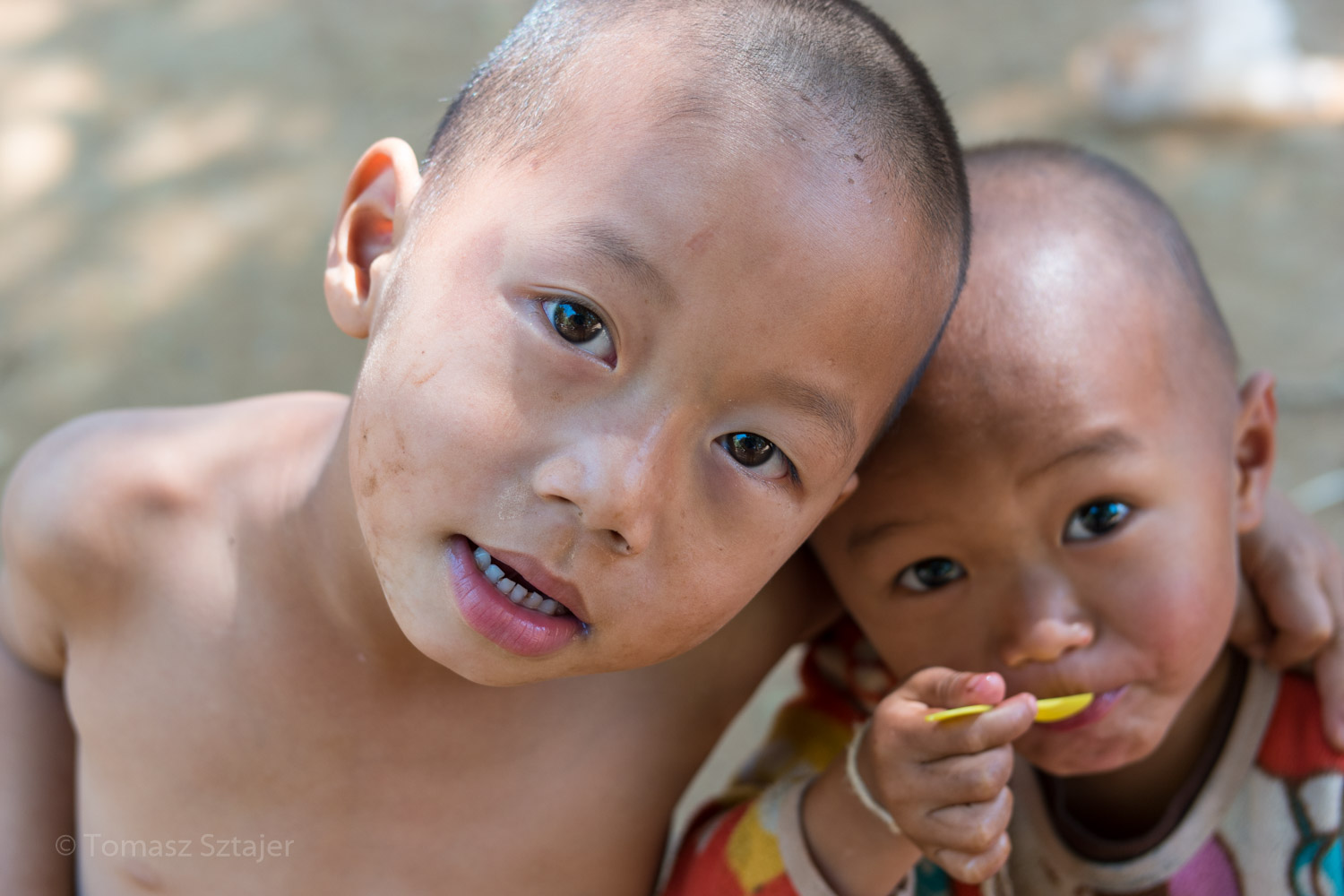
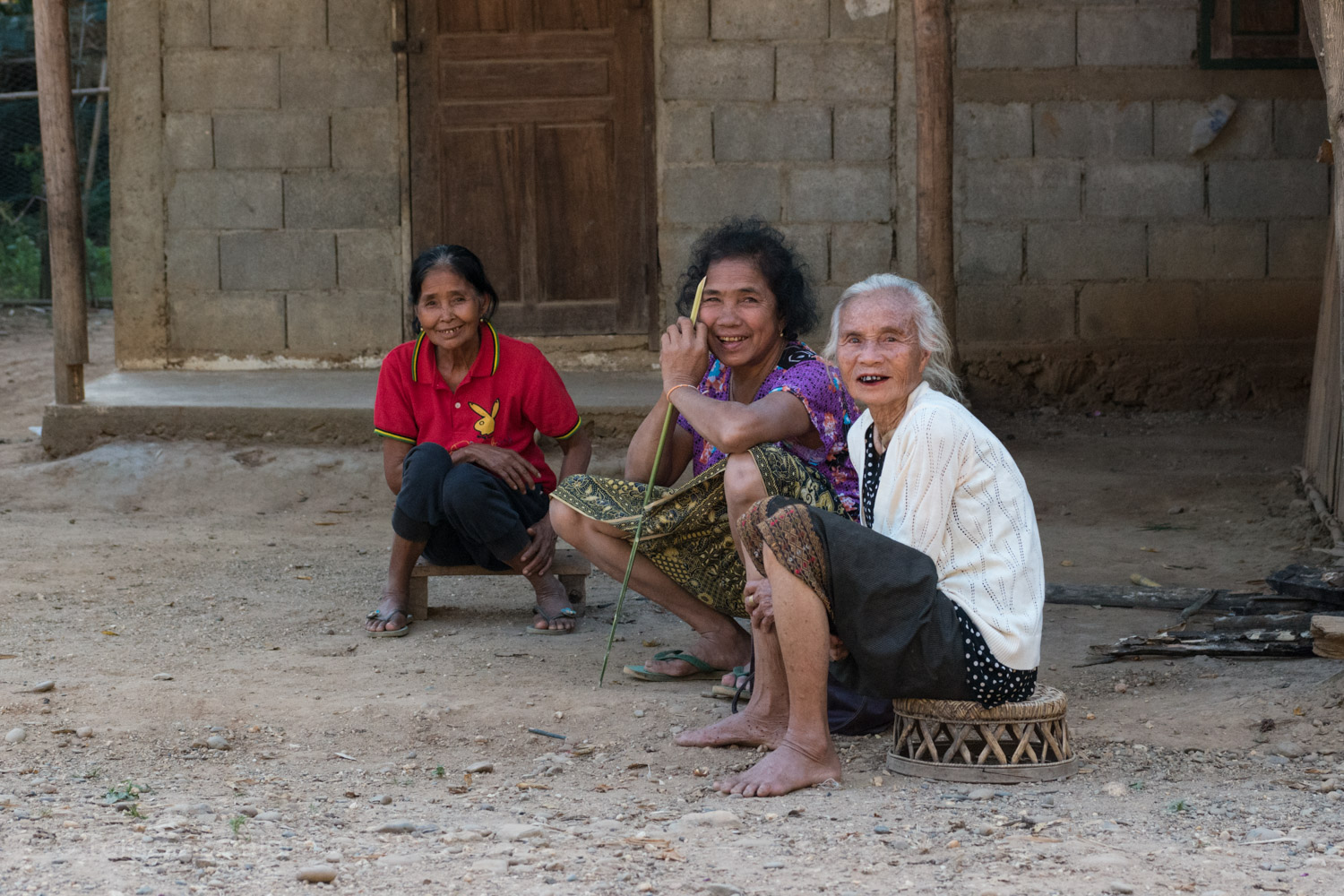
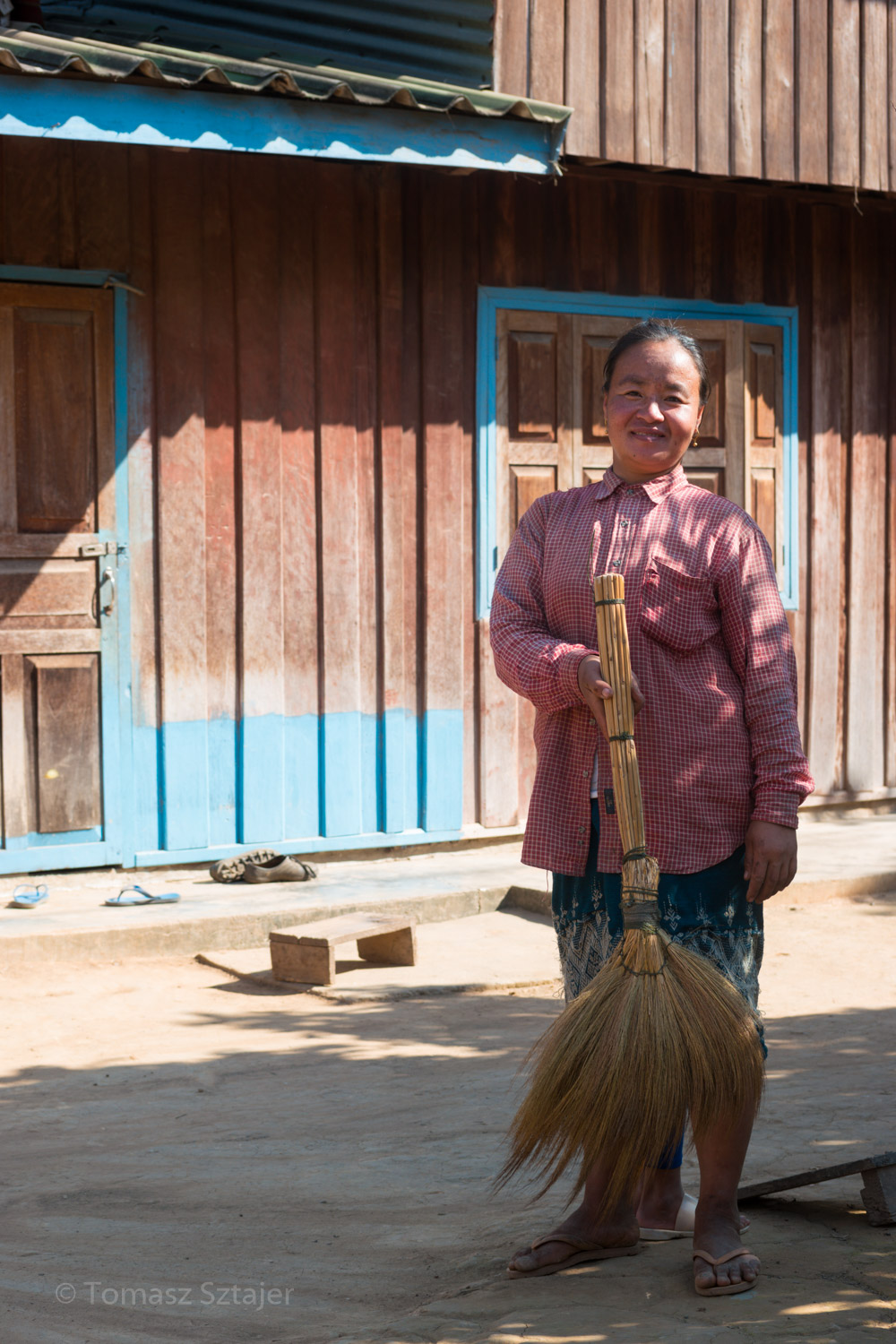
People of Nong Khiaw
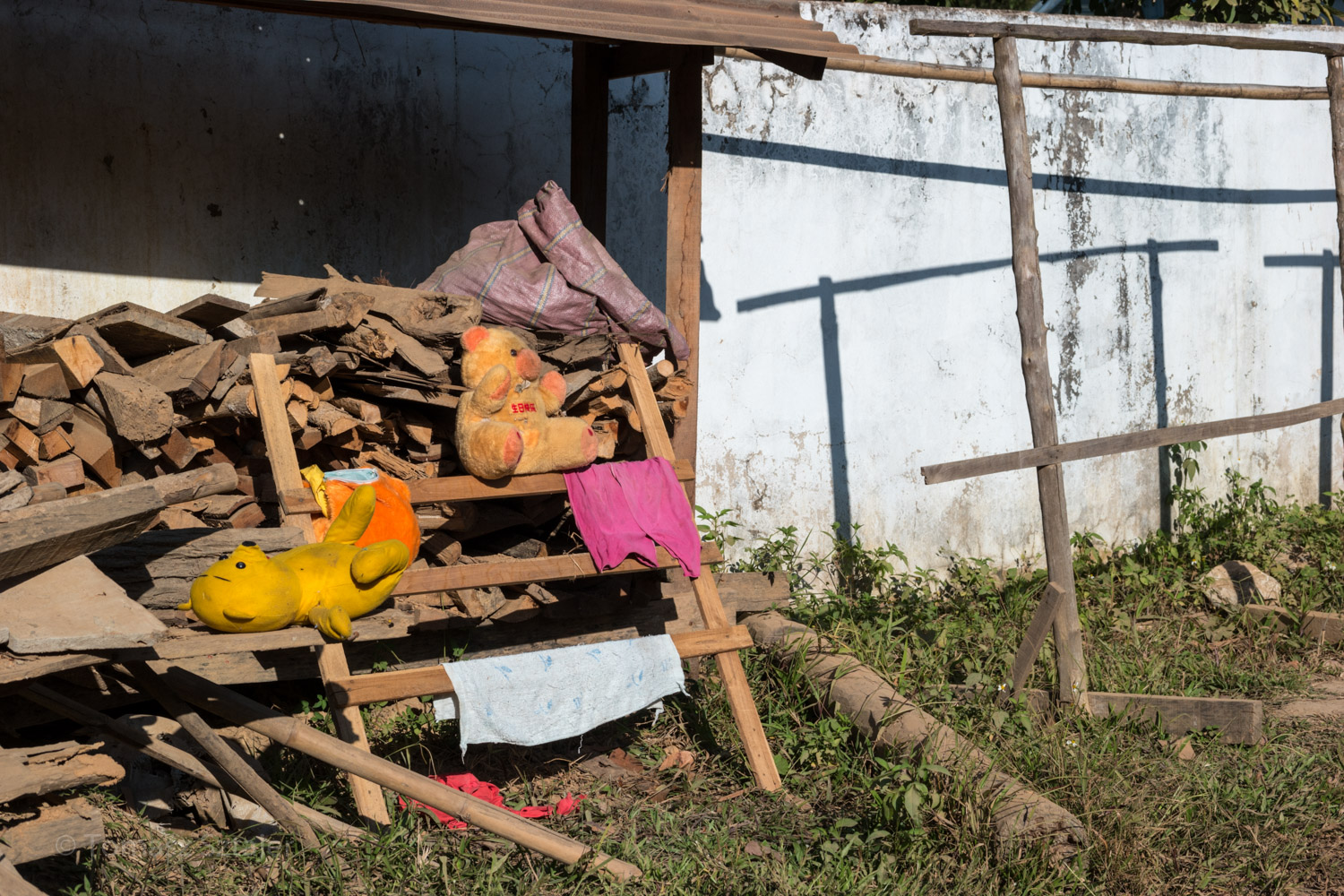
A very small shop in Nong Khiaw
People of Nong Khiaw
Nong Khiaw
People of Nong Khiaw
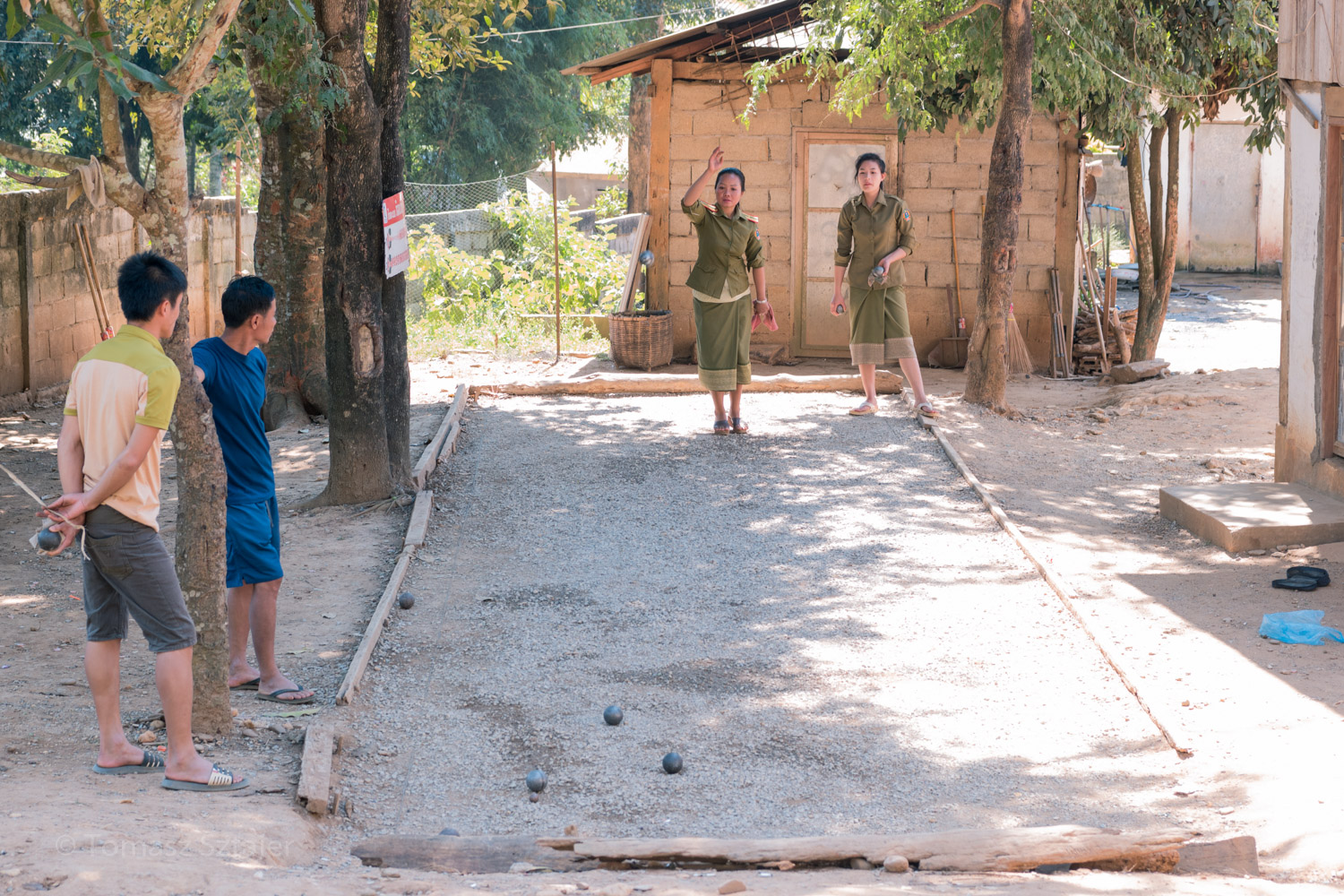
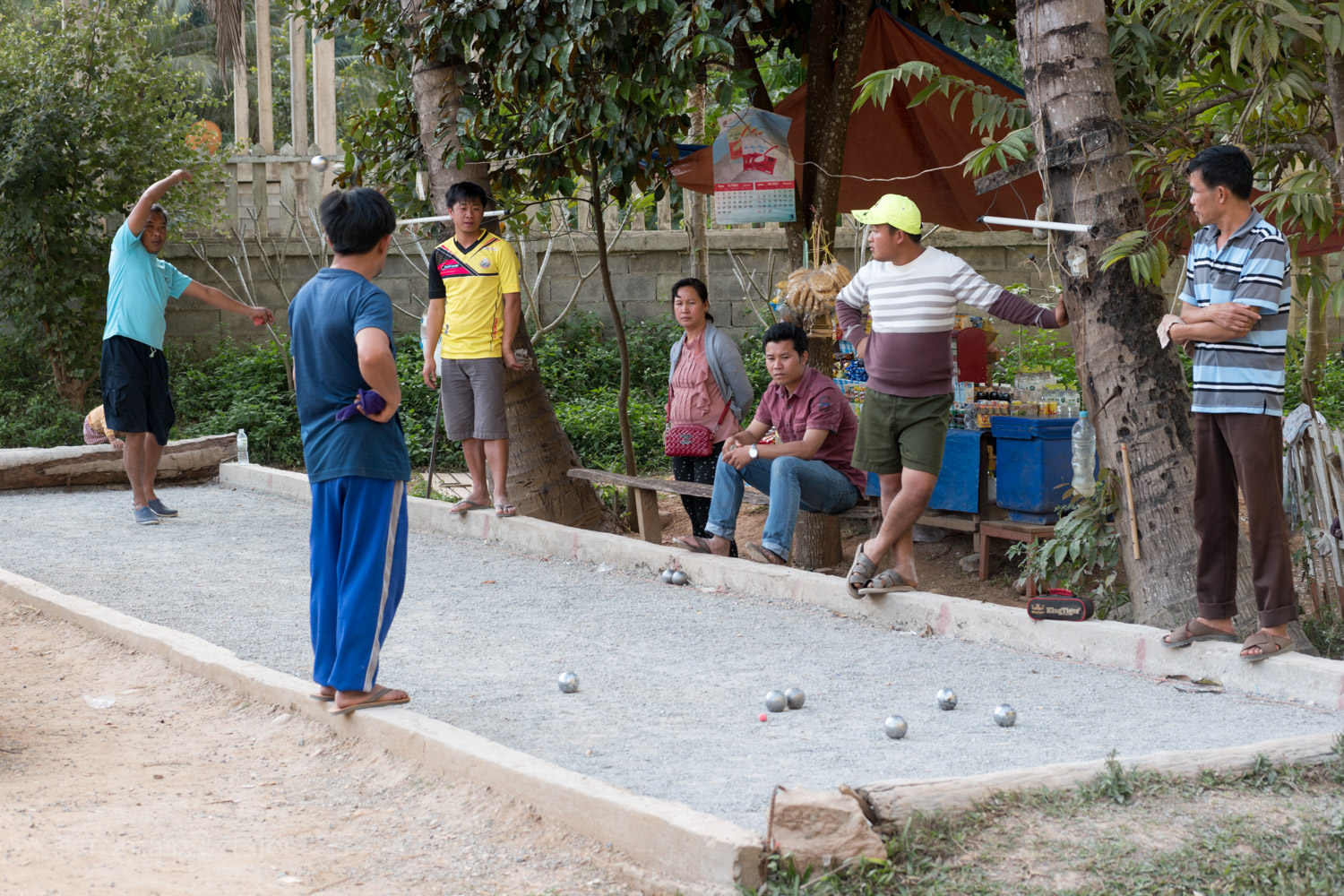
A game of petanque, Nong Khiaw
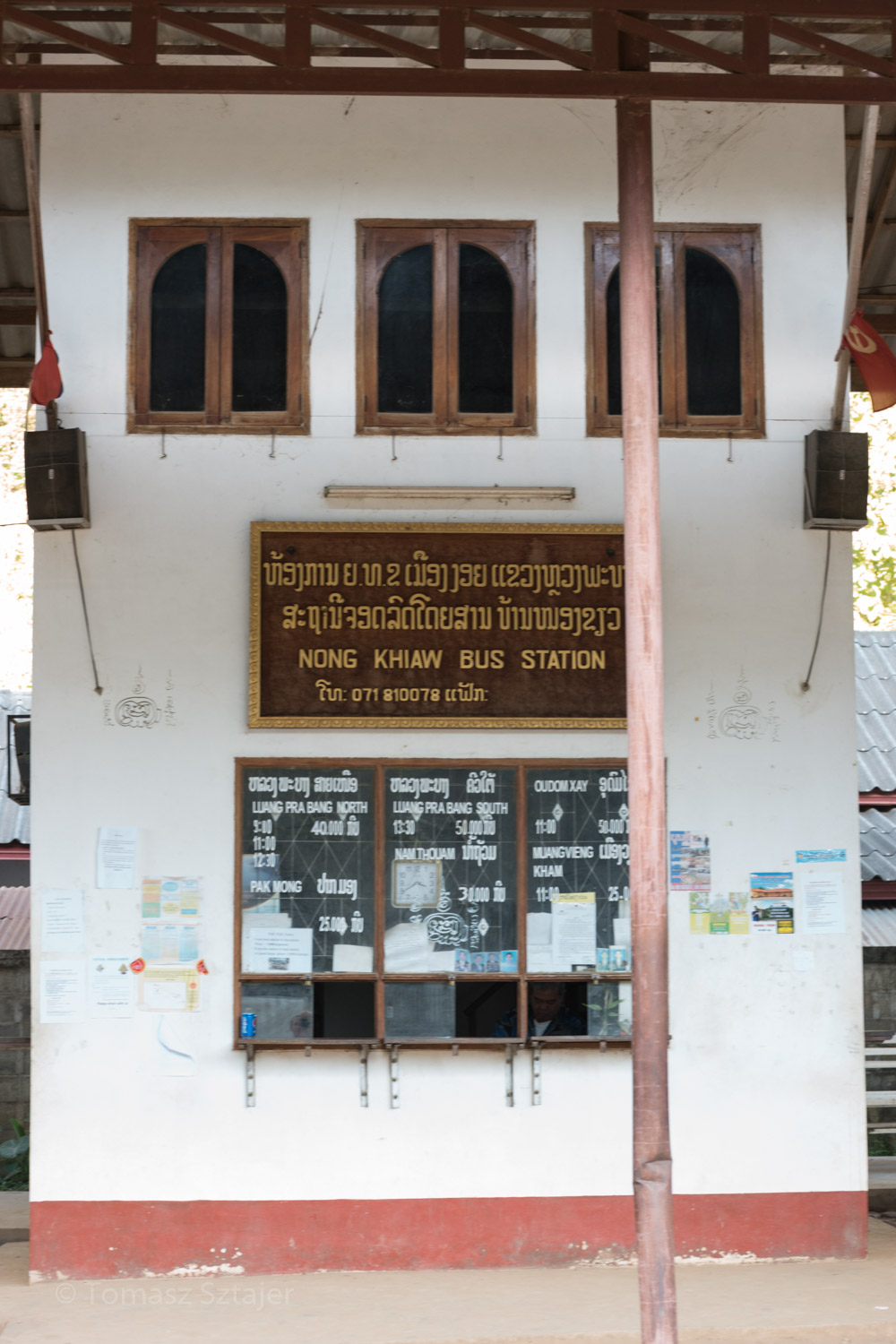
Nong Khiaw Bus station
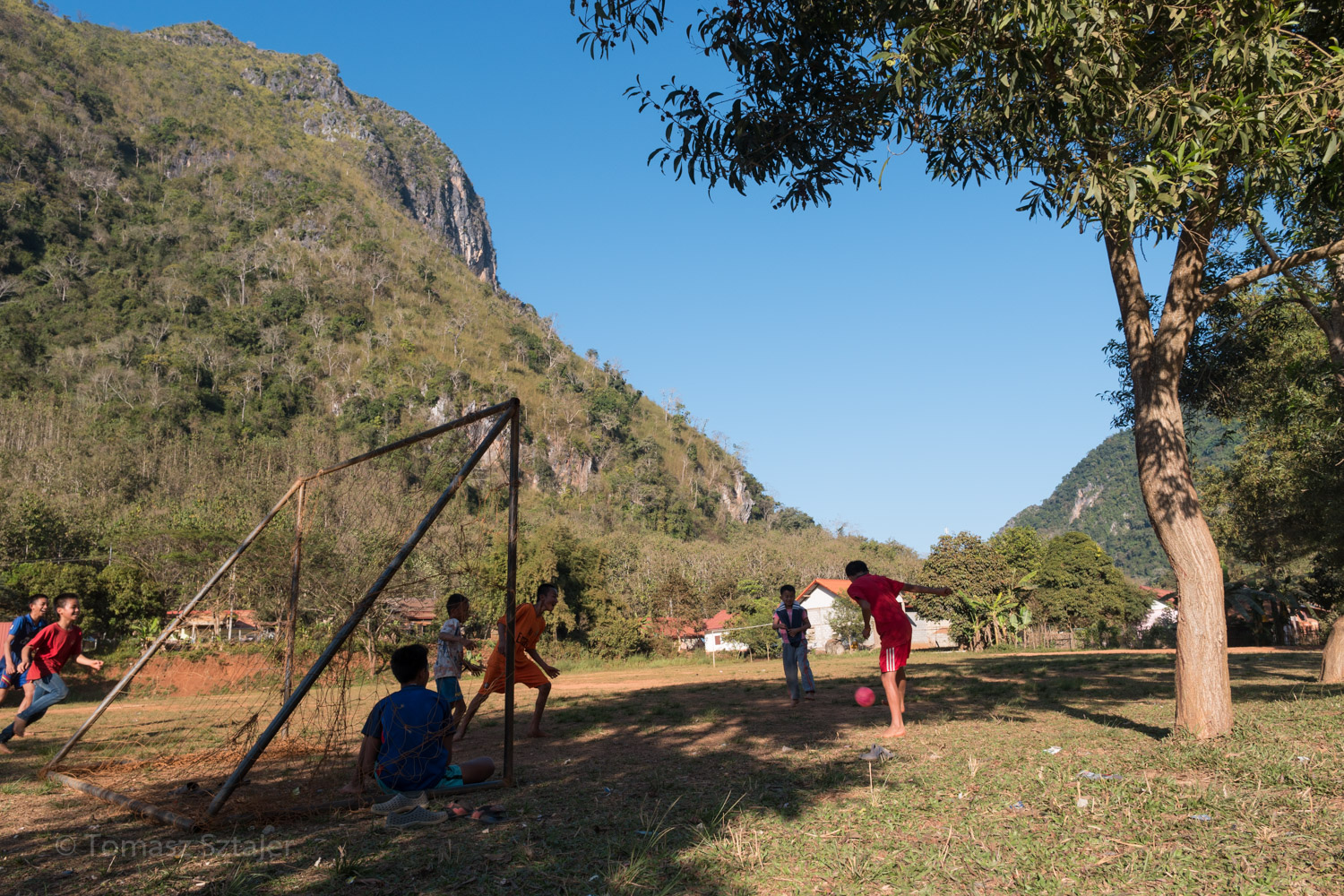
Football in Nong Khiaw
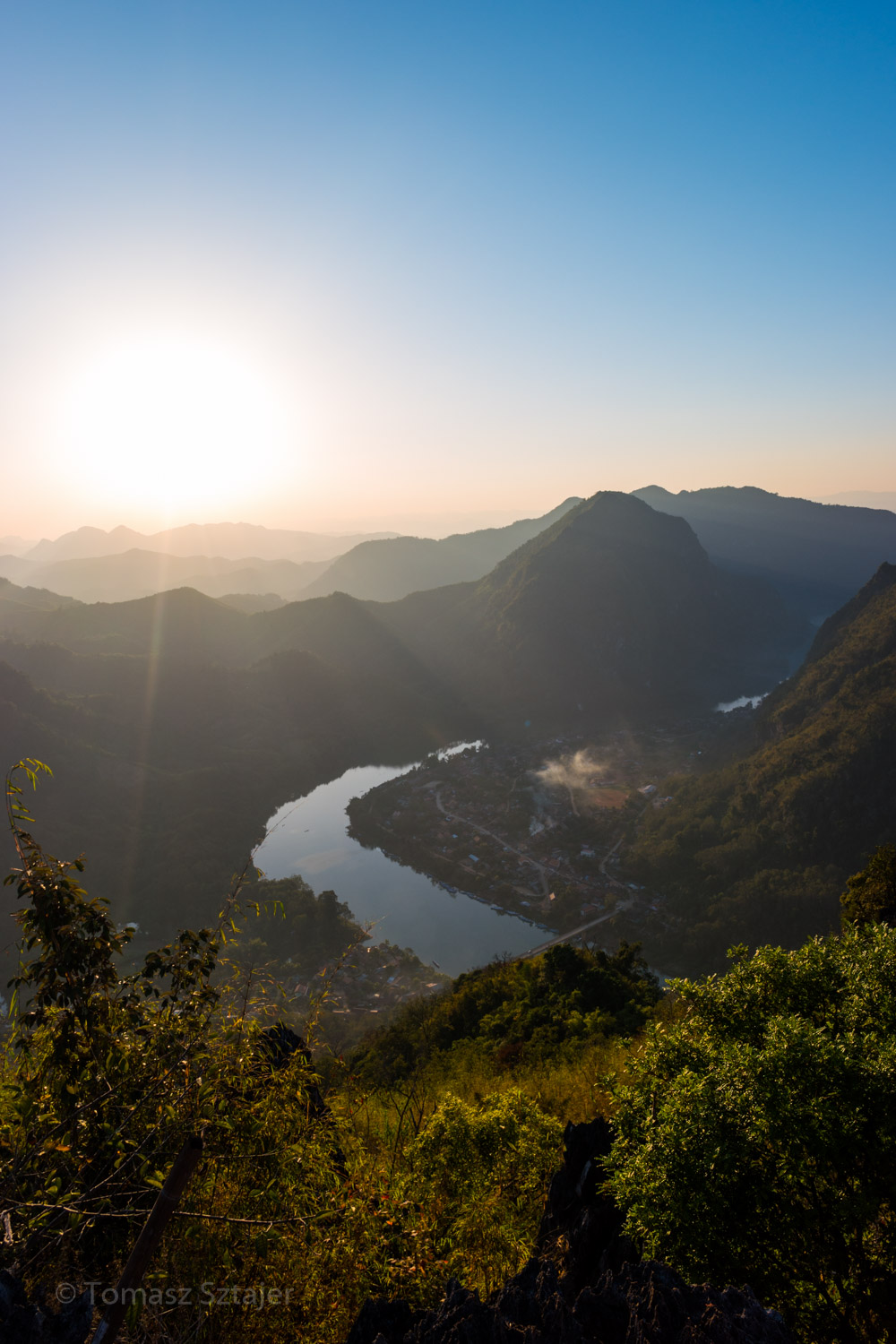
Nong Khiaw (Nong Khiao)
Sunset over Nong Khiaw
Back from school, near Nong Khiaw
Villages near Nong Khiaw
Caught in crossfire – different photographers, same traditional activity to perform
Villages near Nong Khiaw
Displaying a local product
Walking along River Ou
Somewhere on the way
Walking around Nong Khiaw
Walking along River Ou
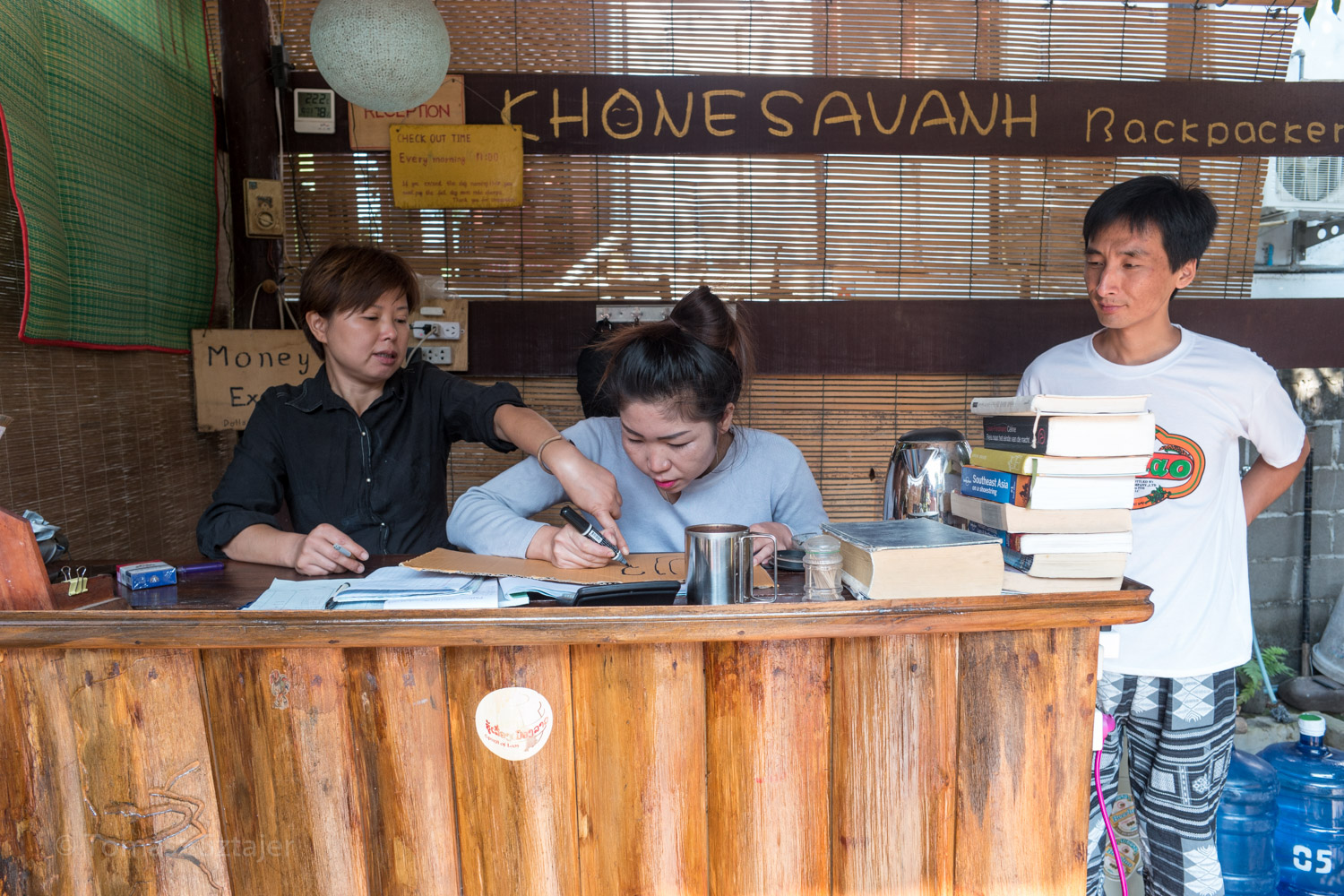
Helping me out with HH sign, Khonesavang GH, Luang Prabang
My best ride
Somewhere on the way
Vientiane
Vientiane
Thakhek
Thakhek
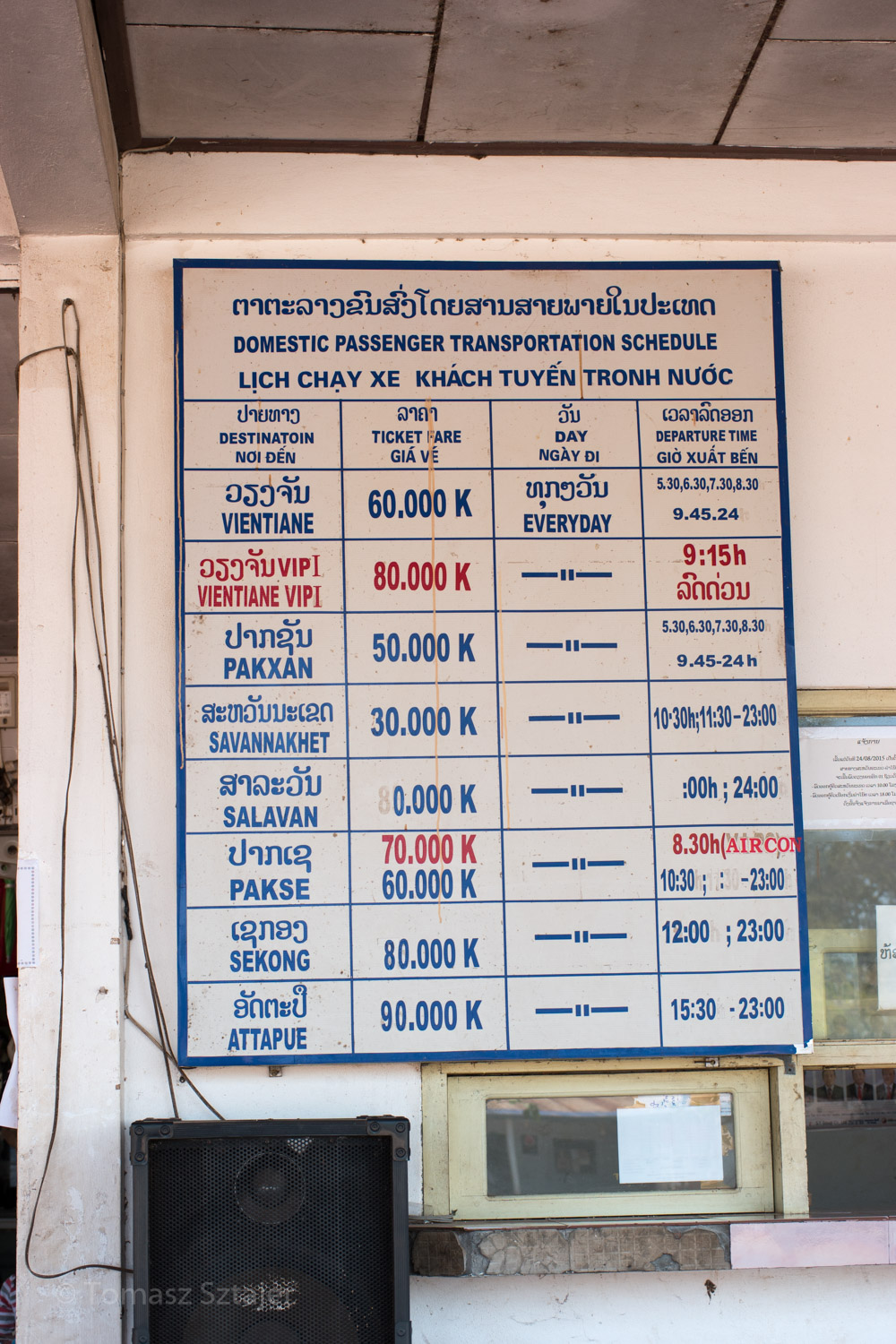
Thakhek bus station
A souvenir from the most run down guesthouse in Thakhek
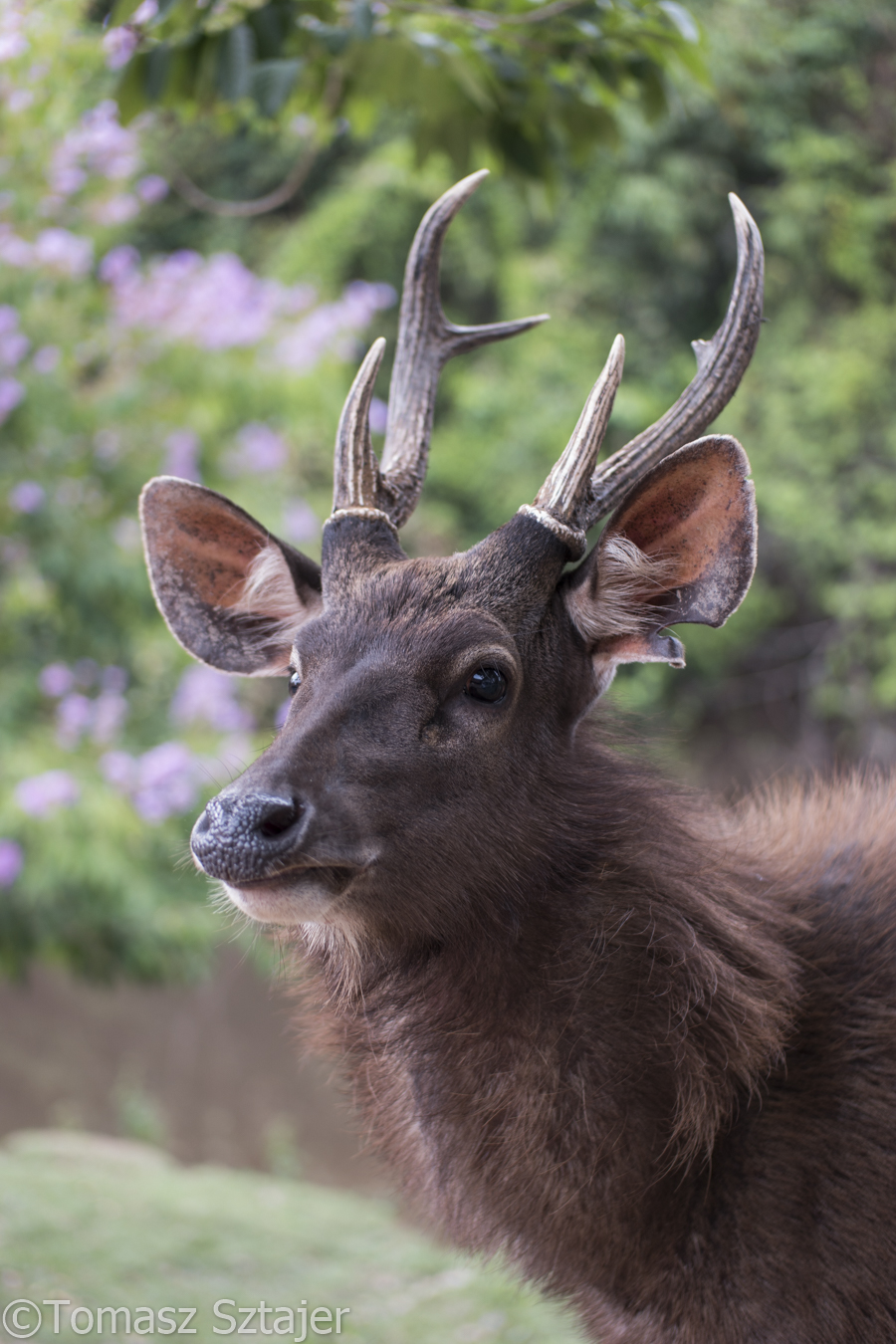
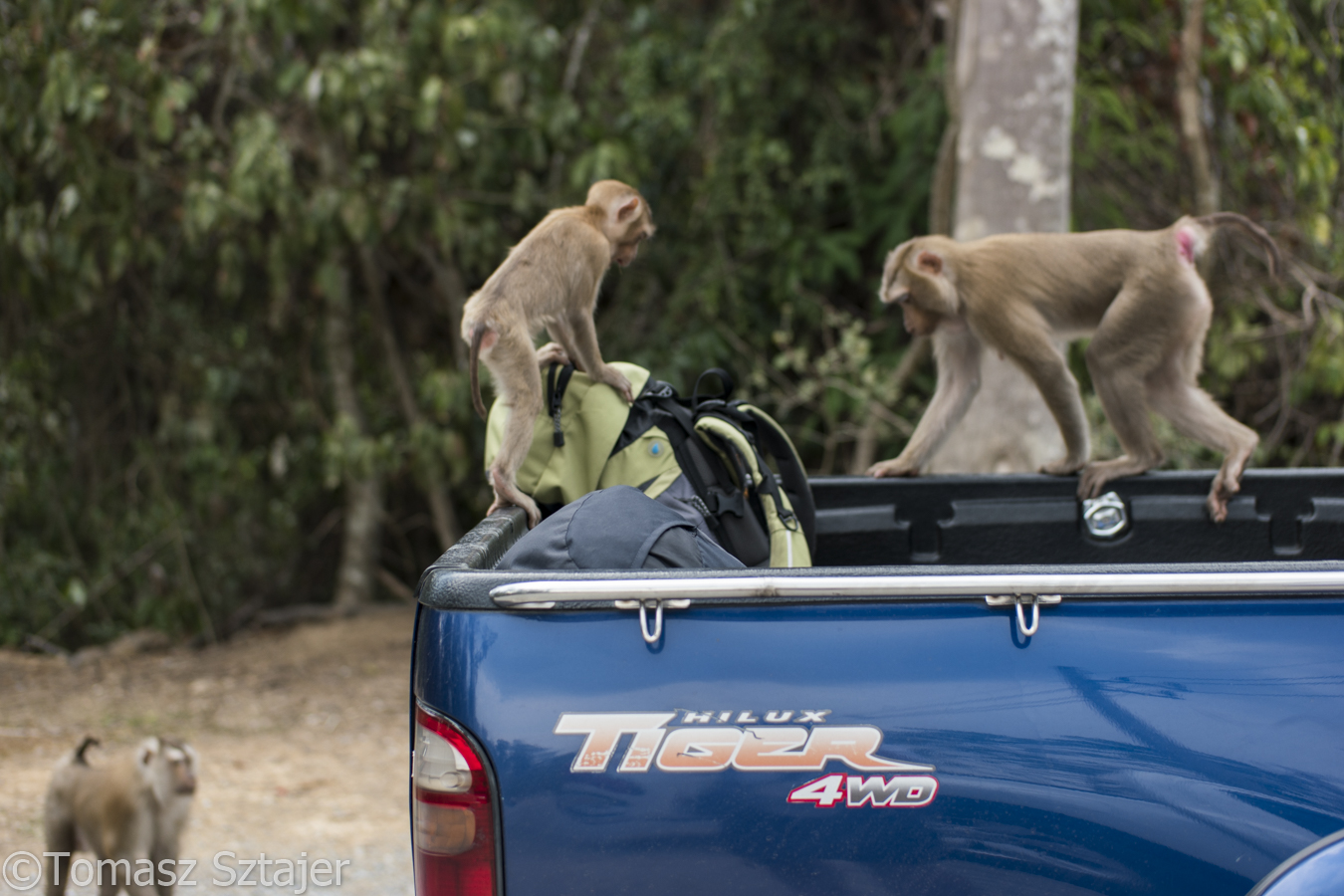
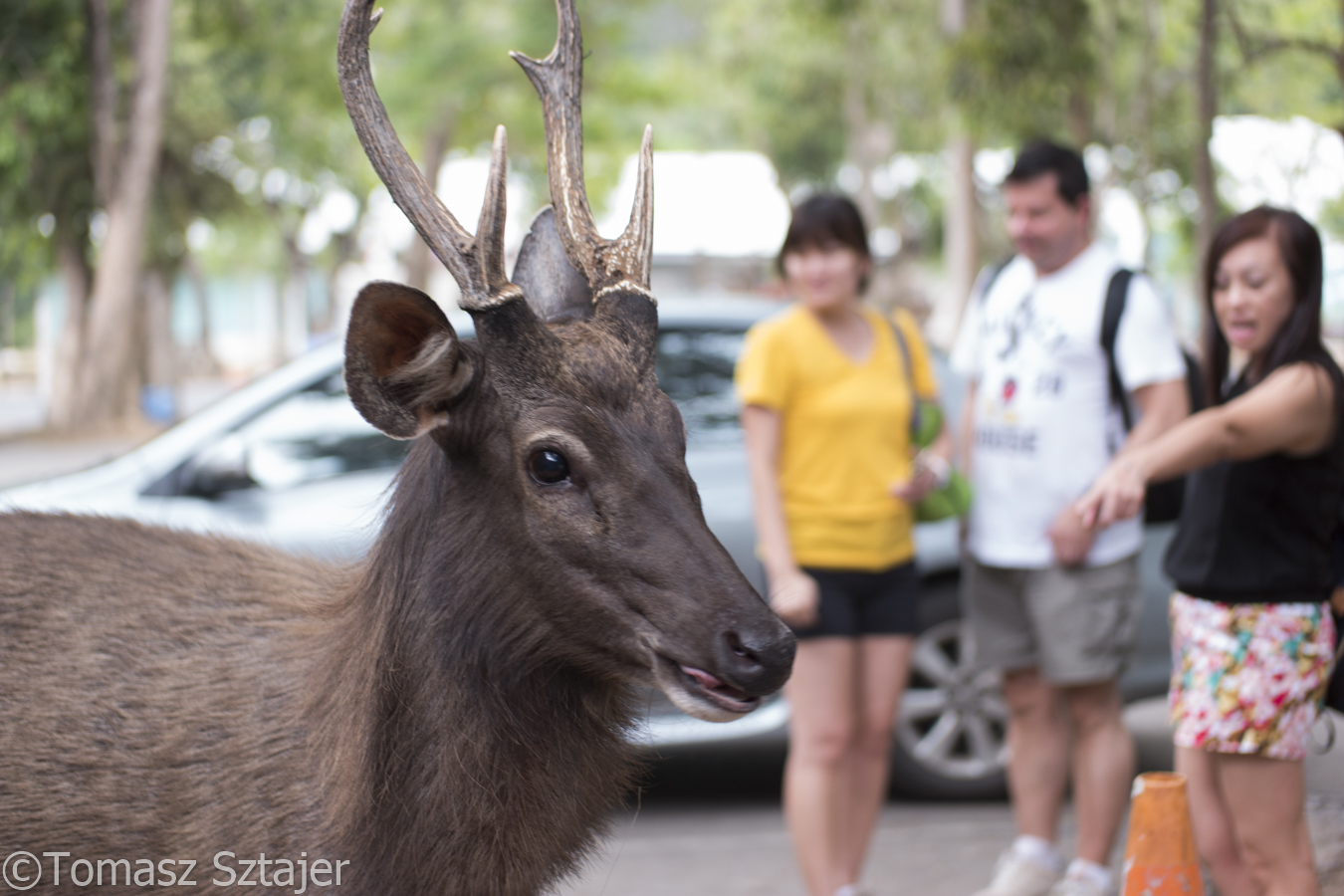
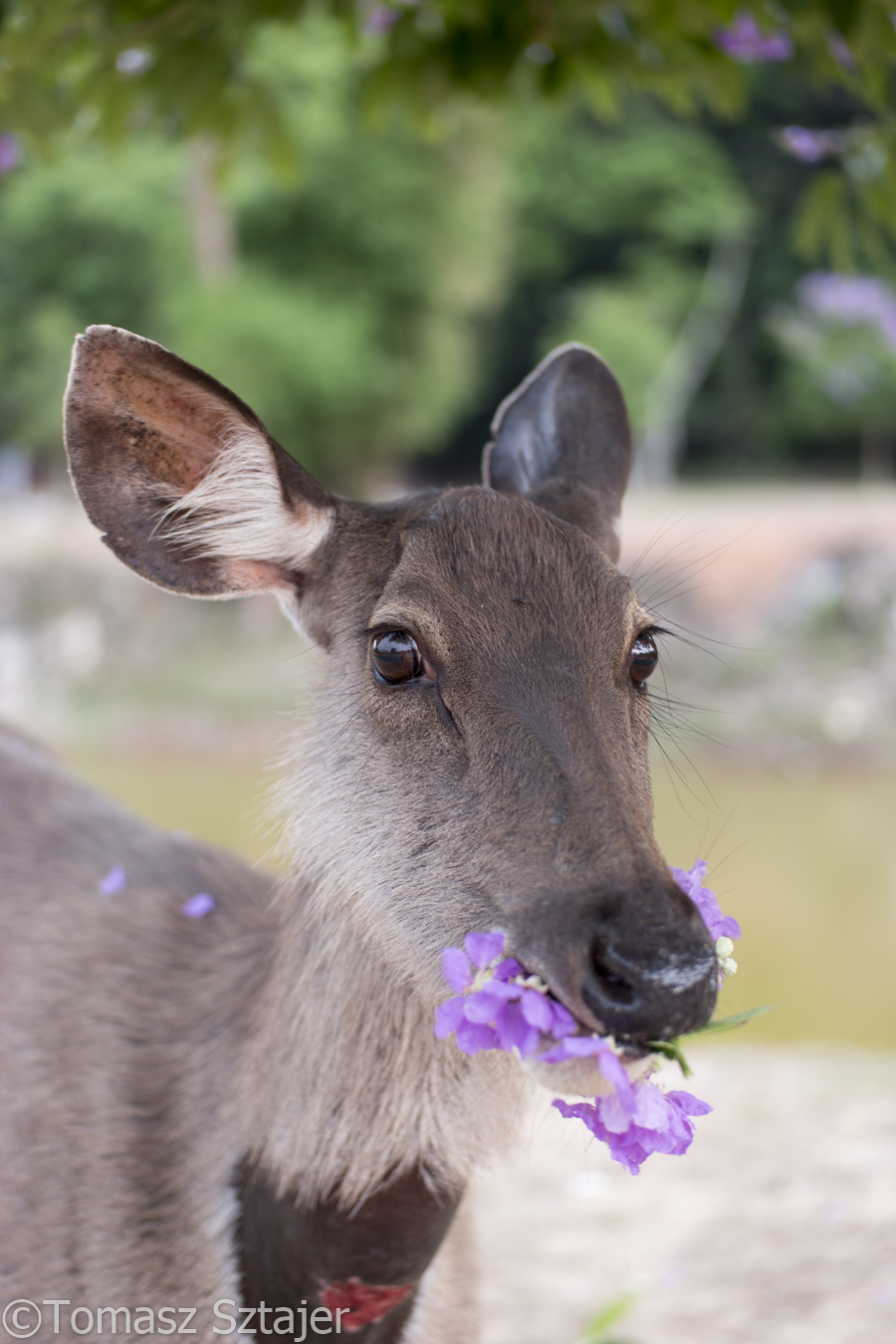
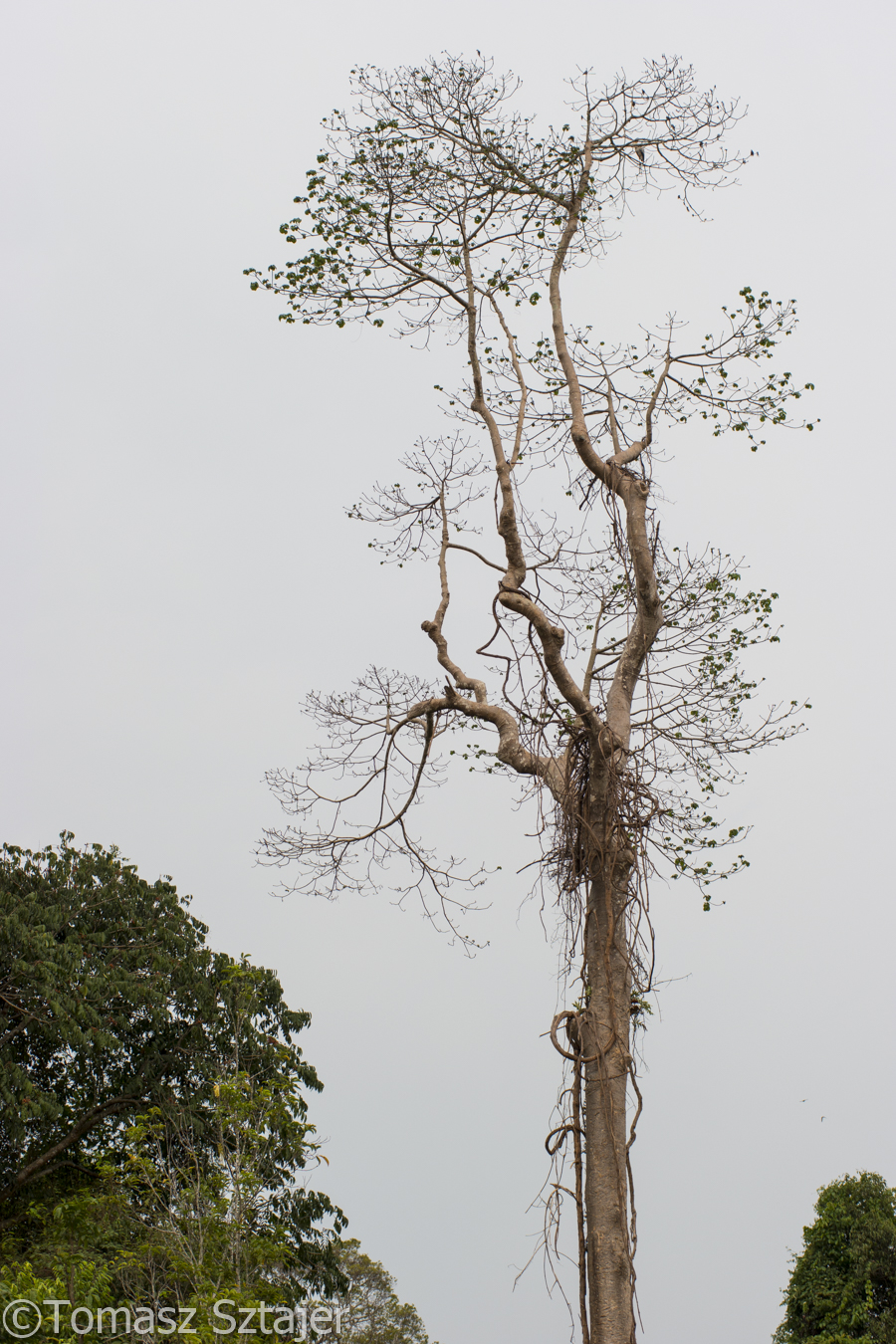
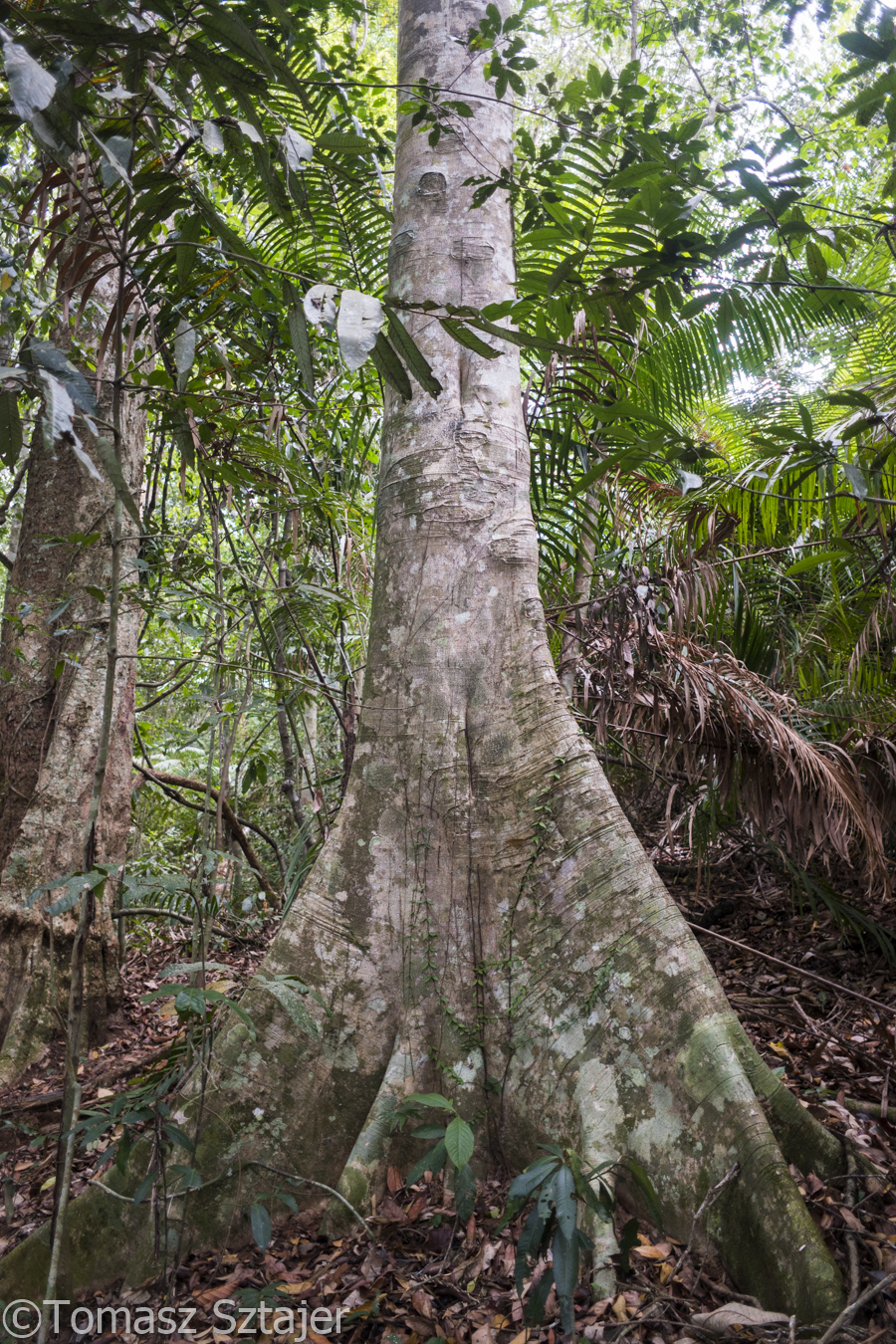
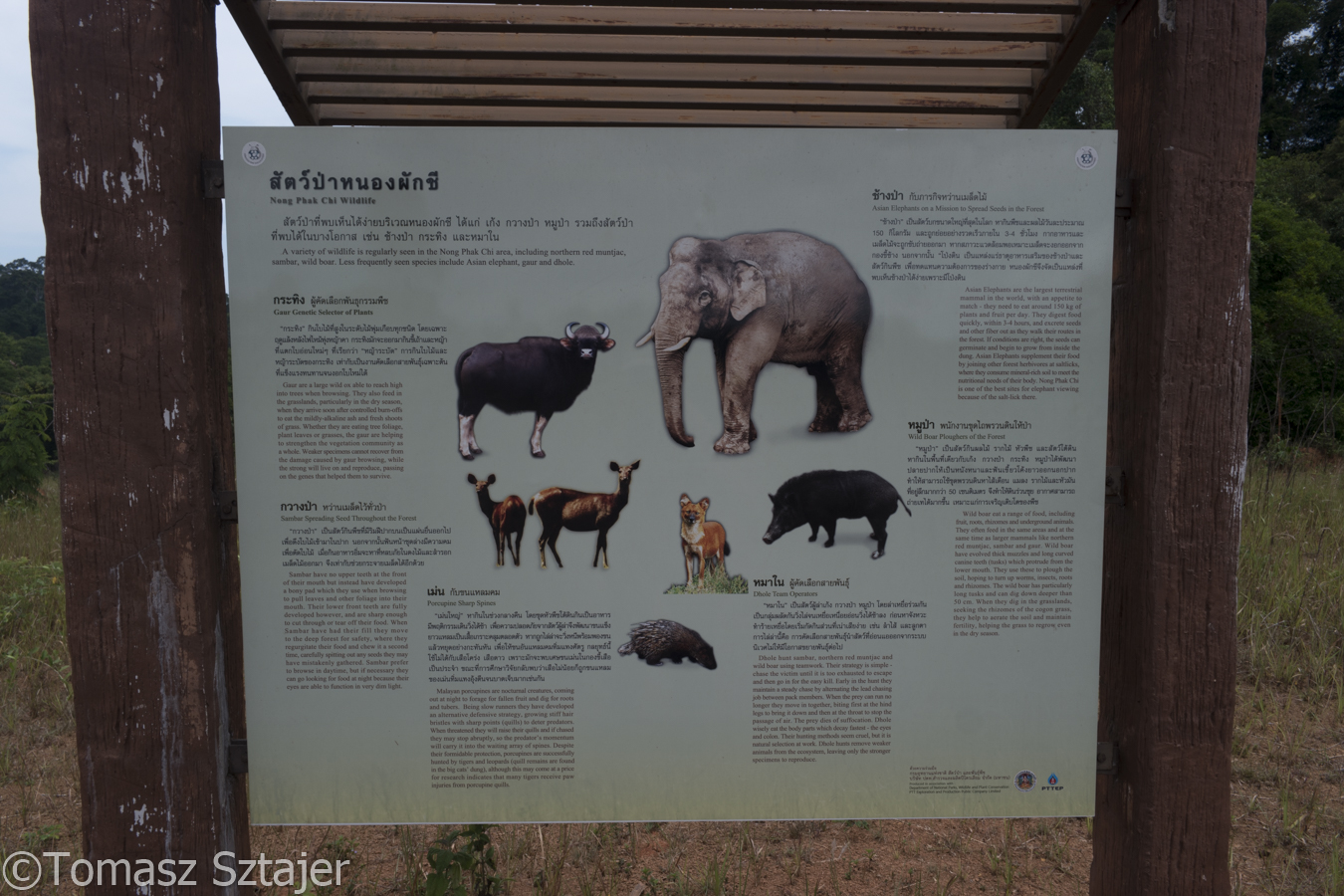
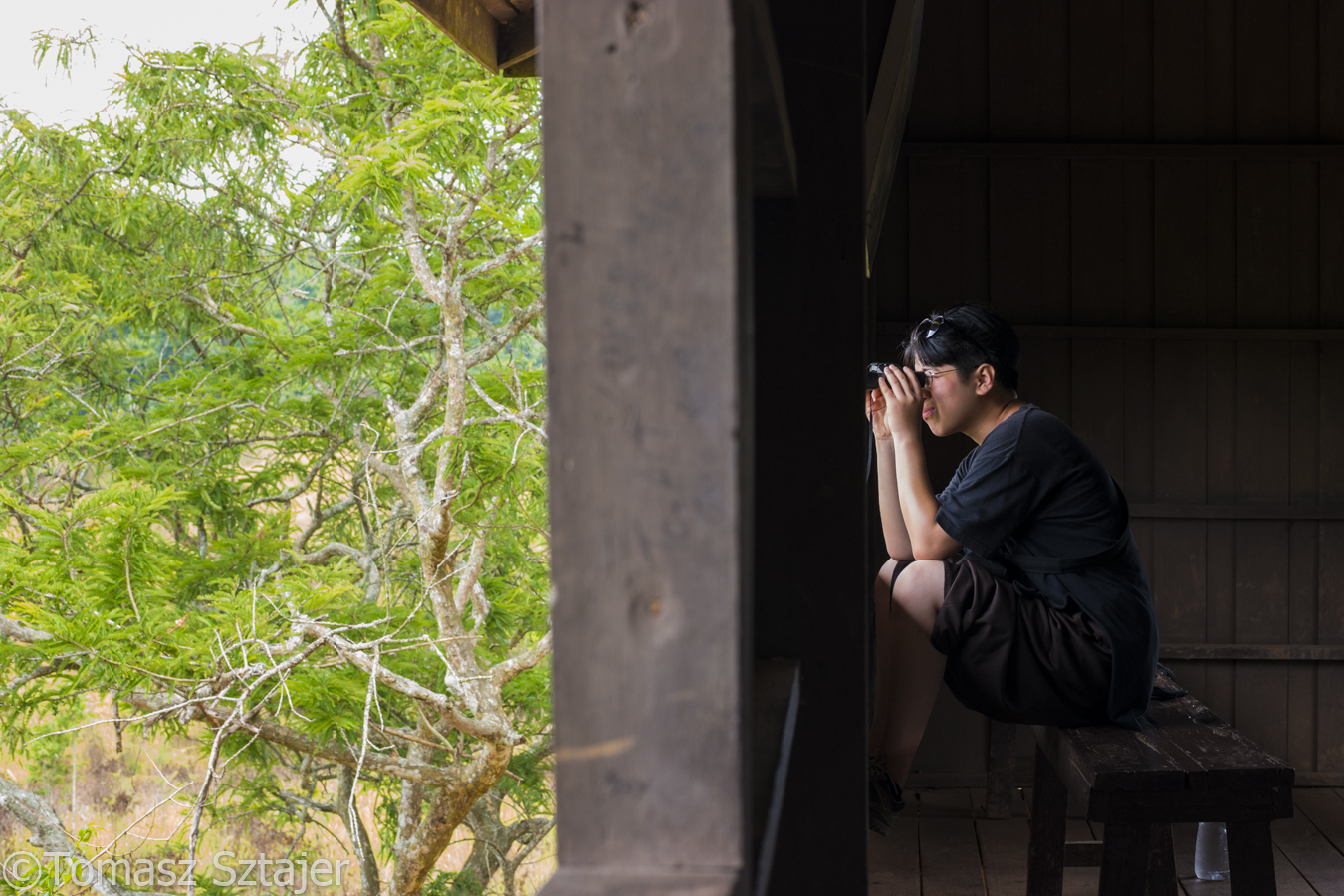
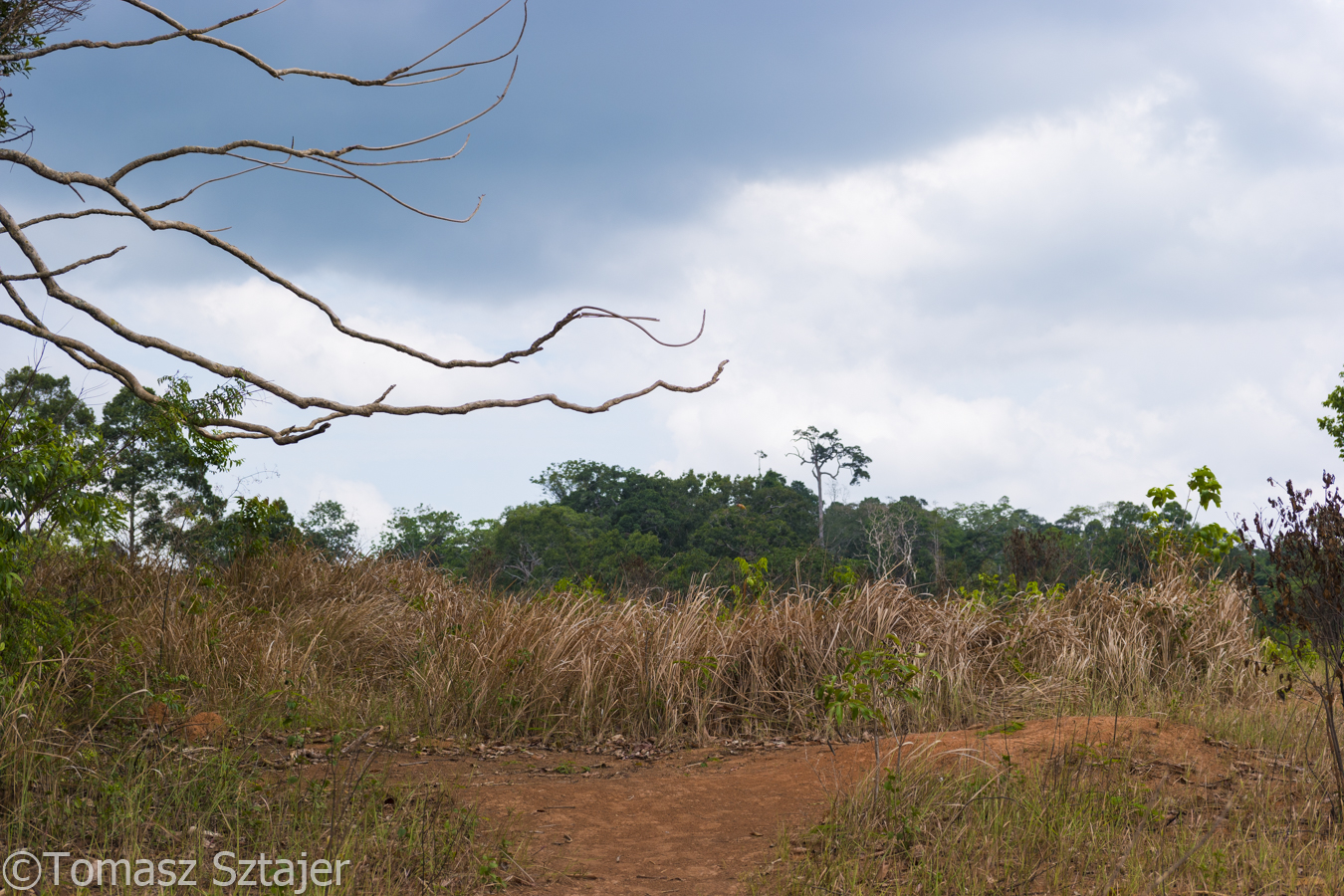
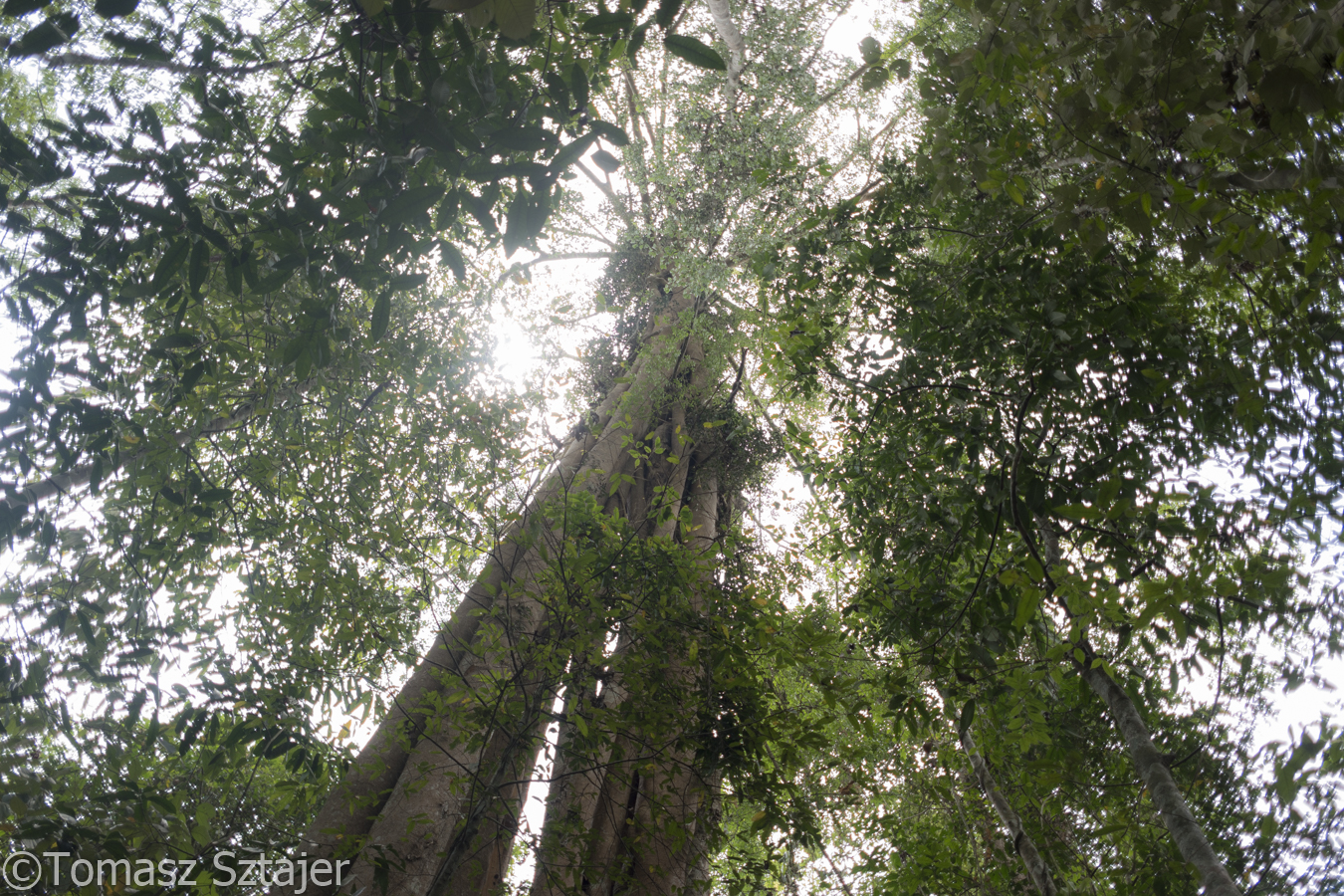
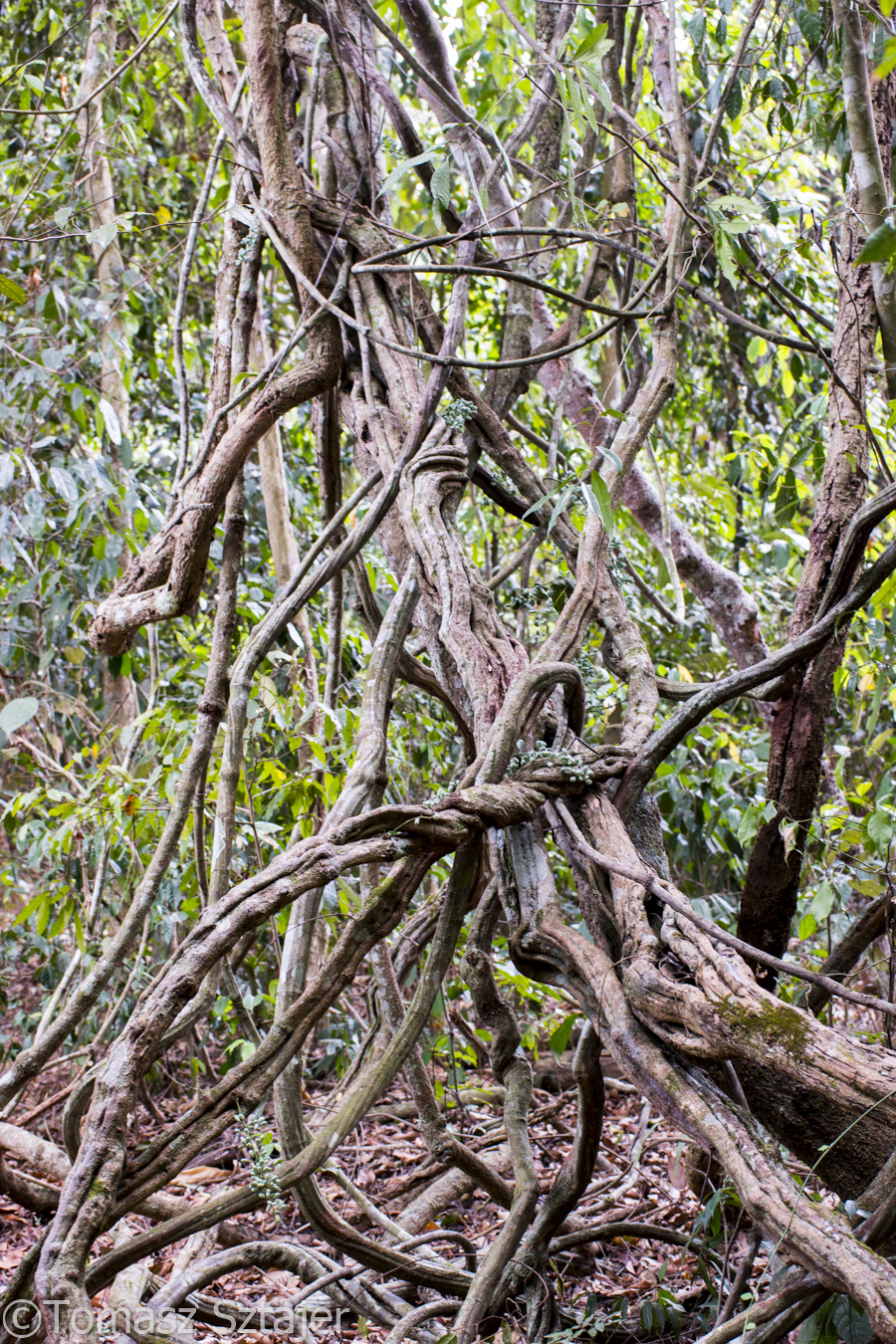
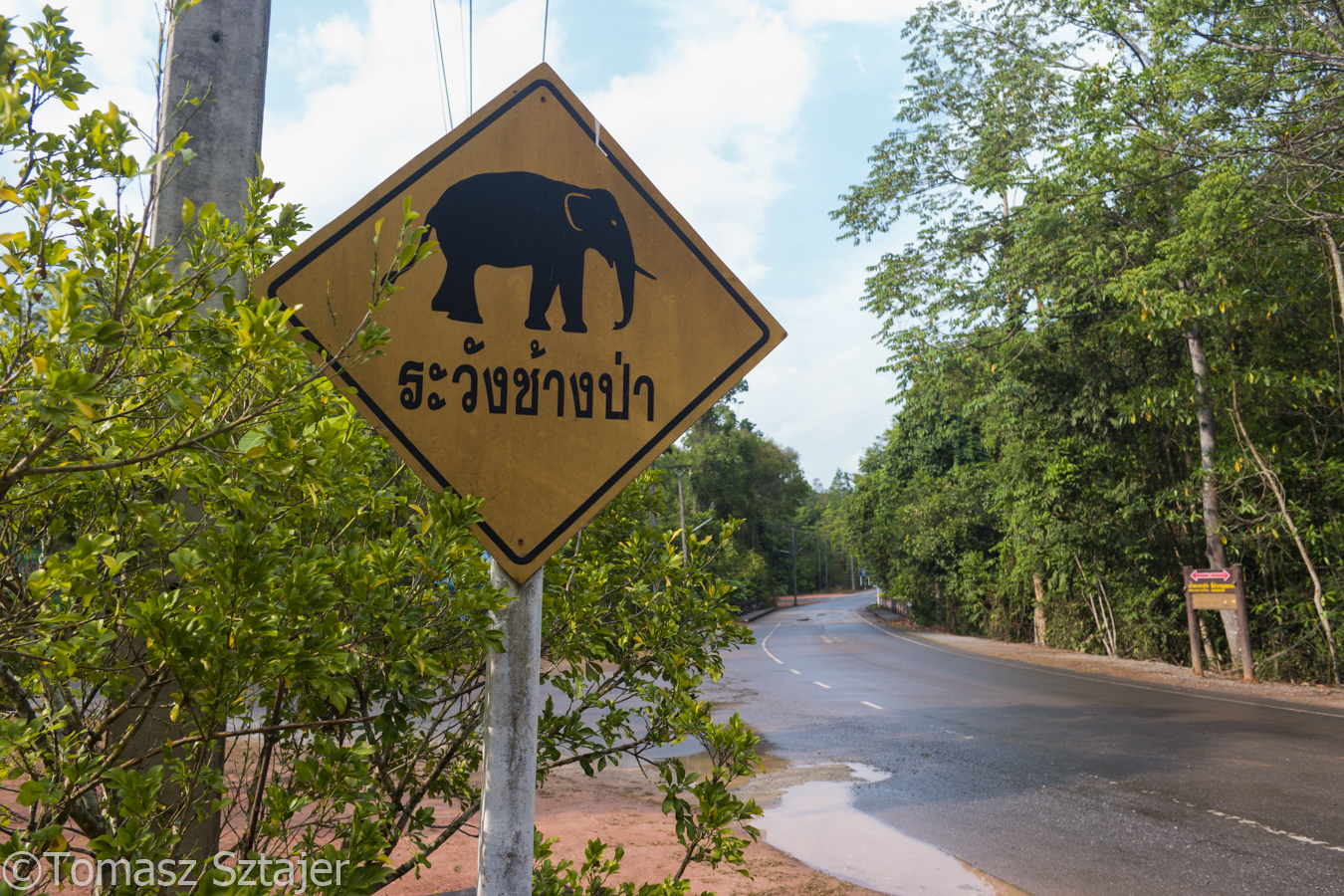
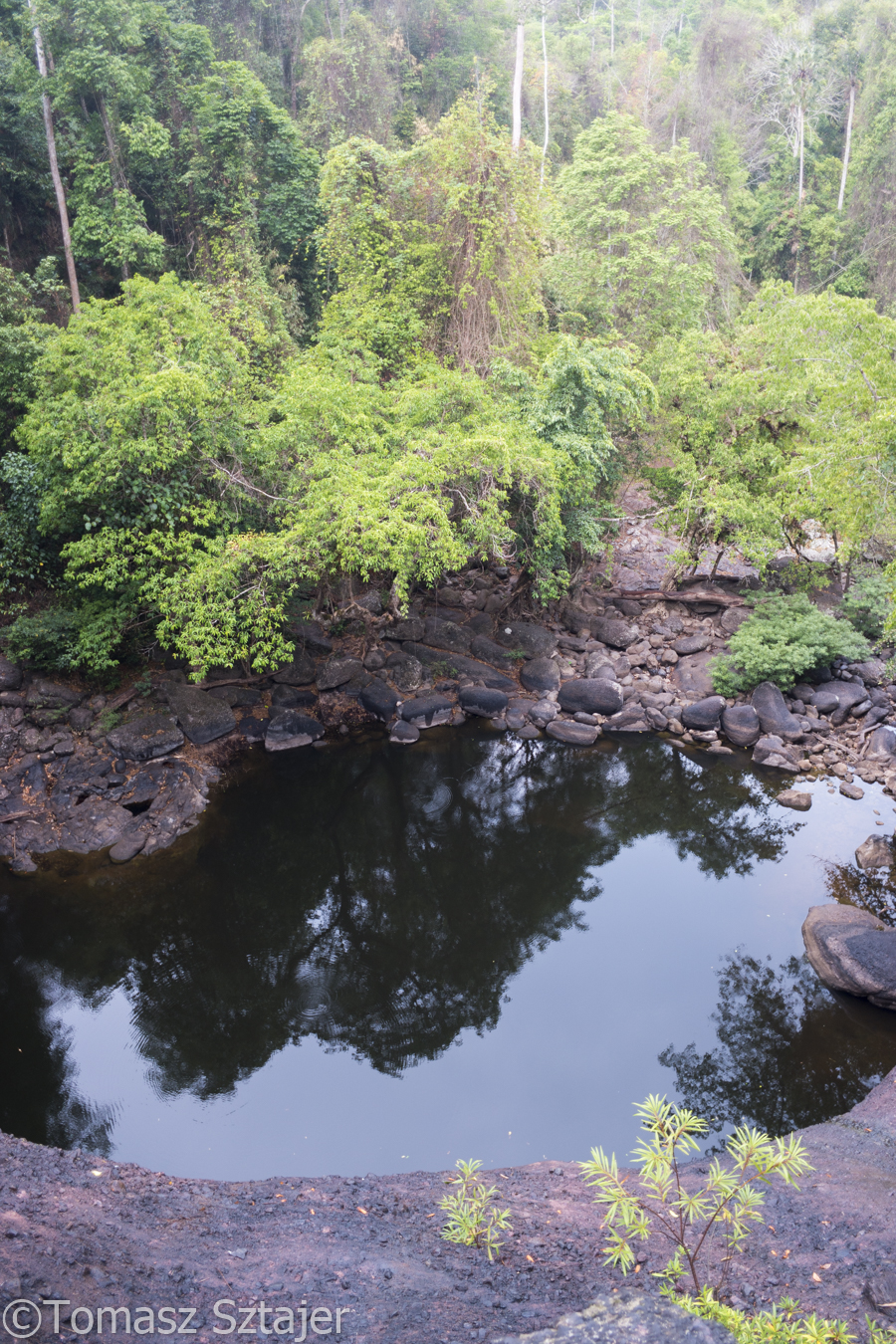
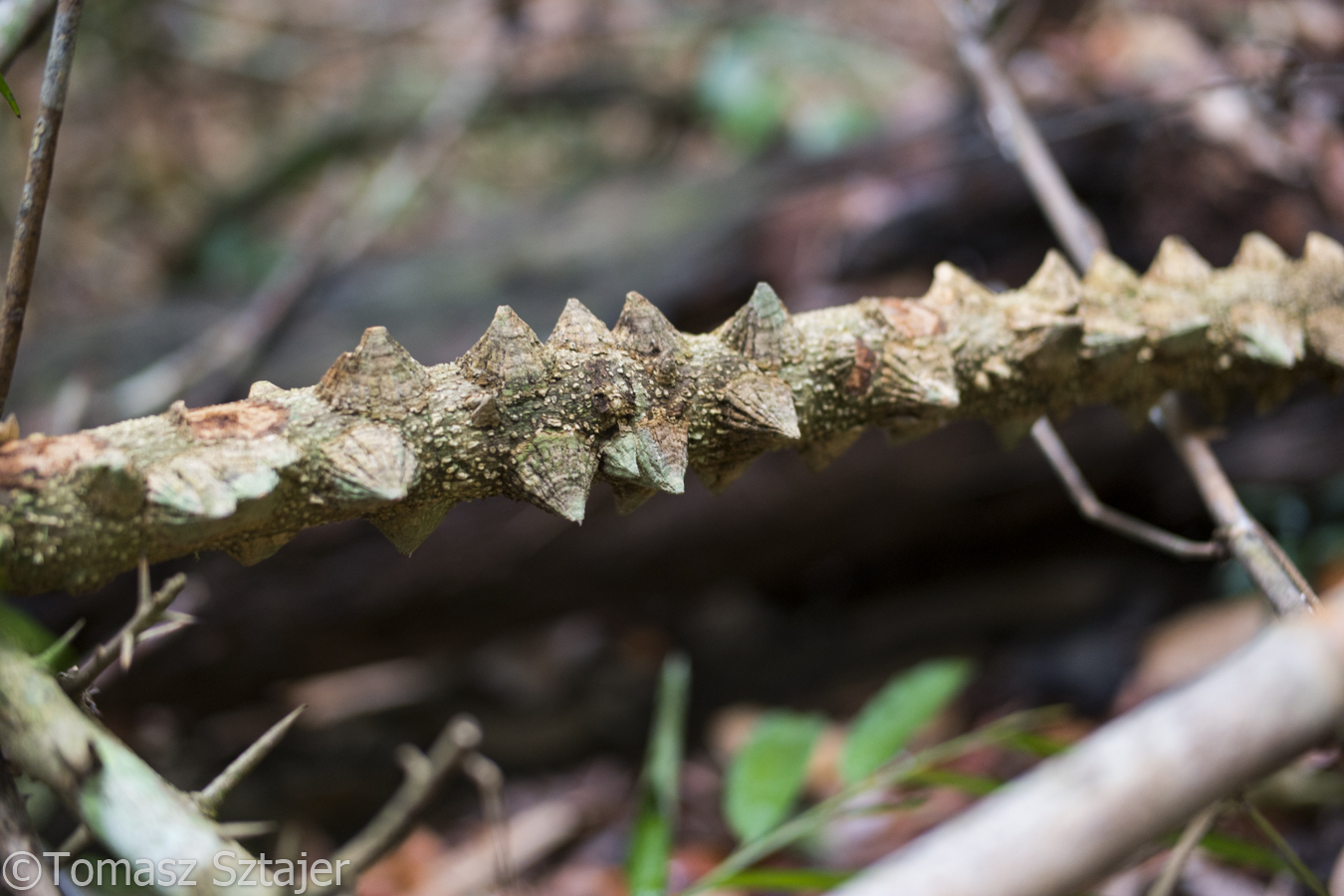
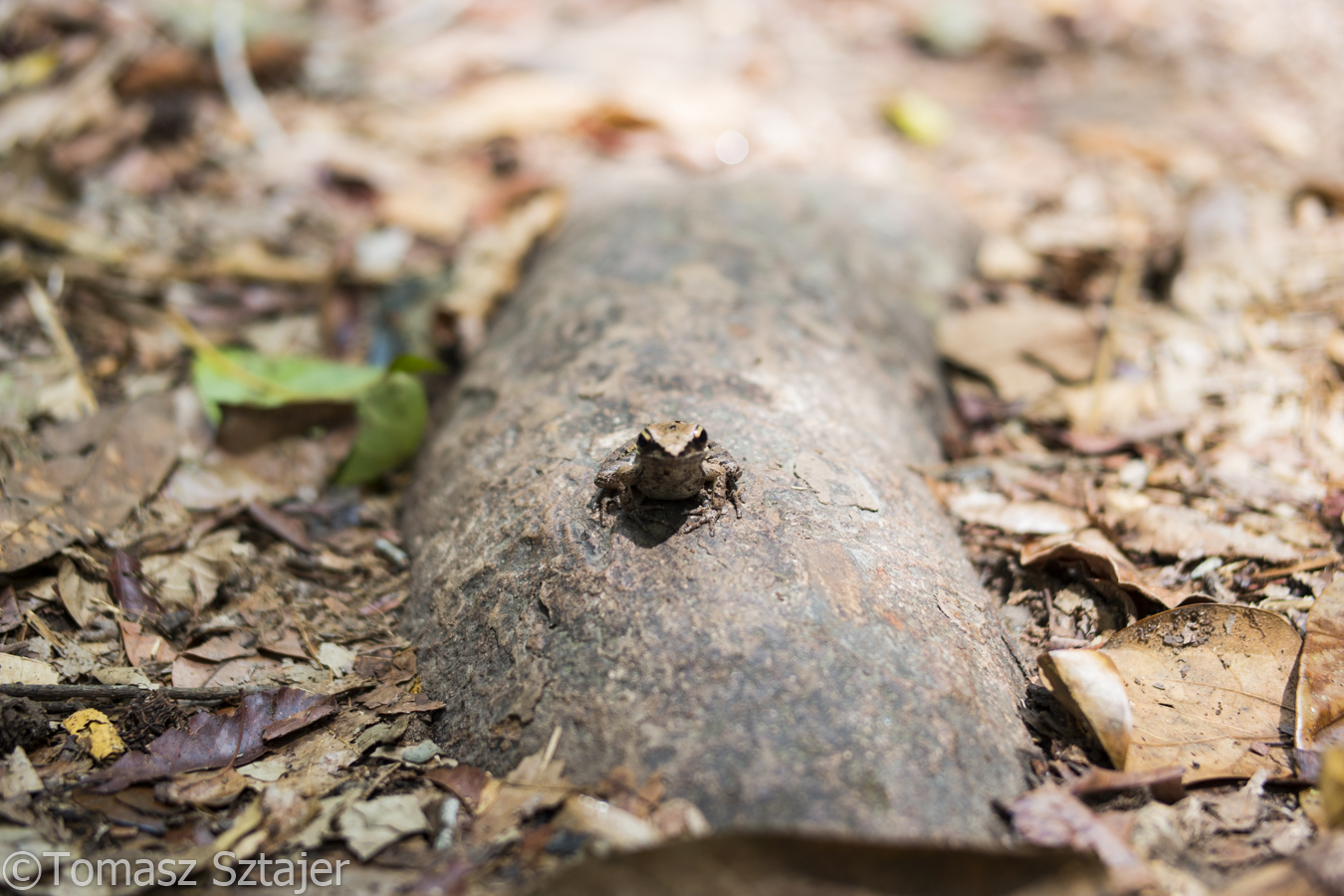
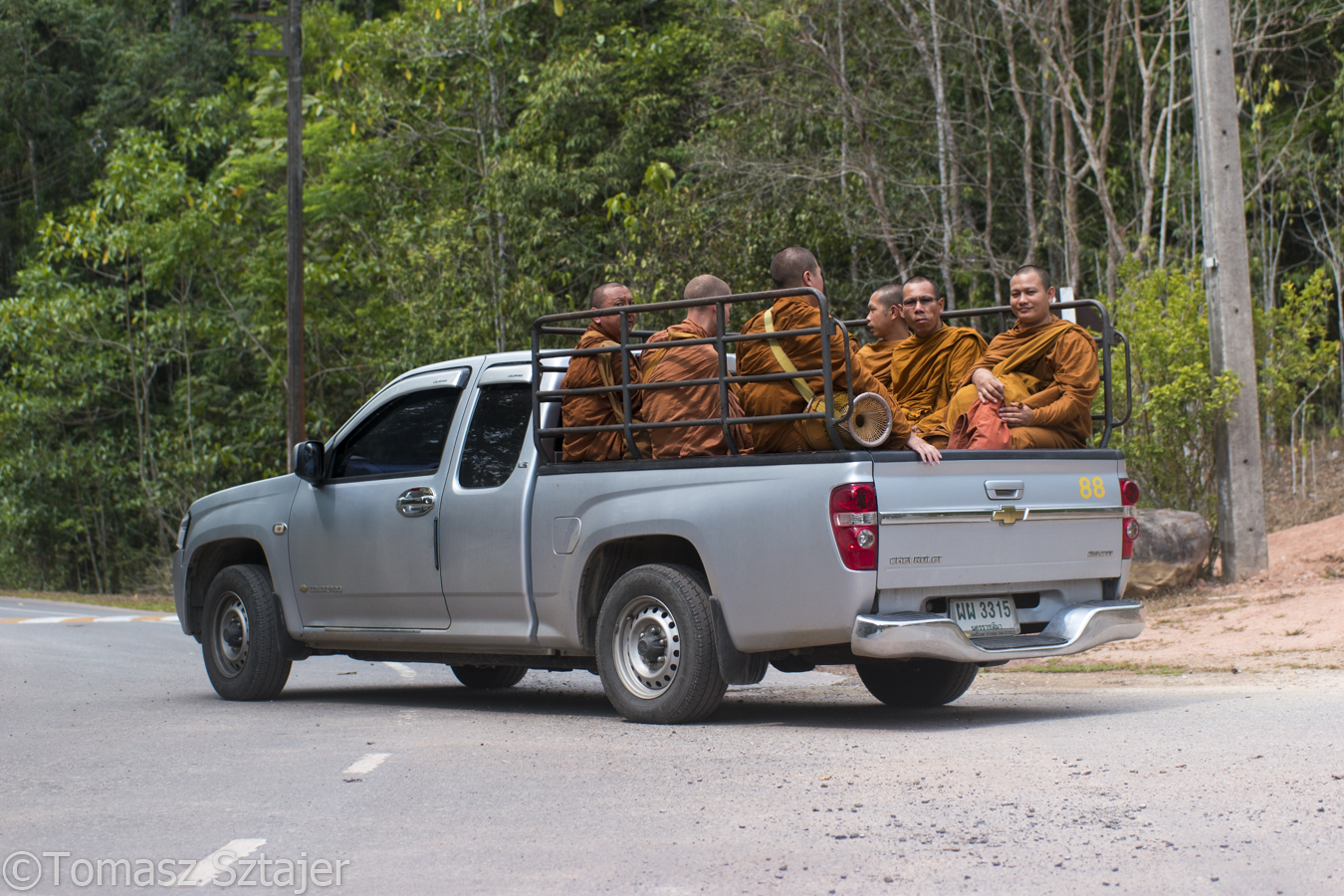
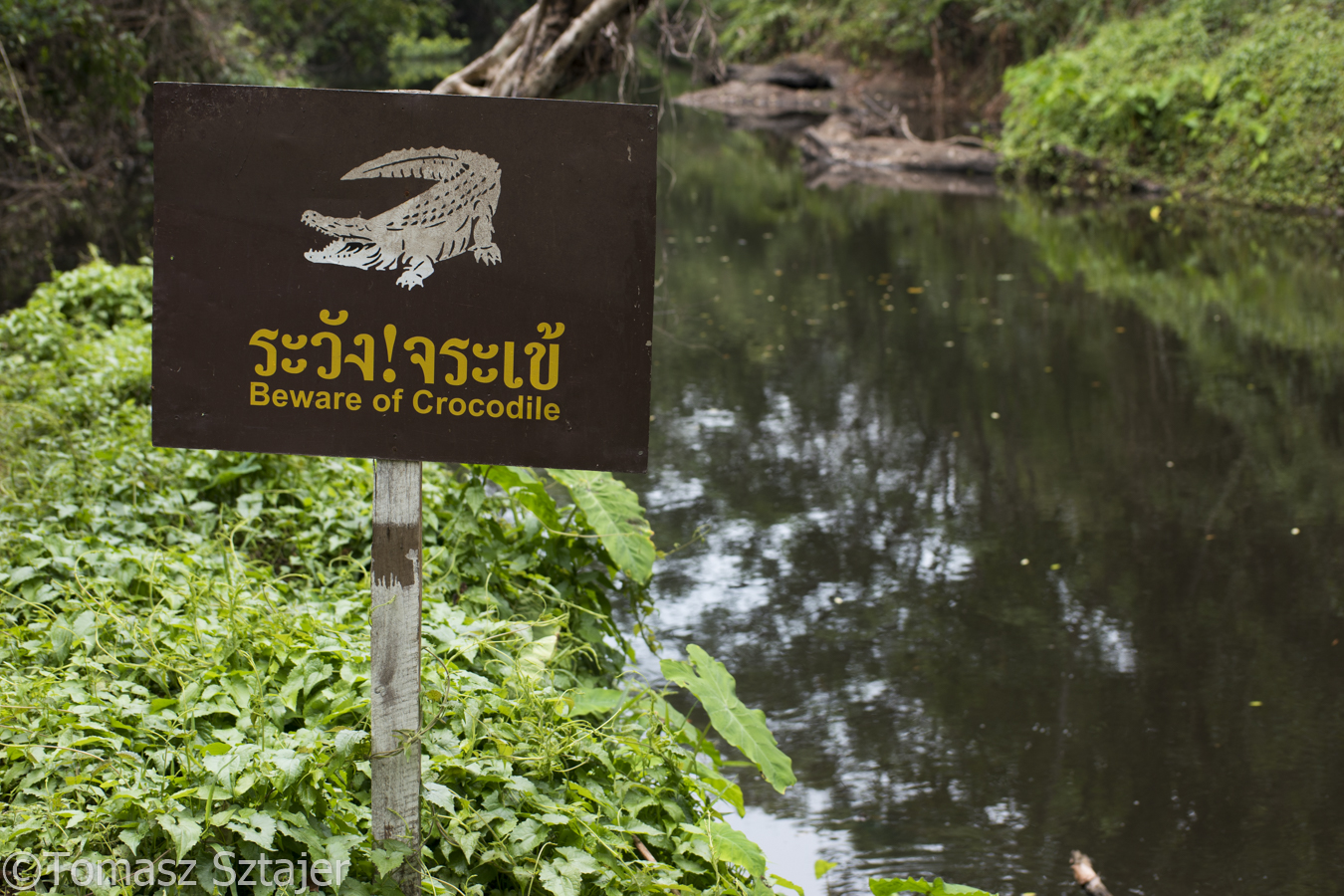
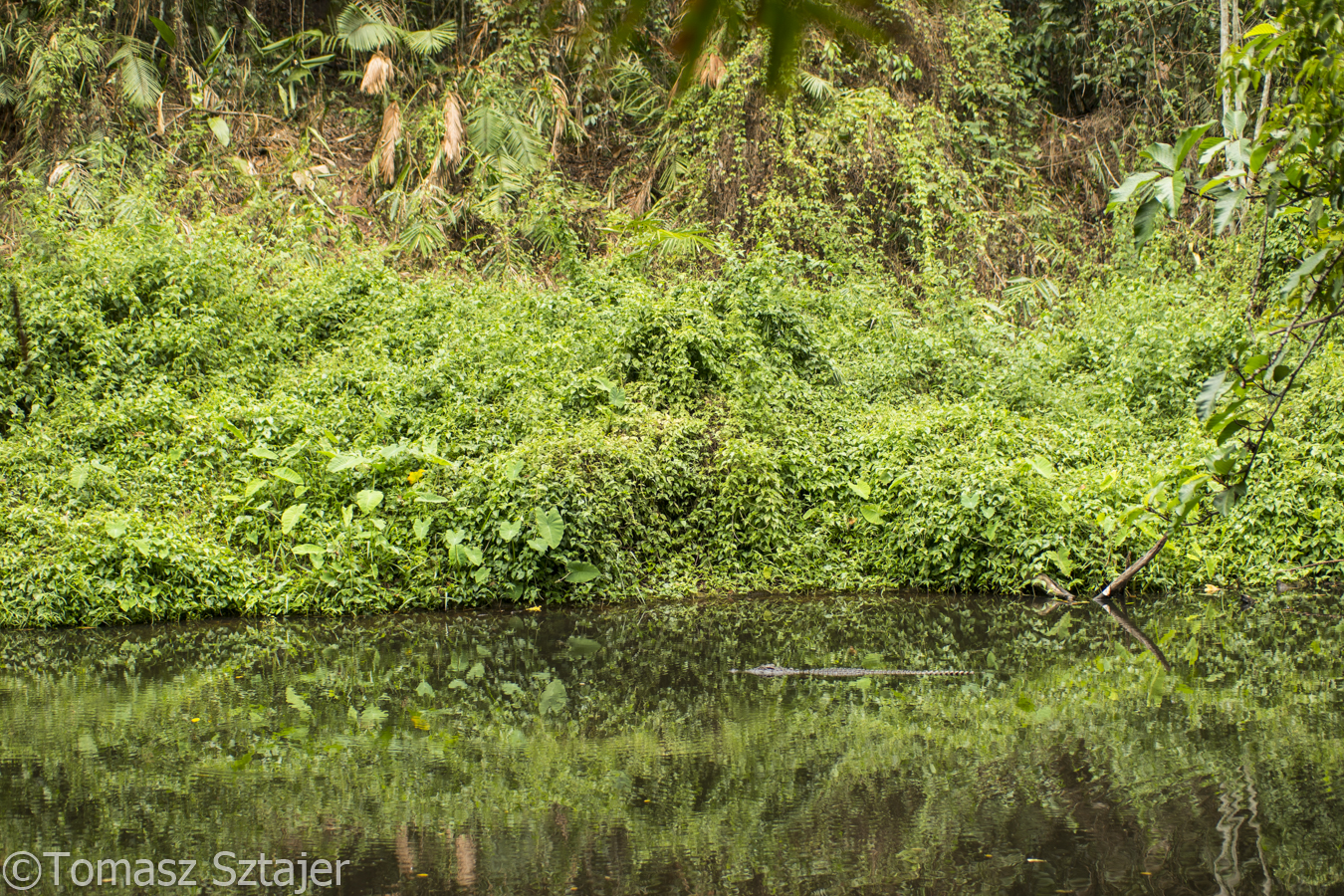
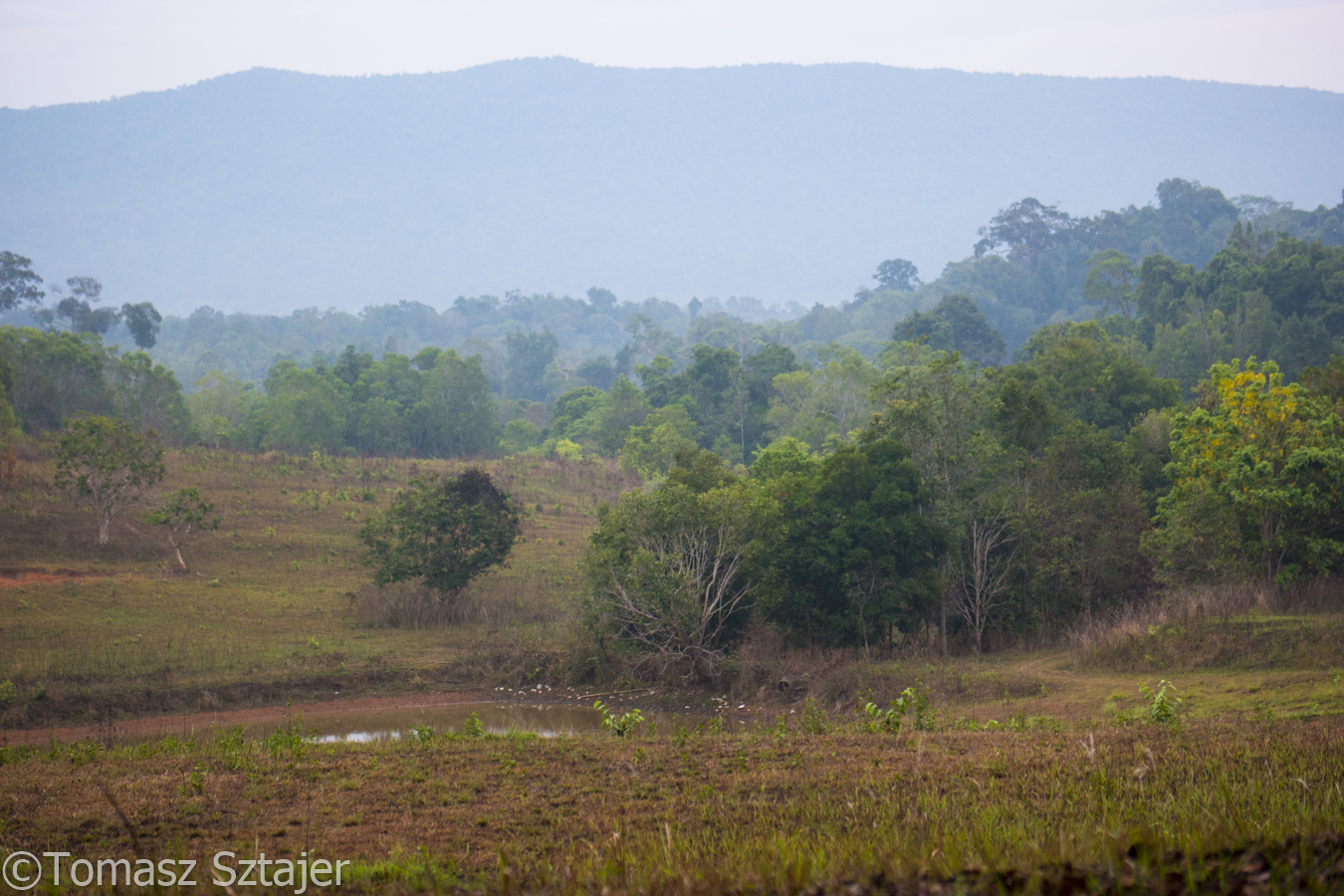
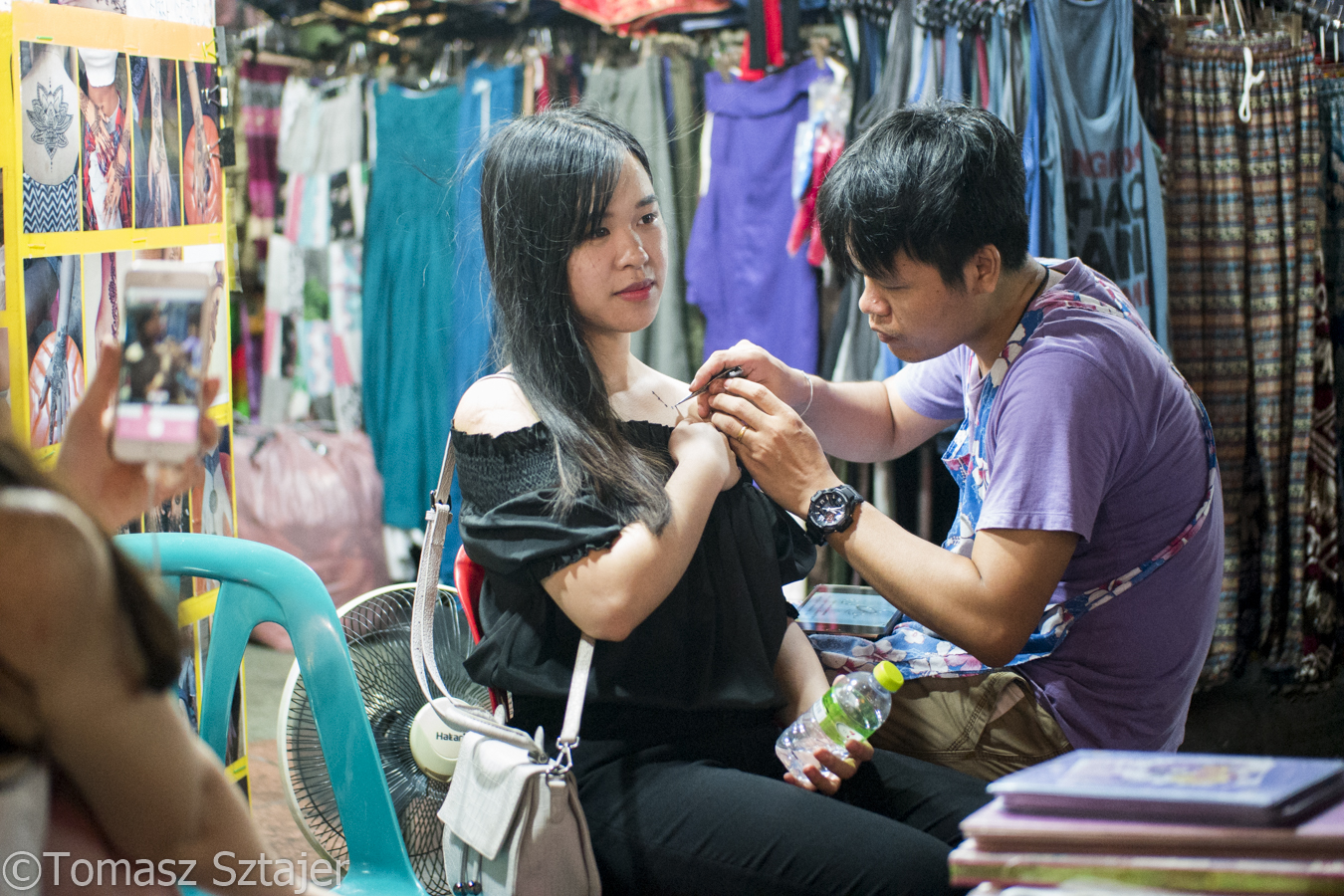
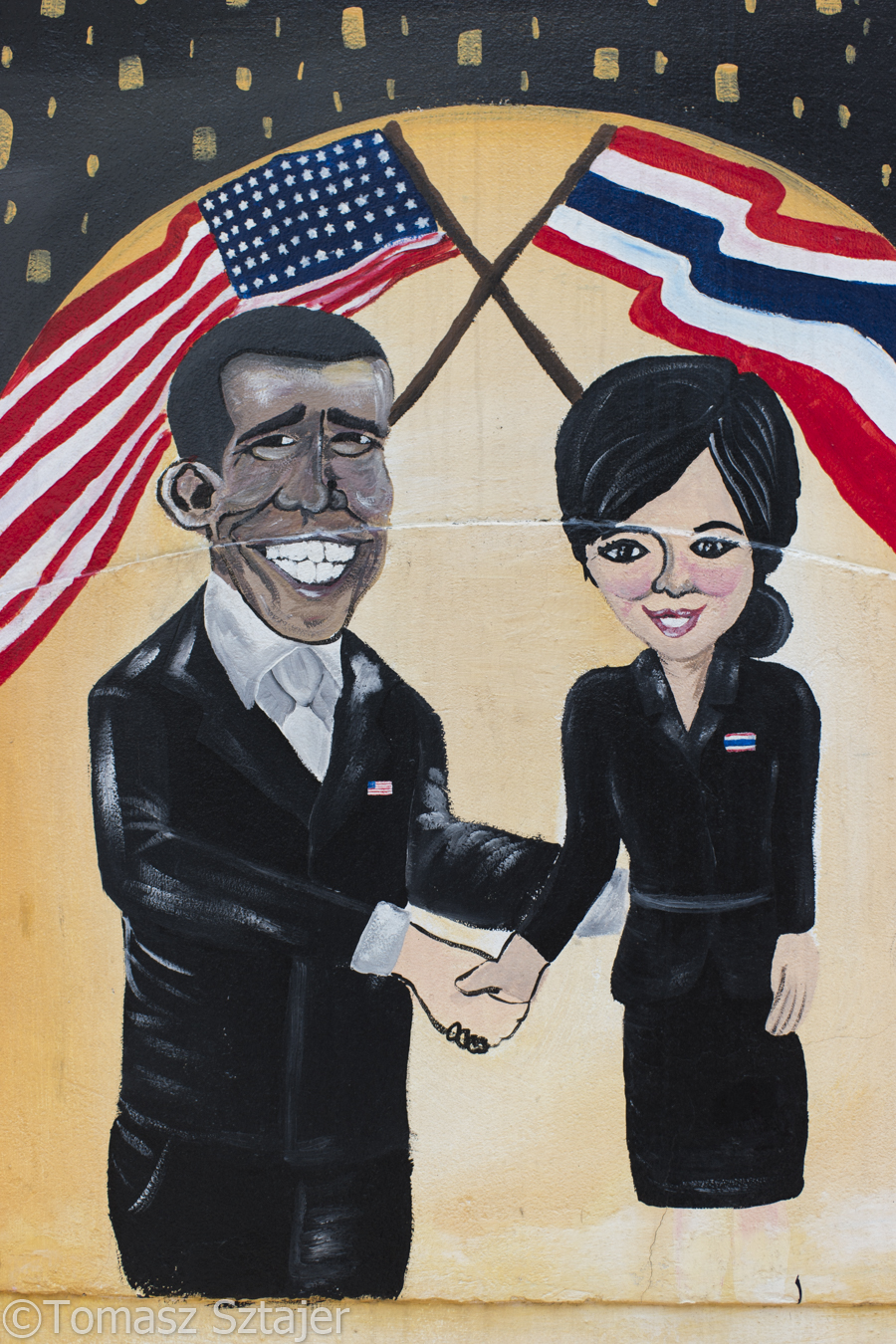
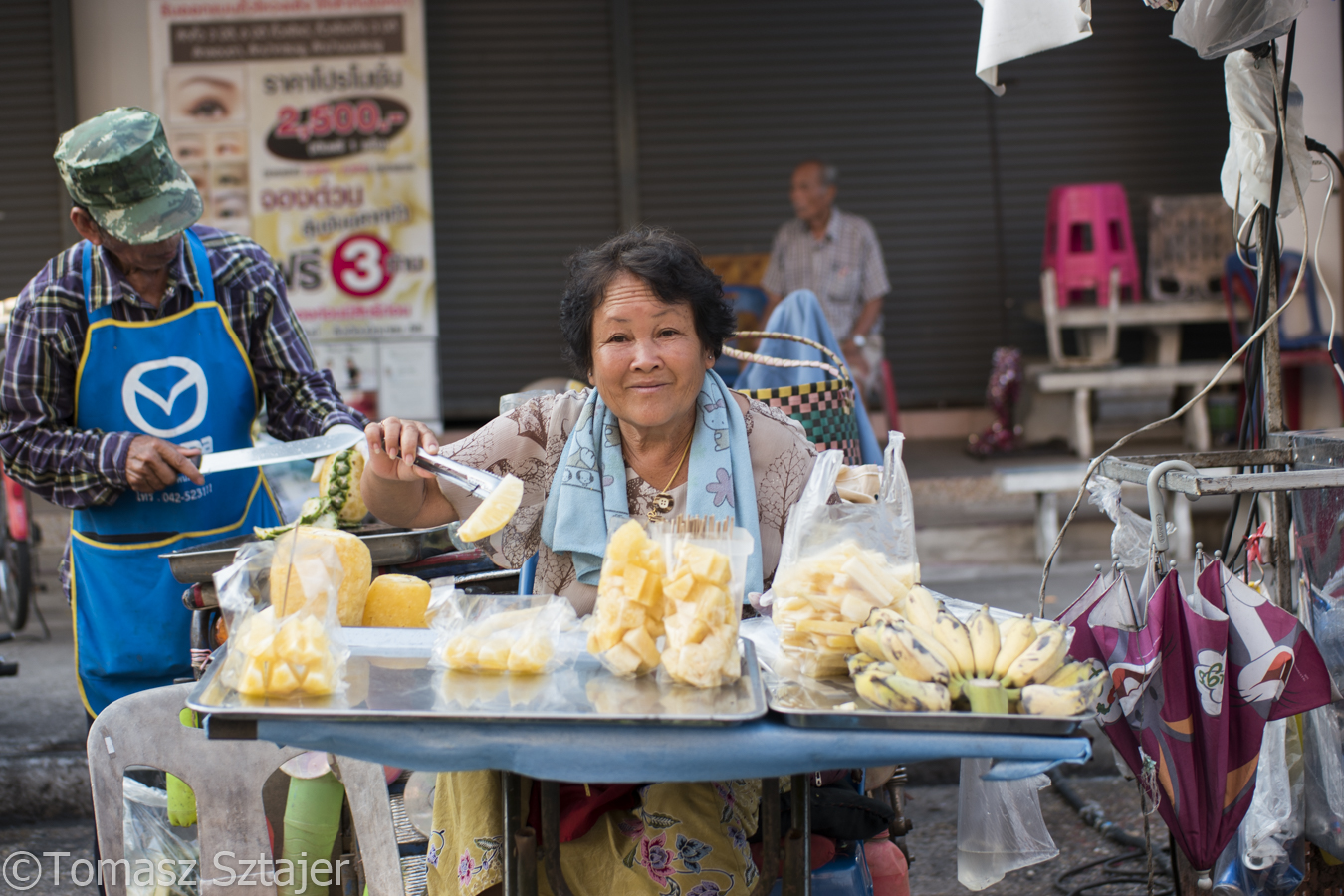
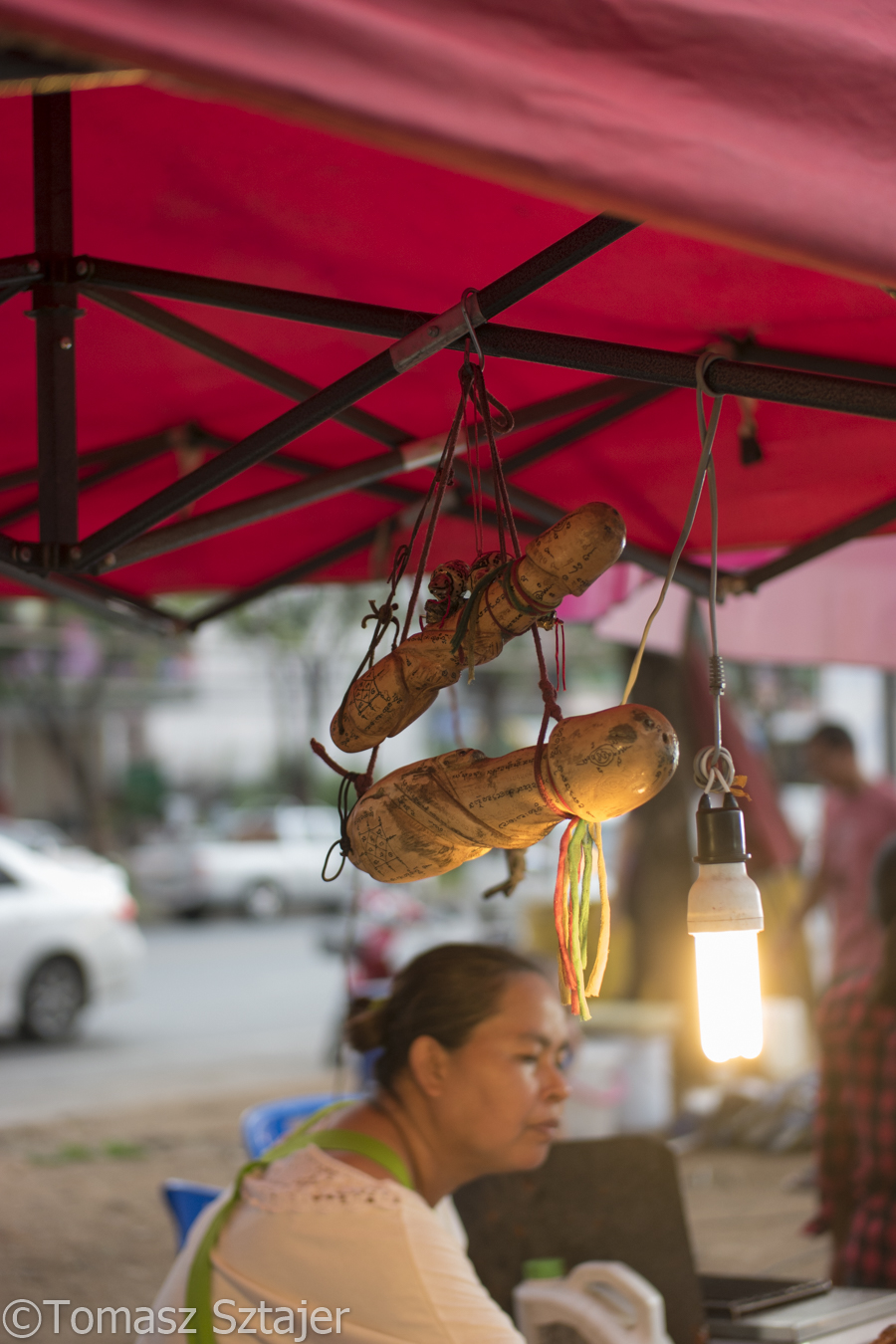
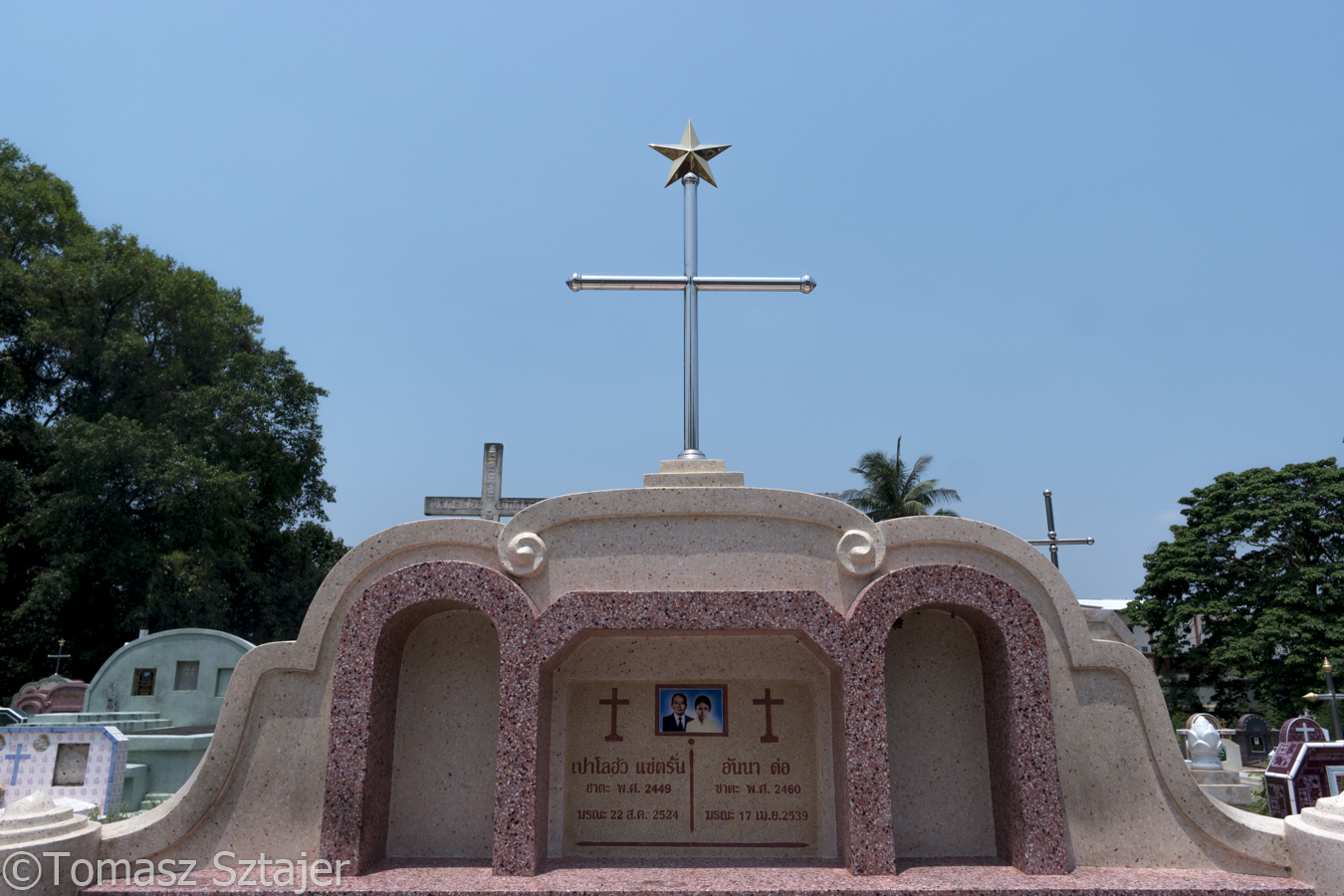
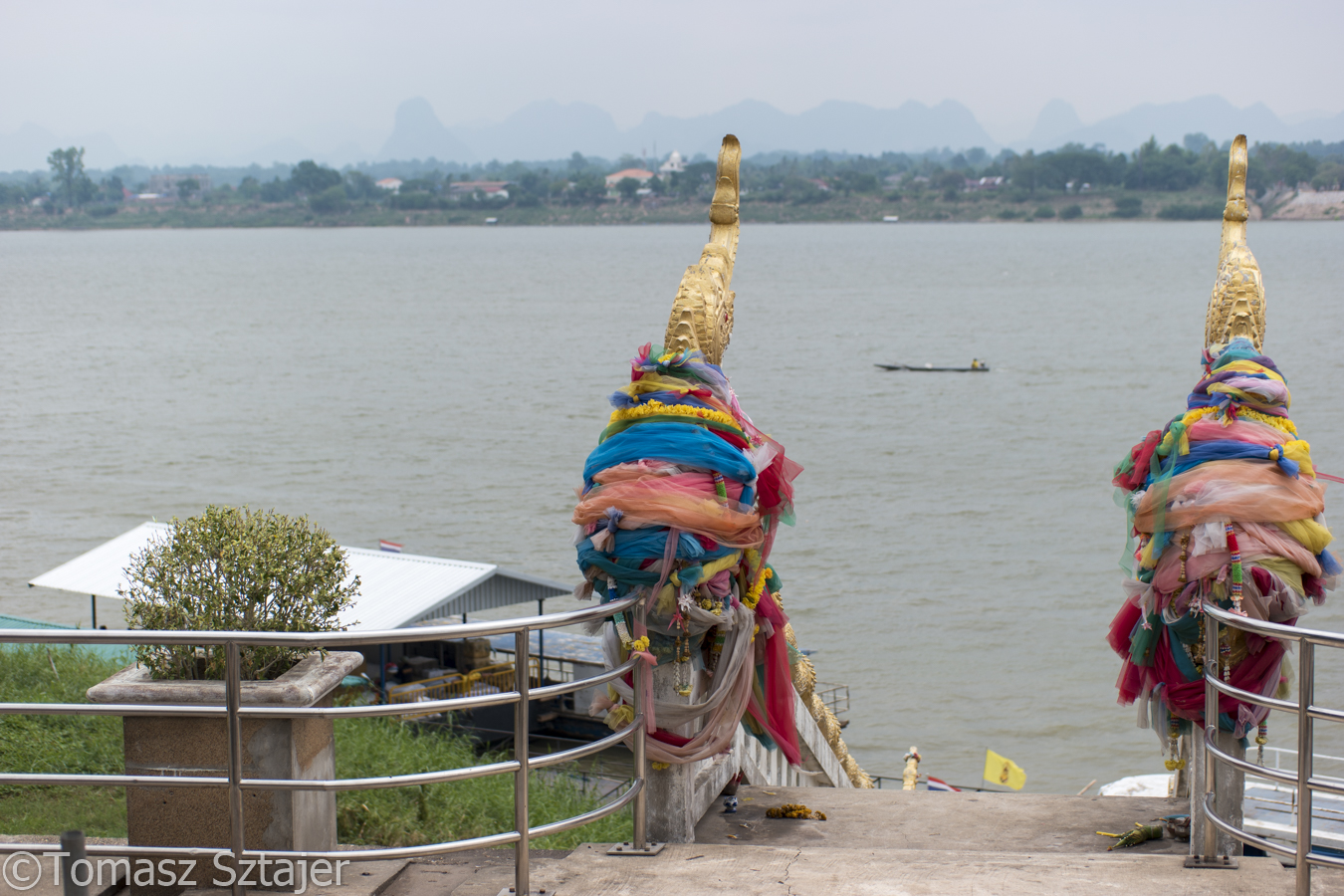
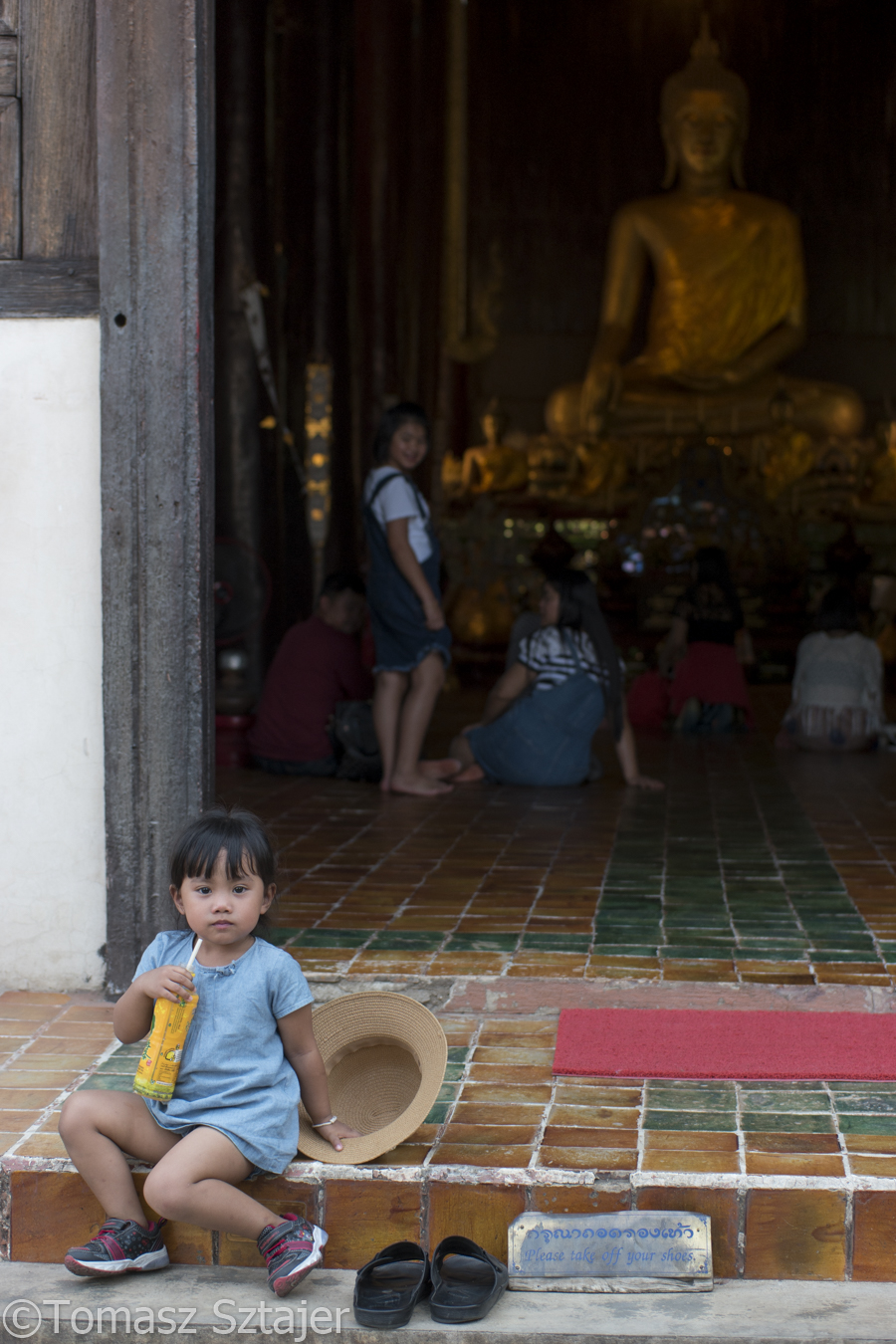
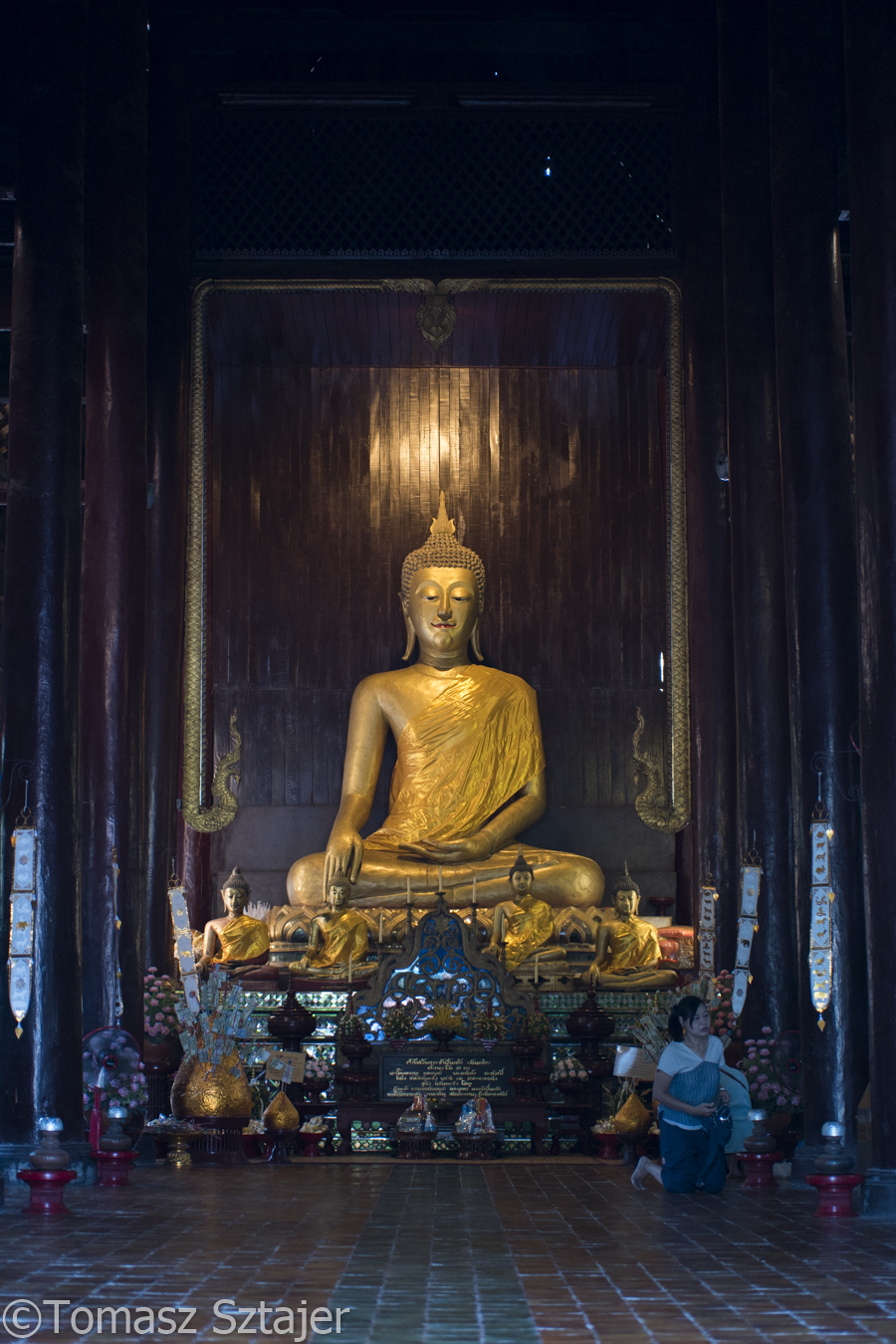
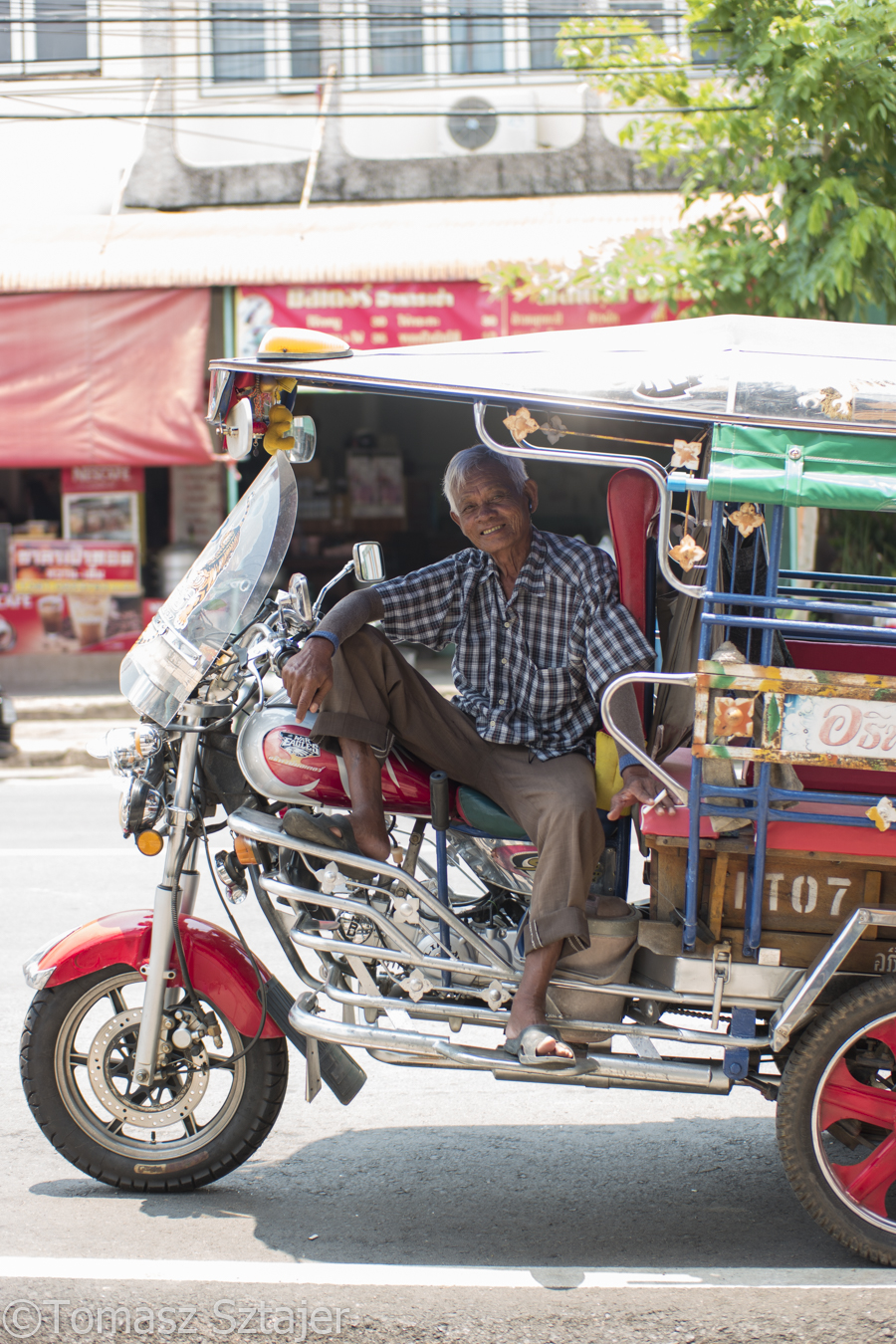
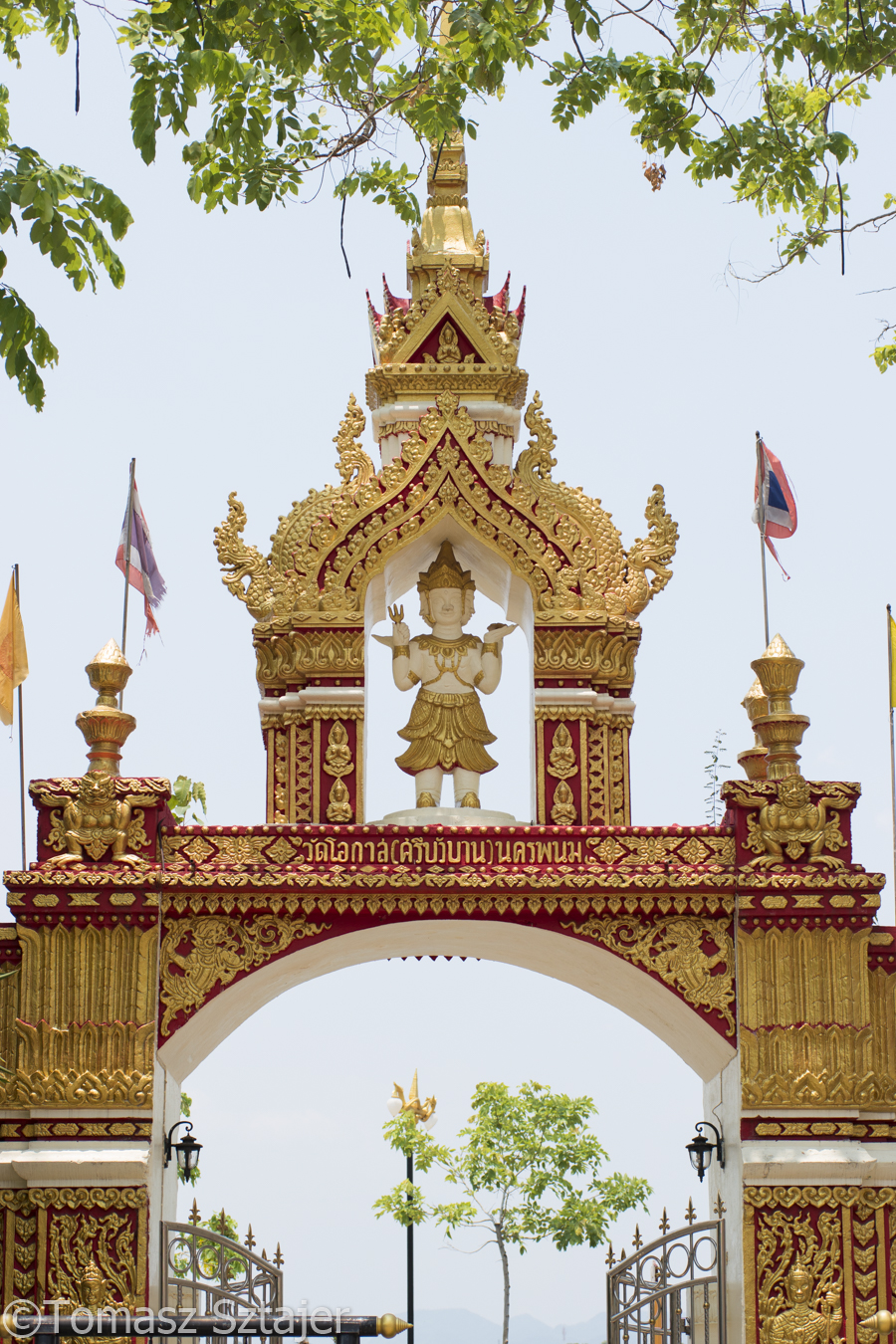
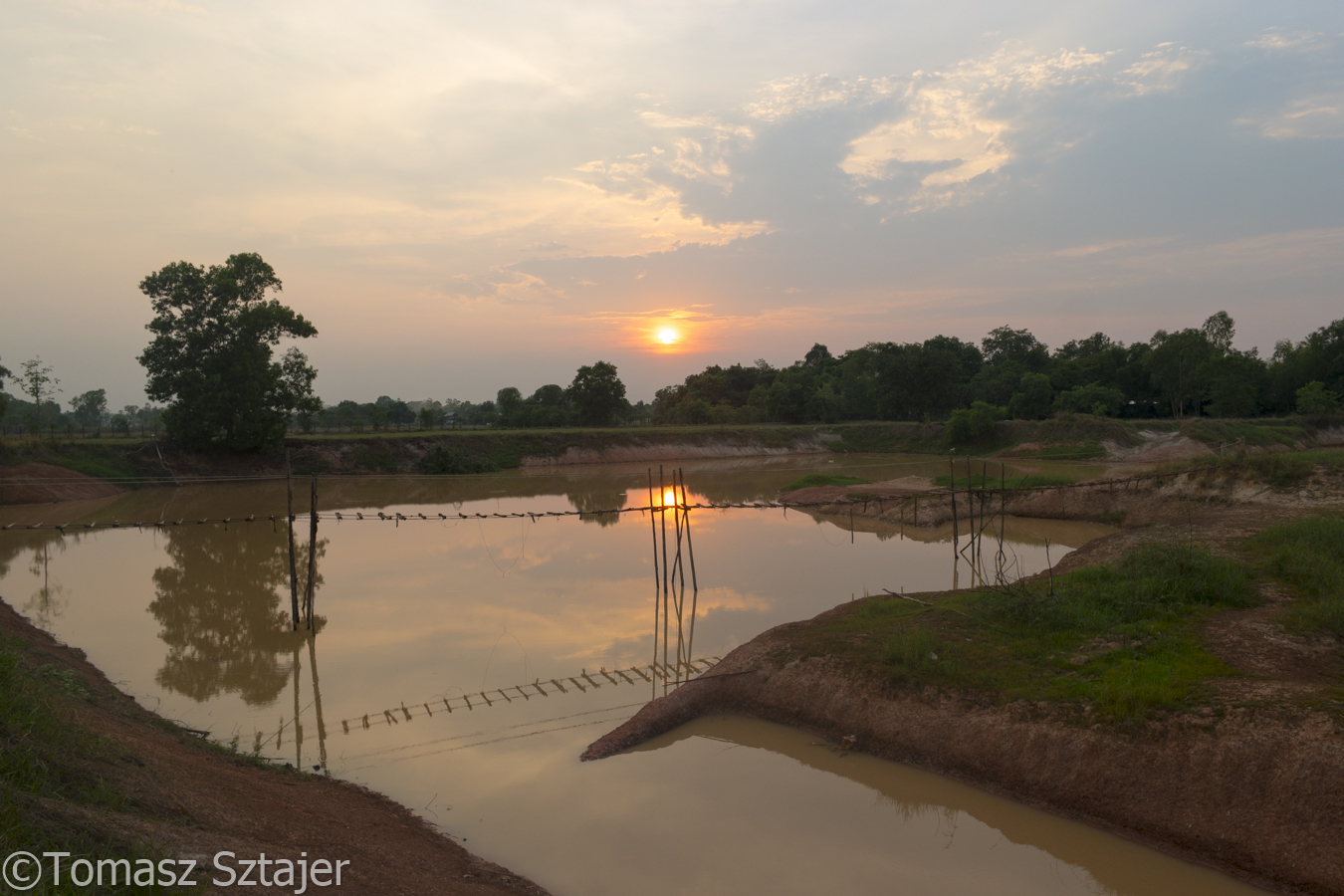
Just a few snaps from the Khao Yai National Park (totally worth it! Especially when camping surrounded by Sambar deers with occasional small Indian Civet and porcupine running around; plus lots more if you venture deeper into the forest, preferably with a guide) + few other spots that I visited and re-visited in Thailand.
***
Parę fotek z Parku Narodowego Khao Yai (polecam! Niezapomniane wrażenia z noclegu pod namiotem w otoczeniu jeleni oraz przebiegających tu i ówdzie wiwer malajskich i jeżozwierzy; a oprócz tego, całe mnóstwo zwierzaków ukrytych w lesie, po którym chętnie oprowadzą Was przewodnicy) a także z paru innych miejscówek, które odwiedziłem podczas kolejnej wycieczki po Tajlandii.