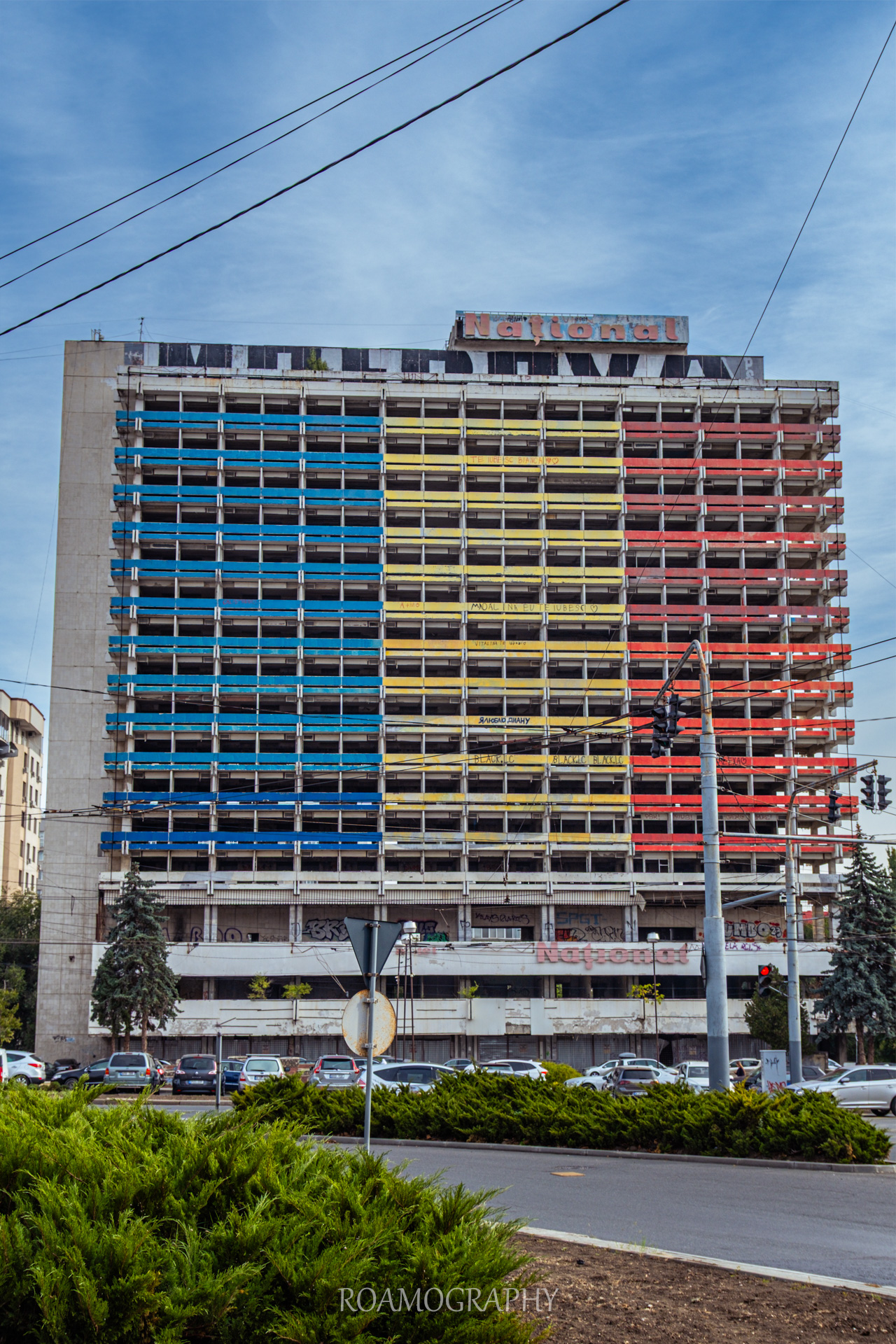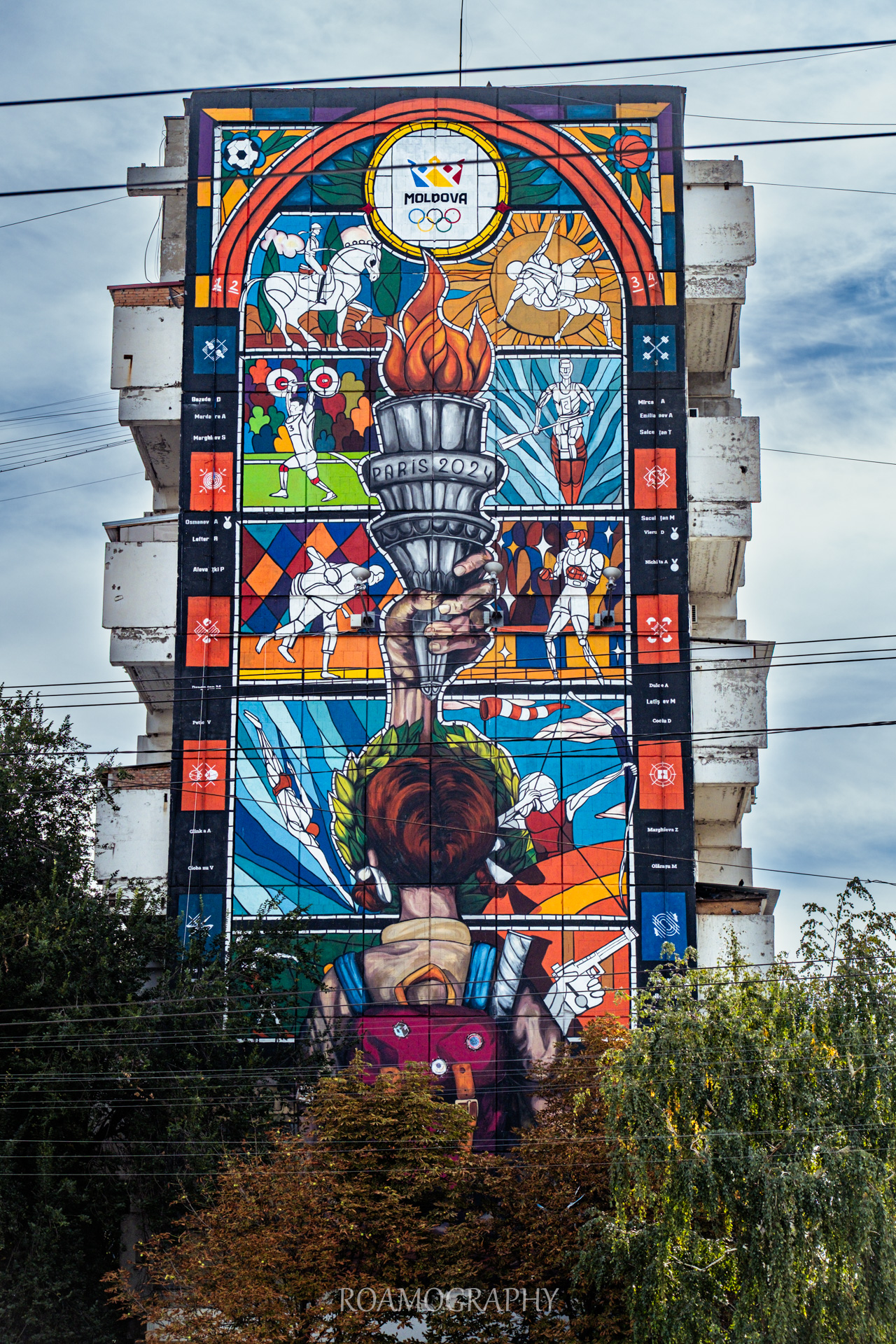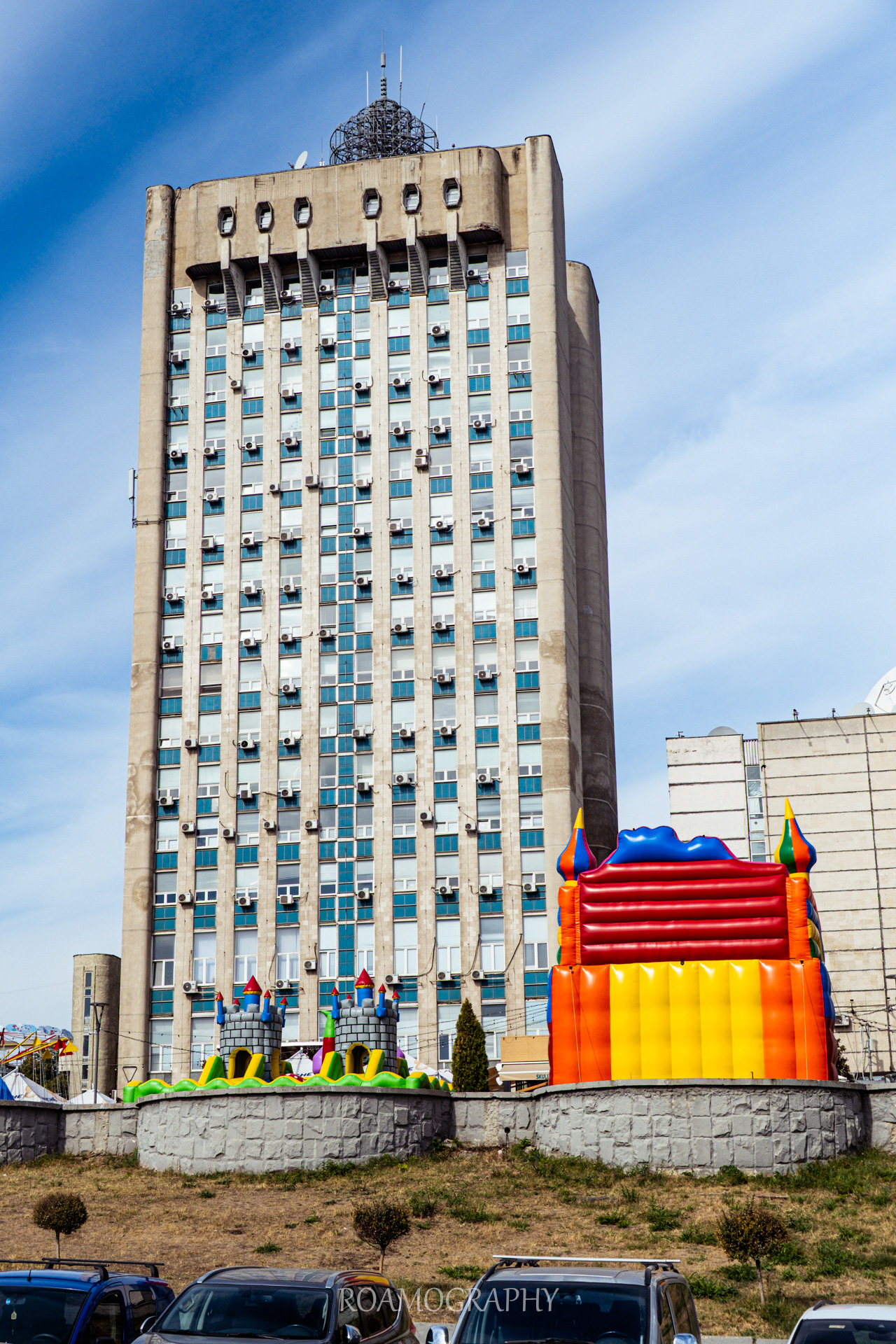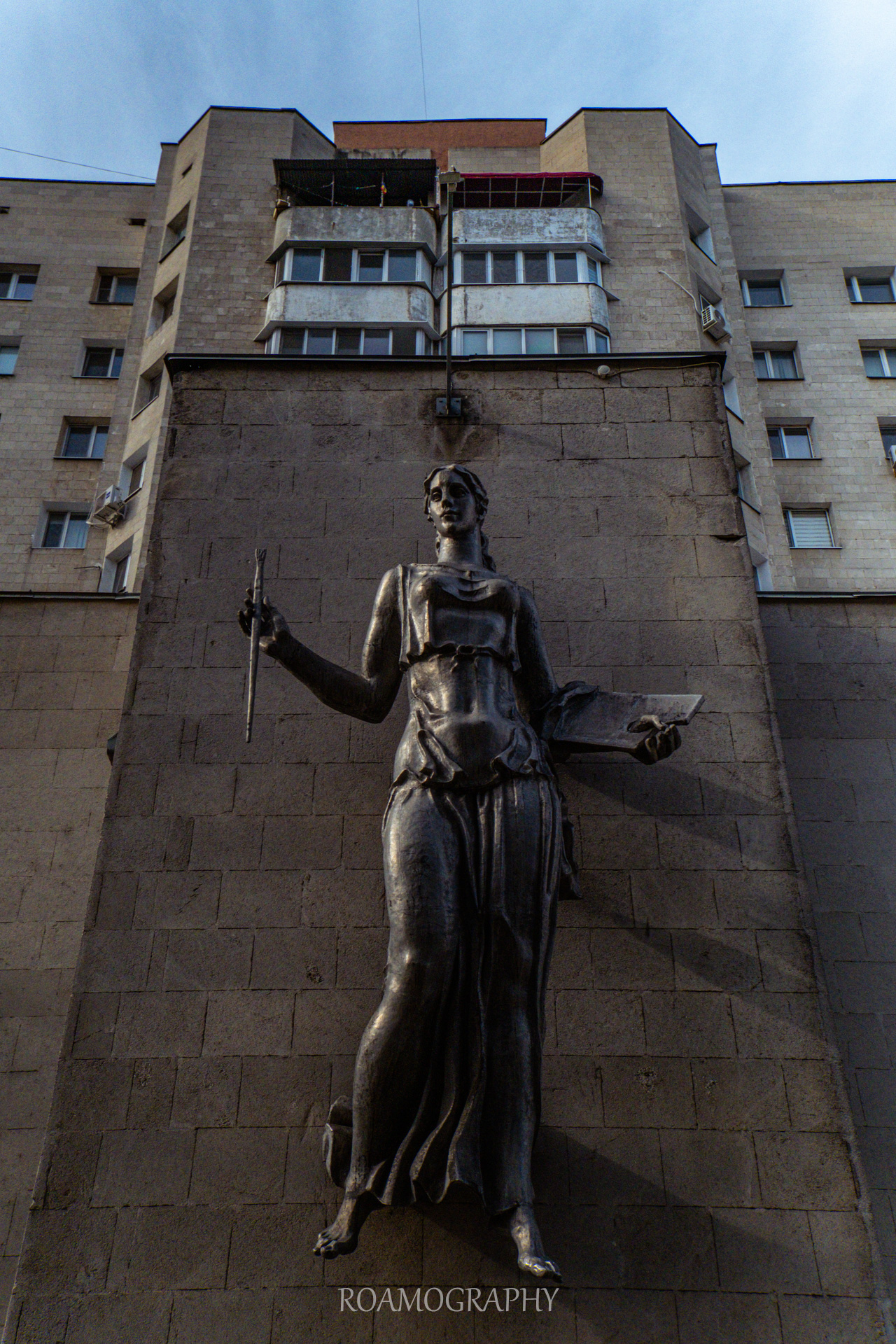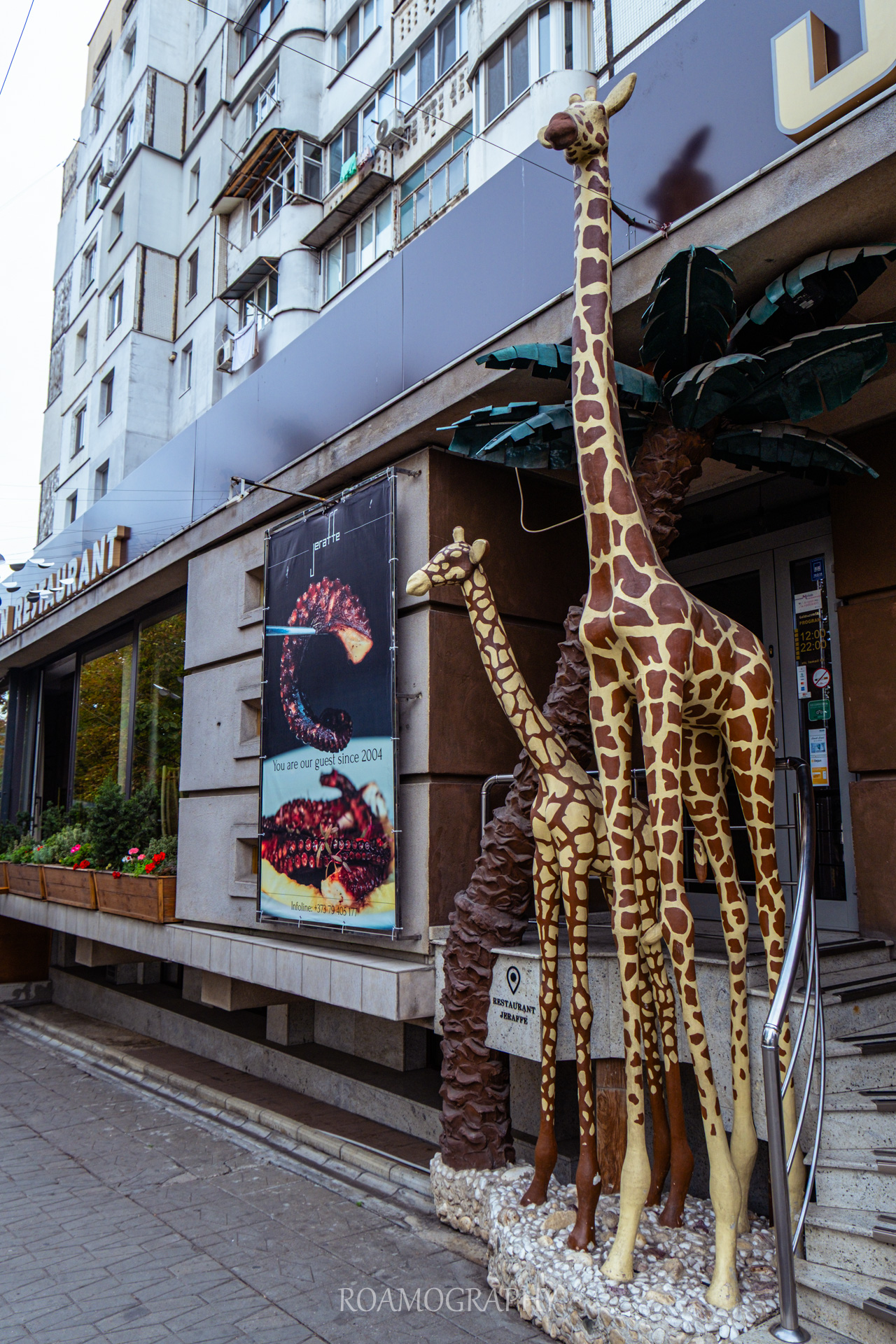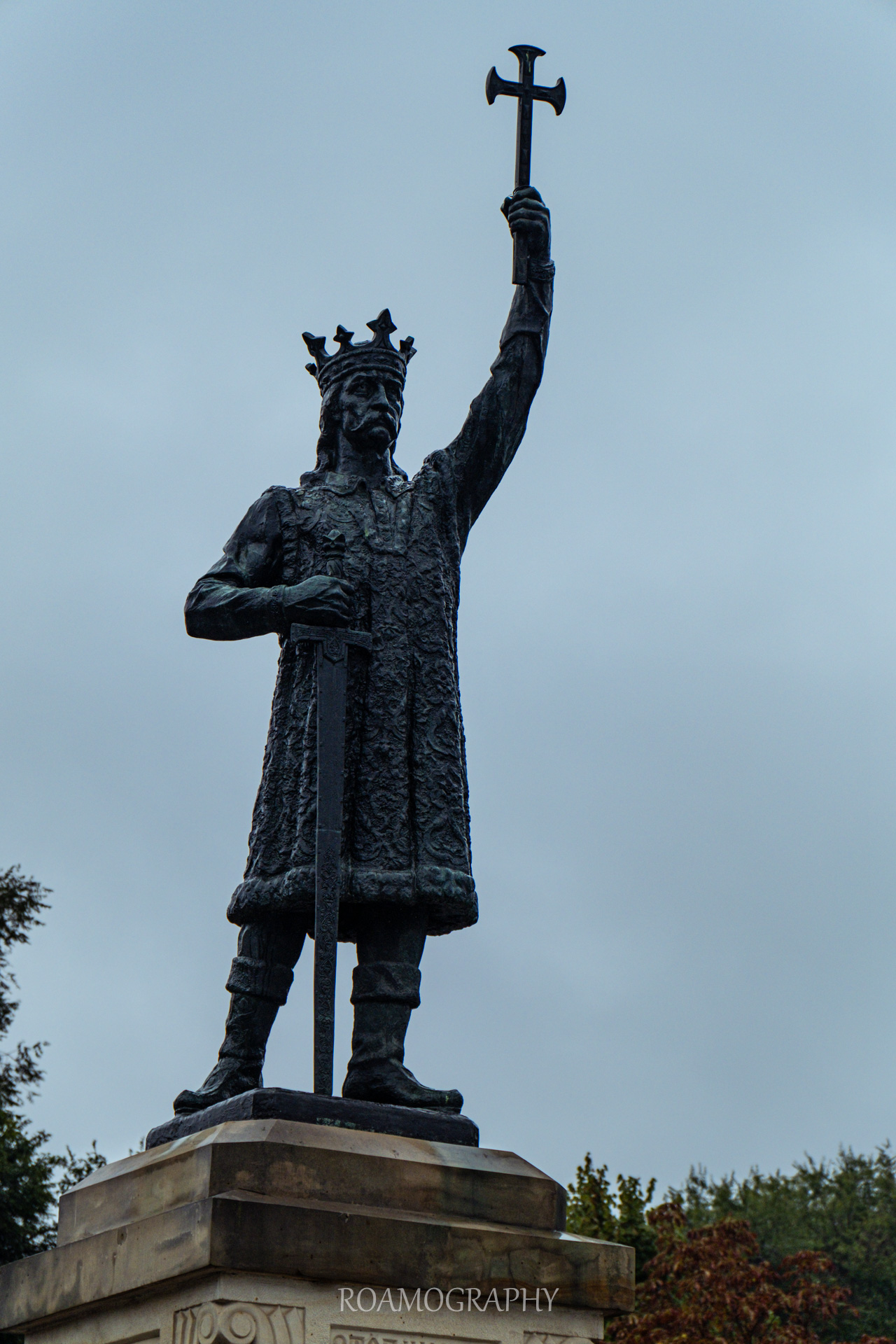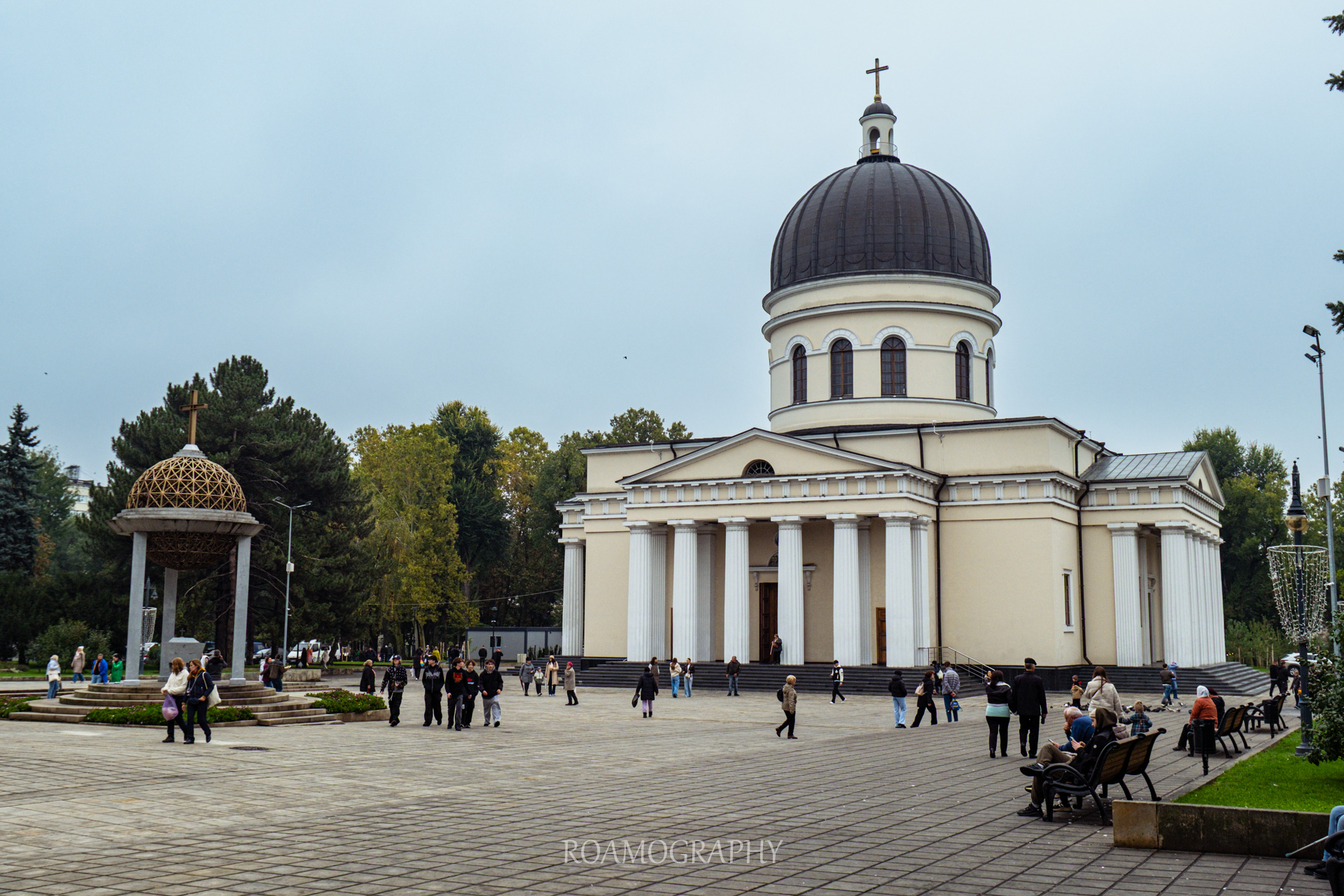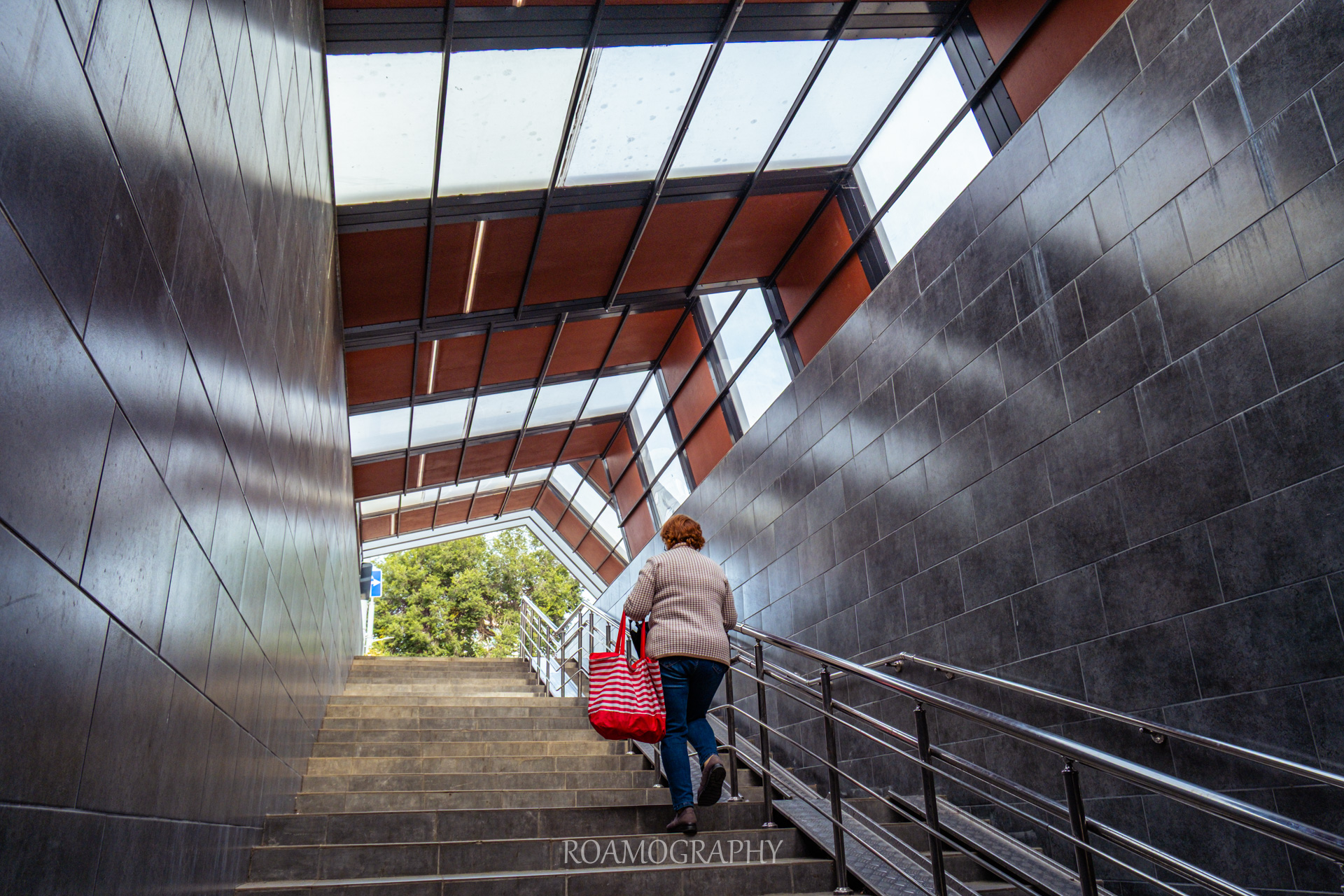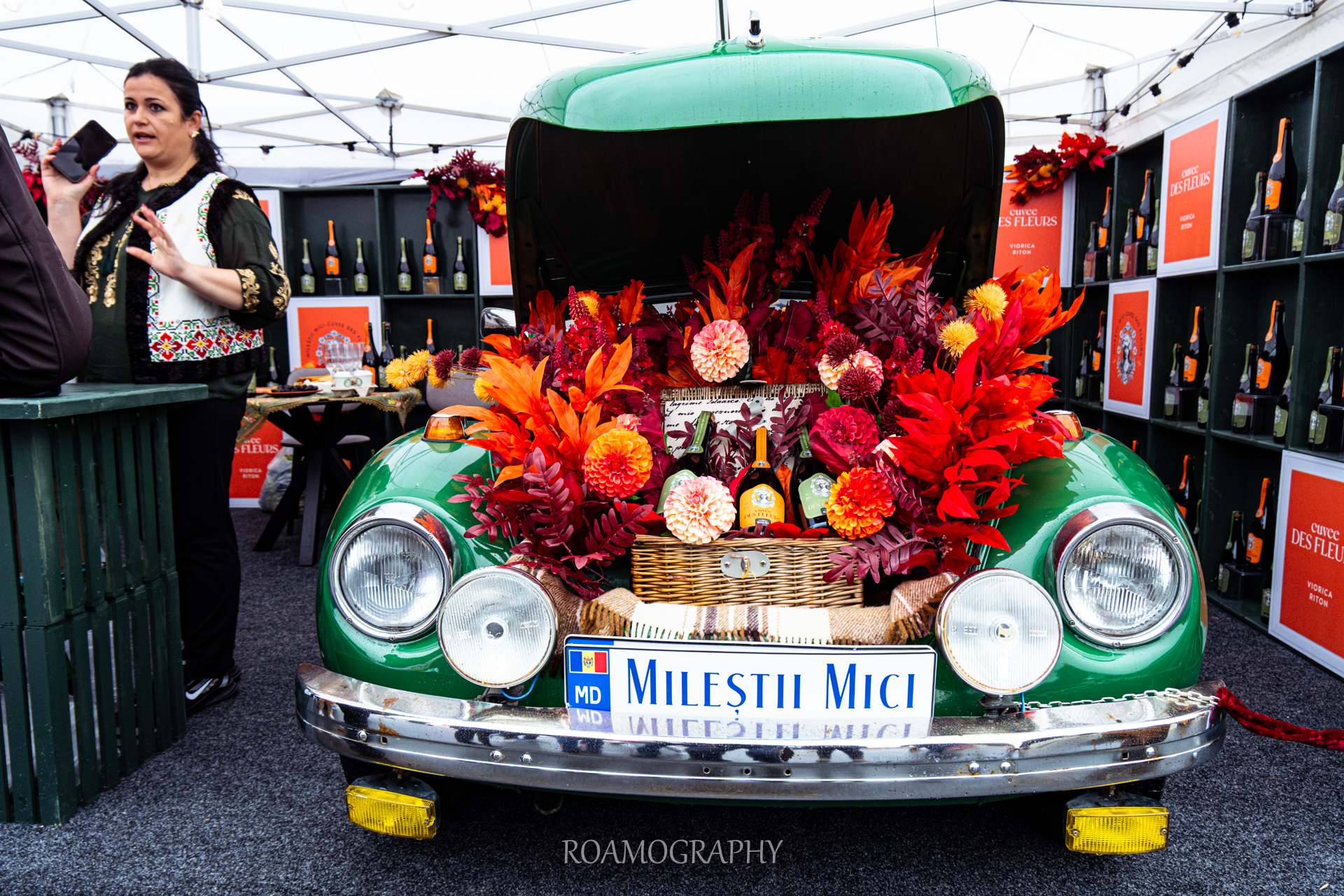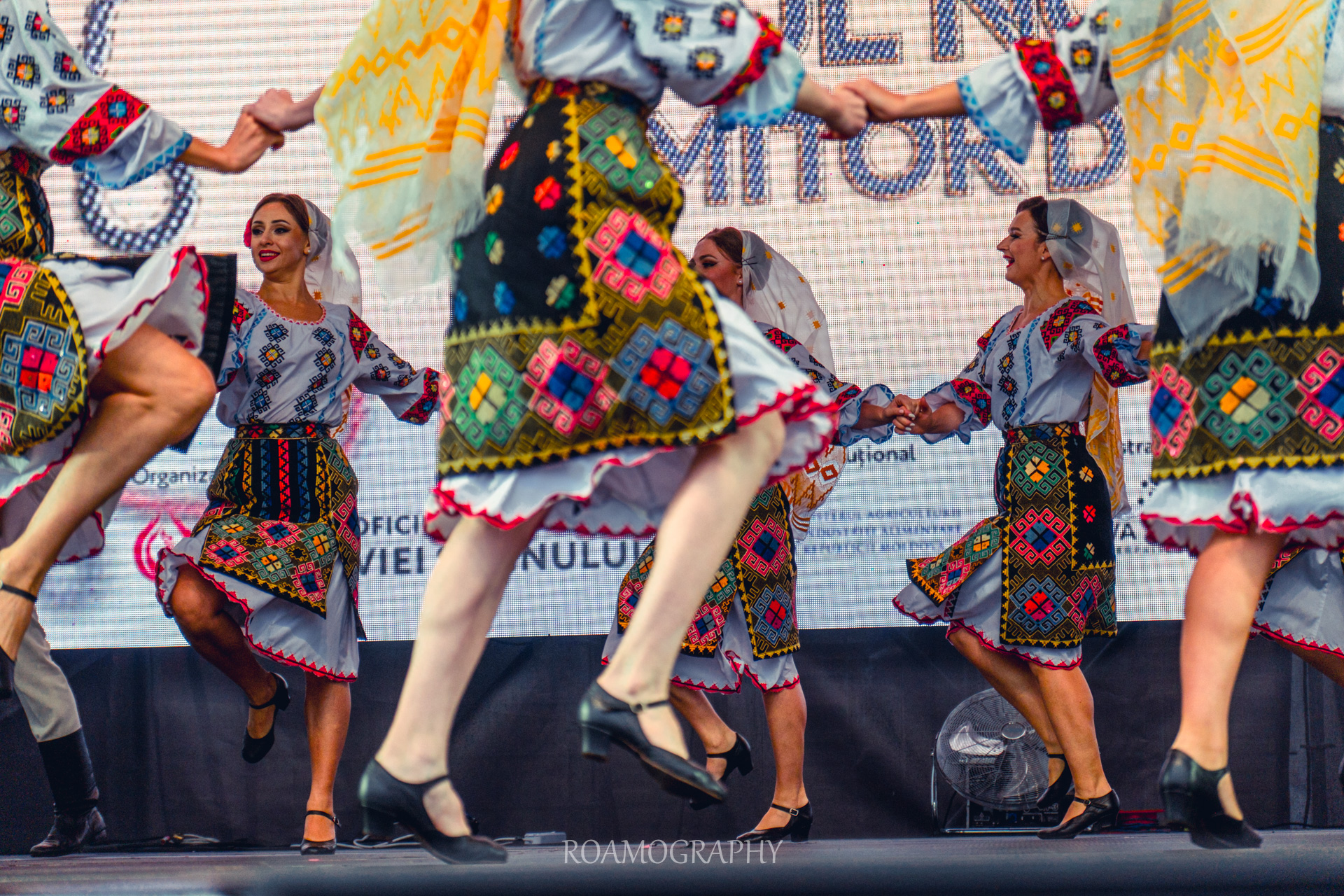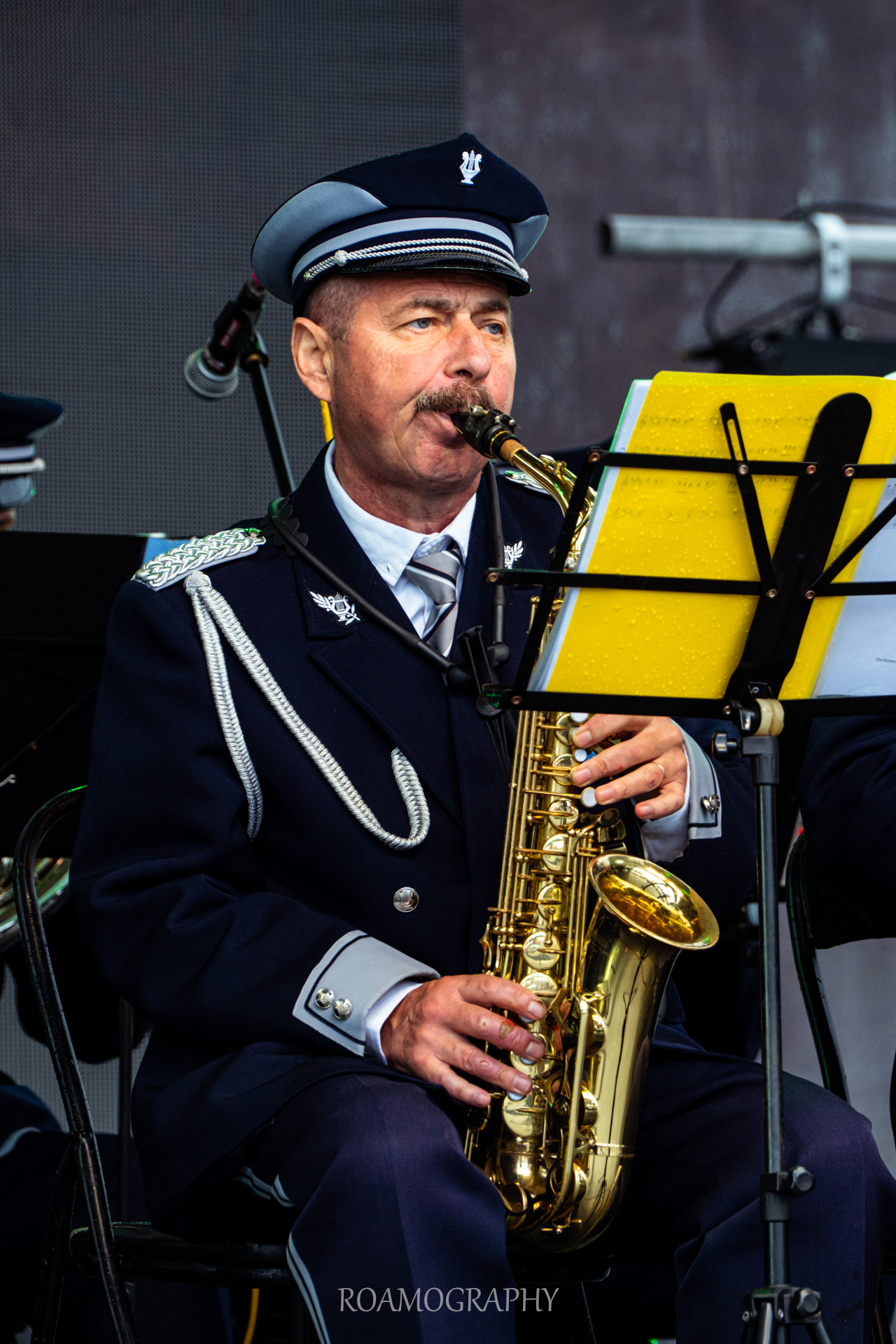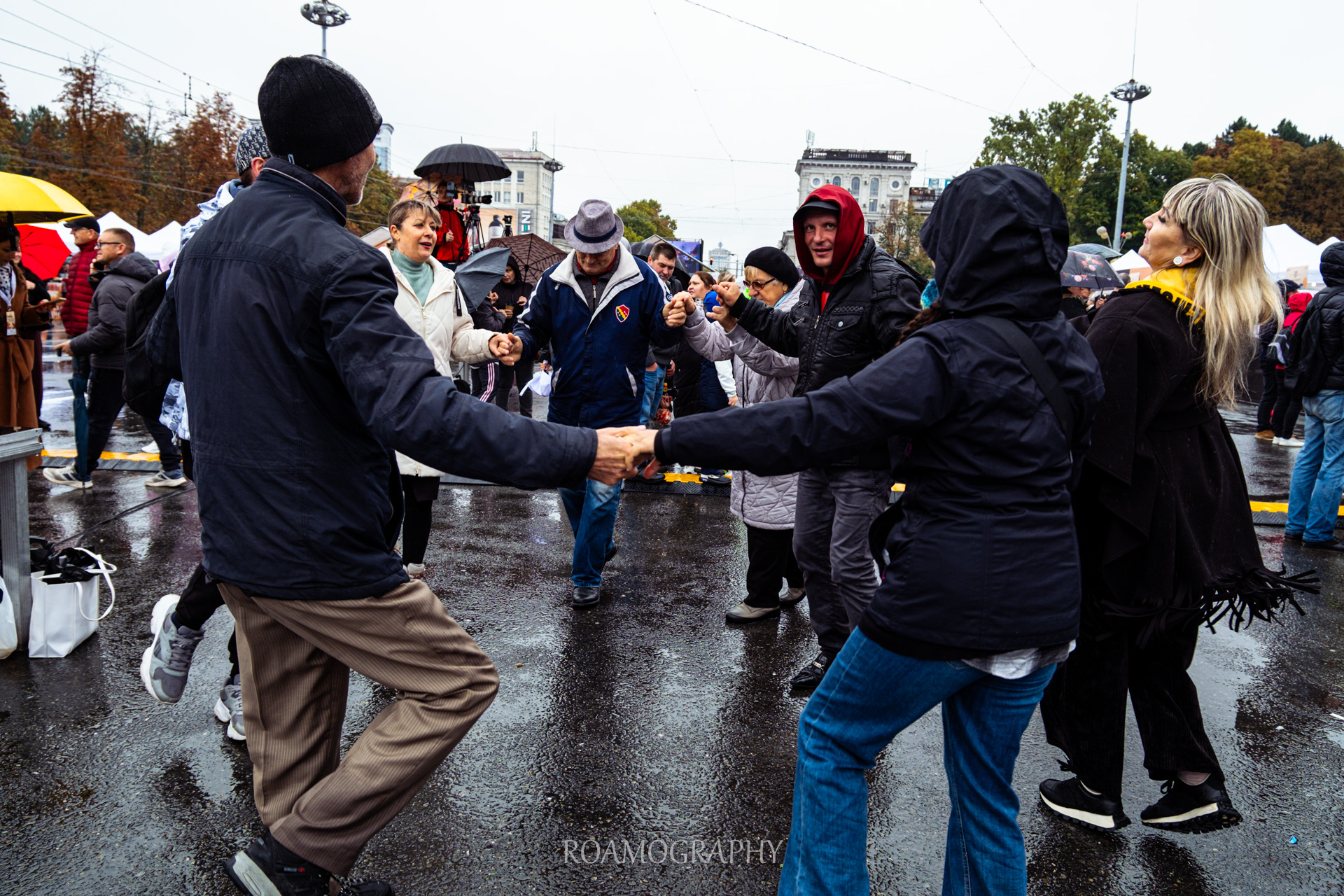
October in Moldova is traditionally the time of the Wine Harvest, celebrated with a bang in Chișinău (as well as the Apple Festival in Soroca, the date of which was repeatedly postponed until my initial strong interest evaporated), and this year, it was also election season.
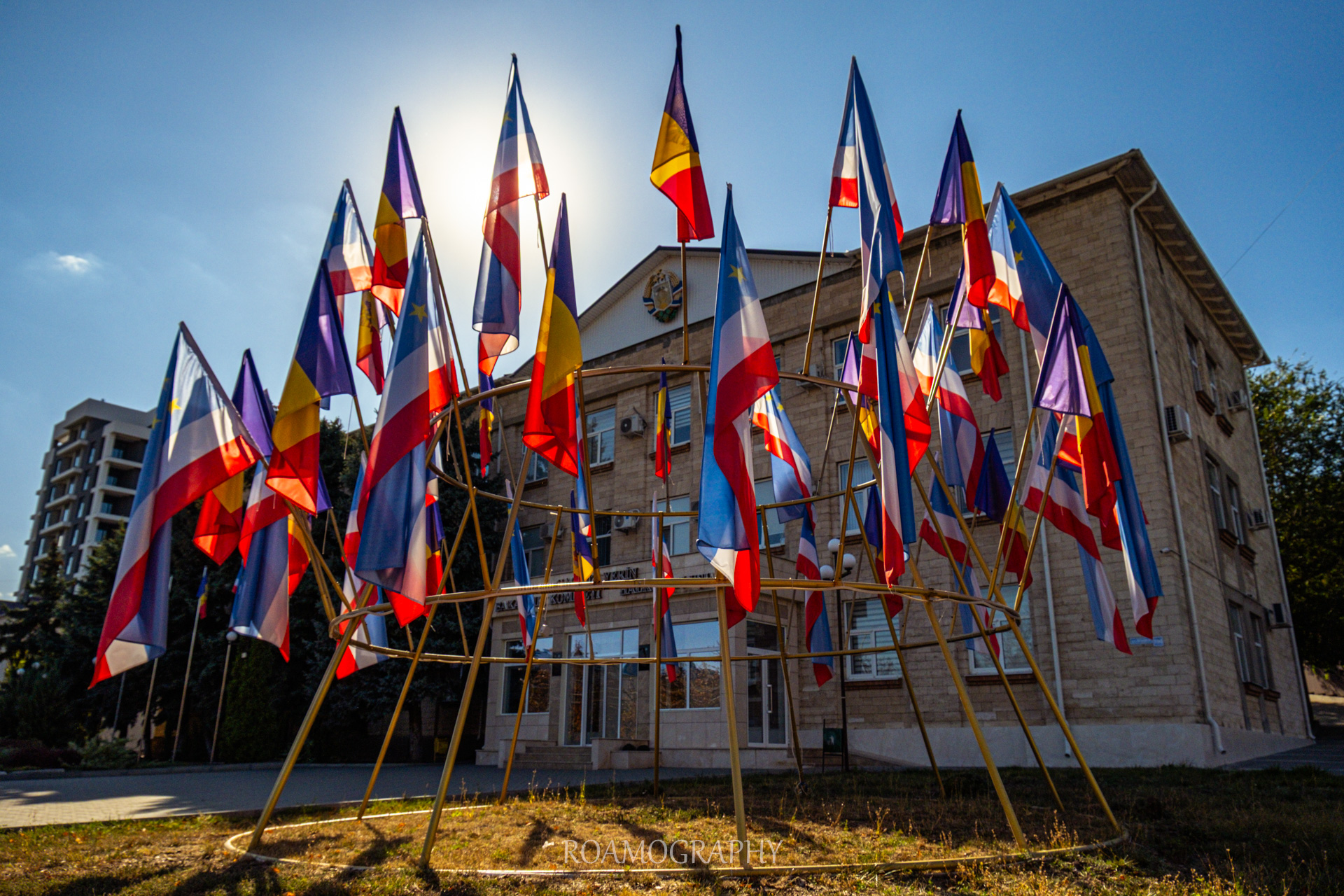
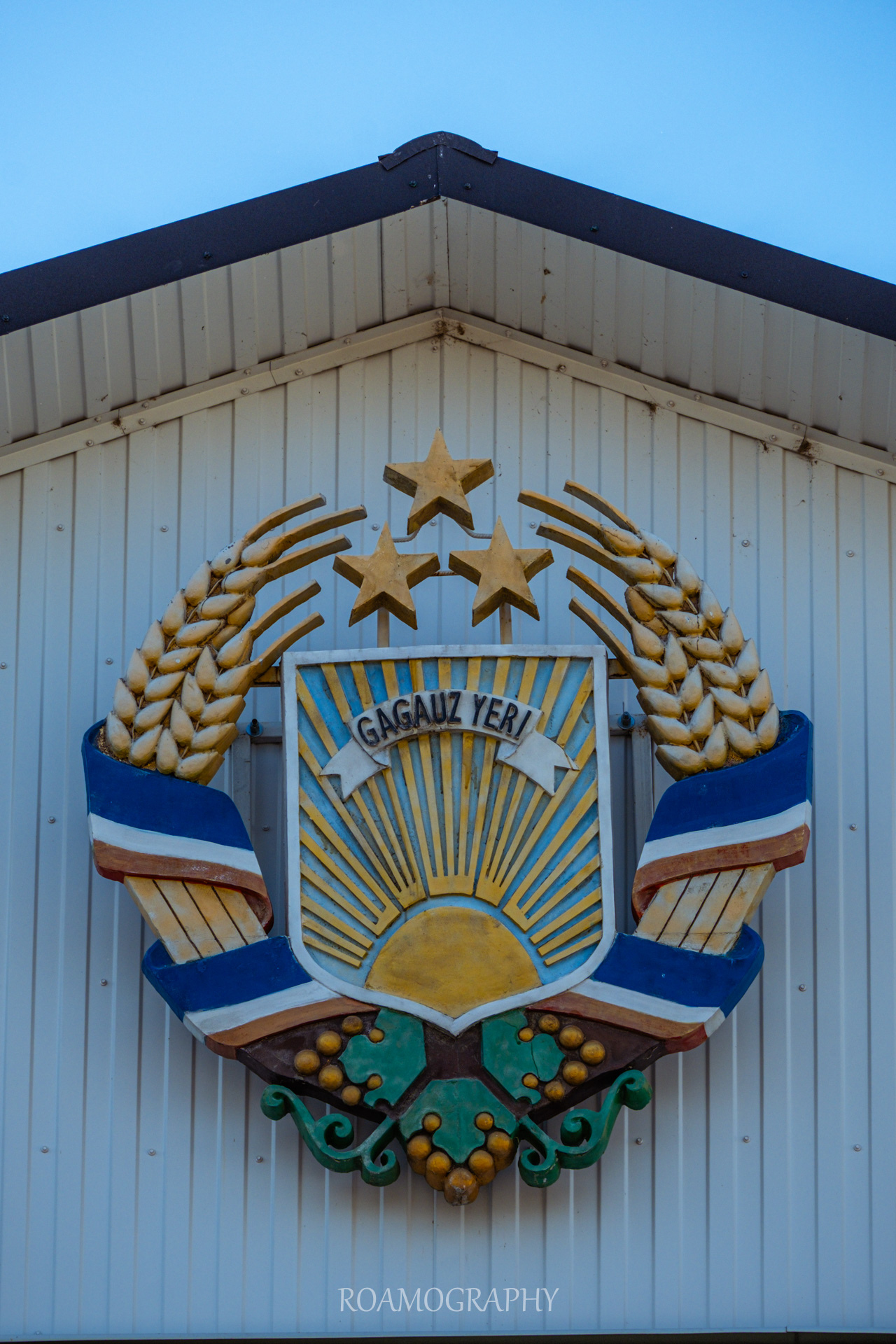
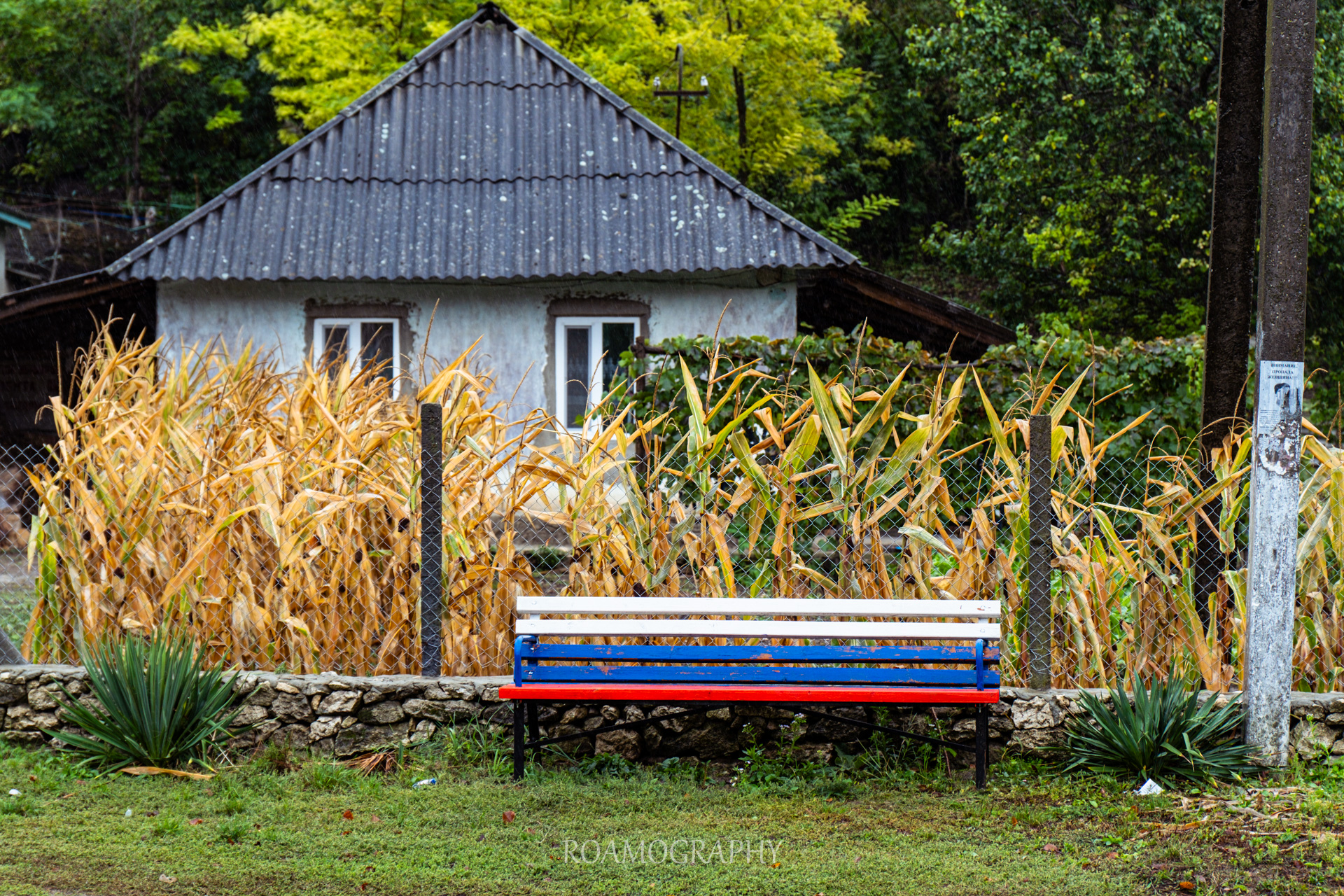
The pro-European side won—much to the despair of the residents of two autonomous regions: Gagauzia and Transnistria. These are peculiar cultural enclaves that serve as reminders of the Soviet (and Russian) Empire’s influence, which resettled nations en masse and planted a specific mentality that, to this day, makes people look East with more longing than West.
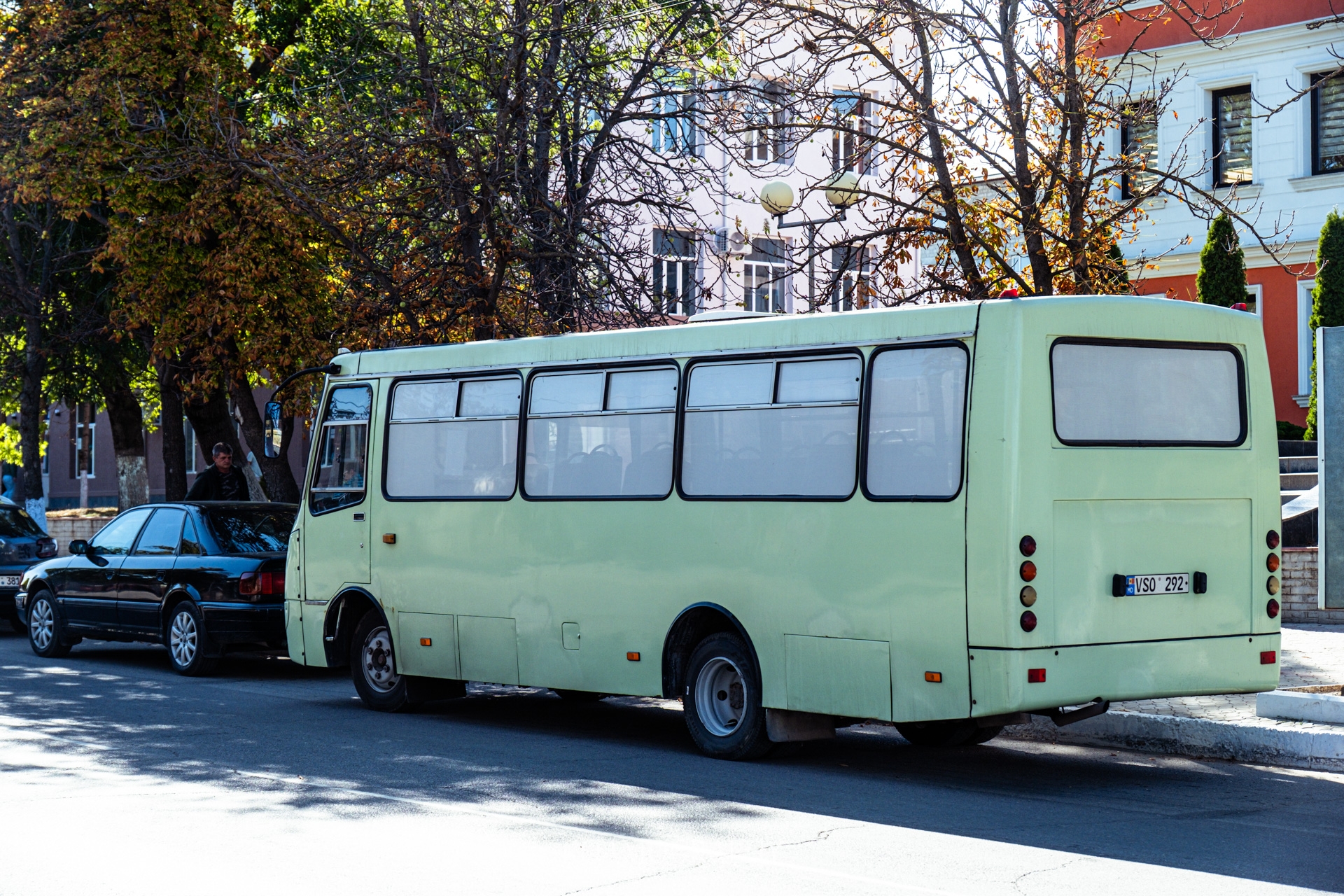
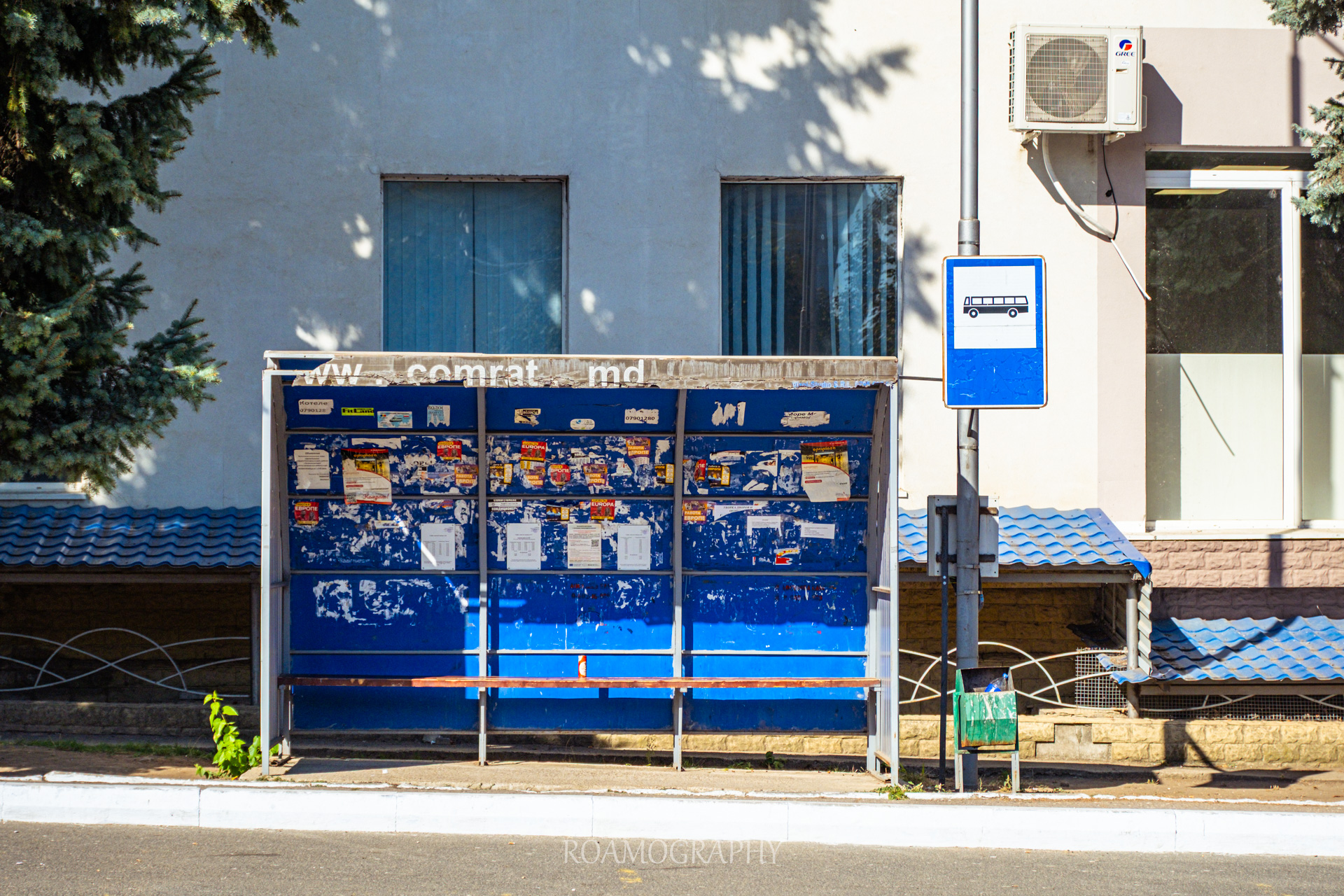
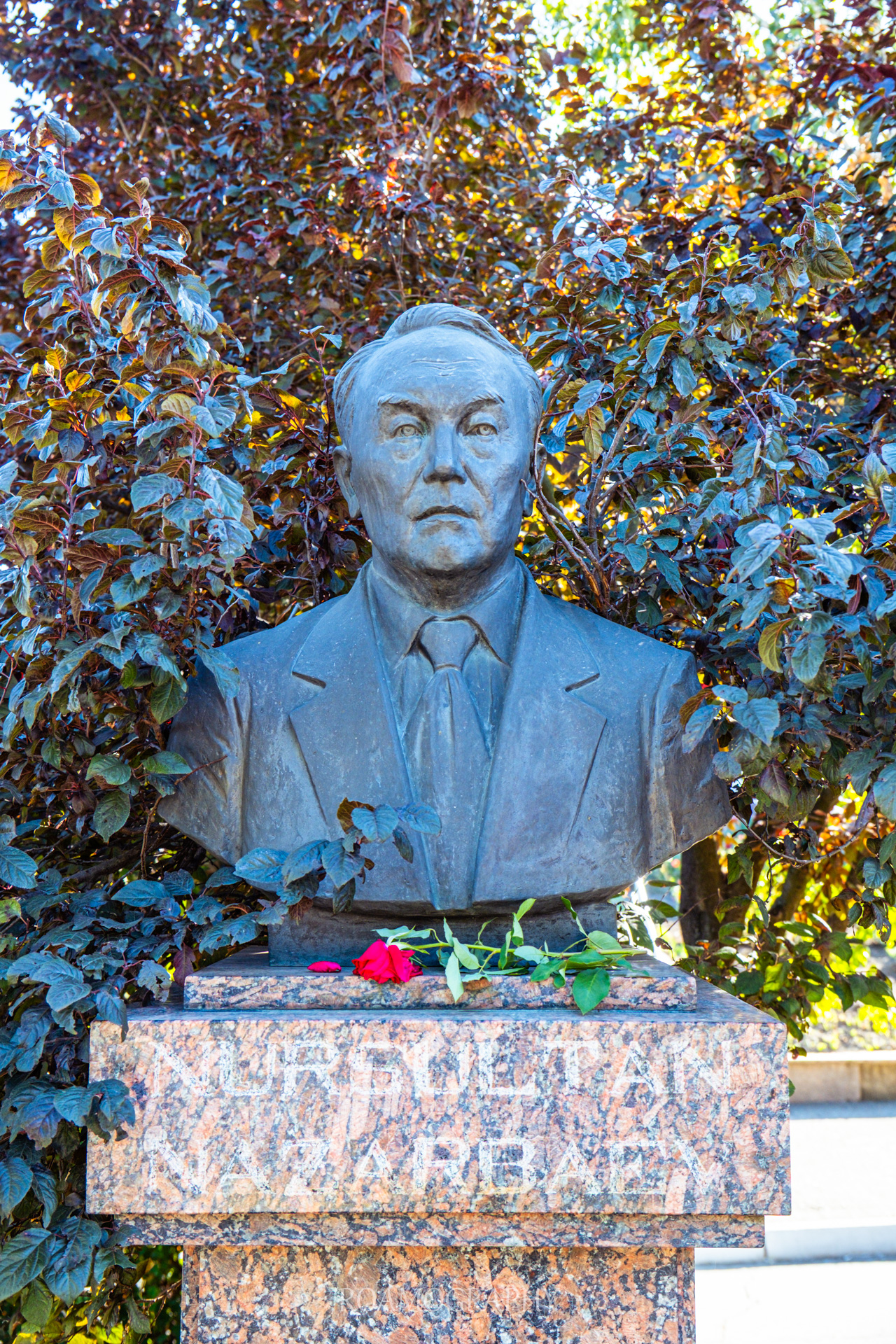
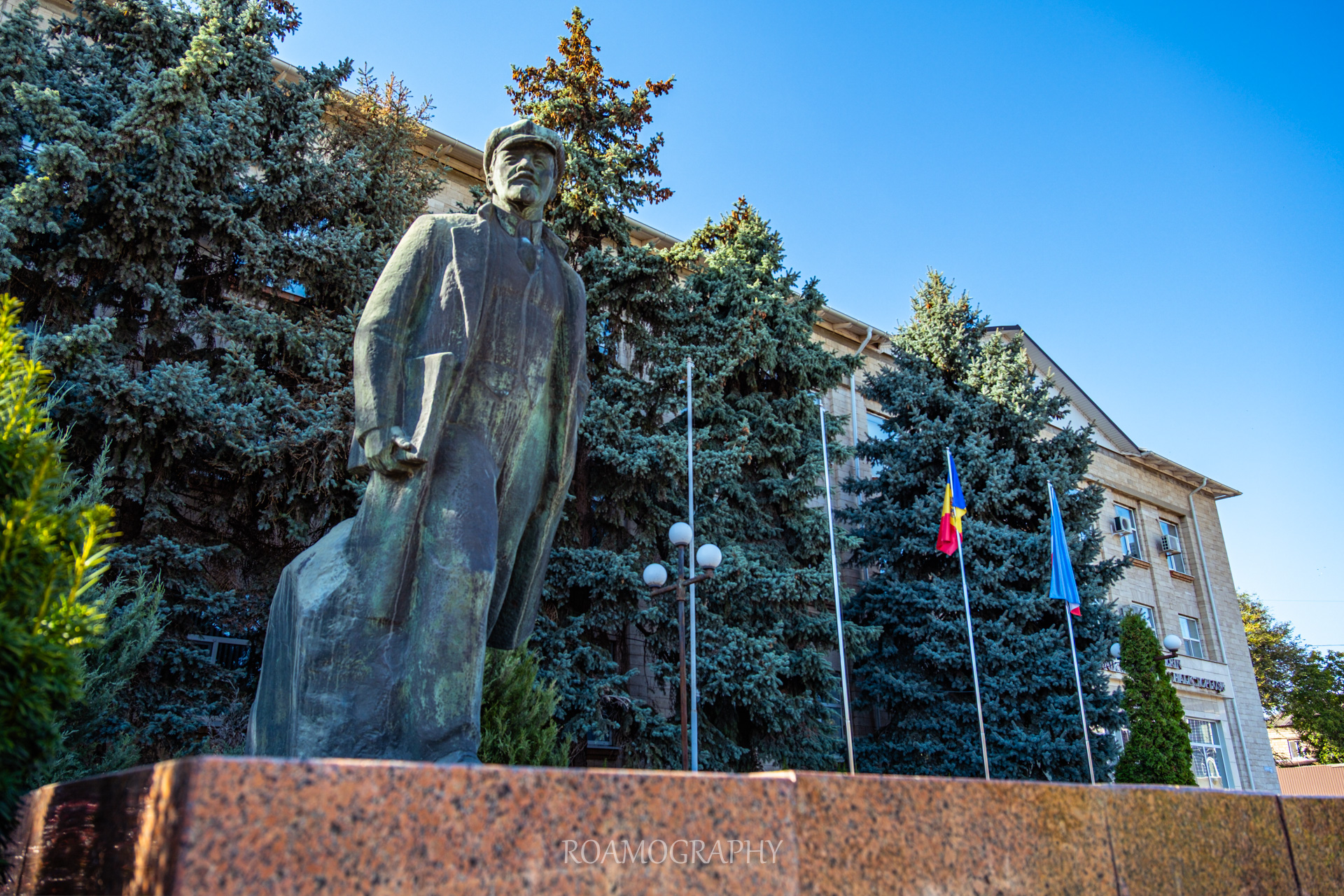
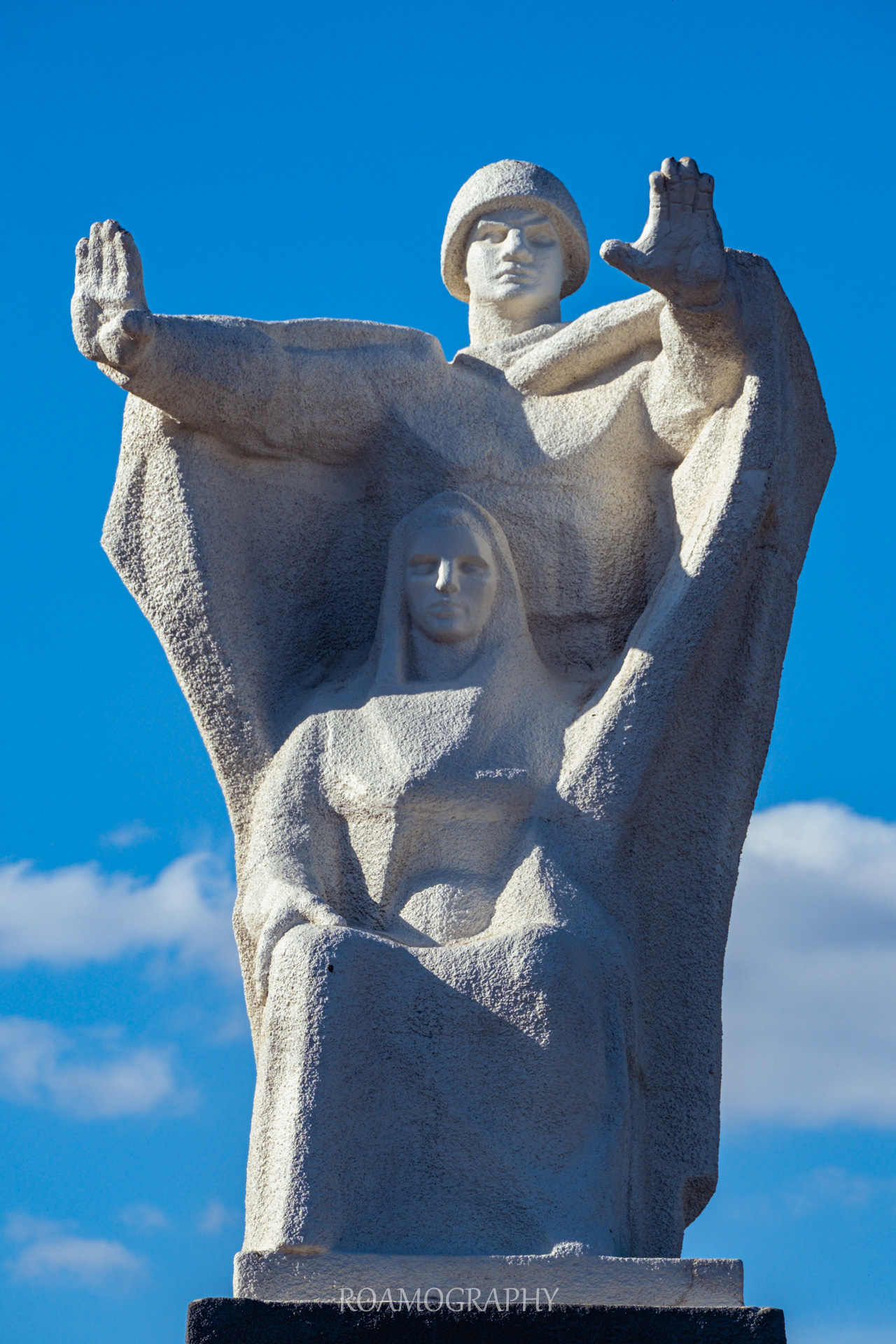
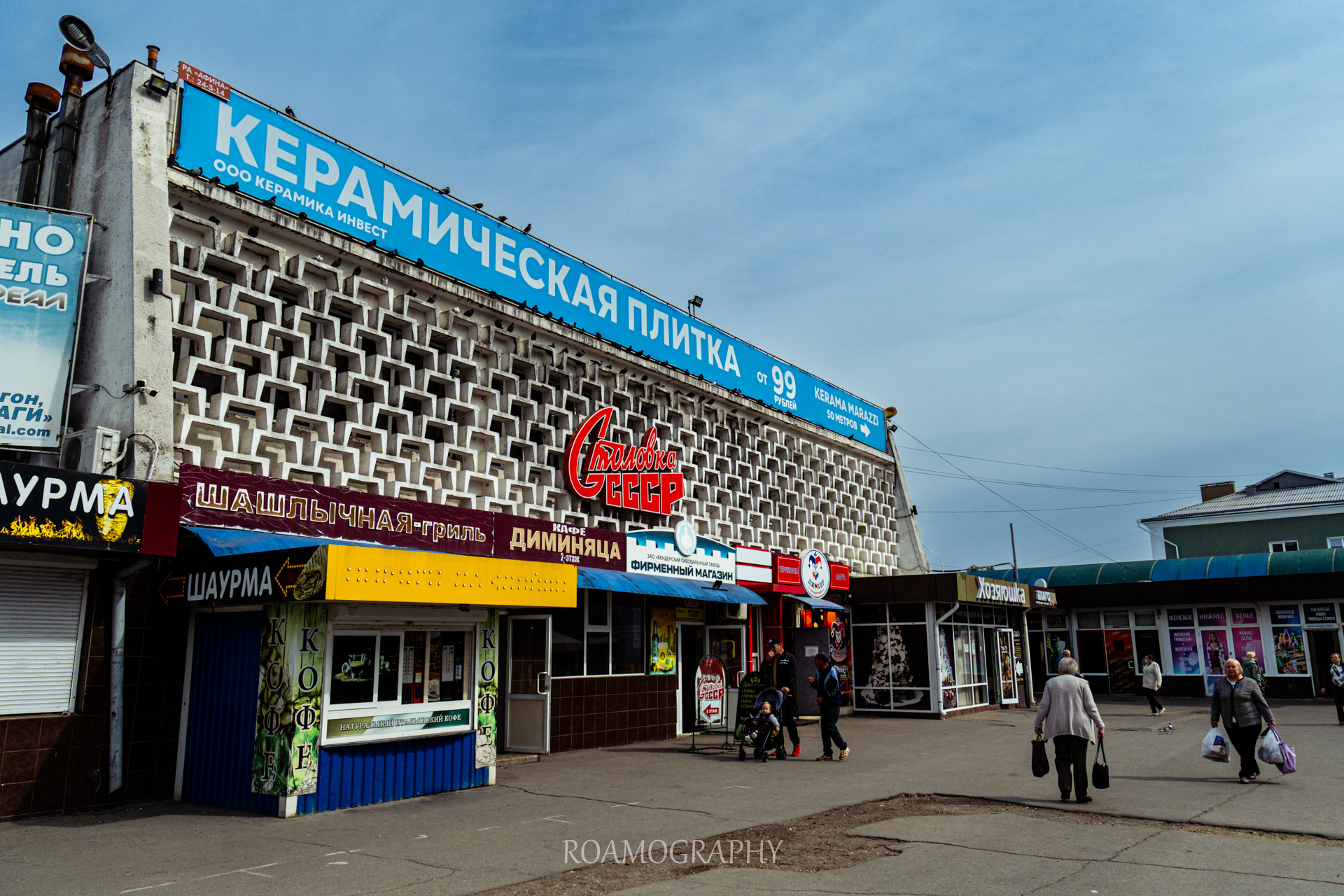
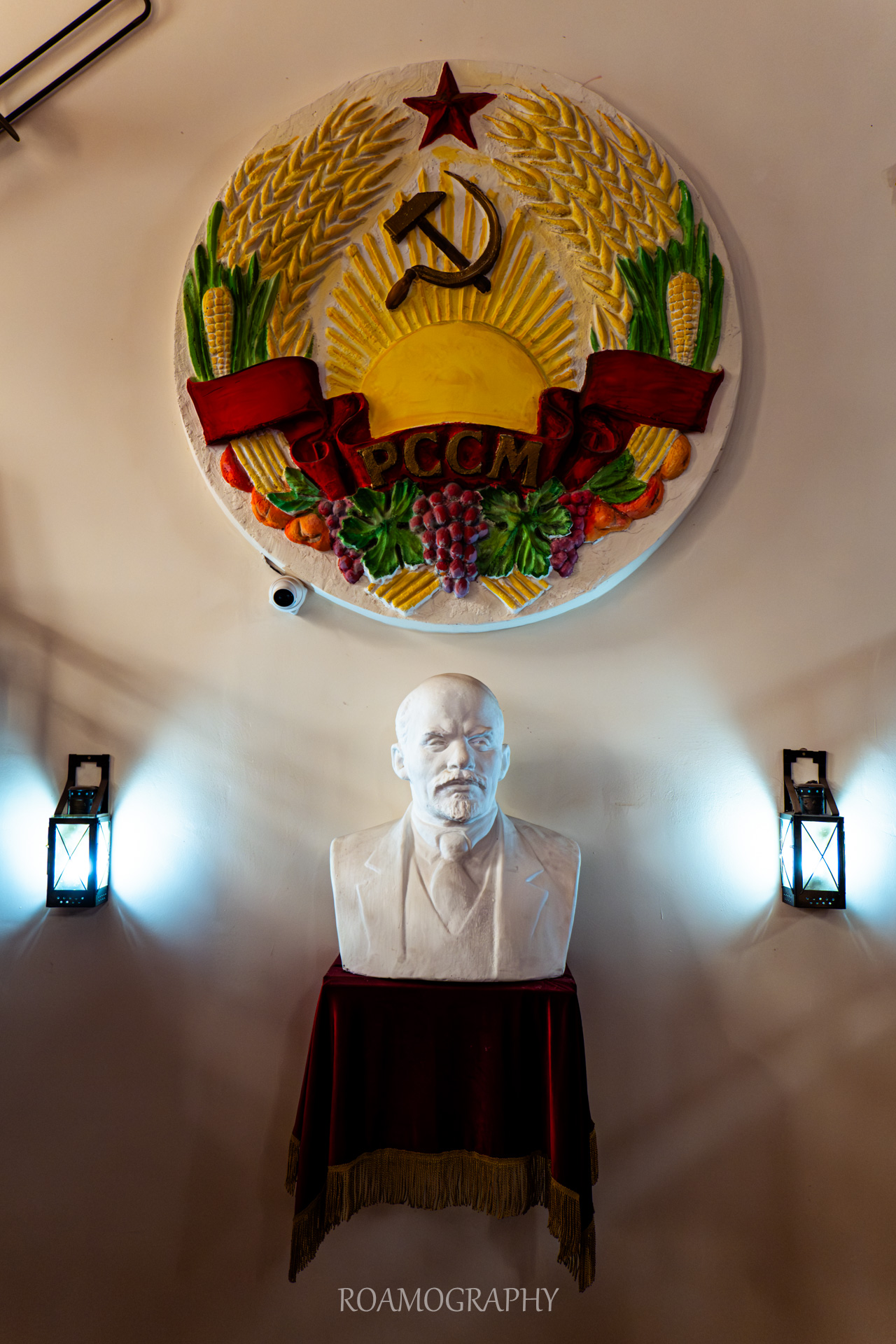
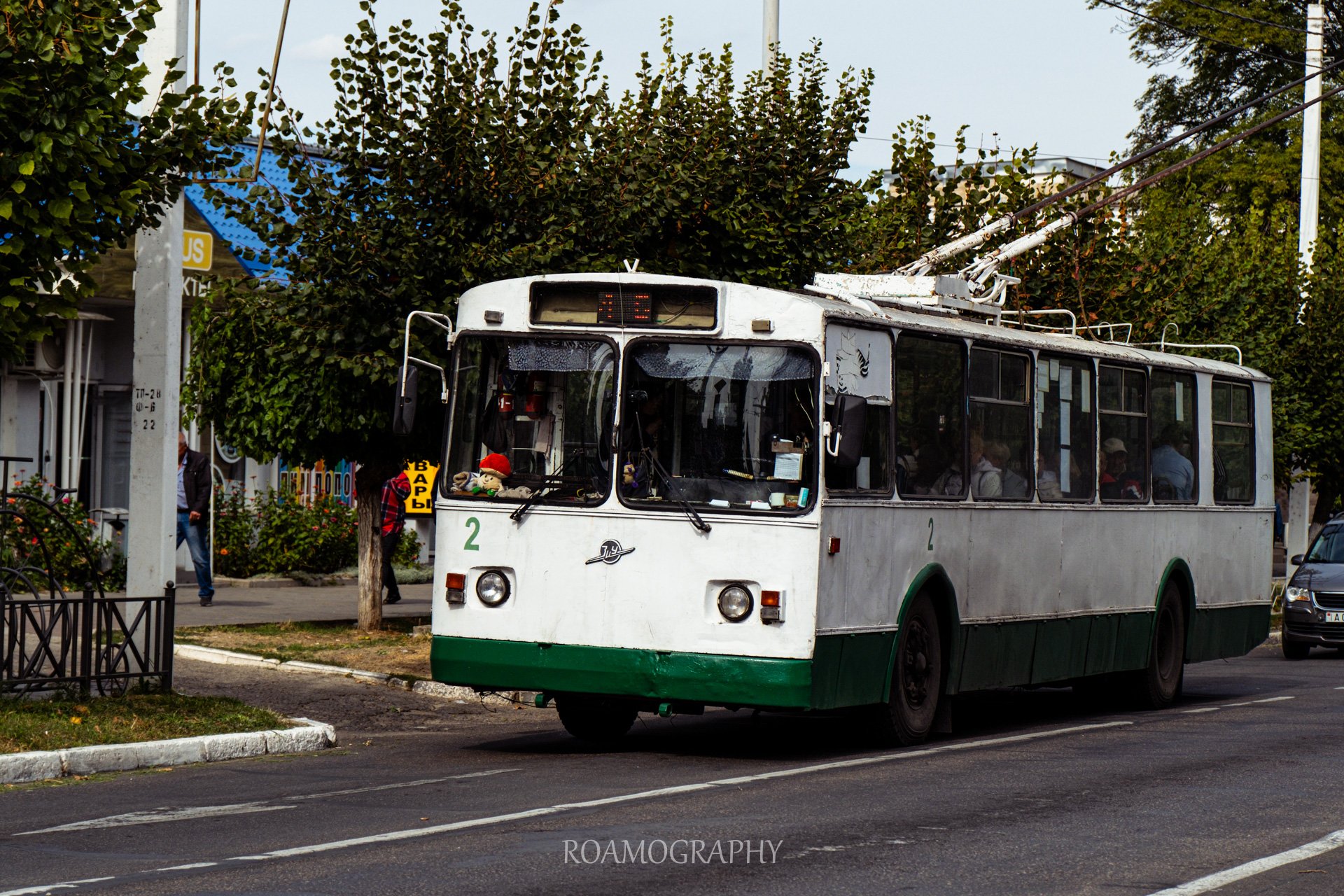
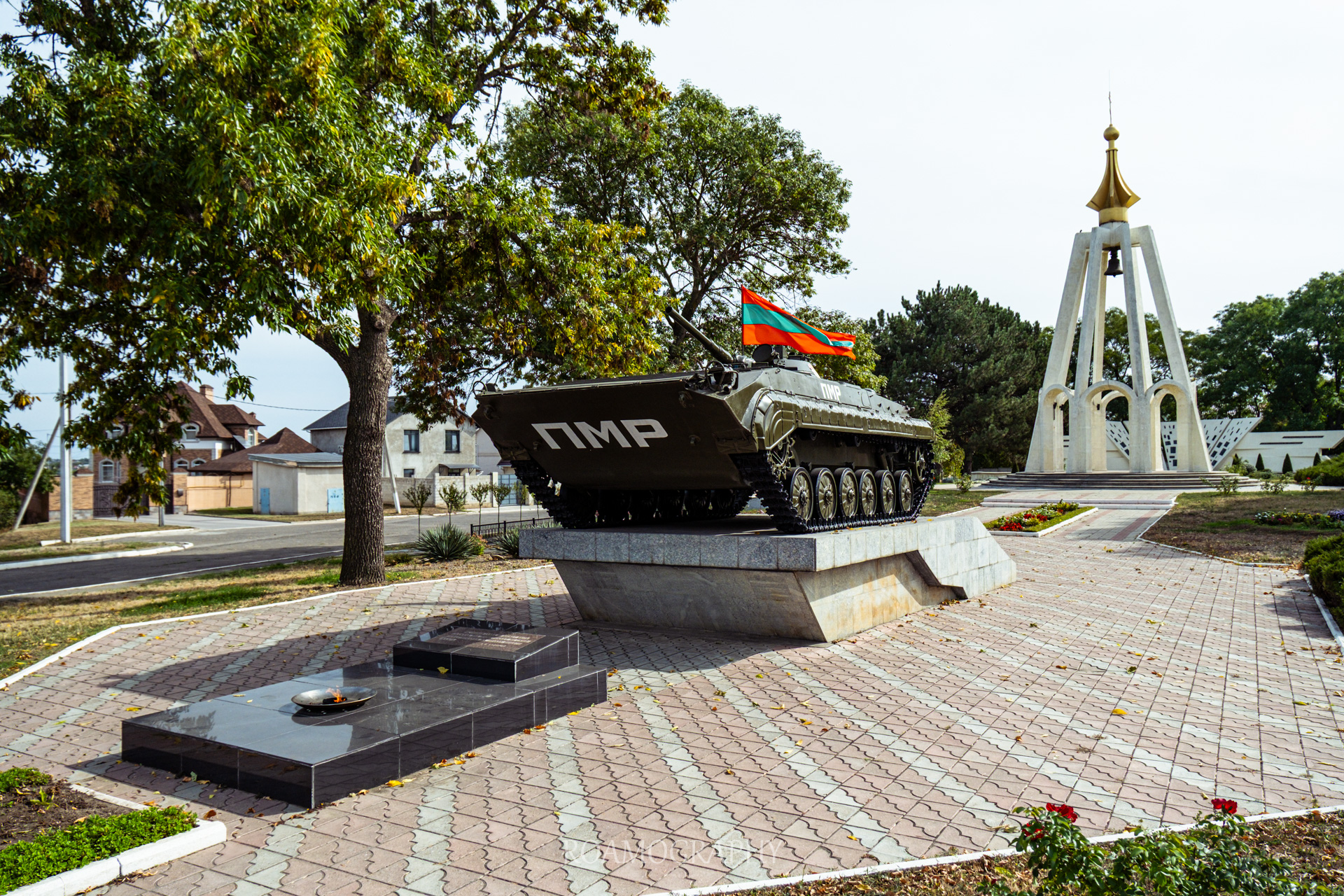
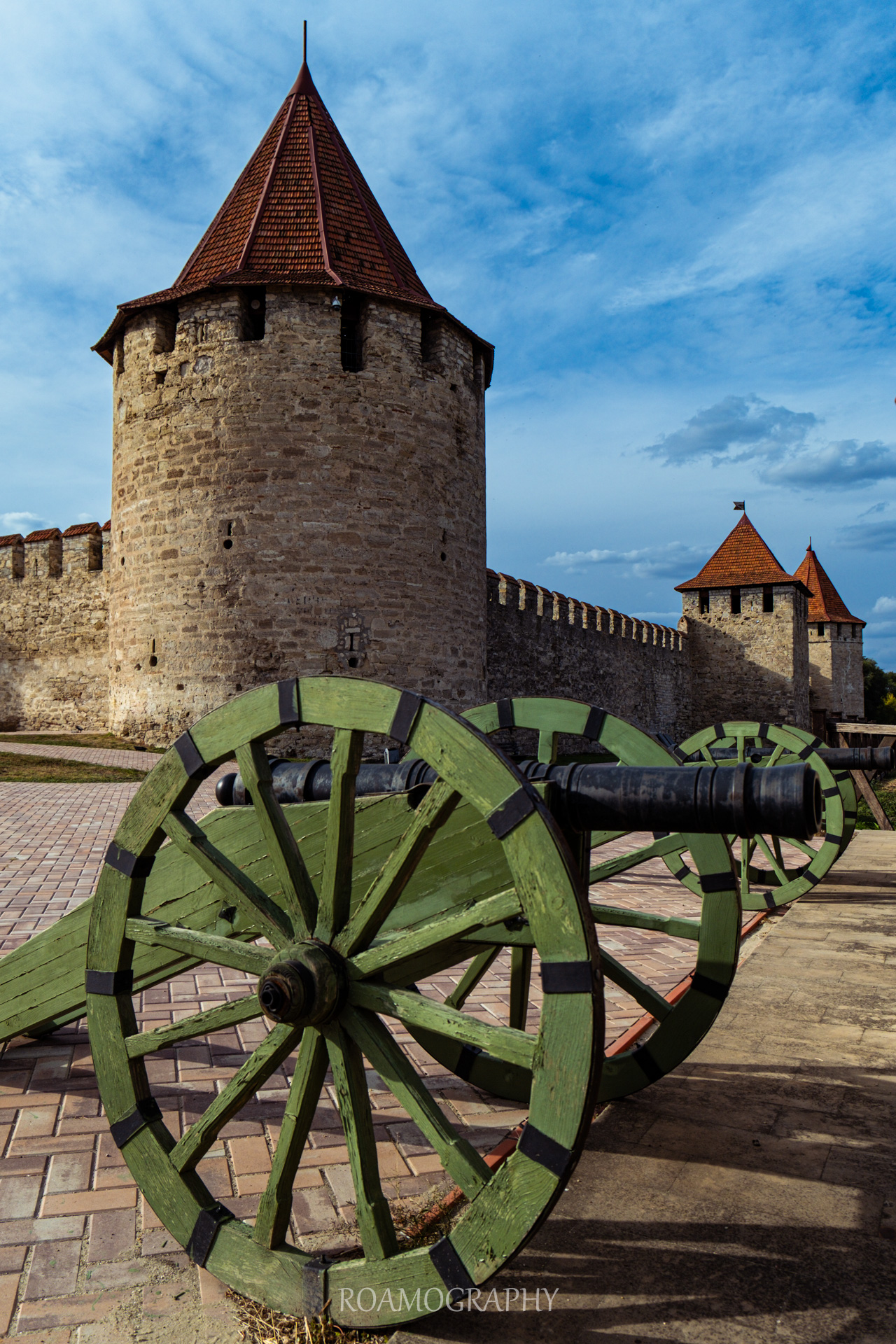
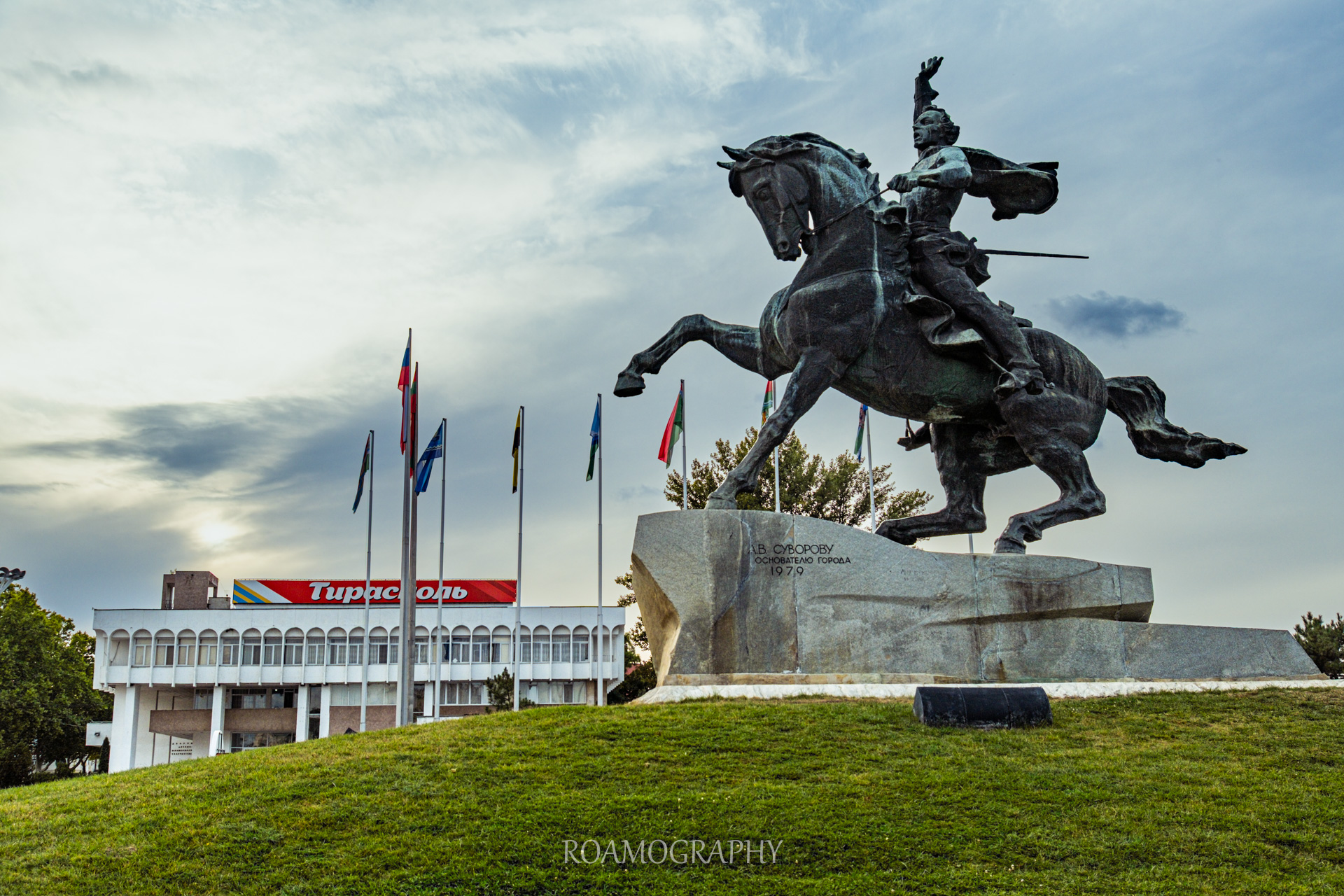
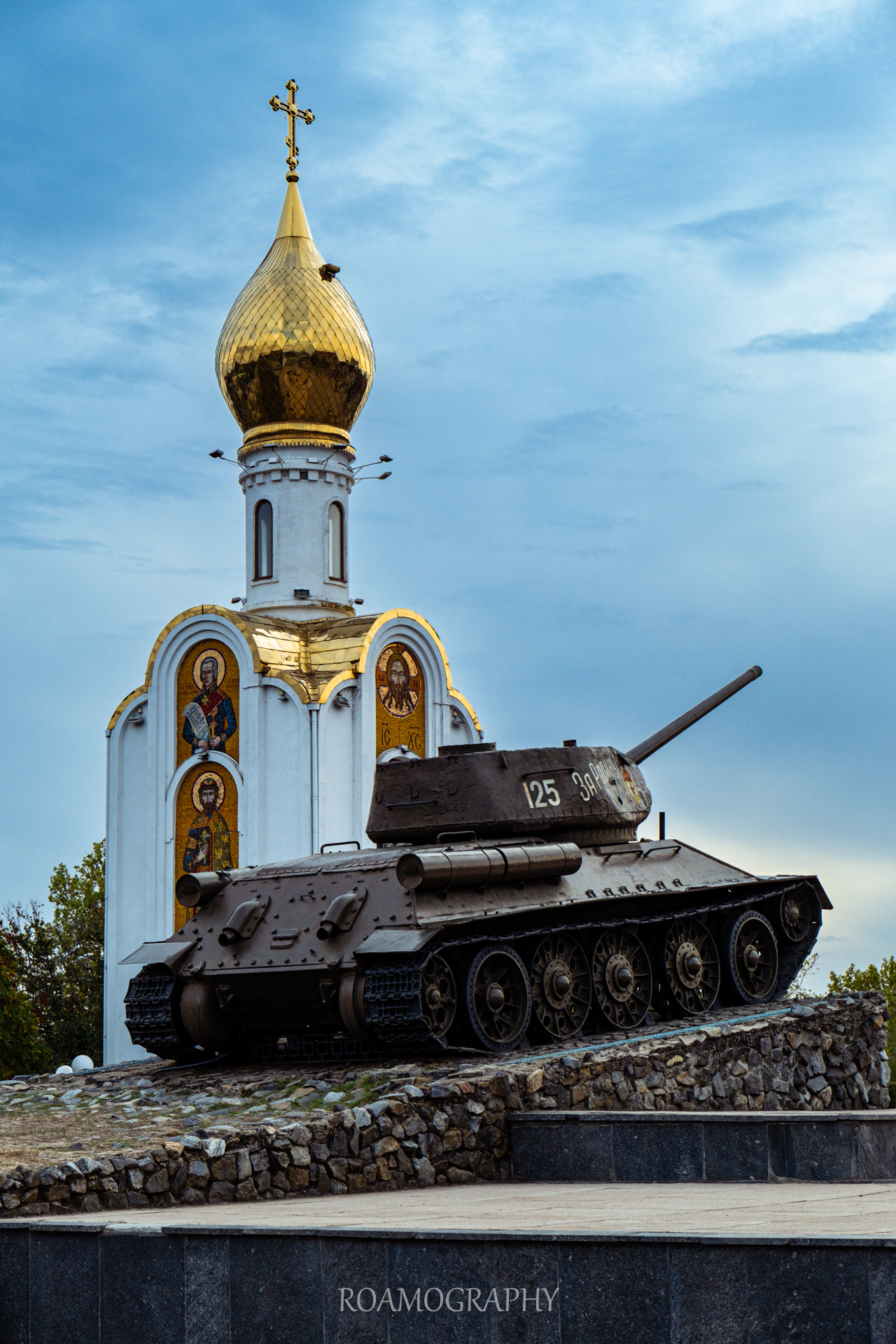
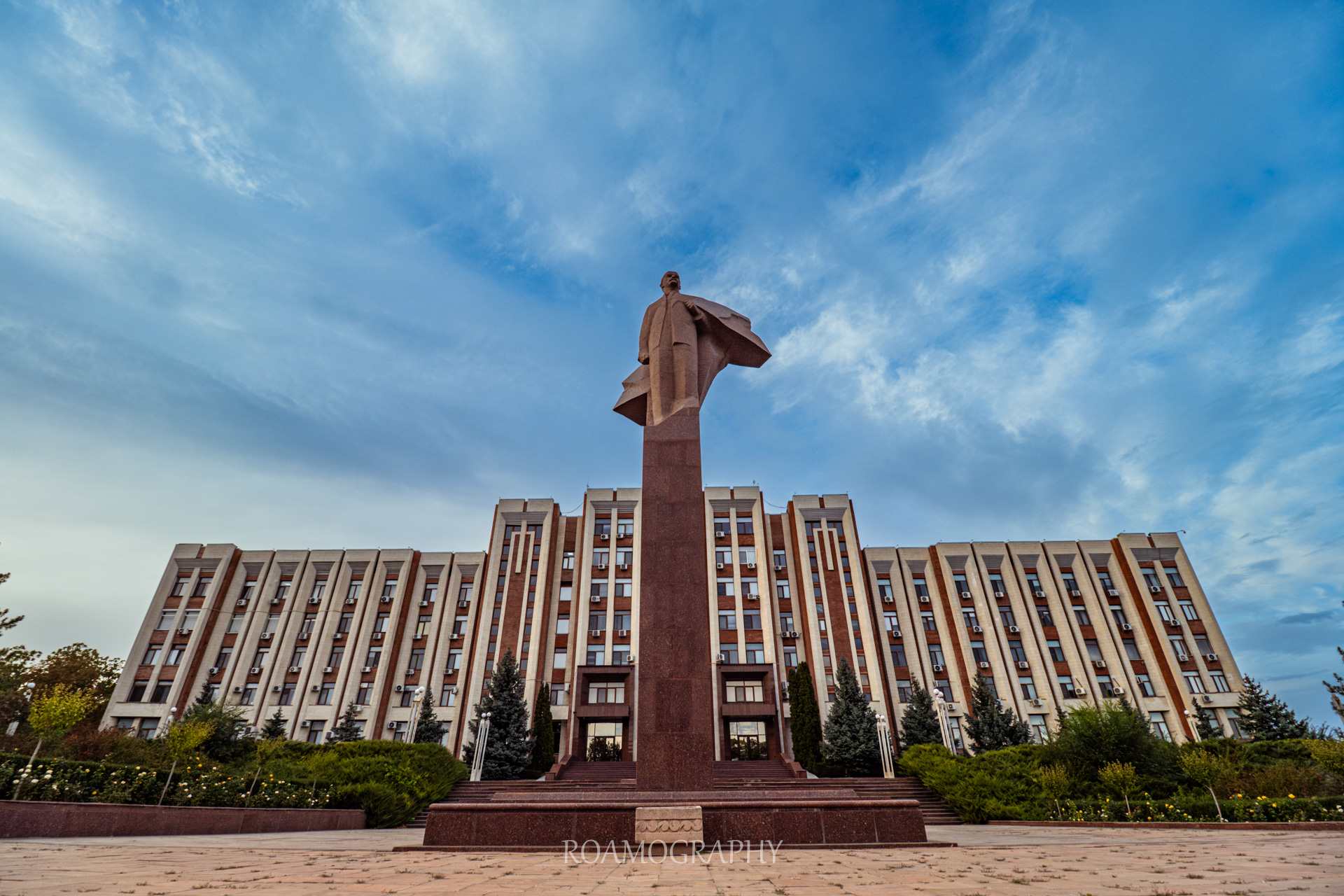
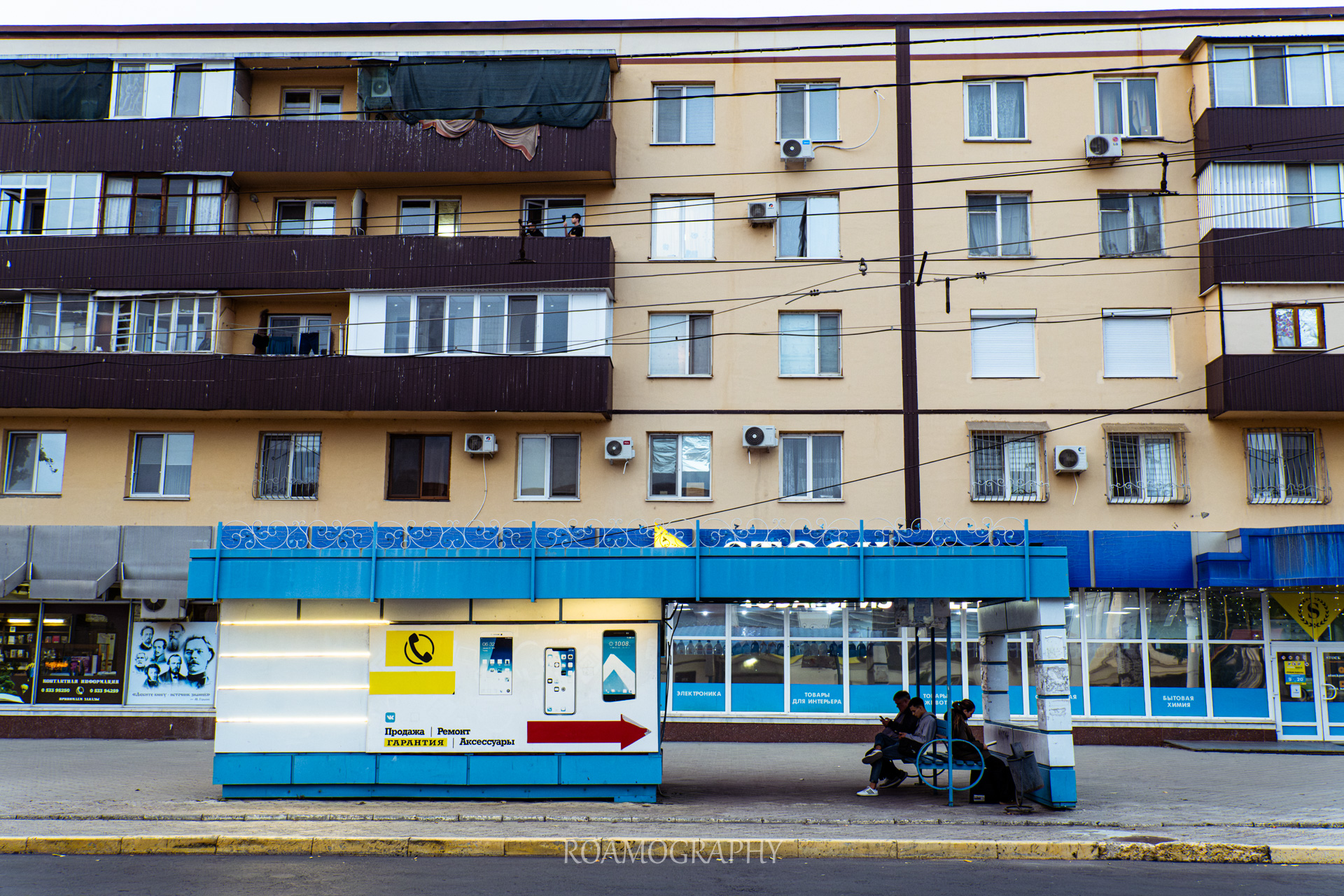
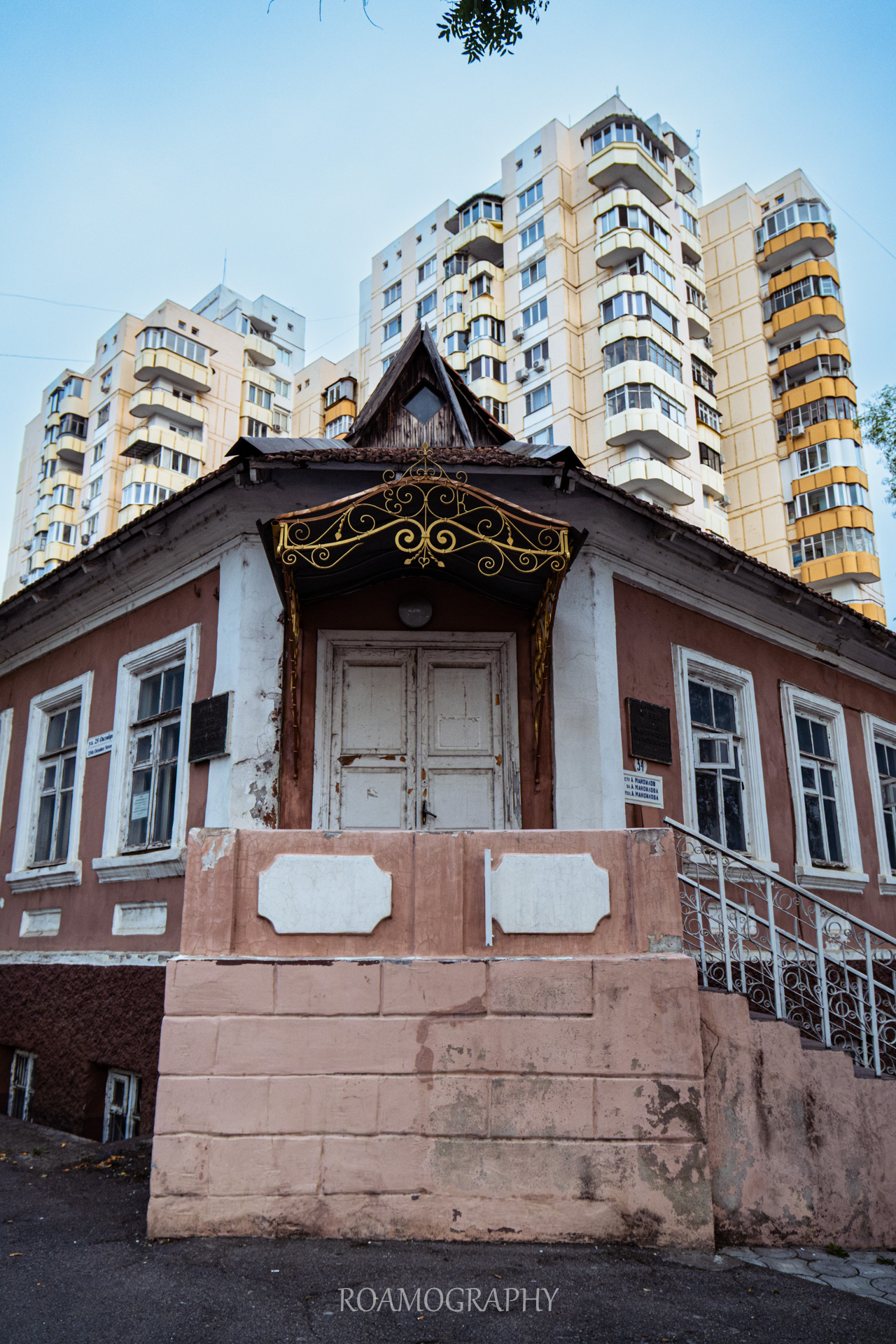
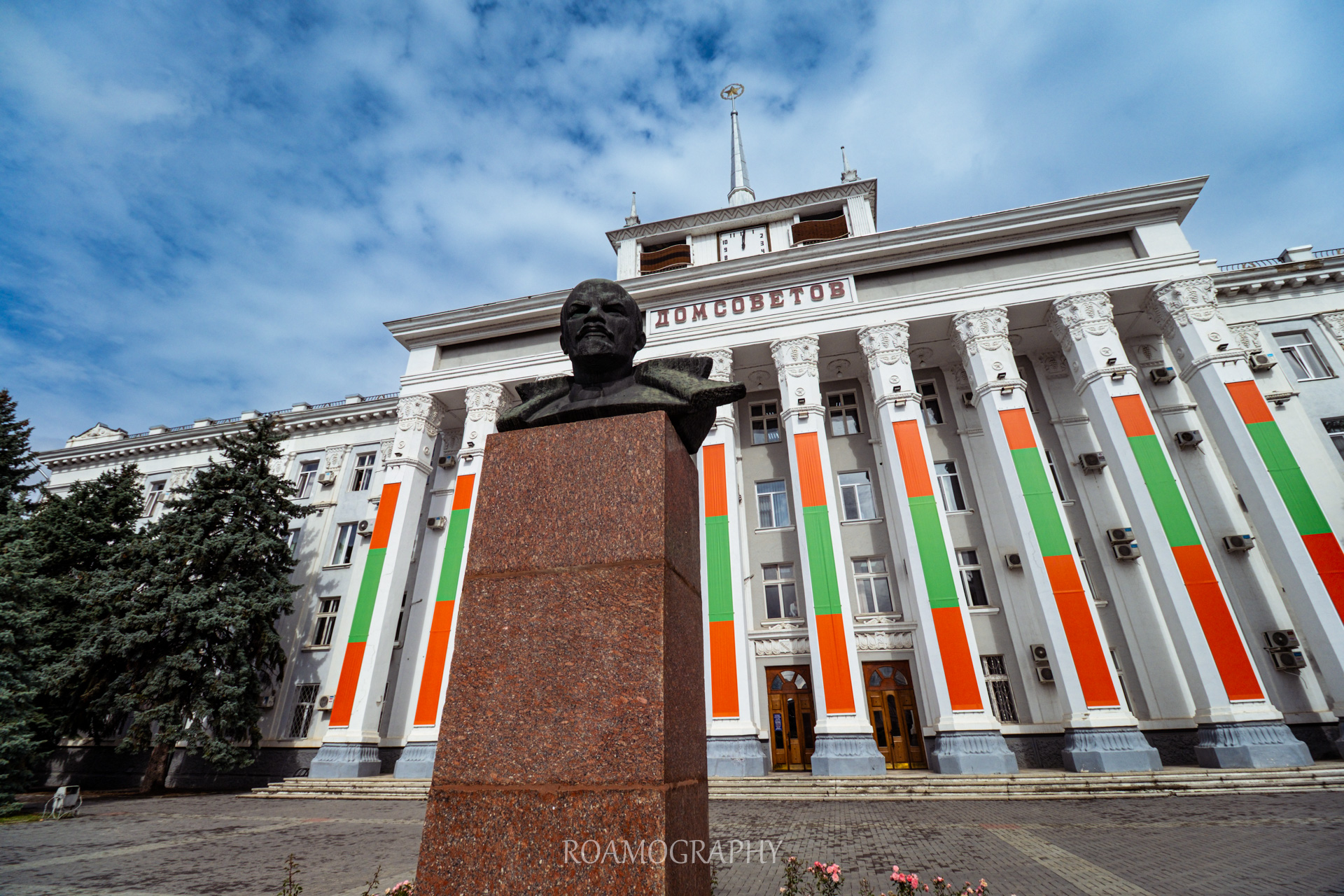
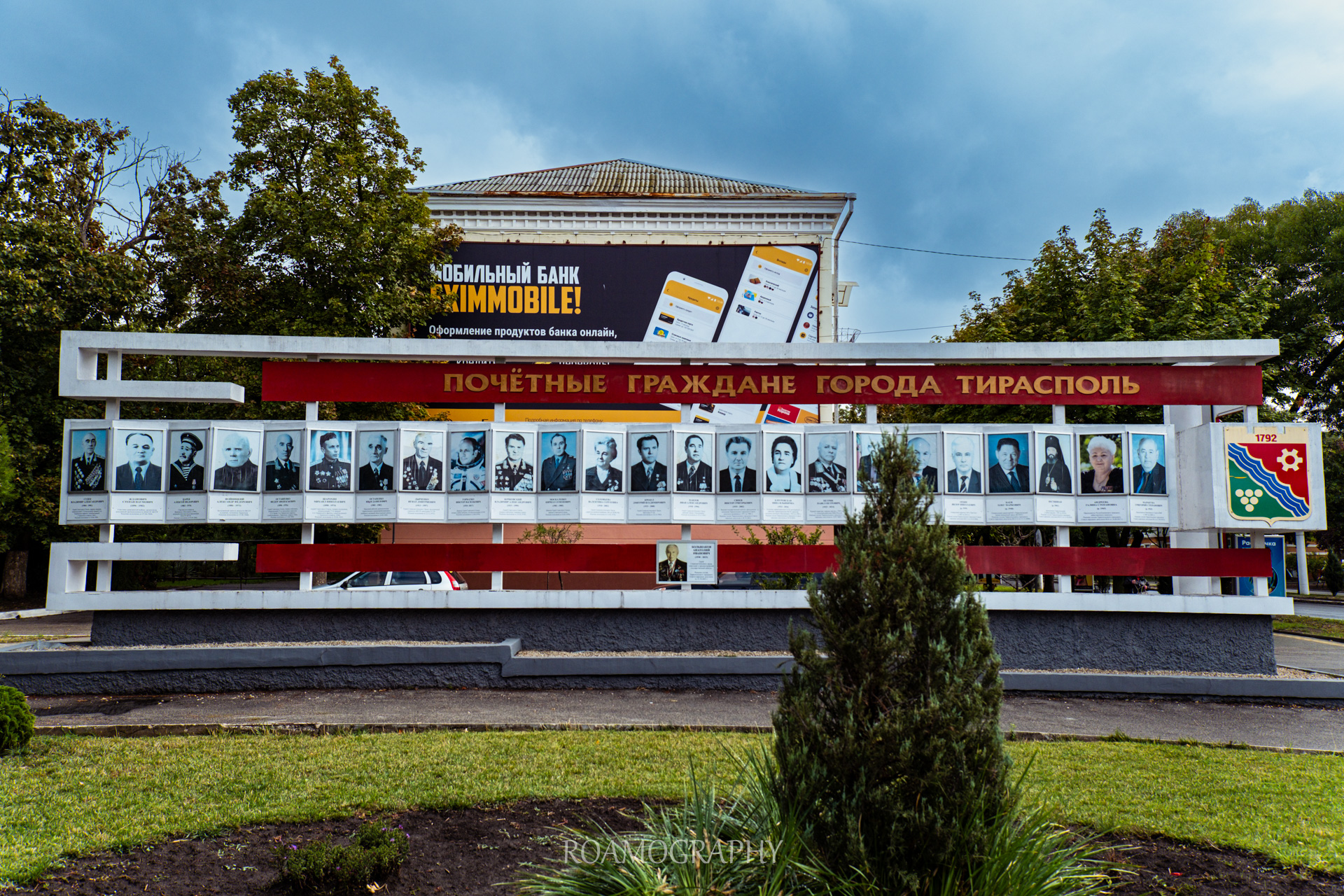
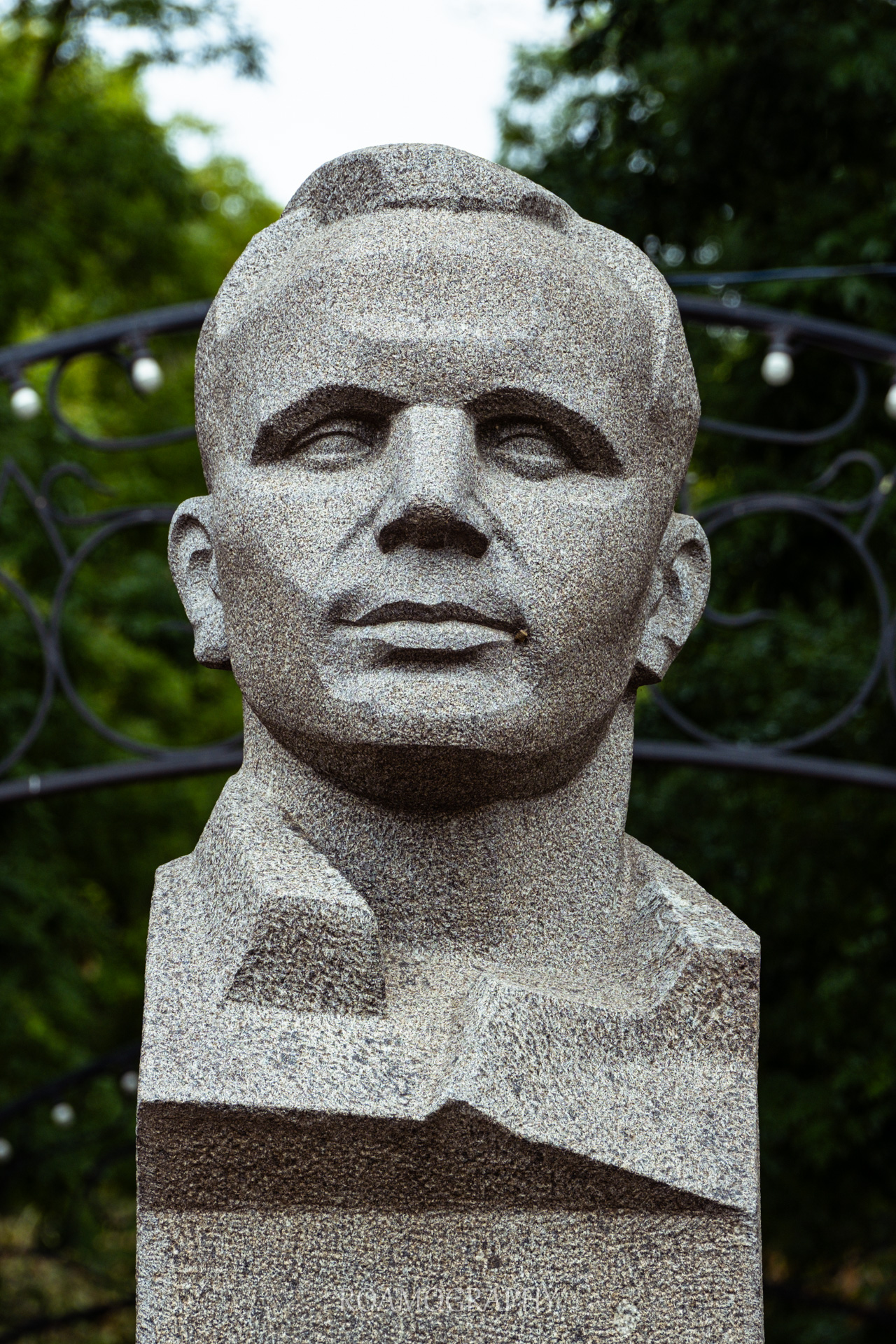
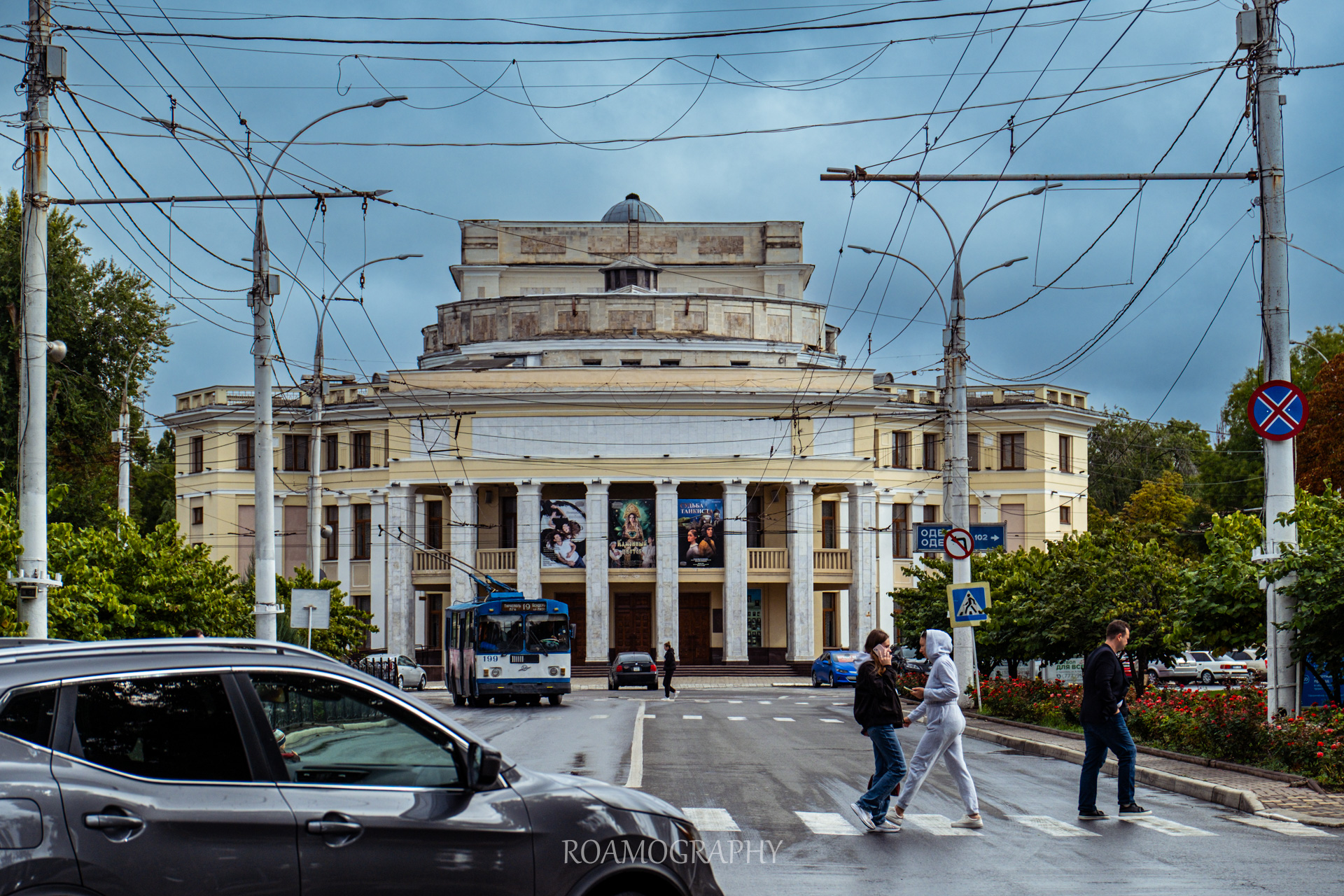
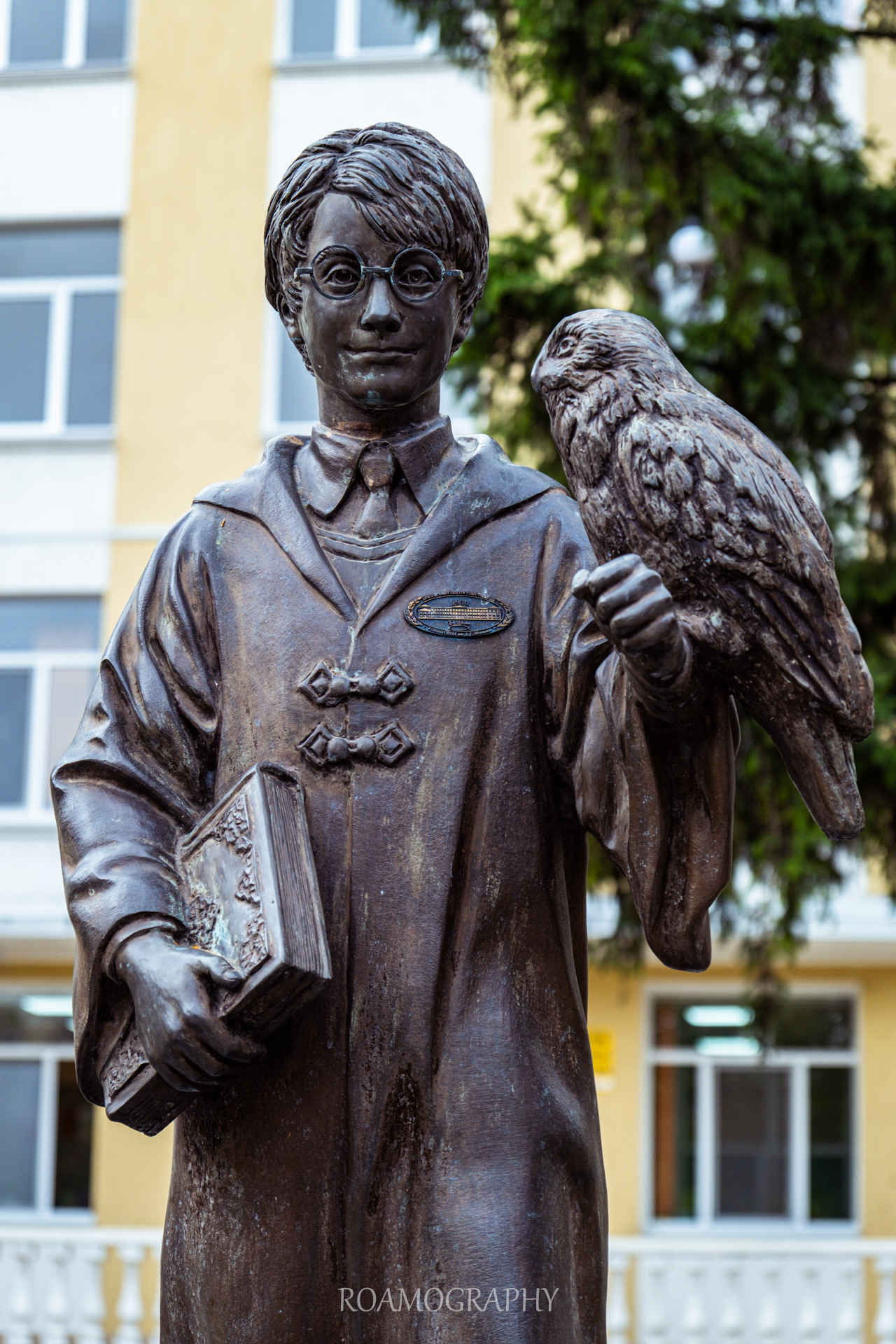
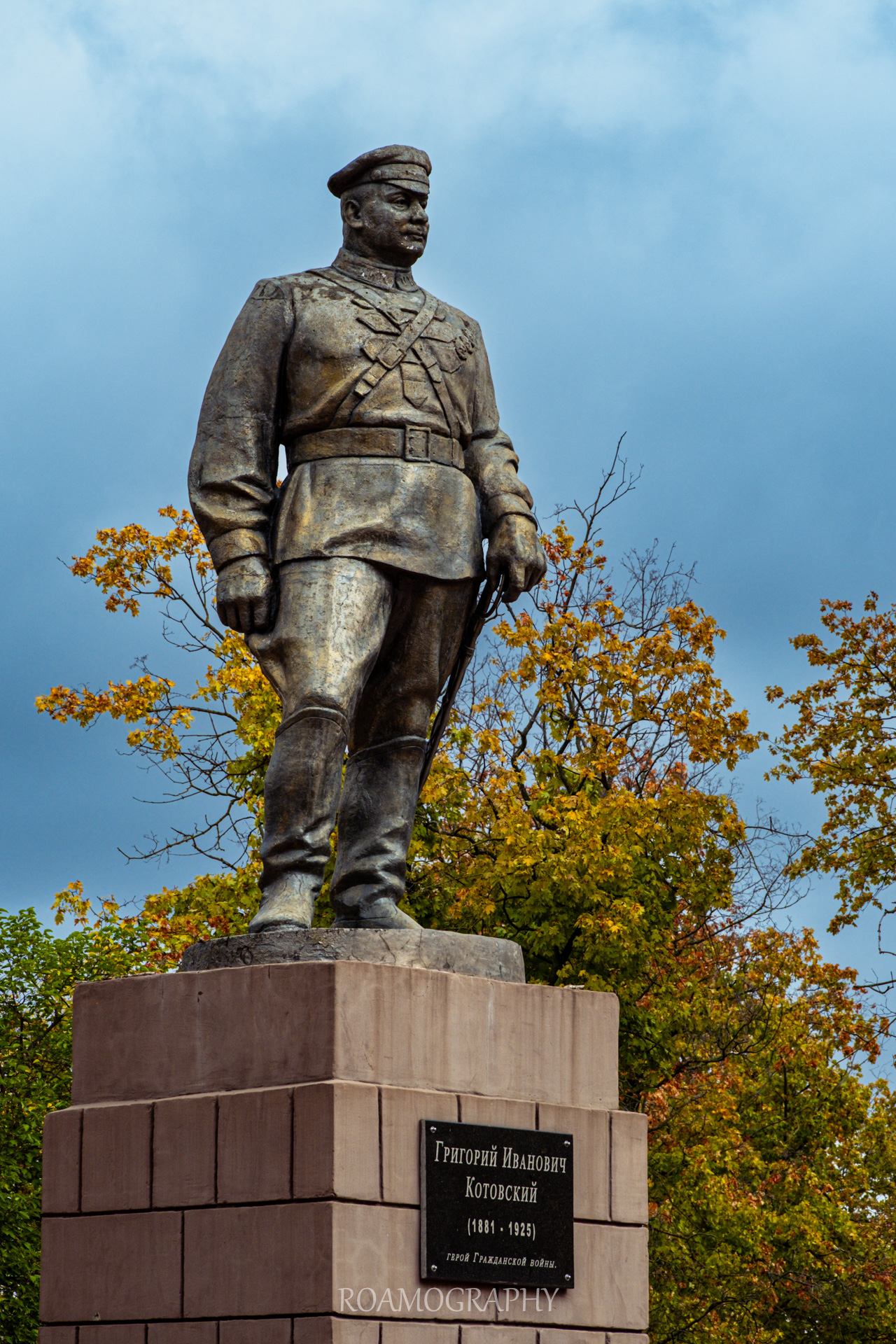
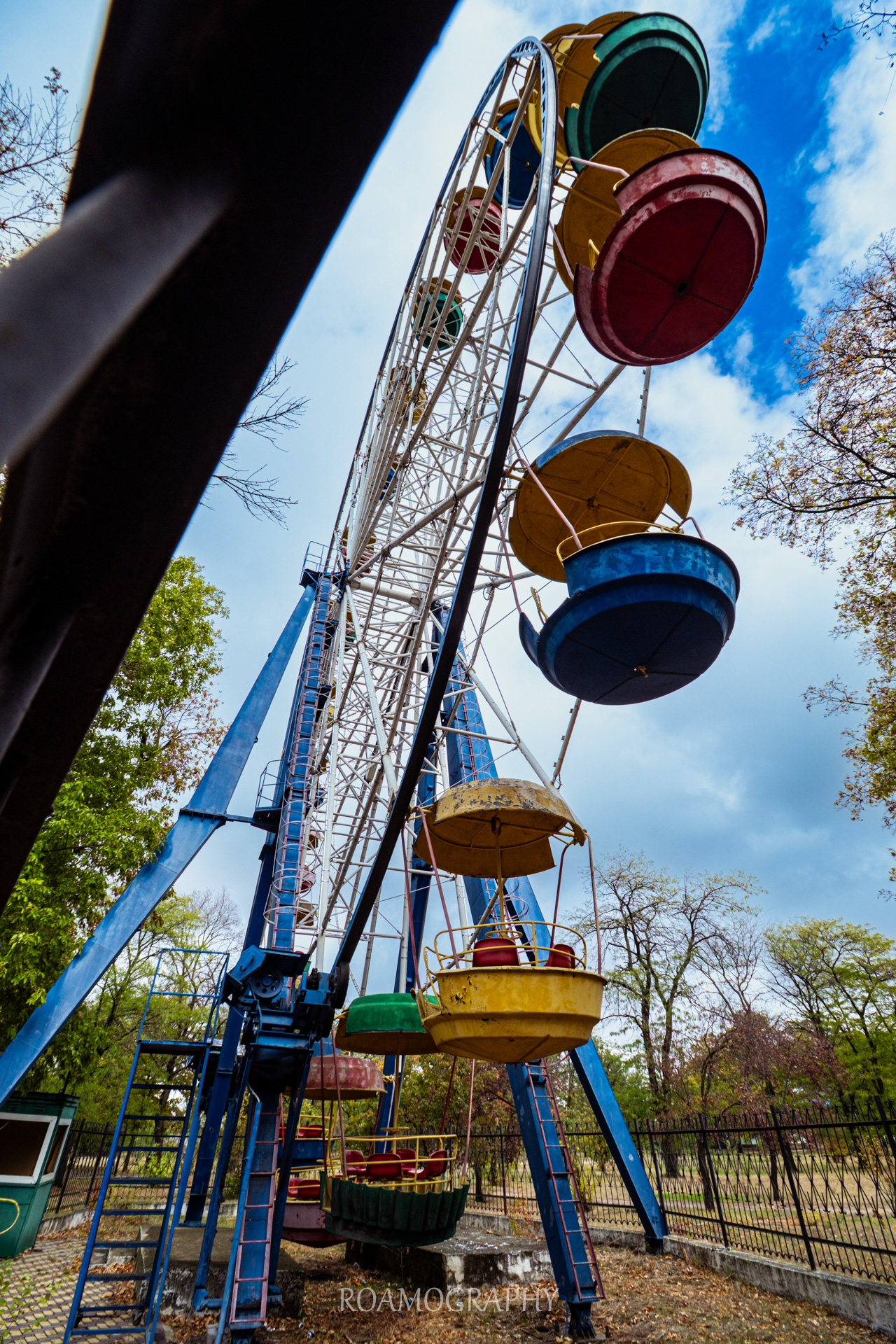
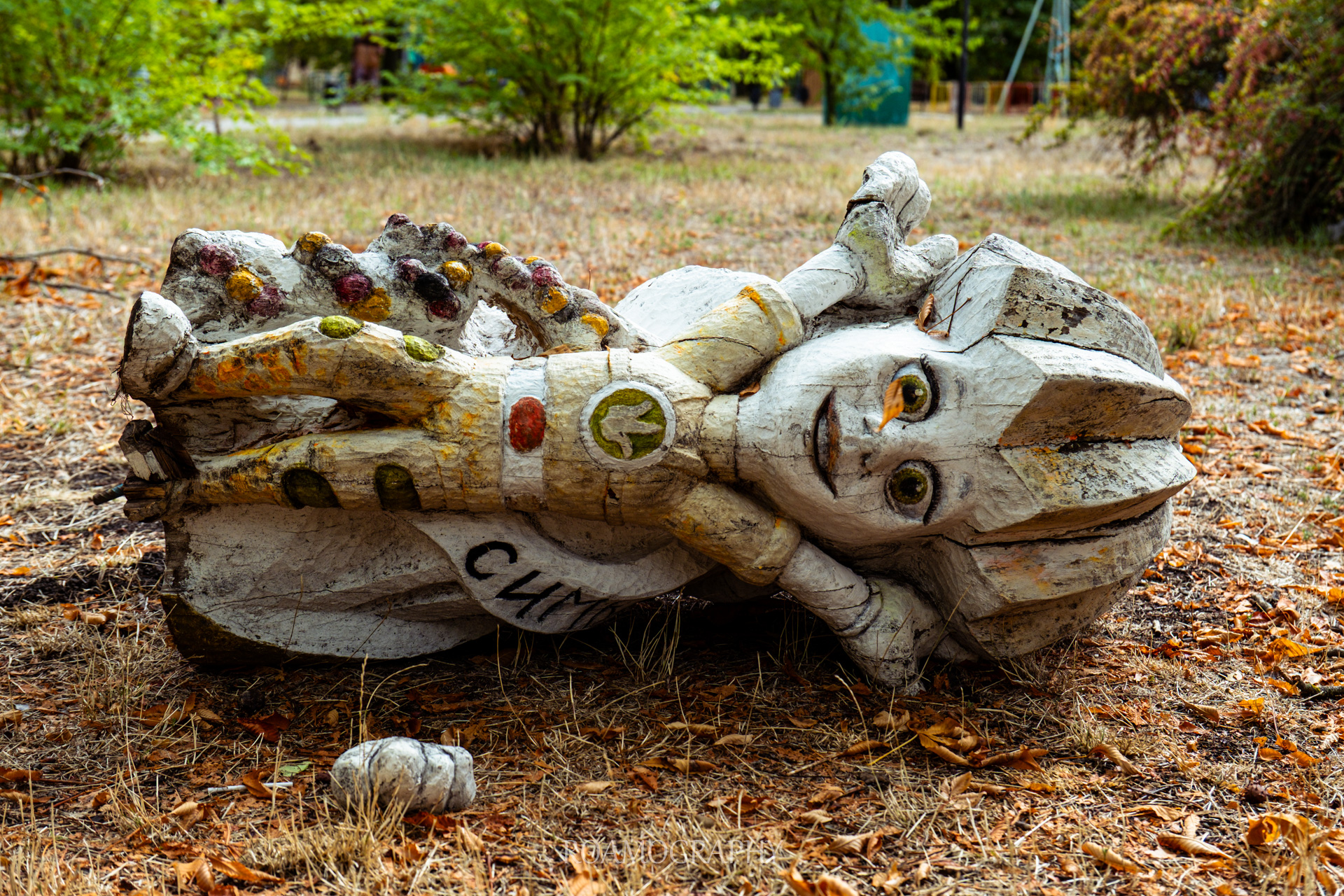
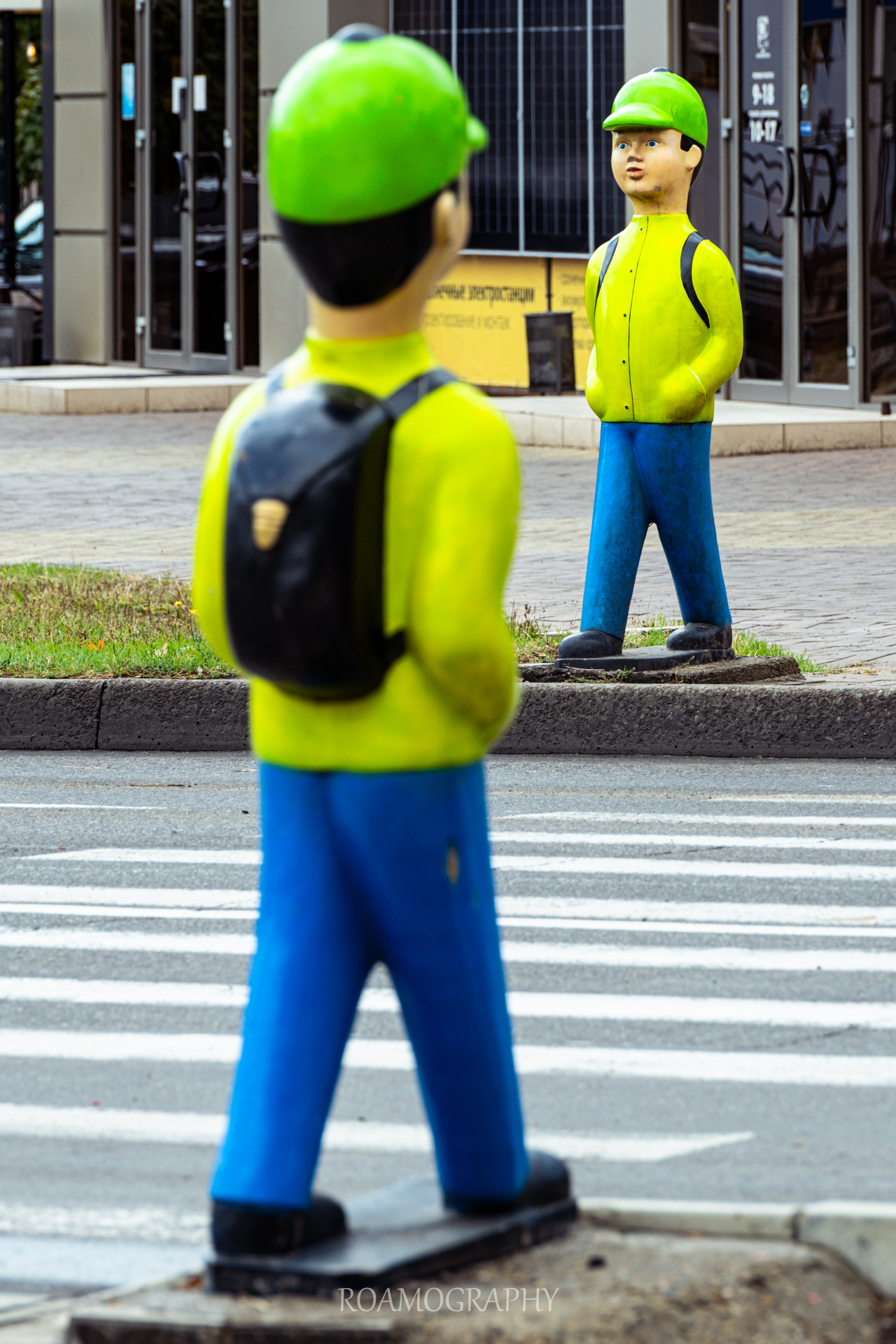
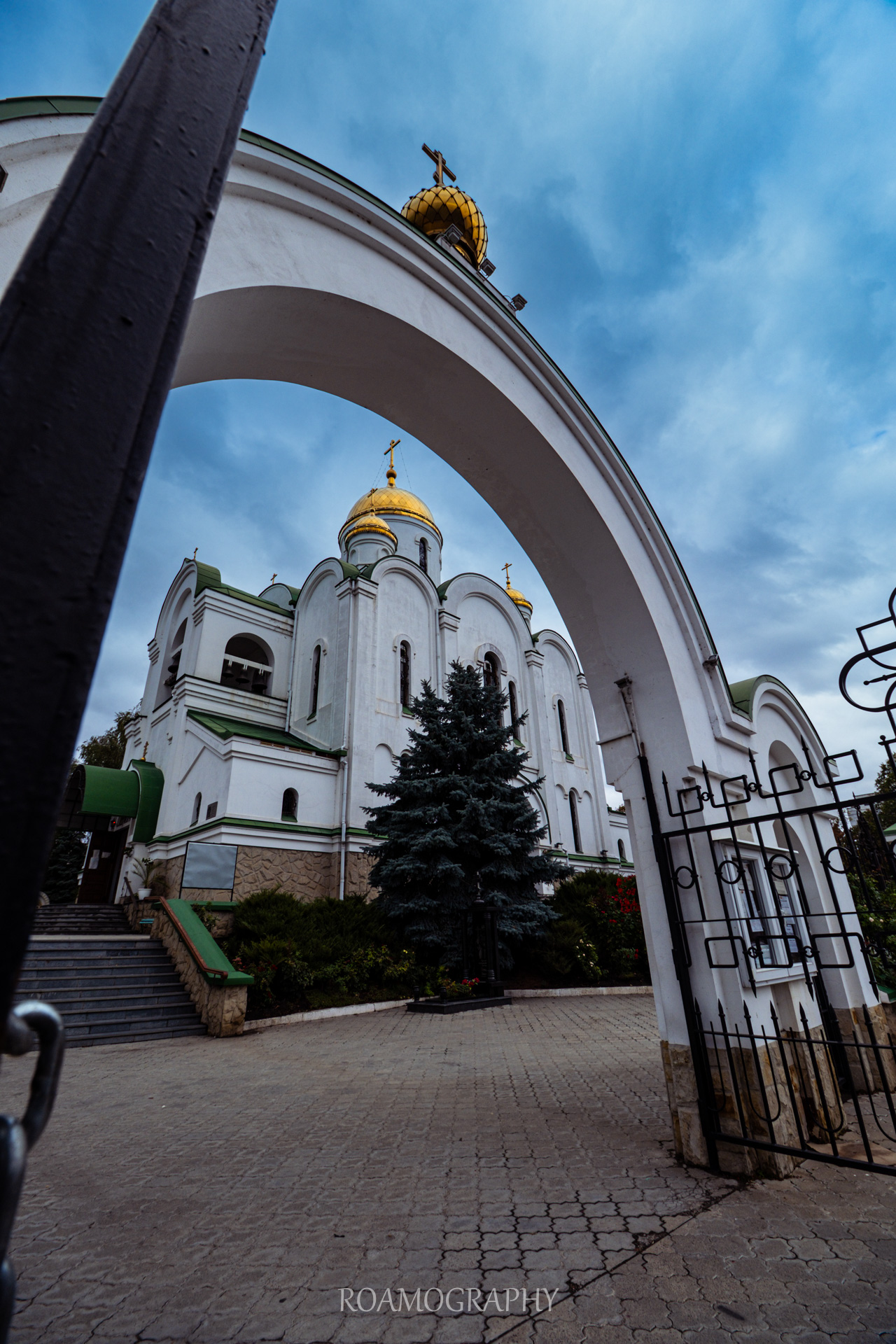
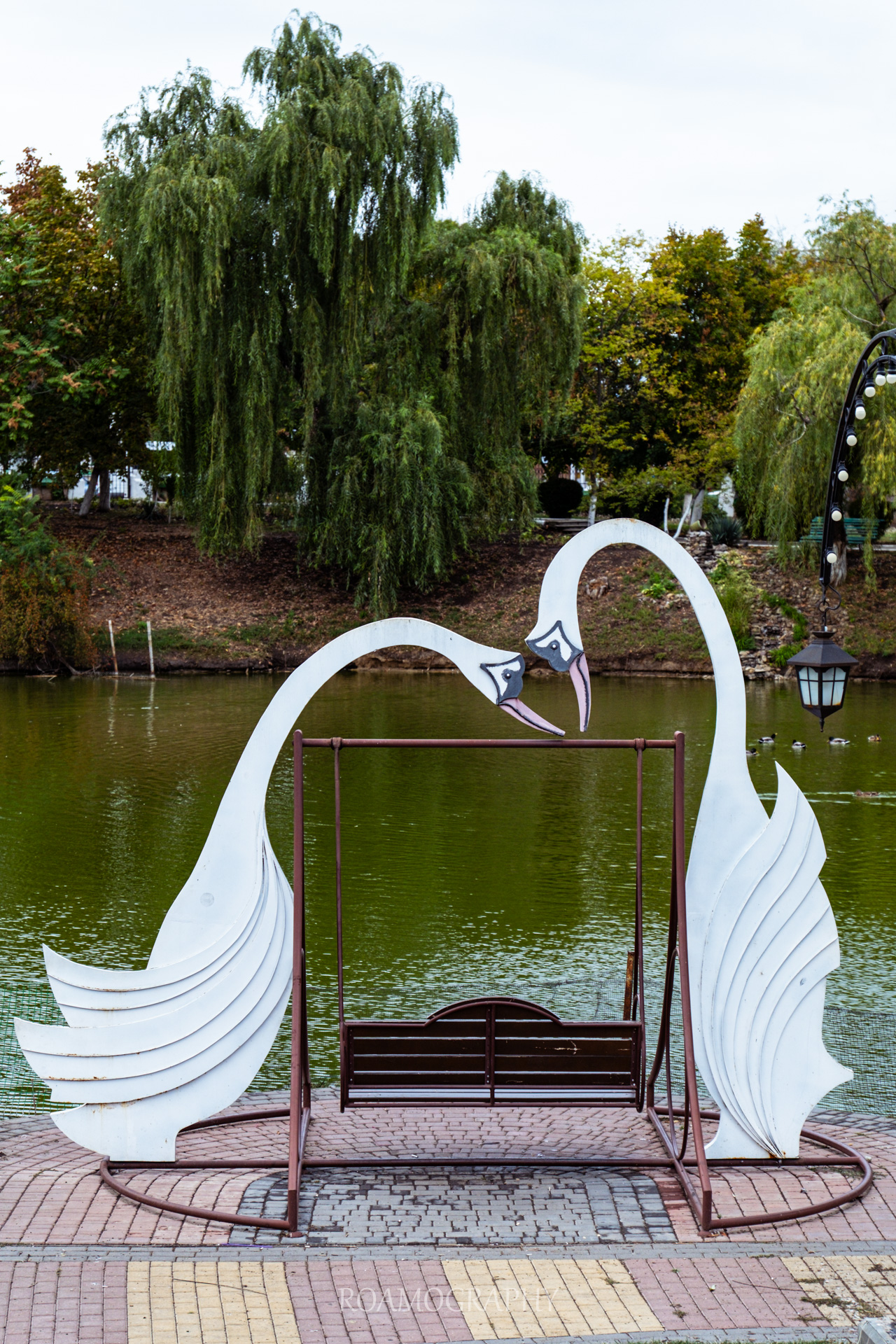
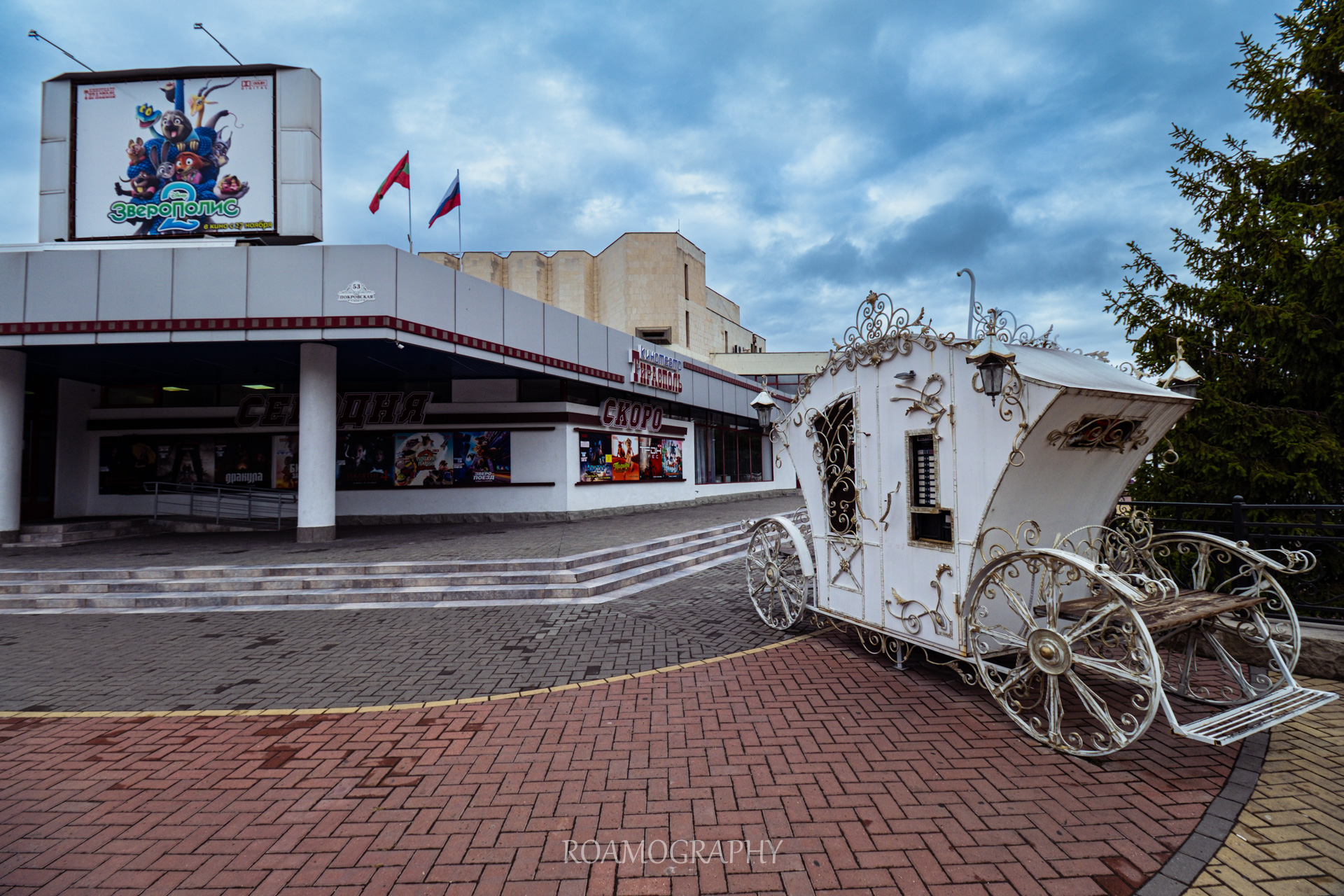
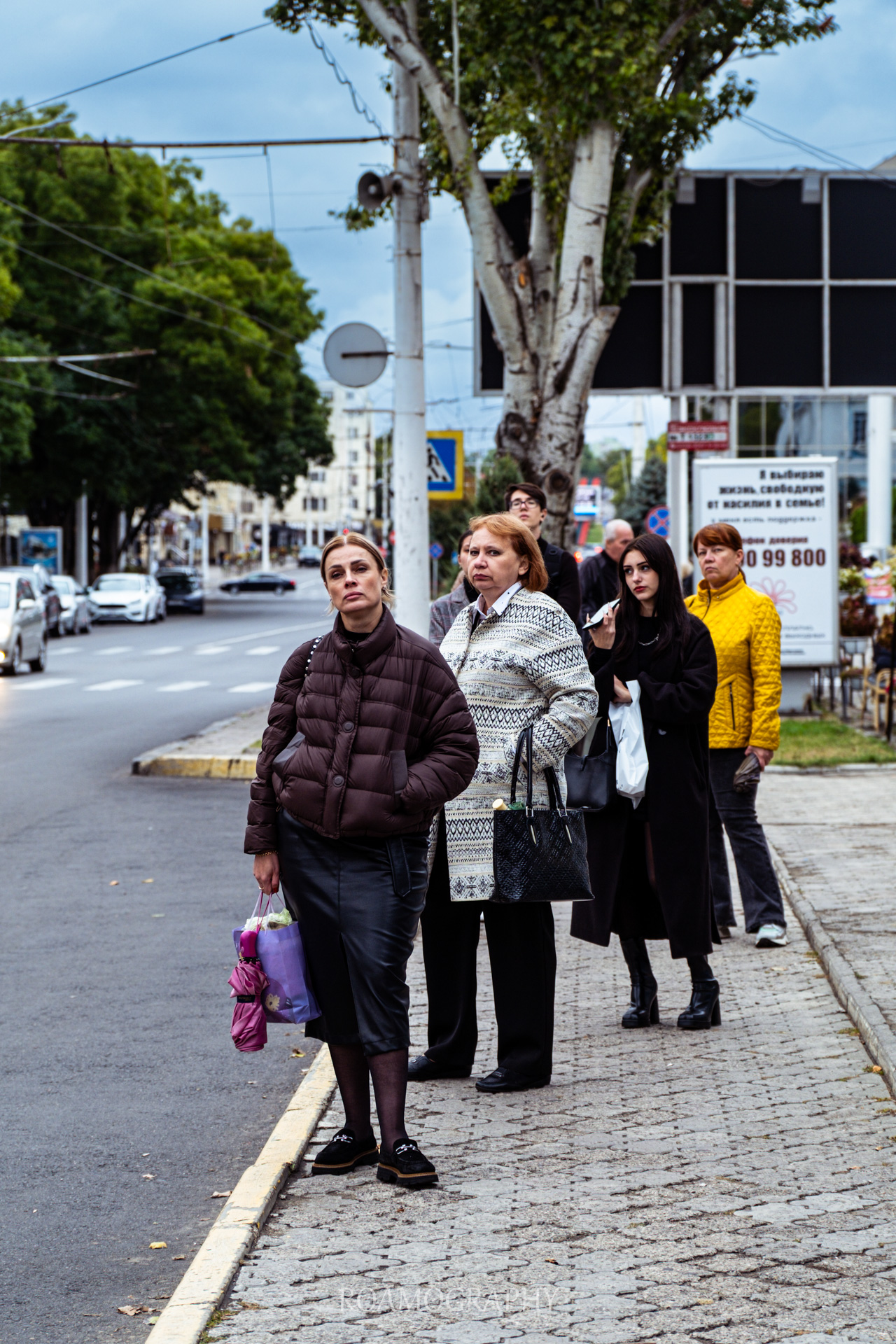
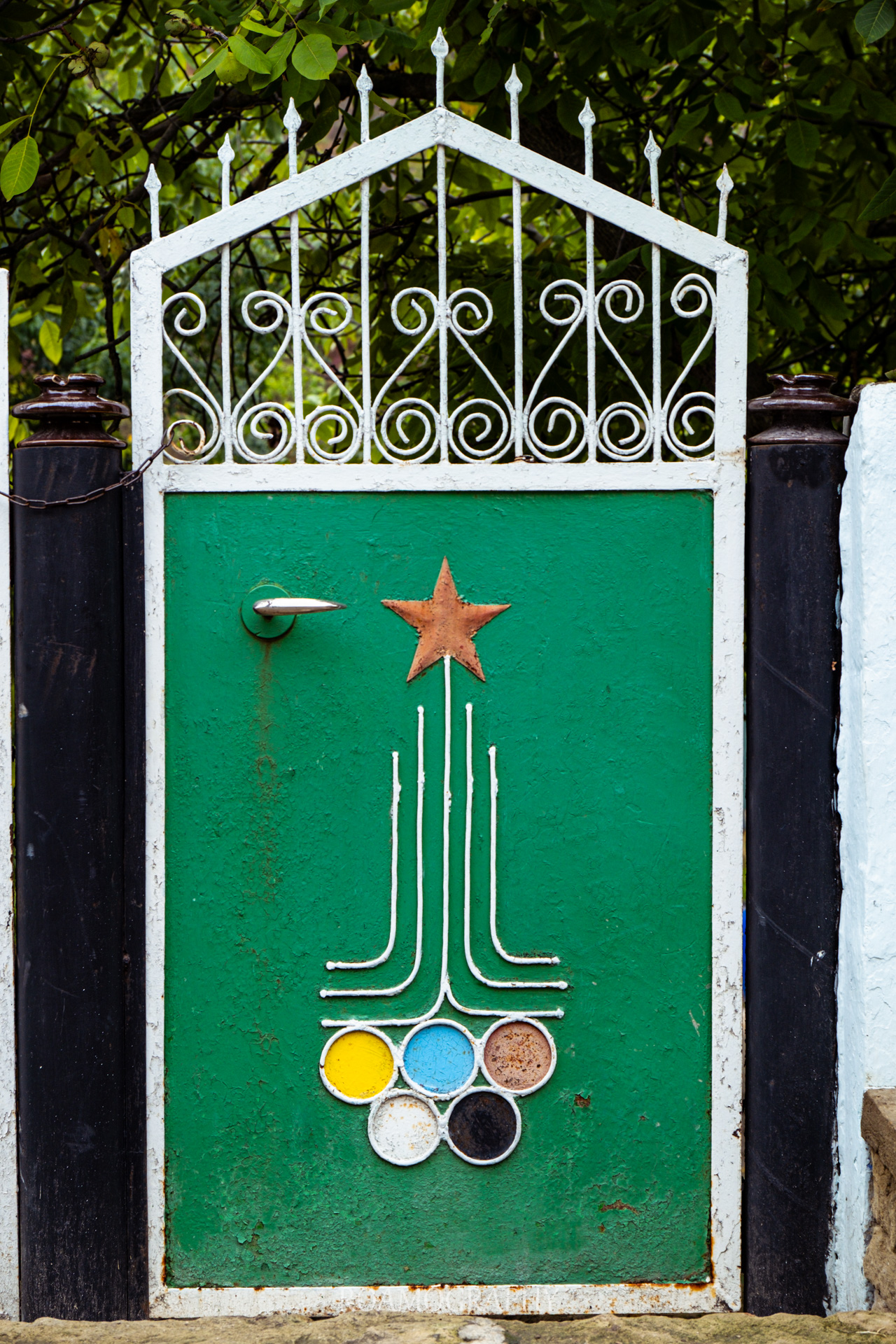
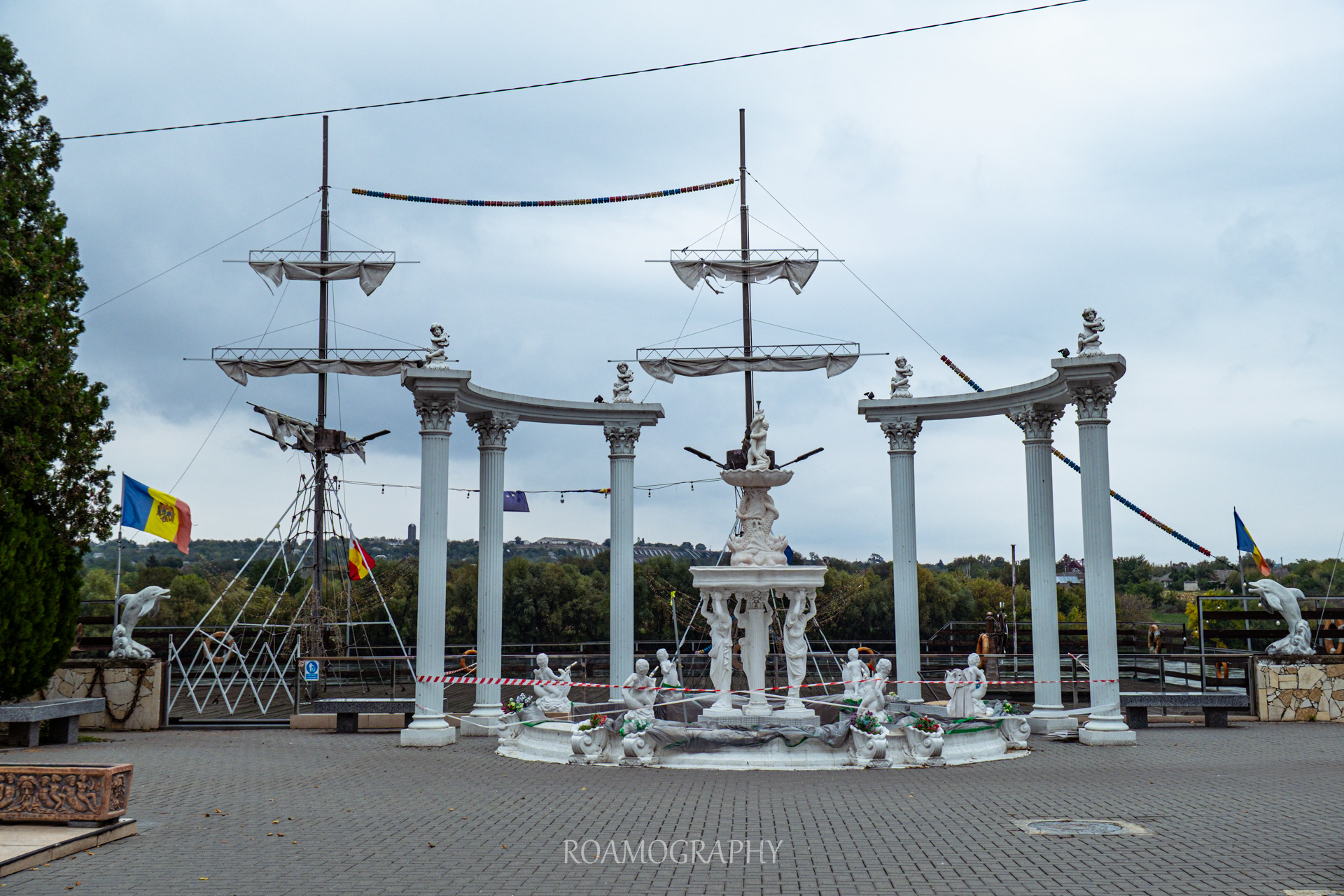
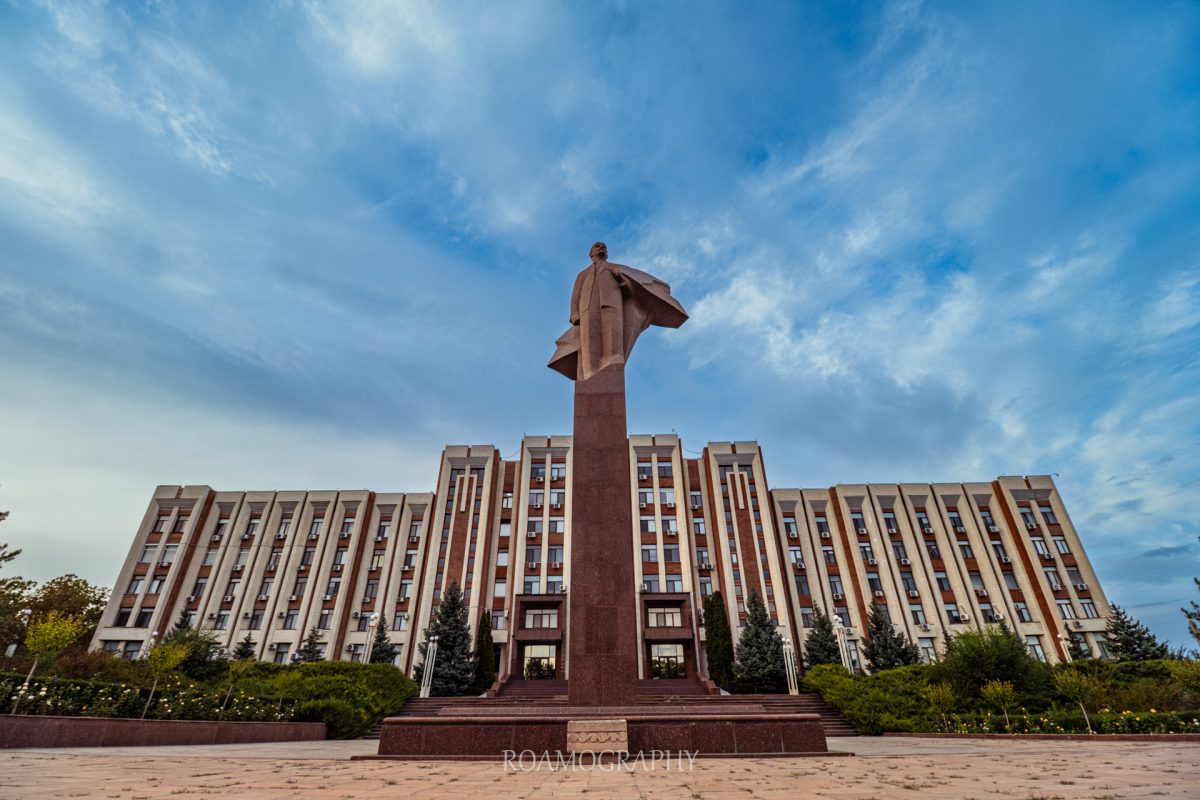
Of these two regions, Gagauzia is in some ways more “exotic” due to the Turkic origins of its inhabitants and the Turkic language they speak (though Russian is also popular here, while Moldovan is held in what you might call “deep disregard”), but it is Transnistria, full of Russians and practically excluded from Moldovan jurisdiction, that is the “iconic” open-air museum of Sovietism, where life moves in a slightly different dimension. Everything is organized in its own way, but in an alternative, “neo-USSR” style. There is no connection to the international banking system, public transport is messy, and the aesthetic is clunky—tableaux of modern-day working class heroes, statues of Great Russians, and nightmarish children’s parks…
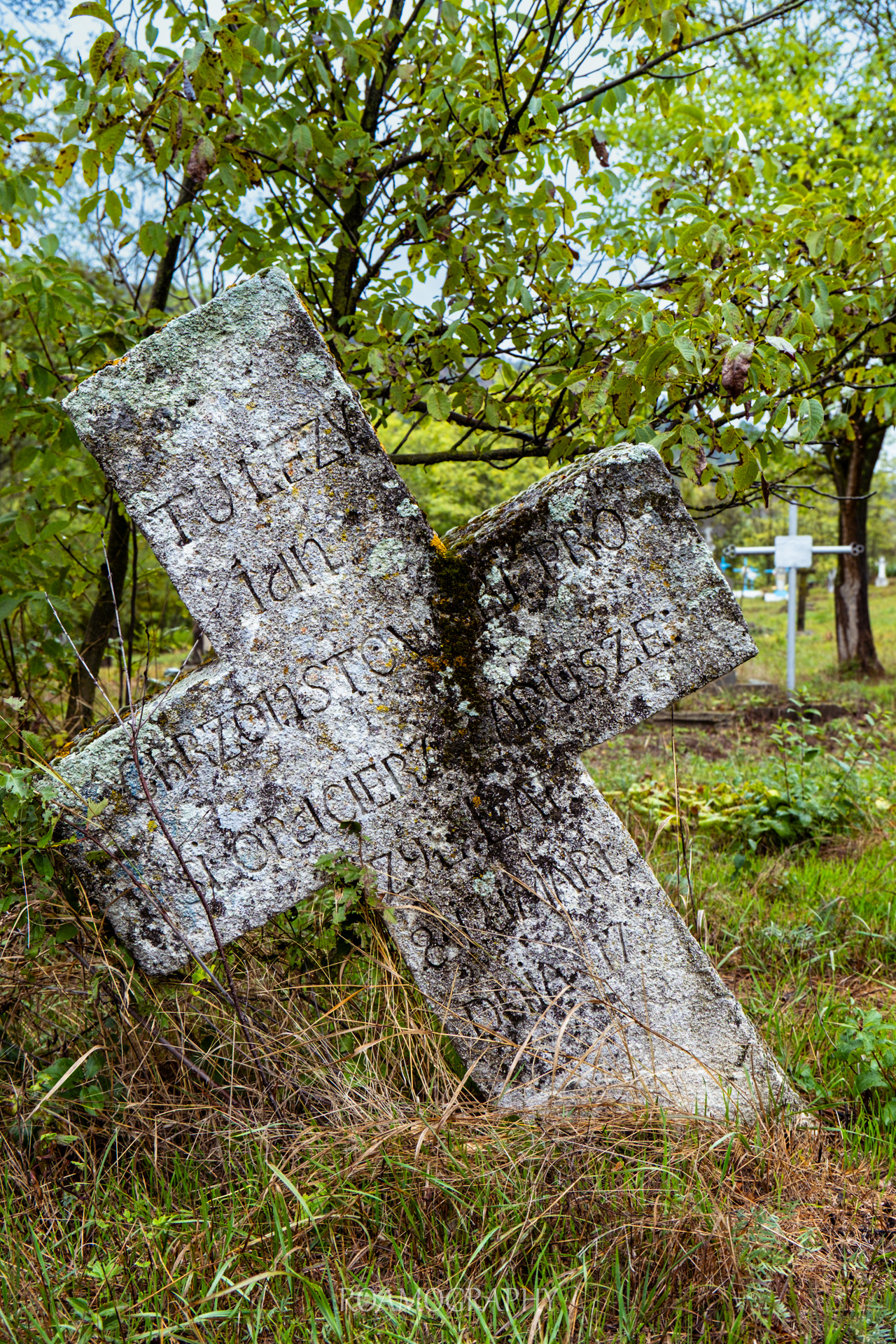
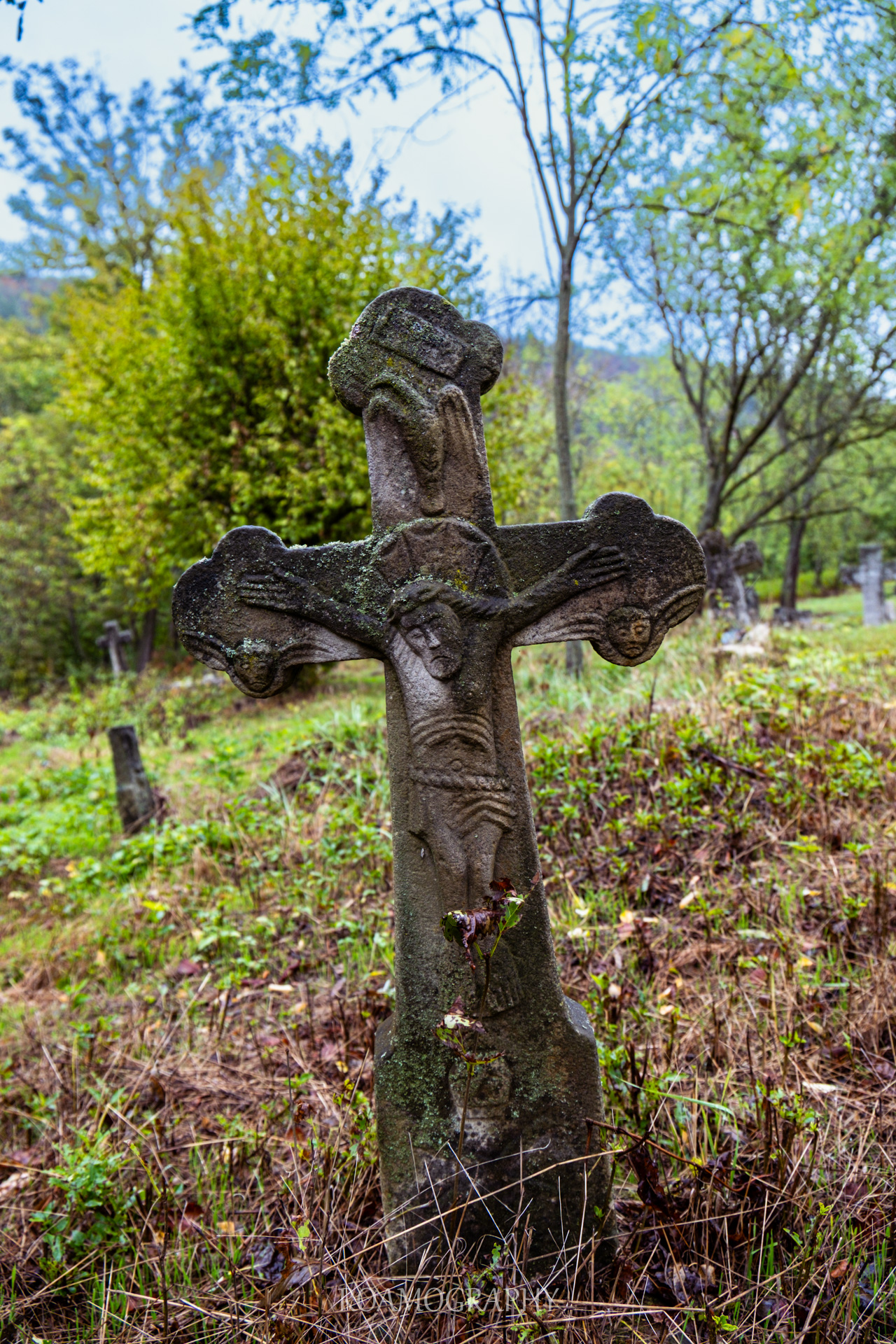
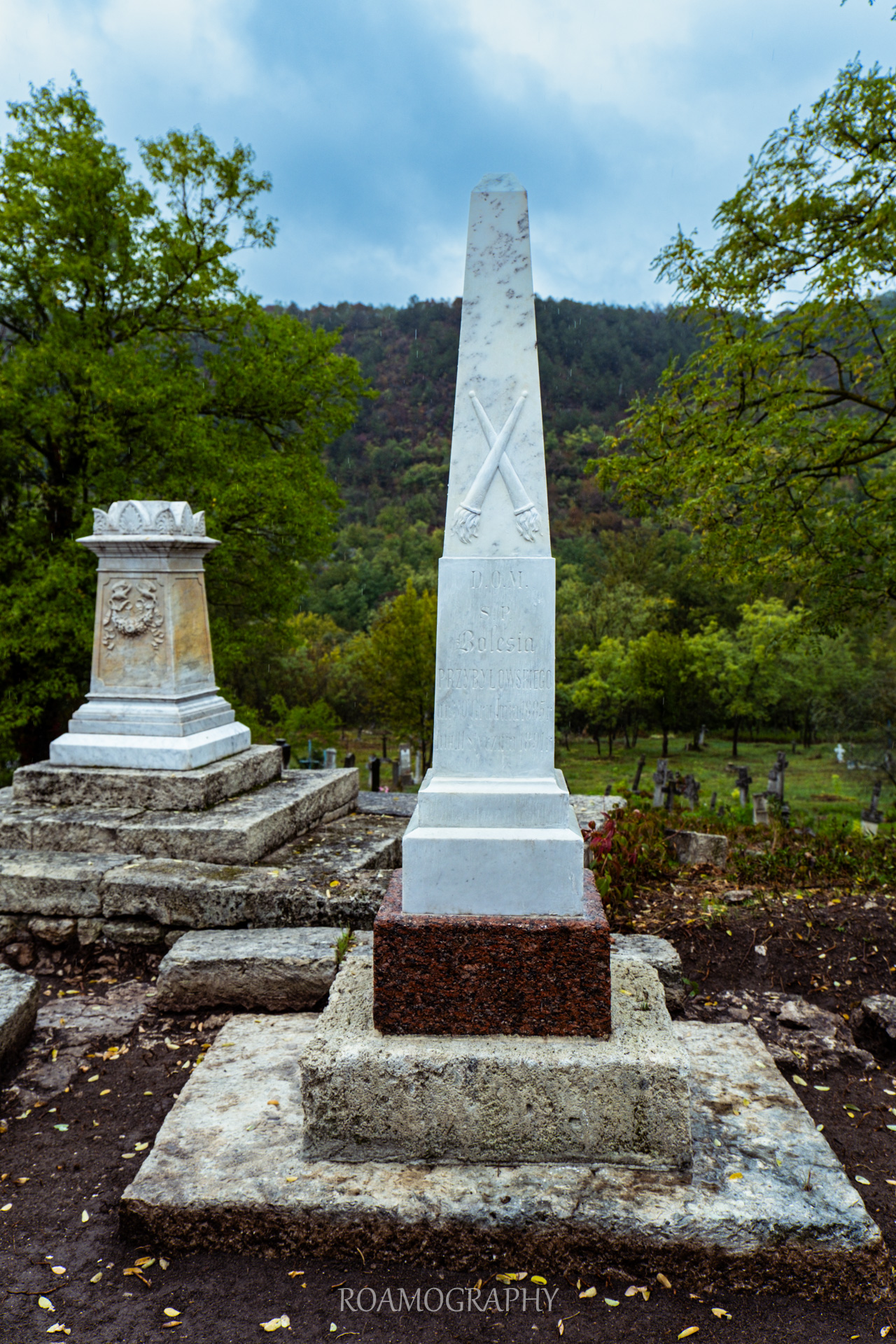
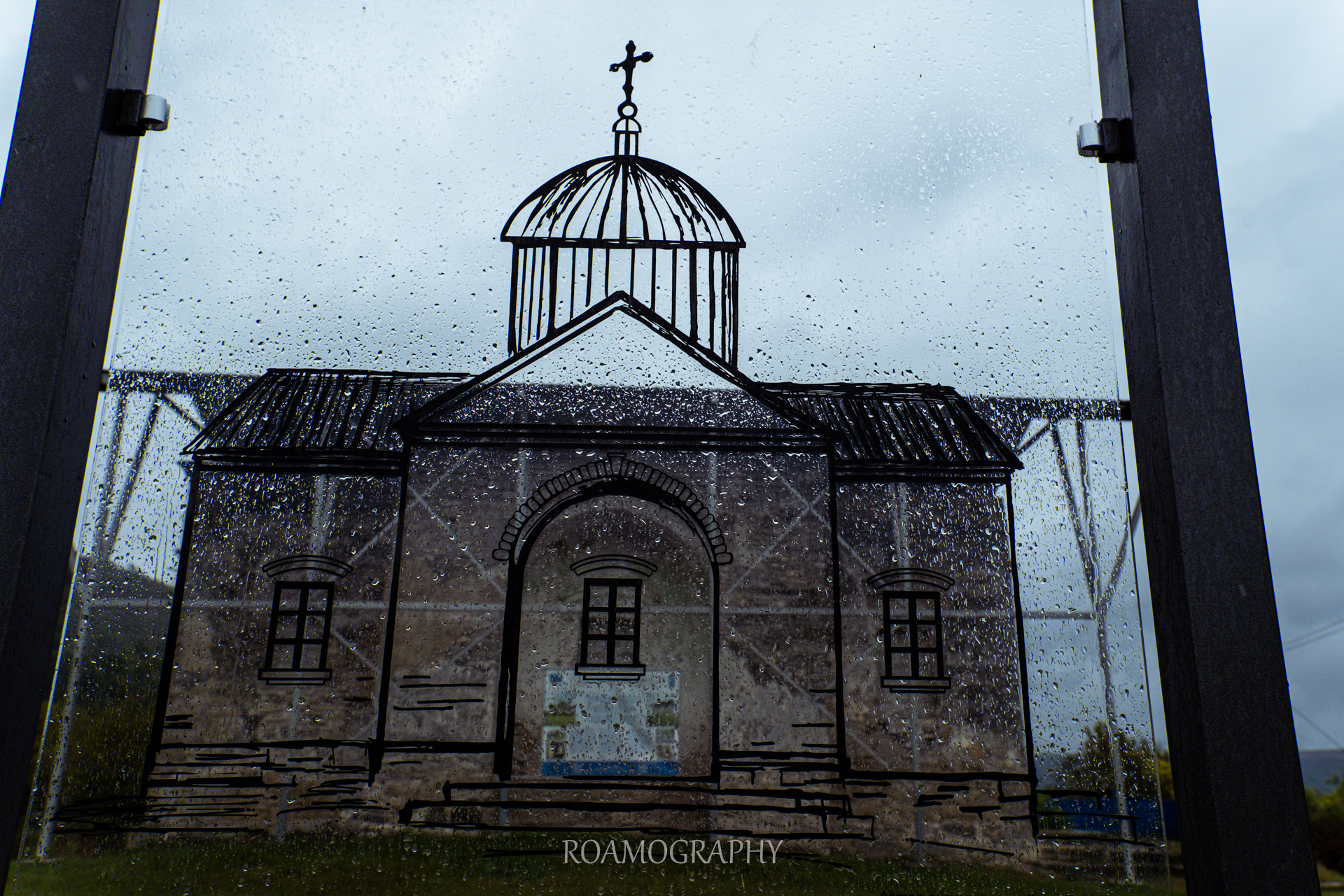
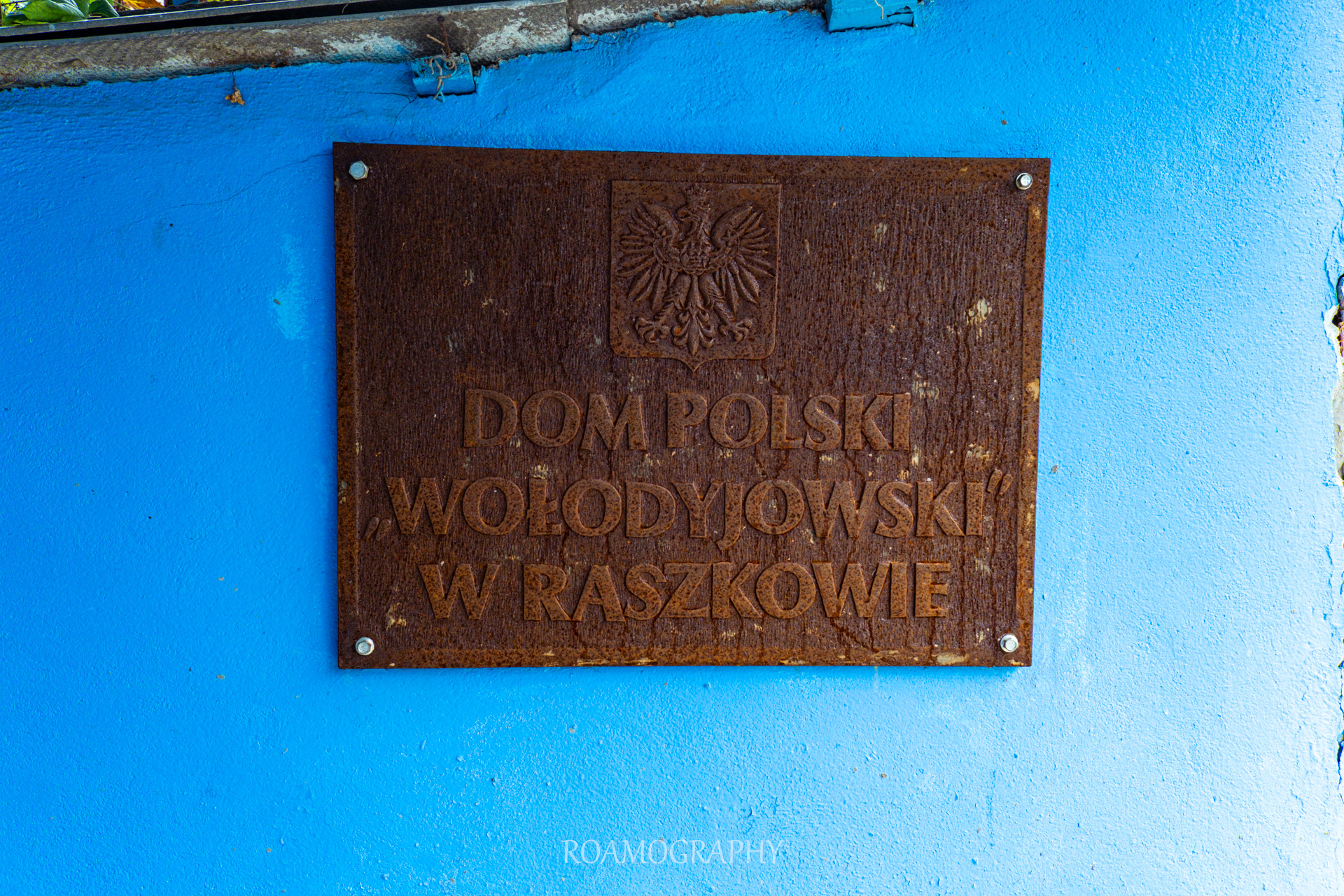
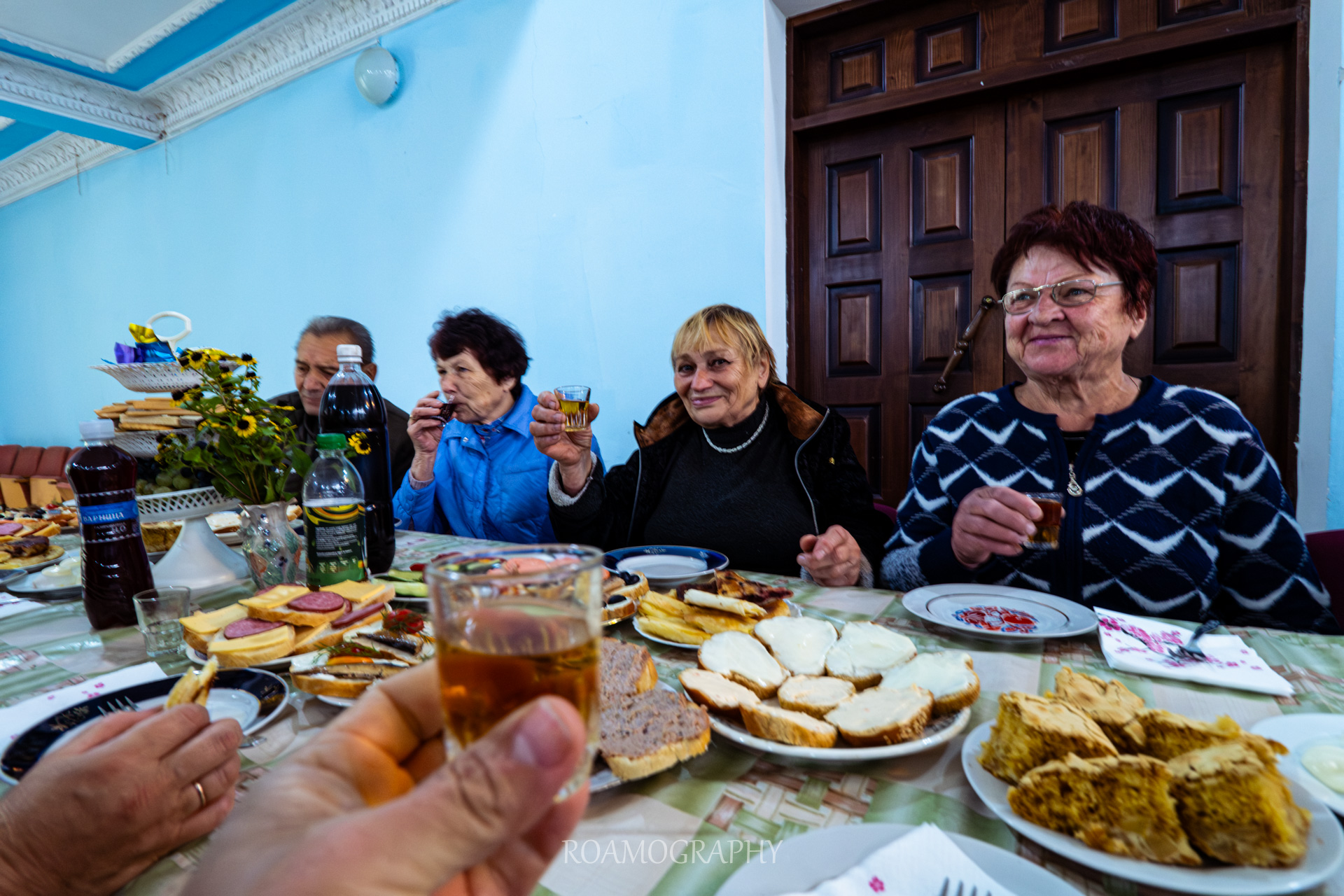
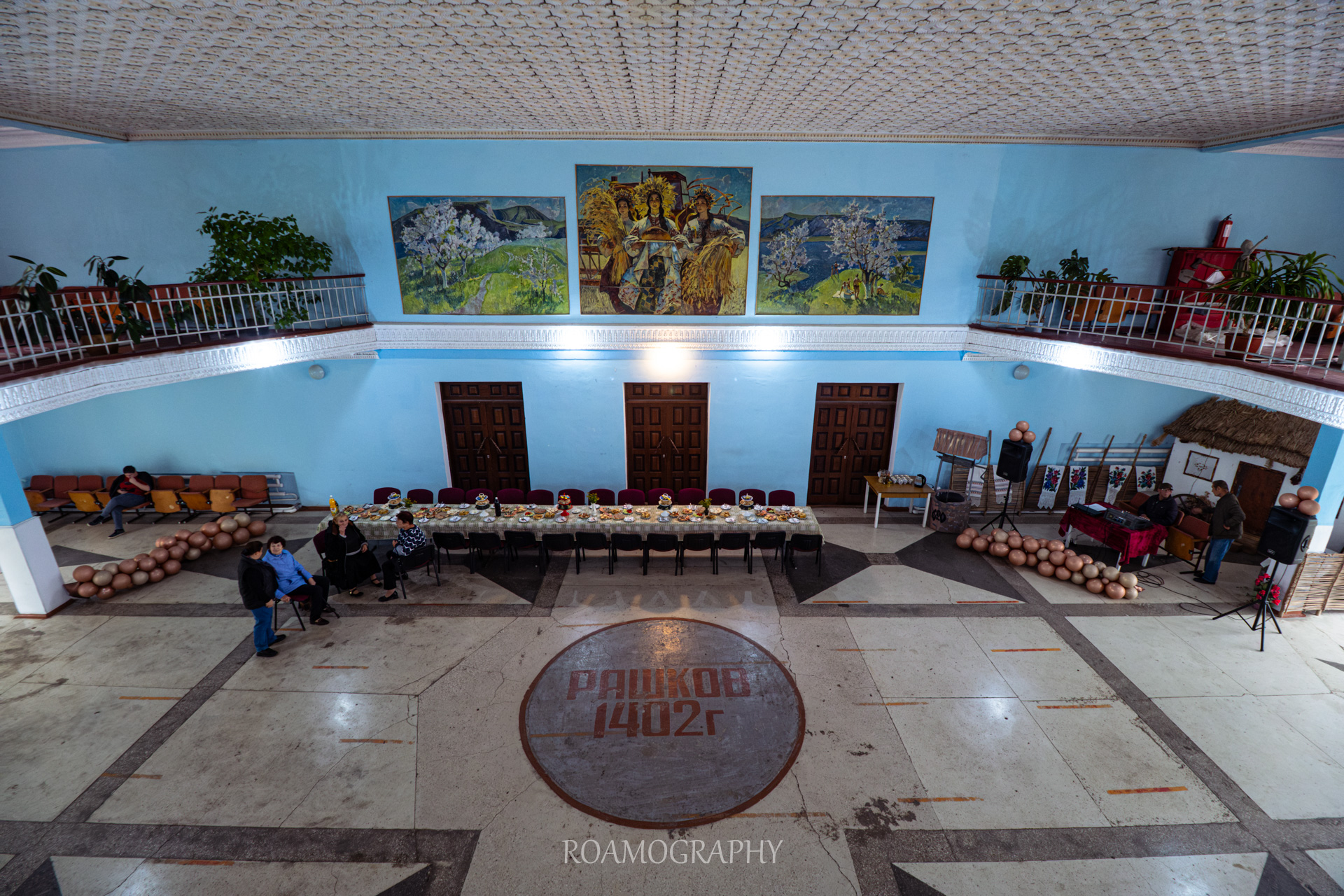
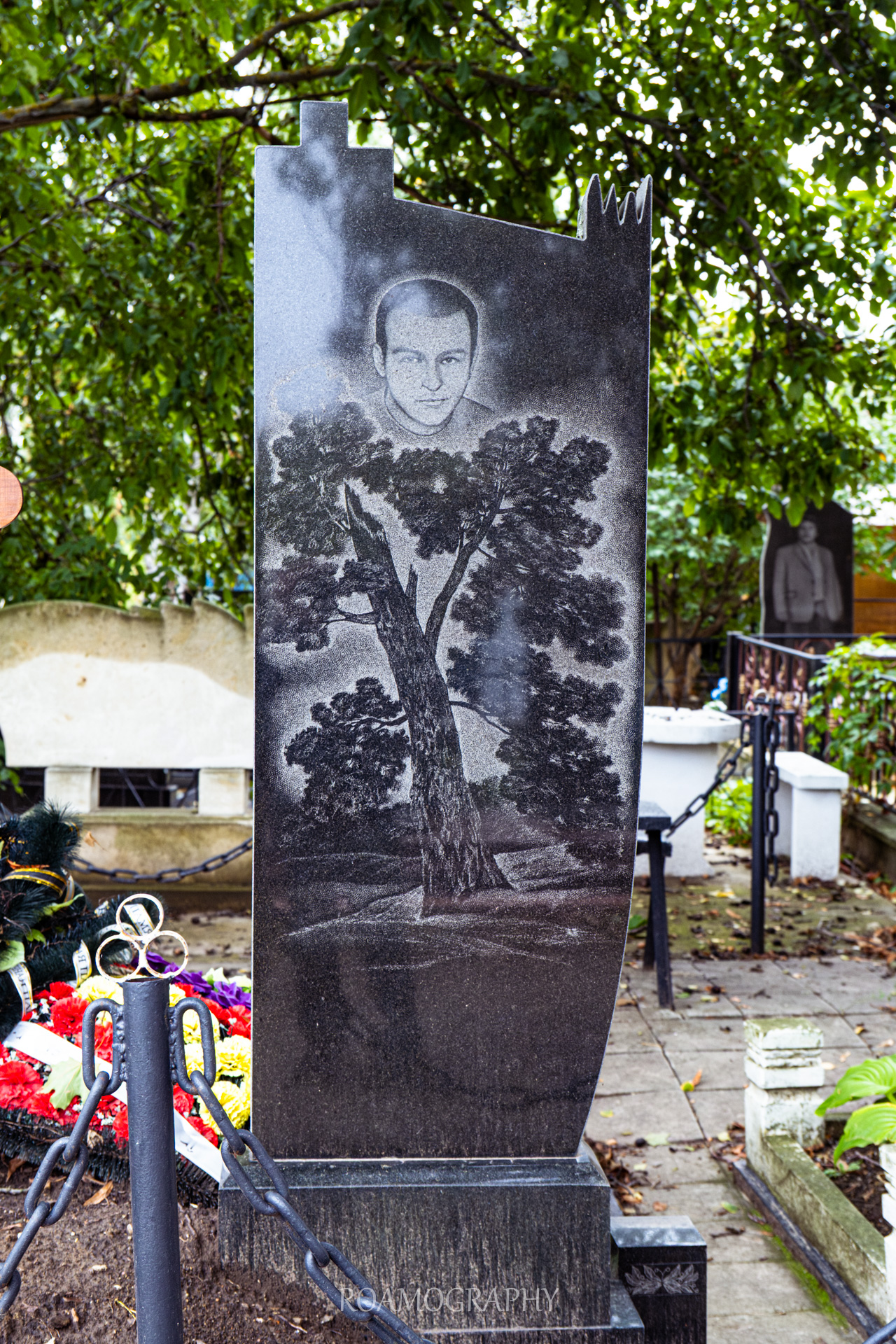
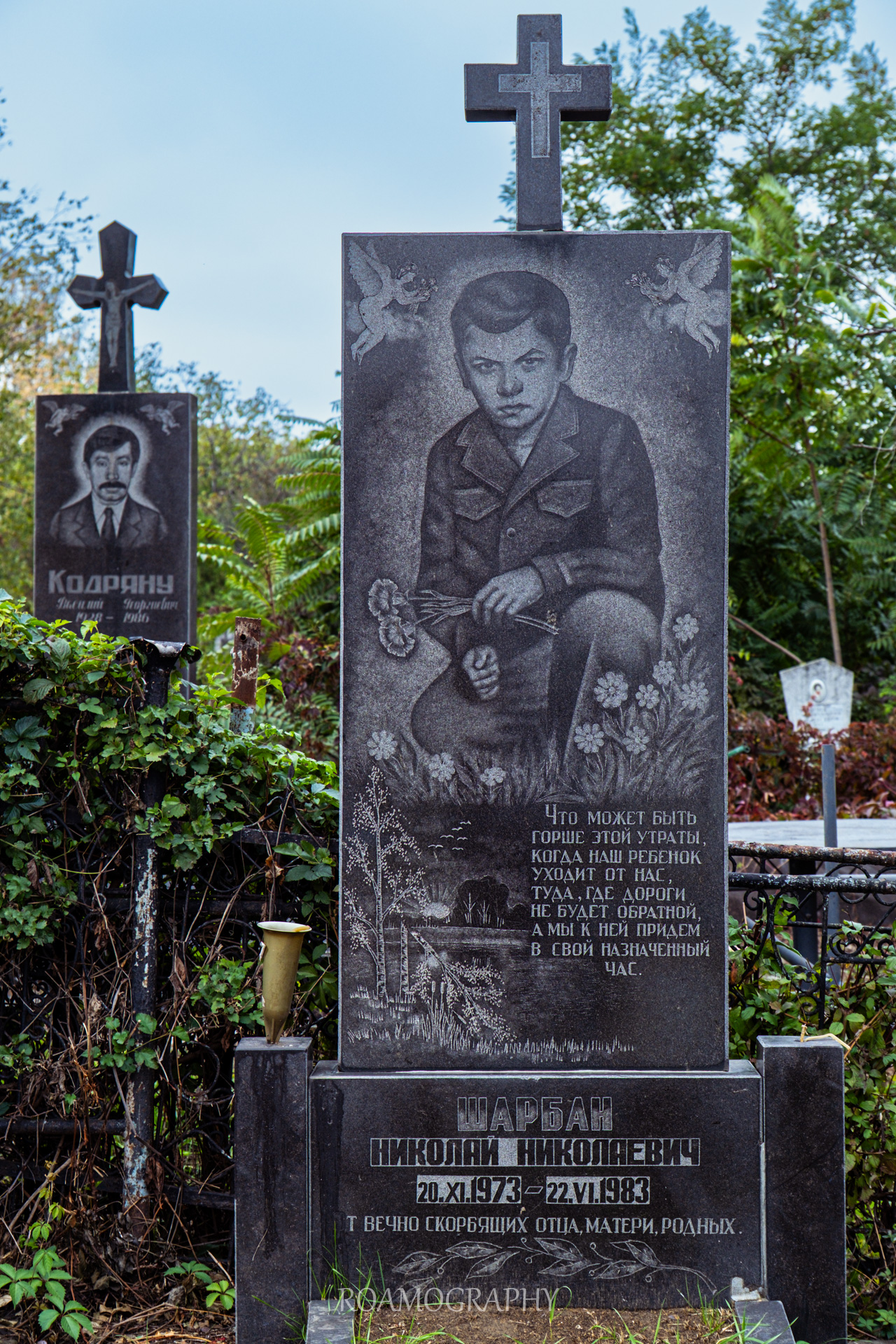
You can still find a few Polish villages here, and even a Polish cemetery in the town of Raşcov (Raszków), reminding us of the complicated history of both Moldova and the Poland.
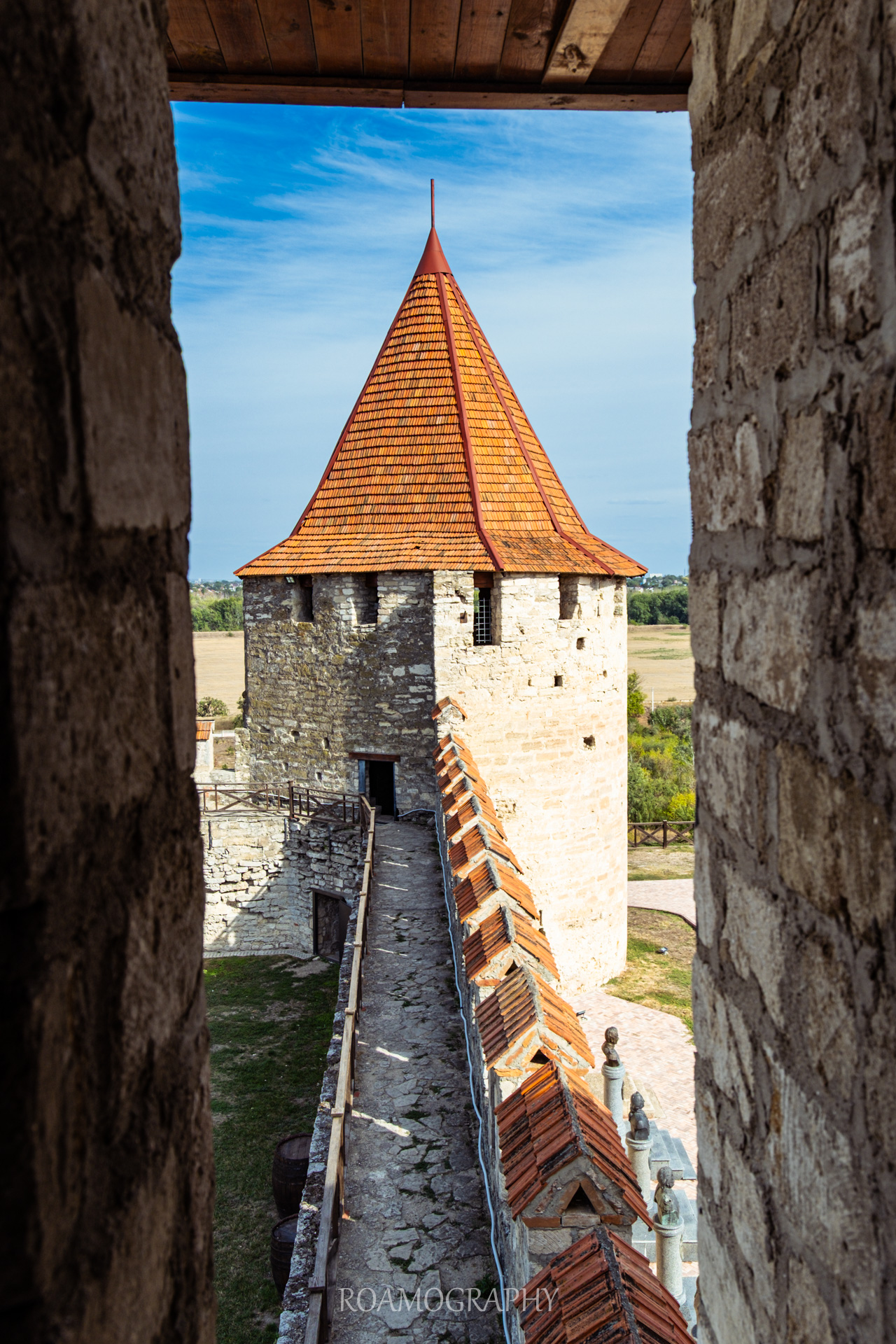
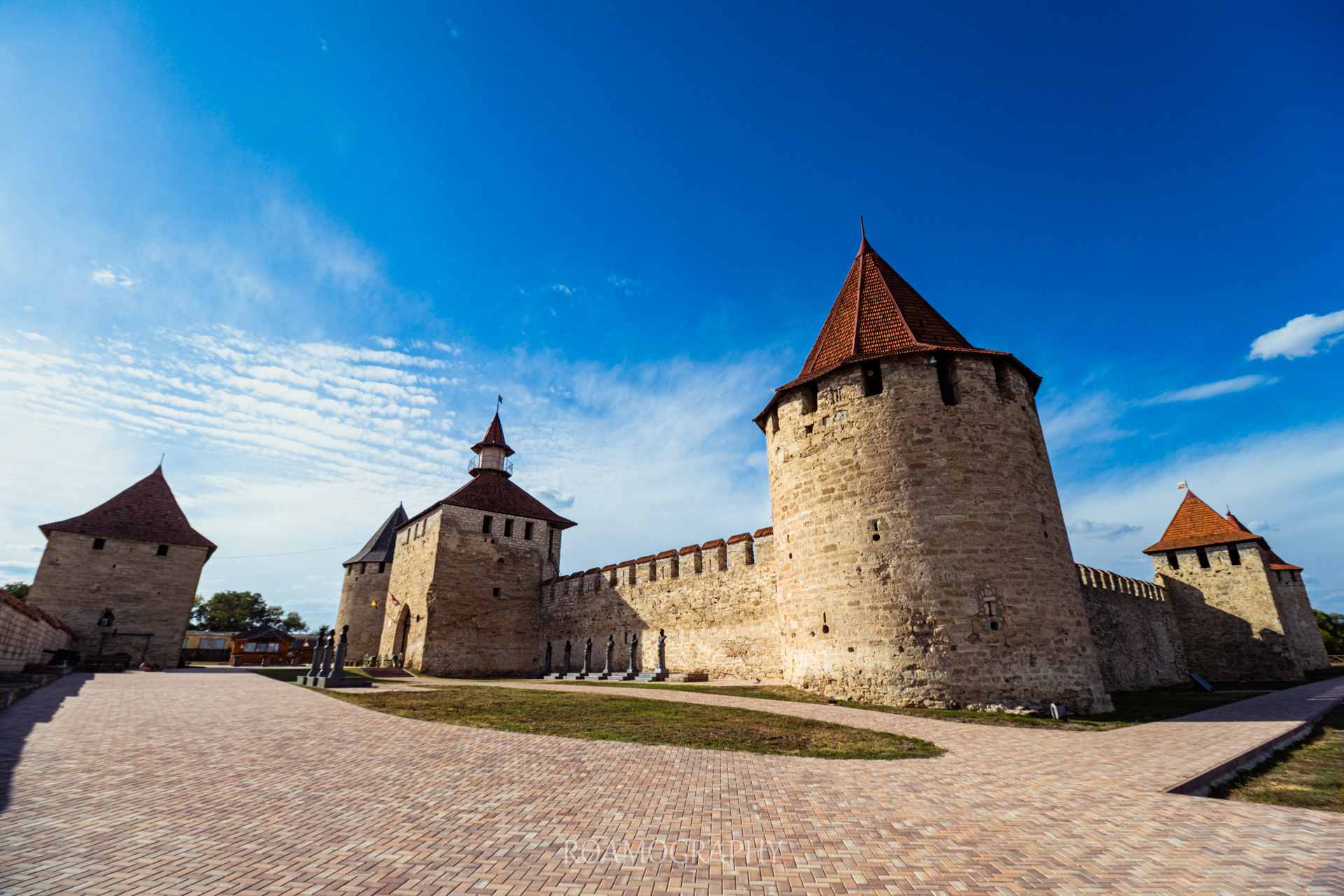
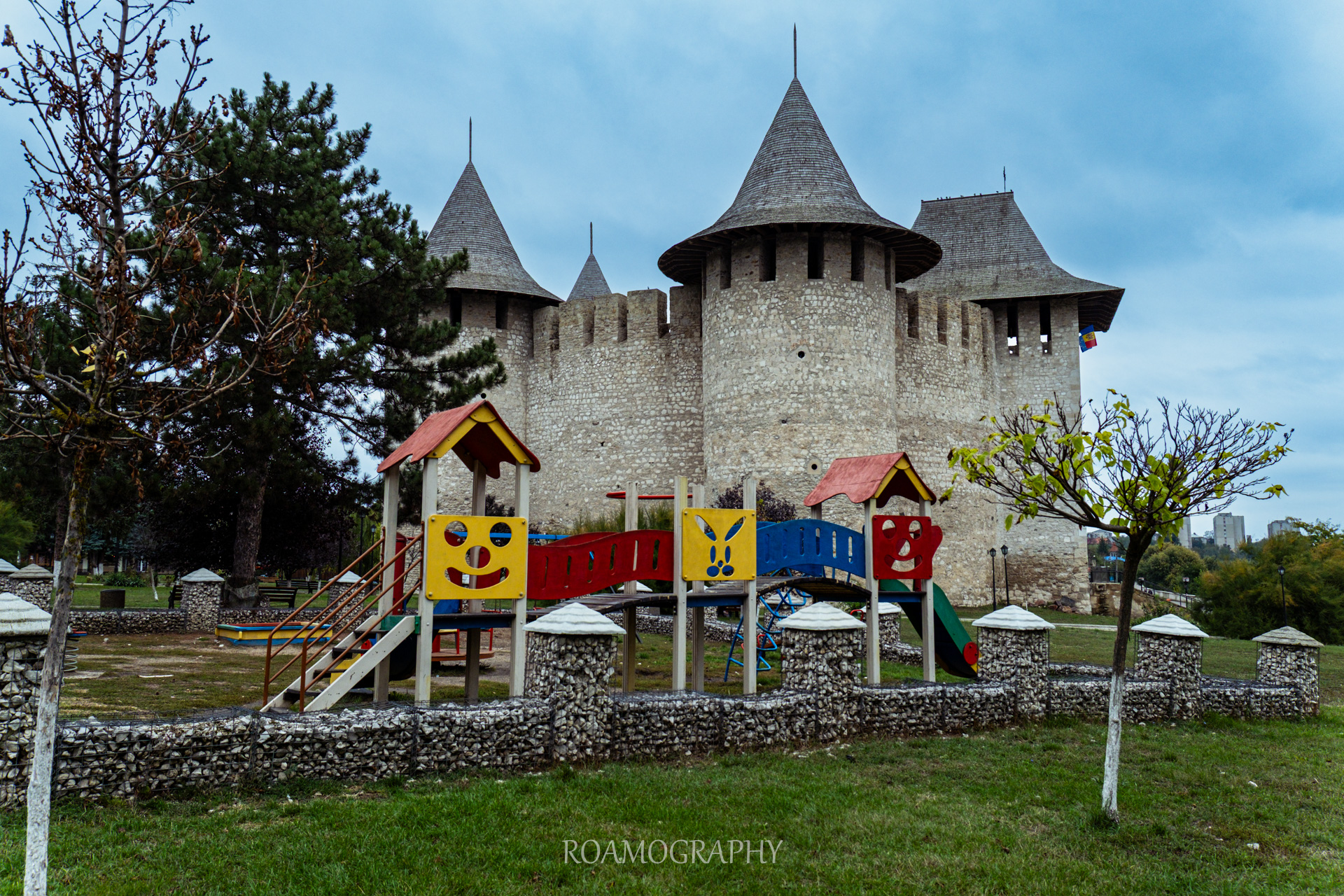
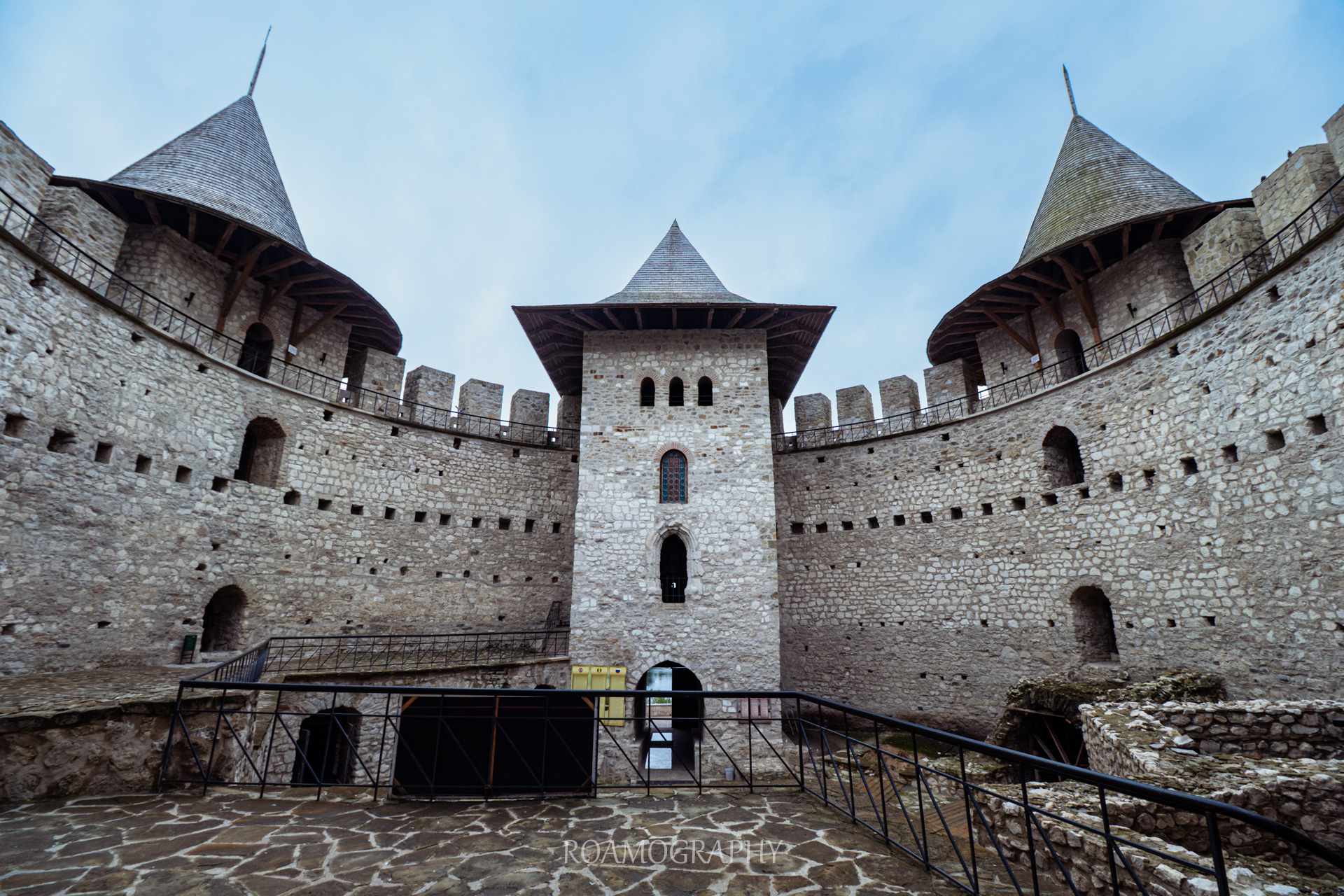
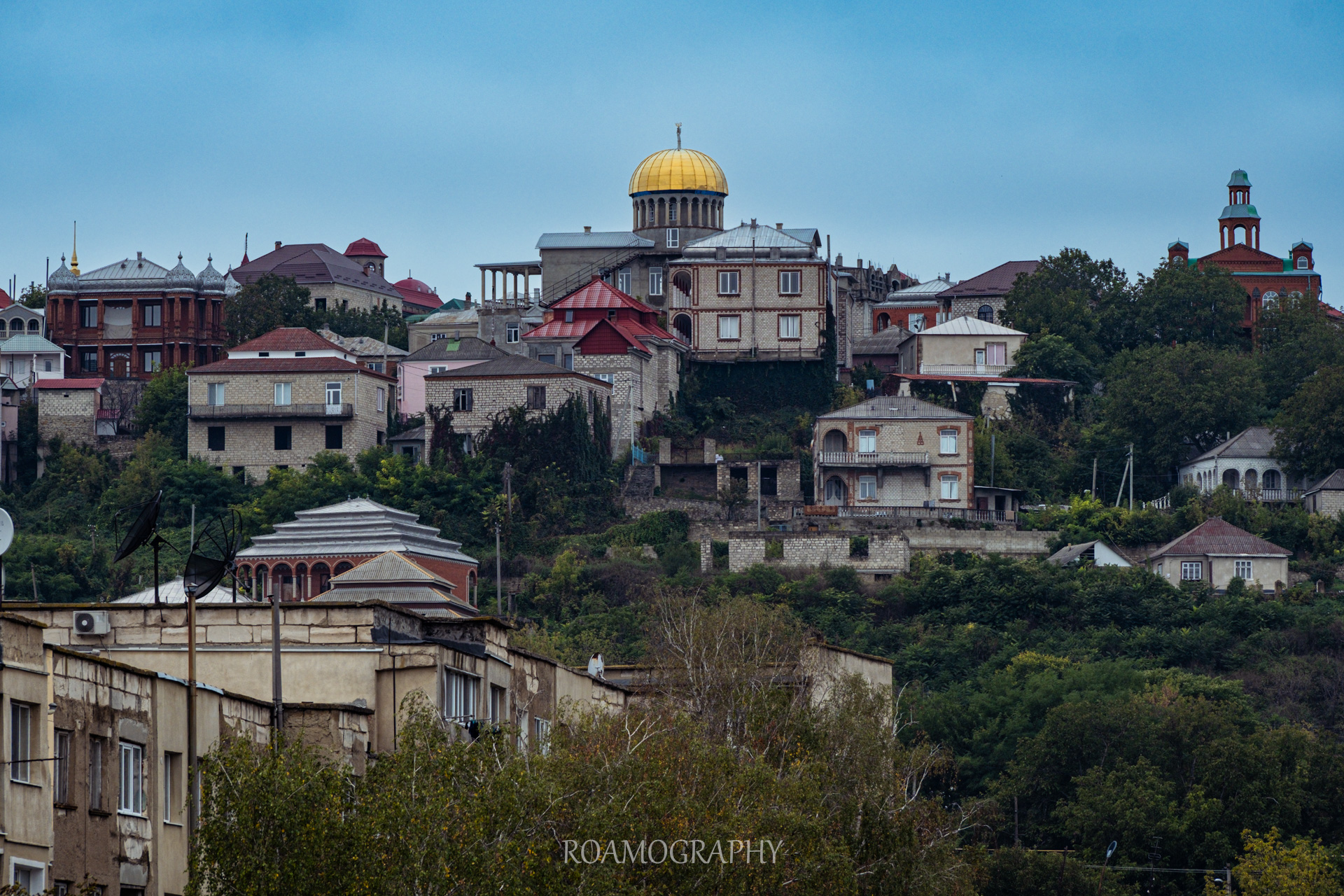
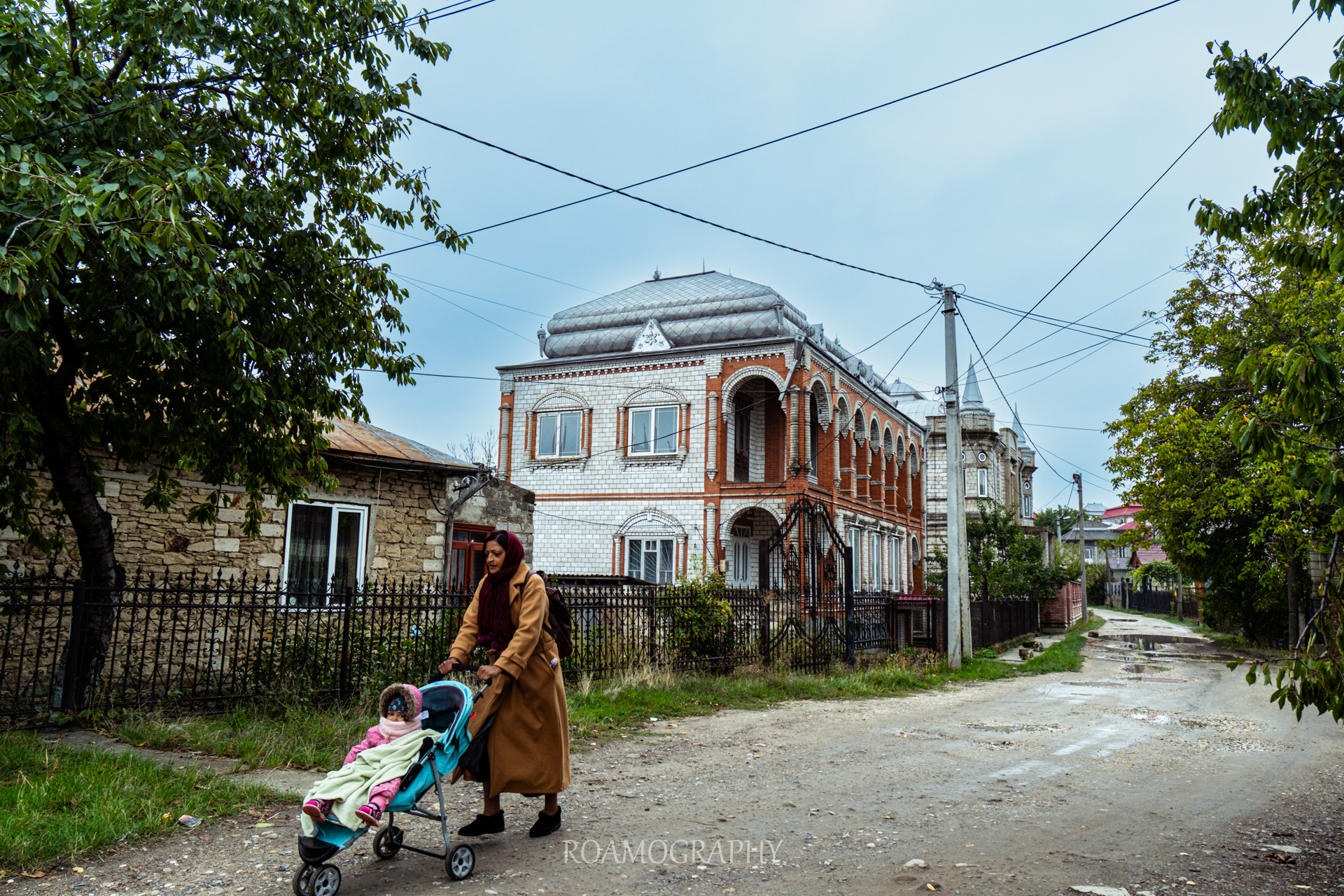
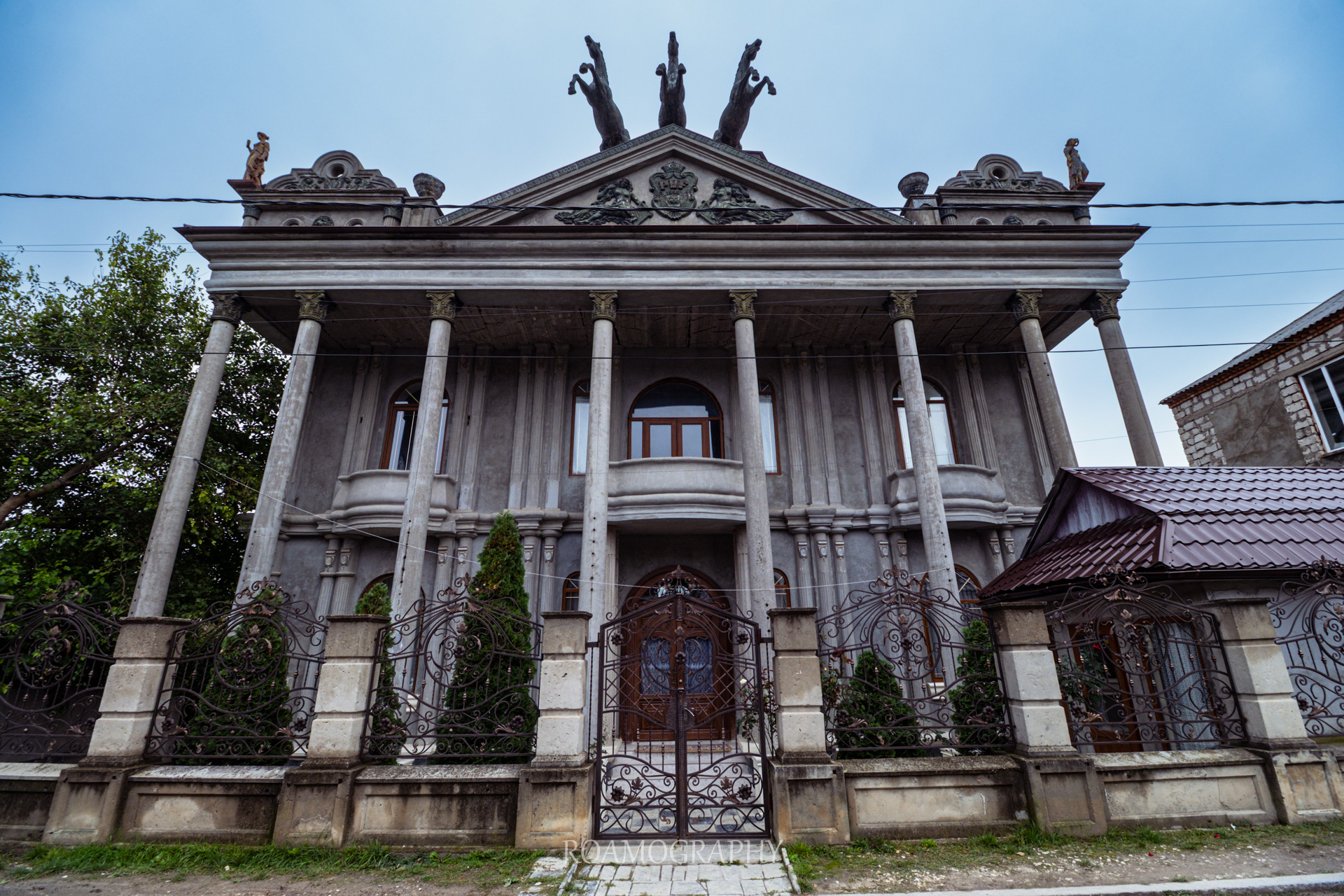
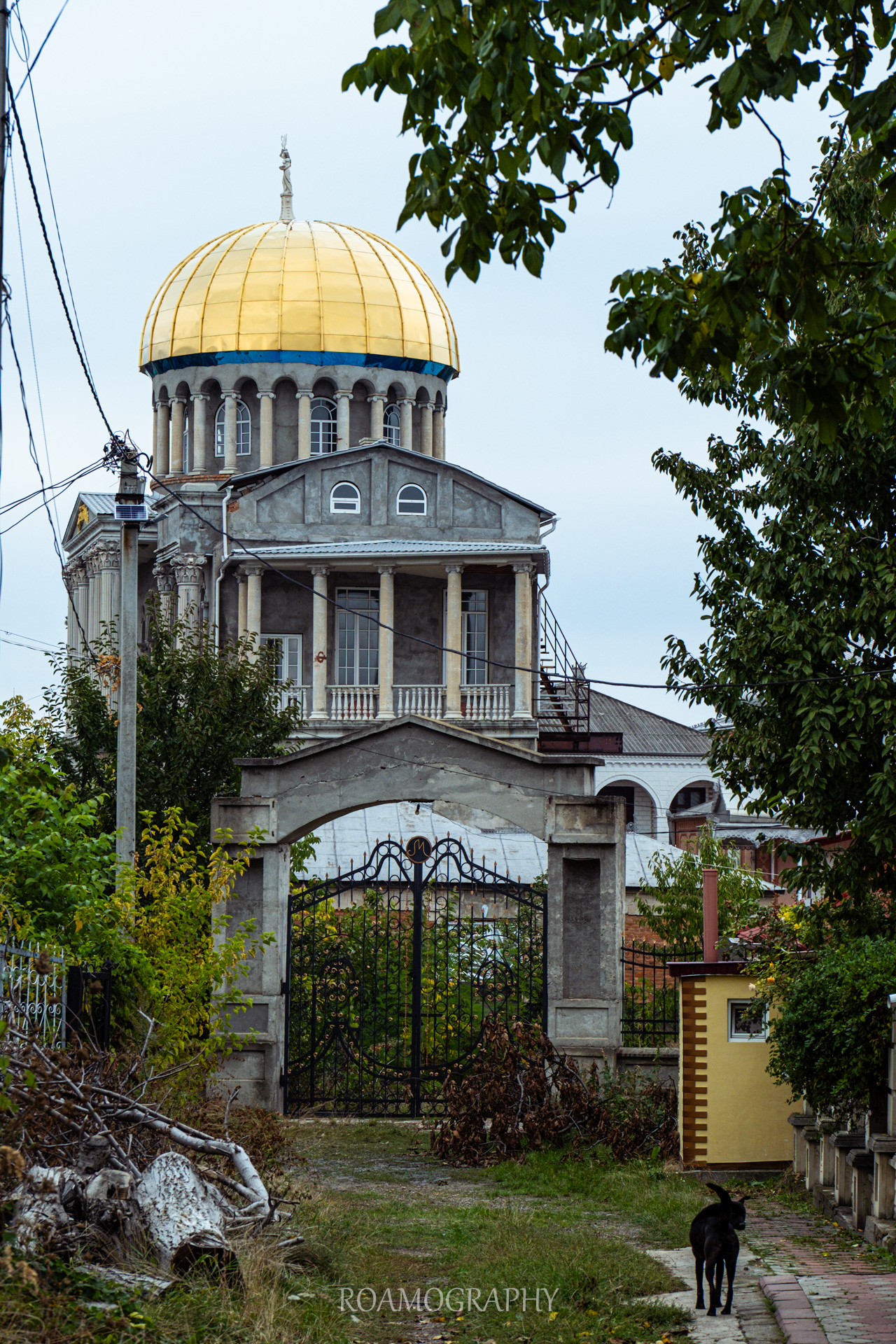
Leaving the separatist region behind, Soroca is also worth a visit—there’s a charming market, a fat little fortress, and “Gypsy Hill” with its unparalleled architectural frenzy (heaps of money were drowned building palaces after returning from working abroad; now these structures are often falling into ruin since the foreign eldorado ended).
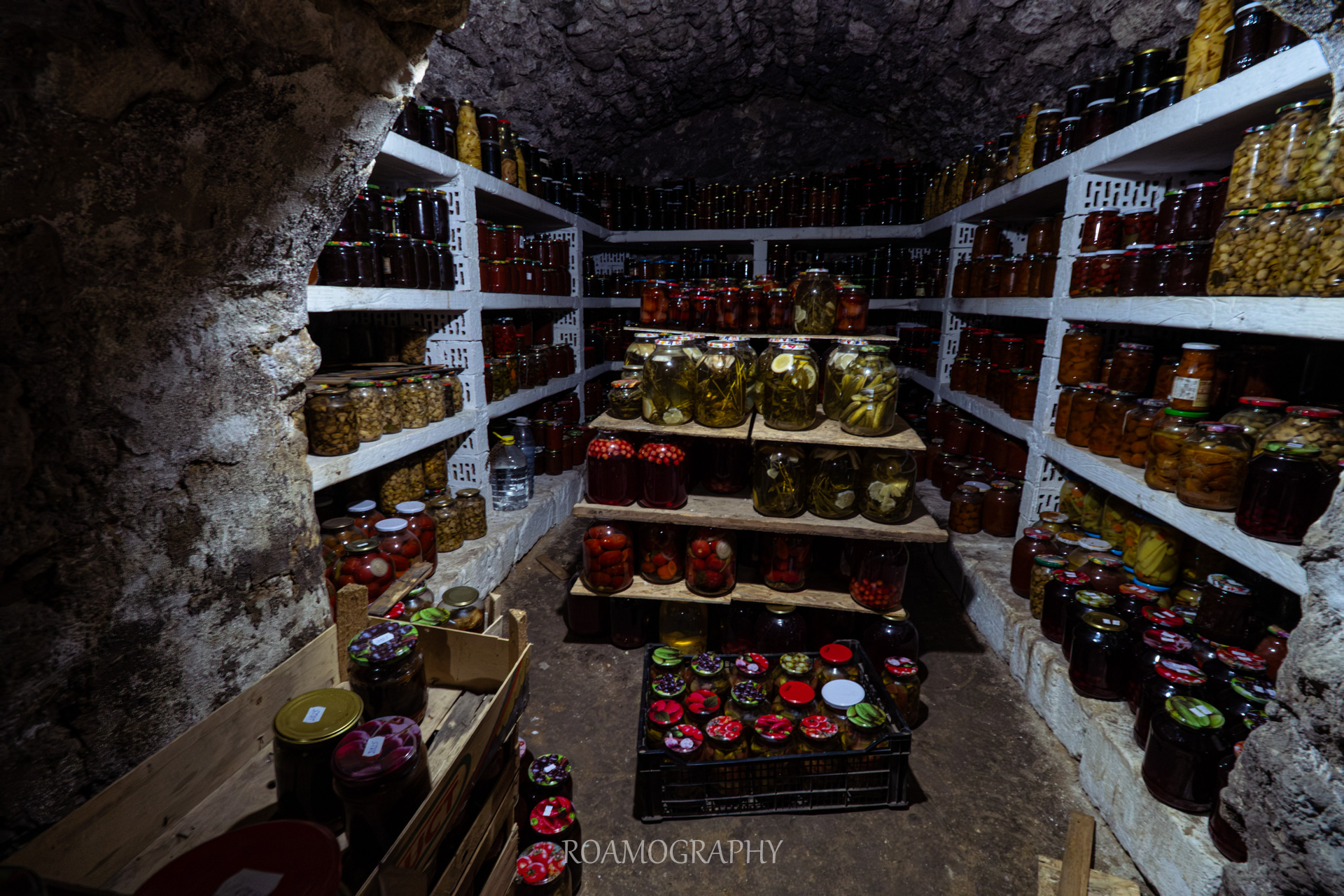
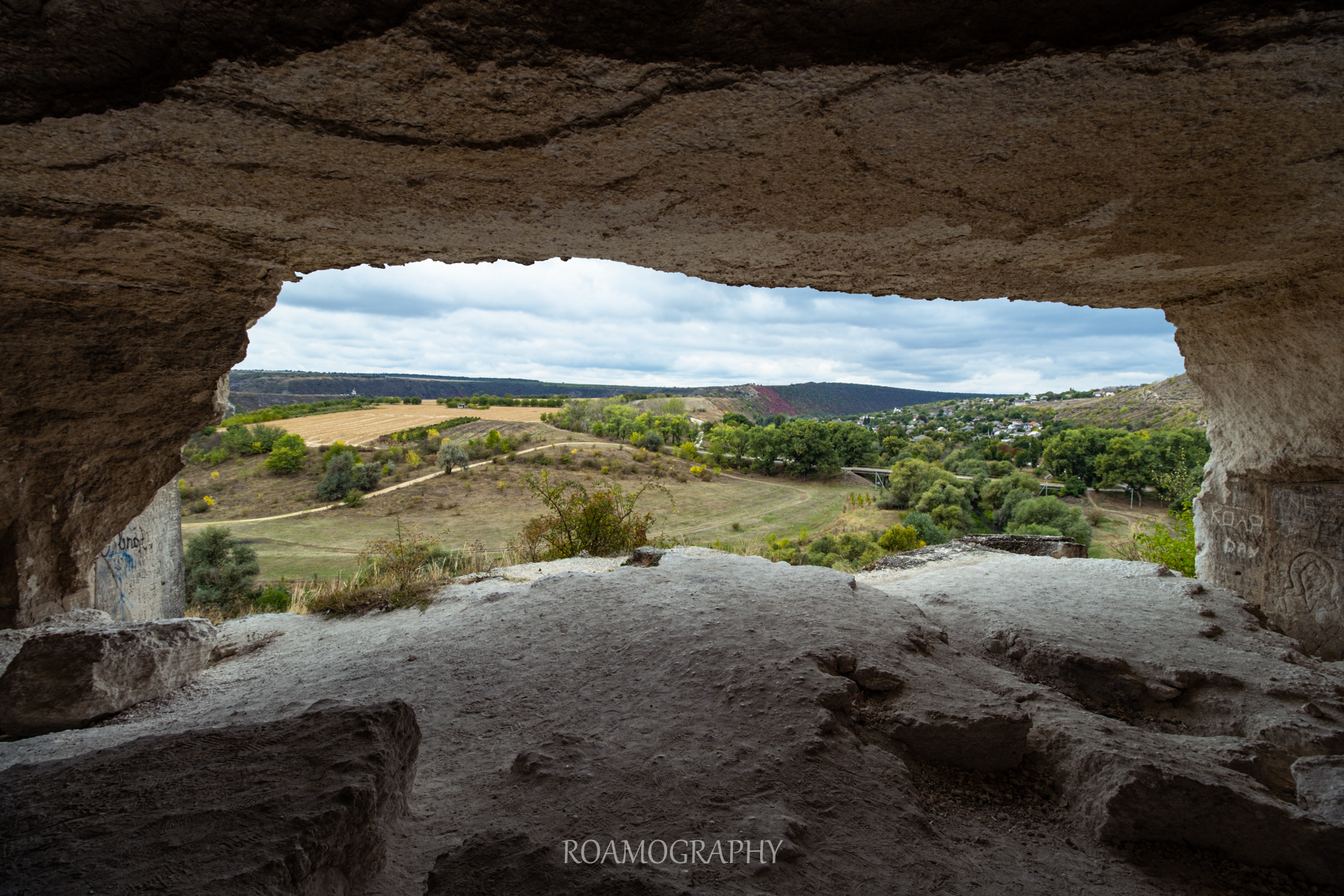
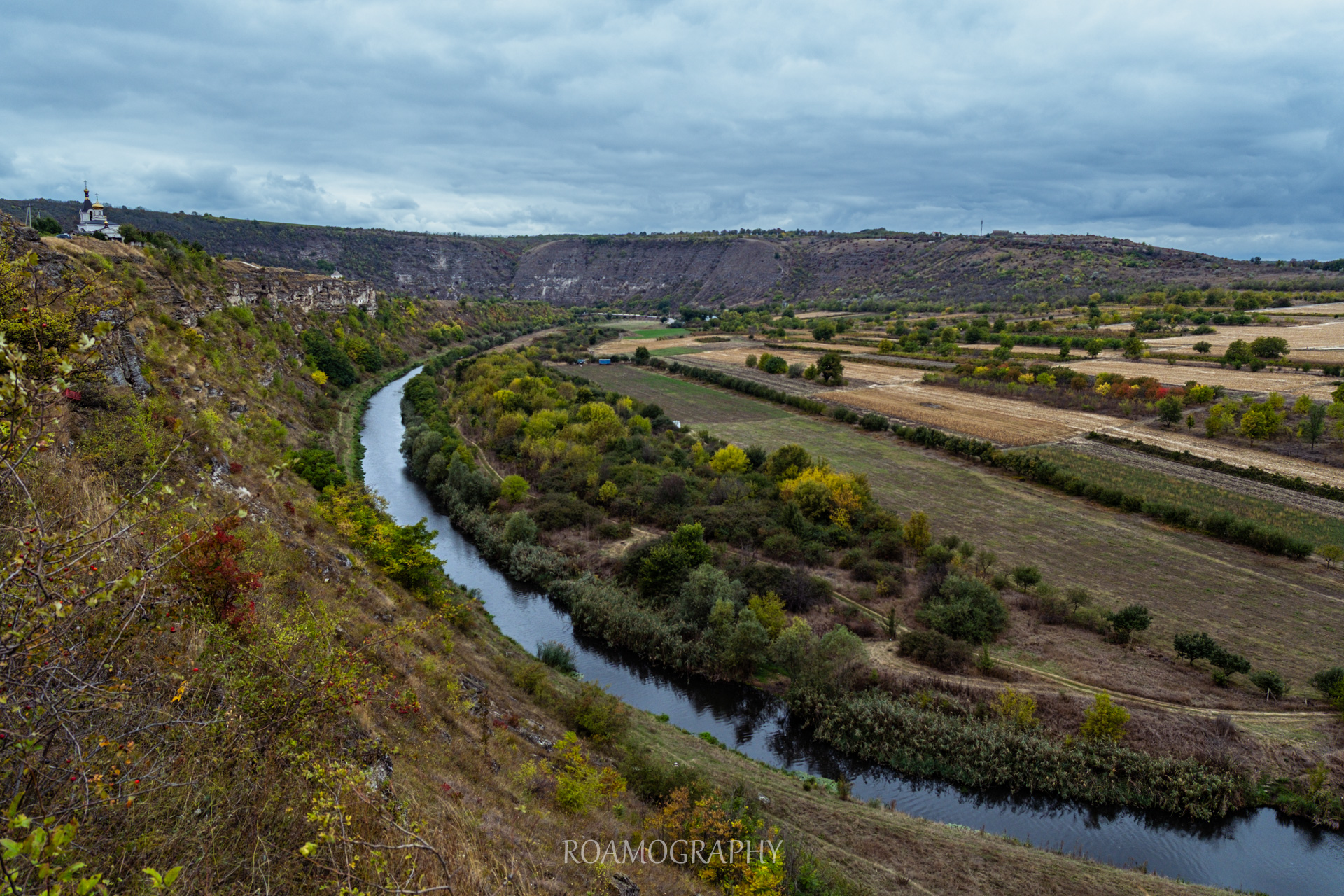
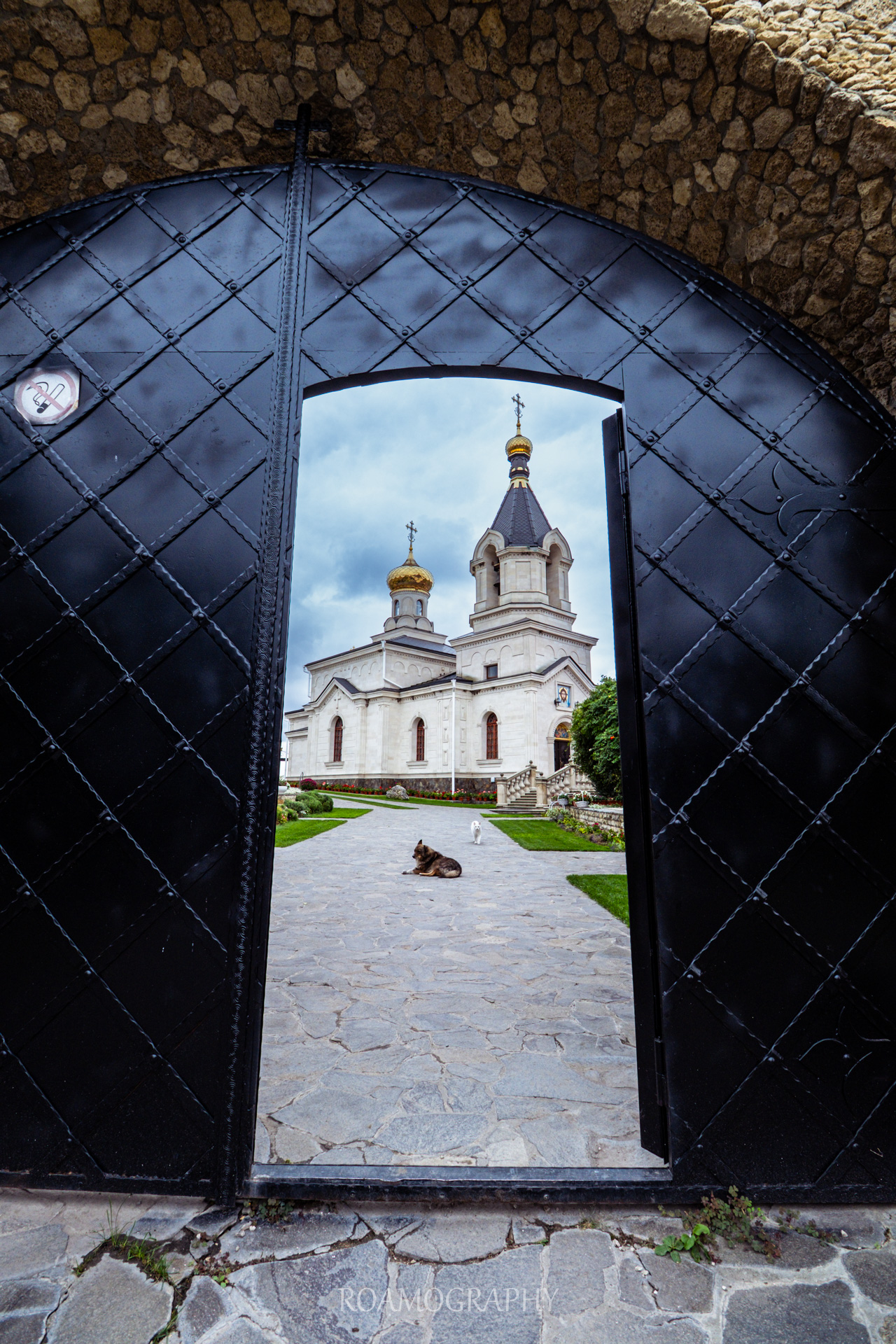
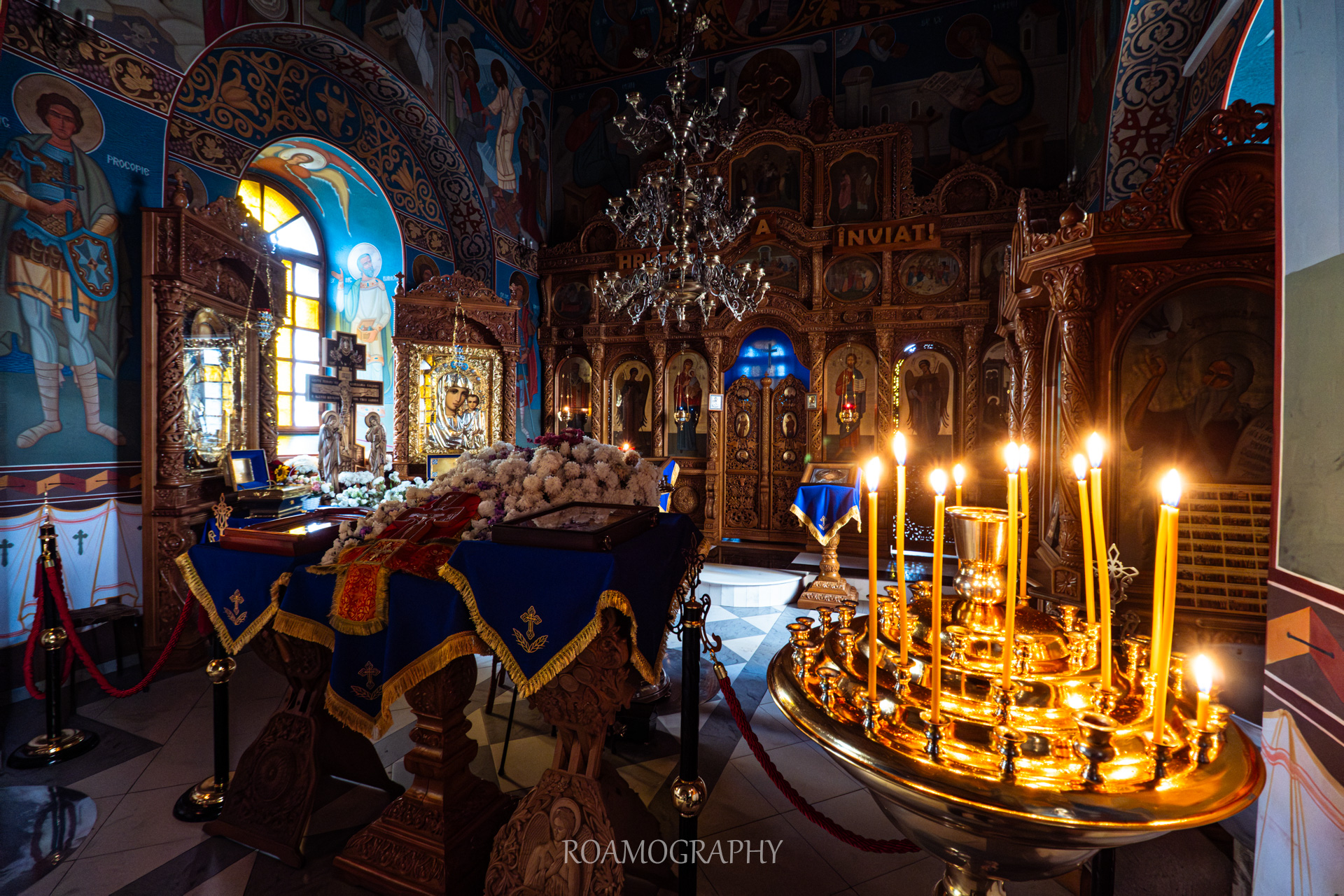
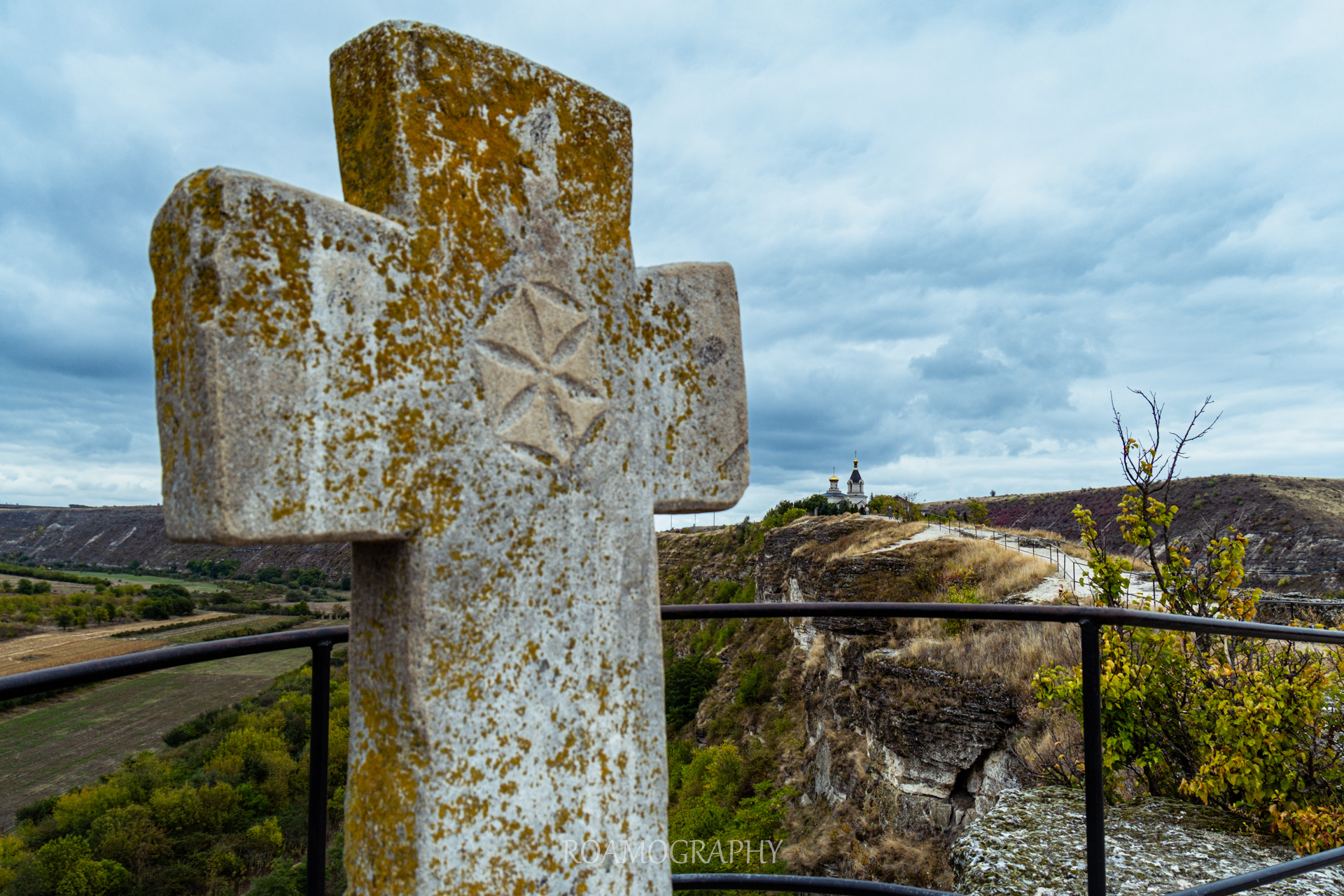
I recommend visiting Old Orhei with its charming little restaurants (opening their cellars wide, filled with jars of delicious pickles), and especially the nearby caves and the monastery carved into the rock. A very pleasant trek through what is a local scale natural wonder in the form of a cliff surrounded by a river.
And that’s the end of the attractions for this trip… There wasn’t enough time to visit many other towns and villages, monasteries and wineries that the country is known for (apparently some French grape varieties brought here took a real liking to the local climate).
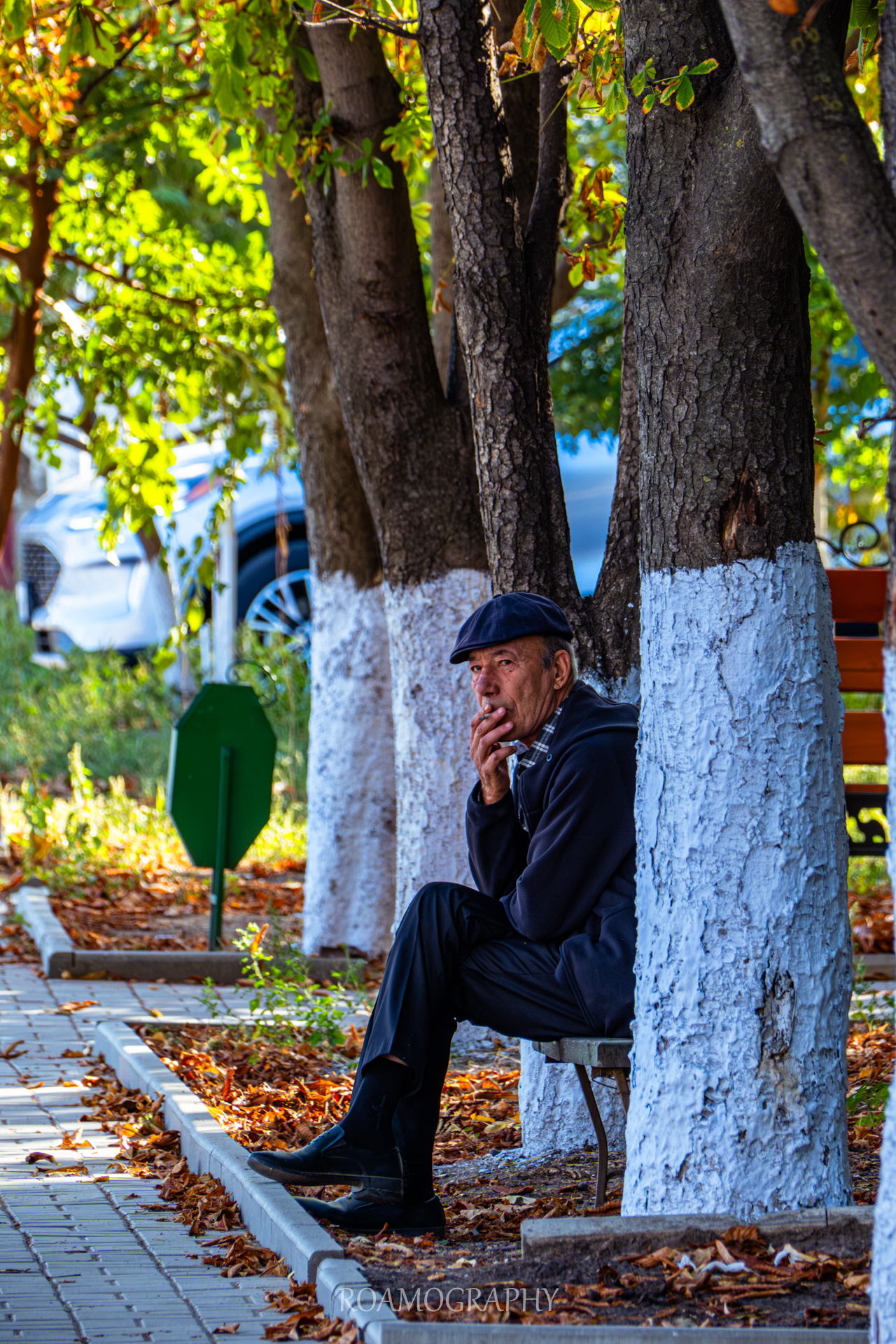
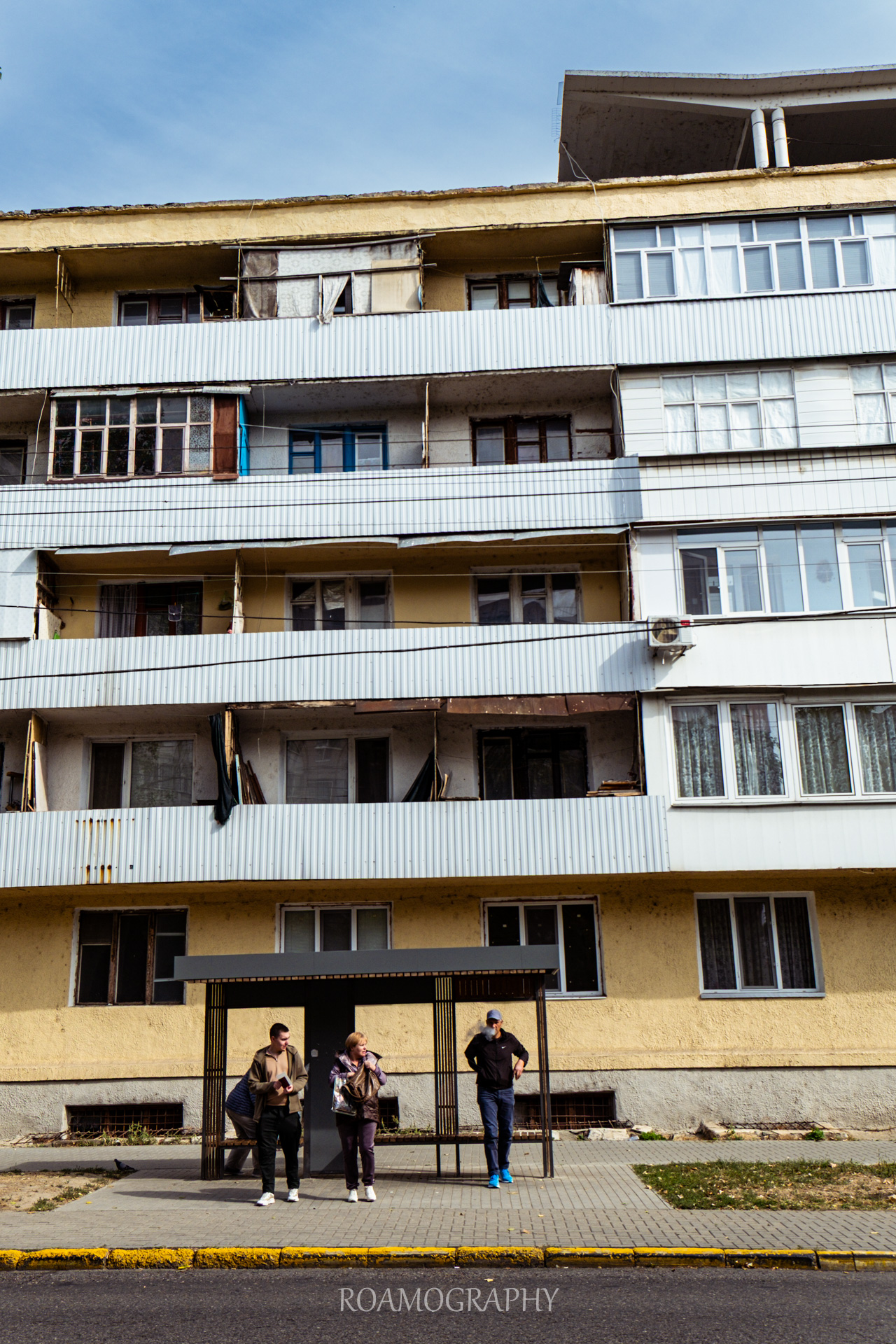
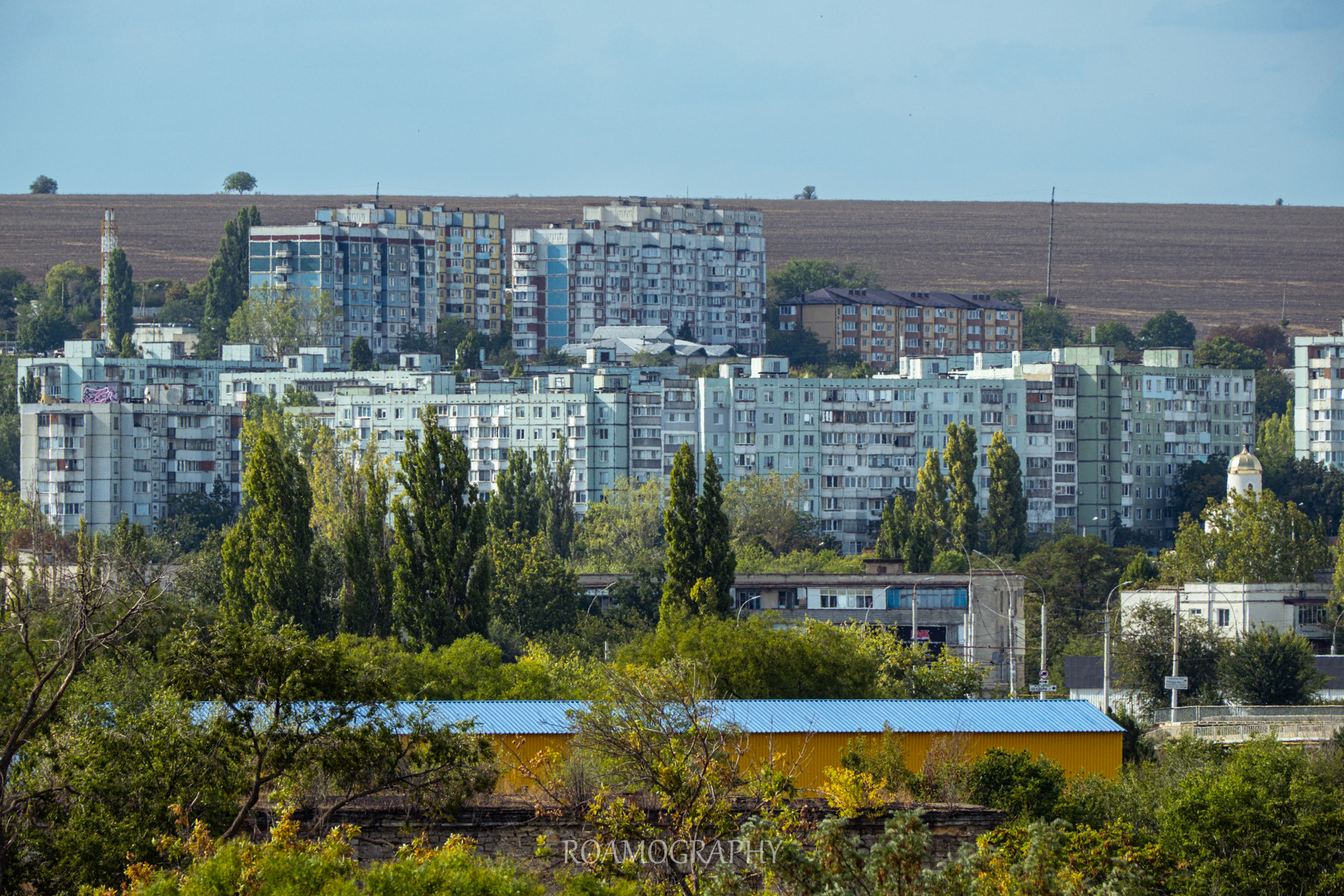
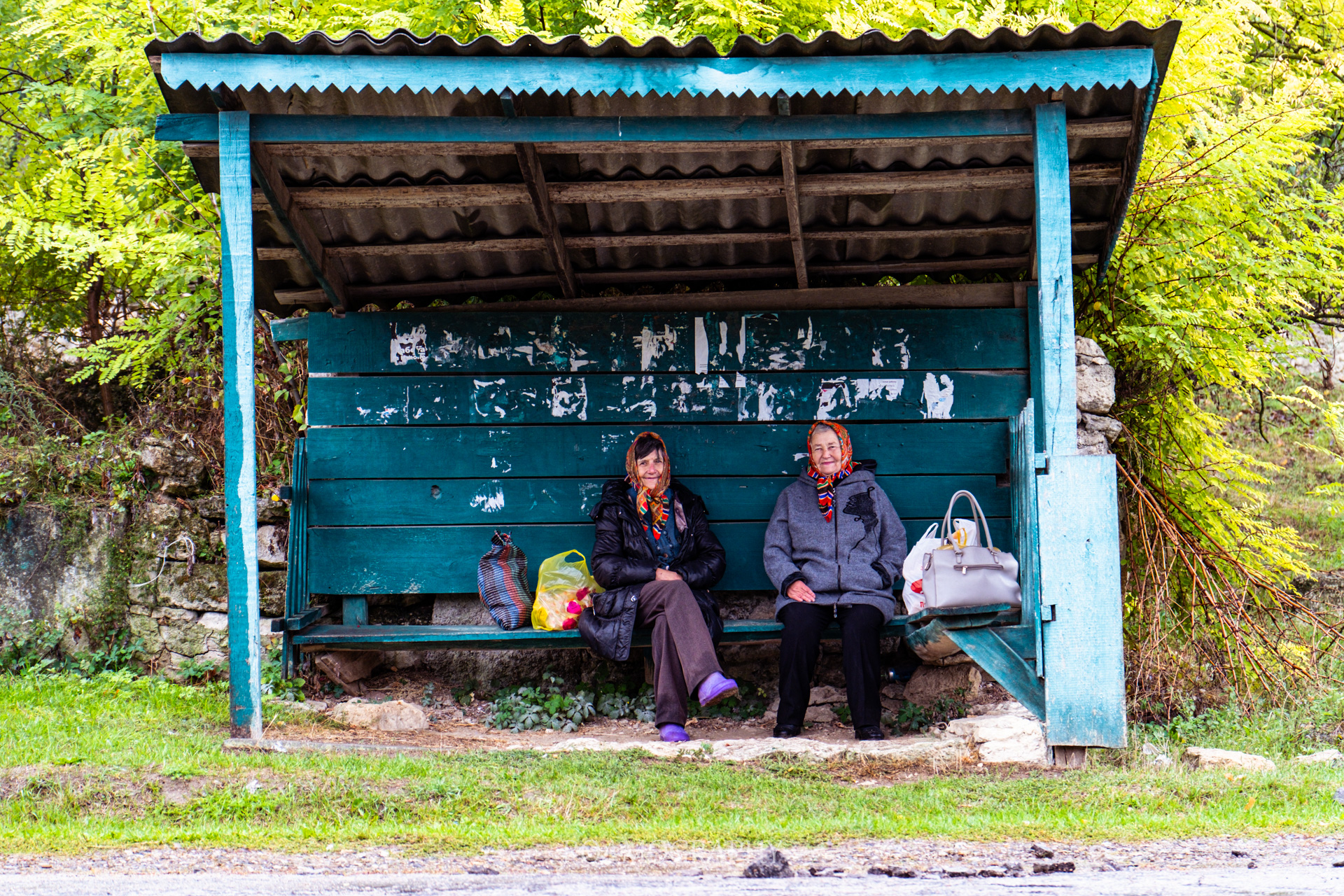
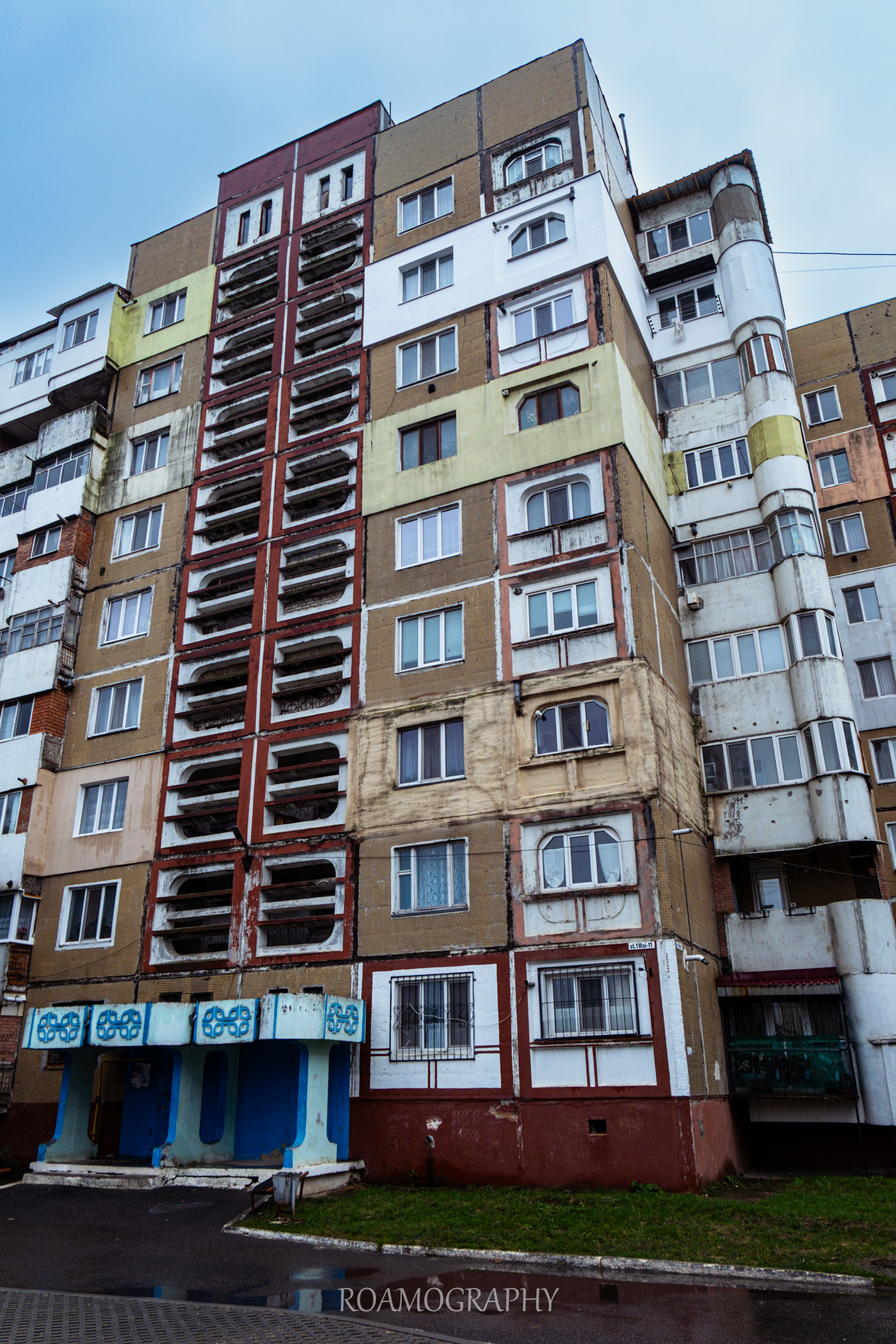
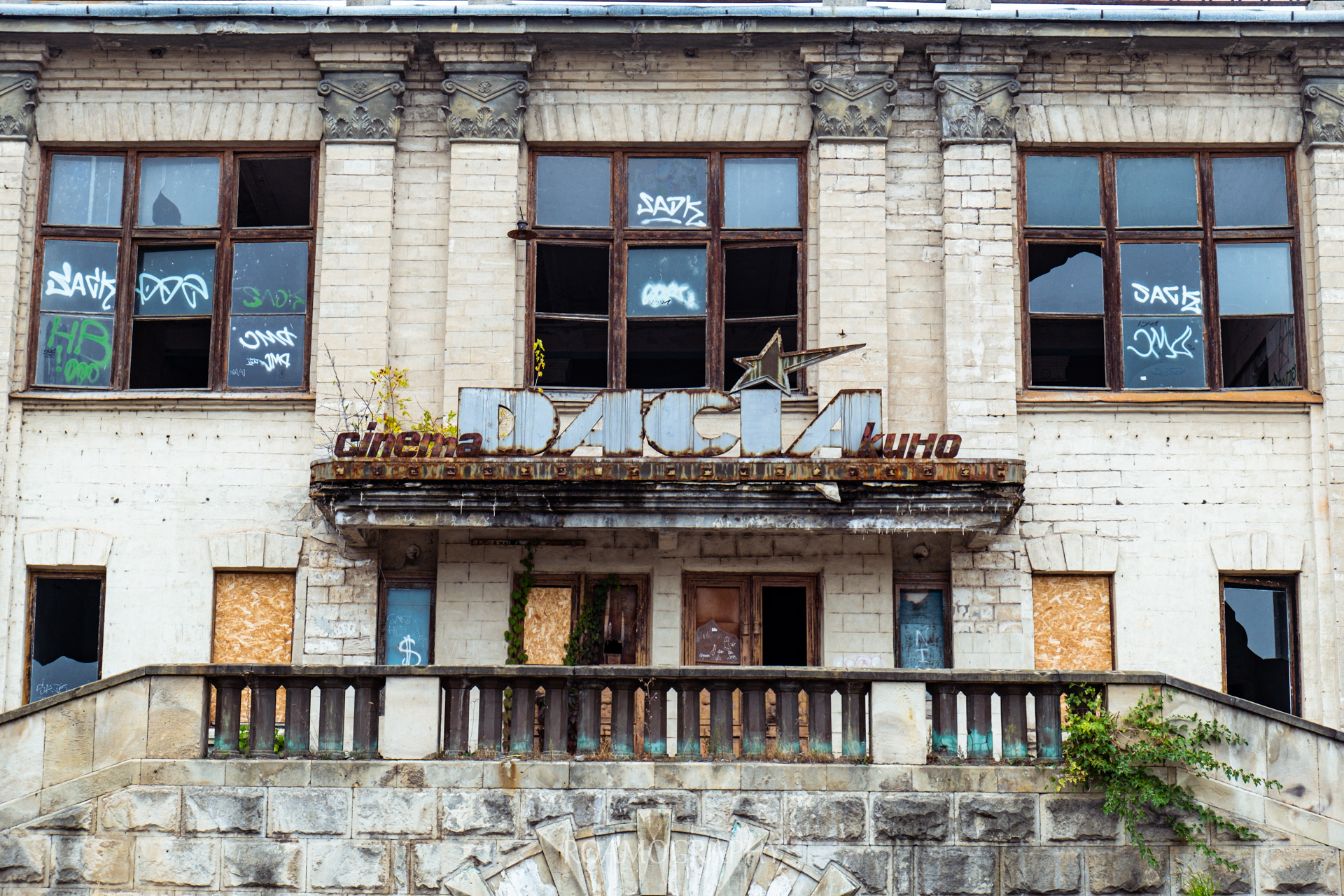
Conclusion? Moldova is a country that may not provide extreme thrills, but it allows for a journey through time (ah, those stays in Socialist-Realist apartments!); it is pleasant, calm, and friendly. It’s just that its placement on the map is so unfortunate…
//
Październik to w Mołdawii tradycyjnie czas Winobrania, hucznie obchodzonego w Kiszyniowie (a także Festiwalu Jabłka w Sorocy, którego data wciąż była przekładana, aż do wyparowania początkowo silnego zainteresowania u niżej podpisanego), a w tym roku również i czas wyborów parlamentarnych. Wybiła w nich opcja proeuropejska, ku rozpaczy mieszkańców dwóch autonomicznych regionów: Gagauzji i Naddniestrza. To szczególne enklawy kulturowe, przypominające o sile wpływów rosyjskiego (i radzieckiego) imperium w tych stronach, przesiedlającego na potęgę różne nacje na krańcach swoich włości i zaszczepiającego w głowach mentalność, która do dziś każe im spoglądać z większą tęsknotą na Wschód niż na Zachód.
Spośród tych dwóch regionów Gagauzja stanowi przypadek poniekąd bardziej egzotyczny ze względu na turkickie pochodzenie jej mieszkańców i język, którym się posługują (choć rosyjski jest tu również popularny, mołdawski zaś ma się tu raczej w tzw. głębokim poważaniu). To jednak Naddniestrze, pełne Rosjan i praktycznie wyłączone z mołdawskiej jurysdykcji, jest tym „ikonicznym” skansenem sowieckości, w którym życie toczy się w nieco innym wymiarze. Wszystko jest tu na swój sposób poukładane, ale w taki „alternatywny”, neo-związkowy sposób. Brak tu połączenia z międzynarodowym systemem bankowym, transport publiczny bywa nieogarnięty, a estetyka jest pokraczna – tableaux ze współczesnymi tytanami pracy, pomniki Wielkich Rosjan, dziecięce parki-koszmarki…
I jest tu jeszcze parę polskich wiosek, a nawet polski cmentarz w miejscowości Raşcov (Raszków), przypominający o skomplikowanej historii zarówno Mołdawii, jak i Rzeczypospolitej.
Zostawiając za sobą separatystyczny region, warto też odwiedzić Sorocę – jest tu i urokliwy targ, i sympatyczna twierdza. Jest też Cygańskie Wzgórze z niedoścignionym rozpasaniem architektonicznym (pałace tworzone w amoku po powrocie z saksów, obecnie często popadające w ruinę odkąd zagraniczne eldorado się skończyło).
Zalecam odwiedzić Stary Orhei z jego urokliwymi restauracyjkami (otwierającymi na oścież swoje piwniczki wypełnione słojami z przepysznymi kiszonkami), a przede wszystkim pobliskie jaskinie i monastyr wykuty w skale. Bardzo przyjemny trekking po czymś na kształt lokalnego cudu natury w postaci skarpy okolonej rzeką.
Wnioski końcowe? Mołdawia to kraj, który może i nie zapewnia ekstremalnych wrażeń, ale za to zabiera w podróż w czasie (ach, te noclegi w socrealistycznych mieszkaniach!); jest tam przyjemnie, spokojnie i przyjaźnie. Tylko to niefortunne umiejscowienie na mapie…